


Have you ever heard about Mint error coins?
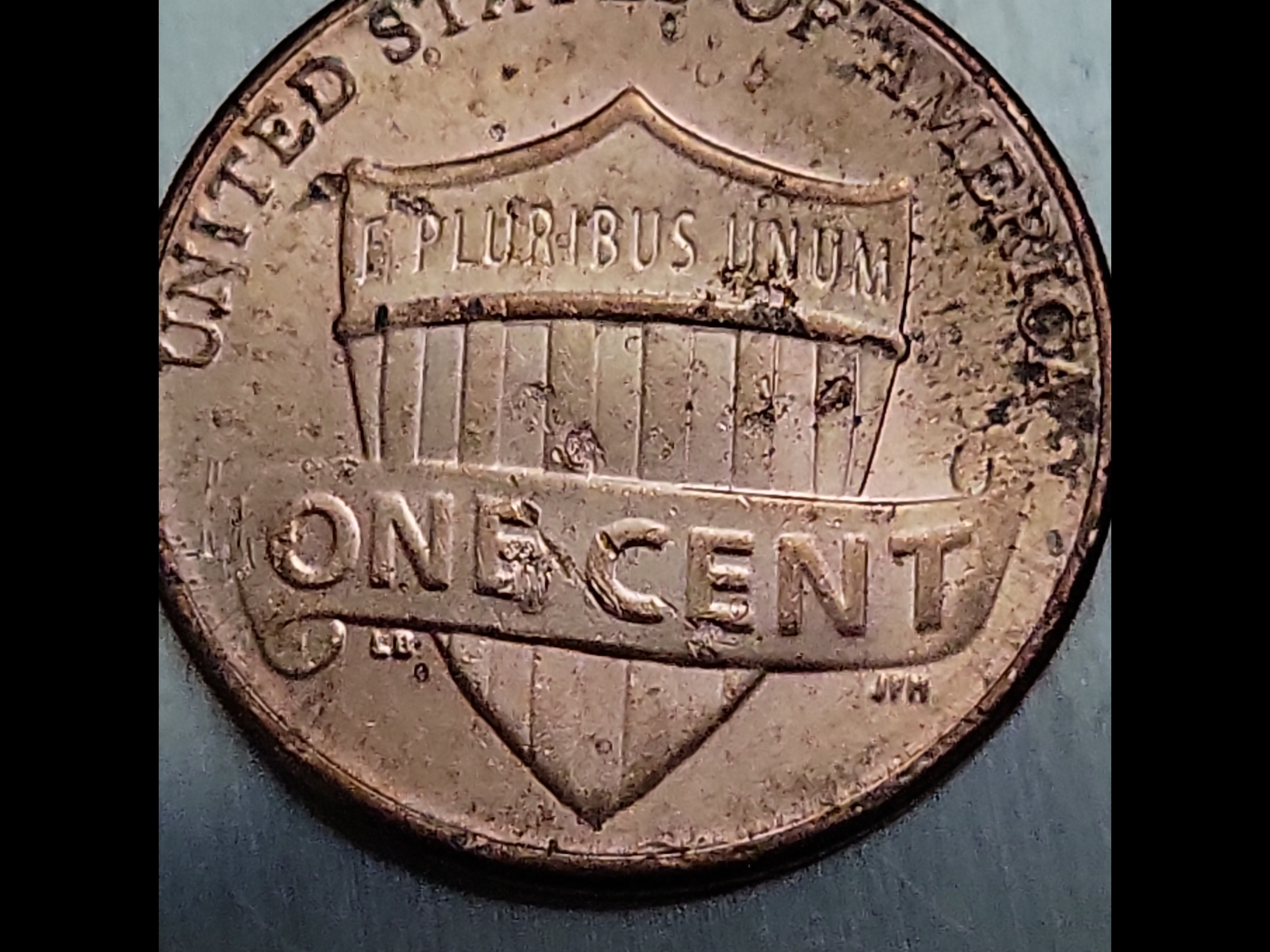
Simply put, they are error coins that are Mint-made mistakes. Sometimes coin mistakes manage to escape the presses, and when they do they become collectible items!
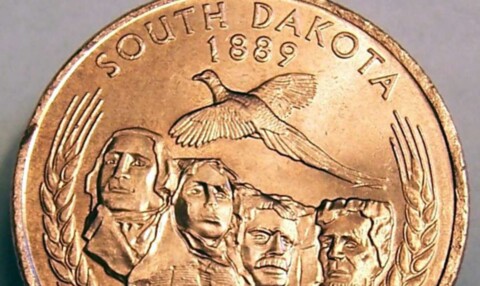
Compare this to post-Mint errors — which are coins that were altered after leaving the U.S. Mint facility, and they’re not worth as much.
With an error coin, some time during the process of creating the coin at the U.S. Mint, a mistake was made affecting the “look” of the coin.
There are many types of coin mistakes!
Today, I’m going to share with you 3 different U.S. Mint error coin lists that you’ll want to save and refer to often:
- The most common U.S. Mint error coins that are relatively easy to find
- Rare U.S. Mint error coins that are more difficult to find (and usually more valuable)
- U.S. Mint error coins by denomination, from pennies through dollar coins
The most exciting thing about common Mint error coins is that they can often be found in circulation. That’s right… so start looking through your spare change for these coin mistakes!
And the most exciting thing about rare Mint error coins is their value! They are often worth hundreds — even thousands — of dollars.
So yeah, I definitely think that coin errors are fun to collect!
Now let’s get to those lists I promised you…
LIST #1: Common U.S. Mint Error Coins
Error coins as a category are usually divided by the type of error — of which there are several.
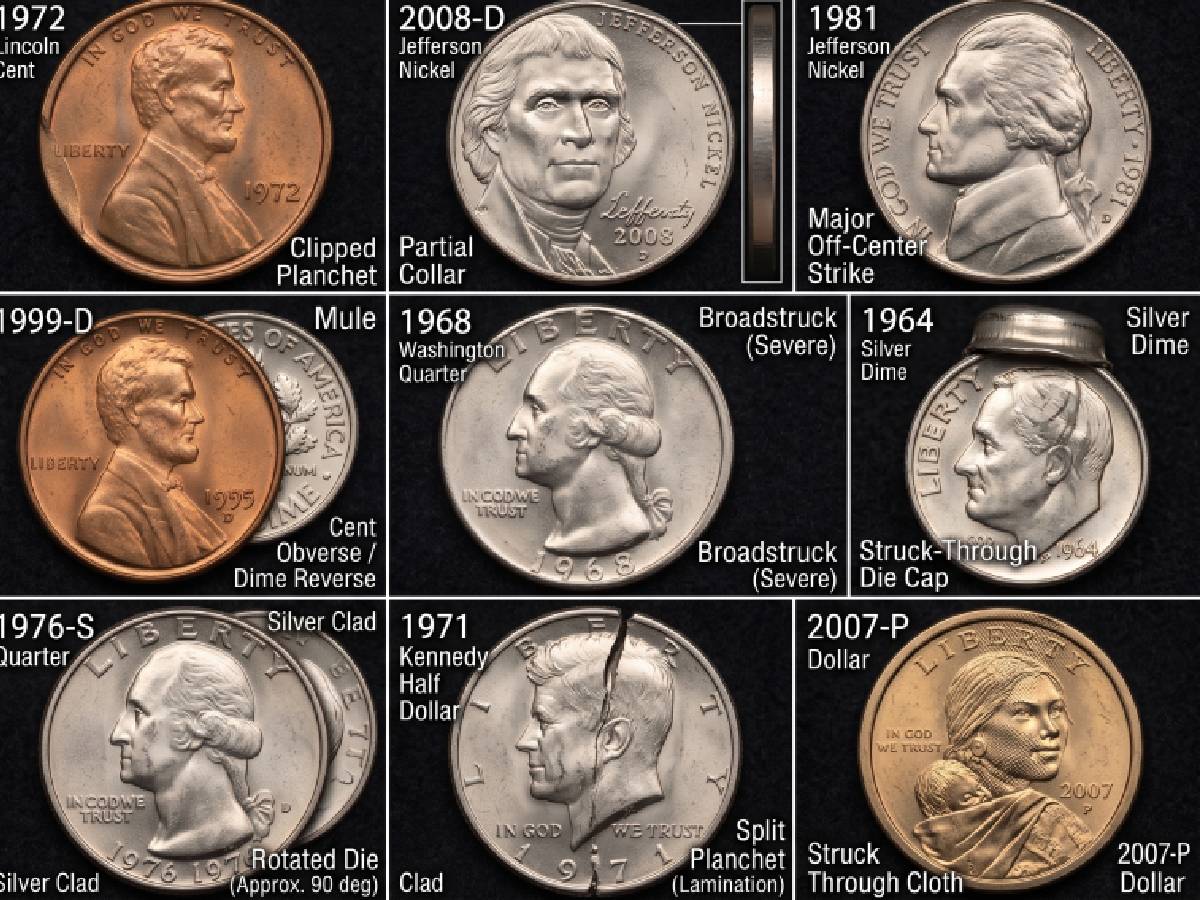
Keep in mind, the following list of common U.S. Mint error coins is by no means exhaustive. There are literally dozens of recognized errors. The ones mentioned here are major error types. I’m sharing them here to help introduce you to the larger realm of error coin collecting.
These are some of the relatively common error coins that you could actually find in pocket change:
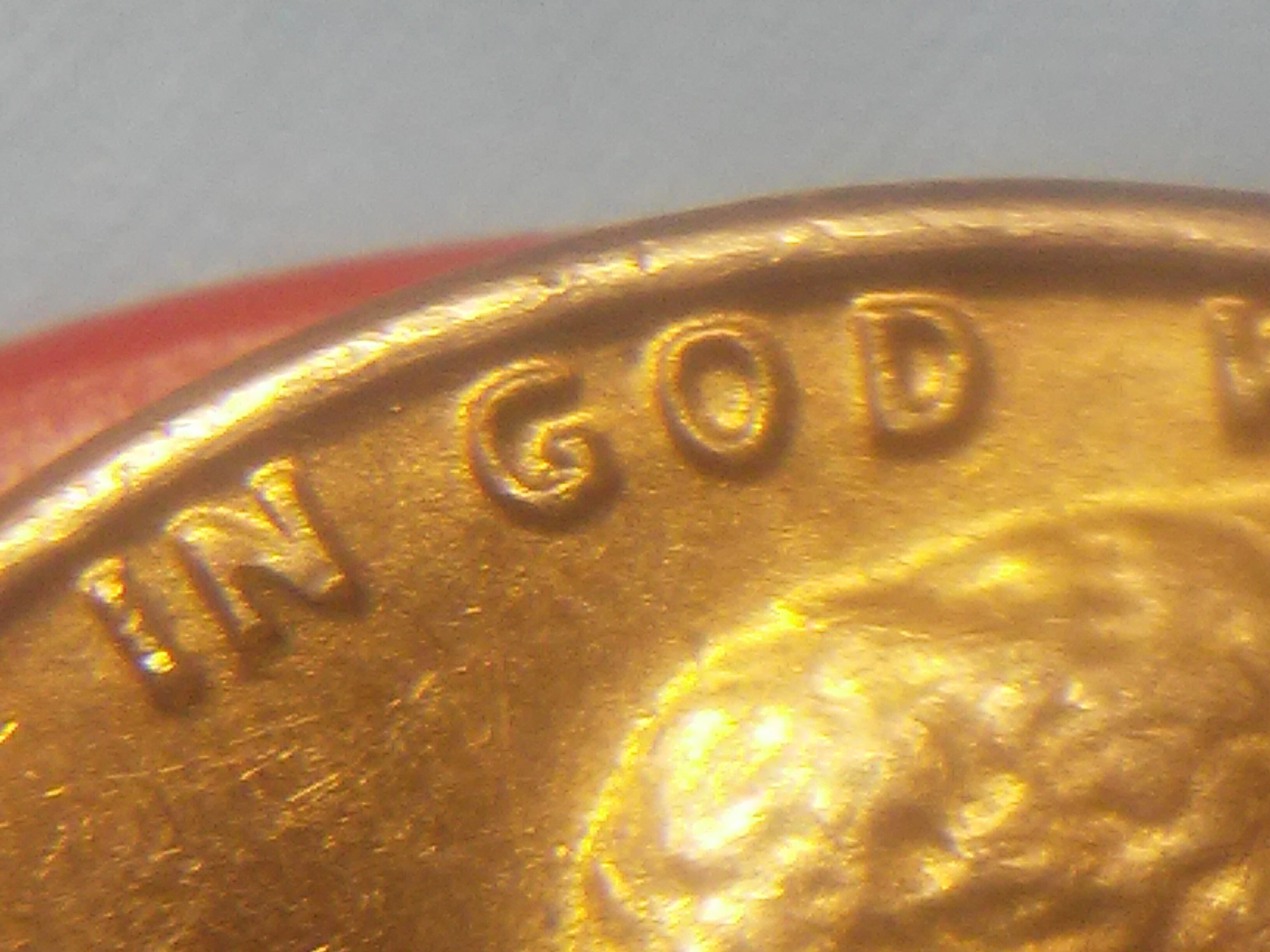
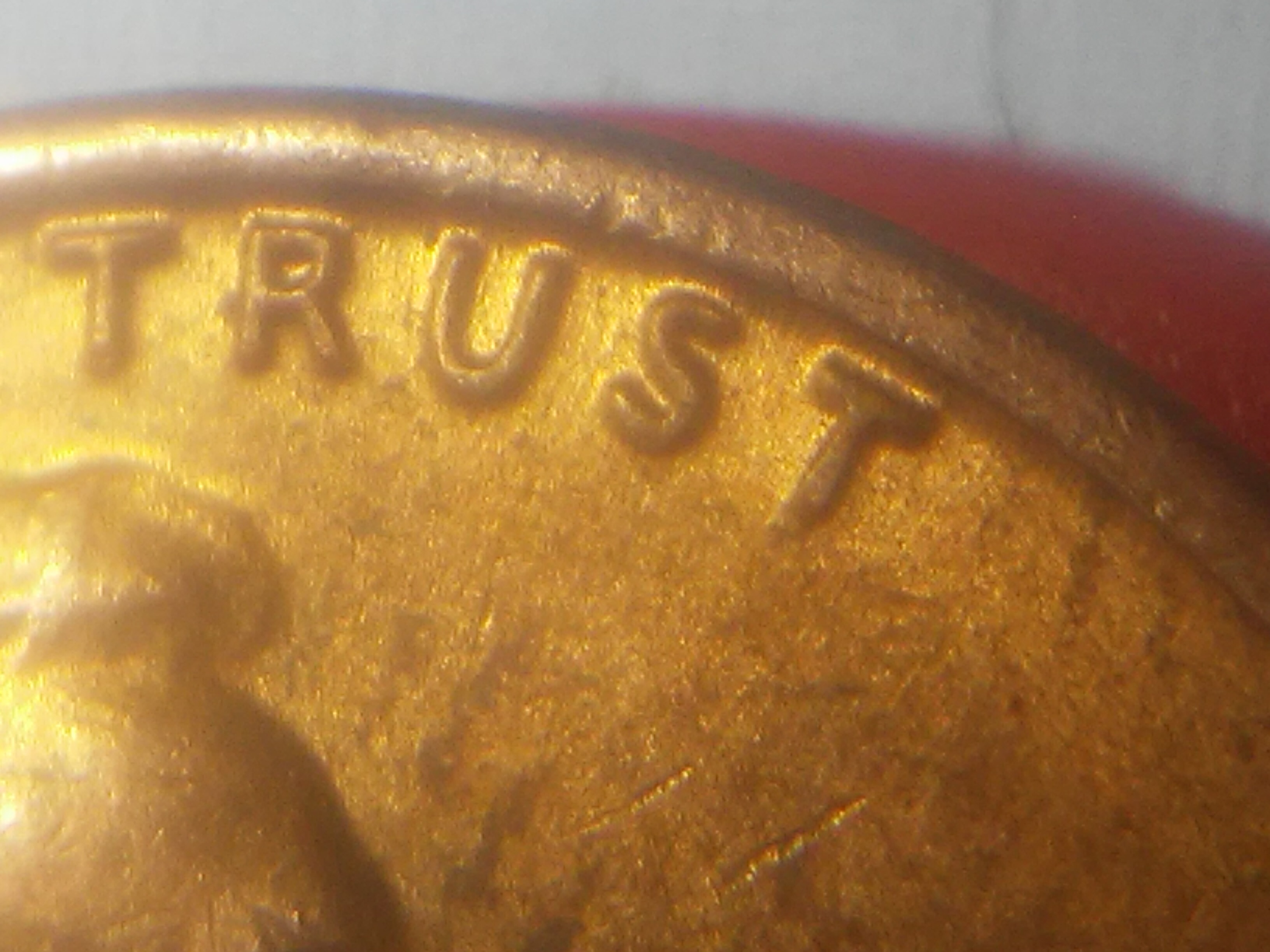
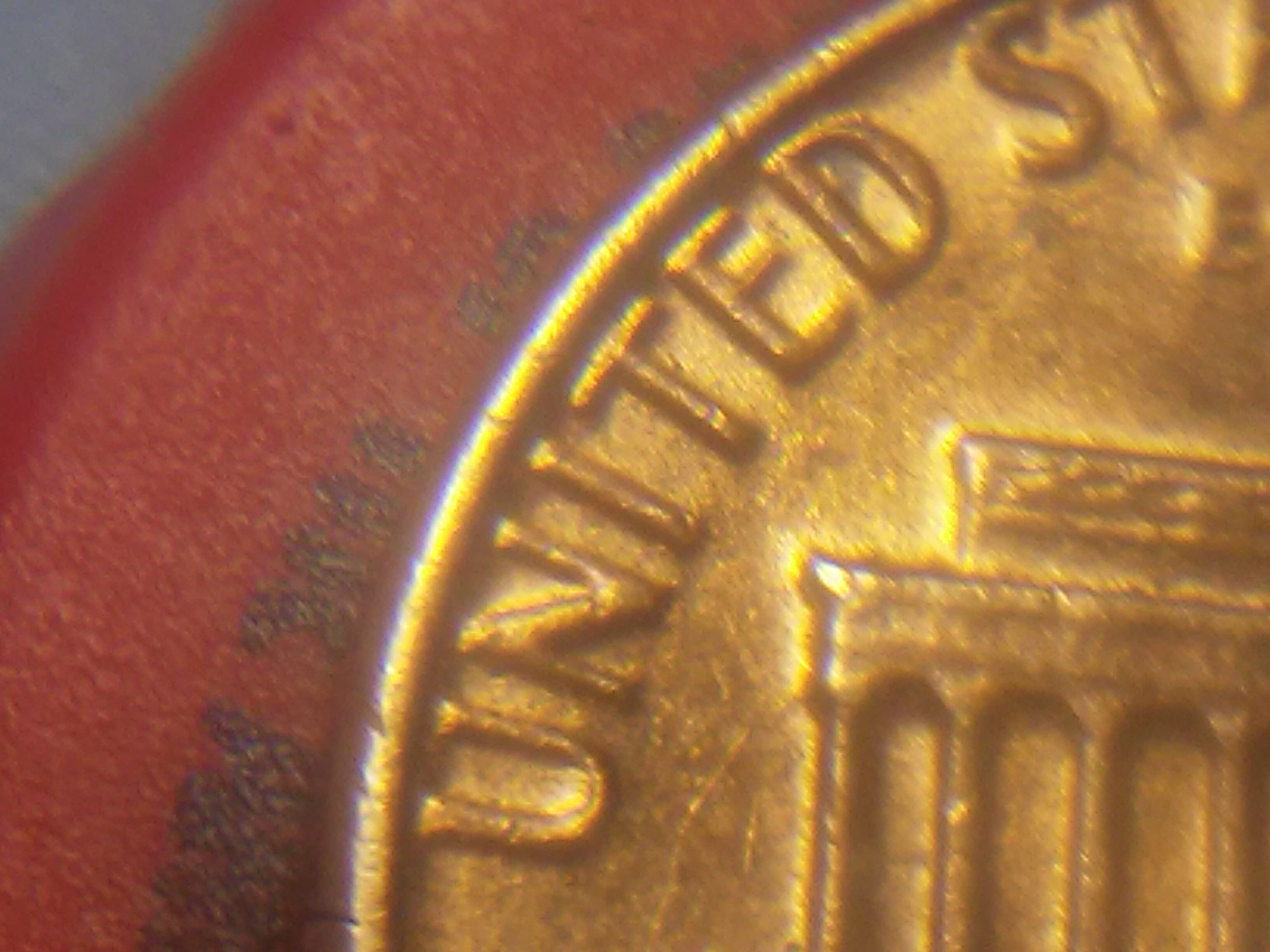
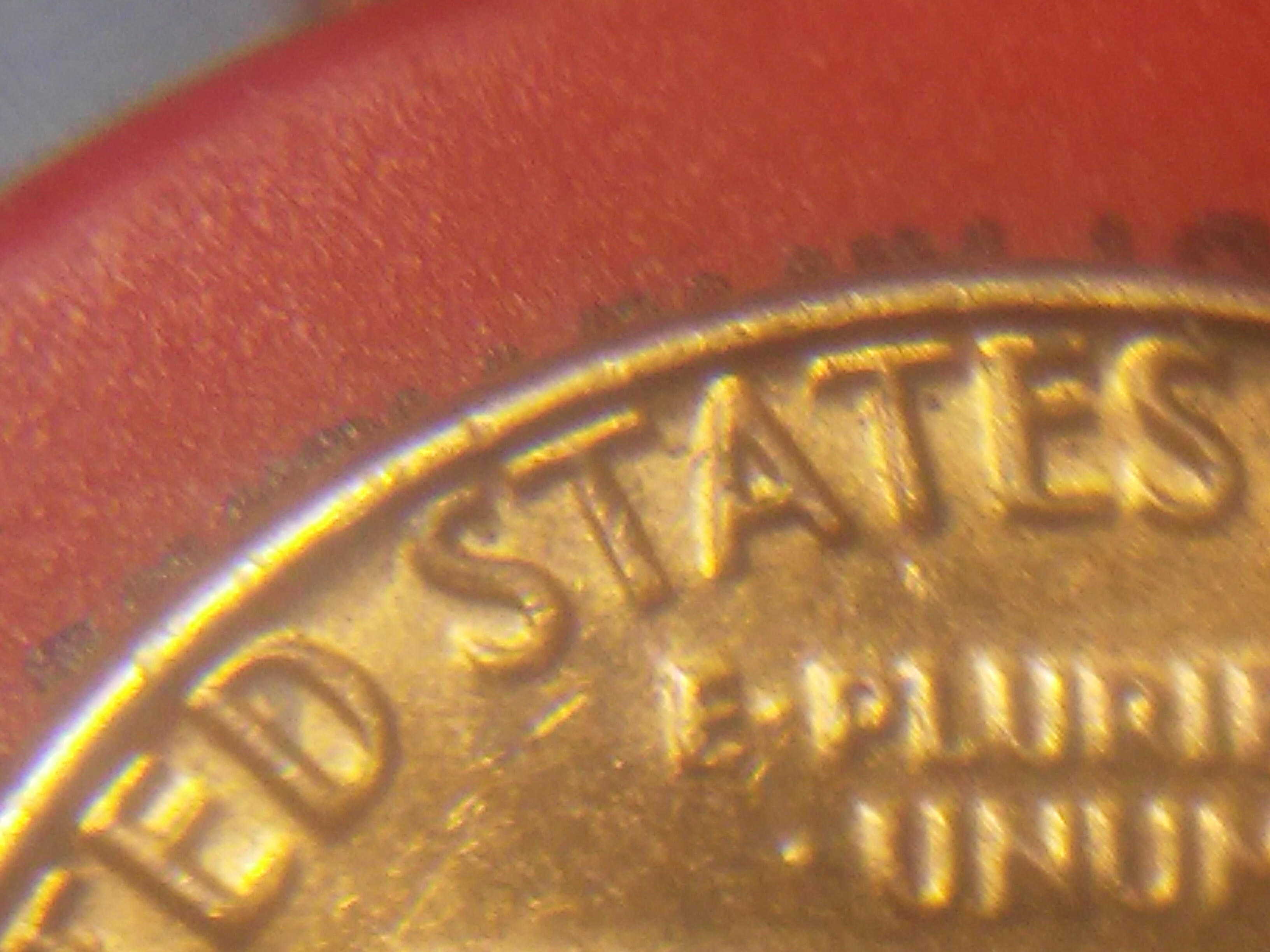
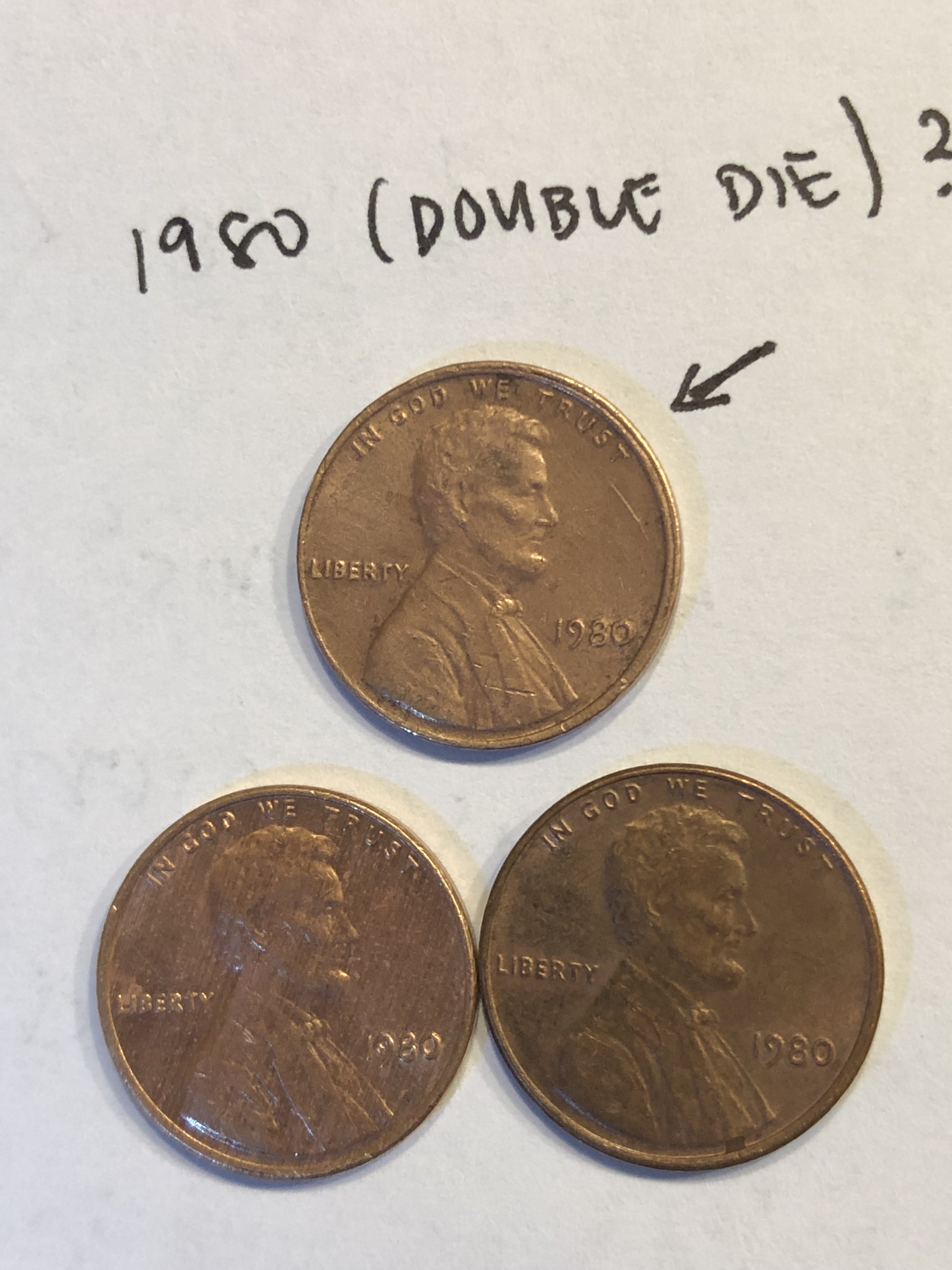
#1 – Doubled Die Error Coins
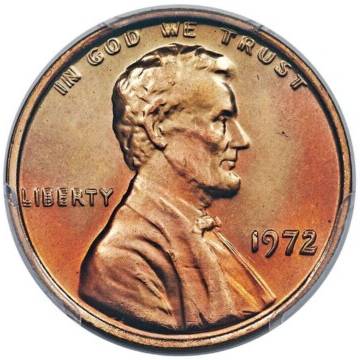
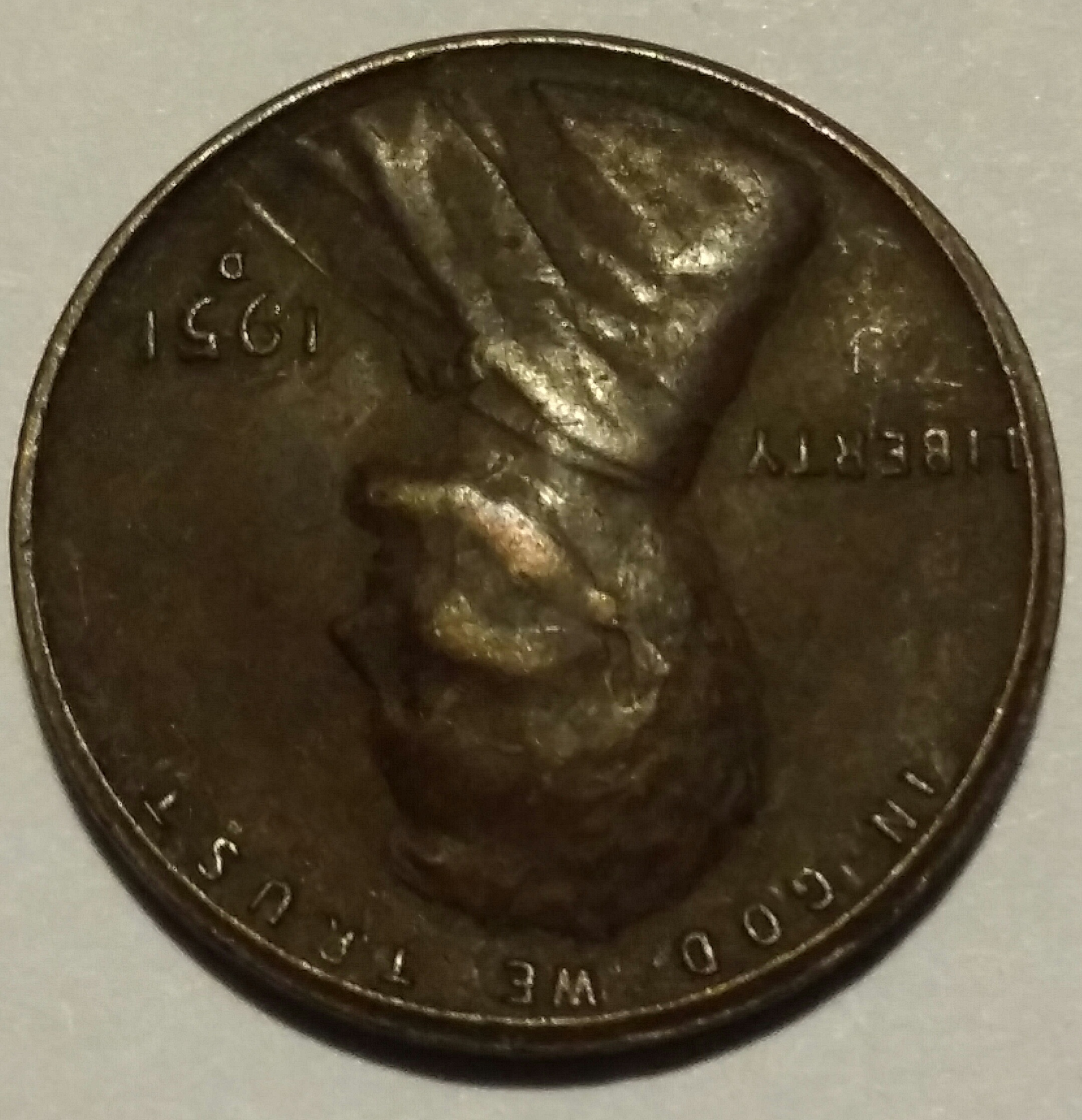
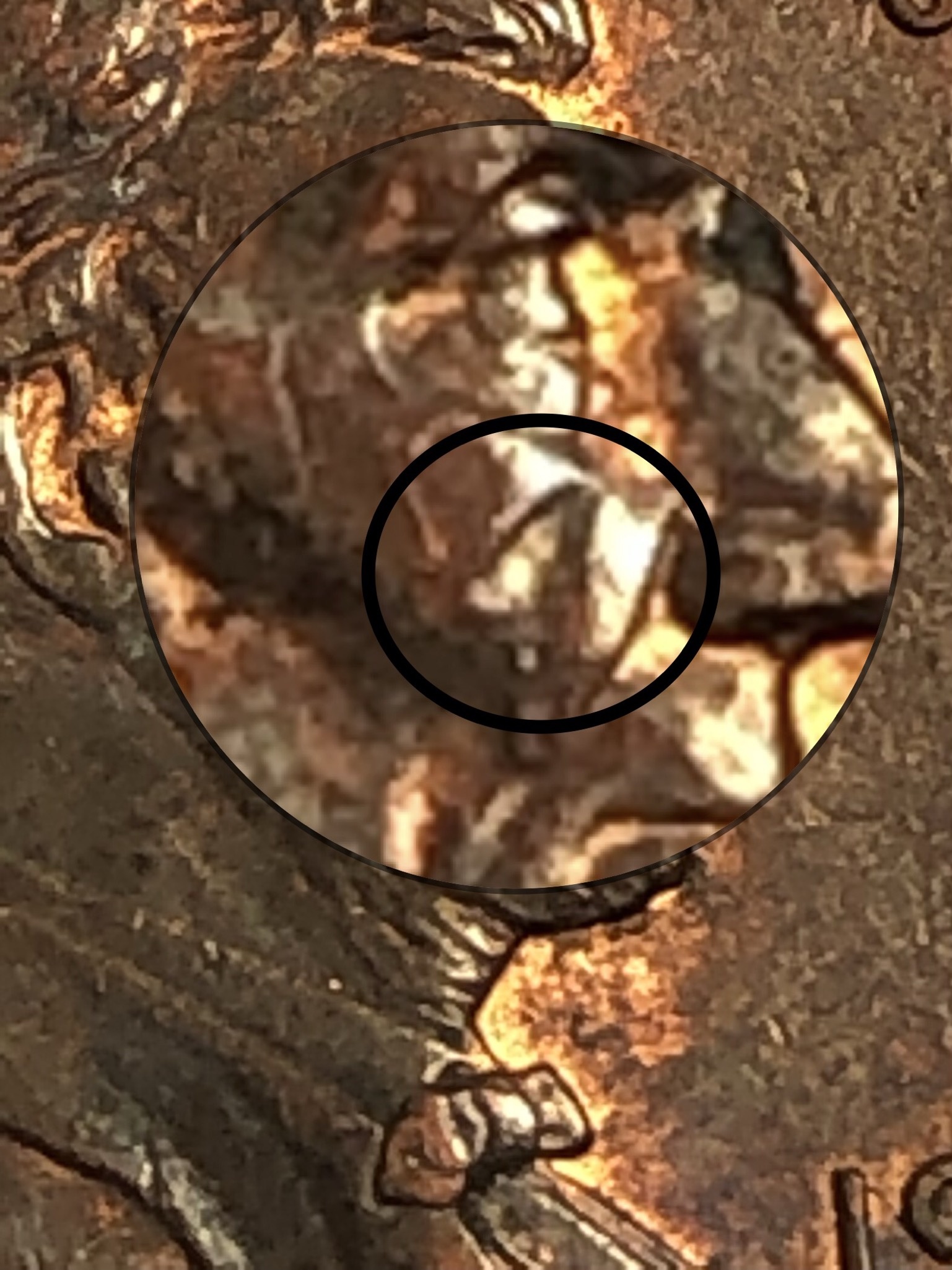
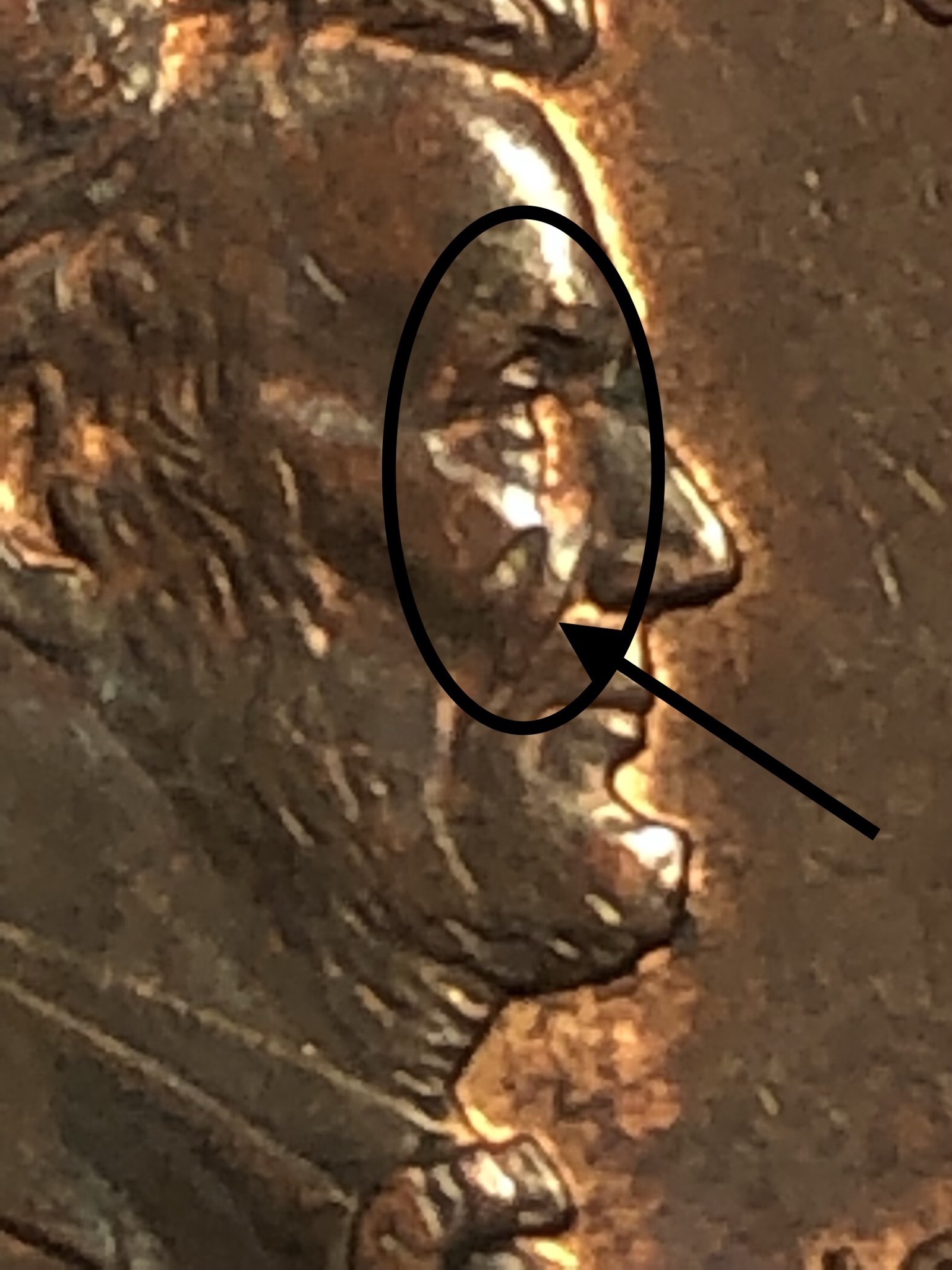
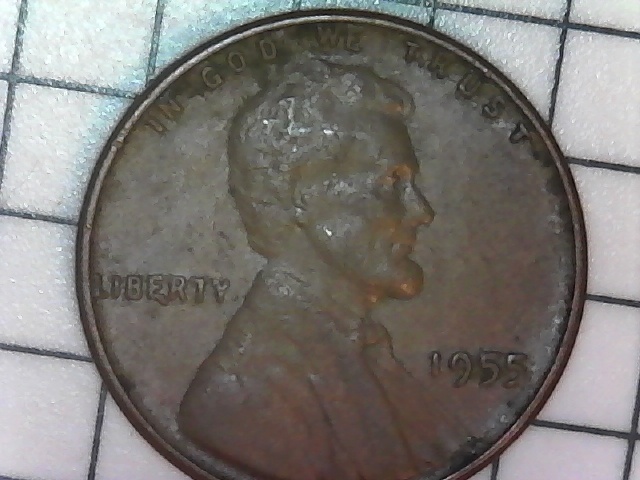
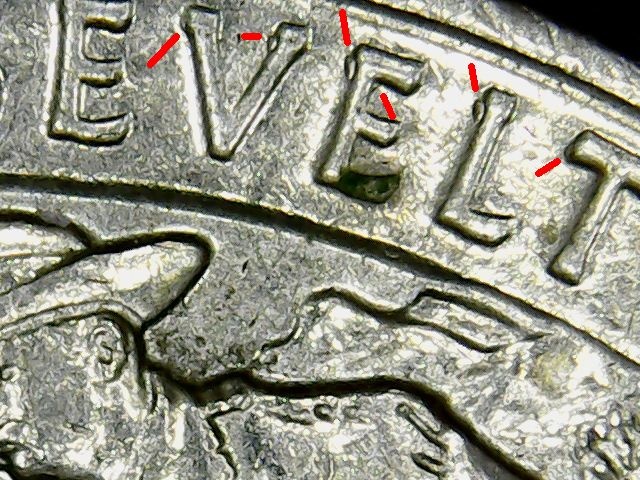
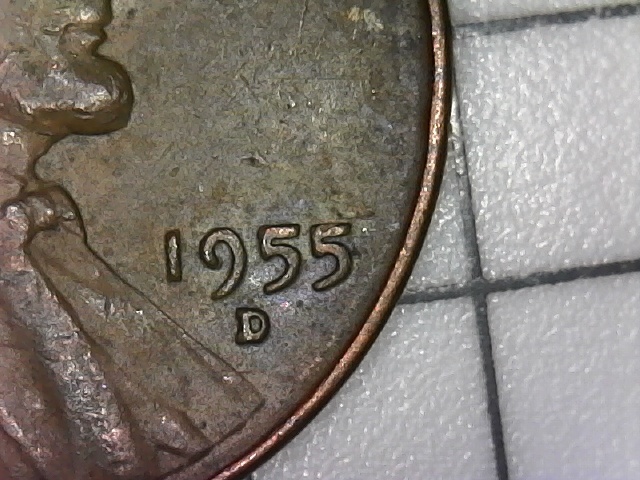
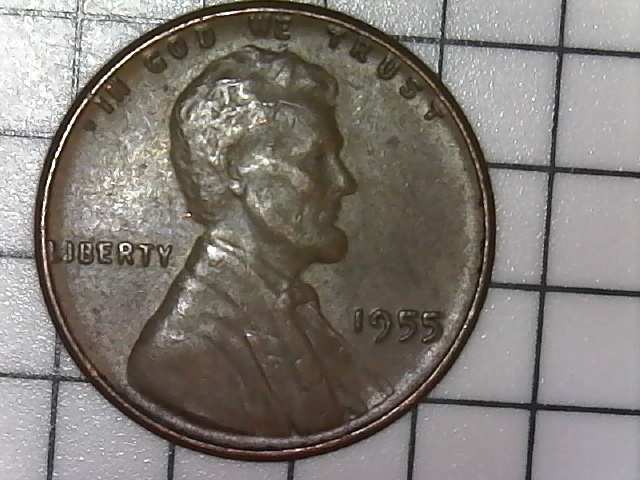
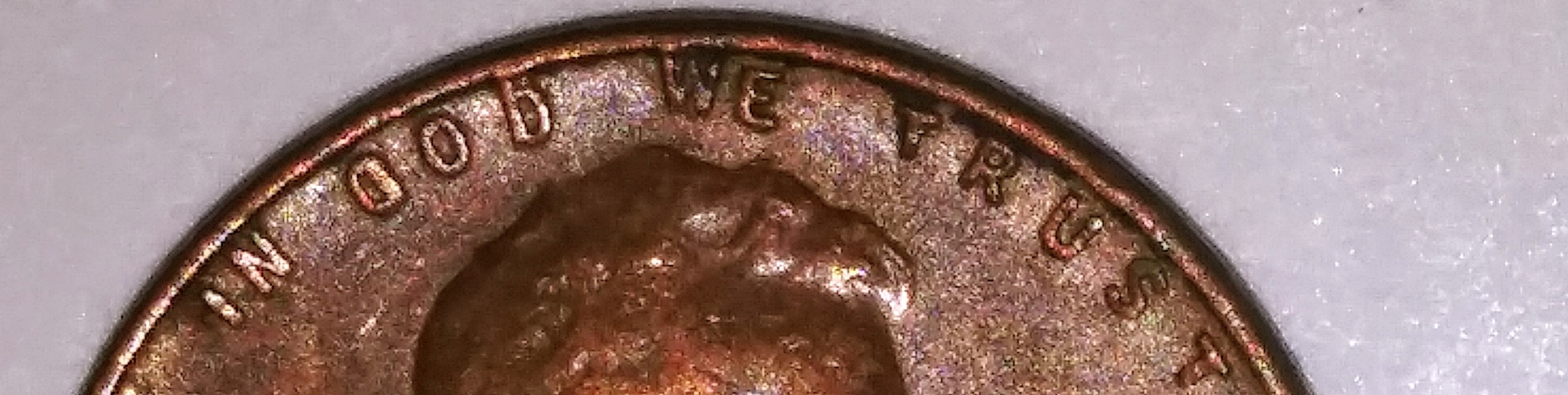
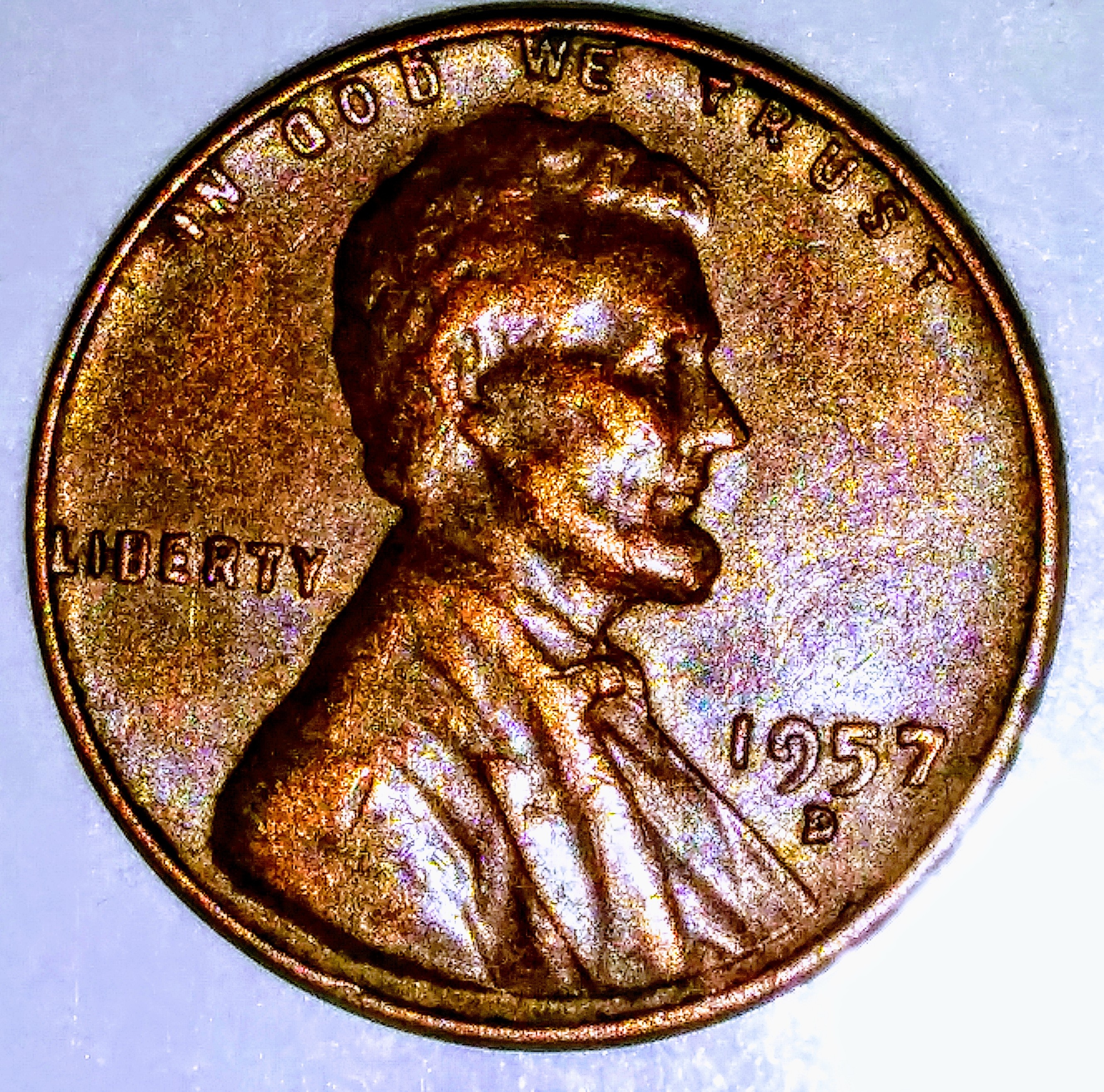
Doubled dies are one of the most popular types of coin errors. A doubled die refers to the doubling of all or part of the image on a coin. Typically, the doubling is confined to one side of a coin, and it’s normally best seen in the lettering of a coin. However, parts of the design image can also show doubling effects, if the doubling is prominent enough. One of the most famous coin mistakes of all time is the 1955 doubled-die penny. Worth around $1,200 in well-worn condition, it’s been drawing mainstream attention for over 50 years! Generally speaking however, most doubled dies are worth $20 to $50 and up.
See How Much Doubled Die Error Coins Are Worth
#2 – Blank Planchet Error Coins
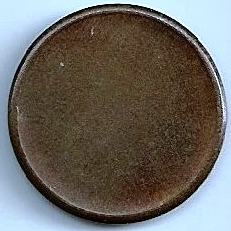
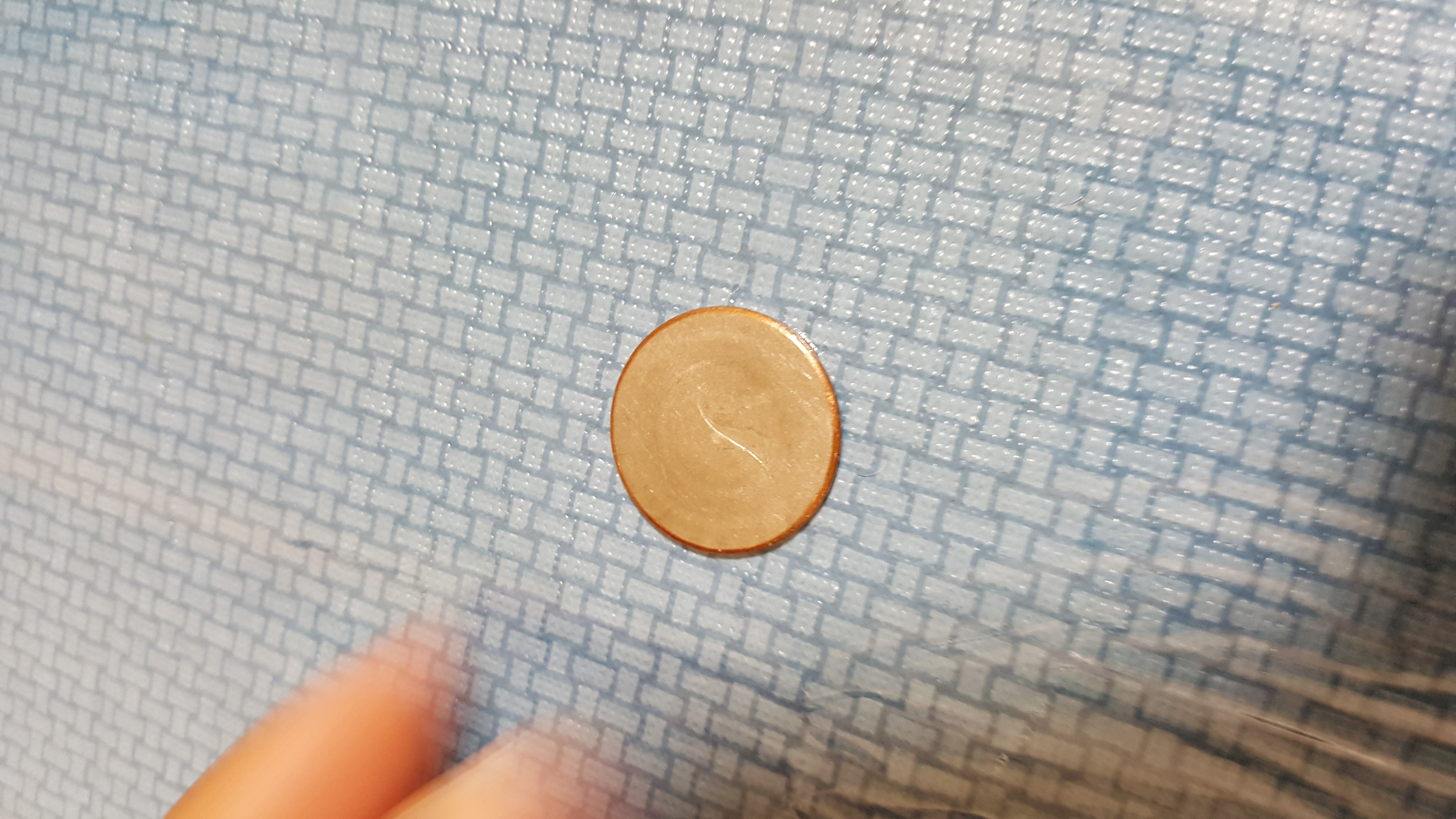
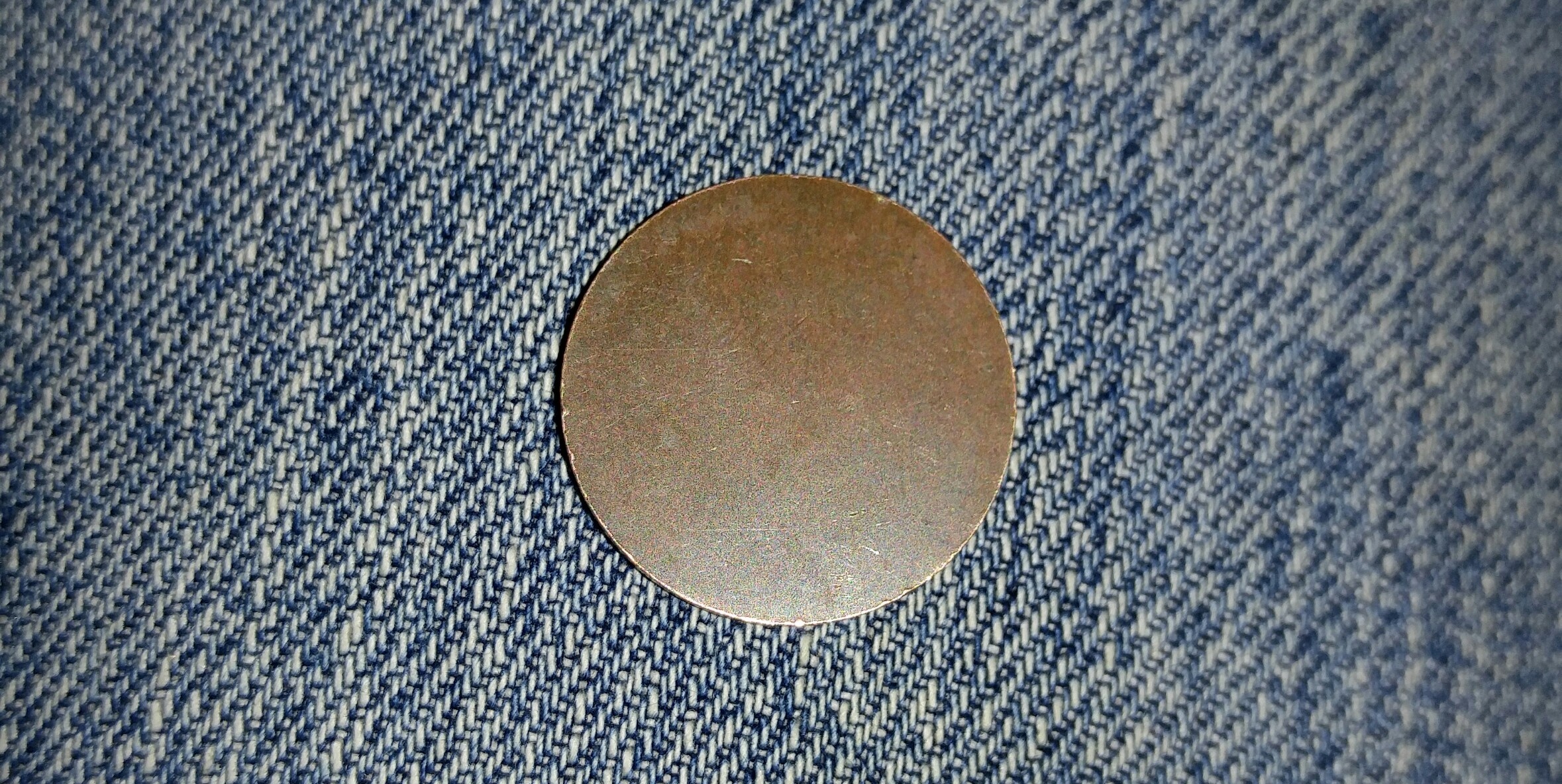
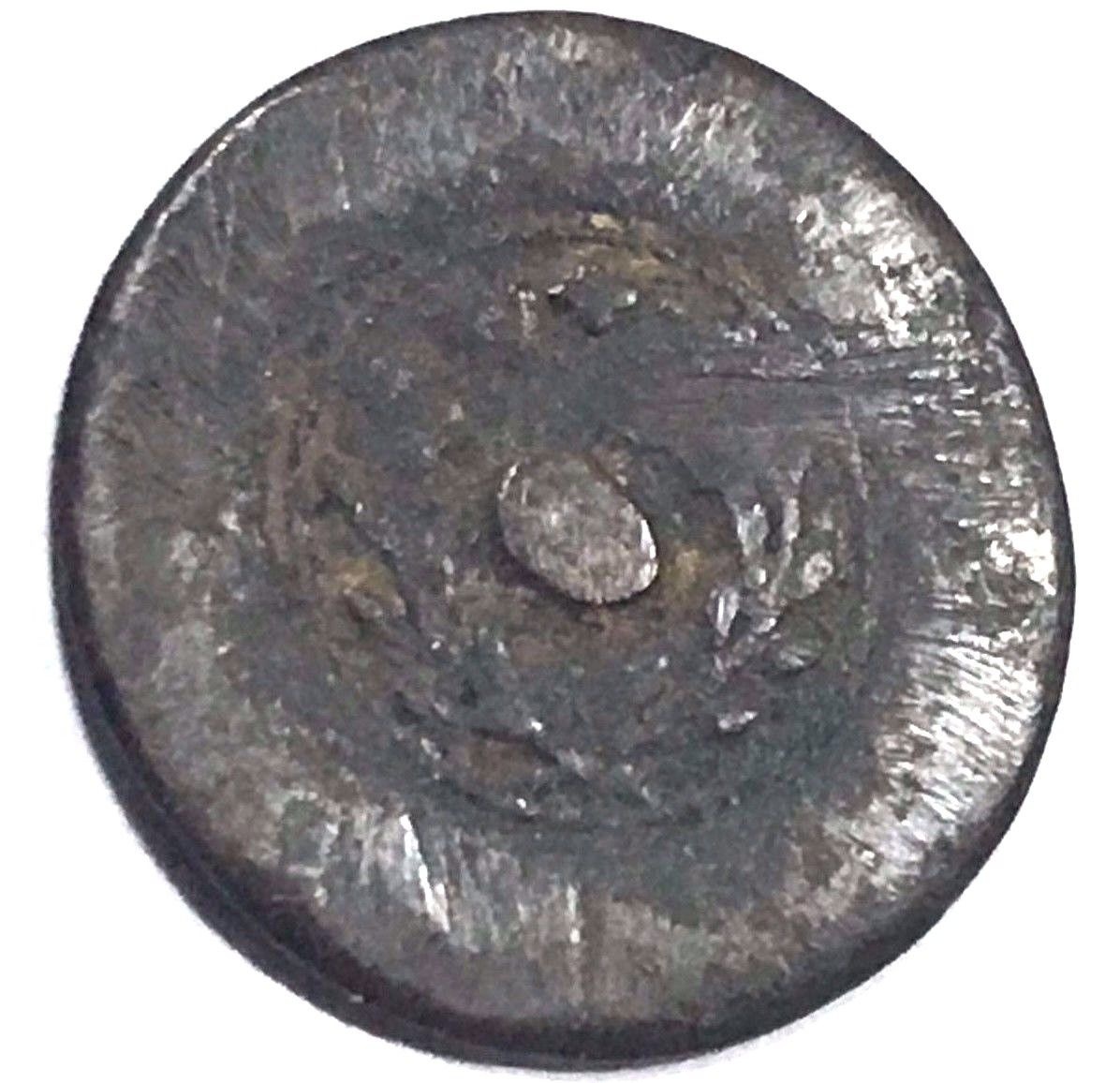
Blank planchets are common U.S. Mint error coins that are not hard to spot! A planchet is the round piece of metal that a coin is made from. A blank planchet error coin is simply a blank piece of metal that is the same size, shape, and color as a typical coin — but it has no markings on it (no heads or tails design at all). Some blank planchets are worth only a few dollars, but many are worth between $10 to $20.
See How Much Blank Planchet Error Coins Are Worth
#3 – Broadstrike Error Coins
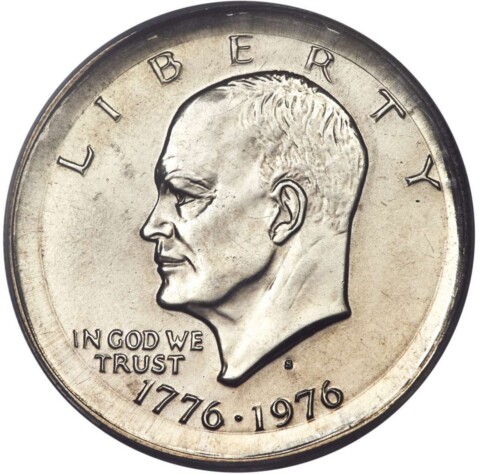
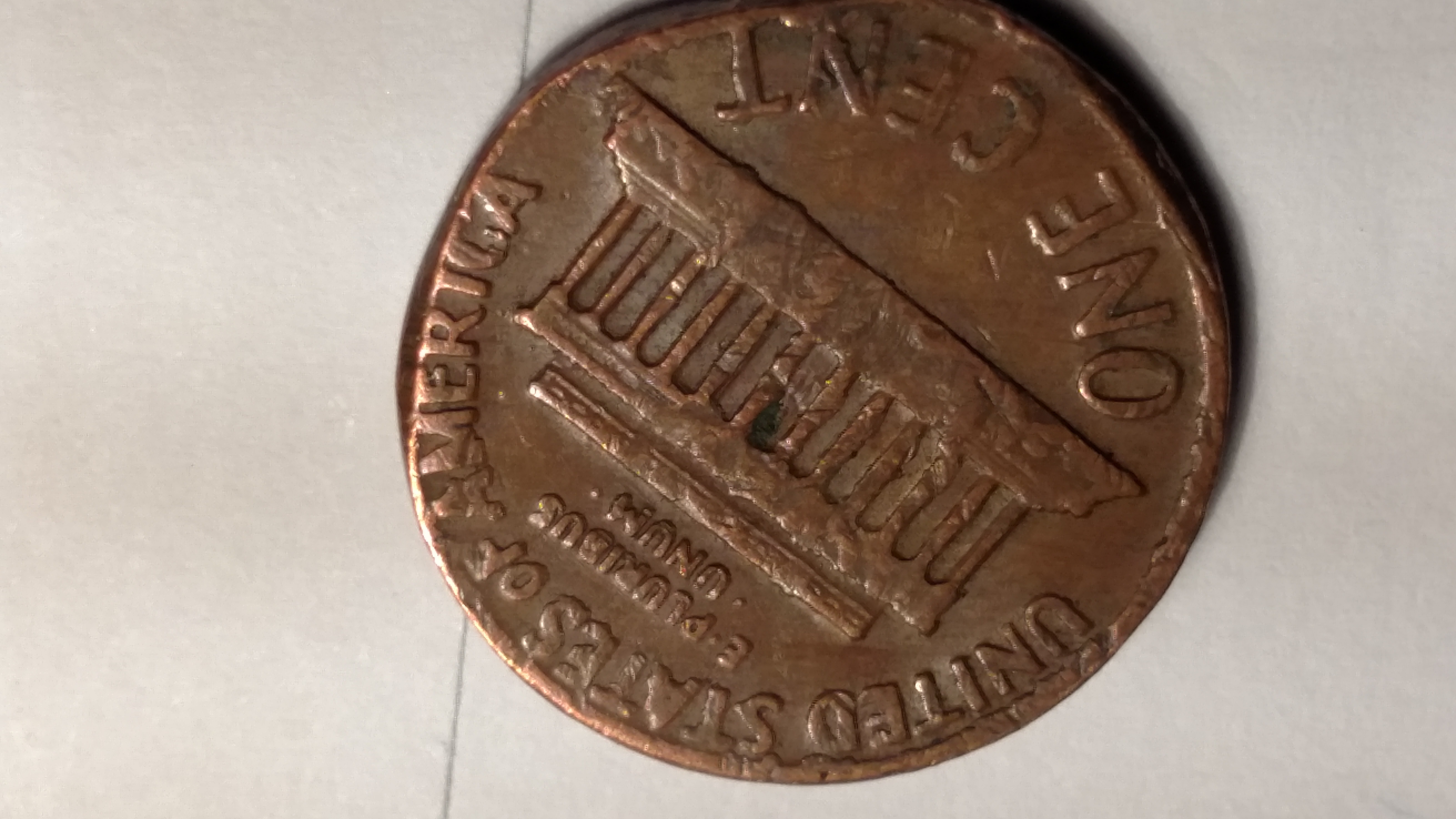
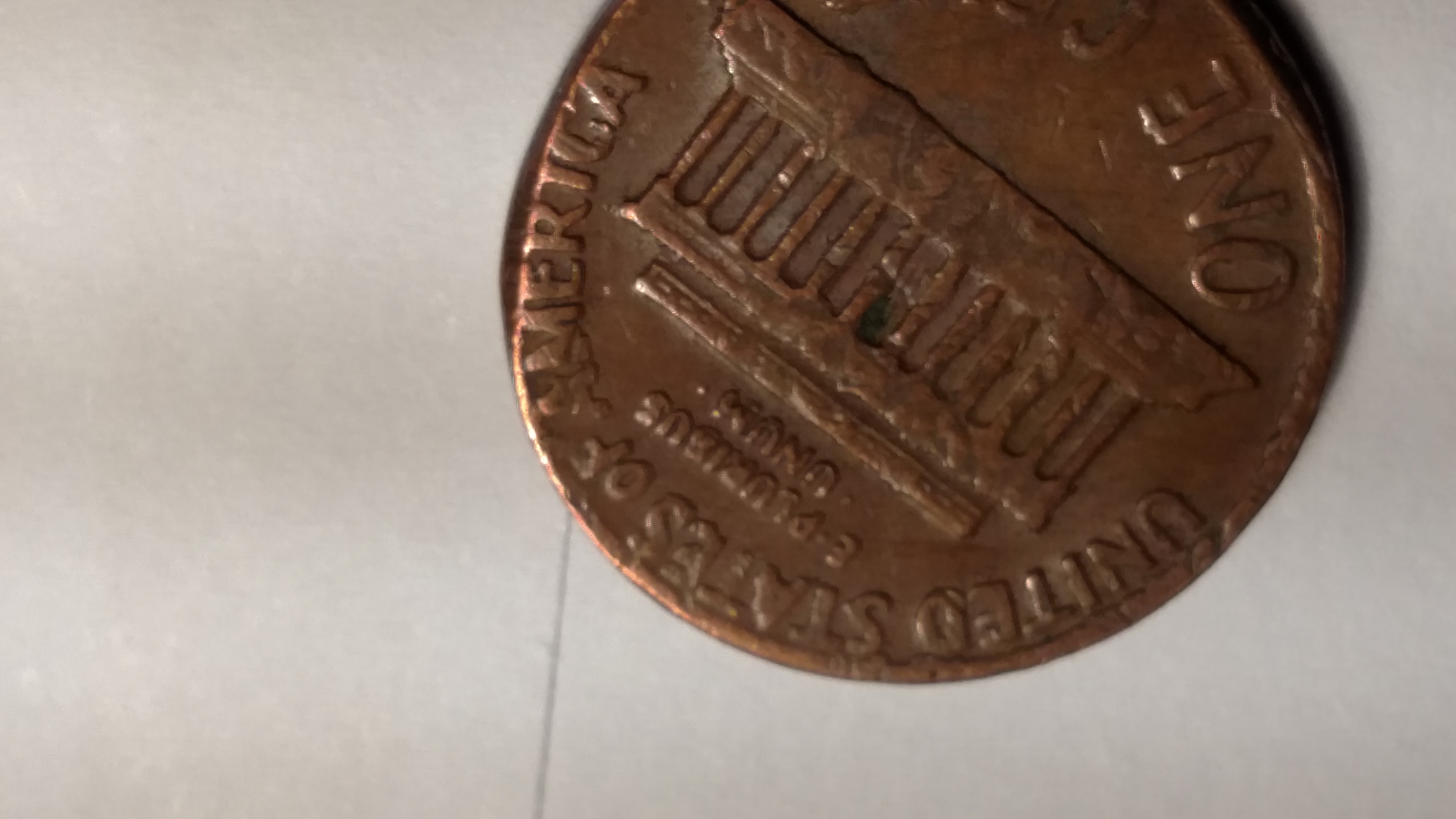
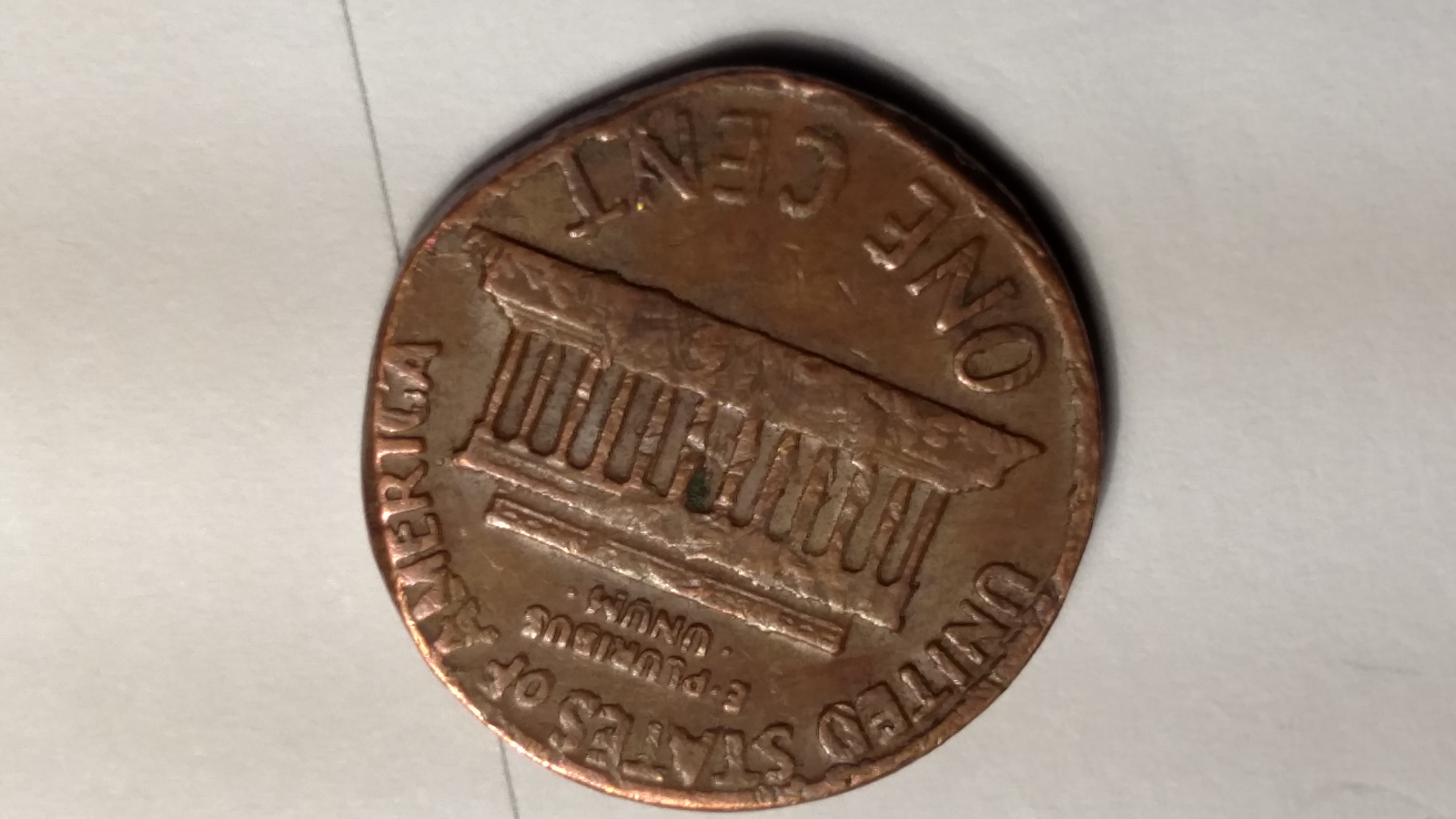
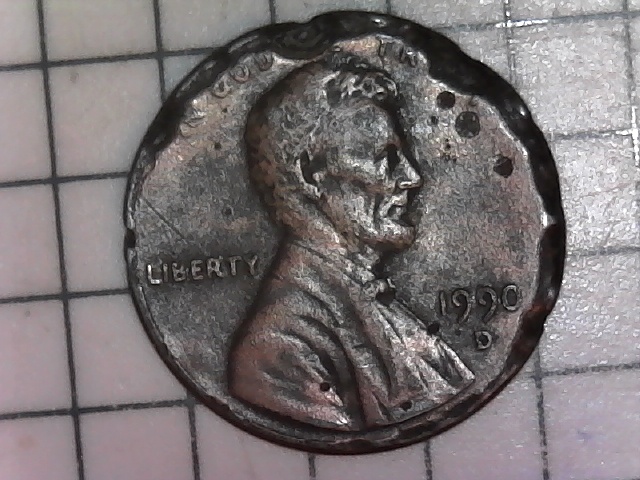
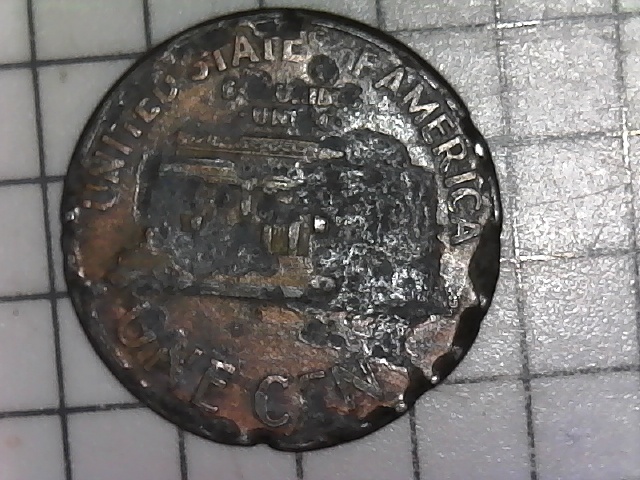
When coins are struck at the U.S. Mint, they’re momentarily placed inside a collar during the striking process to help create a properly formed rim. When the coin is not inserted inside the collar, the coin will tend to spread out a bit upon being struck. The result is a coin with an odd-looking rim (or no rim at all) — and the design may be off-center. Broadstrike coins will also often be wider than they’re supposed to be. Depending on the type of coin, relative over-width of the coin, and the centering of the design, coins with broadstrike errors are worth anywhere from $5 to over $200.
See How Much Broadstrike Error Coins Are Worth
#4 – Off-Center Error Coins
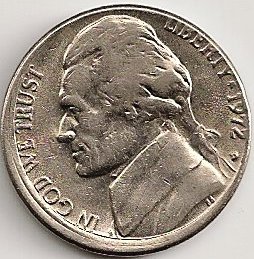
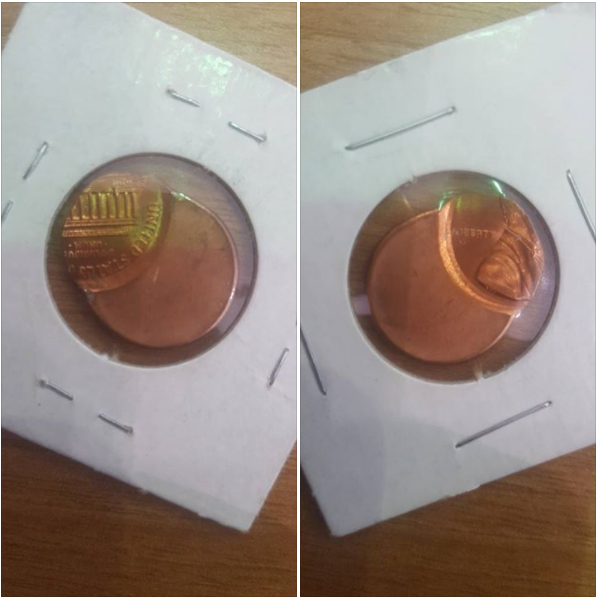
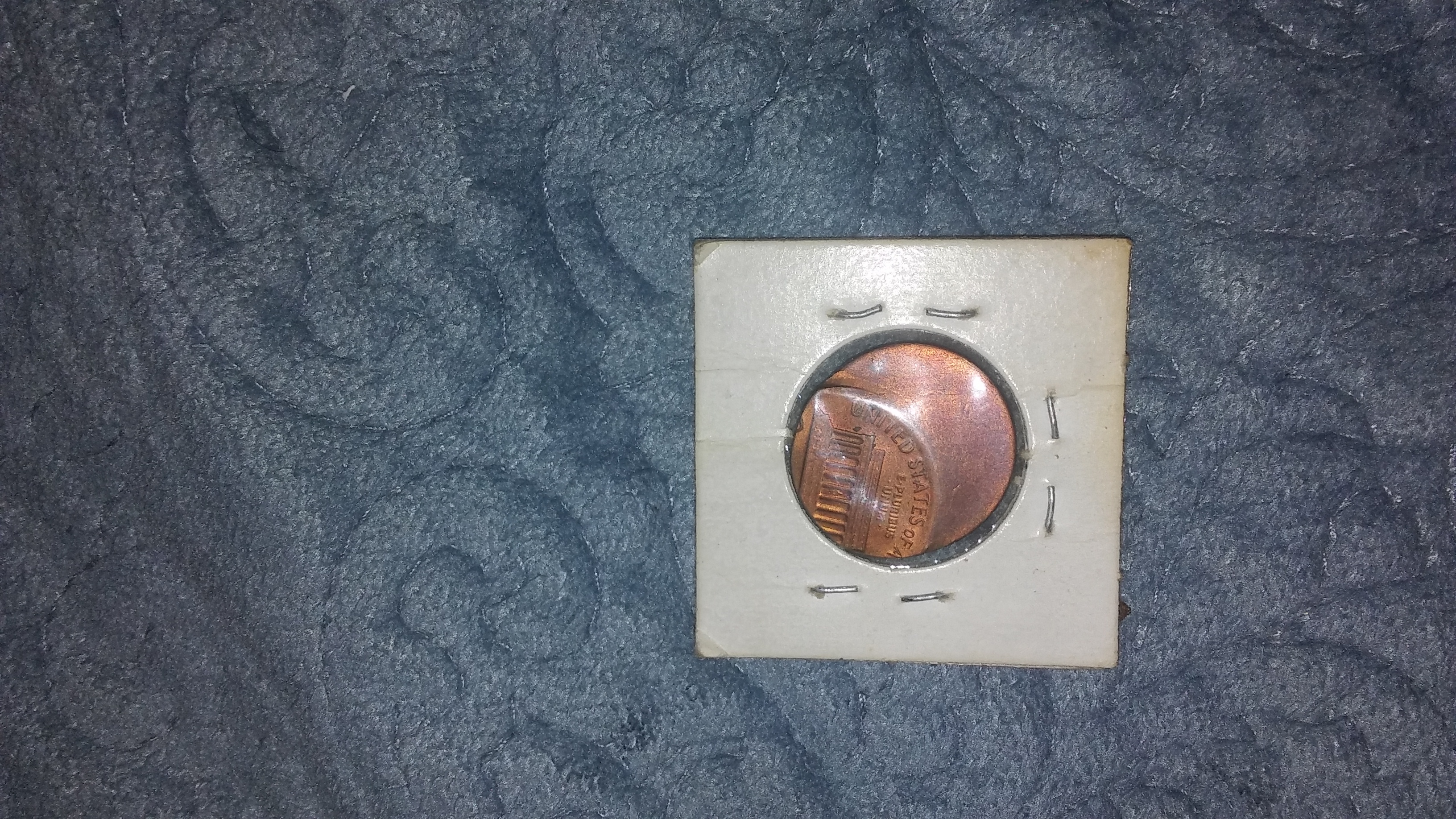
Some off-center error coins are off by more than 50% — meaning only half the design has been struck on the coin (and the other half of the coin is typically blank). With off-center coins, the values can escalate as more and more of the design is missing. The optimal off-center error is about 50% off center with a full date showing on the coin. Prices vary widely, depending on the type of coin. Many are worth $50 and up, and several are worth well into the hundreds of dollars.
See How Much Off-Center Error Coins Are Worth
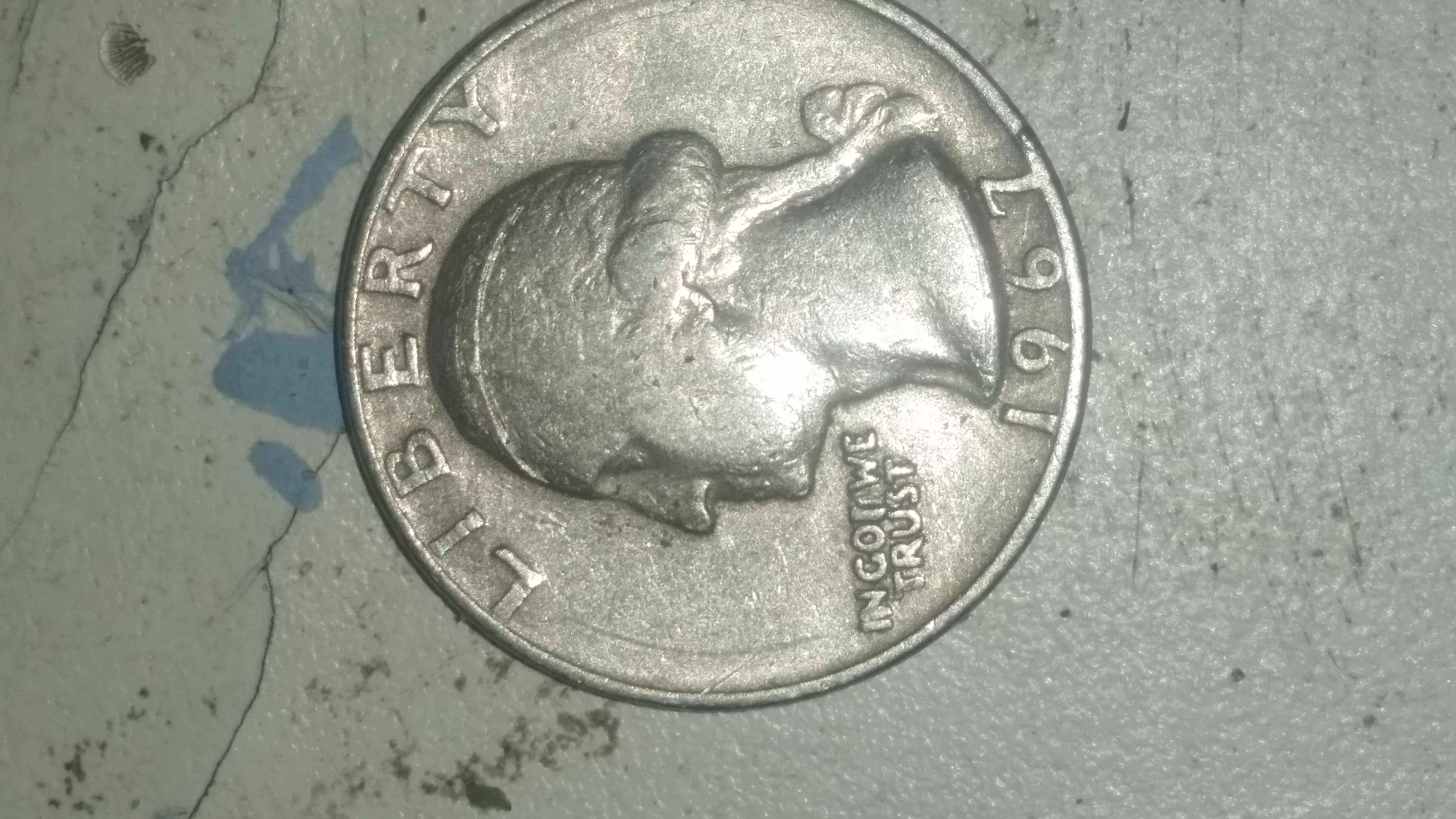
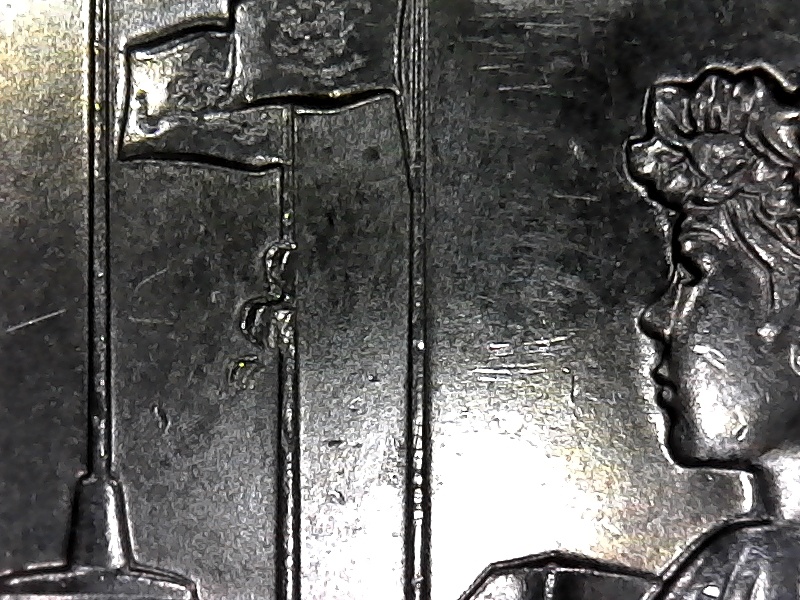
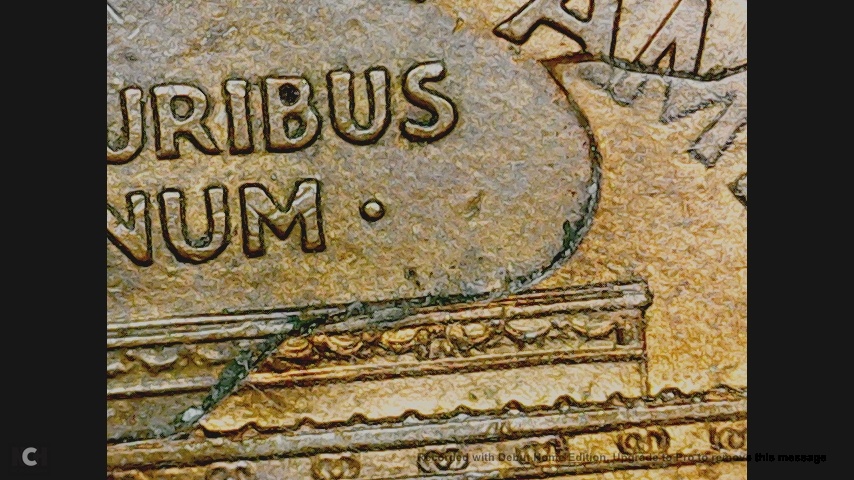
#5 – Die Clash Error Coins
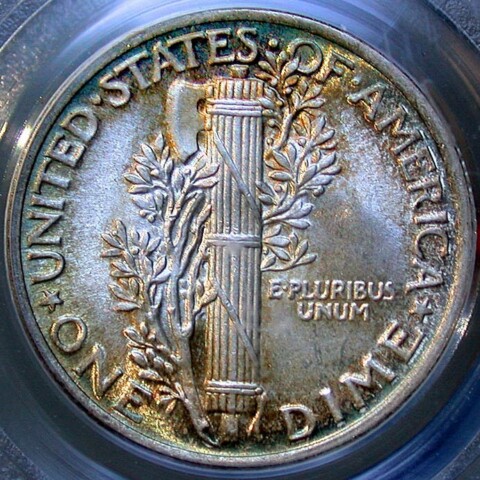
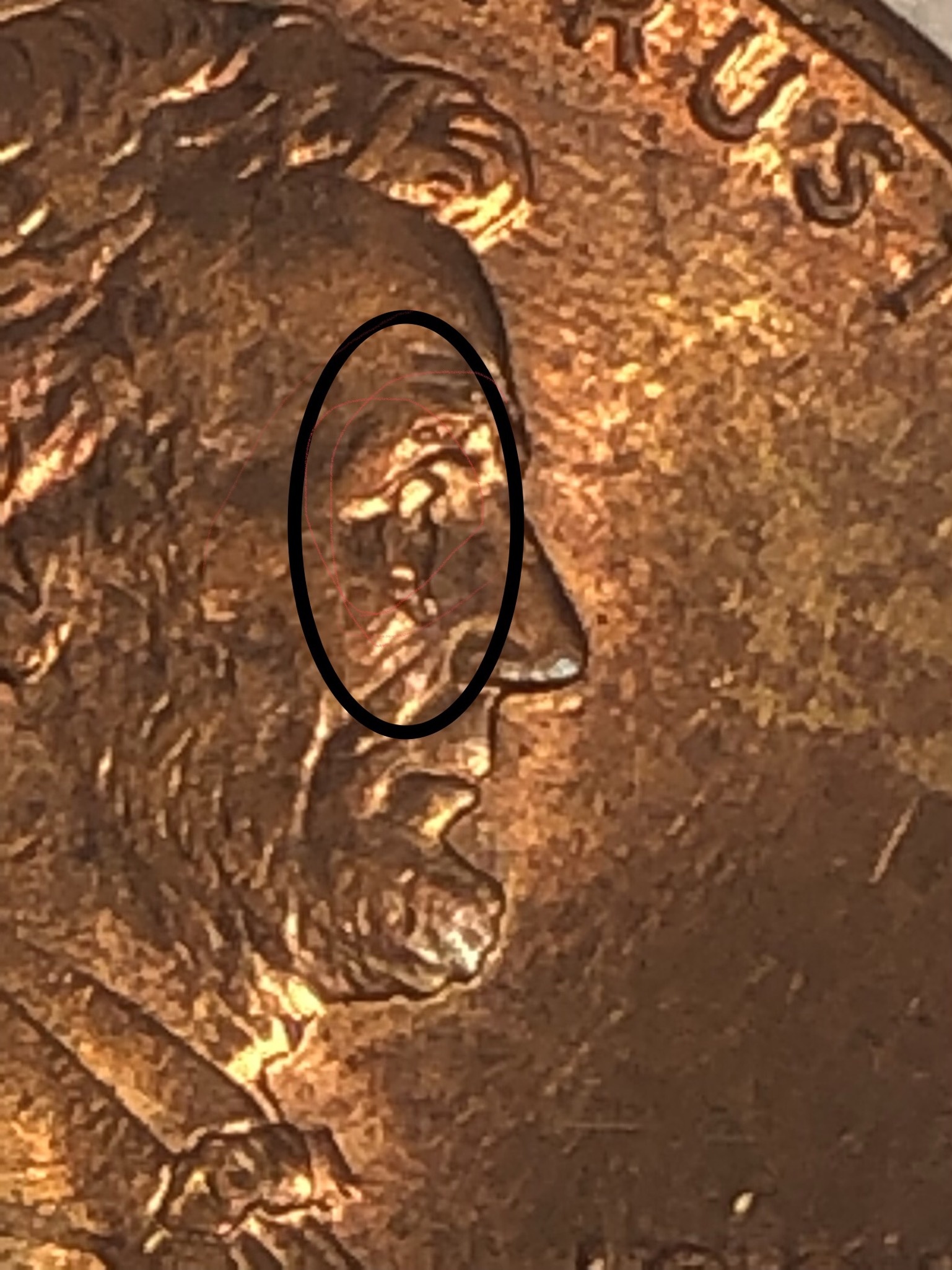
Die clashes are struck from two coin dies clashing without a coin in between them — so they sometimes show odd shapes on the obverse (heads side) or reverse (tails side) designs. These shapes are actually some of the design elements from the opposing die being impressed upon the other. So, you’ll want to look for details from the reverse side of the coin on the obverse OR details from the obverse side of the coin on the reverse. Die clash coins vary in value — depending on the coin and the amount of detail visible. Even light die clashes are worth between $2 to $3.
See How Much Die Clash Error Coins Are Worth
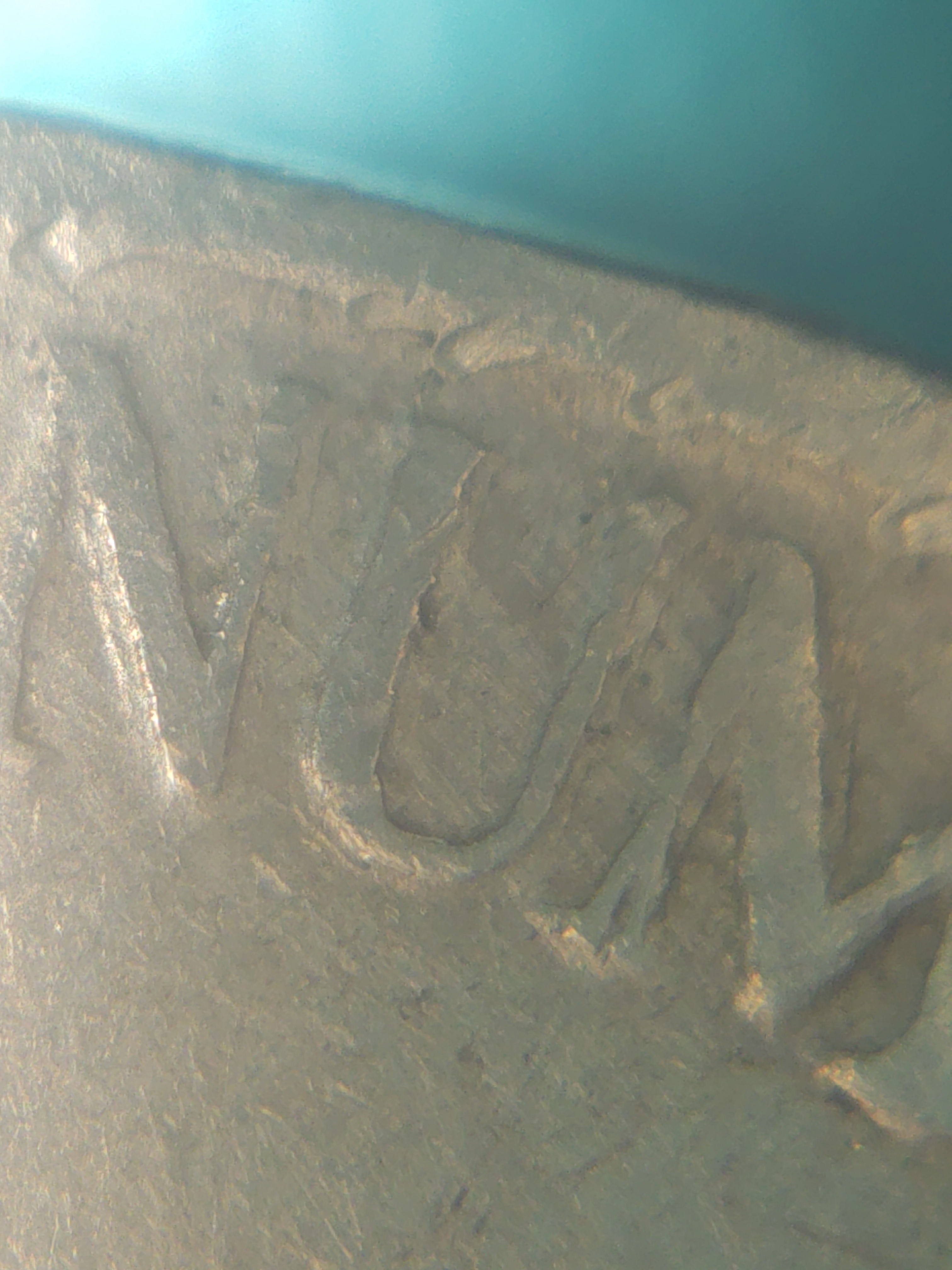
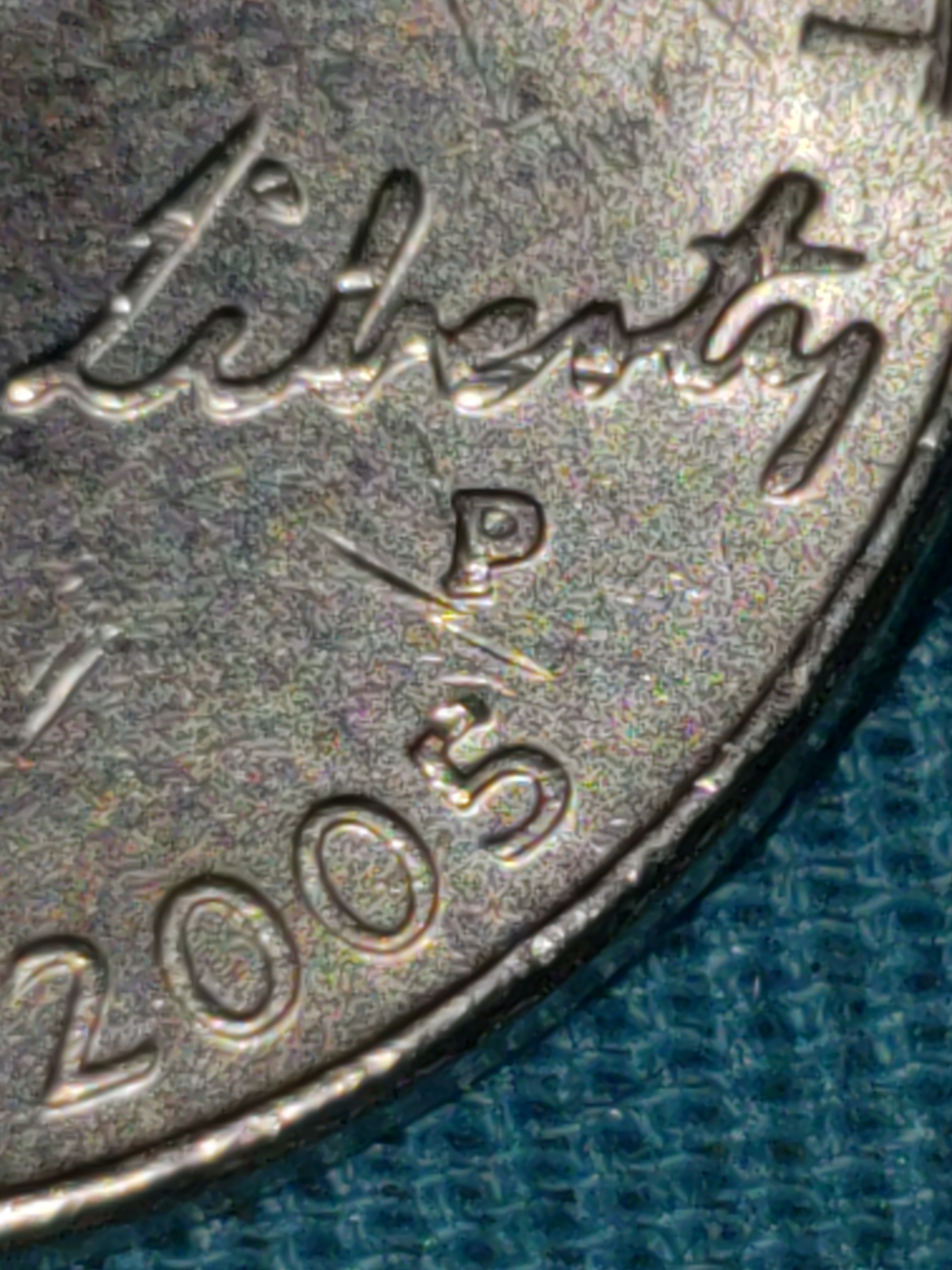
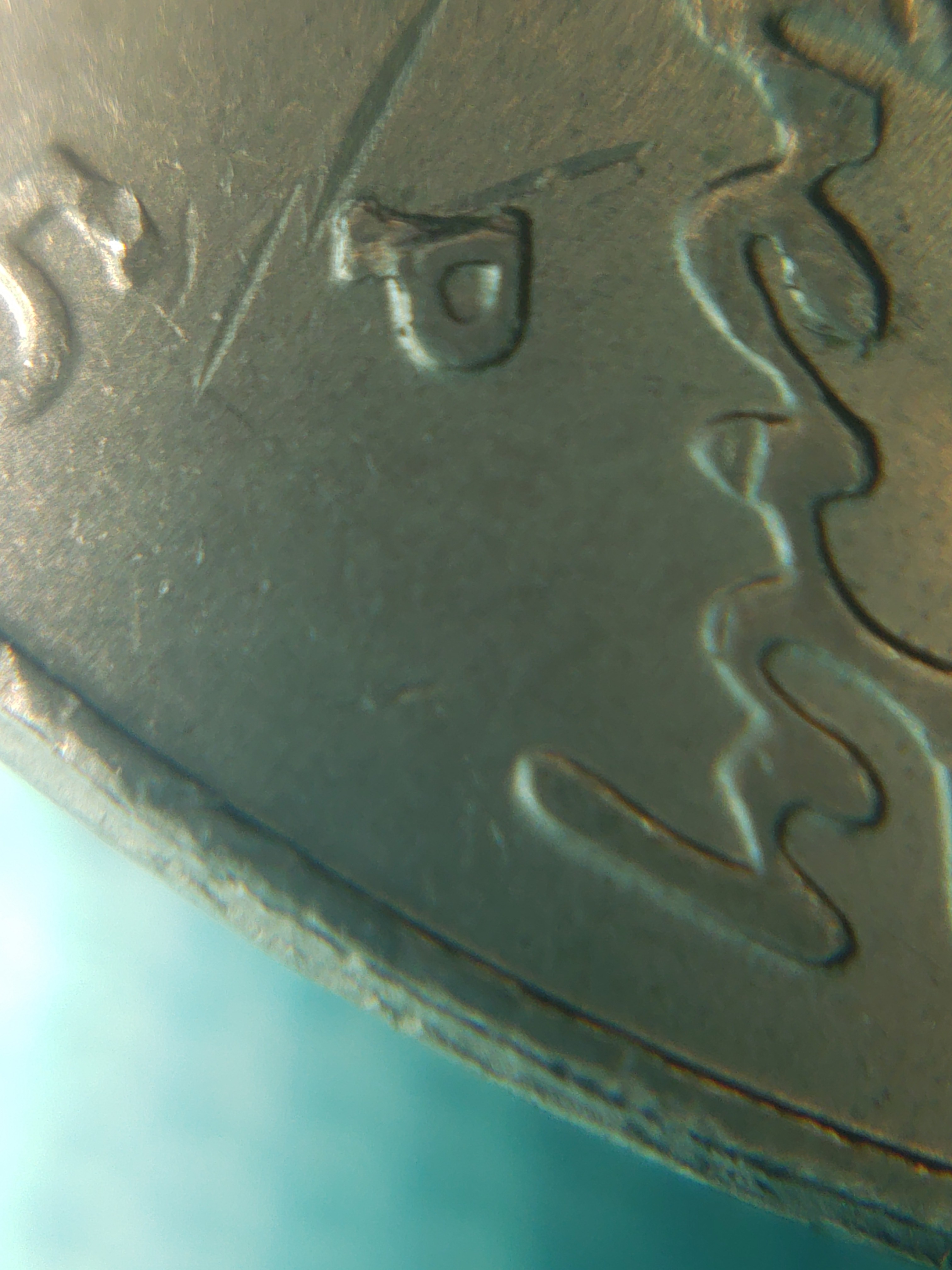
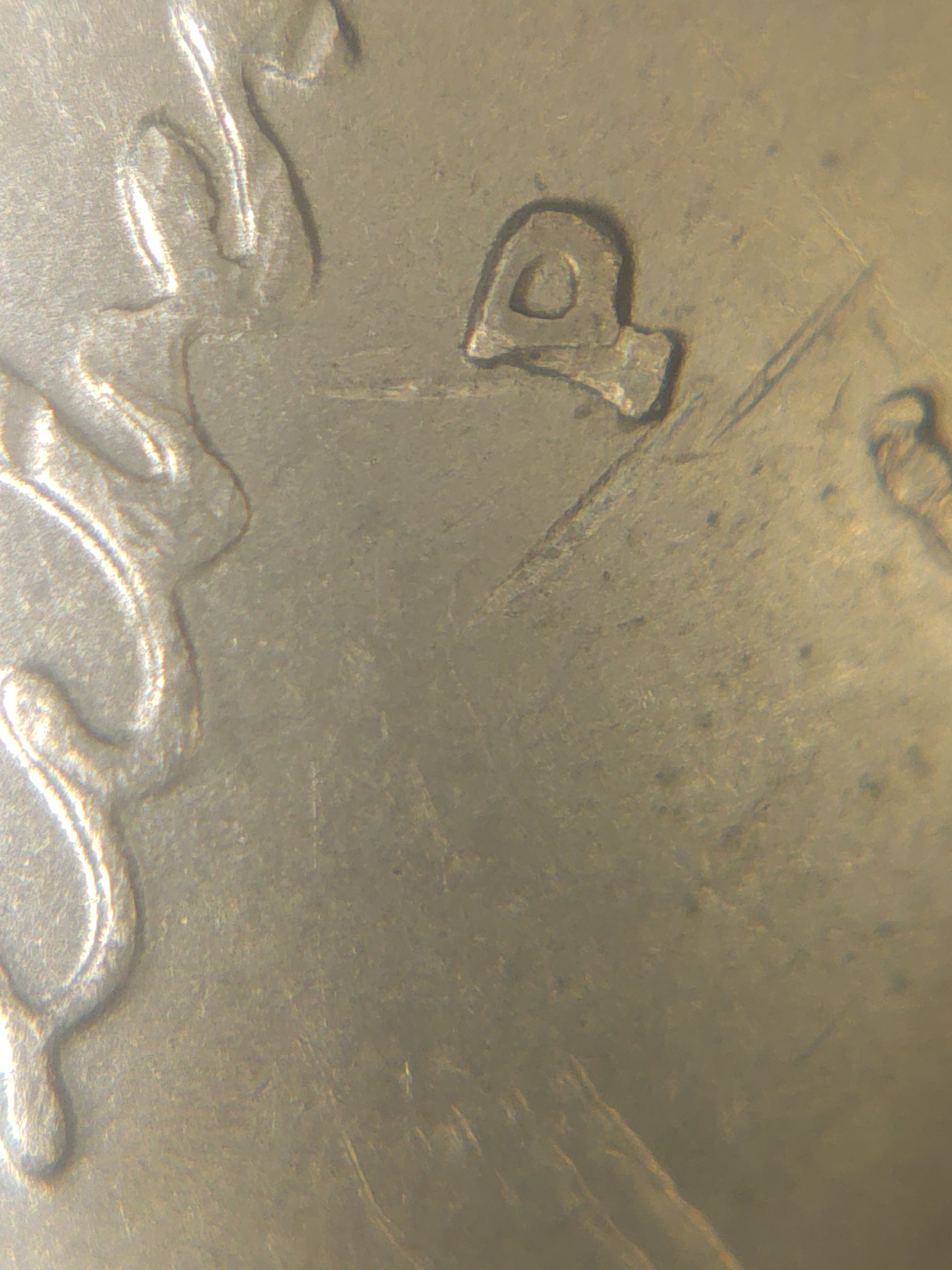
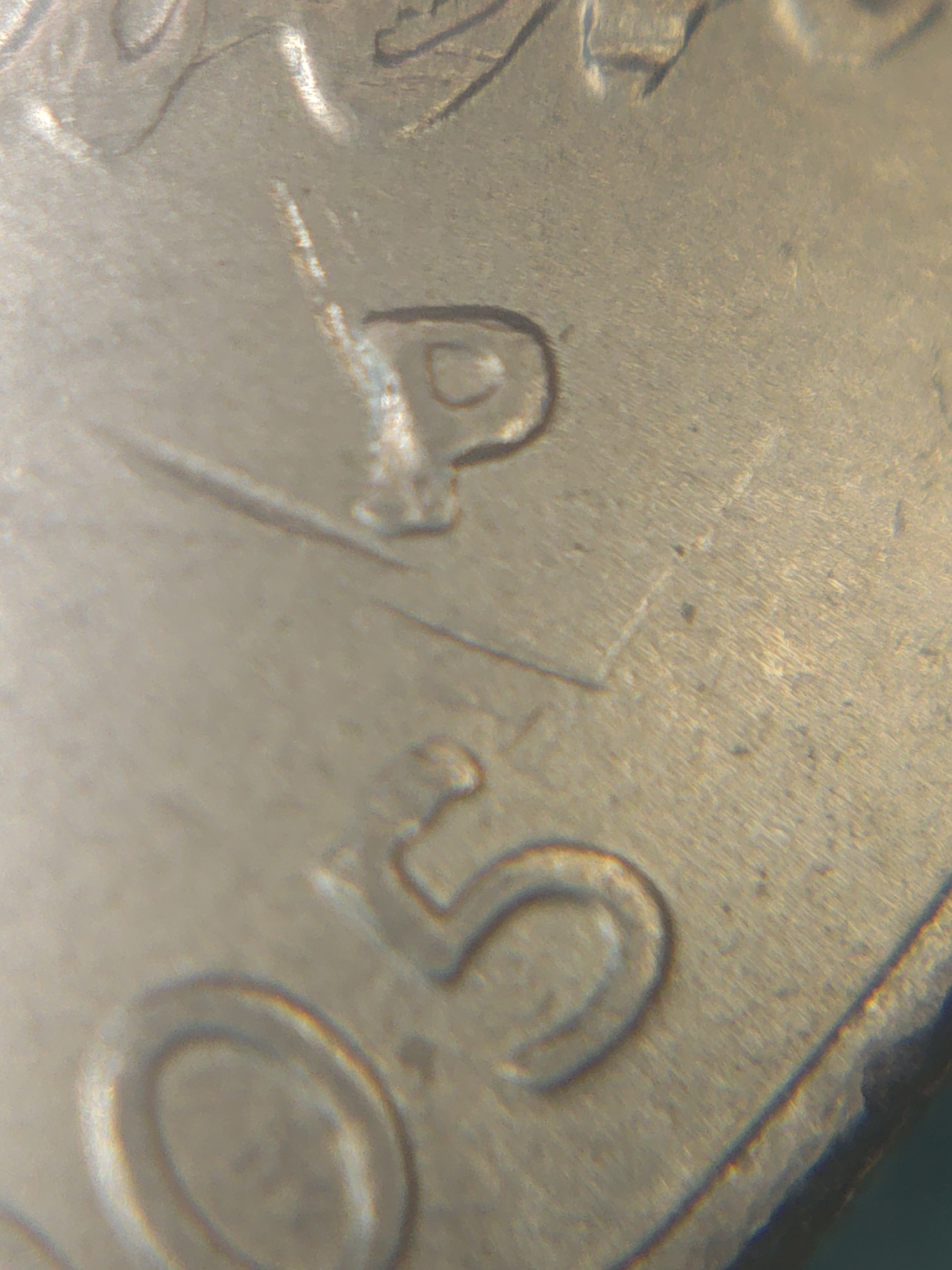
#6 – Repunched Mintmark Error Coins
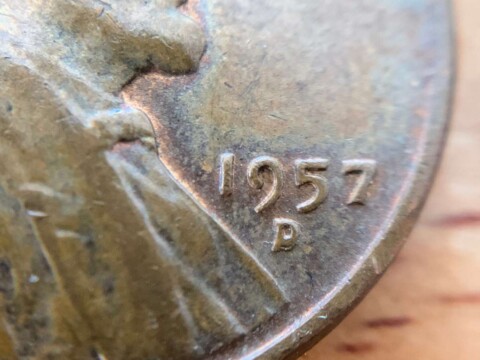
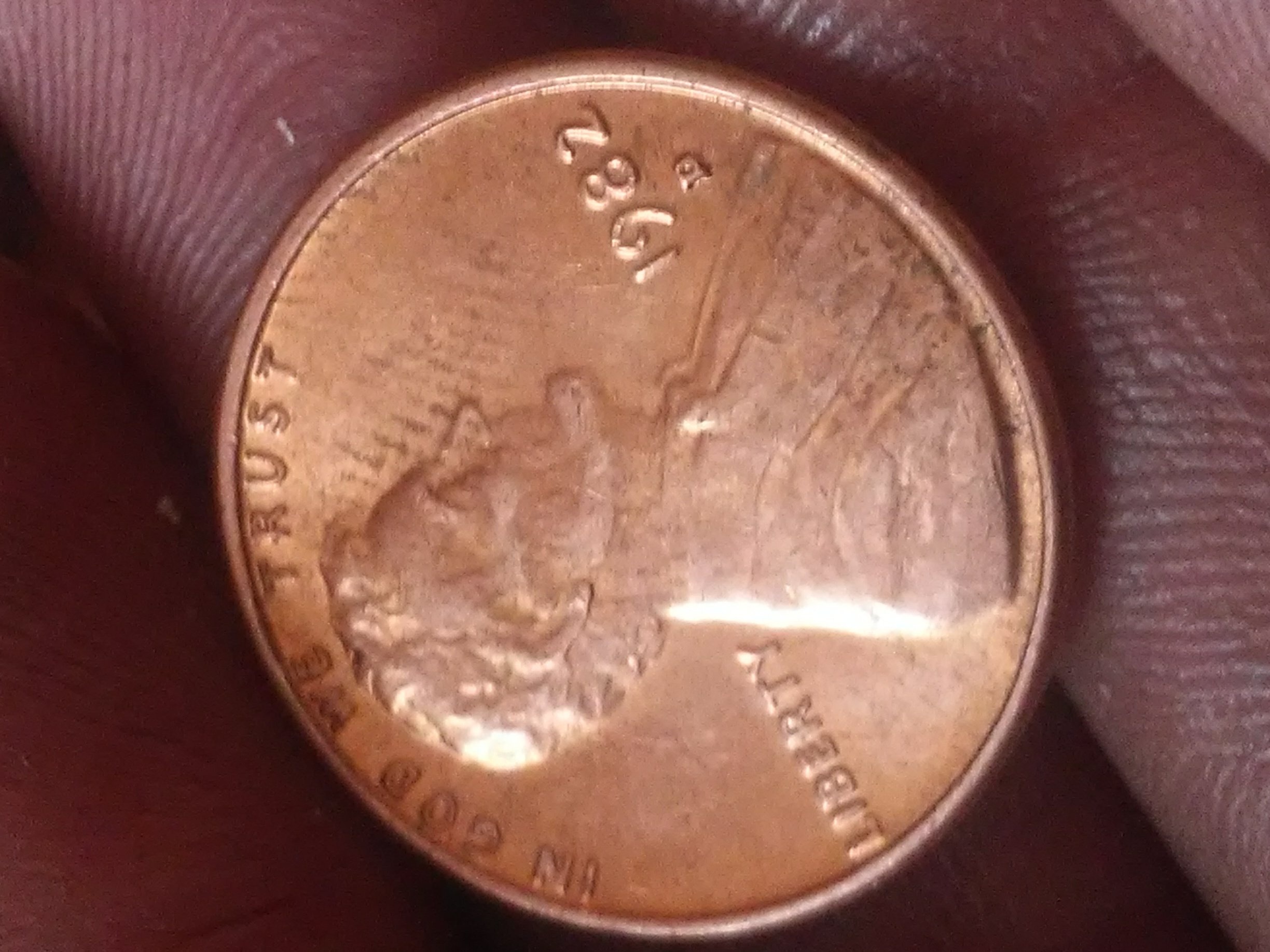
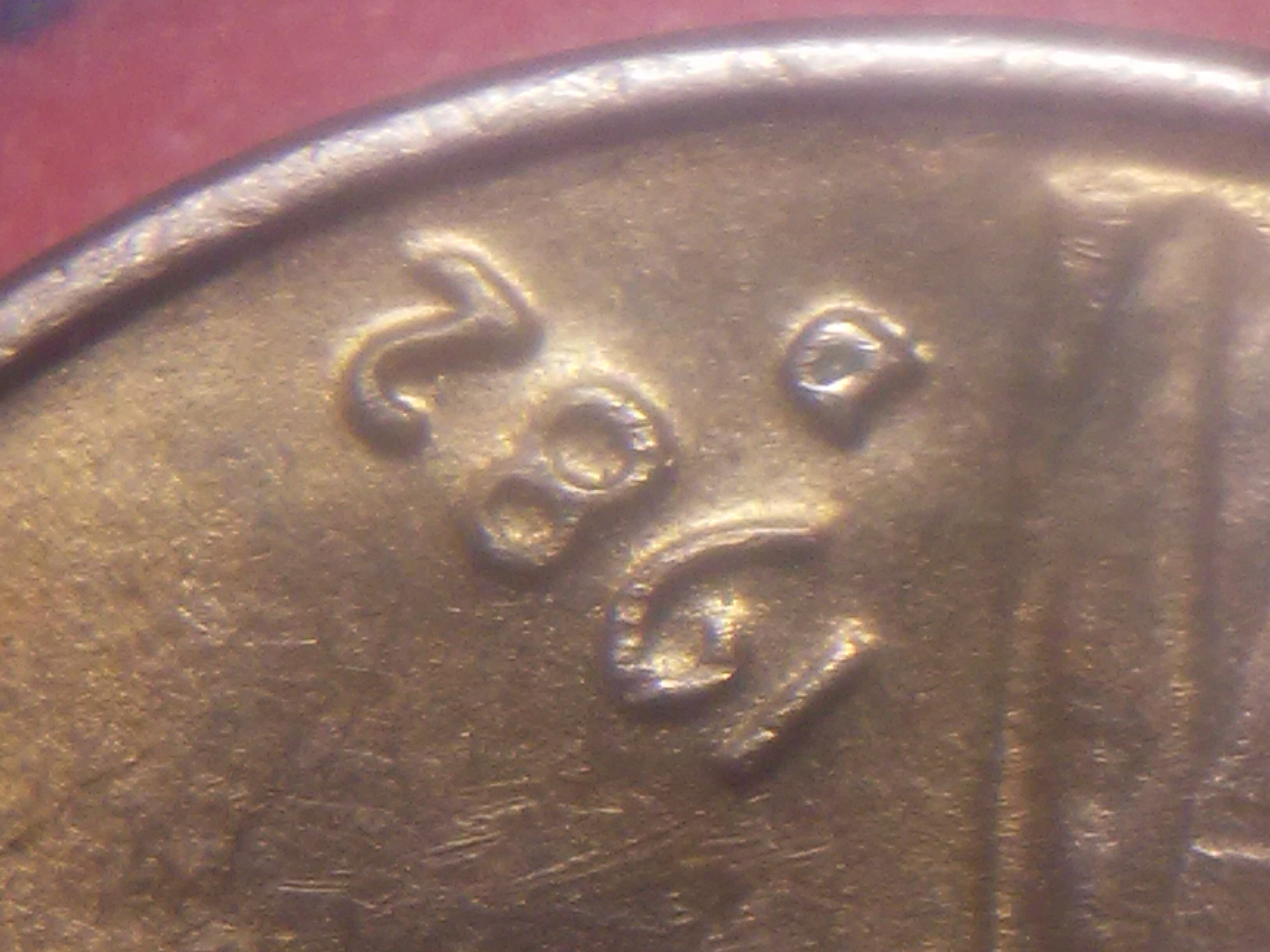
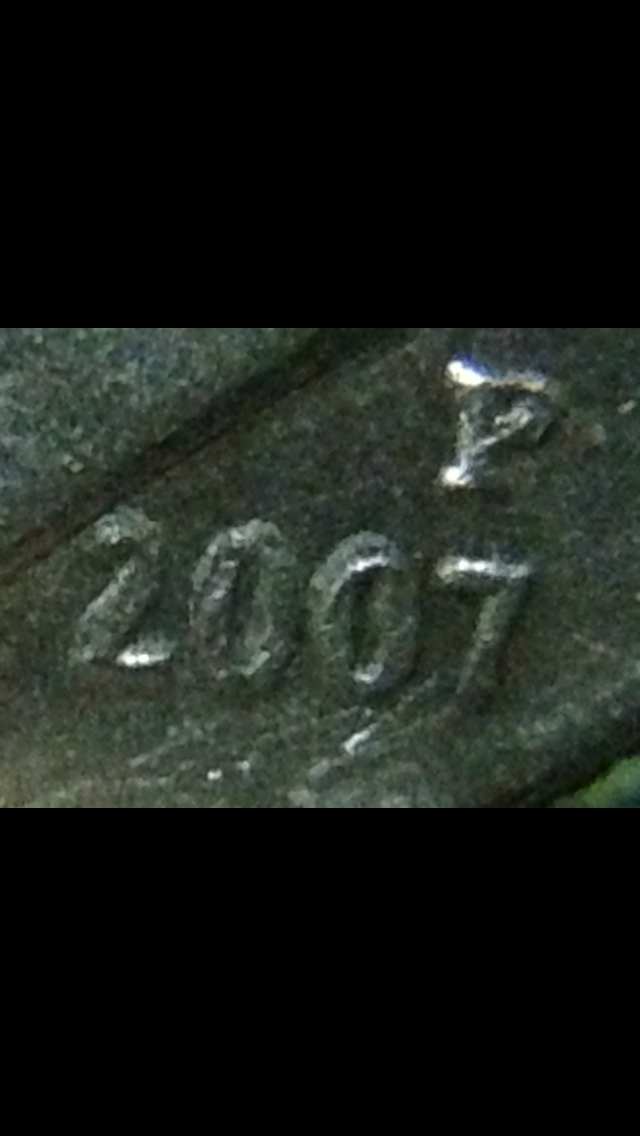
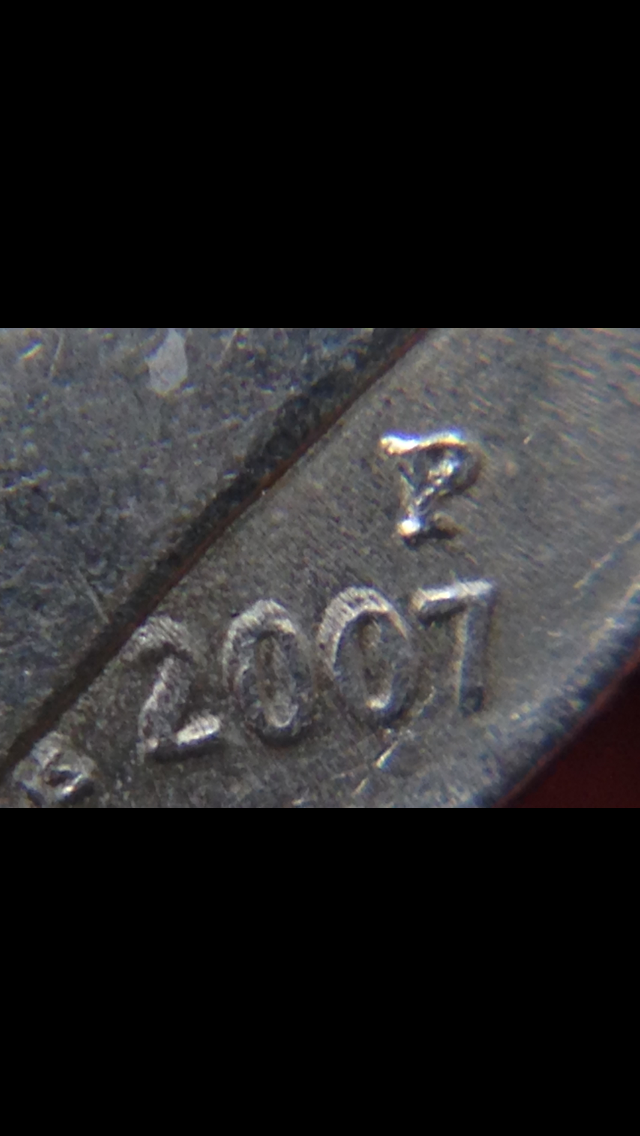
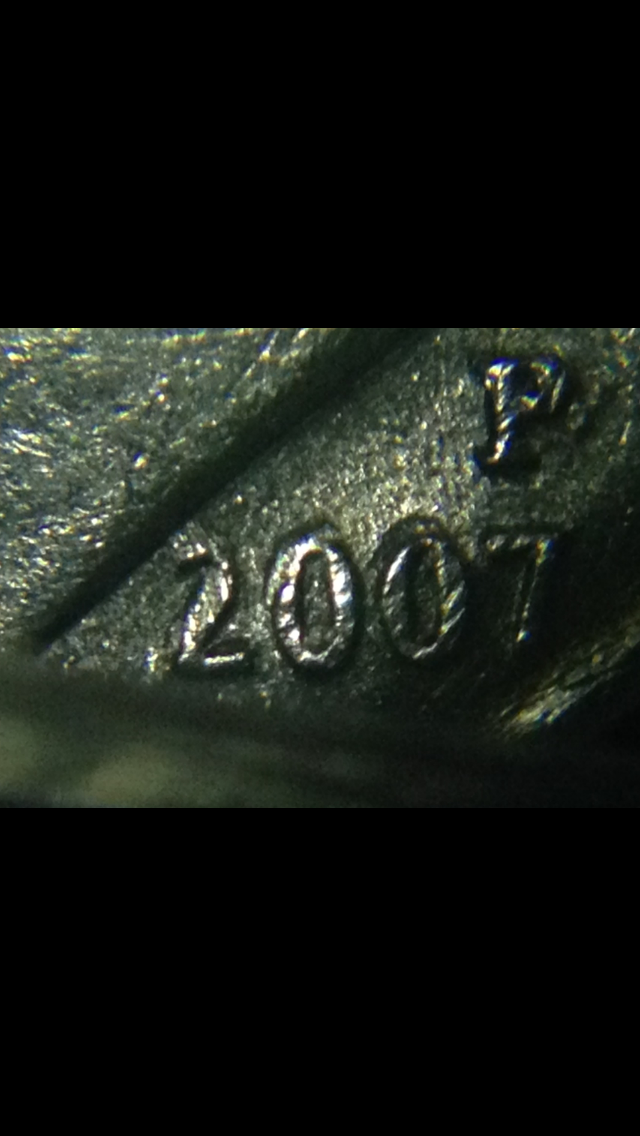
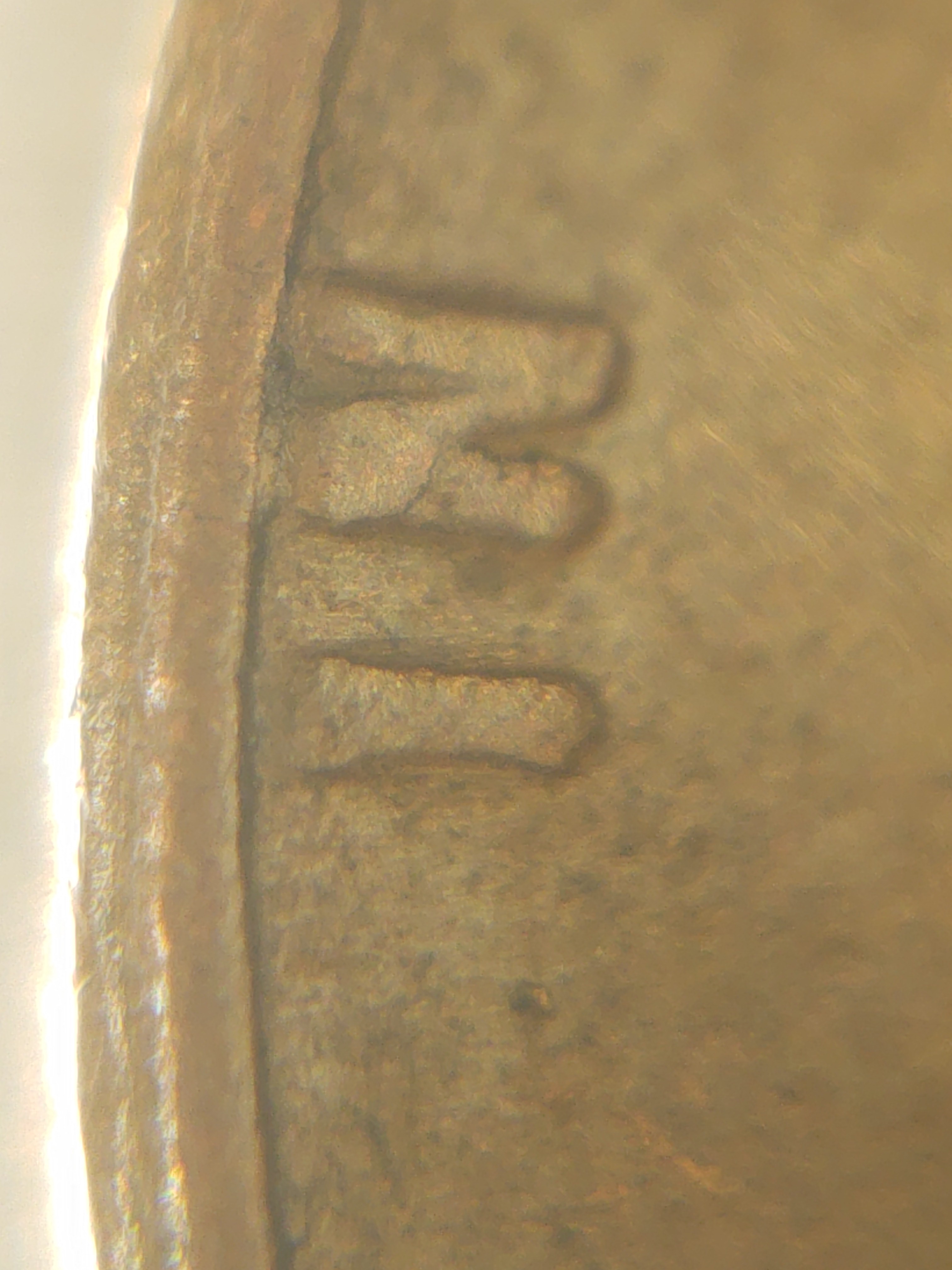
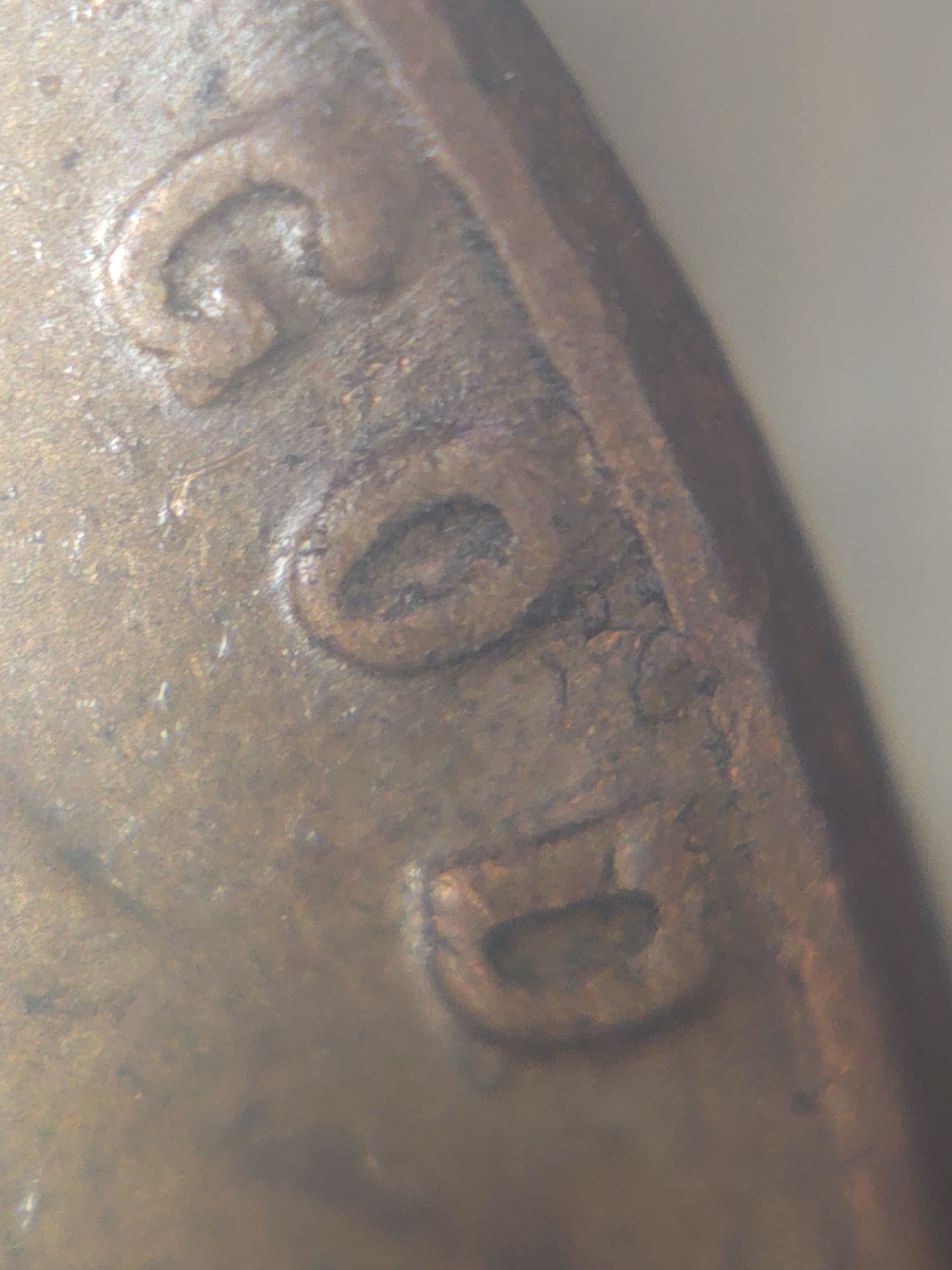
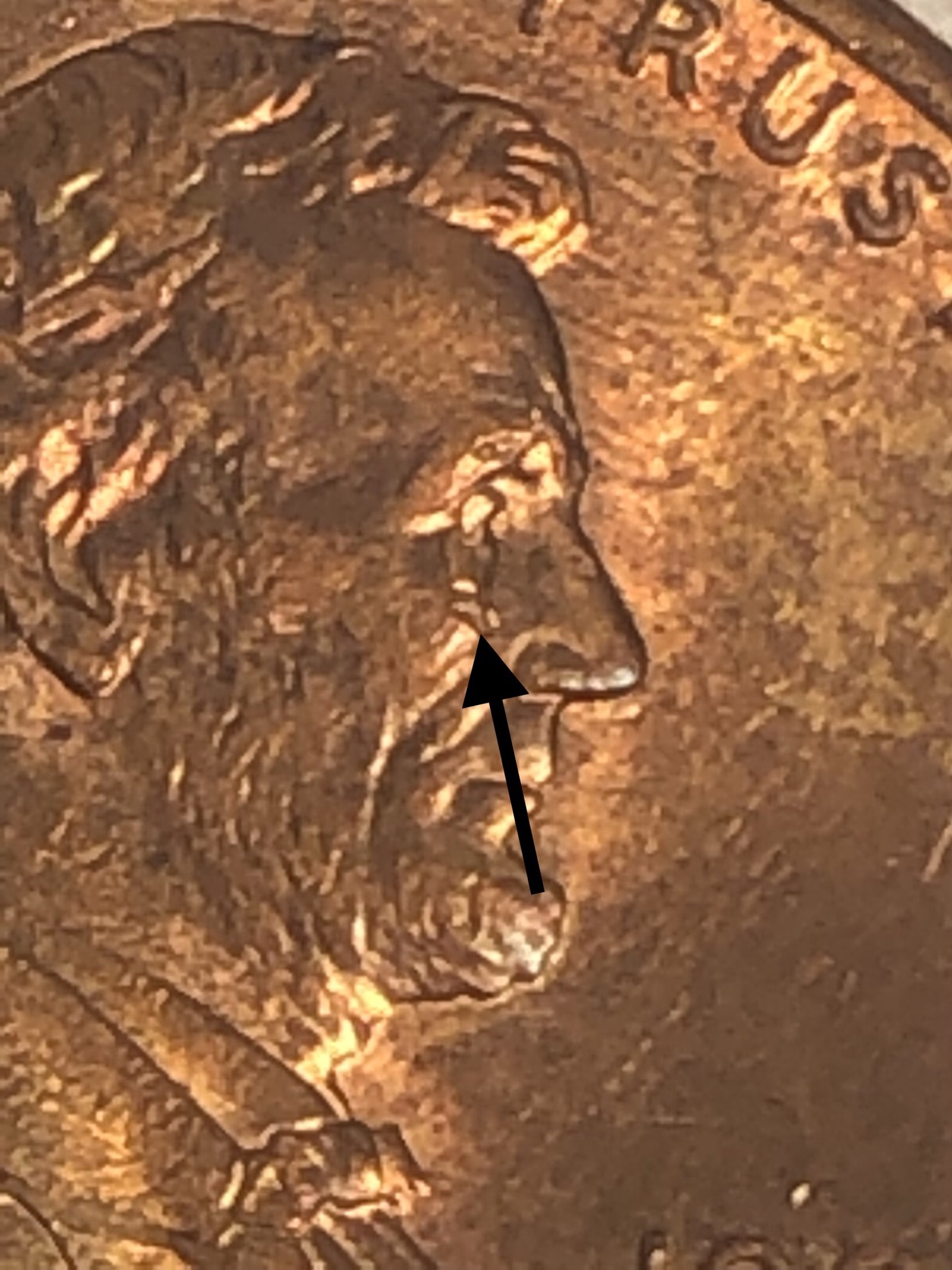
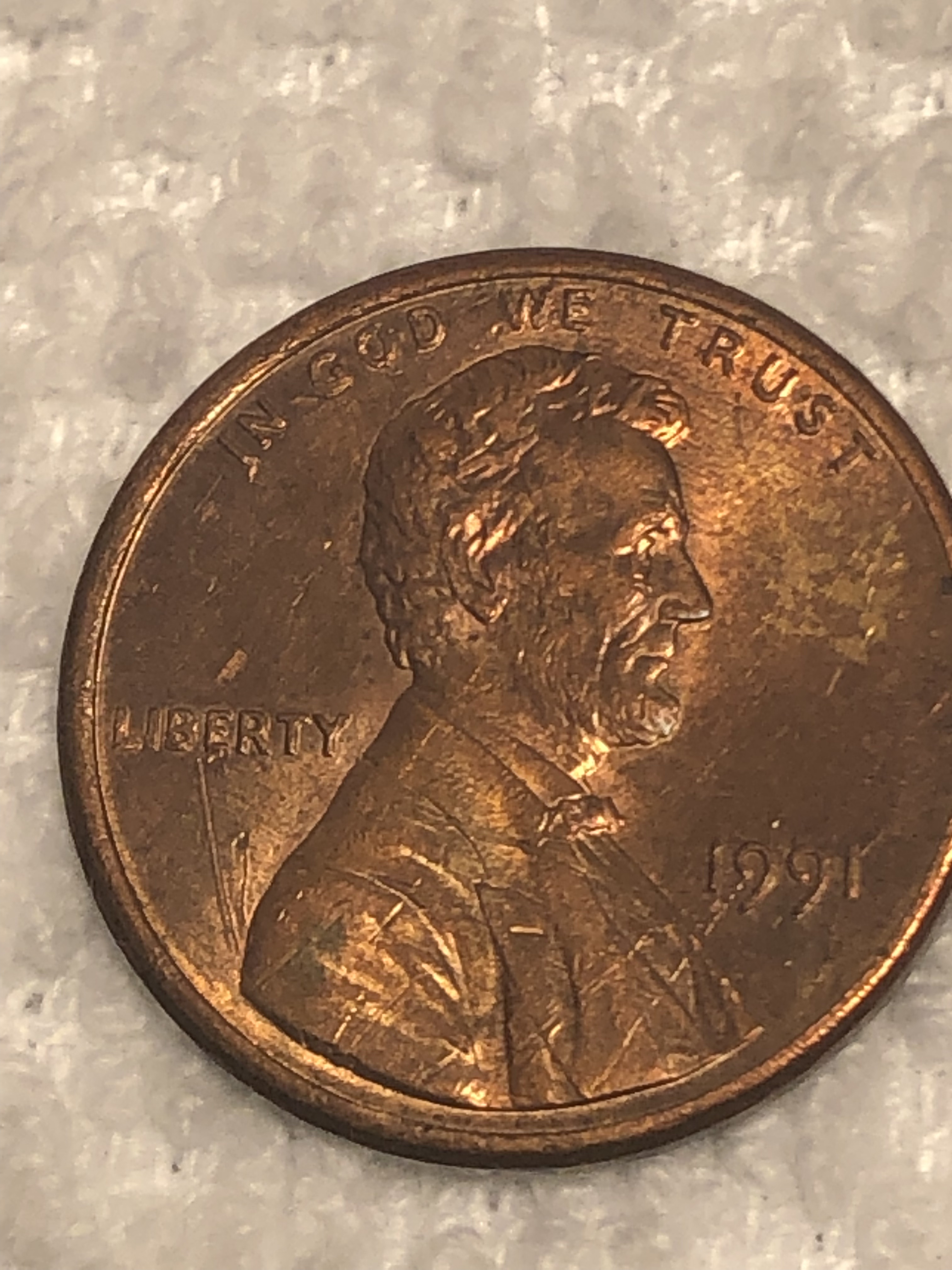
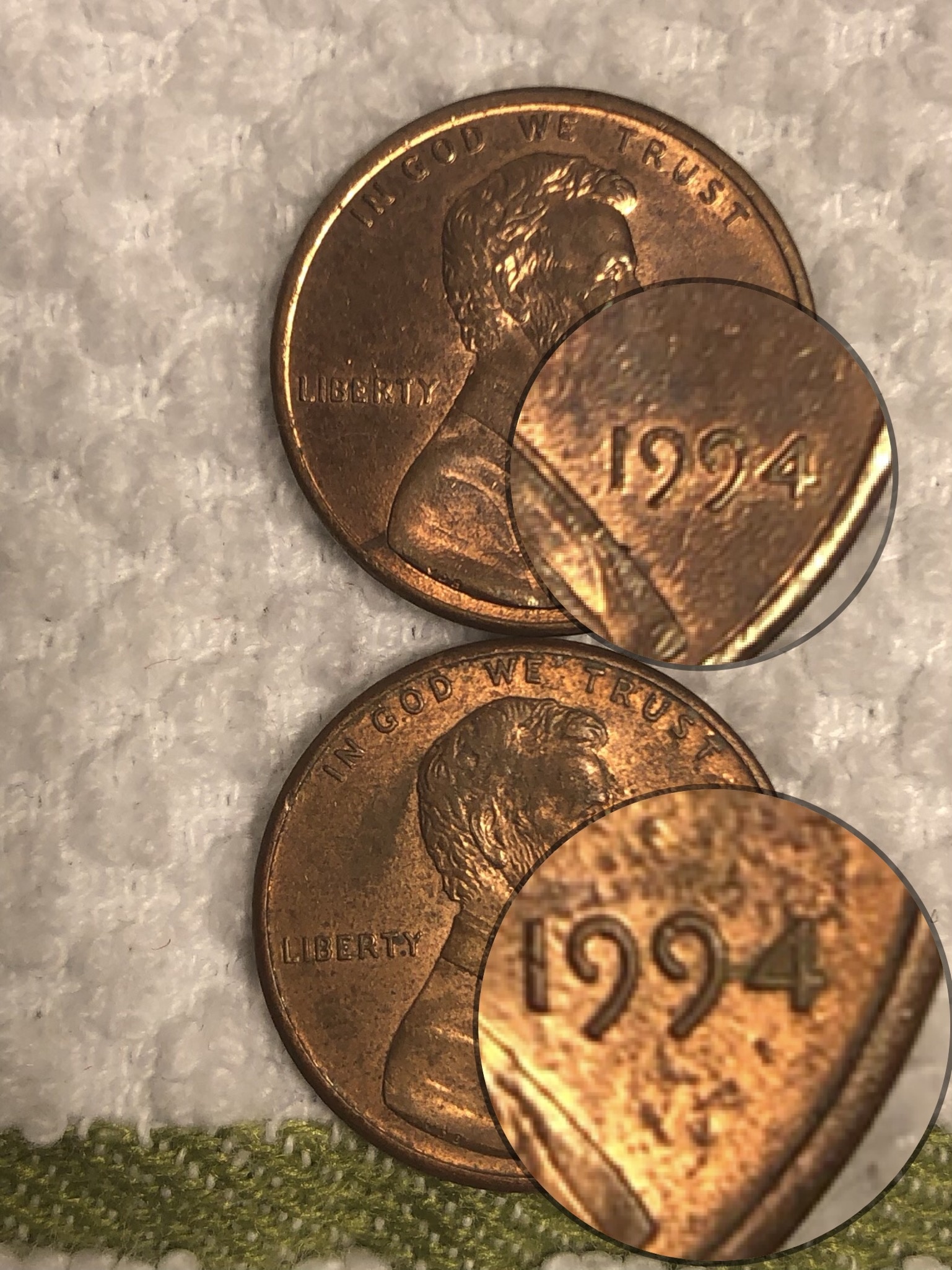
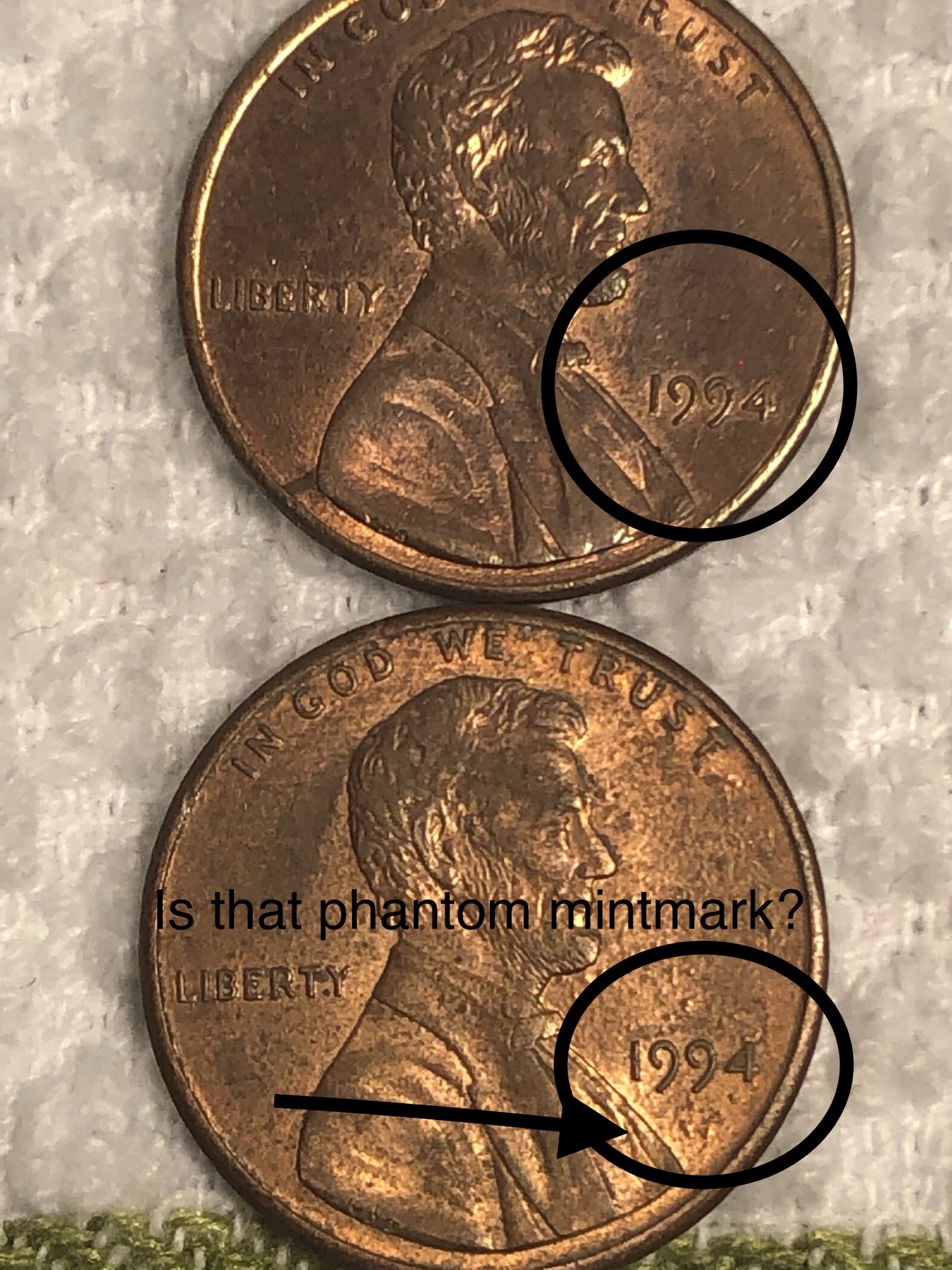
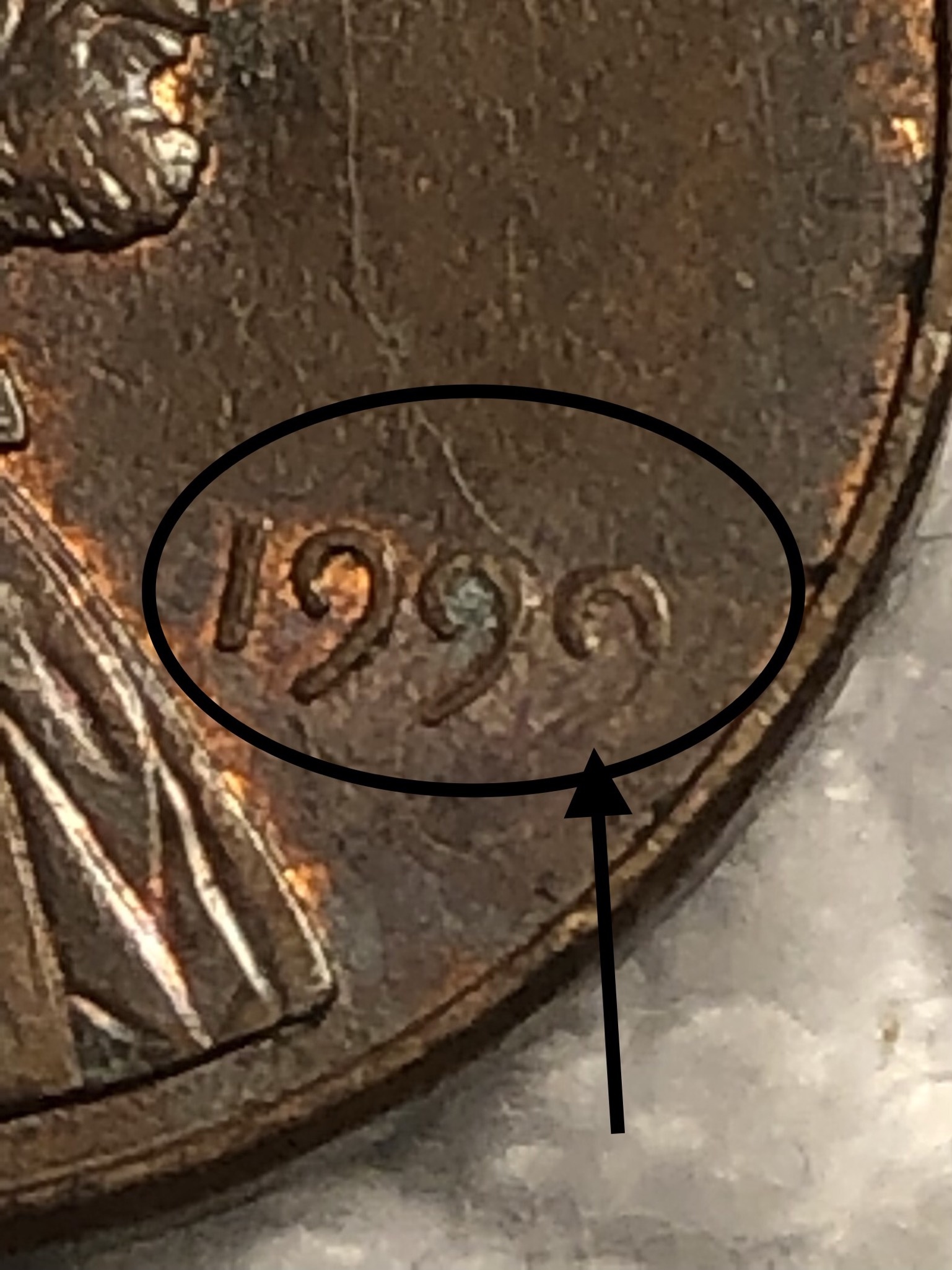
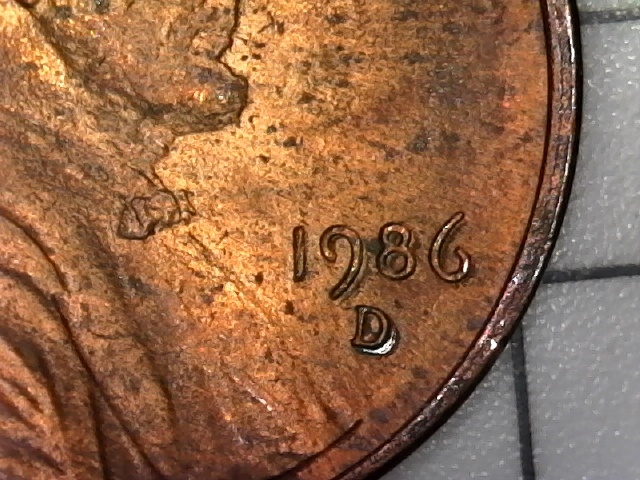
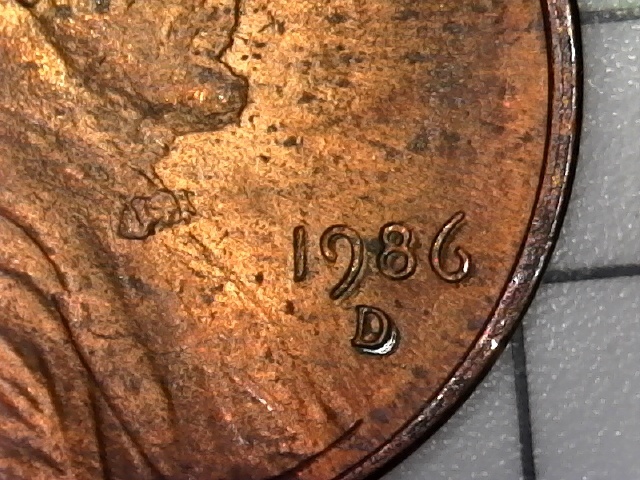
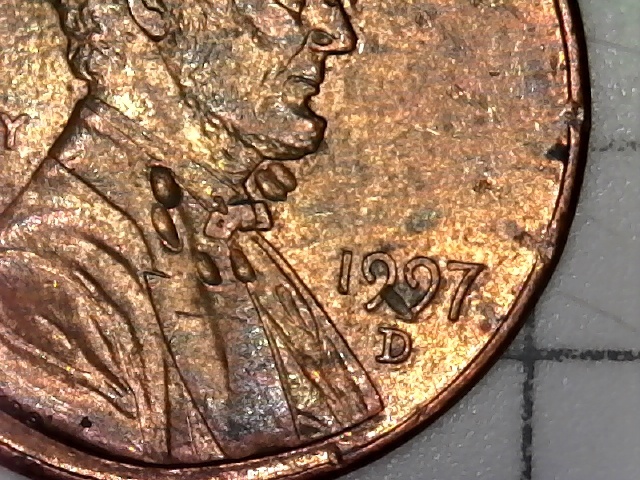
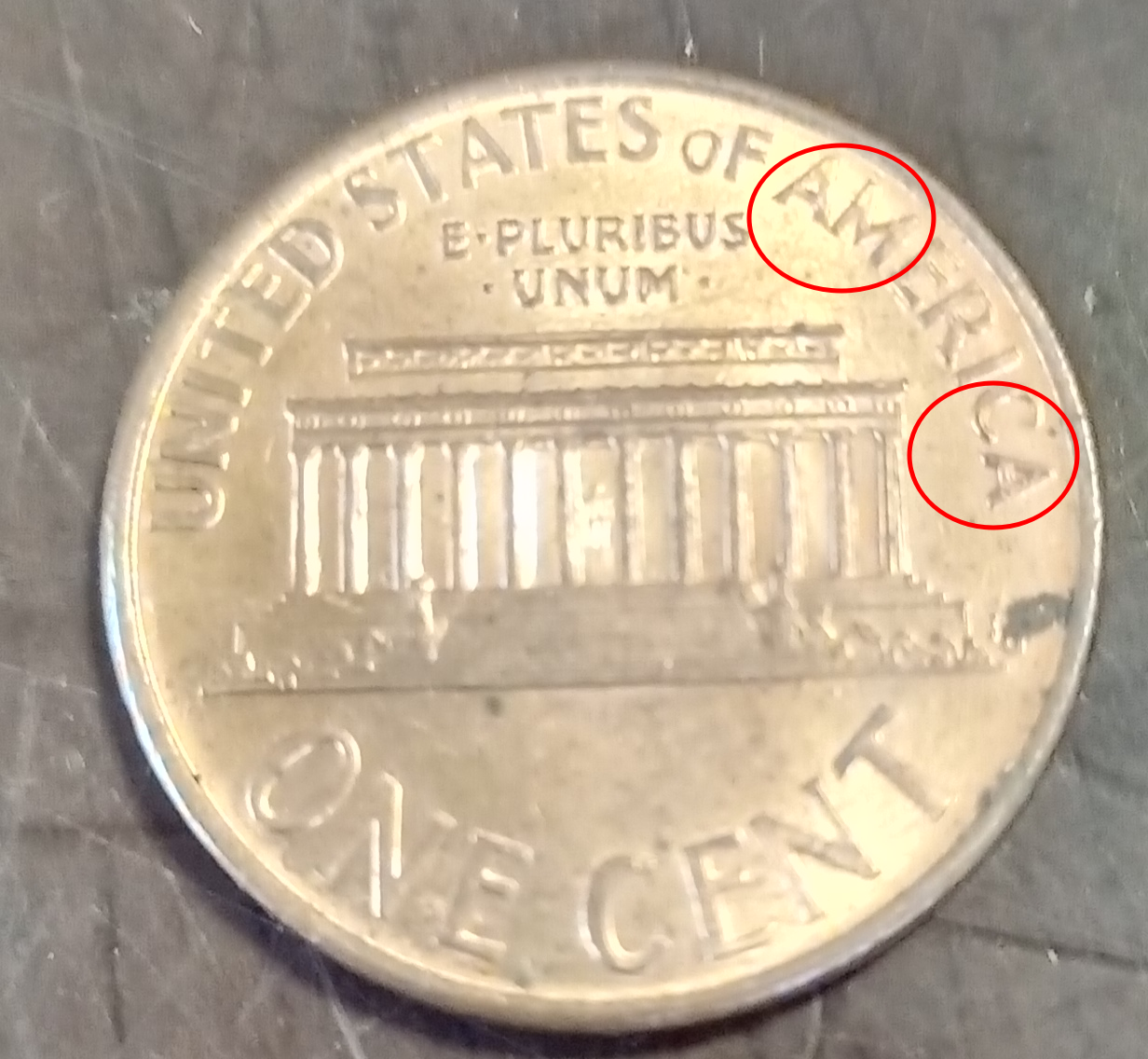
Repunched mintmarks are common U.S. Mint error coins. They look like they have a second mintmark underneath the date on pre-1990 coins. They happen when the letter punch leaves two impressions at different angles or slightly different locations. Usually, the two mintmark impressions are overlapping or touching in some way. Rarely, the mintmarks are in two separate, distinct locations. These error coins are worth between $3 and $15 — depending on how drastic the doubling (or even tripling) of the mintmark is.
See How Much Repunched Mintmark Error Coins Are Worth
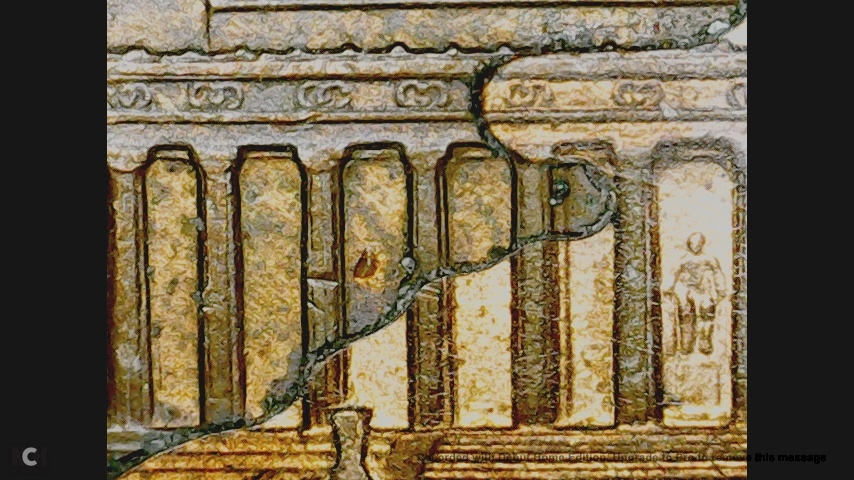
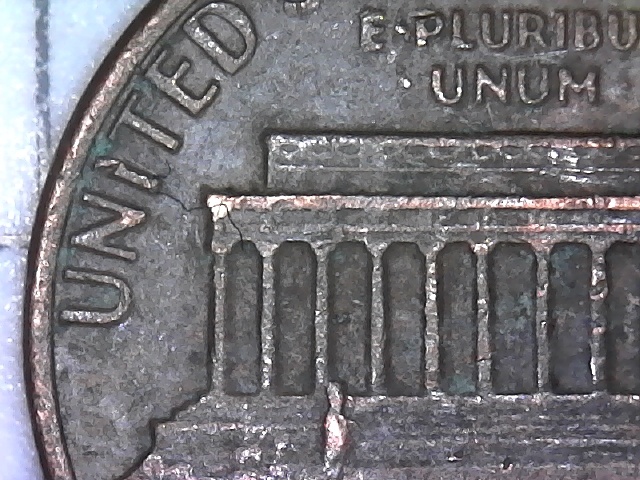
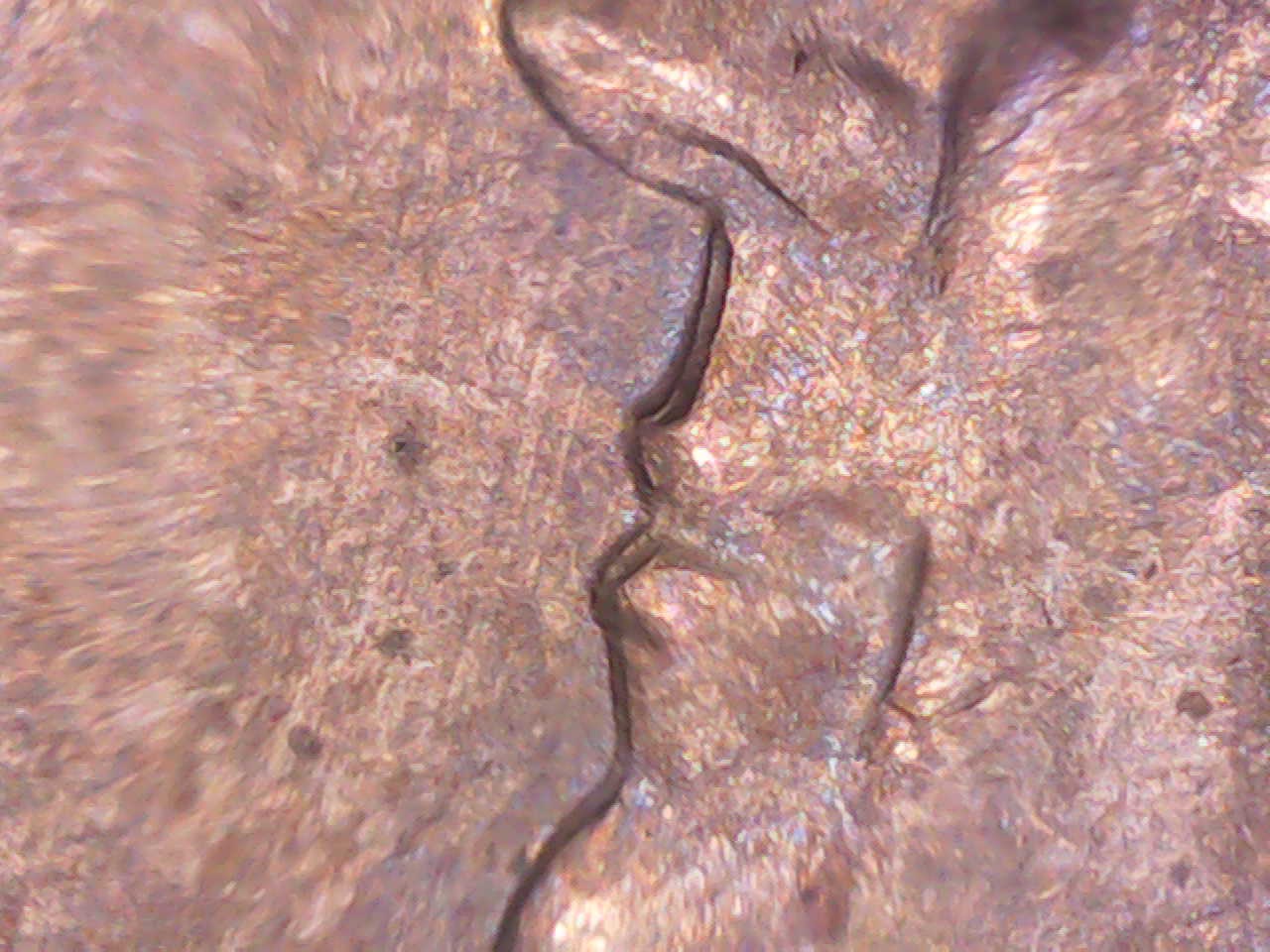
#7 – Die Break / Die Crack Error Coins
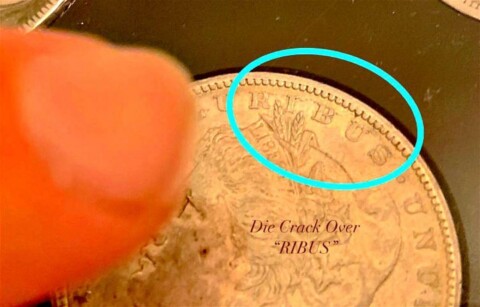
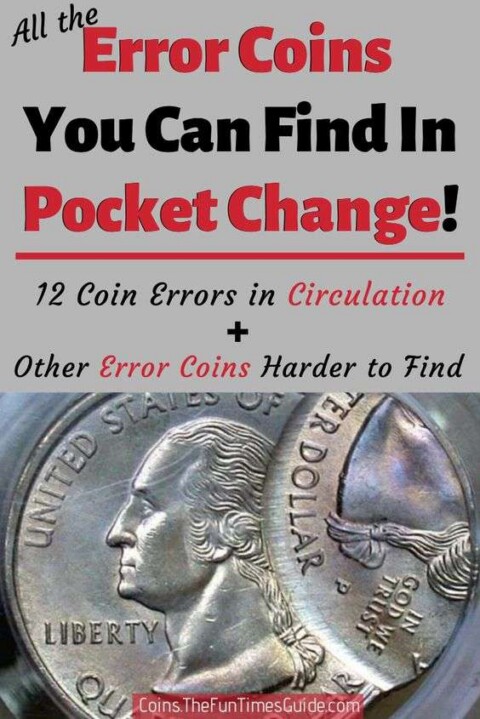
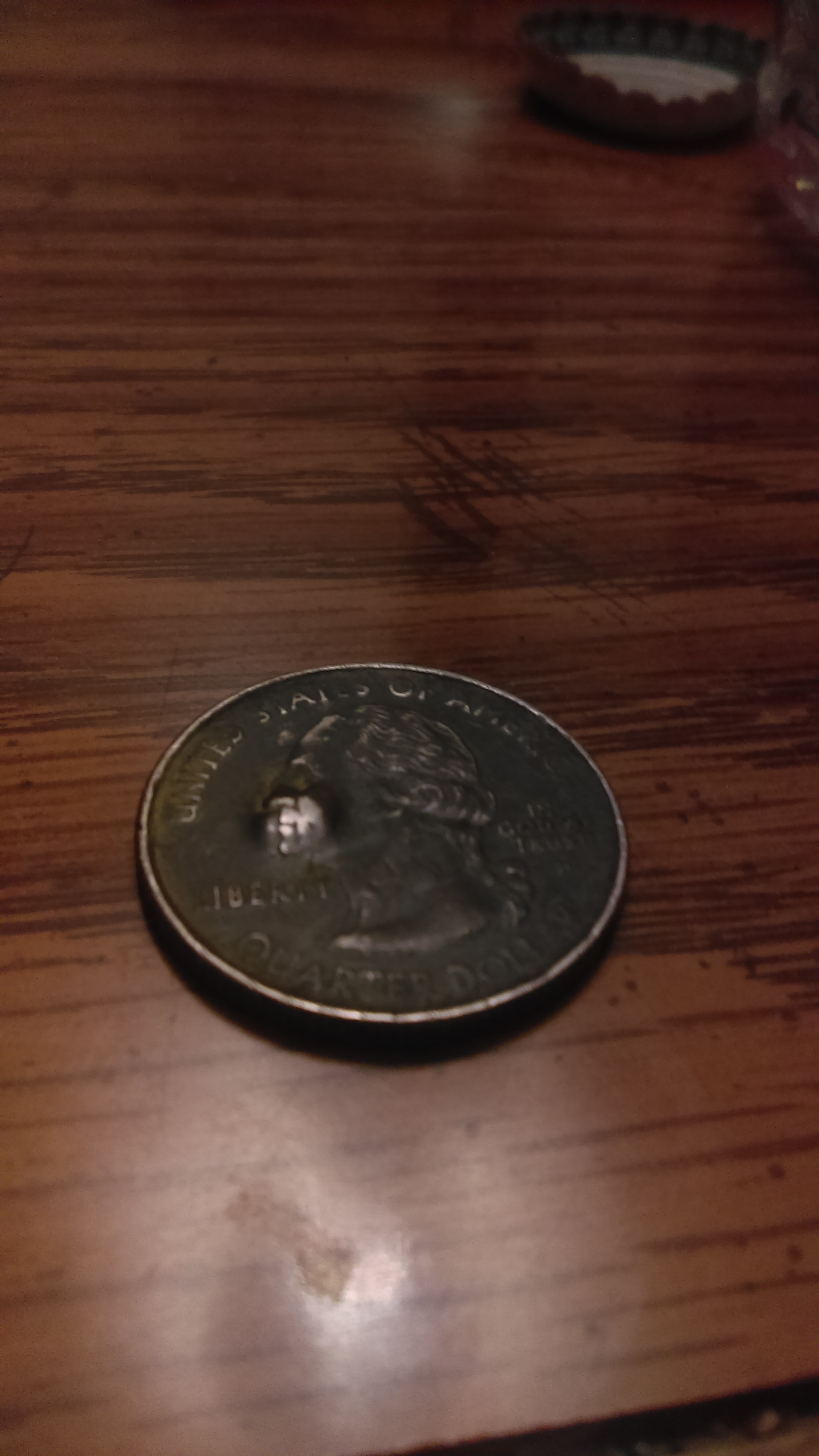
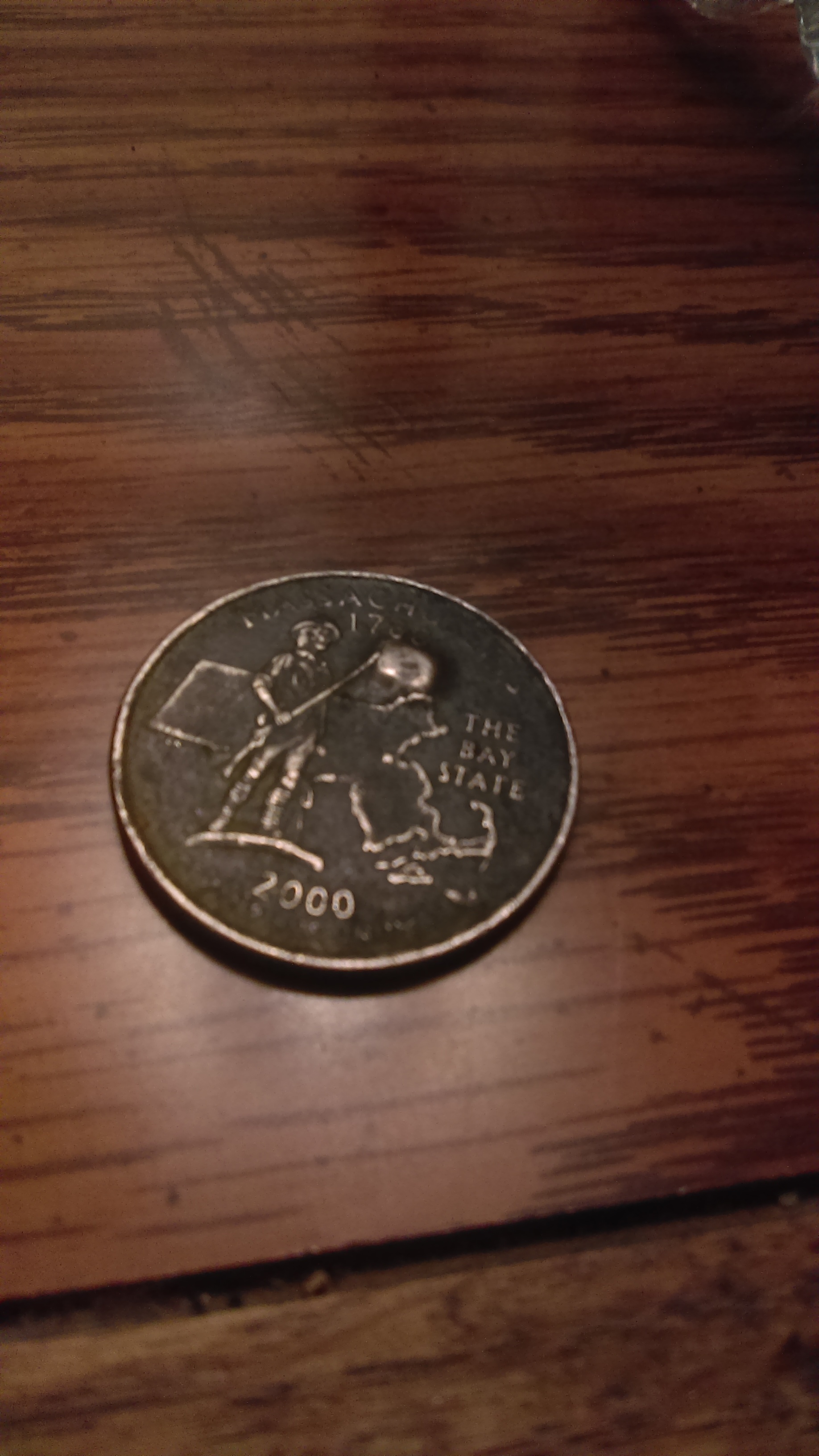
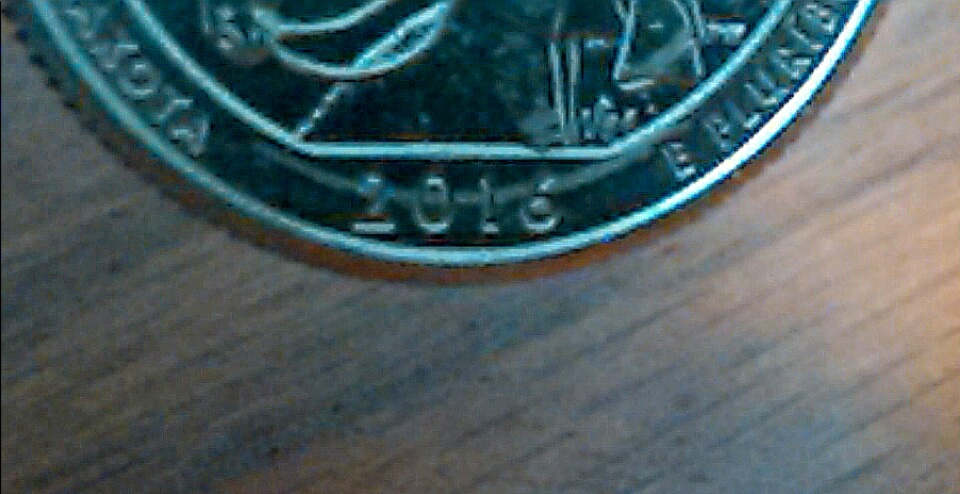
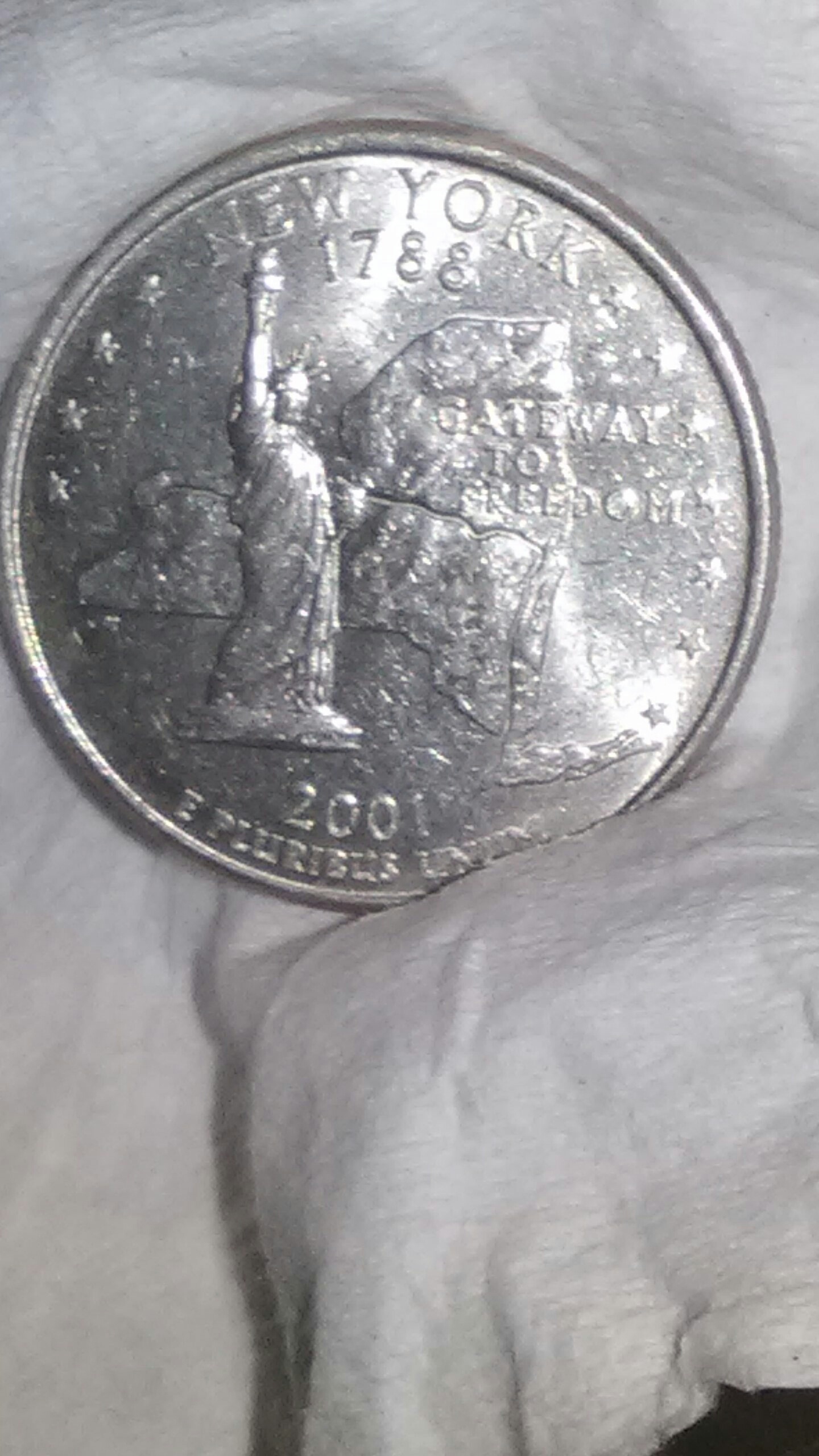
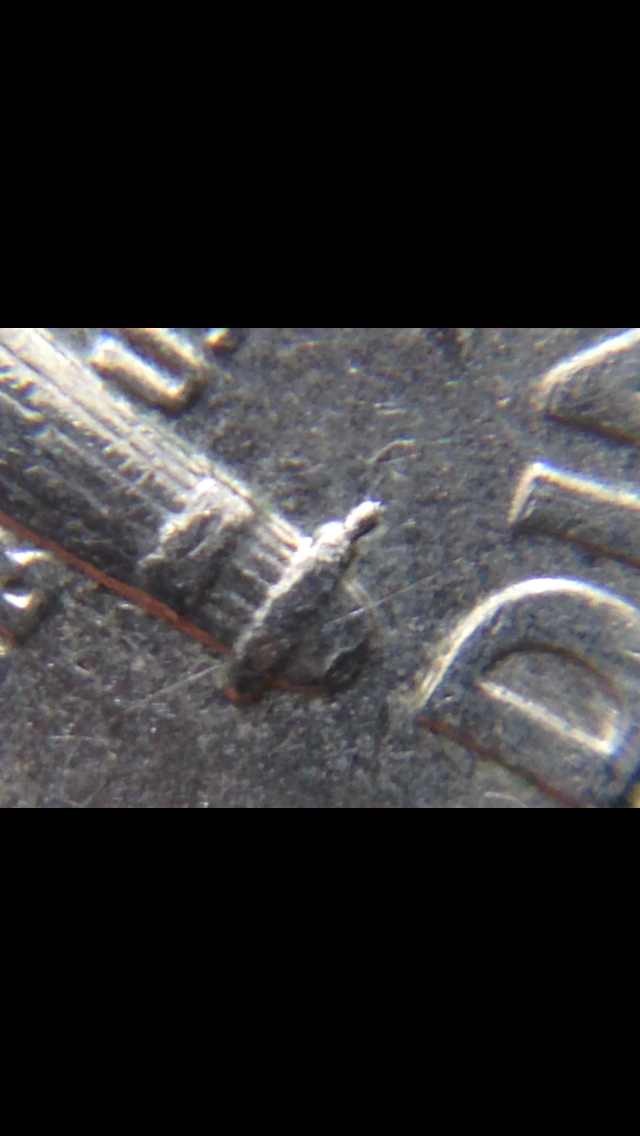
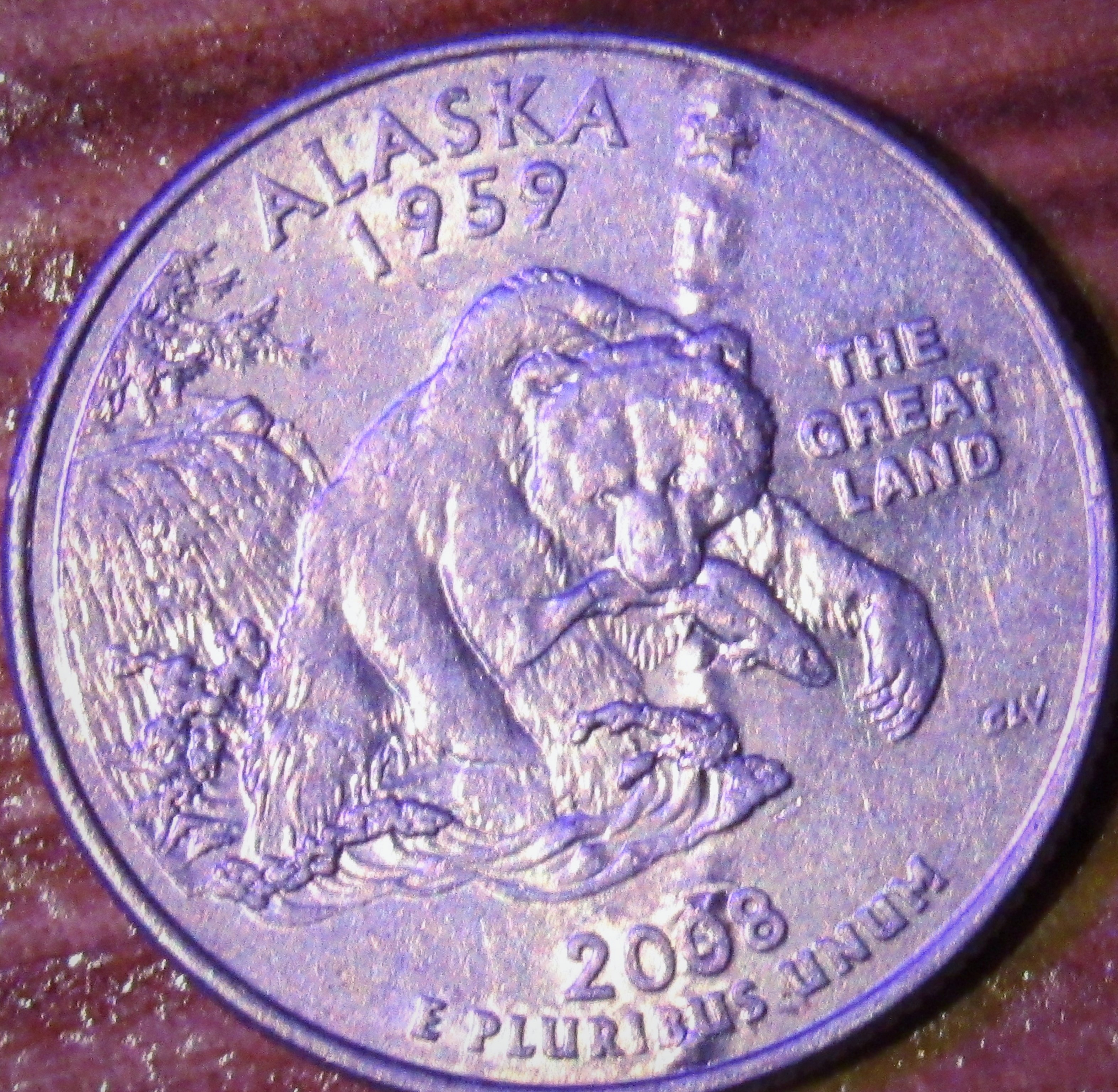
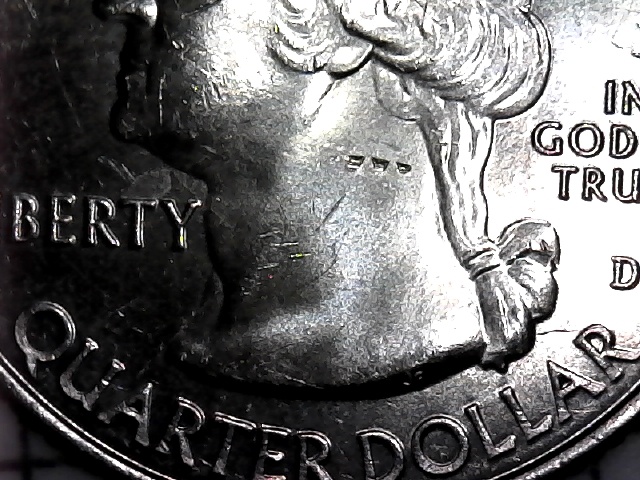
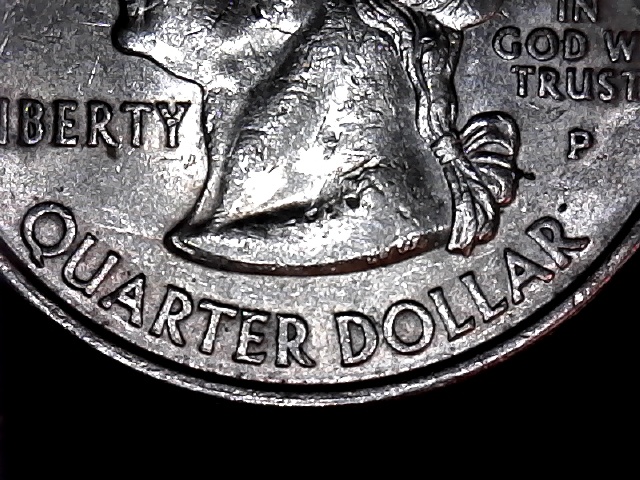
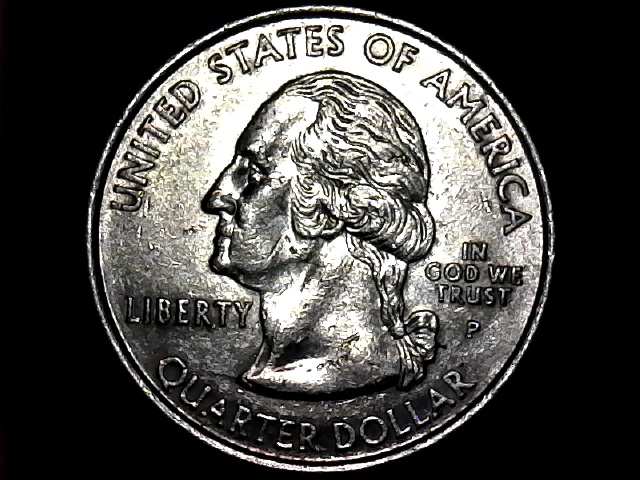
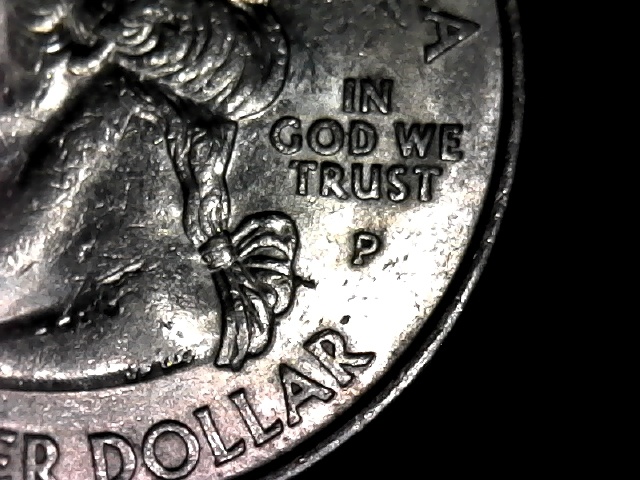
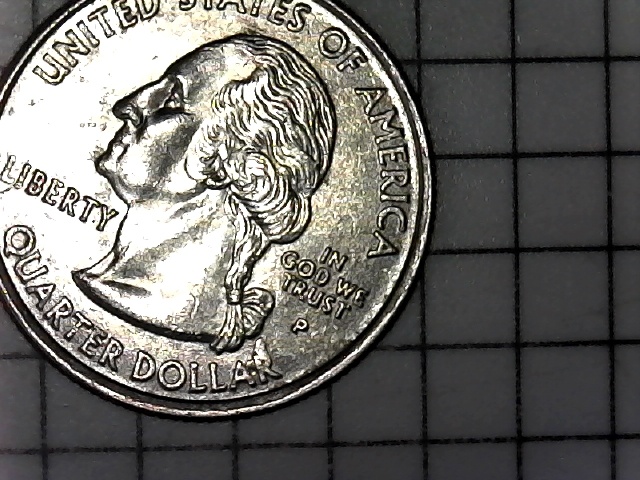
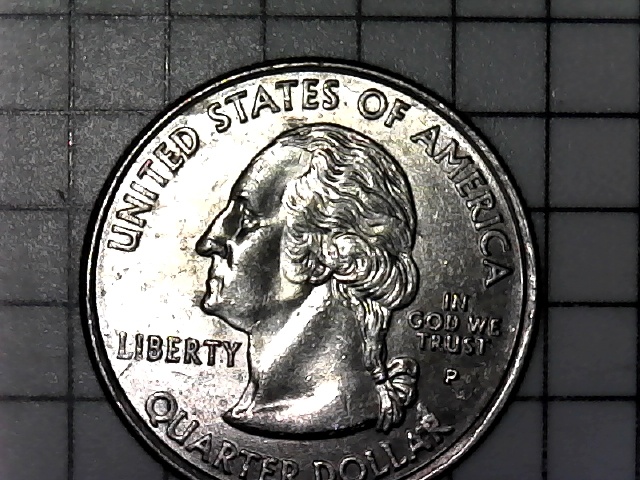
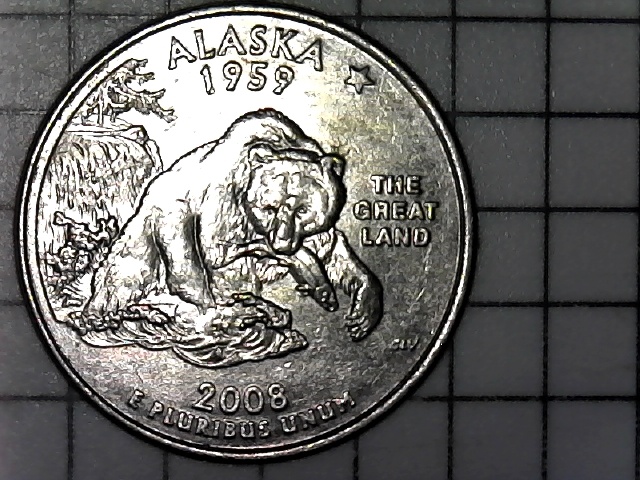
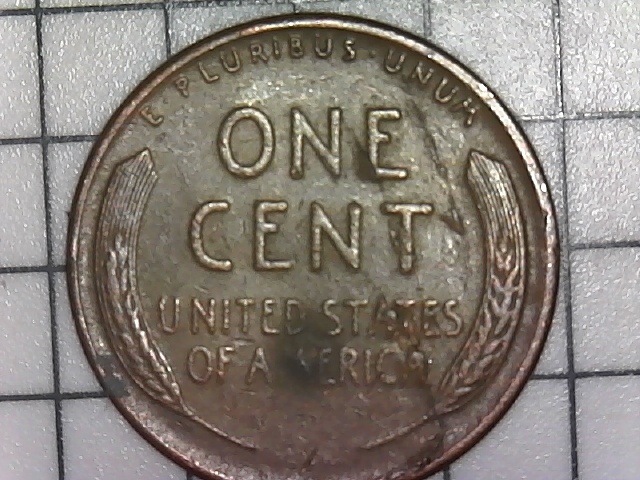
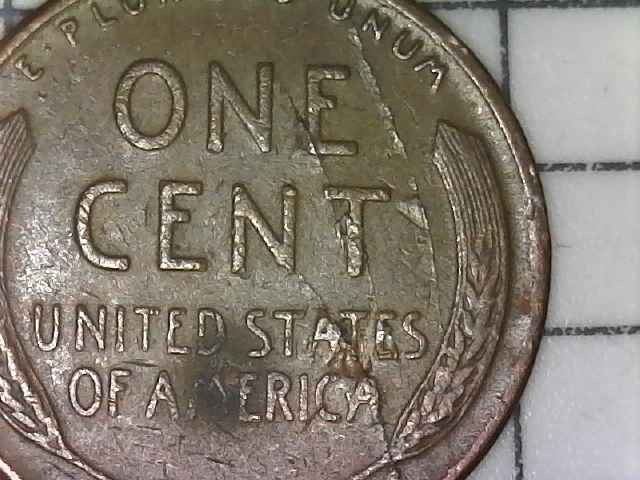
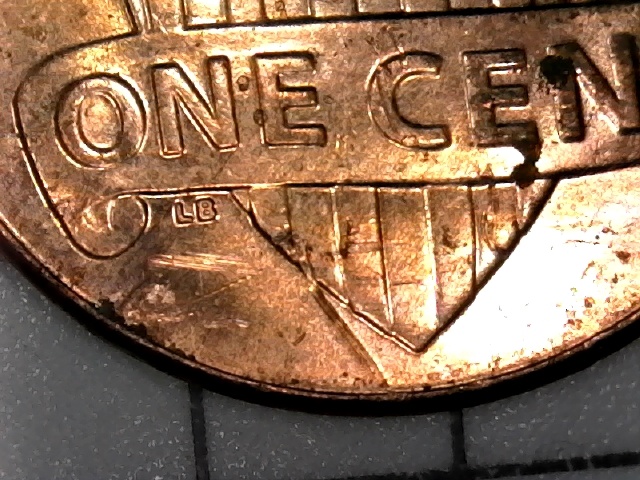
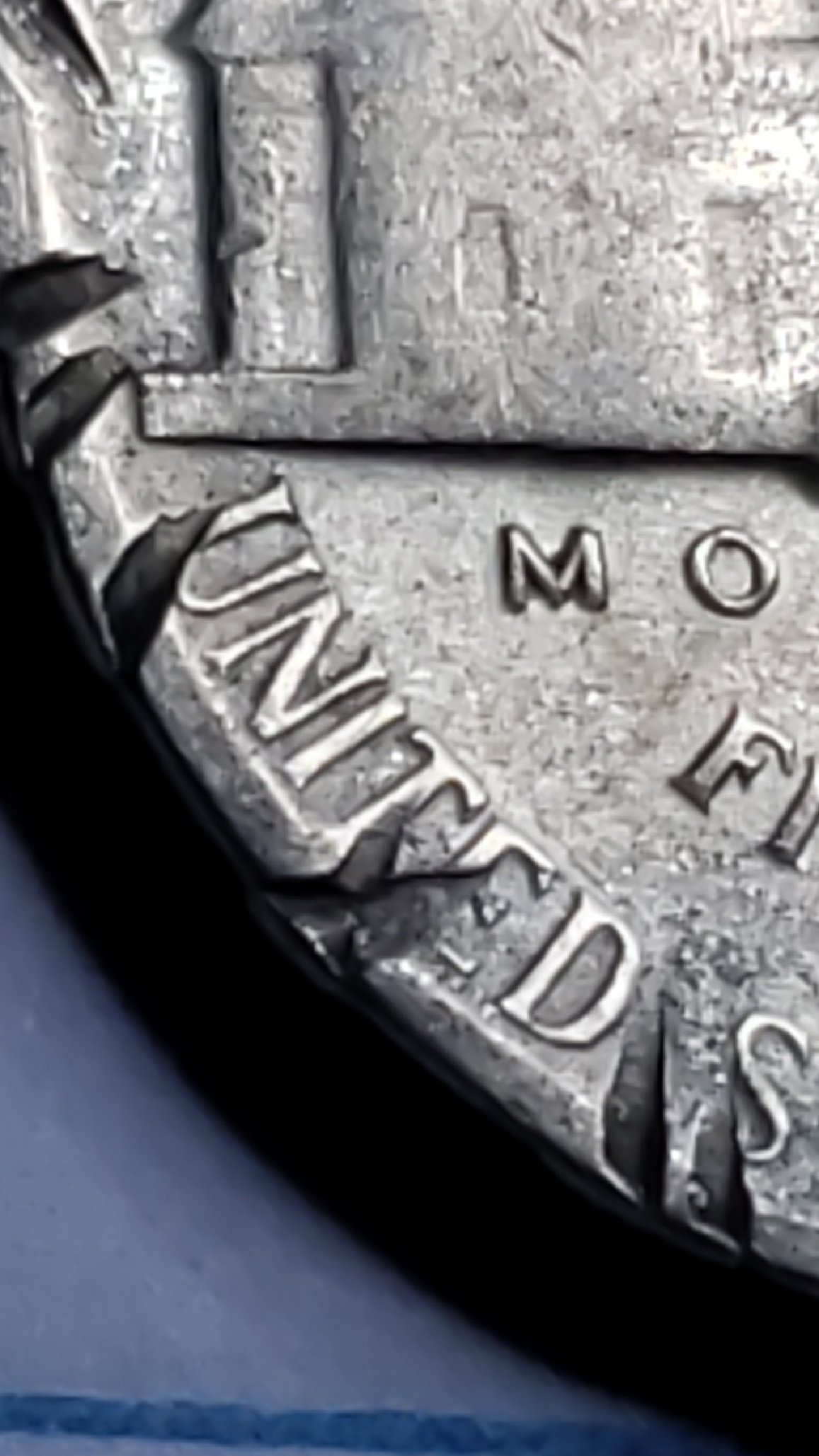
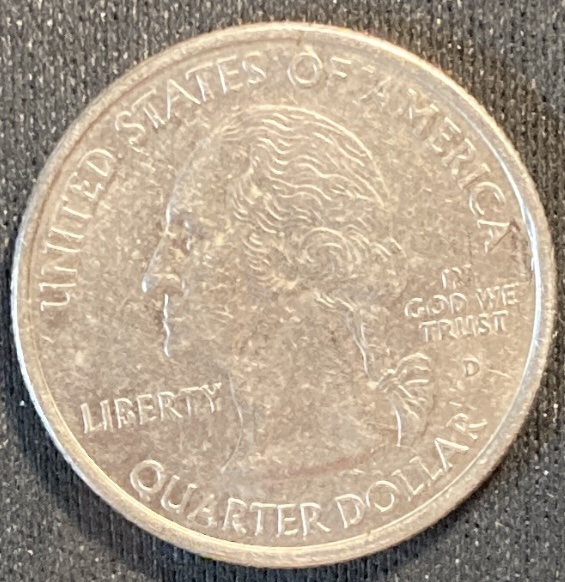
As coin dies age, they may begin cracking or breaking apart. When this happens, the area(s) of defect on the die will appear as raised bumps, lines, or even broad flattish areas. Larger die breaks (die cracks) or those that create interesting design elements are often worth a lot of money — like this Delaware state quarter that was once worth as much as $500. However, most die cracks (or die breaks) are generally minor and of insignificant value — around $3 and up.
See How Much Die Break & Die Crack Error Coins Are Worth
#8 – Die Cud Error Coins
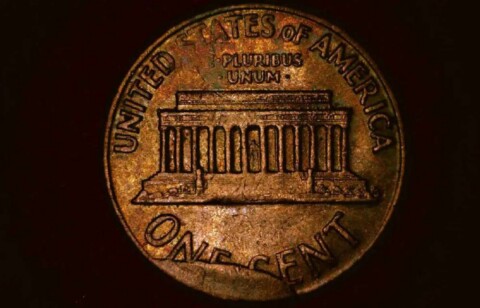
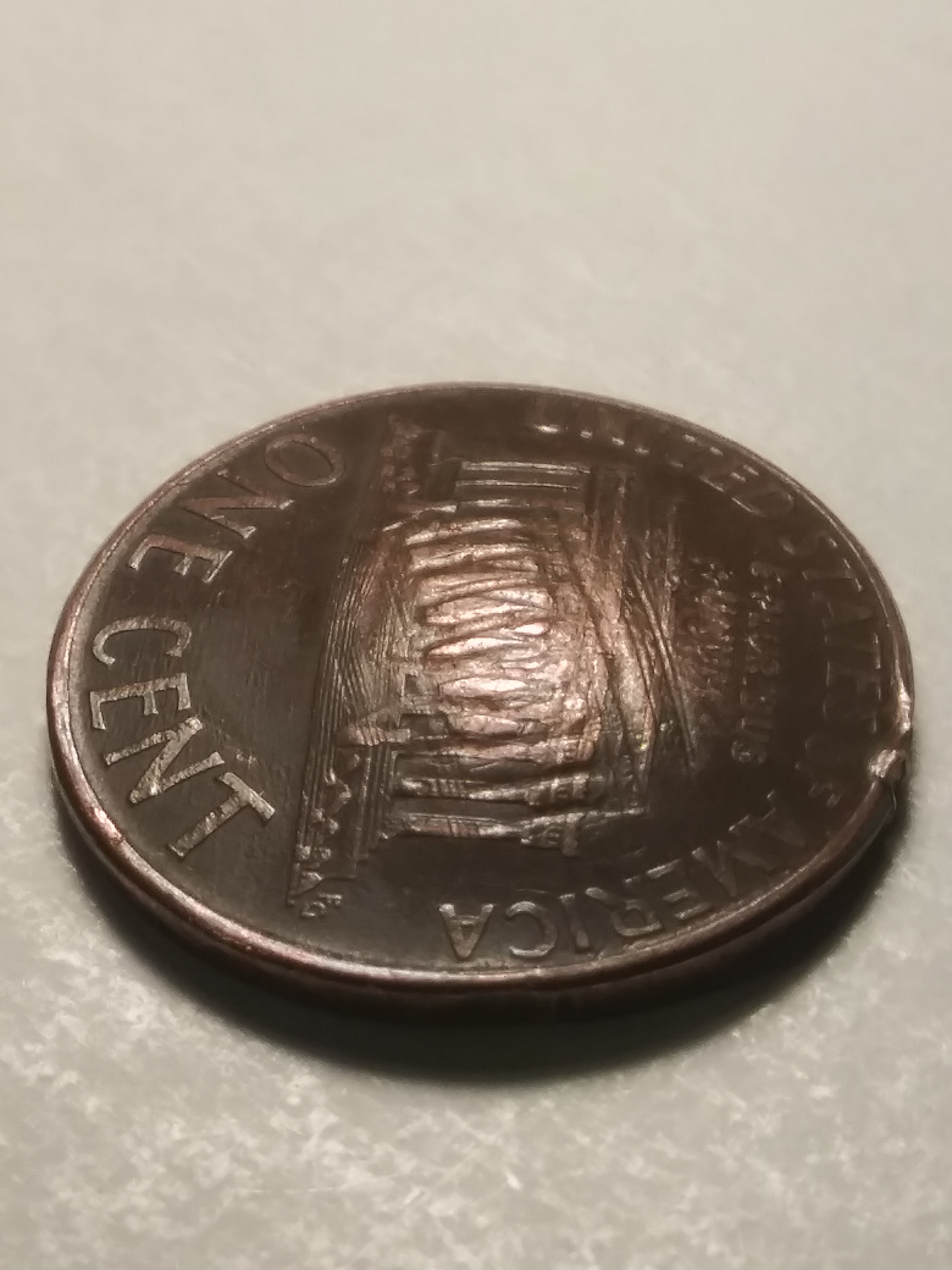
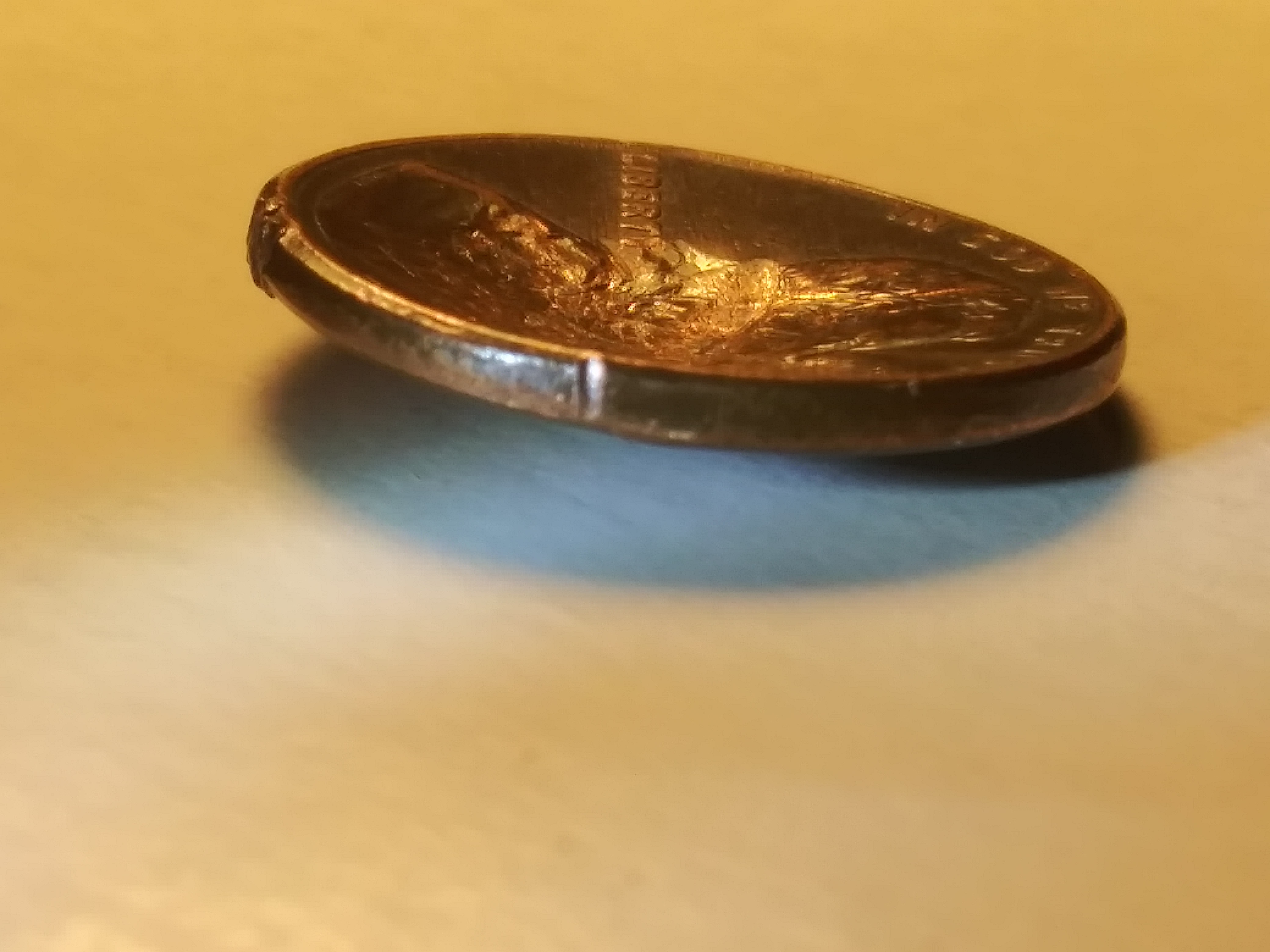
Die cuds are broad die breaks that are attached to the rim. Specifically… when a piece of the coin die breaks off from the rim, the result is a flat, featureless blob of metal that extends from the rim inward. Some cuds are relatively tiny, insignificant, and worth very little. Others are large, consuming much of the rim and perhaps half (or more) of one side of the coin. Larger die cuds can be worth $100 or more.
See How Much Die Cud Error Coins Are Worth
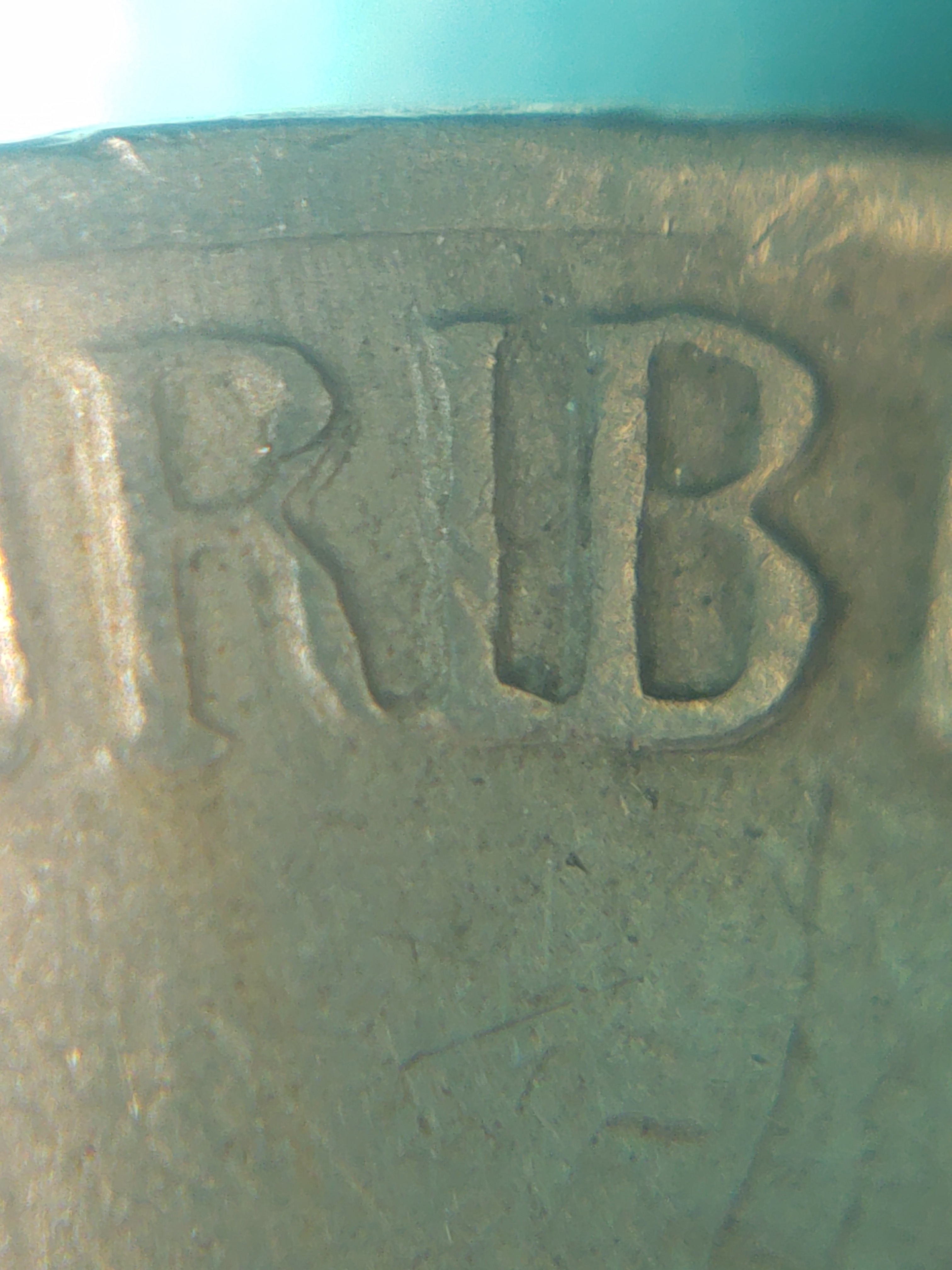
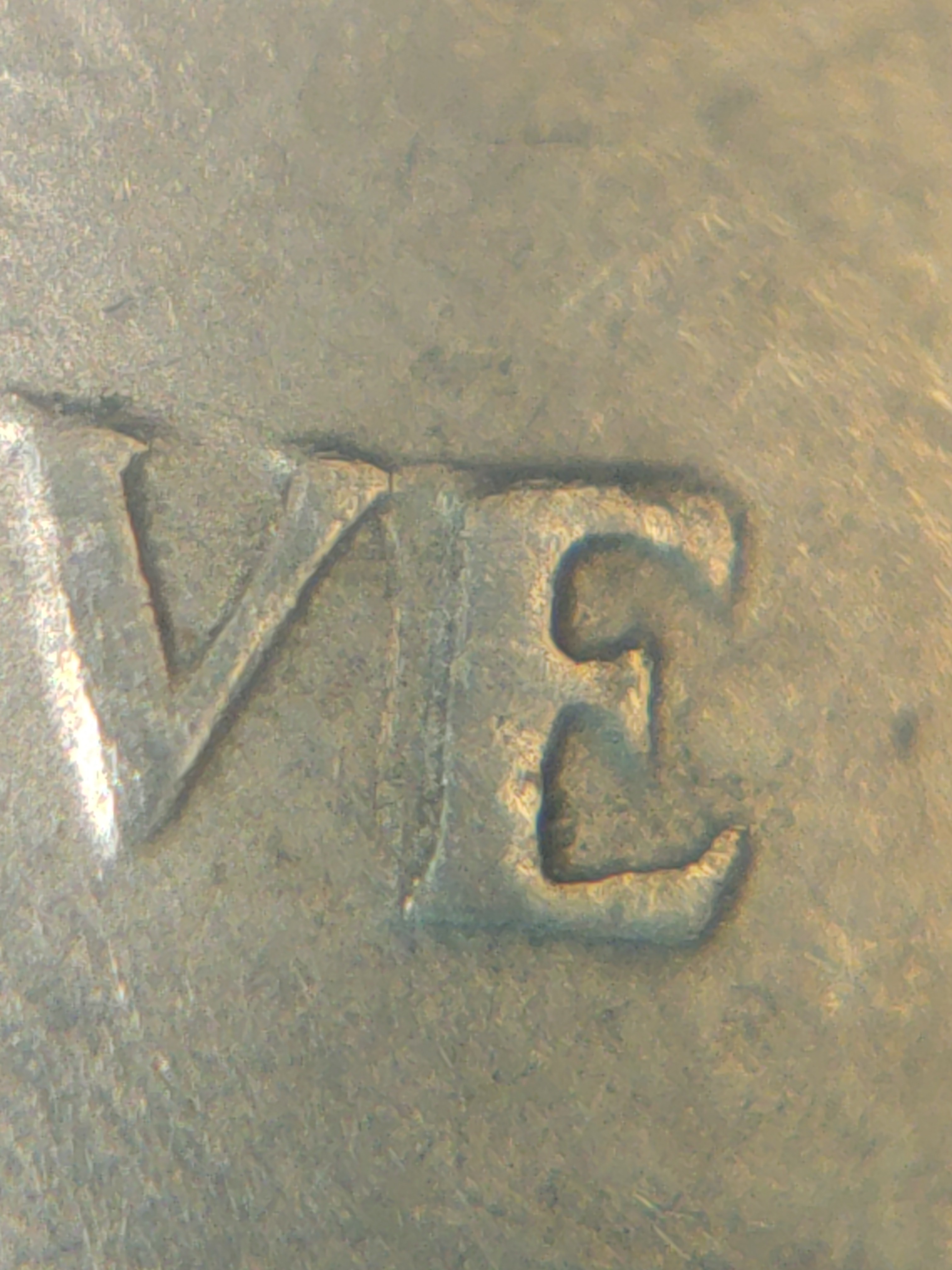
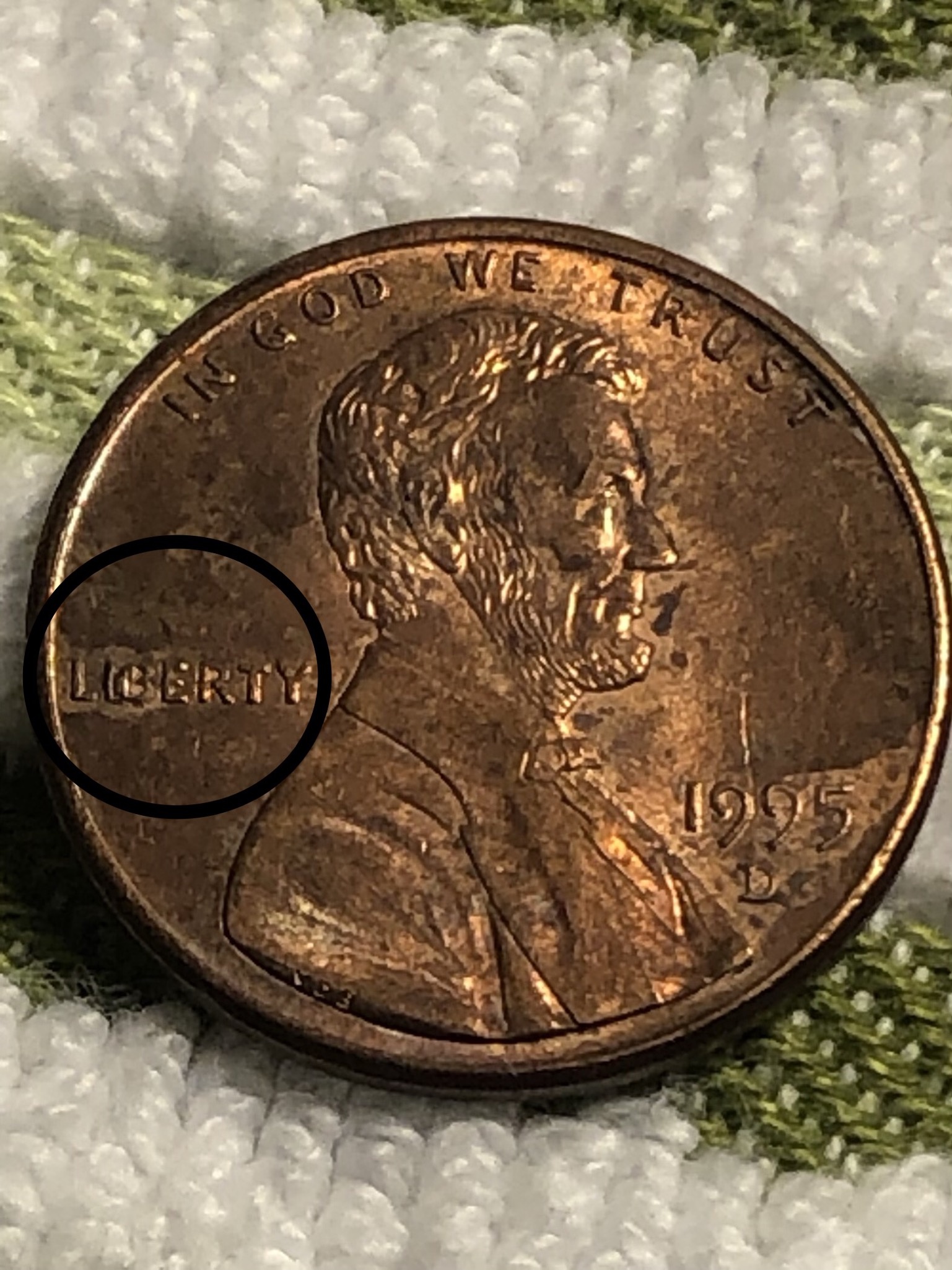
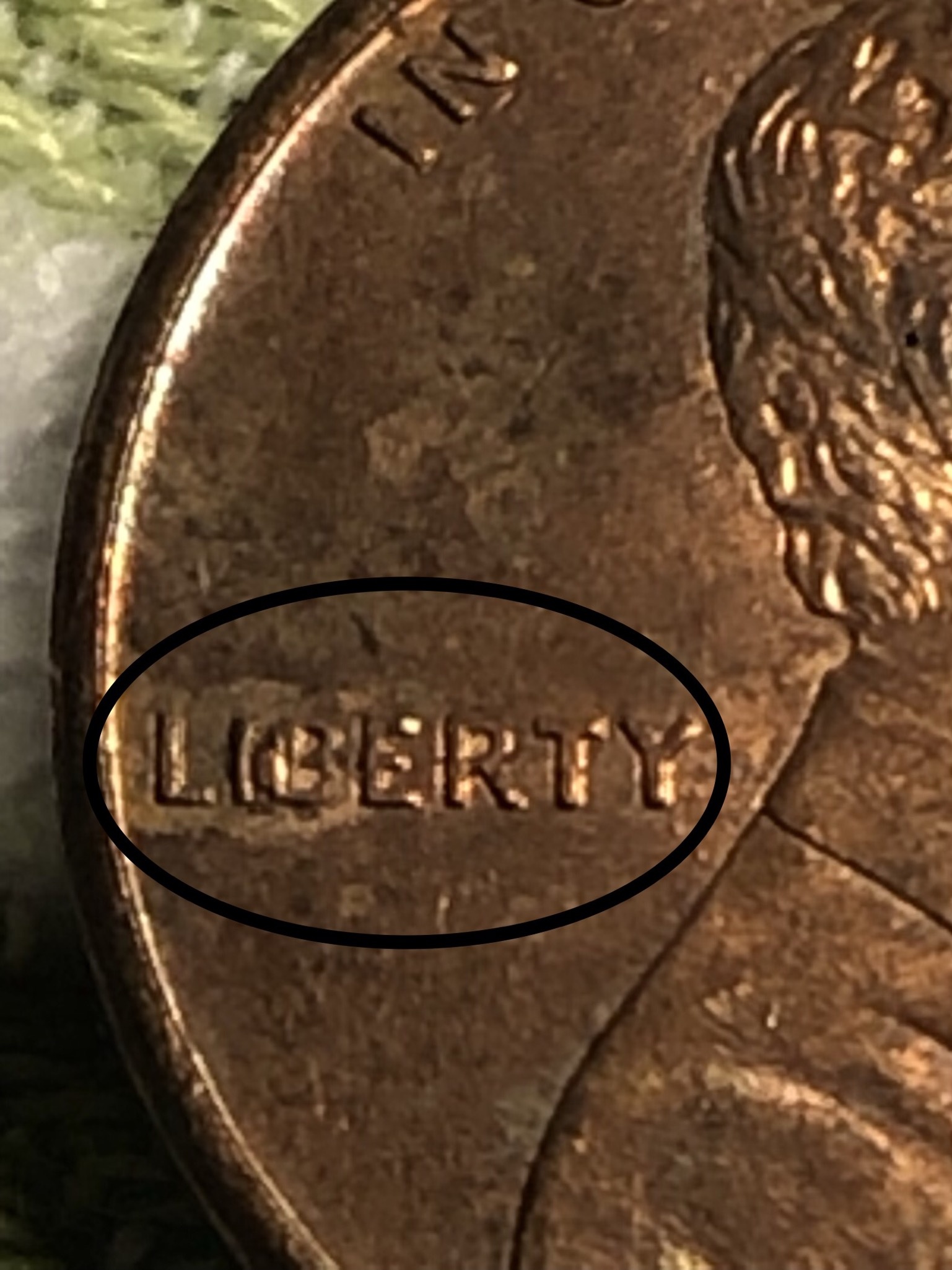
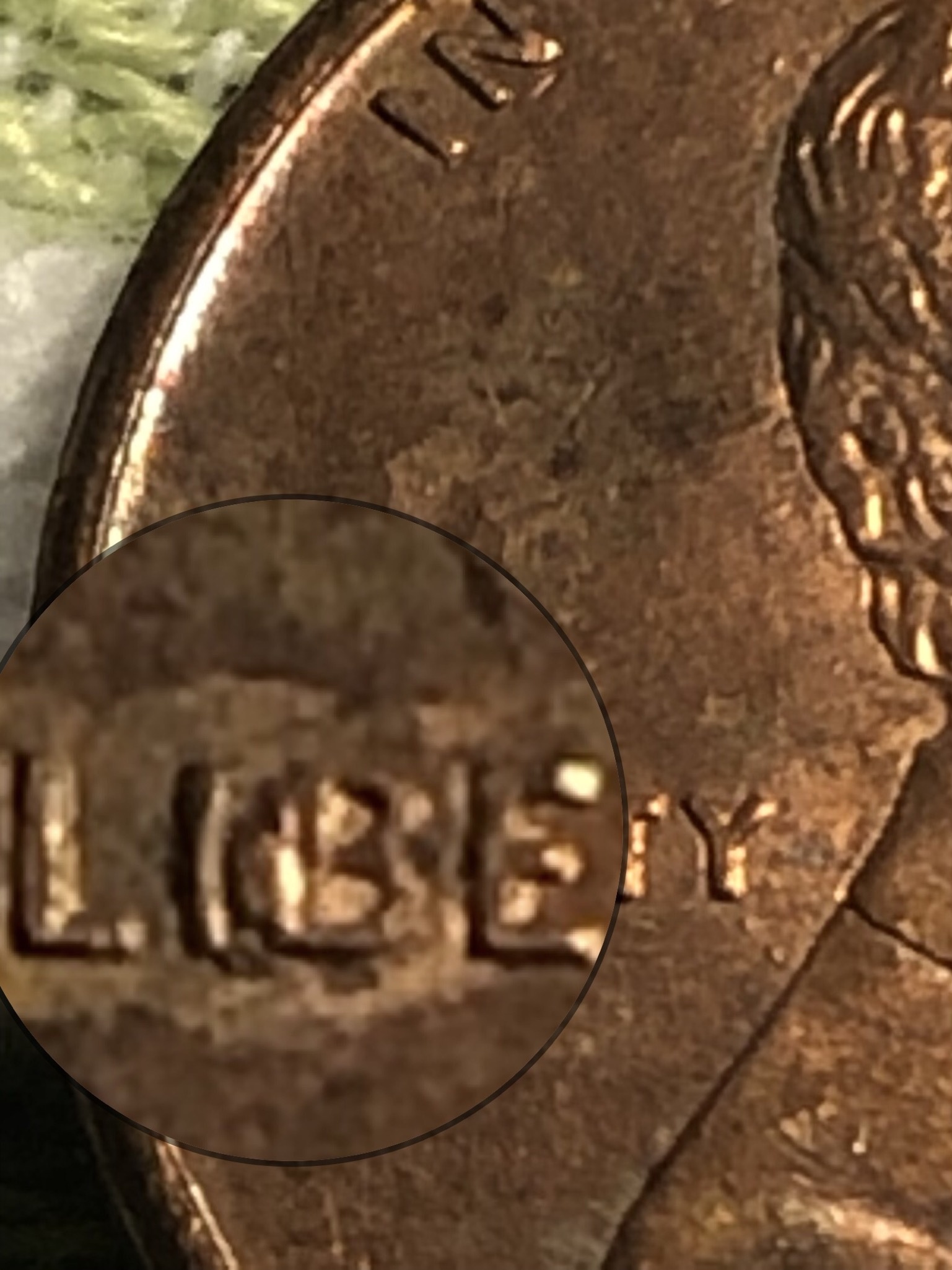
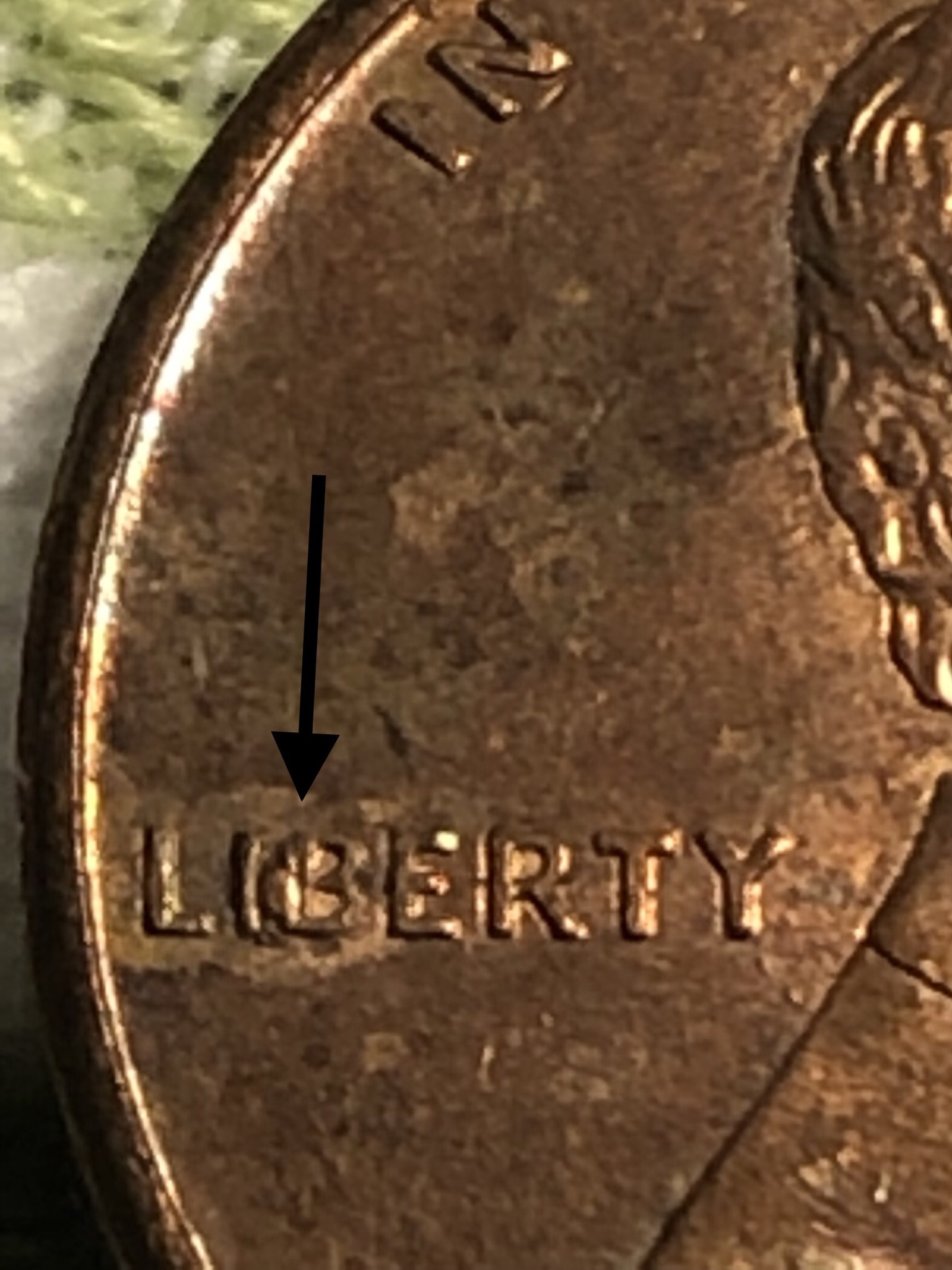
#9 – BIE Error Coins
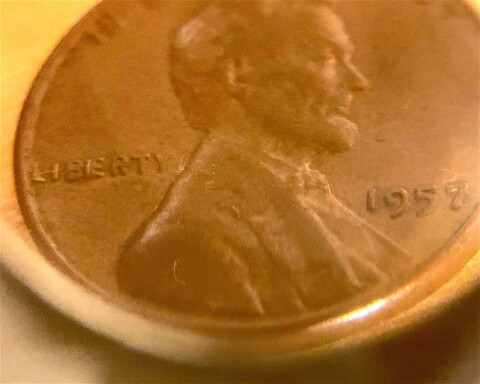
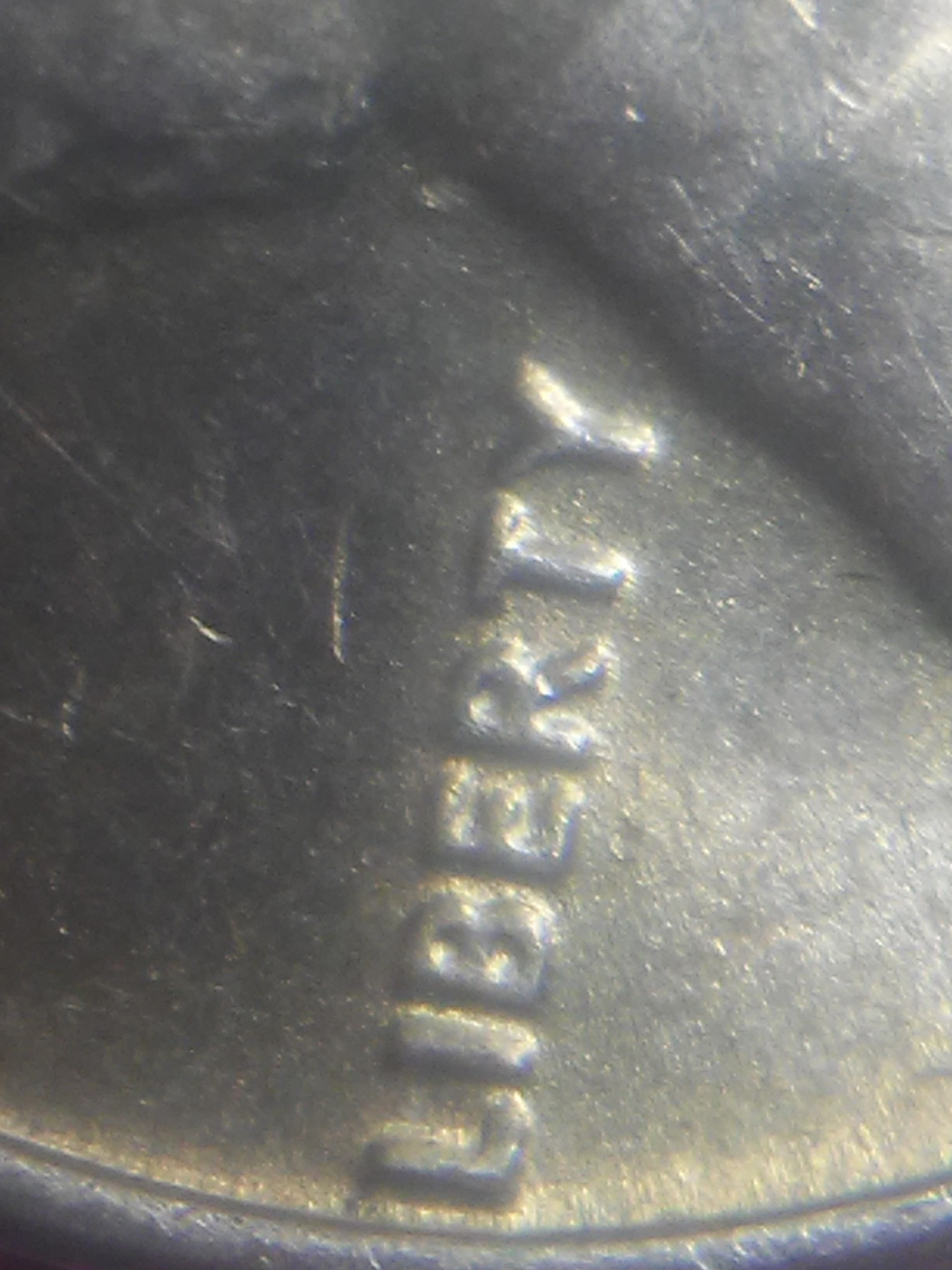
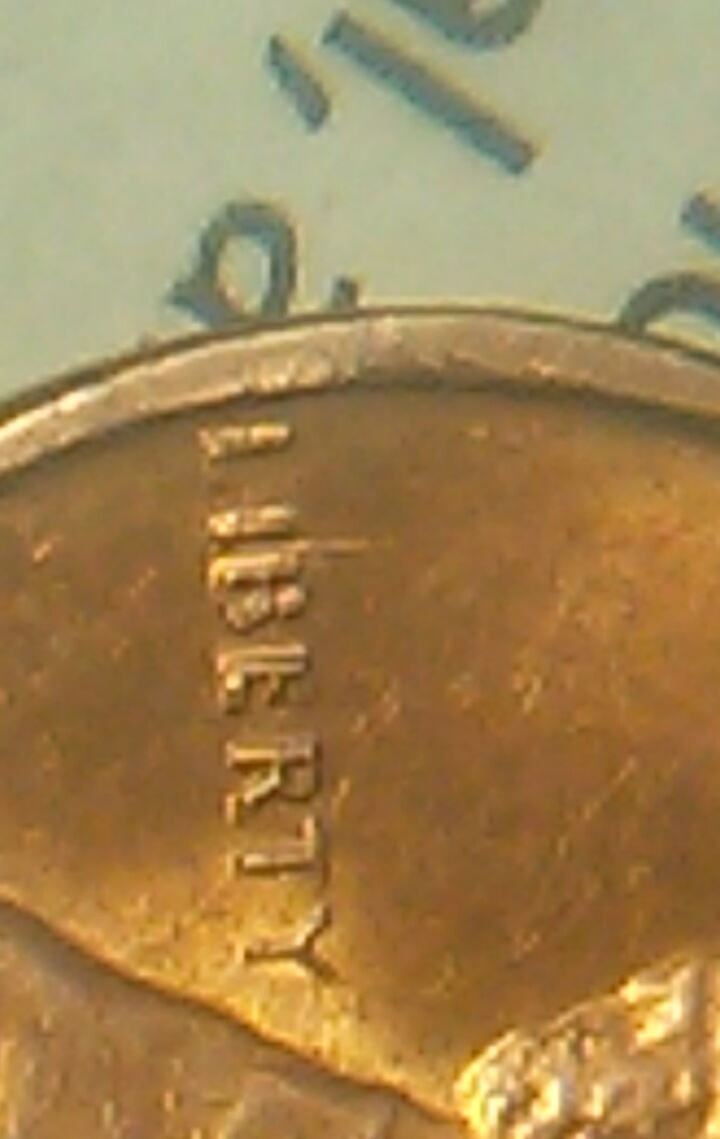
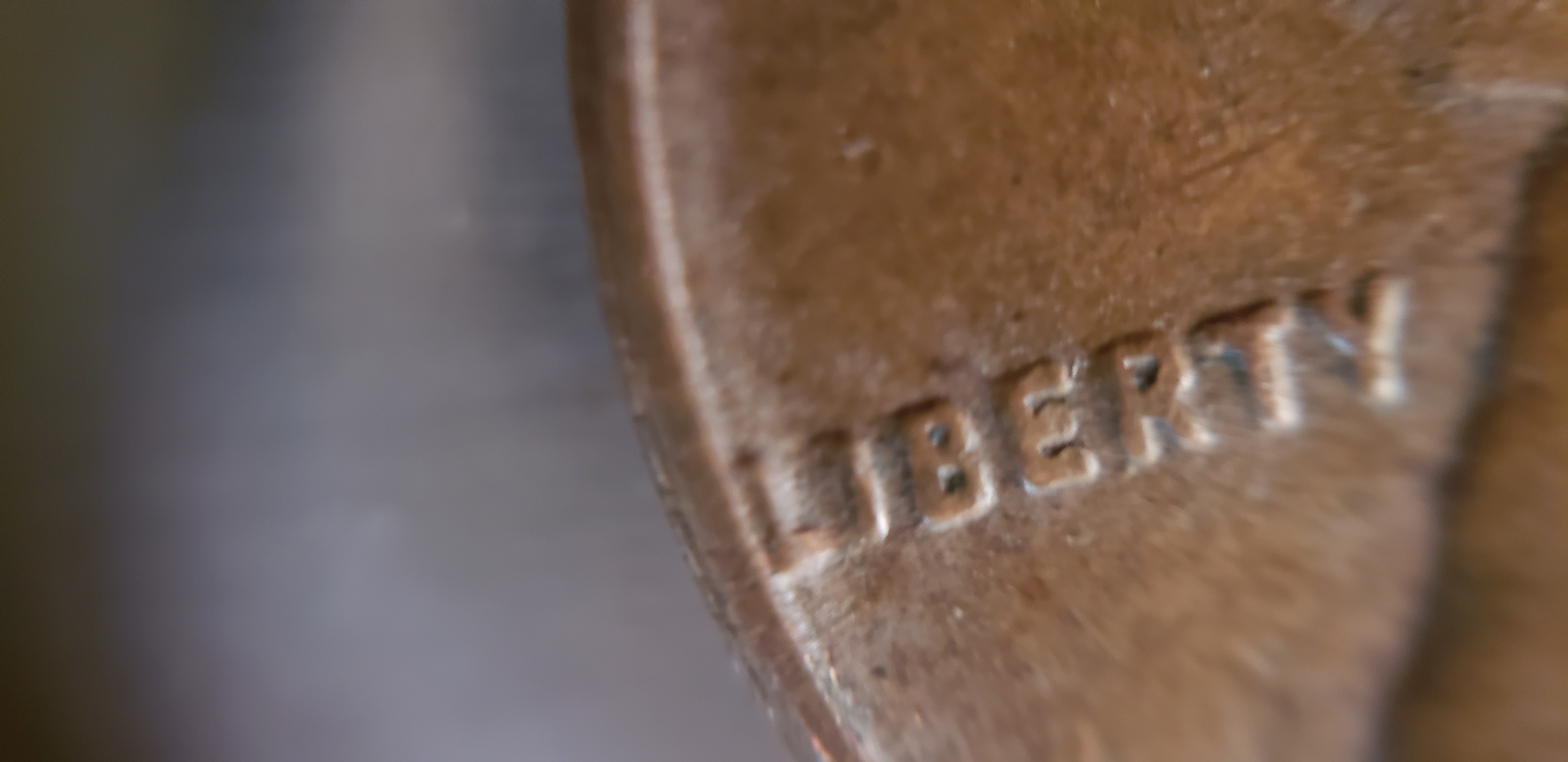
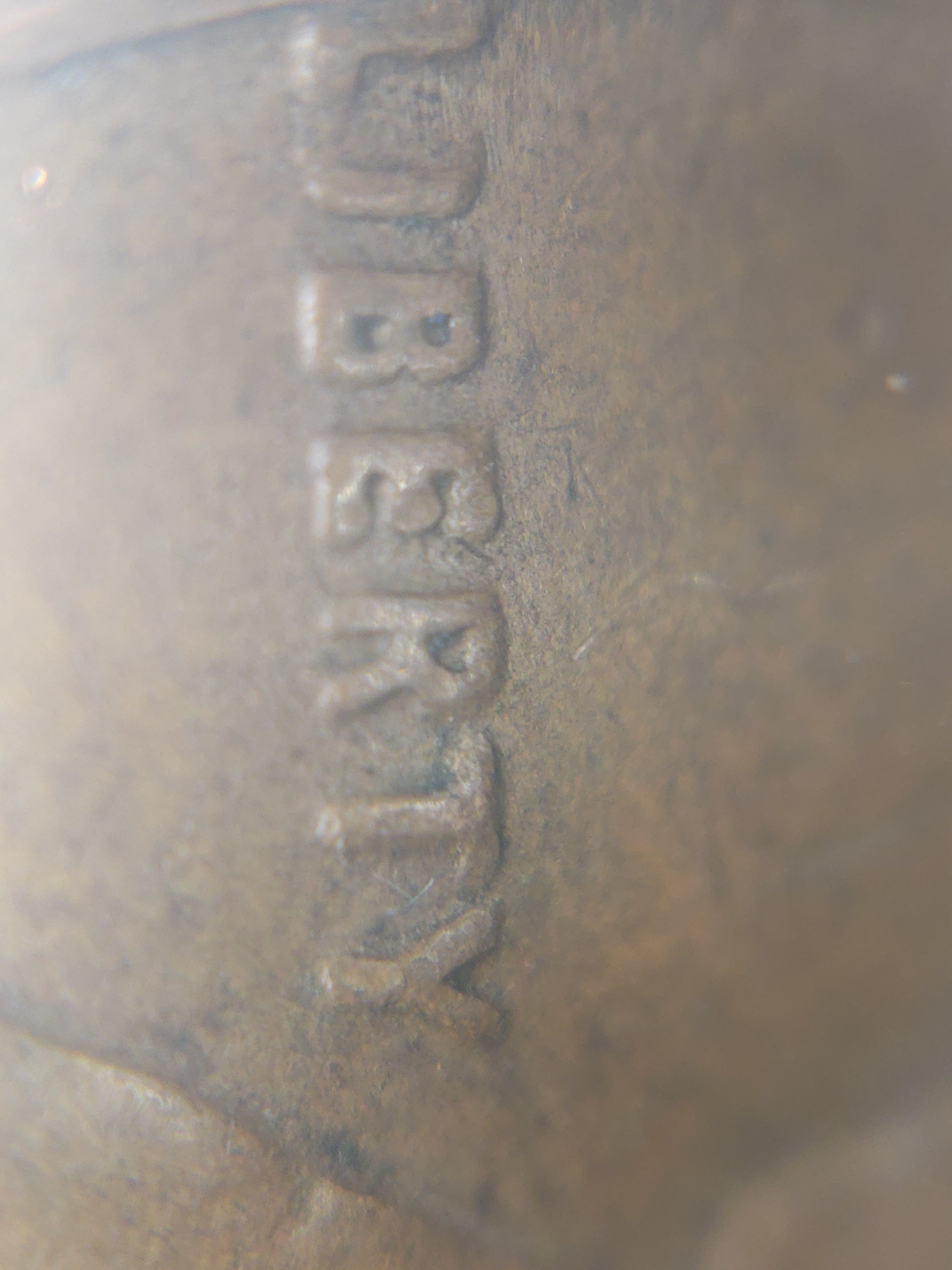
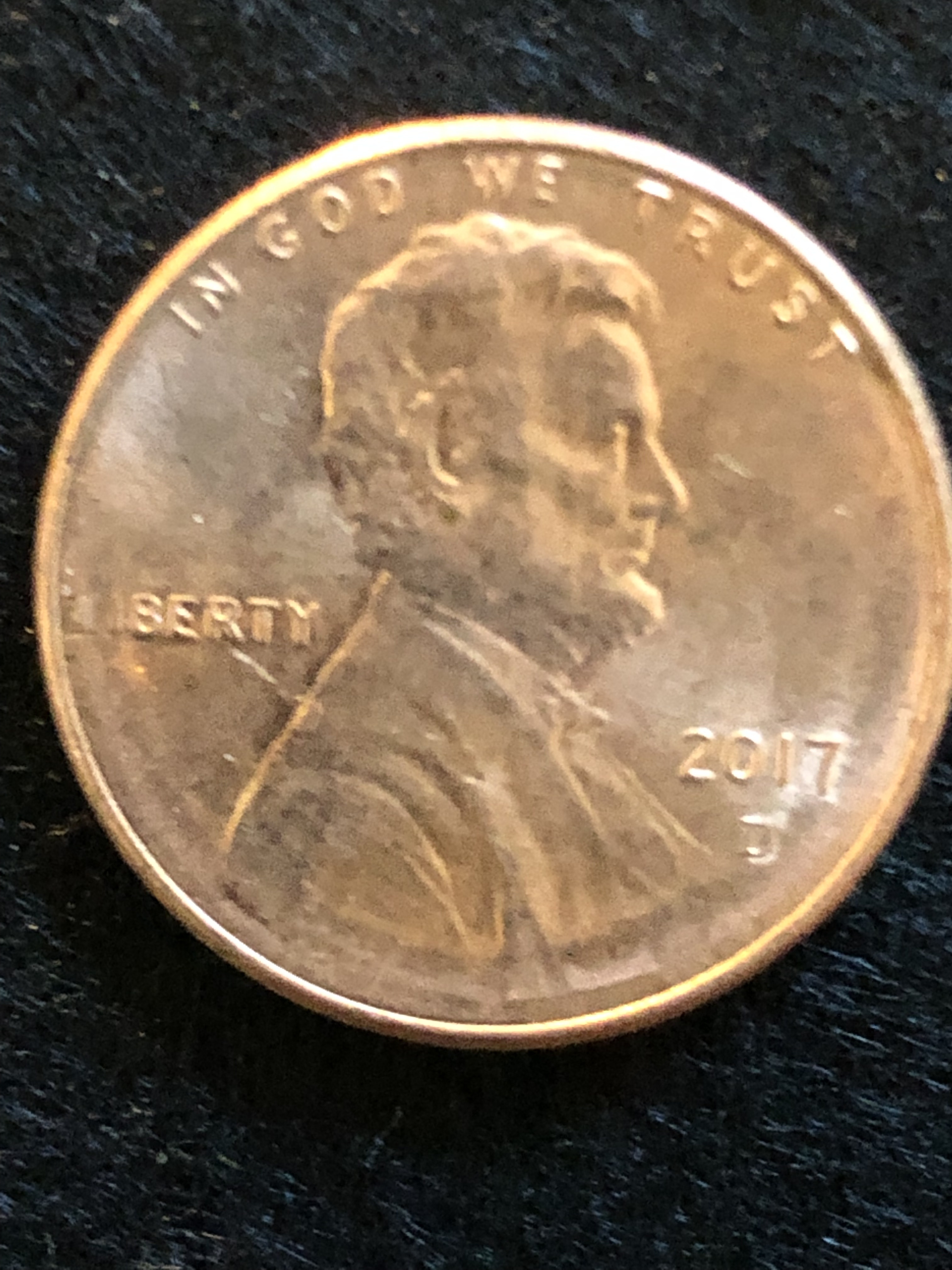
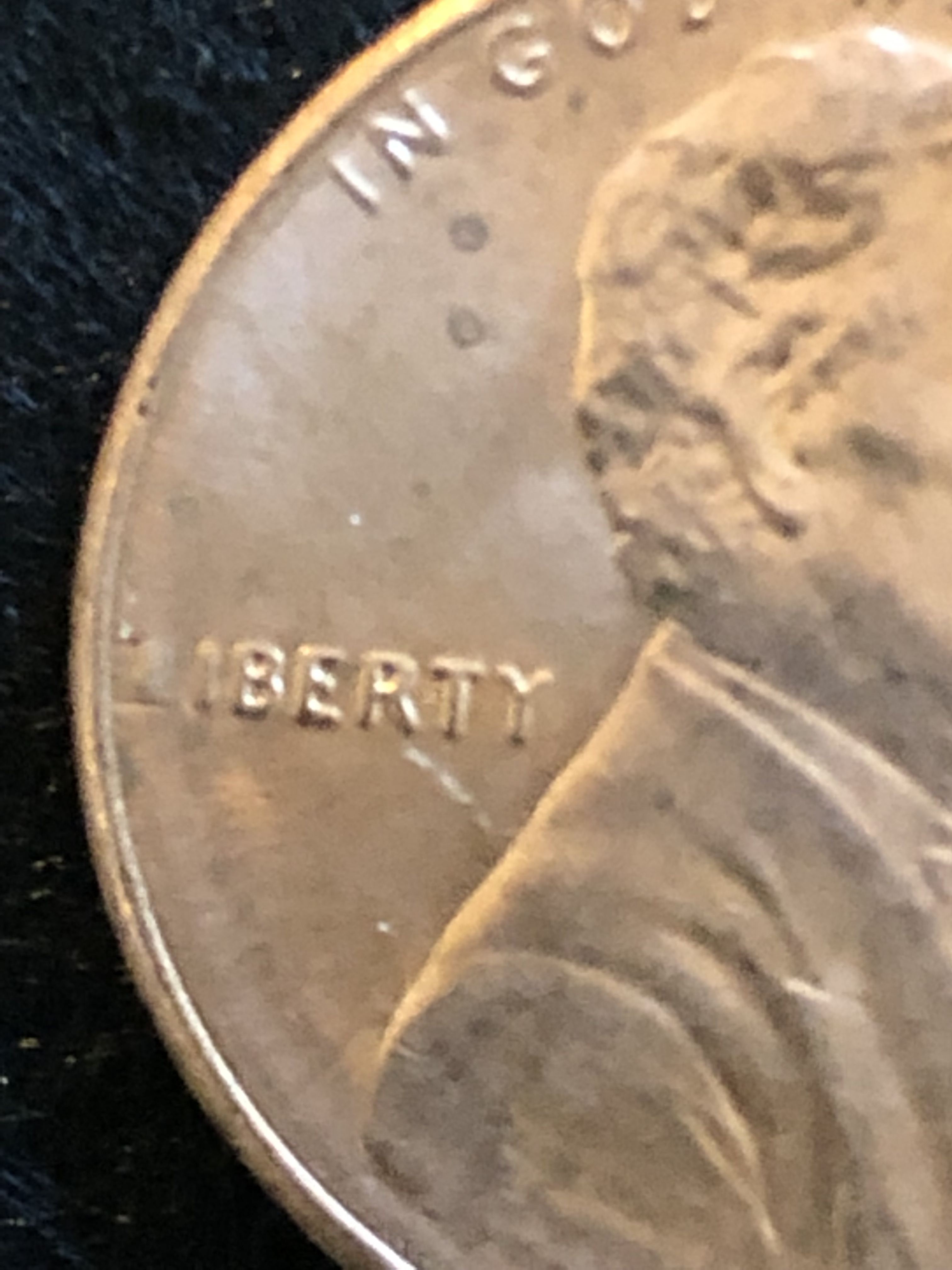
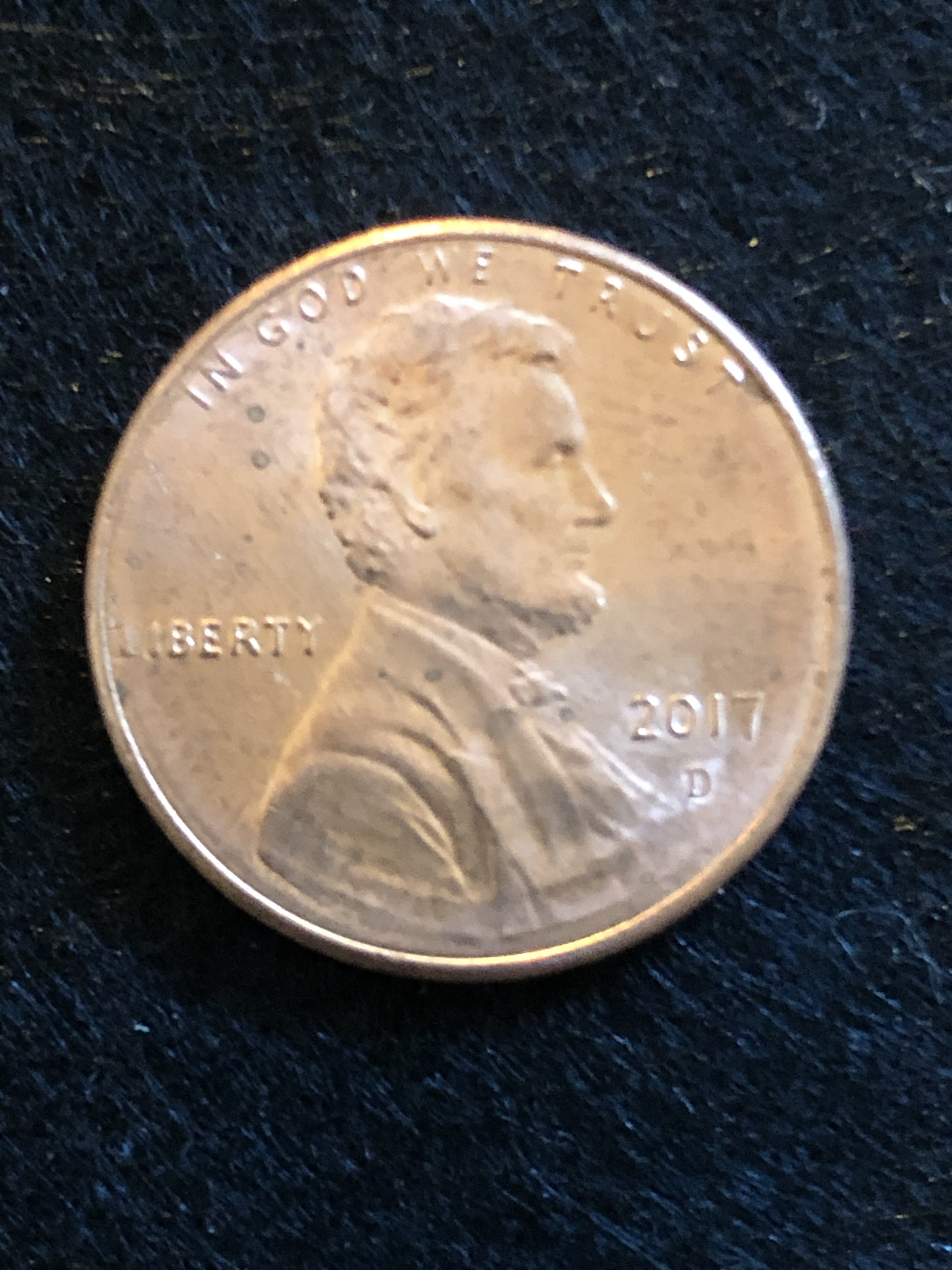
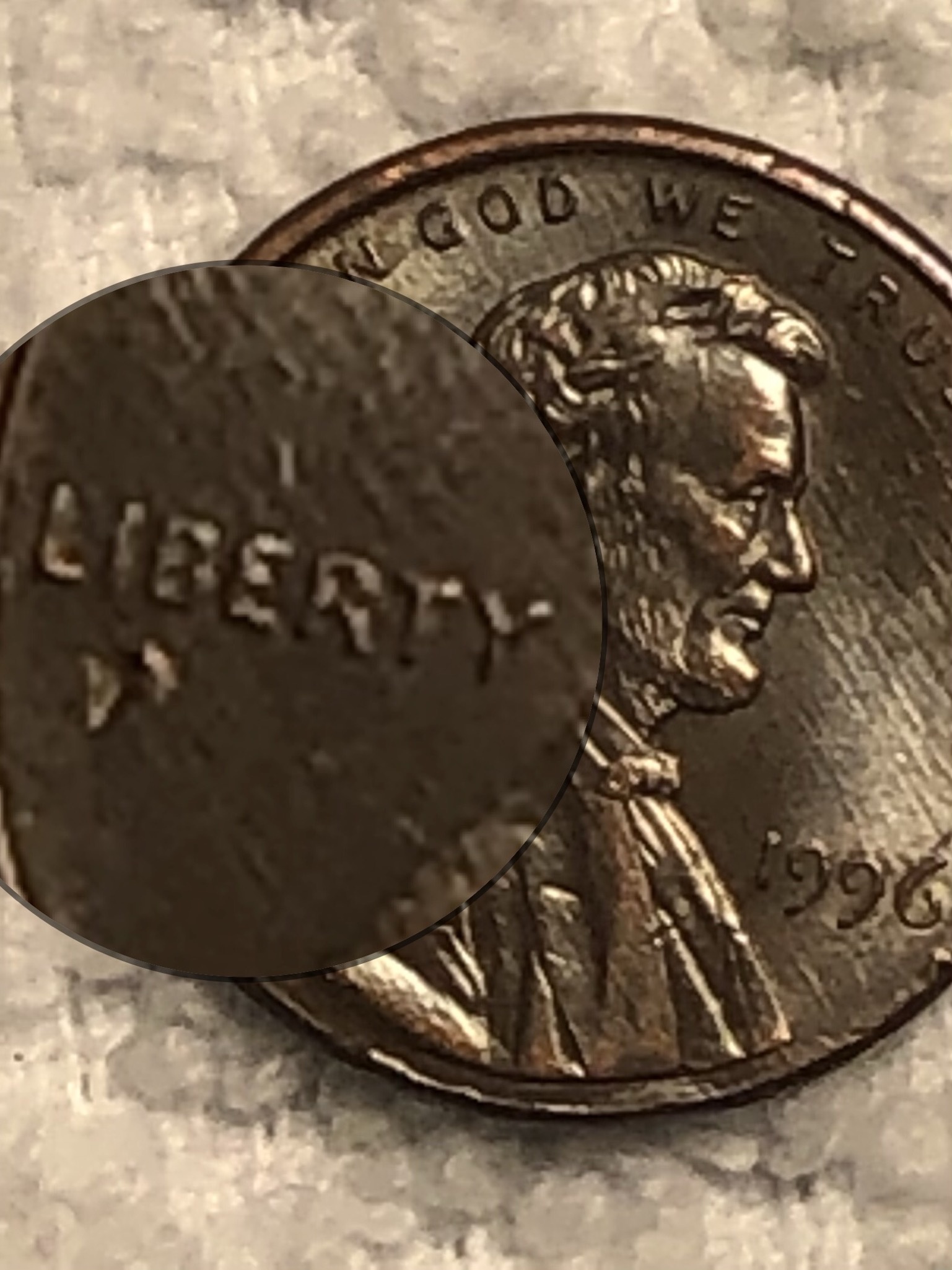
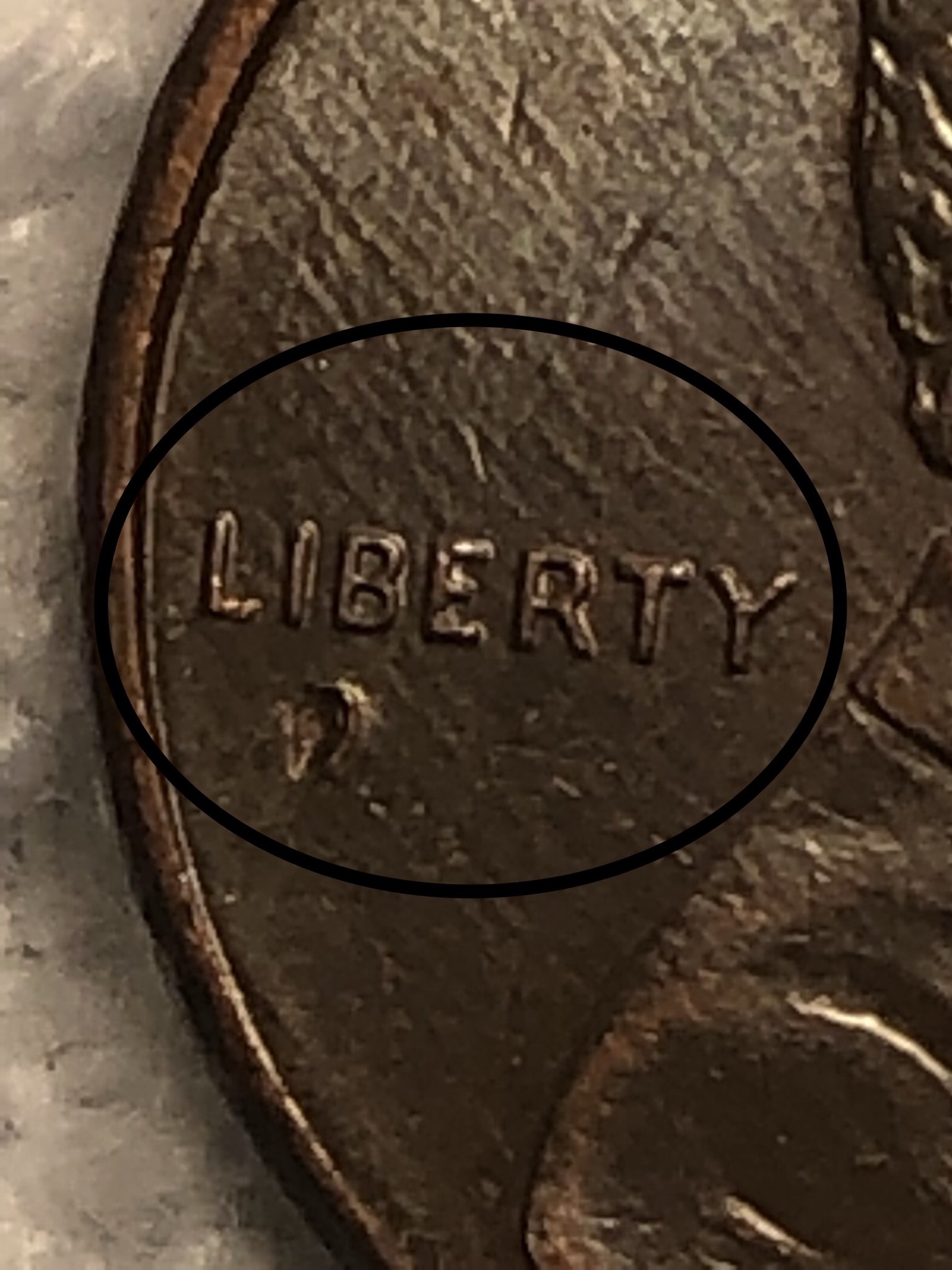
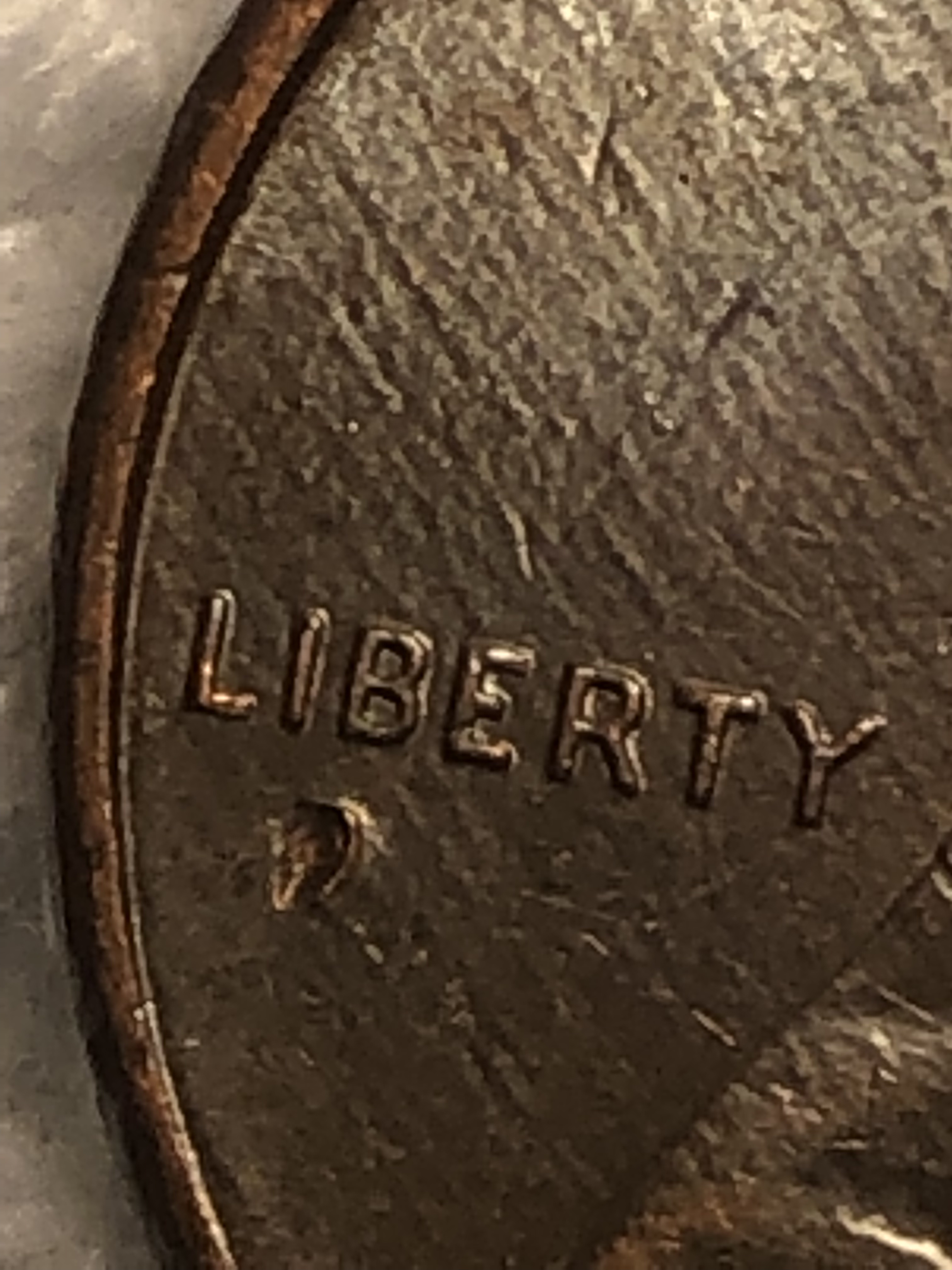
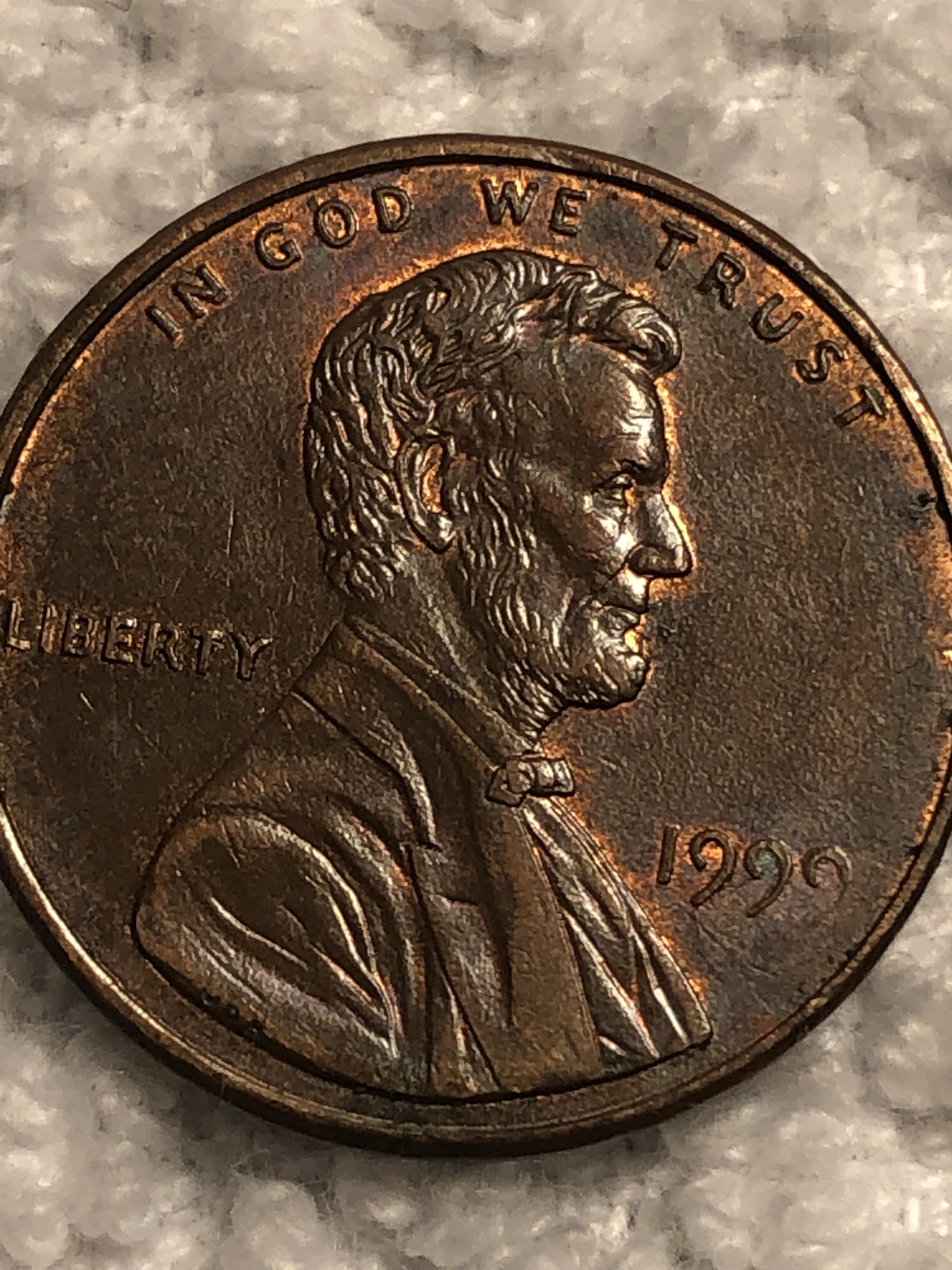
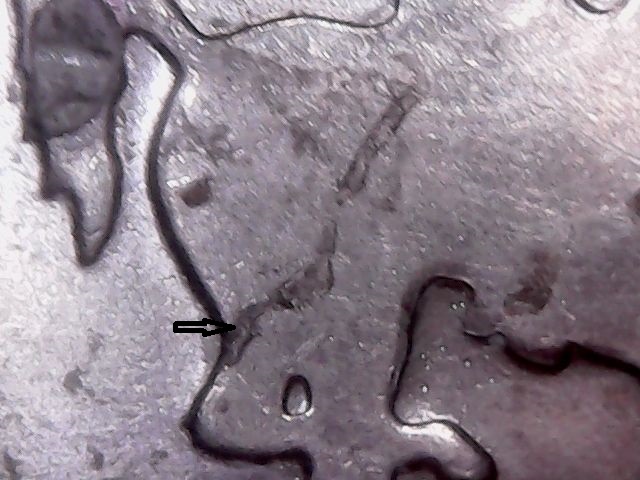
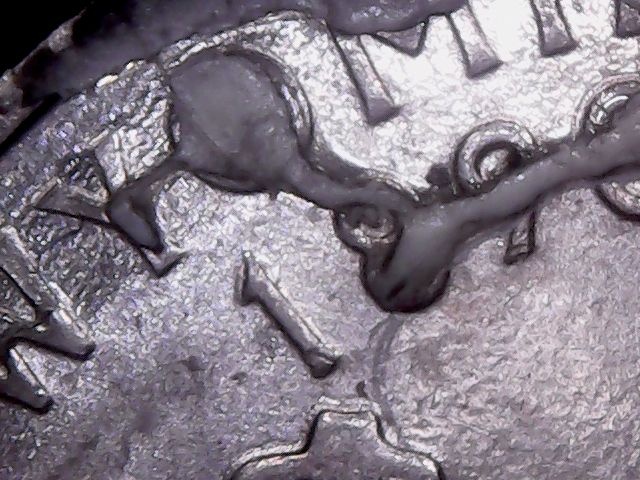
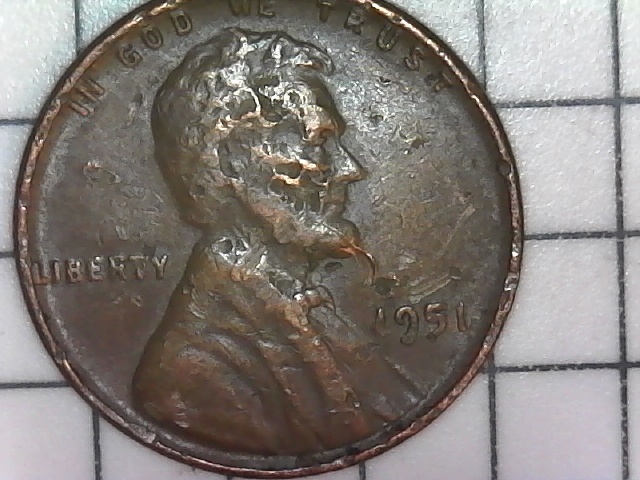
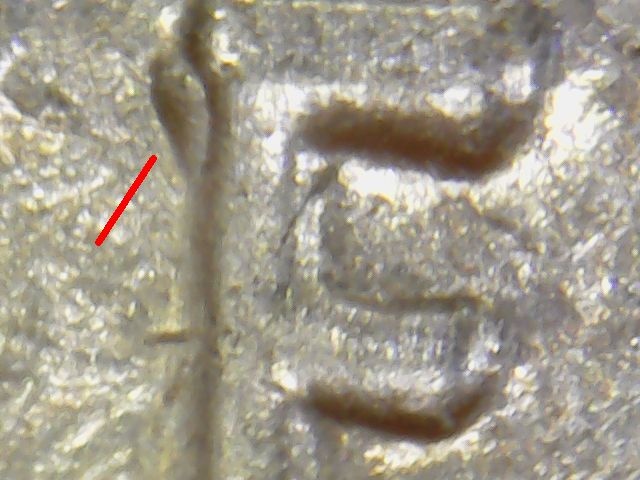
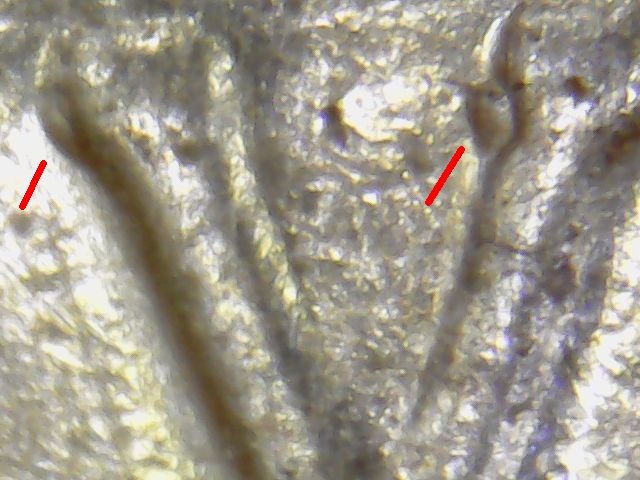
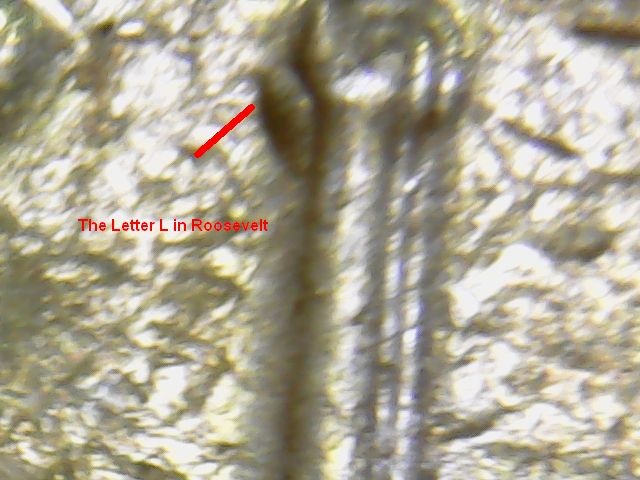
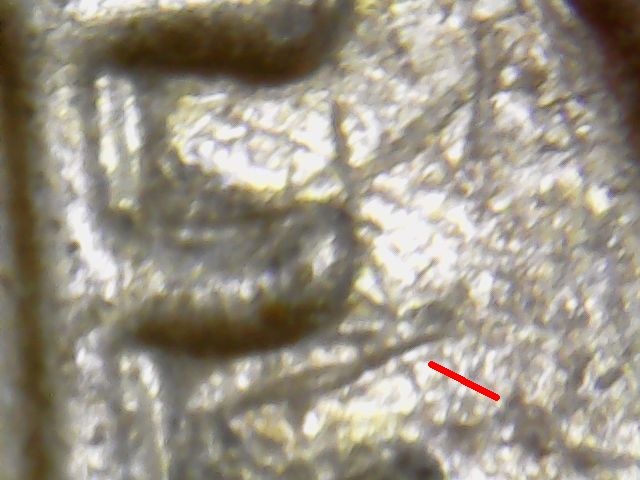
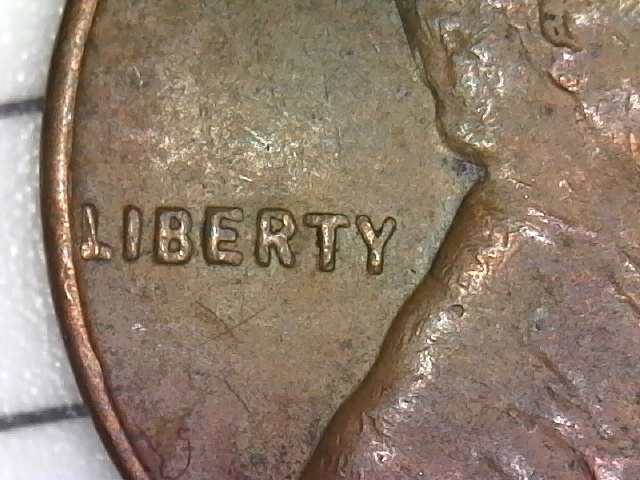
These are one of the most popular kinds of die breaks among all U.S. coins. A BIE error is a vertical die crack that looks like an “I” in between the “B” and the “E” in the word LIBERTY on a penny. They’re usually referred to as common U.S. Mint error coins — although some diehard coin collectors call them varieties. BIE pennies are usually worth between $3 and $5.
See How Much BIE Error Coins Are Worth
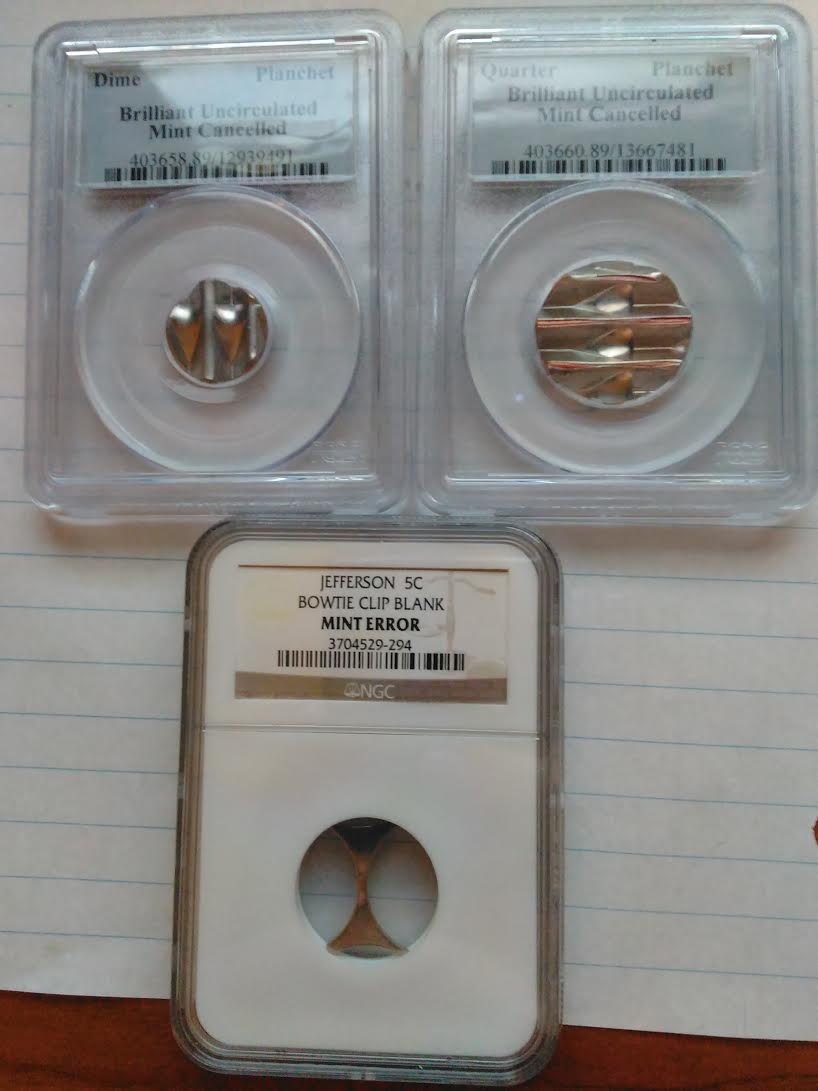
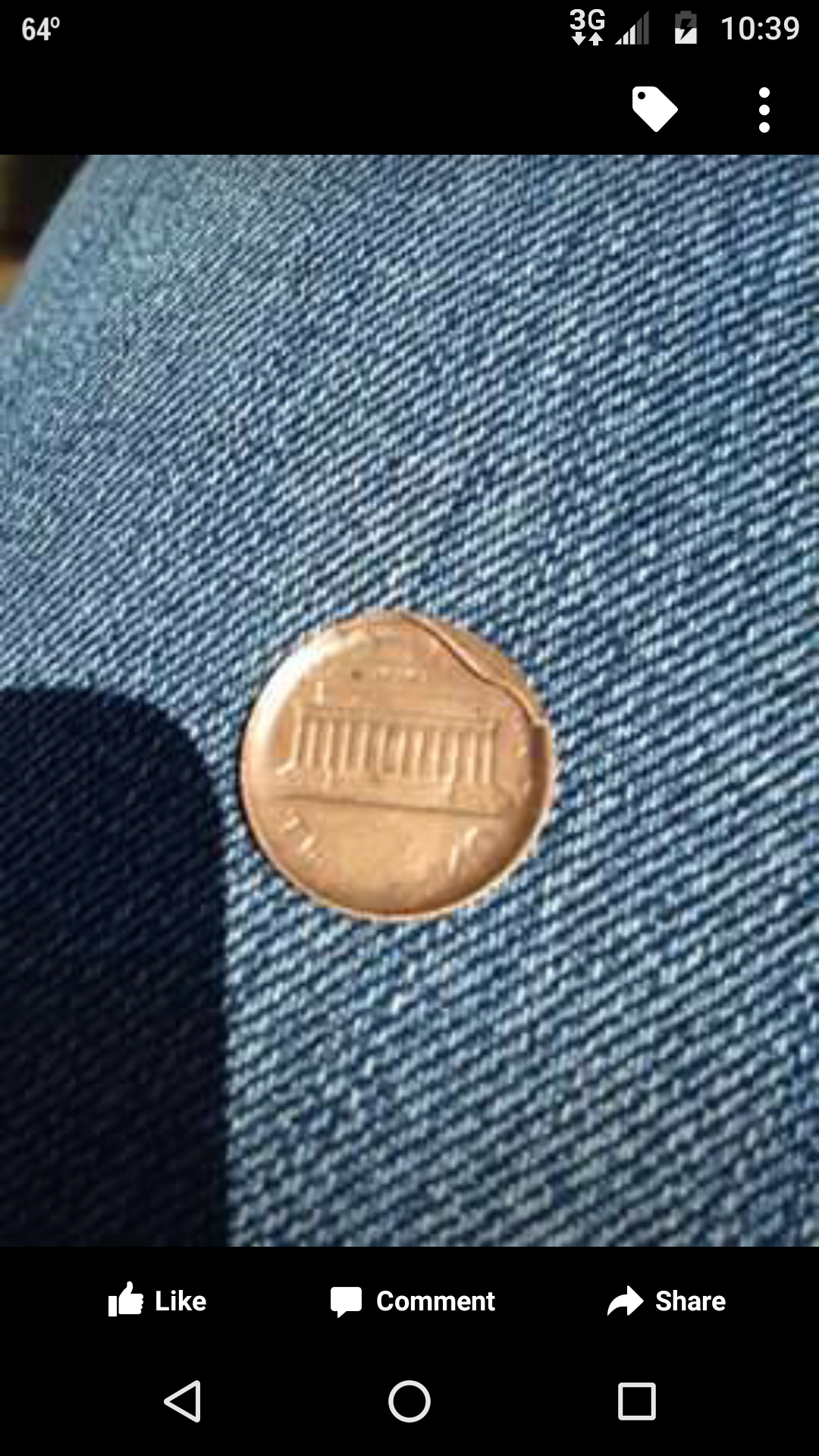
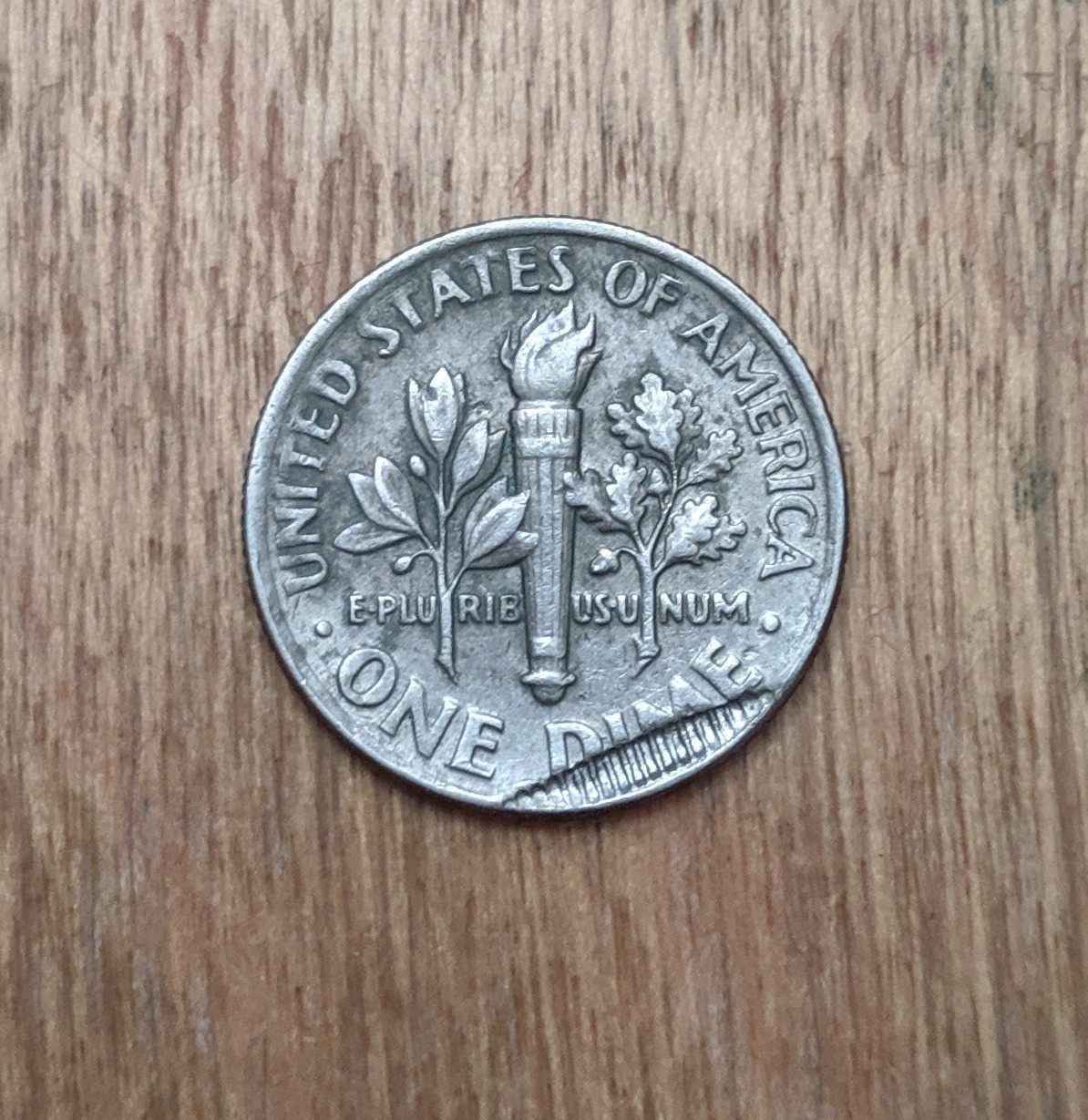
#10 – Clipped Planchet Error Coins
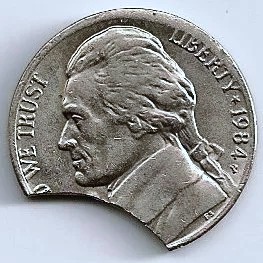
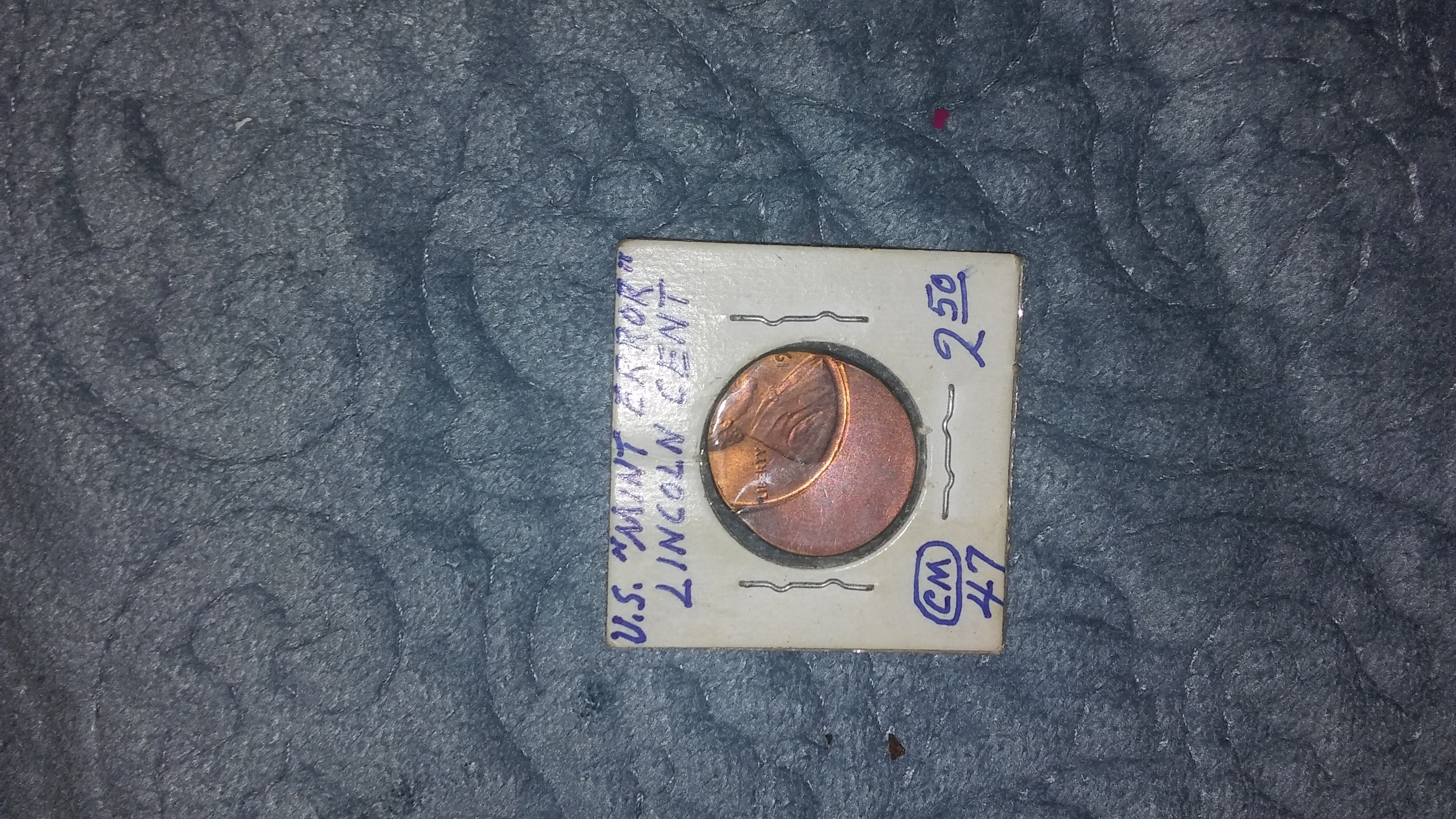
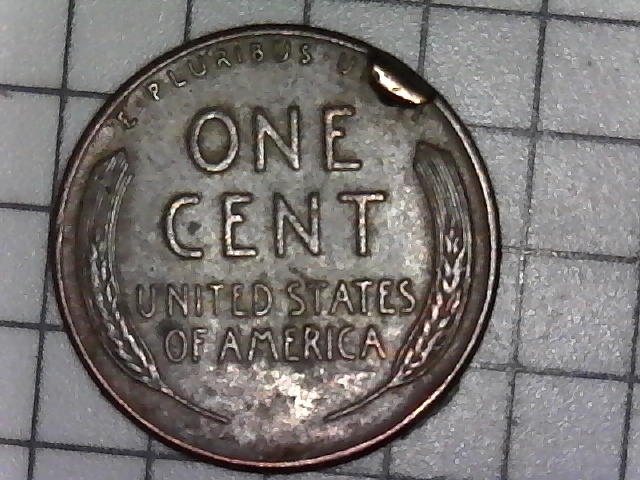
Clipped planchets are crescent-shaped error coins. The device which cuts the planchets out of the huge strips of metal that first enter the Mint sometimes cuts a planchet more than once. When this happens, it can cut away a portion of the planchet, resulting in various-sized crescents. Most clipped coins are worth between $5 and $100 — depending on the type of coin, grade, and amount of missing metal.
See How Much Clipped Planchet Error Coins Are Worth
Remember, the coin mistakes listed above are just a few of the many interesting and exciting types of error coins. There are many more types of U.S. Mint coin mistakes that exist!
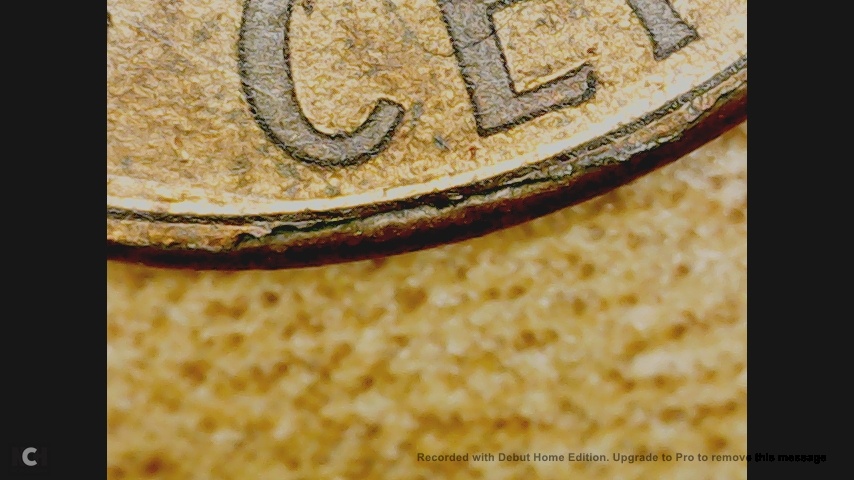
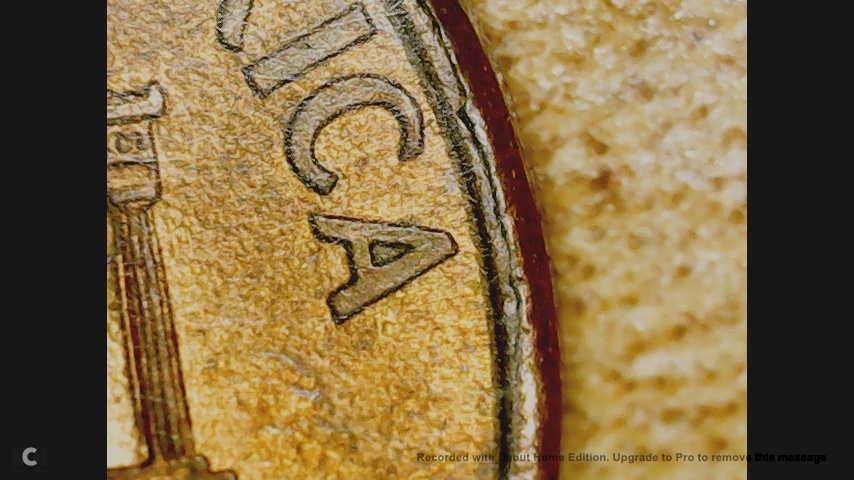
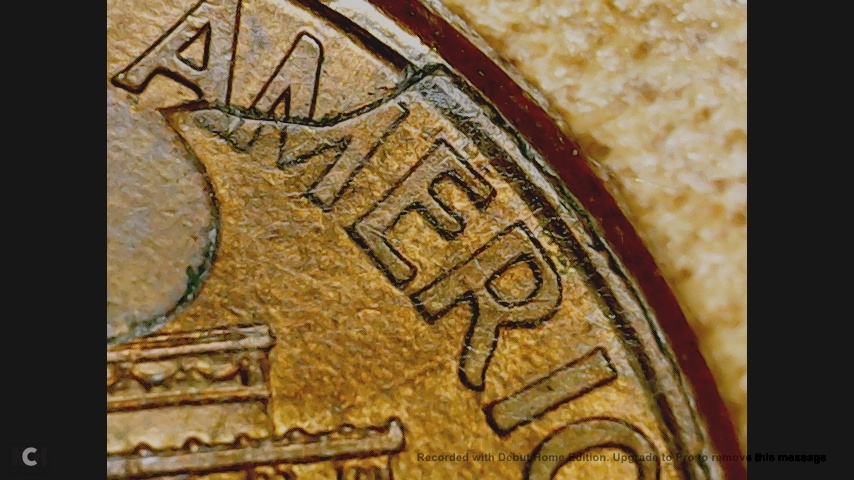
In this video, I’m showing you closeups of 5 of types of common Mint error coins that you are most likely to find in your spare change:
Let’s talk about the harder to find “rare” error coins next…
LIST #2: Rare U.S. Mint Error Coins
These are the U.S. Mint error coins that are rare and not as likely to be found in everyday pocket change. You’ll most likely find these coins in old estate collections. Or, you can buy examples from a local coin dealer.
#1 – Missing Letters Or Mintmark Error Coins
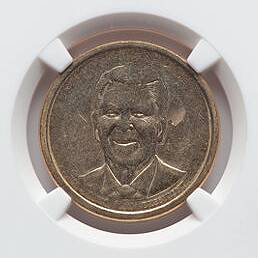
During the striking process, heavy machine grease, oil, metal dust, or any other foreign object can pack into the recessed lettering or numbers of a steel coin die. When the die presses into a coin blank, that trapped gunk physically prevents the metal from raising into those letters, leaving them faint or completely missing (known as a strikethrough or struck through error coin). Minor struck through errors resulting in 1 or 2 missing letters are extremely common and are worth up to $5. Dramatic strike through errors resulting in entire words or dates missing are generally worth $10 to $50+.
See How Much Struck Through Error Coins Are Worth
#2 – Mule Coin Errors
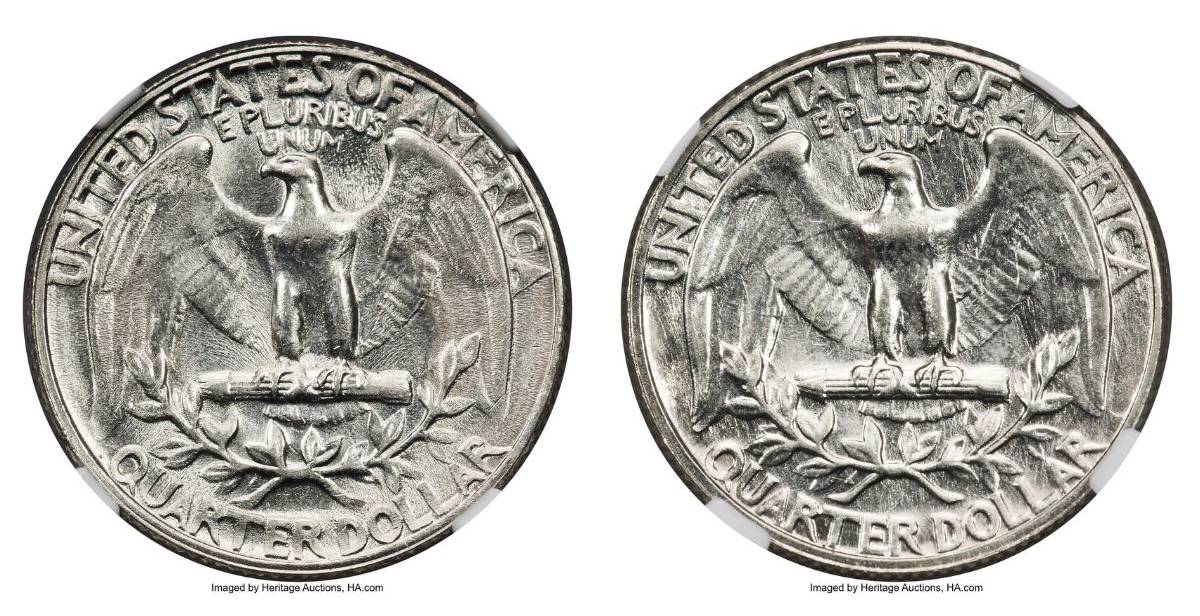
A mule coin error has the wrong design on one side. This occurs when the U.S. Mint accidentally pairs two steel dies together that were never intended to be on the same coin (much like a mule offspring that was created from a donkey and a horse). It usually happens when a press operator pairs an obverse die of one denomination or design with the reverse die of an entirely different coin or series. Mule coin errors are worth $50 and up.
See How Much Mule Coin Errors Are Worth
#3 – Missing Clad Layer Error Coins
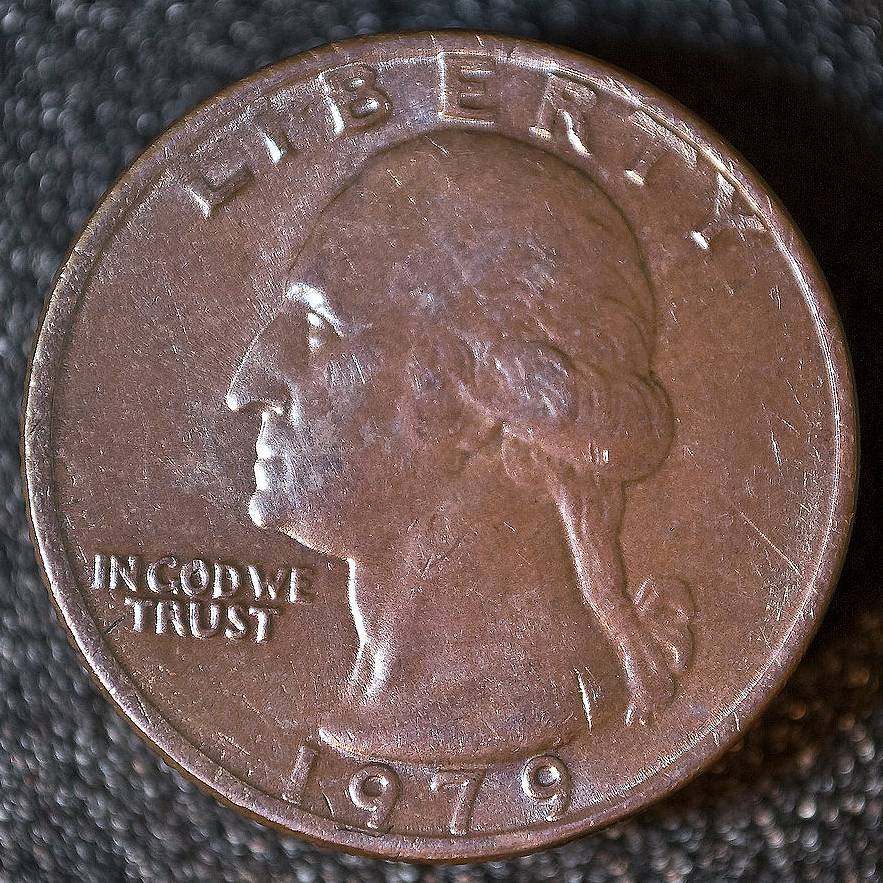
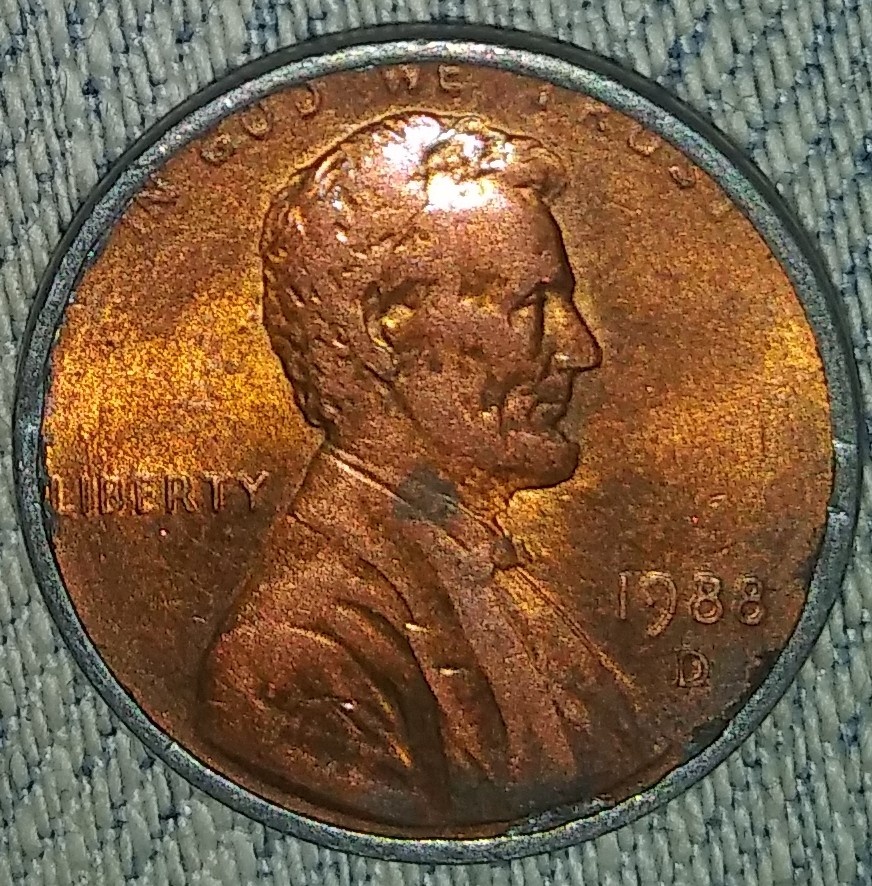
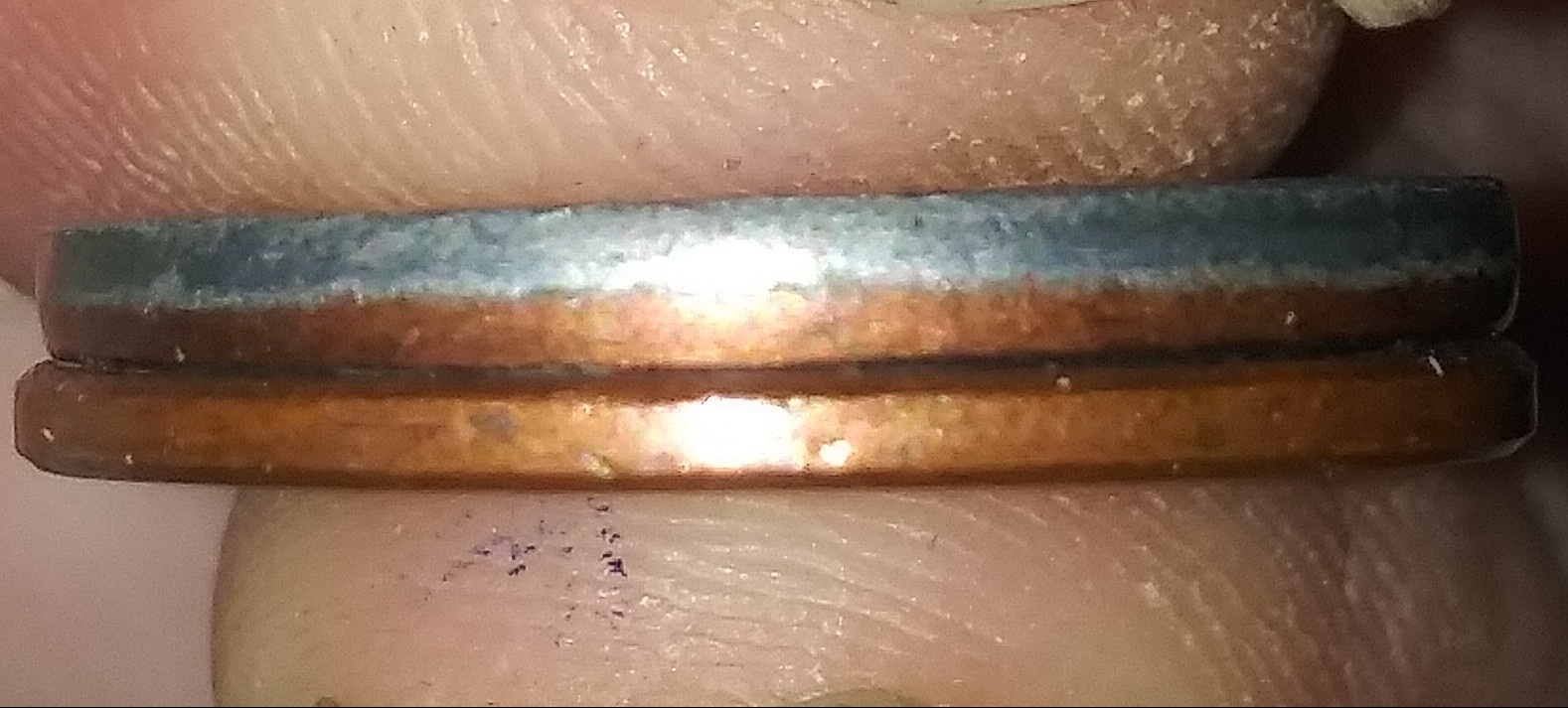
Since 1965, U.S. dimes, quarters, half dollars, and modern dollar coins have been made using a “clad sandwich” — a solid copper core that is chemically bonded between two outer layers of nickel-copper alloy. A missing clad layer error happens during the sheet-milling process before the coin is ever struck: one of those outer nickel layers fails to bond properly and peels away. When the raw copper blank goes through the press, the design gets stamped directly onto the exposed copper core on one side, while the opposite side retains its normal silver (or golden) clad appearance. Missing clad layer errors are worth 20 and up.
See How Much Missing Clad Layer Error Coins Are Worth
#4 – Wrong Planchet Error Coins
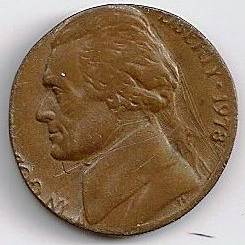
A wrong planchet error happens when a metal coin blank (planchet) that was intended for one denomination or metal composition accidentally gets mixed into the hopper of a coin press fitted with dies for a completely different coin. When the press slams down, it stamps the design onto the incorrect blank. Wrong planchet error coins are generally worth $150 and up.
See How Much Wrong Planchet / Off Metal Error Coins Are Worth
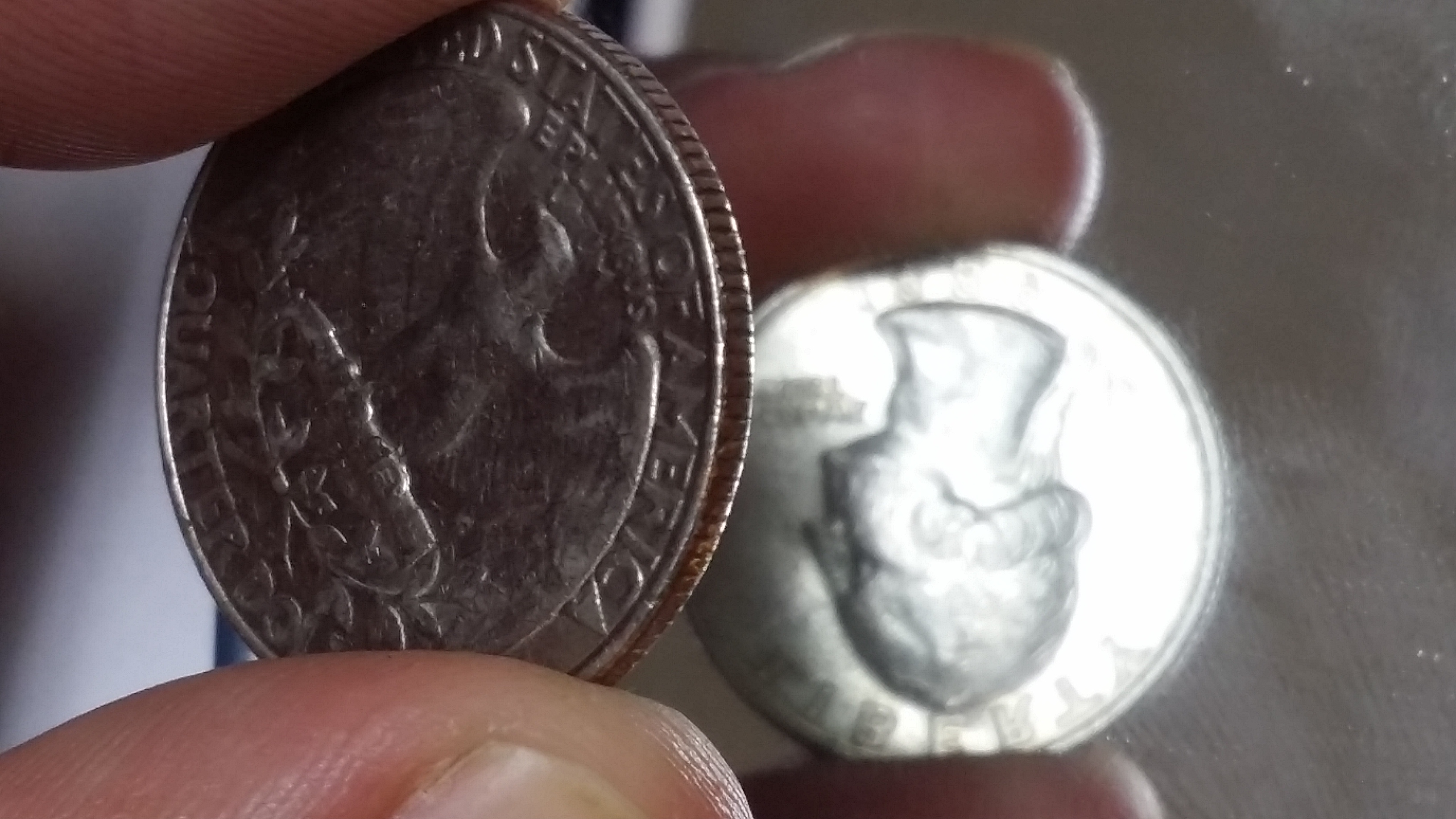
#5 – Brockage Error Coins
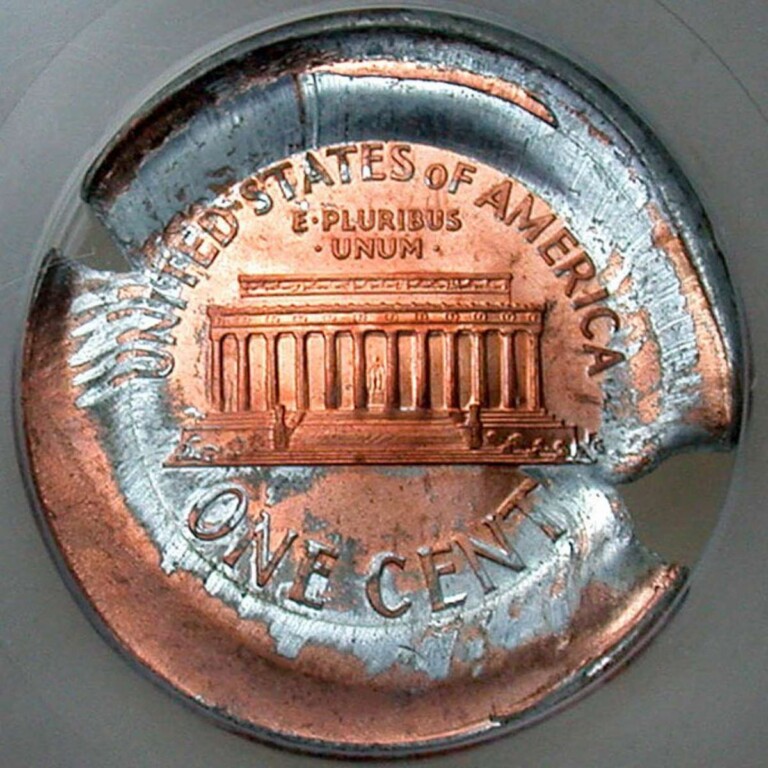
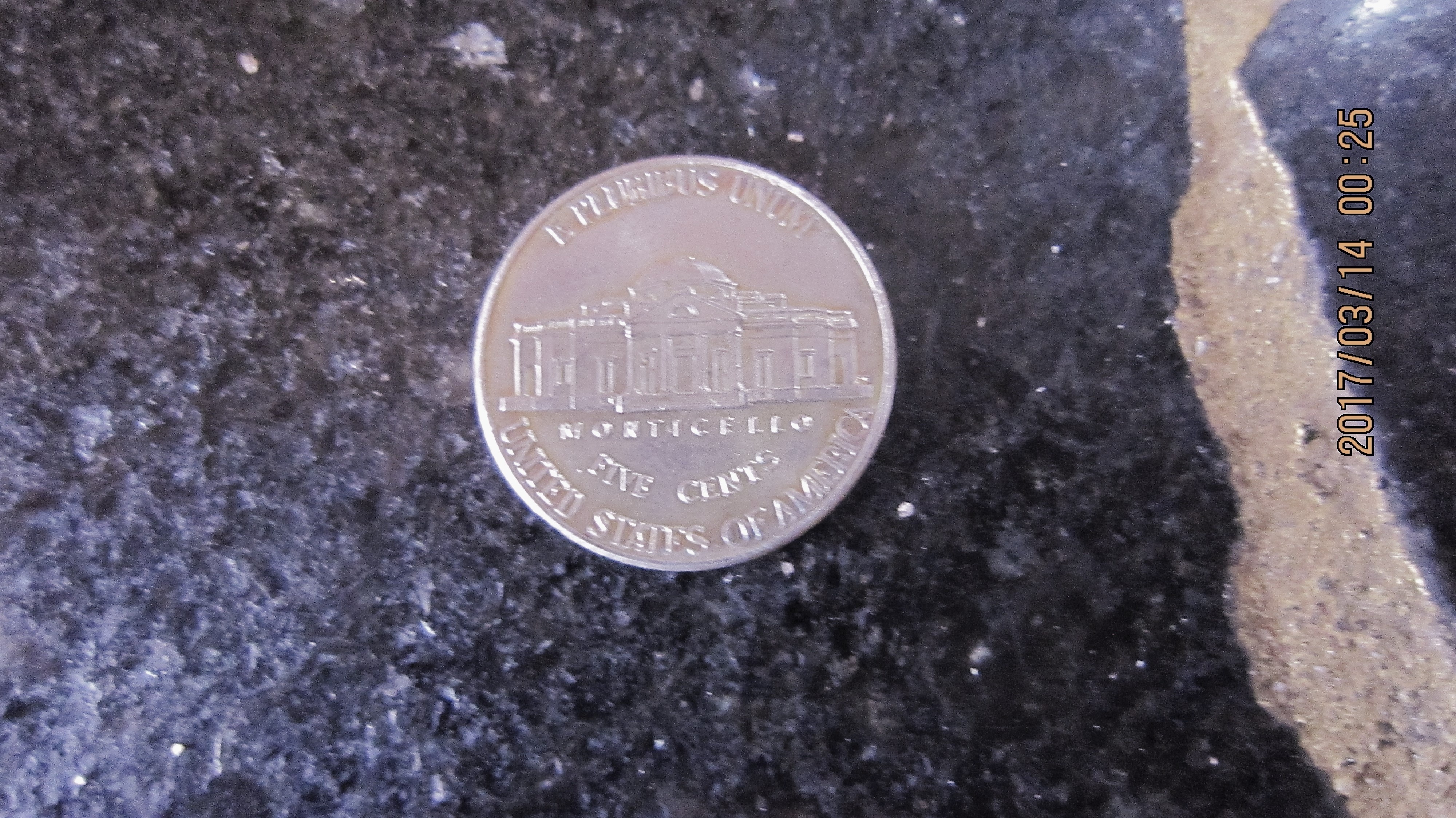
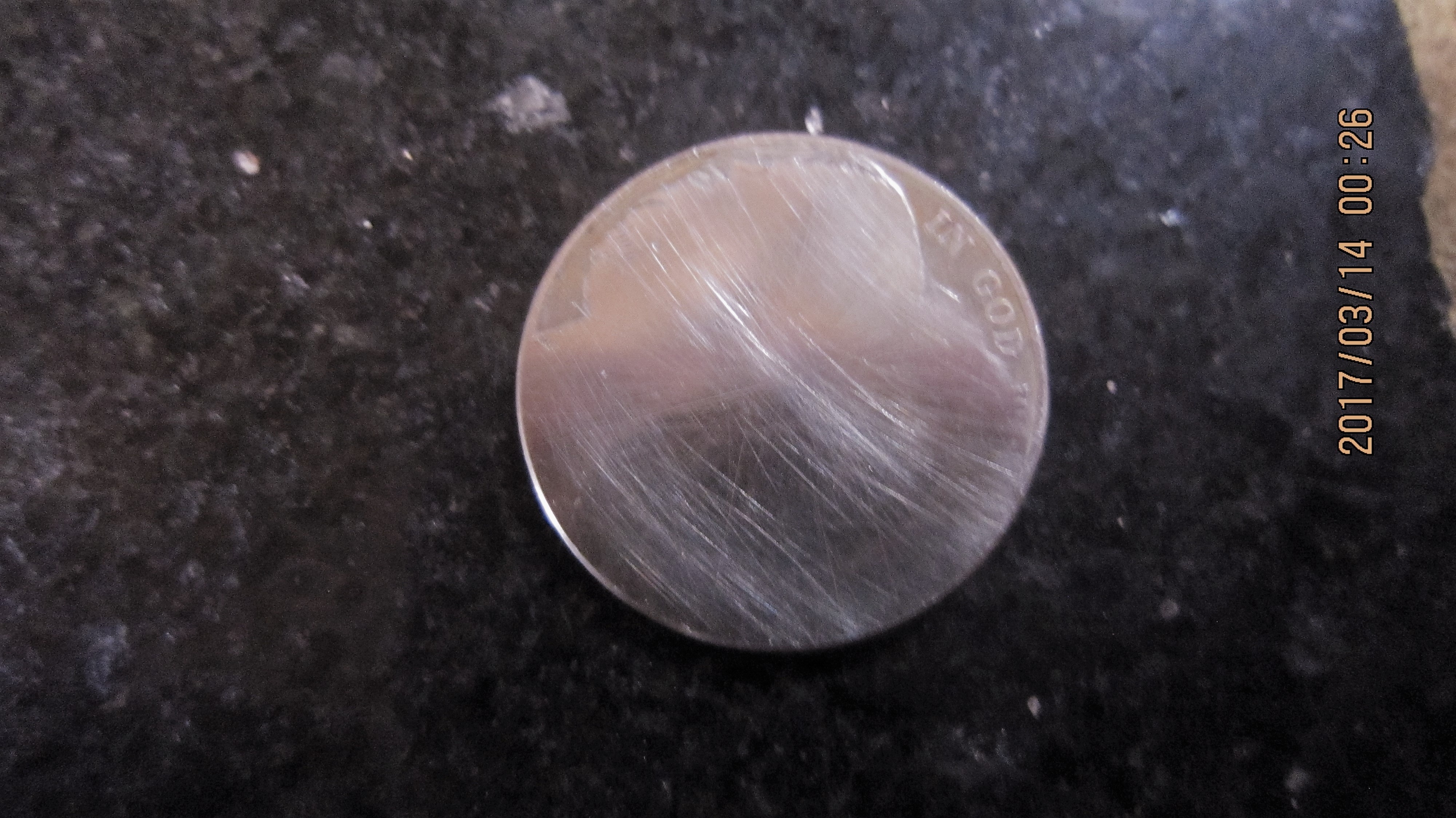
If a coin gets stuck to a die after its struck and is subsequently impressed into other planchets that follow, a negative, or mirror image of the lodged coin is created on the following planchets. Brockage errors are particularly neat coins and rather scarce, too. Even modern-day brockage pennies, nickels, dimes, and quarters are worth about $75 and up for full (not off-center or partial) brockages. Older brockage errors or those on larger denominations are worth significantly more.
See How Much Brockage Error Coins Are Worth
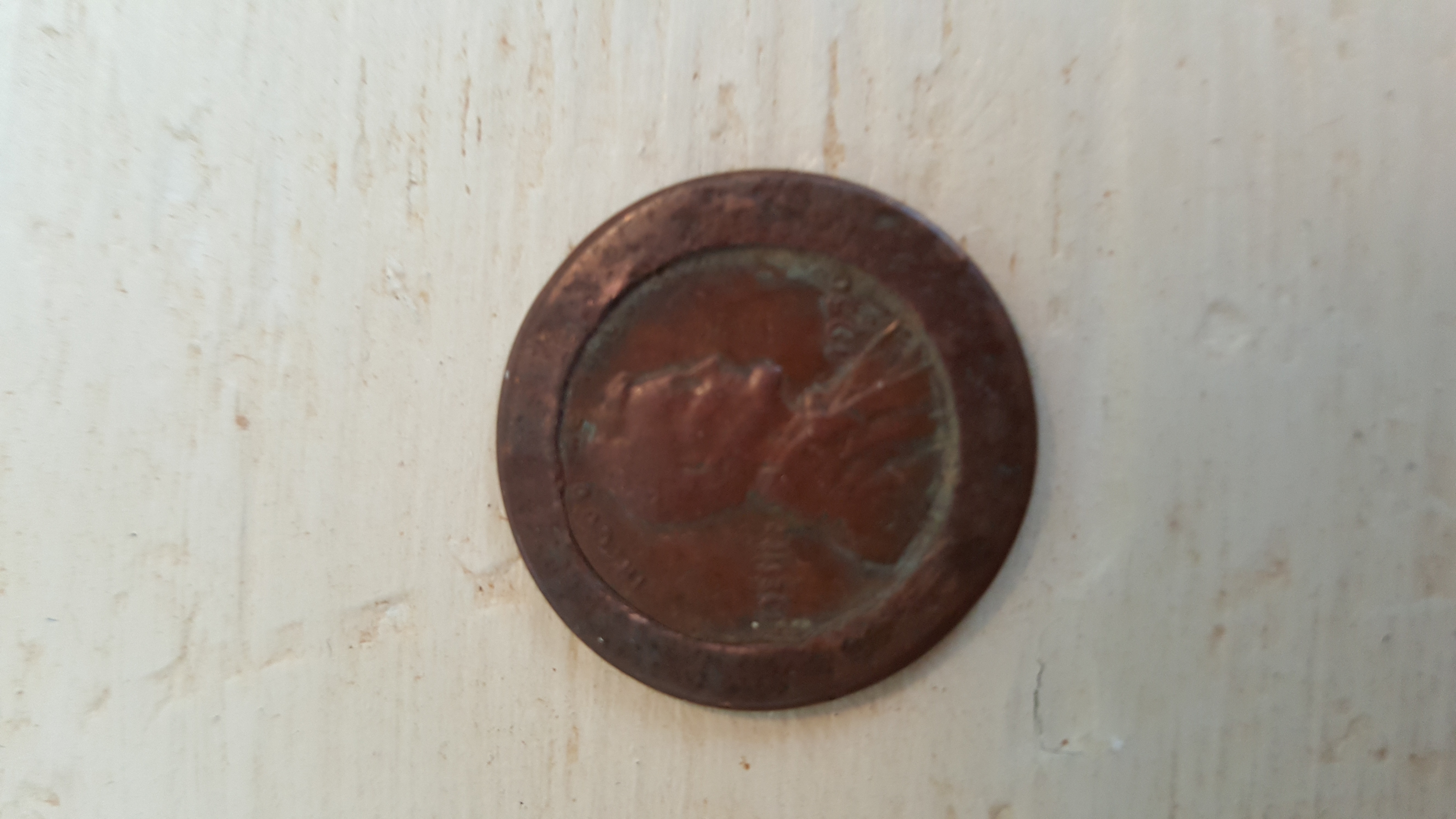
#6 – Die Cap Error Coins
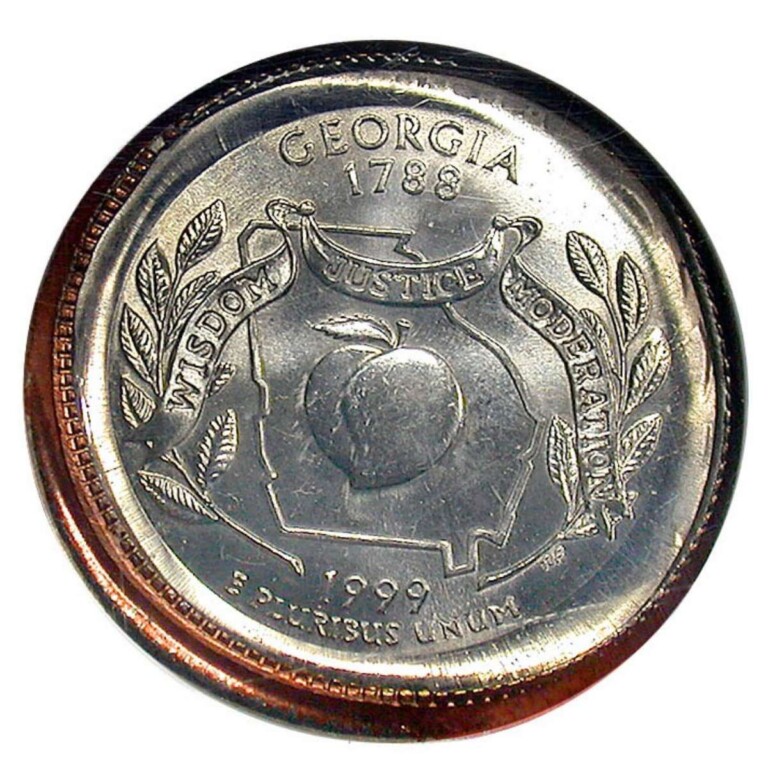
Remember that brockage error? When the coin got stuck to the die and stamped out those brockage errors, the coin wedged into the die also became an error of its own called a capped die. As it continually was pressed onto other planchets, the lodged coin was pushed onto other coins, becoming a misshapen coin that roughly resembles a bottle cap. Die caps are amazing, relatively rare Mint error coins that are worth $150 and up.
See How Much Die Cap Error Coins Are Worth
#7 – Waffled / Cancelled Error Coins
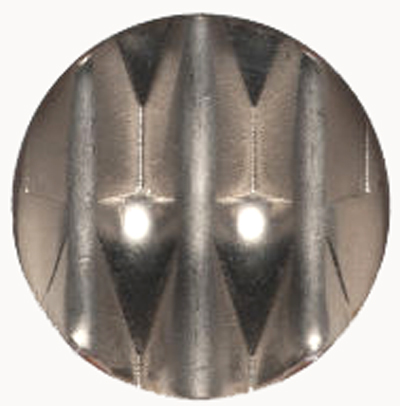
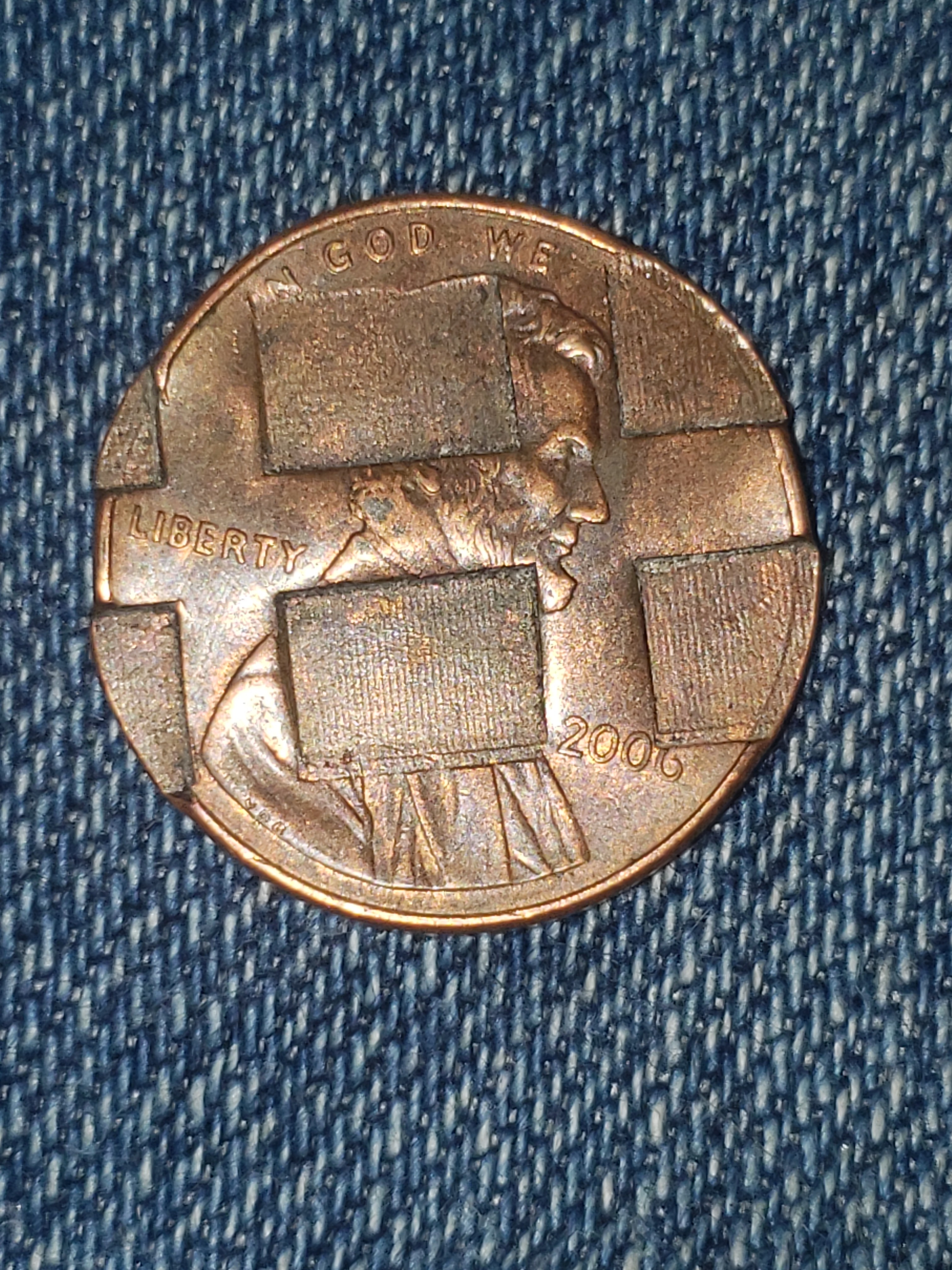
When the U.S. Mint catches an error, it will mutilate the error coin in a process known as “waffling.” These waffled coins, which show major ridges and crevices running parallel to each other, are neat collectibles. In this list of error coins, the waffled coins are among the latest type. They date back only to about 2003, when the U.S. Mint acquired the machinery to cancel errors. These pieces are worth around $20 and up.
See How Much Waffled / Cancelled Error Coins Are Worth
#8 – Die Trial Error Coins
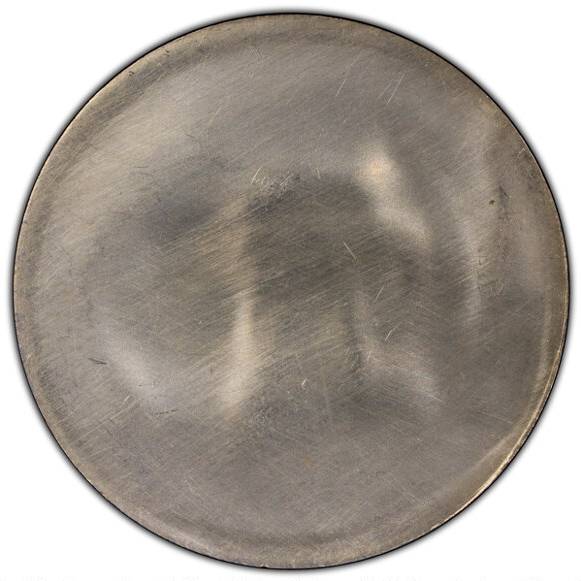
U.S. Mint officials will test the strength of the die strike and other aspects of the striking process by feeding trial planchets through the press at different pressure settings and adjustments. Many of these die trial coins will exhibit very light design details or other abnormalities relating to strike pressure. Die trial errors are rare and can be worth $250 or more.
See How Much Die Trial Error Coins Are Worth
#9 – Double Denomination Error Coins
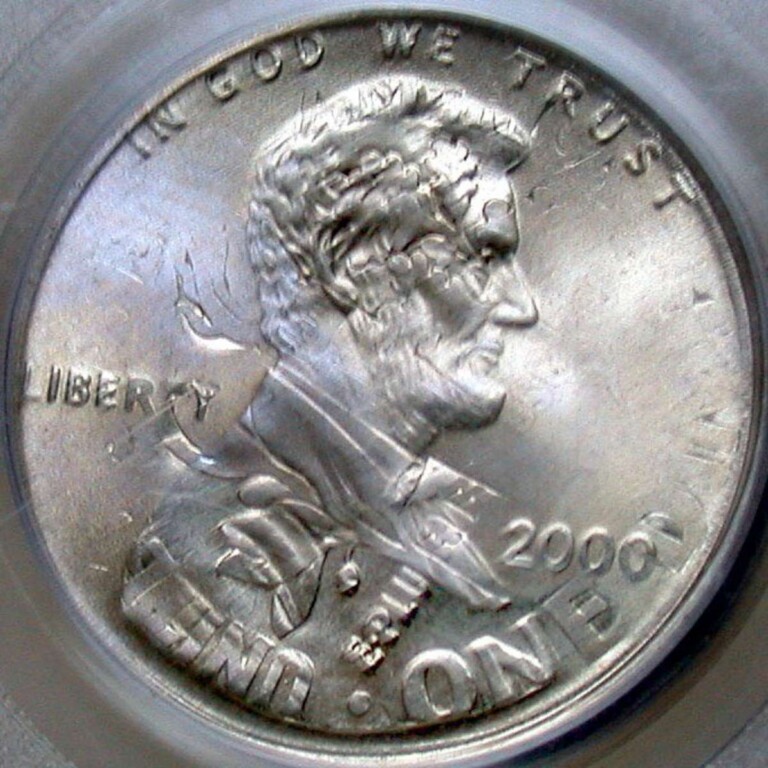
When a coin that had already been struck by one pair of dies winds up back in the pressed and is struck by dies from another denomination, you get a so-called double denomination. One example of a double denomination might be a Roosevelt dime that ends up getting struck by Lincoln cent dies, or a Jefferson nickel that makes it way into the Washington quarter presses. Normally, the impression from the second strike is stronger than the first. Such errors are both rare and curious… How did the finished coin make its way back into the presses? It’s possible, yes. But if that coin could talk, what would it say? Double denominations are among the most coveted rarities in this list of error coins. They are worth $250 and up.
See How Much Double Denomination Error Coins Are Worth
#10 – Lamination Error Coins
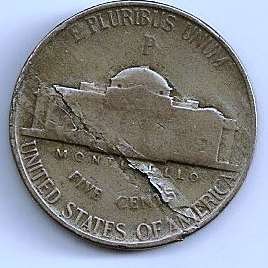
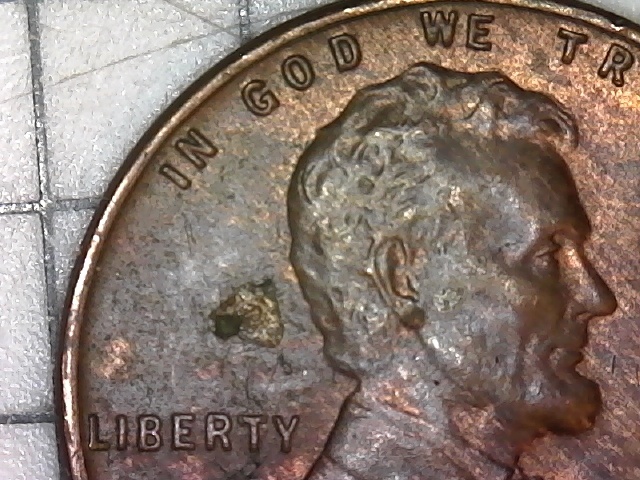
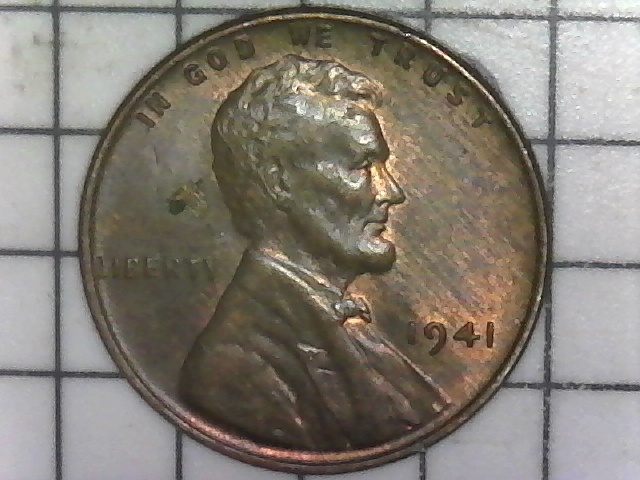
Planchets that are missing some of their surface area due to dirt, grease, gas bubbles, or other maladies are called lamination errors. A lamination error may present a flake-like area of metal missing from the surface. Values depend on the size of the lamination error. While minor lamination errors may not be worth much at all, major lamination errors — especially those involving missing layers on clad coins — can be worth tons. Small lamination errors are worth $5 to $10. Major lamination errors are worth $25 to $50 or more.
See How Much Lamination Error Coins Are Worth
#11 – Multiple Strike Error Coins
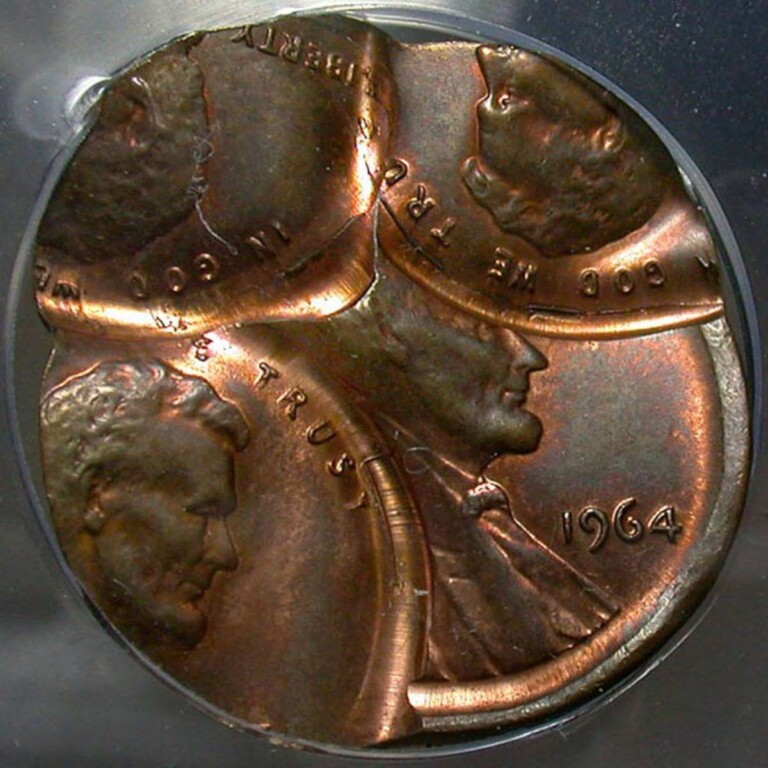
Sometimes, a coin will be struck multiple times on the press. This can result in that coin showing many impressions of the design. You might see two, three, or even more impressions of the design on the same coin. As you’ve learned, this is not the same as a doubled die, which is a variety caused in the die-making process, not the striking. Multiple strike errors are rare, and values depend on the coin and the number of strikes involved. Values for these coins are all over the map but usually start at around $50.
See How Much Multiple Strike Error Coins Are Worth
LIST #3: U.S. Mint Error Coins By Denomination
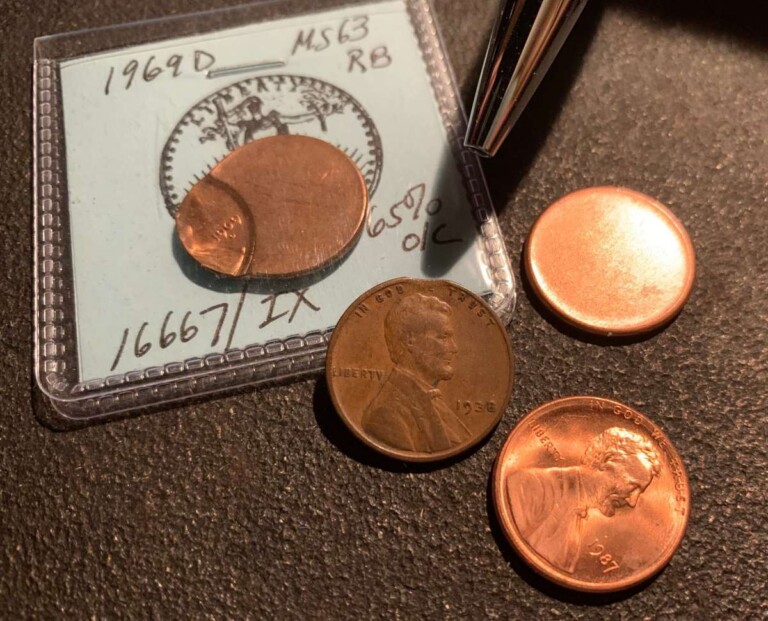
Here are our articles that discuss U.S. Mint common and rare error coins by denomination:
- Wheat Penny Errors – you can find these in circulation
- Lincoln Pennies With Errors – some are in circulation, others are rare
- Valuable Pennies You Can Find In Pocket Change – some are error pennies
- Buffalo Nickel Errors – there are two errors to look for
- Valuable Jefferson Nickels Errors – lots of rare nickel errors to look for
- Rare And Valuable Dimes – there aren’t a lot of dime errors, besides this one
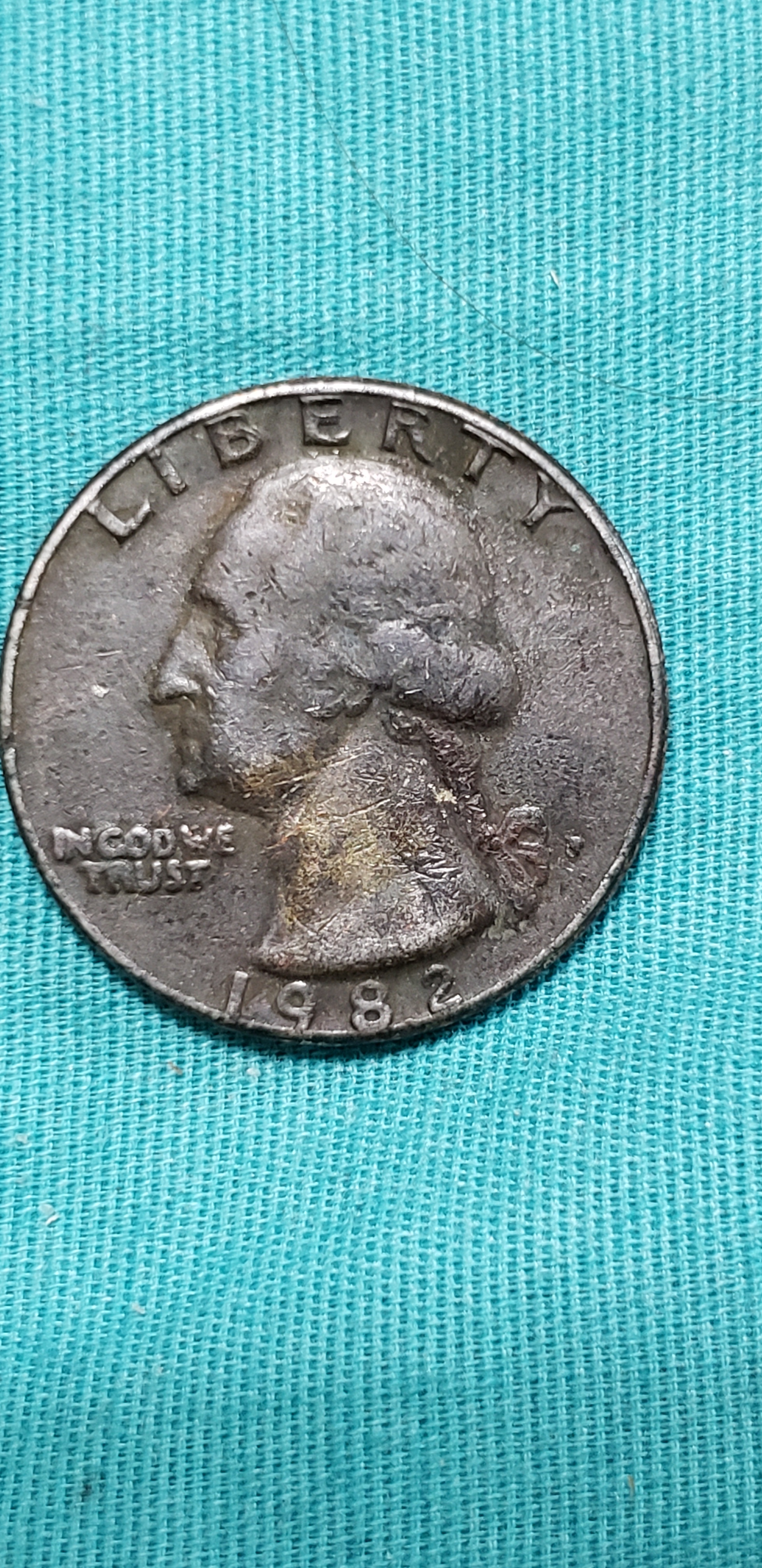
- Valuable Quarters You Can Find In Circulation – some are error quarters
- State Quarter Errors – the most valuable state quarters with errors
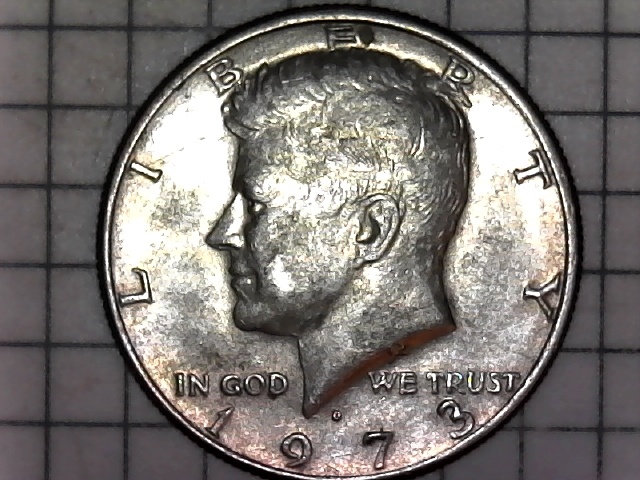
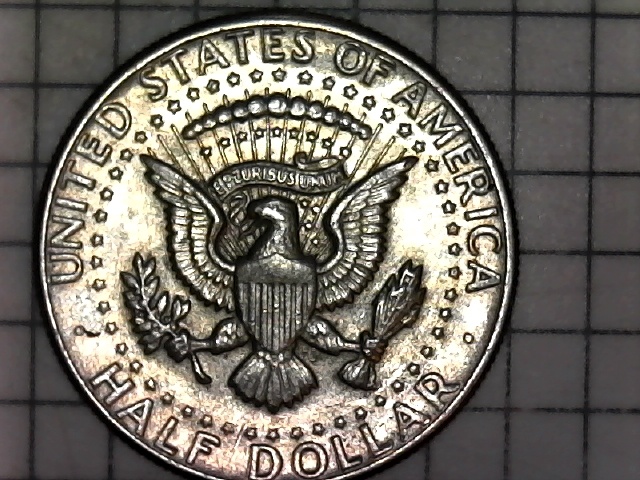
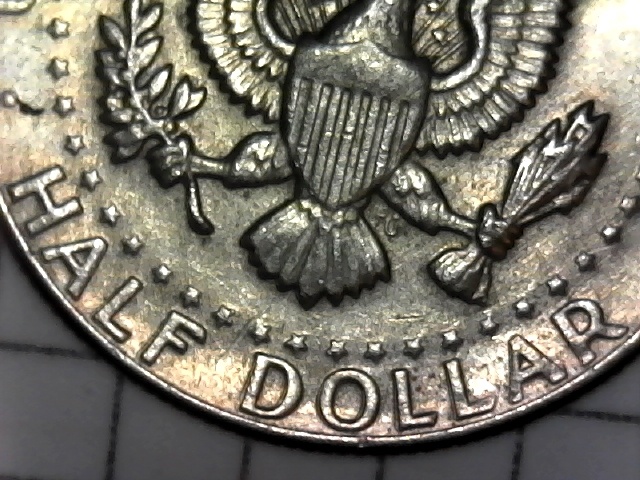
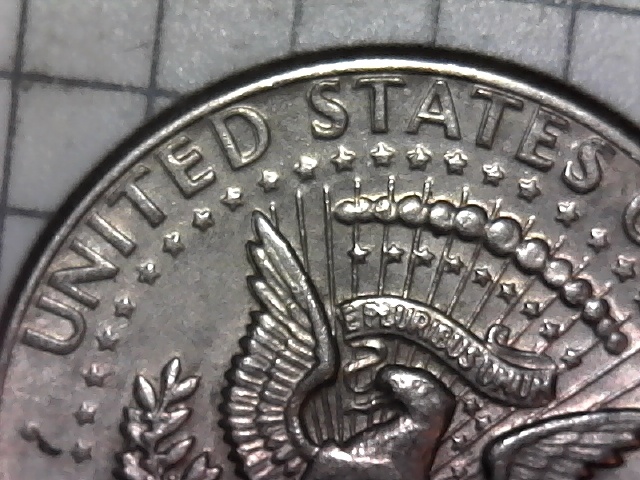
- Valuable Half Dollar Error Coins – a common error on Kennedy halves
- Dollar Coins With Errors – Presidential dollar coin errors
READ NEXT: A Complete List Of US Error Coins By Denomination (with values)
Like this post? Save it to read again later… or share with others on Pinterest!





























Leave a Comment