


Start Here

Values

Buying & Selling

Rare U.S. Coins

How To's

Myths & History

Die Break Error Coins: See How Much These Errors Are Worth!

by Joshua McMorrow-Hernandez

This post may contain affiliate links. If you buy thru these links, we may earn a commission at no additional cost to you.


Die break error coins are scarce and valuable collectibles.

So, what exactly is a die break?

Are die breaks and die cracks different?

What about cud error coins? 

Today we’ll take a look at coins with die cracks and die cuds (also known as die breaks) and explain:

  • What to look for on these error coins
  • How these varieties of error coins are made
  • How much die break coins are worth

Ready to go on a search for some neat error coins?

Okay… break out your loose change, a 5x-power magnifier glass, and let’s have a look!

Following is the ultimate list of die break error coins to look for.

What Are Die Breaks & How Are They Made?

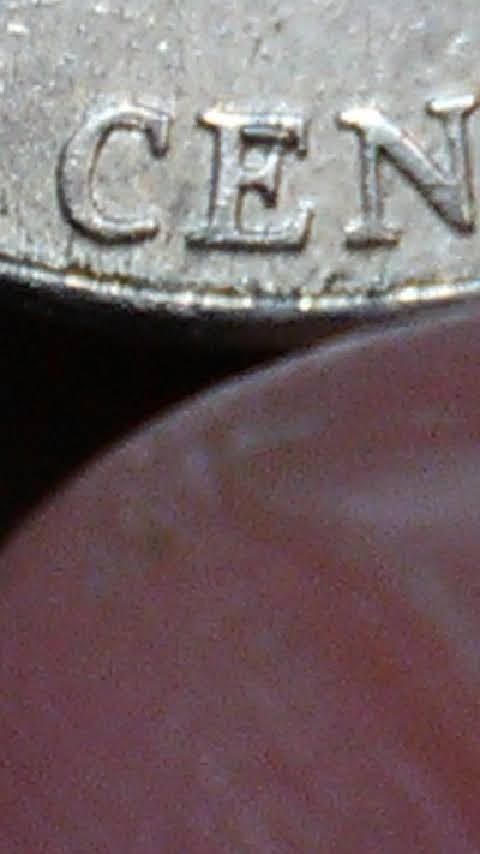
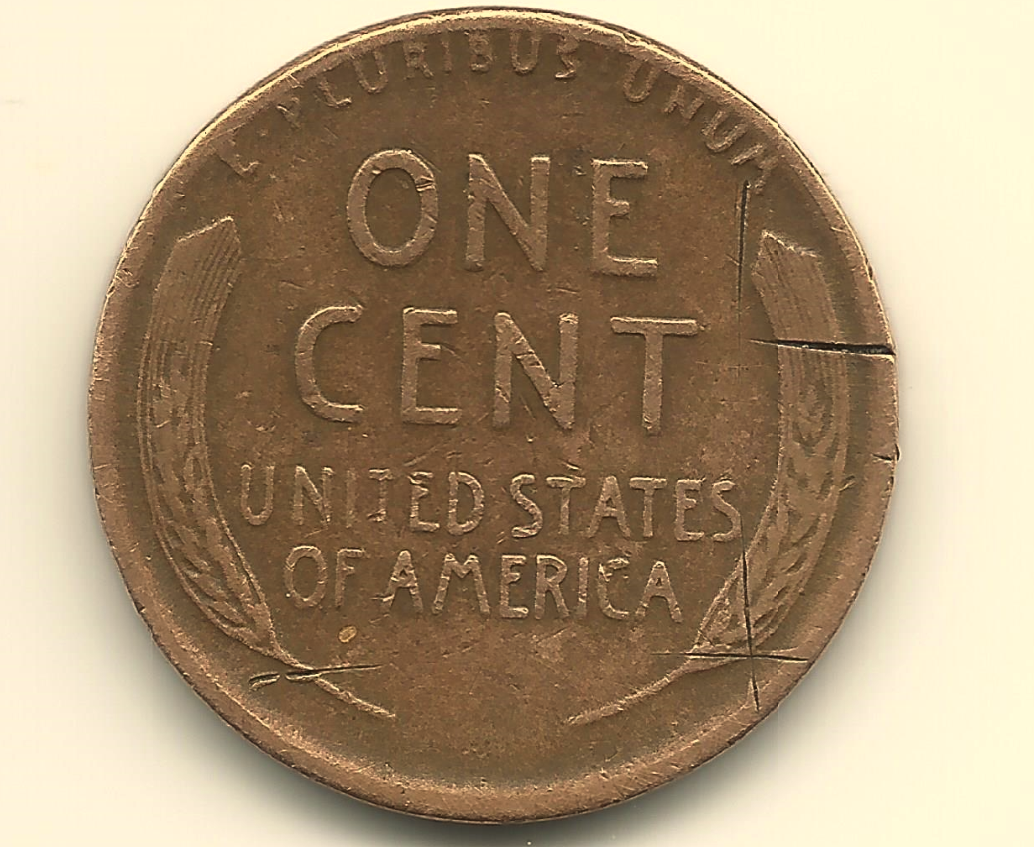
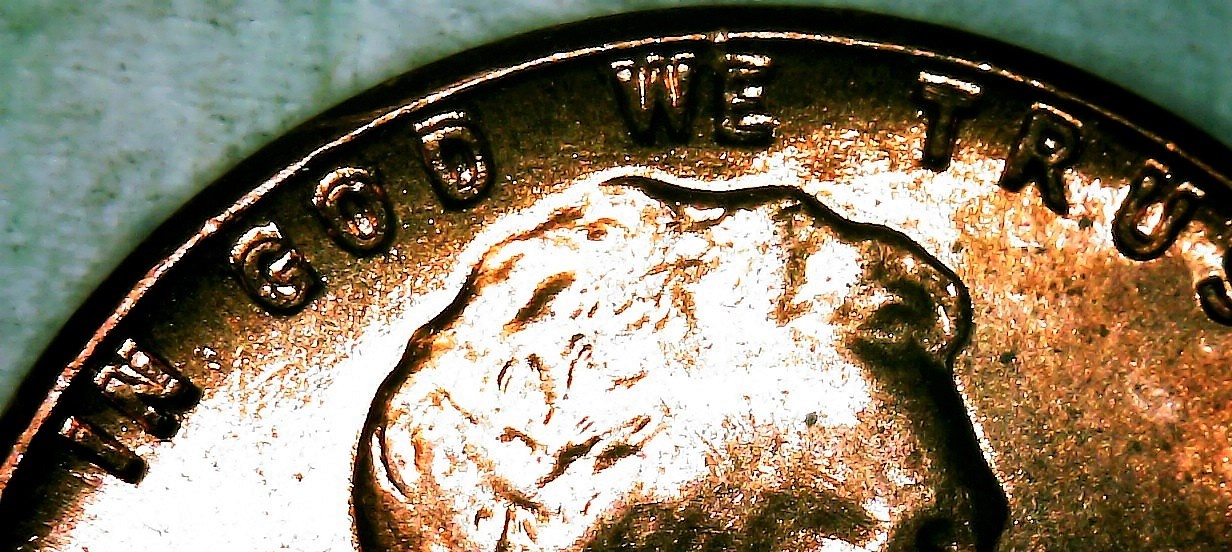
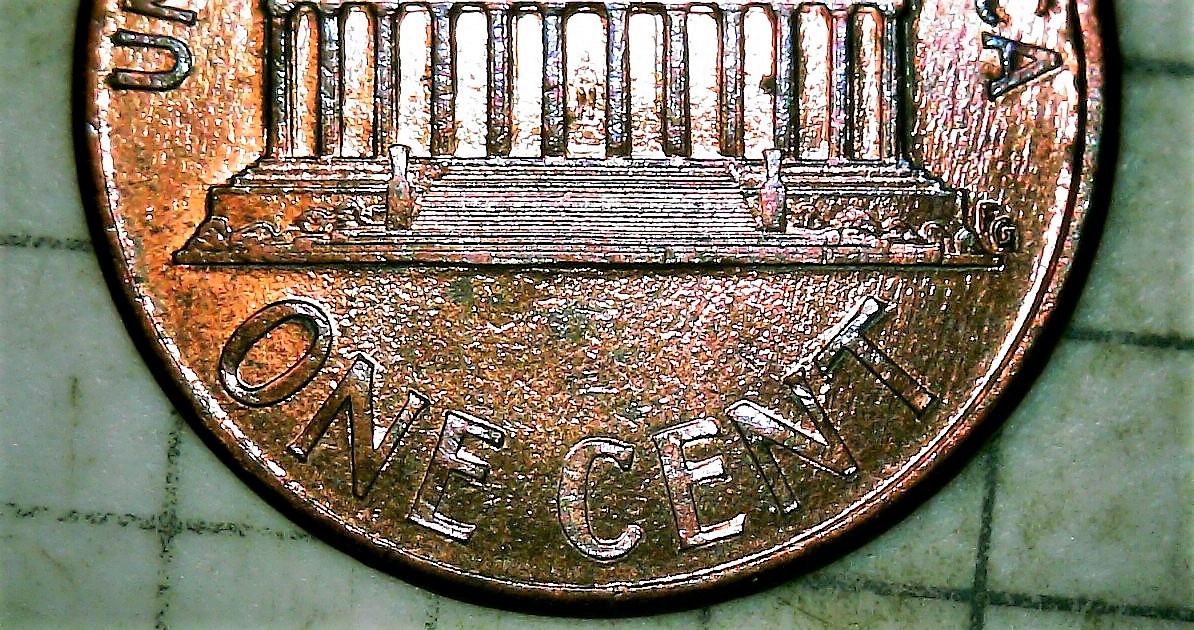
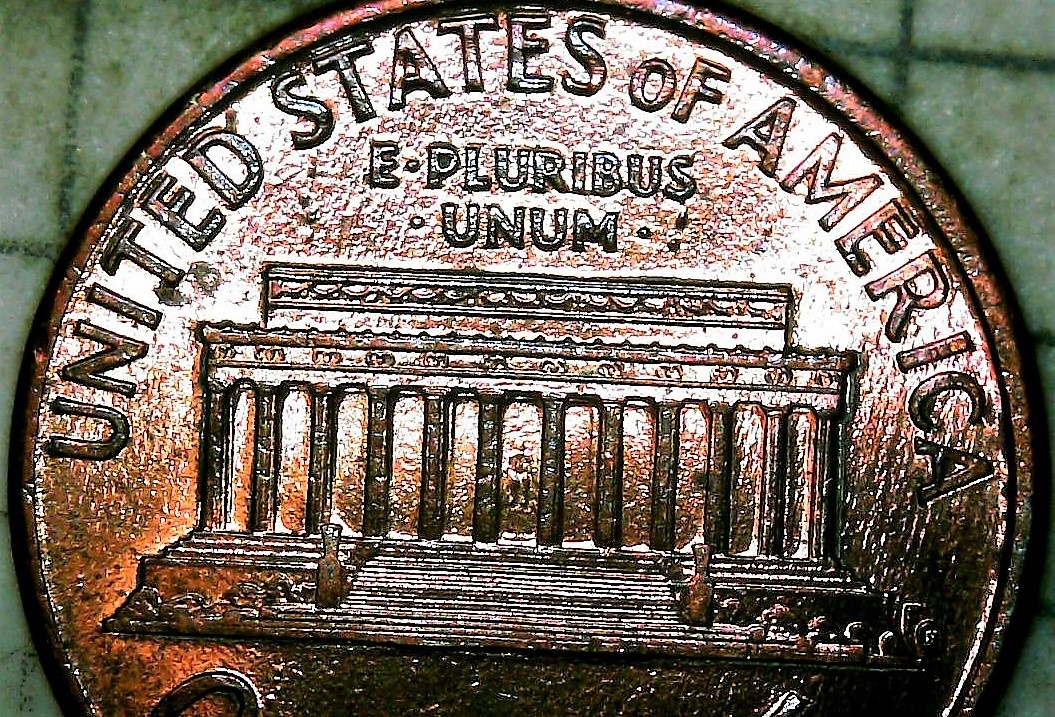
This is an example of a die crack coin.

A coin die imprints a design on a blank coin. Dies are made to strike tens of thousands of coins before becoming too worn to use any further.

Sometimes, coin dies begin showing signs of heavy use before US Mint officials can remove the die and replace it with a new one.

When dies become overly worn and brittle, they usually exhibit wear through minor lines, cracks, and other oddities that form on the die.

Once these die breaks develop, they’re transferred onto the coins — often creating raised (sometimes jagged) lines known as die cracks.

As the die breaks grow, so can the size, length, and magnitude of the error.

Depending on the size and location of the die crack (or die break), these error coins may be worth anywhere from a couple dollars to several hundred dollars — or more!

Here’s the list of die break error coins to look for…

Types Of Die Break Error Coins

Die breaks come in many different forms. Coin collectors have classified these various types of die breaks as distinct varieties, including:

  • Die crack — A die crack is one of the most common die defects. It appears as a raised line across the coin — most commonly in the form of what looks like a crack on the coin. (See an example of a die crack)
  • Bi-level die crack — Usually, when a die crack occurs, the only visual evidence is a raised line. But sometimes a die crack can displace the coin vertically, creating a stair-step effect. With a bi-level die crack, a segment of the coin on one side of the crack is actually sunken below the remaining area of the coin on the other side. (See an example of a bi-level die crack)
  • Die chip — Die chips are small, isolated chunks of metal that break away from the die, usually in the middle of the coin away from the rim. A die chip on a coin appears as a raised mound of metal, and these die chips can range in size from very small to quite large. Most die chips are less than 1 millimeter in size. As die chips grow beyond 1 to 2 millimeters, many error coin experts classify the chip as an interior die break, explained in detail below. (See an example of a die chip)
  • Shattered die — Shattered dies occur when various die cracks intersect, this is referred to as a shattered die. Shattered dies may reveal themselves across the entire face of a coin. (See an example of a shattered die)
  • Cud — By most definitions, a cud is a raised blob of metal connected to the rim of the coin. Cud error coins occur when a part of the die involving the rim of the coin fails, resulting in break there. Large cuds can sometimes obliterate edge lettering or other design elements near the periphery of the coin. The raised blob of metal forming the cud will generally look like a blank, or flat piece of metal with no design element. (See an example of a cud)
  • Interior die crack / Interior die break — Unlike a cud, which is attached to the rim of the coin, an interior die break is a large blob of metal within the coin’s design. Definitions on what constitutes a die chip versus an interior die break vary, though many error coin experts would agree that an interior die crack should measure at least 3 millimeters — though preferably 4 millimeters or wider — in size. Interior die breaks are relatively scarce, and sometimes form along or in conjunction with a die crack. (See an example of an interior die break)
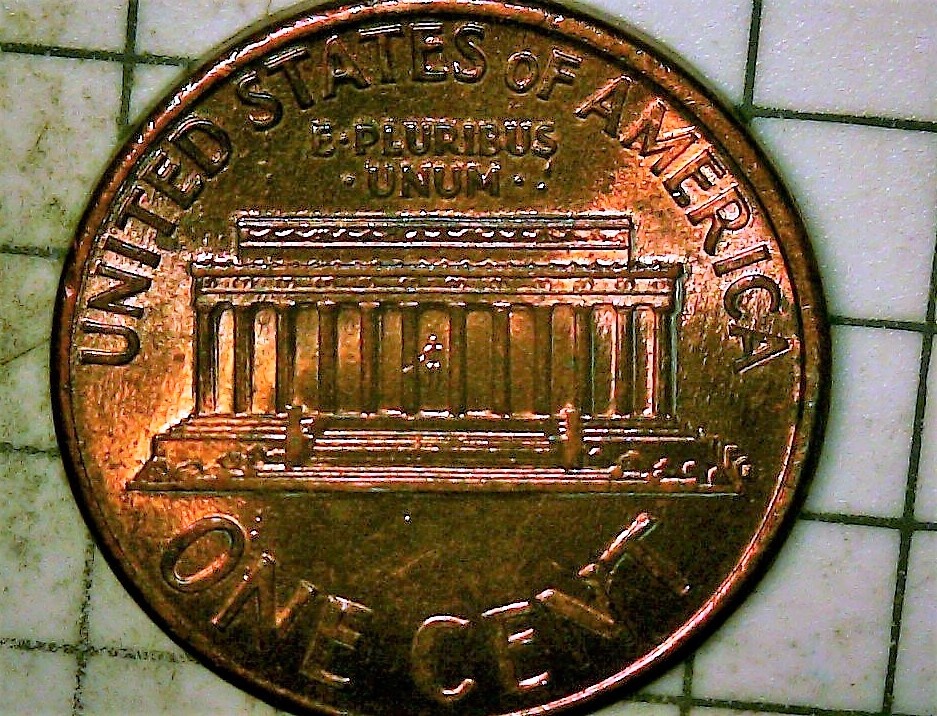
This is an example of a cud error coin.

By the way, some coin collectors passionately disagree on the definitions behind one type of die break error versus another. This is particularly true regarding what constitutes a cud versus a die chip / interior die break.

As interest in error coins continues growing, coin collectors may develop even more classifications for die breaks.

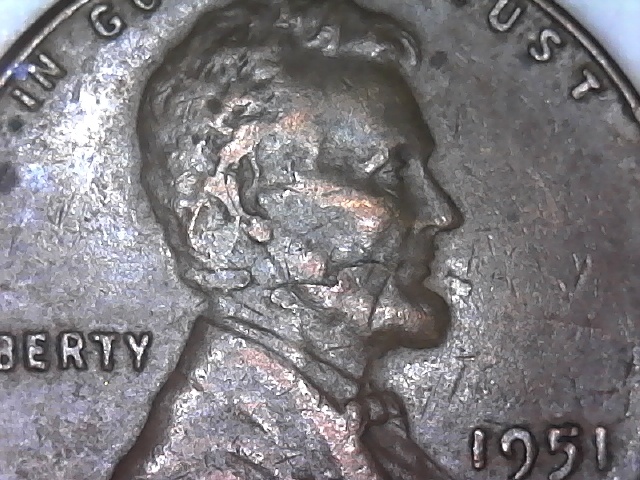
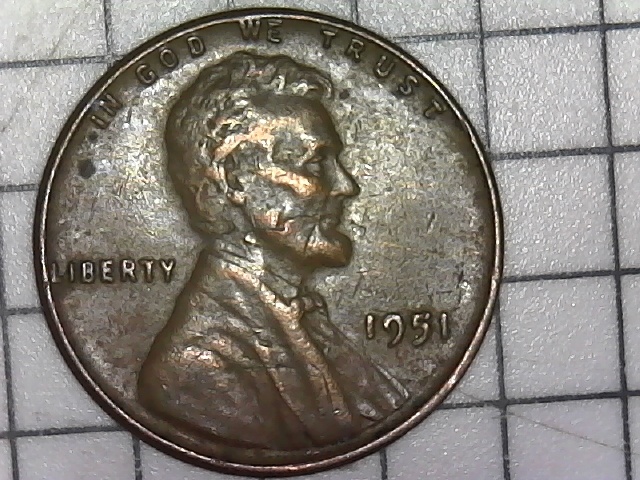
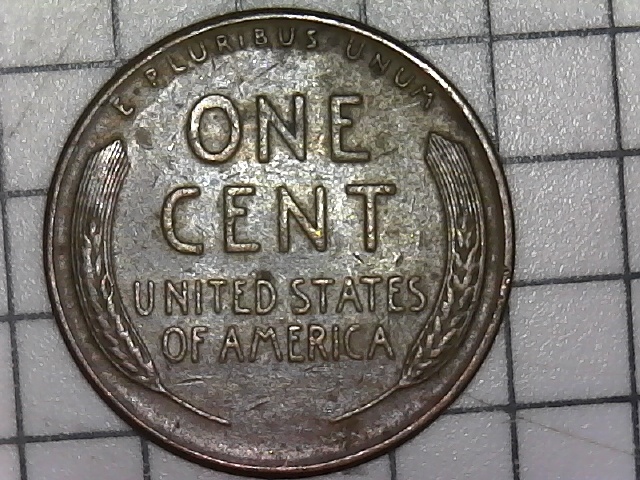
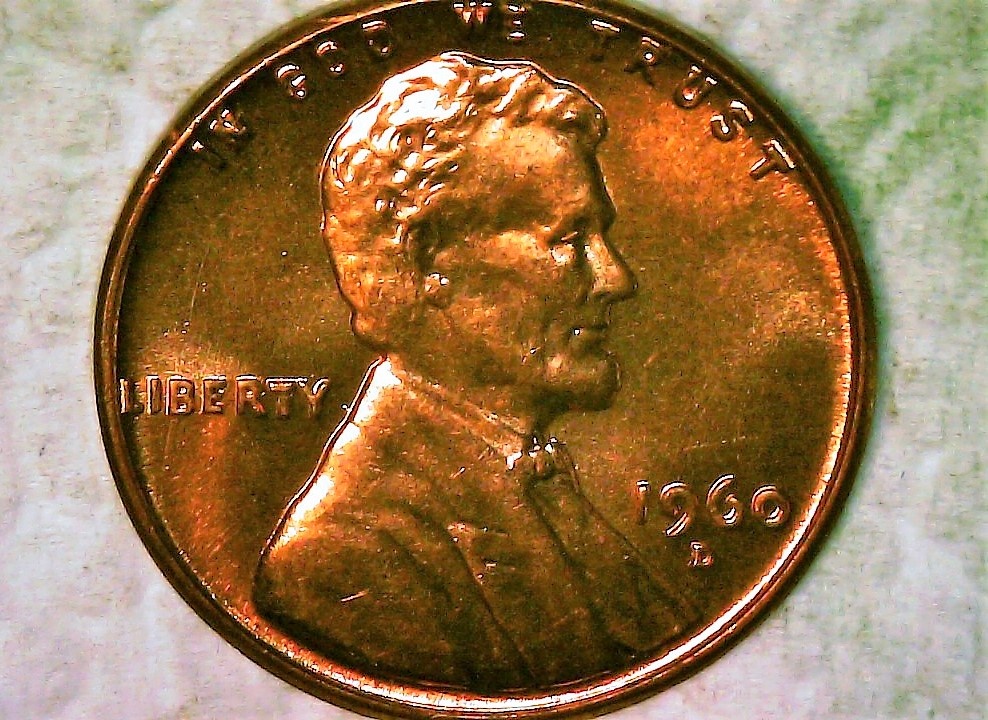
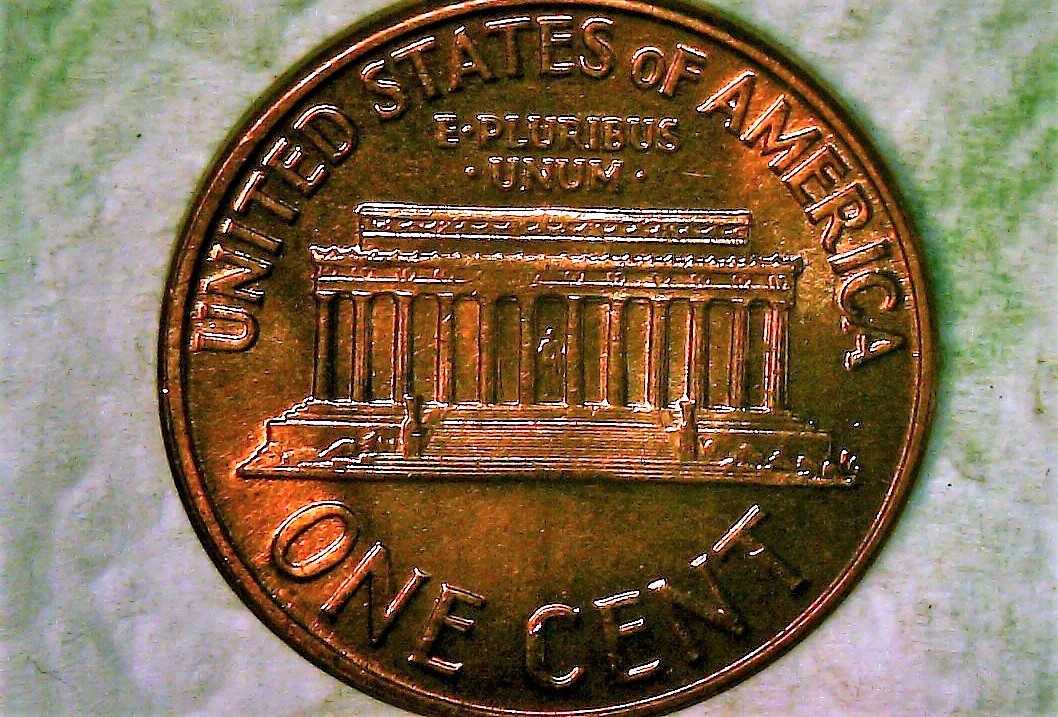
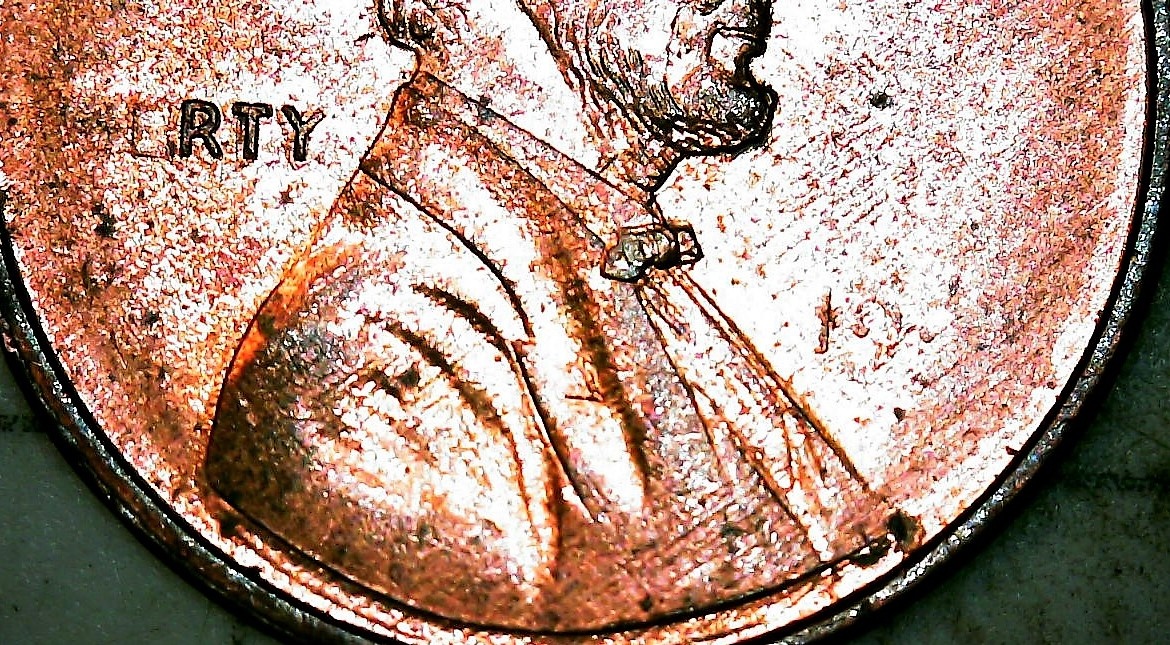
Here’s a good example of a Lincoln cent with die cracks:

Are Coins With Die Breaks, Cracks, And Cuds Rare?

While all error coins are by definition rare, die breaks, die cracks, and cud errors are among the more common error coins.

The scarcest ones are generally those that are larger in size or more dramatic in appearance. That’s partly because:

  1. Large die breaks, cracks, and cuds were made far less frequently.
  2. Those that were produced were often caught by the US Mint’s quality control team.

So, in general… dramatic appearance, large size, and prominent location on a coin are marks of “rarer” die cracks, breaks, and cuds.

Coins With Die Breaks That Are Popularly Collected

Interest in die breaks varies from collector to collector. Some die breaks are classified as individual varieties that are collected within a particular coin series.

Perhaps this is most strongly the case with the ever-popular Morgan dollars and Peace dollars. These old silver dollars are classified by collectors based on the presence of certain die anomalies — including die breaks.

Morgan and Peace dollar classifications were first popularized by Leroy C. Van Allen and A. George Mallis in their book, The Comprehensive Catalog and Encyclopedia of Morgan and Peace Dollars — and the varieties are shorthanded as “VAMs” (a combination of the initials of Van Allen and Mallis’ last names).

VAM Morgan and Peace dollars, many of which are classified solely on the basis of die breaks, can range in value from $50 to several thousand dollars.

Another popular type of die break involves a raised blob of metal in between the letters “B” and “E” in “LIBERTY” on Lincoln pennies.

These are called “BIE” errors, or BIE Lincoln cents and are also highly collectible. Many range in value from $5 to $50 …and up.

How Much Are Die Break Error Coins Worth?

As with many types of error coins, values for die breaks largely depend on the size, location, and magnitude of the error. The larger, more prominent, or more intrusive the die break, typically the more that coin is worth.

Determining whether you have a die crack coin valued at $5 or an especially valuable error coin worth $100 will depend on the following:

  • Where the die break is located
  • How big the die break is
  • If that die break is classified as a rarity by error coin specialists
  • If that particular variety is sought by many collectors 

It’s normally fair to presume any die break coin is worth more than the same coin without a die break.

As stated earlier, coins with die breaks fall within a broad spectrum of values — ranging from only a couple dollars to hundreds of dollars or more.

So, the value of coins with die breaks is usually best evaluated on an individual, sight-seen basis.

More Info About Error Coins

In addition to the links I’ve included above, here are some other resources to help you better understand error coins, plus some additional error coins to look for as well:

PUBLISHED April 15, 2025
UPDATED August 6, 2026

Joshua McMorrow-Hernandez

Numismatic Specialist

Hi, I’m Josh! I’m the Editor here at the US Coins Guide. My love for coins began when I was 11 years old. I primarily collect and study U.S. coins produced during the 20th century.

I’m a member of the American Numismatic Association (ANA) and the Numismatic Literary Guild (NLG). I have won multiple awards from the NLG for my work as a coin journalist. I’m also the editor at the Florida United Numismatists Club (FUN Topics magazine), and author of Images of America: The United States Mint in Philadelphia (a book that explores the colorful history of the Philadelphia Mint). I’ve contributed hundreds of articles for various coin publications including COINage, The Numismatist, Numismatic News, Coin Dealer Newsletter, Coin Values, and CoinWeek.
I’ve authored over 1,000 articles here at the US Coins Guide (many with over 50K shares).

I welcome your coin questions!

91 responses to “Die Break Error Coins: See How Much These Errors Are Worth!”
  1. Ariana33 Avatar
    Ariana33

    Interesting article, thanks!

    1. JoshuaTheFunTimesGuide Avatar
      JoshuaTheFunTimesGuide

      Thank you for your kind feedback, Ariana!

      Best,
      Josh

  2. Chatelle Avatar
    Chatelle

    Hi Josh. I can’t tell if this is a gouge or an error. Could you please help me again? Thanks https://uploads.disquscdn.com/images/51998608082452b835e0a351235a331aba4507482f5a3f59c1cf833dd4346816.jpg

    1. JoshuaTheFunTimesGuide Avatar
      JoshuaTheFunTimesGuide

      Hi, Chatelle —

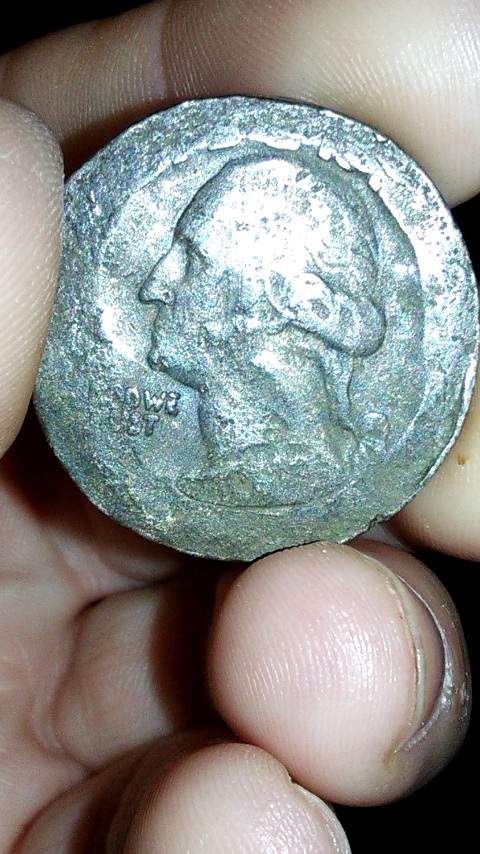
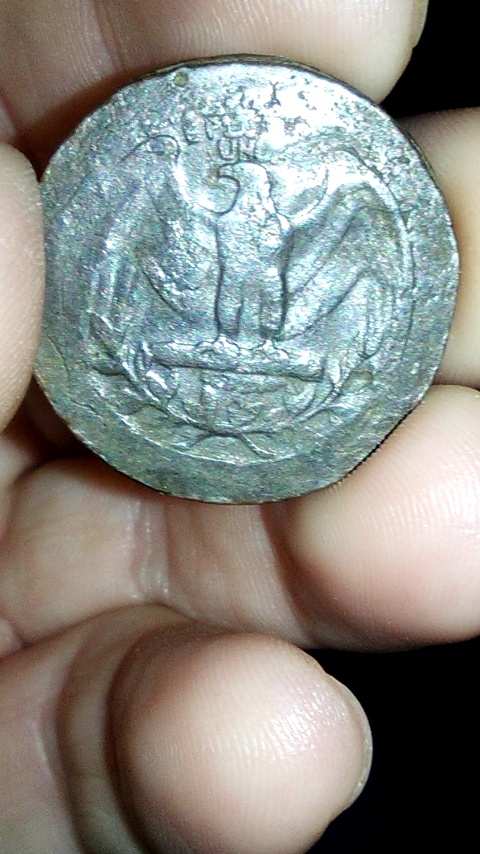
      In this image it appears to be a major scrape…

      Thank you for reaching out!
      Josh

    1. JoshuaTheFunTimesGuide Avatar
      JoshuaTheFunTimesGuide

      Hi, NSDNSD,

      From what I see in these images those lines are cuts into the coins and I’m afraid are thus a type of post-mint damage. Die breaks are raised lines, whereas here the raised lines appear to just be the displaced metal from around the cuts.

      Best wishes,
      Josh

    1. JoshuaTheFunTimesGuide Avatar
      JoshuaTheFunTimesGuide

      Hi, Chatelle —

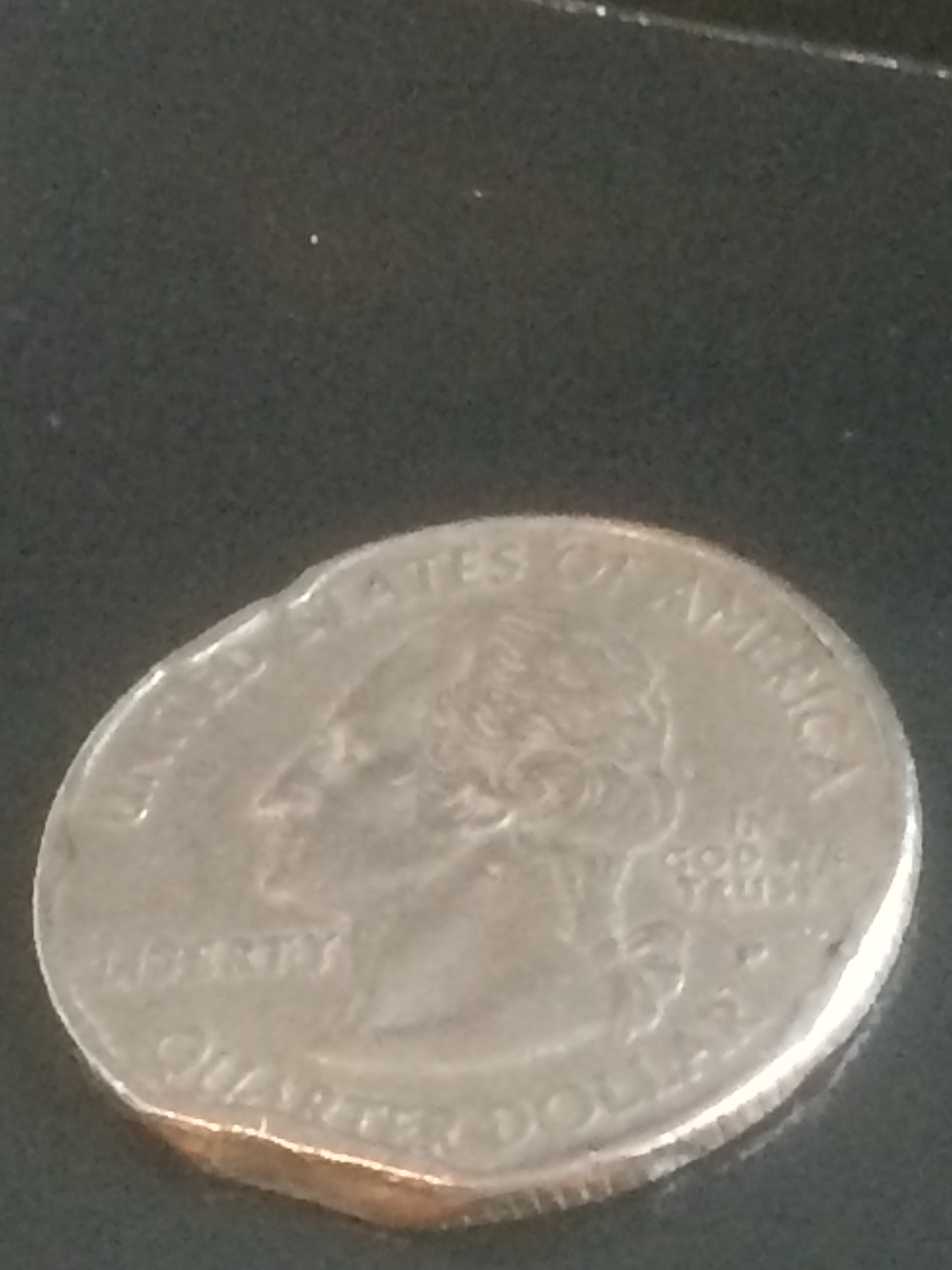
      This is a post-Mint damaged quarter that appears to have had its edges spooned or otherwise manipulated. It’s worth face value but is quite the looker!

      Best wishes,
      Josh

  3. Ted A. Papesh Avatar
    Ted A. Papesh

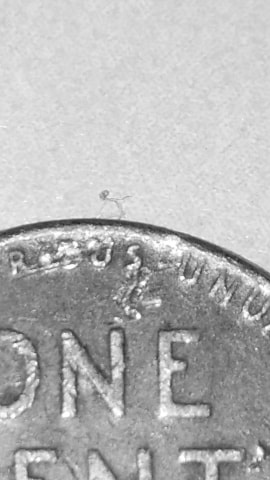
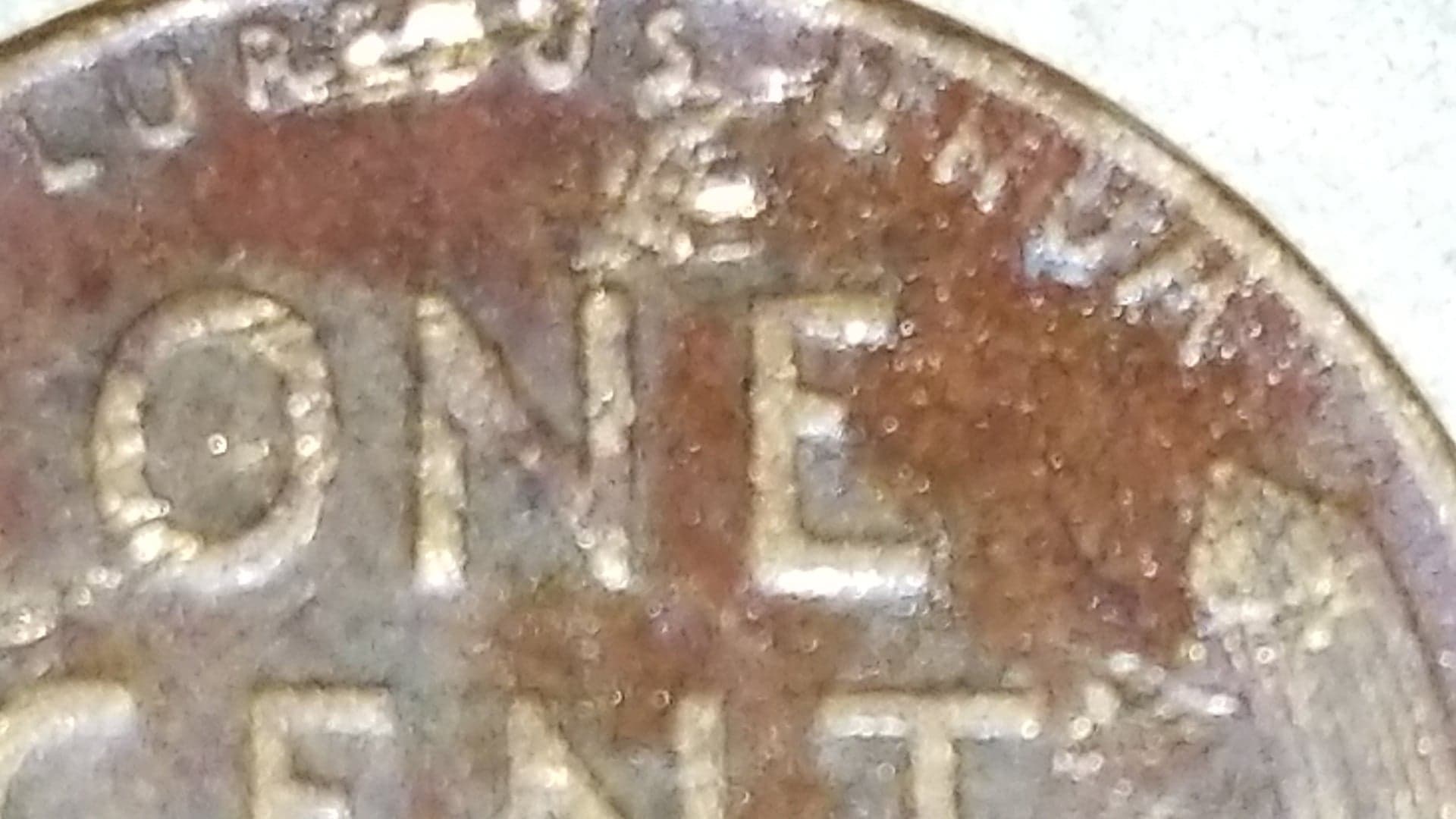
    I have 2 boxes ⁷ of the 1995 P Lincoln cent and have found many errors in the 2 boxes that I opened previously did send coins to Coin Help Dan Malone at Portsmouth Coin & Currancy, I think he’s smart and informative but didn’t seem interested I would be willing to send you 2 of each for you to keep and evaluate, especially the Die crack that makes Lincoln look like he is crying or the die crack on the reverse that has a cud on base of the R in liberty that looks like an angle wing, or the exclamation mark over the I in IN. Send me your address and will mail coins to you for you to keep and evaluate. E:mail. t.papesh@sbcglobal.net

    1. JoshuaTheFunTimesGuide Avatar
      JoshuaTheFunTimesGuide

      Hi, Ted —

      While I answer one-off questions here in the forum, I do not evaluate coins in-person and am not an official attributor or grader. I really do appreciate your thinking of me though and reaching out about this! Have you considered CONECA? Maybe they could help…

      Good luck to you,
      Josh

  4. disqus_1xEnd0d42B Avatar
    disqus_1xEnd0d42B

    Error today, sorry. It won’t allow me to upload the photos I need to explain my question, saying I’m not logged in.??? But I can post??? Confusing.

    1. JoshuaTheFunTimesGuide Avatar
      JoshuaTheFunTimesGuide

      Hi,

      This post of yours here showed up… As long as you’re uploading a JPG of less than 2 MB you should be all set.

      Best wishes,
      Josh

  5. B ES Avatar
    B ES

    Hi Josh –
    Hope you are staying healthy!!
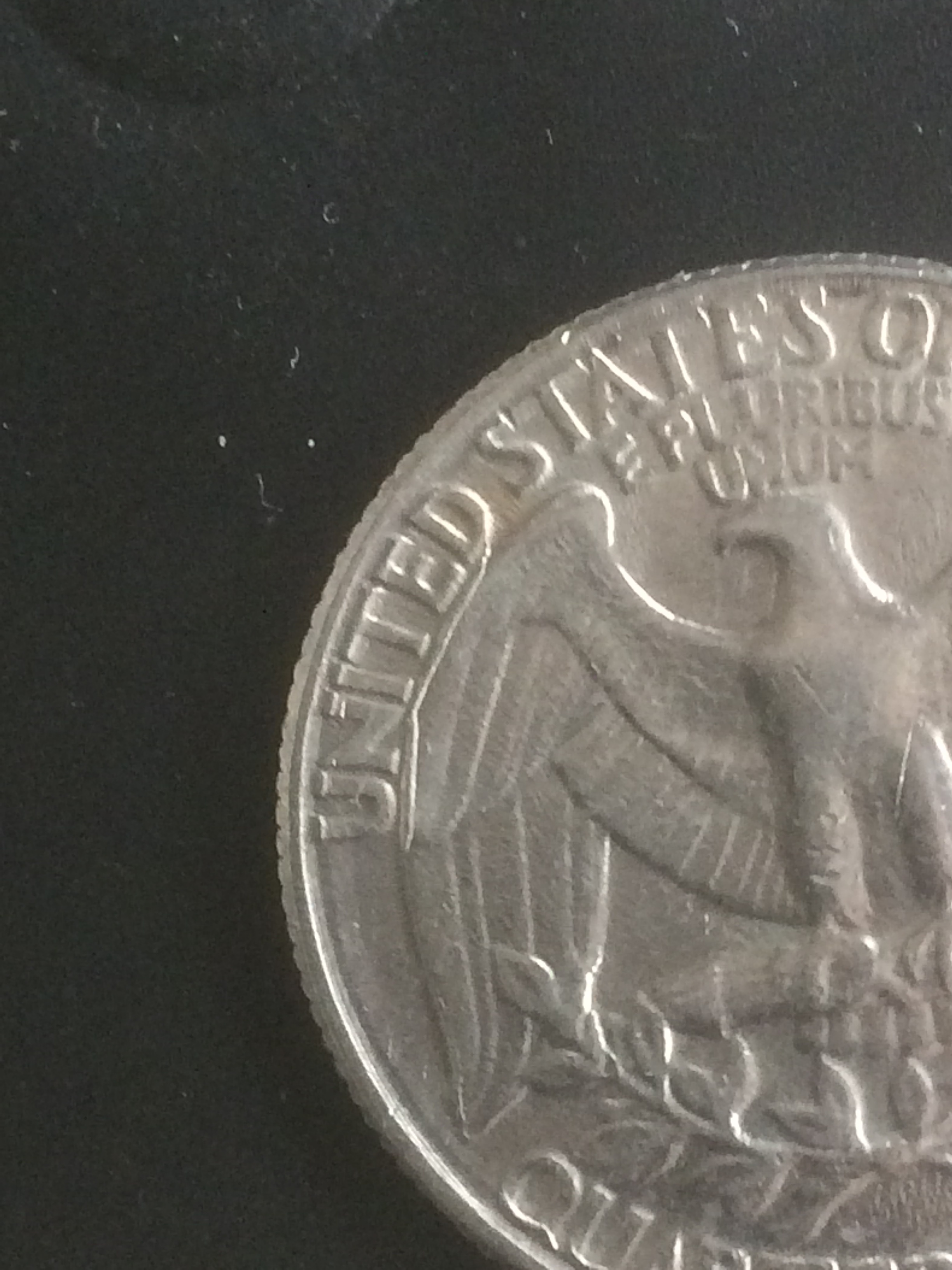
    Would you please give me your opinion on this 1991 quarter regarding the raised portion under the word “united” on the reverse and if you think it is worth getting certified?
    As always, thanks for you assistance, very best regards. https://uploads.disquscdn.com/images/4e77876a48216899ae0c06e1535c0e22fe7dfa9dbbbc6f8c27bf22a5796a165e.jpg https://uploads.disquscdn.com/images/7c6721d517726ebd5d5c9d77a8ef1dc0bceb9471104b6e0d92703aa09a8c5267.jpg

    1. JoshuaTheFunTimesGuide Avatar
      JoshuaTheFunTimesGuide

      Hi, BES —

      It’s good to hear from you! All is well here and I hope the same for you and yours. Your coin appears to possibly have a minor die clash, which can add a couple dollars of value to your piece but wouldn’t really warrant getting certified.

      Best wishes,
      Josh

  6. B ES Avatar
    B ES

    Hi again –
    I appreciate your sharing your wisdom!!
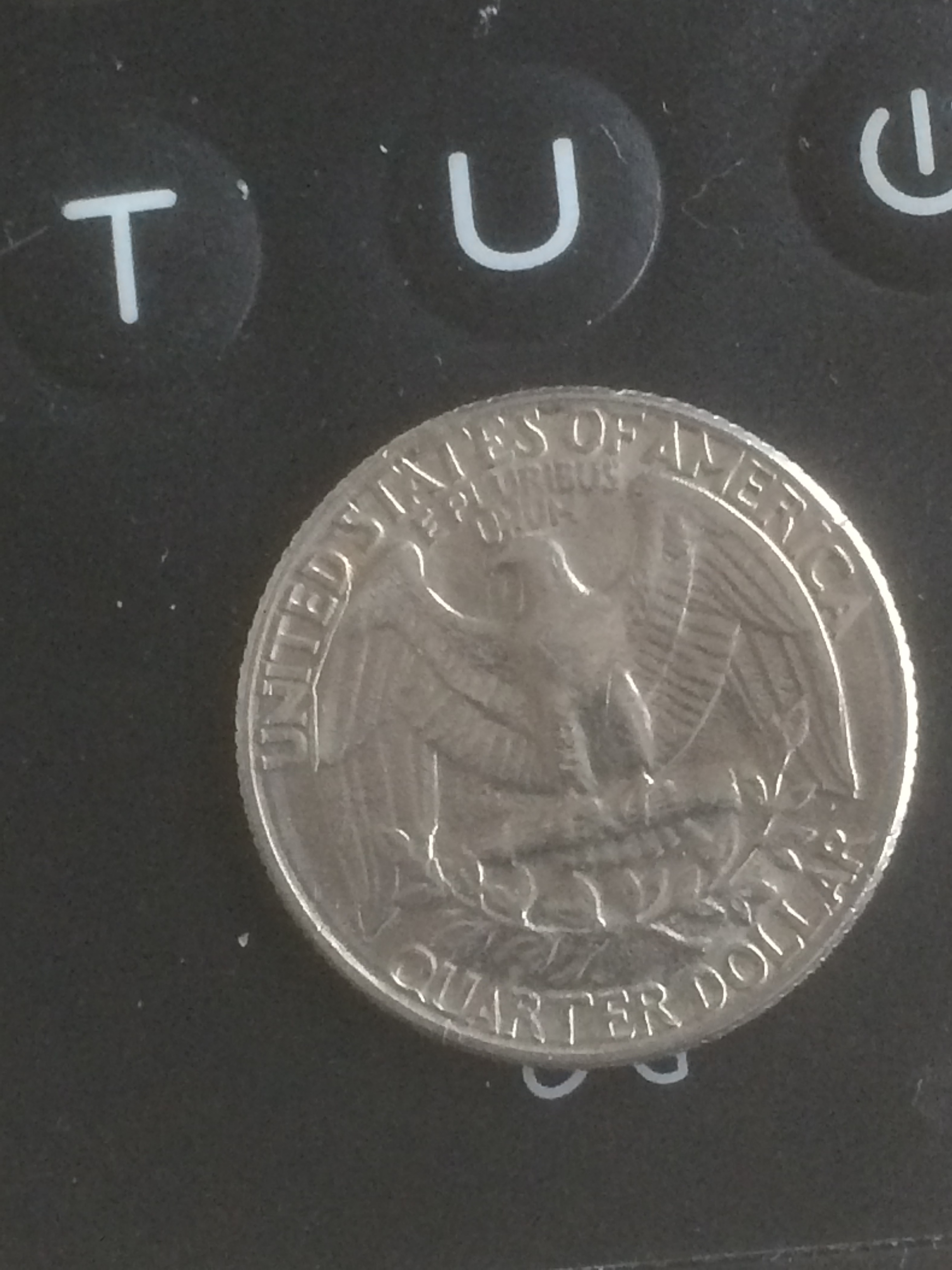
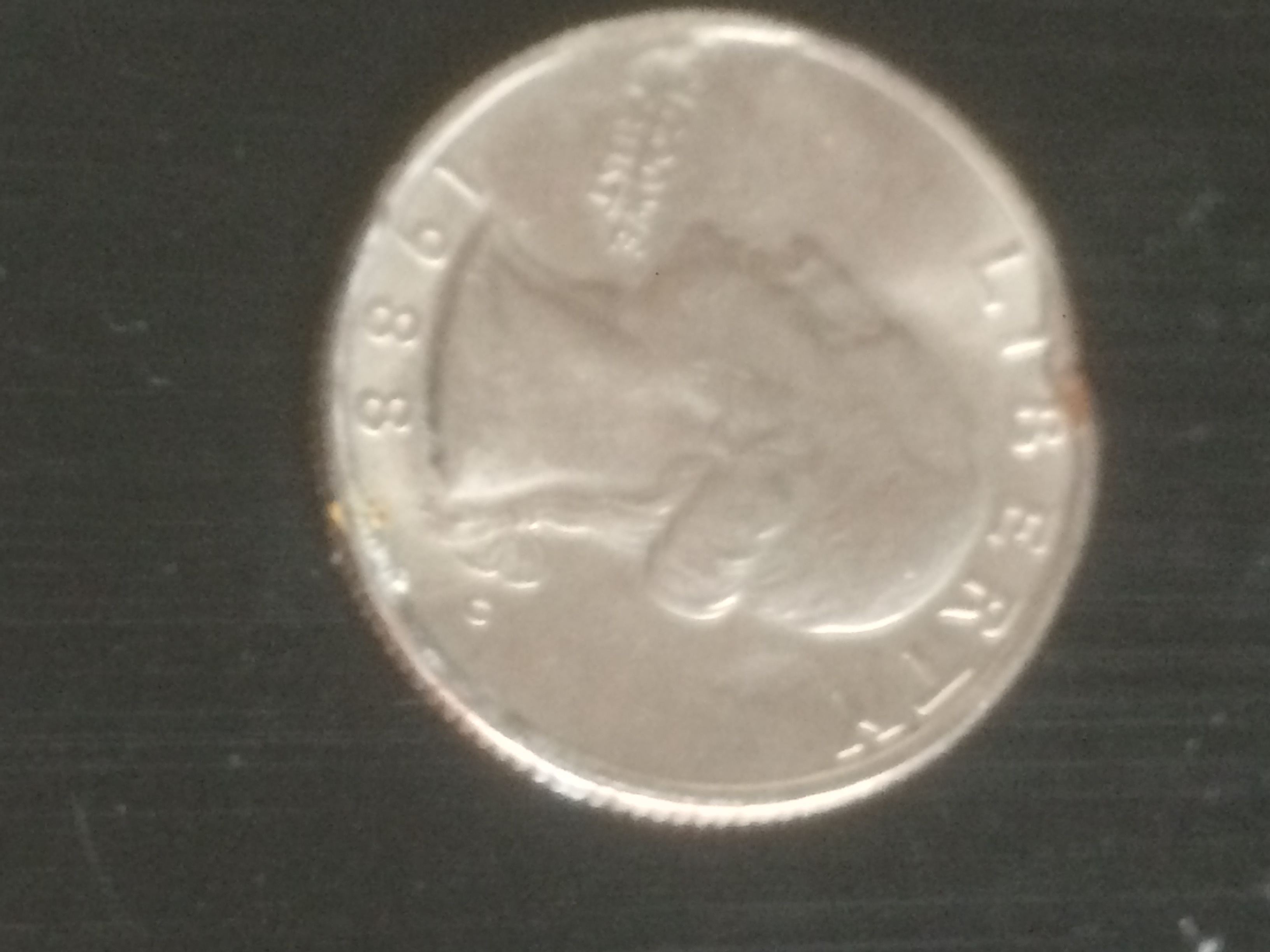
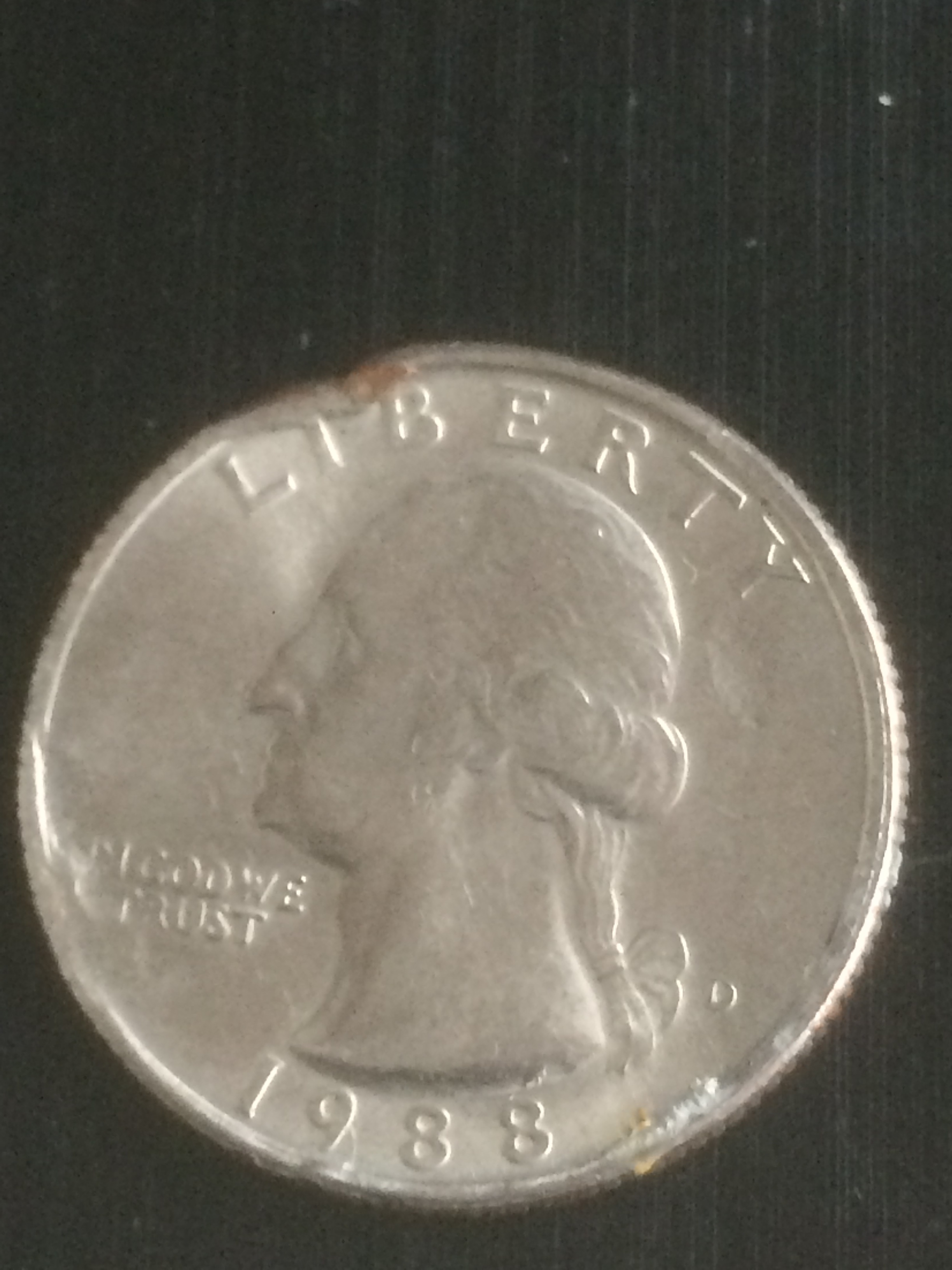
    Opinion, please, on this 1988 quarter.
    Post mint damage to the rim?
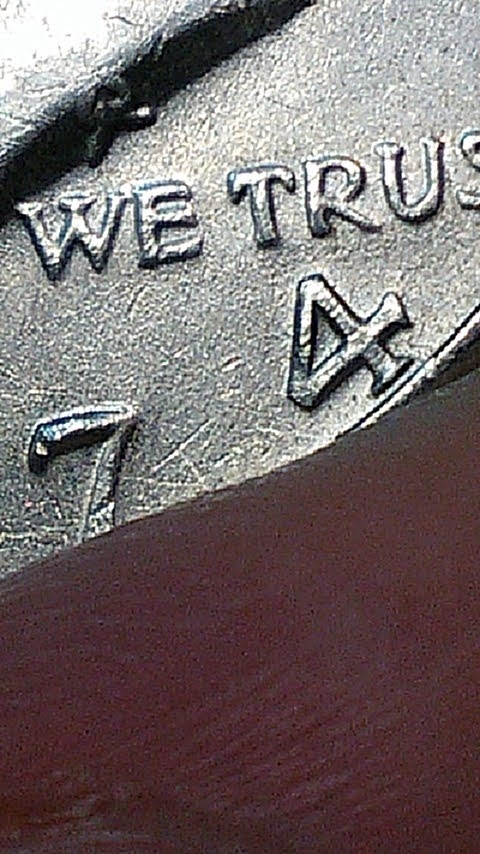
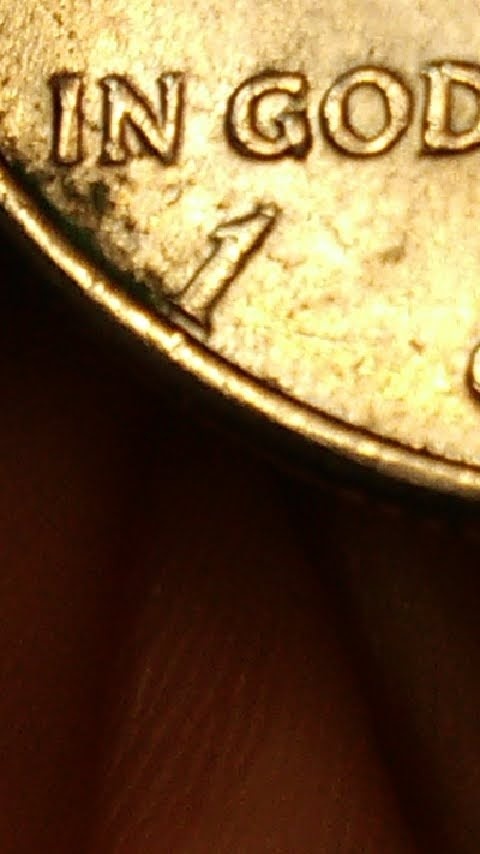
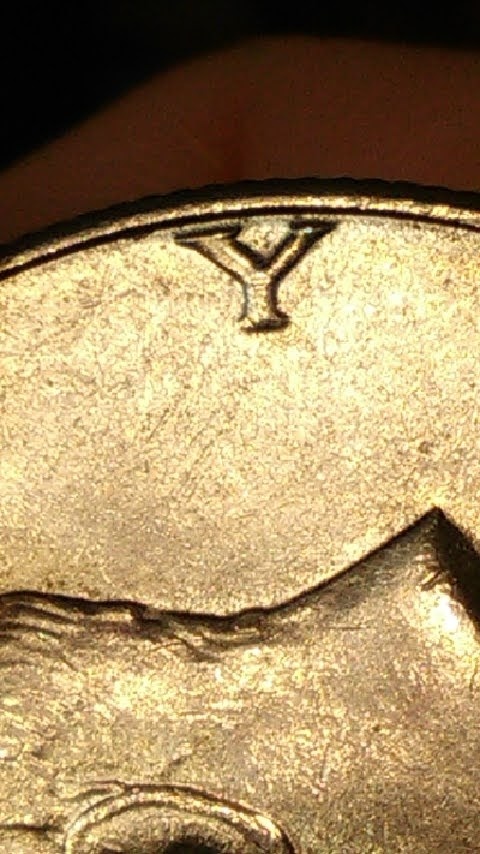
    Am also curious about the two recesses in the surface, namely 1) to the left of “In God We Trust”, and 2) under the “Y” in Liberty.
    Thanks so much https://uploads.disquscdn.com/images/589f3cb0fb2db9ad471c2838d1869cb815d86e89fae2ad4378854ca72b3d5003.jpg https://uploads.disquscdn.com/images/b4e2734fd3fe302412e9945c05c696d58f2b24905e3215f8208b7a5f8bad1aaf.jpg https://uploads.disquscdn.com/images/c166af90b83dcdcaf2ea28958b566303f7e97b2305b63f04a0e2f20e7f1479c7.jpg

    I imagine that if the rim is post mint damage it would ruin any value regarding the recesses.

    1. JoshuaTheFunTimesGuide Avatar
      JoshuaTheFunTimesGuide

      Hi, BES —

      Unfortunately everything you’re pointing out is pmd here and this piece is worth face value. As a general rule of thumb, any oddity going IN to a coin is usually pmd.

      Best wishes,
      Josh

      1. B ES Avatar
        B ES

        bummer! Thanks for response

    1. JoshuaTheFunTimesGuide Avatar
      JoshuaTheFunTimesGuide

      Hi, BES —

      This, too, is unfortunately pmd and worth face value. Keep looking! There’s lots of valuable stuff out there in circulation and I hope you find it!

      Good luck,
      Josh

      1. B ES Avatar
        B ES

        Thanks for the response. Some people have waaaay too much time on their hands.
        Best….

  7. Chatelle Avatar
    Chatelle

    The pic of the penny didn’t come out good. It still had the color of a newer penny. Red not brown thanks again

  8. coin man Avatar
    coin man

    I have a one dollar bill with the 2017 series B77735777B . Do I have going with this ?

    1. JoshuaTheFunTimesGuide Avatar
      JoshuaTheFunTimesGuide

      Hi, Coin Man —

      Wow, that’s close! While that’s not truly a Radar note (it HAS to be a complete palindrome), maybe there is someone out there who would pay for that combination of serial number.

      Best wishes,
      Josh

      1. coin man Avatar
        coin man

        I Believe I have the 1983-D coin. It weighs at 2.50 g.

        Coin Man.

        1. JoshuaTheFunTimesGuide Avatar
          JoshuaTheFunTimesGuide

          Hi Coin Man —

          A 1983-D penny that weighs 2.5 grams is a regular copper-plated zinc coin worth face value if worn and without errors or varieties. The rare copper ones weigh about 3 to 3.1 grams.

          Best wishes,
          Josh

  9. coin man Avatar
    coin man

    Hi Joshua this is Coin man I also have a 1983 D quarter at 5.50g. What do you think ?

    1. JoshuaTheFunTimesGuide Avatar
      JoshuaTheFunTimesGuide

      Hi, Coinman —

      That’s just a tad underweight for a clad quarter but sight-unseen here can easily be explained by excessive wear or surface porosity.

      Best,
      Josh

    1. JoshuaTheFunTimesGuide Avatar
      JoshuaTheFunTimesGuide

      Hi, Tori —

      Yes, unfortunately the “9” is exhibiting signs of heavy post-mint damage. This piece is still worth about 3 to 5 cents as an obsolete collectible.

      Thank you for reaching out,
      Josh

  10. Jl Jl Avatar
    Jl Jl

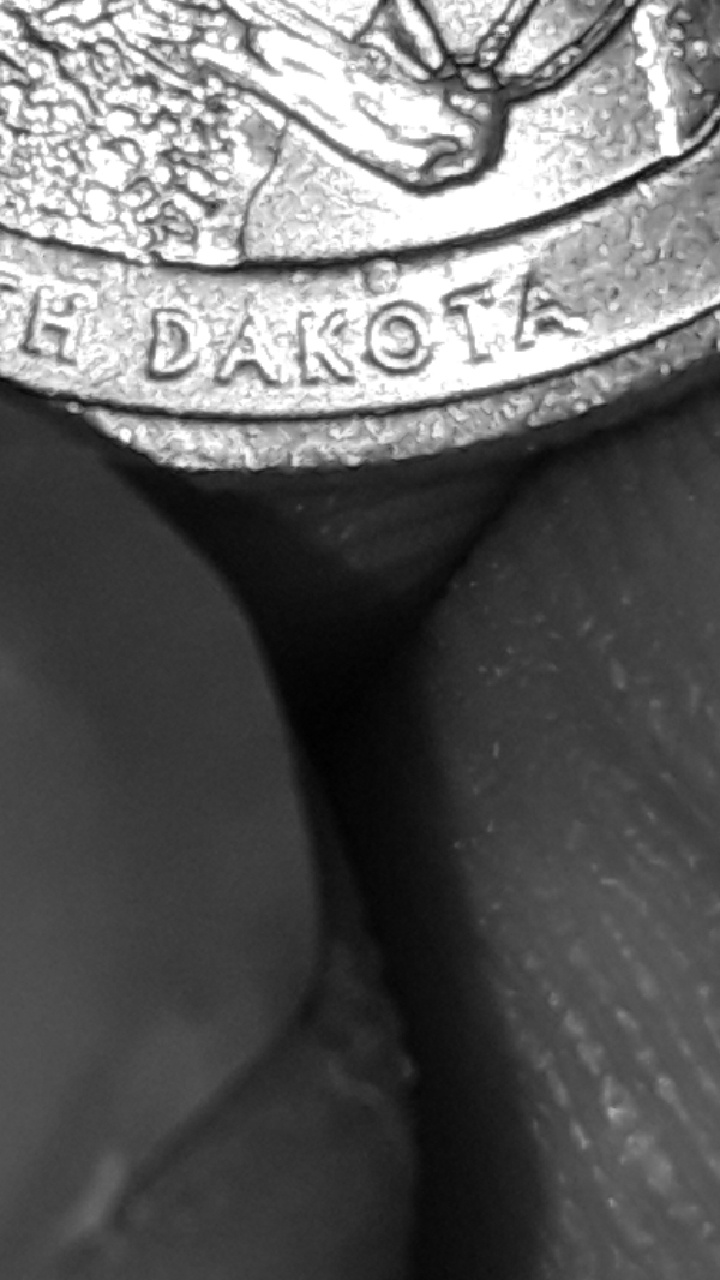
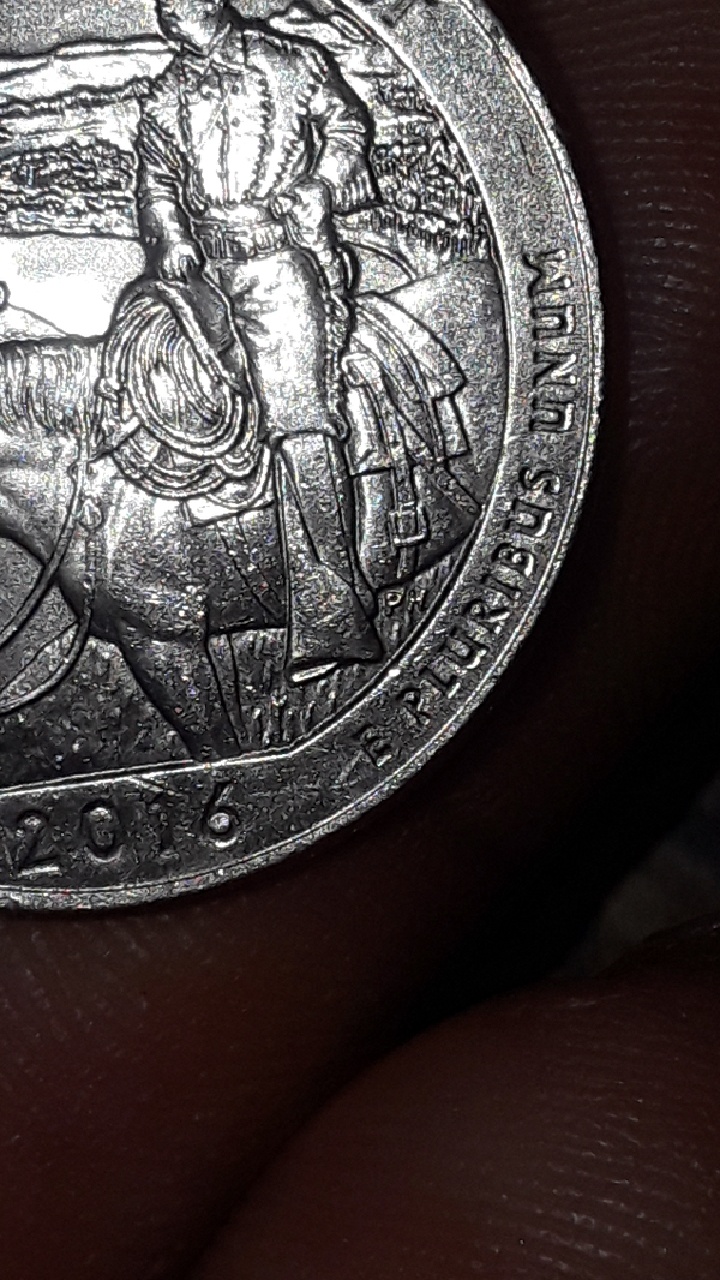
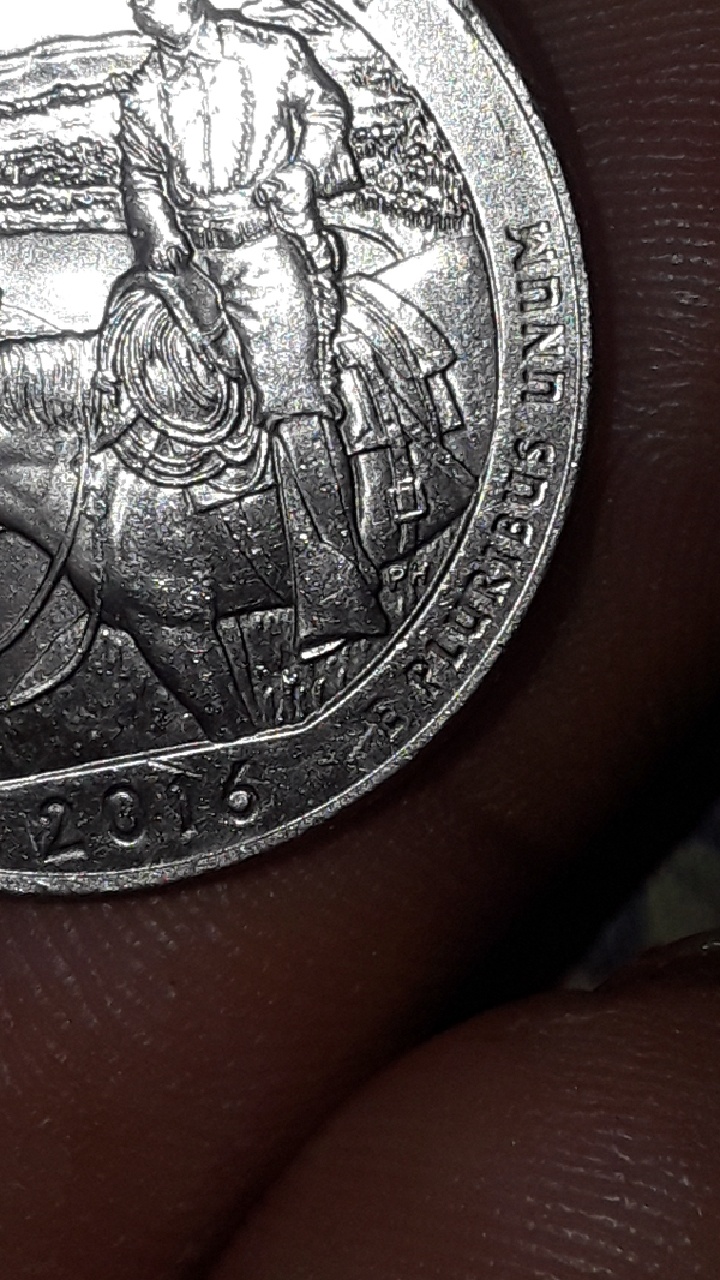
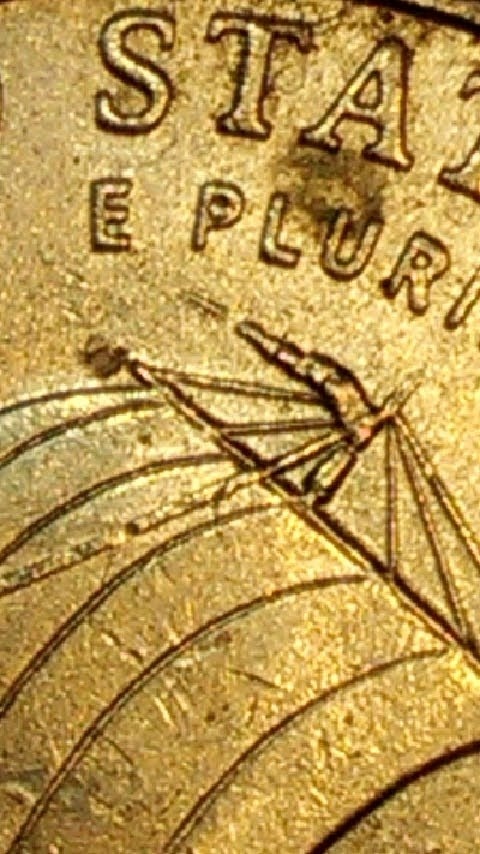
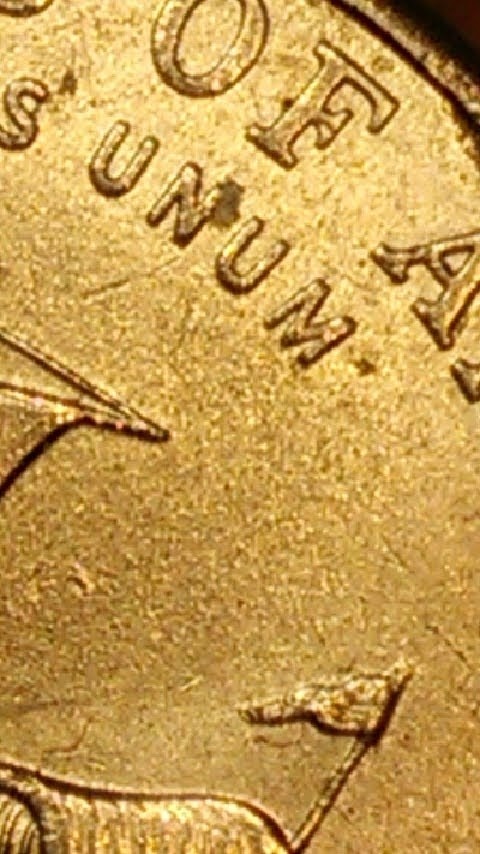
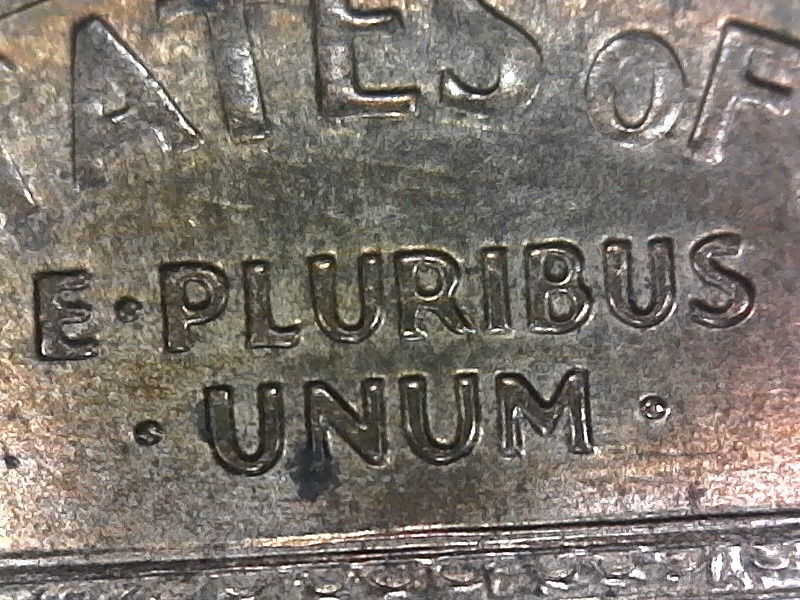
    Hi look this 2016 quarter by back side is like double face double north Dakota and big line cross in E PLURIBUS UNUM
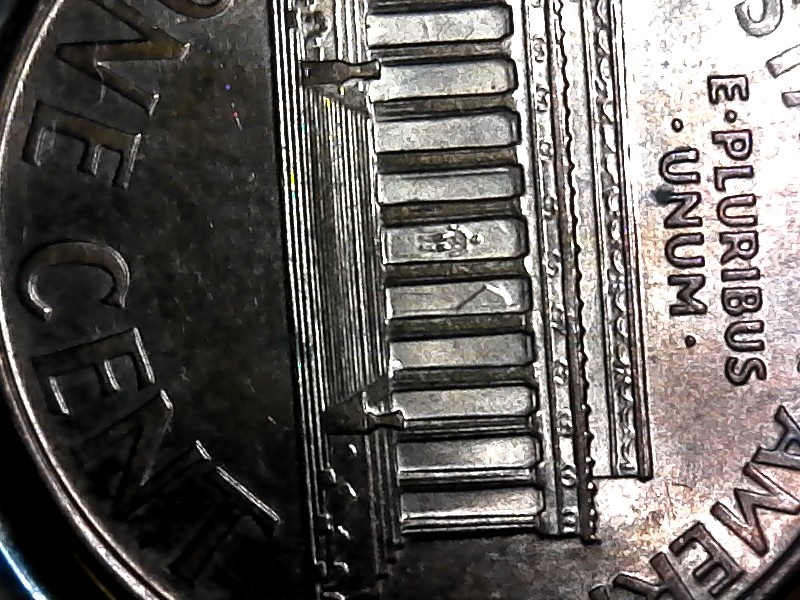
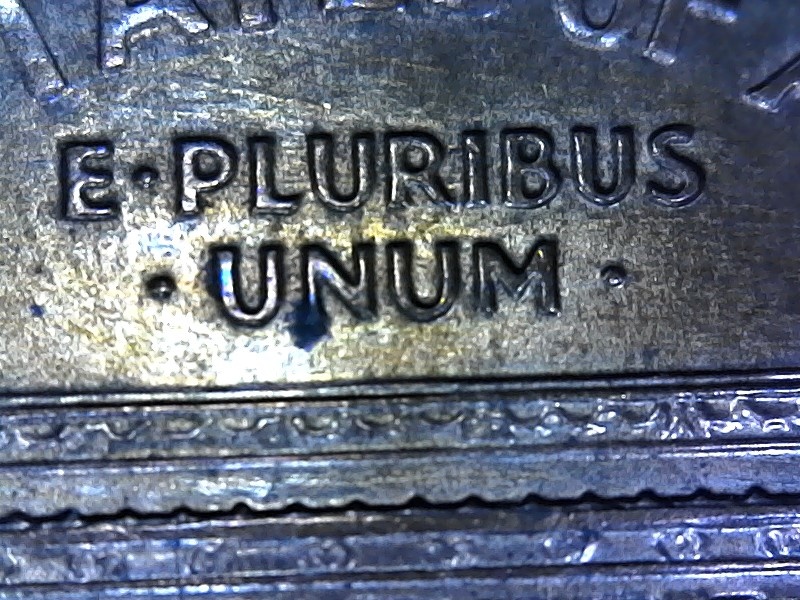
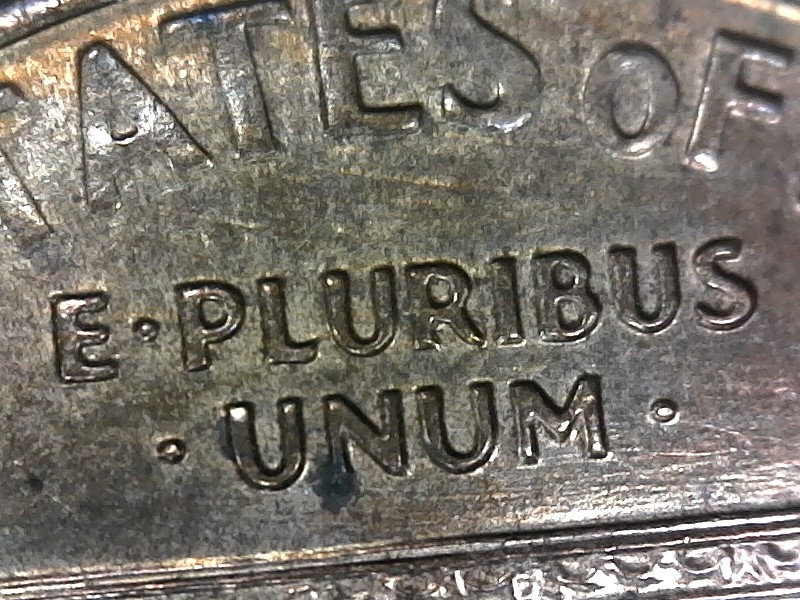
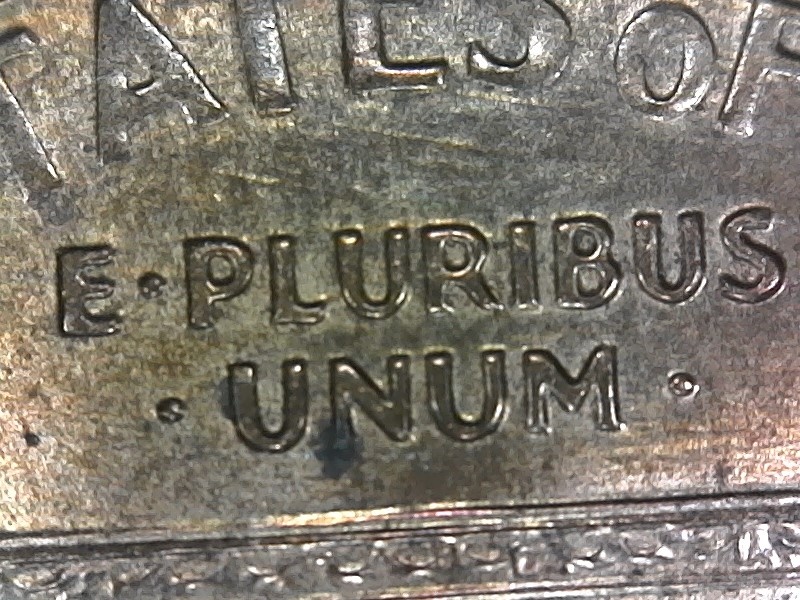
    thanks s://uploads.disquscdn.com/images/1d4382096ec657fbde2458a9ee6ee83f5baa944a16c63488faa3db2550ba409c.jpg https://uploads.disquscdn.com/images/5a690aea45ba605079be6e2e23c07a3fcdf4035ba0b07129a327481a31ba5121.jpg https://uploads.disquscdn.com/images/1e8cbf1a4f67241993e652b822fe37d1911e293212564d345fa756aba8bd0971.jpg https://uploads.disquscdn.com/images/42241bc0156ad1e98e11ce7bf88ff06db9376c406554a4a1025dfc89a86a9ca7.jpg https://uploads.disq
    uscdn.com/images/5cc7dcf8d87baf39529095f73260040f240067e318e90d03894d9a6f46f1b2f1.jpg

    1. JoshuaTheFunTimesGuide Avatar
      JoshuaTheFunTimesGuide

      Hi, JL –

      Unfortunately it is just common machine doubling you’re seeing on this coin, which if worn is worth face value.

      Thank you for reaching out!
      Josh

  11. Shereta Sanders Avatar
    Shereta Sanders

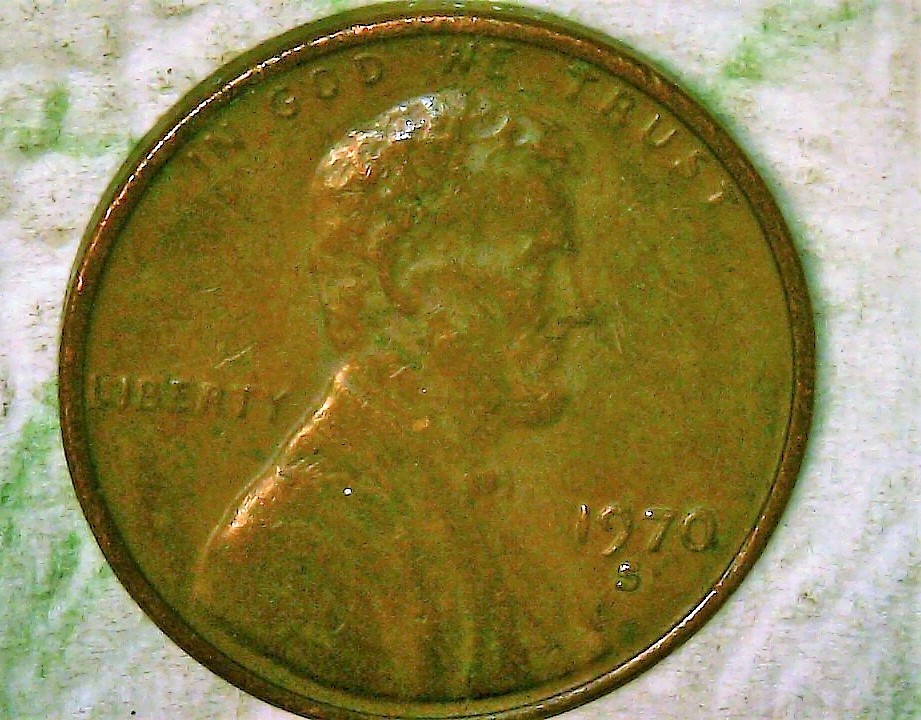
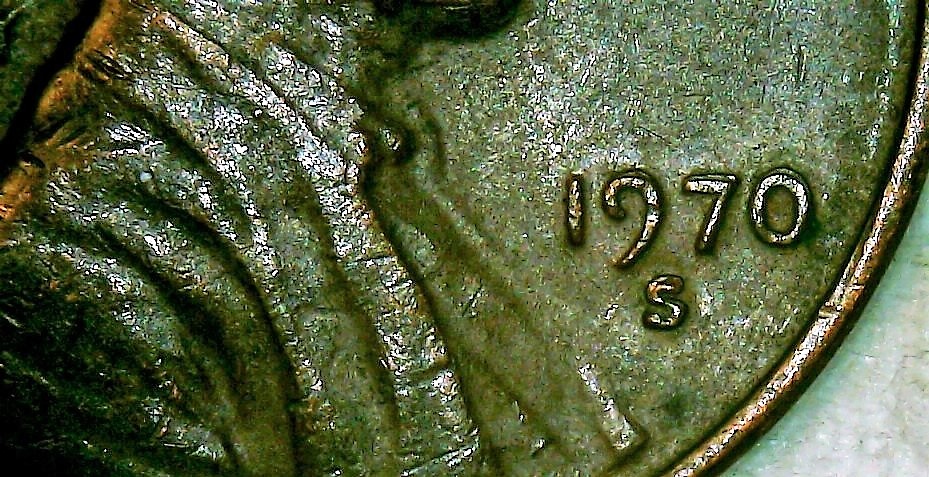
    I have a 1970 penny, two 1983,1984,1992,1995&1999. The small date is what is described when I looked it up. I’m think I have a small date 1970 penny.

    1. JoshuaTheFunTimesGuide Avatar
      JoshuaTheFunTimesGuide

      Hi, MzDimondz —

      If you could please post a clear of the front of the 1970-S penny I can help you determine if that one is the small date. All the rest of the pennies you listed are worth face value if worn and without errors and varieties.

      Best wishes,
      Josh

  12. Brian Smith Avatar
    Brian Smith

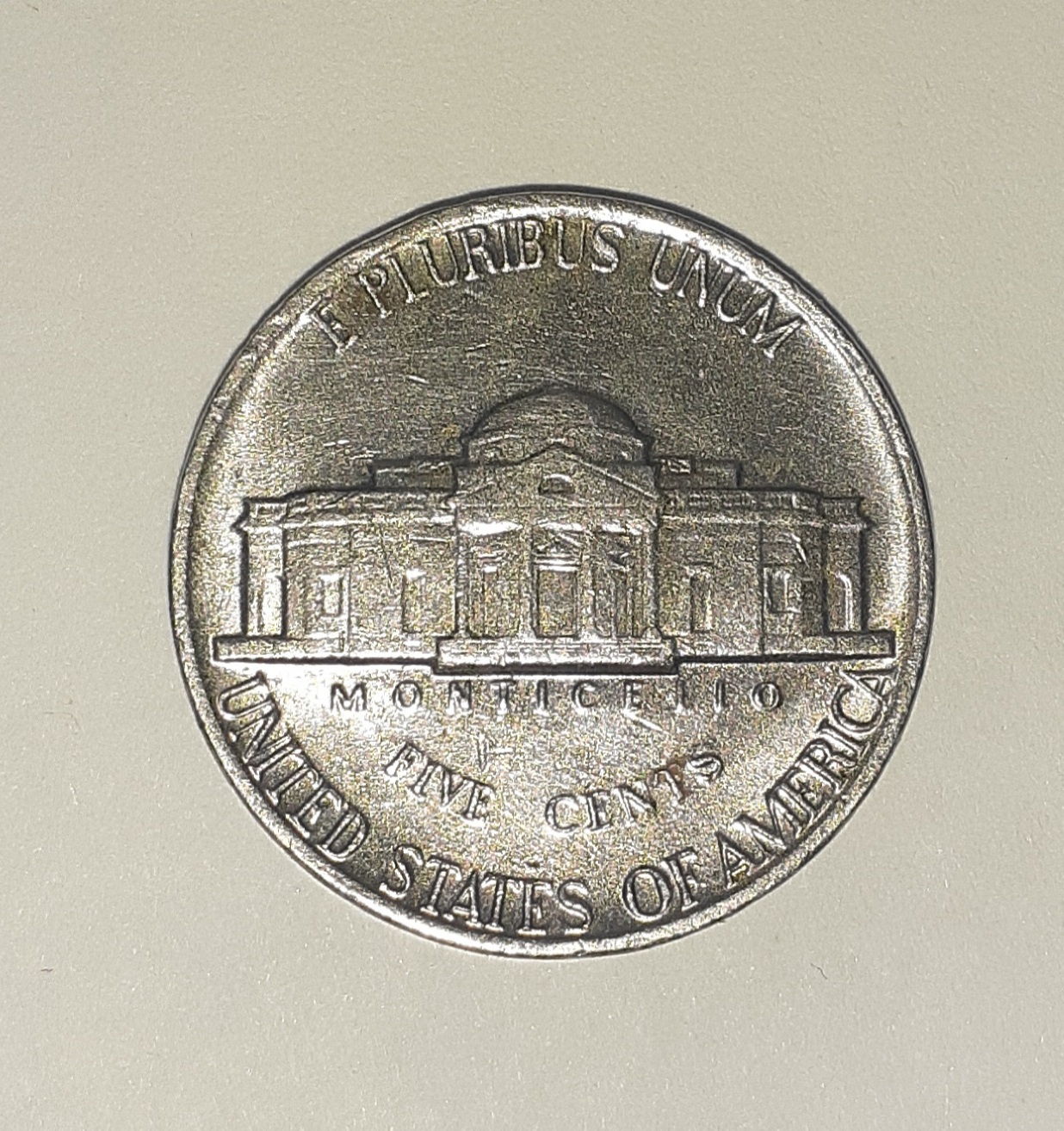
    I appreciate your guides; I’ve learned so much. I found this 1940 nickel in a bucket of coins. Is this a die chip on Monticello’s dome?
    https://uploads.disquscdn.com/images/4ba2cca861a12382449e797a3c6bd21548fd4ba7142b9de82179240428d97a5d.jpg

    1. JoshuaTheFunTimesGuide Avatar
      JoshuaTheFunTimesGuide

      Hi, Brian —

      It does appear to be a die break! Nice find…

      Congrats,
      Josh

    1. JoshuaTheFunTimesGuide Avatar
      JoshuaTheFunTimesGuide

      Hi, Chatelle —

      The images are blurry when I zoom in on them, but I’m seeing signatures that lead me to believe you may have an obverse doubled die here. It’s worth $35-45, so I’d say it warrants a second opinion. I suggest sending these or clearer versions of these images to the variety experts at http://www.varietyvista.com.

      Good luck!
      Josh

    1. JoshuaTheFunTimesGuide Avatar
      JoshuaTheFunTimesGuide

      Hi, Chatelle!

      Yes, these are definitely die breaks! Awesome find!

      Best wishes,
      Josh

    1. JoshuaTheFunTimesGuide Avatar
      JoshuaTheFunTimesGuide

      Hi, Tee!

      It is good to hear from you! I hope all is well with you and yours…

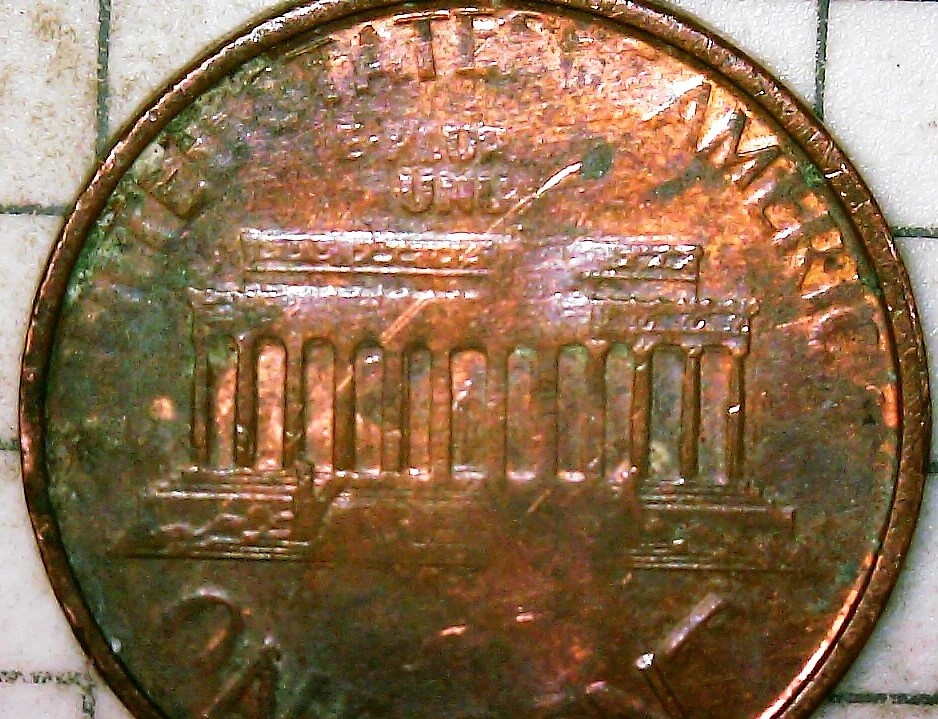
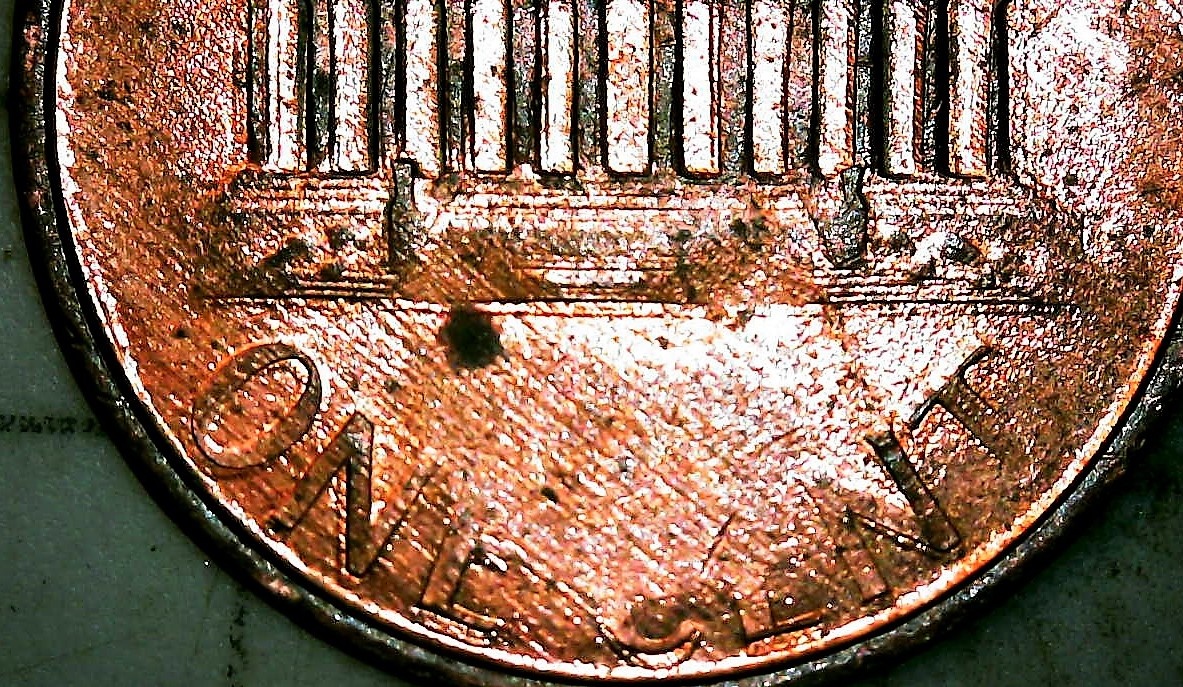
      Yes, it does look like that raised shaped between the two columns to the right of the Abraham Lincoln statue is some type of small die clash. What a neat find. While I don’t think it would necessarily bring very much in value (maybe a couple dollars from the right buyer?) it’s also very much collectible.

      Nice find and Happy Holidays!
      Josh

    1. JoshuaTheFunTimesGuide Avatar
      JoshuaTheFunTimesGuide

      Hi, James—

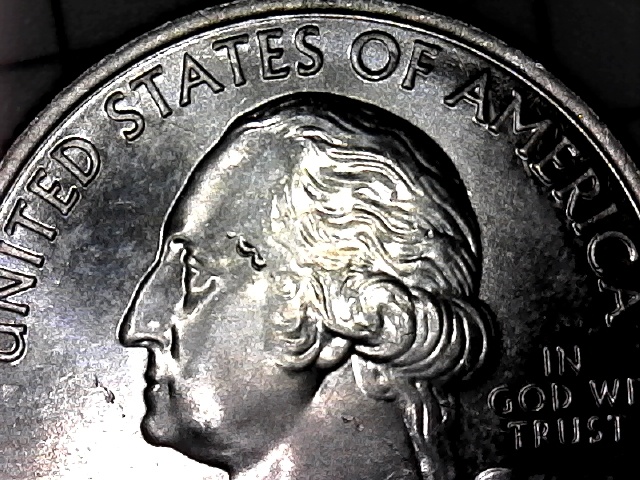
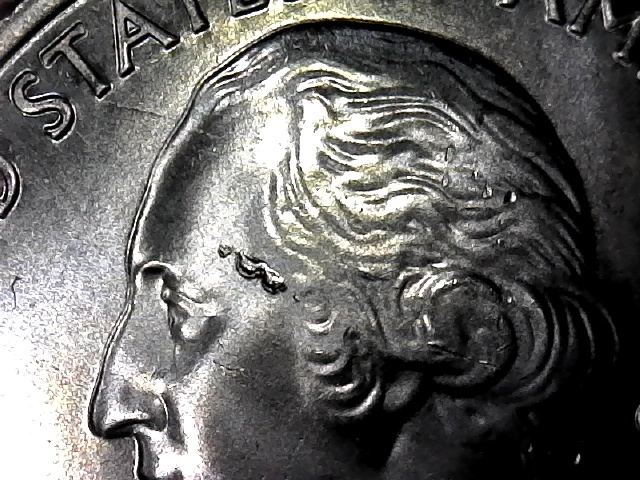
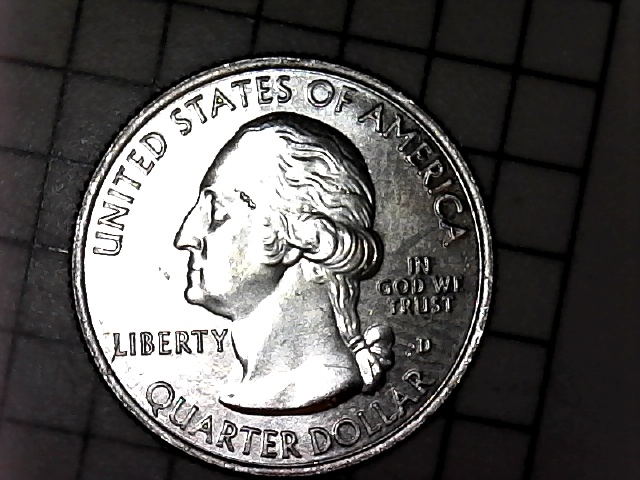
      Is that squiggle on Washington’s head raised or sunken? If it’s raised it may be a strike through error (and those are often worth $25-$50 and up). If it’s mostly sunken, it’s just damage.

      Fingers crossed,
      Josh

      1. james l Avatar
        james l

        hi josh that squiggle is raised, swiped across it lightly with a toothpick , can feel the bump

        1. JoshuaTheFunTimesGuide Avatar
          JoshuaTheFunTimesGuide

          If it’s raised, it’s a strike through error and would probably be worth on the range of $20+… Nice find!

  13. Gold Eagle Avatar
    Gold Eagle

    Hello Josh second post lol.. Do you know what can this cuts can be or what does this? Yes it is the same coin, I have seen some coins have them and I just wonder.
    https://uploads.disquscdn.com/images/5bb4959648cb99bfcbeaec75a723dcdbd9de8b8b3db9a8ba8a410fb9c718f73f.png https://uploads.disquscdn.com/images/81666c81c091fc4fa4257bd0cb1bcaf0666d361ef7163048616aff3ef857482c.png

    1. JoshuaTheFunTimesGuide Avatar
      JoshuaTheFunTimesGuide

      Hi, Gold Eagle —

      These cuts are caused by post-mint damage. Generally speaking, anything unusual going IN to a coin’s surface is normally caused by something or someone outside of the US Mint.

      Best wishes,
      Josh

  14. William B Avatar
    William B

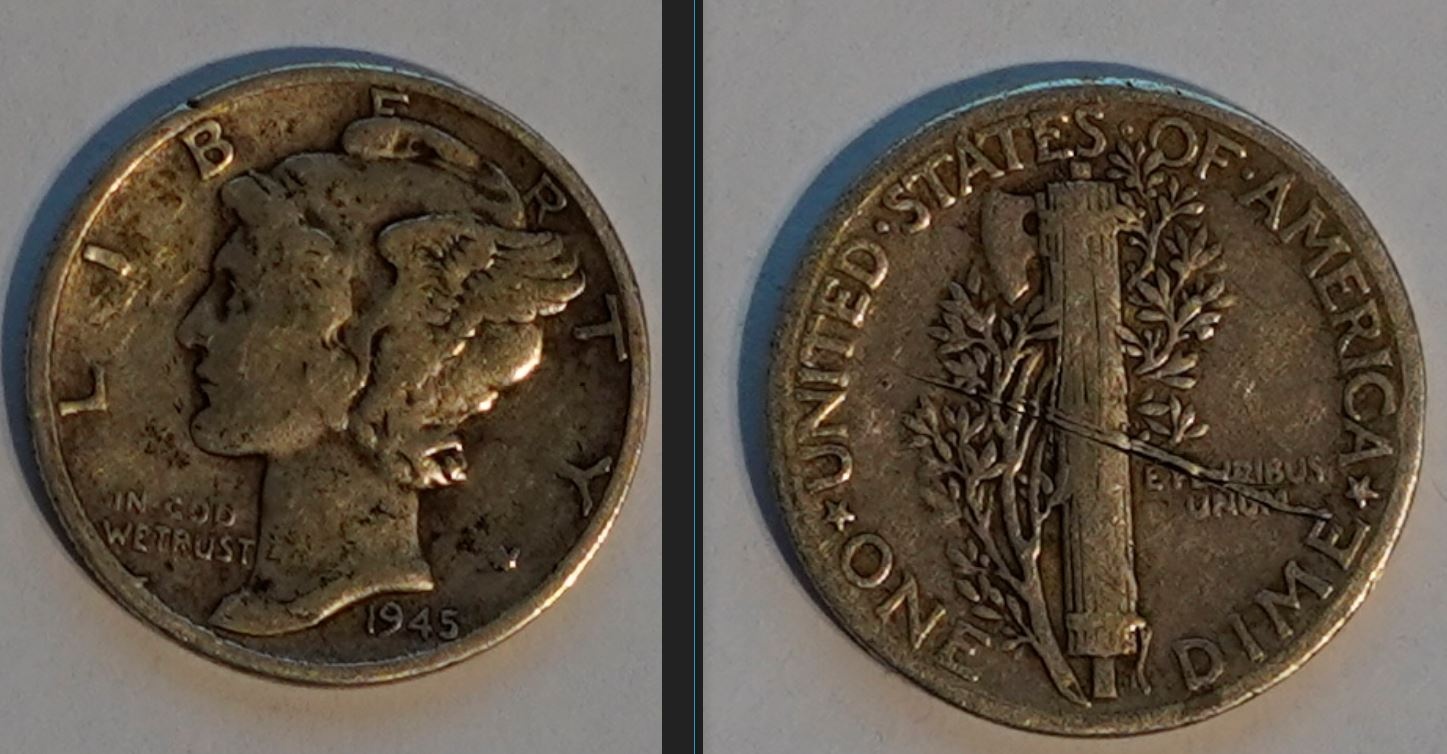
    Hi Josh, I had picked up a bag of dimes at an auction. Only because of this one coin. It is about as worn out as I am. Any value to this error? (Looks like cracked die on back) https://uploads.disquscdn.com/images/35d8276e24f511e692ee4b3532ee63e728270554bd6992d8a06971645b3c461a.jpg

    1. JoshuaTheFunTimesGuide Avatar
      JoshuaTheFunTimesGuide

      Hi, William!

      I’d feel better if you got the coin evaluated in-hand to ensure the raised metal isn’t solder or another type of post-mint alteration, especially because it looks like there may be some cuts going IN to the olive leaves around the left side of the fasces (at least as it appears in the photo). You might pass these photos by the variety experts at CONECA (www.varietyvista.com) for a second opinion… However, that otherwise does like a die break if I’ve ever seen one!

      As you know, values for errors range significantly because each of these coins is essentially unique and the prime buying market for these types of coins is smaller and more specialized. But I’d think something like this, assuming it checks out as a die break, could easily score $25 to $50 or more from the right buyer.

      Awesome find!
      Josh

      1. William B Avatar
        William B

        Thanks for the fast response. I will look into that.

  15. keith Avatar
    keith

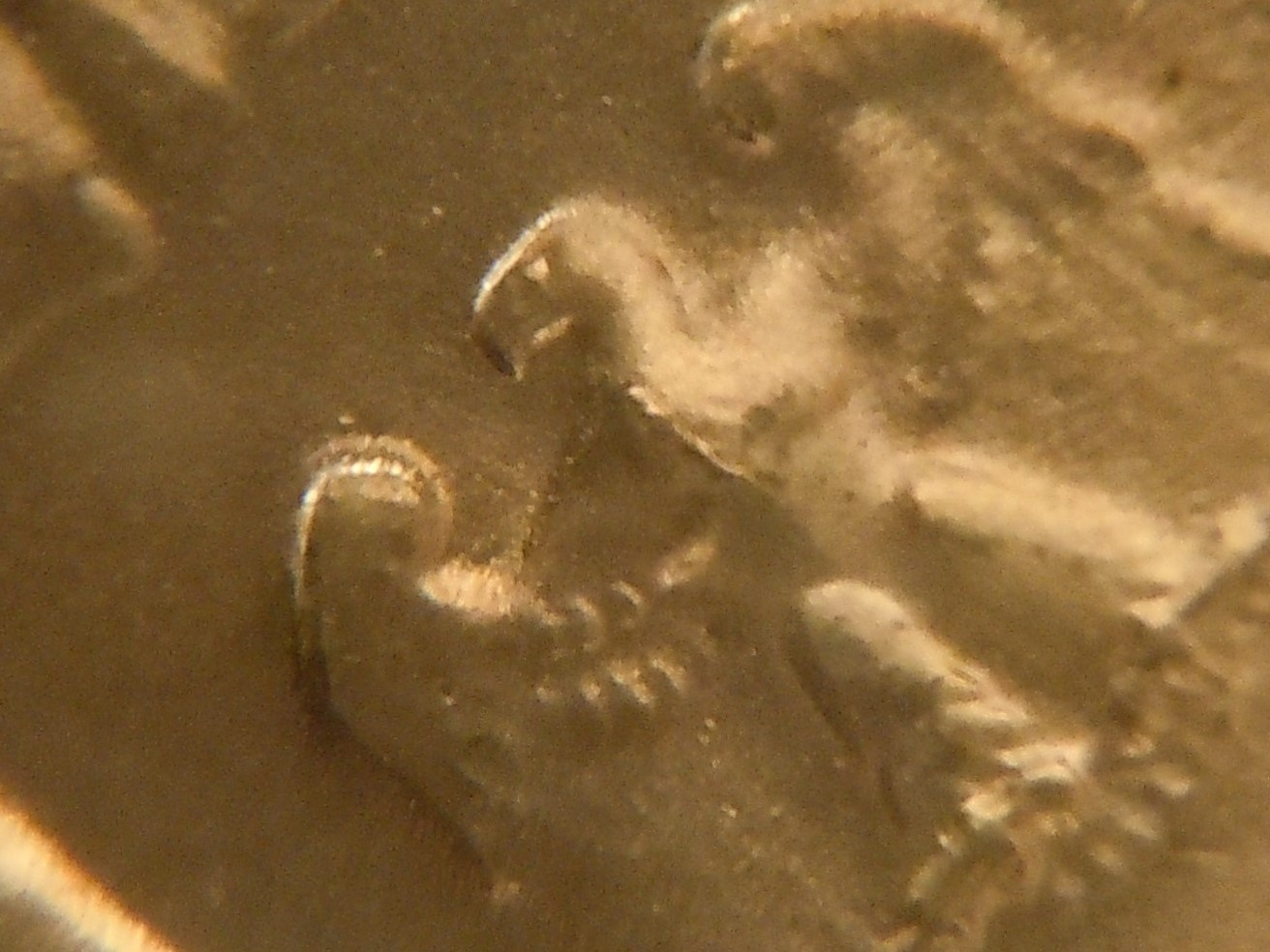
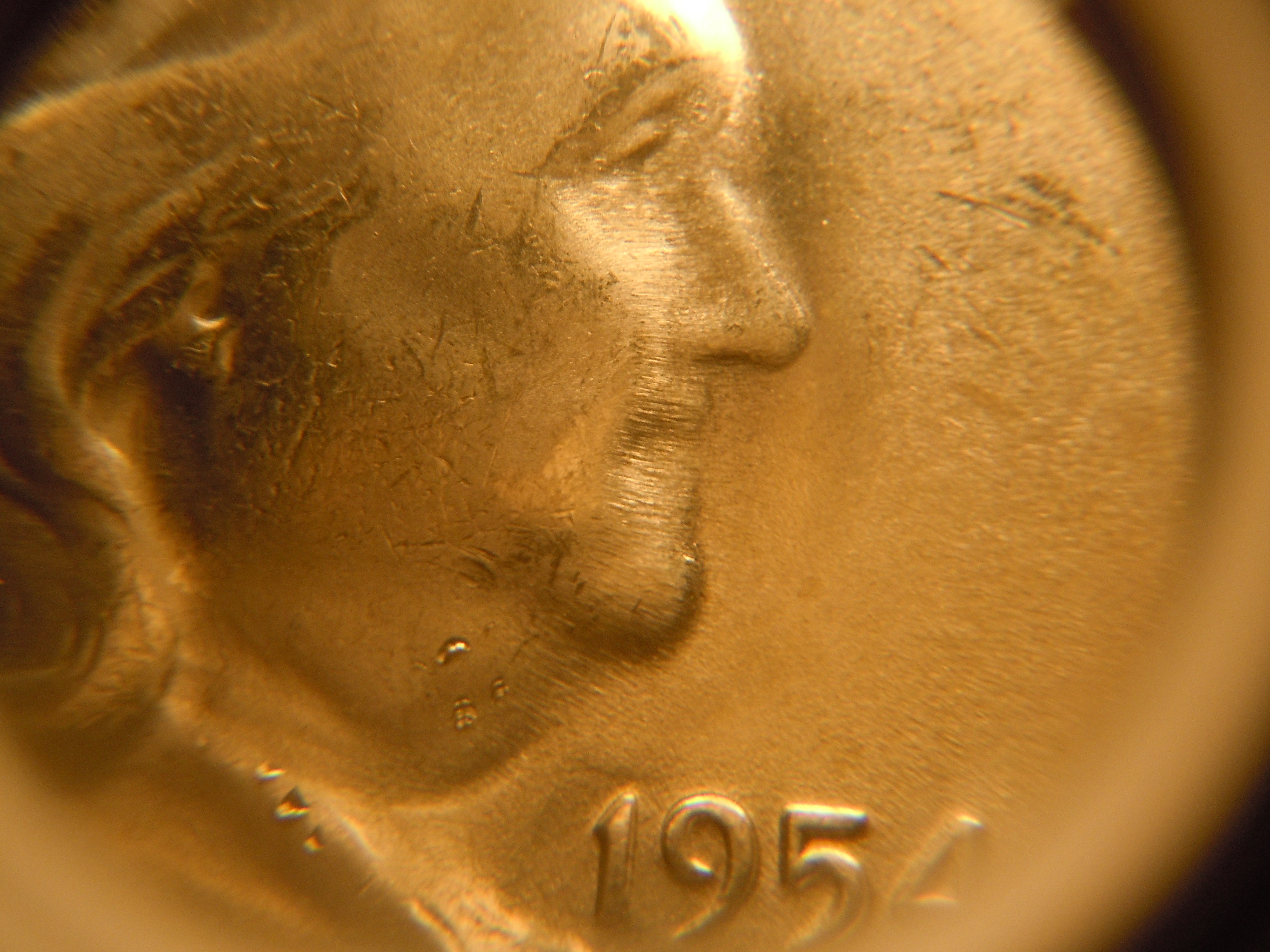
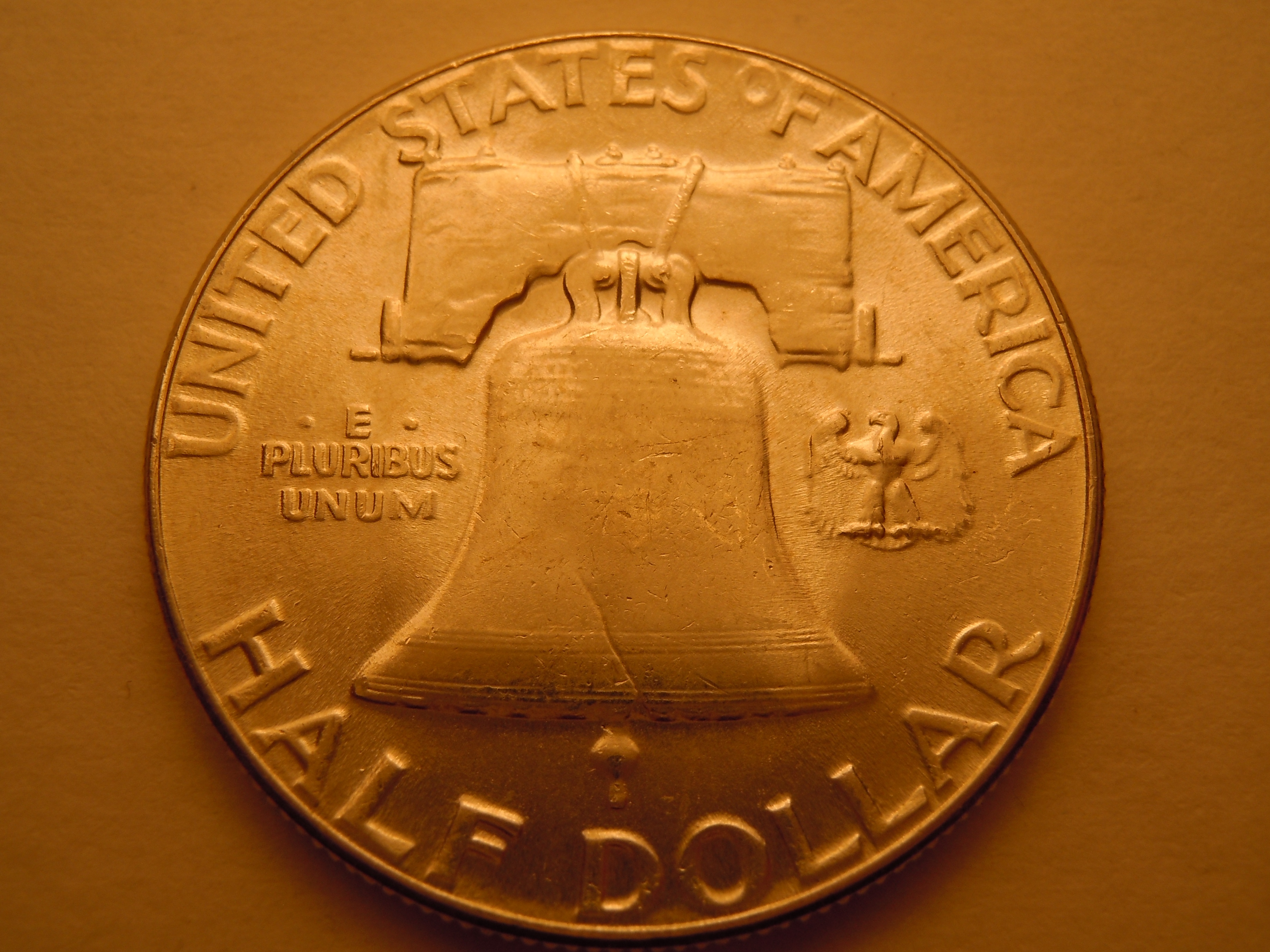
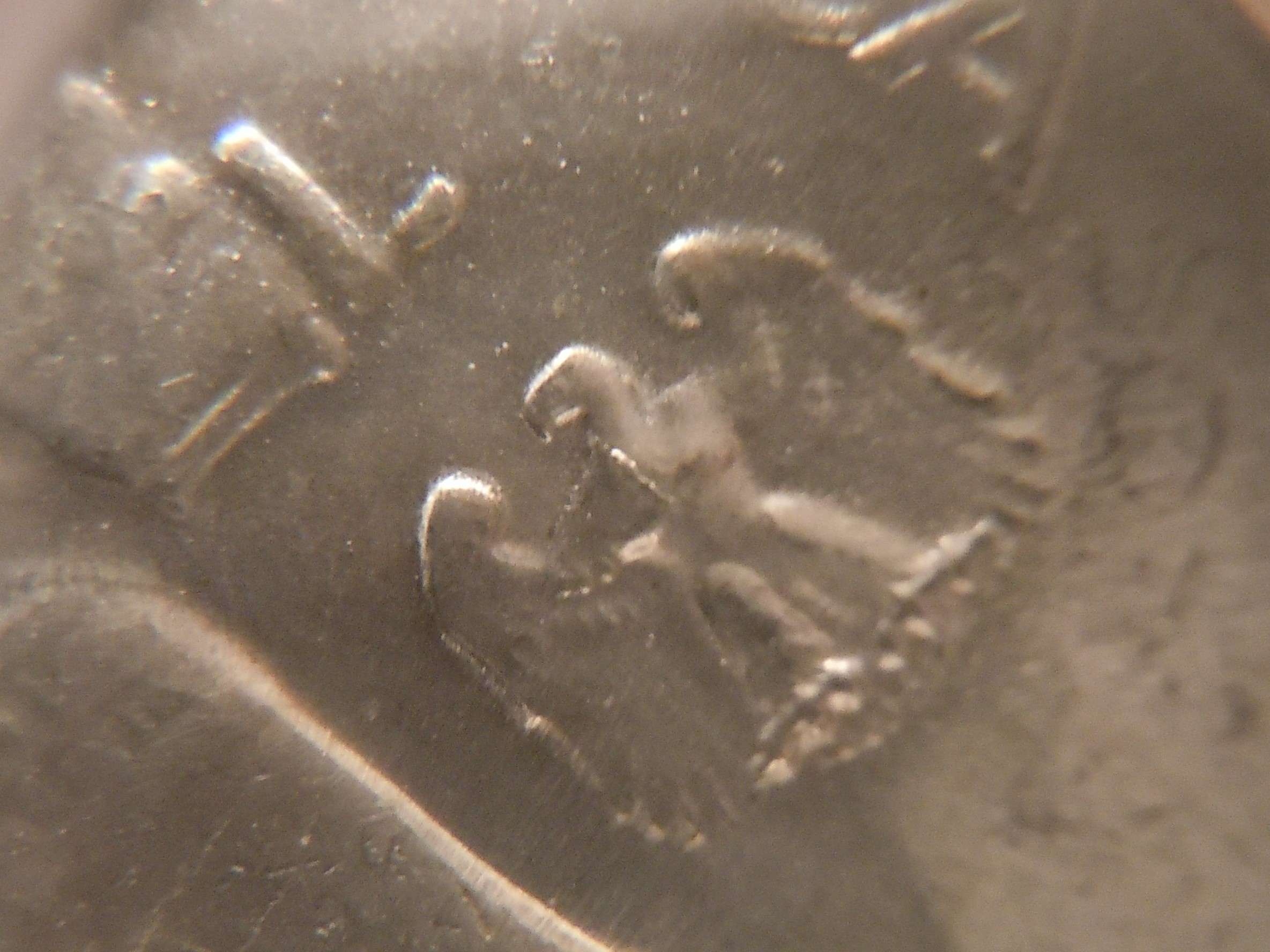
    hi Josh, I have a 1954 Franklin “Bugs Bunny” FS401 with a Die Break/Chip on the eagle’s chest. The PCGS site has several images of FS401 and a couple of them appear to have the same break, but there is no mention of the break. Have you seen it before? Mine is larger than the ones in they’re photos. thanks, KL https://uploads.disquscdn.com/images/01ba672423ab3aad2eb44b24bf20cf550ce02e61b0eb2906163c6a9053c3c5a8.jpg https://uploads.disquscdn.com/images/e9d16bad24fbbdf79433eab893121ccb0585e08642fd39b44046ea2c5e85b6ce.jpg https://uploads.disquscdn.com/images/d5f436aba56dabd37a1baab00f7929500836beba6ba8f08004fc95758fbe2ae6.jpg https://uploads.disquscdn.com/images/4a5b683fb5dbfb5ff01505c8406d1b33d489695ee9371147339959306c23053e.jpg

    1. JoshuaTheFunTimesGuide Avatar
      JoshuaTheFunTimesGuide

      Hi, Keith —

      While the “Bugs Bunny” die clash is most commonly known with specific dates, it is technically possible on any of the Franklin halves. I’d suggest submitting your piece to the services and/or to CONECA (www.varietyvista.com) for in-hand evaluation and official attribution.

      Good luck!
      Josh

  16. Amanda Smith Avatar
    Amanda Smith

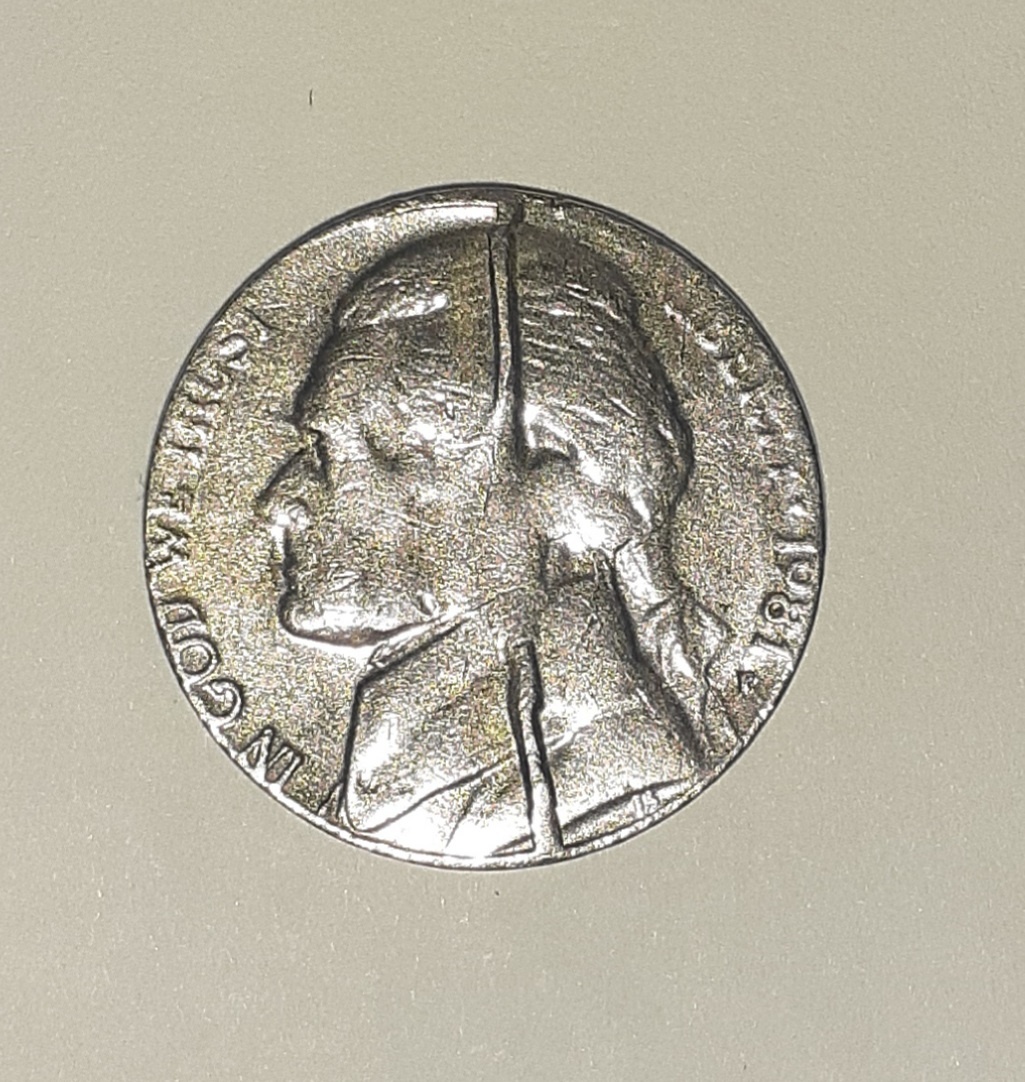
    Hi Joshua. I have a 1981 p Jefferson nickel with this incredible crack from the top to bottom splitting the president in half. You will notice how it slightly pushes the sides off the edge. The reverse at least to the naked eye seems ok. What do you think. Thank you https://uploads.disquscdn.com/images/db36cb916880dc0285d3e4553b1525a392b4735954cc2c97b95d9c66767ada34.jpg https://uploads.disquscdn.com/images/29612949fa9bc18e11746b8c650ae1edfd389ae833b203ee175d0b06f0d7c1f7.jpg

    1. JoshuaTheFunTimesGuide Avatar
      JoshuaTheFunTimesGuide

      Hi, Amanda —

      That’s indeed what looks to be a large die crack… One of the larger ones I’ve seen on a modern Jefferson nickel in some time! An enthusiastic collector of errors and specifically die cracks would likely offer $50 to $100 for something like this, and maybe more.

      Fantastic find!
      Josh

    1. JoshuaTheFunTimesGuide Avatar
      JoshuaTheFunTimesGuide

      Hi, Jim —

      With the lighting/surface glare in the images it’s hard to say for sure but what I see here appears to be light machine doubling rather than hub doubling. I explain a bit about this here: https://uscoinsguide.com/machine-doubling-doubled-dies/

      Best wishes,
      Josh

    1. JoshuaTheFunTimesGuide Avatar
      JoshuaTheFunTimesGuide

      Hi, Jim —

      This is definitely machine doubling, as evidenced by doubling of the mintmark, which was punched onto the coin after the hubbing process (where doubled dies are born).

      Keep looking!
      Josh

    1. JoshuaTheFunTimesGuide Avatar
      JoshuaTheFunTimesGuide

      Hi, Jim —

      I do see the doubling here, though it appears to be a machine doubling. Unfortunately that’s a fairly common example of doubling not in the die hubbing process (where doubled dies are born) but rather due to shifting of the planchet on the press during striking or mechanical issues with the die in operation. There is usually no extra value for pieces like this, but I definitely see why it caught your attention.

      Best,
      Josh

  17. Jim Baranak Avatar
    Jim Baranak

    next up is actually 1 of 2 i got from the same role crh Its a greaser? im pretty sure the year is i think 1992 i just cant get a better view of it but if it was would the AM be considered a CAM

    1. JoshuaTheFunTimesGuide Avatar
      JoshuaTheFunTimesGuide

      Hi, Jim —

      With these two pieces I would suggest getting a second opinion from the error/variety experts at CONECA (www.varietyvista.com) to see if these carry the die diagnostics of die trial strikes. While their strike lightness appears irregular and uneven, which points to circulation wear or post-mint damage, I’m not as skilled at judging diagnostics for die trial strikes and don’t want you to miss out on what might be something worth far more than face value. Unfortunately, these both appear in the images to be Wide AMs. Interestingly, there’s the appearance of machine doubling, too.

      Good luck,
      Josh

  18. Troy A Carver Avatar
    Troy A Carver

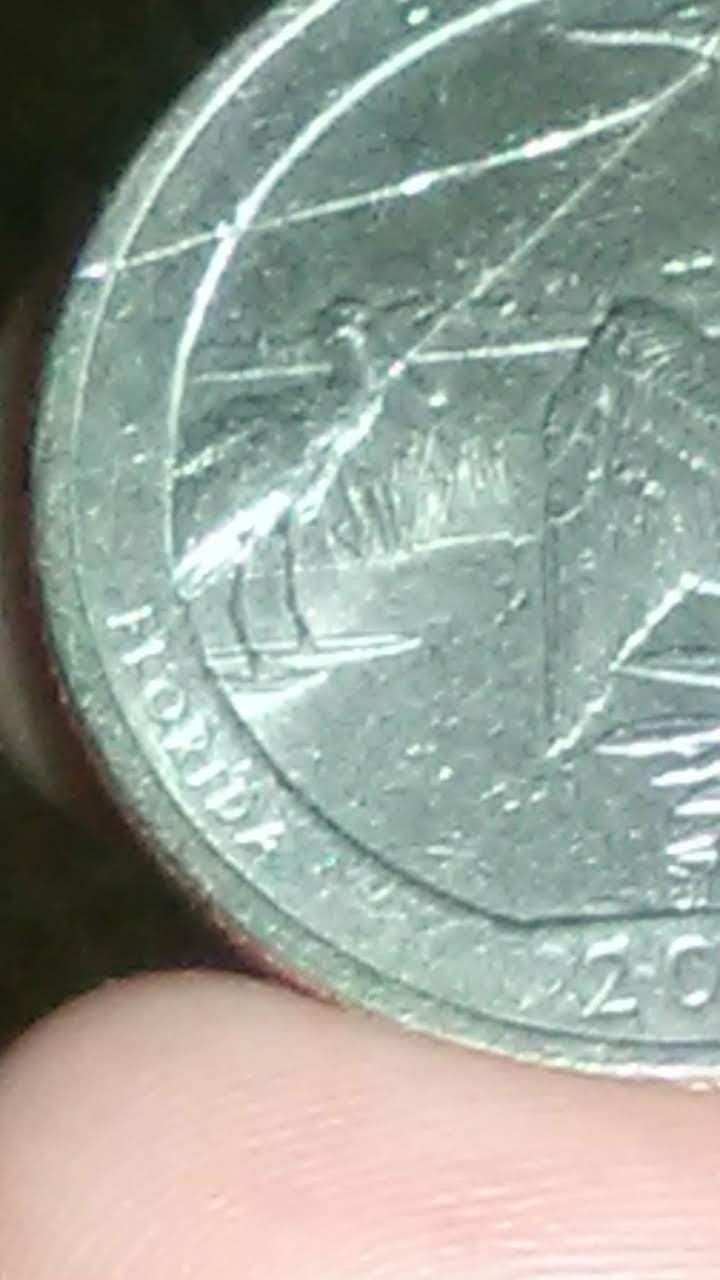
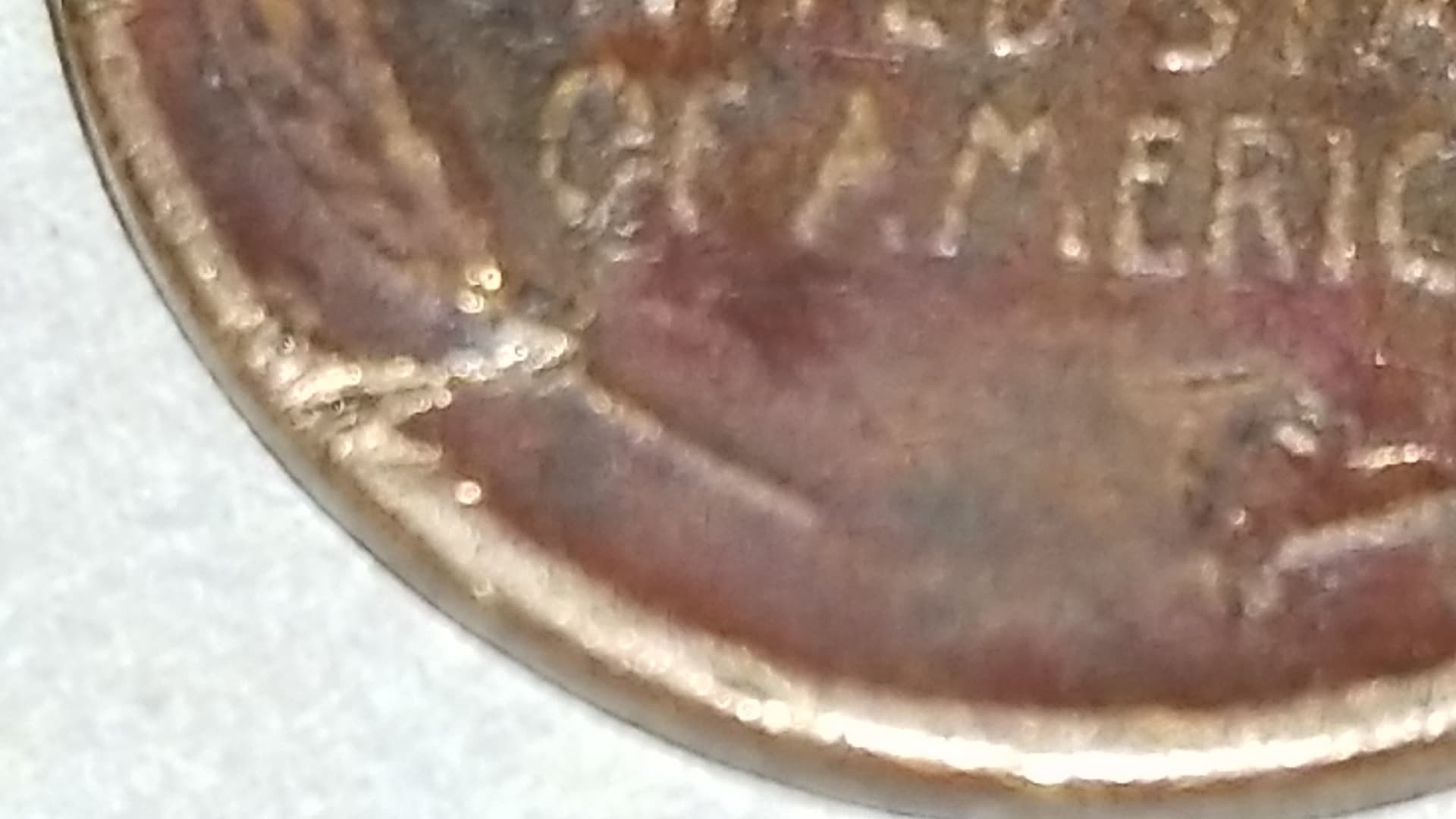
    I’m fixing to walk out the door can you tell me about the cracks on this coin

  19. Justin Avatar
    Justin

    Hello Josh,
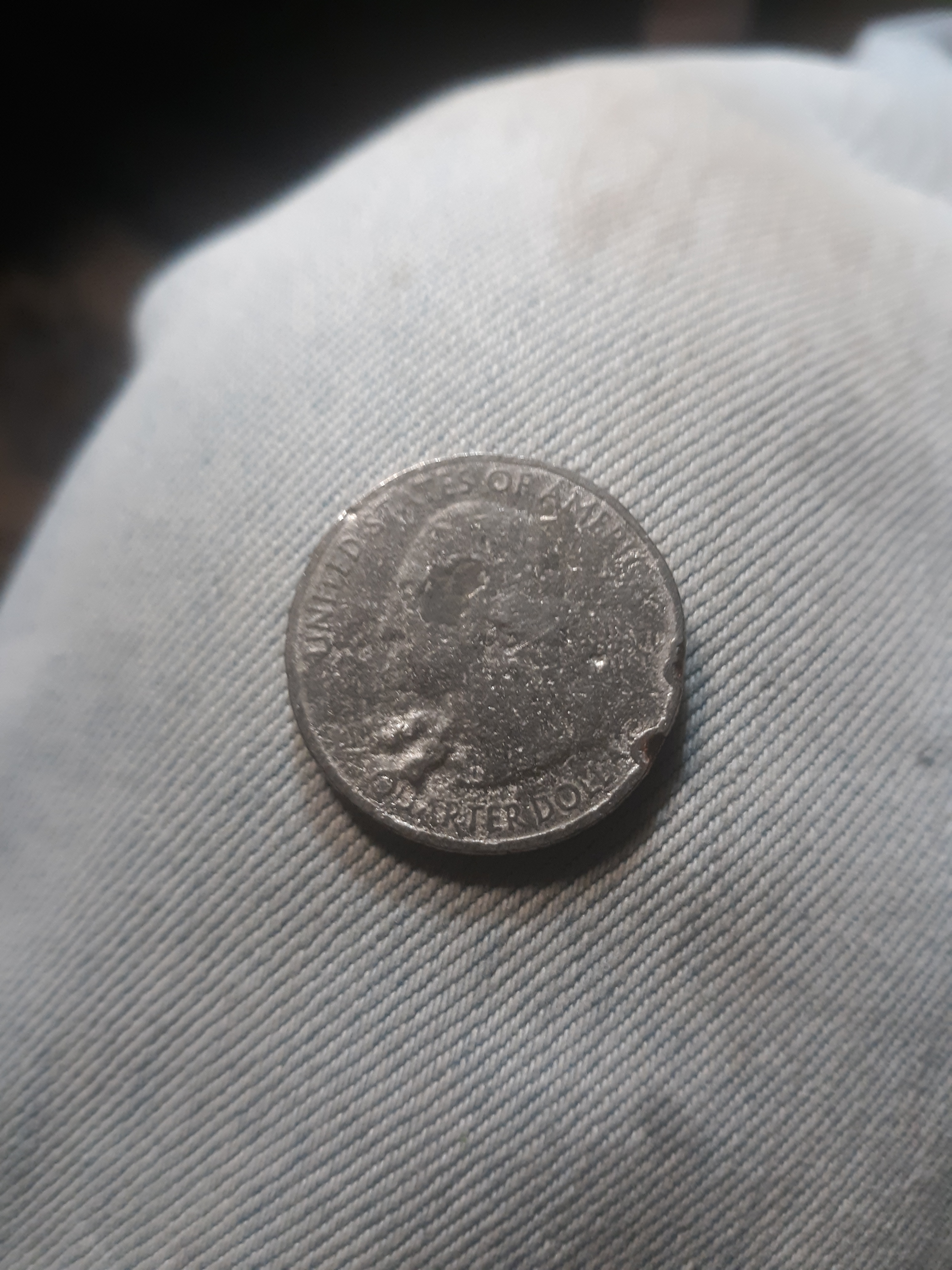
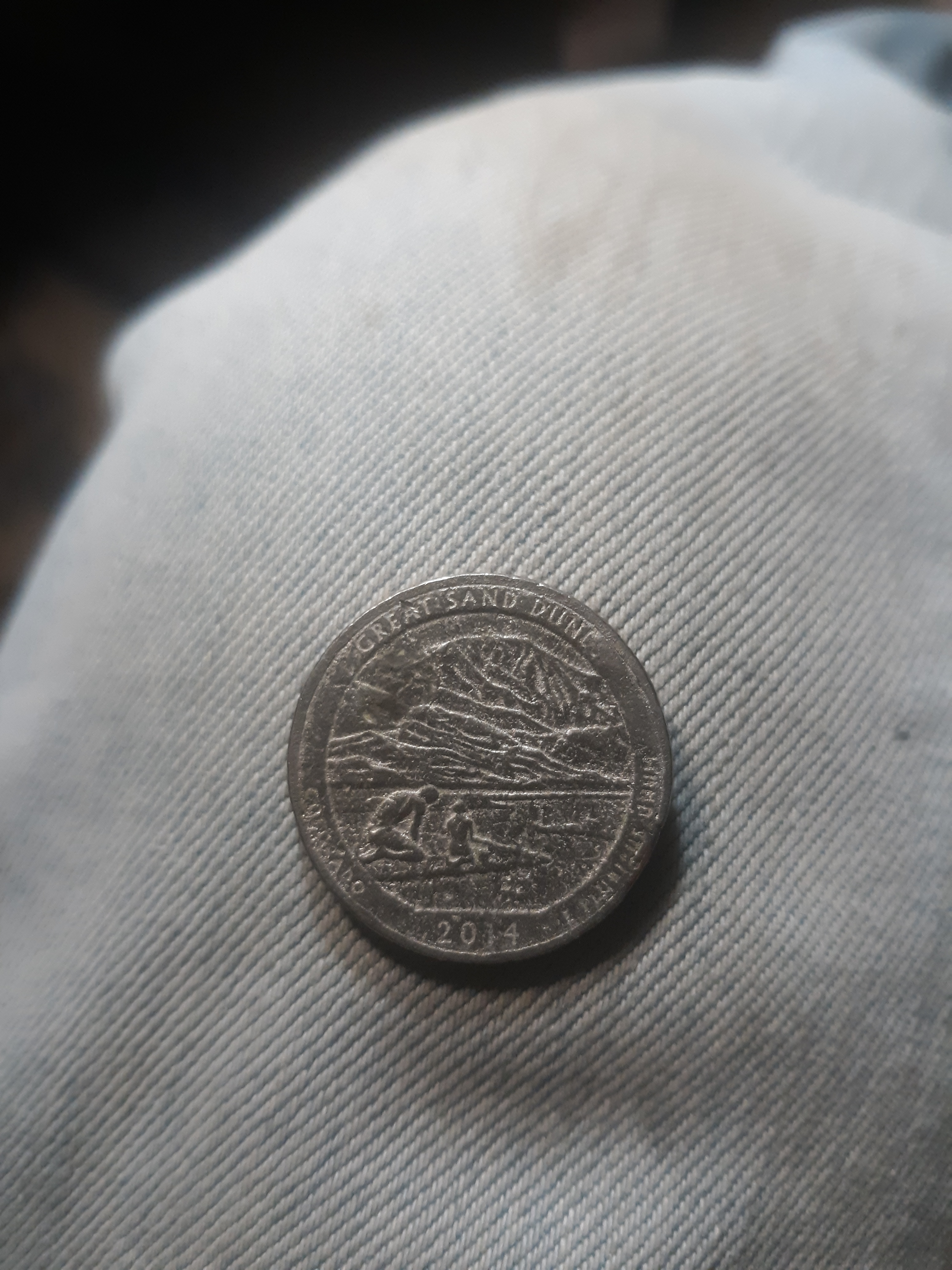
    I hope it’s ok to reopen this with you but here we go. So this 2014 Great Sand Dunes Quarter has multiple die breaks to the south east of washington. 2 possibly 3 that are extremely noticeable. Next a grease fill of sorts is directly in center of Washington. 3rd are extreme die cuds to the west of Washinton. The In God We Trust is findable but not very readable. As well as the mintmark which is as it looks S that is just to the east of the most southwest cud. Now on the Reverse are extreme die breaks that are around the rim but not cud breaks or chips. Those are just on the obverse. The Quarter is extremely smooth and you had mentioned it possibly been on the road or something that caused this damage. But the proof is in the pudding. Next and final is the weight. QUARTERS have a weight of 5.67 with a tolerance of .09-.13. This particular weighs 5.06. Could you please fill in the blanks. Could this be a an extreme mint damaged coin. Or would this just be too damaged for quality control to let slip through. I’m sure hoping it’s a rare find. Thanks a million!! https://uploads.disquscdn.com/images/a247ff086cd90a55b72c842466c879a0d60eddd282add55b84a6c62d0f7e5460.jpg https://uploads.disquscdn.com/images/a47b9c997cab26aa4a36d84cd632f61ef43389c5377d6be2e263286b784343a4.jpg

    1. JoshuaTheFunTimesGuide Avatar
      JoshuaTheFunTimesGuide

      Hi, Justin —

      Your quarter shows substantial damage likely caused exposure to intense heat and most likely was in a fire. The bubbling (separation of clad layers) near Washington’s head, heavy pitting/porosity, and dark grey discoloration are all key diagnostics of heat exposure. Ultimately, this piece is worth its face value.

      Thank you for reaching out,
      Josh

    1. JoshuaTheFunTimesGuide Avatar
      JoshuaTheFunTimesGuide

      Hi, Paul!

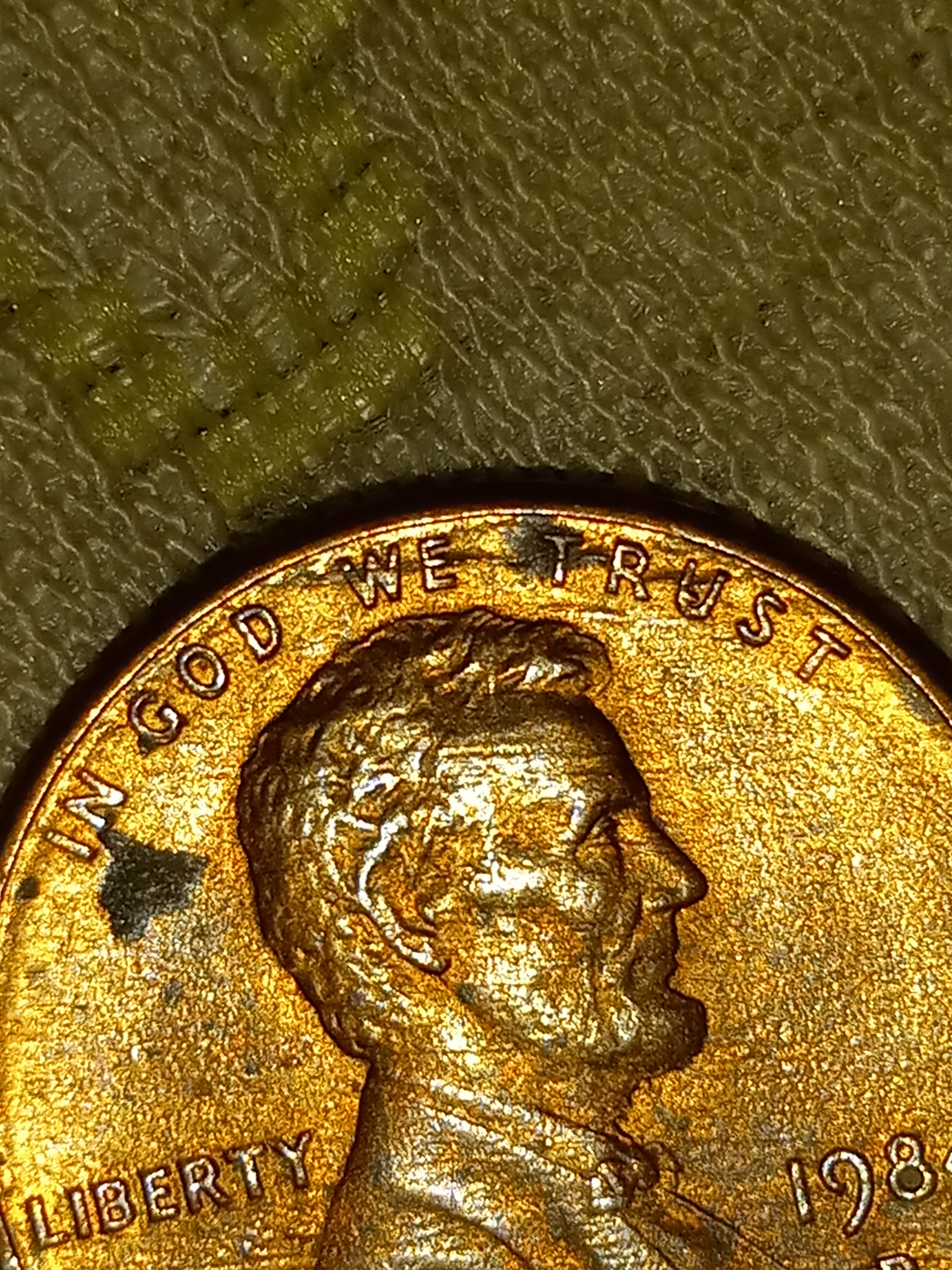
      It surely looks like a die crack here in the photo… Die cracks are relatively common on 1980s Lincoln cents but can still bring at least a small premium. There’s no set price on die crack values per se, but I’d expect a piece like yours to garner at least $3 to $5 by an interested buyer of such pieces, quite possibly more.

      Best wishes,
      Josh

    1. JoshuaTheFunTimesGuide Avatar
      JoshuaTheFunTimesGuide

      Hi Jim —

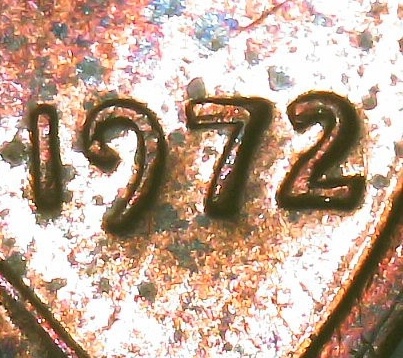
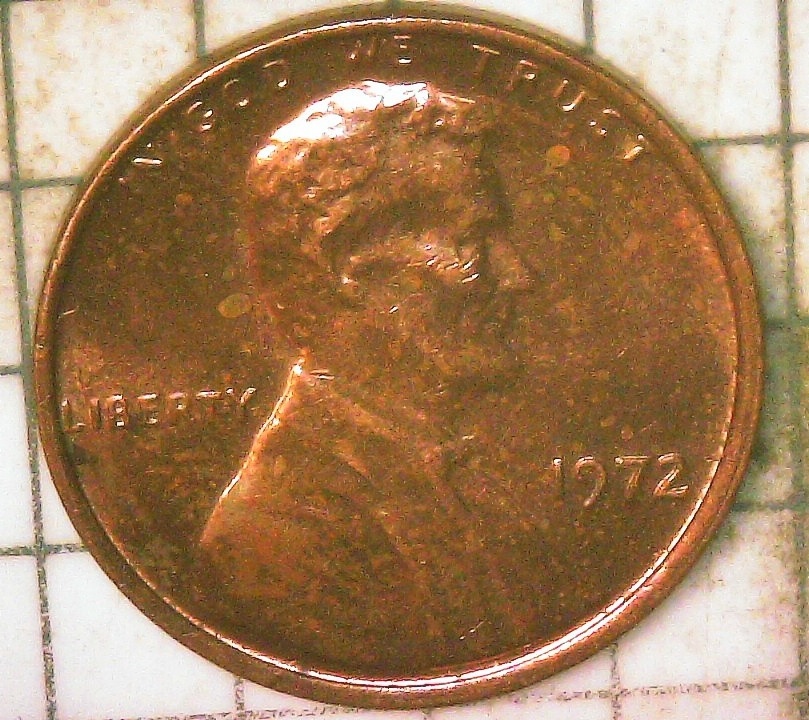
      Based on these images, which appear a bit grainy at zoom level, this 1972 penny appears to have some light machine doubling. I don’t see evidence of the valuable hub doubling that would make this a doubled die.

      Best wishes,
      Josh

      1. Jim Baranak Avatar
        Jim Baranak

        thank you josh i appreciate it

  20. Rusty Johnson Avatar
    Rusty Johnson

    Good Morning Josh, I hope your doing well,

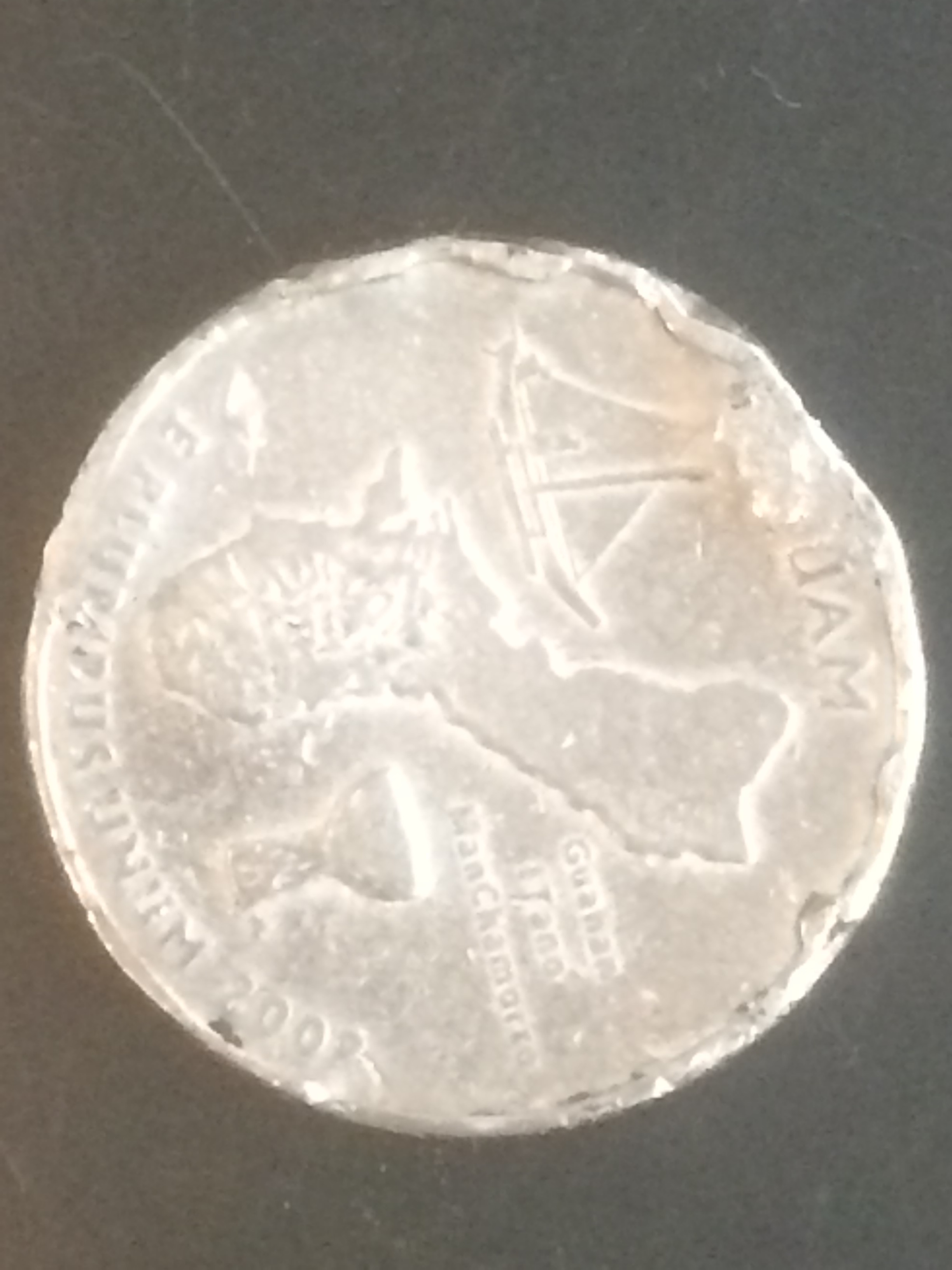
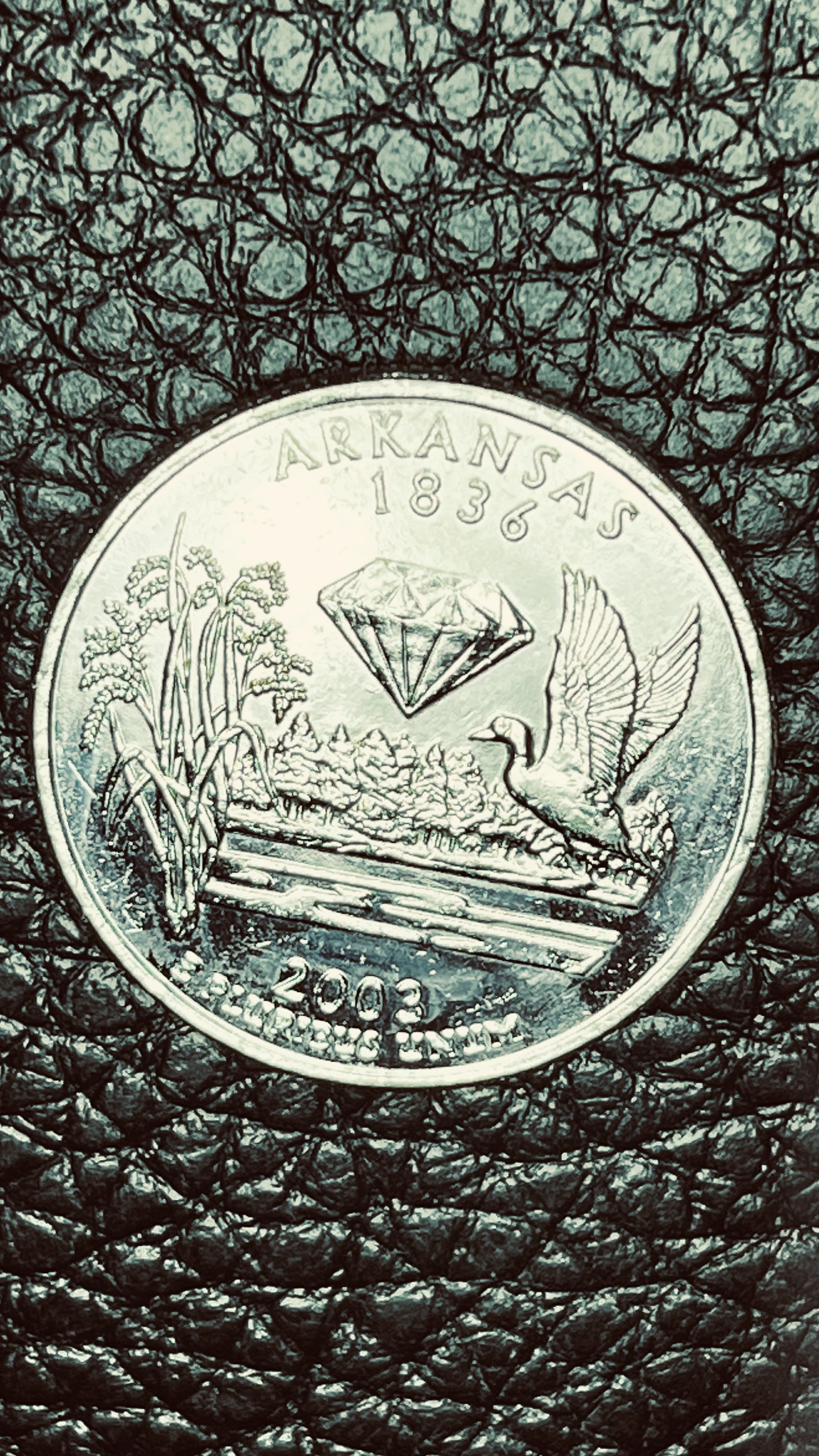
    This question has to do with a 2003 Arkansas Diamond park quarter, I had a change 5 gallon water bottle I cut the top off on after 13 years of feeding it and the most interesting coin in the bunch was a 2003 D silver quarter that was in circulation, had the coin tested for silver content and it came back mostly silver, I have never heard of a silver Denver quarter I thought those only came from the San Francisco mint? Any insight would be appreciated.

    Thank you https://uploads.disquscdn.com/images/05c3824d715d736e2e8437cb6376463e25dcbec747fc96dced8ba56d0a70a162.jpg https://uploads.disquscdn.com/images/d589e09aee20daf0bf5014cf593db6eefc444a2a5aaf038ef1a25d6f89c655b6.jpg

    1. JoshuaTheFunTimesGuide Avatar
      JoshuaTheFunTimesGuide

      Hi, Rusty —

      Off-metal errors have been made over the years from mints that didn’t strike certain types of coins in their usual production runs. Notably, Denver inadvertently struck several 40% silver transitional quarter, half dollar, and dollar errors in 1974 and 1977.

      I suggest submitting your quarter to a major third-party grading service to further confirm the coin’s metal content and have it graded and encapsulated for authenticity and protection of the coin.

      Good luck!
      Josh

  21. Jerry Pownall Avatar
    Jerry Pownall

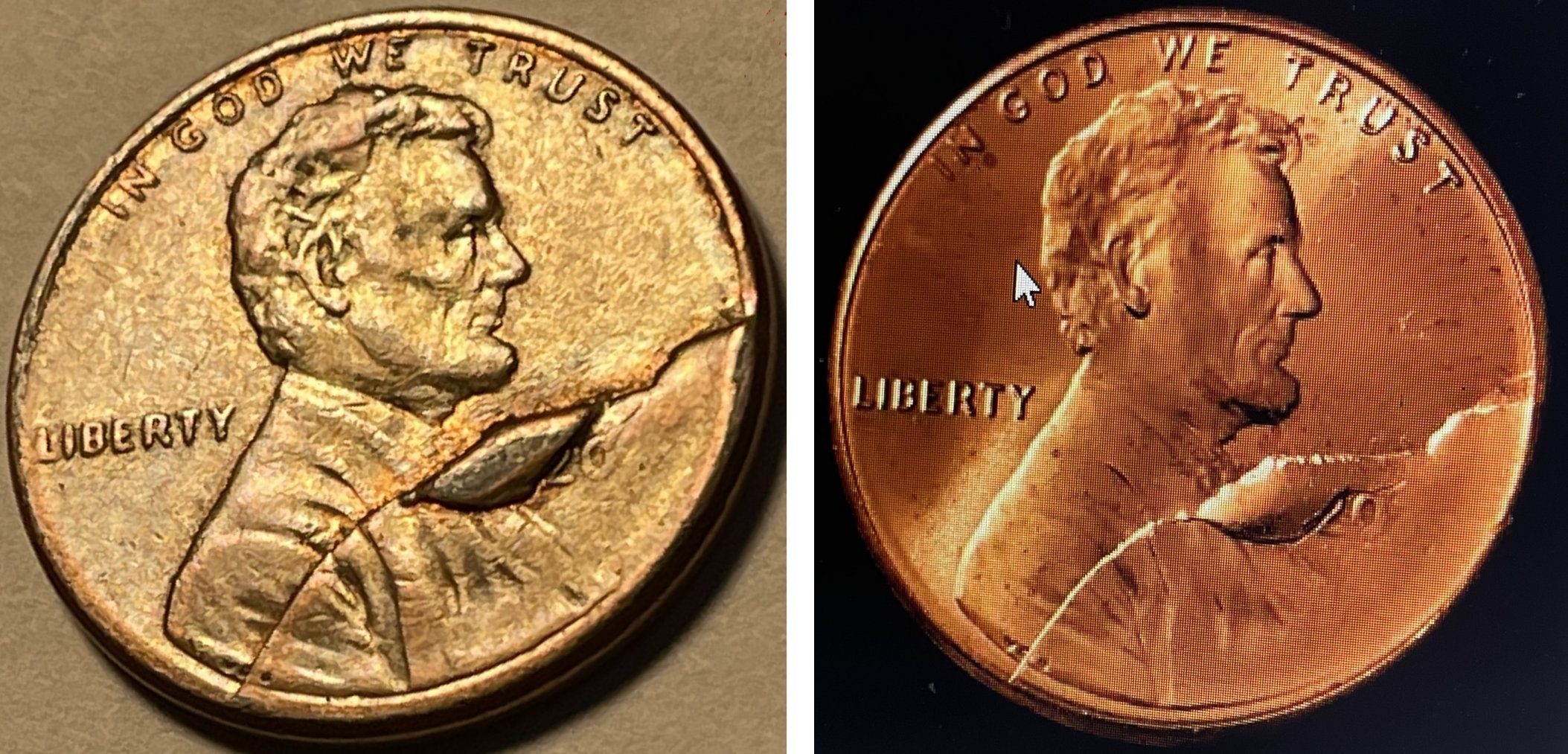
    A few days ago, our change counter kicked out this 2020 penny (left image). What made it more interesting is that the cracked-die mark is practically identical to this 2021 penny (right image) found by G. J. Lawson sometime back. He had a piece, “Lincoln Cent Errors Discovered in Virginia”, published in the Numismatic News, which said, “He pulled a small quantity of pretty major Rim-To-Rim Die Break errors out of a local store from mid- to late November.”

    Given the extraordinary similarity of the two cracked-die marks and the fact that both coins turned up in Virginia, do you think there is any relation between the two coins — i.e., from the same mint, possibly struck by the same die. If so, so what?
    https://uploads.disquscdn.com/images/4a774d4d554587d80c4df311174d2a2e439fd8e70253a6be3acfacc02b01b746.jpg

    You do not know Mr. Lawson by any chance, do you?

    1. JoshuaTheFunTimesGuide Avatar
      JoshuaTheFunTimesGuide

      Hi, Jerry —

      This is an incredible find… I don’t have the variety/error expertise I would like to have to make a declaration on any correlations between the two coins nor have any connections to Lawson. However, I urge you to reach out to Numismatic News (https://www.numismaticnews.net/) and/or CONECA (https://conecaonline.org/). One or both should be able to send you in the right direction, including insight on an official attribution.

      Fingers crossed,
      Josh

      1. Jerry Pownall Avatar
        Jerry Pownall

        Josh, Thanks for the reply. I will check with Numismatic News as you suggested.

        Thanks,

        Jerry

      2. Jerry Pownall Avatar
        Jerry Pownall

        Josh,

        I sent an email to numismatics@aimmedia.com on February 19, but have not received a reply. On the same day or maybe the next, I attempted to join CONECA in order to access the blog and start a dialog.

        I submitted the requested information and created a username and password,, but never received an email confirming my membership, and I have not been able to logon.

        Doesn’t seem either have any interest. Oh well, we tried.

        Thanks for your interest and reply.

        Jerry

        1. JoshuaTheFunTimesGuide Avatar
          JoshuaTheFunTimesGuide

          Hi, Jerry —

          You might try Variety Vista (www.variety vista.com), too.

          Best wishes,
          Josh

  22. Tracy Hopkins Avatar
    Tracy Hopkins

    Hello,
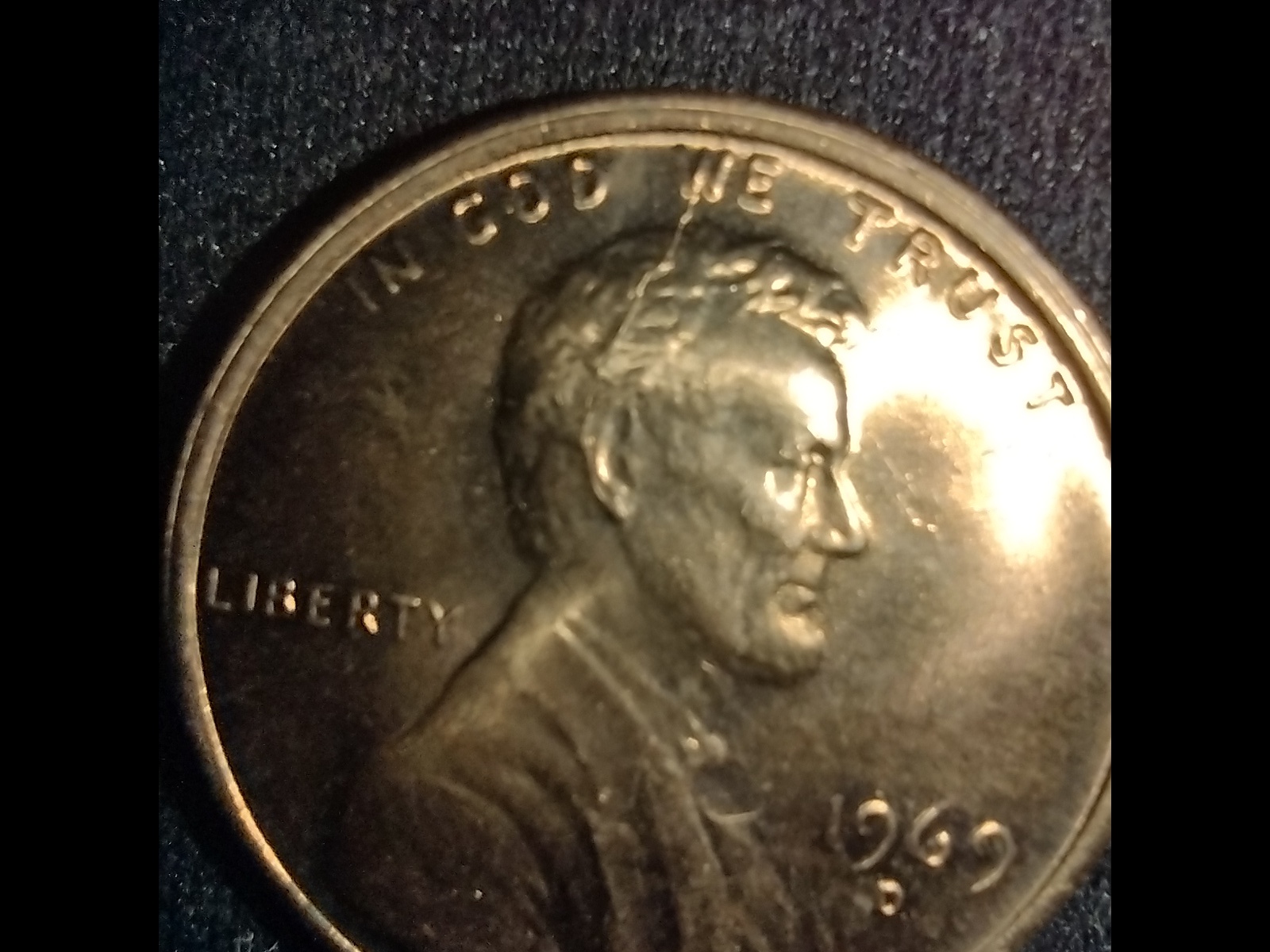
    I have two 1969 D 1c with https://uploads.disquscdn.com/images/f120e488d81b19ce3c58e3b3ba55d7788c7a14ae28f93c18f8448701540b179c.jpg same die break from the W through Lincoln's head. What do you think about this?

    1. JoshuaTheFunTimesGuide Avatar
      JoshuaTheFunTimesGuide

      Hi, Tracy —

      Very cool die break! Looks solid… I’m not sure on the exact value of this one, as there’s no set book value, per se, for each possible did break. But given the die crack’s prominence both in size and location I’d imagine this piece would easily fetch at least a few bucks.

      Best,
      Josh

  23. Julie W Avatar
    Julie W

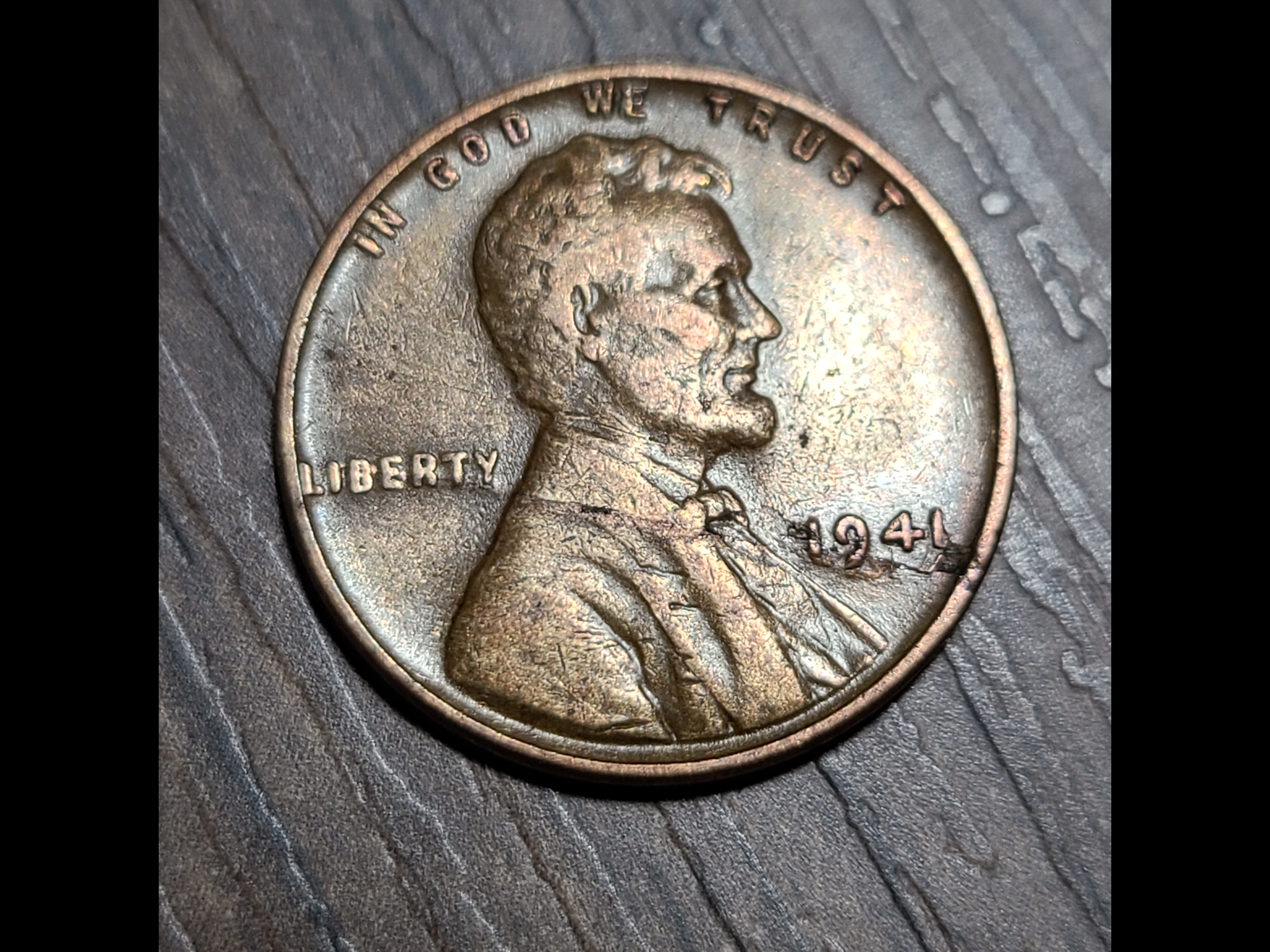
    I found this while cleaning out my late father in law's things; is it worth holding on to or trying to sell? I've gone through hundreds of wheat pennies and only a handful looked interesting lol
    https://uploads.disquscdn.com/images/0a13f1f2e998bd7e296b7b765c982841a9c139a970801312073877c044f02d2f.jpg

    1. JoshuaTheFunTimesGuide Avatar
      JoshuaTheFunTimesGuide

      Hi Julie,

      My condolences to you and your family on the passing of your father-in-law…

      It looks like you landed a lamination error on this 1941 Lincoln penny. That’s definitely a keeper. Values for something like this can range a bit, but I wouldn’t be surprised to see a dealer who handles material like this pay at least $10 to $15, and maybe even a little more.

      Nice find, and my best wishes to you and yours,
      Josh

  24. Jim Baranak Avatar
    Jim Baranak

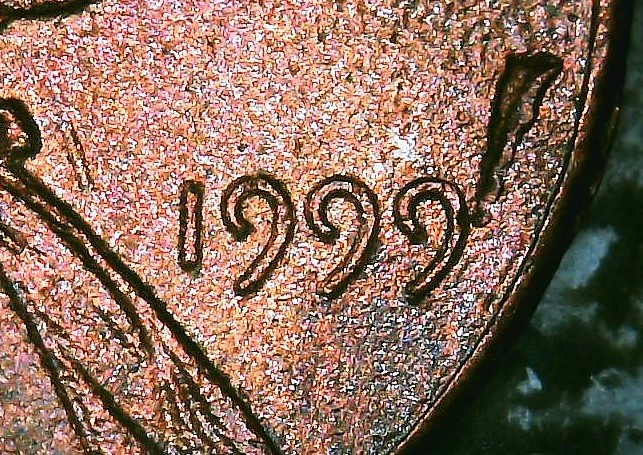
    Hello josh been awhile got a good one for ya from unplated correctly laminations strike throughs and possibly a mule not likely im sure this 1999 p cent has it all what are your thoughts https://uploads.disquscdn.com/images/6ac7455a7fc3e9114a01bd9e41c67f2f32363d0c71893c2f518a6f386c32b760.jpg

    1. JoshuaTheFunTimesGuide Avatar
      JoshuaTheFunTimesGuide

      Hey, Jim!

      Yes, sir-ee! That what’s I see, too. I like that it’s by the date, too – very prominent location. Tough to say the exact value on this one, as it seems like I’m seeing more and more laminations go for bigger values these days. I have seen other laminations about this size go for anywhere from $10 to $25 in the last few years.

      Whatever the exact value, nice find!

      Cheers,
      Josh

Leave a Comment

Content Widget