




Start Here

Values

Buying & Selling

Rare U.S. Coins

How To's

Myths & History

What Is Machine Doubling On Coins? Examples Of Machine Doubling vs. Doubled Dies

by Joshua McMorrow-Hernandez

Ezoic/Google Ad Code Here

Machine doubling is the subject of the most common question I’ve been getting here lately at TheFunTimesGuide.

“Is my coin a double die?”

While the correct term for such coins isn’t double die but, rather, “doubled die,” I’m impressed so many folks know anything at all about the existence of these cool error coins.

Machine Doubling, Mechanical Doubling, Strike Doubling, And Shift Doubling

This common error goes by many names, but it’s all the same thing. And for many people it’s pretty hard to tell the difference between machine doubling and doubled die coins.

A lot of folks have sent me photos of their coins they think (no, are convinced!) are doubled dies.

I think it’s partly because, to the untrained eye, a machine-doubled coin and a coin with die doubling look about the same. I also think it’s because many doubled dies are rare and valuable coins — and just about everybody wants to find a coin worth a lot of money in their pocket change!

“PLEASE tell me this coin is a doubled die…”

Yes, I’ve gotten notes like that, accompanied by several photos of the coins from many collectors. I really do feel badly telling most of these folks that what they have is simply common mechanical doubling.

The thing is, doubled dies are comparatively rare errors. And the frank truth is you’re not supposed to find doubled dies in your pocket change every day. It just defies the odds.

So… is your coin with doubling a real doubled die or simply showing mechanical doubling?

Let’s talk a bit about how and why and these coins are different. Hopefully, that will answer your question!

Machine Doubling vs. Doubled Die Coins

Doubled dies and machine doubling involve the doubling in appearance of a particular aspect of a coin’s design. There are fine differences between the two.

First, let’s examine the differences in how they’re made. This can help you better understand why they’ll look different on your coin.

  • Doubled dies are born in the die-making process. They are created when the hub, which imparts a design onto a coin die, impresses the image twice and at two slightly different and offset angles or positions. Because this mistake occurs in the die creation process, every coin that die strikes will become a doubled die. This is also called hub doubling. Since this anomaly occurs with the die itself, doubled dies are not numismatically considered errors, but rather varieties.
  • Machine-doubled coins originate in the striking press. While doubled dies are caused by doubling of the design on the die itself, machine doubling is often caused by an aging die reverberating or shifting during the strike — hitting the coin twice. This is most typically an issue with aging, deteriorating dies or those that aren’t properly adjusted in the presses. At any rate, machine doubling is usually isolated to a relatively small number of coins and isn’t produced on all coins made from a particular die. It may affect only one coin or possibly a short run of coins.

What Does Machine Doubling Look Like?

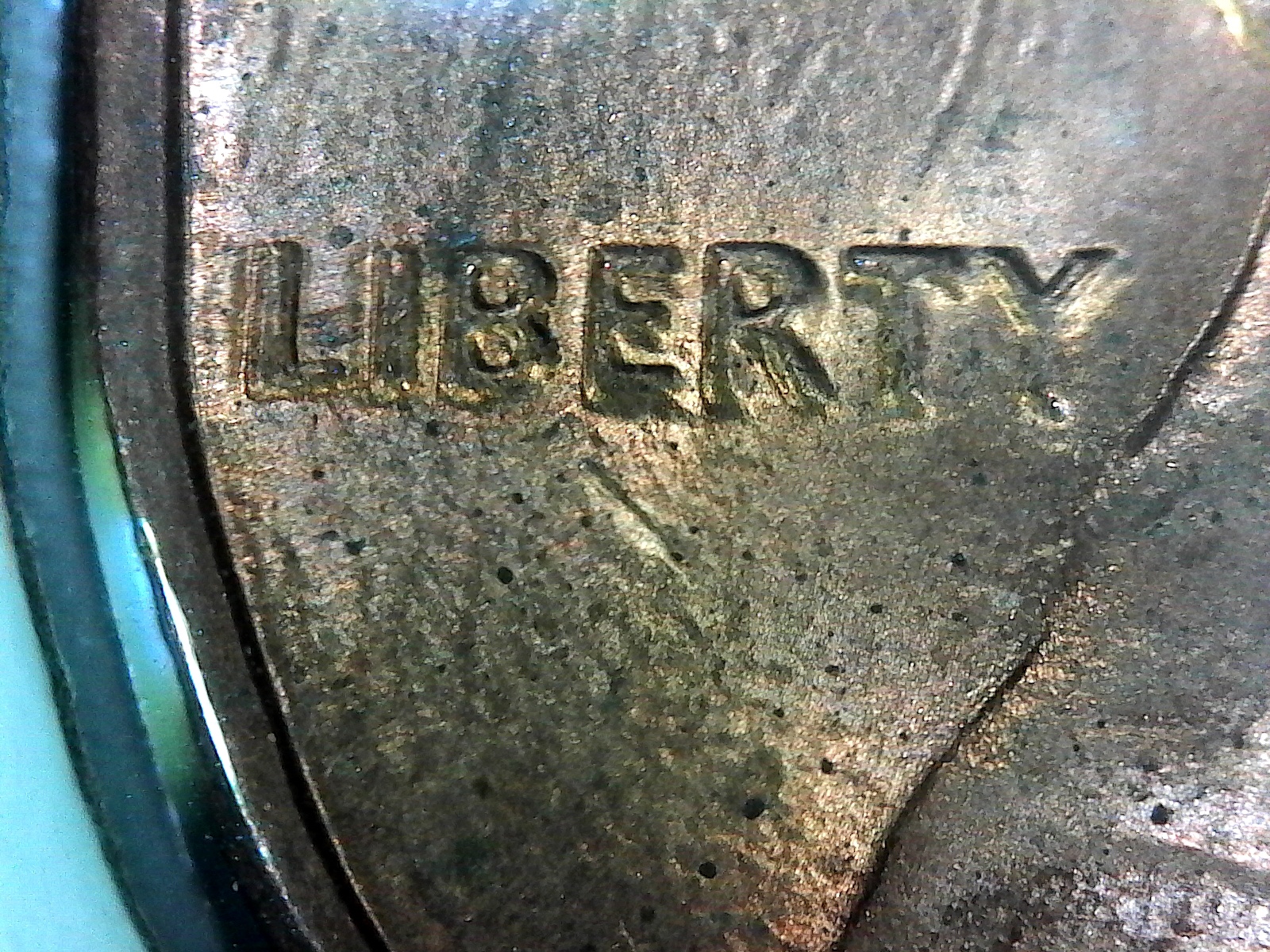
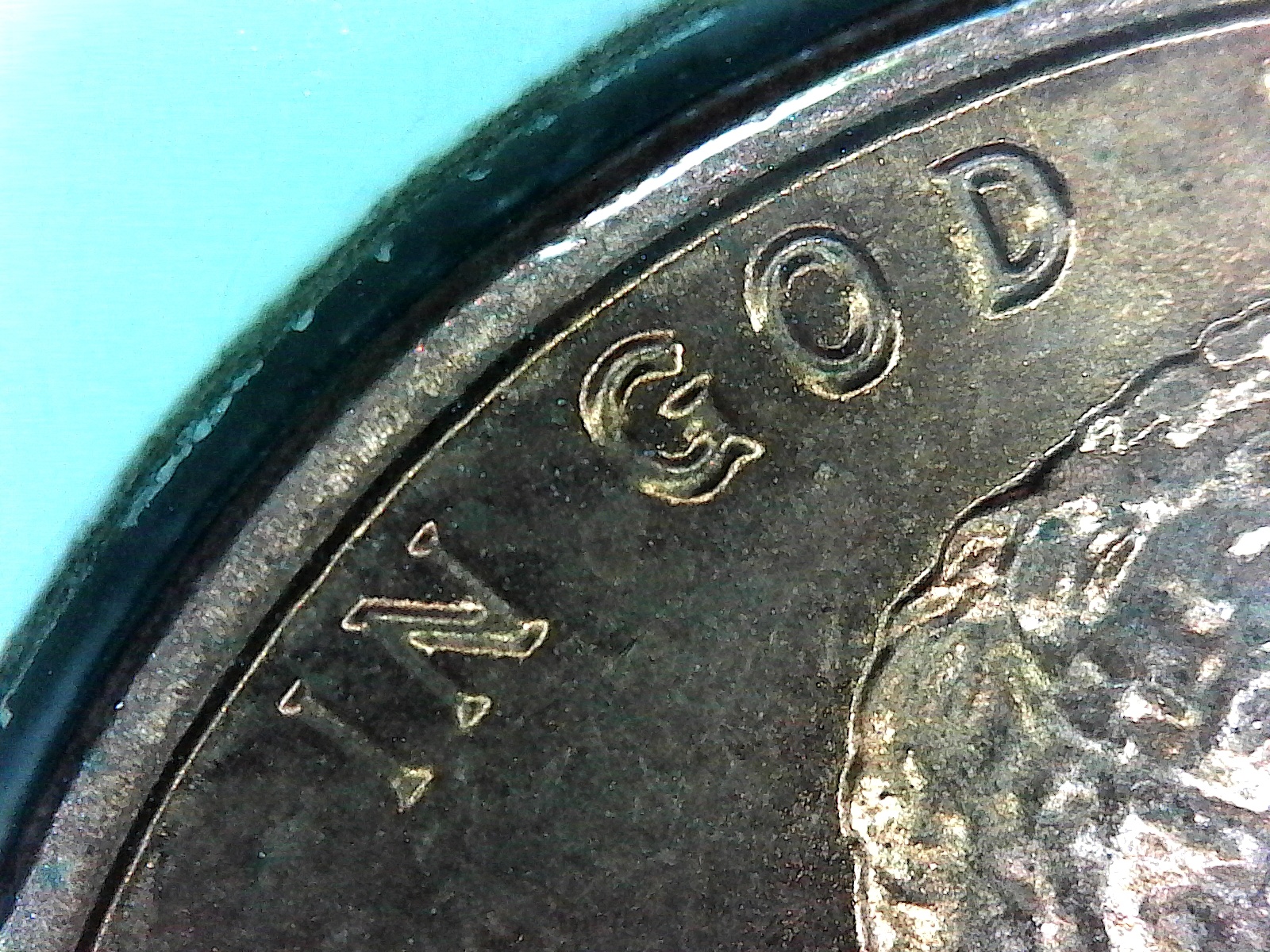
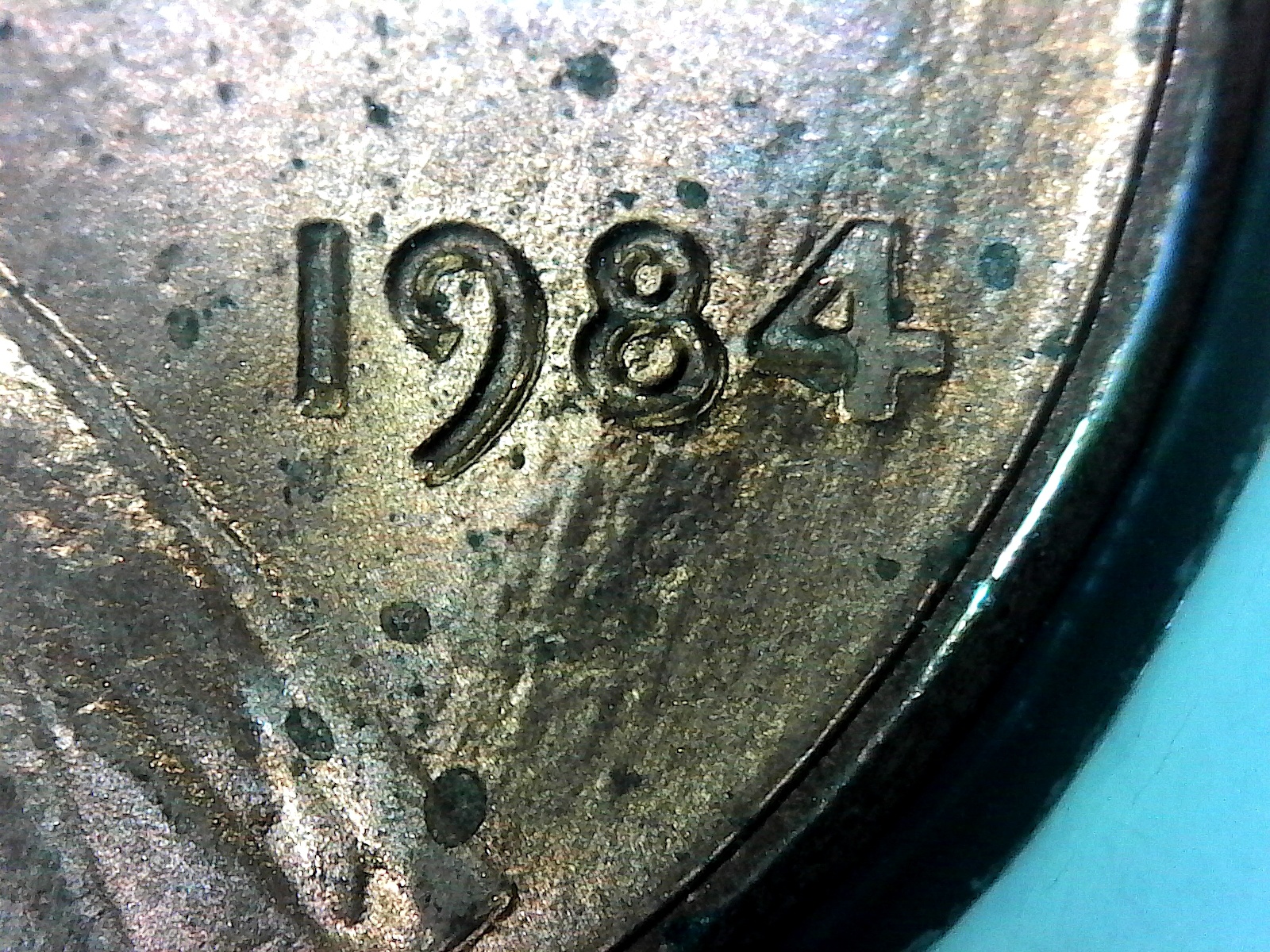
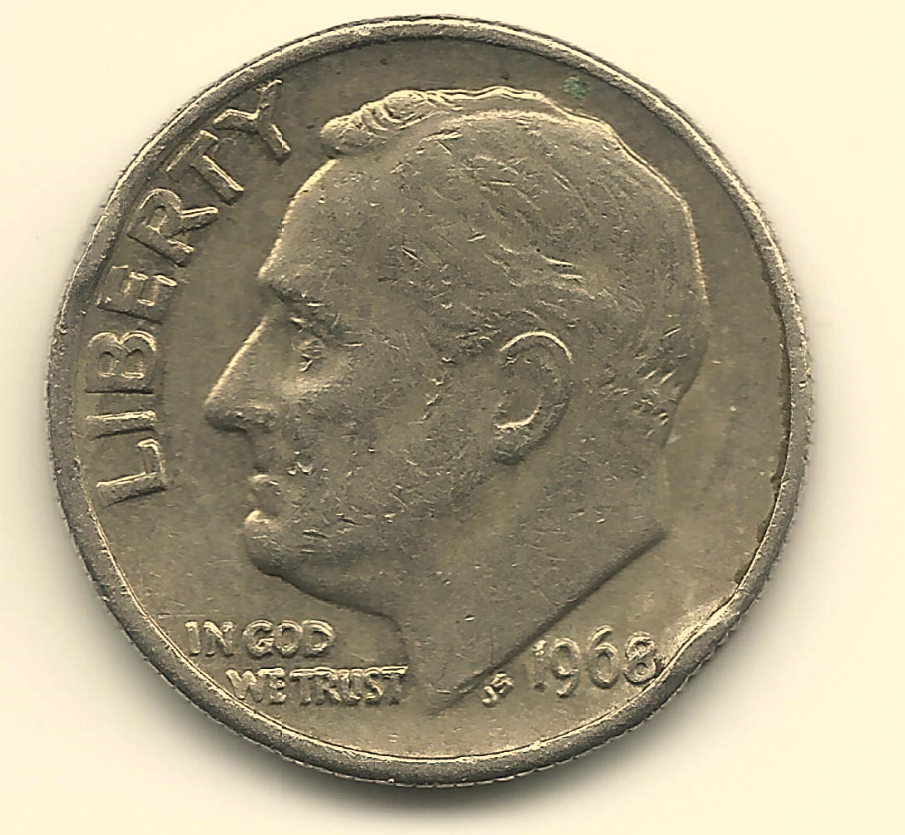
Machine-doubled design elements may almost appear smeared from the primary design.

Machine and mechanical doubling looks flat and shelf-like, as seen in this great video:

Conversely, the doubled elements with a doubled die will appear with much better definition. They will typically show sharp lines or edges around the doubled parts of the design. On coins in which the lettering is a key diagnostic indicator, the doubled lettering will show clear notches or separated serifs around each of the doubled letters.

Check out this image of the 1955 doubled die Lincoln penny. Notice how well defined the doubling is?

Yes, this famous 1955 penny is also one of the most easily recognizable doubled dies. You don’t even need a coin loupe or magnifying glass to notice the doubling!

It’s important to note that the most valuable doubled dies are usually ones like the 1955 doubled die penny — an error with doubling you can easily see with the naked eye. These types of errors are also relatively rare.

Why? In part, because United States Mint officials don’t want mistakes like these to get out and will often destroy any doubled dies they catch. In recent years, the mint has changed the hubbing process to further reduce the incidence of doubled dies.

What Are Machine Doubled Coins Worth?

While doubled dies are often worth hundreds or even thousands of dollars, machine-doubled coins aren’t normally worth any extra premium. They’re simply too common.

However, some people do collect machine doubled coins as novelties.

In fact, one of the most popular machine-doubled coins is the so-called 1955 Poor Man’s doubled die Lincoln penny. The name of this coin is a whimsical misnomer, since it’s not really a doubled die but rather an example of machine doubling. But it’s still a popular stand-in hole filler for folks who can’t afford to buy a 1955 doubled die penny.

Dig Deeper: Machine Doubling vs. Doubled Die

So to summarize, hub doubling and machine doubling look quite different:

  • On a doubled die (hub doubling), the doubling will appear full and distinct. In cases where the doubled die involves doubling within inscriptions, the doubled letters will exhibit separate serifs or edges. Serif separation in the lettering of a doubled die is a key diagnostic in attributing many types of doubled dies.
  • On a machine doubled coin, the doubling will appear much more flattish. When lettering is involved, the doubling will appear to be smeared outward from the primary letters. Furthermore, there will be no serif separation from the primary letters.

Doubling is an area of numismatics that collectors are particularly interested in but sometimes find confusing. And one of the most common mistakes a coin collector makes — sometimes out of hopefulness — is confusing machine doubling for a doubled die.

So, I’ve included a few other resources that may help you better understand the differences between machine doubling and doubled dies.

I hope you find these articles and images as informative as I have:

PUBLISHED April 2, 2020
UPDATED August 6, 2026

Joshua McMorrow-Hernandez

Numismatic Specialist

Hi, I’m Josh! I’m the Editor here at the US Coins Guide. My love for coins began when I was 11 years old. I primarily collect and study U.S. coins produced during the 20th century.

I’m a member of the American Numismatic Association (ANA) and the Numismatic Literary Guild (NLG). I have won multiple awards from the NLG for my work as a coin journalist. I’m also the editor at the Florida United Numismatists Club (FUN Topics magazine), and author of Images of America: The United States Mint in Philadelphia (a book that explores the colorful history of the Philadelphia Mint). I’ve contributed hundreds of articles for various coin publications including COINage, The Numismatist, Numismatic News, Coin Dealer Newsletter, Coin Values, and CoinWeek.

I’ve authored over 1,000 articles here at the US Coins Guide (many with over 50K shares).

I welcome your coin questions!

20 responses to “What Is Machine Doubling On Coins? Examples Of Machine Doubling vs. Doubled Dies”

  1. Nadine Laxen Avatar

    Thank you so much for this information!! I totally understand the difference. I love learning about coin collecting!

    1. JoshuaTheFunTimesGuide Avatar
      JoshuaTheFunTimesGuide

      Hi, Stephen —

      I’m afraid from the style of spread between the primary and “secondary” lettering that this coin exhibits machine doubling. Note the stair-step appearance of the doubling and that it appears to smear away from the primary elements? The design elements of a secondary lettering/designs on a doubled die are distinct. Telling the difference between machine doubling and doubled dies can take time and requires distinguishing fine nuances, you’ll eventually begin seeing the differences on virtually any coin from a mile away!

      Best wishes,
      Josh

  2. Gold Eagle Avatar
    Gold Eagle

    Hey Josh wow this is hard!!! I will look at this again but wow so here is one that is not even with any of it. https://uploads.disquscdn.com/images/f84b64a72a13b1eba6c159a1220168c6c49a65ae7c2f8e7ad0f46af544ec2c30.png https://uploads.disquscdn.com/images/2f1eb208aa8bff669d9b2381d575647dc00150c1ca4eb33dfe3da528202c63c7.png What I was wondering here apart from the doble stuffies is they look like they have being pecked by chickens lol or sumthing are these like scratches or do they get this in time???

    1. Gold Eagle Avatar
      Gold Eagle

      OMG I think I just got the *stair* thingy how neat! Awesome info thank you!

    2. JoshuaTheFunTimesGuide Avatar
      JoshuaTheFunTimesGuide

      Hi, Gold Eagle —

      Scratches, nicks, dings — those are all common forms of damage. Remember, MOST of the odd stuff you see on a coin — especially when it goes IN to the surface — is unfortunately just post-Mint damage.

      Hope this helps!
      Josh

  3. Gold Eagle Avatar
    Gold Eagle

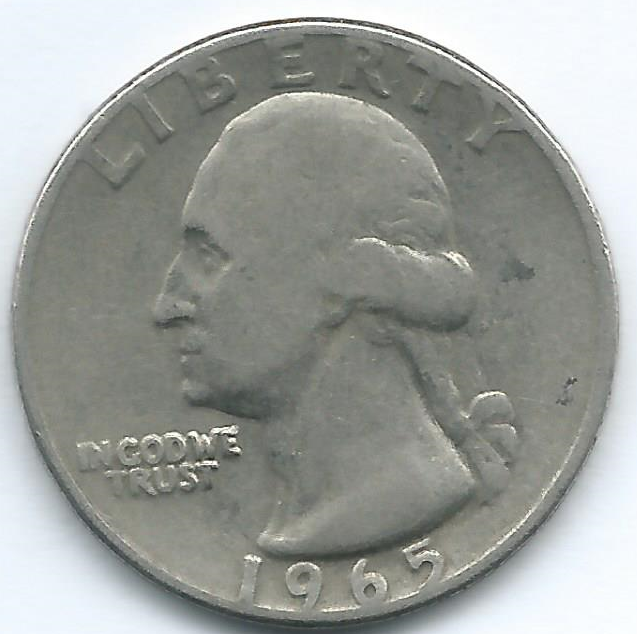
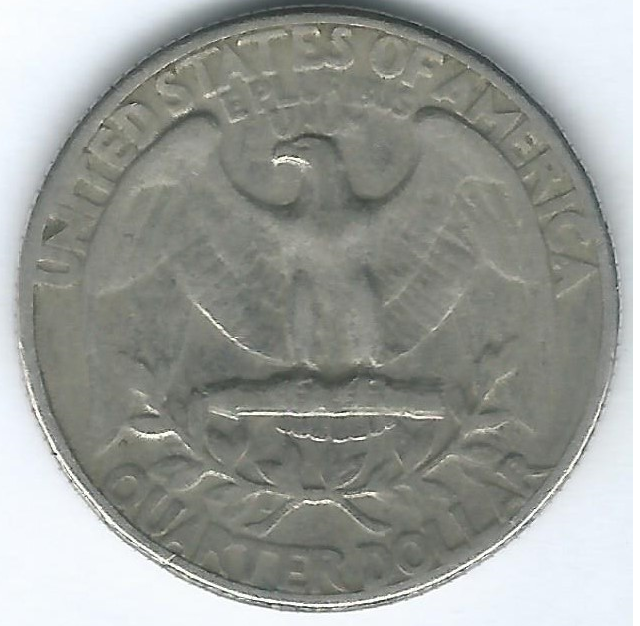
    Ok this is a similar one so this is a machine doubled right? just making sure I got it. https://uploads.disquscdn.com/images/fe9dac772def11c3fe7f332e834e2a20f793d74791fd017f4cea4eeb084408e0.png

    1. JoshuaTheFunTimesGuide Avatar
      JoshuaTheFunTimesGuide

      Hi, Gold Eagle —

      YES, just machine doubling… But I’m glad you seem to recognize it pretty quickly! As with many other coin oddities MOST doubling you see on a coin is just machine doubling — true doubled dies are really quite rare. But it pays to keep your eyes peeled! You might consider looking up http://www.doubleddie.com for photos of individual and known doubled die varieties for each coin. It’s a really helpful site for comparison analysis and attribution.

      Good luck!
      Josh

      1. Gold Eagle Avatar
        Gold Eagle

        Thank you sooo much for all your help have wonderful holidays filled with blessings and stay safe.

        1. JoshuaTheFunTimesGuide Avatar
          JoshuaTheFunTimesGuide

          Thank you so much, Gold Eagle! Happy Holidays and many blessings to you and yours, too! Hopefully a better 2021 is in store for all of us…

  4. Gold Eagle Avatar
    Gold Eagle

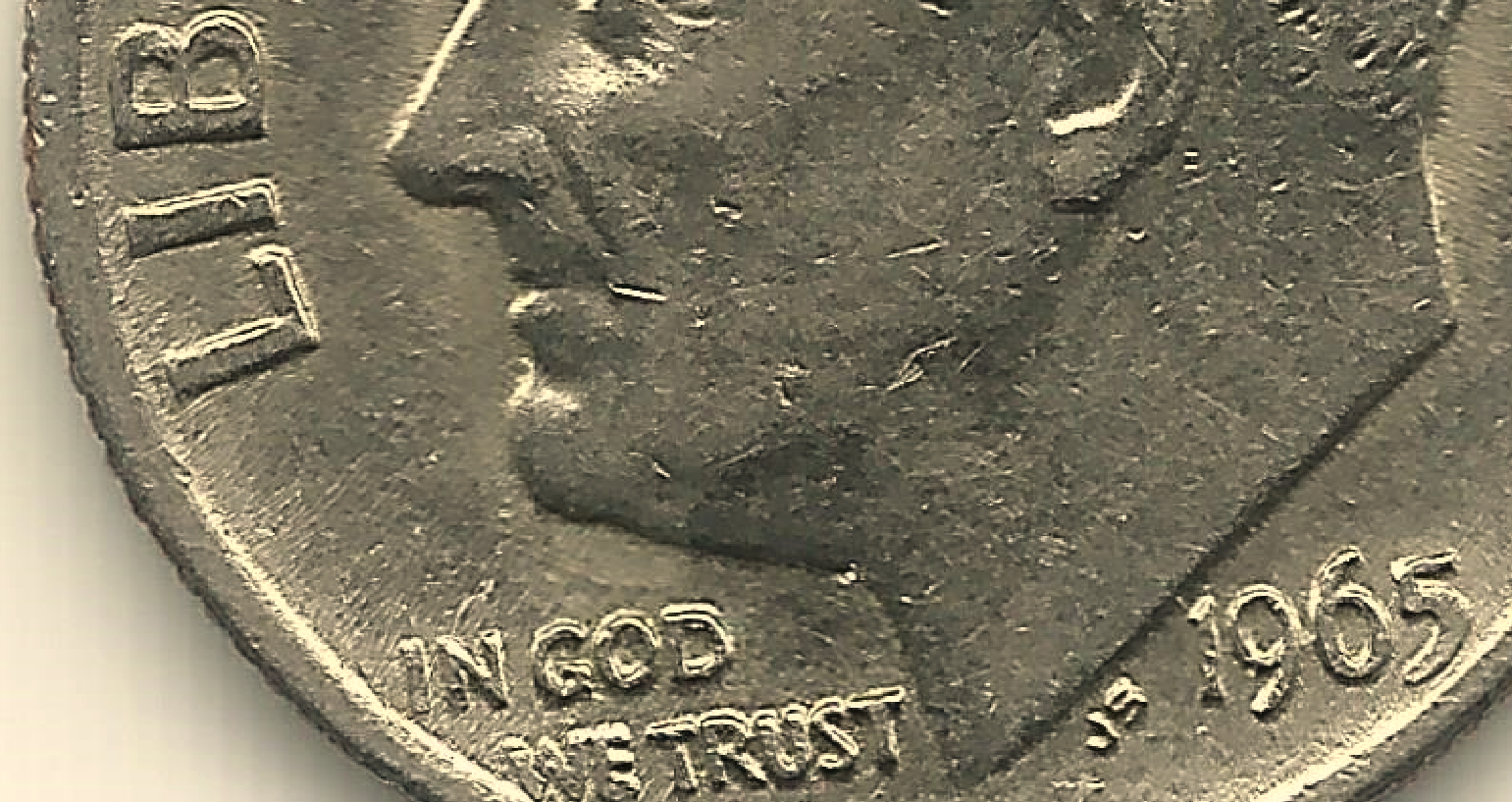
    “PLEASE tell me this coin is a doubled die…” Hi josh! me again, I am starting to discern between the 2, but I am not sure about this, could you please help me out here? is this machine also? https://uploads.disquscdn.com/images/567e1dcbcb835bbdec45efbedbc93bf213888fe617f0f5df277f3fbae71a2036.png https://uploads.disquscdn.com/images/4566470fdfdcdc27e01843307cb6c6de18db6ef0fc365ea7c0aab513aa2bcbb6.png

    1. JoshuaTheFunTimesGuide Avatar
      JoshuaTheFunTimesGuide

      Hi, Gold Eagle —

      I’m afraid the image is too blurry at a zoom level for me to really tell… If you could please submit a higher-resolution photo I’ll try taking a look!

      Thank you,
      Josh

      1. Gold Eagle Avatar
        Gold Eagle

        You are right, it is I will try to get a better one.

      2. Gold Eagle Avatar
        Gold Eagle

        Hi Josh!! hoping you are doing great! have a wonderful day and forget about this B- uuutiful 1965 —- I lost it —- lol Thank you and sorry for late answer, I will see you soon!

        1. JoshuaTheFunTimesGuide Avatar
          JoshuaTheFunTimesGuide

          No worries, Gold Eagle… Yes, looking forward to “seeing” you by way of your next post soon! 🙂

          1. Gold Eagle Avatar
            Gold Eagle

            Yes sir!! that is exactly what I meant *next post*

  5. Gold Eagle Avatar
    Gold Eagle

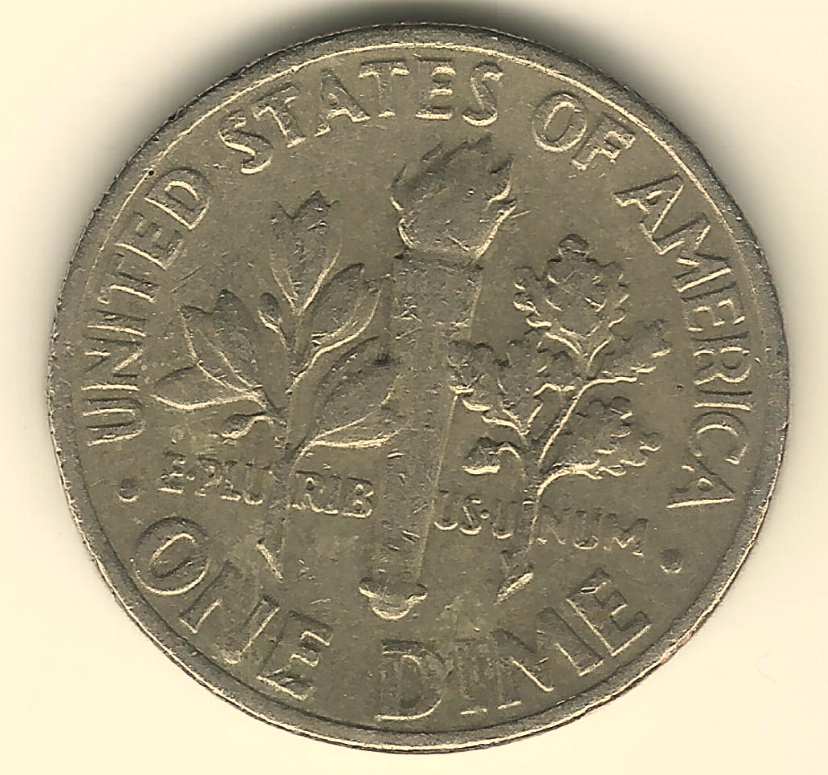
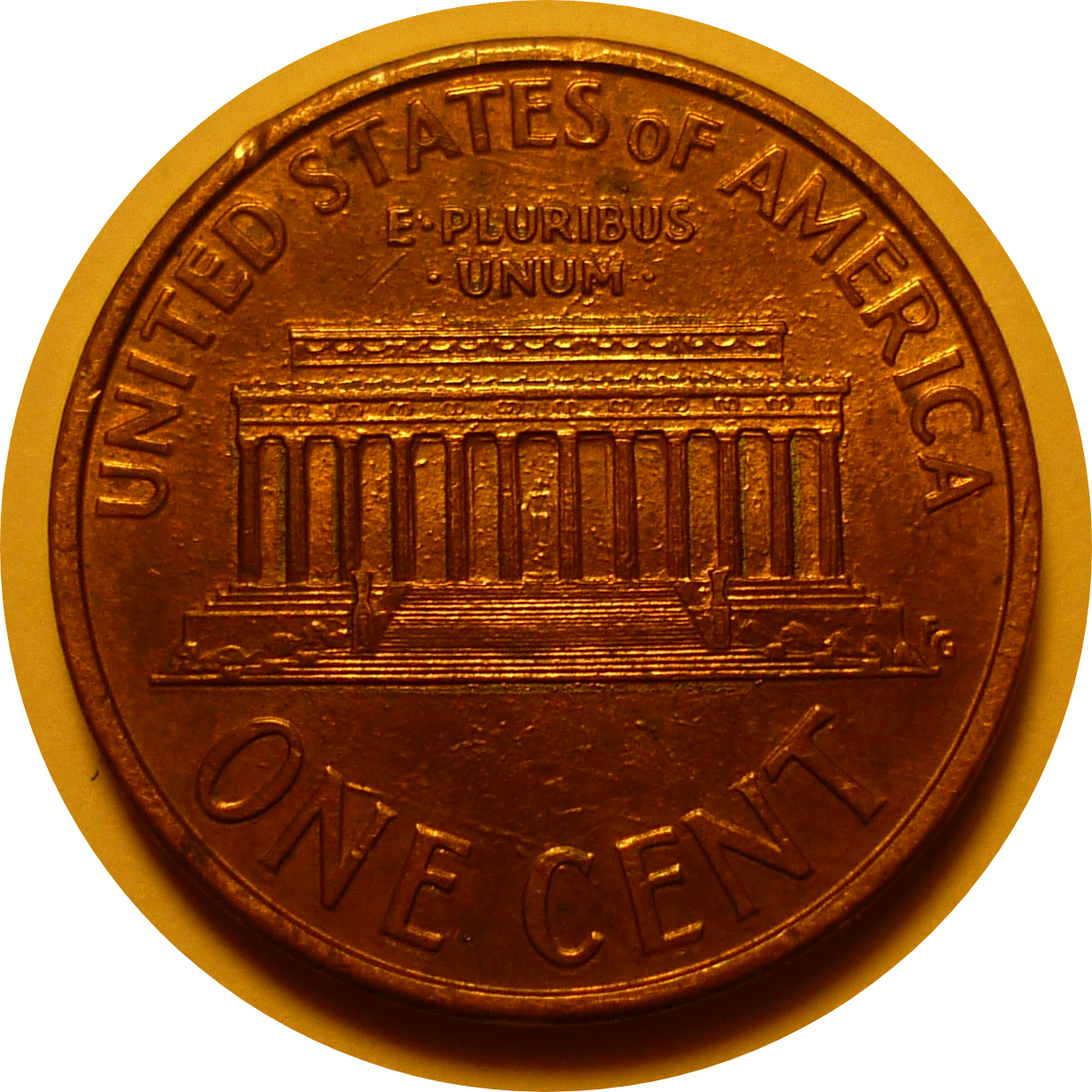
    Hi Josh can you please look at the pluribus writing? https://uploads.disquscdn.com/images/1b7b11074d63f277e7646bc01dd70c1a015140204f12e8824d797258d73cad1f.png Is this machine error?

    1. JoshuaTheFunTimesGuide Avatar
      JoshuaTheFunTimesGuide

      Hi, Gold Eagle —

      There’s no error here but rather machine doubling, which is common and unfortunately does not add any numismatic value to the coin.

      Best wishes,
      Josh

  6. R S Sparks Avatar
    R S Sparks

    After reading through and doing further research I have my hands on “machine” doubling. Thanks for the excellence article regarding that versus double die strikes.

    1. JoshuaTheFunTimesGuide Avatar
      JoshuaTheFunTimesGuide

      Hello, RS —

      So happy to know this! Thank you for your kind comments on the article and good luck to you on searching for those doubled dies!

      Cheers,
      Josh

Leave a Comment

Ezoic/Google Ad

300x250

Content Widget

Ezoic/Google Ad

300x600 Sticky