


Start Here

Values

Buying & Selling

Rare U.S. Coins

How To's

Myths & History

BIE Lincoln Penny Errors: See How Much They’re Worth & Why Collectors Love These Die Crack Error Coins

by Joshua McMorrow-Hernandez

Ezoic/Google Ad Code Here

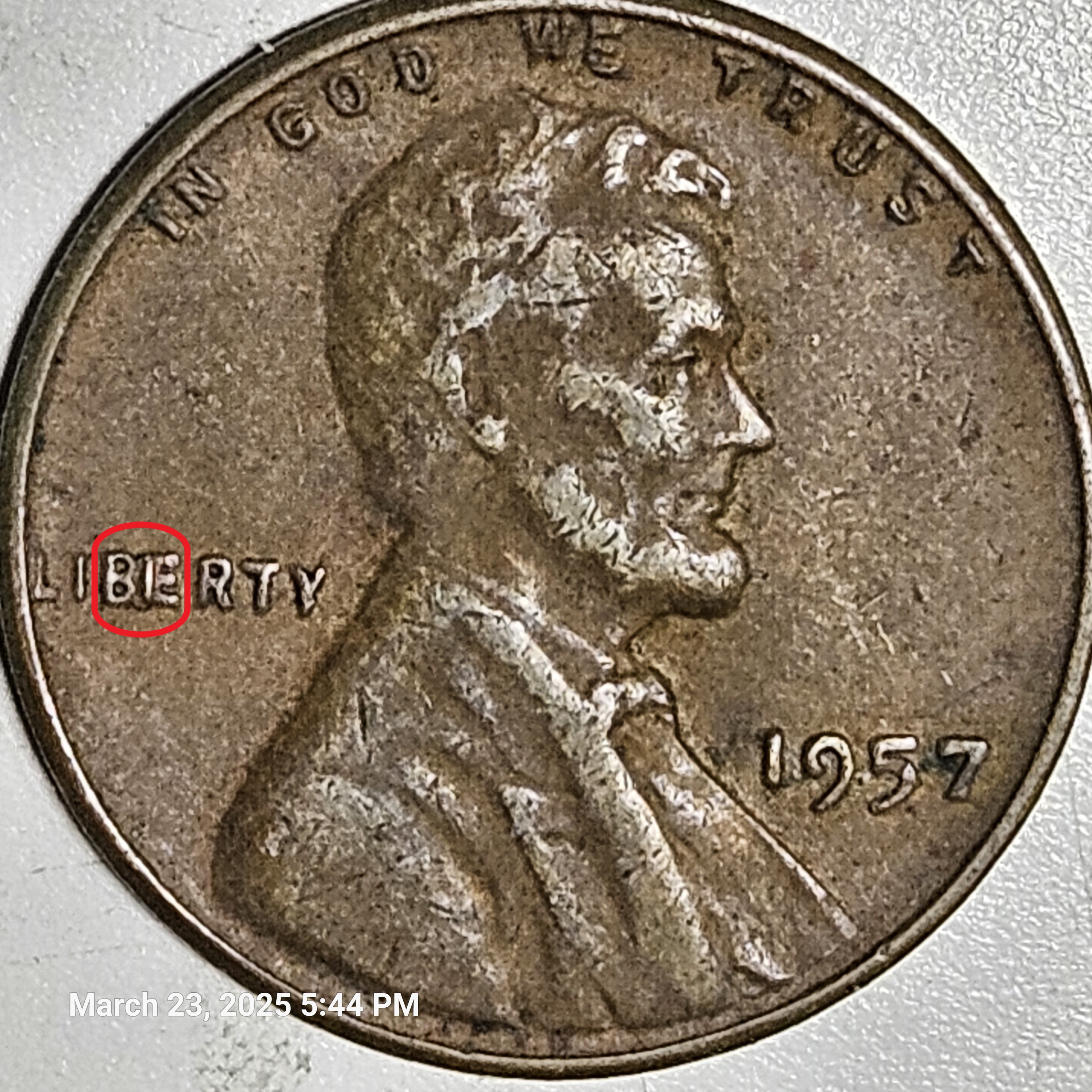
BIE pennies are error coins with a vertical die crack between the “B” and “E” of “LIBERTY” on Lincoln cents.

These peculiar error pennies are among the most common type of die break varieties on Lincoln pennies.

They’re widely sought by Lincoln penny collectors, as well as error coin and variety enthusiasts.

  • How are BIE error pennies made?
  • What are BIE penny errors worth?
  • How can you find BIE Lincoln cents?

I’m going to answer all of those important questions and shed light on many other aspects of these really cool error pennies…

BIE Lincoln Cents As Collectibles

BIE pennies are fun to collect.

They can be classified as error coins — because the US Mint did not intend to make Lincoln cents with a raised, struck artifact that looks like the letter “I” between the “B” and “E” of “LIBERTY.”

However, some diehard coin collectors prefer to call them varieties — since they result on the die and are often replicated across many hundreds (or even thousands!) of Lincoln cents. BIE pennies are categorized into different varieties or classes, and they’re often collected by that means.

How Are BIE Pennies Made?

In essence, what happened in the creation of these BIE Lincoln pennies was the effect of aging coin dies.

Coin dies are engraved with the image stamped on a coin, and they strike blank coins with the design. This is how a blank piece of metal (called a planchet) is turned into a coin.

Often, as dies age, cracks will develop across the surface. These cracks may be very tiny — almost invisible to the naked eye — or they can be quite large.

Eventually, US Mint workers will replace the die before it becomes too worn. Or they’ll only find out the die is past its prime when they notice die cracks and other signs of die wear on the struck coins.

What happens to coins with die cracks?

  • In some cases, mint workers destroy those coins and replace the old die with a new one.
  • Sometimes coins made with an aging die will be shipped off for distribution before being noticed in the quality inspection process.

Die cracks (or die breaks) can occur most anywhere on the die. The die crack will usually show up as a raised line on the finished coin.

In many cases, die breaks will connect to some part of a design element on a coin. For example, you might find a die crack connected to the date, or the face of Liberty, or perhaps the rim.

Large, flat die breaks that are connected to the rim are often called die cuds. Die cuds have their own following in numismatics, and there are many coin collectors who collect only die cud error coins!

Controversy About BIE Error Pennies

A BIE penny is a die crack coin.

Now, you’ll probably hear some folks refer to BIE Lincoln pennies as die cuds. And there is some debate in the numismatic community as to what constitutes a die cud.

However, BIE pennies — according to the strictest definition of die cuds — aren’t a type of die cud. That’s because the rim isn’t connected to this particular type of die break.

Some folks say BIE pennies are classified as die chips. A die chip is a type of isolated die break and — again — there’s some debate as to how big a die chip can be before it’s no longer “just” a chip.

Many die chips look like mounds of blobs sitting on the surface of a coin. Yes, technically, the apparent “I” of a BIE penny error is a bit like a blob. But it’s an oblong blob formed by a die crack.

So… since die chips are a type of die break (as are die cuds), we’ll make this really simple and refer to BIE pennies as a die break or die crack error. Kapisch?


How Many Types Of BIE Pennies Are There?

I hope you’re sitting down!…

You might be astonished to find out there are some 1,500 kinds of BIE pennies out there. And there are surely many more types just waiting to be discovered.

You see, BIE error pennies come in many forms:

  • Sometimes the die break will look like a straight and narrow letter “I.”
  • Many BIE pennies show a vertical die break that looks kind of soft and squishy.
  • On some BIE pennies, the “I” will look crooked.
  • On others, the “I” can extend beyond the length of the adjacent “B” and “E.”

But, in all cases, the die break on a BIE penny will be:

  • Located between the “B” and “E” of “LIBERTY.”
  • Oriented vertically, from the bottom of the coin to its top.

In theory, a BIE penny can be found among any date of the Lincoln cent series (which began in 1909 and continues today). However, BIE die break errors are most commonly found on 1950s wheat pennies.

Here’s a list of Lincoln cent die breaks (aka BIE pennies).

BIE Error Penny Values

Values vary widely for BIE Lincoln cents — some are worth only a couple dollars, while others are worth hundreds of dollars.

But, most commonly, BIE pennies are worth $5 to $10 apiece.

  • Some collectors put more emphasis on the condition, or grade, of the coin.
  • Others are more concerned with putting together a date run of BIE pennies and will vie for a complete set of Lincoln cents running across an entire decade or longer.
  • Still, other BIE penny collectors will simply amass every type of BIE cent they can find, regardless of date or mintmark.

So, at the end of the day, there’s no hard-and-fast “book” value on BIE cents. The value is often dependent on the condition, specific variety, and other merits of the individual BIE penny.

How To Find BIE Lincoln Pennies

Many coin dealers who specialize either in Lincoln cents or error coins are bound to have some BIE pennies for sale.

But let’s say you don’t want to spend the $5+ to buy a BIE Lincoln penny. So, what else can you do?

Start checking your loose change! Most folks don’t know what a BIE penny is, let alone know to look for them in their pocket change. So my best advice is to simply dig through your coin jar and start looking for any Lincoln cents that have a peculiar, raised area between the “B” and “E” of “LIBERTY.” (Don’t forget to look for other types of errors, too!)

You could also buy rolls of pennies from your local bank and see if you can find BIE pennies in those coin rolls.

The best part is… simply by searching through pocket change or bank rolls, you can obtain BIE error pennies for face value!

It may take awhile to find BIE pennies in your loose change, bank rolls, or other means of circulation. But the thrill is in the search, right? Good luck!

PUBLISHED December 22, 2018
UPDATED August 31, 2026

Joshua McMorrow-Hernandez

Numismatic Specialist

Hi, I’m Josh! I’m the Editor here at the US Coins Guide. My love for coins began when I was 11 years old. I primarily collect and study U.S. coins produced during the 20th century.

I’m a member of the American Numismatic Association (ANA) and the Numismatic Literary Guild (NLG). I have won multiple awards from the NLG for my work as a coin journalist. I’m also the editor at the Florida United Numismatists Club (FUN Topics magazine), and author of Images of America: The United States Mint in Philadelphia (a book that explores the colorful history of the Philadelphia Mint). I’ve contributed hundreds of articles for various coin publications including COINage, The Numismatist, Numismatic News, Coin Dealer Newsletter, Coin Values, and CoinWeek.

I’ve authored over 1,000 articles here at the US Coins Guide (many with over 50K shares).

I welcome your coin questions!

26 responses to “BIE Lincoln Penny Errors: See How Much They’re Worth & Why Collectors Love These Die Crack Error Coins”

  1. Greg Avatar
    Greg

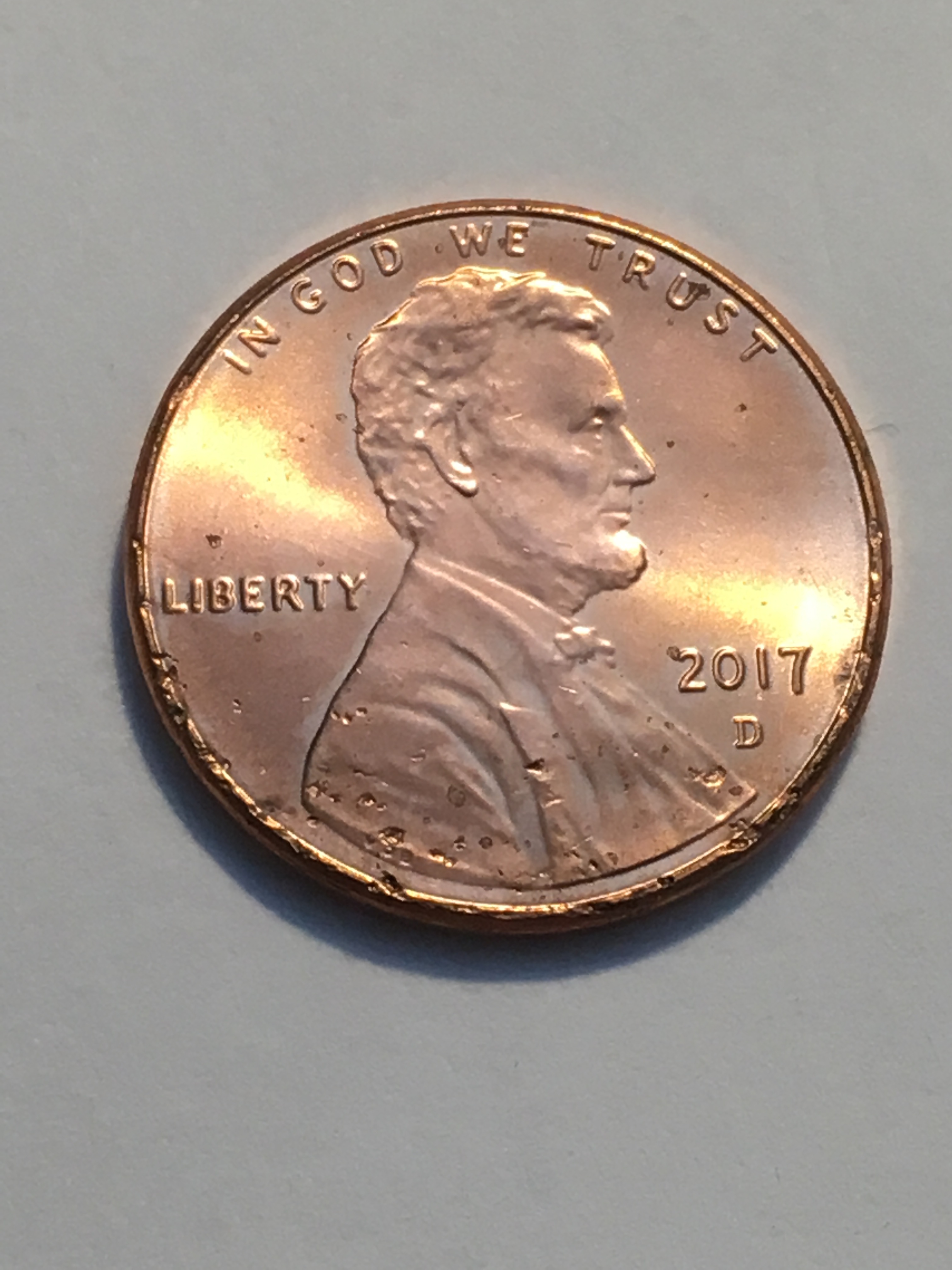
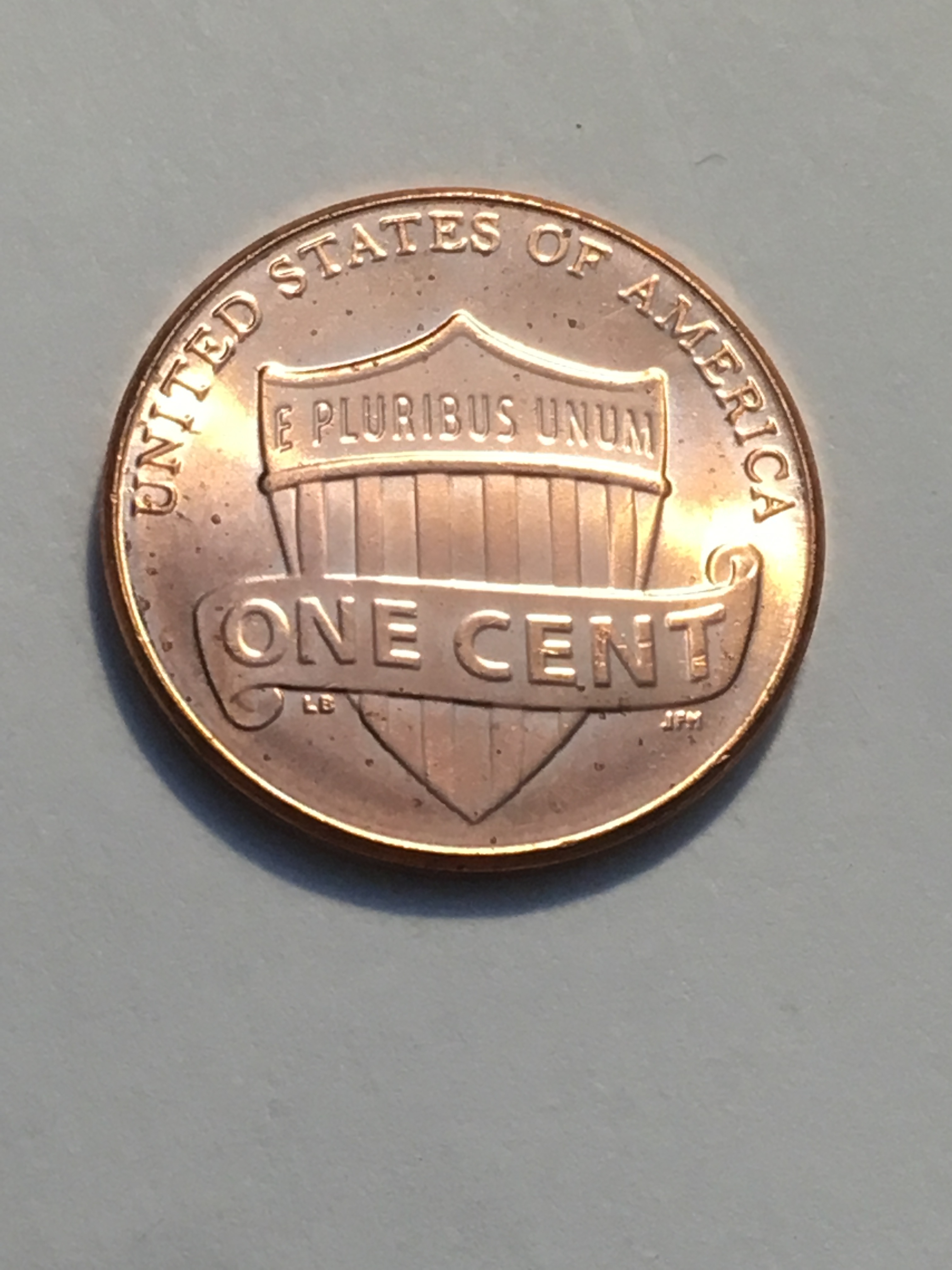
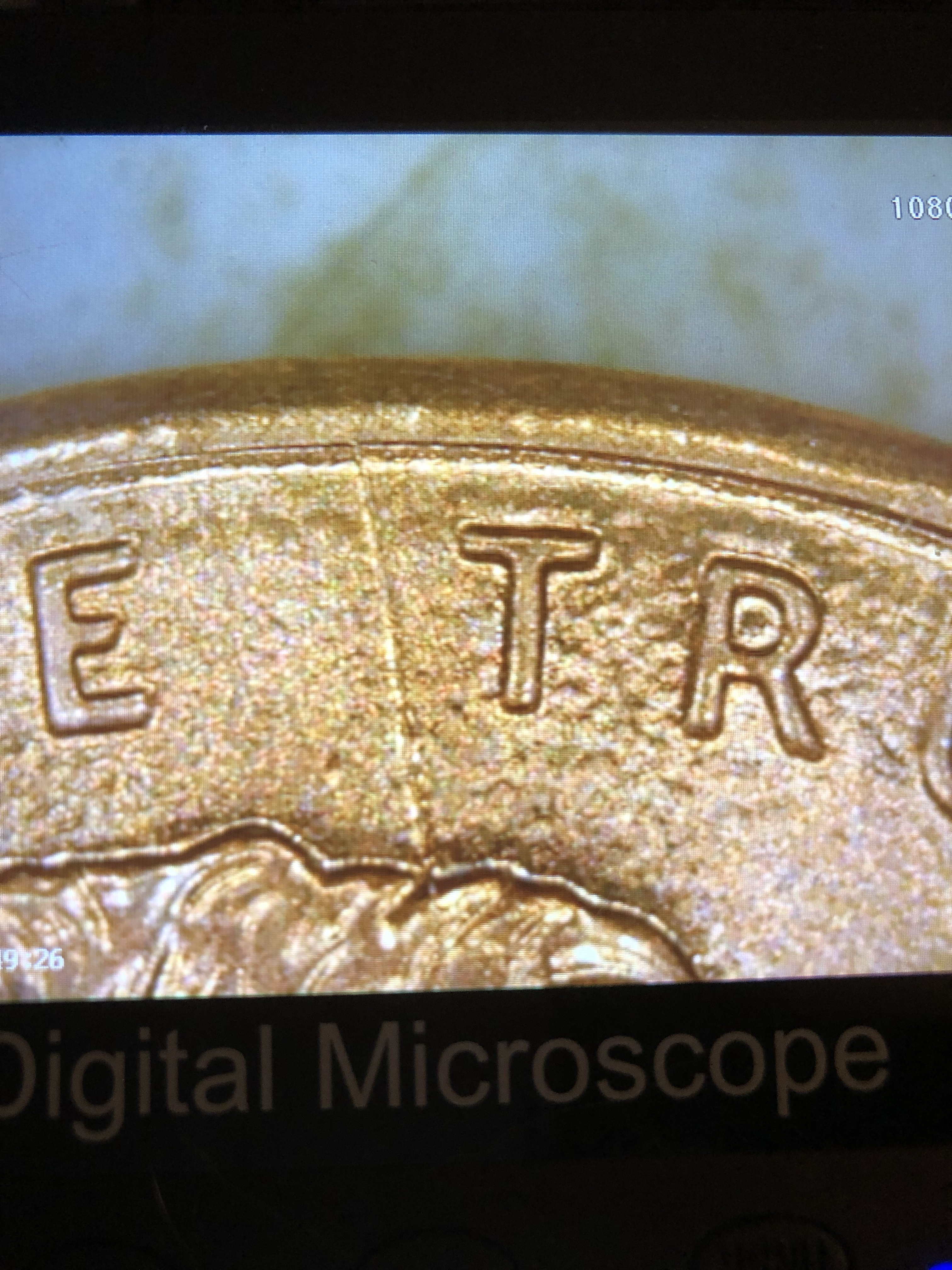
    https://uploads.disquscdn.com/images/70223b0ebee61a970e0d70d150ce6b3b20b157c2d840bd0603d5a1bd343d22ce.jpg https://uploads.disquscdn.com/images/5cd3547fb3c6ee979cb40168d272c07caa4c67db1c1039f8ec46e001a1107480.jpg Joshua,
    I came across this 2017 D penny which looks like there was some debris on the obverse die since the copper plating is actually inside the and conforms to the shape of the divots. What do you think the rarity and value of this penny is?

    1. JoshuaTheFunTimesGuide Avatar
      JoshuaTheFunTimesGuide

      Hi, Greg —

      Based on what I see here, the pitting on this piece appears consistent with post-mint damage. Note flecks on the coin that look like carbon spots or exposure to other forms of environmental damage. In that case, this piece would be worth face value.

      Best wishes,
      Josh

    1. JoshuaTheFunTimesGuide Avatar
      JoshuaTheFunTimesGuide

      Hi, Tracy —

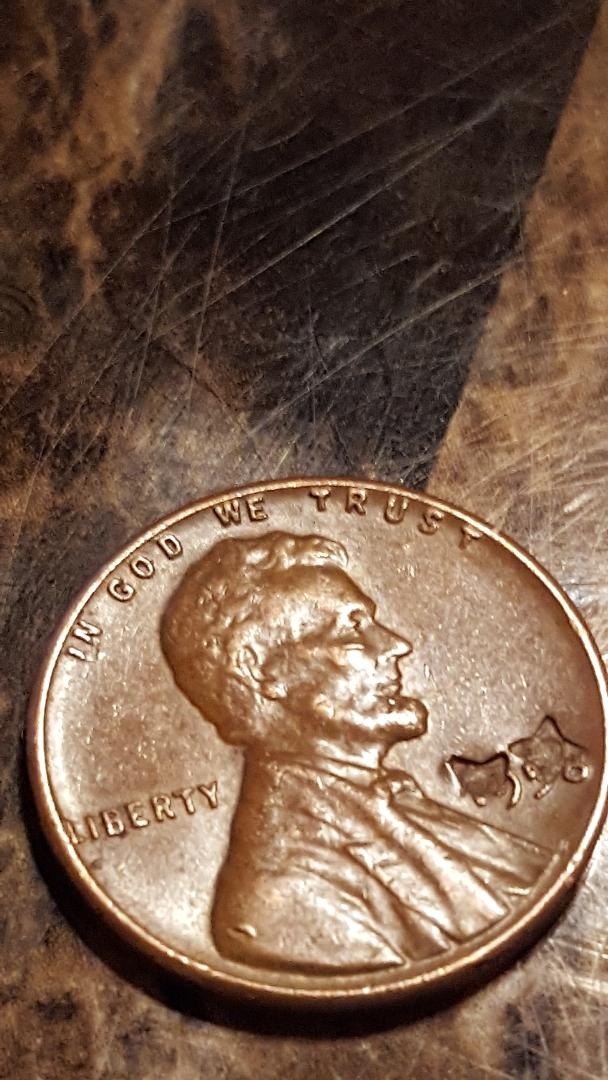
      This is a post-mint alteration with a counterstamp of some kind. I’m not sure who or what organization placed it there, though. If it can be identified it could certainly add to the value of the coin. Many folks will tell you something like this is “worthless,” though I’ve met many novelty coin collectors — those who collect what we call exonumia — that will pay a small premium for a novelty like this. I’d say for now hang on to it and if you want to sell it down the line consider going to someone who specializes in novelty coins or exonumia.

      Best wishes,
      Josh

      1. Tracy Avatar
        Tracy

        Josh
        Thanks for your advise.

        1. JoshuaTheFunTimesGuide Avatar
          JoshuaTheFunTimesGuide

          You’re welcome, Tracy!
          Josh

    1. JoshuaTheFunTimesGuide Avatar
      JoshuaTheFunTimesGuide

      Hi, Mary —

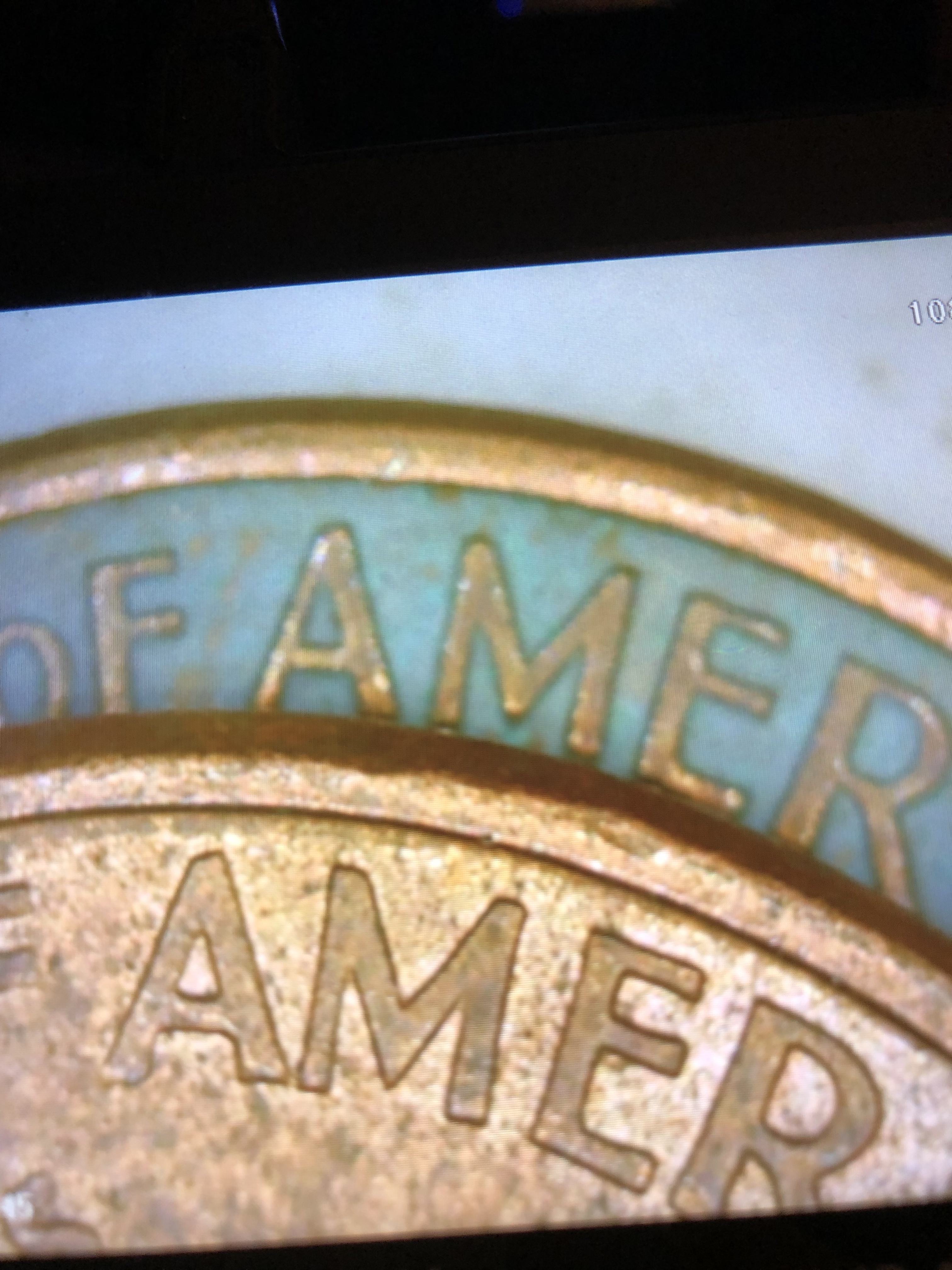
      This one looks like it could be to… It’s a 1992, right? If so, I suggest sending it for a second opinion and (hopeful) attribution. I’d suggest sending this photo and or the coin to John Wexler (www.doubleddie.com) for a formal second opinion, as he can also attribute coins, too, if it’s another type of Close AM variety.

      Fingers crossed!
      Josh

      1. Mary miller Avatar
        Mary miller

        Hi
        Thanks so much
        I’m going to send my helen quarter along with this penny to me Wexler asap

      2. Mary miller Avatar
        Mary miller

        Hi josh I realized my penny is a 1999 close am but aren’t they of some collective value
        Thanks

        1. JoshuaTheFunTimesGuide Avatar
          JoshuaTheFunTimesGuide

          Hi, Mary —

          On the 1999, it’s the WIDE AM that is the rare variety on circulated issues, so I’m sorry to say your piece is essentially normal for its date.

          Keep on searching!
          Josh

          1. Mary miller Avatar
            Mary miller

            Thanks so much

          2. JoshuaTheFunTimesGuide Avatar
            JoshuaTheFunTimesGuide

            You’re most welcome, Mary!
            -Josh

          3. JoshuaTheFunTimesGuide Avatar
            JoshuaTheFunTimesGuide

            Hi, Mary!

            YES, I believe this is a die break. It’s a nice one, too. Definitely hold it aside, as these things can bring a good buck or two if sold to the right collector.

            Cool find,
            Josh

    1. JoshuaTheFunTimesGuide Avatar
      JoshuaTheFunTimesGuide

      Hi, Mary —

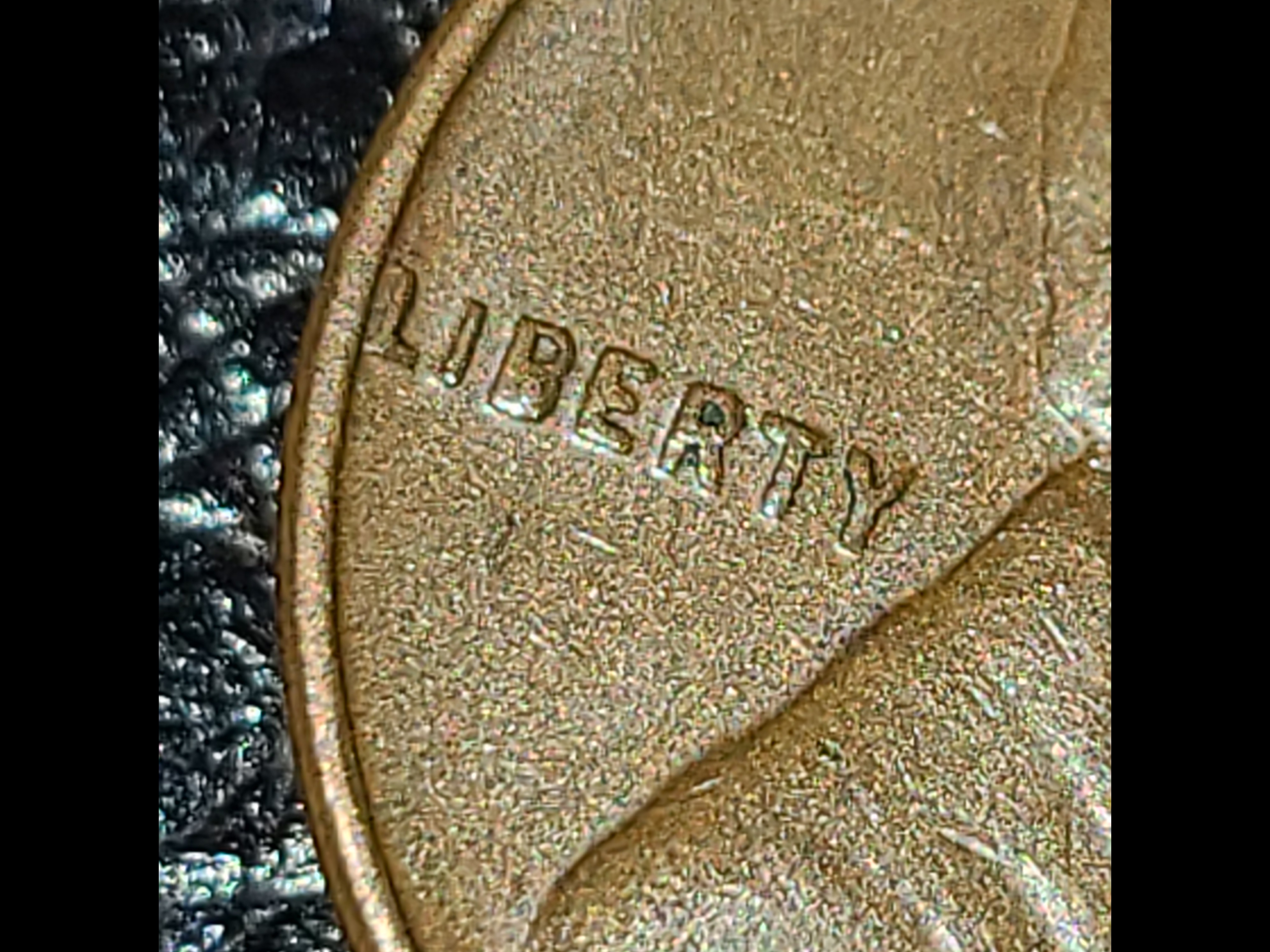
      This is a cut or mark from post-mint damage. The only thing that does stand out to me is possible machine doubling as evidenced in the “I” of “LIBERTY,” though that is fairly common and wouldn’t necessarily add any value to the coin. The flattish top of the “R” is also caused by post-mint damage.

      Best wishes,
      Josh

    2. Mary miller Avatar
      Mary miller

      Josh Thanks for checking it out

  2. Megan Nelson Avatar
    Megan Nelson

    Hey Josh,
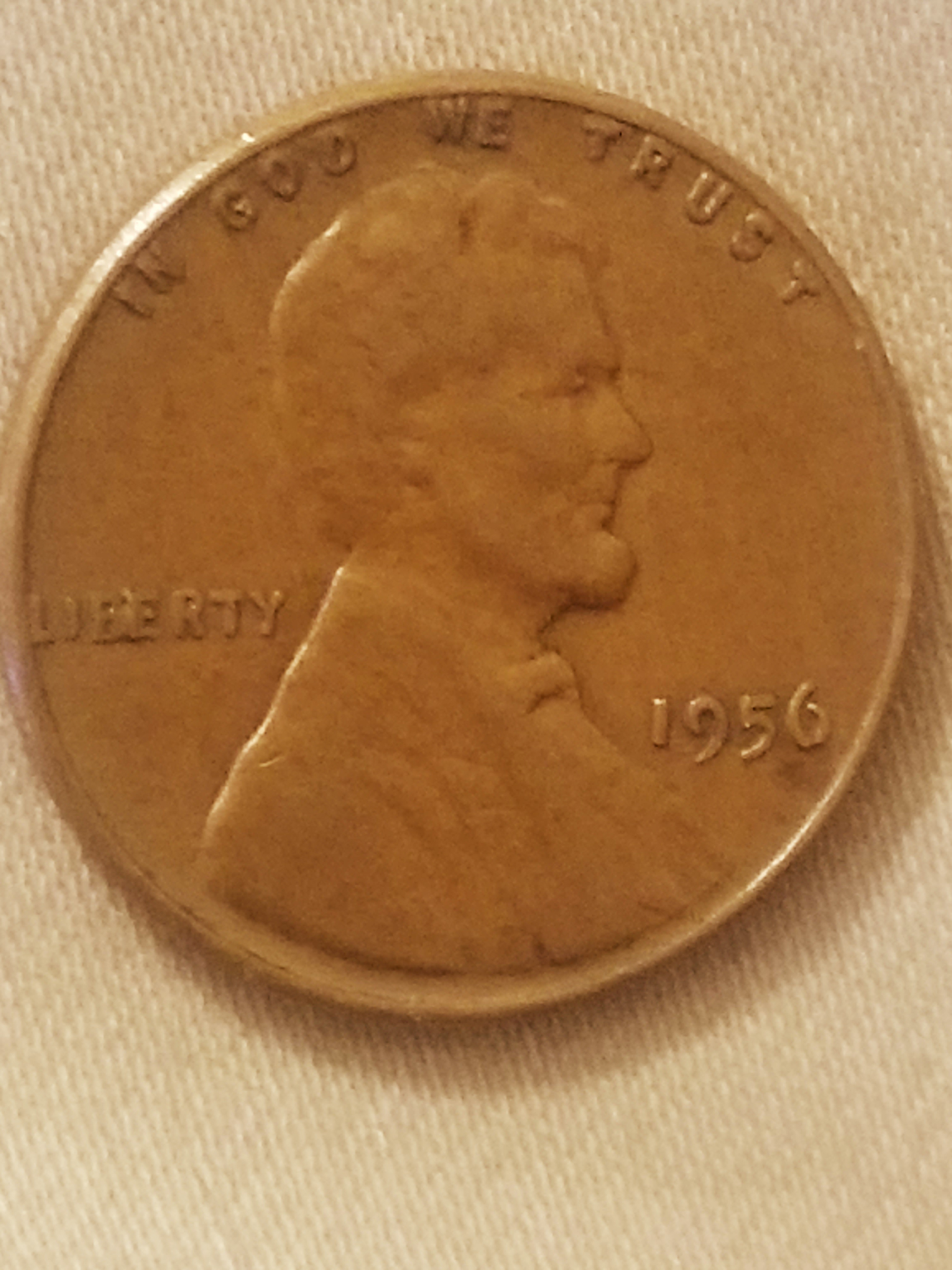
    Well, after submitting to you a lot of newbie inquiries, as well as all the information, input, and advice you have given me in the last few months, I am pretty sure I got this one right this time! Here is my 1956 Lincoln penny with…. drumroll please…. a BIE ERROR!? Am I finally getting the hang of this!!? Lol.. https://uploads.disquscdn.com/images/b736d76a33ab27932db101feb3af6390a0267675c611a7987fcac33827e4bb60.jpg

    1. JoshuaTheFunTimesGuide Avatar
      JoshuaTheFunTimesGuide

      YAASSSSS!!! Megan, awesome find! You’re getting the hang of this! 🙂 A piece like this is easily worth $3 to $7!

      Congrats,
      Josh

      1. Megan Nelson Avatar
        Megan Nelson

        Whoohoo!! Thank you!! Very excited! but, won’t quit my day job just yet! Lol… thanks again!!

        1. JoshuaTheFunTimesGuide Avatar
          JoshuaTheFunTimesGuide

          Ha ha! You’re welcome, Megan!
          -Josh

    1. JoshuaTheFunTimesGuide Avatar
      JoshuaTheFunTimesGuide

      Hi, Julie —

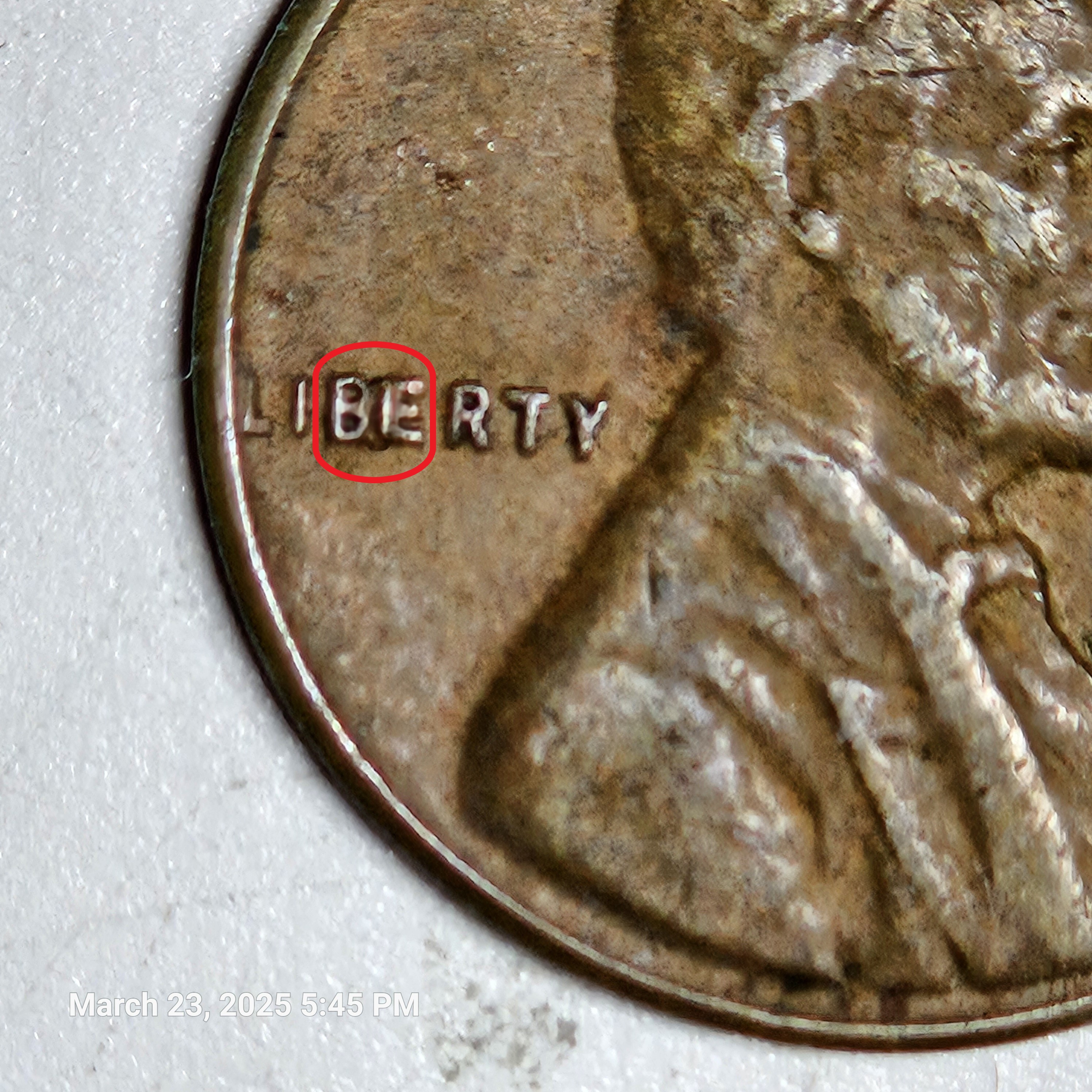
      While this is not a BIE error, both that and your error are caused in similar ways. They are both created by die breaks. In the case of a BIE error, a vertical, I-shaped die break occurs between the letters “B” and “E” of “LIBERTY.” In your case, a little die break occurred inside the bottom loop of the “B.” Here, the crack (or chip, more appropriately with this) is in a “less-collectible” location, as die chips happening inside the “B” is both more common and less of a visual novelty than the “BIE” error. Nevertheless, this is still an error and worth holding aside in case someone is interested in buying it from you on that basis.

      Hope this info helps,
      Josh

  3. Tom Montgomery Avatar
    Tom Montgomery

    And, here is what I believe to be my first "BIE" Lincoln penny – looks just like the photo at the beginning of the post, except for this one's condition. Found it looking through the "Lincoln Head Cent" holder I started as a pre-teen 60+ years ago. https://uploads.disquscdn.com/images/21f80648c000b481a44093e076edf482977d611a3b6e93d1813e66d1a71401da.jpg https://uploads.disquscdn.com/images/f8c2a6f08fec812cba2ab00b7b62d2f3464e90a9b015c51f51746f550c8dc77b.jpg

    1. JoshuaTheFunTimesGuide Avatar
      JoshuaTheFunTimesGuide

      Wow!

      Yes, that’s totally what you have here. Nice “BIE!” Values for pieces like this range from about $5 to $10 all day long, and these are wonderful collectibles.

      Congrats,
      Josh

Leave a Comment

Ezoic/Google Ad

300x250

Content Widget

Ezoic/Google Ad

300x600 Sticky