



It seems everybody likes collecting Lincoln Wheat pennies.
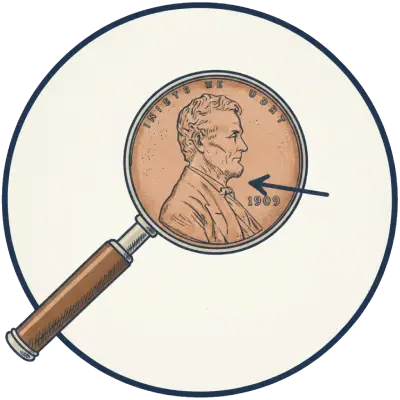
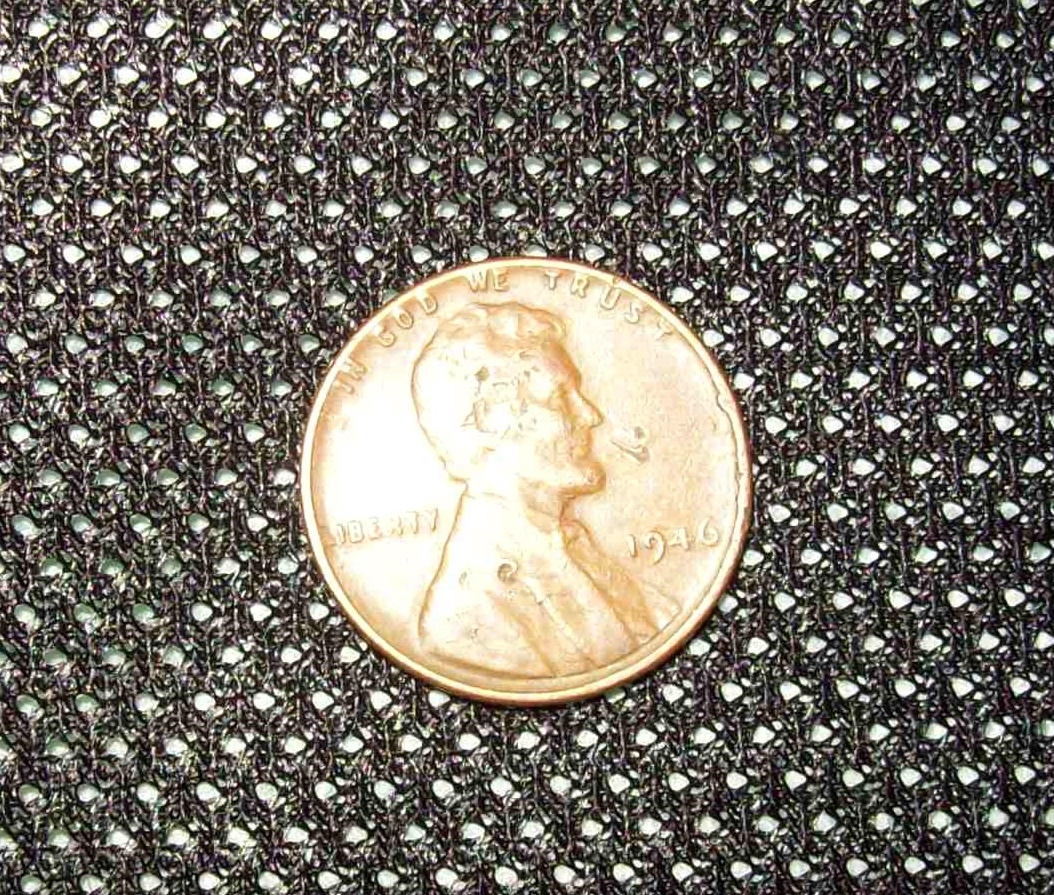
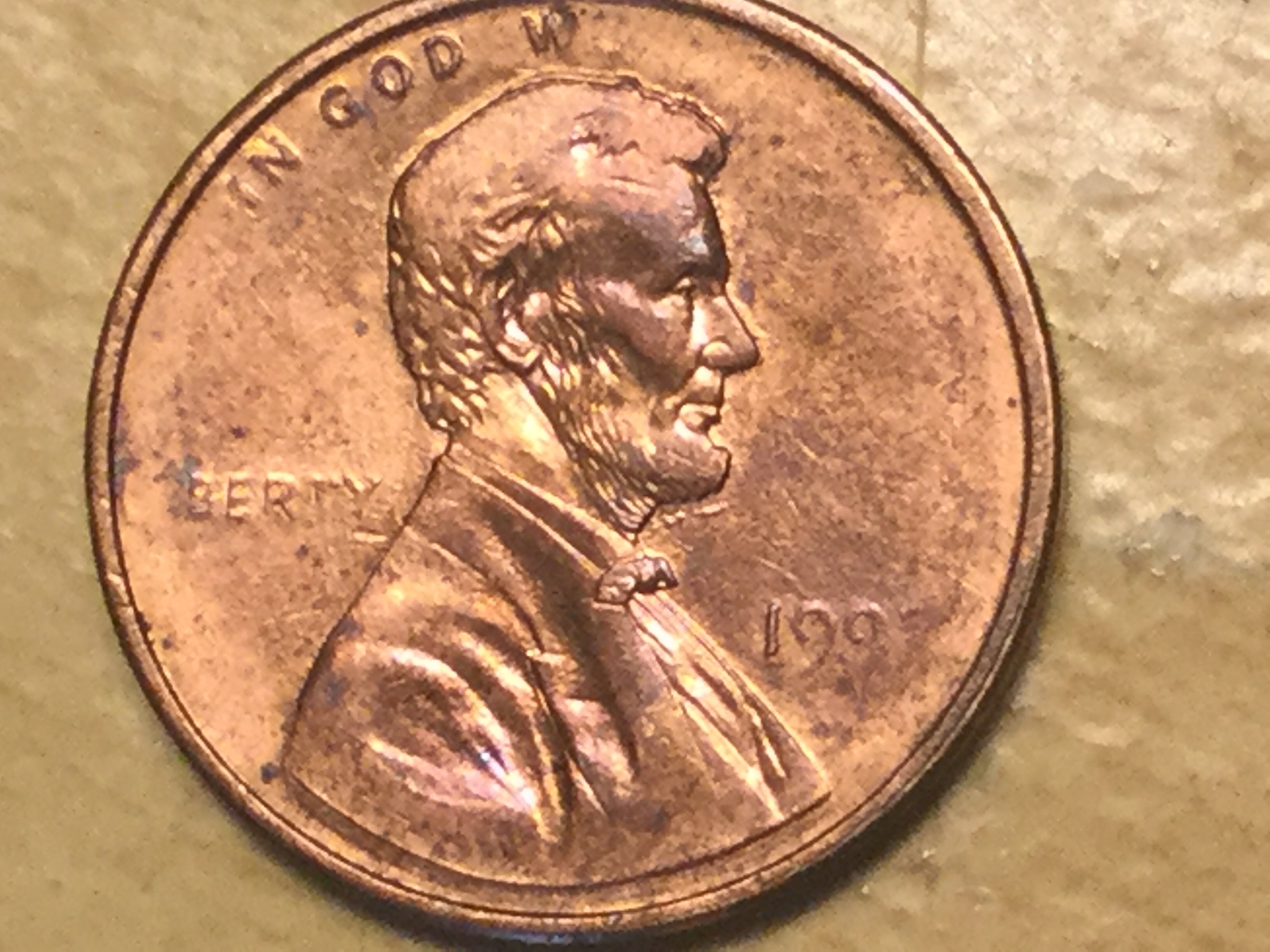
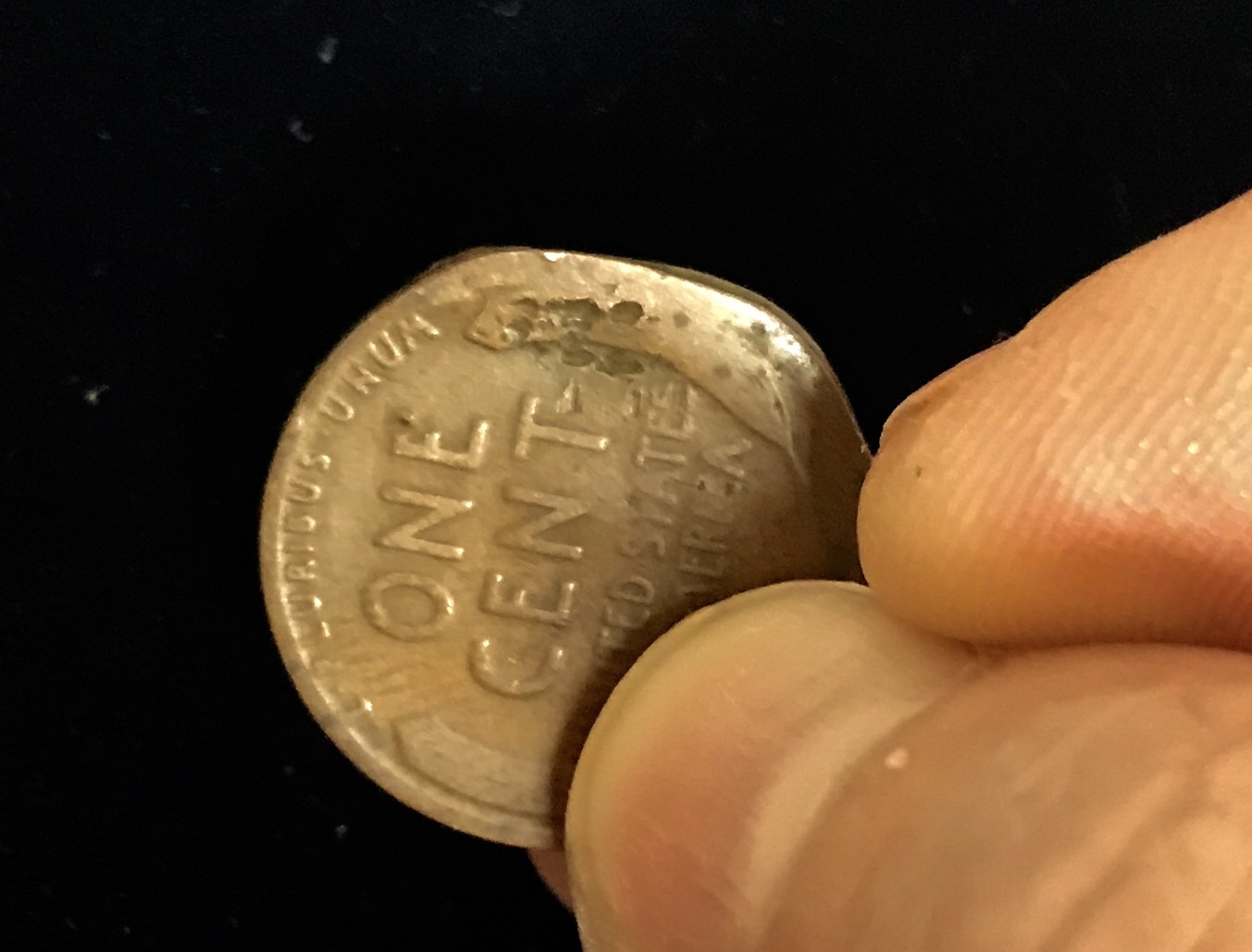
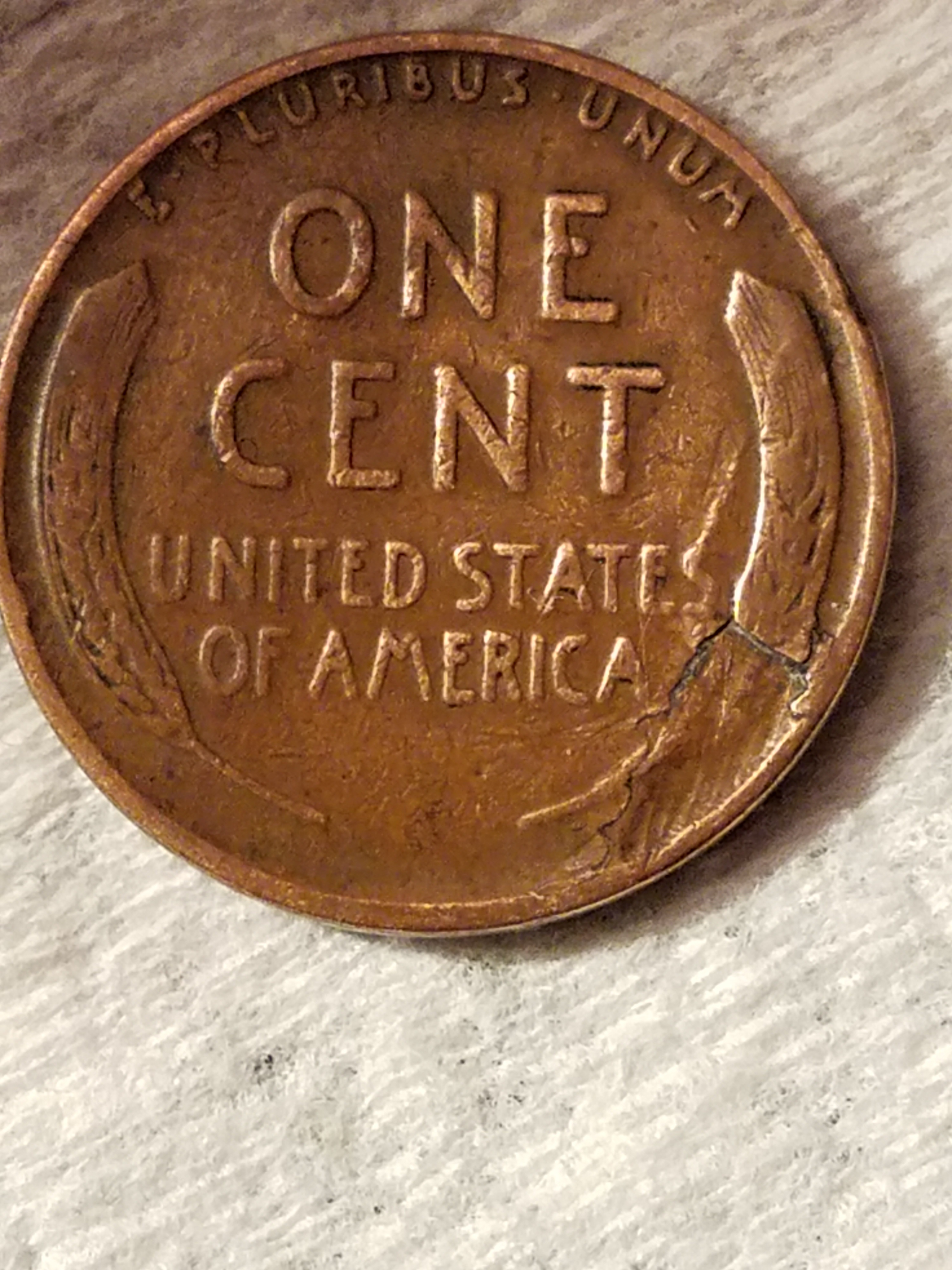
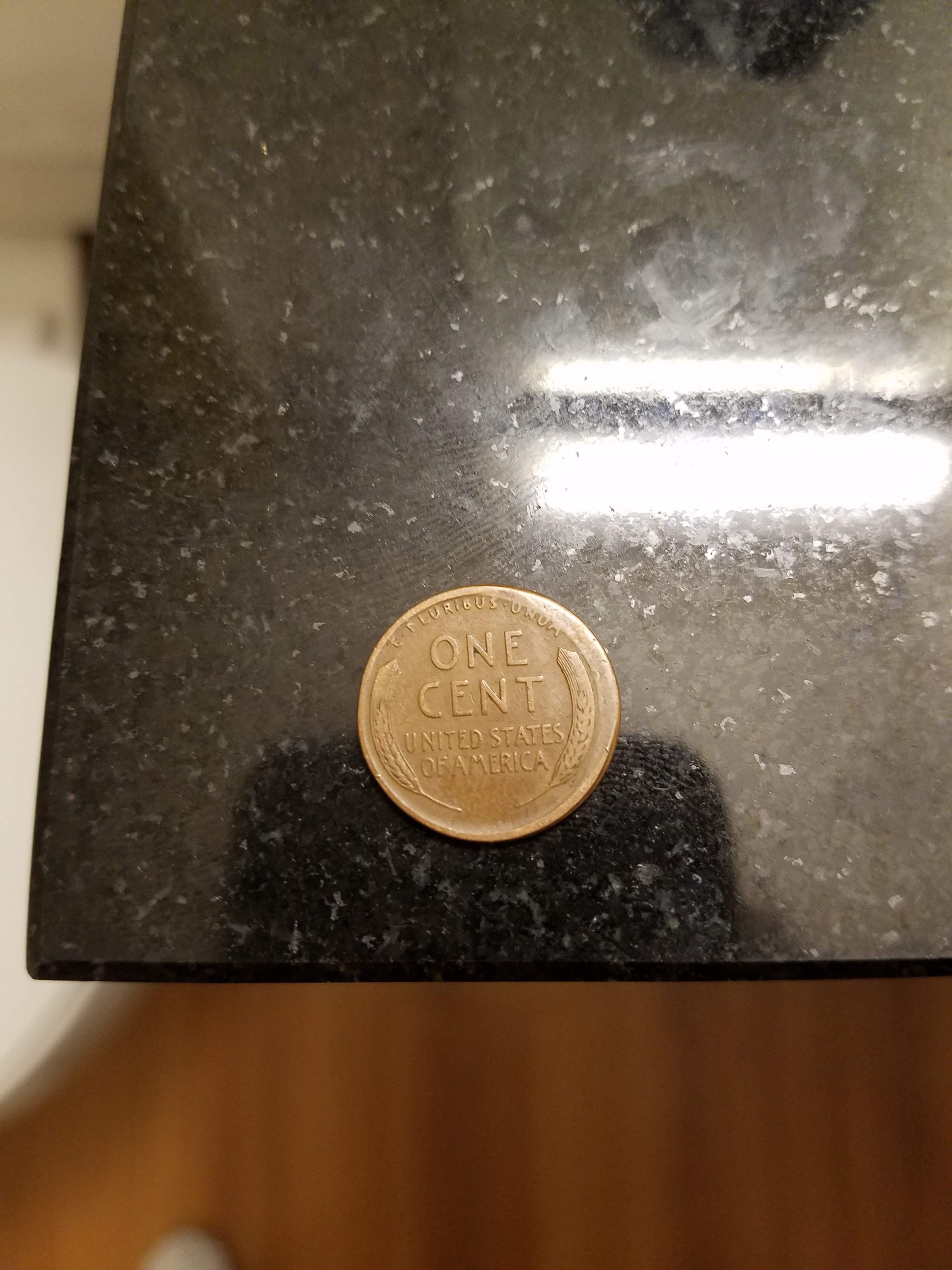
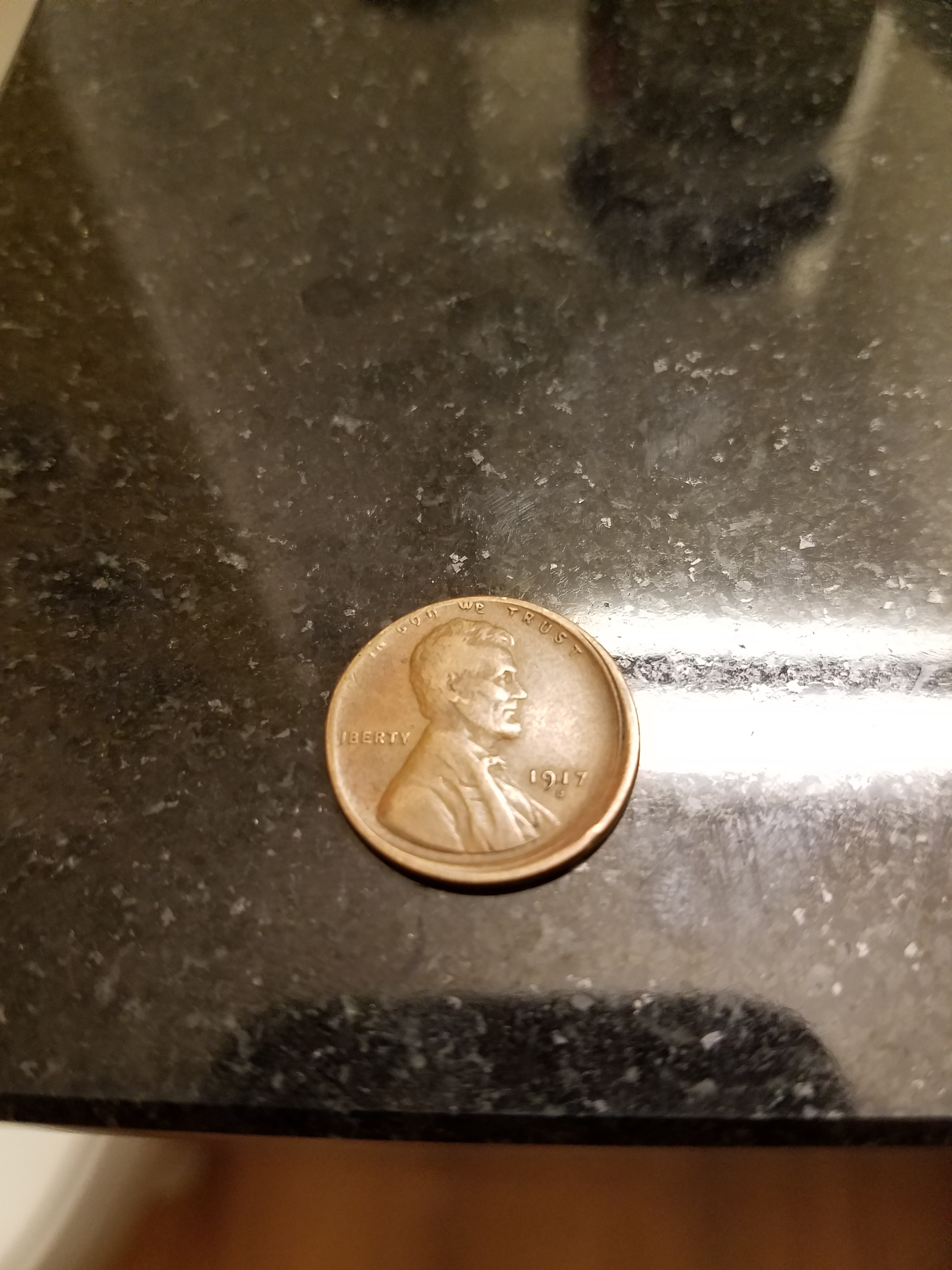
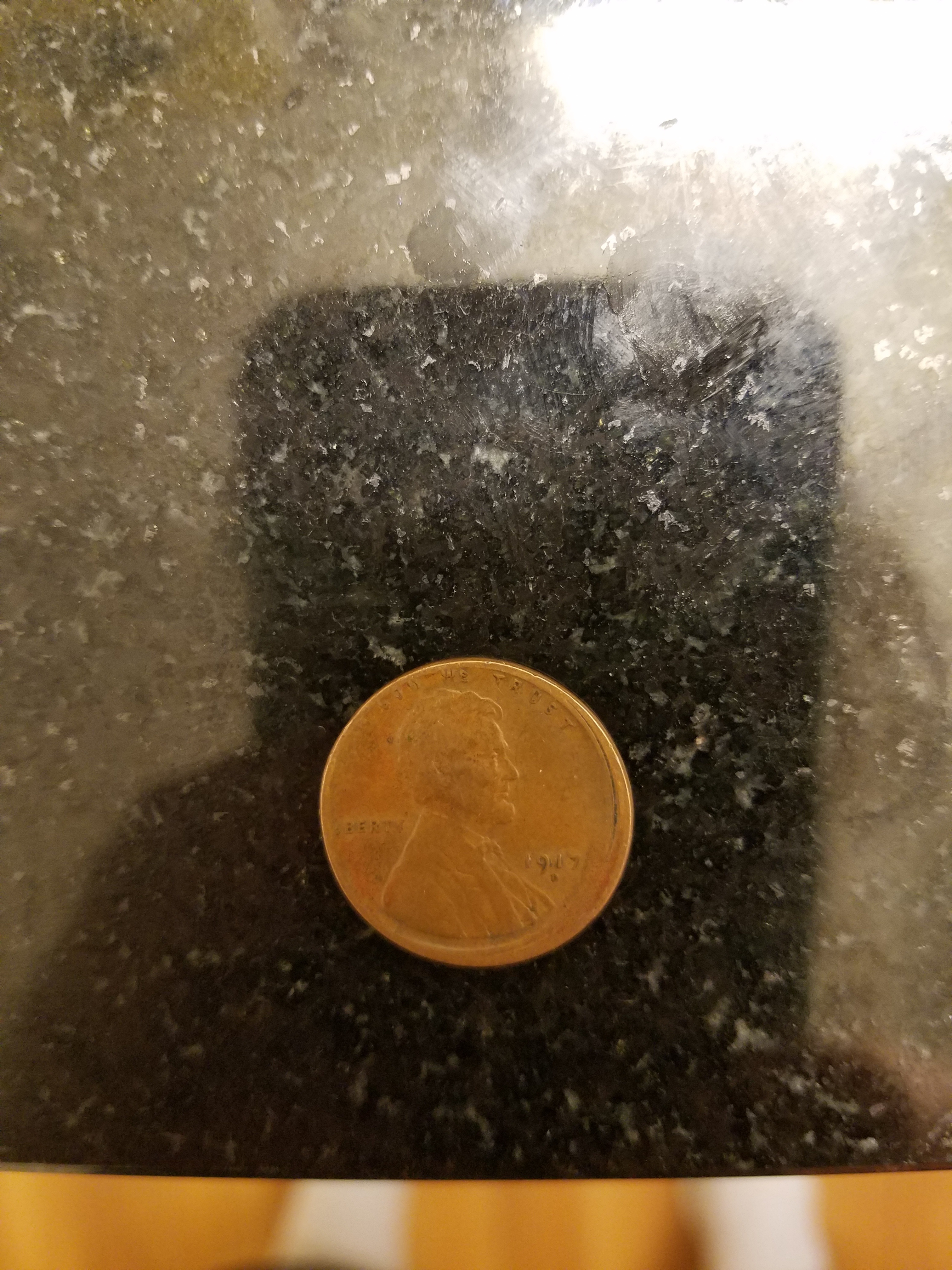
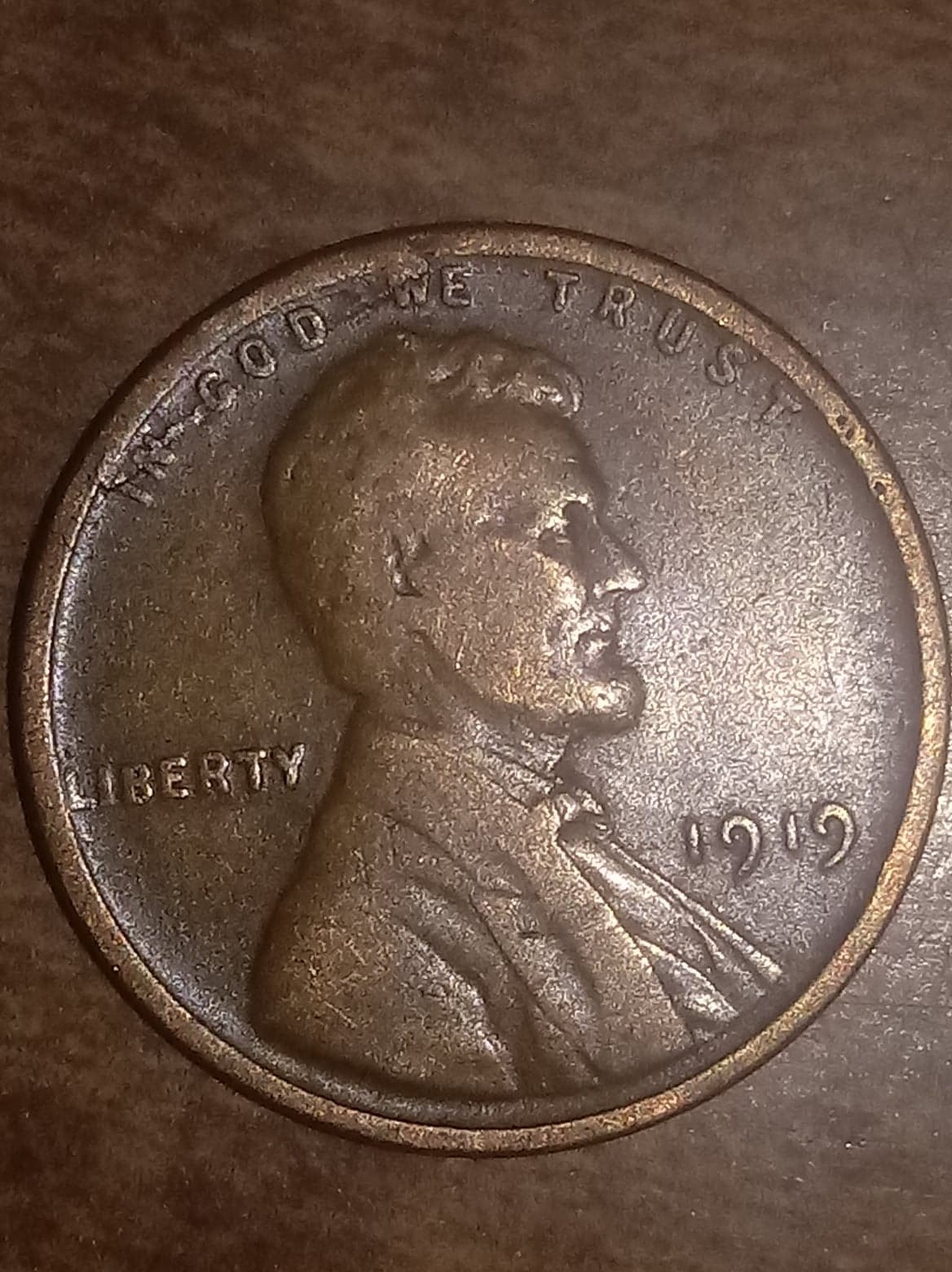
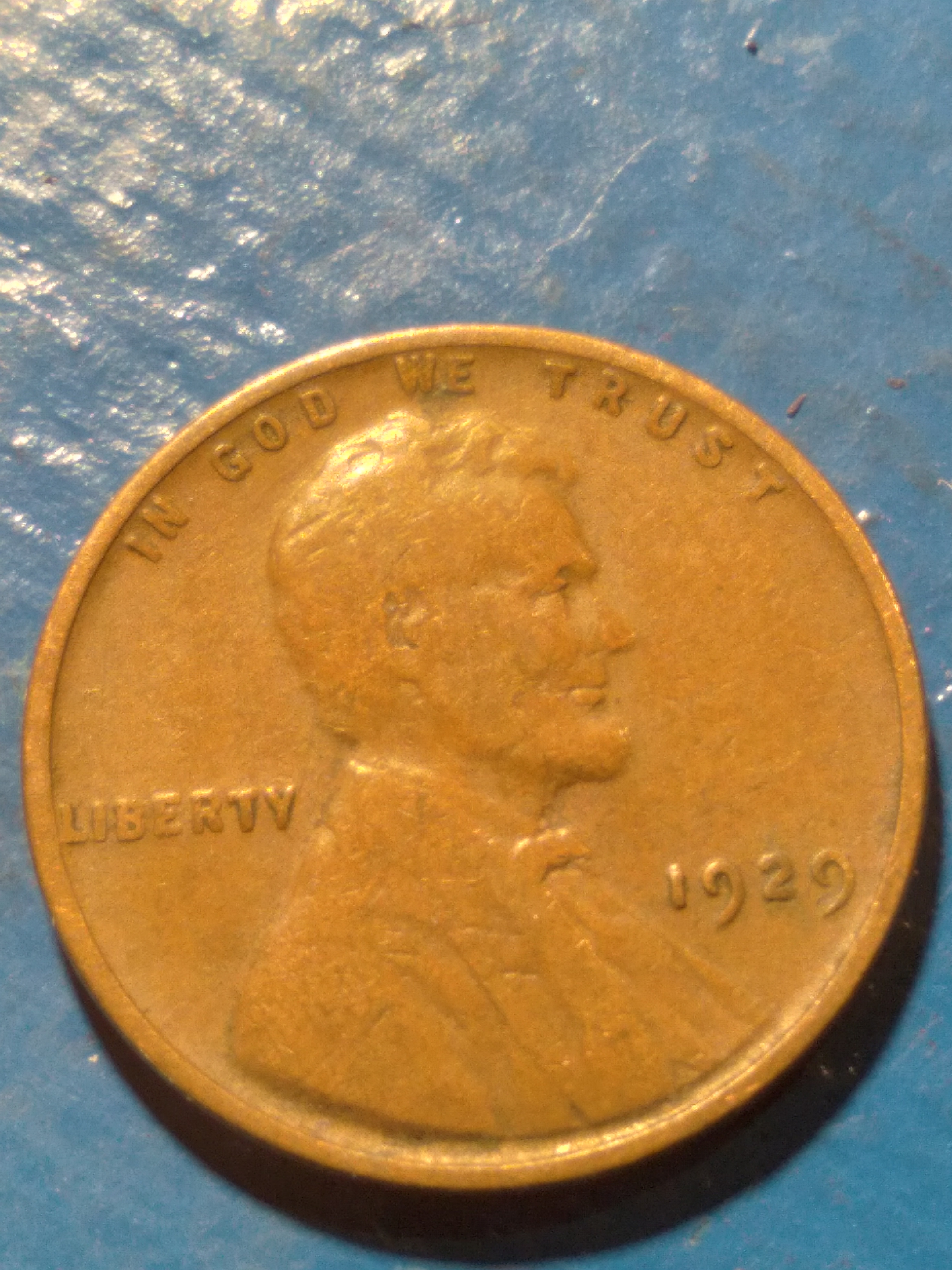
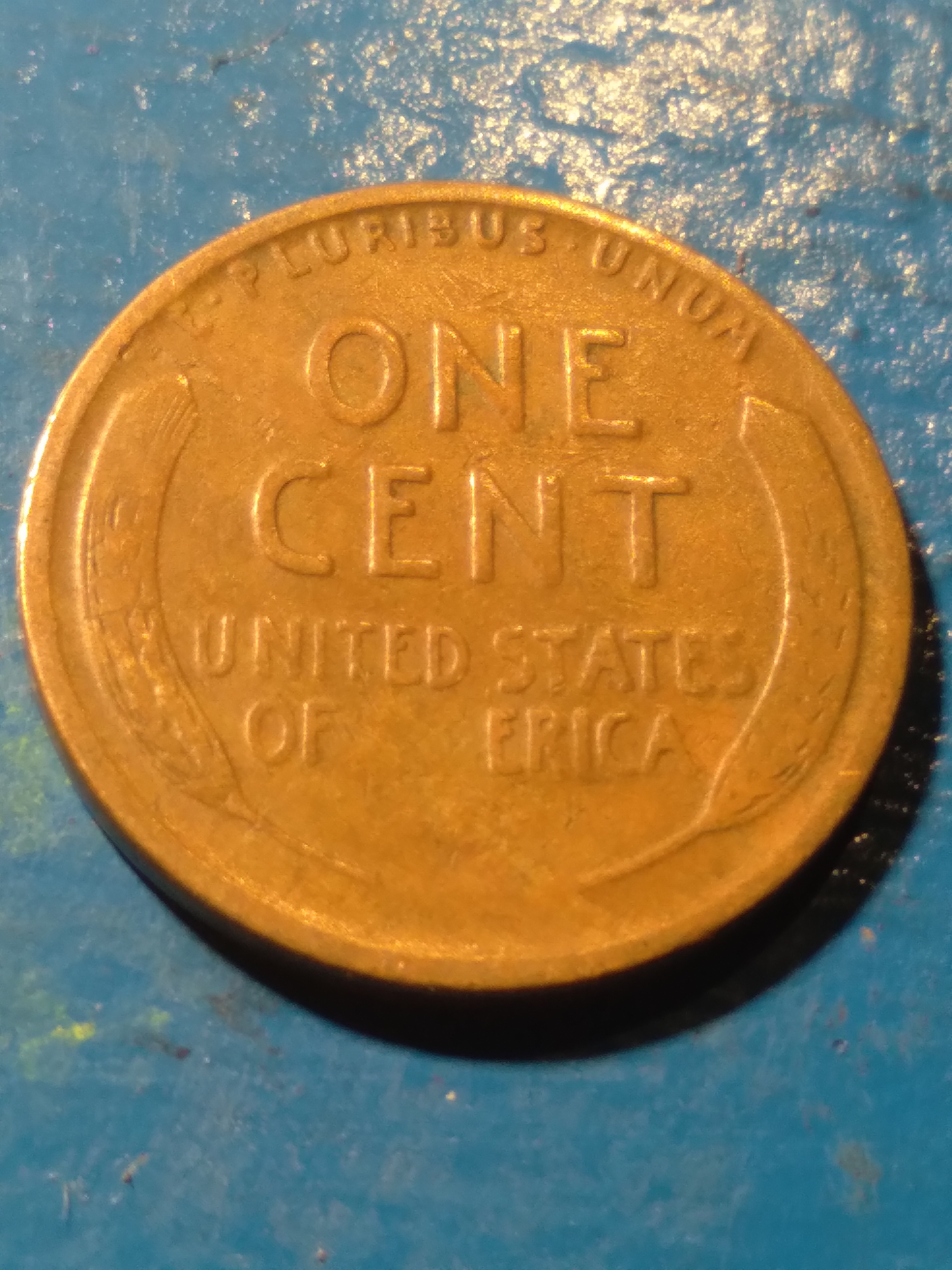
Wheat cents, which were last made in 1958, show the familiar image of President Abraham Lincoln on the obverse (heads side) and 2 stalks of wheat, signifying prosperity, on the reverse (tails side).
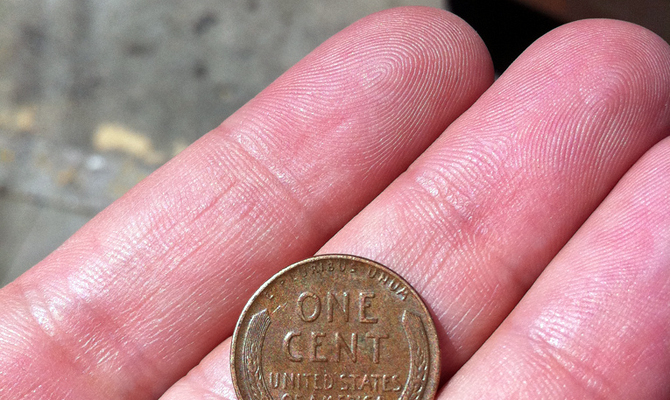
While tens of millions of these Lincoln Wheat pennies were made without flaw from 1909 to 1958, there were several which ended up with errors that eventually turned them into valuable and sought-after collectibles!
Let’s take a look at 5 of the most popular Wheat penny error coins.
5 Lincoln Wheat Penny Error Coins
Coin collectors love error coins. After all, they are proof in the pudding that even the United States Mint isn’t always perfect!
Beyond imperfections, though, something that makes error coins so valuable is the fact that they’re often quite scarce.
Now, for all intents and purposes, there is some disagreement about what exactly makes an error coin.
Some suggest that any modification to the die that was unintentional is an error — while others call these varieties. Those which call die modifications errors normally restrict the term error to coins that were misstruck.
For the purpose of this article, I’ll refer to errors as any coin that was either misstruck or the result of a die that was modified with inadvertent results.
Here are the top 5 Wheat penny errors to look for:
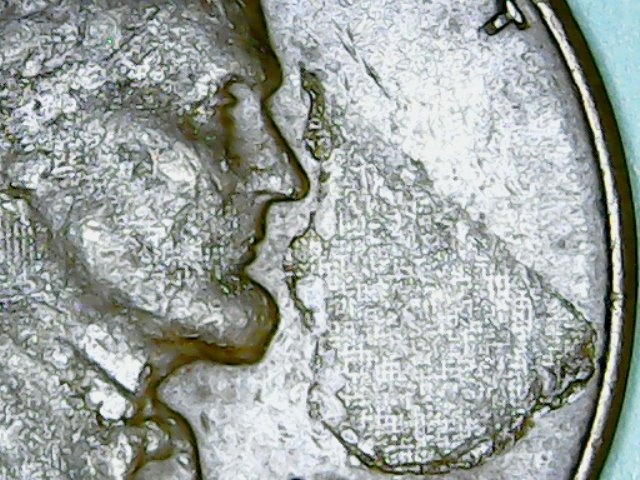
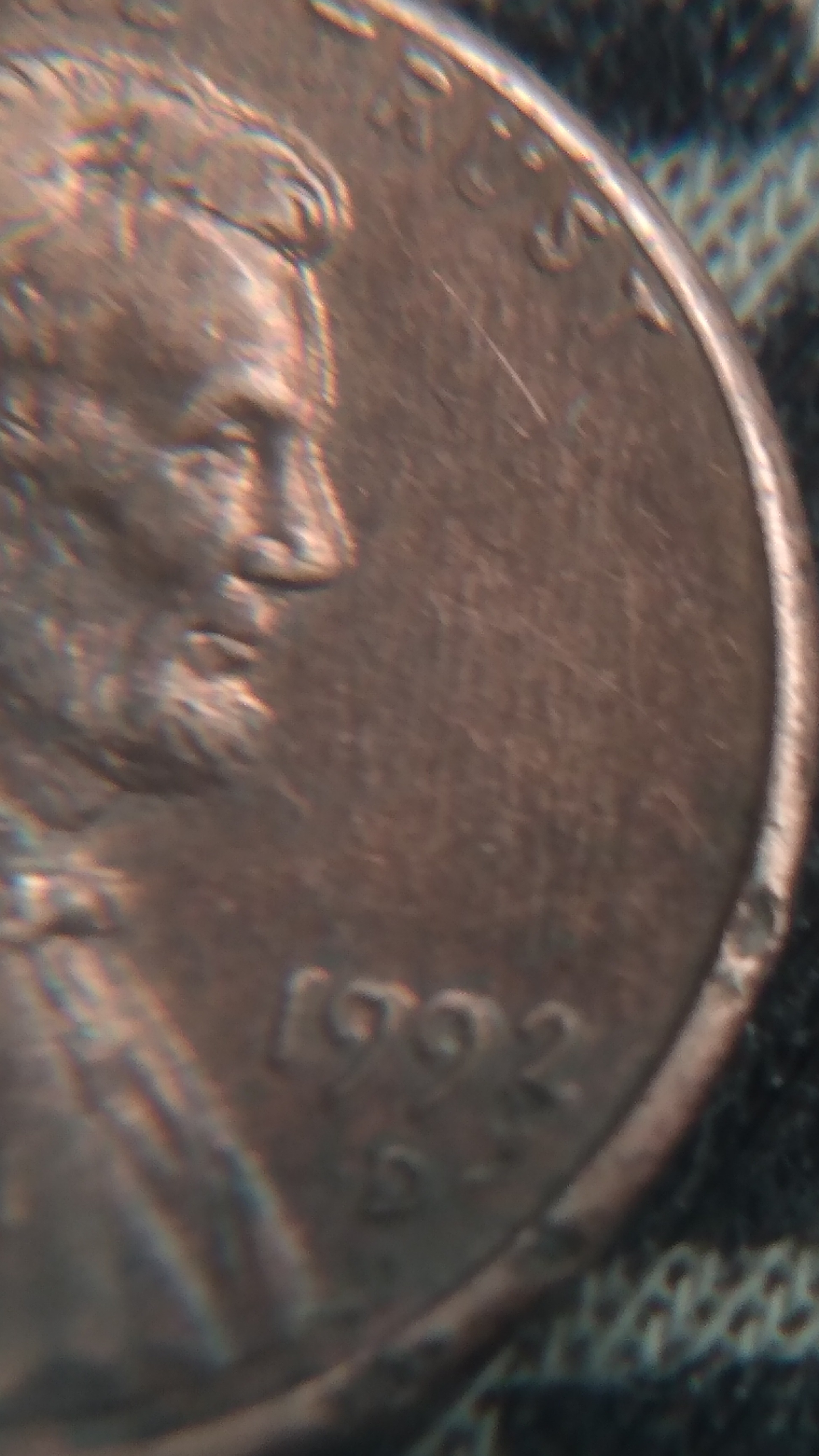
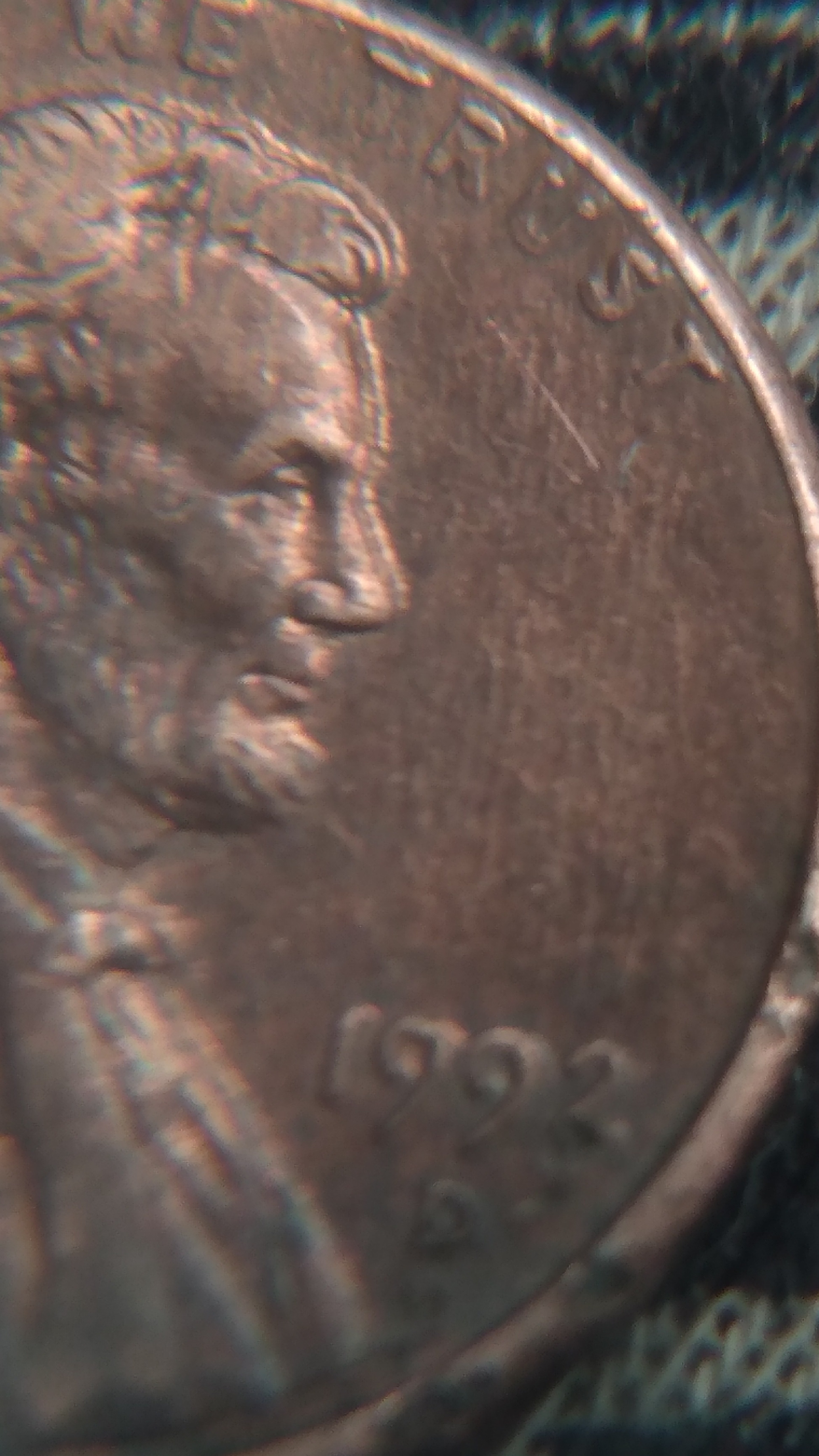
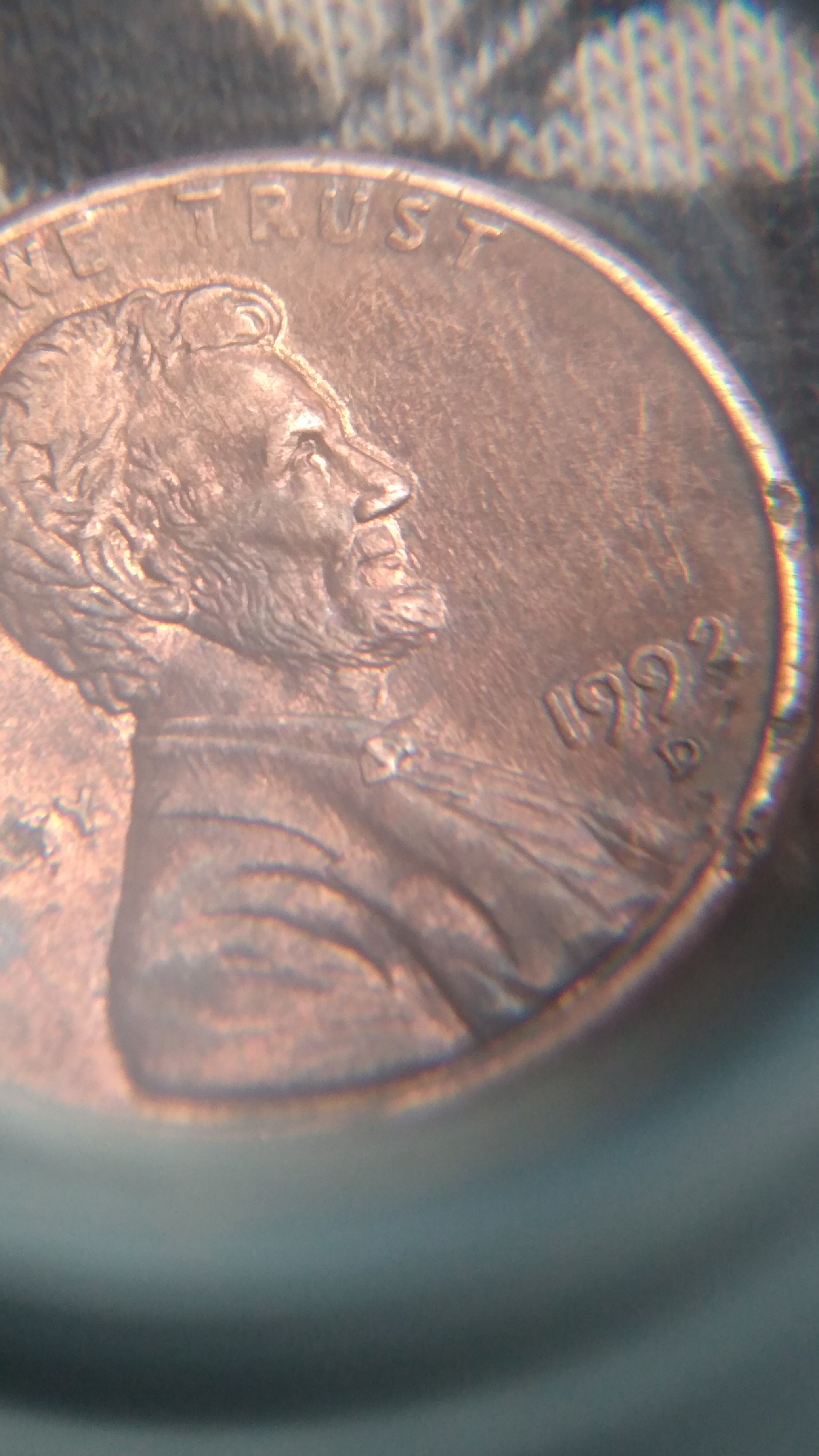
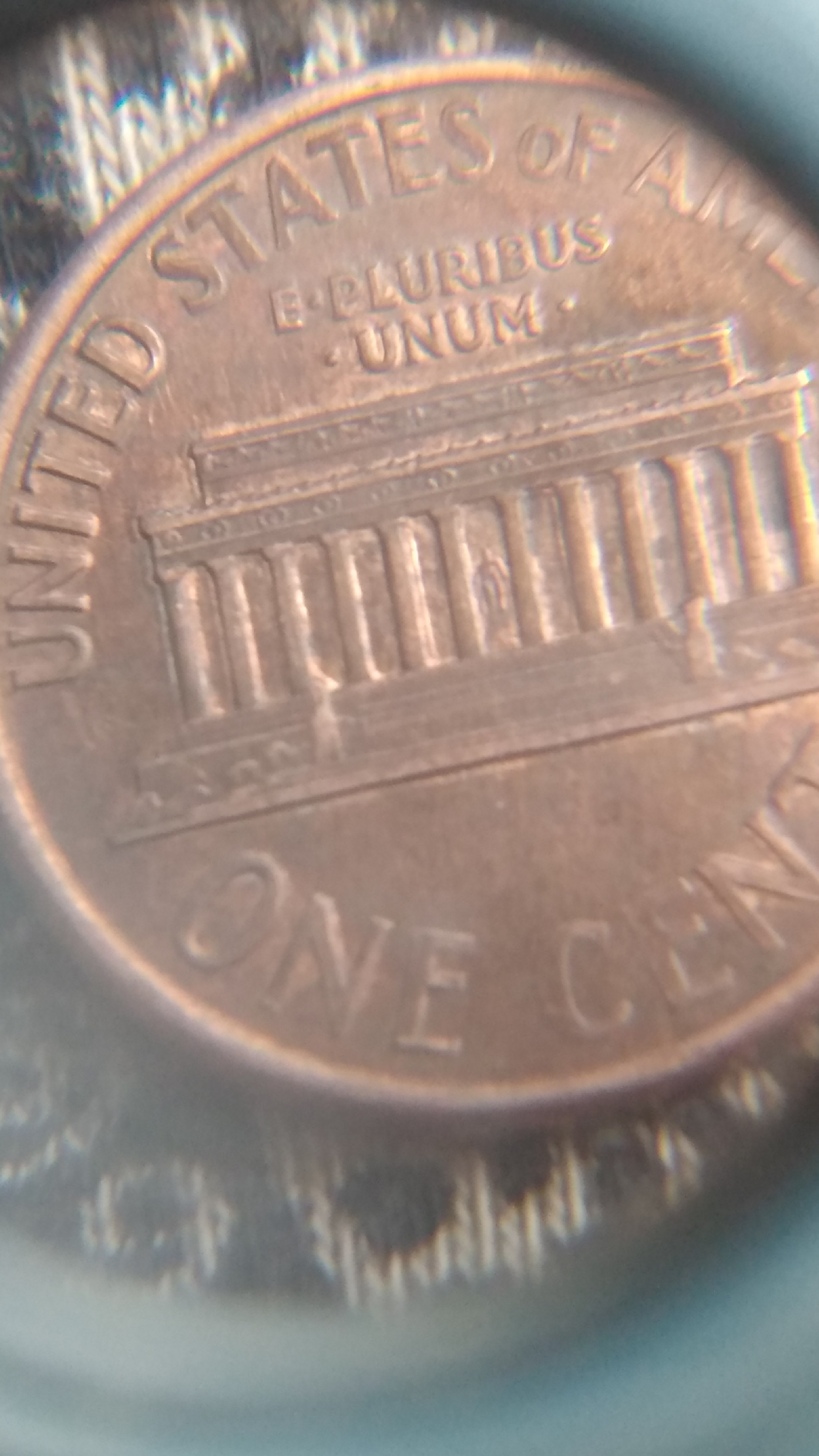
1922 Plain Penny Error
For the only time during the entire Lincoln cent series, Denver was the only Mint to strike pennies in 1922.
However, debris collecting in the mintmark of a worn die caused the U.S. Mint to attempt to repair the die with abrasives. The process essentially removed any trace of the “D” mintmark on some 1922 pennies.
It was automatically assumed by many that the brand new 1922 pennies without mintmarks were made in Philadelphia.
When the U.S. Mint confirmed that the Denver Mint was the only facility that year to strike pennies, the 1922 plain penny error was born!
While error coins aren’t usually included in standard coin albums and coin books, a hole for the 1922 plain cent is usually a customary addition. Why? Because it was long assumed by many coin collectors that the 1922 plain cent was the Philadelphia version of the 1922 issue. In fact, many people held it aside for that very reason.
There are 4 types of 1922 pennies:
- 1922-D
- 1922 weak D
- 1922 No-D weak reverse
- 1922 No-D strong reverse
Of the 4 types, the most desired 1922 cent is the 1922 No-D strong reverse (also called “Die Pair #2”). This variety costs around $700 in grades of Good. Prices easily climb into the thousands for coins in lesser states of wear.
1955 Doubled Die Penny Error
The 1955 doubled die penny is as popular a Lincoln cent error variety as the 1922 plain cent — if not more so.
This hot little error coin quickly was discovered by numismatists back in the day. Ever since, the demand for this coin has been through the roof!
Since a doubled die is caused by doubling on the die of the coin (not by doubling of the strike), several thousand 1955 doubled die cents managed to escape into circulation.
The 1955 doubled die penny is sometimes included in Lincoln cent collections. However, it’s not necessary in order to have a complete collection — because it’s not considered a regular-strike variety.
Still, many coin collectors want an example of this error in their collection and don’t mind paying the $1,500+ for a specimen in Very Fine or better condition.
Most collectors settle for a Poor Man’s 1955 Doubled Die Penny instead.
1943 Copper Penny Error
OK, so here it is…
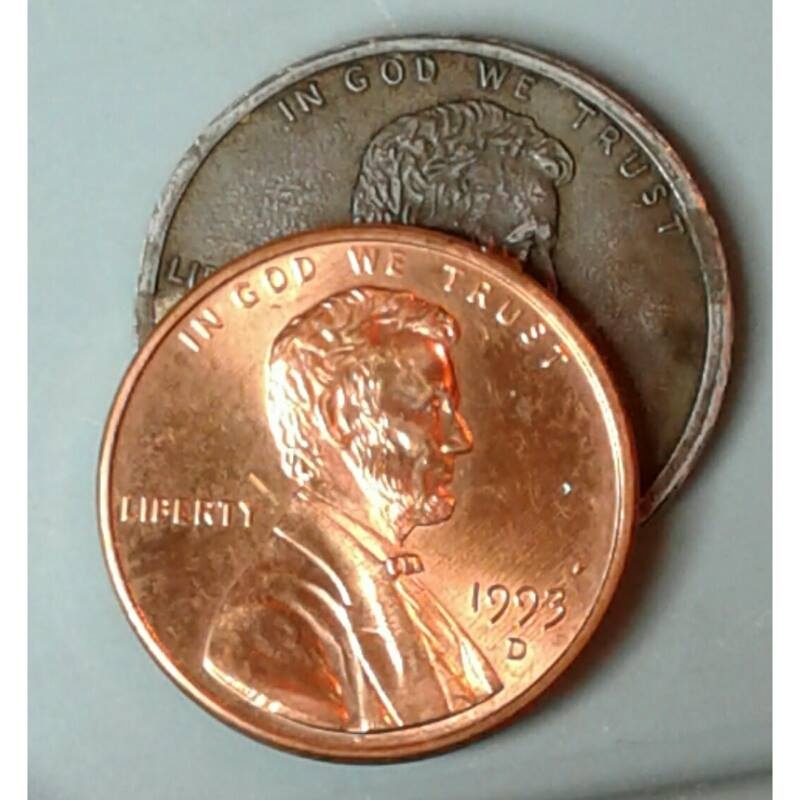
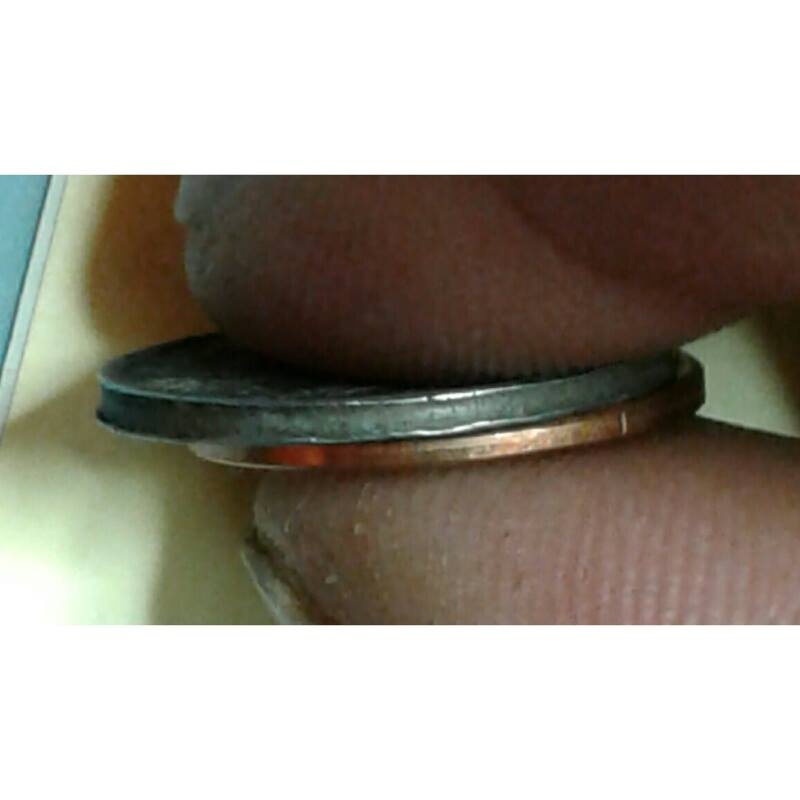
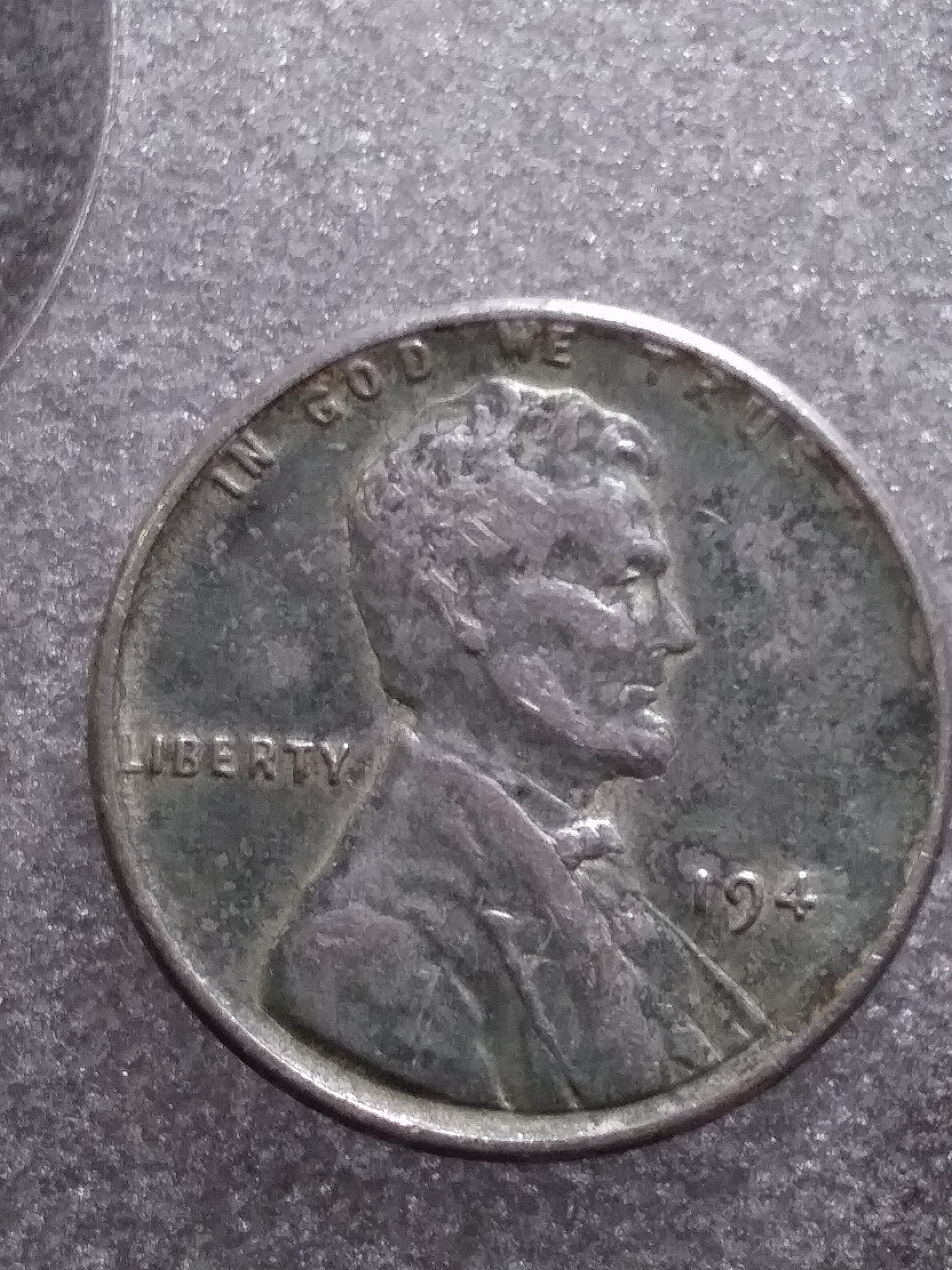
It’s not the 1943 silver penny or 1943 steel penny (both are the same coin, but many people mistake the steel for silver). Instead, it’s the 1943 copper penny that is so rare and valuable!
The simple test is this: If your 1943 penny sticks to a magnet, it’s not a bronze (same as copper) penny and, therefore, not rare. However, if your 1943 penny doesn’t stick to a magnet, it’s worth getting authenticated to see if it’s the real deal.
Here’s how to find a coin expert to authenticate your coins.
About 40 bronze pennies were struck by accident in 1943. Presumably, some copper planchets were left behind in reserves and were fed into the presses.
The 1943 copper penny is much more valuable than even the 1909-S VDB penny. Back in the early 1980s, a 1943 bronze cent sold for $10,000. Today, these coins routinely bring in over $100,000 apiece!
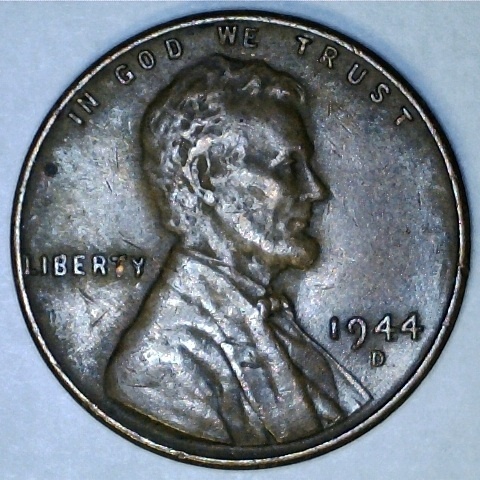
1944 Steel Penny Error
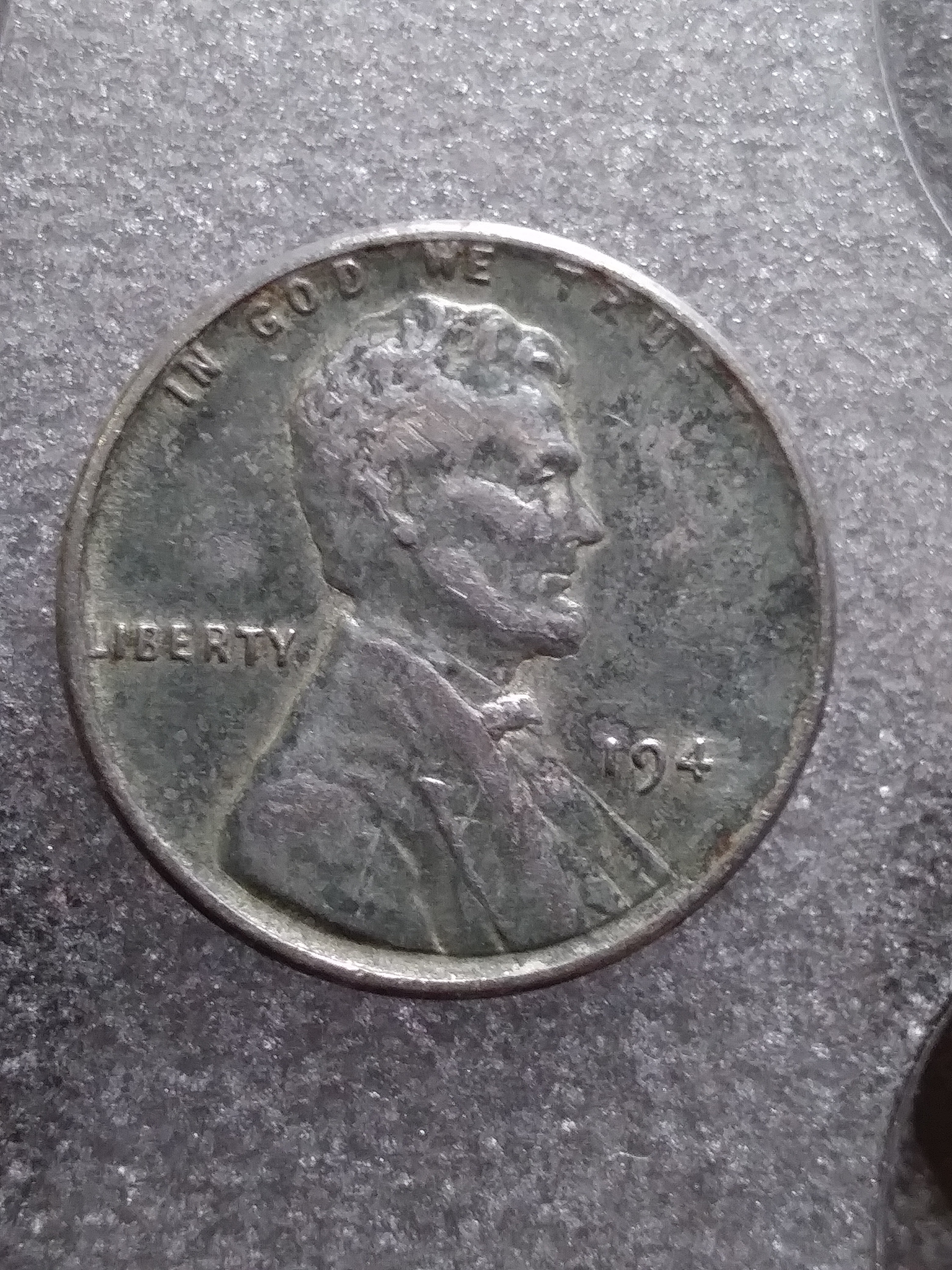
Just as some 1943 cents were accidentally struck in copper, some 1944 pennies were made with zinc-coated steel (it’s what most 1943 pennies were made with).
With only a few 1944 steel pennies known to exist, these coins are not just scarce — they truly are rare.
Grade dictates how much each 1944 steel penny sells for, although minimum values start around $30,000. In 2008, a 1944-S steel cent in gem uncirculated sold for $374,000 — making it the most valuable Lincoln cent ever sold at the time!
Learn more about 1944 penny values.
1959-D Wheat Penny Error
Remember how I said the Lincoln Wheat cent was made from 1909 to 1958?
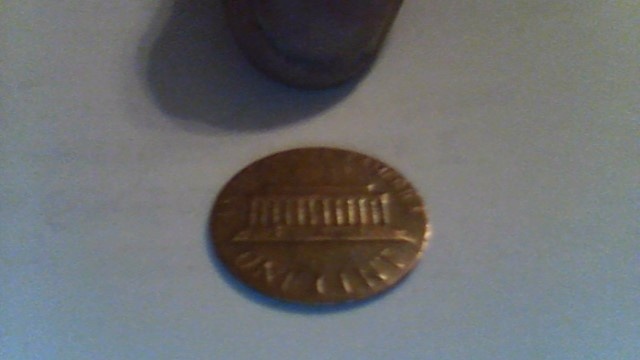
True, those are the official years of production. But there appears to have been an error of some sort that resulted in the striking of a very tiny number of 1959-D Wheat pennies!
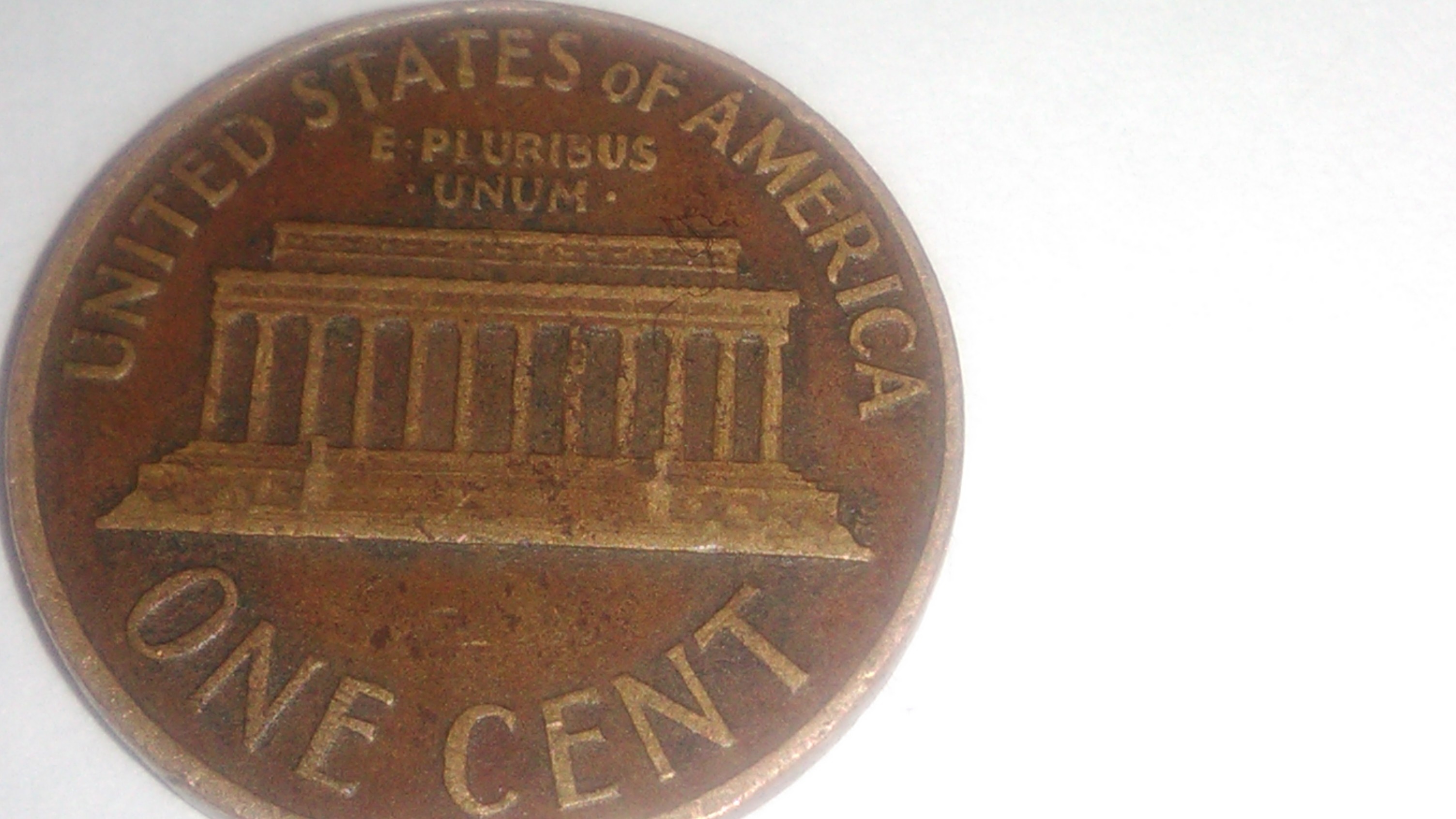
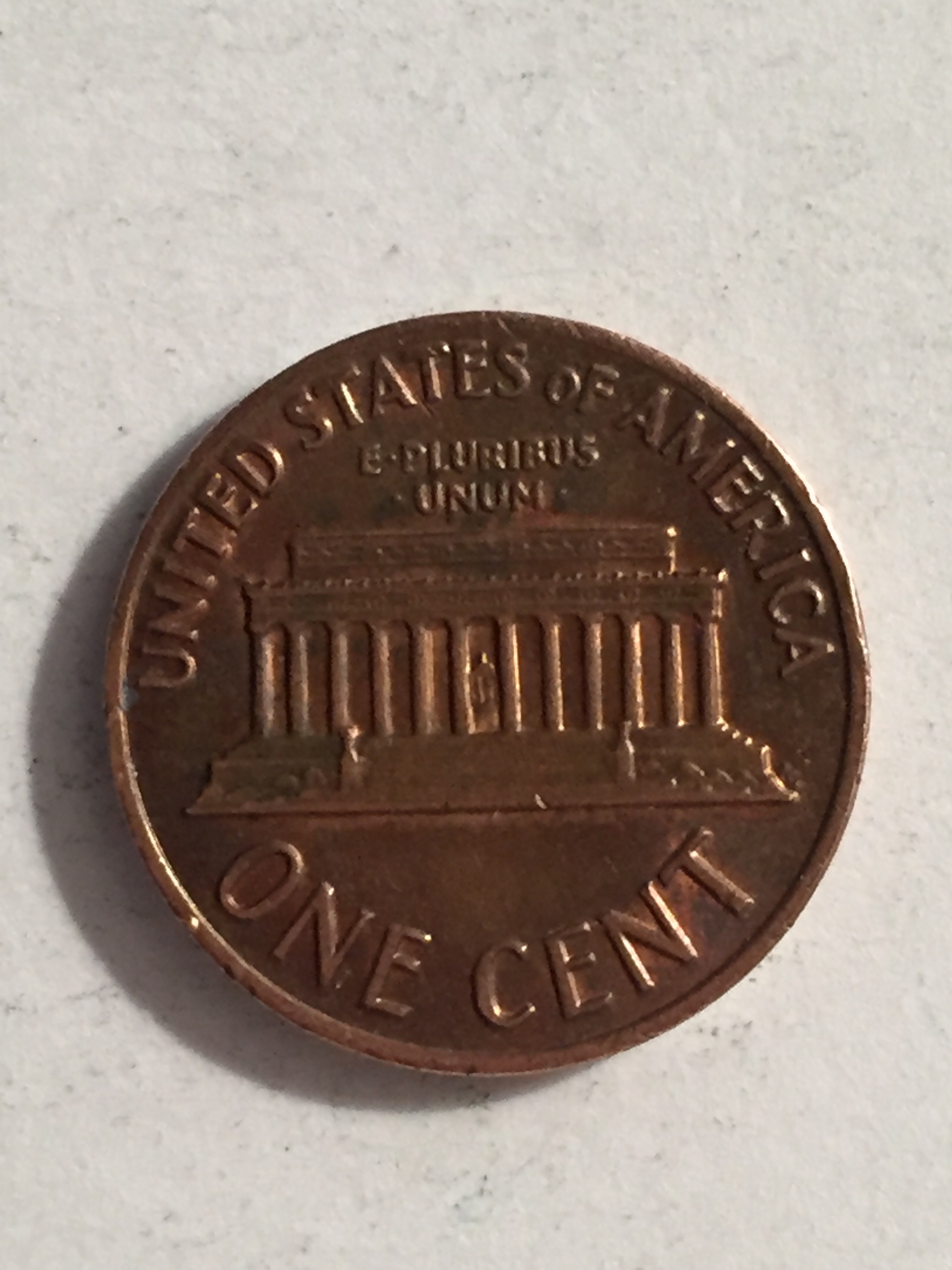
While the Lincoln Memorial appeared on Lincoln cents from 1959 through 2008, these 1959-D Lincoln Wheat pennies have been a curiosity for quite some time.
Though their authenticity has been questioned by more than a few individuals, the Secret Service has confirmed some of these as being real U.S. coins.
The origin of the error is presently unknown. What is known, though, is that the 1959-D Wheat penny has drawn plenty of attention as a true numismatic oddity.
Check out these old Wheat penny values.
Check out this video I made showing lots of valuable old pennies you can find in pocket change:
READ NEXT: The Ultimate Checklist Of Rare Error Pennies













Leave a Comment