



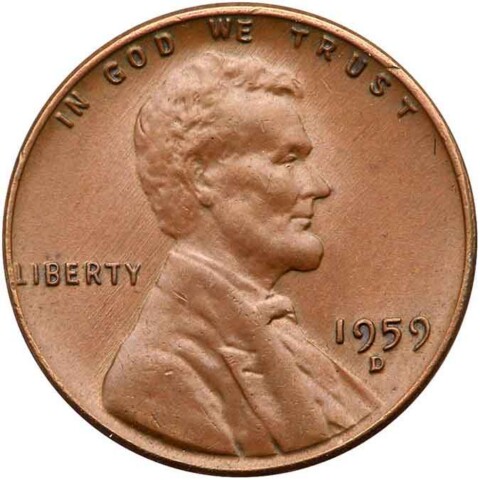
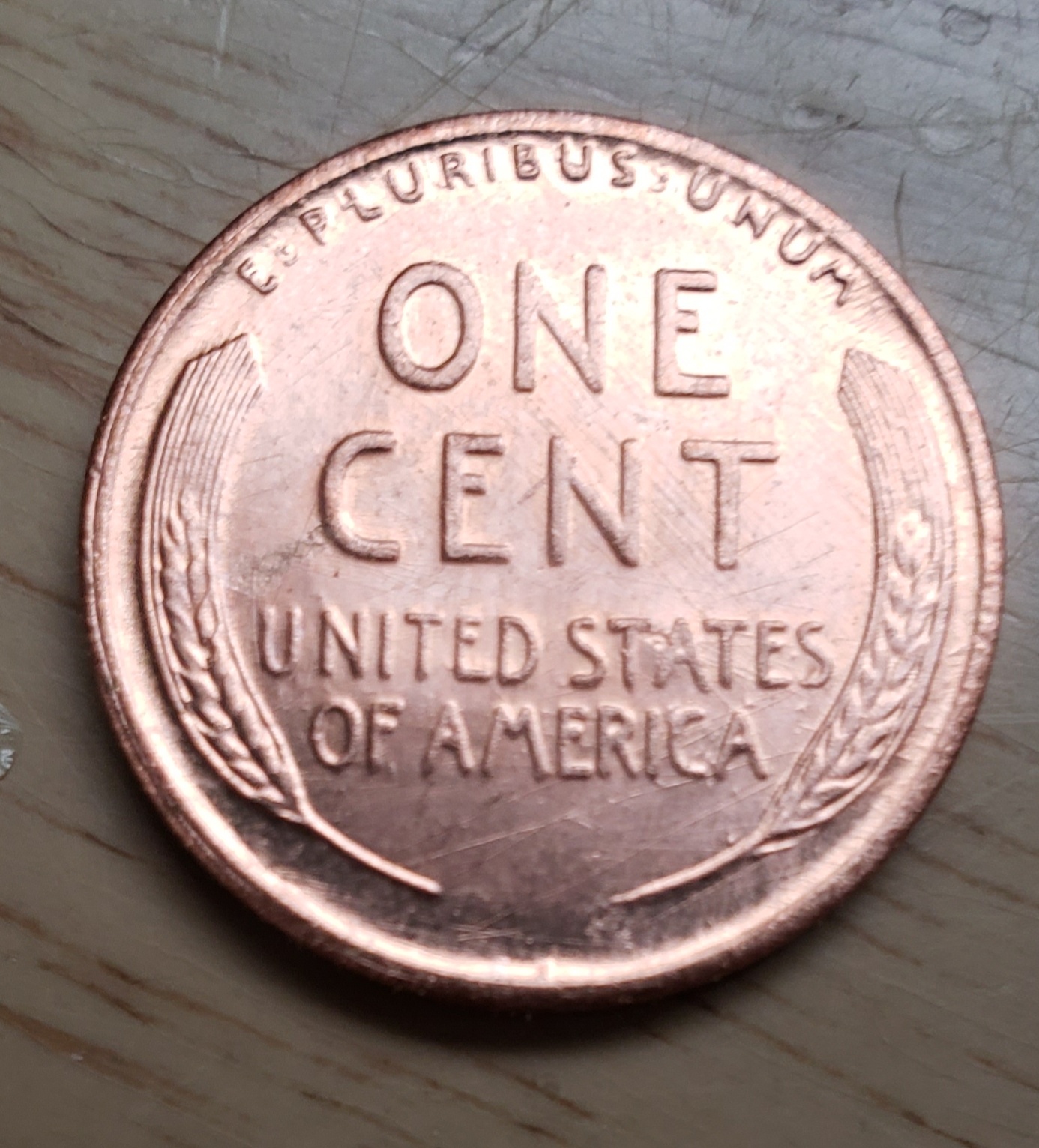
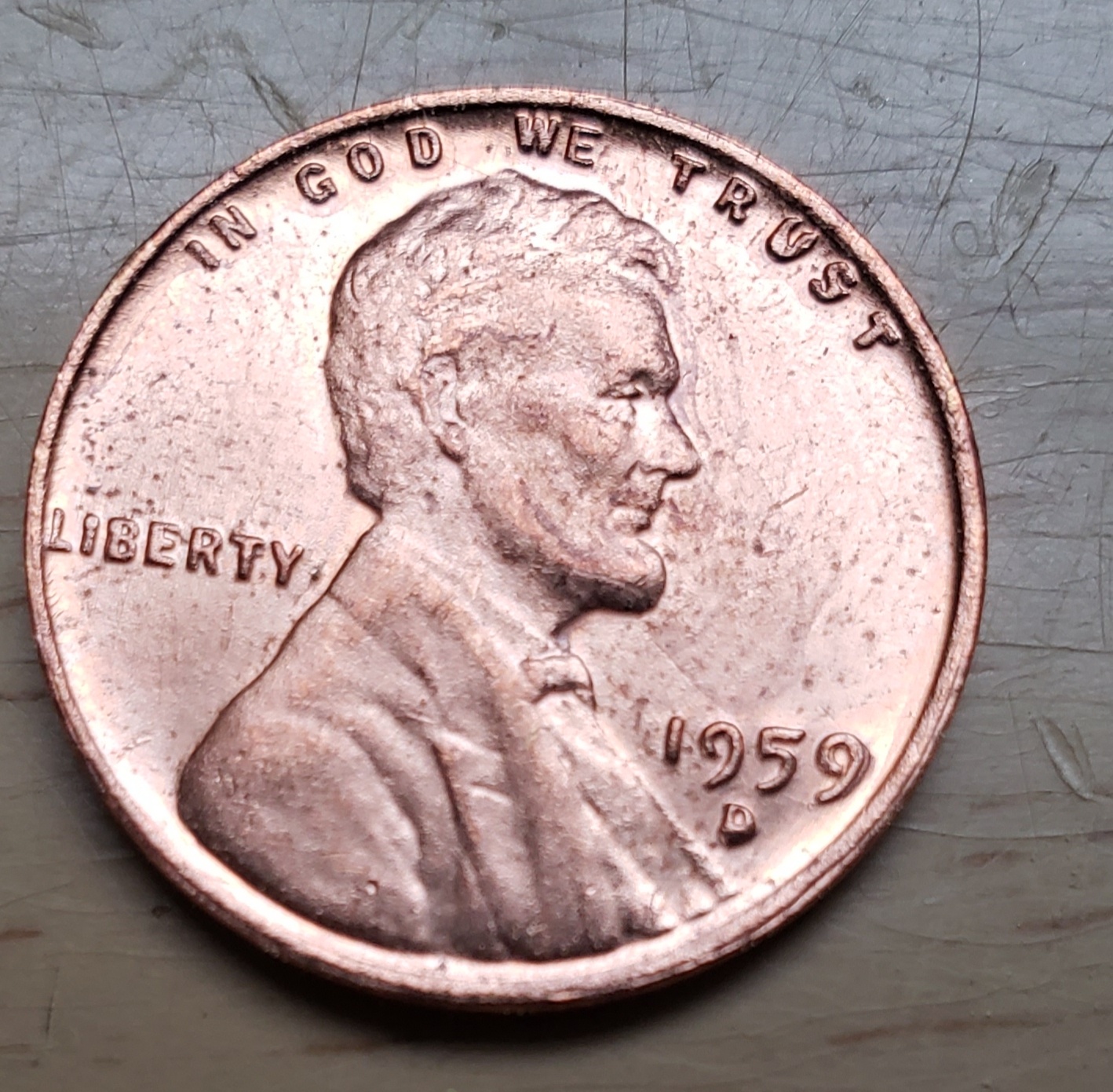
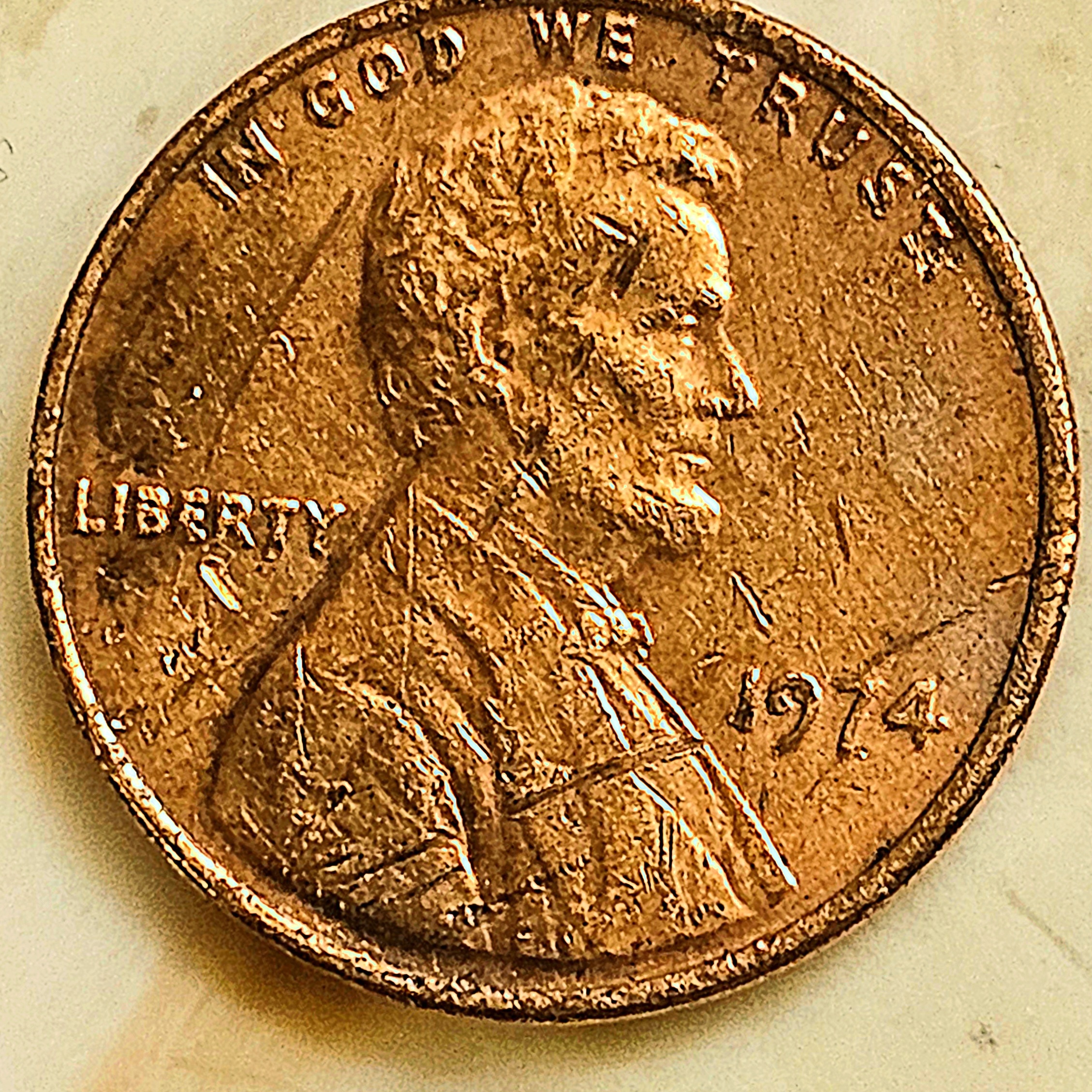
The 1959-D Wheat penny is a very famous mule coin — one of the best known and most valuable mule coins around.
What’s a mule coin?
A mule coin is a type of error coin that has an obverse (heads side) and reverse (tails side) that are not typically seen on the same piece. Thus, a mule coin consists of two coins that wouldn’t ordinarily go together.
This rare penny is worth a whopping $50,000 — that’s a pretty penny indeed for this unique Wheat cent!
Just one of these old Wheat pennies is known to exist.
Making things even more complicated is the fact that some numismatists don’t even know if this is a real coin. You see, there’s absolutely no record that the United States Mint made it — even though the Secret Service has provided written documentation that it’s genuine.
There’s a fascinating story behind the 1959-D penny error.
Read on to find out more about this unusual coin of unknown origin…
The Mystery Of The 1959-D Wheat Penny
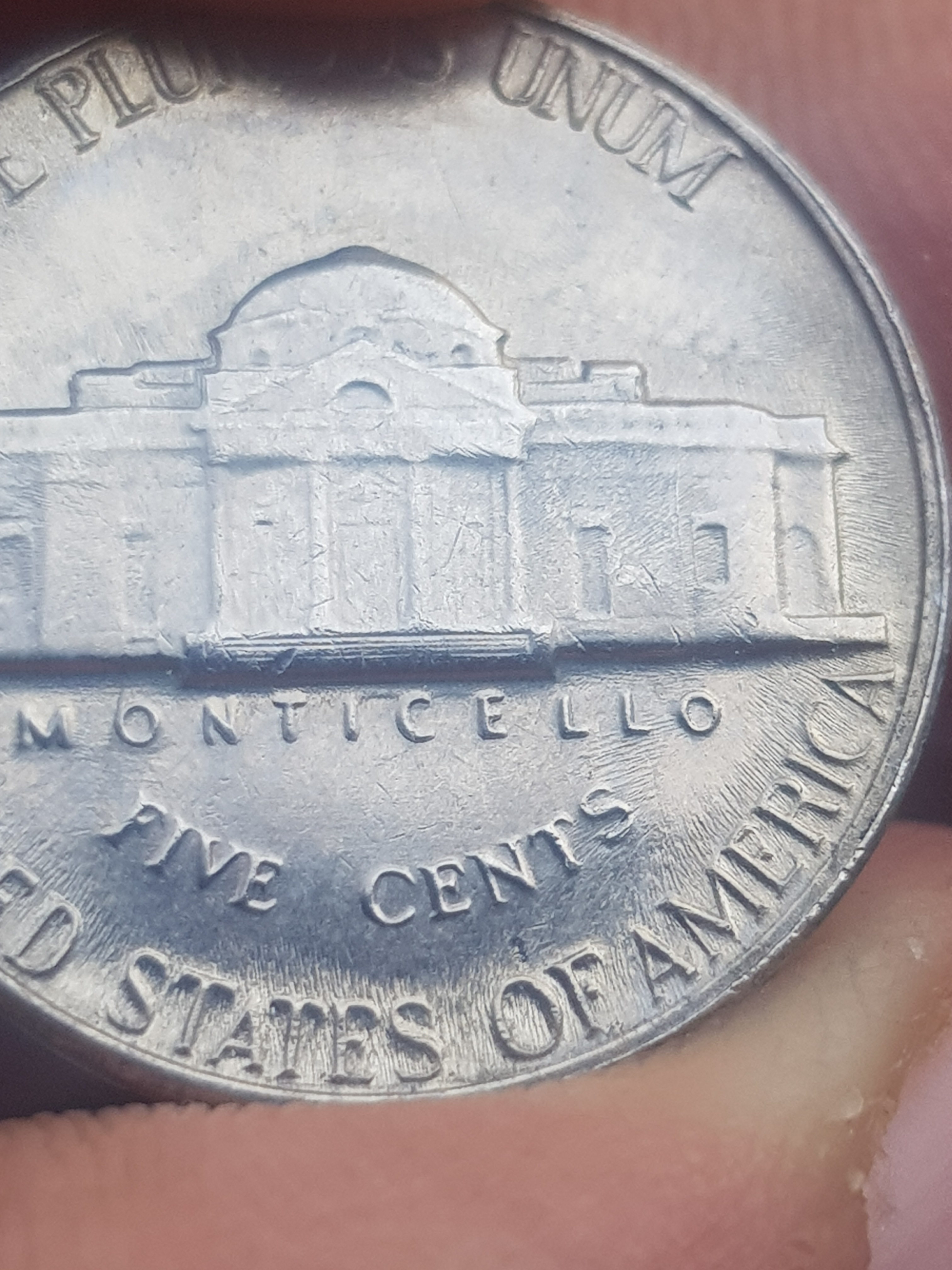
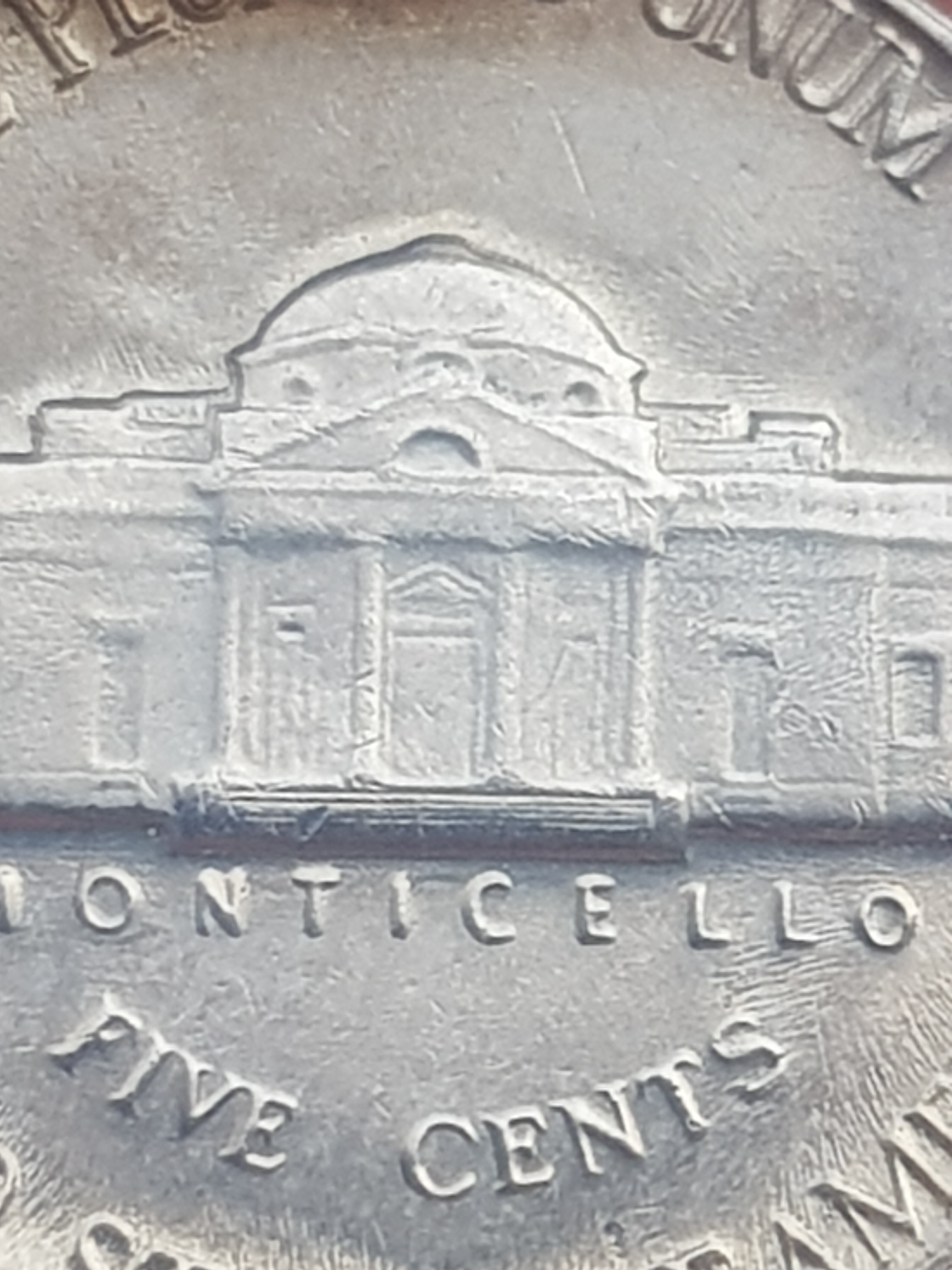
As most coin collectors know, Lincoln Wheat pennies were struck from 1909 through 1958. Beginning in 1959, the reverse of the Wheat cent was redesigned with the Lincoln Memorial motif to honor the 150th anniversary of Abraham Lincoln’s birth in 1809.
Until 1986, it was always assumed the last Lincoln Wheat pennies were made in 1958. Or were they?
That’s the question a retired California police officer named Leon Baller wondered after placing an ad in his local newspaper offering to buy rare coins. He received an inquiry from a reader on an odd 1959-D penny with wheat ears instead of the Lincoln Memorial on the reverse.
Baller paid $1,500 for the coin — unsure if it was real or not. He then sent it to the U.S. government for verification of its authenticity.
Here’s what the U.S. government said…
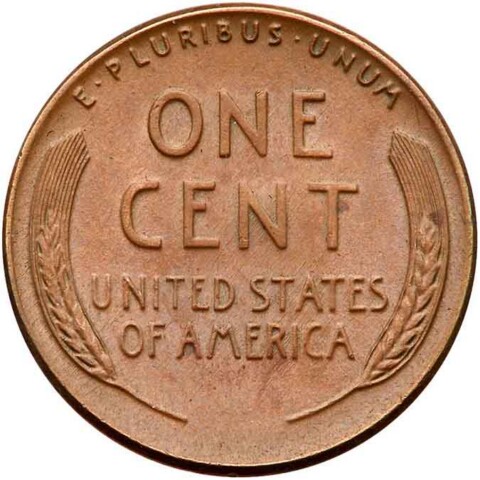
The coin was returned to Baller, along with a note signed by Special Agent for the Department of the Treasury Richard M. McDrew.
The note states:
“Enclosed is your United States 1¢ coin, dated 1959-D, with wheat reverse. This coin was microscopically examined by our Forensic Services Division in Washington, D.C. and it is their opinion the coin is genuine.”
Baller sold the coin in 1987. It later turned up in the hands of coin collector Larry Choate, who re-submitted the coin to the U.S. government for further testing. (Choate took a big risk in doing this — because if the coin was counterfeit, it would’ve been confiscated. And if it was illegally made at the Denver Mint, the penny could’ve been confiscated for that reason, too.)
The government once again said the 1959-D penny was genuine and deemed it a legal-tender Lincoln cent.
The coin was returned to Choate with a long letter explaining that multiple tests had been conducted on the mule penny. According to the Secret Service, everything about the coin checked out as genuine — including its weight, metal composition, surface details, and other physical characteristics.
So, Did The U.S. Mint Really Strike The 1959-D Penny Error?
No record is known to exist of the 1959-D Wheat penny ever being made.
And the big coin grading firms such as Professional Coin Grading Service (PCGS) and Numismatic Guaranty Company (NGC) can’t find any evidence the U.S. Mint struck this coin. Therefore, neither of these companies has decided to certify or grade this coin.
But does that mean the coin was NOT made at the U.S. Mint? NO!
In fact, many coins have been “unofficially” struck at the U.S. Mint — like these:
- The 1913 Liberty nickel is one of the rarest U.S. coins around. As it turns out, the 1913 Liberty nickel was struck at the U.S. Mint without authorization. It’s now one of the most valuable coins of all time, selling for more than $4 million!
- A unique 1970-S proof Washington quarter struck on a 1941 Canadian quarter was made in much the same way. The unique error, worth about $35,000, was likely struck as a gag by a U.S. Mint employee and escaped the mint facility.
Some believe the 1959-D penny error was also made as a one-off piece — perhaps struck as a prank, a gag, a dare, or even the intentional attempt by a worker to make a unique coin that someday could become very valuable.
A further glimpse into why the coin world went completely sideways over this penny… it turns out Special Agent McDrew (the guy who signed off on the coin back in 1987) was actually a forensic paper currency examiner for the Treasury, not a numismatic coin expert! When the hobby found out that a paper money guy gave a green light to a historic transitional coin error, eyebrows went straight through ceilings. That single detail is why a massive chunk of advanced variety collectors flat-out refused to believe the report, sparking a decades-long game of hot potato between auction houses and authenticators.
How Much Is The 1959-D Wheat Penny Mule Worth?
The 1959-D mule penny sold for $50,000 in 2019, after being offered by famous numismatic auctioneers Ira & Larry Goldberg.
It’s possible that as time goes on, coin collectors may be able to identify what pair of dies was used in striking the 1959-D penny error. If they can do this, or if one of the slabbing services like PCGS or NGC decides to certify and encapsulate the coin, the 1959-D Wheat cent may become worth even more.
This is, after all, one of the most unique, controversial, and colorful mule error coins in the hobby.
The verdict is still out on how this coin was made — but there’s no question any coin collector would be proud to own it. Talk about a conversation piece!
At this point, the Goldberg team cataloged it as a Mint State 60+ Brown, but they had to sell it with a flat-out “no returns, authenticity not guaranteed” disclaimer because of the unresolved grading matter.
Advanced numismatists believe the only way this mystery ever gets solved for good is if future imaging technology finds a perfect die-mark match. If someone can link the obverse lines to a normal 1959-D or match the wheat ear fatigue lines to a regular 1958 penny, the puzzle could be solved!
So, what do you think? Is this the ultimate hidden-prank masterpiece smuggled out of the Mint in a worker’s pocket, or is it just the world’s greatest mystery coin?
Drop a comment below and let me know your take.




Leave a Comment