



Do you have any rare nickels in your change jar?
Every day, people are finding valuable nickels in their pocket change, rolls of coins, and in other places. Of course, you have to be pretty lucky to find ’em.
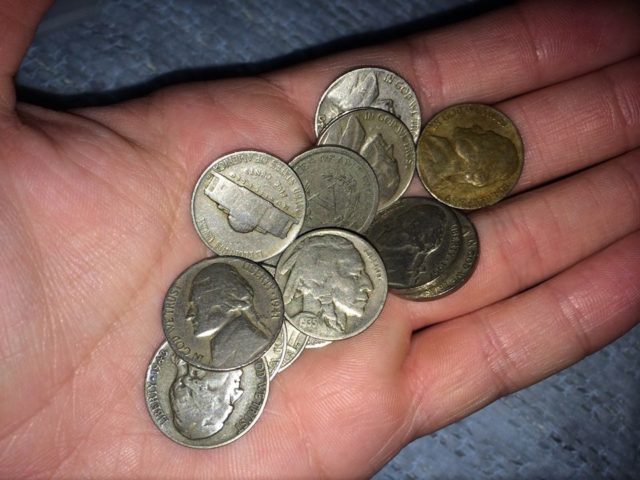
But you also have to know what you’re looking for!
In my 35+ years of collecting coins, I’ve found numerous nickels worth more than face value.
Scarce and rare coins are out there for the taking, but you need to know which dates are the most valuable.
This list includes many U.S. nickels that don’t really circulate any more, but you may still find them in estate sales, yard sales, antique shops, and other unusual places.
Start checking your coins for these nickels!
Most Valuable Nickels… Dates You Should Know!
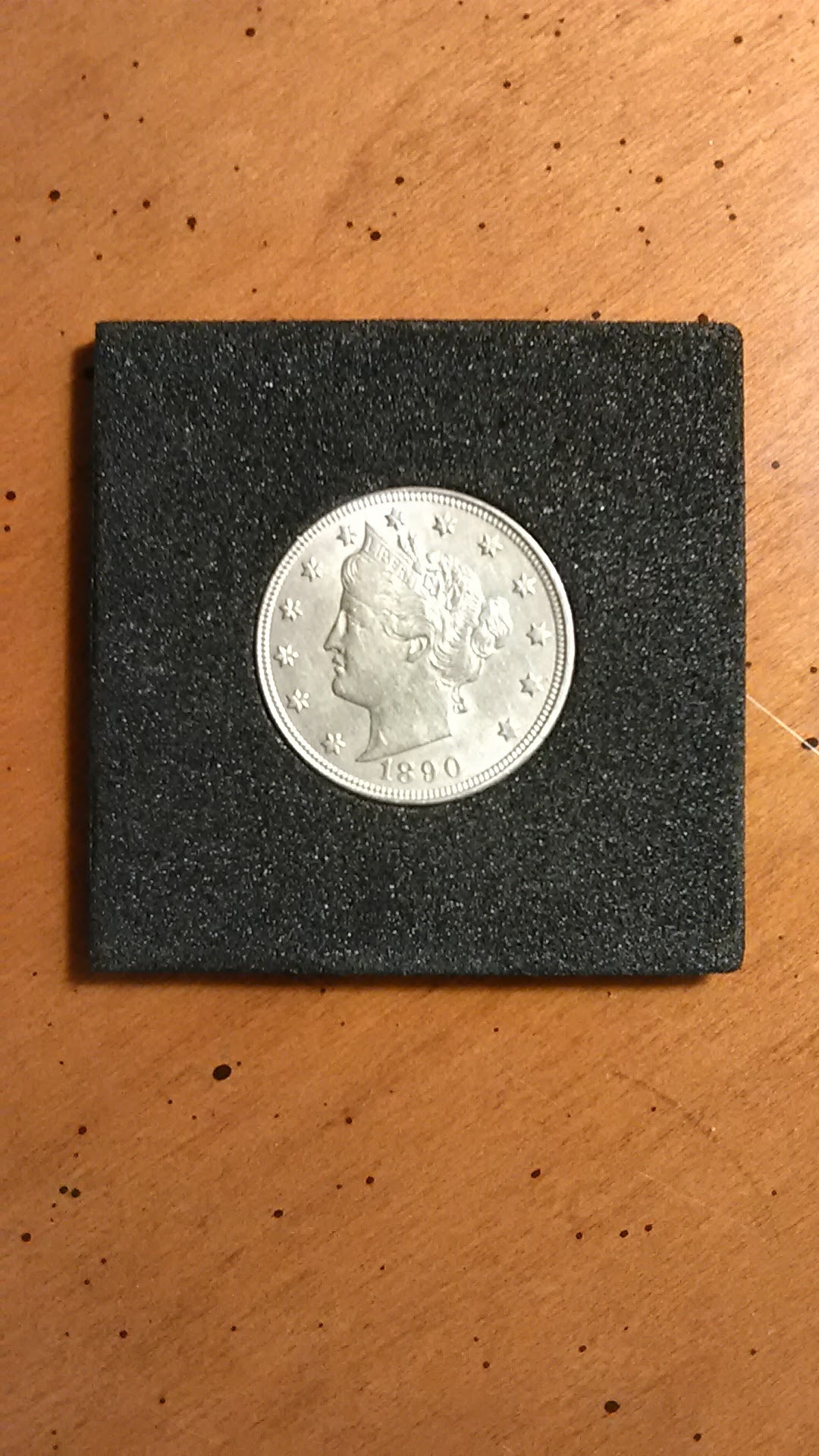
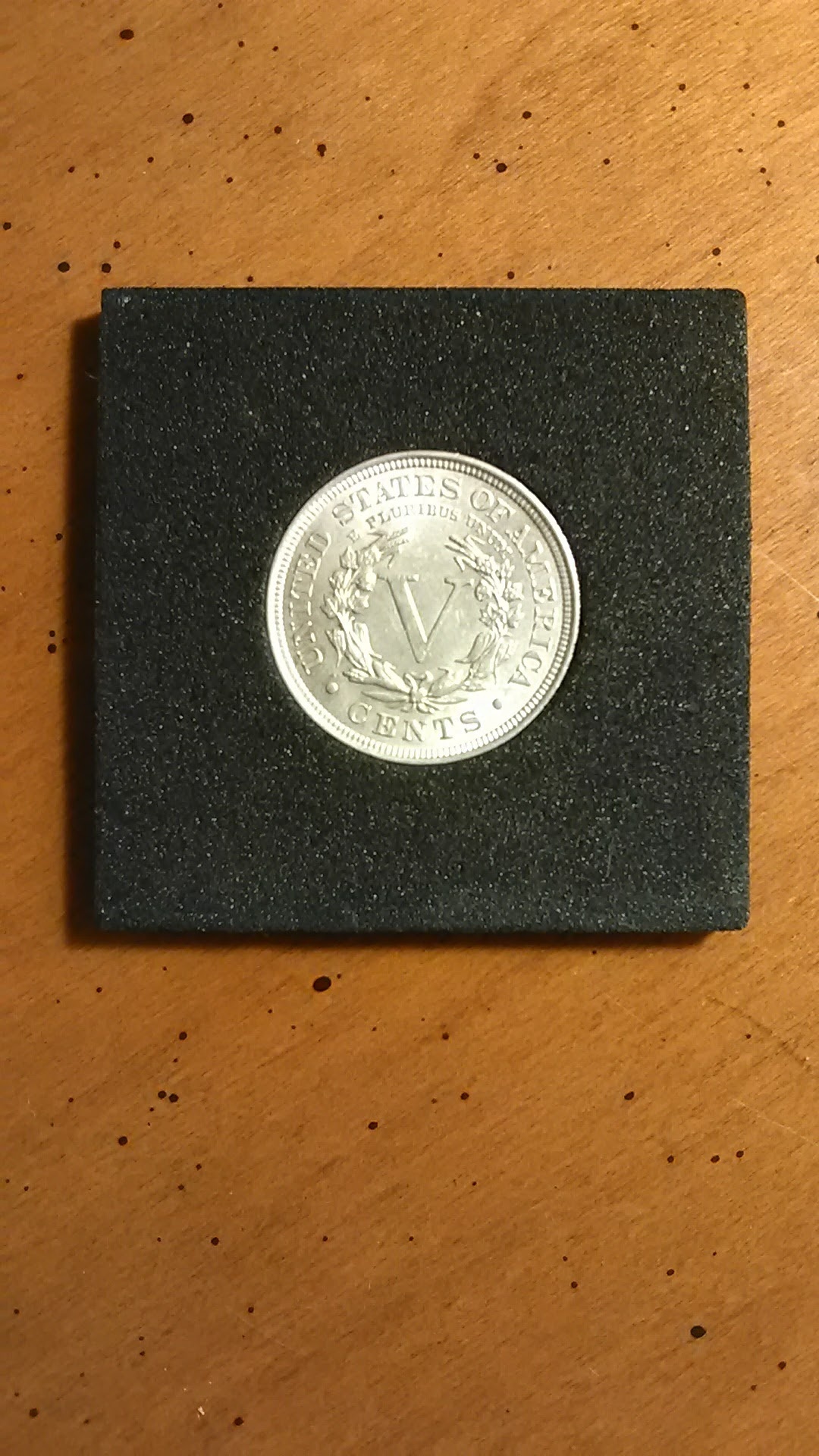
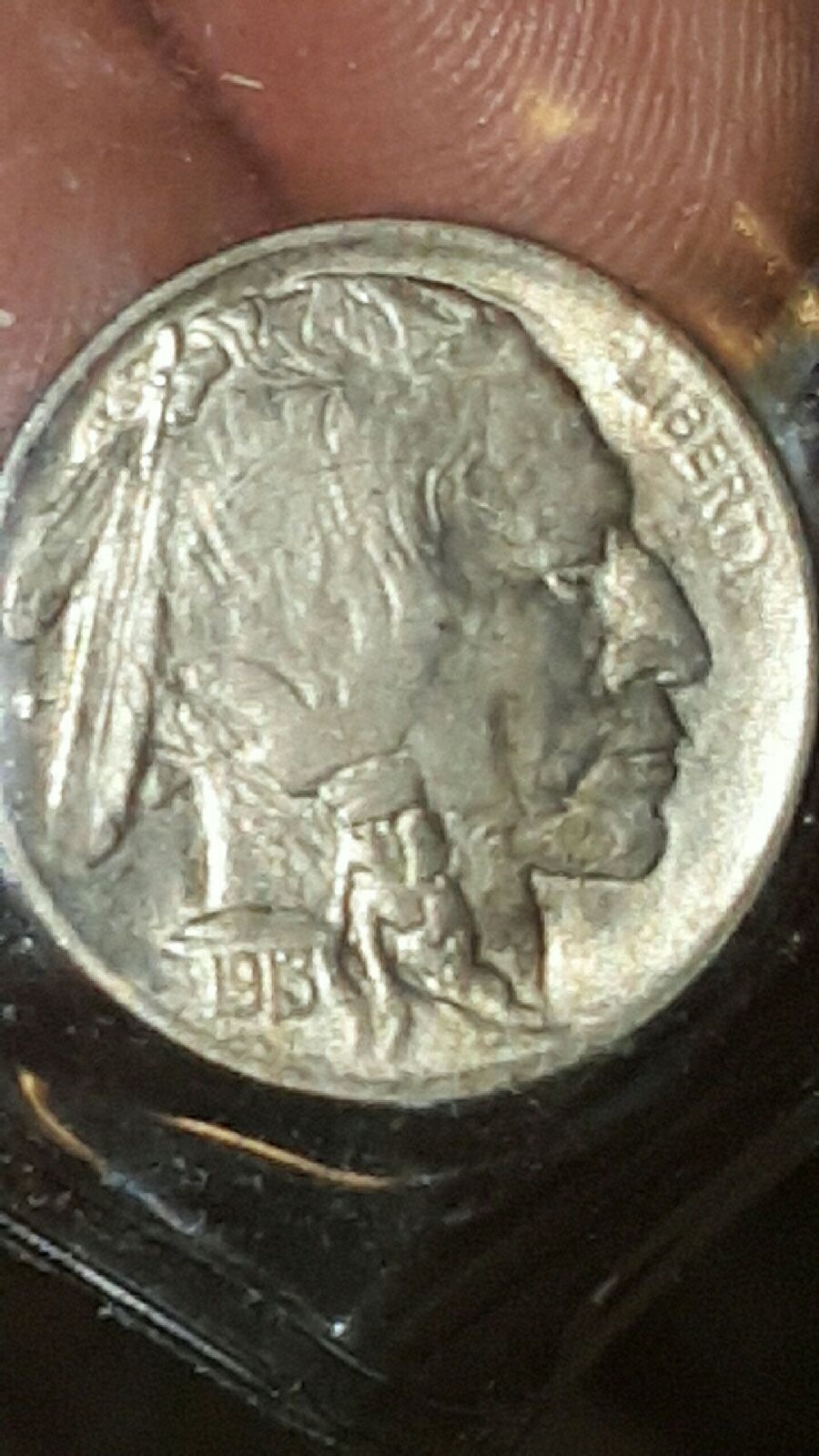
The very first U.S. nickel on the list is the 1913 Liberty Head nickel. It’s one of the rarest coins around — not to mention one of the rarest nickels!
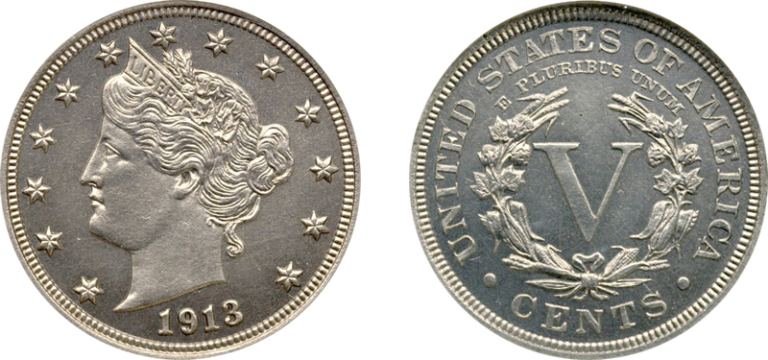
In fact, one example of the 5 known 1913 Liberty nickels sold at auction for a whopping $3.7 million!
Rare Nickels: Ranked From Most Valuable ($3.7 Million) To Least Valuable ($50)
#1 – 1913 Liberty nickel ($3.7 million)
Just 5 Liberty nickels (sometimes called Liberty Head nickels or “V” nickels) were made with the 1913 date! All 5 are highly valuable now. The 1913 Liberty Head nickel became the first United States coin to hit the $100,000 mark back in 1972, and it became the first $1 million coin in 1996.
Every authentic example has been documented and photographed down to microscopic contact marks. These genuine specimens are identified by their historical ownership pedigree:
- The Eliasberg Specimen (Finest known, graded Proof-66)
- The Norweb Specimen (Housed permanently at the Smithsonian Institution)
- The Walton Specimen (Famously lost in an estate closet for 40 years before being authenticated in 2003)
- The Olsen/Farouk Specimen (Graded Proof-64, famously featured in a 1973 episode of Hawaii Five-O)
- The McDermott Specimen (Displayed permanently at the ANA Money Museum in Colorado Springs)
#2 – 1916/16 Buffalo nickel ($3,950)
This doubled die Buffalo nickel error is the second-most valuable nickel in a grade of Good-4. It is widely considered the most popular error nickel.
The 1916/16 Doubled Die Obverse Buffalo nickel is not an overdate, but rather a dramatic doubled die created when the coin die shifted between hub impressions, leaving unmistakable, bold secondary outlines across the entire 1916 date, the Native American’s chin, and his feather ties. Because so few survived decades of wear, even heavily circulated examples easily fetch several thousand dollars.
#3 – 1877 proof Shield nickel ($2,100)
Only proof nickels were made in 1877. Somewhere between 500 to 900 of them were made exclusively for collectors. However, many of these proof Shield nickels entered circulation — and that’s why some of these proof nickels show signs of wear. An 1877 Shield nickel, graded Very Fine, sold for $2,100, making it the third most valuable U.S. nickel.
The 1877 Shield nickel is a proof-only key date because the U.S. Mint did not strike any 5-cent pieces for regular circulation that year (due to an oversupply of older nickels in commerce).
#4 – 1878 proof Shield nickel ($1,100)
Like the 1877 Shield nickel above, 1878 Shield nickels were only made as proof coins, too. (No regular nickels for circulation were made this year either.) Of the 2,350 proof Shield nickels made in 1878, many escaped into circulation and are now worn. If you have an 1878 nickel, it could easily be worth more than $1,000!
The 1878 Shield nickel is another proof-only key date because the U.S. Mint did not strike any nickels for regular circulation that year — due to an oversupply of older nickels in commerce.
#5 – 1918/7-D Buffalo nickel ($1,000)
Like the 1916/16 Buffalo nickel above, the 1918/7-D nickel is also a popular error coin. The $1,000 price tag is for a coin in a grade of Good-4.
The 1918/7-D Buffalo nickel is a famous overdate variety created when a working die dated 1917 was mistakenly hubbed a second time with a 1918 hub. Because the Denver Mint struck these into general circulation unnoticed, the underlying “7” clearly visible beneath the final “8” makes it a major key-date rarity.
#6 – 1936–D 3½-legged Buffalo nickel ($750)
This is a very popular error coin. It was created when the die that strikes the reverse design was over-polished, accidentally removing half of the buffalo’s front leg. The $750 price tag is for a coin in a grade of Good-4.
The 1936-D 3½-legged Buffalo nickel is a famous die-abrasion variety that occurred when a Denver Mint employee aggressively polished the die to remove clash marks, accidentally grinding away the upper half of the bison’s front right leg. A smooth gap or break appears in the middle of the leg, but the hoof remains completely visible on the ground.
#7 – 1885 Liberty nickel ($585)
This is a key date coin in the Liberty nickel series. It is difficult to find in any grade.
The 1885 Liberty nickel has a mintage of only 1,473,300 coins struck during an economic downturn. Because so few were saved in collectible condition, even heavily worn examples are worth hundreds of dollars.
#8 – 1937-D 3-legged Buffalo nickel ($535)
As was the case for the 1936-D 3½-legged Buffalo nickel, over-polishing of the die caused the virtual removal of the Buffalo’s front leg on this 1937 nickel. Expect to pay a shade over $500 for an example grading Good-4.
The 1937-D 3-legged Buffalo nickel is one of the most famous error varieties in U.S. history. A Denver Mint employee over-polished a clashed die and accidentally ground away the bison’s front right leg entirely. Because the leg is completely missing while the hoof remains on the ground line, authentic surviving specimens are major collector rarities.
#9 – 1880 Shield nickel ($500)
This coin is very difficult to find. Even in the lowly grade of Good-4, an 1880 Shield nickel is worth $500.
The 1880 Shield nickel is the rarest and most valuable regular-issue, business-strike coin in the entire Shield nickel series — with an original mintage of only 16,000 circulation pieces alongside approximately 3,955 proofs. Because the vast majority were spent as money and became heavily worn, even heavily circulated, low-grade examples are major treasures.
#10 – 1879 Shield nickel ($390)
Like the 1880 nickel, the 1879 Shield nickel is also a tough cookie. And given its price tag of $390, you could buy a lot of cookies if you sold one of these coins!
The 1879 Shield nickel is a low-mintage, semi-key date with an ultra-low circulation run of just 25,900 business strikes along with 3,200 proofs. Since the vast majority of these coins were spent and heavily worn down, authentic circulated specimens easily command big bucks.
#11 – 1913-S Type II Buffalo nickel ($340)
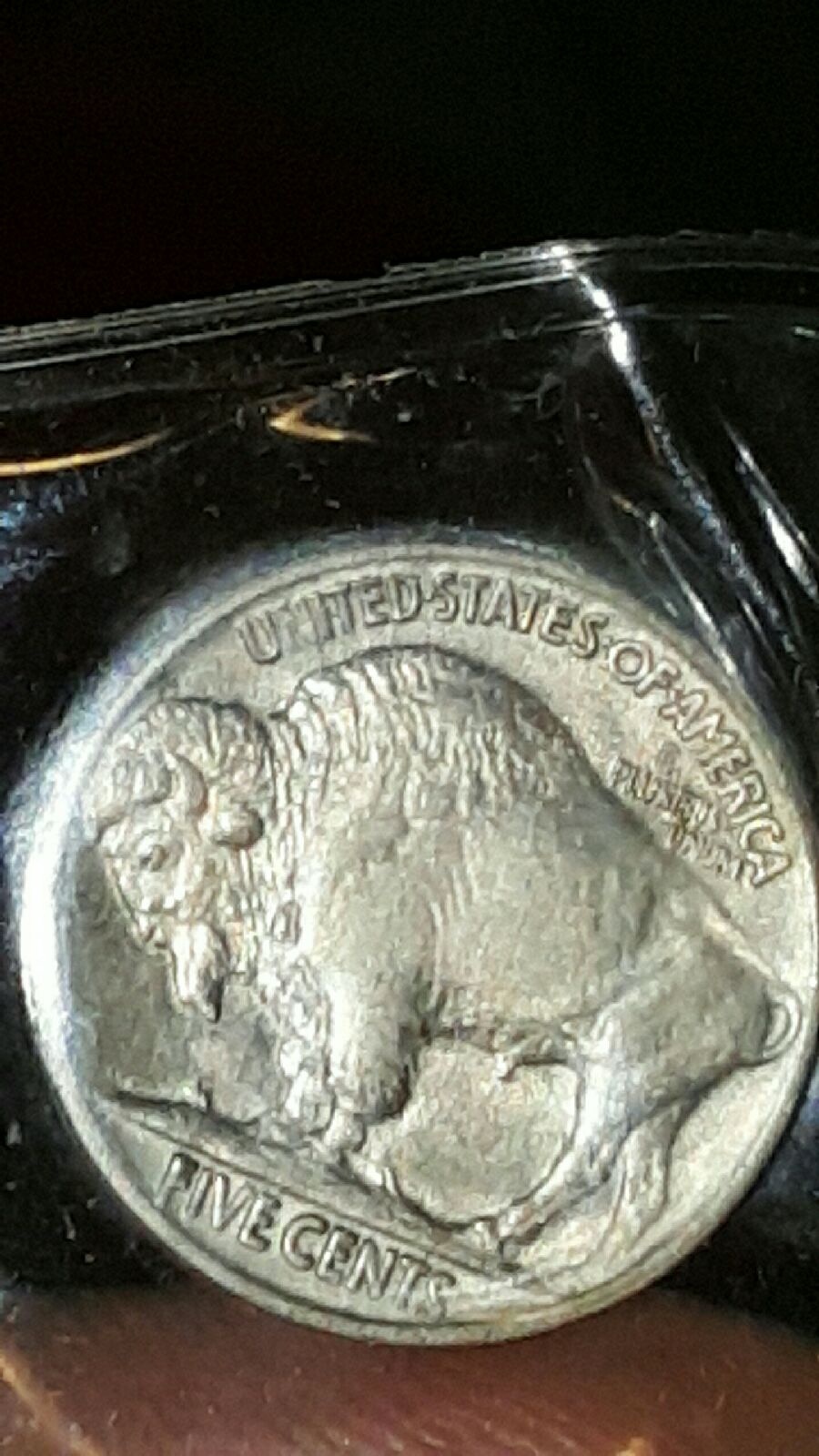
A first-year “type” coin struck during a year when two versions of the same design were made, the 1913 Type II Buffalo nickel shows the beloved bison standing on a line rather than a mound.
The 1913-S Type II Buffalo nickel is an indispensable key date in the series. It was struck after the U.S. Mint flattened the ground beneath the bison — to protect the “FIVE CENTS” inscription from wearing away. With a low mintage of just 1,209,000 pieces, even heavily worn specimens command hundreds of dollars.
#12 – 1997-P matte proof finish uncirculated Jefferson nickel ($325)
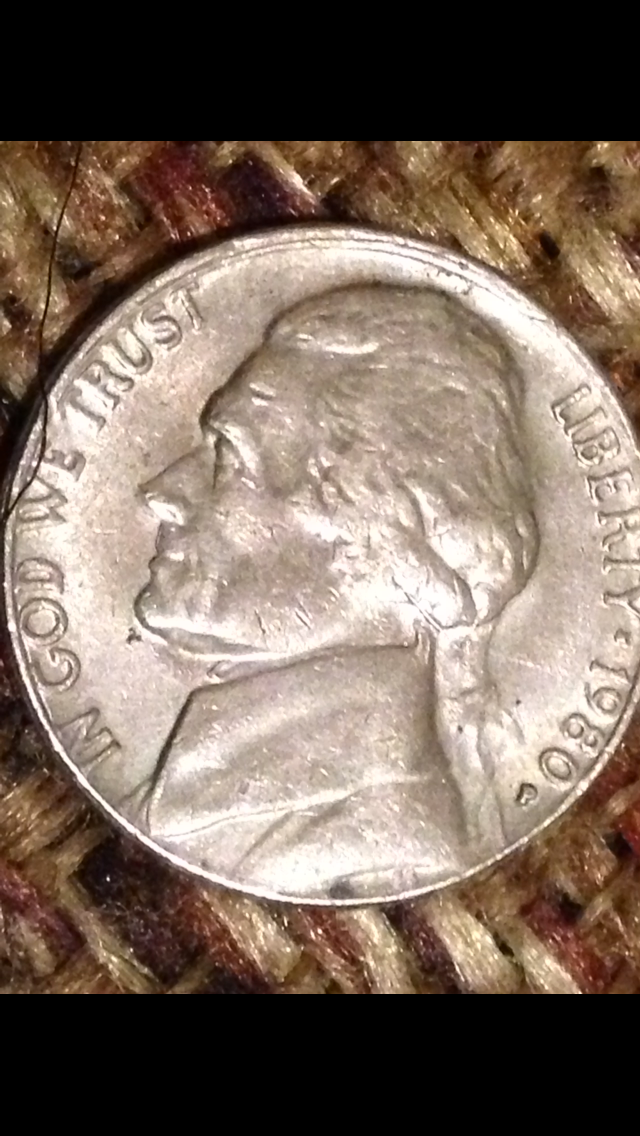
The only Jefferson nickel on this list is a doozie of a valuable nickel! It’s a proof coin that was only available in special commemorative coin sets for collectors. Maybe you have one?
The 1997-P Matte Finish Jefferson nickel was never released into circulation. It was issued exclusively inside the special two-coin 1997 Botanic Garden Commemorative Coin & Chronicles Set. With a tiny mintage of only 25,000 pieces, it features a distinctive sandblasted, non-reflective satin/matte surface and razor-sharp details that make it the key modern rarity of the entire Jefferson series.
#13 – 1886 Liberty nickel ($285)
Another key date nickel in the Liberty Head series, the 1886 is worth hundreds of dollars even in a grade of Good-4.
The 1886 Liberty Head (“V”) nickel is a major, highly sought-after coin. Due to an economic slowdown, its mintage was dropped to just 3.3 million pieces. Because almost the entire production entered heavy circulation without being saved, even well-worn examples are worth big money.
#14 – 1881 Shield nickel ($260)
Shield nickels strike again on this list… This time, it’s another early 1880s date.
The 1881 Shield nickel represents the third consecutive year of low-mintage, small-scale circulation production, following the post–Civil War “nickel glut” suspension. Due to a sudden surge in demand, the Philadelphia Mint produced 68,800 circulation strikes alongside 3,575 proofs, making this a tough key-date rarity that commands high premiums.
#15 – 1914/3 Buffalo nickel ($250)
Buffalo nickel overdates are scarce, and the inclusion of yet another on this list of most valuable nickels proves it!
The 1914/3 Buffalo nickel is one of the most famous and dramatic overdate errors in U.S. numismatic history, created when a 1914 working die was accidentally punched over a residual 1913 die. Under a 5X magnifying glass, you can clearly spot the distinct remnants of an underlying “3” peeking out from beneath the final “4” in the date.
#16 – 1883/2 Shield nickel ($220)
A Shield nickel overdate is among the more rare early nickels. However, there usually isn’t a slot for a piece like this in a typical coin album. (Overdate coins are typically something that “series specialists” collect.)
The 1883/2 Shield nickel is the final-year key variety of the series. It was created when Mint coiners repunched a new “3” directly over a leftover 1882 date on the obverse working die. Under magnification, you can spot the bold remnant of the underlying “2” (especially its diagonal neck and top curve) peeking out from the upper-left loop of the numeral “3.”
#17 – 1912-S Liberty nickel ($165)
The 1912-S is a scarce date that every collector needs in order to complete the Liberty Head, or “V” nickel series set.
The 1912-S is the first — and only — regular-issue Liberty Head nickel ever struck at the San Francisco Mint. 1912 was the only year the series was produced outside of Philadelphia (aside from the 1912-D, which was made in Denver). Since only 238,000 pieces were minted, it serves as the ultimate semi-key date for the entire authorized series.
#18 – 1913-D Type II Buffalo nickel ($125)
This Denver Type II Buffalo nickel from 1913 poses a challenge for any collector looking to assemble a complete set of the series!
The 1913-D Type II Buffalo nickel represents the mid-year redesign where the U.S. Mint flattened the raised ground beneath the bison into a recessed line to prevent the words “FIVE CENTS” from instantly wearing off in circulation. Since production shifted halfway through the year, the Denver Mint struck only about 4.1 million Type II pieces — making it a key-date rarity.
#19 – 1914/3 Buffalo nickel ($115)
I’ve listed several Buffalo varieties in this rundown of the top 25 most valuable nickels by this point, and here’s yet another. As you’d suspect, most Buffalo nickel collectors don’t go after these scarce varieties — just the regular-issue pieces. But Buffalo nickel specialists love collecting these overdate nickels. If you’ve got one, you’ve struck it rich!
The 1914/3 overdate is one of the two major overdates in the Buffalo nickel series and likely arose when a 1913 hub was being upcycled for use in 1914. This variety came to light in the 1990s and has since become a top rarity, especially for series enthusiasts who chase both the regular-issue strikes and the varieties. Circulated examples are difficult enough to find, but Mint State specimens are extremely rare. One MS-66 example graded by PCGS garnered $84,375 in a 2021 auction.
#20 – 1871 Shield nickel ($72)
A regular-issue Shield nickel worth less than $100 in Good-4? Yes! And the 1871 nickel is a great example of a business-strike coin from the 1870s that simply wasn’t very common.
The 1871 Shield nickel is a major semi-key date of the entire series due to its exceptionally low mintage of just 561,000 regular circulation strikes. Because the vast majority were heavily circulated, finding a problem-free, well-detailed example today is a prize that easily commands hundreds of dollars even in well-worn grades.
#21 – 1921-S Buffalo nickel ($64)
This scarce nickel is a great find for anyone looking through old rolls of Buffalo nickels or “grab bag” sets at the antique store.
The 1921-S Buffalo nickel is a premier key-date issue, struck in exceptionally low numbers during a post-WWI economic slump (only 1,557,000 minted). Because it was struck from heavily worn dies, these coins quickly wore smooth in everyday commerce. Finding an authentic specimen with a clear, readable full date is difficult.
#22 – 1935 doubled die reverse Buffalo nickel ($50)
Only 4 more coins to go on this list, and 3 of them are Buffalo nickel die varieties / errors, including this one: the 1935 doubled die Buffalo nickel.
The 1935 Doubled Die Reverse Buffalo nickel is one of the most famous and dramatic error varieties in the entire five-cent series, featuring bold, naked-eye doubling across “FIVE CENTS” and “E PLURIBUS UNUM.” Because genuine examples are so scarce, even heavily worn, circulated specimens bring big bucks. Just be sure to use a 10x loupe to check for clear split serifs rather than flat, worthless machine doubling before buying.
#23 – 1915-S Buffalo nickel ($50)
A scarce, regular-issue Buffalo nickel worth several pretty pennies in a grade of Good-4! Not a bad find if one turns up while you’re searching through old rolls or bags of Buffalo nickels.
The 1915-S Buffalo nickel is a scarce semi-key date with an unusually low mintage of just 1,505,000 pieces. Because so few survived decades of heavy commerce with a legible date on the Native American’s raised neck line, even heavily worn specimens command high premiums today.
#24 – 1917-S 2 feathers Buffalo nickel ($50)
This die variety shows only 2 feathers on the headdress rather than 3. The third feather (only 2 are obvious) is usually tucked between the back of the Indians’ upper neck and the prominent vertical feather.
The 1917-S “Two Feathers” Buffalo nickel is a scarce, highly collectible die-polishing variety where the third, smallest hair feather behind the Native American’s neck was accidentally ground away when U.S. Mint workers polished the coin die to remove clash marks. Because genuine examples leave a completely smooth, empty space between the back of the head and the braid ribbon, spotting one on an otherwise ordinary San Francisco strike turns an affordable nickel into a prize worth big bucks!
#25 – 1918 2 feathers Buffalo nickel ($50)
This is the same type of variety as mentioned above — basically only two large feathers are seen on the native headdress instead of 3.
The 1918 “Two-Feathers” Buffalo nickel is a scarce, high-value die-clash variety created when Mint workers over-polished a worn obverse die, accidentally grinding away the third, smaller hair feather behind the Native American’s neck. Found on both Philadelphia (no mintmark) and Denver (the 1918-D) strikes, genuine examples leave a completely smooth field behind the braid ribbon.
More About Rare Nickels
In addition to the links I’ve included above, here are some other articles I’ve written about rare and valuable nickels:



Leave a Comment