



This post may contain affiliate links. If you buy thru these links, we may earn a commission at no additional cost to you.
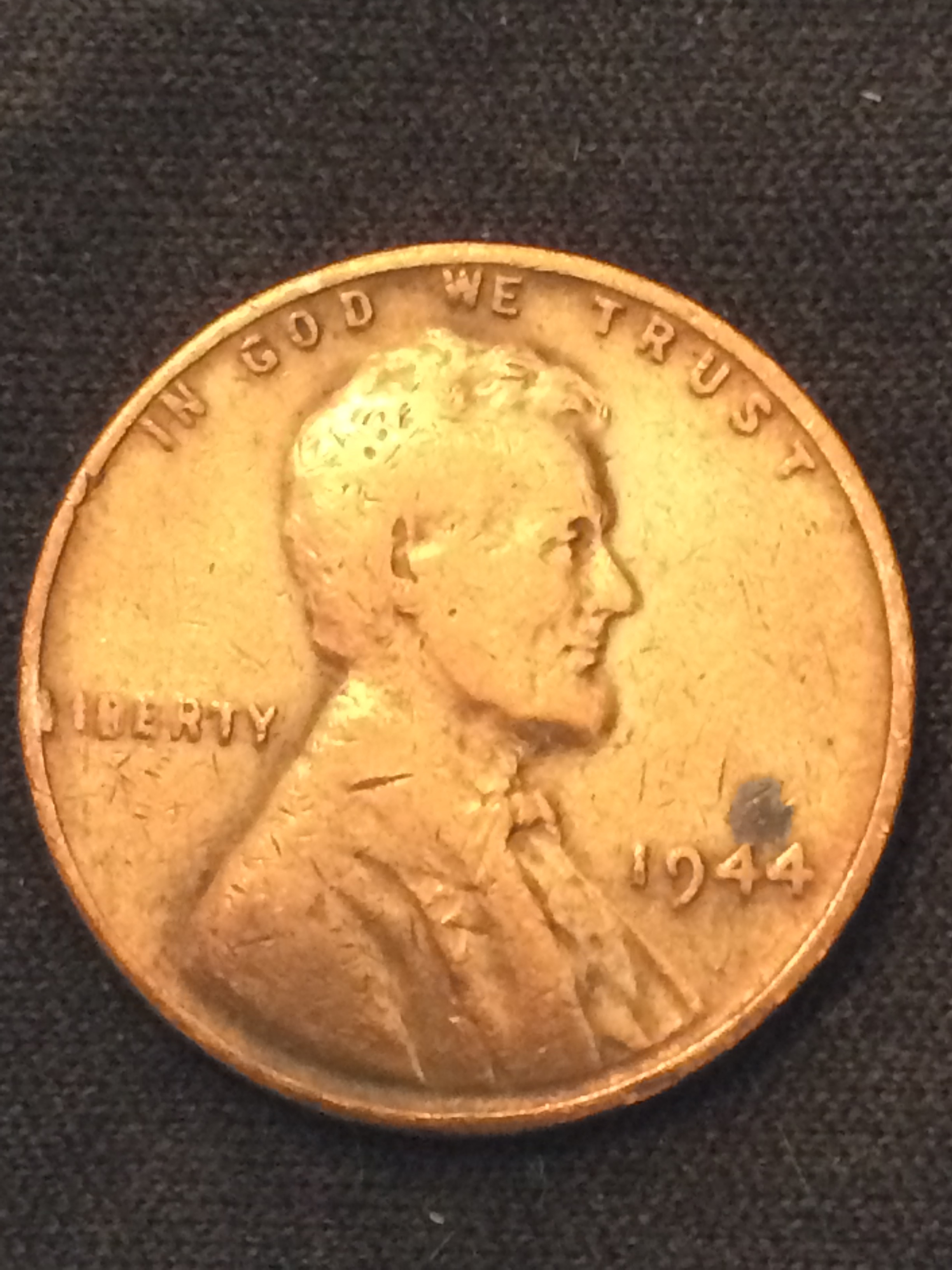
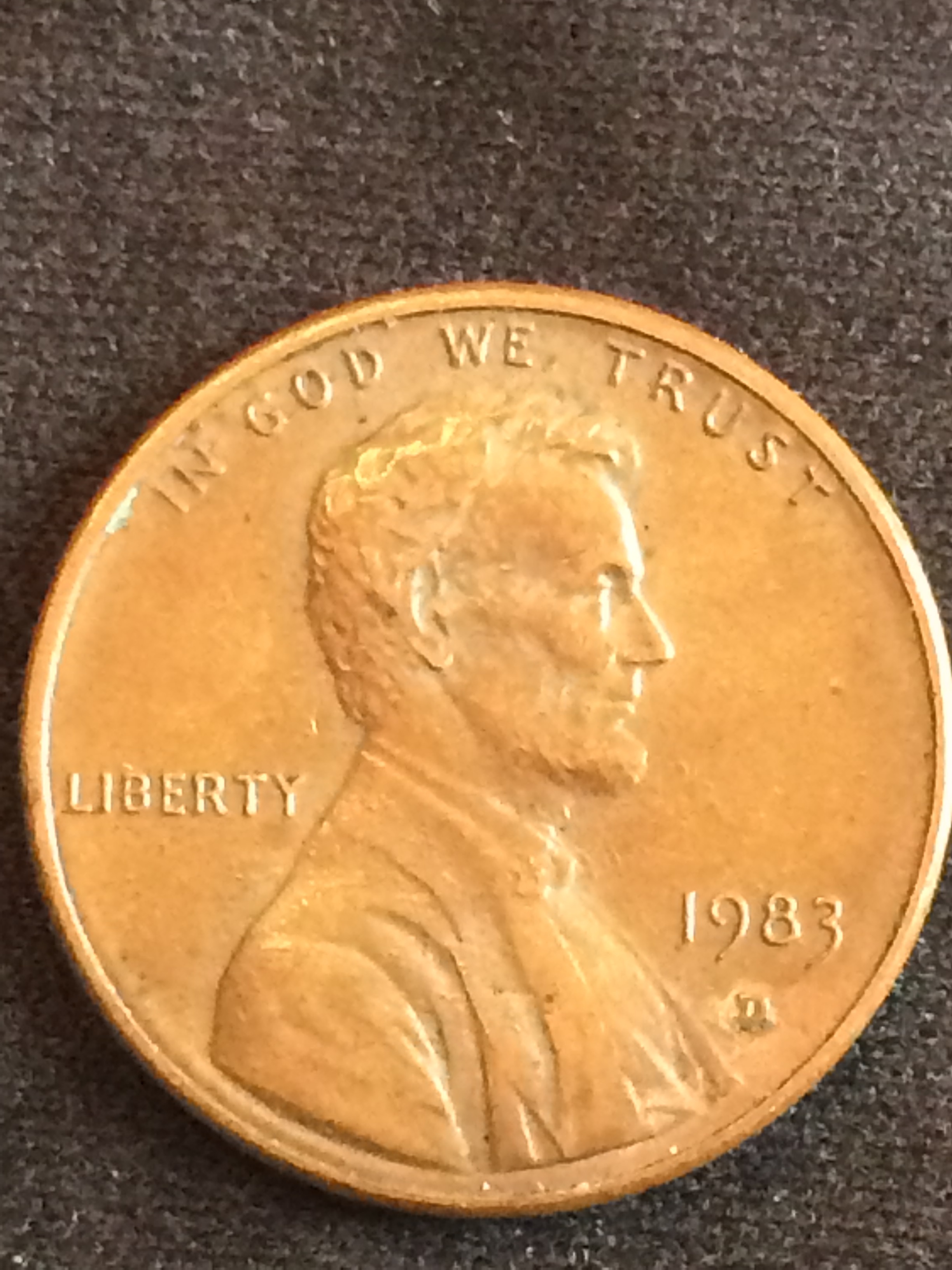
Lincoln cents are the longest-running series of coins in United States history.
The Lincoln penny is now over a century old — so everybody alive today grew up with them and has known their whole life the little copper coin with the portrait of our 16th president, Abraham Lincoln.
It’s no surprise that Lincoln pennies have, for decades, been one of the most beloved coins in the world to collect.
What I find makes the Lincoln penny so challenging to collect and so interesting to study is that there are hundreds of regular date-and-mintmark combinations that have been struck by the various U.S. Mint facilities across the country.
Throw in the seemingly endless mixture of minor design varieties, modifications, and reported errors… and Lincoln cents begin to look like one of the most exciting series of U.S. coins to collect and study!
So, it is now that I ask this question…
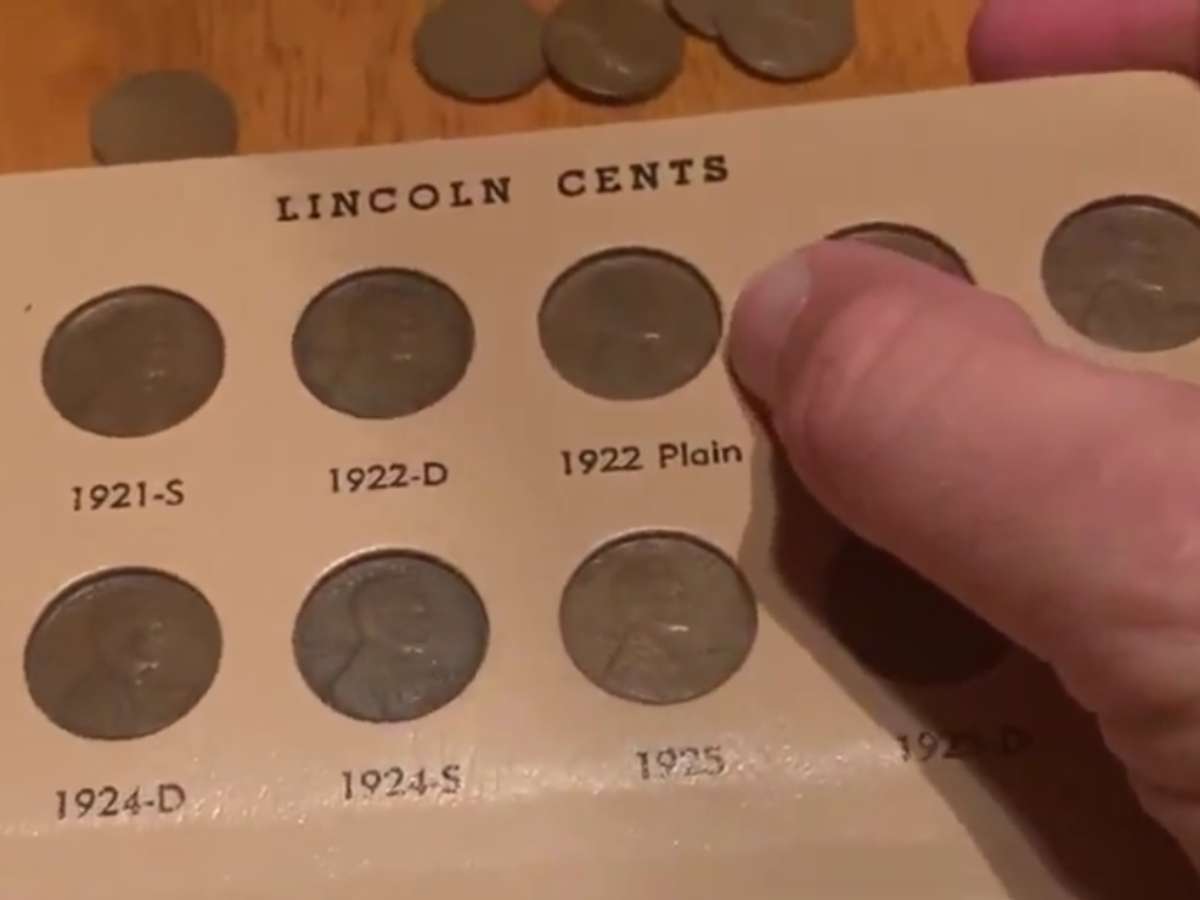
Of all the hundreds of Lincoln cent varieties, why are we collectors forced to buy a 1922 cent without the “D” mintmark to complete our Lincoln cent albums and folders?
Facts About The 1922 Penny
7 million 1922 Lincoln cents were made.
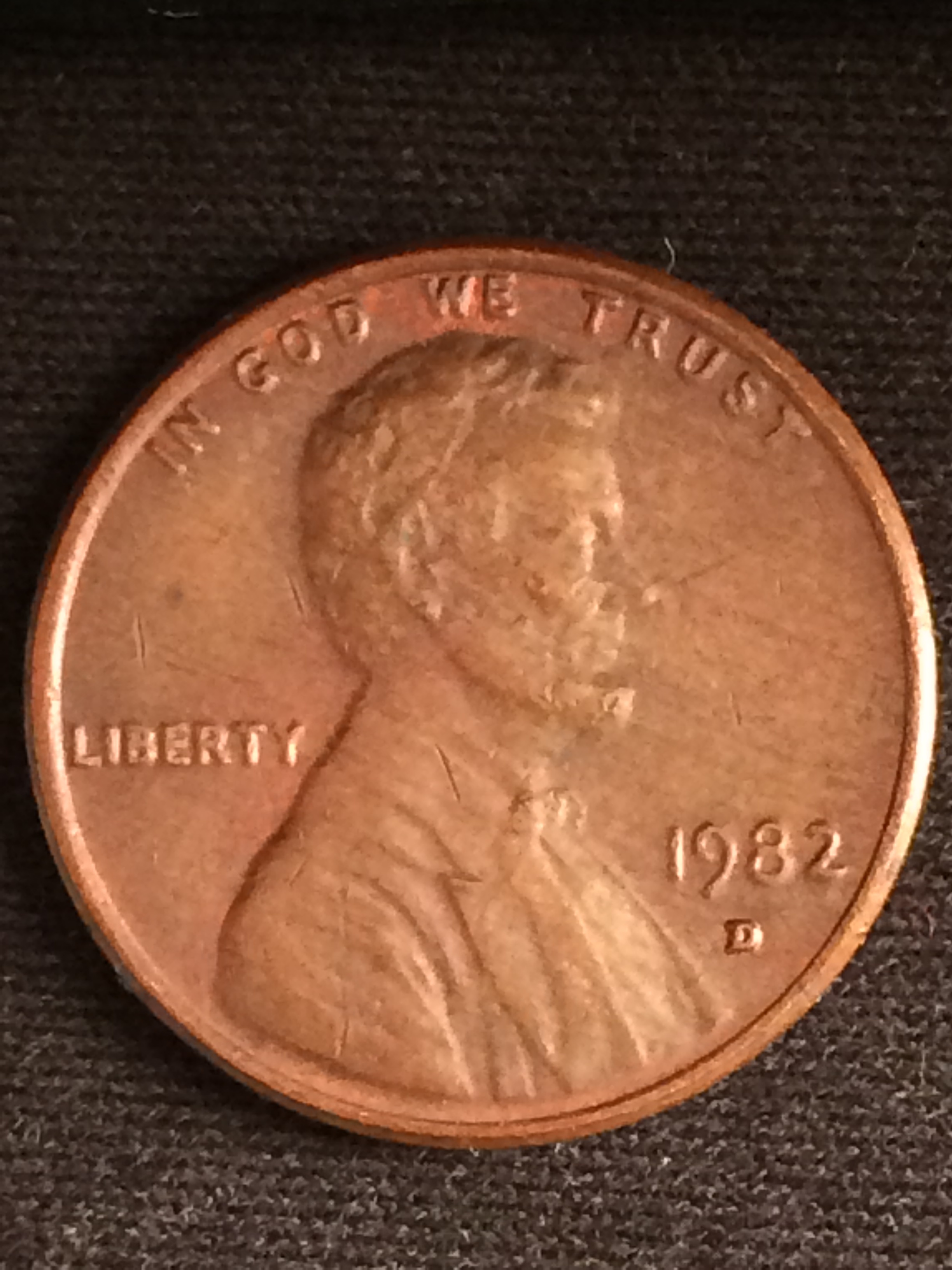
All 1922 pennies were made in Denver — therefore, they should all have a “D” mintmark.
However, not all 1922 pennies have a “D” mintmark!
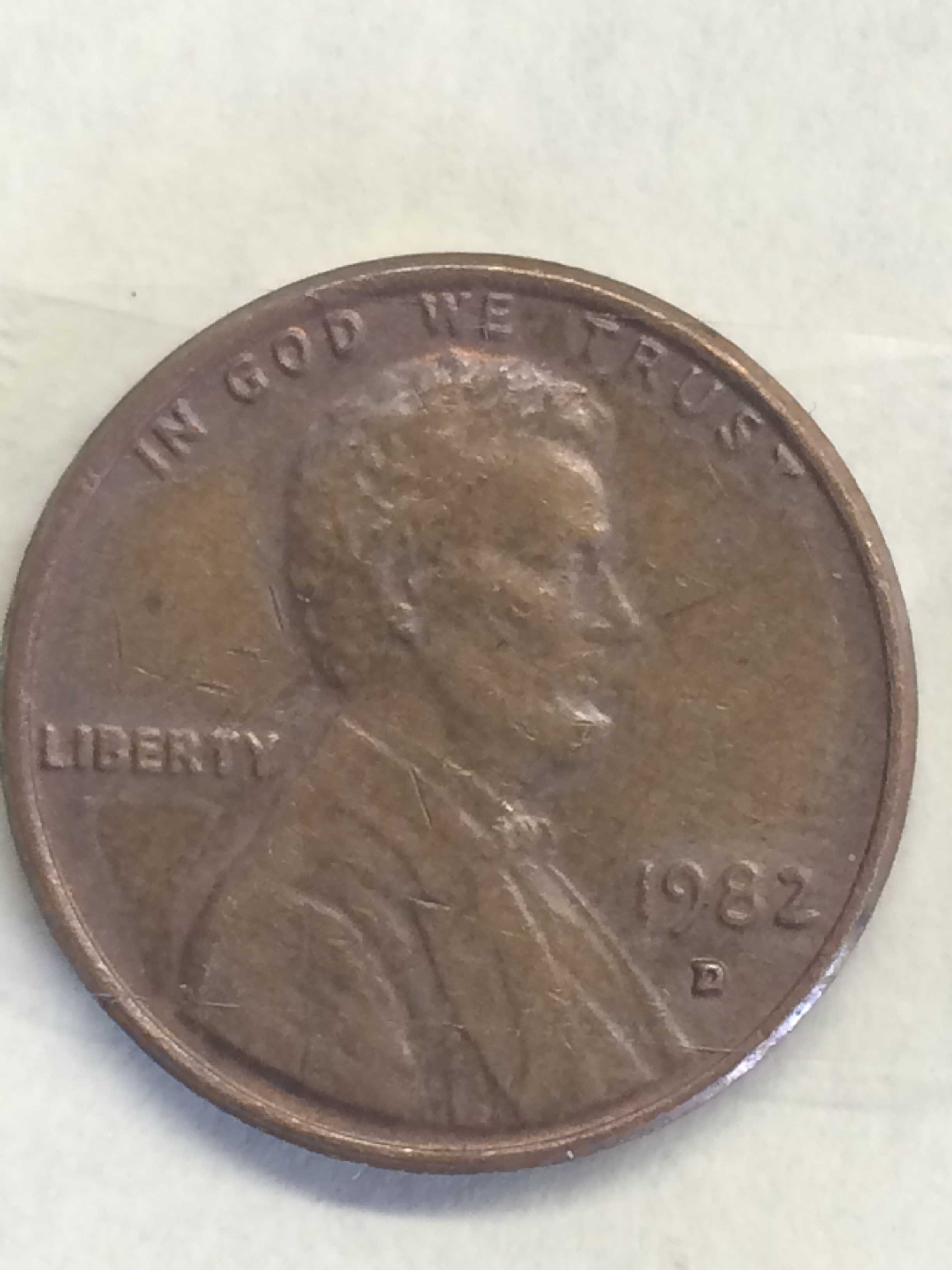
In fact, a small number of 1922 cents have a weakness with the “D” mintmark.
Numismatists sort these into 3 distinct buckets: Die Pair 1 (Weak D), Die Pair 2 (The True No D/No Trace), and Die Pair 3 (Weak D/Trace). Many collectors demand the rare 1922 plain cent (Die Pair 2) — which is why a slabbed, certified version commands such an insane financial premium over a generic “Weak D” many regard as a “filler coin.”
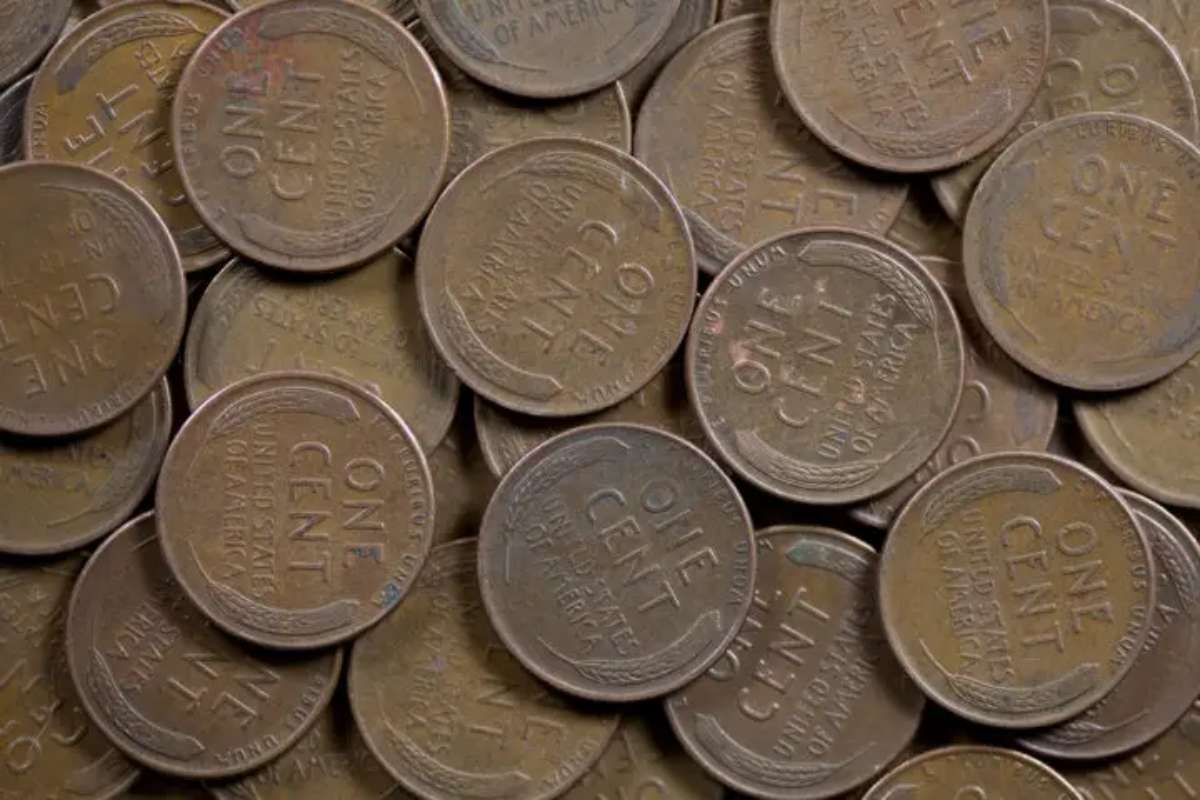
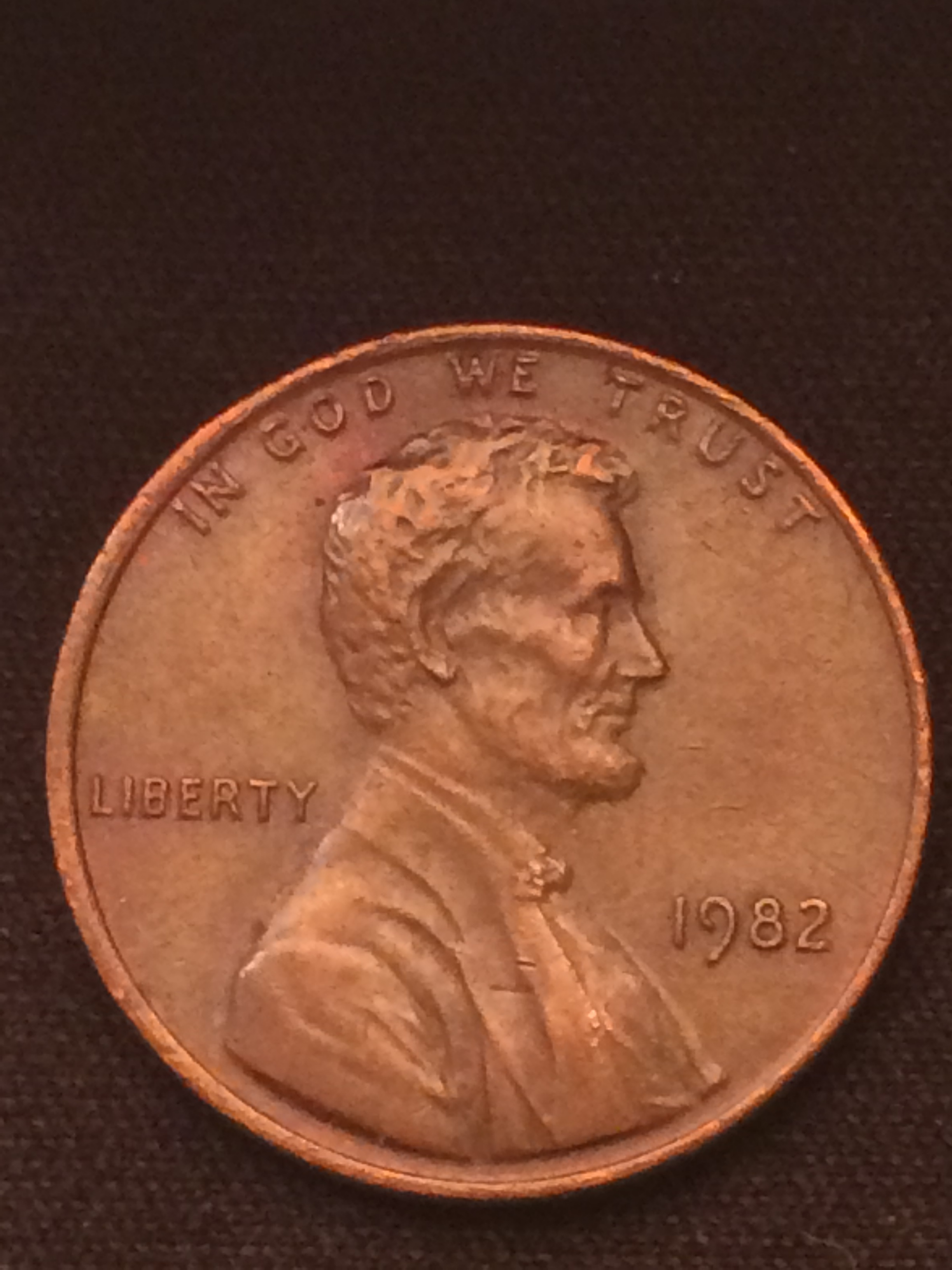
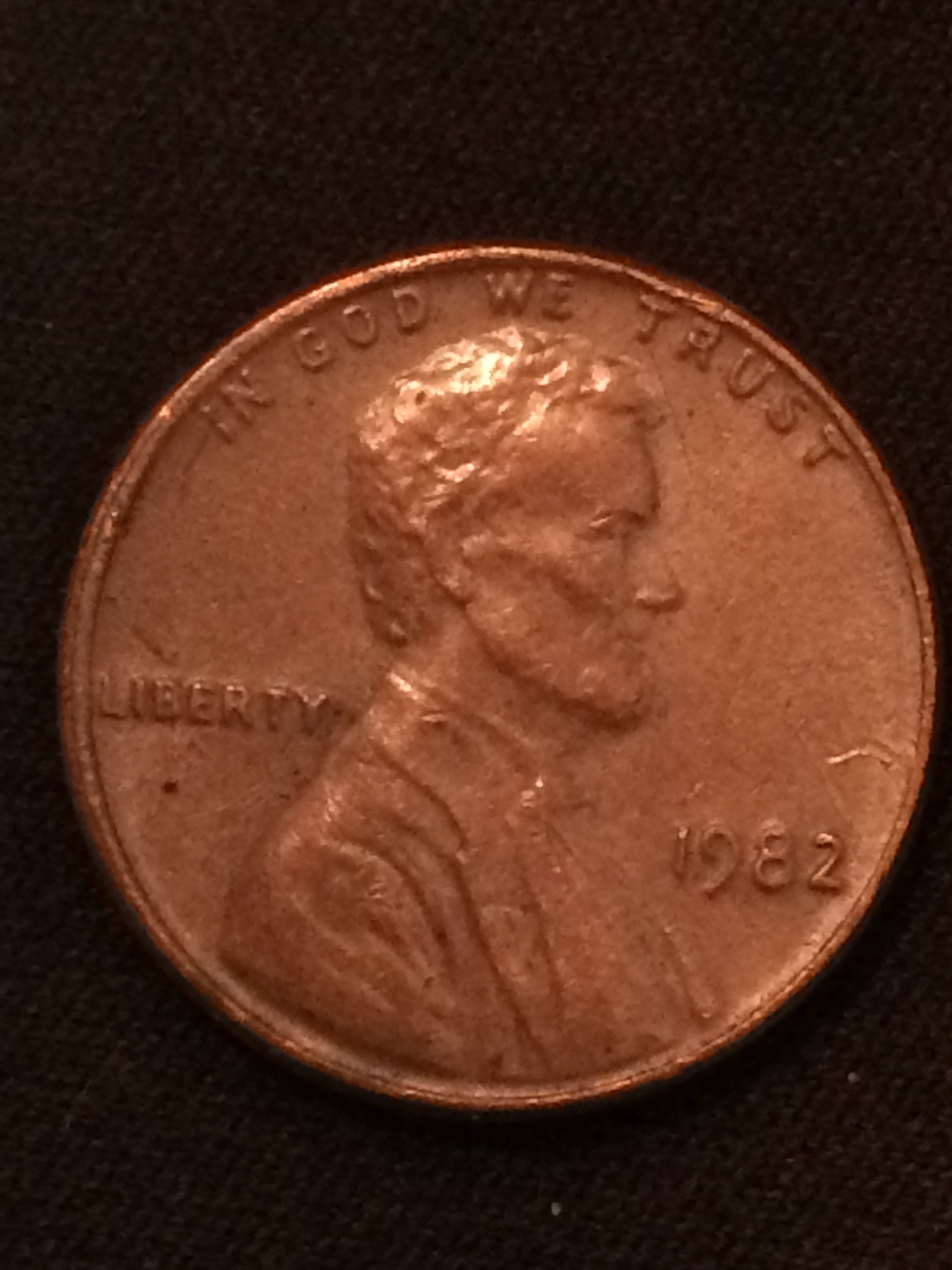
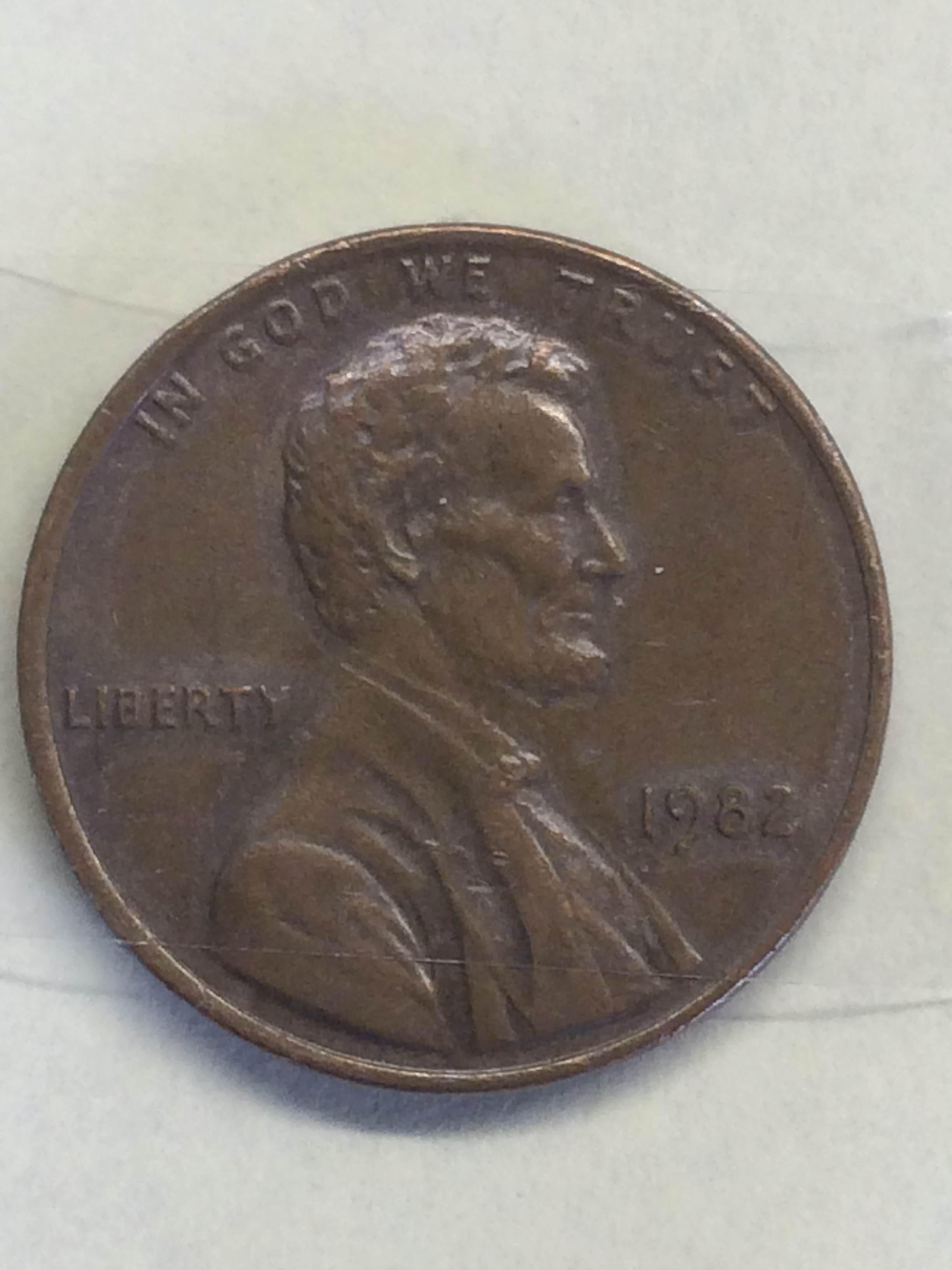
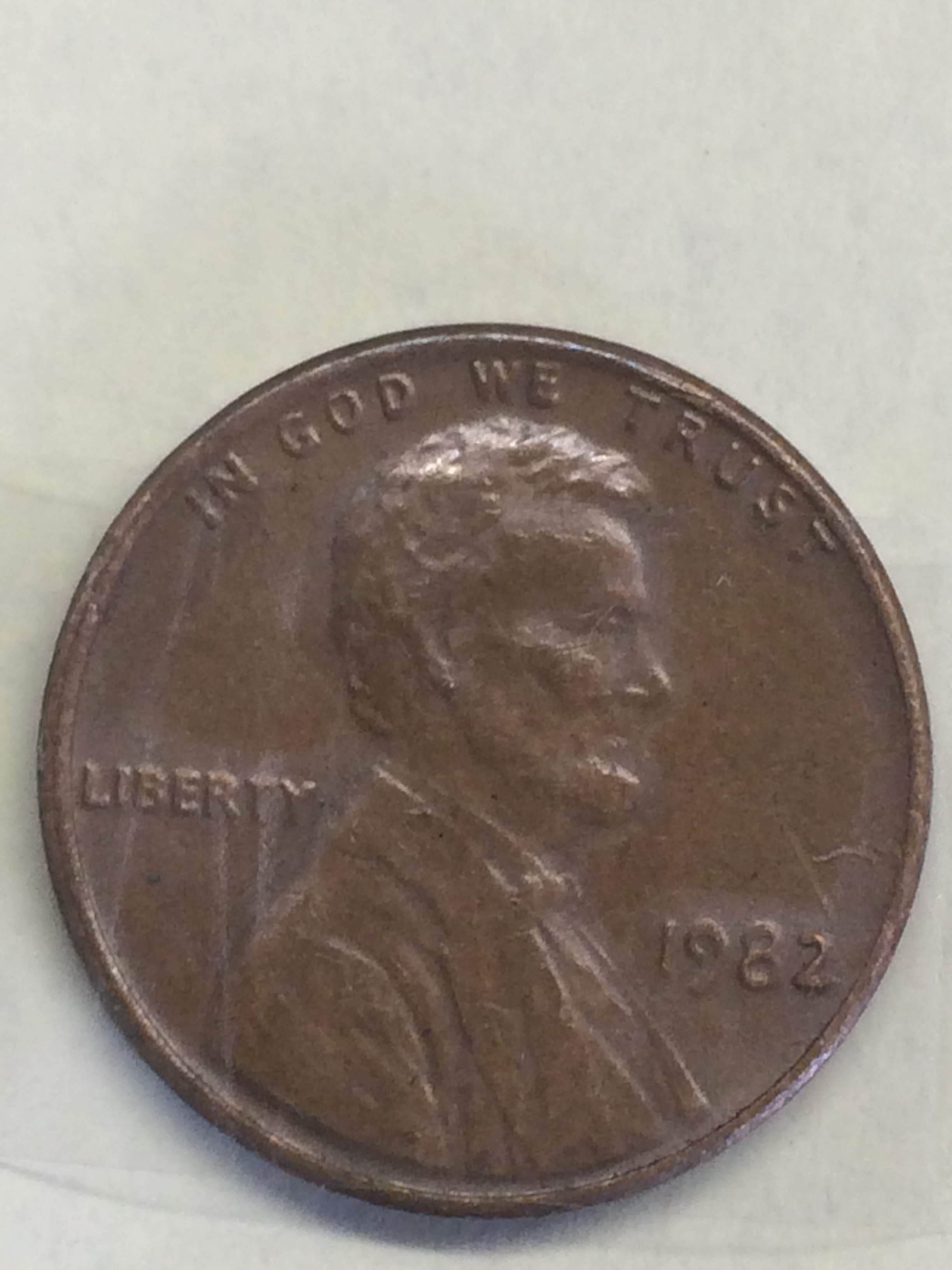
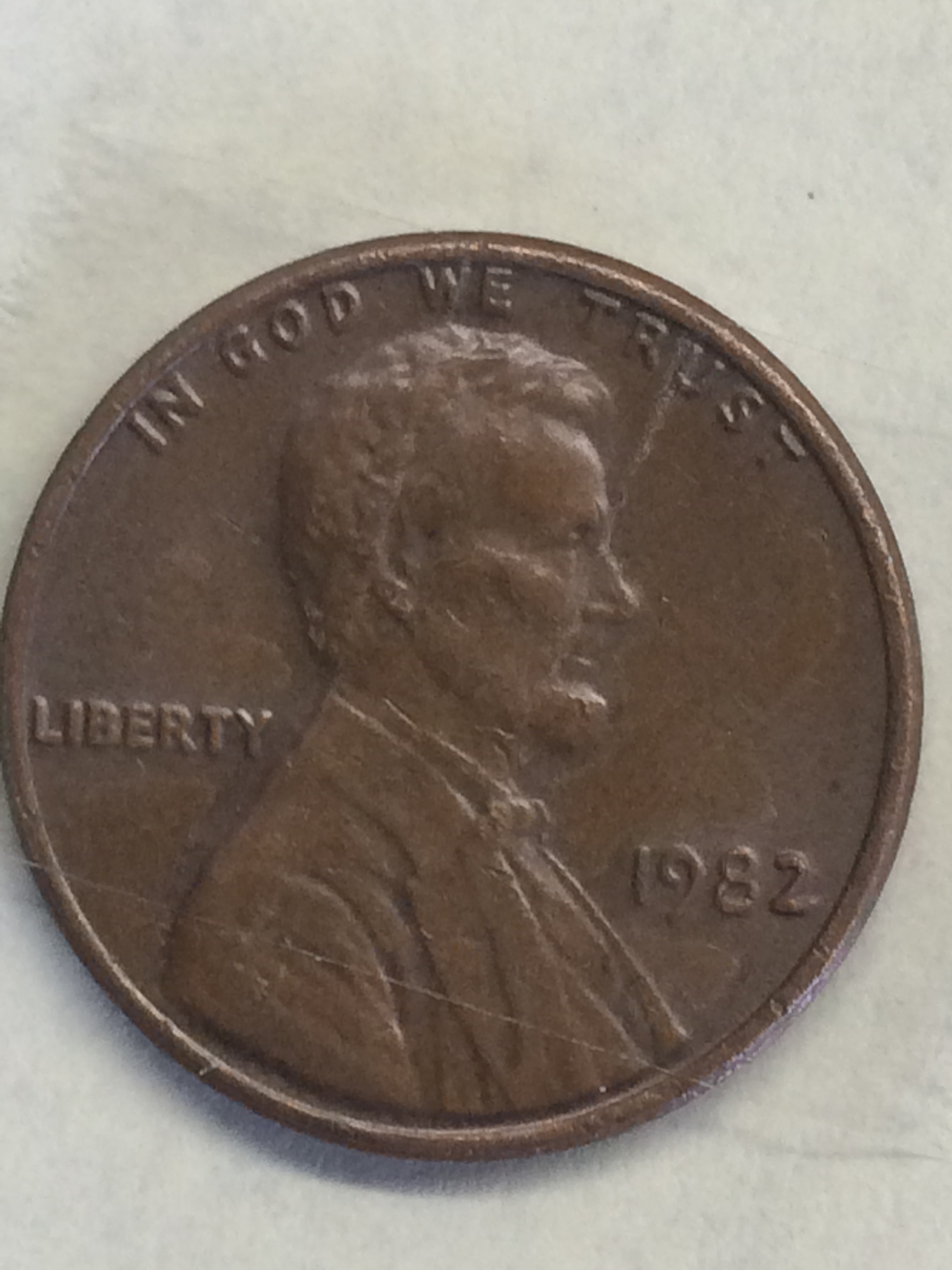
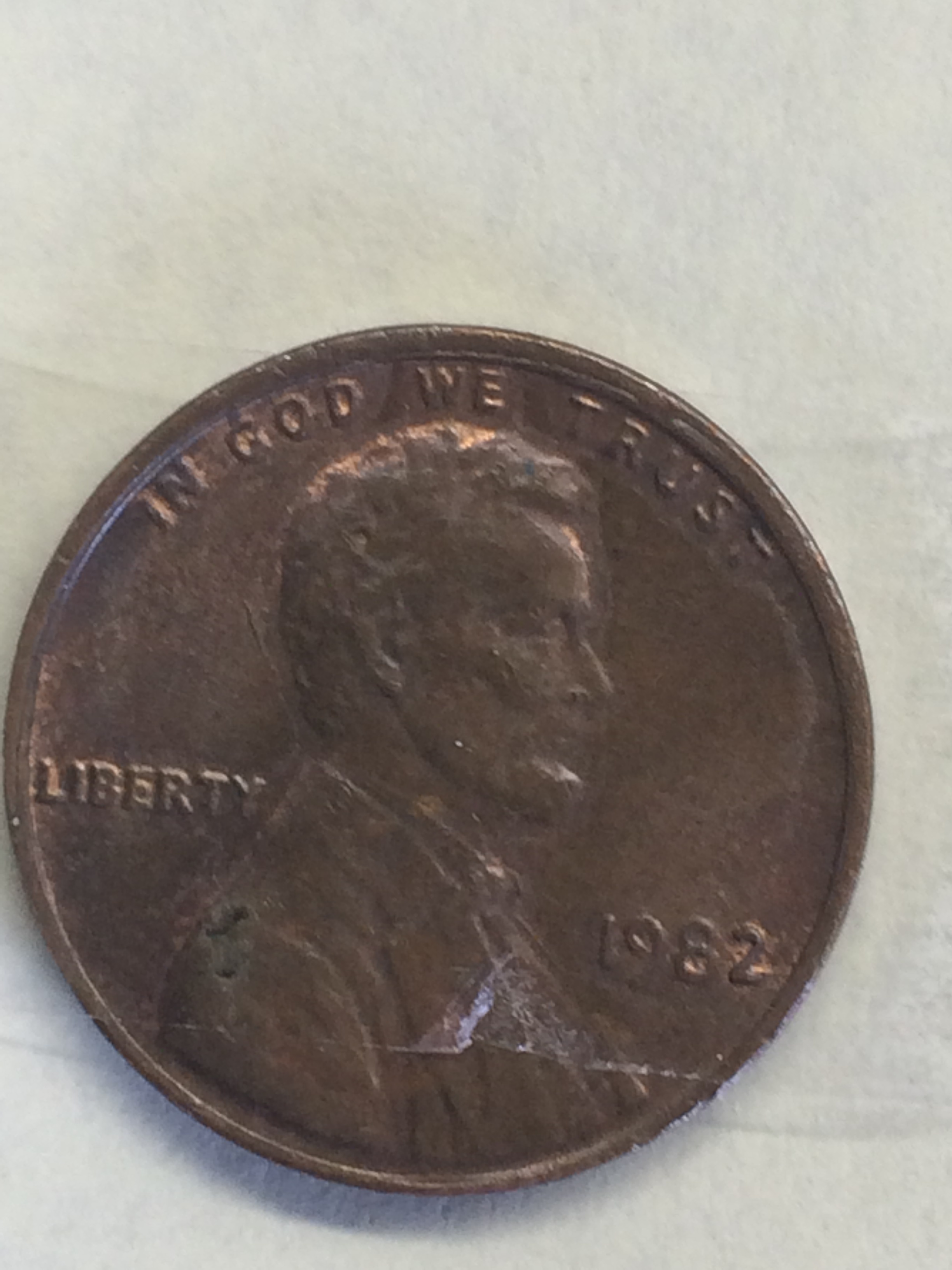
Even fewer in number are the 1922 Wheat cents which show virtually NO trace of a “D” mintmark. A 1922 penny without a “D” mintmark is called a “plain cent” or “plain penny.”
Values for the 1922 plain penny start at around $650, even in the lowest circulated grades.
Other 1922 penny values start at about $15 for versions with a “D” mintmark clearly visible.
While the 1922 penny with a “D” mintmark is generally considered a semi-key coin… compared to the 1922 plain penny, it is relatively common. However, because the 1922 plain penny is so rare, relatively few coin collectors will ever be able to have an example in their collections.
That said, it’s not hard to find a few collectors selling these 1922 plain cents on eBay at any one time — because they will fetch a lot of money every time they go on the auction block.
So, as a collector, I begin to wonder…
Why do some coin folder companies and coin album companies insist on putting a hole for the 1922 plain penny in their albums when relatively few people can afford one?
Besides, the 1922 plain penny really is not a regular-issue coin.
In fact, it’s an error-variety coin. A Mint operator, in an attempt to repair the die which produced the coin, filed away the parts of the obverse die after a die clash occurred and in the process wore away the “D” mintmark — even though 1922 pennies are supposed to have a “D” mintmark.
If you’re shopping for a raw 1922 Plain penny on eBay or at a coin show, don’t buy it unless it passes the Die Pair 2 check! Since counterfeiters can grind a “D” mintmark off a regular 1922 penny, you want to verify the reverse side of the coin. An authentic Die Pair 2 1922 No D penny will exhibit an incredibly sharp, strong strike on the reverse wheat stalks. On the front, the “WE” in “IN GOD WE TRUST” will be very blurry, and the second “2” in the date will look sharper than the first “2.” If the obverse diagnostics don’t check out and back doesn’t look sharper than the front, someone likely removed a “D” from a normal 1922 Denver cent!
Other Popular Penny Errors And Lincoln Cent Varieties
There are many examples of other popular Lincoln cent varieties and errors, including:
So that comes back to my question…
Why does the 1922 plain cent get included in standard coin albums and those other coins mentioned above do not? Why am I, a collector, required to have a 1922 plain penny in my collection if I want to complete an album?
There is really no particular reason why that coin should be included in a typical album of regular, error-free Lincoln cents.
Did You Know?… The 1922 plain cent is one of only 2 major non-regular issue coins included in many coin albums and coin folders. The other one is the 1955 doubled die cent.
Why The 1922 Plain Cent Is Included In Coin Albums
One of the possible reasons for a 1922 plain cent to be included in an album of regular Lincoln cents may be that the Philadelphia Mint did not produce any Lincoln cents in 1922.
Yet, in the 1930s, when collecting Lincoln cents first became popular, many people were finding the 1922 plain penny and thought they landed Philadelphia Mint pennies.
It wasn’t until later, when the U.S. Mint revealed their records to the public, that it was learned by many collectors that the Philadelphia Mint never made any one-cent coins in 1922. (Philadelphia has produced Lincoln cents in every other year before and since.)
Therefore, one might say that since the 1922 plain cent looks like what a 1922 Philadelphia cent would have appeared like had that Mint facility produced pennies in that year, then the 1922 plain cent should be included as a type of proxy cent to fill the gap that the total absence of actual Philadelphia cents creates.
Still the 1922 plain penny, for all of its novelty, is a popular coin. But does the 1922 plain cent really deserve to have a slot in collections of regular Lincoln cents?
I think the answer is no.
What’s The Resolution For This Issue?
If coin album manufacturers are going to offer Lincoln cent albums with a hole for the 1922 plain cent, they should also offer an album without the 1922 plain cent hole, too.
That’s what Capital Plastics does with their Lincoln cent holders. They offer Lincoln cent holders with and without holes for the 1922 plain cent and the 1955 doubled die cent — two Wheat pennies with a value of over $1,000!
For the record, some coin folders do not have a hole for the 1922 plain cent, including:
- Whitman’s 1909-1940 Lincoln cent folder
- Dansco’s 1909-1958 Lincoln Wheat penny folder
- Harris’ 1909-1940 Lincoln cent folder
But my concern really has to do with coin albums — not coin folders. The albums are the more expensive, leatherette-bound coin books that allow for 2-sided viewing of the coins within.
So, with that, I say it’s time for more options with our Lincoln cent albums!
Let’s hope coin album manufacturers are reading this and decide to begin offering products that do NOT have that hole for the 1922 plain penny.
What do YOU think? Should coin album publishers force us to track down a $500+ error-variety just to feel like we “completed” a standard Wheat penny album run? Or do you think varieties should be left entirely to specialized albums?
Let me know your thoughts in the comments below!
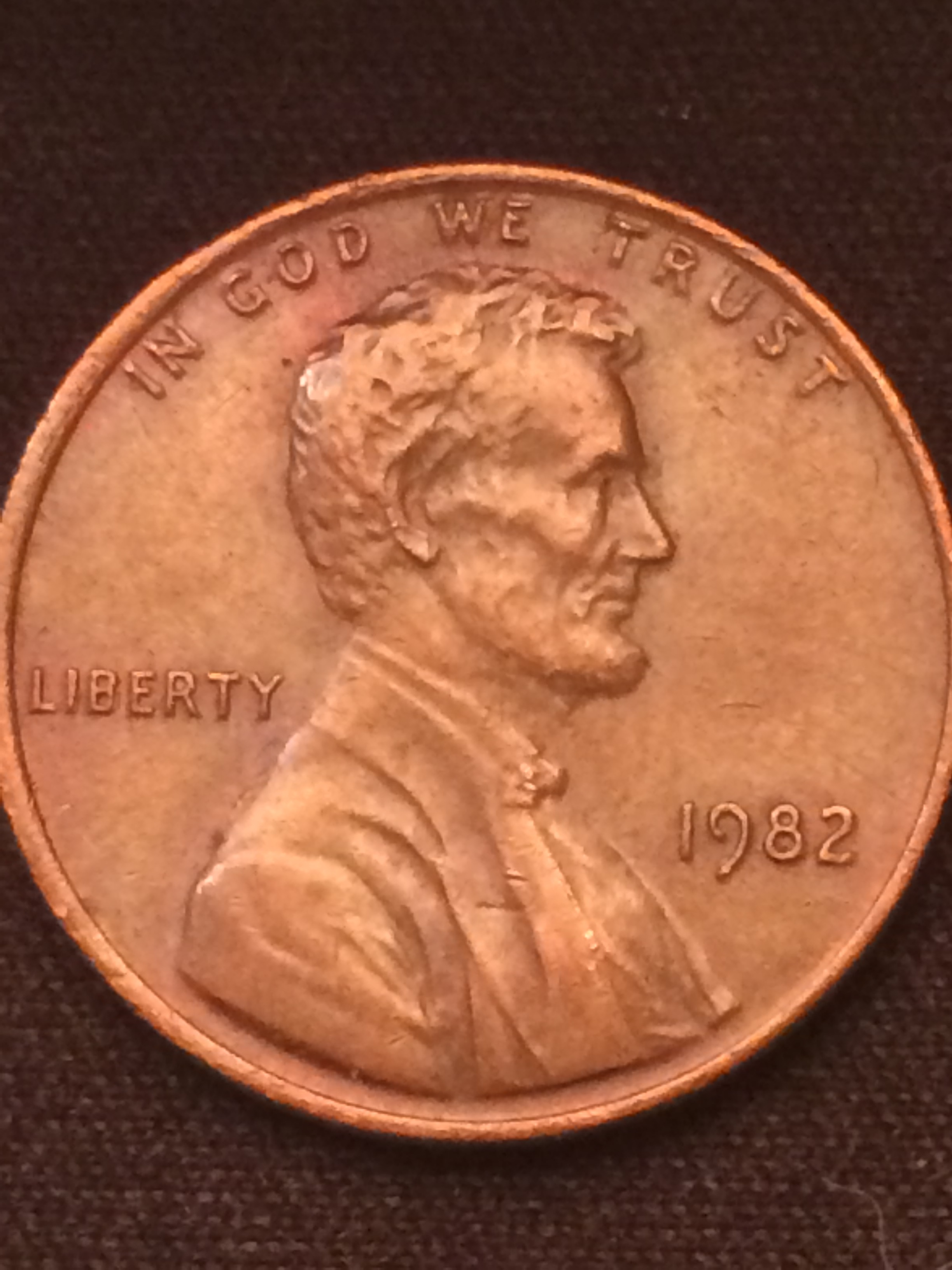
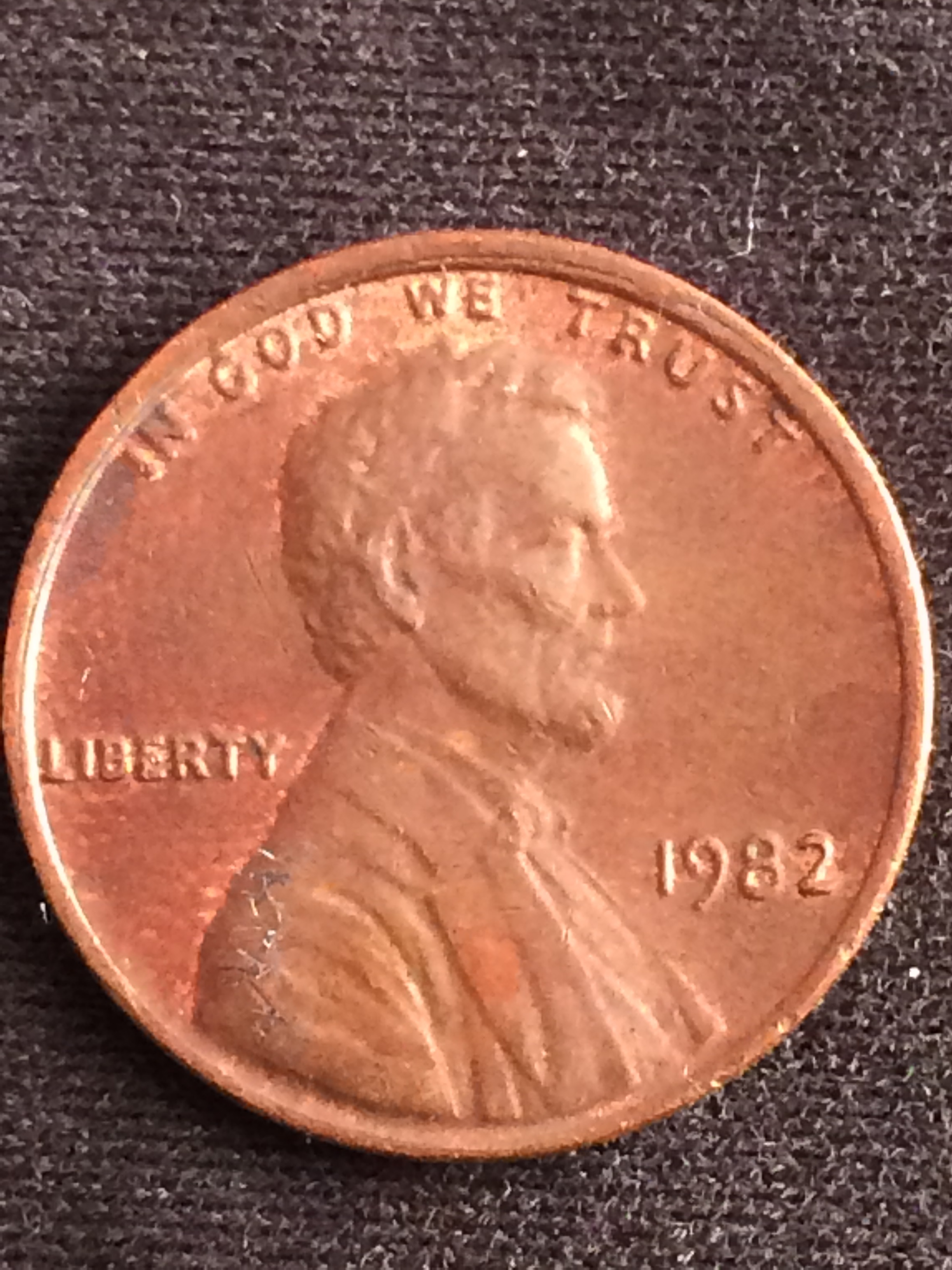
If you think you’ve scored an authentic “Strong-Reverse” 1922 plain penny or want some help analyzing the mintmark area, snap a sharp closeup photo and share it below — I’ll do my best to help.







Leave a Comment