

The 1937 penny is one of the first old Lincoln Wheat cents I ever pulled from pocket change.
The first question I had was, “How much is my old Wheat penny worth?”
I called several coin dealers and looked up the information in various coin guides trying to find the value of my 1937 Lincoln Wheat cent.
In the many years since, I’ve discovered a lot about old pennies.
Today, I’m going to share with you:
- The value of a 1937 Wheat penny
- The importance of the little letter under the date on a 1937 penny
- How many 1937 pennies were made
- The most valuable 1937 Lincoln cent
- A list of valuable 1937 error pennies you should be looking for
How Much Is A 1937 Penny Worth?
Figuring out how much your 1937 Wheat penny is worth will involve a bit of detective work.
The first thing you need to know is where your 1937 Lincoln cent was made.
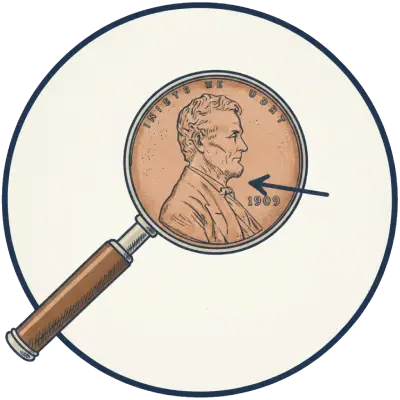
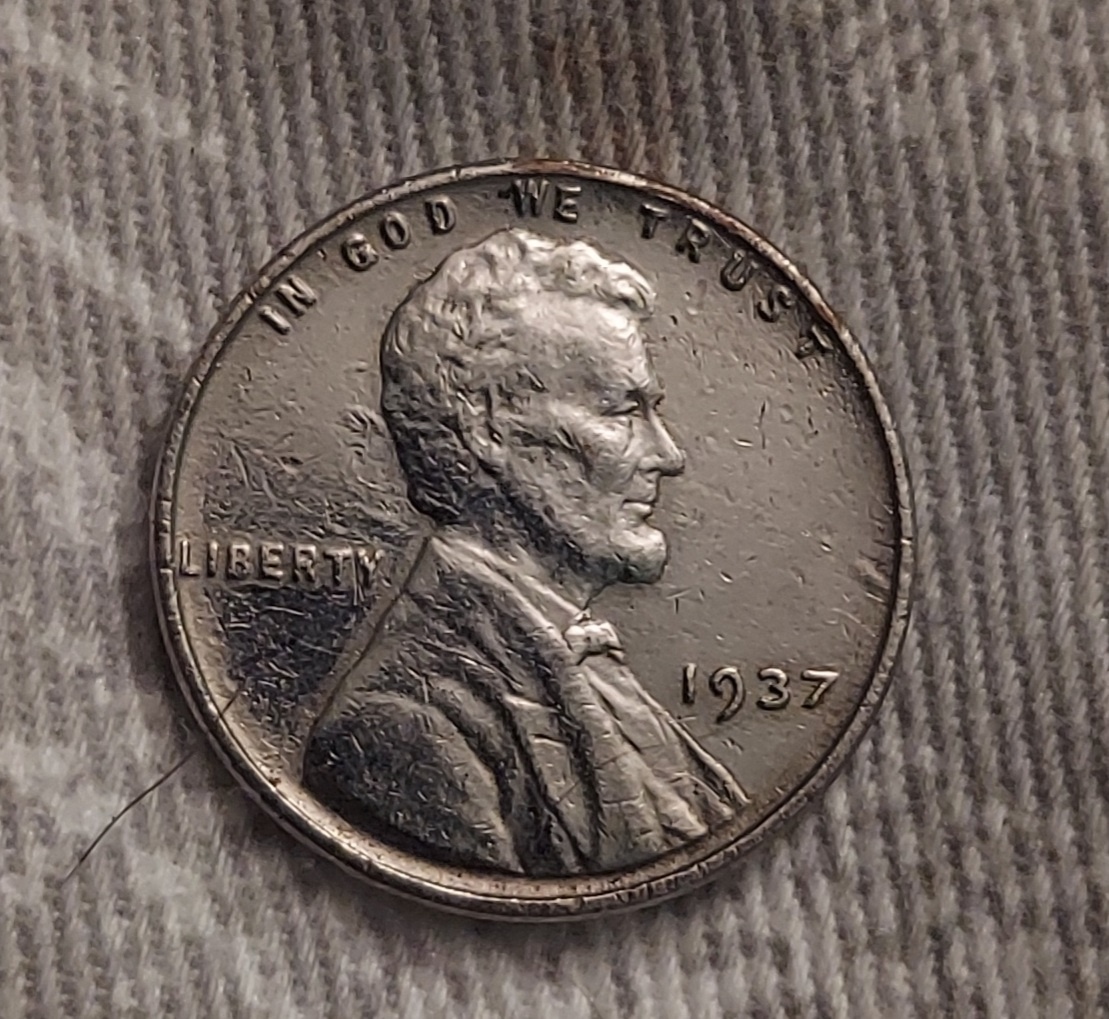
If you take a close look at the front (or obverse) of your 1937 Lincoln cent, you’ll find the date just to the right of Lincoln’s bust. Do you see a tiny letter under the date?
Here’s why that letter is important…
That little letter (or absence of one) tells you where your 1937 Lincoln cent was made!
Those letters are called mintmarks, and here’s what they mean on a 1937 Wheat penny:
- See a “D” under the date?… That means your Lincoln cent was made at the Denver Mint.
- Notice an “S” on the coin? The “S” mintmark indicates the coin was struck at the San Francisco Mint.
- Don’t see a mintmark? No mintmark at all means your 1937 Lincoln cent was made at the Philadelphia Mint — which didn’t place mintmarks on Lincoln Wheat cents.
Aside from telling you where the coin was made, mintmarks give more clues as to the value of your penny — because the value can vary, depending on where the coin was made.
OK, now that I’ve introduced the all-important topic of mintmarks, let’s go back to your penny and find out what it’s worth — based on the mintmark that’s on it.
1937 Penny Value (NO Mintmark)
With a mintage of 309,170,000, the 1937 Philly Lincoln cent is a very common coin, with millions still around today in coin collections, hoards, and in circulation.
A 1937 Wheat penny with a typical amount of wear is worth 5 to 10 cents.
An uncirculated specimen that has no signs of wear and was never spent as money is worth about $1 and up.
The most valuable 1937 Lincoln cent from the Philadelphia Mint ever sold is one that was certified by Professional Coin Grading Service (PCGS) and graded MS-68 Red — meaning it’s a coin that’s in nearly perfect condition and has its original reddish-orange color. That piece sold in 2025 for an astounding $8,400.
1937-D Penny (“D” Mintmark)
The 1937-D penny from the Denver Mint is a little scarcer than the 1937 Philadelphia penny — as it has a much smaller mintage of 50,430,000 pieces.
However, it’s still common enough that it can be easily found at coin shops and in coin collections. It’s much harder to find one in your pocket change though.
A typical 1937-D penny with normal wear from circulation is worth 7 to 20 cents.
Uncirculated 1937-D pennies have a value of approximately $1.50 and up.
The record for the most valuable 1937-D Lincoln cent goes to one that was graded by PCGS and graded MS-68 Red. It realized $17,250 at a 2006 auction.
1937-S Penny (“S” Mintmark)
The scarcest 1937 Lincoln cents made for circulation are those that were minted at the San Francisco Mint.
Only 34,500,000 were made — and they are much harder to find today than the 1937 Wheat pennies made at the Philadelphia or Denver Mints.
A circulated 1937-S penny is worth 10 to 20 cents.
An uncirculated version is worth about $2 and up.
Amazingly, one 1937-S Lincoln cent graded by PCGS as MS-68+ Red sold in 2025 for $38,400.
1937 Proof Penny
The United States Mint struck a small number of 1937 proof pennies — specifically made for coin collectors.
These special 1937 pennies were intentionally struck multiple times to bring up all the minute details.
Boasting magnificent surfaces and a brilliant, reflective finish, 1937 proof pennies are highly collectible and are treasured by Lincoln cent enthusiasts.
Only 9,320 were struck, and they are worth about $30 and up.
The most valuable 1937 proof penny, graded PR-67 Deep Cameo by PCGS, sold in 2009 for $13,225.
IMPORTANT: Do You Know The Grade Of Your Penny?
To determine the true value of your 1937 penny, you first need to know what condition (or grade) your coin is in.
How to Grade Coins Yourself
Grab a coin magnifier and a copy of the U.S. Coin Grading Standards book. Then, watch this video to see how to grade coins yourself at home:
These are the best coin grading apps that will make grading coins yourself much easier.
Rare 1937 Penny Errors To Look For (And Their Values)
OK, I’ve spelled out for you the values of the typical 1937 Wheat pennies you’ll encounter in circulation — but what about the 1937 penny errors and oddities?
Here’s a rundown on errors and unusual things you should look for on 1937 pennies:
1937 Doubled Die Pennies
Doubled dies are created when the hub, which imprints a design onto a working die (the device that stamps images onto blank coins) presses the design into the die twice and at slightly different angles. This die then stamps blank coins with this doubled image until either someone at the mint takes notice and removes the defective die, or the die is taken out of service because it is worn out due to overuse. In most cases, the defective die is noticed before too many errors are struck with it. But often the case is that a few (or even more) doubled die coins will escape the mint.
Doubled dies vary in rarity and value, but they’re among the most sought-after of all mint errors.
There are a few types of known 1937 doubled die pennies:
- 1937 doubled die cent — There are many types, including one showing marked doubling in the motto IN GOD WE TRUST and the date. Similar doubled dies are worth $10 to $25.
- 1937-D doubled die cent — The most popular variety shows doubling in E PLURIBUS UNUM, the wheat ears, and other parts of the tails side (reverse). Values range from $5 to $20 in circulated grades.
- 1937-S doubled die cent — Doubling is evident in LIBERTY and IN GOD WE TRUST on this variety. It’s worth anywhere from $10 to $20.
1937 Off-Center Pennies
Off-center coins are relatively common but are still very popular with collectors. They’re made when the coin isn’t properly struck in its retaining collar or the dies are misaligned.
The value of a 1937 off-center penny depends on how far off-center the coin is struck. The more off-center, with the date still showing, the more valuable it is.
- A typical 1937 Wheat penny struck 5% to 10% off-center is worth around $20.
- A 1937 Wheat penny exhibiting an off-center strike of 50% or more but still showing the full date is generally worth $100+.
1937 Die Breaks & Other Oddities
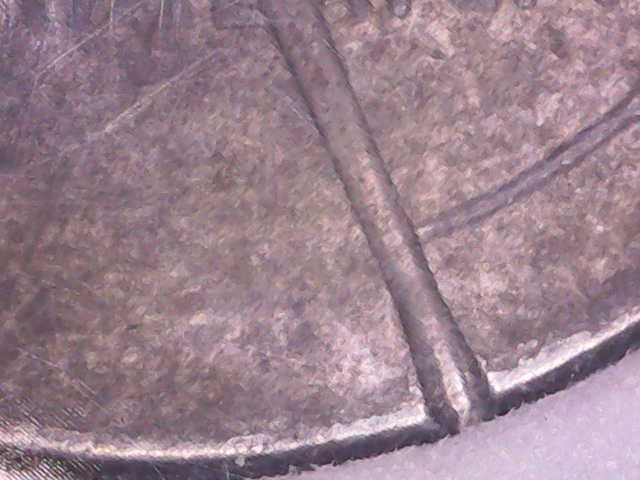
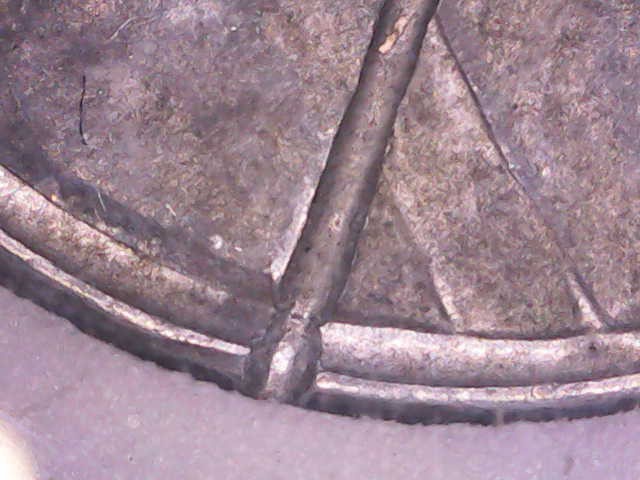
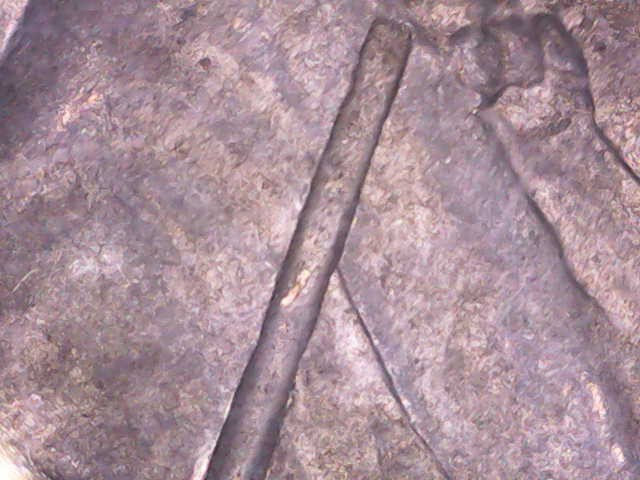
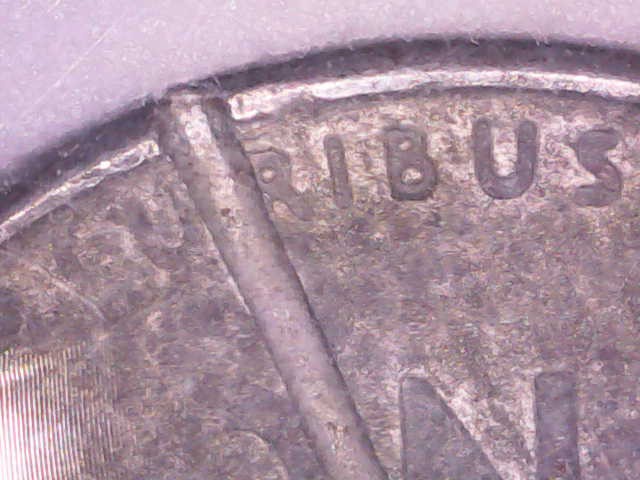
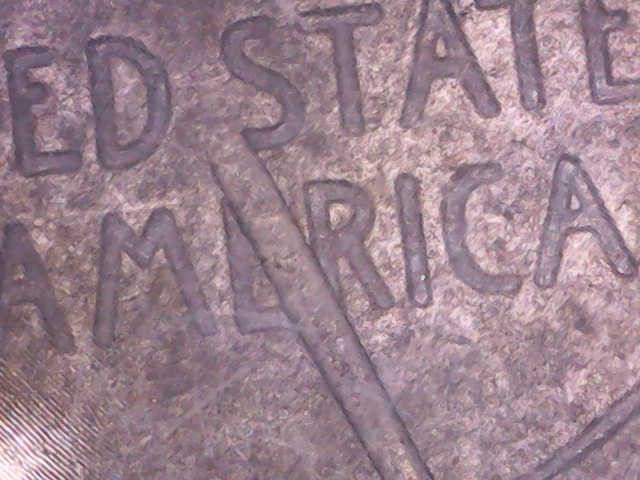
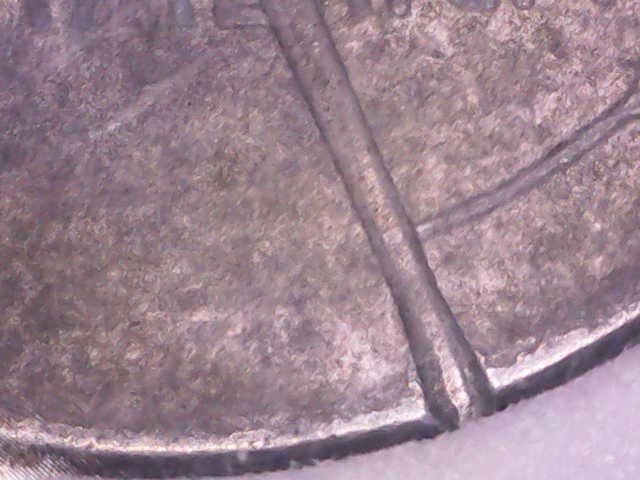
Coin collectors will look for just about anything unusual on old coins, and that includes die breaks and die chips. They’re formed by tiny cracks that occur in aging dies, and these die cracks appear as abnormal raised (not sunken) lines or spots on the coin.
Tiny die breaks and die chips have only a nominal value.
Major die cracks (or any that cause the design to look weirdly or drastically different — like a die crack running through Lincoln’s shoulder) are well worth saving and have values ranging from $10 to $25 or more.
Also, be on the lookout for:
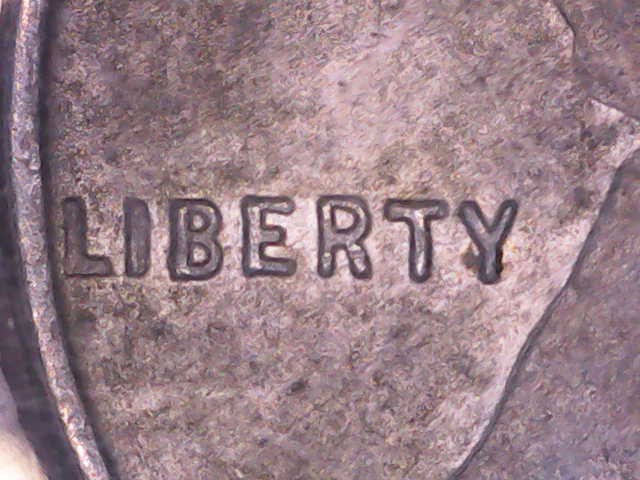
1937 BIE Lincoln cents — those that have a little vertical die break between the letters “B” and “E” in “LIBERTY.” These are worth $5 and up.
A 1937 Lincoln cent with a clipped planchet — which shows evidence of being incorrectly cut and exhibits a straight or slightly curved line on the edge. A 1937 clipped planchet penny is worth around $20.
A 1937 Wheat penny with a repunched mintmark — which exhibits as doubling (or even tripling) of the “D” or “S” mintmark. A 1937 repunched mintmark is worth $3 and up. The greater values go for pieces that show more extreme forms of doubling or evidence of a tilting mintmark.
What About 1937 VDB Pennies?
What does VDB mean, anyway?
VDB are the 3 initials for sculptor engraver Victor David Brenner, who designed the Lincoln penny in 1909. His initials are found on the reverse toward the rim under the wheat ears, which represent national prosperity.
However, many folks in the public felt Brenner’s initials were too prominent and resembled marketing. So, U.S. Mint officials removed the VDB initials a few weeks after the Lincoln cent debuted in 1909.
In 1918, Brenner’s initials were restored in tiny font to the obverse of the coin under Lincoln’s shoulder.
All pennies made since 1918 have included the VDB initials on the obverse — including 1937 Lincoln cents.
READ NEXT: A List Of The Most Valuable U.S. Pennies
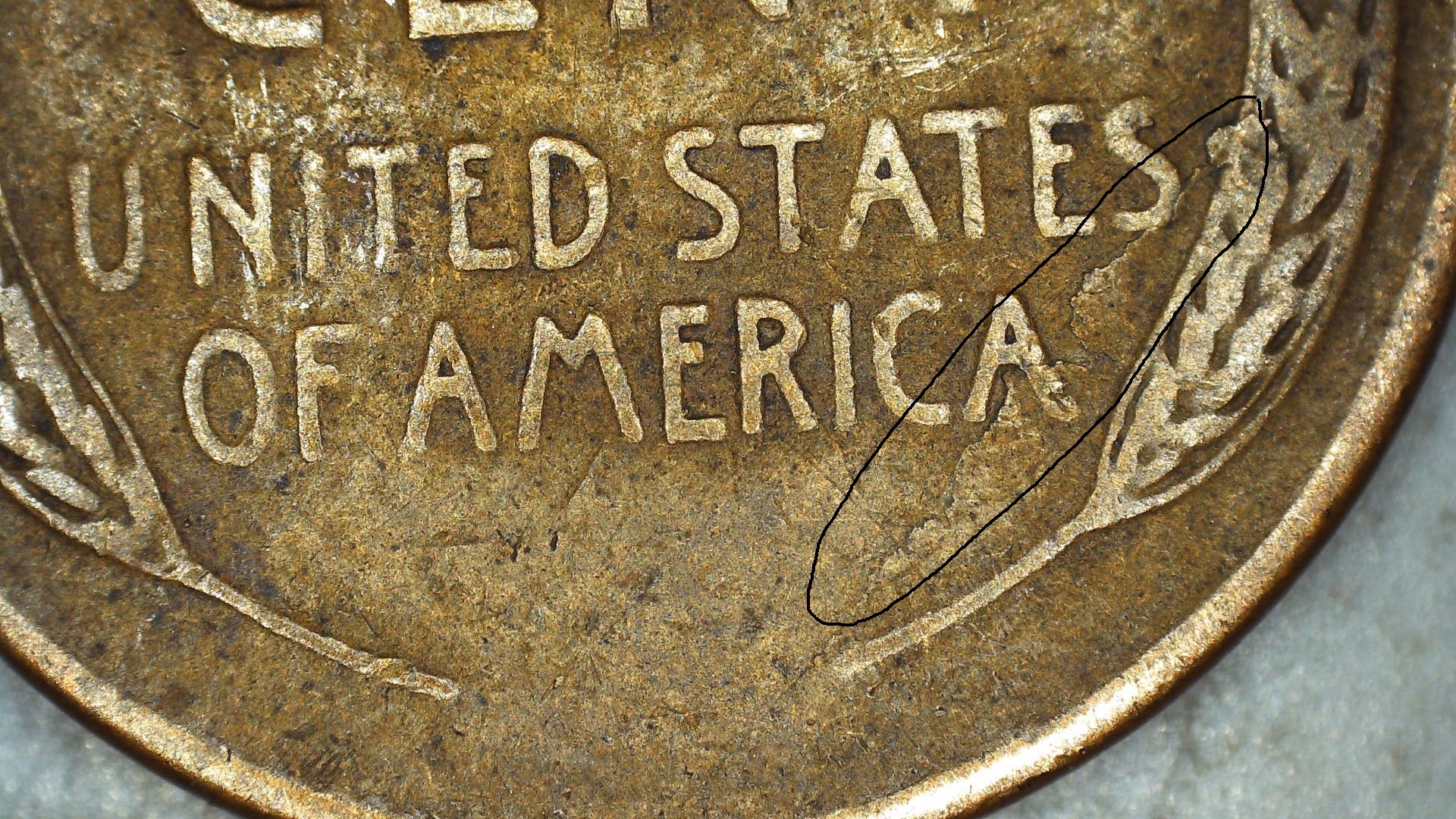
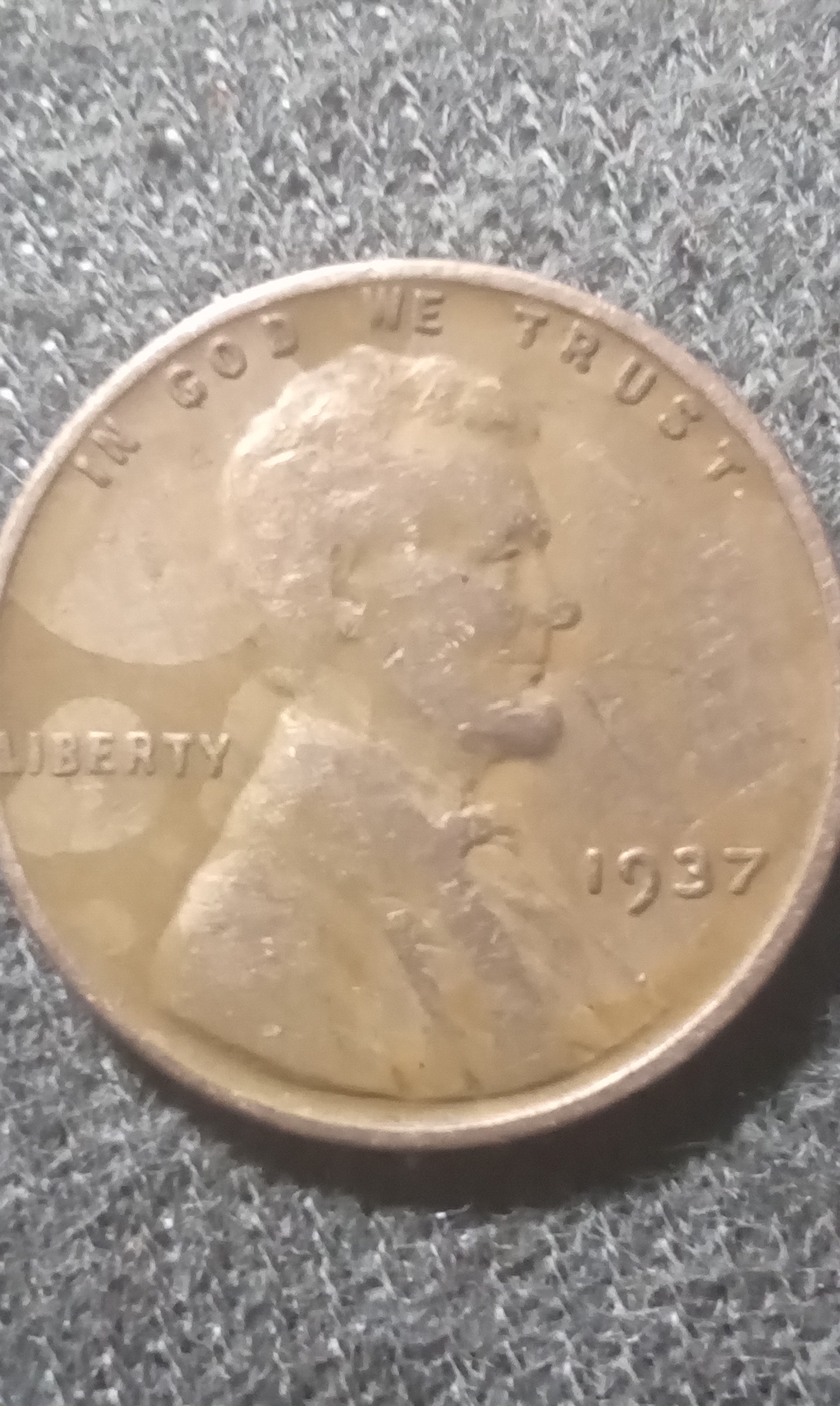
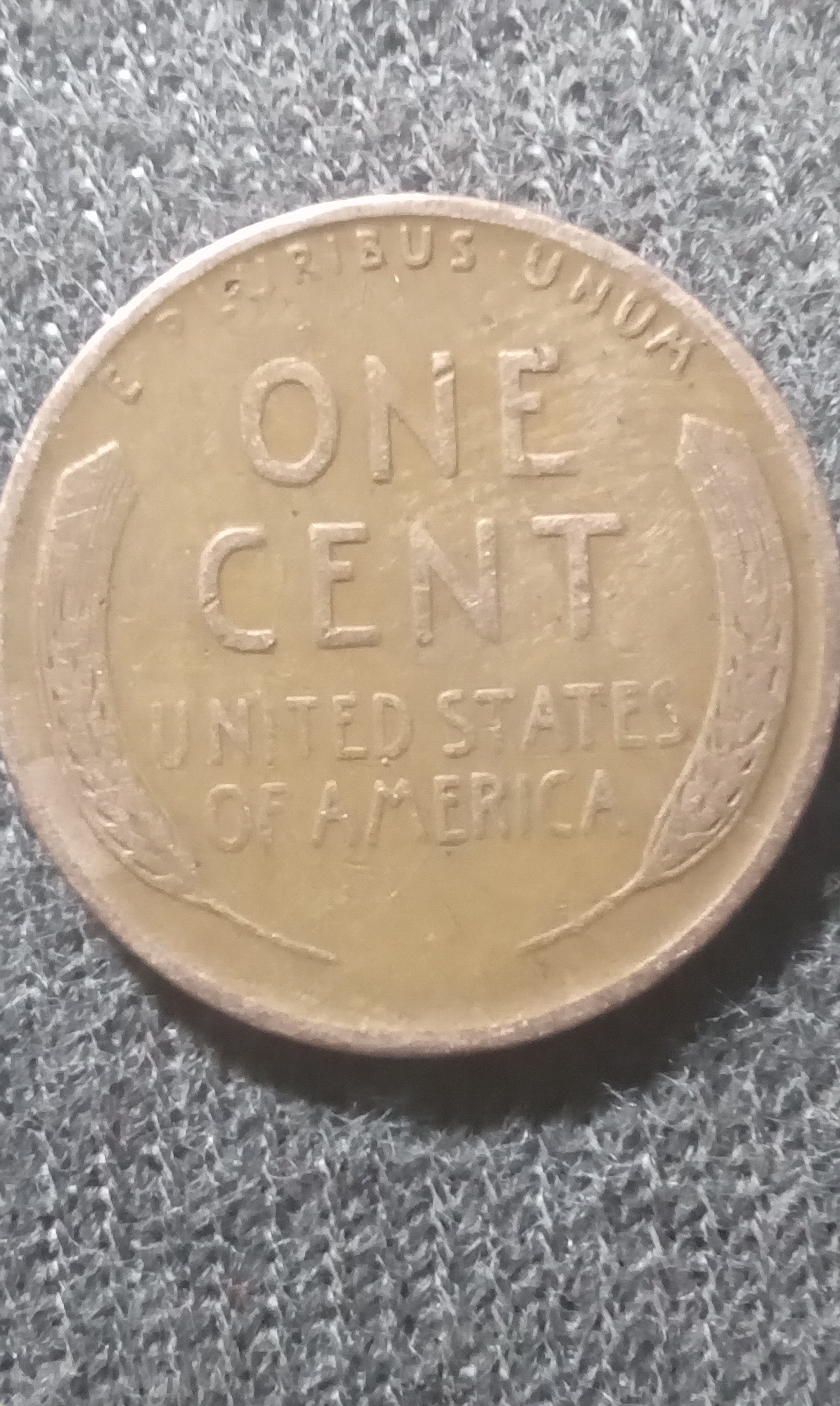
Do you have a 1937 Wheat penny? Think there may be something unique about it? Post a picture of your coin in the comments below and I’ll try to help!





Leave a Comment