


Buying rare coins isn’t monkey business!
It takes a lot of money and even more guts to lay out hundreds (or thousands) of dollars on a single coin — unless you’re rolling in dough and have plenty of pretty pennies to spend on buying a pretty penny.
Having bought a few pretty pennies myself, I’ve learned a lot about what goes into making the decision to buy a rare coin.
I’ve also learned that you don’t want to just go dropping $500 or $1,000 (or more) on buying rare U.S. coins unless you’re knowledgeable about the rare coin(s) you wish to buy.
In my 35+ years of coin collecting, I’ve bought (and sold) plenty of U.S. coins.
In this article I’ll be covering the 5 most important things I’ve learned about buying rare coins + the 5 biggest mistakes most people make when buying rare coins.
5 Valuable Lessons I’ve Learned
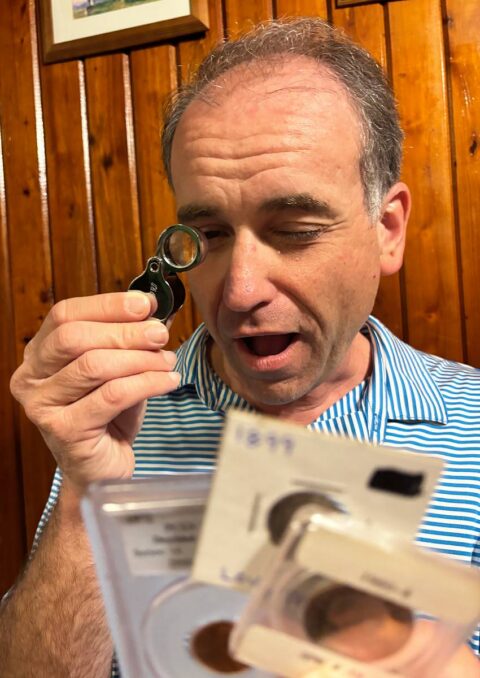
These are the 5 most important things I’ve learned firsthand about buying rare coins.
Hopefully, this information will be helpful to you if you’re thinking about buying rare coins!
#1 – Don’t go buying rare coins until you know more about what you want.
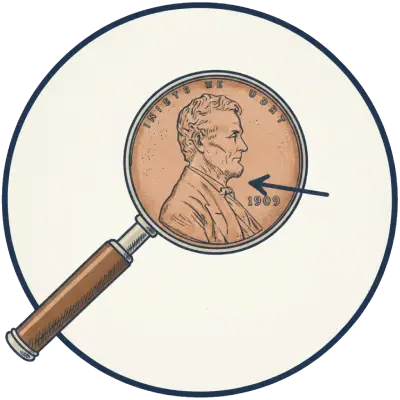
I always say: “Buy the book before the coin” (see “mistakes” below). Why’s that? Because the rare coin market is full of counterfeits, and many of these fake coins can look quite convincing to the unassuming coin buyer. For example, there are only 4 “types” of 1909-S VDB pennies that can be authentic (based on placement of the “S” mintmark, shape of the “S,” and other characteristics).
#2 – Buy rare coins because you like them, not because they’re the hottest item.
Too many coin collectors are chasing what the rest of the coin collecting community wants. Instead, follow the beat of your own drum. If you’re an avid Lincoln cent collector (like me), and you desire a 1909-S VDB Lincoln cent to complete your collection or want a 1916-D dime to finish off your holding of Mercury dimes, then great! You’ll be one of many in pursuit of these popular rare coins. But if buying the somewhat more obscure 1846 Seated Liberty half dime is your idea of “the ideal rare coin purchase,” then by all means go for it! Follow your own coin collecting goals.
#3 – Don’t buy rare coins because you want to make money.
The worst mistake any coin collector can make in the rare coin arena is buying rare coins simply because they want to make a quick buck! While it’s true that a great many rare coins have slowly but steadily increased in value over time, many others have flat-lined or even fallen in value. Case in point: when the rare coin market collapsed in the late 1980s, the values of many mint state silver coins — such as Walking Liberty half dollars and Morgan dollars — fell precipitously.
#4 – Shop around.
You wouldn’t buy a refrigerator without checking out several department stores and maybe a big box home improvement store or two, right? So, why would you spend roughly the same amount of money (or more!) on buying a rare coin without first checking out all of the coin dealers in your area? You should also peruse the websites of a few online coin dealers.
#5 – Make sure you’re buying from a reputable coin dealer.
Be careful about where you’re buying your rare coins. There are many rare coin dealers out there who are honest and ethical — but unfortunately there are a few bad apples in the rare coin market. There are several signs to look for in a reputable coin dealer, including consistent grading, prices that are roughly in line with average selling prices in value guides, and a fair return policy.
The Bottom Line: Lessons
As you gain more experience in buying rare coins, you will get a feel for how the coin market works and better understand what to look for when you’re shopping for coins. Buying a rare coin is something that will eventually become a less nerve wracking ordeal and instead become a pleasurable pursuit that will result in a desirable addition to your coin collection and a feeling of true accomplishment.
Now let’s talk about the most common mistakes people make when buying rare coins…
5 Mistakes People Make When Buying Rare Coins
It’s easy to make coin collecting mistakes — especially when buying rare coins. And those mistakes can sometimes be painful!
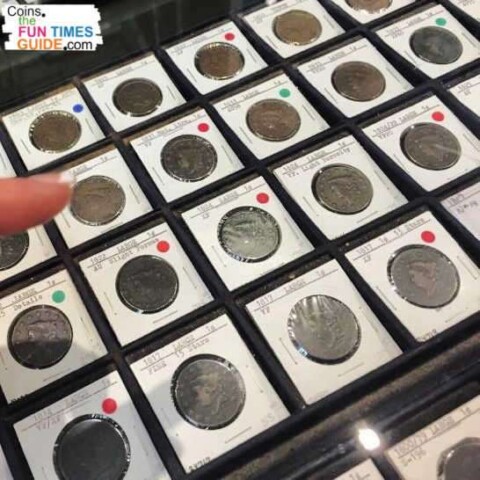
I’ve made plenty of flubs when buying coins over the years. And I venture to say a fair number of people reading this article have, too. Maybe even you. (Don’t worry, no judgement here.)
I think we each have our own parameters for what the terms “rare” and “valuable” mean. But we can all agree these words describe coins that are hard to find and expensive to buy.
For that reason, we need to be extra careful about buying “rare” and “valuable” coins!
Our chances of making a risky move as a collector (or even a financial blunder!) significantly increase when dealing with rare and valuable coins.
Here are 5 common mistakes associated with buying rare & valuable coins — and how to avoid them!
#1 – Not “buying the book before buying the coin”
There’s an old saying in coin collecting that goes, “Buy the book before you buy the coin!” It simply means you should research whatever coins you wish to collect before you begin collecting them.
That adage by 20th-century New York City coin dealer Aaron R. Feldman (and popularized by him in 1966) could be translated by more digitally aware audiences to mean: find out more about the coins you’re interested in through websites like this one.
But the heart of the saying remains the same… do your due diligence before spending a bunch of money on coins you don’t even know about!
My Personal Experience
I’ve been researching coins for decades — ever since I got into the hobby back in 1992.
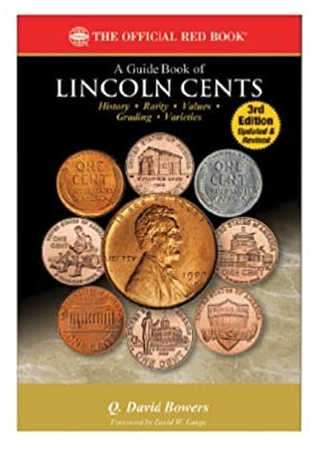
When I ventured into building a complete set of Lincoln pennies, I bought several books about the famous series — including A Guide Book of Lincoln Cents by iconic numismatic author Q. David Bowers.
Lincoln pennies have always been one of my very favorite coins, so I felt pretty confident about building this set of coins after I studied up on the basics of the series.
However, many years ago I started pursuing a gold coin type set — a large and expensive one.
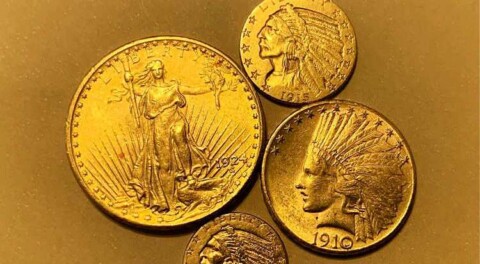
I later sold it and put the money toward buying a home.
I lost interest in building the set of gold coins. Not only because it became too expensive for me to complete my set the way I wanted to, but also because I didn’t feel that intimately familiar with those coins — they were beyond my realm of experience or deep knowledge.
I had become consumed with work by that point in my life and really couldn’t take the time necessary to read up on the various gold coins I was chasing after.
This led to my missing out on knowledge that could’ve helped me save money while buying the right gold coins for the set.
I later came to realize there were some scarce dates out there that I could’ve bought for the same price as the common ones! Oye veh…
#2 – Paying too much for rare coins
We all know rare coins are expensive, but at what point are they too expensive?
This is where buying the book before buying the coin would be useful, eh?
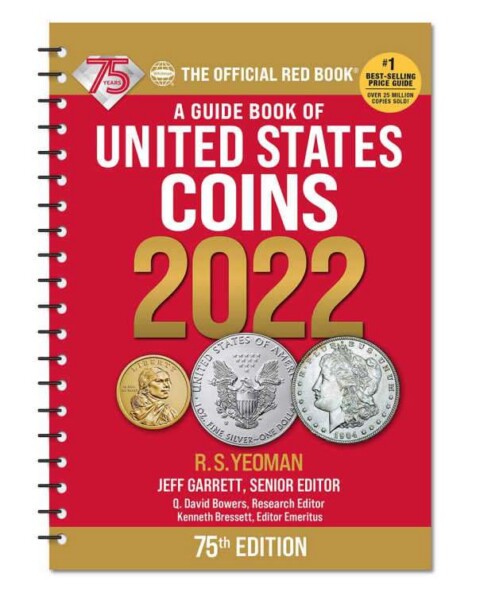
Actually, yes… And one of the informational venues you should research when trying to find out how much to spend on rare coins is a price guide.
Bear in mind, price guides are merely an indication of current market prices. These books are not the final say as to what an individual coin is worth. (These are the 5 factors that determine a coin’s value.)
However, a price guide like “The Red Book” can help tremendously when you’re trying to determine approximately how much you should pay for a standard specimen of a particular type of coin.
My Personal Experience
I’ve received a few good deals over the years — and, admittedly, I’ve also paid more than I probably should have for certain coins.
One of the most memorable times that I probably overpaid for a coin was when I bought a 1909-S VDB penny. It was a coin I had always wanted since I was a kid.
I probably paid $100 to $250 more for the coin than I might have paid elsewhere — but this was a slabbed specimen with nice, chocolate-brown surfaces. It was also the first time I ever paid for an item on “layaway.” (Looking back, I actually didn’t do too badly with that deal.)
I still have that coin today, and I’m pleased to finally have a beautiful example of a 1909-S VDB Lincoln cent in my possession. I’ll probably end up passing that coin down to the next generation — so I can’t really be too upset about overpaying a bit for a coin that I like so much.
#3 – Impulsively buying rare coins
I’m sure you’ve reached for that last-minute candy bar or magazine in the grocery store checkout line before. Goodness knows, I have (many times).
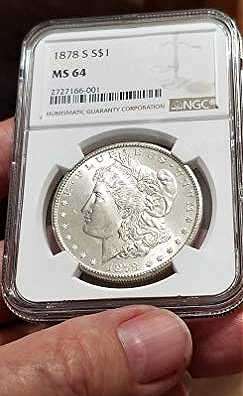
These little impulse buys usually set me back anywhere from $1 to $5. Or sometimes $10 to $15 — for one of those glossy commemorative magazines honoring the anniversary of a favorite TV show, historical event, or iconic figure.
Of course, $1, $5, or even $15 represents a far less financially hindering impulse buy than one that might cost $100, $500, $1,500 or more.
For folks who have that kind of money to toss around… more power to them. But for many of us, including yours truly, $100 is a lot of money!
My Personal Experience
Before I bought my house, I would spend $100 or more on rare coins on a whim.
And I would usually end up selling them later at a loss — simply because I no longer wanted the coin, or it didn’t fit into my collection.
If I had bought coins in my early days with a little more purpose and thought, chances are I would’ve made better buys that were more meaningful to my long-term coin collecting goals.
#4 – Buying overgraded coins or problem coins
I’m a perfectionist. This can make my pursuit of rare coins a little more frustrating — especially when I set the bar too high for myself in buying coins that I can barely afford anyway.
It’s OK to have high expectations when you’re buying rare coins. You want to be satisfied with the buys you make, right?
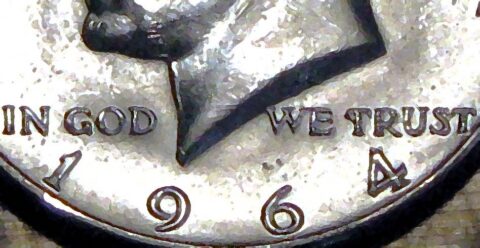
However, your perfectionism is going to make buying coins difficult once you realize that it’s pretty tough to find the “perfect” coin. This is especially true if your budget doesn’t allow for buying the nicest coins around.
Granted, we can’t all own the best of the best. Then there really wouldn’t be a “best,” would there?
And it’s OK to expect problem-free coins with decent surfaces that are graded properly. That should be the case no matter what type of coin you’re buying.
The issue is that there are some coins out there that have been overgraded (unintentionally or otherwise) or that are hiding post-mint damage problems that may not necessarily jump out and present themselves to you at first.
My Personal Experience
I’ve accidentally bought several overgraded or otherwise subpar coins whose imperfections I hadn’t noticed at first, including:
- A slightly bent 1799 Draped Bust silver dollar
- A suspected counterfeit 1835 Capped Bust half dime
- An 1878-CC Morgan dollar with a significant rim ding
These were all purchases I made years ago that have taught me to be a little more careful before buying any coin — especially rare and valuable coins!
#5 – Selling coins too quickly
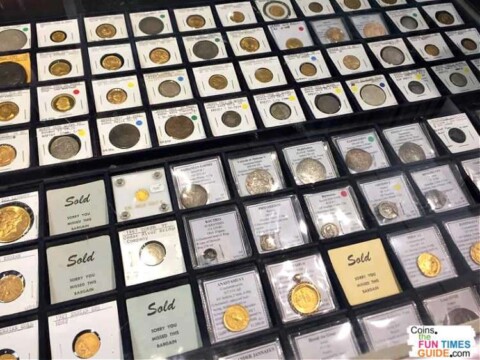
I lump this particular mistake about selling coins in with the others about buying coins — because all too frequently, the purchase of rare coins is made with the sole intention of flipping it for a profit.
Oooh, the pitfalls that can come with that!…
- Rare coins don’t usually increase in value quickly enough for you to score a meaningful profit in only a few days or weeks.
- You might actually want that rare coin for your collection in the long run.
Seller’s remorse is a thing. Especially for coin collectors who come to realize only after selling a certain treasure that they let go of something special — something that’s hard to find and that they may not ever be able to get back.
A lot of collectors experience seller’s remorse when they sell rare and valuable coins. Some go to great lengths (and expense) to later buy back a certain coin that was once theirs — or at least one that’s similar.
My Personal Experience
This happened to me when I sold a nicer circulated 1799 Draped Bust dollar just weeks after buying it. I sold it for another rare coin for my Lincoln cent set.
Sometime later, I reached back out to the dealer to whom I sold the early American silver dollar to see if they still had it. I was lucky enough that the coin was still available, and I bought it back for a premium over what I had initially paid.
But in the case of the 1834 Capped Bust half dollar that my parents gave me for my 13th birthday and that I later sold to pay a tuition bill? Not so lucky there… That coin sold before I could buy it back.
The Bottom Line: Mistakes
Collecting rare coins shouldn’t be a gamble.
By doing your homework before you buy, using reliable price guides, avoiding impulse purchases, inspecting coins carefully for hidden defects, and holding onto your treasures long-term, you’ll protect your wallet and build a collection that you’re proud of.
Most costly coin-buying blunders come down to rushing into a purchase without doing your homework. So… take your time, study the coin series before opening your wallet, buy problem-free coins that fit your long-term goals, and resist the urge to flip or sell too quickly!
READ NEXT: 5 Ways To Buy Gold & Silver Coins At Or Below Melt Value


Leave a Comment