





This post may contain affiliate links. If you buy thru these links, we may earn a commission at no additional cost to you.
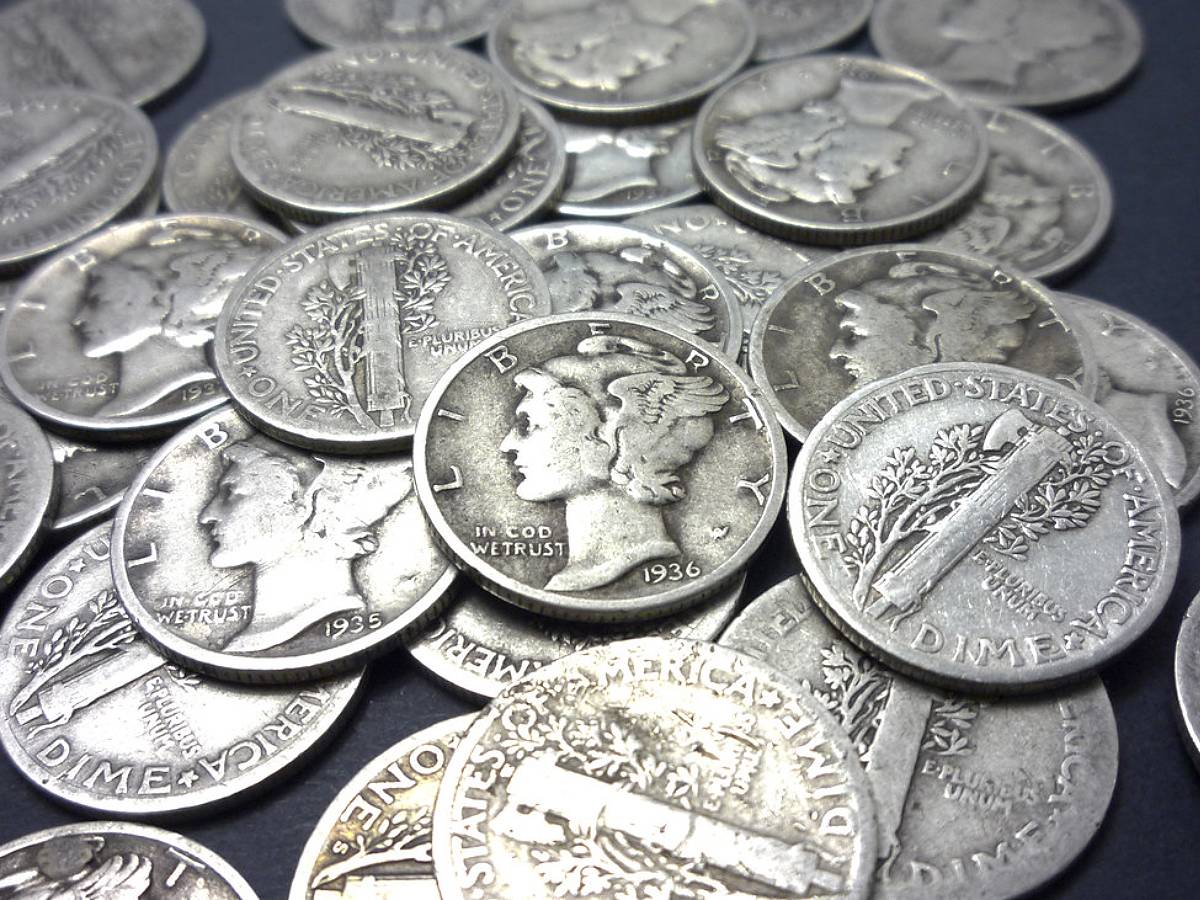
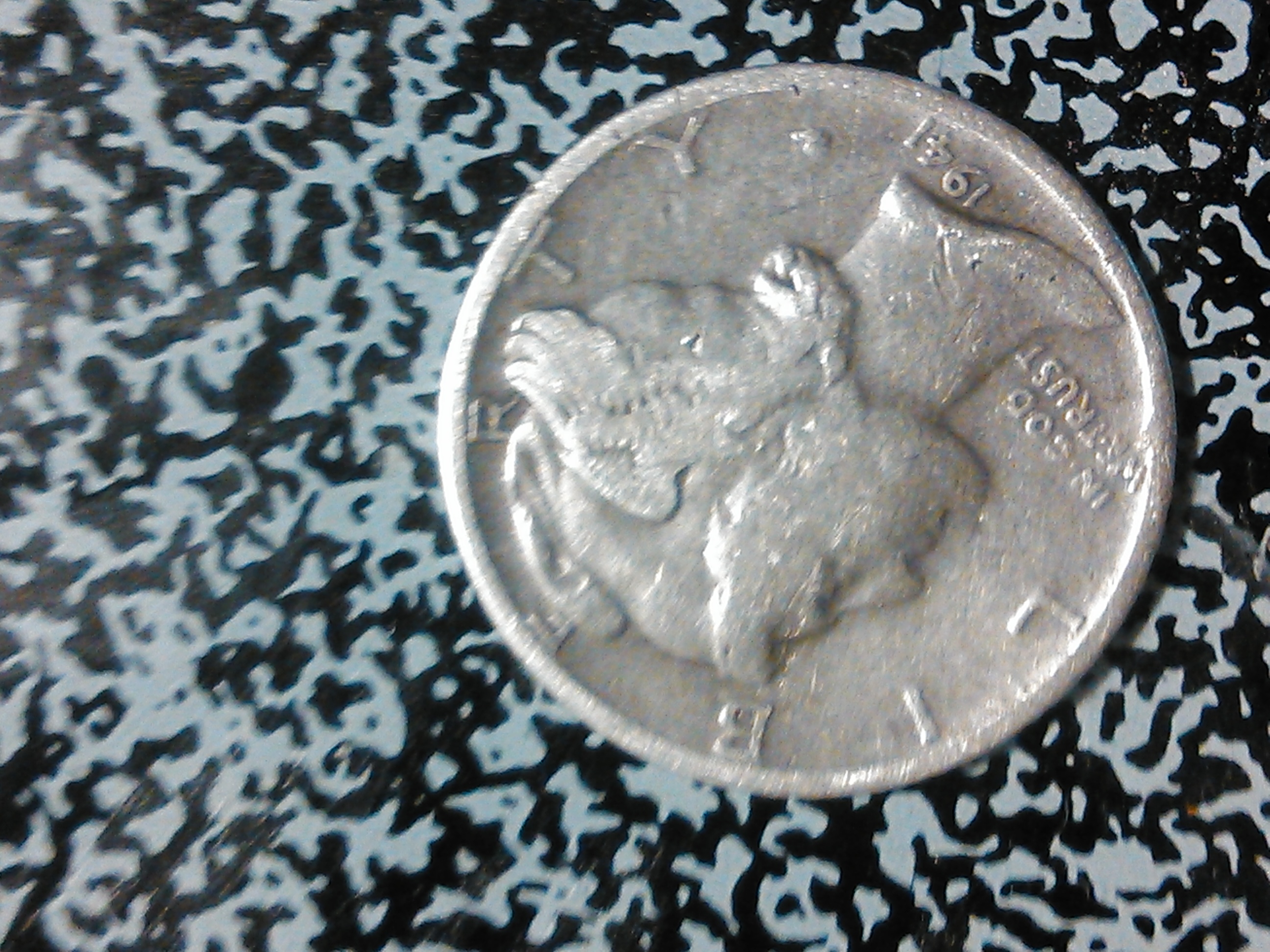
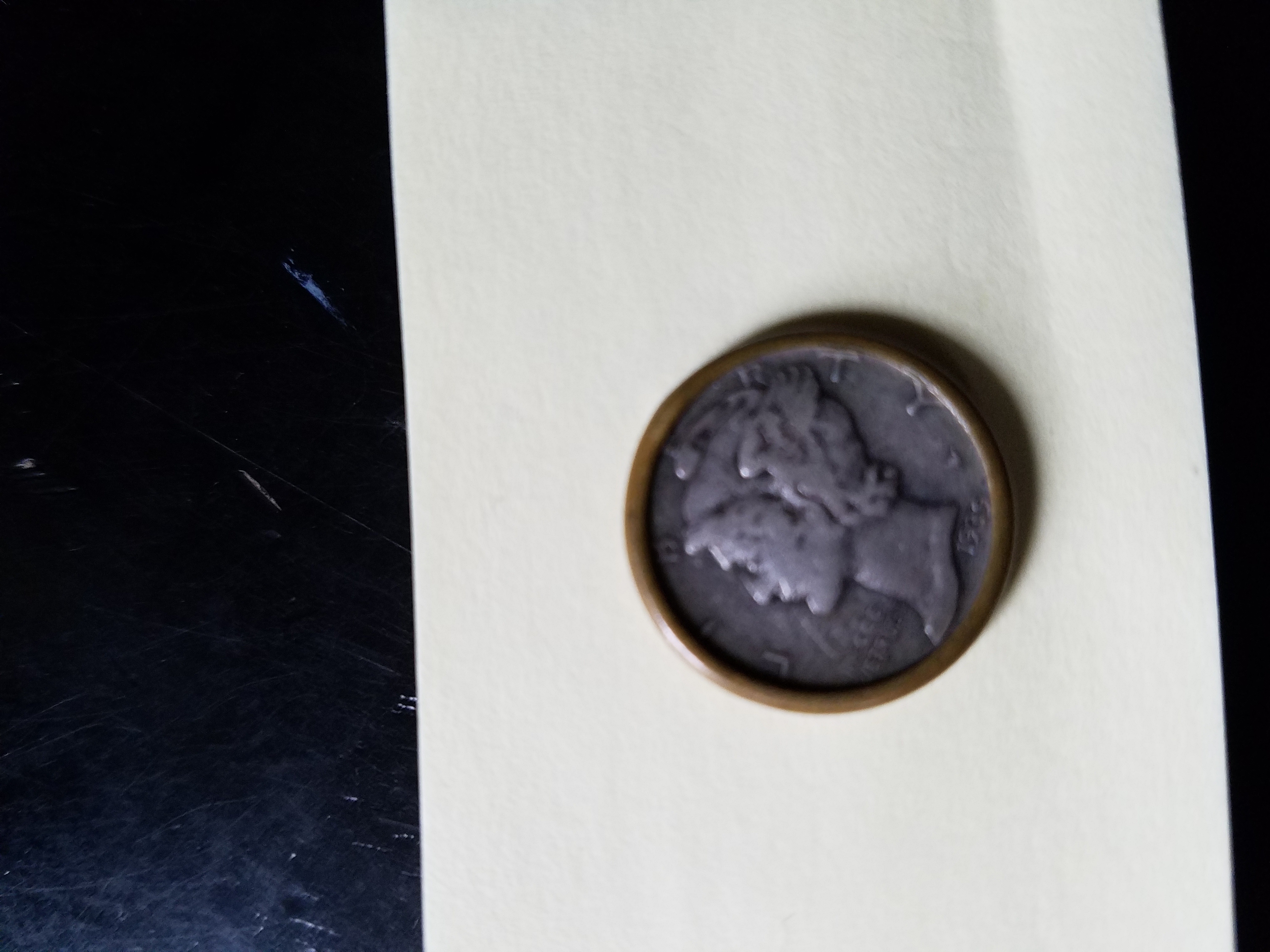
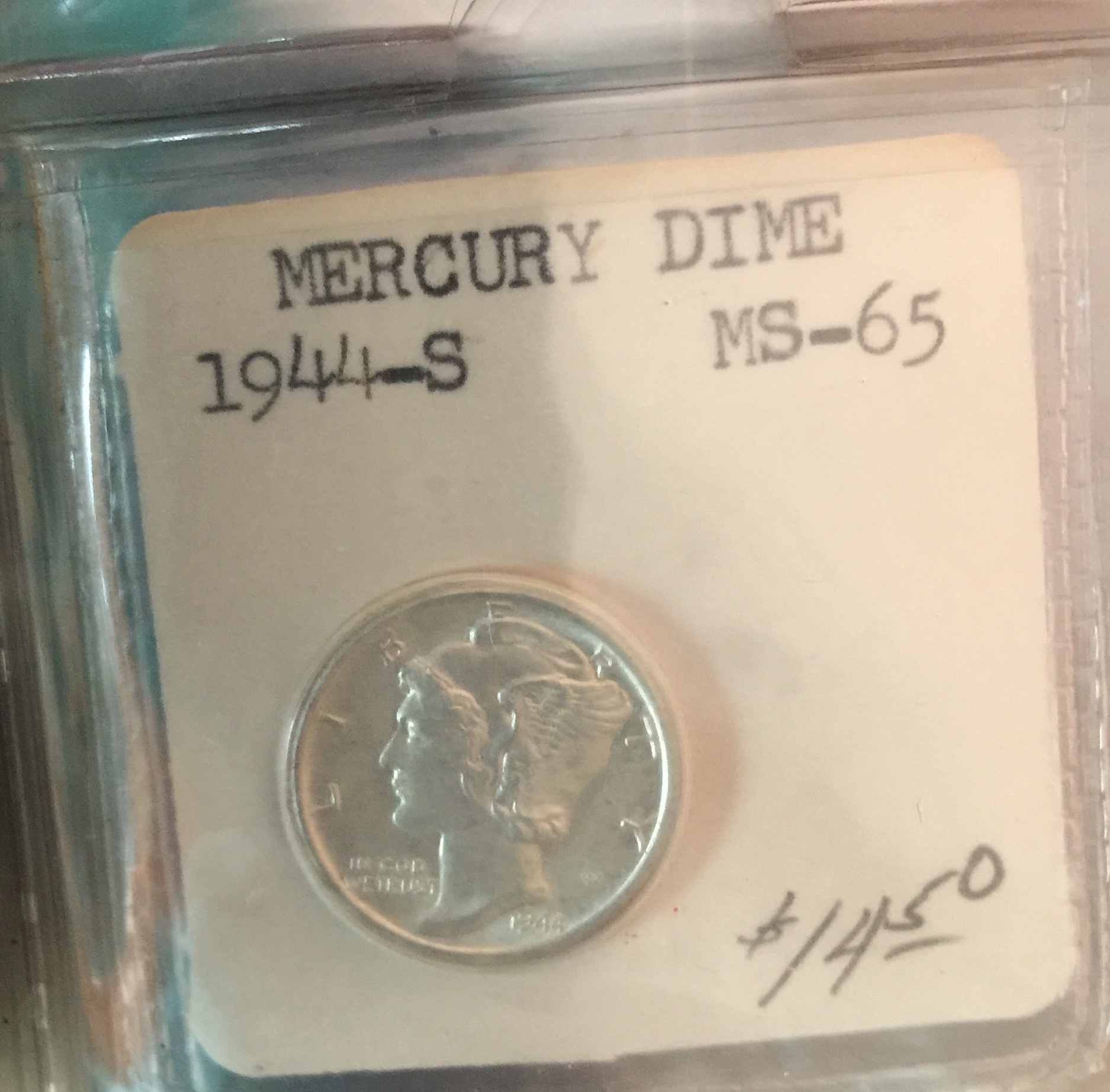
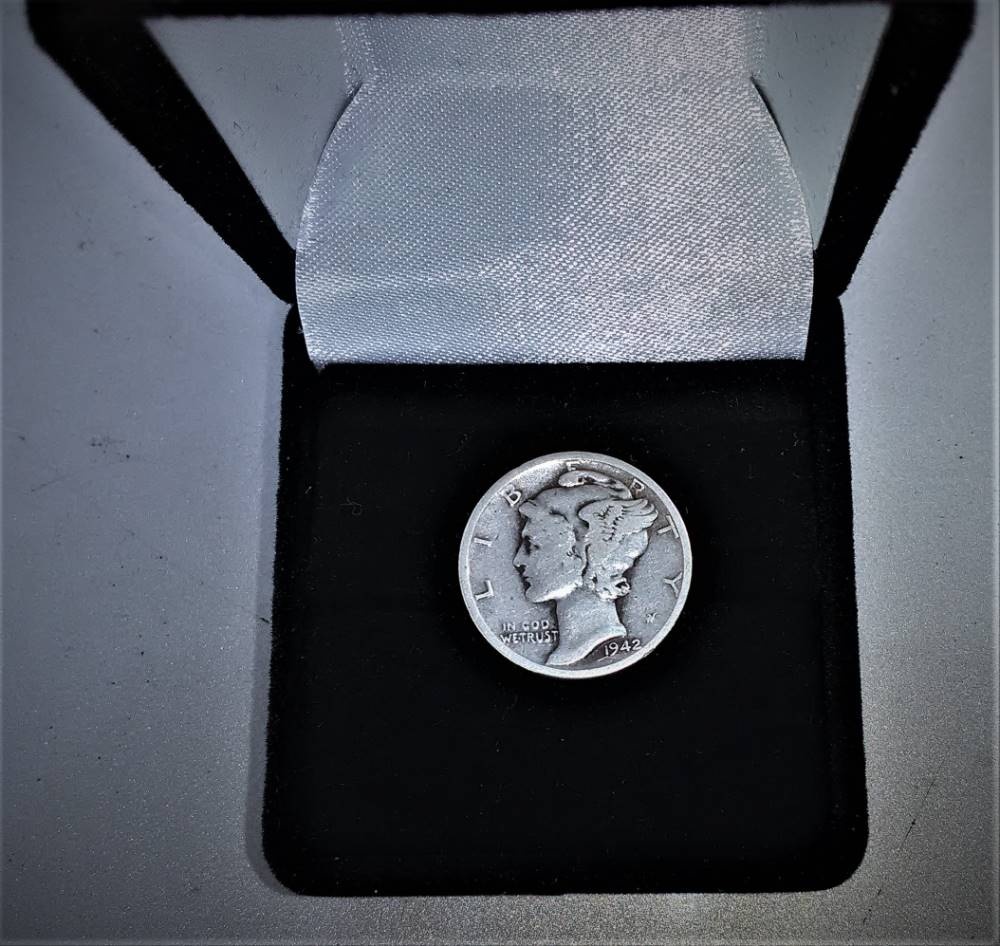
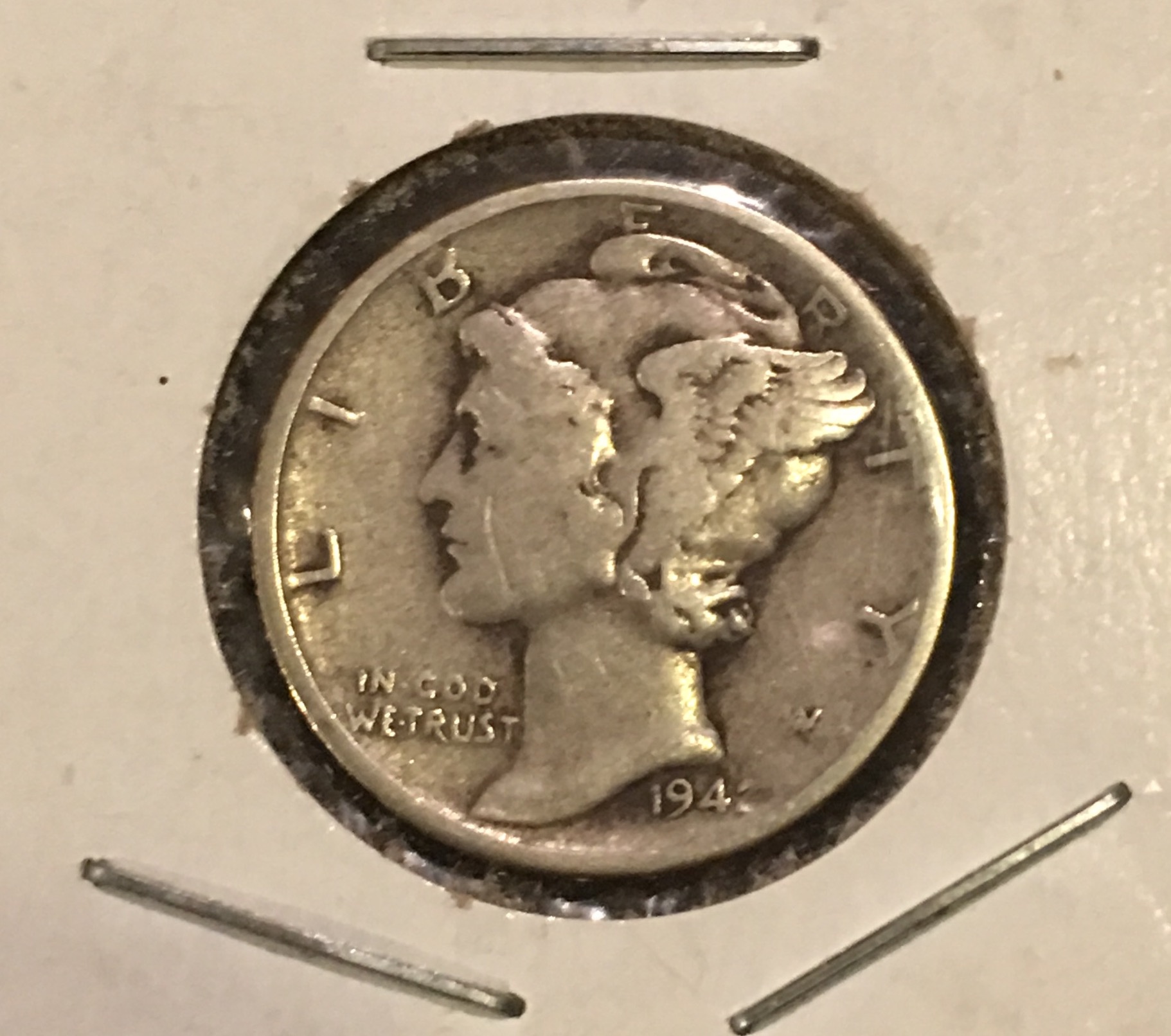
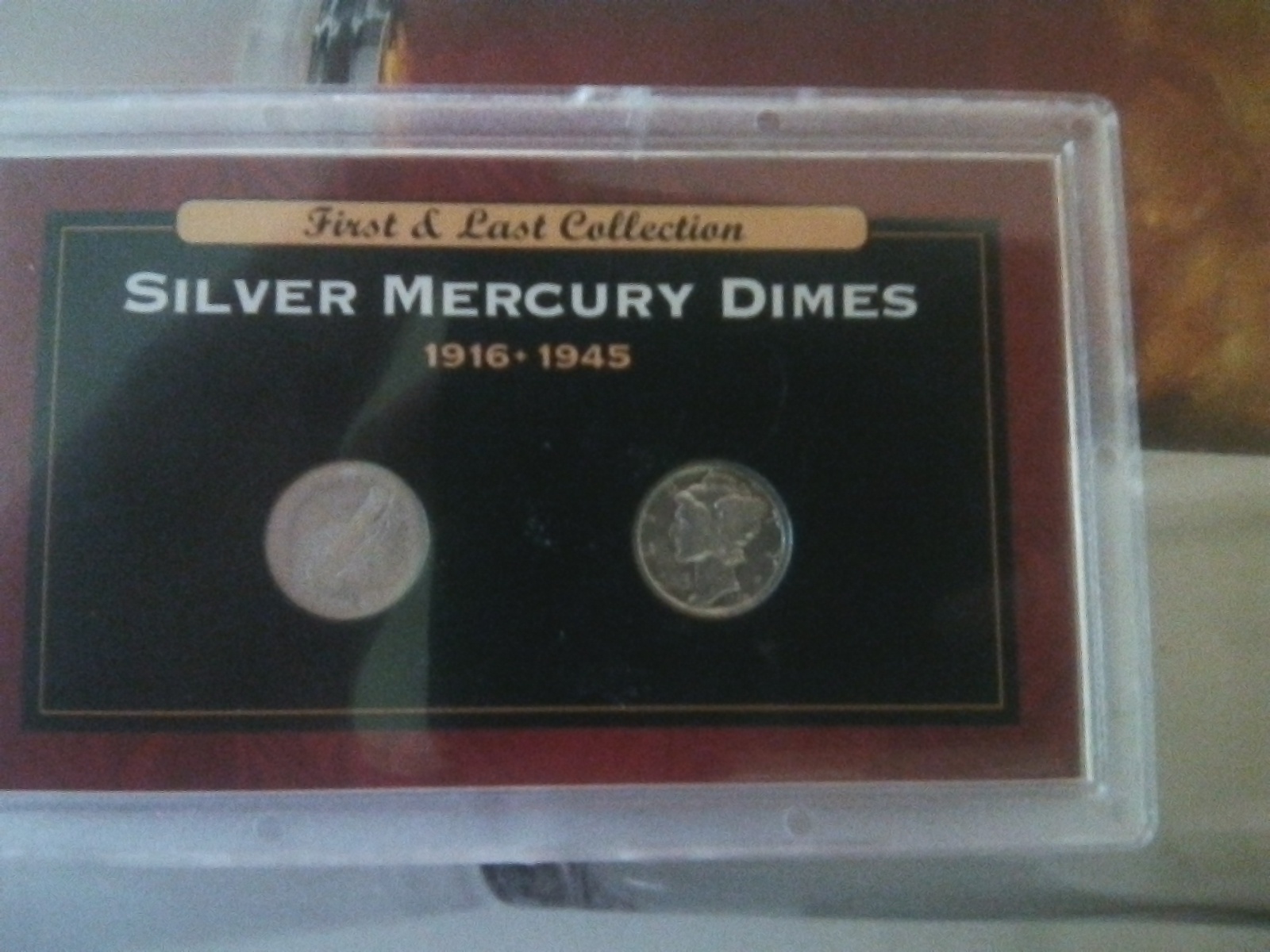
Mercury dimes (sometimes called Winged Liberty Head dimes) made their debut in 1916.
Most Mercury dimes are fairly common, as they were struck by the tens of millions during many years. They remained in circulation for many years after the last Mercury dime was struck in 1945. It was replaced by the Roosevelt dime.
The Mercury dime is a coin popular among collectors, and it also enjoys a following among investors.
Since prices are relatively low (especially for 1930s and 1940s issues), almost anybody can afford to buy at least one Mercury dime for their collection!
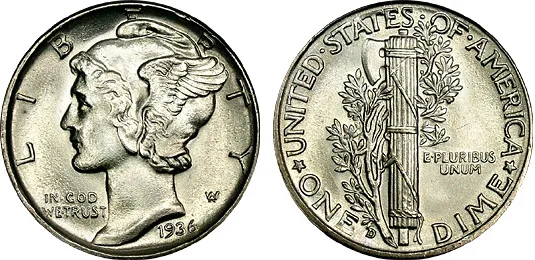
Little Known Facts About The Coin’s Design
The portrait on the front of this coin was mistaken for (and bears resemblance to) the Greek god Mercury. But the portrait is in fact of Liberty — the same figure that has graced U.S. coins since their introduction.
Mercury in Greek mythology was known as the “quick messenger” and was equipped with wings to better execute his duties.
The confusion comes in when the designer of the coin, Adolph A. Weinman, added wings to Liberty’s headdress. The wings were added to symbolize “liberty of thought”. However in the end, due to misconception, the coin was improperly named the mercury dime.
So, how has the Mercury dime fared in the U.S. coin market?…
Rare Mercury Dimes
Mercury dimes are known for their rarities.
One, the 1916-D Mercury dime, is a “modern rarity” that is as popular in some circles as the famously rare and valuable 1909-S V.D.B. cent.
Because Mercury dimes tend to be collected as a series (with every date and mintmark combination collected as a set), such demand puts pressure on supply.
For that reason, Mercury dimes have seen some price increases over the past several years.
Mercury Dime Values: 1994 vs. 2024
Let’s look at 9 Mercury dimes and see how their prices have changed between the 1994 edition of the revered Guide Book of United States Coins and the 2024 edition.
Mercury Dime Value Comparison (1994 vs. 2009)
| Coin / Variety | Condition | 1994 Value (USD) | 2024 Value (USD) |
| 1916 | Good to Mint-State 63 | $1.50 to $50 | $4 to $50 |
| 1916-D | Good to Mint-State 63 | $325 to $4,500 | $1,000 to $16,000 |
| 1921 | Good to Mint-State 63 | $20 to $1,400 | $50 to $2,300 |
| 1921-D | Good to Mint-State 63 | $30 to $1,650 | $65 to $2,500 |
| 1926-S | Good to Mint-State 63 | $6 to $1,600 | $15 to $1,850 |
| 1931-D | Good to Mint-State 63 | $6 to $95 | $8 to $140 |
| 1942, 2 over 1 | Fine to Mint-State 65 | $225 to $6,000 | $450 to $4,750 |
| 1942-D, 2 over 1 | Fine to Mint-State 65 | $225 to $4,200 | $425 to $4,750 |
| 1945-S Micro S | Fine to Mint-State 65 | $1.25 to $65 | $3.25 to $100 |
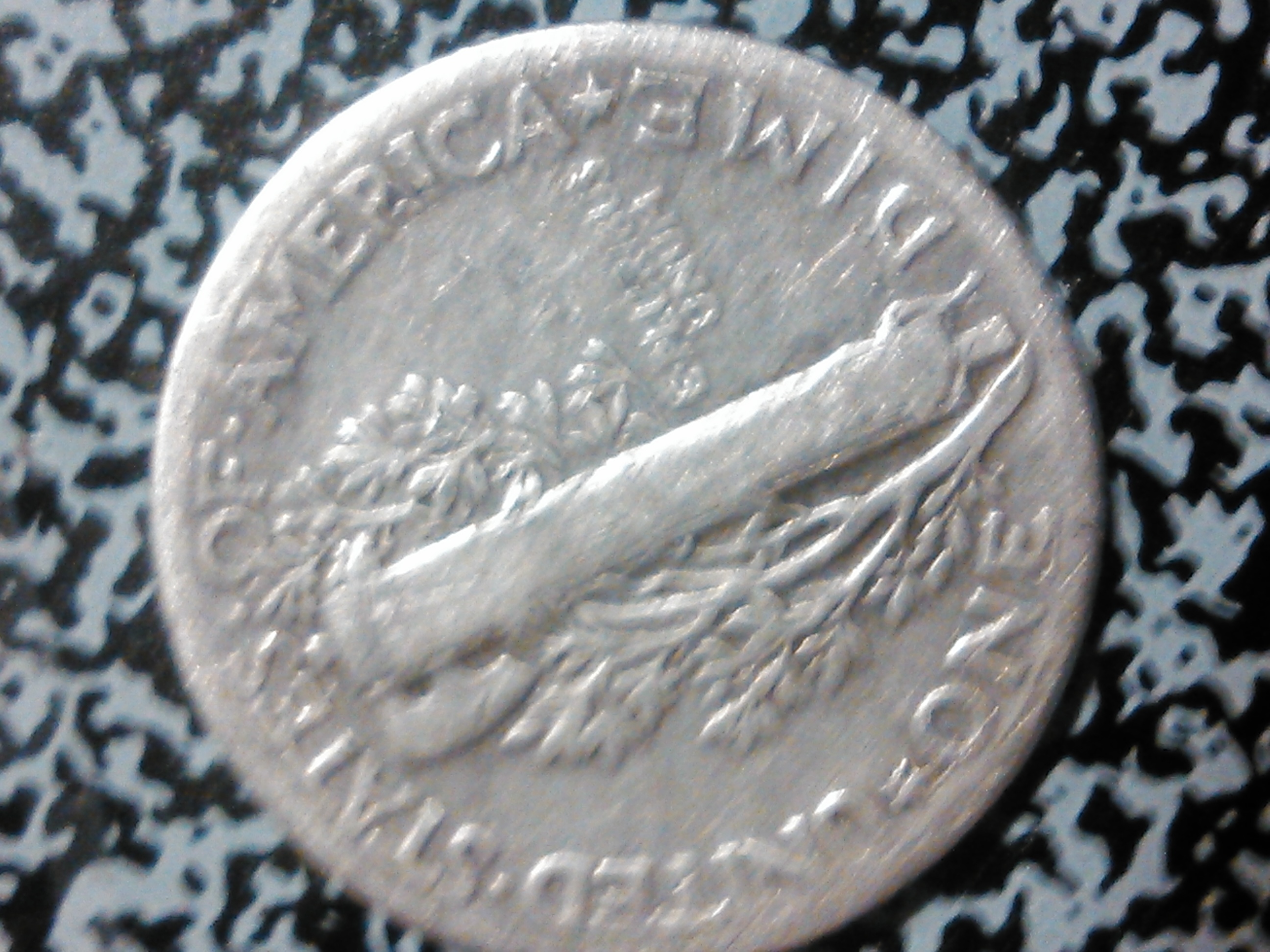
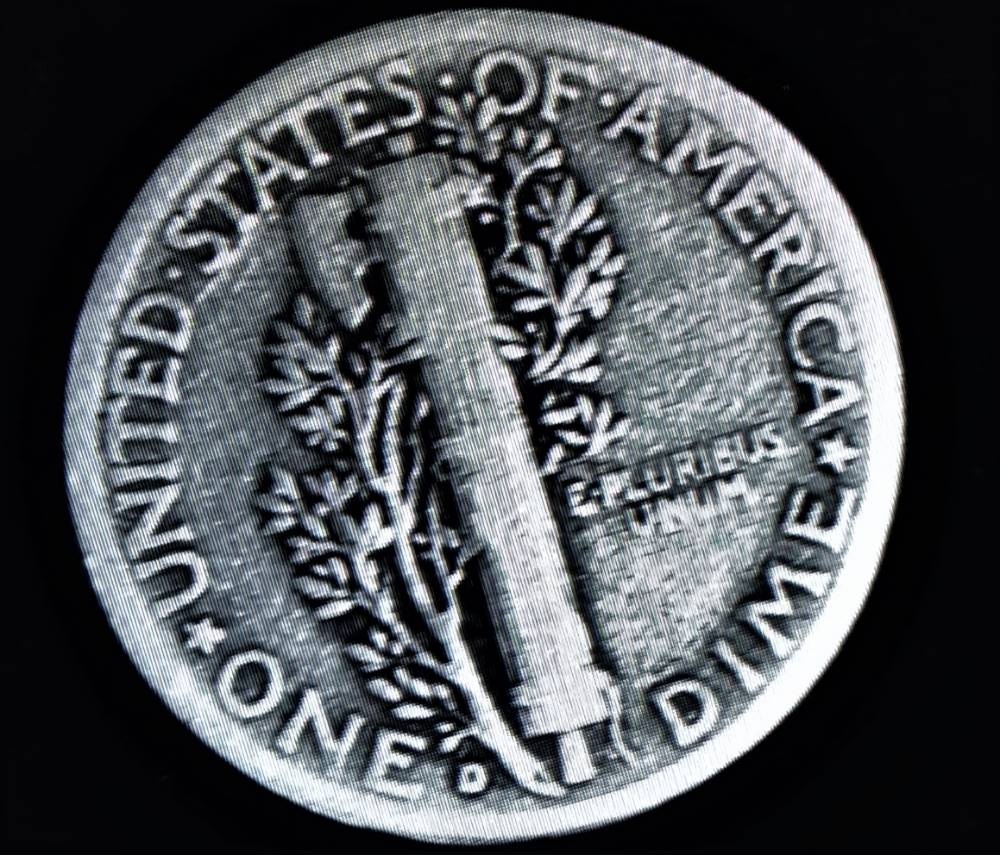
The mintmark on a Mercury dime is very small. It can be found on the reverse side of the coin on the bottom left — just after the “E” in the word “ONE” and just left of the branch.
Scarce Mercury Dime Values
The scarce Mercury dimes have seen very nice price increases over the past 30 years.
The only price that decreased among those listed above was that for the Mint-State 63 1916 Mercury dime.
Yet, despite the price increases listed in the chart above, coin investing is still risky. Price trends over a period of years are a good indicator of future activity — but nothing is guaranteed in the world of coin investing. Therefore, use this information only as informational insight, not as a guide to which coins you should invest in.
READ NEXT: List Of All Rare U.S. Dimes




Leave a Comment