




In my 35+ years of coin collecting, I have sometimes wondered where my collection would have been without the service of coin dealers.
That’s right, coin dealers (who, as a group, buy and sell all kinds of coins from all over the globe and from all time periods) have allowed me to span my collection far beyond the reaches of what coins in circulation can provide for me.
Without coin dealers, my hopes of obtaining silver coins would be only a prayer. My ability to acquire coins struck before the 20th century would come only from hitting an old box of buried treasure. And my type collections would contain very few “types” of coins indeed.
Here’s a little about my experience buying coins from coin dealers…
What Coin Dealers Are Like
Coin dealers are a varied sort.
Some dealers specialize only in modern U.S. coins, others in investment-quality and bullion coins. Most of the other coin dealers I have ventured across tend to cater to a more mixed bag of collectors. For example, one dealer I happened upon once billed his store as catering to the “working class” crowd.
Coin dealers are like car dealers in some ways. (Though I believe the former are far more honest as a whole than the latter!)
Certain car dealers set up shop near the fancier parts of town selling brand new Lexus, Porsche, and Mercedes-Benz models. While other car dealers tend to cluster more to the middle-income parts of town with new and used Toyotas, Fords, Chevys, and Dodges. Then there are those dealers who deal strictly in second-hand vehicles of all makes, models, and years.
Coin dealers are much the same!
How To Find “The Right” Coin Dealer

Since coin dealers tend to focus on different types of coins, I’ve discovered that one of the most important things to do before shopping with coin dealers (and this may sound basic, but I’m going to tell you anyhow) is to call the coin dealer first and find out which coins they are selling.
After all, since not all coin dealers specialize in all areas of the hobby, there’s a fair chance you may not find what you want if you just walk into a coin dealer’s store without some knowledge of what types of coins you will find inside first.
All coin dealers (at least the ones I have frequented) provide these things to their customers:
- a good deal of friendliness
- a bit of insight about the hobby
- a fair amount of patience
You might be wondering why patience is a big deal with coin dealers. Let me put it this way…
When you walk into a coin dealer’s store, the first thing you’re going to notice is how many coins are neatly displayed in the dealer’s cases — all staring at you and saying “Pick me, pick me!” It can take some time to decide which of these coins will be going home with you, and which ones you have to leave behind.
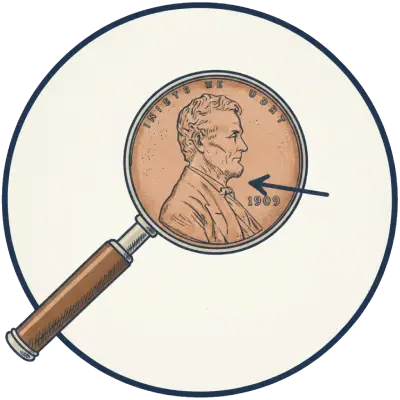
The coin dealer who, without even being prompted by you, offers you a stool and a magnifying glass is a keeper. They are essentially telling you to sit down, make yourself at home, and see what you like. Kindly accept the offer and go about your coin shopping!
Here is some honest advice to help you make friends with your coin dealer.
6 Tips For Buying Coins From Coin Dealers
#1 – If you’re going to the coin dealer with the intention of buying lots of coins, then bring along a list. There’s nothing worse than stopping by the coin dealer’s shop only to forget which coins you need to finish off your collection! I’ve never gone to a coin dealer for a bunch of coins without bringing along a handy list of the coins I need to finish a set.
#2 – When visiting coin dealers, remember that you’re going to a store with a lot of very valuable, expensive items all around you. Be careful not to damage the coins, cases, or other items around you through careless maneuvering or moving around too quickly. And don’t break the first commandment of shopping at a coin dealer’s store: “Never drop a coin!“
#3 – Oh, and keep your hands out of your pockets! I would imagine that nothing makes a coin dealer more nervous than seeing someone place their hands in their pockets while handling coins or being anywhere near coins! Luckily I’ve never had any problem with this, as instinct has always told me to keep my hands out of my pockets while at a coin store, but this reminder goes out to those who feel more comfortable with their hands inside their pockets.
#4 – Generally speaking, do not get into a pricing war with the coin dealer. Nothing is worse than offending a good coin dealer by offering substantially lower than the asking price that is stamped on the coin’s holder. In fact, unless the coin doesn’t have a price marked at all (as is the case with many bullion-value coins, damaged coins, and discount coins), the most I would ever recommend doing is directly asking the coin dealer what the price for that coin is. That way, you can hope to get a response from the dealer that may be 3% to 5% lower than the marked price (maybe pricing trends have changed since the day that coin was initially marked with a price).
#5 – If a coin has apparent damage, don’t make a big show about all the problems the coin has. That’s why most coin dealers offer magnifying glasses to their customers. The assumption is that you will spot problems on the coin before you buy it and then, if you still want the coin, you will buy it. If you decide the coin is too marred for you, simply put the coin down and move on to the next — in hopes of finding one that satisfies your eye.
#6 – I highly recommend that anybody shopping at a coin dealer’s store first purchase a current coin value guide. Going to a coin dealer to buy coins without knowing what a coin is worth is like shopping at a car dealer without knowing the Blue Book value of the car you want to buy! Some coin magazines offer pricing guides. Or, you can always go online and check out any number of coin dealers’ websites to get some average figure in your head as to what a coin may be going for in the current market.
Don’t bicker with a coin dealer who is selling a coin at a higher price than a pricing guide states. A coin price guide really only reflects average pricing trends, It’s not a black-and-white authority in telling a dealer what they should sell a coin for. Use coin value guides only as a rough-estimate reference guide. If you think a dealer is charging too much, simply move onto another dealer whom you think is offering coins at a fairer price.
Where To Find Coin Dealers

I’m sure you will find that coin dealers are pleasant to be around, and truly the only way to expand your hobby beyond the U.S. coins you find in circulation.
If you’re looking for a coin dealer near you, start here.
If you’re looking for coin dealers online, start here.
READ NEXT: Another Place To Buy Coins Is Your Local Bank!
Leave a Comment