


This post may contain affiliate links. If you buy thru these links, we may earn a commission at no additional cost to you.
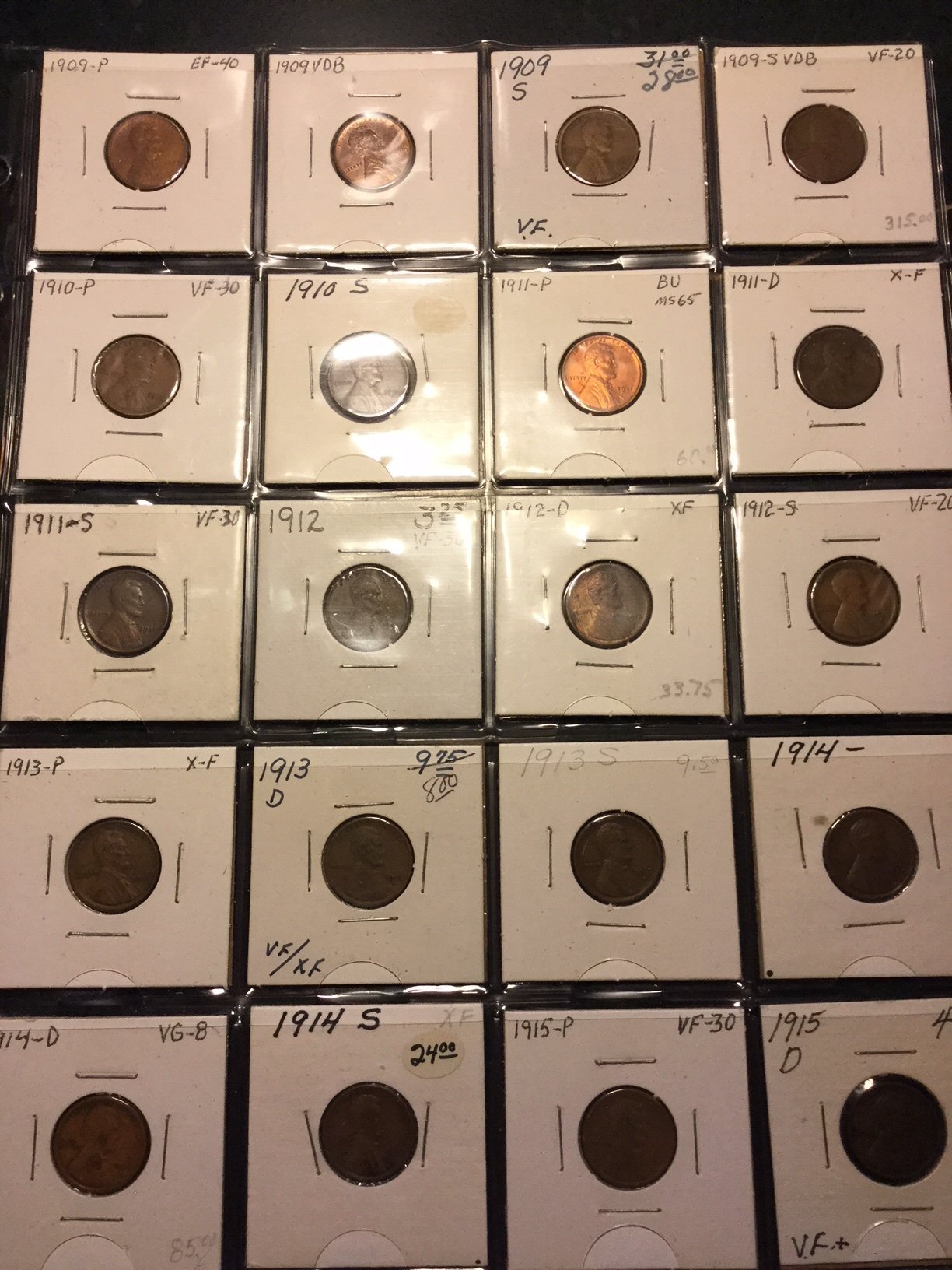
Among the most popular U.S. coins are Lincoln Wheat pennies.
Millions collect them, and they have been highly popular with coin collectors of all ages and incomes for decades.
But which are the rarest Wheat pennies?
And what are the low-ball pricing figures and values for these rare Lincoln Wheat cents? (Hint: The lowest price is around $80 apiece for two of the pennies on this list!)
Let’s examine these 7 incredibly rare Wheat pennies closer…
Before we look at this list, let me give you a quick piece of advice from someone who has been sorting pennies since the 1990s. If you just found a Wheat penny in your pocket change, do not rub it on your shirt or scrub it with baking soda to try and make it look shiny. Beginners do this all the time thinking it helps. It doesn’t! Cleaning a coin permanently damages the surface and kills its collector value instantly. Leave the dirt right where it is — original skin is what collectors want.
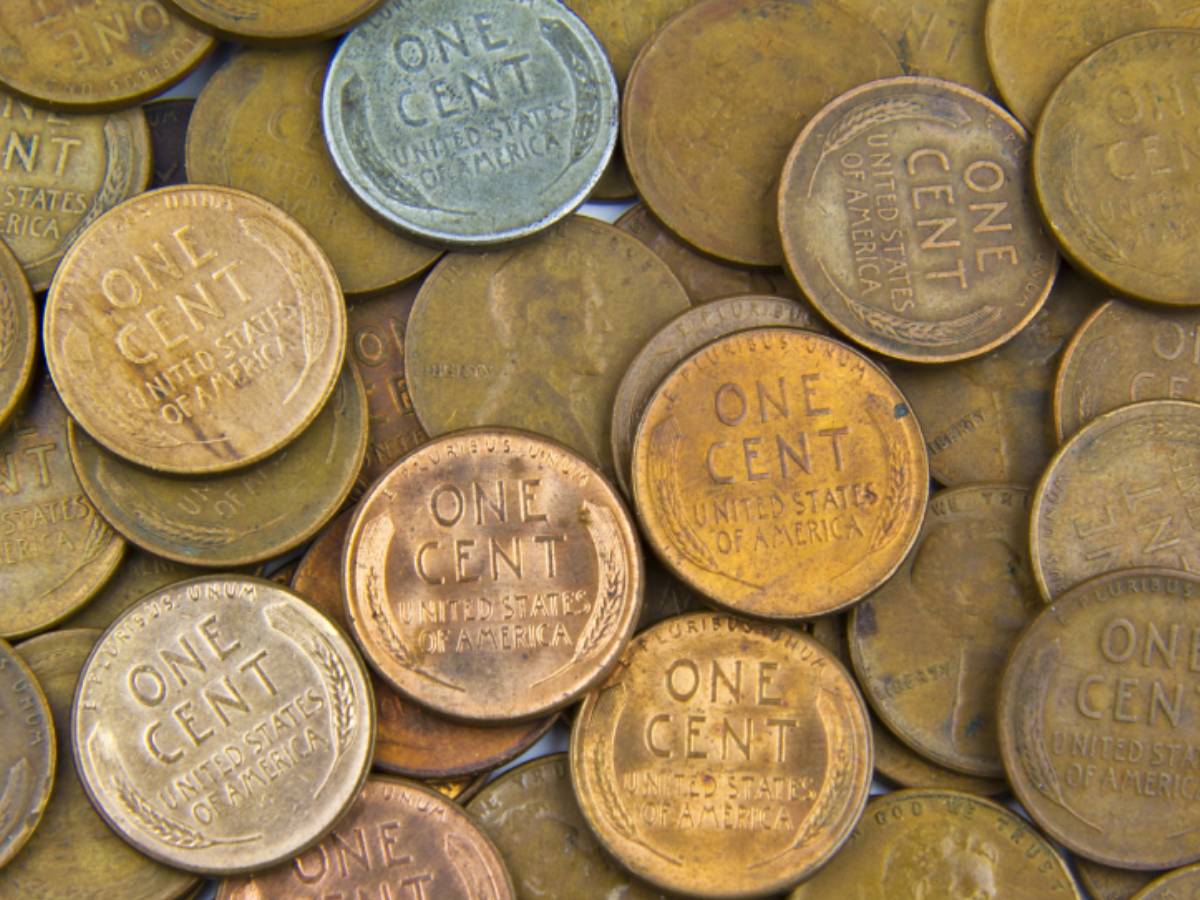
1909-S VDB Wheat Penny
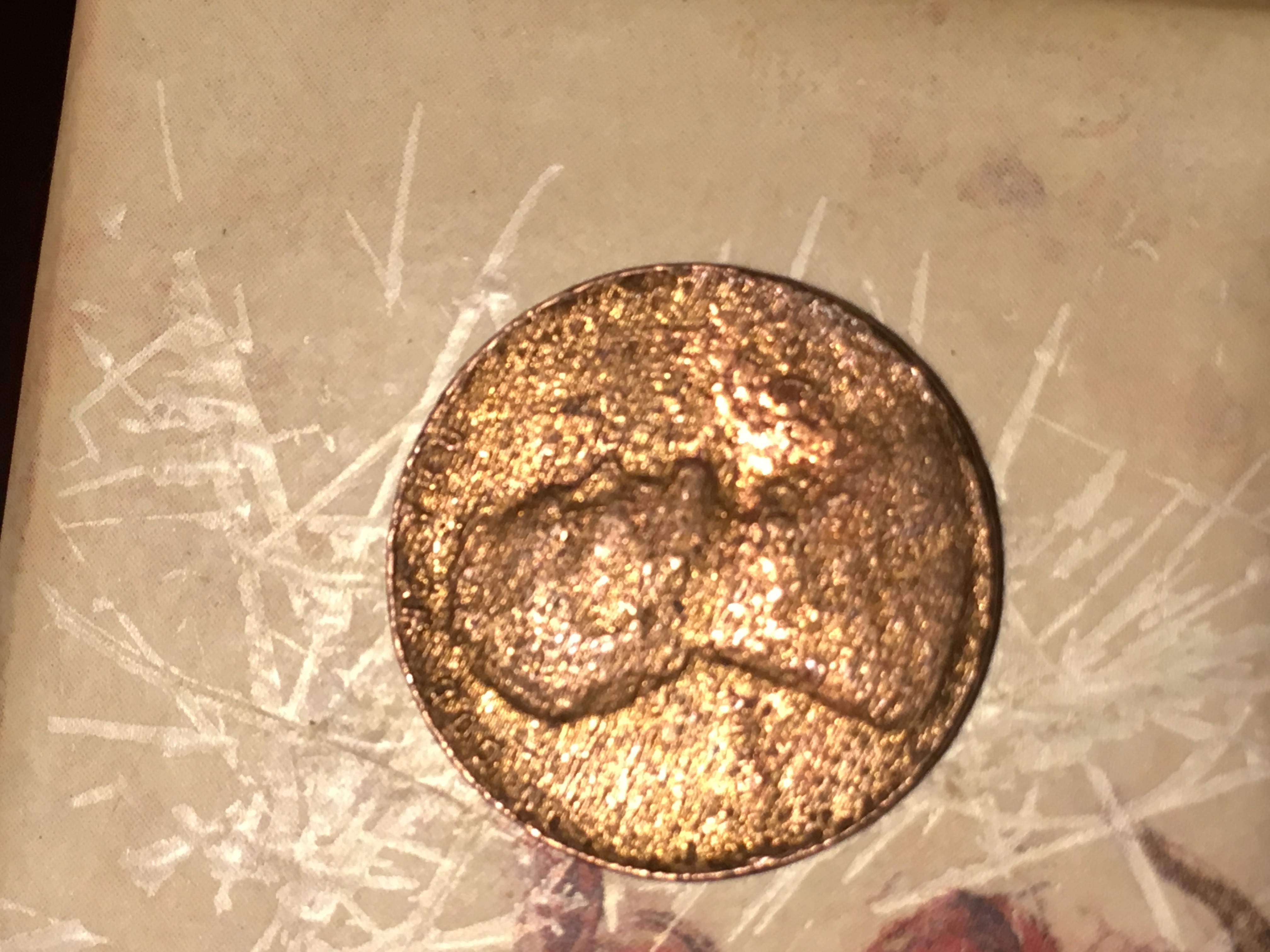
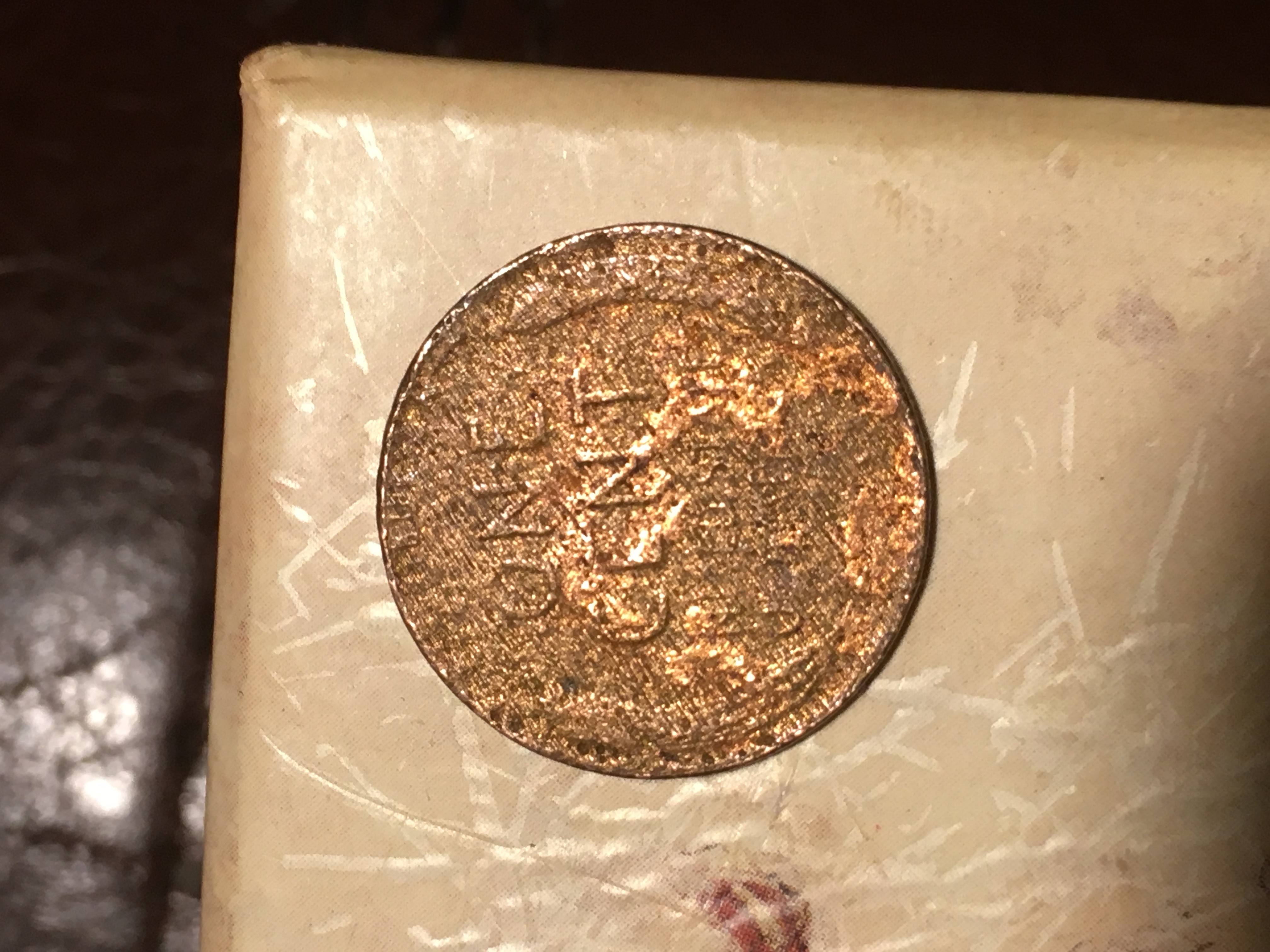
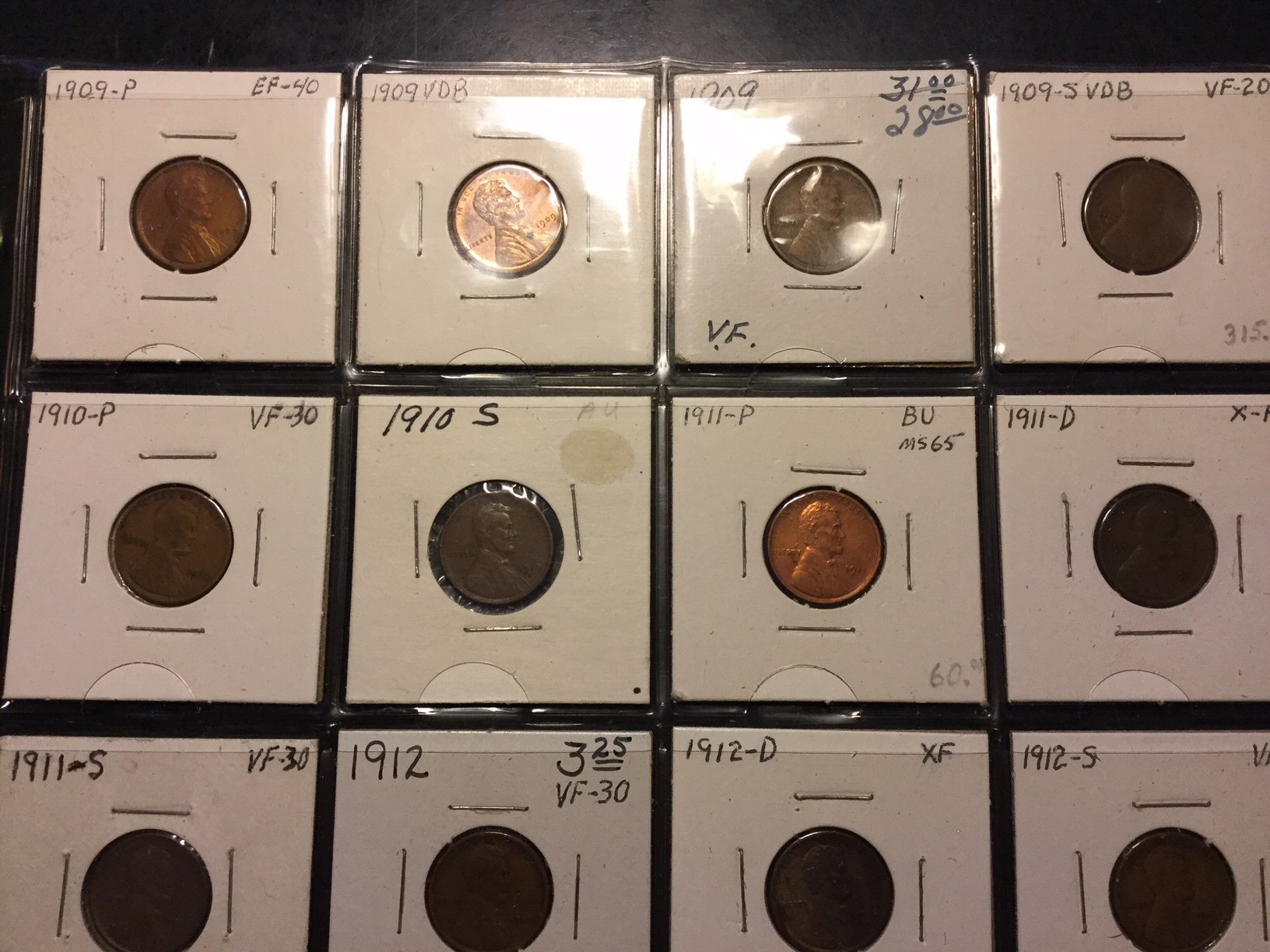
The 1909-S VDB cent is one of the most popular rare coins from the modern era. Only 484,000 of these coins were struck. The 1909-S (San Francisco) V.D.B. (initials of the designer) Wheat penny easily commands $750 even in the lowest of collector grades. Those VDB initials stand for Victor David Brenner and they are found on the reverse, centered below the wheat stalks.
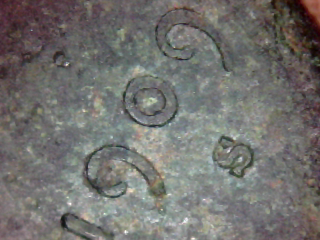
Watch Out for Fake 1909-S VDB Pennies — Because this coin is a holy grail for collectors, scammers love to take a common 1909-S penny and glue fake “V.D.B.” initials onto the reverse, or add an “S” to a regular Philadelphia penny. To verify yours under a 10x magnifier, check the shape of the letters. The “S” mintmark on a real 1909-S VDB penny has a little, raised dot in the upper crook of the “S.” A genuine 1909-S VDB features a central crossbar on the letter “B” (of “VDB”) that slants distinctly downward to the left, whereas fakes are usually perfectly straight and horizontal. Furthermore, the periods after the initials do not float in the middle — they sit firmly on the bottom baseline. Finally, look at the front… The Mint only used 4 specific obverse dies for this run, so the “S” mintmark must perfectly match one of those 4 exact locations to be authentic.
1909-S Wheat Penny
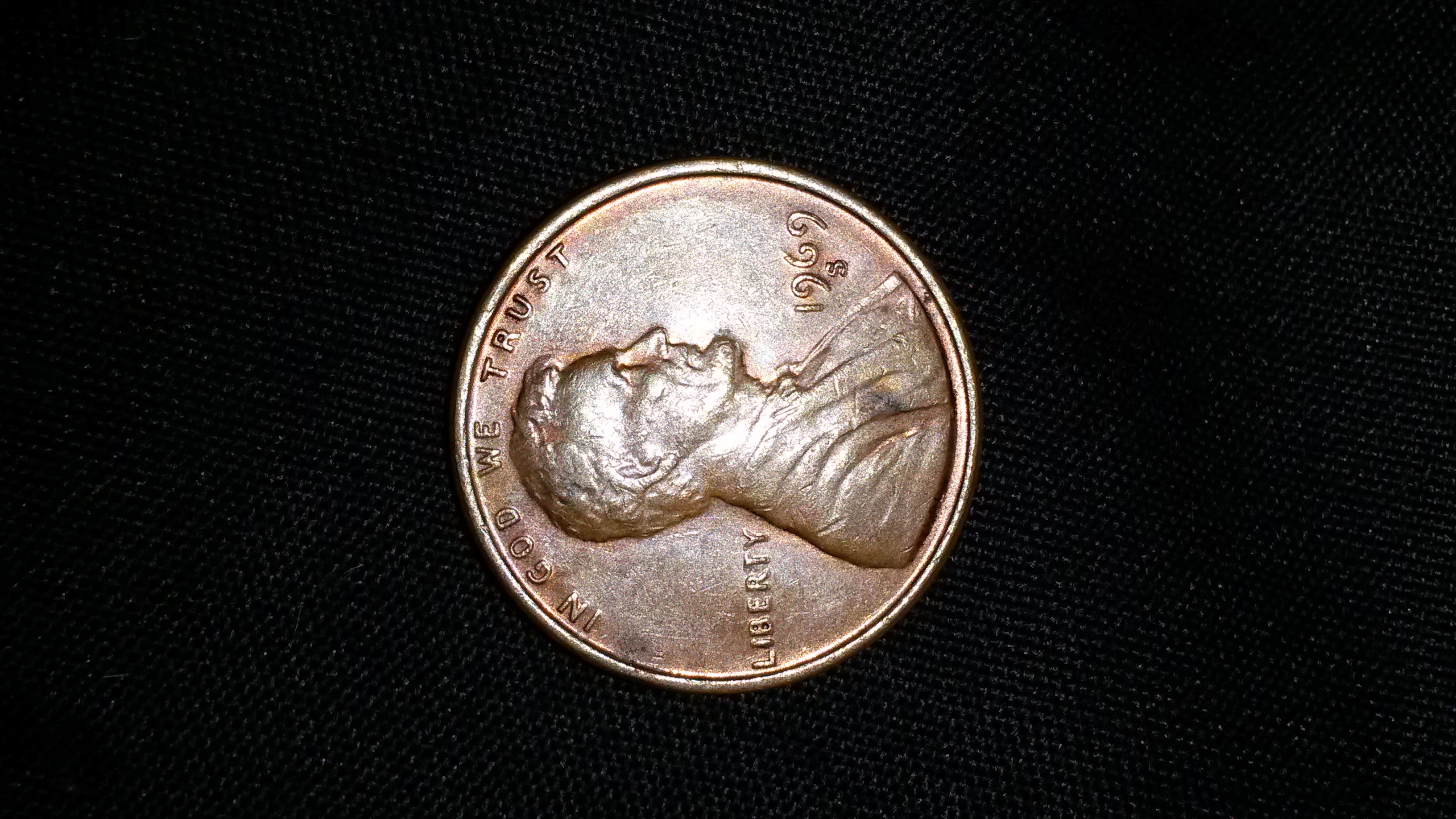
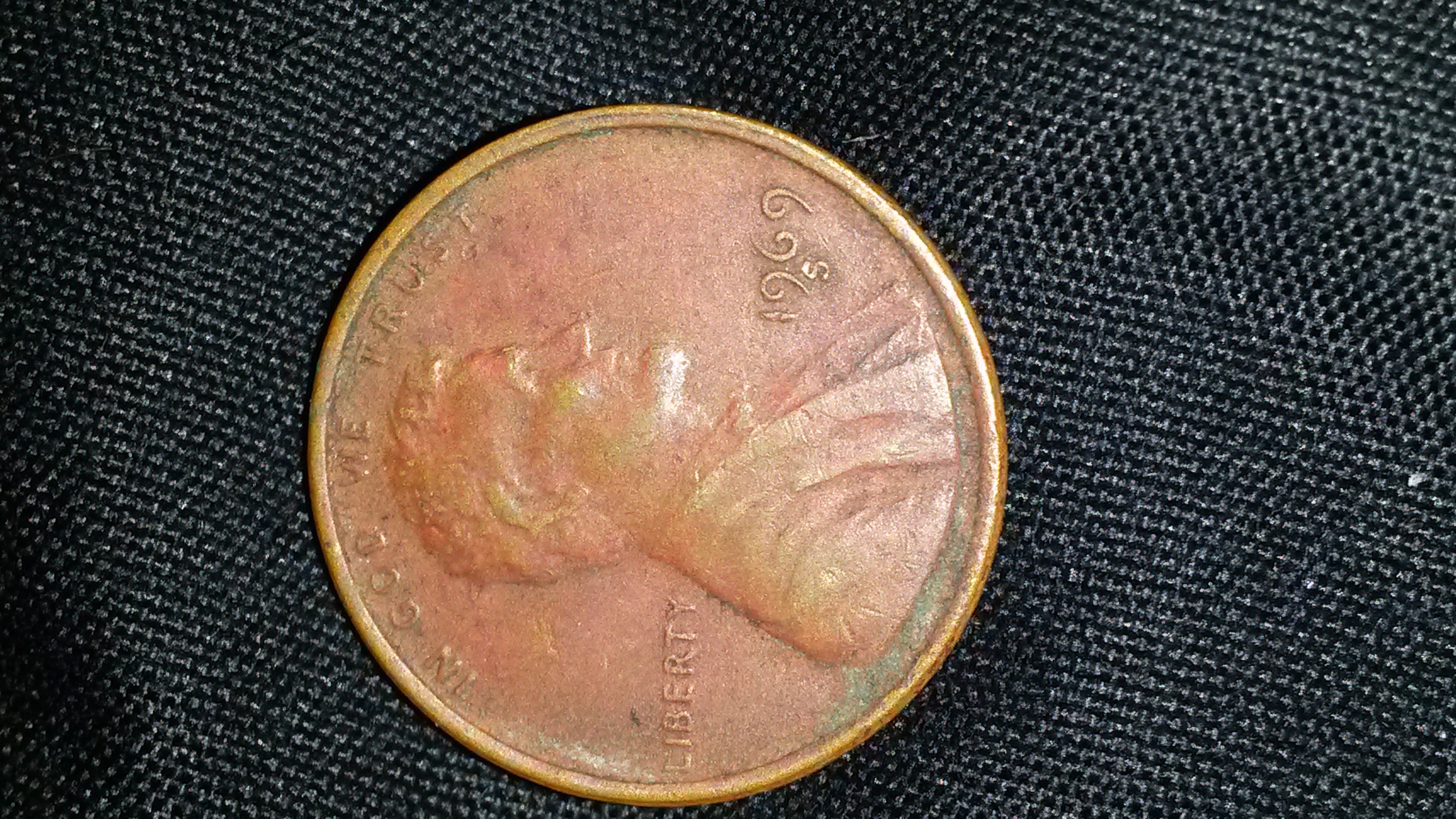
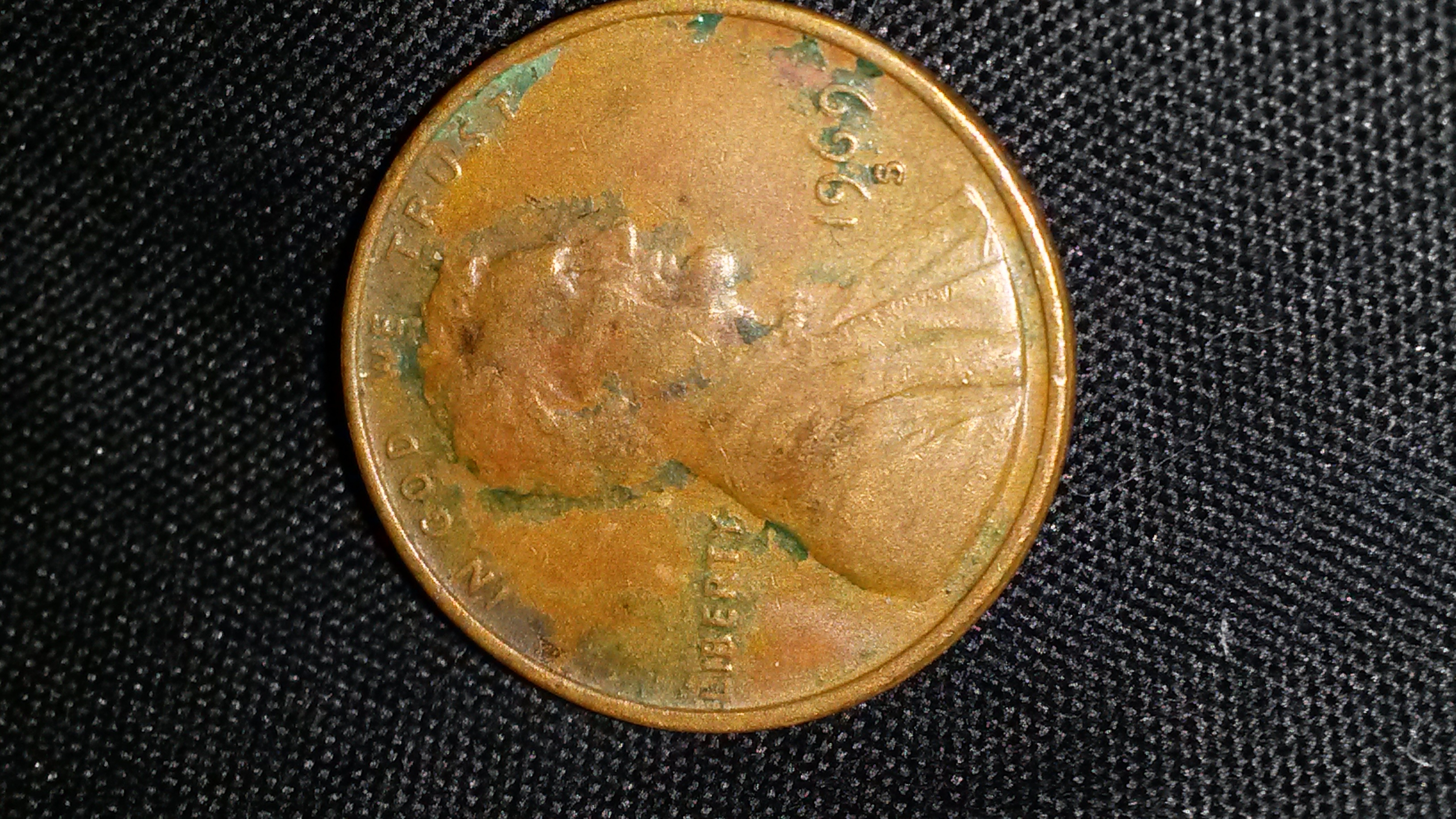
This 1909-S penny is another 1909 San Francisco issue that is considered quite scarce. Collector demand is quite high for the 1909-S Wheat penny, which can bring in at least $80. With a mintage of 1,825,000, the 1909-S Wheat cent is a very scarce coin with many people clamoring to get a hold of one.
Do the “S” Spot Check — Since you’re looking for an “S” mintmark under the date here anyway, pay attention to the shape of that little letter. The San Francisco Mint used a specific punch style in 1909. The upper and lower loops of a real “S” on these early cents have tiny, sharp serifs (the little feet on the ends of the letter). If the “S” looks completely round, smooth, and blobby like a modern letter S, it might be a counterfeit mintmark stuck onto a common Philly cent.
1914-D Wheat Penny
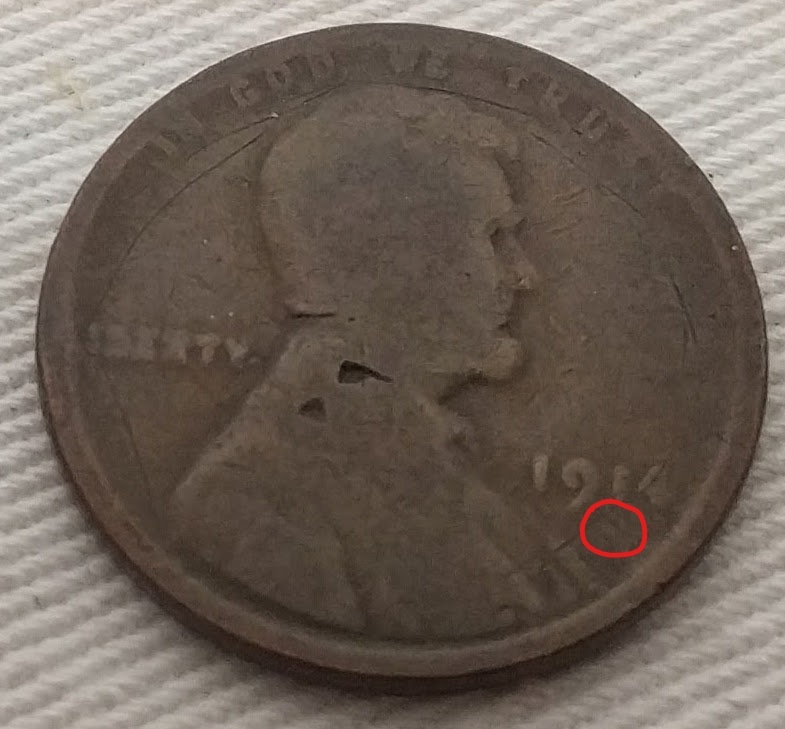
The 1914-D penny is one of those penny rarities which just keeps getting more expensive with time. With a little more than a million ever struck, the 1914-D Lincoln cent usually commands over $175 in the lowest grades.
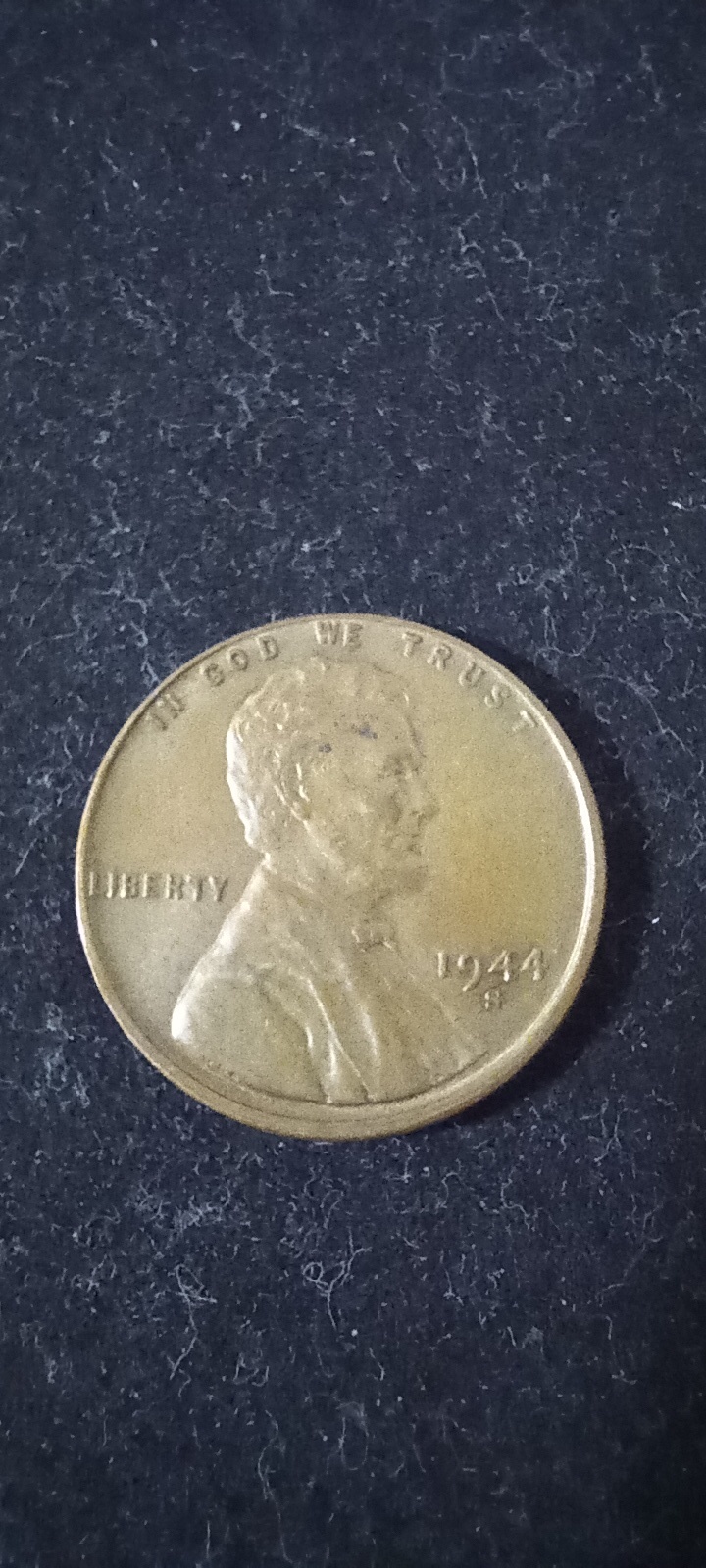
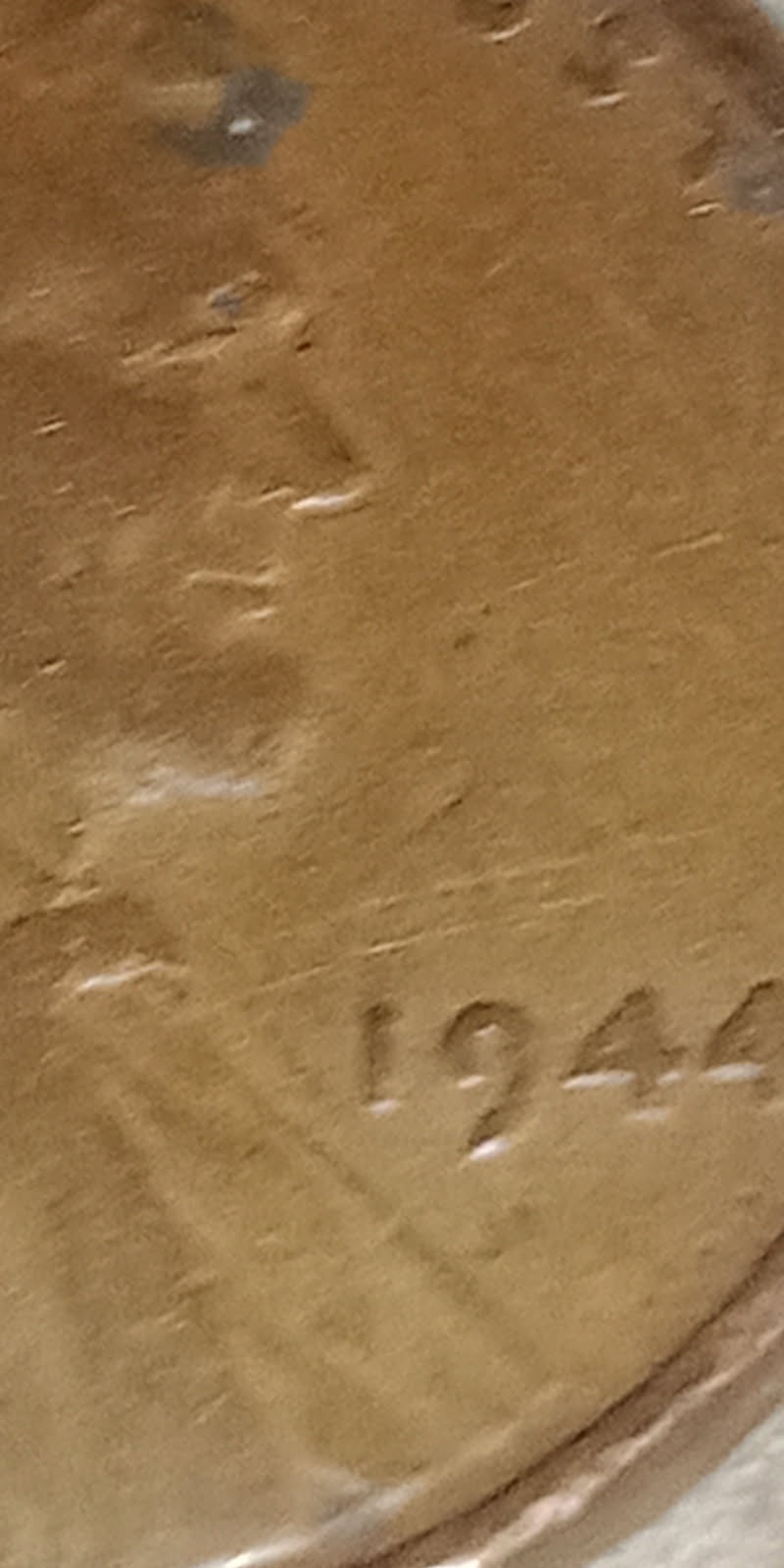
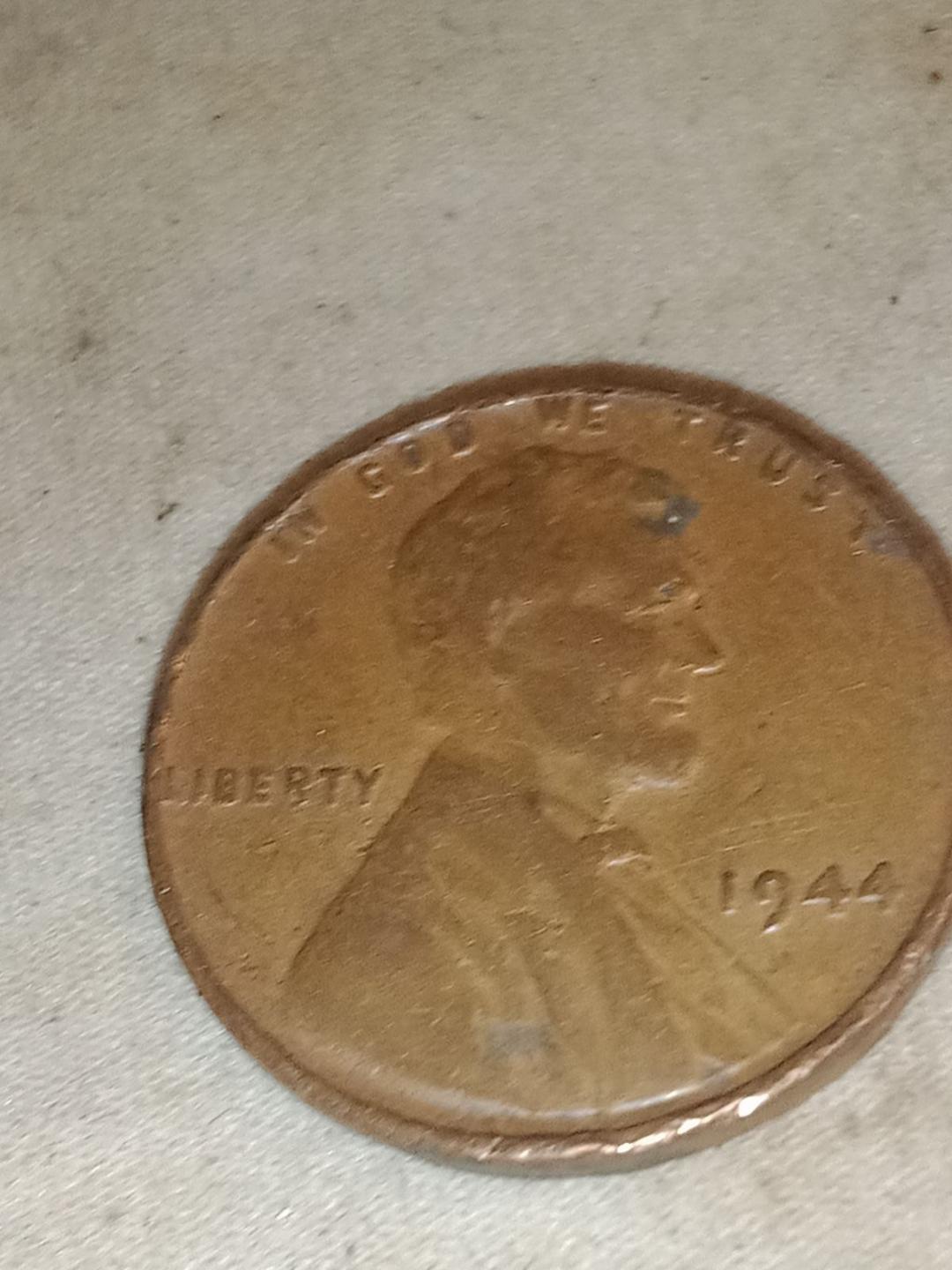
Watch Out for the 1944 Switcheroo — Counterfeiters love to take a super common 1944-D penny and scrape away the left side of the first “4” to make it look like a “1.” It’s one of the oldest tricks in the Lincoln Wheat penny alteration book. The easiest way to spot this fraud is to look at the space between the digits. On a genuine 1914-D, there is a normal gap between the “1” and the “4”. On an altered 1944 coin, the first “4” will look abnormally far to the right of the “9” — because a big chunk of the “4” that was tooled away.
1922 “Plain” Wheat Penny
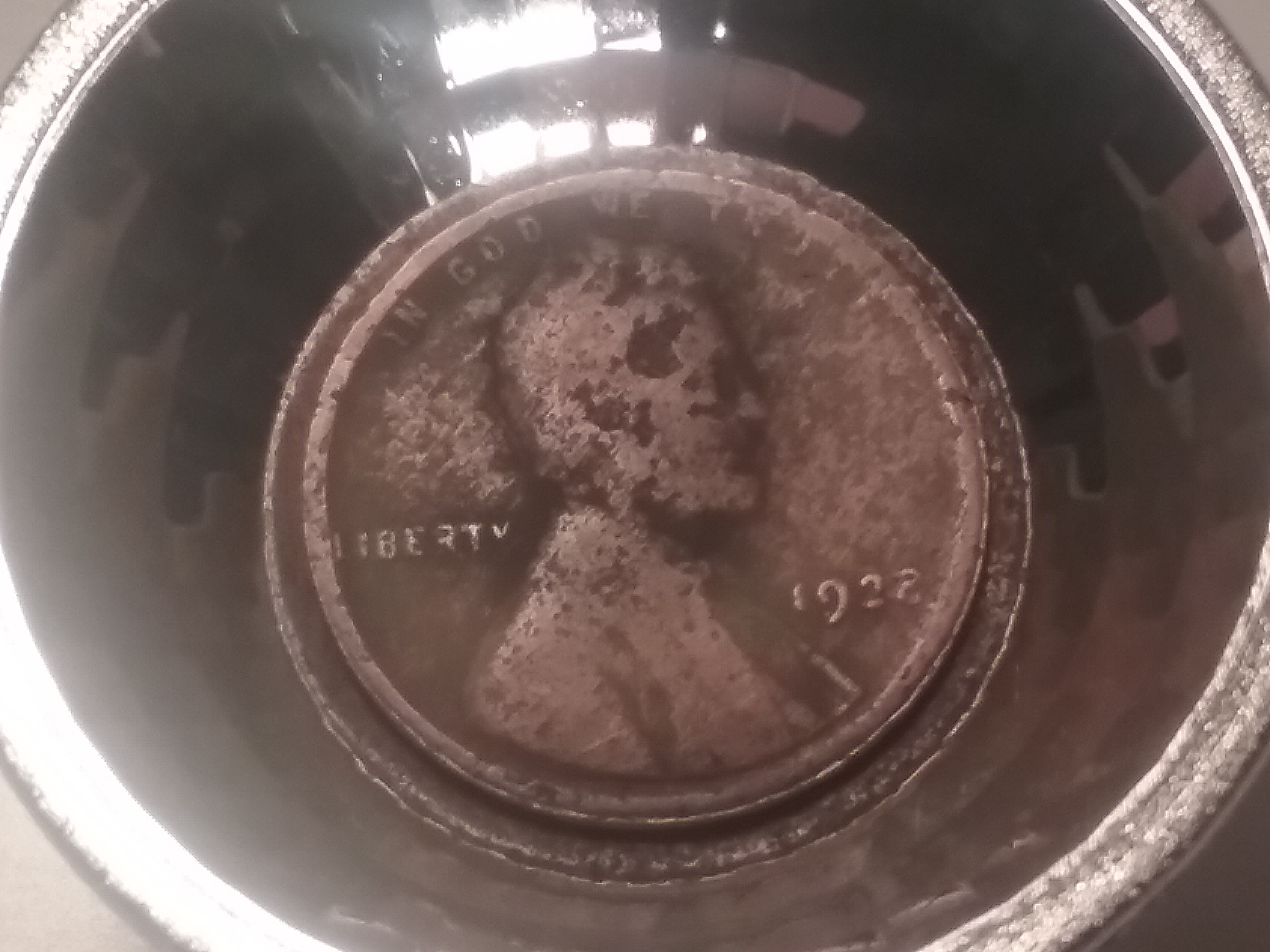
What happens when a mintmark is supposed to be stamped on a coin but never gets there? You have, in most cases, a popular rarity. That’s what happened when a small number of the 7,160,000 Lincoln Wheat pennies the Denver mint produced in 1922 never received a “D” under the date on their cents thanks to a problem with the die. Examples of the 1922-D penny with no trace of the “D” evident can fetch over $500 in the lowest grades. Beware, however, of regular 1922-D cents which have had their “D” mintmarks worn off by unscrupulous types.
Watch Out for Fake 1922 “Plain” Wheat Pennies — While amateur guides say to just look for an empty space under the date, true high-value “No D” cents were struck exclusively by a specific set of minting errors known as “Die Pair #2”. Because a worker aggressively polished the front die to fix a clash but paired it with a brand-new reverse die, the ultimate diagnostic is a stark contrast between both sides of the coin. On a genuine 1922 Plain cent, the word “TRUST” on the front and the letters in “AMERICA” and the wheat stalks on the back will be incredibly sharp and detailed. If the lettering on the back looks mushy, faint, or worn down, you do not have a rare variety — you just have a common 1922-D penny produced by a weak or grease-filled strike.
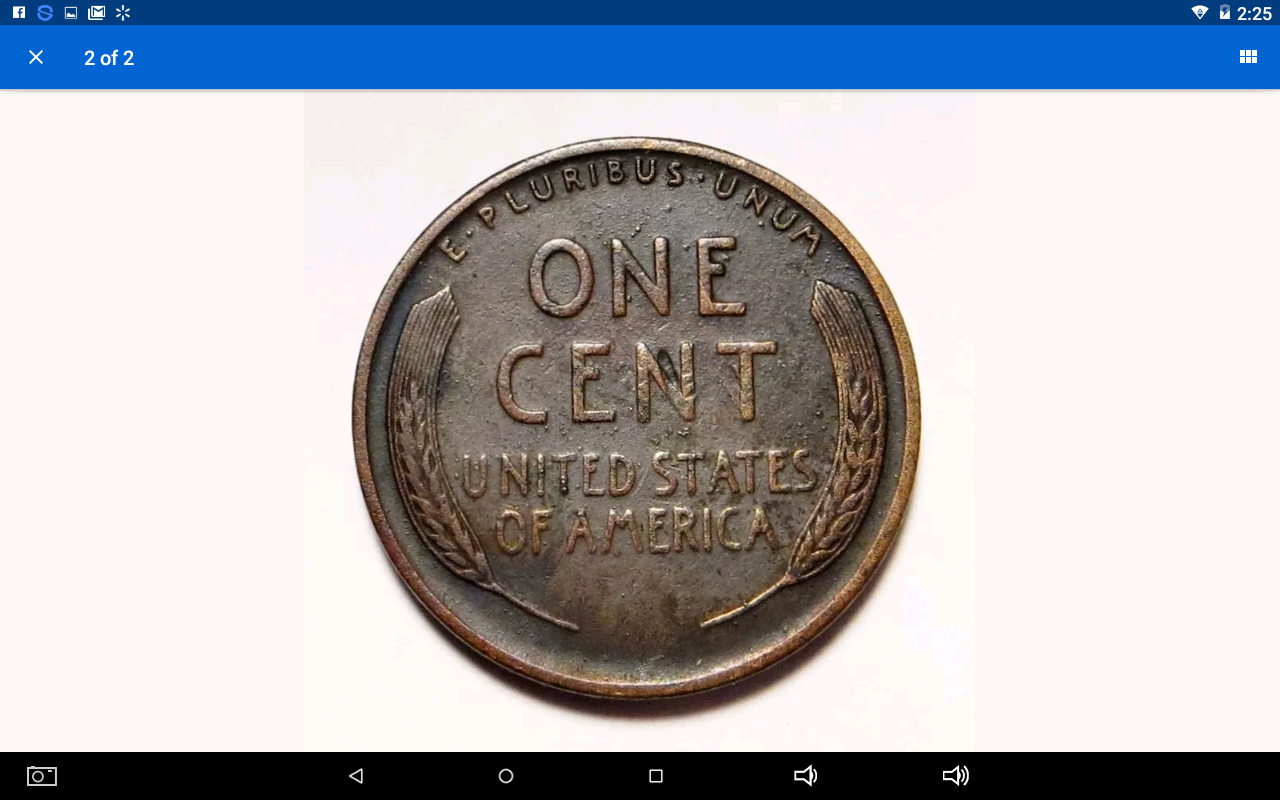
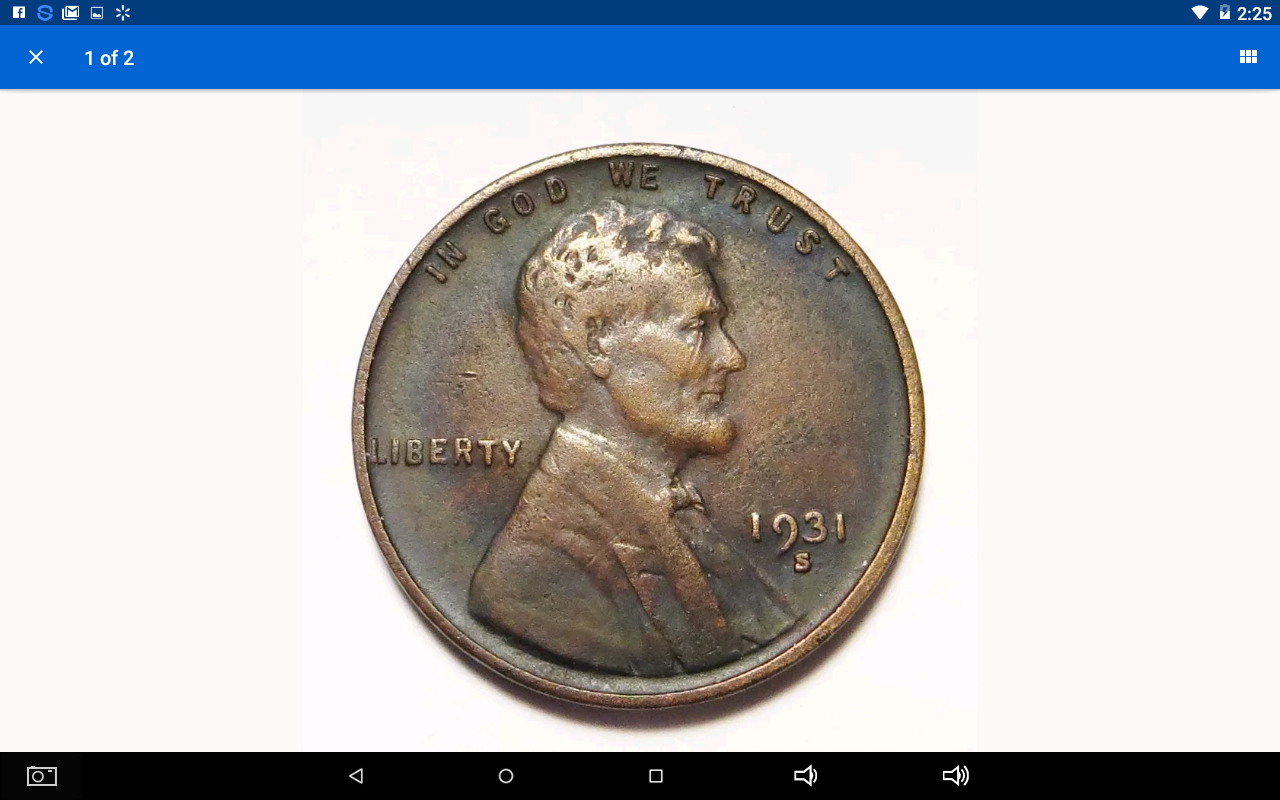
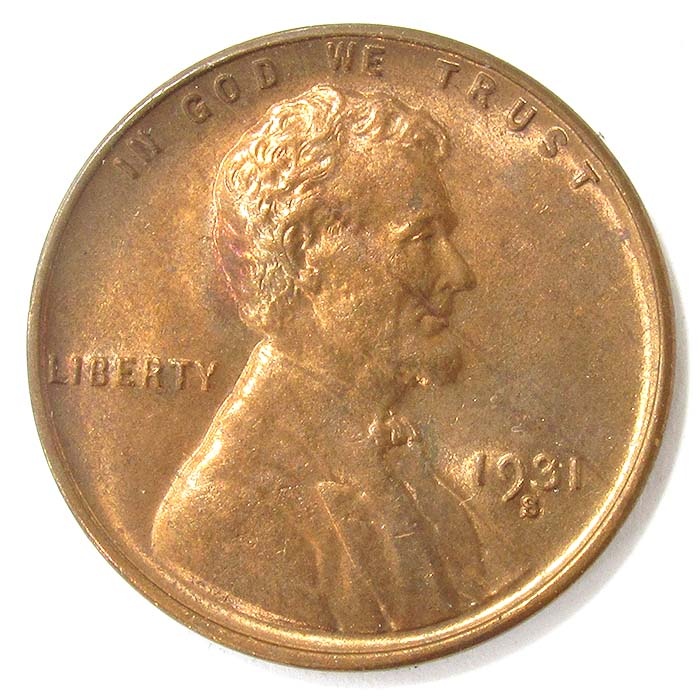
1931-S Wheat Penny
1931 was a lean year for Lincoln penny production in San Francisco. The San Francisco mint struck only 866,000 Lincoln pennies that year, creating what many collectors would later regard as a very important and eventually pricey “key” Lincoln cent. A 1931-S penny currently sells for at least $80 in the lowest collector grades.
Here’s a Fun History Fact — Why were so few made this year? The Great Depression was hitting hard in 1931, commerce slowed to a crawl, and relatively few new pennies were needed in commerce to buy things. Many collectors knew about the rarity of these coins early on and bought them in large quantities to save. Thousands of other examples sat uncirculated in bank vaults for several years because they weren’t needed to fulfill commerce demands out the gate. That means if you happen to find one, there’s actually a decent chance it might still have some of its original red copper hue left on it!
1943 Bronze Wheat Penny
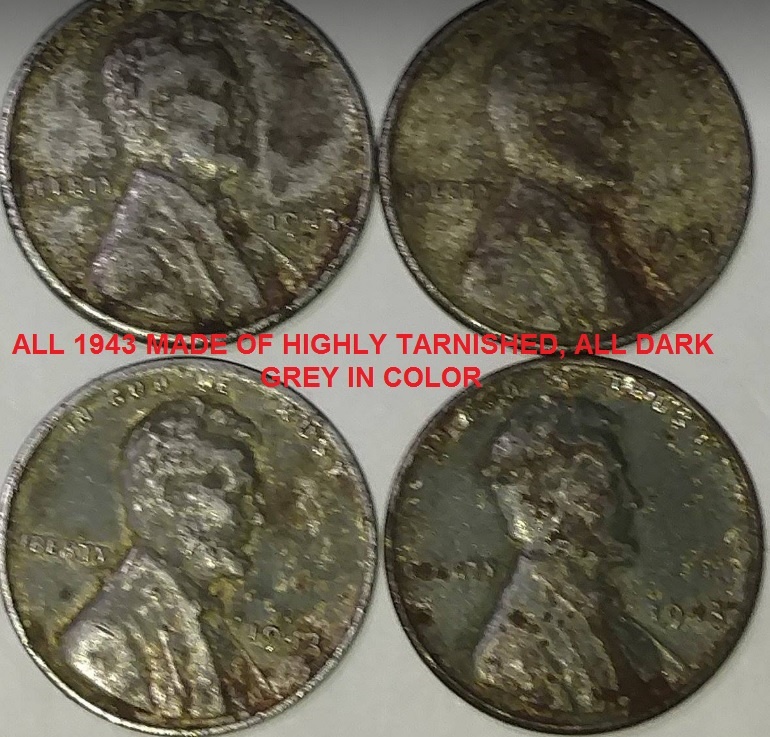
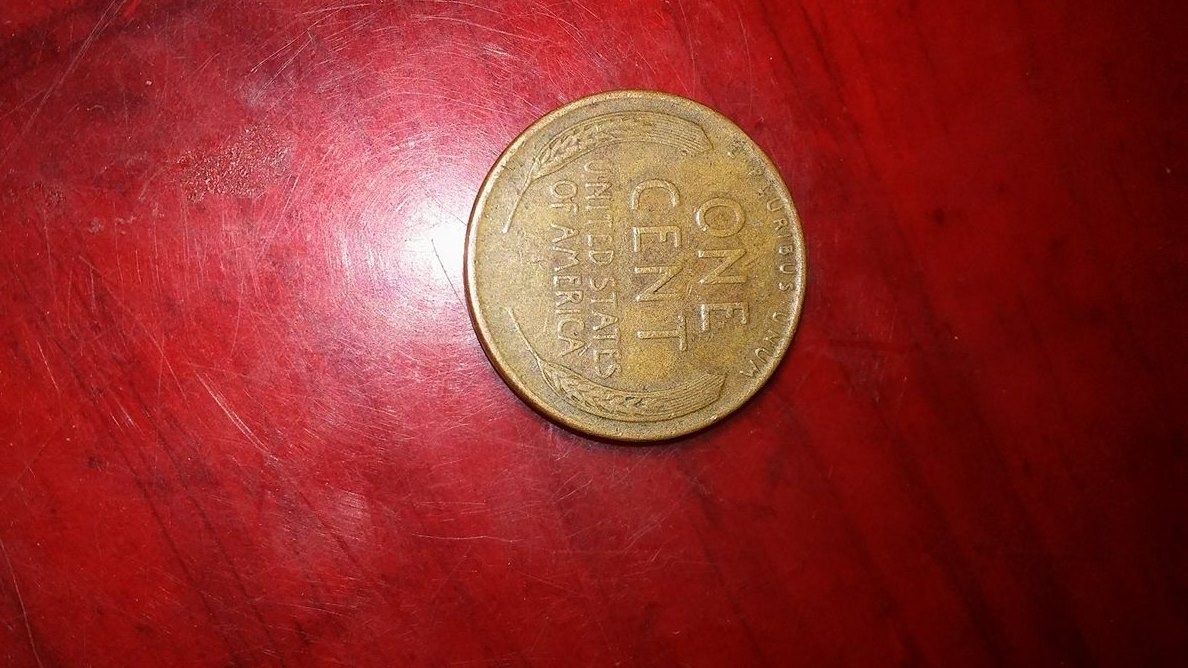
In 1943, the U.S. Mint struck pennies out of steel to help ration copper for military purposes. However, a few 1943 Lincoln pennies wound up being struck in bronze, and these rare mistakes are worth a pretty penny indeed. In fact, some 1943 bronze cents have been sold at auction for over $100,000. Keep in mind that while the 1943 bronze Lincoln penny is very popular, it is virtually never considered as necessary for completing a Lincoln cent collection.
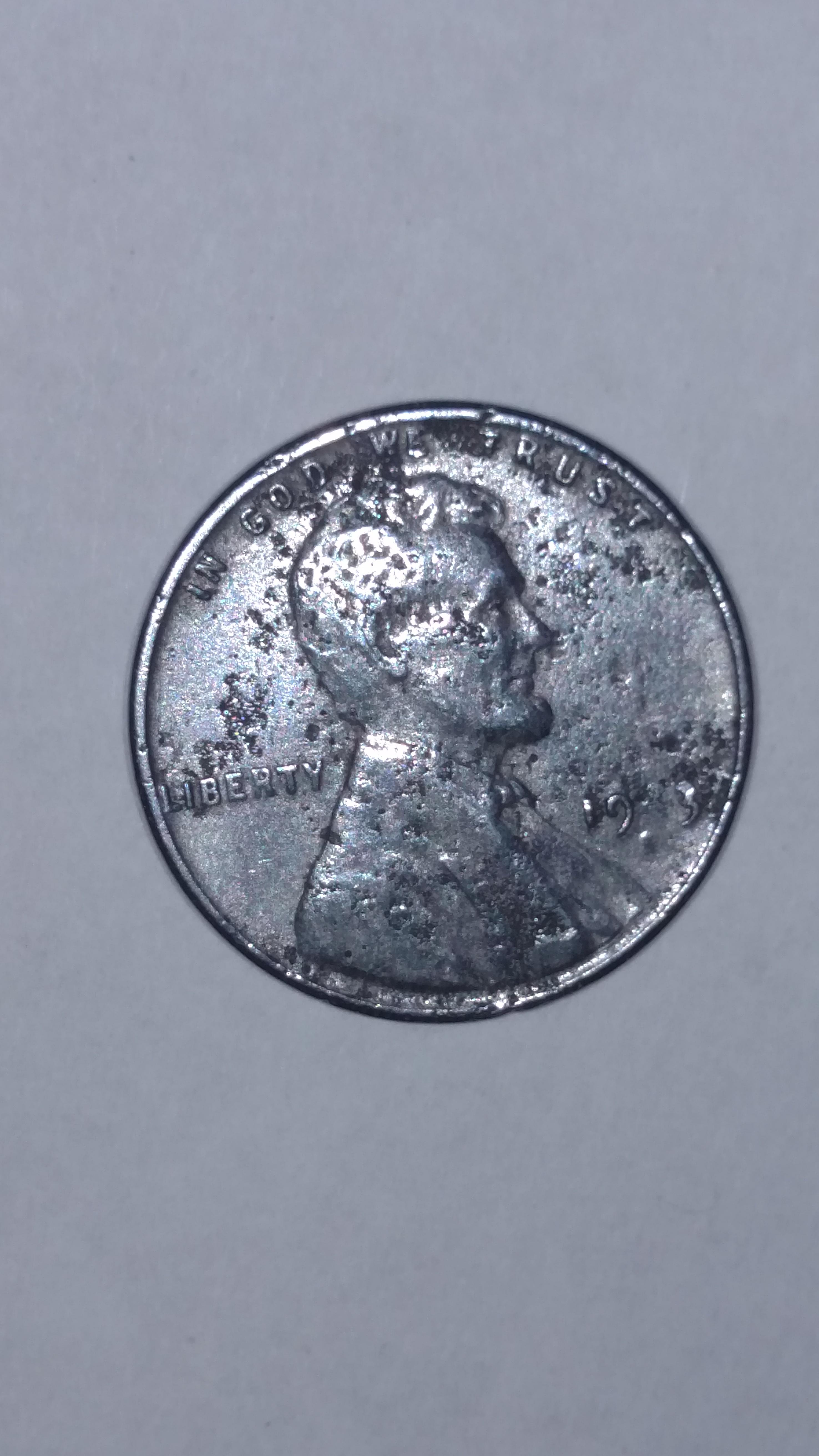
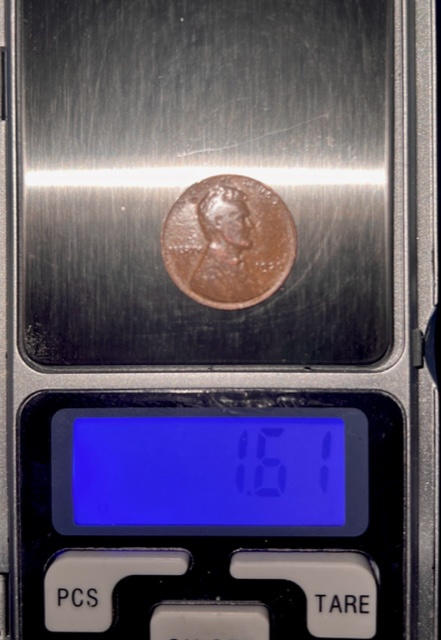
Do the “Magnet Test” — Practically every single week someone posts a comment saying they found a million-dollar 1943 copper penny. 99.9% of the time, it’s just a regular 1943 steel penny that someone copper-plated to look cool, or — worse yet — to attempt passing off as the real thing. Don’t guess! Go to your fridge and grab a kitchen magnet. If your 1943 “copper” penny sticks to the magnet, it’s steel underneath and worth about 10 cents. If it doesn’t stick at all, then it’s time to take it to a coin dealer to get weighed and evaluated!
By the way, the 1943 steel Lincoln penny is not a rare (or even scarce) coin. However, it is a special one-year issue, which demands its own bit of respect as a distinctive-looking coin with real World War II-era history surrounding it. Besides, everyone needs the 1943 steel pennies to complete their Lincoln cent collections!
1955 Doubled Die Obverse Wheat Penny
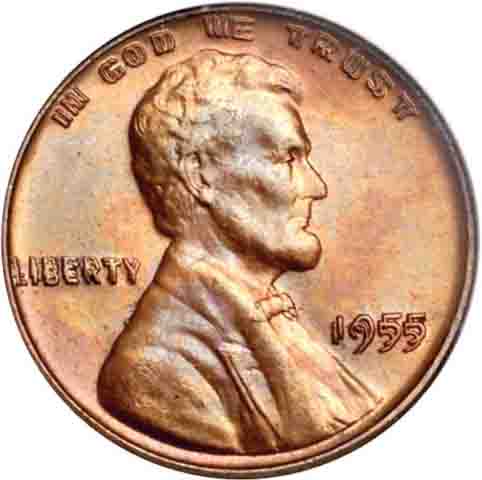
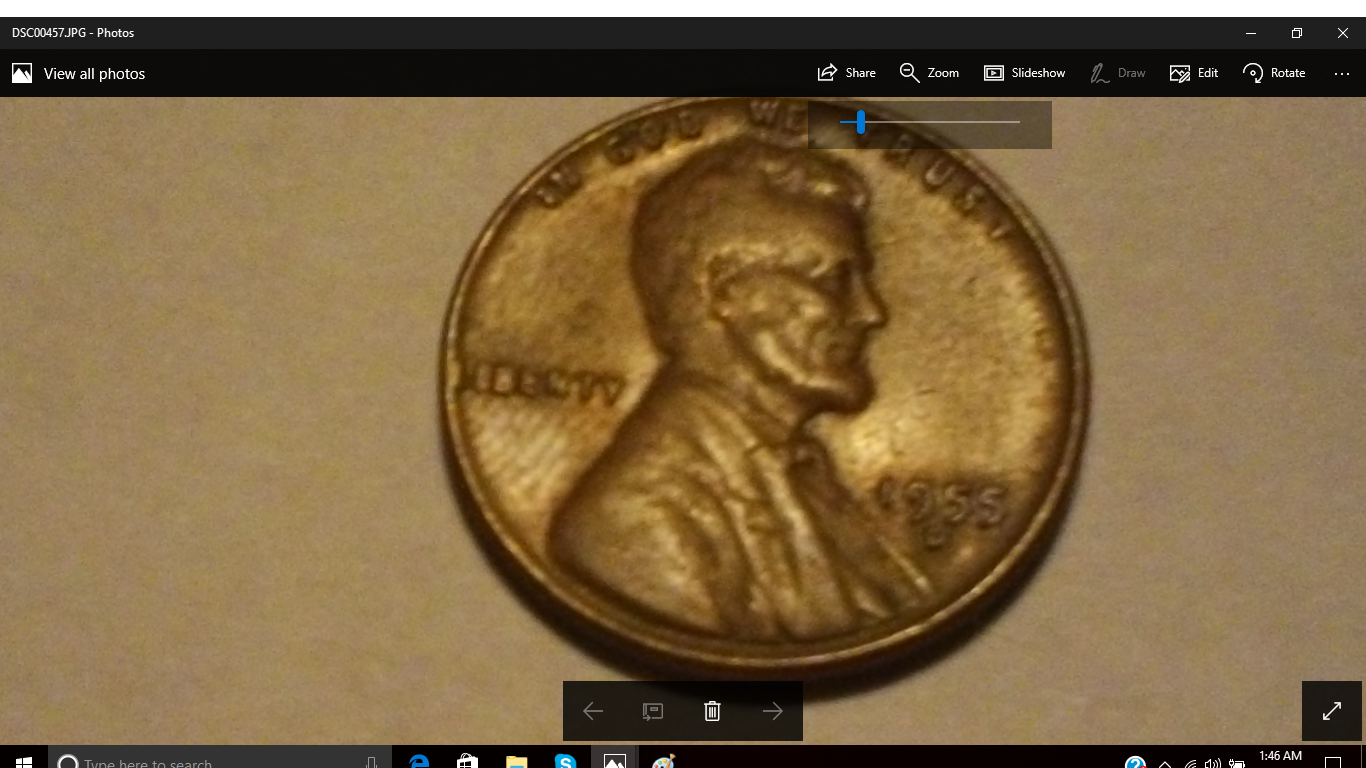
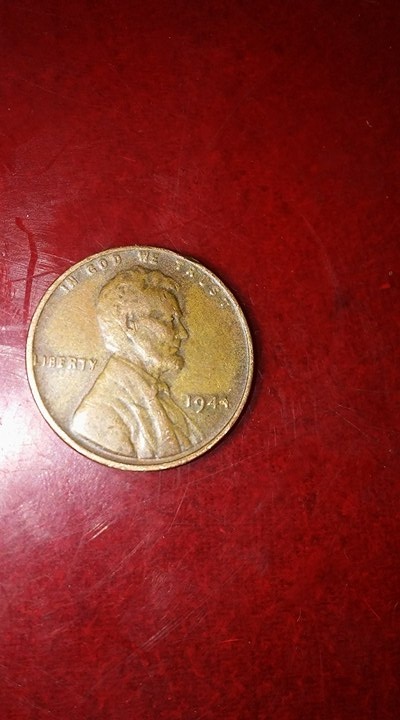
Though an error coin (like the 1922 “plain” cent mentioned above) the 1955 Doubled-Die obverse cent is nevertheless one of the most popular “rare” Lincoln pennies. In some people’s minds, this coin must be had in order to complete a collection of Lincoln Wheat cents. There were more than 330,000,000 Lincoln pennies struck at the Philadelphia Mint in 1955, but only a tiny fraction of these received the significant doubling of the obverse design which warranted the attention and popularity the coin has since received. The 1955 doubled die obverse starts selling at around $1,100 in the lowest grades.
Use The “Eye Blur” Test — If you have to squint your eyes or use a microscope to see if your 1955 penny is doubled, it’s not the famous one. A genuine 1955 doubled die is so obvious just when looking at it with your unaided eye. The entire date and the words “IN GOD WE TRUST” look like they were literally stamped twice completely out of line. Far more common is the “Poor Man’s” 1955 doubled-die cent. While plentiful, it doesn’t have the dramatic doubling seen on the 1955 doubled dies that makes some 1955 pennies so valuable. The “Poor Man’s” version is just a common product of machine doubling that created flat, shelf-like shadows instead of completely raised and distinct evidence of hub doubling.
More Info About Rare Wheat Pennies
- To get an idea as to current value for the Lincoln Wheat cents mentioned in this article, visit the PCGS (Professional Coin Grading Service) Lincoln cent pricing chart.
- To find out more on mintage figures (as well as tons of other information about U.S. coins), purchase the current edition of A Guide Book of United States Coins, printed by Whitman Publications.



















Leave a Comment