



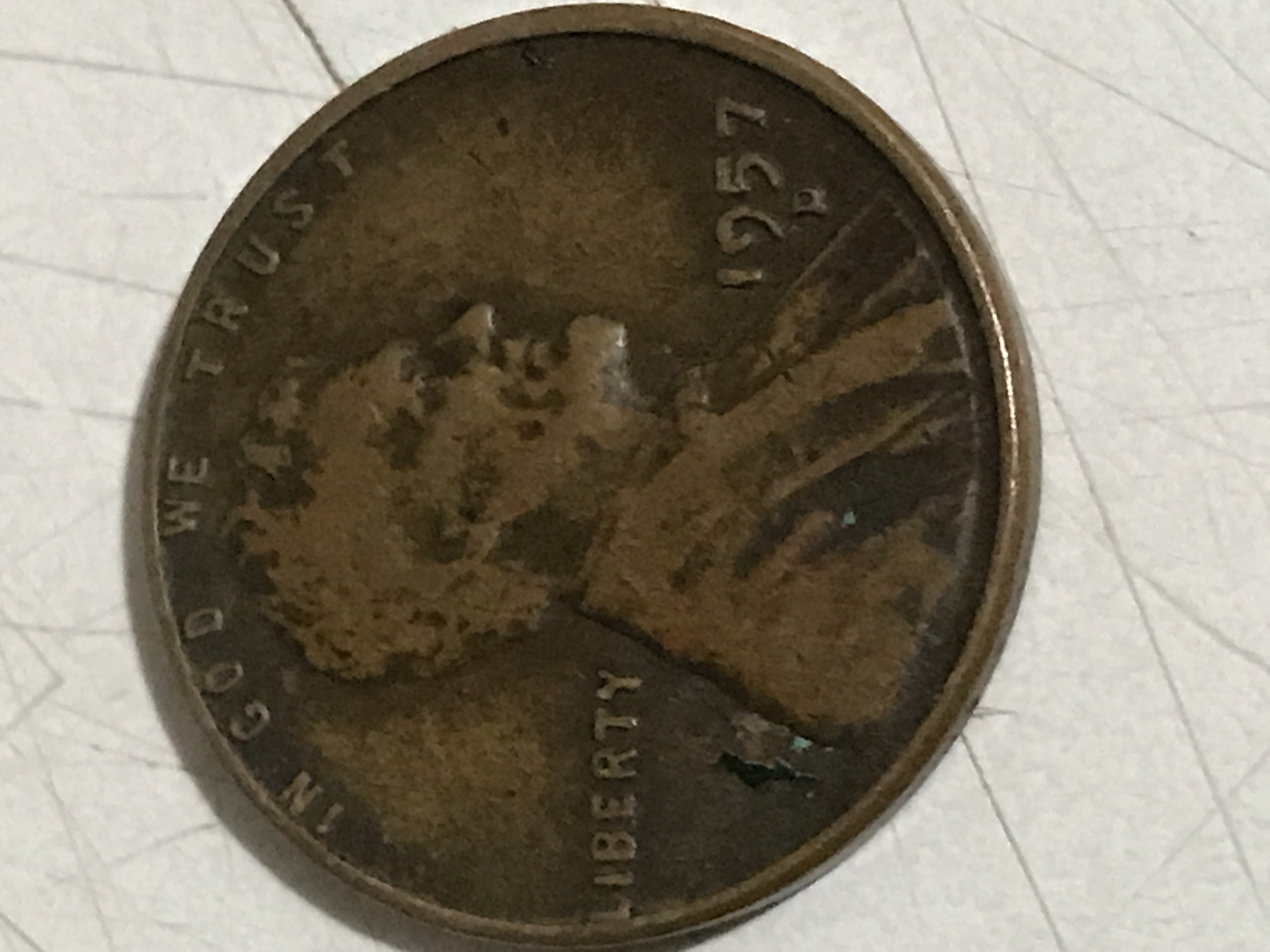
I love collecting copper pennies.
While some people may think that all pennies are made entirely from copper, virtually every one-cent coin made since late 1982 has a composition consisting of 97.5% zinc and 2.5% copper.
The coppery color of modern-day pennies is merely a thin plating of copper on a 99.2% zinc and 0.8% copper core. These newer, zinc-based Lincoln cents are often called Zincolns and are widely available in circulation today.
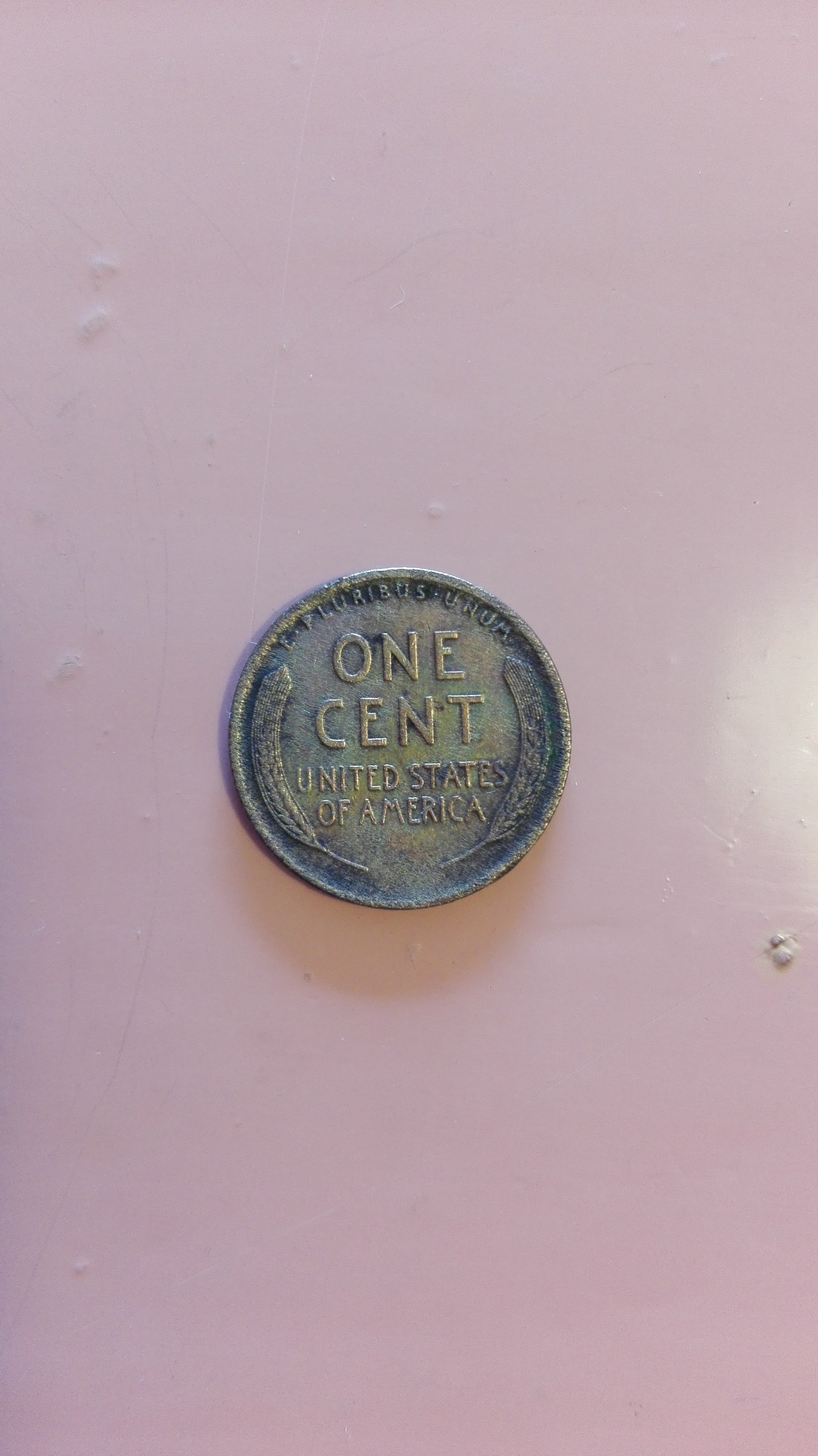
Older pre-1982 copper pennies are 95% copper and 5% something else.
To be precise: Copper pennies made up until 1962 had a 5% balance of tin and zinc, and from 1962 to 1982 the extra 5% of material was entirely zinc.
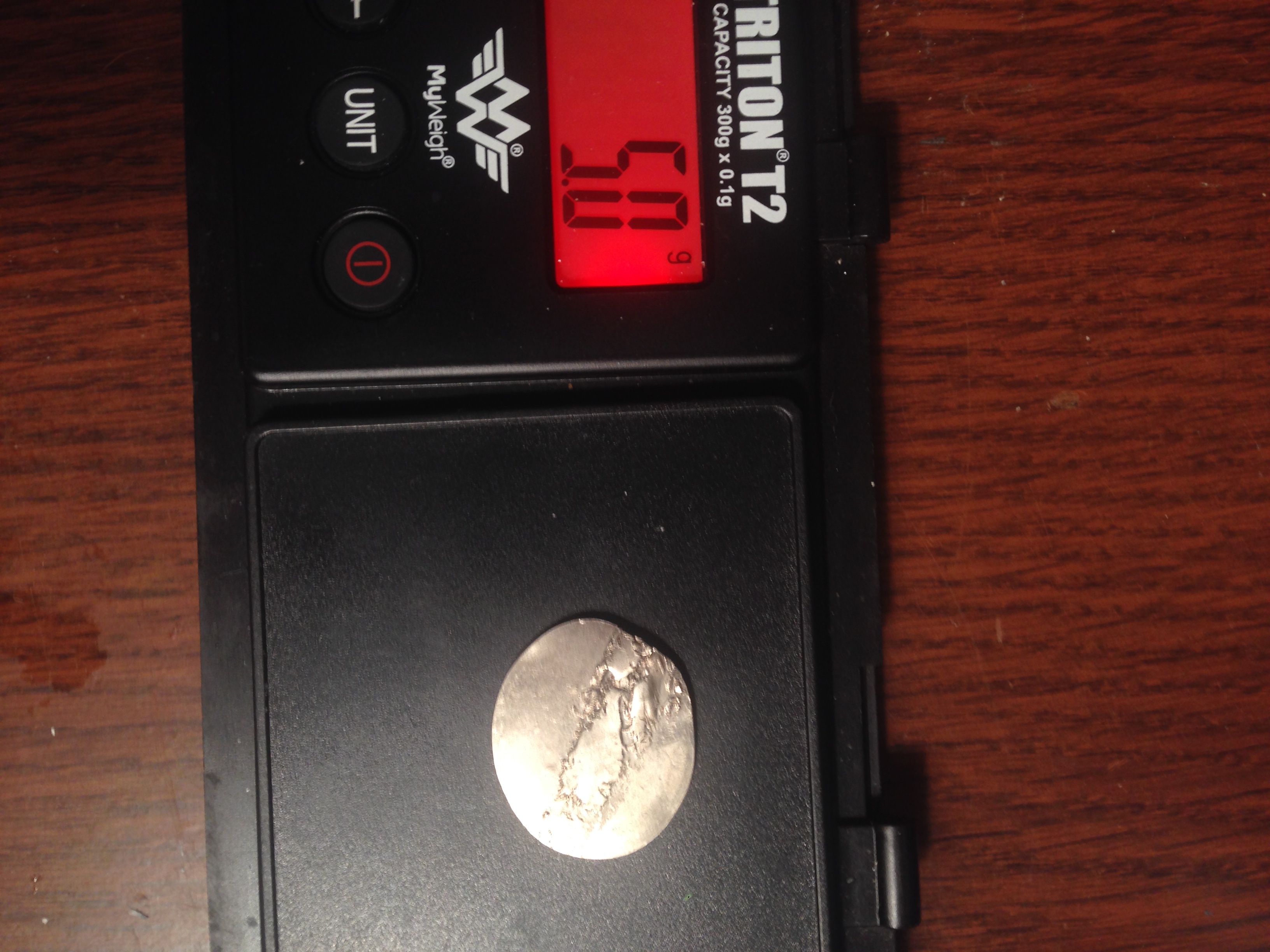
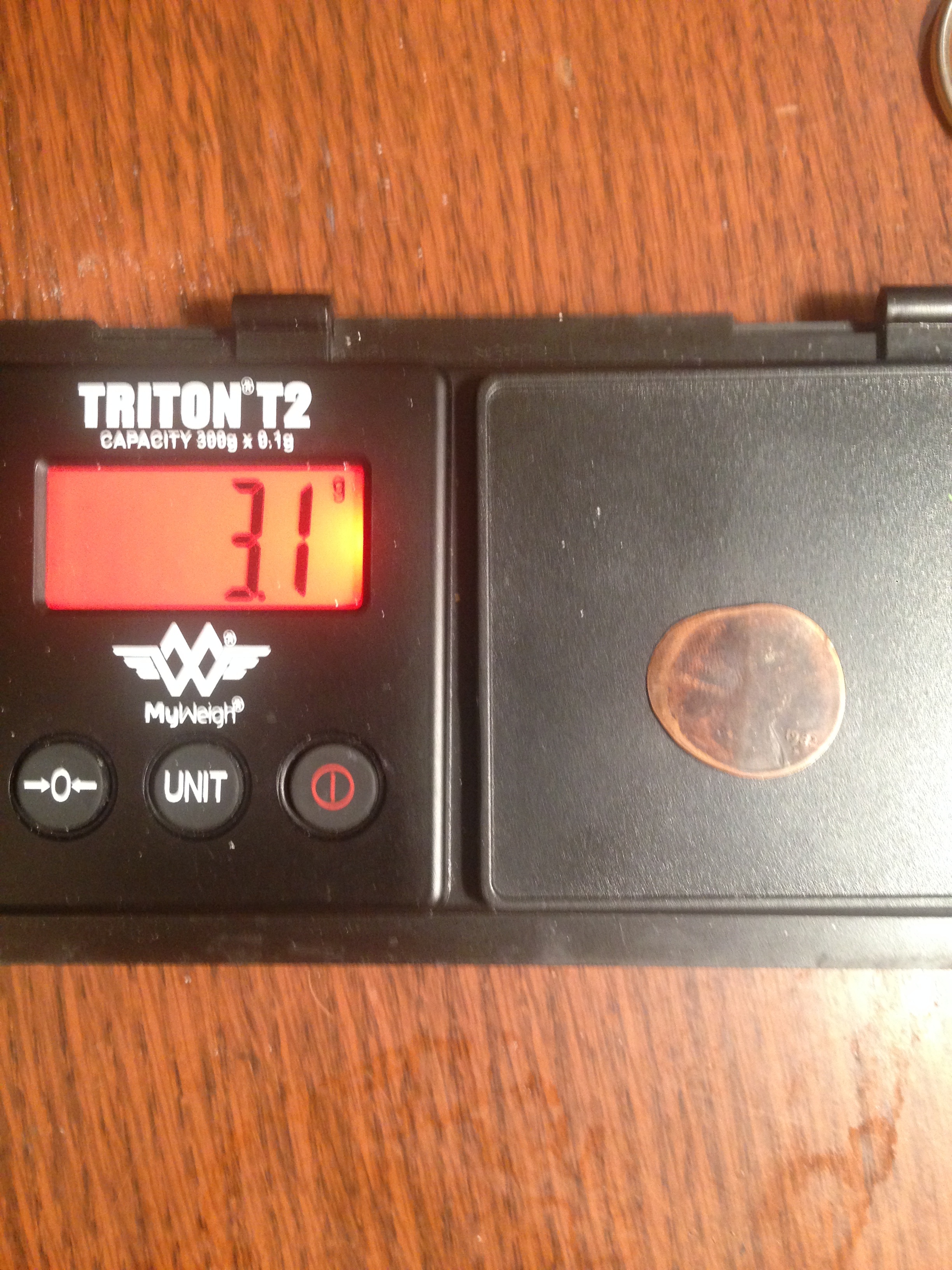
Don’t squint your eyes trying to guess if a 1982 penny is copper or zinc just by looking at it! Drop it onto a wooden table alongside a brand-new modern penny. A pre-1982 solid copper penny has a high-pitched, beautiful ring to it when it hits the surface. A modern zinc “Zincoln” makes a completely flat, dull thud. If you want to be 100% scientific, place it on a digital scale — a copper cent weighs in at a heavy 3.11 grams, while a zinc cent sits at a light 2.5 grams.
Why Save Copper Pennies?
What’s the big deal about the copper pennies? Why are they so important to many coin collectors?
First of all, they’re worth more than face value. As of this writing, they’re worth 3 to 5 cents each due to their copper value.
Some would debate whether or not copper pennies are worth their weight as scrap metal, but their intrinsic copper value is nevertheless higher than the face value of the denomination itself — making it worthwhile to check your change and hold aside all pre-1982 pennies.
These old pennies are getting harder to find, as more and more people are looking for copper pennies and are removing them from circulation.
A List Of Copper Pennies To Save
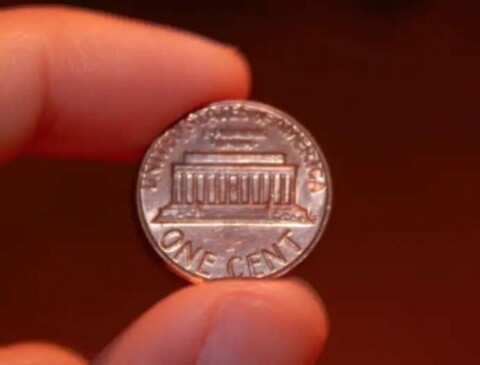
Here are some old copper pennies worth saving…
#1 – “S” Mint Lincoln Memorial Copper Pennies
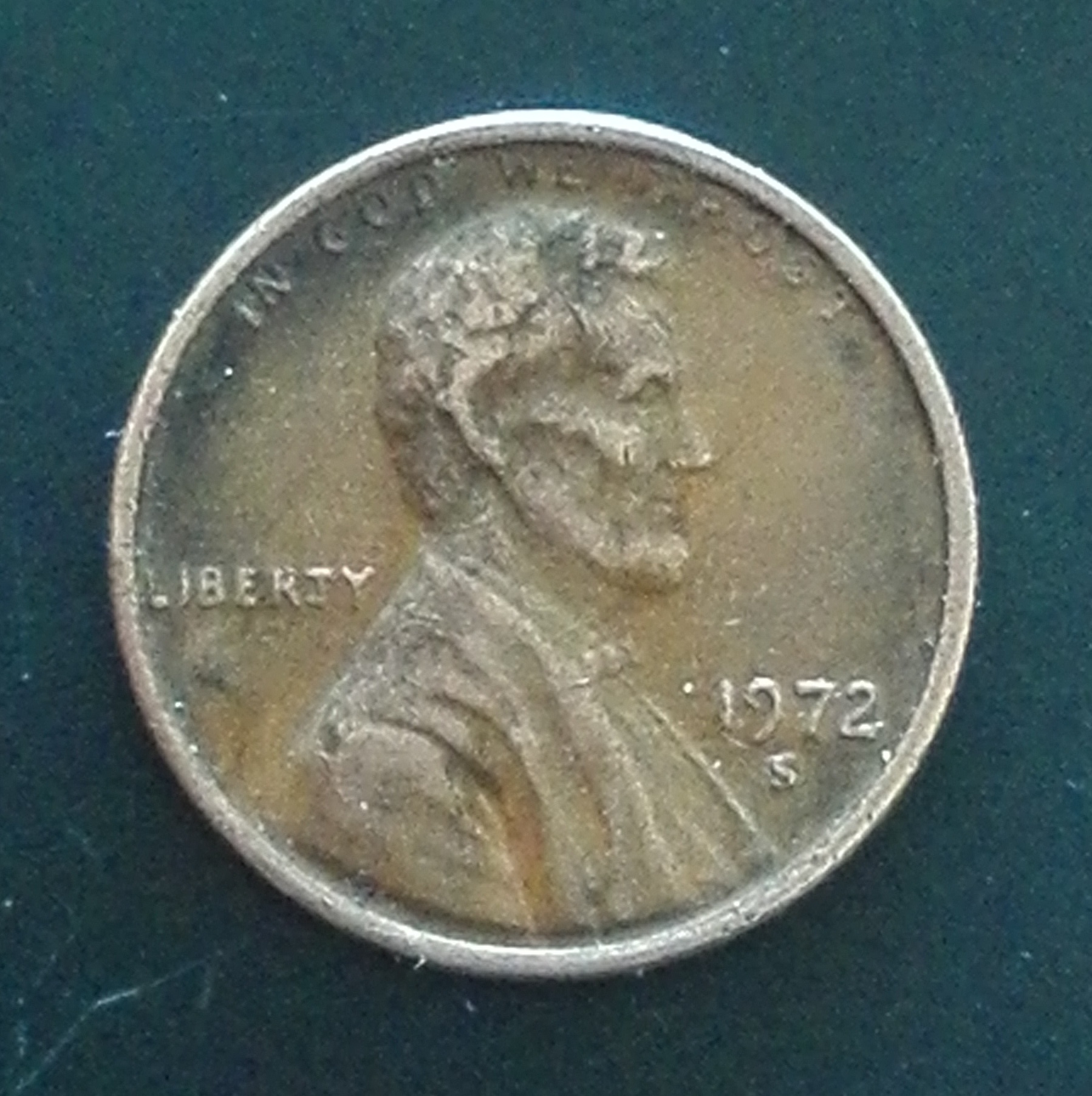
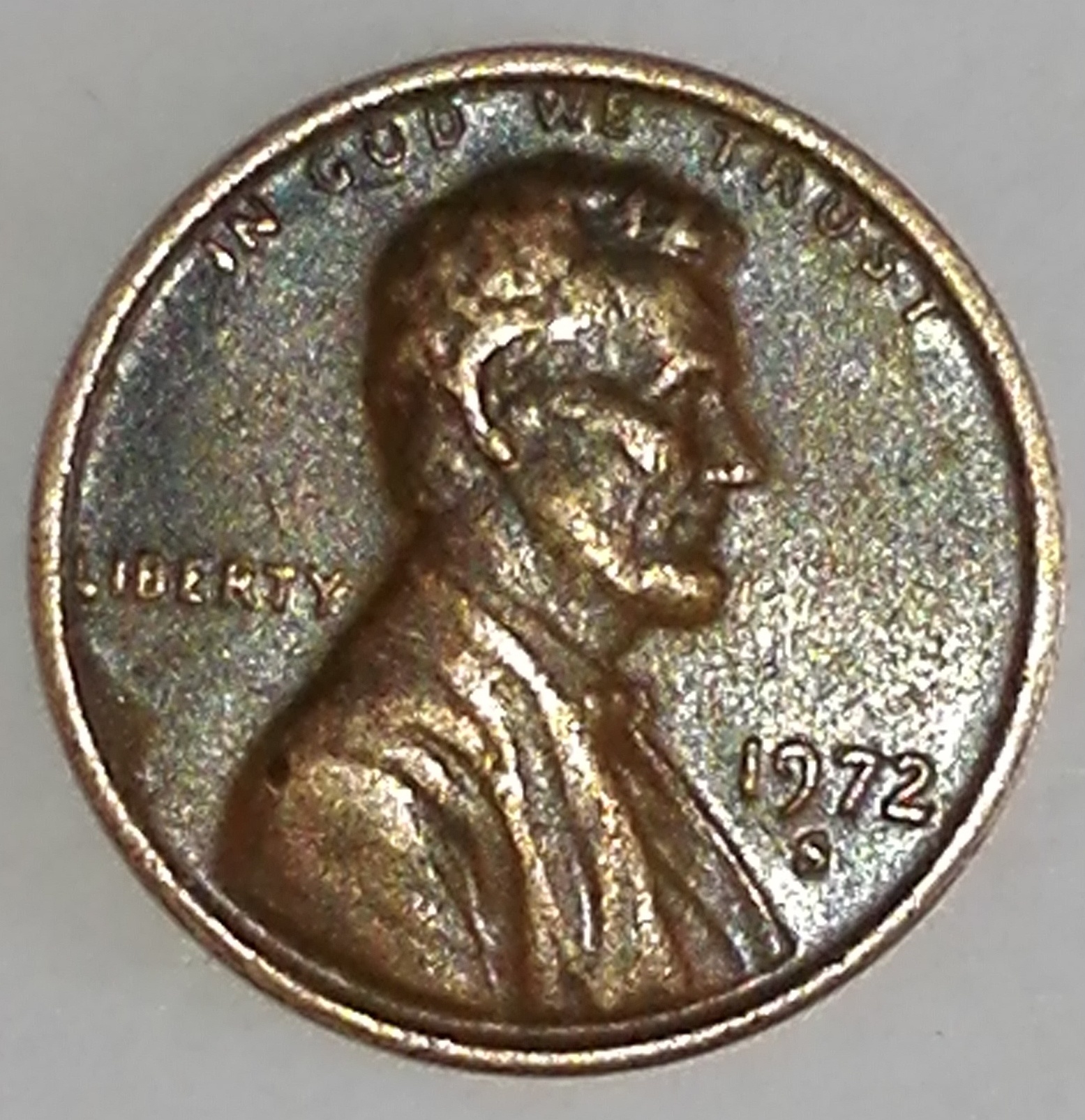
How often have you found an “S” mint Lincoln Memorial copper penny in pocket change?
Among the Lincoln Memorial cents, there were 7 years during which the San Francisco Mint placed its “S” mintmark under the date on business-strike, non-proof pennies.
These include:
“S” Mint Lincoln Memorial Copper Pennies
| Year | Mintage (Business Strikes) |
| 1968-S | 261,311,510 |
| 1969-S | 547,309,631 |
| 1970-S | 690,560,004 |
| 1971-S | 528,354,192 |
| 1972-S | 380,200,104 |
| 1973-S | 319,937,634 |
| 1974-S | 412,039,228 |
Notice that those mintage numbers for the business-strike Lincoln pennies from the San Francisco Mint are in the millions — not billions like most Philadelphia and Denver pennies from that era.
Most of these S-Mint Lincoln Memorial cents have been pulled from circulation, so they rarely turn up in pocket change anymore.
Officially, they’re worth only face value if worn. But I’ve seen many circulated S-Mint Lincoln Memorial cents selling at coin shops for 5 to 10 cents. Keep that in mind!
#2 – Other Copper Pennies That Are Valuable

Along with the San Francisco Mint Lincoln Memorial cents, there are several other interesting and valuable copper pennies to search for.
These include:
Other Copper Pennies That Are Valuable
| Penny Variety | Approximate Value |
| 1960 Small Date | $1.50+ |
| 1960 Large Date | 3+ cents |
| 1960 Small Date Over Large Date | 3+ cents |
| 1960-D Small Date | 3+ cents |
| 1960-D/D Small Date Over Large Date | $100+ |
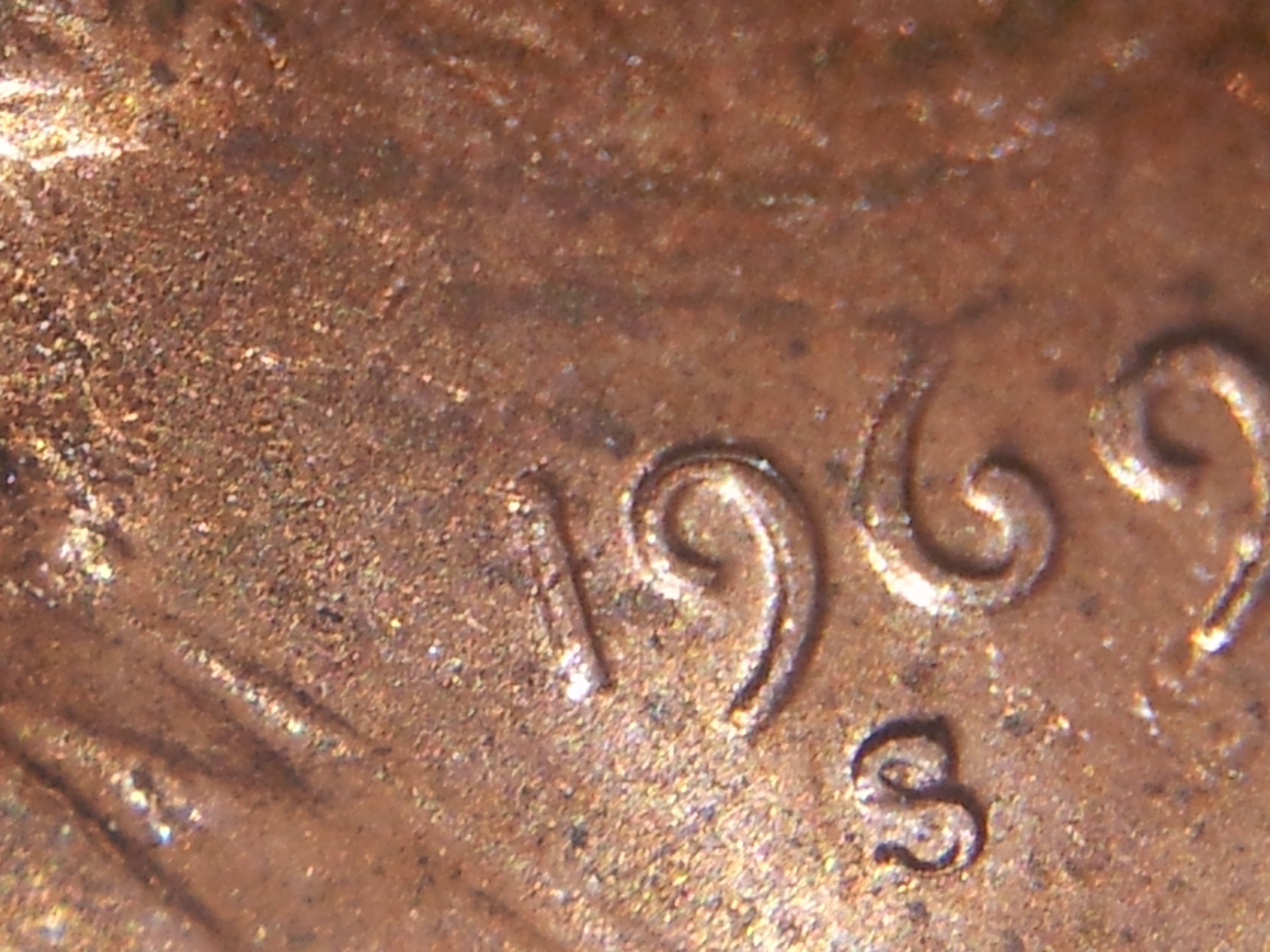
| 1969-S Doubled Die Obverse | $25,000+ |
| 1970-S Small Date | $25+ |
| 1970-S Doubled Die Obverse | $2,500+ |
| 1972 Doubled Die Obverse | $250+ |
*Values are for coins in Extremely Fine-40 grade
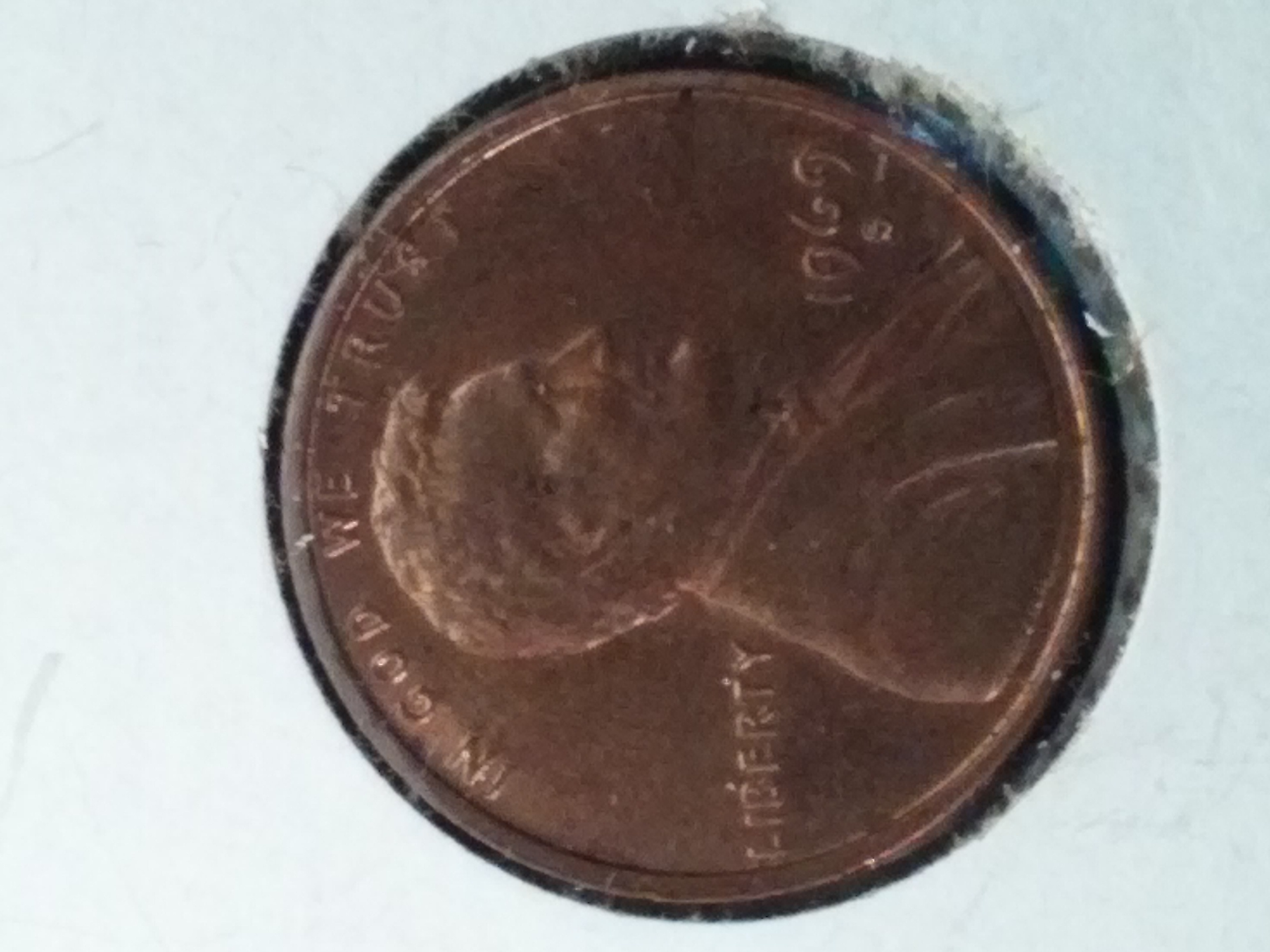
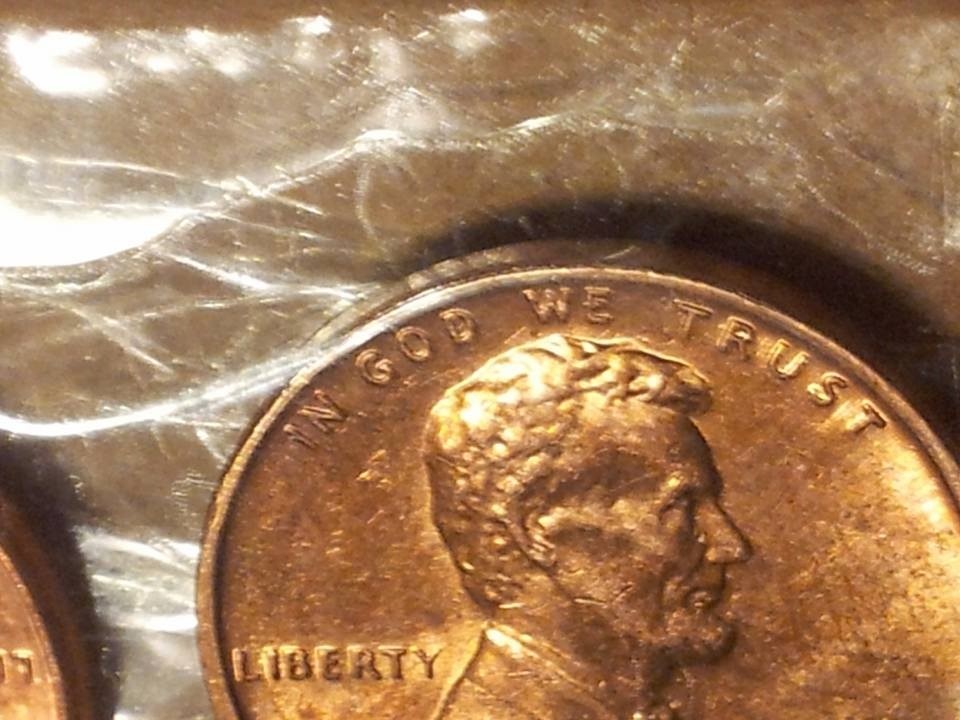
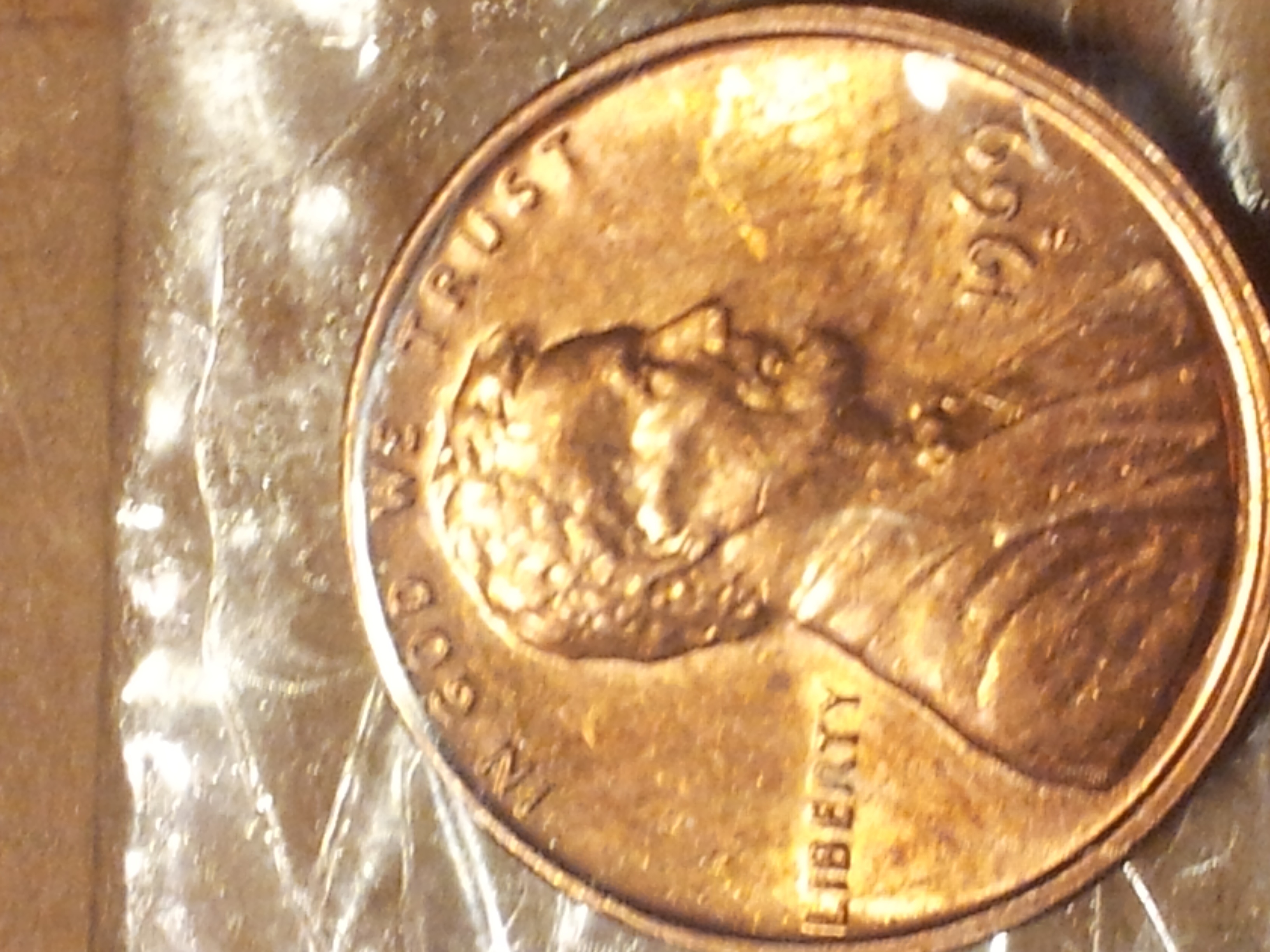
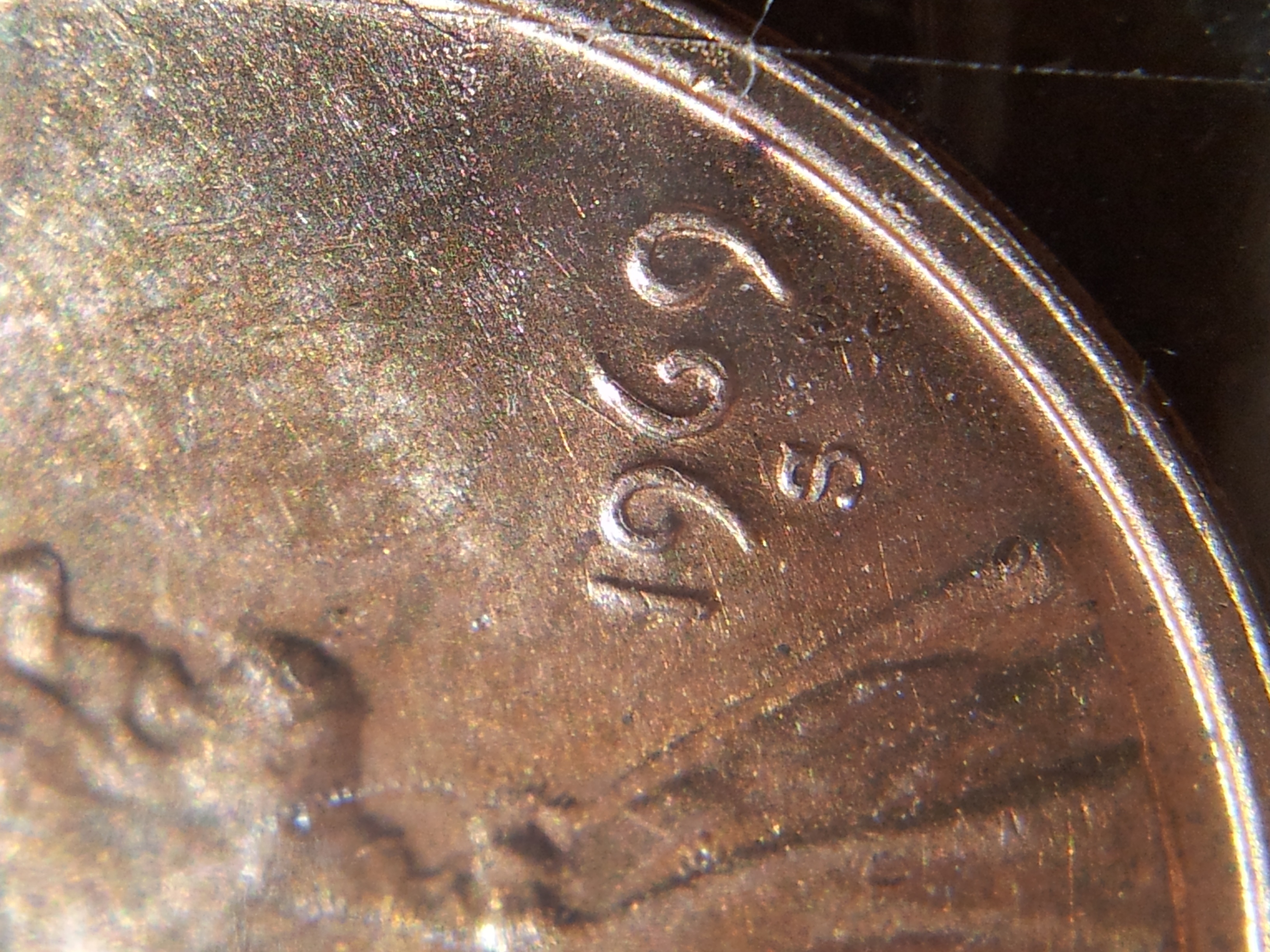
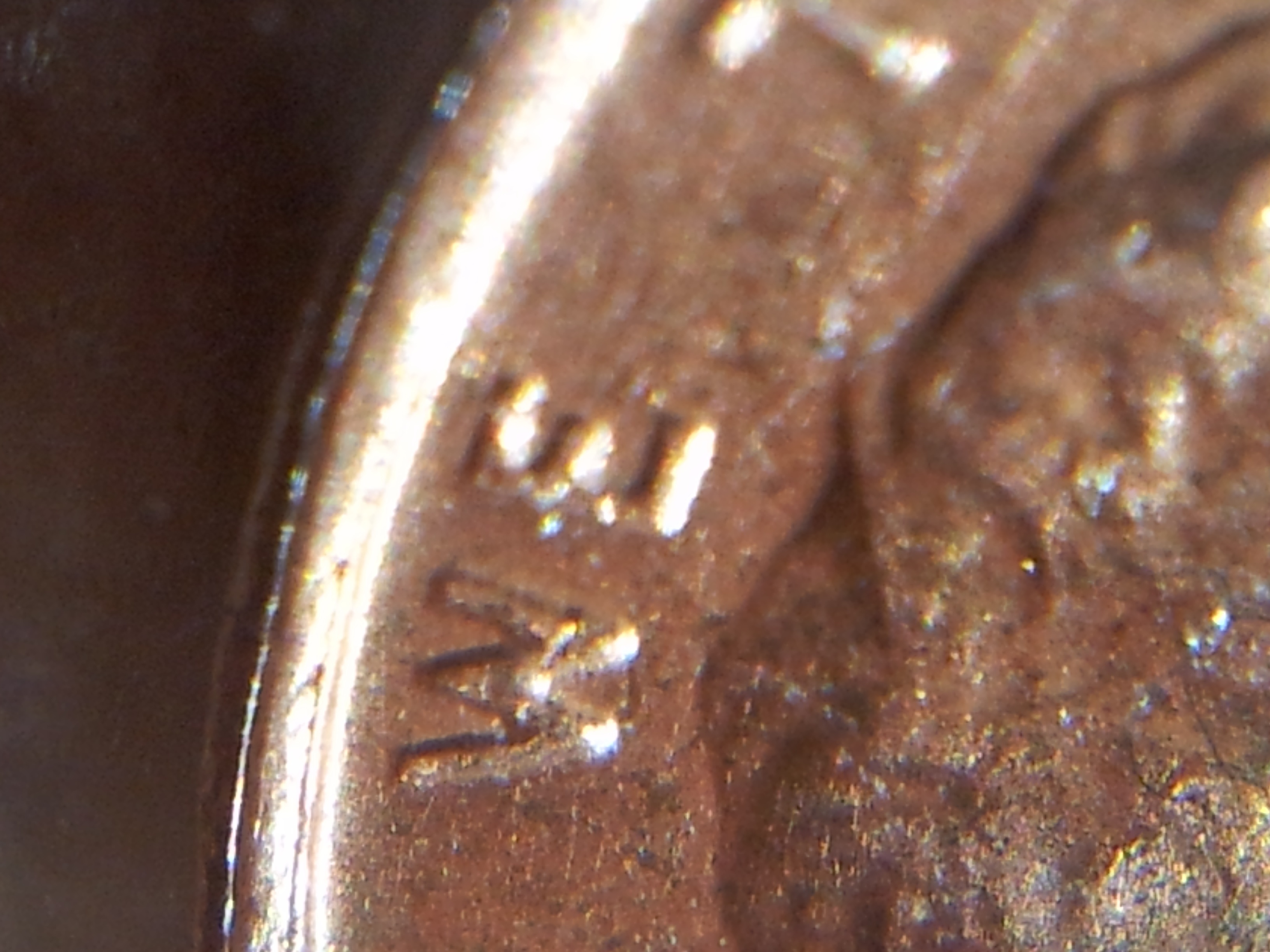
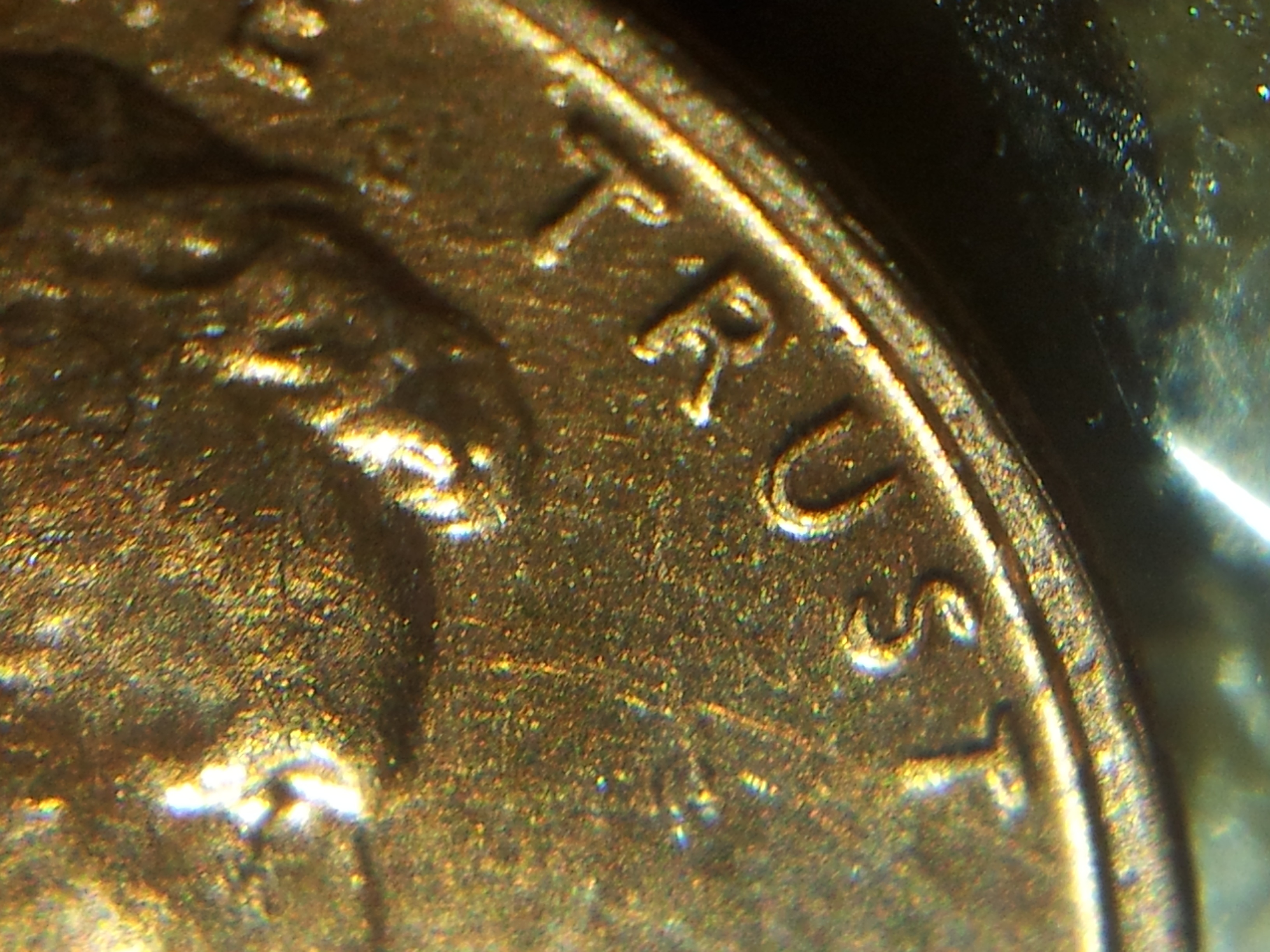
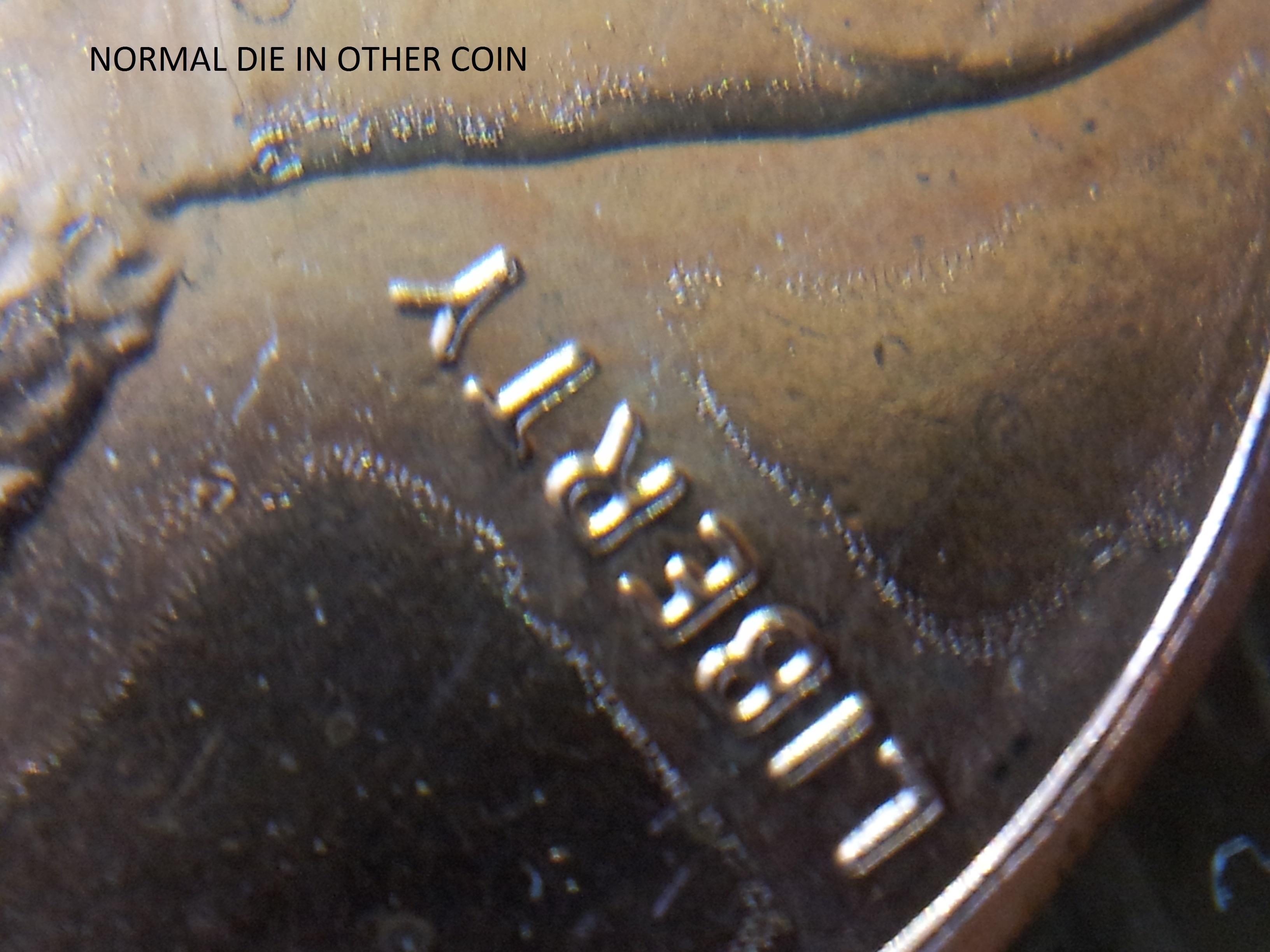
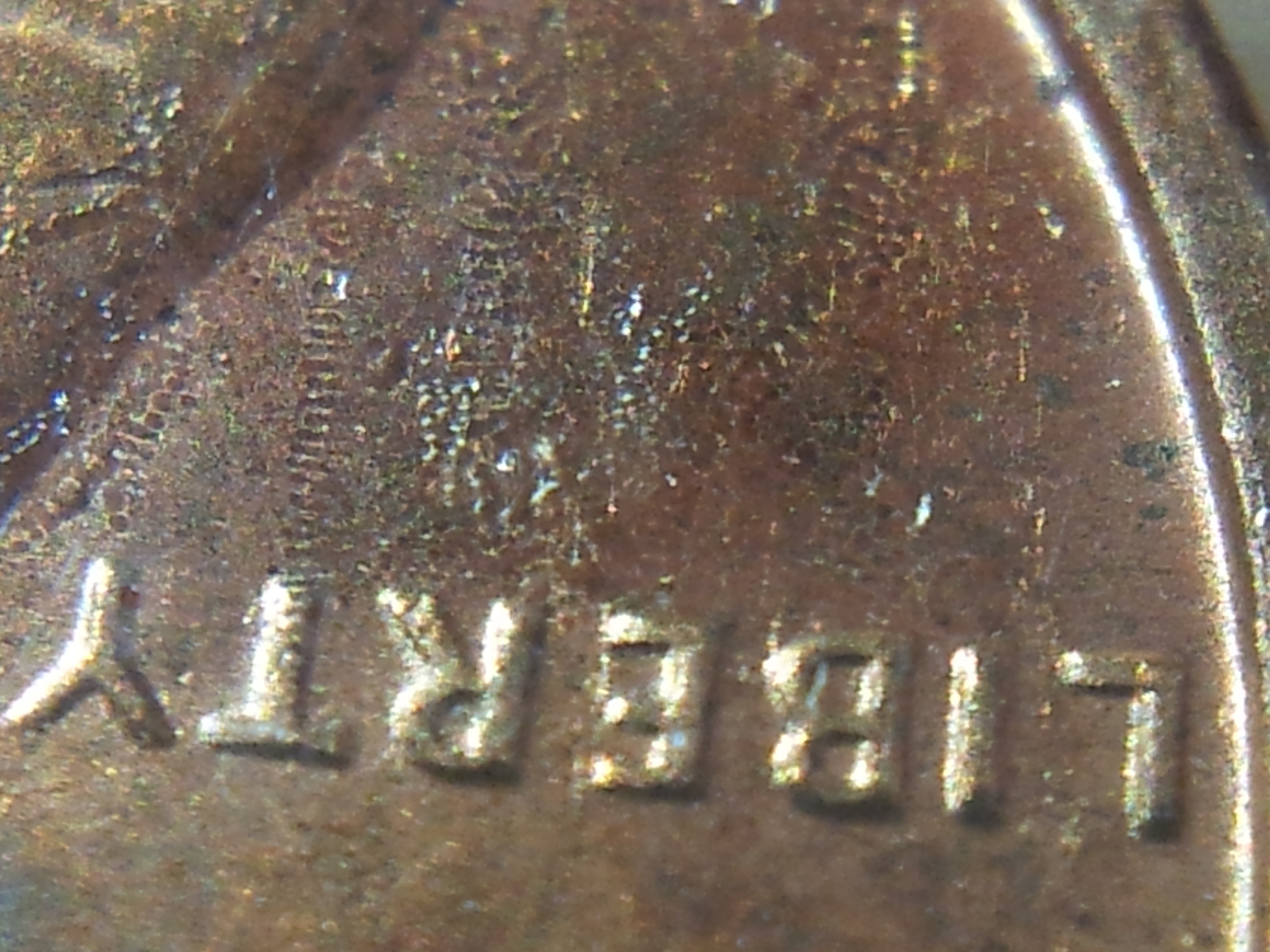
When you’re hunting for the legendary 1969-S Doubled Die Obverse, make sure the doubling is clear and crisp on the lettering and date numerals. If the doubling looks flat or smeared, you’re just looking at common, non-premium machine doubling!
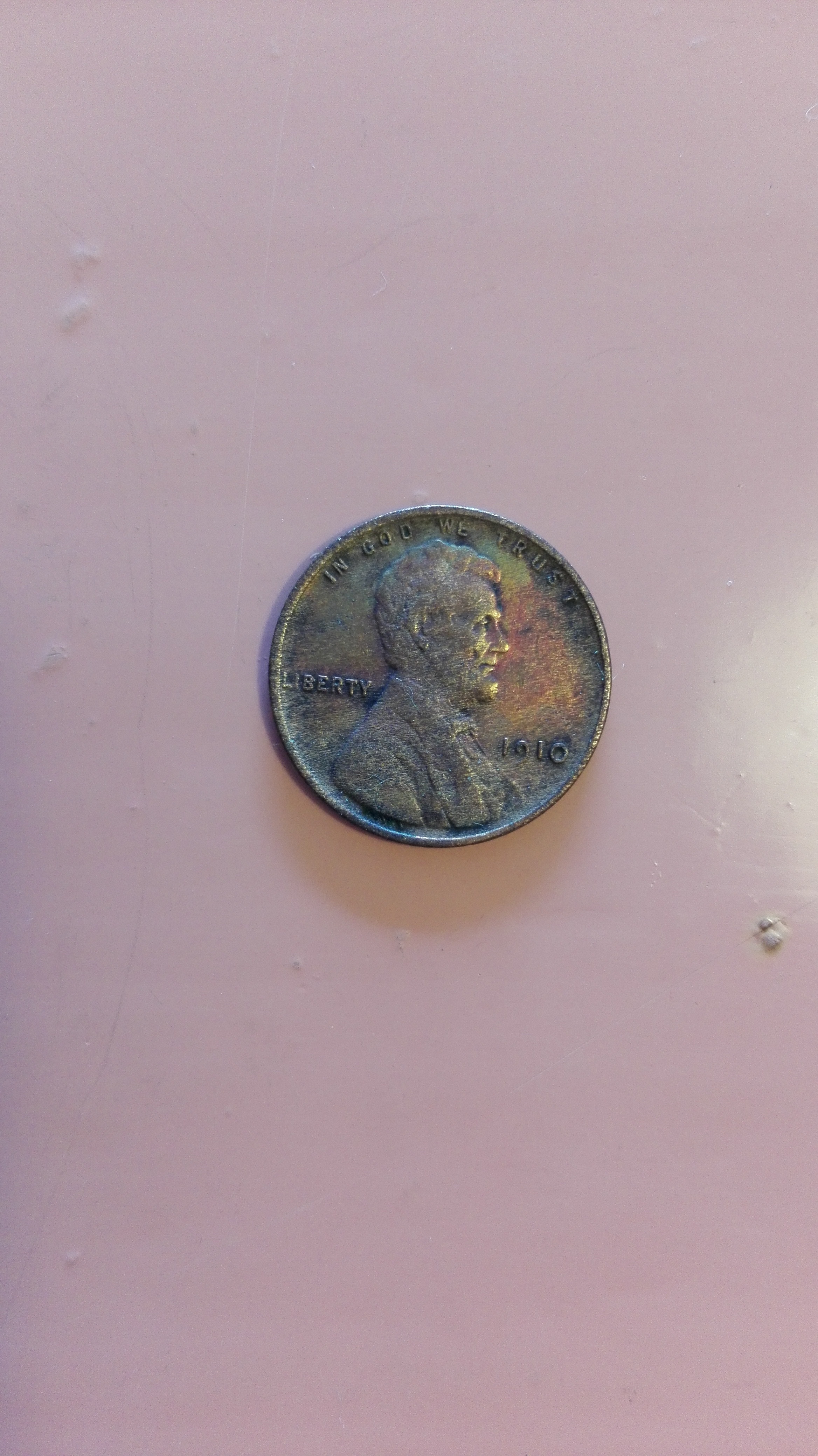
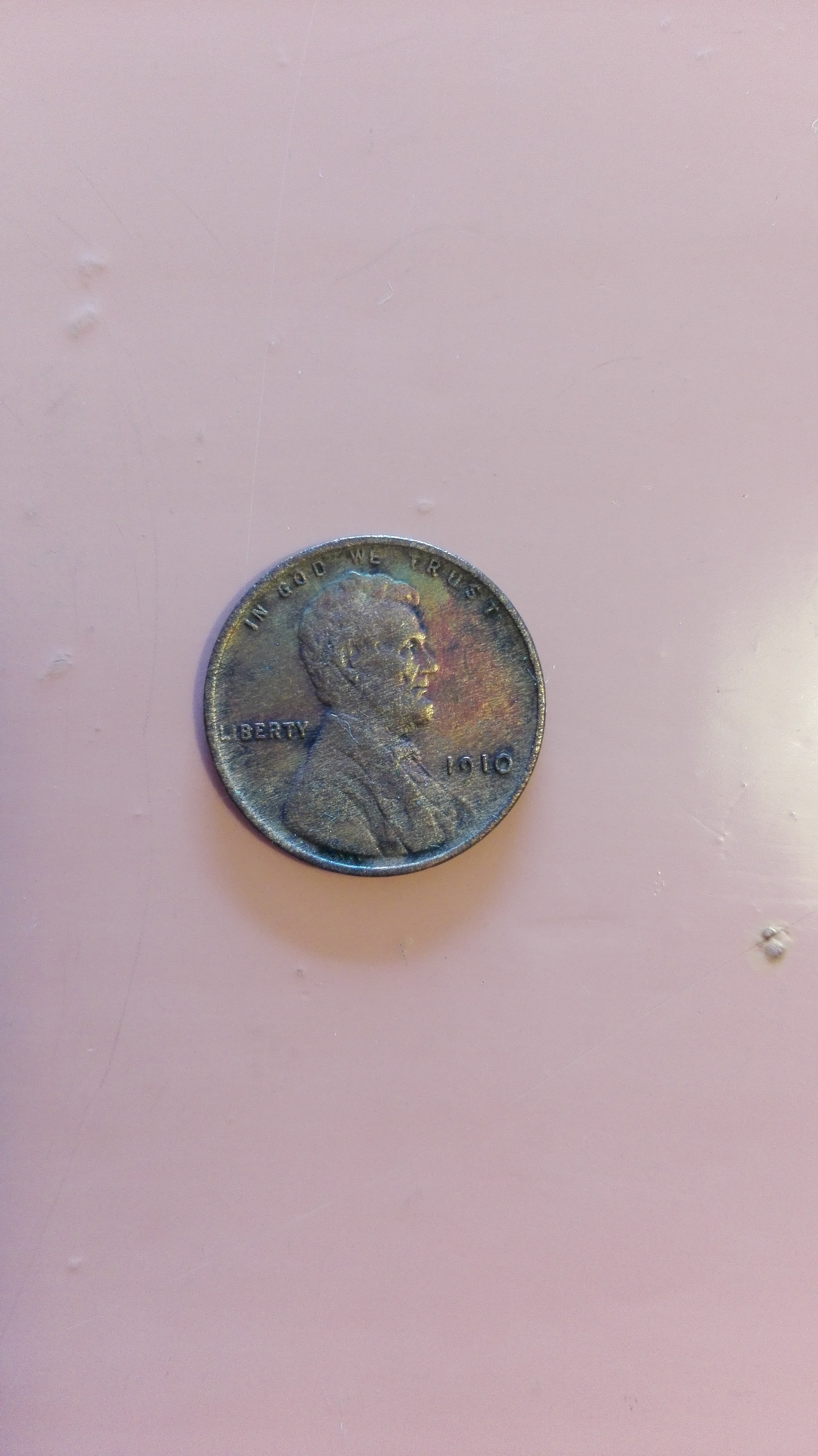
#3 – Old Copper Lincoln Wheat Pennies

So far, this article has been mainly centered around looking for copper Lincoln Memorial cents — which were minted from 1959 through 1982.
But that’s doesn’t mean Lincoln Wheat pennies (which were minted from 1909 through 1958) are, as they say, “chopped liver.”
In fact, the numismatic value of Wheaties makes them worth more than most Lincoln Memorial pennies. And, yes, they’re made from copper, too. With one exception: steel pennies.
Steel cents were made in 1943, though a few 1944 steel pennies were made by accident. Nevertheless, steel pennies are a topic for another article. In this article we’re only talking about copper coins.
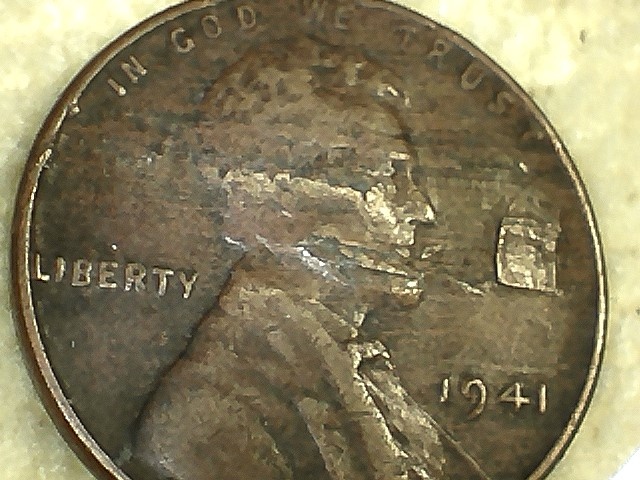
All Lincoln Wheat pennies are worth a minimum of 3 to 5 cents each, though many are worth more.
I’ve written extensively about the values of Lincoln Wheat pennies — hope you enjoy these articles as well:
Here’s how to tell what a penny is made of (whether it’s a copper penny or a copper-plated zinc penny) and the story behind zinc pennies.
Tips To Help You Find Copper Pennies
What’s the easiest way to search for copper pennies?
For one, pocket change still yields plenty of copper cents. In my 3 to 5 weekly cash transactions involving 2 to 4 pennies, I probably find between 2 and 5 copper pennies each week — sometimes more, sometimes fewer.
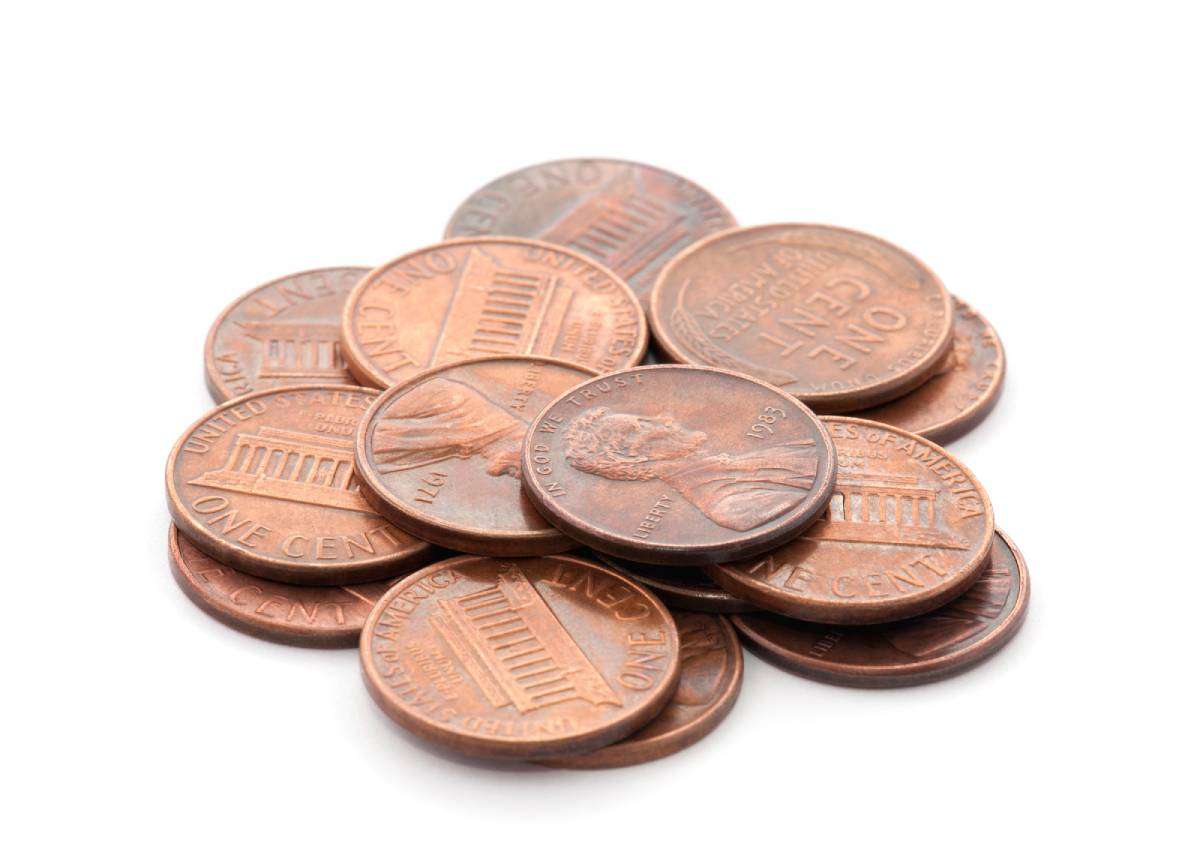
Of course, obtaining 5 copper pennies weekly isn’t a very efficient way of building a nice hoard of copper pennies. So, that’s why I turn to coin roll searching.
One time, I found about 200 copper pennies among 20 rolls of pennies ($10 worth of one-cent coins).
That means about 20% of the pennies passing through my hands in those rolls were copper ones. And, that 1:4 ratio of copper pennies to zinc Lincoln cents seems to be about my probability of finding copper one-cent coins in circulation today.
The difference with looking through rolls of pennies is that I’m looking at many more coins that way than I ever would through my cash transactions alone!
So searching penny rolls is a much faster way to build your hoard of copper pennies than by simply pulling old coins out of spare change alone.
Can You Melt Pennies For Their Copper Value?
Here’s the short answer (the one you probably don’t want to hear): “NO!” Not as of this writing, anyway.
The United States government initially banned melting copper pennies in 1974, but that regulation was lifted a few years later in 1978. The current regulation making it illegal to melt and export pennies (and nickels) was implemented as an interim measure on December 14, 2006 by U.S. Mint Director Ed Moy. It was later finalized in April 2007.
Yes, it’s also illegal to melt 5-cent coins for their copper value. Because “nickels” are actually 75% copper.
If you get caught scrapping pennies (or nickels), you could end up paying $10,000 in fines and spend 5 years in the slammer — prison, that is.
So, don’t do it. Don’t even think about trying to sneak a “few” copper pennies over to the scrap yard or into the smelting pot. It’s just not worth it.
Many people who hoard copper coins these days are simply waiting for the penny melting laws to change, which may happen someday.
I, on the other hand, am simply holding onto my copper pennies with no particular plans except to perhaps search through them someday for varieties, errors, and other interesting numismatic aberrations.
READ NEXT: A List Of The Most Valuable U.S. Pennies
How big is your current copper cent hoard? Are you filling up 5-gallon buckets, or just tossing them into a standard coffee can?
Drop a comment down below and let me know what your copper pennies collection looks like!
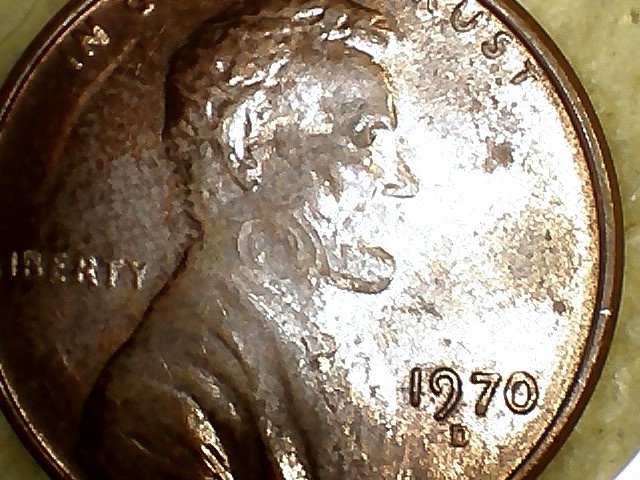
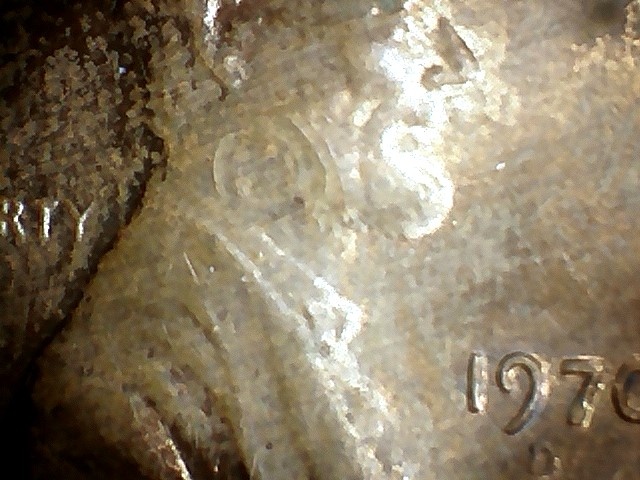
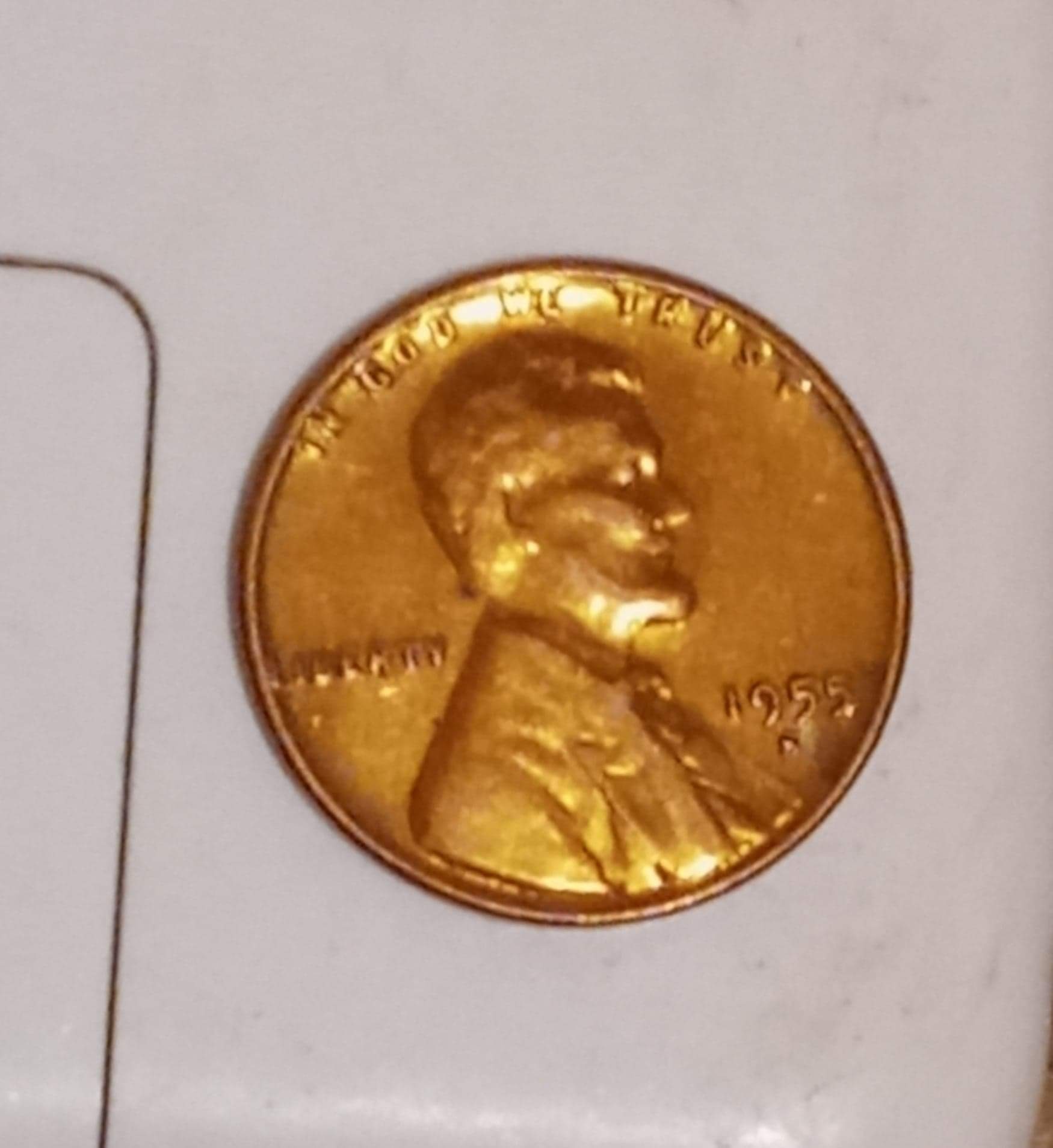
If you score a sharp S-mint Memorial cent or think you’ve spotted a 1960 small date under your coin loupe, snap a clean picture and share it below so we can all have a look.
Happy hunting!




Leave a Comment