



Zinc Lincoln cents are often referred to as Zincoln cents. Let’s explore the zinc Lincoln penny!
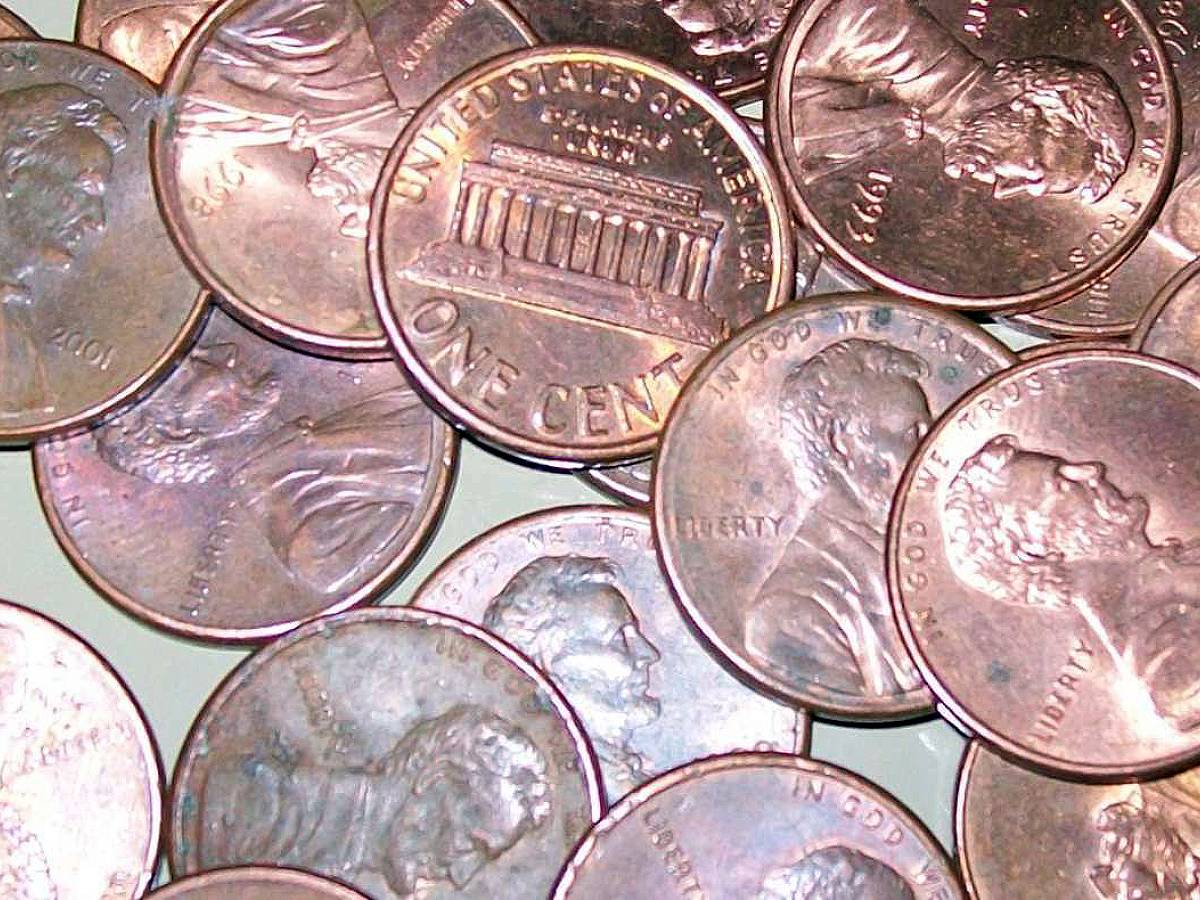
Ever since the United States Mint began striking Lincoln pennies with a primarily zinc composition back in 1982, some coin collectors have jokingly been referring to modern zinc Lincoln cents as Zincolns.
Here’s the story behind zinc Lincoln pennies, how much these coins are worth, and how many zinc Lincoln cents have been made…
How Zinc Lincoln Pennies Came To Be
When the plans came to change the metallic composition of the Lincoln cent, it wasn’t the first time the penny would have undergone a significant overhaul.
In 1943, steel pennies were made to save copper for ration efforts during World War II.
In 1974, aluminum pennies were proposed to combat rising copper prices.
In 1982, with the 95% copper and 5% tin & zinc composition costing too much to produce, the United States Mint was approved to use a new metal composition for the penny:
- 97.5% zinc
- 2.5% copper
- A lighter weight of 2.5 grams (versus 3.11 grams for the copper cent)
That combination results in a zinc core for the penny, with a pure copper coating. This copper coating is what makes the zinc-based coin still look similar in color to earlier, copper pennies.
Interestingly, zinc is what coats the 1943 steel pennies.
Did You Know?… Due to the rising cost of copper, many people now hoard copper pennies!
How Many Zinc Lincoln Cents Have Been Made?
You might be surprised to learn just how many zinc Lincoln pennies are floating around out there. In fact, there are more than plenty to go around for every United States citizen!
Over 200 billion zinc Lincoln cents have been made since 1982. With 310 million people living in the U.S., that means there are easily more than 645 zinc Lincoln cents for every man, woman, and child living in the United States!
So yes, you could realistically expect to find a zinc penny in your pocket change.
While having 200 billion pennies floating around sounds great for increasing your odds at finding these coins, zinc is a downright terrible metal for longevity. If you find an old copper penny from the 1950s that spent 20 years buried in the mud, you can often rinse the dirt off and find a decent coin underneath. However, if a modern zinc penny gets a tiny scratch in its thin copper skin, then moisture gets inside and triggers a chemical reaction called “zinc rot.” The core literally corrodes from the inside out, turning into white powder and leaving the penny looking like a crumbling piece of Swiss cheese. When you’re roll hunting, don’t waste space saving modern pennies that are already pitted, dark gray, or bubbling — those coins are completely spent… And safe for you to spend as regular money at face value.
Zinc Pennies With Bubbles
The U.S. Mint does a pretty good job minting billions of coins every year — but the U.S. Mint isn’t perfect.
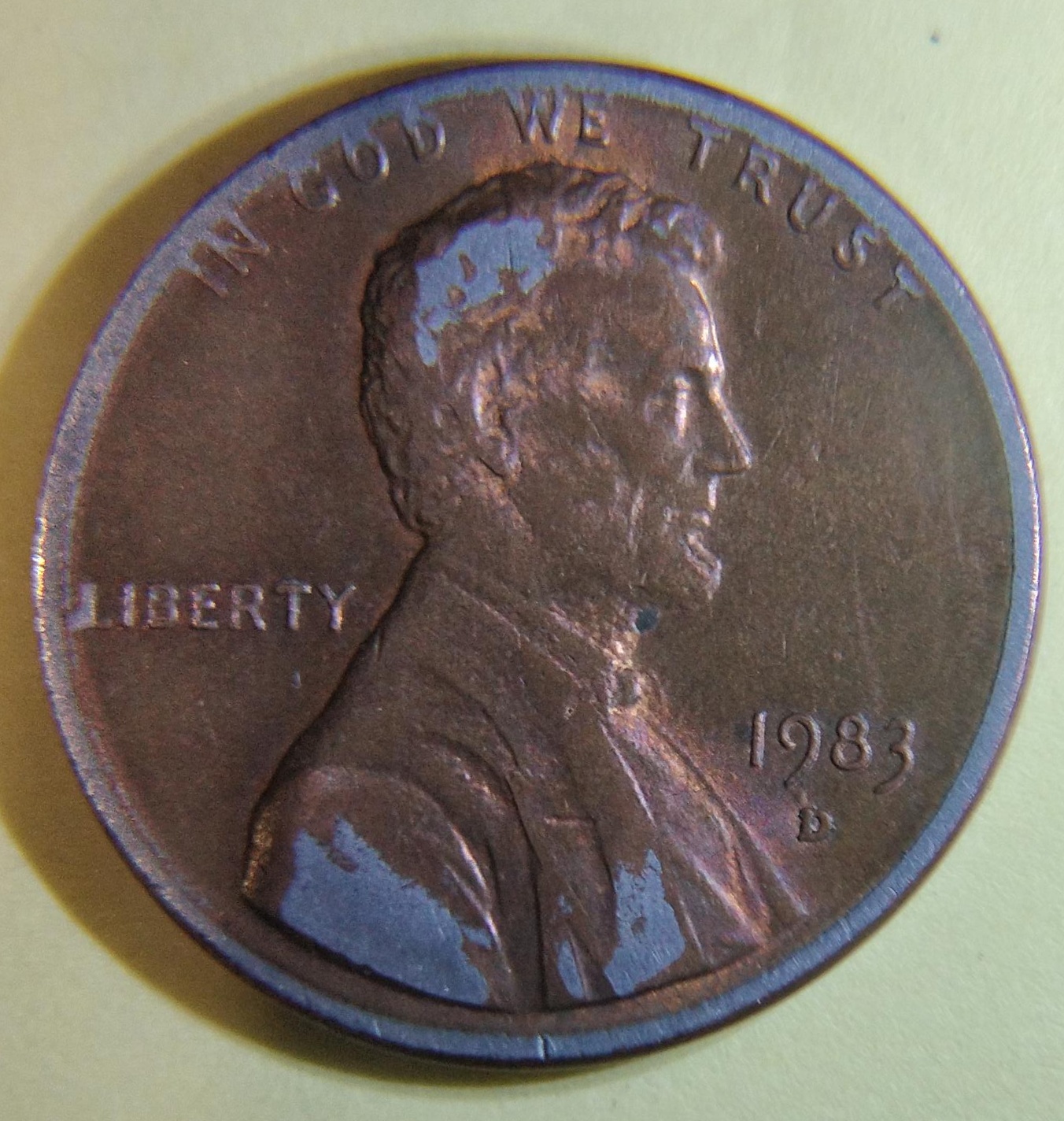
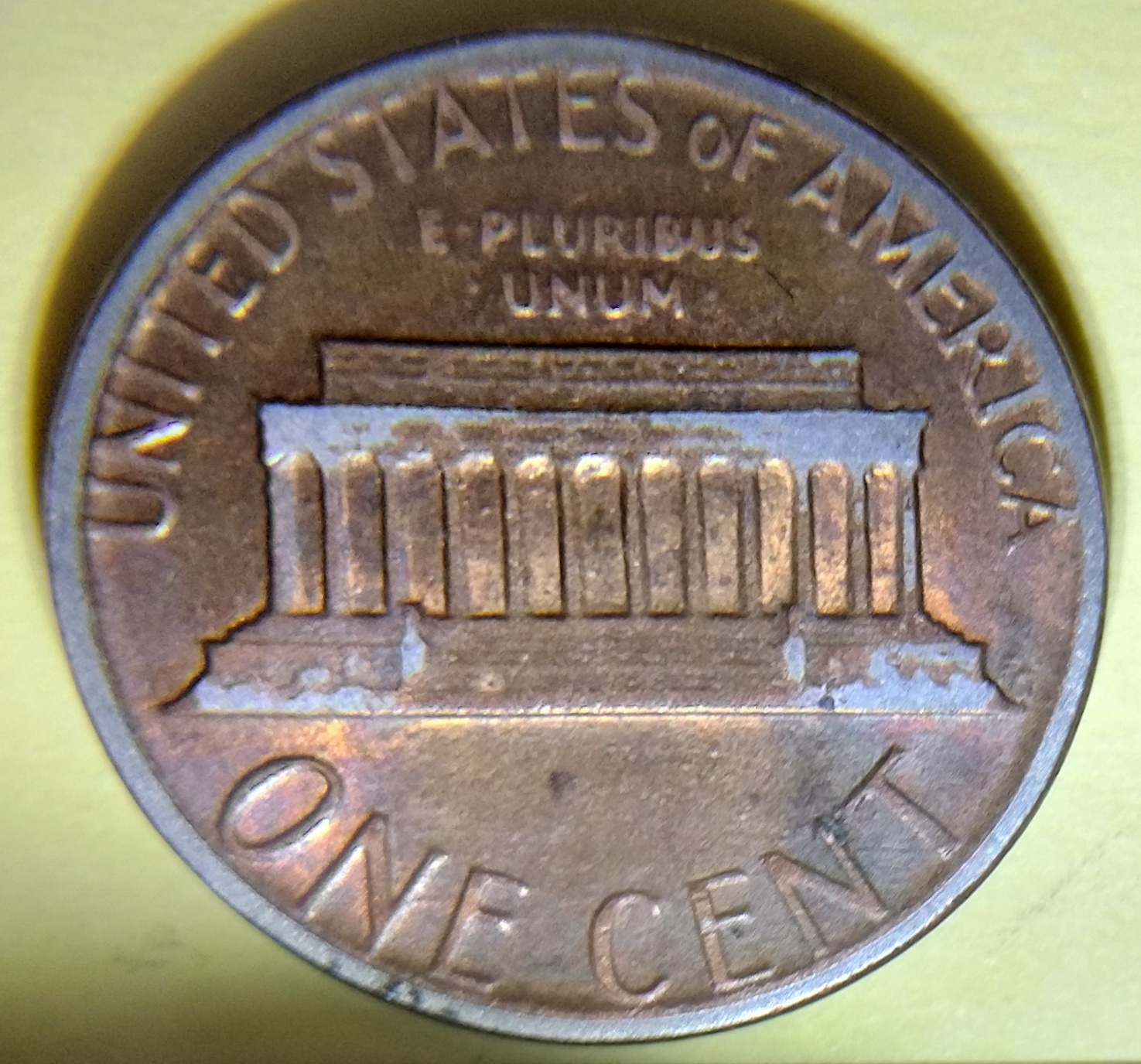
You’ll likely notice that many zinc Lincoln cents (especially from the early- and mid-1980s) seem to have tiny bubbles on them.
These bubbles are due to an issue where the copper didn’t adhere to the zinc core as well as it should.
NOTE: Improper plating and gas bubbles are very common on zinc Lincoln cents. These are some times confused with die chips, which are a type of error that occurs when part of the die (which strikes the design onto a blank, or planchet). Neither gas bubbles, which can pop, or plating imperfections (which tend to occur in swaths) are worth extra money unless they are large and look drastic. Meanwhile, die chips are usually solid and isolated; they can sometimes add a nominal premium to a coin’s value as a real error.
Zinc Penny Values + Errors To Look For
Unless the bubbles are drastic, zinc pennies with bubbles aren’t worth anything more than their regular value. In fact, those bubbles are often viewed as imperfections that actually diminish the value of uncirculated zinc Lincoln cents.
However, there are several notable error Lincoln cents made since the transition to zinc in 1982 worth more than face value.
Here’s a list of some of the most important zinc Lincoln penny errors and varieties and their approximate values:
| Year | Variety | Mintmark | Value | Mintage |
|---|---|---|---|---|
| 1983 | Doubled Die | $350 | 10,051,000 | |
| 1984 | Doubled Ear | $150 | 2,684,398,000 | |
| 1990 | No-S Proof | $3,500 | 3,929,590 | |
| 1992 | Close AM | D | $2,500+ | 2,734,200,000 |
| 1995 | Doubled Die | $25+ | 3,734,846,000 | |
| 1998 | Wide AM | $20+ | 3,549,900,000 | |
| 1999 | Wide AM | $450+ | 3,670,122,000 | |
| 2000 | Wide AM | $15+ | 4,712,744,000 |
While the Mint was still transitioning to the production of zinc Lincoln cents, a handful of 1983 pennies were accidentally struck on old leftover 95% copper blanks — instead of the new zinc ones. Since they look nearly identical to zinc 1983 pennies, it’s easy to accidentally spend one at face value. You don’t want to miss this valuable 1983 penny error! To identify these coins, toss your 1983 pennies onto a coin scale. If each 1983 penny registers at the standard zinc weight of 2.5 grams, it’s a normal penny. But if it hits a 3.11 grams — or within tolerances (2.98 grams to 3.24 grams) — you’ve just hit the jackpot on a major transition error that collectors will pay big money for!
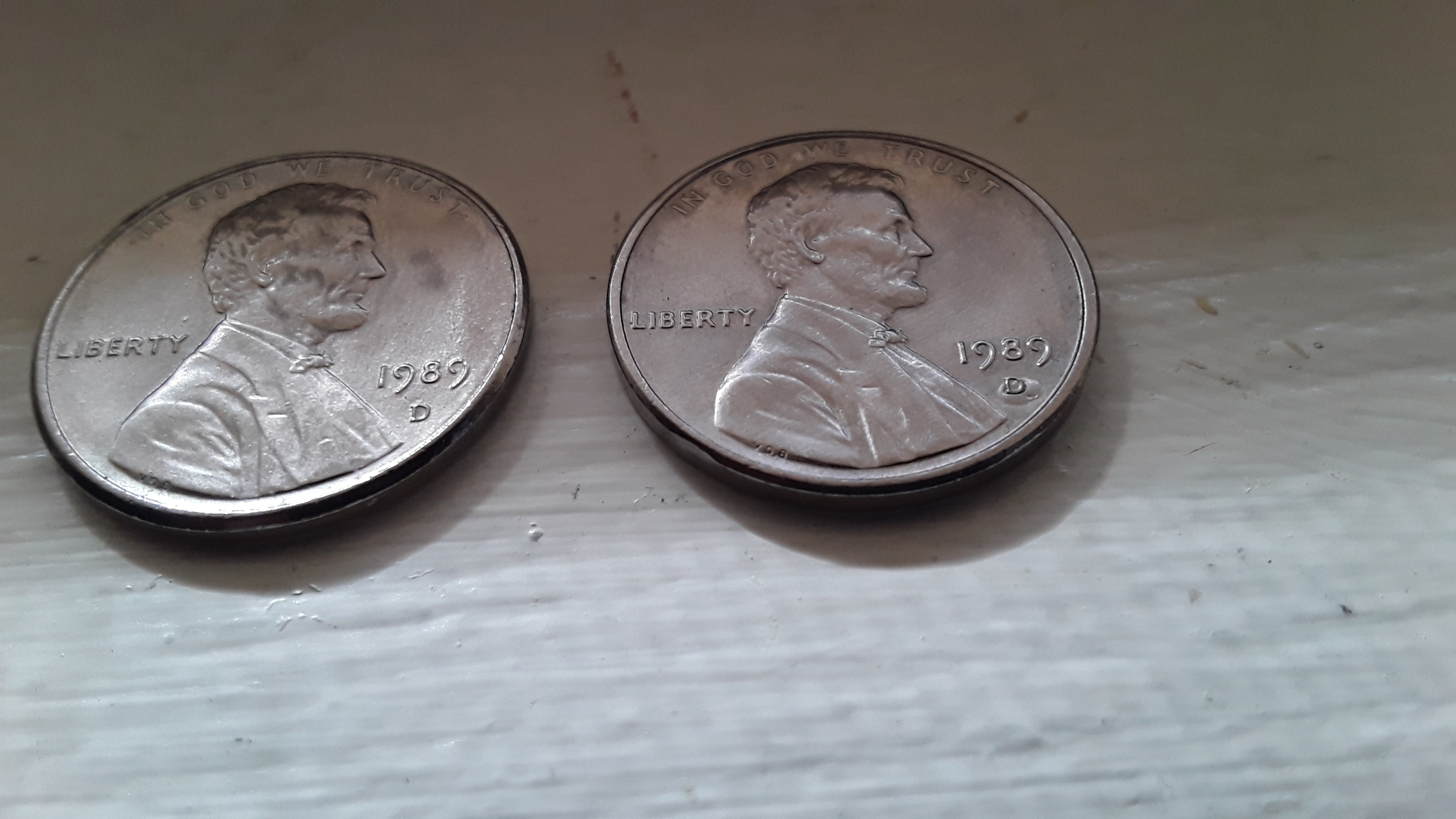
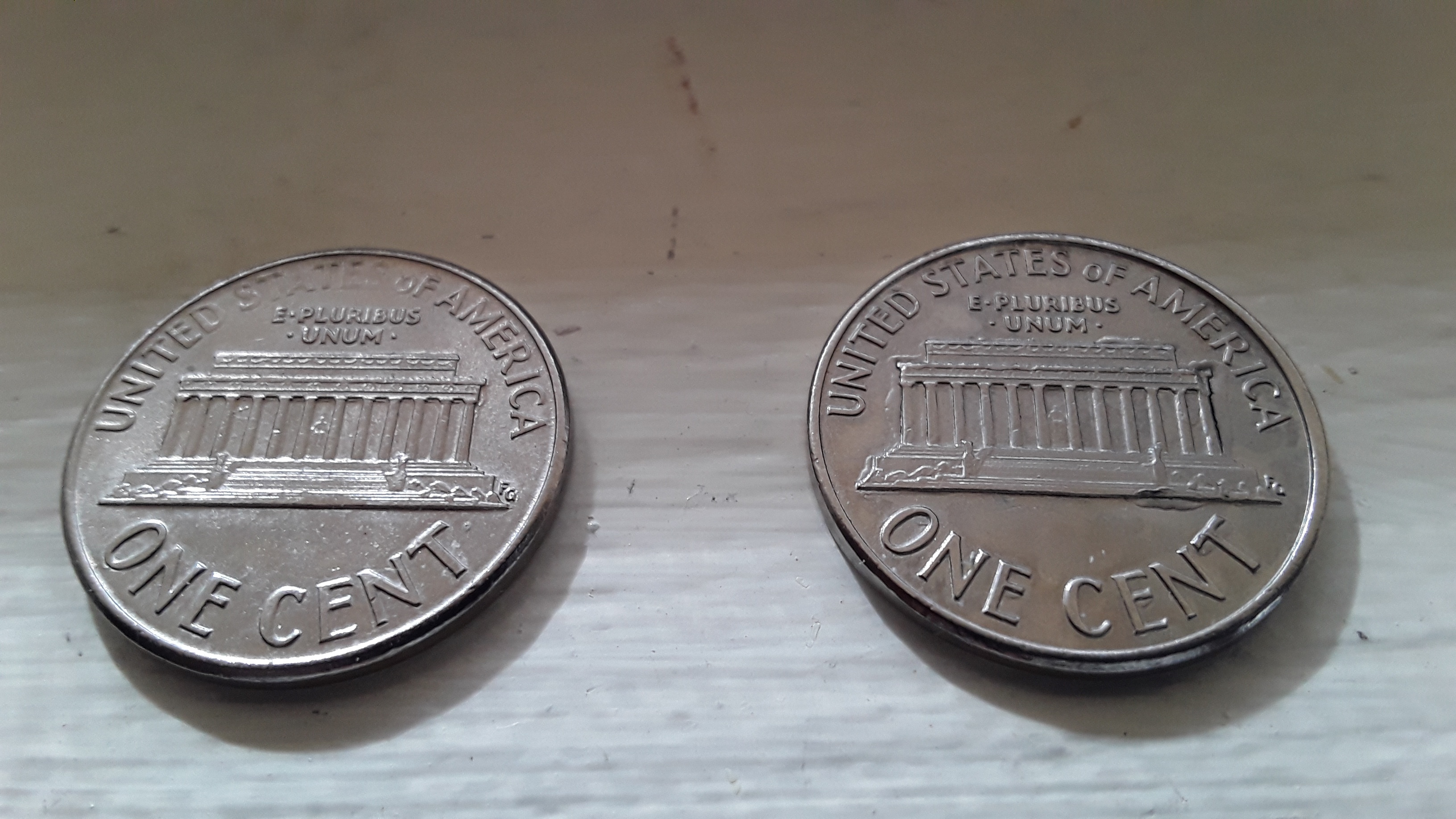
Do you think you have a zinc penny? Post a picture of your coin in the comments below and I’ll try to help you identify exactly what you have!







Leave a Comment