



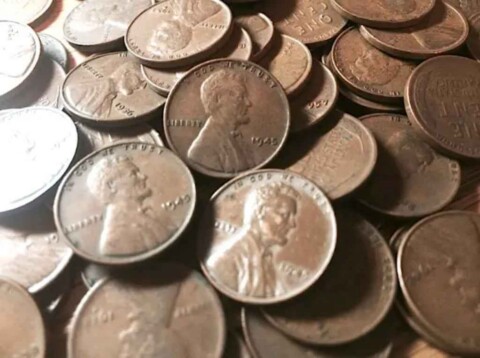
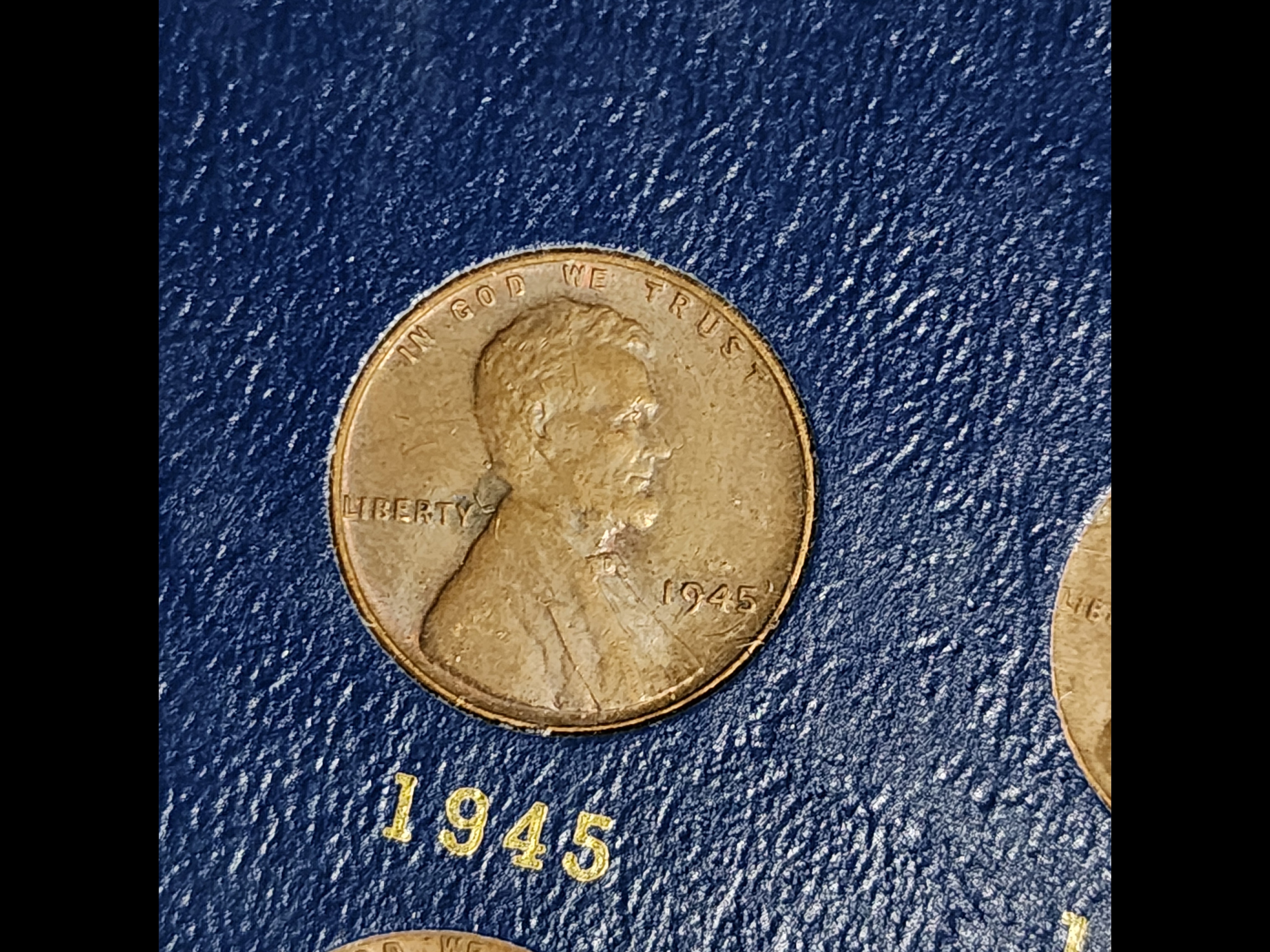
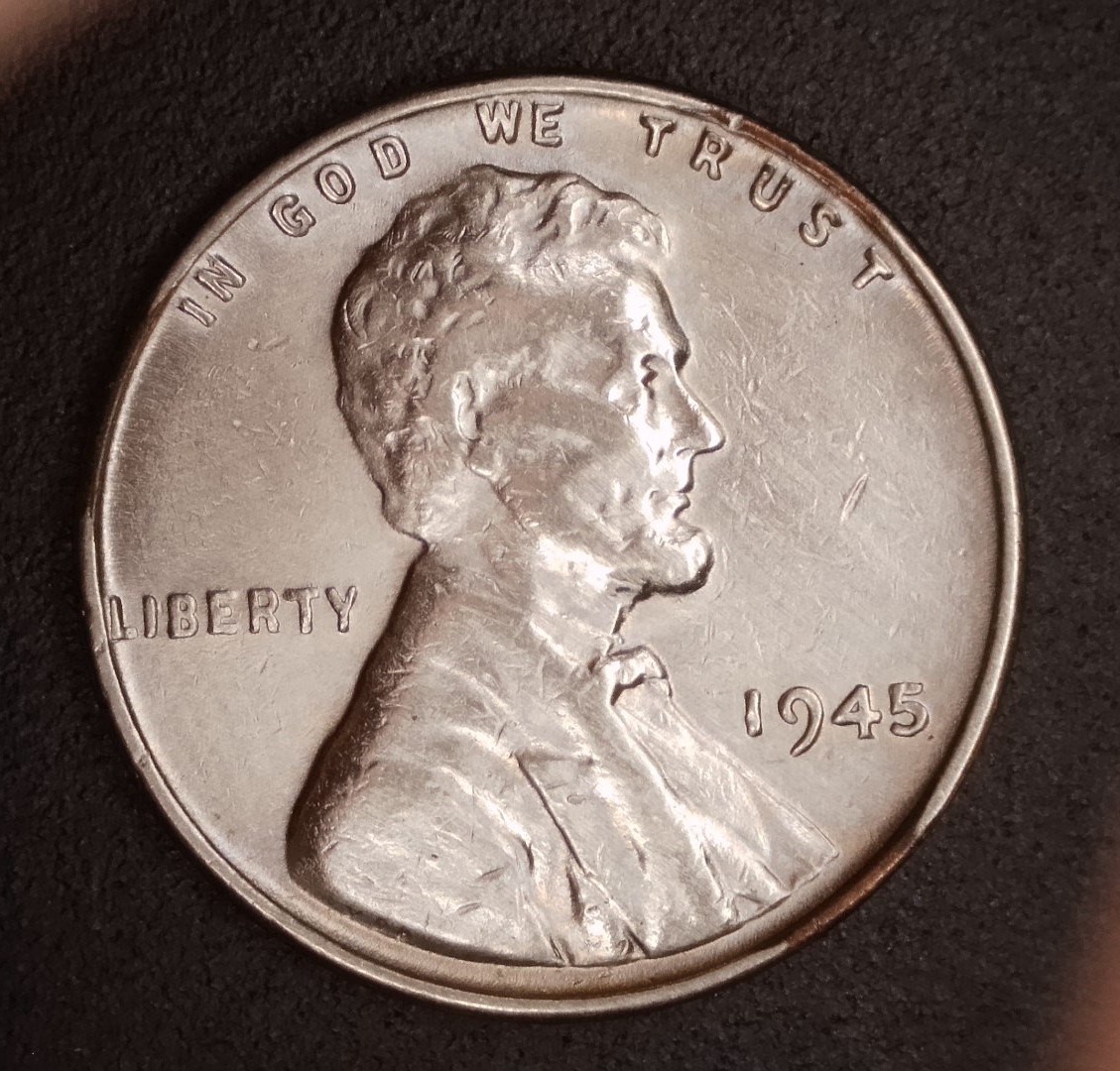
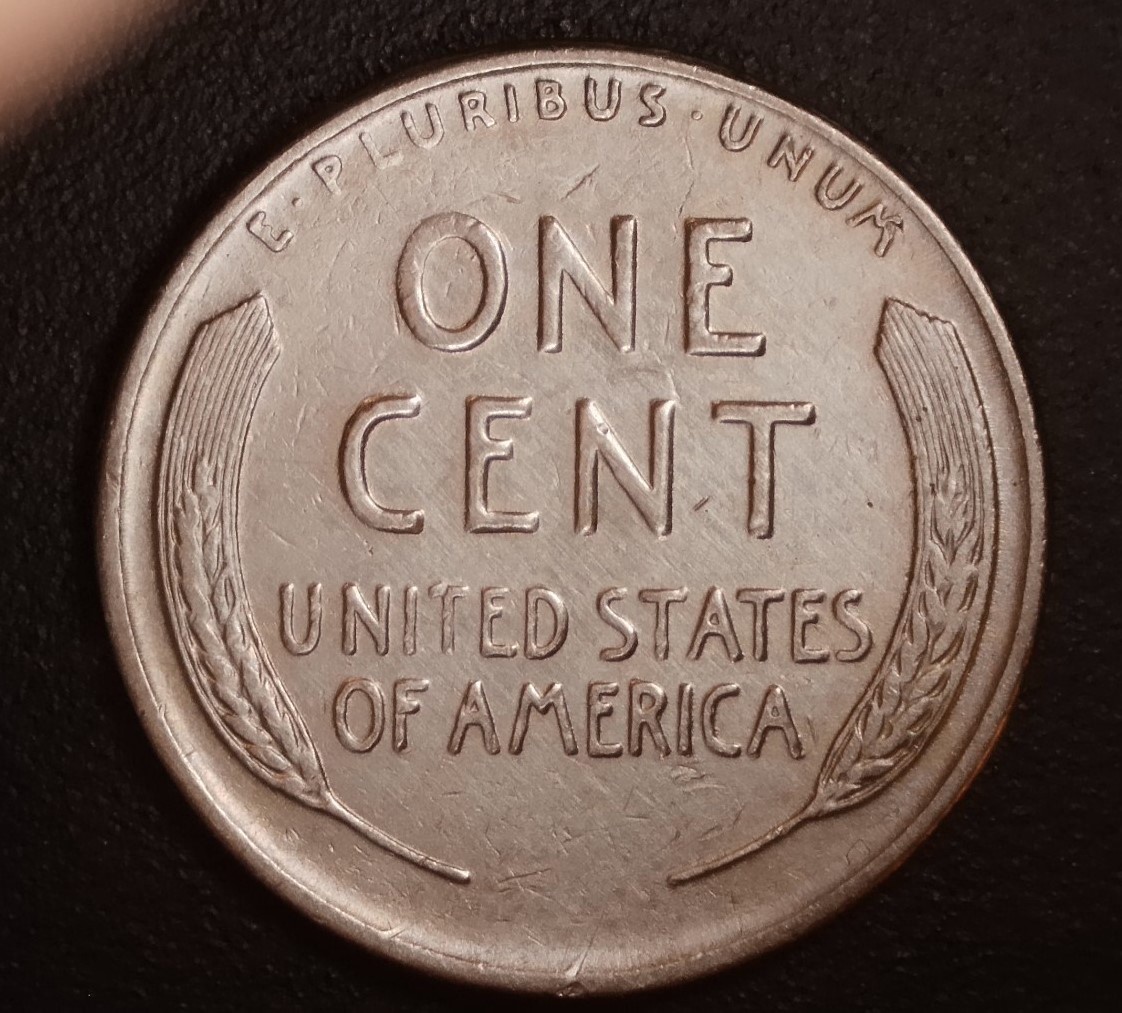
Did a 1945 penny turn up in your pocket change and now you want to know what this old Lincoln Wheat cent is worth?
There are many 1945 pennies floating around in circulation, and from time to time they wind up in the hands of a coin collector.
So, what’s the value of a 1945 Wheat penny today?
You’ll be glad to know that if you have a 1945 penny, it’s certainly worth more than 1 cent!
All 1945 Penny Values
While 1945 pennies are not rare coins, they’re nevertheless worth more than face value (or 1 cent) — because they’re made from valuable copper.
And since these old pennies are now considered obsolete coins, they have some extra numismatic value as well.
Here are the values and mintage figures for the different 1945 pennies:
- 1945 penny (no mintmark, made in Philadelphia) — 1,040,515,000; worth 2 to 5+ cents
- 1945-D penny (struck in Denver) — 266,268,000; 3 to 5+ cents
- 1945-S penny (produced in San Francisco) — 181,770,000; 5 to 10+ cents
*1945 penny values are for coins with average circulation wear and no damage — such as holes, bends, or signs of cleaning. Uncirculated 1945 pennies are worth more.
If you’re really serious about adding valuable 1945 pennies to your coin collection, seek those that have original color: that’s chocolate brown on worn specimens, and brown to red for uncirculated pieces.
Avoid specimens that have black flecks, spots, stains, or other signs of discoloration. Unfortunately, all of those imperfections are pretty common on older copper coins like 1945 Lincoln cents, and that’s why it could pay off if you find specimens that sport truly superior surfaces.
What Makes 1945 Pennies So Unique?
There’s some special history behind every 1945 penny you hold.
Not only were 1945 pennies made during World War II, but also every single 1945 Lincoln cent contains bits of recovered ammunition shells that were used in training United States military soldiers!
These so-called shell case cents (or shell case pennies) were struck from 1944 through 1946.
They were the answer to replacing 1943 steel pennies, which weren’t very popular with the public — because they rusted quickly and were often confused with dimes.
The shell case penny is made from an alloy that is 95% copper and 5% zinc.
A worn shell case penny looks virtually the same as a circulated penny made from the then-regular bronze alloy (95% copper and 5% tin and zinc). However, a skilled Lincoln cent collector may see a slight difference in the color of uncirculated shell case pennies and “regular” bronze pennies.
An uncirculated shell case penny appears a little darker than an ordinary bronze Lincoln cent.
Shell case pennies are definitely historic relics of World War II, but they are quite common in all grades up to at least Mint State-65.
IMPORTANT: What Is The Grade Of Your 1945 Penny?
To determine the true value of your 1945 Wheat penny, you first need to know what condition (or grade) your coin is in.
How to Grade Coins Yourself
Grab a coin magnifier and a copy of the U.S. Coin Grading Standards book. Then, watch this video to see how to grade coins yourself at home:
These are the best coin grading apps that will make grading coins yourself much easier.
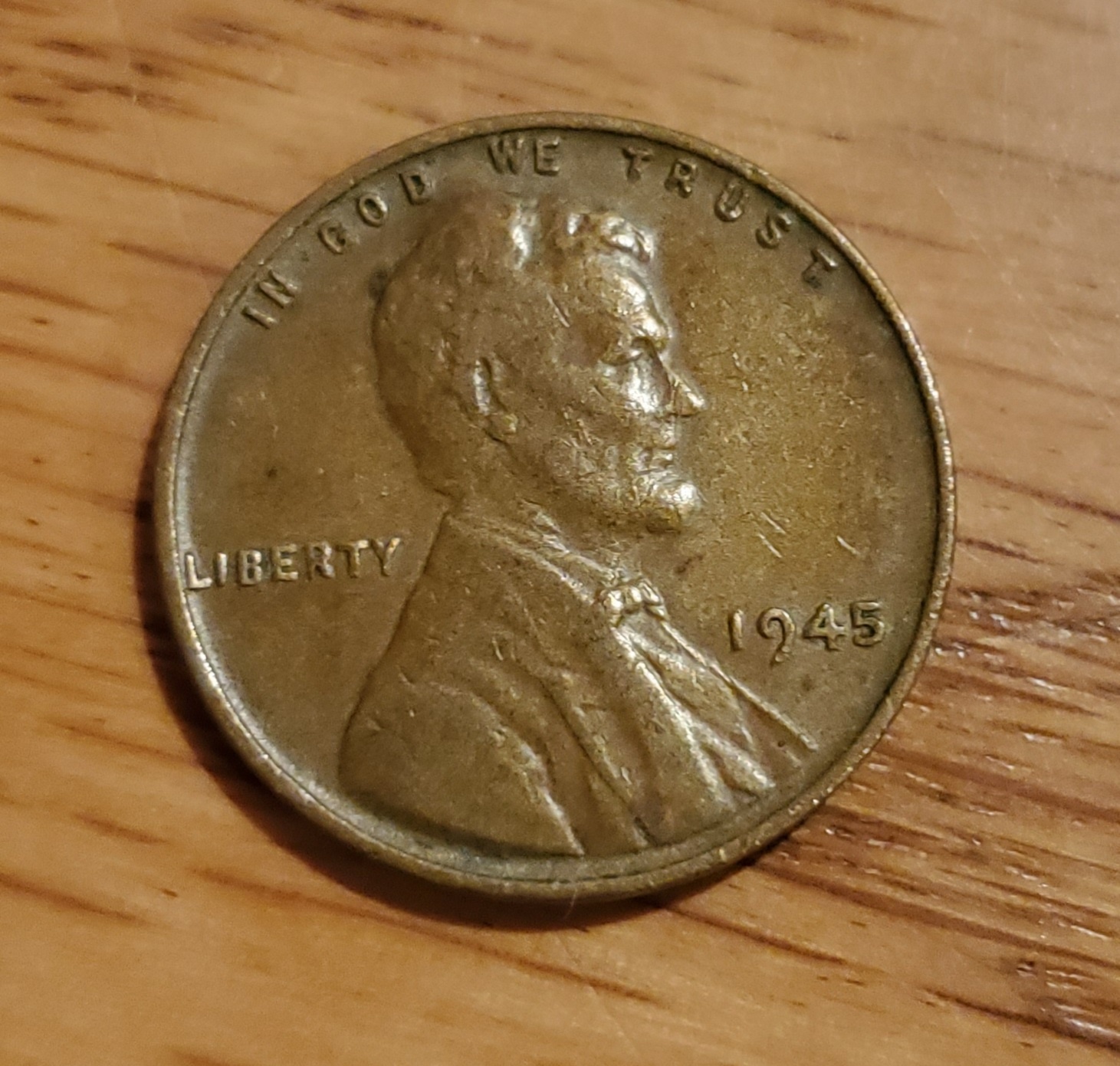
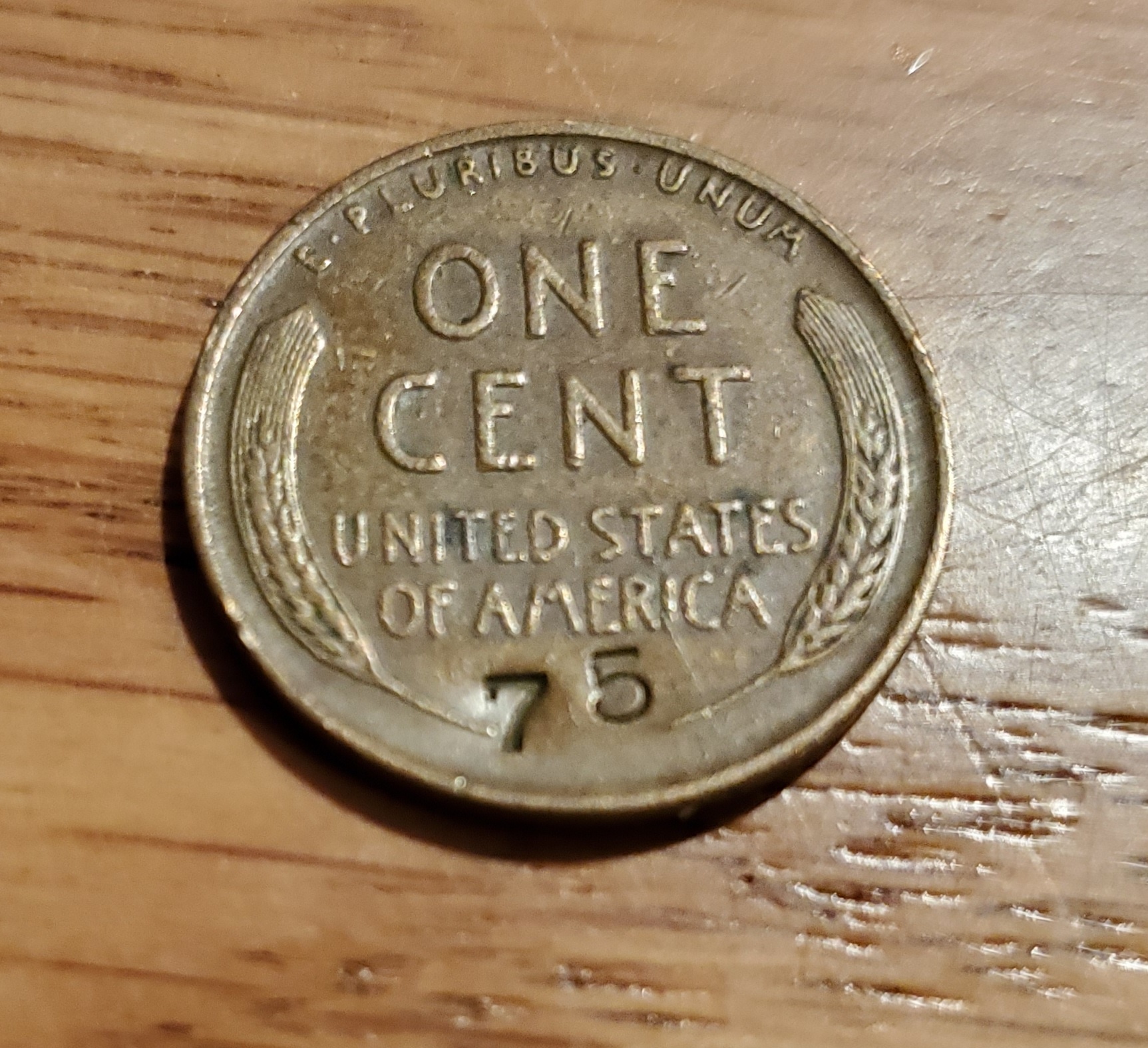
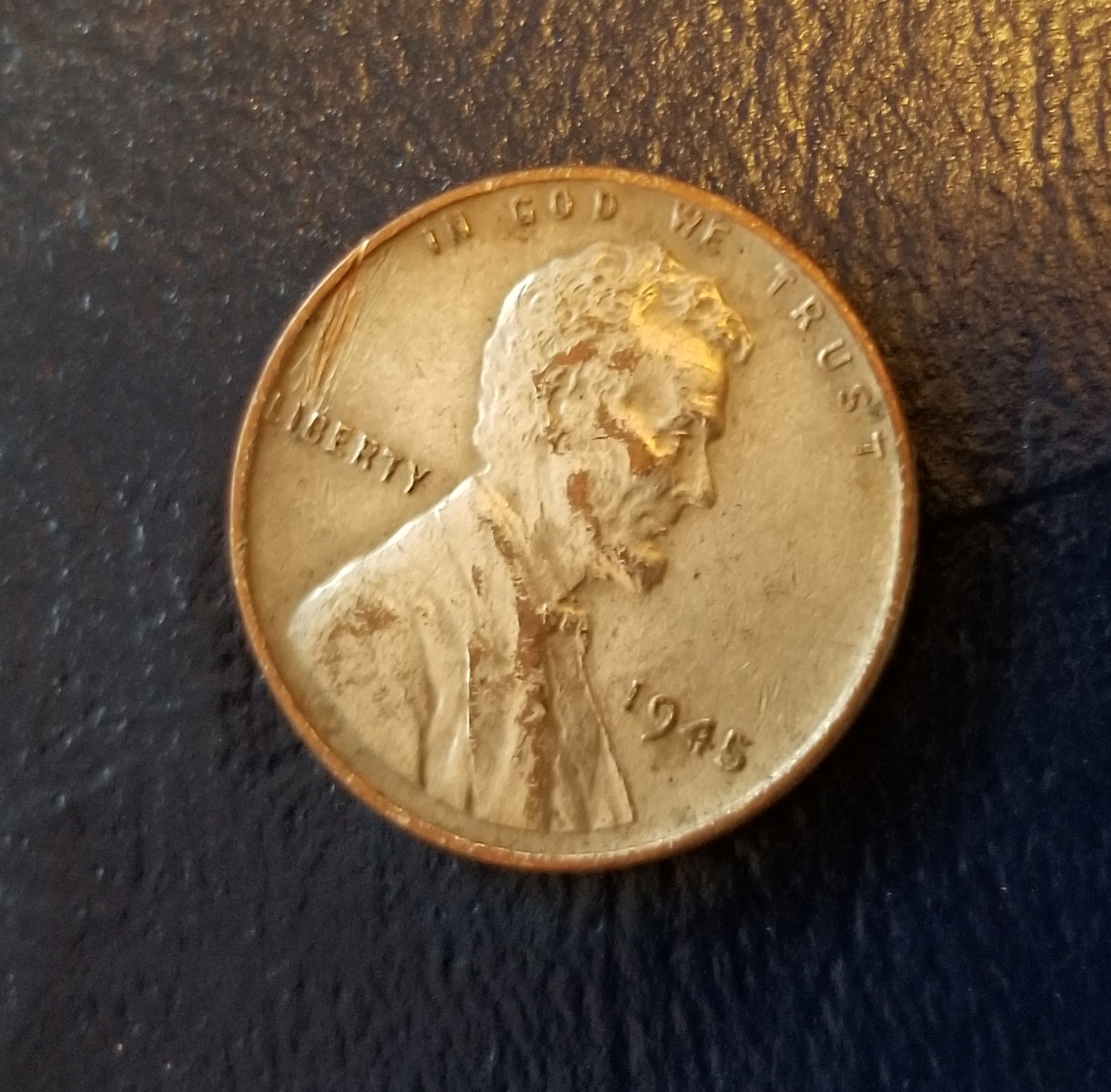
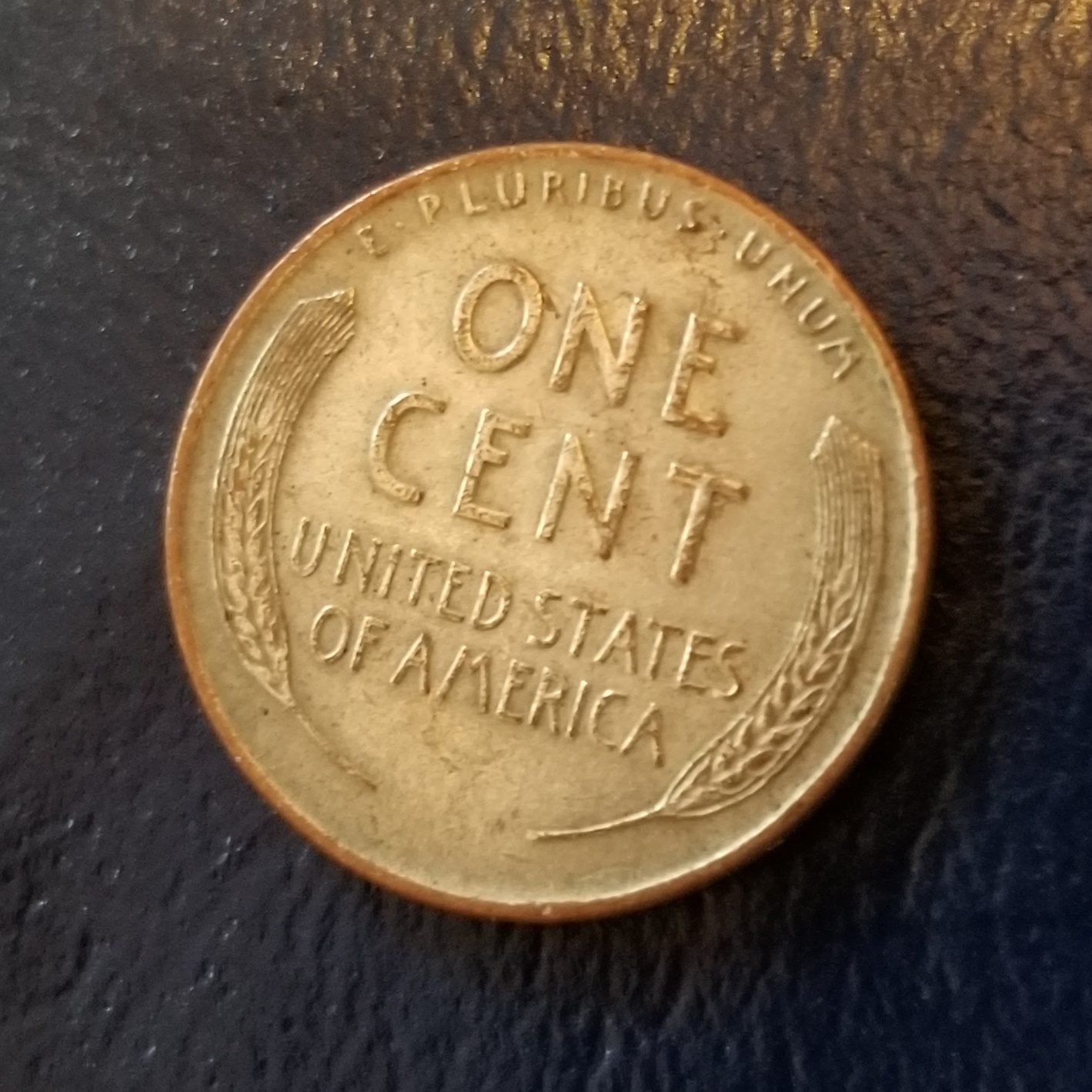
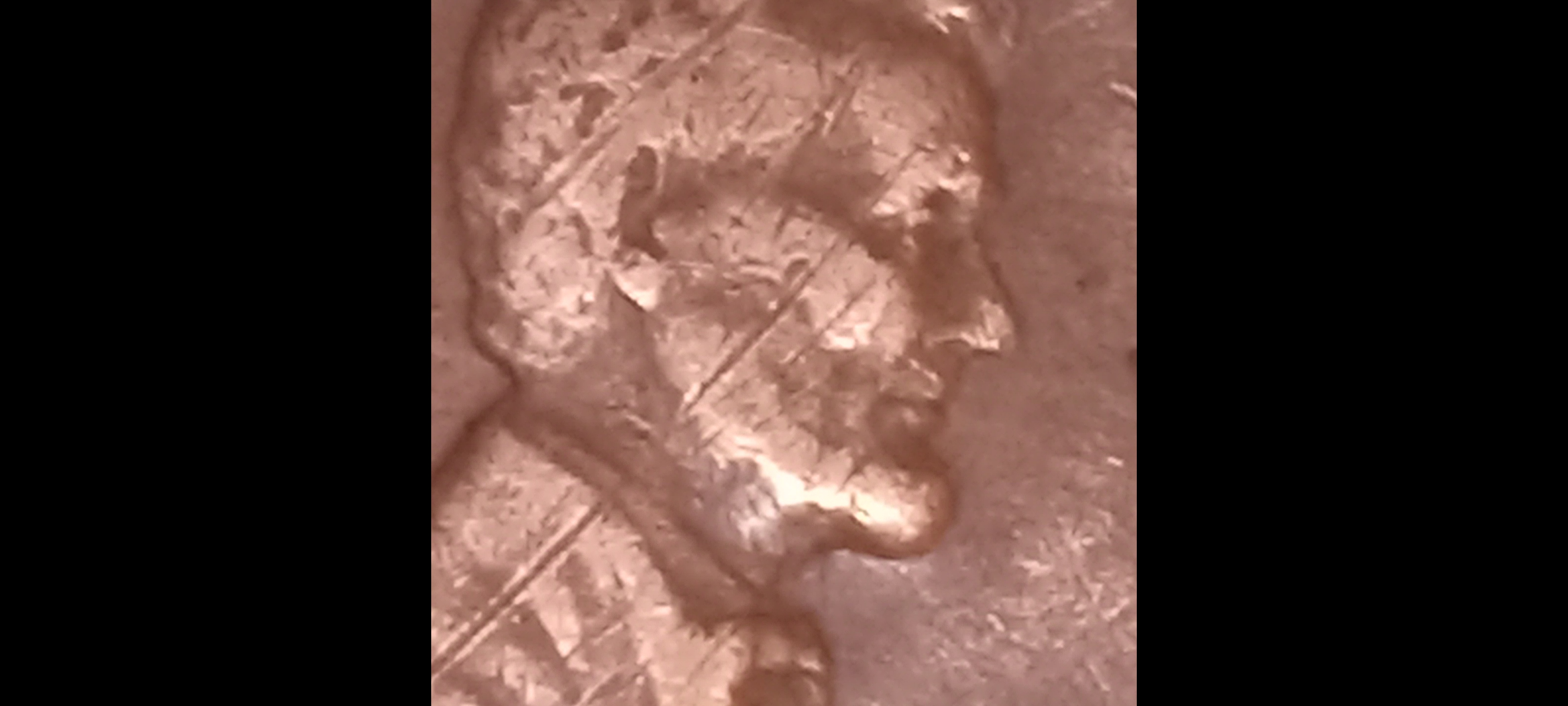
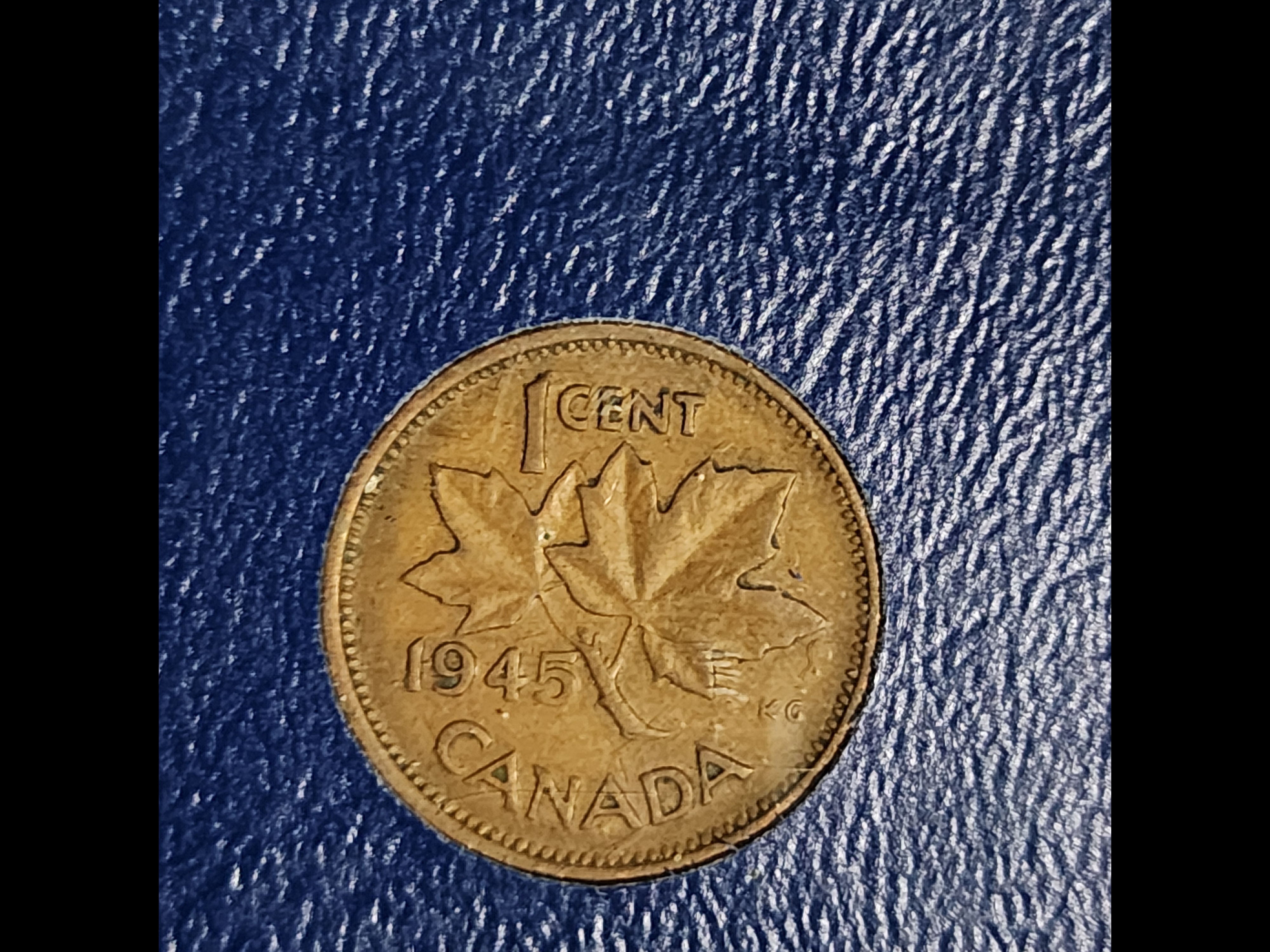
Do you have a 1945 Wheat penny? Think there may be something unique about it? Post a picture of your coin in the comments below and I’ll try to help!


Leave a Comment