


Do you know what cull coins are? …And how much they’re worth?
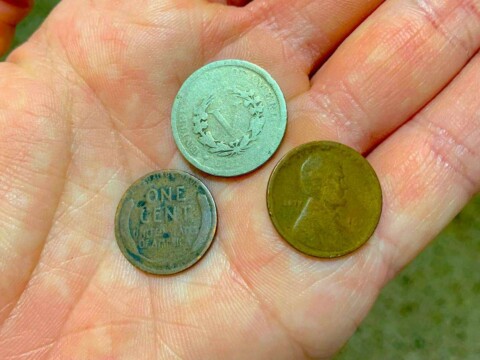
As a coin collector since 1992, I’ve handled many cull coins and have several of them in my own collection.
If you’re wondering if cull coins are a good investment for your own coin collection, read on to find out:
- How much cull coins are worth
- 5 reasons to collect cull coins
What Is A Cull Coin?
In general, cull coins are circulated coins that are worn or damaged beyond the typical standards or desires of most coin collectors.
More specifically:
- Cull coins refer to almost any coin made since the mid 19th century that is well worn in a grade lower than “About Good-3” to “Good-4”.
- Many culls are worn to the point that only the major design details (like the outline of a head, silhouette of an eagle, or other significant surface features) are visible. Sometimes the coin’s rim will be worn well into any nearby lettering.
- However, not all cull coins are identified as such because of wear alone. A good number of coins are categorized as culls because of extensive damage — such as heavy gouges, deep cuts, or harsh cleanings.
The “cull bin” is the ultimate cherrypicker’s playground! Coin dealers often dump coins straight into cheap cull buckets without spending time squinting at them under a lens. If you’re willing to spend 20 minutes digging through a local shop’s junk box, you can occasionally pull out major key dates, significant varieties, or rare mintmarks that were tossed in there simply because someone drilled a hole in them to make a necklace 100 years ago. An ugly, holed key-date coin bought for scrap money is still a genuine key-date coin for a budget album!
The Most Common Types Of Cull Coins
Cull coins are categorically any coins that are not considered up to general collectible standards.
So, pretty much any coin that is excessively worn or damaged beyond ordinary collectibility is considered “cull condition.”
Some of the most common types of cull coins include:
Rusty 1943 Pennies
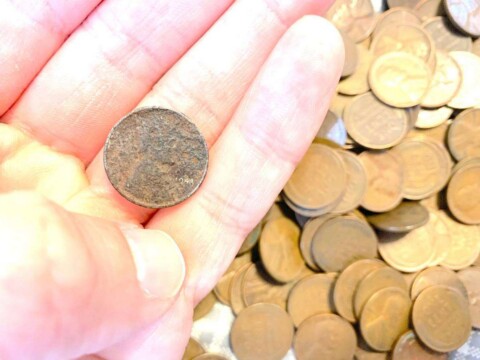
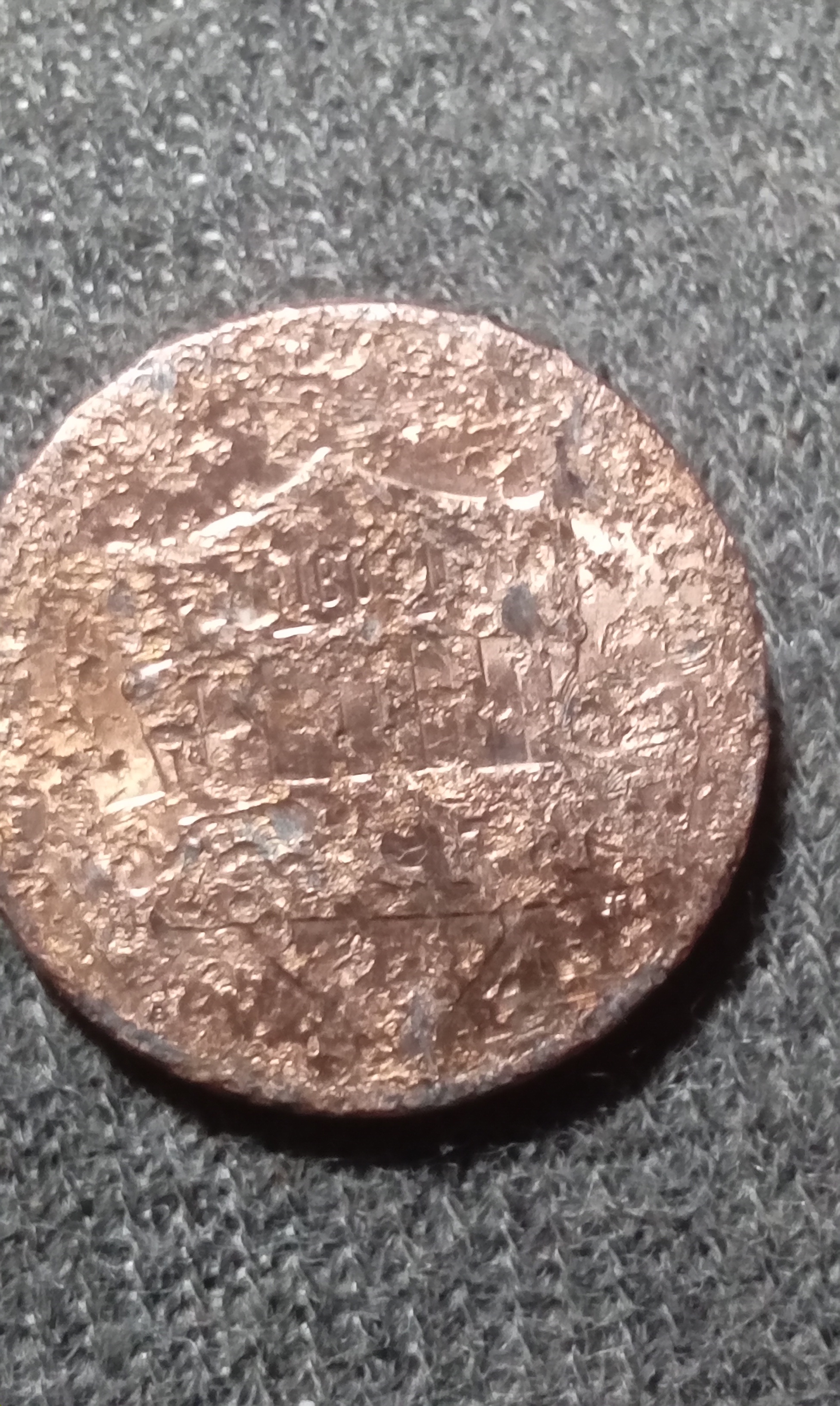
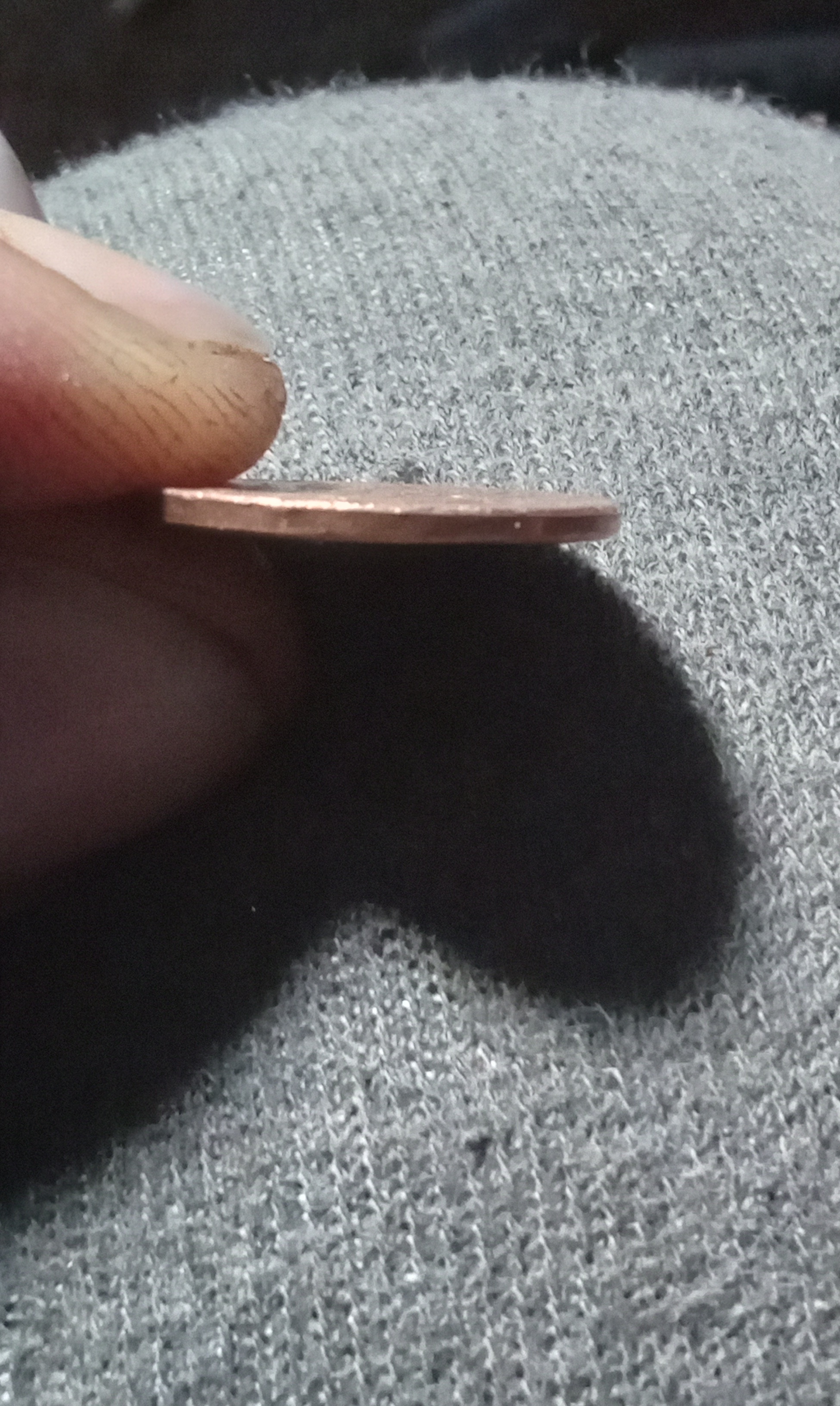
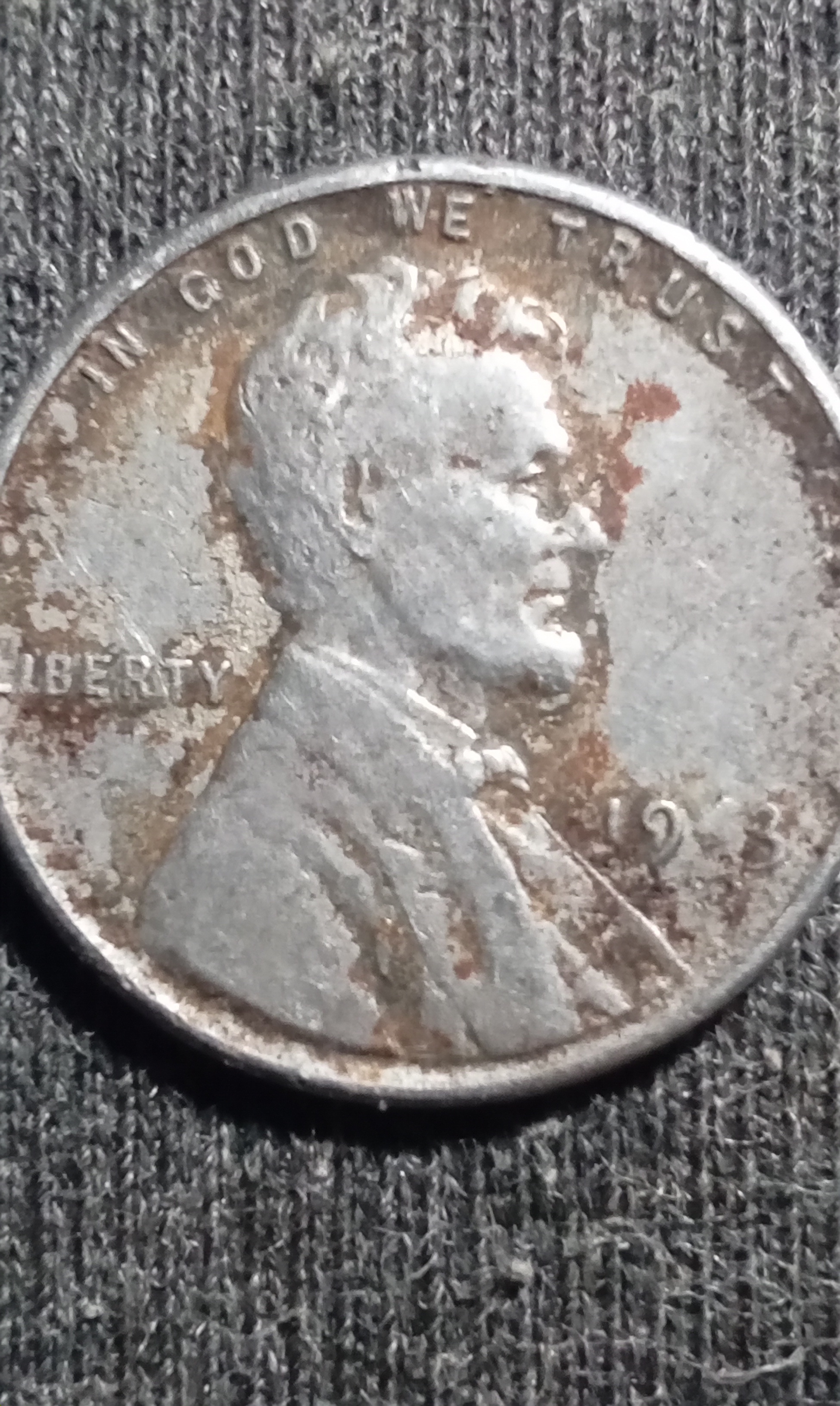
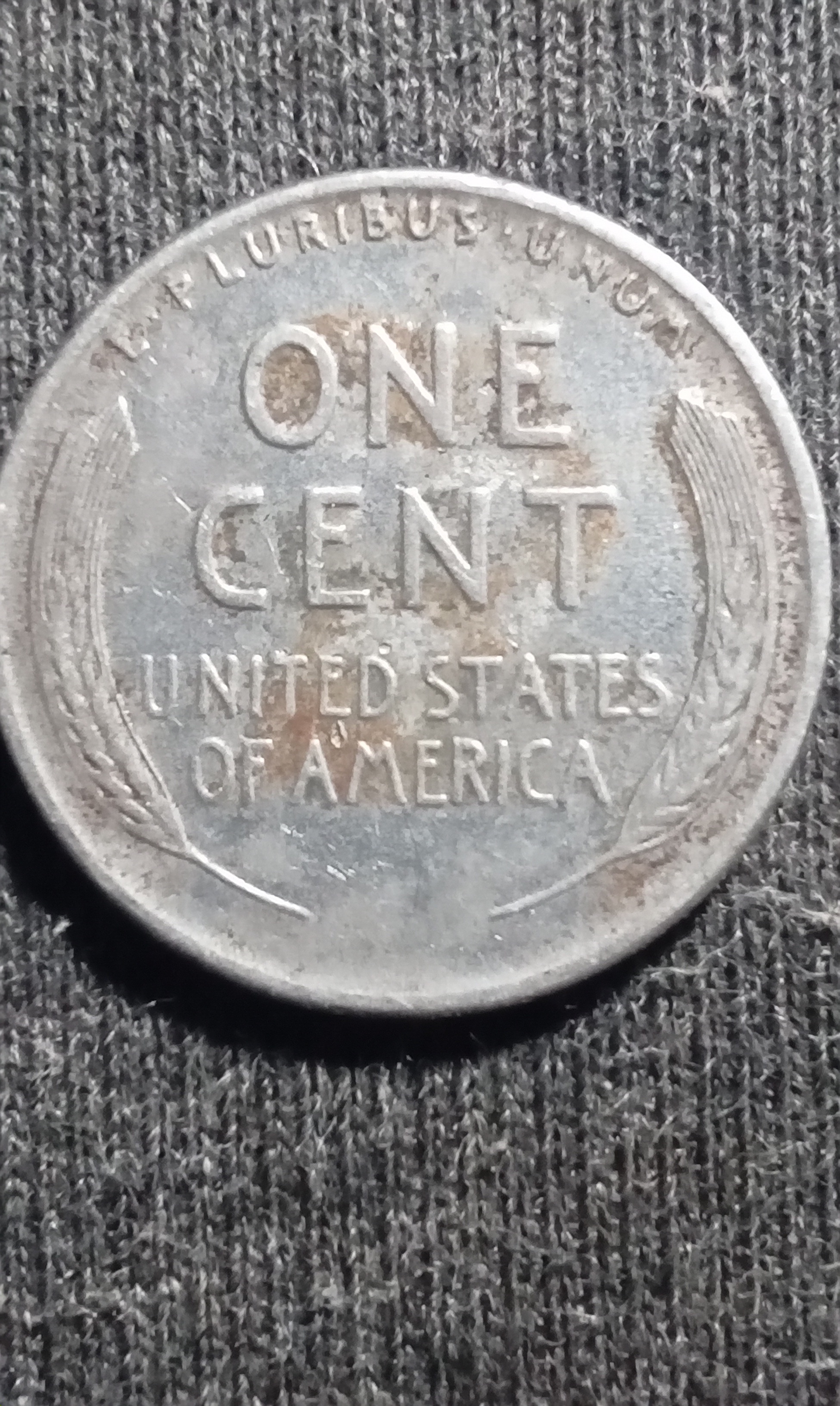
Check out this 1943 penny I found.
Rusty and crusty, right?
Well, this one is pretty much beyond collectible status by most standards. But I kept it anyway — because it’s a spectacle due to its time-worn damage.
Note that the coin’s date is illuminated. Somebody (not me) must’ve used some type of acid or abrasive to reveal the date more clearly.
While I chose to keep this coin, it’s safe to say that most collectors probably wouldn’t.
And it would be tough to sell this coin above its face value. It’s the type of piece most coin dealers would try to get rid of — as quickly as possible!
This coin and others like it that are corroded or damaged almost beyond recognition are considered culls.
Many 1943 steel cents are corroded because they’re made from a zinc-coated steel composition. When the coin’s outer zinc layer begins wearing away, the inner steel is revealed. And the moment that steel is exposed to the elements, well… it rusts!
Rusted 1943 steel pennies and other heavily worn or corroded Lincoln wheat cents like it are normally worth 1 to 2 cents apiece.
Dateless Buffalo Nickels
Millions of dateless Buffalo nickels are found in all corners of our hobby.
Why so many dateless Buffalo nickels?
Because the date on these five-cent coins struck from 1913 through 1938 is very high on the coin — and, therefore, one of the first parts of the coin to wear away.
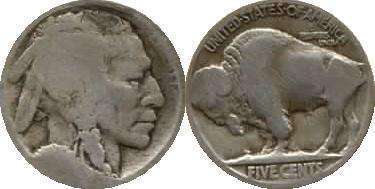
This leaves many Buffalo nickels (if not most) with a missing date.
While people do buy dateless Buffalo nickels to make jewelry, crafts, or other types of coin art… most collectors prefer that their Buffalo nickels have dates.
That’s why coin dealers normally offer dateless Buffalo nickels as cull coins.
No-date Buffalo nickels are generally worth 25 to 50 cents each.
Dateless Standing Liberty Quarters
Heavily worn Standing Liberty quarters struck before 1925 tend to go dateless.
Similar to Buffalo nickels, the date on pre-1925 Standing Liberty quarters is relatively unprotected. Therefore, the date easily wears off.
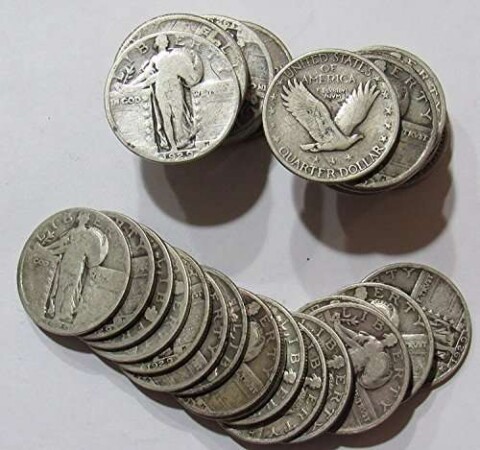
There are 2 types of pre-1925 Standing Liberty quarters:
- Type I Standing Liberty quarters (1916 through 1917) — they reveal Miss Liberty’s right breast on the obverse (heads side). There are no stars below the flying eagle on the reverse (tails side).
- Type II Standing Liberty quarters (1917 through 1924) — a chain mail covers Miss Liberty’s chest on the obverse. The eagle flies above 3 stars on the reverse.
Most dateless Standing Liberty quarters are worth $5 to $7 each — with the earlier, scarcer Type I pieces normally selling for more than the later, more common Type II pieces.
NOTE: Cull Standing Liberty quarters that clearly exhibit dates but are damaged in some other fashion may sell for a bit more — since collectors can identify the year they were made.
Pre-1965 Junk Silver Coins
Among the most commonly traded types of cull coins are so-called pre-1965 junk silver coinage.
These pieces consist of the common 90% silver dimes, quarters, and half dollars that were made by the tens and even hundreds of millions and are damaged (or so worn down that they’re worth only the value of their silver content).
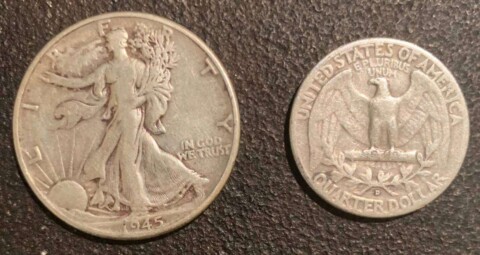
The two coins pictured here are: a 1945 Walking Liberty half dollar (left) and a 1953-D Washington quarter (right).
Both are made from 90% silver compositions, and both were struck before 1965 — when the U.S. Mint began striking dimes, quarters, and half dollars from a copper-nickel (dimes and quarters) or copper-silver clad (half dollars) composition.
While these two coins may look decent to many coin collectors, they’re actually quite heavily cleaned.
How do I know? Because I cleaned them a long time ago when I was a kid!
If I sold these coins, they’d most likely be offered by a coin dealer as junk silver or cull coins.
Such 90% silver cull coins are generally worth only their silver content value.
Here’s a Coin Metal Value Calculator that you can use to determine how much your junk silver coins are worth.
Pocket Pieces
A lot of people have “special” coins or “lucky” coins that they carry in their pockets or purses.
I do — and I know my grandpa did, too. In fact, the 1921 Morgan silver dollar you see in this photo is the one my grandfather carried around for many years.
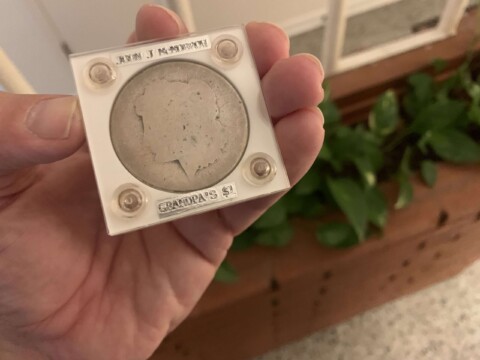
While the date is now long gone, I know it’s a 1921 Morgan dollar for two reasons:
- Die diagnostics — 1921 Morgan dollars have a slightly different look than the Morgan silver dollars that came before.
- My mom’s story — My mom, who passed this coin down to me, remembers when she was a kid that her dad (Grandpa “Mac”) carried this coin around all the time. She said it was dated 1921, the year after he was born — and the year he sometimes jokingly “claimed” to have been born!
While the heirloom 1921 Morgan dollar that was passed on to me is priceless in my eyes, it’s so worn that it is really worth only its metal value to most other people. It would probably be sold as a cull by most coin dealers.
Most common-date cull Morgan or Peace silver dollars sell for $2 to $3 over their melt value.
Watch out for the “silver weight loss” trap… If you’re stacking cull silver dollars or half dollars purely for their metal value, be sure to use a pocket scale. Decades of brutal pocket friction can literally shave raw silver right off the coins. For example, an uncirculated Morgan dollar generally weighs in at 26.73 grams, but a heavily worn “slick” cull Morgan might only weigh 24 or 25 grams. That means you’re getting around 5% to 10% less physical silver than if you bought a standard, non-cull junk silver coin. Always weigh your slick silver coins before paying full melt price for them!
Cull Coin Values
As discussed above, cull coins really aren’t all that valuable. But, as with any coin, there’s no hard-and-fast rule as to what they should sell for or what they must be worth.
The value of any coin usually depends on the individual coin itself and its condition.
However, because you may have come to this article looking for a general rule of thumb on cull coin values, I don’t want to disappoint you!
So, here’s a rundown on cull values for the most commonly traded U.S. coins:
| Coin Type | Approximate Common-Date Heavily Circulated Value |
|---|---|
| Indian Head pennies | $0.50 to $1.00 |
| Lincoln Wheat pennies | $0.02 to $0.05 |
| Liberty nickels | $0.50 to $1.00 |
| Buffalo nickels | $0.25 to $0.50 |
| Barber dimes | $1.00 to $2.00 Over Spot |
| Mercury dimes | $0.25 to $0.50 Over Spot |
| Silver Roosevelt dimes | $0.10 to $0.25 Over Spot |
| Barber quarters | $1.00 to $2.00 Over Spot |
| Standing Liberty quarters | $1.00 to $2.00 Over Spot |
| Silver Washington quarters | $0.50 to $1.00 Over Spot |
| Barber half dollars | $2.00 to $5.00 Over Spot |
| Walking Liberty half dollars | $0.50 to $1.00 Over Spot |
| Franklin half dollars | $0.50 to $1.00 Over Spot |
| Morgan dollars | $2.00 to $5.00 Over Spot |
| Peace dollars | $2.00 to $5.00 Over Spot |
*The above prices relating to silver coins are applicable when silver is about $15 per ounce.
5 Reasons To Buy Cull Coins
So, cull coins aren’t the prettiest, most valuable coins around — but that doesn’t mean they don’t deserve a good home!
Here are 5 great reasons why collectors buy cull coins:
- Affordability — I’ve bought many cull pennies, nickels, dimes, quarters, half dollars, and silver dollars for my collection. Culls are much less expensive to buy than more desirable examples in better condition.
- Hole-Filling — What do you do when you’ve got a bunch of empty holes staring at you from your coin album? Why not fill them with inexpensive culls! You can buy low-grade rare coins at a fraction of the price you would pay for their more valuable, higher-grade counterparts.
- Low-Ball Coin Sets — Collectors buy cull coins to build so-called low-ball collections (a set of coins consisting of the lowest-grade coins they can find).
- Coin Art — Want to make something crafty out of coins? I’m not too handy at those types of things, but I have friends who are. And they often buy cull coins to complete these unique pieces of coin art — bracelets, necklaces, even puzzles!
- Silver Stacking — Bullion investors who want to buy cheap silver coins turn to cull coins, such as pre-1965 junk silver. I’ve also done this, purchasing rolls of silver dimes, quarters, and half dollars in poor condition for mere pennies above spot value to buy cheap silver.
As you can see, cull coins can make fantastic additions to any collection. That’s especially so if you want to find a good deal on old, rare coins!
READ NEXT: Important Things I’ve Learned About Buying Rare Coins


Leave a Comment