
Start Here

Values

Buying & Selling

Rare U.S. Coins

How To's

Myths & History

Photos Of Damaged Coins – These Are The Kinds Of Coins To Avoid Collecting!

by Joshua McMorrow-Hernandez

Ezoic/Google Ad Code Here

Many people who ask about coin values often get the response, “If the coin isn’t damaged, then your coin is worth…“

You’re probably asking yourself what damaged U.S. coins look like, though.

Does wear, by itself, cause damaged coins? In a word, NO.

Here's everything you need to know about damaged coins - how to identify them, what causes various types of coin damage, and whether you should clean them or not.

When coin collectors talk about damaged coins, they’re referring to coins that:

  • Have been cleaned
  • Have holes
  • Are bent
  • Are corroded
  • Have been messed up in one way or another

These aren’t all of the different types of coin damage — but they’re among the most common.

Let’s talk a bit about damaged coins, look at a picture of a problem-free coin, and also look at photos of damaged U.S. coins.

As one example, some of these wheat pennies appear to be damaged and not problem-free:

Example Of A Problem-Free Coin

The 1909-VDB Lincoln cent seen here is the type of coin that most coin collectors want – a coin with no damage whatsoever!

This photo shows a coin that, yes, is worn, but is otherwise what coin collectors call problem free.

This is a 1909 VDB penny

It hasn’t been cleaned, isn’t bent, isn’t corroded, and otherwise just shows normal wear and tear for its age and grade.

This is the type of coin you should seek for your coin collection.

Whenever a value or price is given for most coins, a problem-free coin is the assumption.

When shopping for scarce or old coins, finding a problem-free coin can be rather difficult. However, it’s worth the wait (and the money) to buy a problem-free example anytime you want to buy a nice coin.

Problem-free coins are more likely to increase in value than damaged coins, and problem-free coins always have a market.

Photos Of Damaged Coins

Following are photo examples of a few different types of coin damage. Some of these photos are truly ugly, However, it is a fact of life that many coins become damaged these days.

This penny is clearly an example of a damaged coin.

It’s true that some people buy damaged coins because they cost less than problem-free coins.

Damaged coins (often called cull coins) do represent deeply discounted buying opportunities for coin collectors who are wanting to buy some otherwise expensive coins on the cheap. But damaged U.S. coins are generally not good investments and are often very hard to sell.

So, let’s take a look and see the type of coins most of us want to avoid having in our coin collections. If any of your coins look like the ones below, then most of the coin values you’ll come across online or in books will generally not apply to your damaged coins.

Cleaned Coins Are Damaged Coins

Cleaned coins can sometimes be hard to spot — because they are either in the process of naturally retoning, or because the person who cleaned them did what some might say is an expert job.

Most cleaned coins, however, will have a very obvious and unnatural color and brightness.

The coins in this photo include a cleaned 1937 Lincoln cent in the process of retoning, a freshly cleaned 1975-D Lincoln cent, and a 1986 Lincoln cent heavily rubbed with a pencil eraser.

The cleaned coins pictured here include: a cleaned 1937 penny that's in the process of retoning, a cleaned 1975-D penny, and a 1986 penny heavily rubbed with a pencil eraser.

Cleaned coins aren’t preferred by any coin collectors.

And always remember — you should always avoid cleaning coins, no matter how tempting it may be!

Coins With Holes Are Damaged Coins

Coins are often used as jewelry. In many cases, coins used in jewelry are holed so they can be placed on a string, beads, or necklace.

Coins with holes are worth only a fraction of their problem-free value.

NOTE: There are many foreign coins which have intentional holes created by the mints at which those coins are made. These are worth their normal value.

The 1961 Lincoln cent in this picture has a very distracting, obvious hole right in front of Lincoln’s chin.

This 1961 penny has a very distracting, obvious hole right in front of Lincoln's chin.


Bent Coins Are Damaged Coins

Bent coins are another common type of coin damage.

Coins can get bent in a number of intentional and accidental ways.

However a coin became bent, its value is reduced significantly from what it would have been worth without being bent.

You can see a slight but nevertheless completely unattractive bend in this 2000-dated Lincoln penny. The bend is most evident on the left side of the coin, where it reads LIBERTY.

This 2000 penny is bent. The bend is most evident on the left side of the coin, where it reads LIBERTY.

Corroded Coins Are Damaged Coins

Corrosion is a very common problem with copper coins.

In fact, corrosion is extremely common in areas of the country that are:

  • Humid
  • Wet
  • Hot

In addition, areas that have a lot of fumes are also unsuitable for copper to remain unharmed.

Corrosion on coins can be avoided by keeping your coins away from any type of dampness, chemicals, fumes, and temperature extremes.

Coin corrosion can be avoided if coins are kept away from any type of dampness, chemicals, fumes, and temperature extremes.

Also, be sure to keep your copper coins in sulfur-free, polyvinyl chloride (PVC) free coin albums and coin holders.

Generally speaking, copper coins should not be kept in any holders made of paper or standard cardboard.

The green Lincoln Memorial cent above is so corroded that the date can’t even be read!

The brown-colored 1941 Lincoln cent pictured here isn’t quite as bad off as that green, bubbly Lincoln cent above. But, unfortunately, this 1941 penny is still quite porous as can be seen in the countless pits and blackened areas all across the surface.

This 1941 penny has countless pits and blackened areas all across the surface.

Good To Know…

In this video, I explain what you need to know about cleaning coins that have been damaged in a fire:

PUBLISHED February 23, 2022
UPDATED August 6, 2026

Joshua McMorrow-Hernandez

Numismatic Specialist

Hi, I’m Josh! I’m the Editor here at the US Coins Guide. My love for coins began when I was 11 years old. I primarily collect and study U.S. coins produced during the 20th century.

I’m a member of the American Numismatic Association (ANA) and the Numismatic Literary Guild (NLG). I have won multiple awards from the NLG for my work as a coin journalist. I’m also the editor at the Florida United Numismatists Club (FUN Topics magazine), and author of Images of America: The United States Mint in Philadelphia (a book that explores the colorful history of the Philadelphia Mint). I’ve contributed hundreds of articles for various coin publications including COINage, The Numismatist, Numismatic News, Coin Dealer Newsletter, Coin Values, and CoinWeek.

I’ve authored over 1,000 articles here at the US Coins Guide (many with over 50K shares).

I welcome your coin questions!

26 responses to “Photos Of Damaged Coins – These Are The Kinds Of Coins To Avoid Collecting!”

  1. Abloom Avatar
    Abloom

    Joshua What about a coin that has a crack in it. but only on one side im looking at a coin valued vg at 360$ and the has the earthquke type crack in it from 1 oclock to 5 oclock position.

    1.  Avatar
      Anonymous

      Abloom,

      Without seeing the coin, it’s hard to say, but it may be that your coin has a die crack. A die crack is a raised line on a coin that is caused by damage to the die – the device that imprints an image onto a blank coin. Values depend on date, type of die crack, and other factors.

  2. john Avatar
    john

    I also have a penney that is just about blank but you can tell it is a penny you just can not make out the date .I’m trying to figure out if this is an error penny and if it’s worth anything that is worth me traveling to sell it

  3. Ali Avatar
    Ali

    would you suggest cleaning pennies with sticky tape glue on them?

  4. Peggy Garr Avatar

    I have a 1987 Quarter that has no back..it is hollowed and shows only a swirled copper..looks like the entire back fell off

    1. JoshuaTheFunTimesGuide Avatar
      JoshuaTheFunTimesGuide

      Hi, Peggy –

      It sounds like you’re describing a quarter that was hollowed out to create an illusionist’s trick coin. These aren’t really worth anything to coin collectors in the monetary sense, but are interesting pieces nevertheless.

    2. John Hedengren Avatar

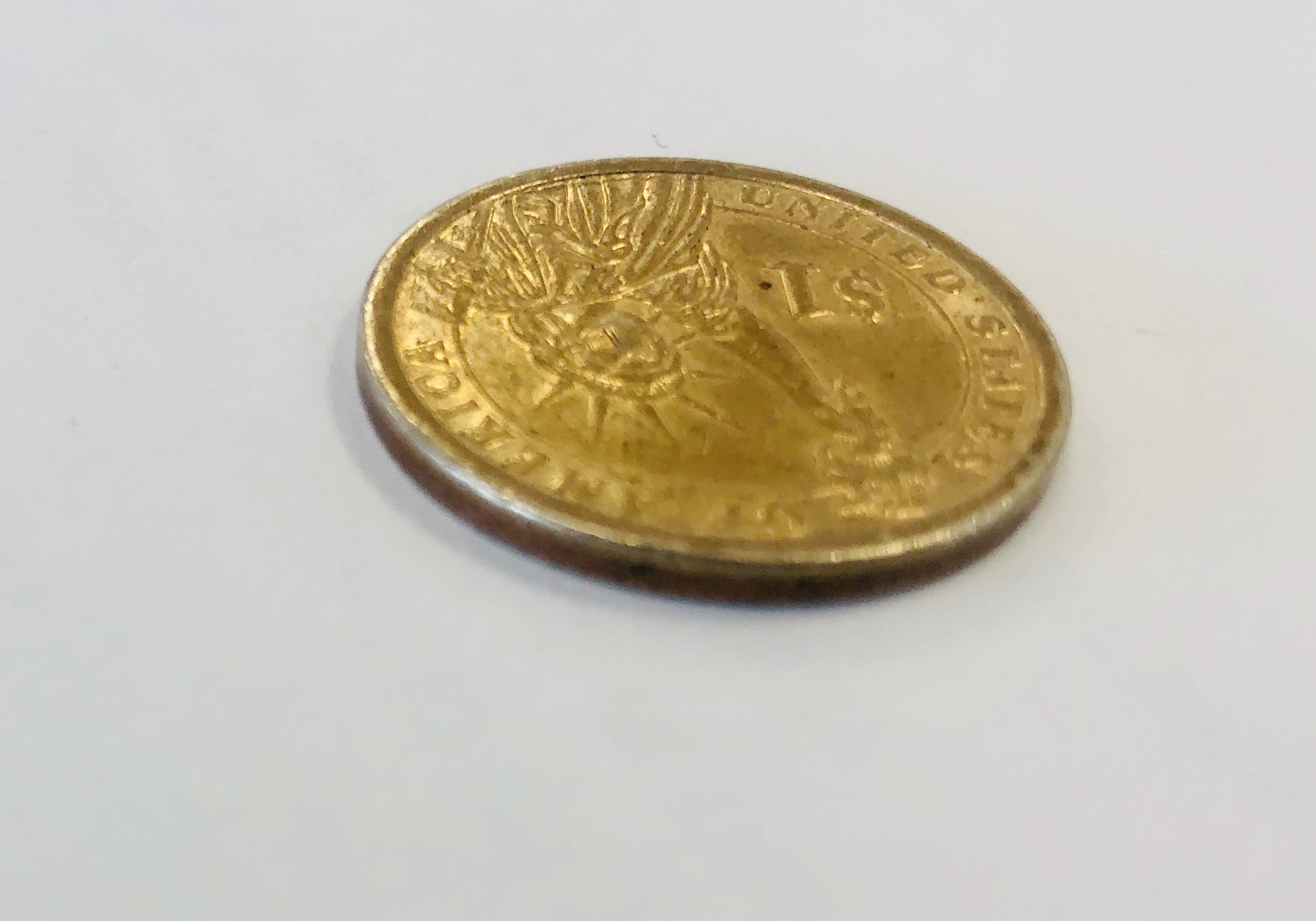
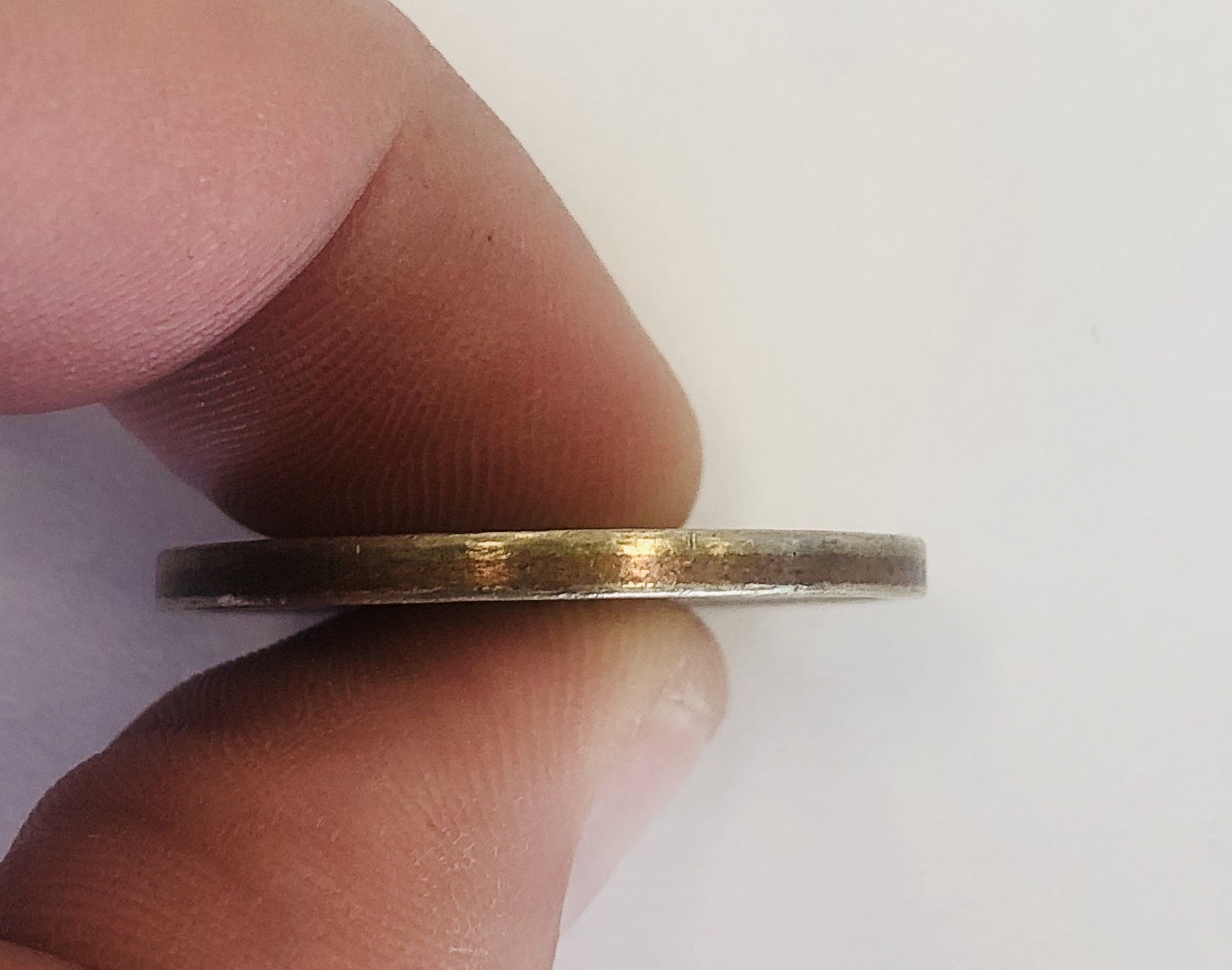
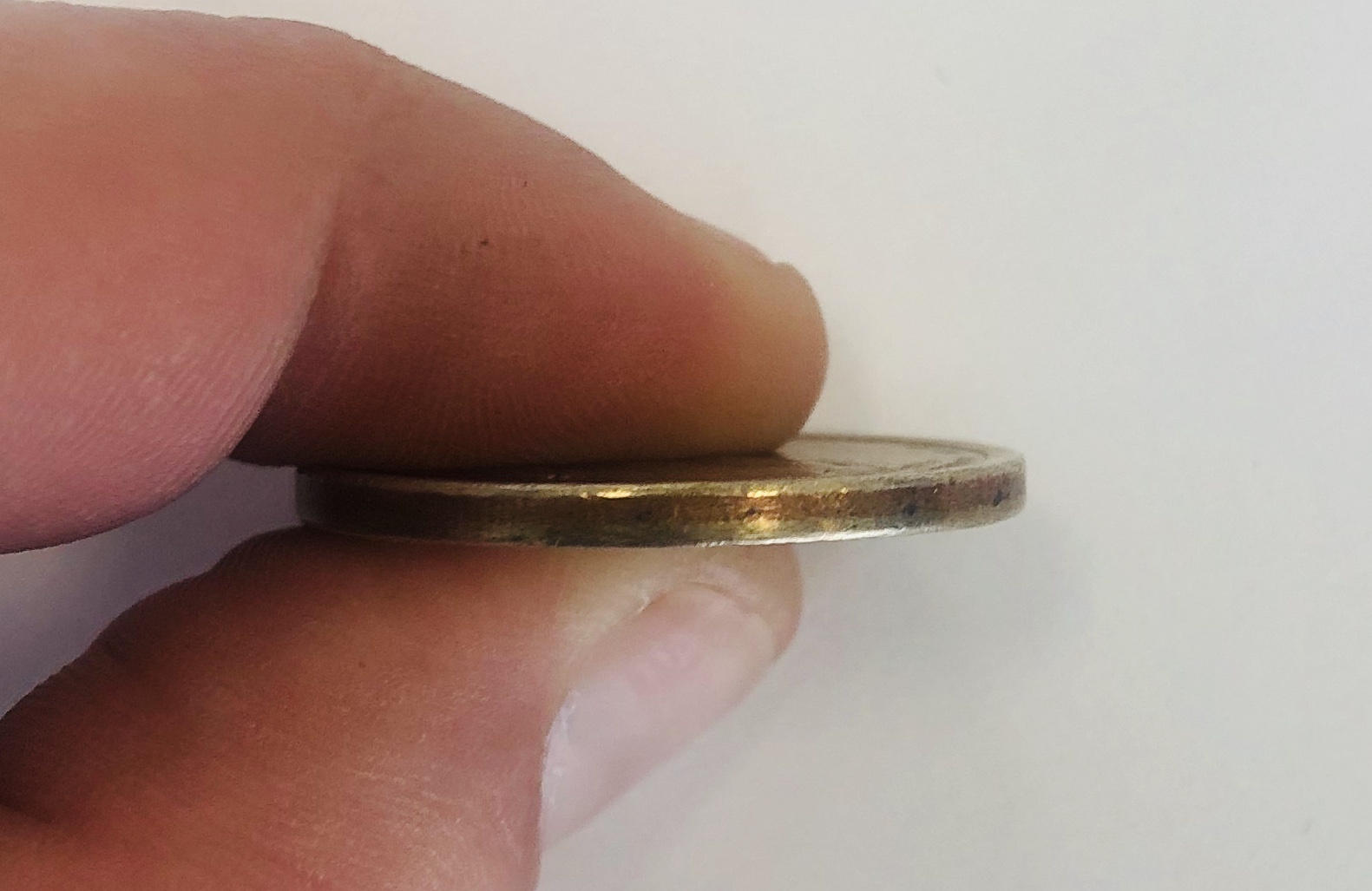
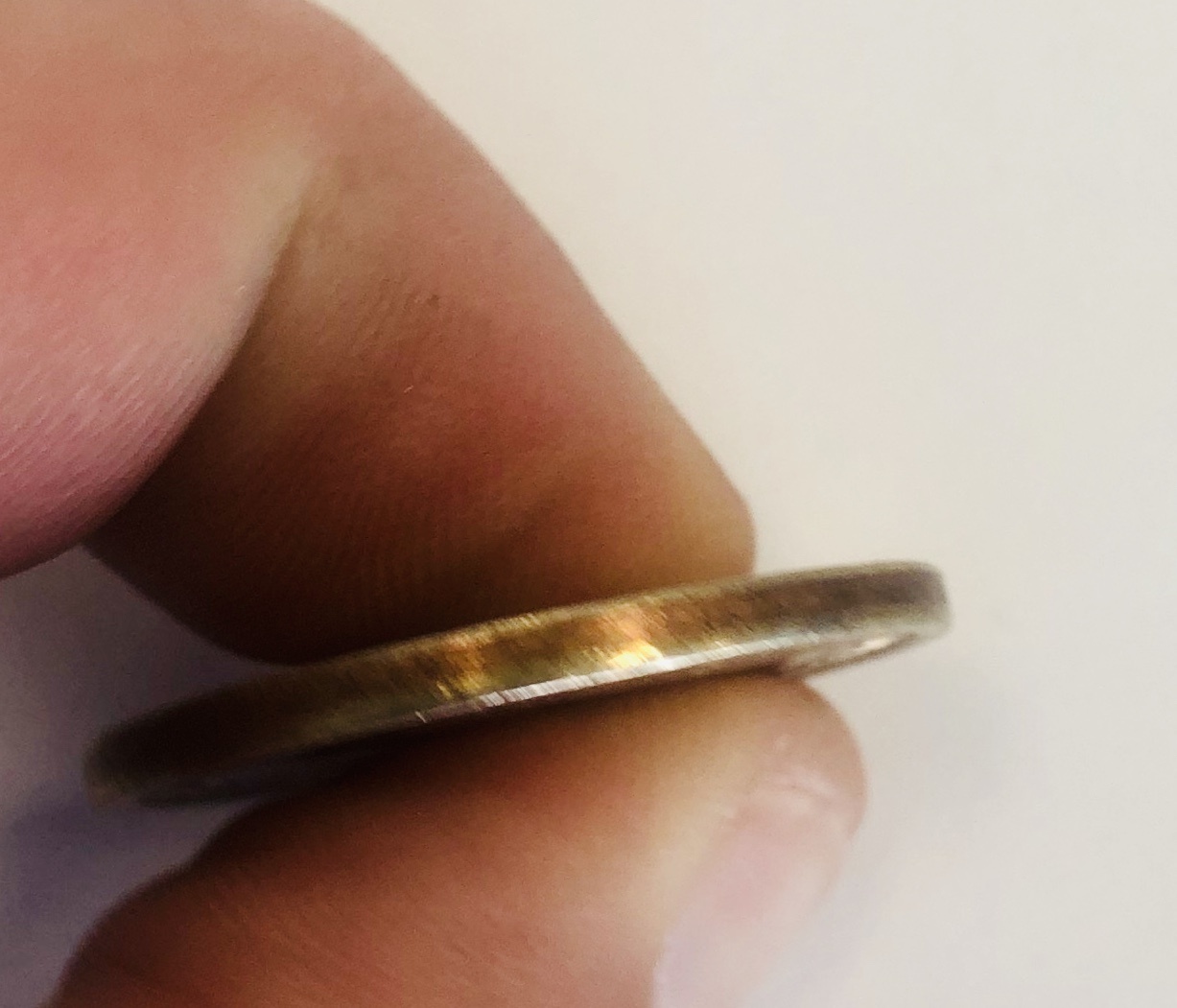
      Does it look like this? I have been trying to find if this was a mint error but this answer probably helps clarify.

      1. JoshuaTheFunTimesGuide Avatar
        JoshuaTheFunTimesGuide

        Hi, John –

        What you have is an illusionist’s trick coin, or “gaffe” coin. These are designed to allow magicians to insert other similarly sized coins within the hollowed-out portion of the coin, making it possible to “magically” turn a Washington quarter into another coin of akin size.

        Such pieces are worth more to magicians than to coin collectors, with some pieces selling for $3 or more.

        Best,
        Josh

  5. Brian Rice Avatar
    Brian Rice

    I have a 1971 Ike dollar that is missing both clad layers, struck south, in God we trust is running down hill, most letters you can’t make out. No scratches but the coin is bent. Is this possible damage done when punched out? What would this coin be worth?

    1. JoshuaTheFunTimesGuide Avatar
      JoshuaTheFunTimesGuide

      Hi, Brian —

      This is something for which I really need to please see clear photos of this to know what is going on and help you further…

      Thank you,
      Josh

    1. JoshuaTheFunTimesGuide Avatar
      JoshuaTheFunTimesGuide

      Hi, Jennifer —

      I’m afraid all of these coins show varying degrees of post-mint damage, accounting for the rim and surface problems. While these are all worth face value, but they all definitely catch the eye!

      Best wishes,
      Josh

    1. JoshuaTheFunTimesGuide Avatar
      JoshuaTheFunTimesGuide

      Hi, Jennifer —

      I’m a little concerned about the edge having been possibly killed to remove the edging and make it appear like a missing-edge-lettering coin, as they are worth about $100 a pop. It’s probably worth getting looked at in-hand to authenticate it and ensure that you have the real McCoy — because it’s a coin worth a chunk of change!

      Good luck,
      Josh

      1. Jennifer Liebengood Avatar
        Jennifer Liebengood

        https://uploads.disquscdn.com/images/5674c89793a090cfc65ef8c72fda3157fe65cbe956c412214ad9ff8f0f07bd7c.jpg Hey Josh,
        First I want to say Thank you so much for always taking the time to answer questions and help educate us newer collectors.

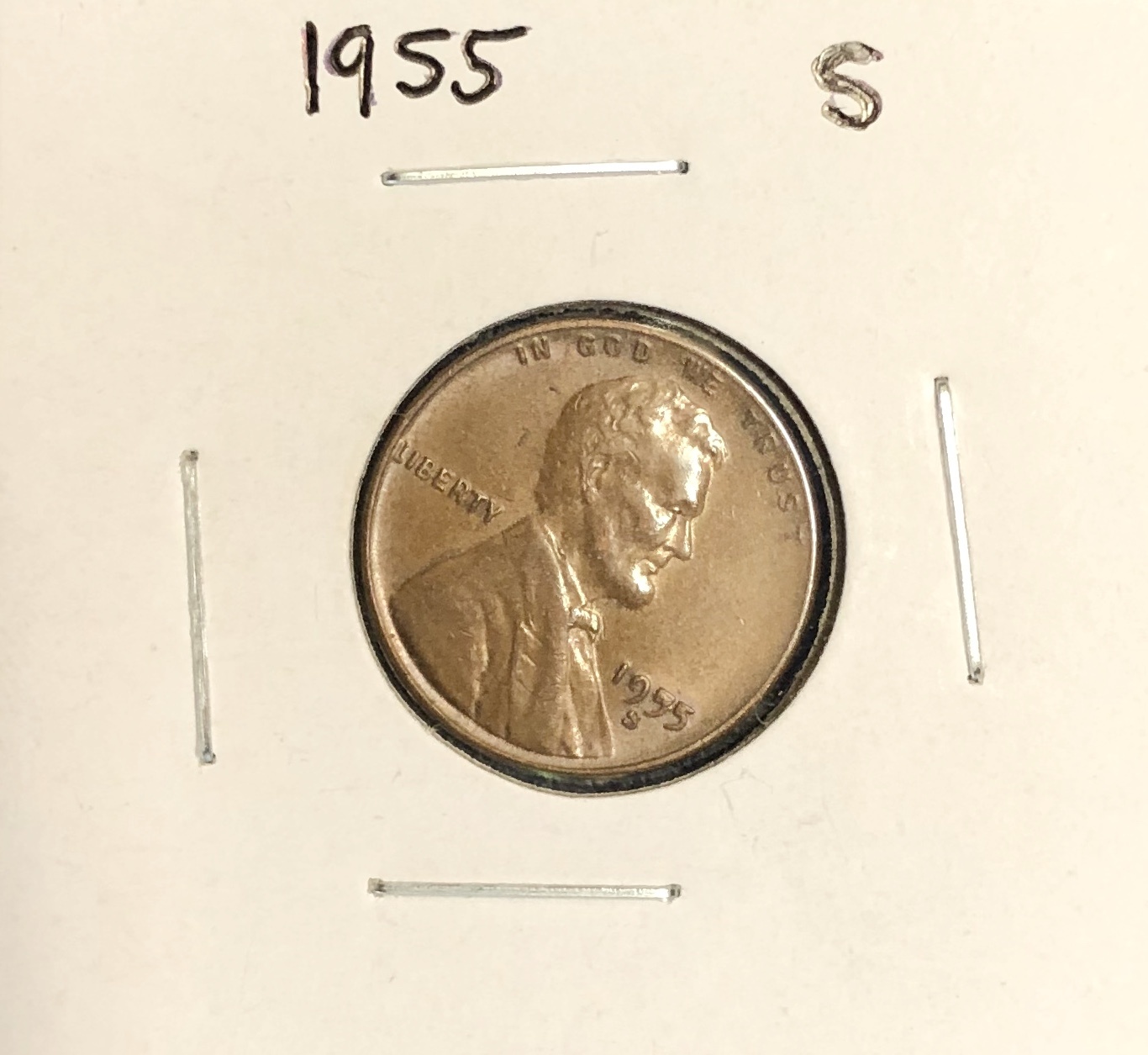
        Second I have been meaning to get your opinion on one of my 1955 wheat pennies. If you look at the number 5 it looks like it could be doubled. Can you take a look and let me know what you think?

        1. JoshuaTheFunTimesGuide Avatar
          JoshuaTheFunTimesGuide

          Hi, Jennifer —

          I appreciate your kind comments and feedback about the site! Looking at your 1955-S penny, I see what’s going on is that there are die breaks at the tops of both “5”s in the date. This most likely happened due to the obverse die used to strike the coin becoming worn because of extended use, resulting in the details of the numbers becoming somewhat obliterated by the breakage. Die breaks like this are relatively common error varieties but are still worth keeping. Your coin with these die breaks is probably worth around $3 to $5.

          Cool find!
          Josh

  6. armia Avatar
    armia

    how much is a 1877 indian head penny damaged?

    1. JoshuaTheFunTimesGuide Avatar
      JoshuaTheFunTimesGuide

      Hi, Armia —

      The answer really depends on the type and extent of damage on the individual coin; the greater the damage, the less it will fetch pricewise.

      Hope this info helps,
      Josh

  7. Jonathan Clark Avatar
    Jonathan Clark

    Hi Josh,

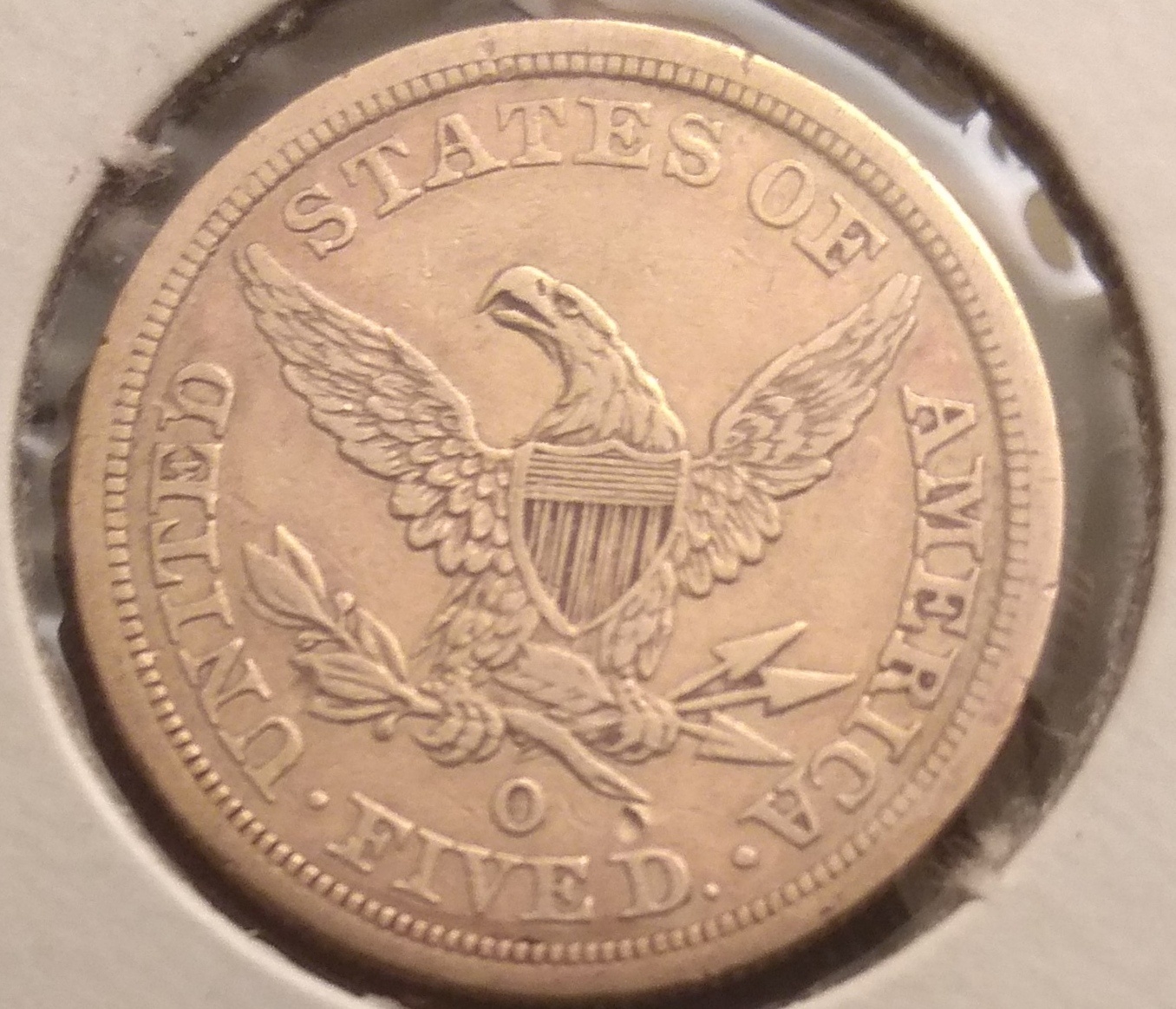
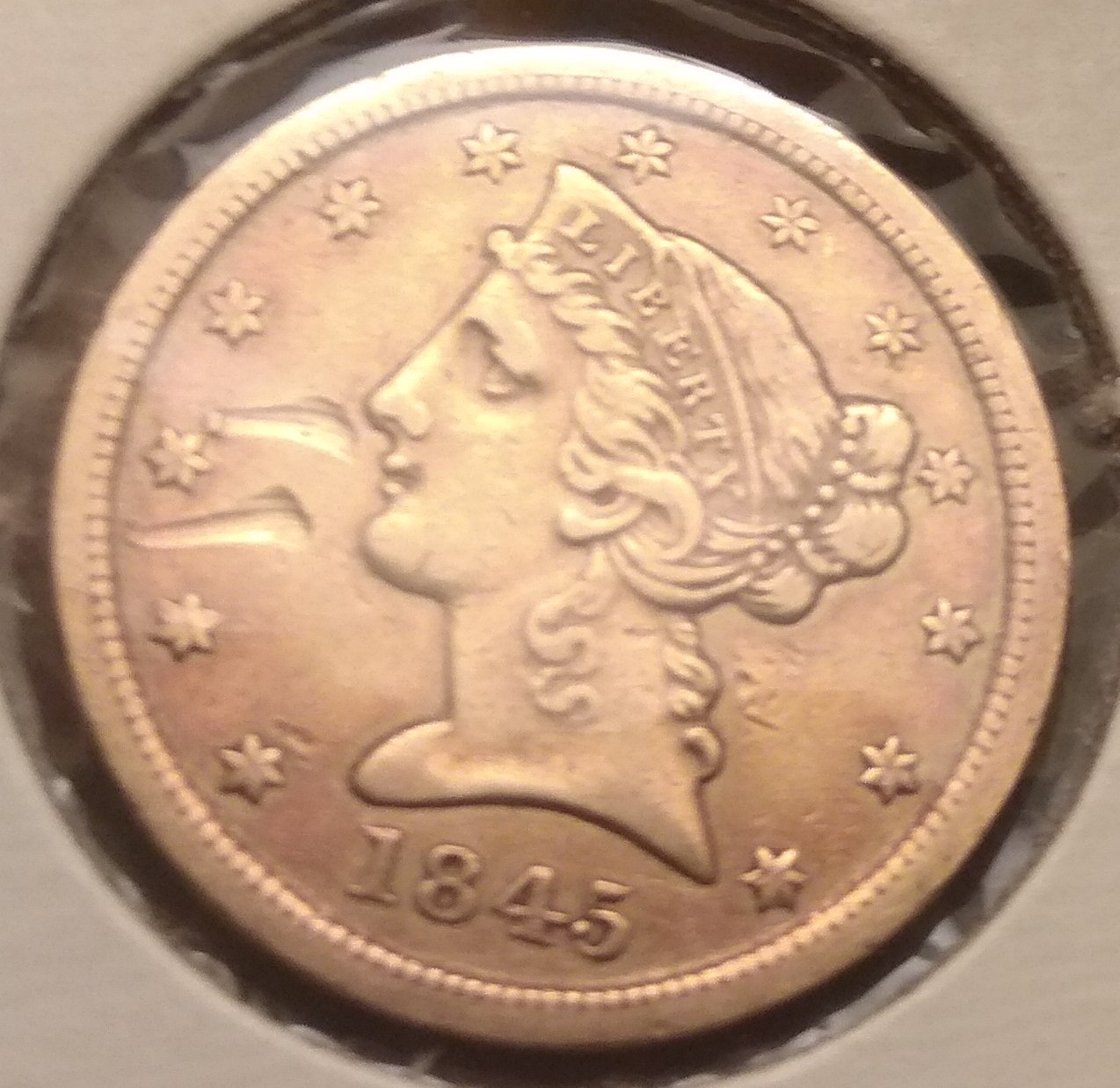
    I’ve got an 1845-O half eagle, which I figure is about A55, give or take. When I was a kid I showed it to a friend, and he bit on it and gouged it. The coin, turns out, is more collectable than average, but…..I can’t imagine with such gashes. What do you say? Is there any way to burnish the gash to lessen the unsightliness, or is it a case of scrap value and them’s the breaks? Thanks for your input. https://uploads.disquscdn.com/images/3e7695dada6d71f846490860c3260f34b34bc353db86d8bee10fed4ee308fbfd.jpg https://uploads.disquscdn.com/images/37a317fffbdec69a2db6ace87e04e9ec3b7576ad6015c65e77ec268a135bc1a1.jpg

    1. JoshuaTheFunTimesGuide Avatar
      JoshuaTheFunTimesGuide

      Hi, Jonathan —

      I’m sorry to hear about how your coin sustained that damage… Gosh! Yes, the 1845-O half eagle is a scarcer coin and one that is worth more than melt even with the damage. Yours, in fact, is in the higher circulated grades and even with the damage could net $1,100-$1,200, maybe even more.

      I suspect you’d find a collector or dealer more eager to buy it with the gouges and original surfaces than if the coin was repaired. There is some tolerance for gouges and other significant surface imperfections on older gold coins, but much less so for repairs and alterations. Though, of course, as with much of numismatics this is a rather subjective call.

      I wish you the best,
      Josh

      1. Jonathan Clark Avatar
        Jonathan Clark

        Thanks for the reply Josh! I cannot say I am unhappy to hear that it still has got some desirability, damage and all. Makes sense though: if it’s a coin you can’t find so easily, and you’ve got a collection you want to complete, you might consider buying a damaged one as a cheaper alternative, or even as a place holder until a better specimen comes along.

        It would be easy for me to regret having shown my friend my coins to begin with, but we were kids and he was just doing what he saw in cartoons. I also have a 1901-S and he examined that one as well. Unfortunately, he chose to “test” the 1845-O. Bad luck, but there’s plenty of that to go around for all of us anyhow.
        Thanks again. Much apreciated!

        1. JoshuaTheFunTimesGuide Avatar
          JoshuaTheFunTimesGuide

          You’re most welcome, Jonathan!

          Happy New Year 😀
          Josh

    1. JoshuaTheFunTimesGuide Avatar
      JoshuaTheFunTimesGuide

      Hi, Anthony —

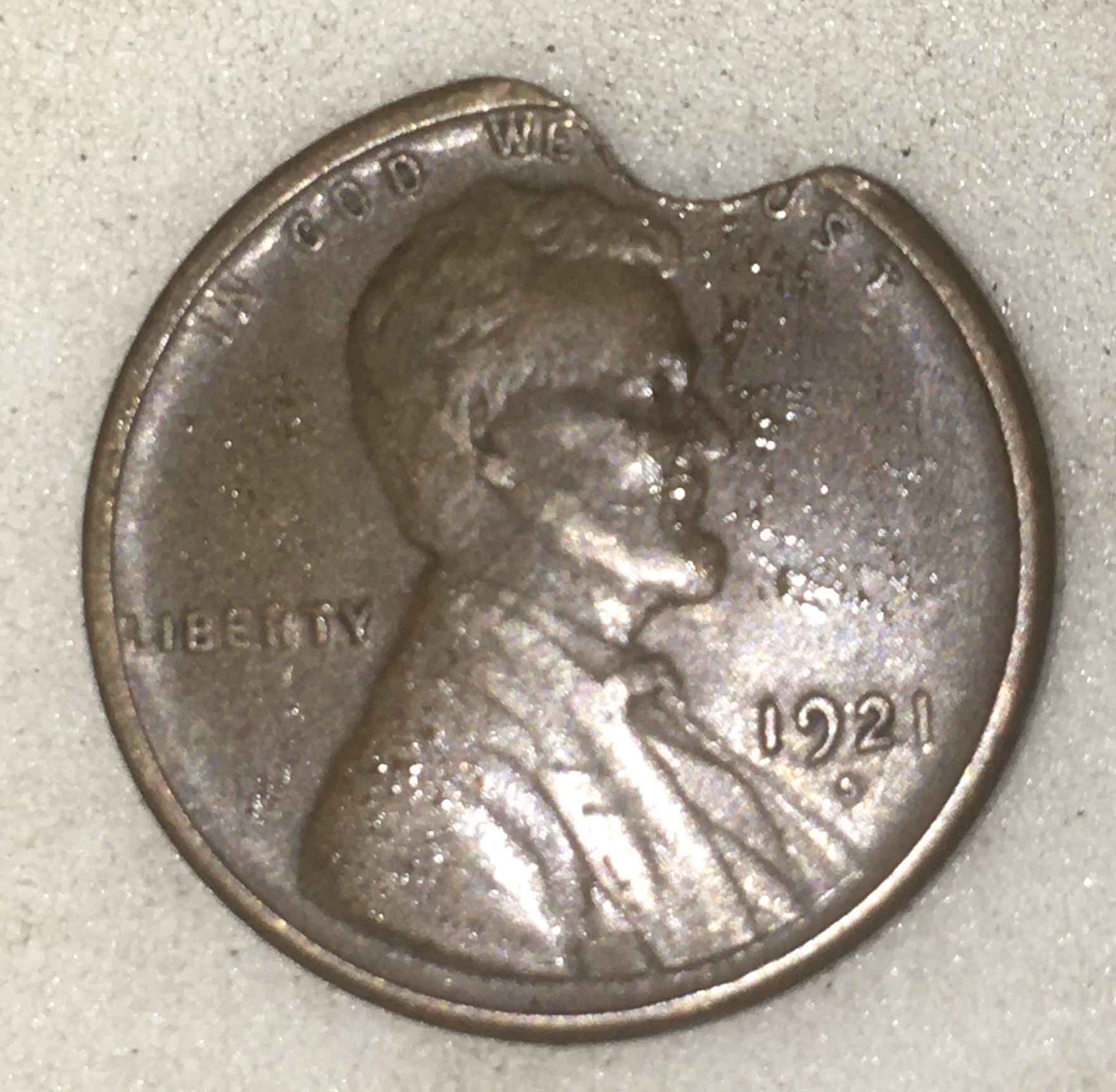
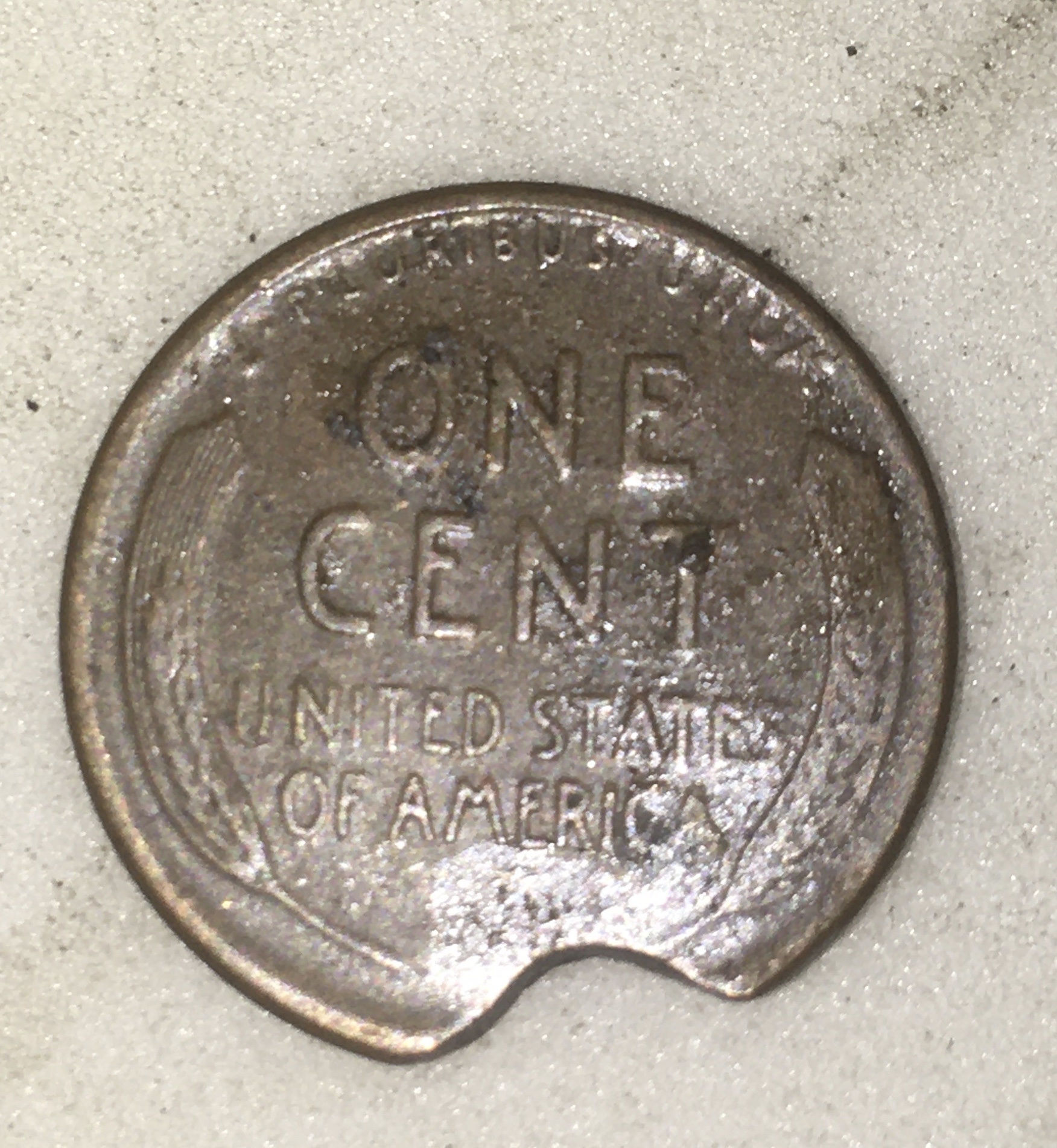
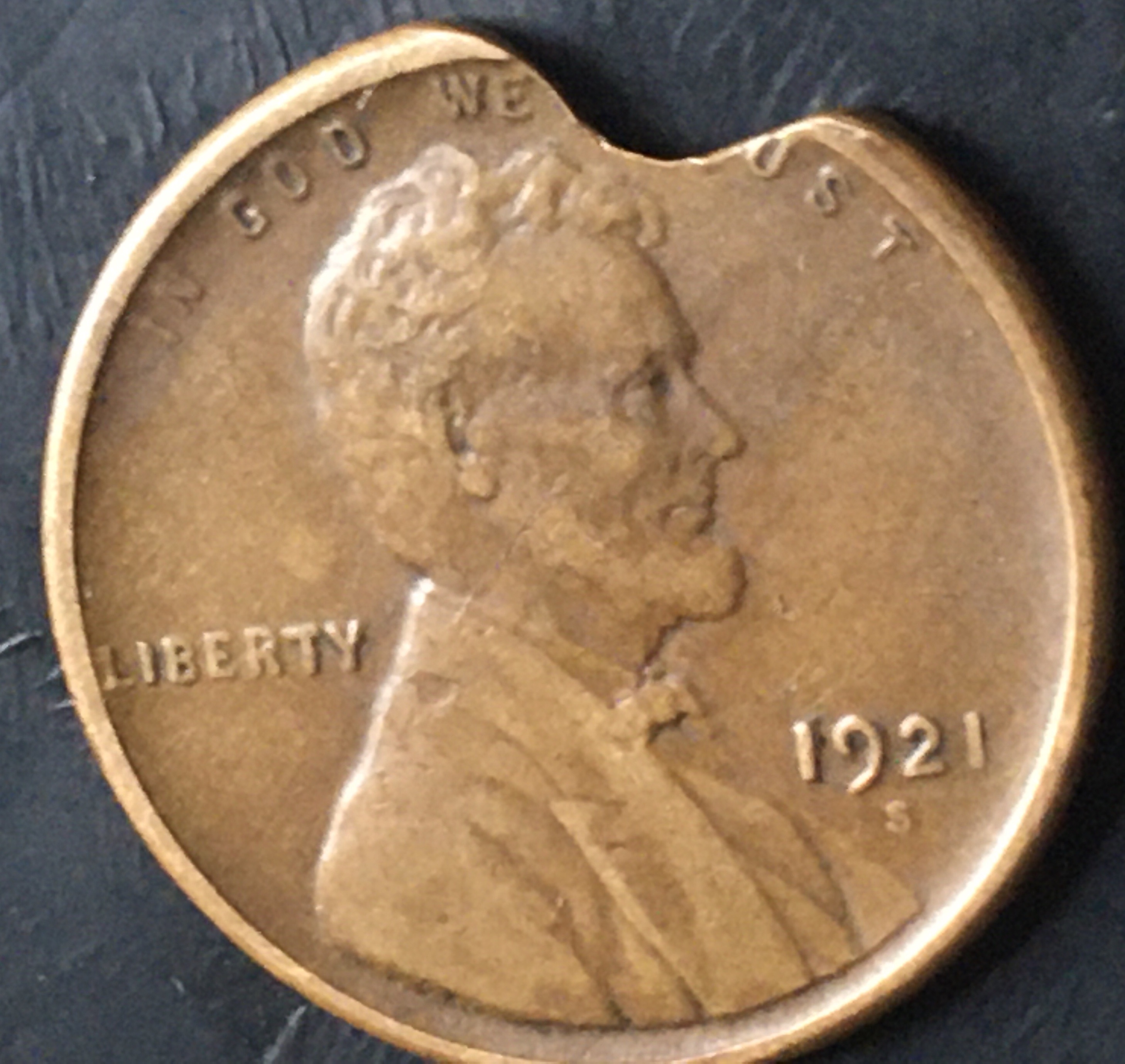
      Yes, this appears to be damage and not a clipped planchet. As for value, it really wouldn’t be high enough in my opinion to justify getting the coin certified. Given the damage and wear, this 1921-S penny is maybe worth 10 to 25 cents.

      Best,
      Josh

    1. JoshuaTheFunTimesGuide Avatar
      JoshuaTheFunTimesGuide

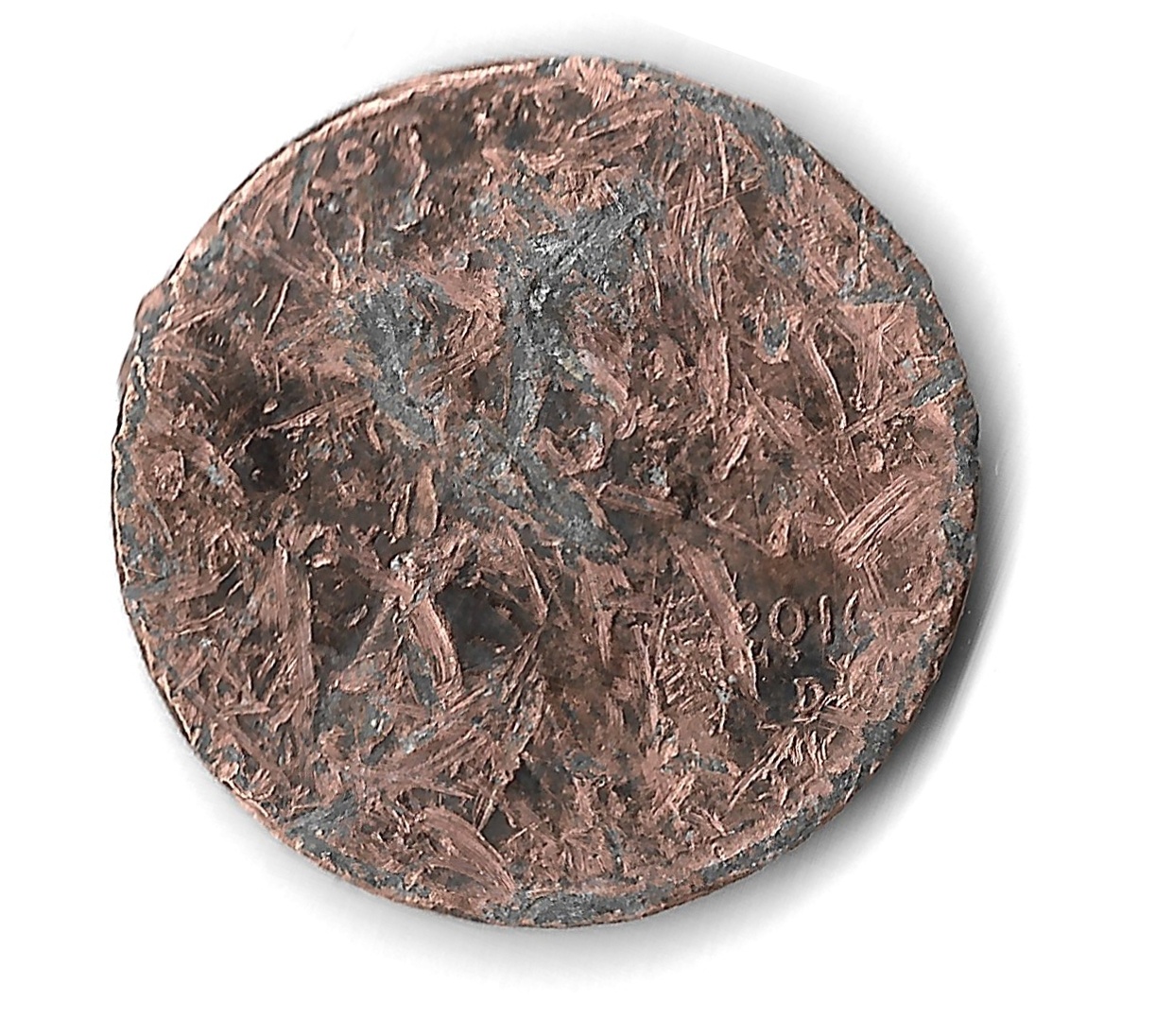
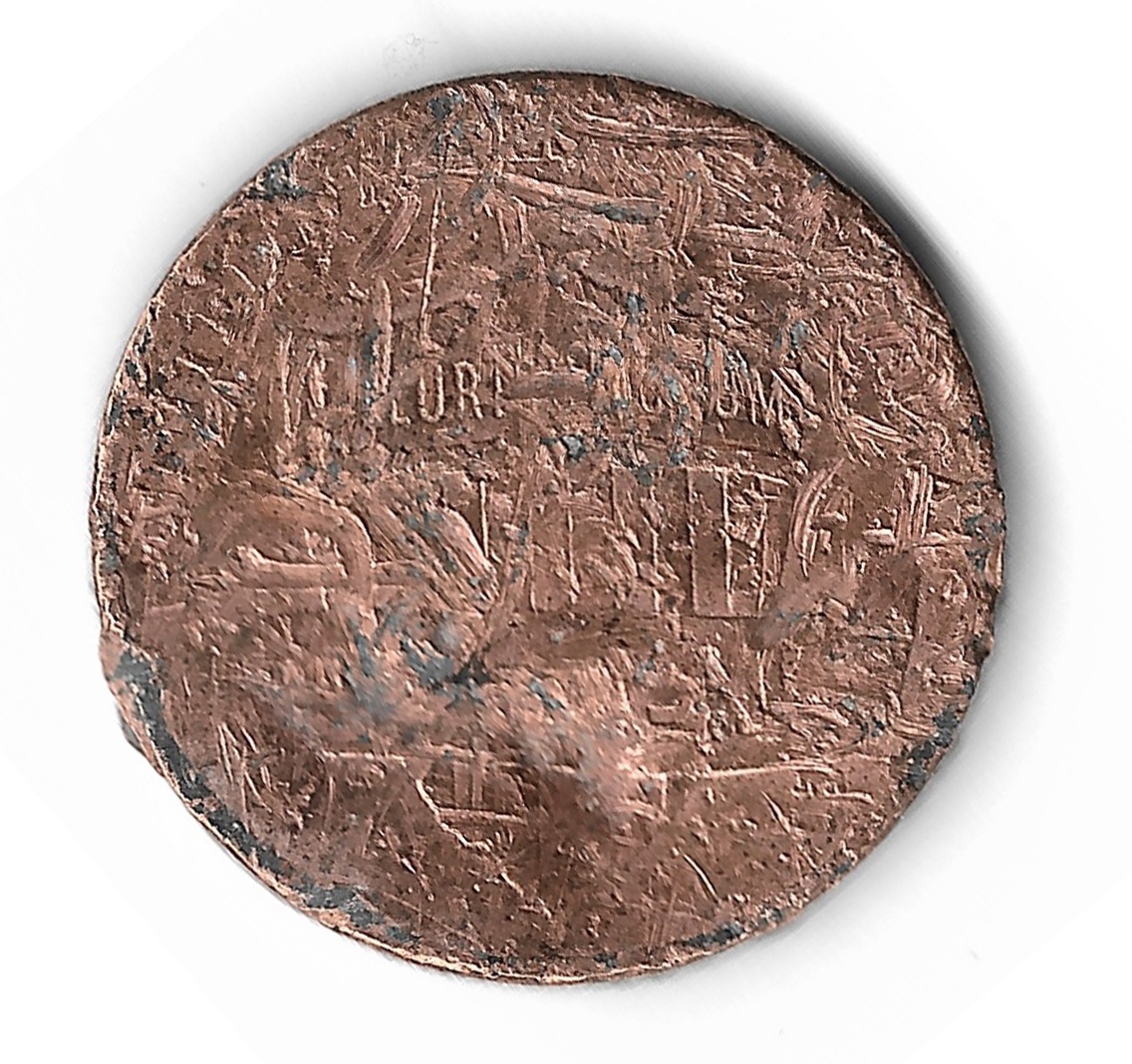
      Wow, if this poor penny could talk… What would it say?

      Interesting find,
      Josh

Leave a Comment

Ezoic/Google Ad

300x250

Content Widget

Ezoic/Google Ad

300x600 Sticky