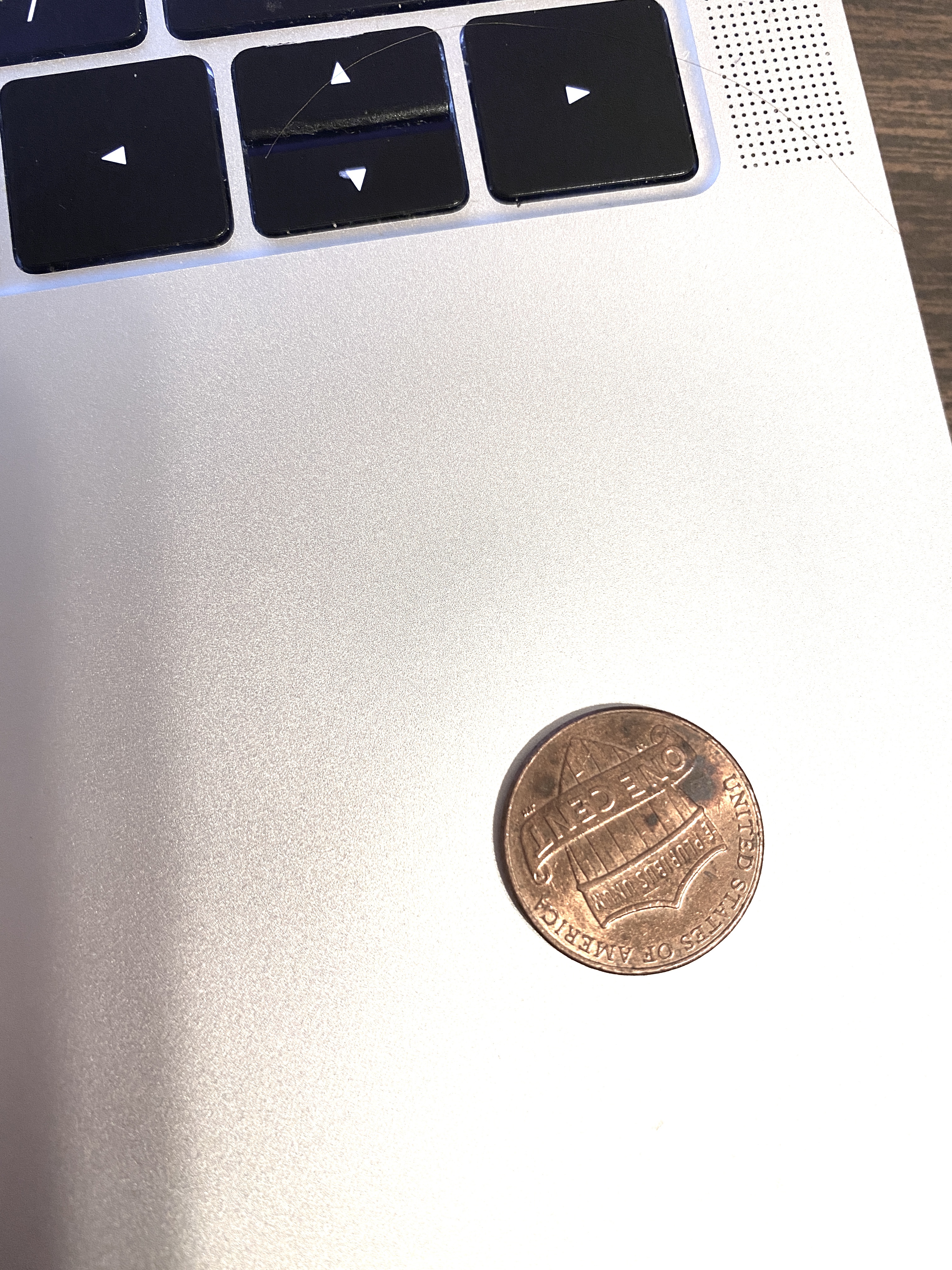

Start Here

Values

Buying & Selling

Rare U.S. Coins

How To's

Myths & History

The Ultimate Checklist Of Rare Error Pennies Worth Money

by Joshua McMorrow-Hernandez

Ezoic/Google Ad Code Here

Are you looking for rare error pennies? Wondering which error pennies are worth the most money?

There are lots of different penny errors to look for — some are rare and some are common.
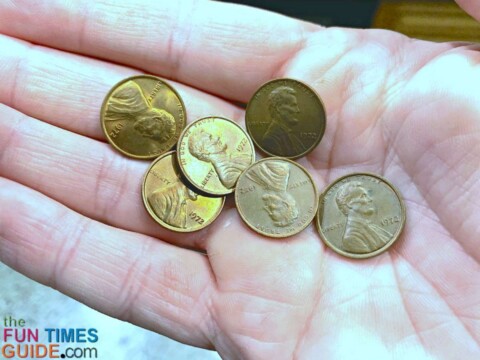
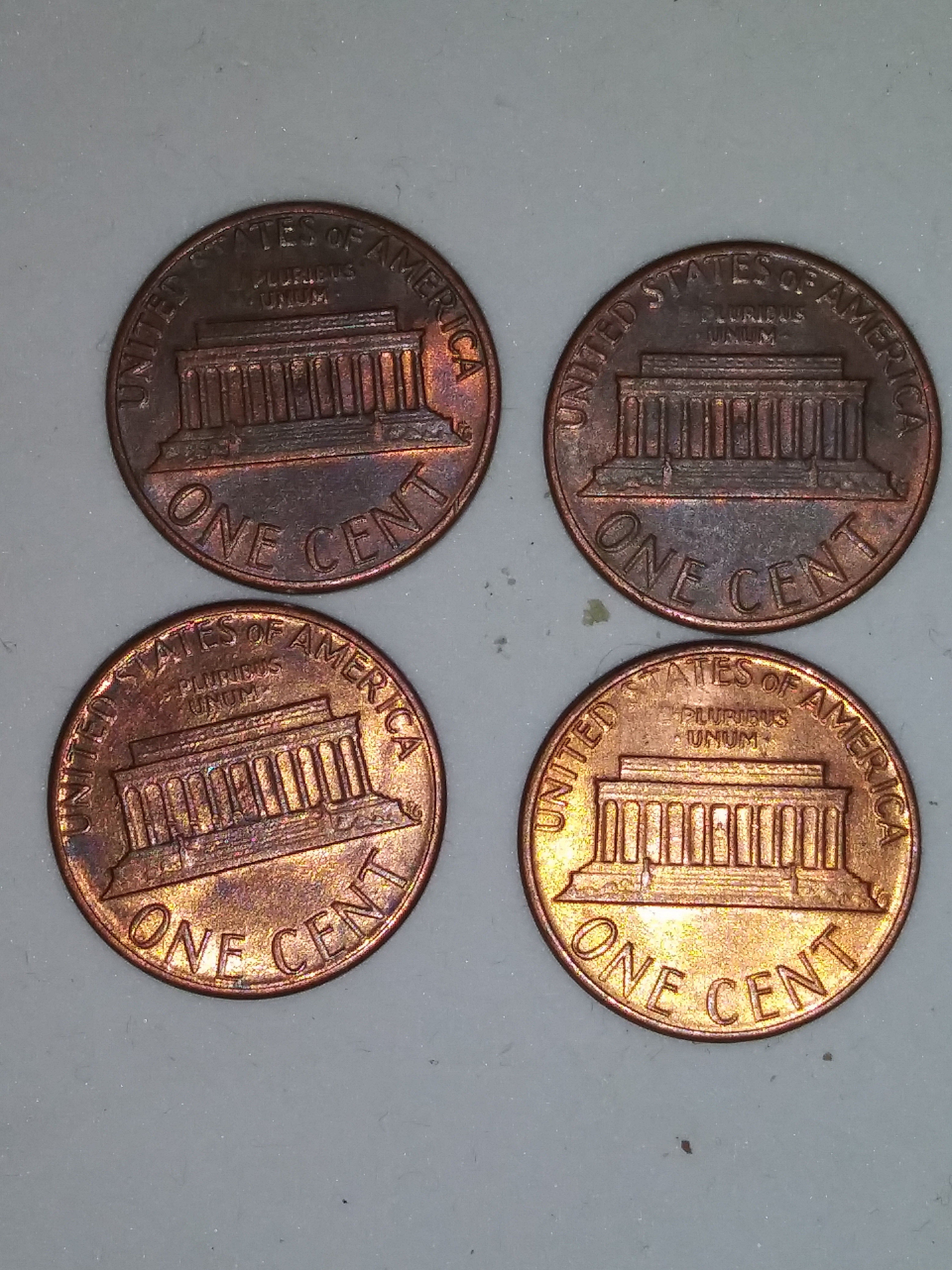
Here's a handful of 1972 doubled die error pennies that I've saved.

So… how do you tell the common error pennies from the rare ones? And what are they worth?

Are there pennies that look like errors but really aren’t? How much are those pennies worth?

Today I’m going to share with you everything you need to know about error pennies. In this article you will find:

  • The ultimate penny error list with current values
  • A list of rare error pennies that are difficult to find
  • A list of common error pennies you can find in pocket change
  • Details, photos, and videos about specific types of error pennies

The Ultimate Penny Error List
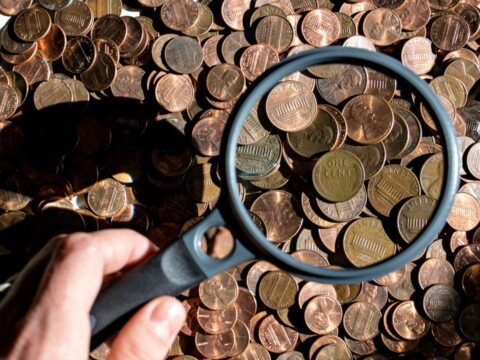
There are so many types of error pennies out there, it’s hard to know where to begin listing them.

Billions upon billions of pennies are in circulation, and among them are countless errors just waiting to be found!

Of course, some errors are more common than others. So, what I’m going to do is break down the list of penny errors by “rare” ones and “common” ones.

Here are the 2 major lists of penny errors to look for (which includes a total of 9 different types of error pennies):

RARE PENNY ERROR LIST

These are 5 of the rarest and most valuable types of penny errors:

#1 – Doubled Die Pennies

Of all error coins, there’s perhaps none more well-known than the doubled die — like the ones pictured above in my hand.
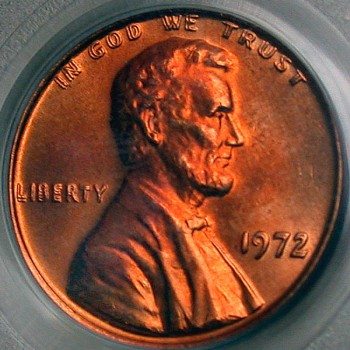
doubled die penny

What are doubled die pennies?

A doubled die penny error occurs when the coin’s die is impressed twice — and at two slightly different angles — by the hub.

When a die with a doubled image goes into production work, it then strikes coins with the doubled image.

Sometimes only a few coins (and sometimes a few thousand) will escape from the U.S. Mint before the error is noticed.

In some cases, if the mistake is caught early enough, the doubled die coins will be recalled from the stockpile that’s ready for distribution into circulation and be destroyed. But many doubled dies go undetected by the U.S. Mint — only to be found by collectors who treasure these rare errors!

While doubled dies occur on every denomination of coin, they seem most prevalent among pennies.

Many doubled die pennies show the most prominent doubling in the inscriptions or date. However, a few exhibit so much doubling that it’s even obvious in the design details. For example, the 1984 doubled die penny shows significant doubling of Lincoln’s earlobe.

Here’s a list of the rarest and most popular doubled die pennies:

I remember when the 1995 doubled die penny was first located. News of the discovery was on the radio, TV, and internet. Everybody was looking for the 1995 doubled die penny — even me!

A similar thing happened when the 1955 doubled die was first reported. It was released at a time when coin collecting was already widely popular in the United States.

Discoveries like these — and the media blitz that follows — have helped to firmly implant knowledge of (or at least an awareness of) doubled die pennies even, among non collectors. That’s one reason these coins are so popular… and valuable!

Some of the more obscure and minor doubled die pennies are worth $25 to $100.

NOTE: Not all signs of doubling mean that a penny is a doubled die! In most cases, when you see a penny with doubled lettering or design, it’s really just machine doubling — which means the coin was double struck by the coin presses. This type of doubling is not an error. It’s just a type of defect in the striking process. Most coins with machine doubling are not worth anything extra.

#2 – Die Cap Pennies

One of the weirdest types of penny errors is the die cap — which occurs when a penny gets stuck to a die for many strikes.

With each strike against other pennies, the stuck coin gets flatter and flatter and ends up getting shaped around the die.

This can make the die cap error coin look something like a bottle cap. These rare penny errors are often worth $250 or more.

#3 – Off-Center Pennies

Off-center errors are made when the retaining collar that keeps the coin in place during striking fails to properly corral the coin. These off-center errors are missing some part of the design and/or lettering.

Drastic off-center error pennies (those that are 50% off-center) are quite rare. Pennies that are way off-center and show a complete date are even rarer — they’re worth $50 or more.

Off-center pennies that are 5% or 10% off-center and not showing a date are relatively common and worth $3 to $10.

#4 – Broadstrike Pennies

Another type of error that occurs when a penny isn’t struck in its retaining collar is the broadstrike.

Unlike the off-center error (which exhibits missing lettering and design elements), broadstrike pennies are not missing any lettering or design detail.

One of the common characteristics of a broadstrike is that it appears flatter and wider than normal.

These pancaked broadstrike pennies are rare and often worth $50 to $100 or more.

#5 – Transitional Error Pennies

Changes to the design or metallic composition of a penny sometimes leads to errors.

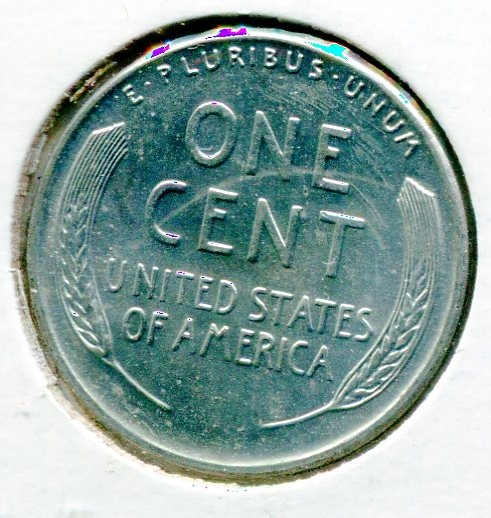
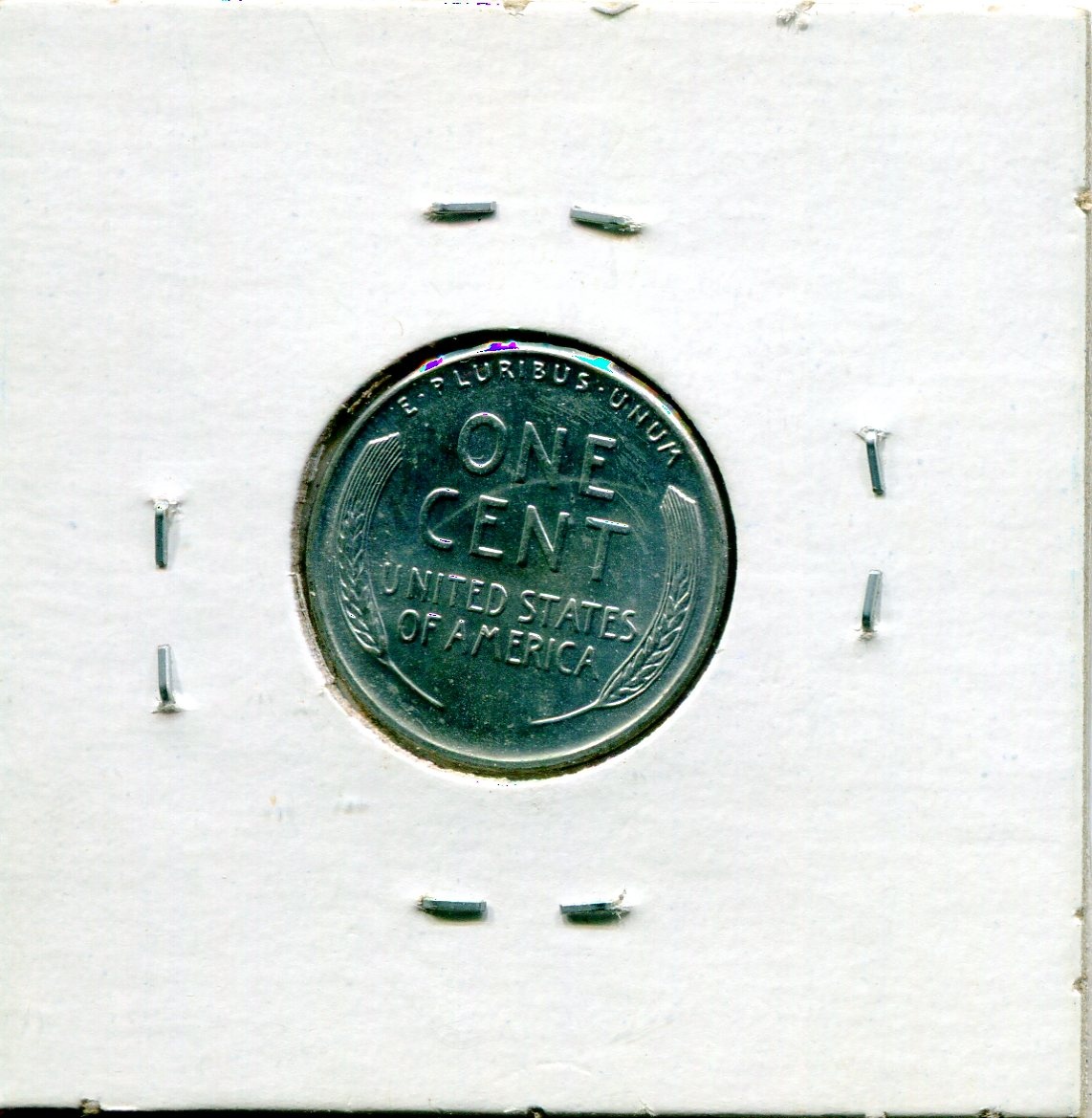
Such is the case when some 1943 pennies were struck on the bronze planchets that were intended for 1942 pennies. Likewise, some 1944 pennies were made from the 1943 steel planchets instead of the 1944 shell case blanks.

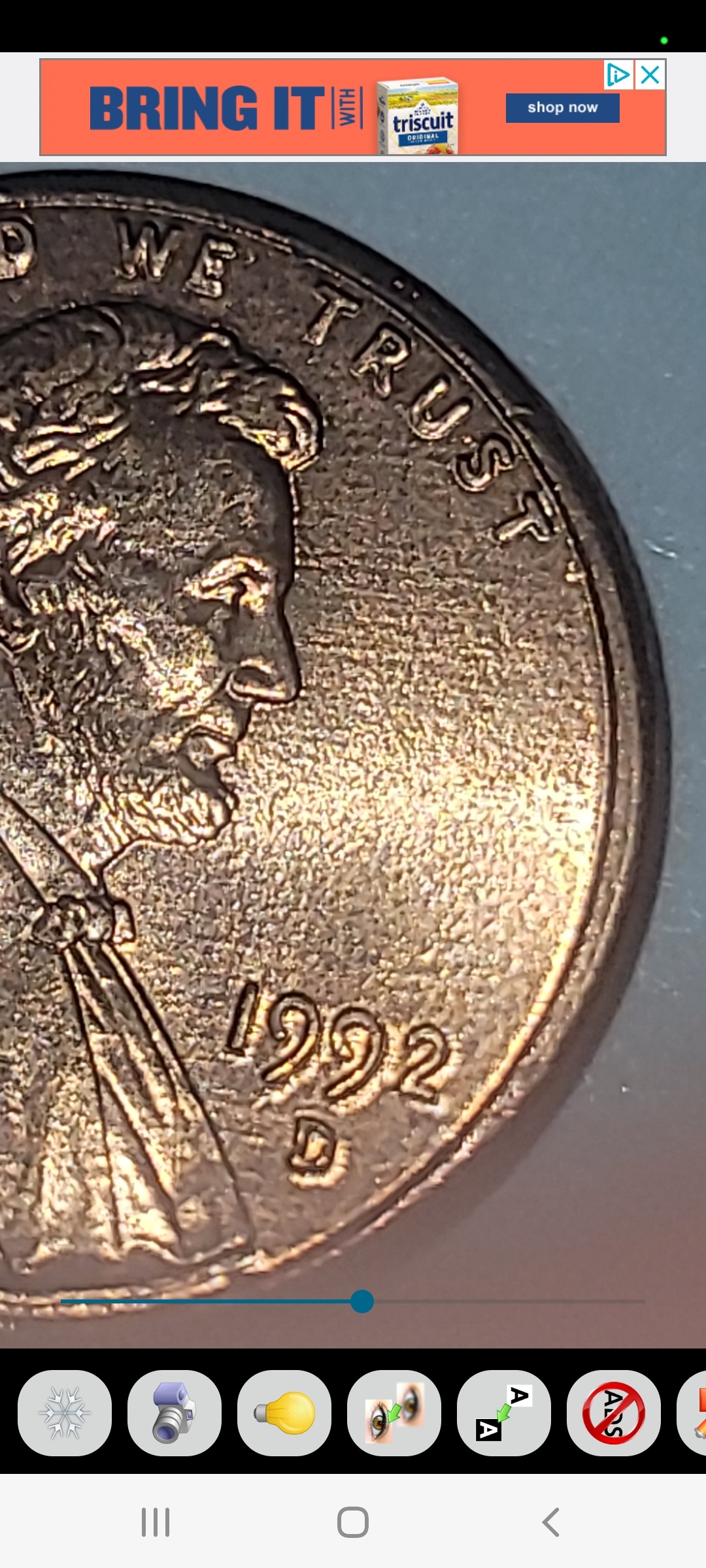
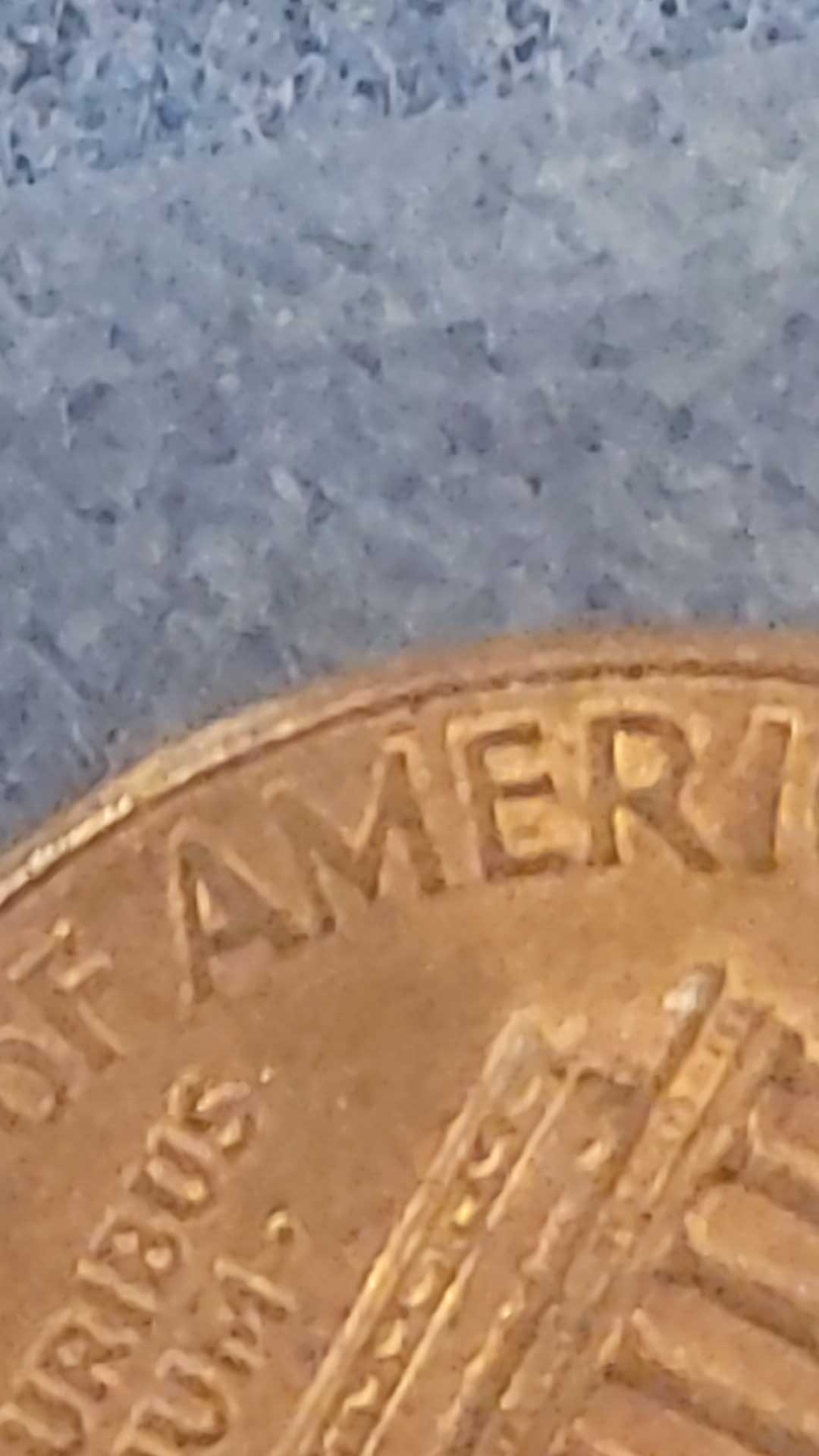
There are also errors in which some 1992 pennies show virtually no gap between the base of the “A” and “M” in “AMERICA” on the reverse of those coins.

One of the rarest transitional error pennies involves the 1982-D small date penny — which wasn’t supposed to be struck on a bronze planchet. A small handful of these 1982-D small date bronze cents have been found, and they’re worth thousands! A few other dates with similar errors have also been found.

These are the most popular AND most valuable transitional error pennies:

COMMON PENNY ERROR LIST

All penny errors are scarce. But some are much more common than others.

Here are 4 of the more commonly encountered error pennies:

#1 – BIE Error Pennies
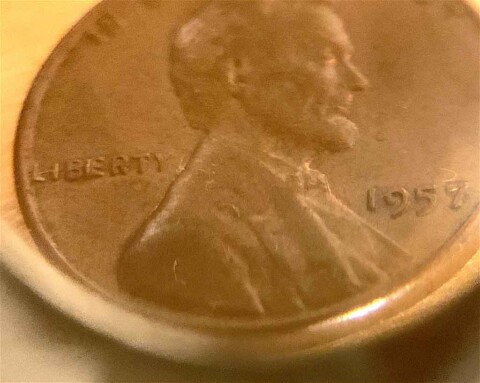
When an aging coin die begins cracking under repeated pressure, a fracture can appear as a raised line on a coin.

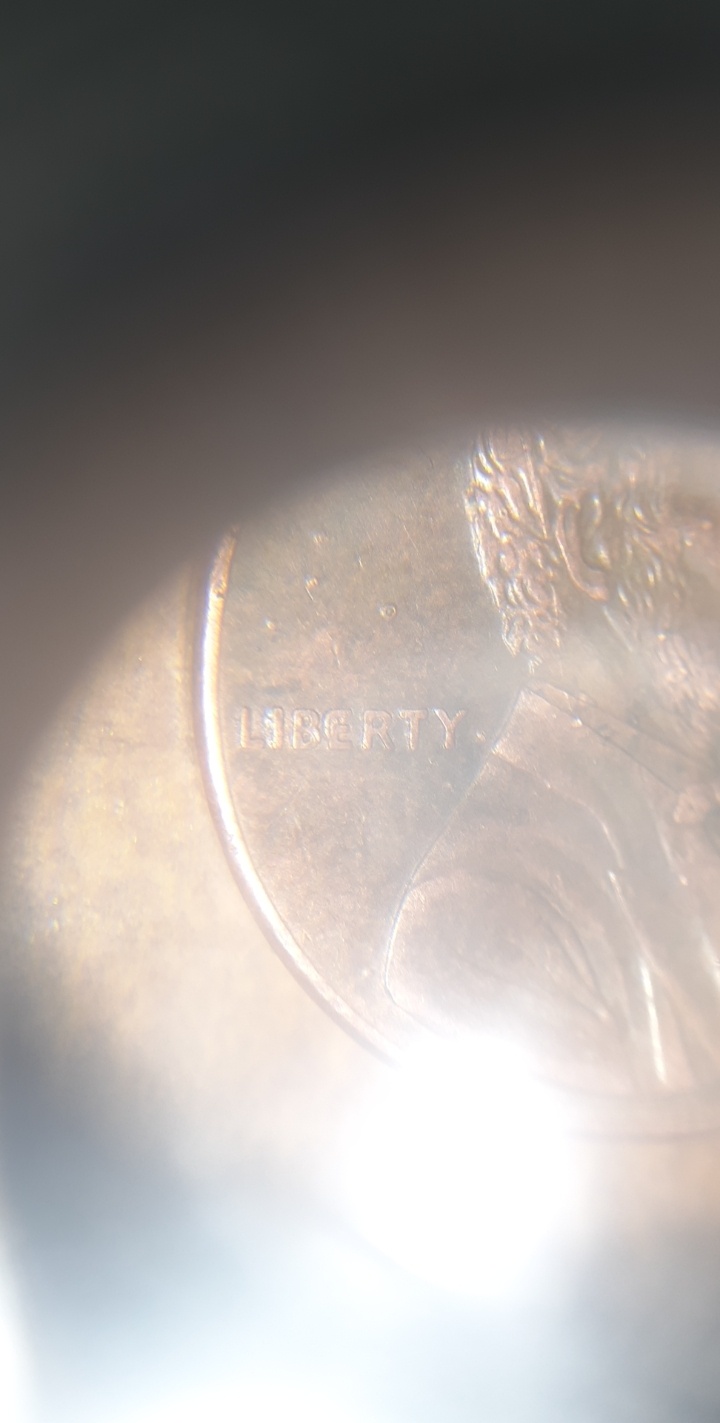
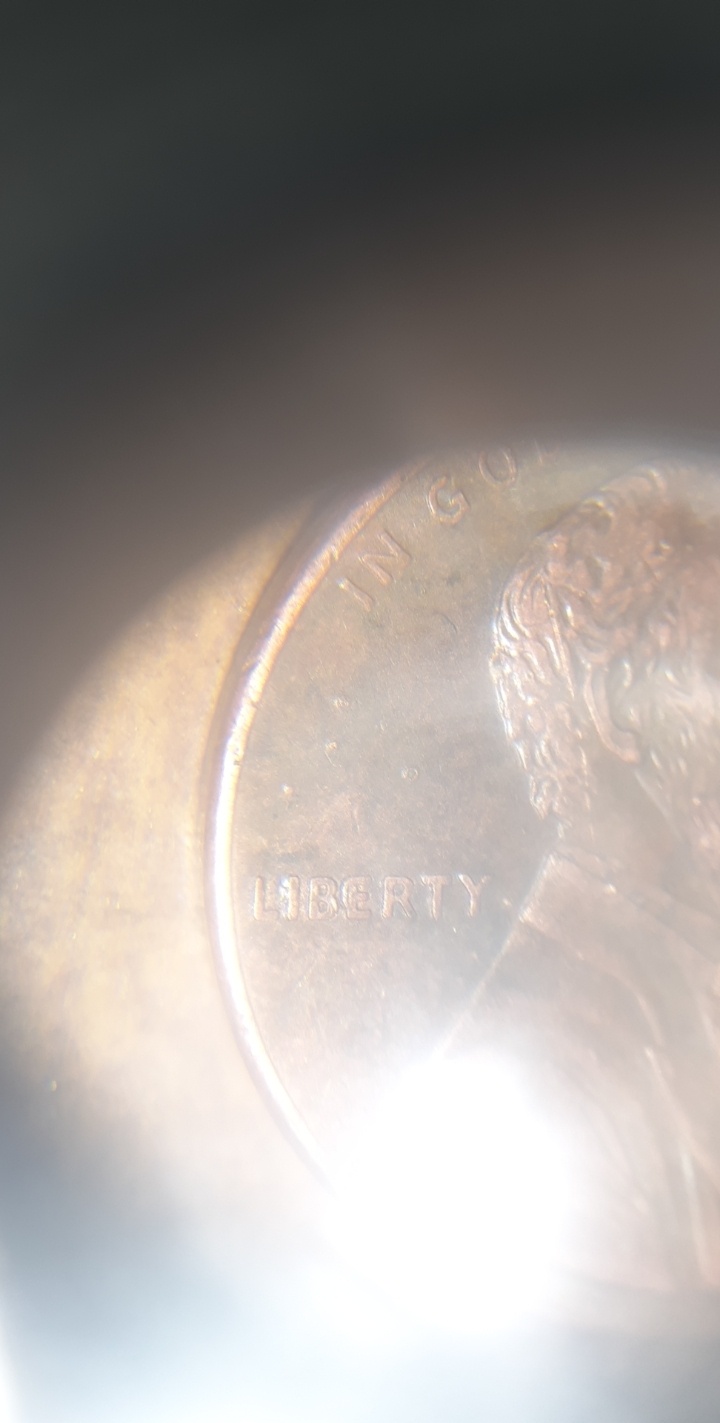
On Lincoln cent dies, these little die cracks had a tendency to appear as vertical line between the “B” and “E” of “LIBERTY” — looking something like a capital letter “I.”

These so-called BIE error pennies are extremely popular with Lincoln penny collectors and error coin collectors.

(And because they’re so common, they’re sometimes collected by date.)

A typical BIE penny is worth $5 to $10.

#2 – Repunched Mintmark Pennies

Before the 1990s, mintmarks were hand-punched onto each die. This meant that each die would sometimes showcase the mint mark in a slightly different location than other dies.

And, sometimes during the mintmark-punching process a little mistake would happen. Maybe the mintmark was stamped in the wrong location or at a weird angle — in which case, the Mint employee repunched the mintmark.

Repunched mintmarks can be found on any mintmarked coin from the late 20th century or earlier. But because of the extraordinary number of pennies made and subsequently large number of dies required to strike them, repunched mintmarks are most common on pennies.

A typical repunched mintmark penny is worth $5 or more. 

#3 – Die Clash Pennies

When something happens with the planchet feeding machine that prevents a blank from being fed into the dies, the obverse (head’s side) and reverse (tail’s side) die will strike each other. This can leave an imprint from one die into the other.

When planchets are fed back into the presses again, the coins stamped by the clashed dies may show traits of the reverse design on the obverse and/or part of the obverse design on the reverse.

Die clash penny errors are scarce but among the more common of all errors.

Pennies with barely noticeable die clashes are the most common — they’re worth $2 to $5. More drastic die clash pennies are worth anywhere from $50 and up.

#4 – Clipped Planchet Pennies

Sometimes errors happen when the blank discs that become coins are cut from the original sheet of metal.

The discs may be mis-cut, with a little crescent-shaped piece of metal getting cut from the round disc.

The clip may be either very small or quite large.

Clipped planchet pennies are distinctive, sought-after errors that are worth $15 and up. 

Unique Pennies That Are Not Errors

While there are many cool error pennies you can find in circulation, the vast majority of pennies that appear unusual are not rare error pennies.

Instead, these are coins with post-mint damage or alterations.

Let’s take a look at a few of them…

#1 – Lincoln Pennies With Kennedy, A State Outline, Or Other Markings
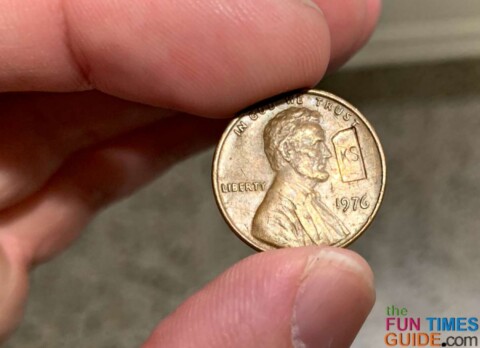
Counterstamped coins are novelty coins

A variety of private companies have counterstamped images of John F. Kennedy, different states, the Liberty Bell, and other types of designs and messages on coins.

These are not errors but rather novelty coins that were created as souvenirs or promotional items. I’ve found a few such coins in my own pocket change.

Although counterstamped coins are not rare, some people do collect them.

Here’s how much some counterstamped pennies are worth:

  • Lincoln Penny With State — 50 cents or more 
  • Penny With Liberty Bell — 75 cents or more 
  • Elongated Penny — $1 or more 
  • Lincoln Kennedy Penny — $1 to $2
  • Penny With Freemason Or Mason Logo — $1 to $2
  • Lincoln Penny With Angel, Cross, Or Other Designs — $1 and up

#2 – A Penny With No Face Or Back

Maybe you’ve come across a penny with no face or back — no design on one side or the other whatsoever.

What’s up with that?

Well, in virtually every case what you’ve got is a coin that was altered after it left the U.S. Mint.

These are some of the most common reasons for it:

  • The penny may have been used for jewelry or art. Often a penny with no face or back is planed down so that it can be glued flat to another surface — such as a pendant or a painting.
  • A Lincoln penny with no face or back may have been used as a gaffe coin. Some magicians fashion a dime on one side and, using sleight-of-hand illusion, make the penny appear to turn into a 10-cent piece or vice versa.
  • For no particular reason at all. A lot of times a coin is altered by idle hands as a way to pass the time. I know that when I was younger, I defaced a few coins when I got a little bored!

#3 – Floating Roof Lincoln Memorial Pennies

Sometimes mint employees polished Lincoln Memorial dies to ensure the coins they produced were sharply struck and free of cracks and other defects.

However, sometimes during the polishing process, parts of the die would inadvertently be removed.

In many cases, the victims of overpolishing were the lines connecting the roof of the Lincoln Memorial to the rest of the building below — which gives the illusion that the Lincoln Memorial roof is floating.

Floating roof pennies are popular with collectors but they are technically not errors or die varieties. But, some collectors are paying $1 to $5 for them.

#4 – Two-Headed Pennies

Although many people have reported finding two-headed pennies, no such error is known to exist among United States one-cent coins.

Any two-headed penny that you find is not a legitimate error but rather just an altered coin. Two-headed pennies are novelty pieces sold to people who want to play pranks on others or win a bar bet or two.

While they aren’t real errors, they’re popular collectibles and sometimes sell for $1 or $2.

#5 – Discolored Pennies

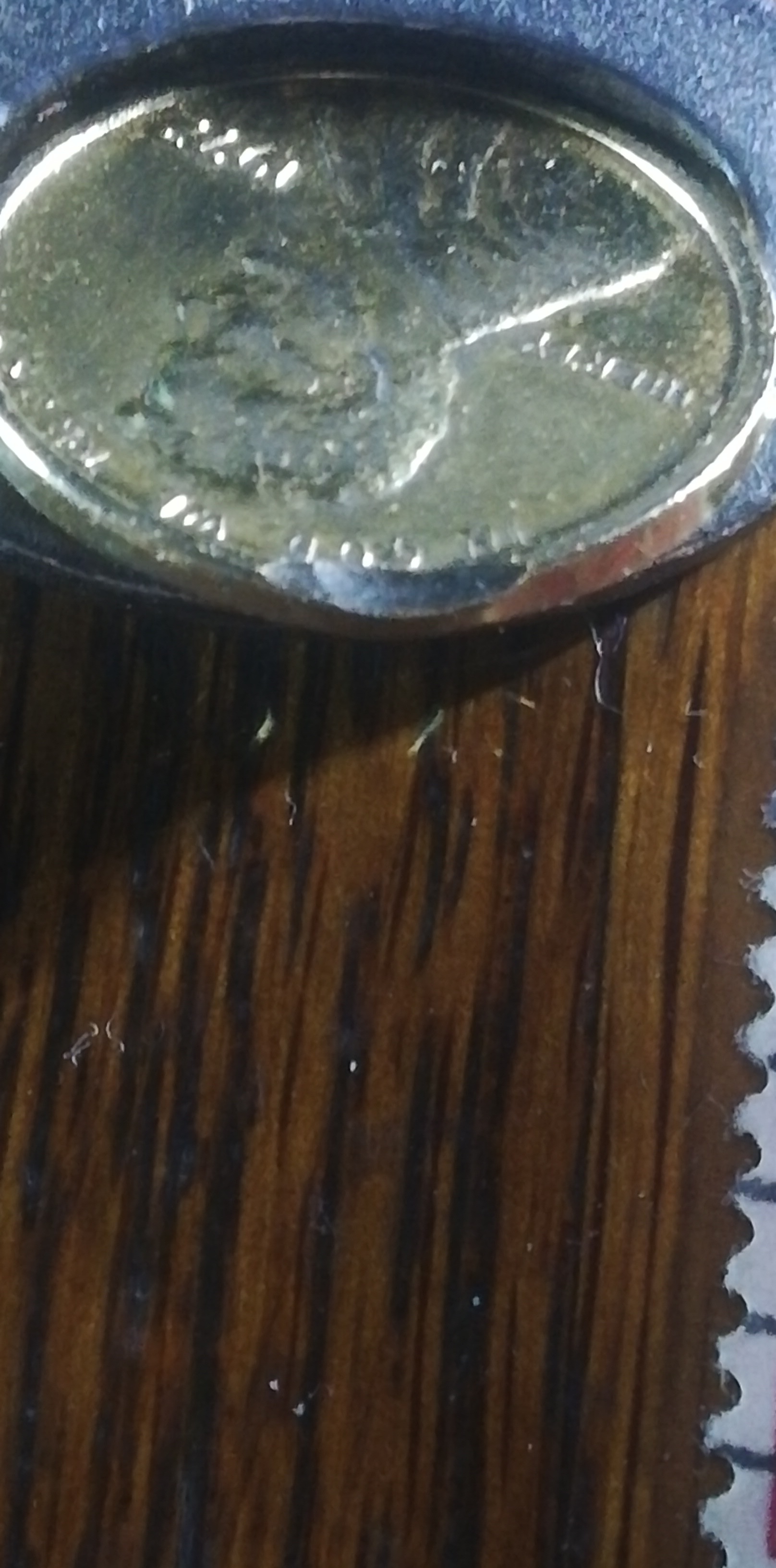
Find a silver penny? Or maybe one that’s all splotchy? Think you’ve found a gold-plated penny?!

With the exception of the 1943 steel cent and the 1944 steel penny errors mentioned above, virtually all other pennies you find with weird colorations are caused by:

  • Someone who plated the coins with another metal
  • Removal of the copper plating from post-1981 copper-plated zinc cents
  • Environmental damage

Now, there are cases where a silver penny is actually created by the penny design having been mistakenly struck on a dime planchet. These rare errors are valuable and worth about $250 and up.

TIP: You can tell a penny on dime error from a damaged coin by weighing it. If your silver penny weighs between 2.10 grams and 2.7 grams, it could be a penny on dime wrong planchet off-metal error!
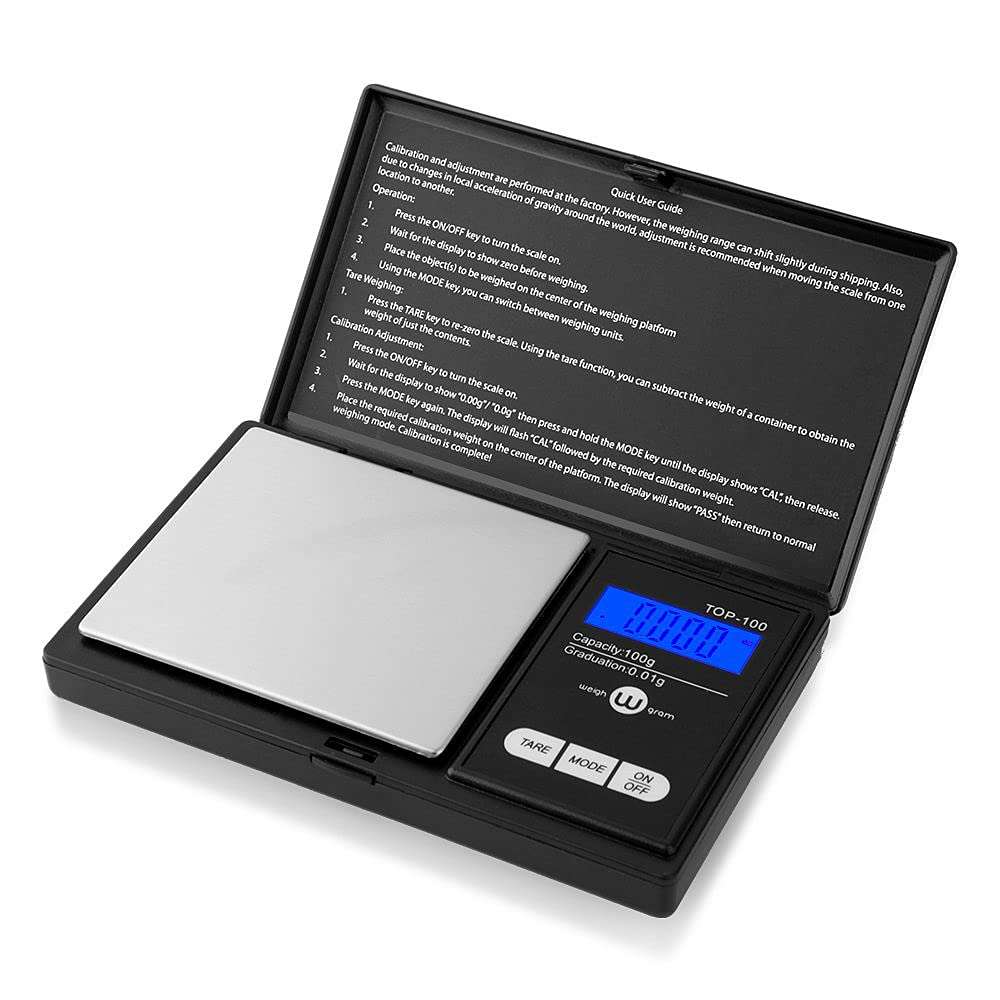
I like the Weigh Gram coin scale best.

PUBLISHED June 29, 2026
UPDATED July 20, 2026

Joshua McMorrow-Hernandez

Numismatic Specialist

Hi, I’m Josh! I’m the Editor here at the US Coins Guide. My love for coins began when I was 11 years old. I primarily collect and study U.S. coins produced during the 20th century.

I’m a member of the American Numismatic Association (ANA) and the Numismatic Literary Guild (NLG). I have won multiple awards from the NLG for my work as a coin journalist. I’m also the editor at the Florida United Numismatists Club (FUN Topics magazine), and author of Images of America: The United States Mint in Philadelphia (a book that explores the colorful history of the Philadelphia Mint). I’ve contributed hundreds of articles for various coin publications including COINage, The Numismatist, Numismatic News, Coin Dealer Newsletter, Coin Values, and CoinWeek.

I’ve authored over 1,000 articles here at the US Coins Guide (many with over 50K shares).

I welcome your coin questions!

148 responses to “The Ultimate Checklist Of Rare Error Pennies Worth Money”

  1. D.Robot Avatar
    D.Robot

    Joshua,

    first, thanks for all the great articles on here. Thanks to you I know how to look for wide and narrow AM errors, etc.
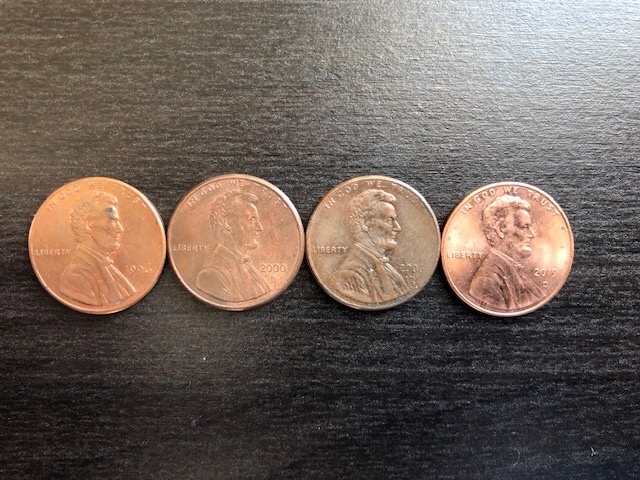
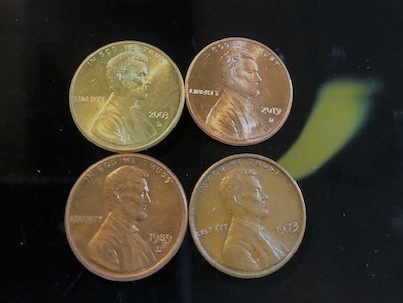
    In the course of examining coins though, I feel like I see odd differences in Lincoln’s face on some pennies. The mouth and nose as well as the detail in hair texture sometimes seem quite different. I am going to try attaching a photo. I hope what I am seeing will be clear.
    On the left is a 1996 that somehow just looks like a totally different person than Abe. Then there is a 2000 that has a very short mouth, then the 2006 may have had what looked like a smile to me, but what seems more obvious is that the nose looks much bigger than the 2019 on the far right.
    Thanks in advance for your thoughts!
    D https://uploads.disquscdn.com/images/21ed3b85e2bf1ed9ea7b866dd79c58b23c7fc6d4c960ef74d3dca09e2919927d.jpg

    1. JoshuaTheFunTimesGuide Avatar
      JoshuaTheFunTimesGuide

      Hi, D —

      Thank you so much for your kind words and feedback! They’re much appreciated!

      You’re correct in that there are minor differences in hair lines and other details over the years on long-running series such as Lincoln cents, first released in 1909. In your case, your coins seem to mostly be exhibiting differences caused more by wear patterns than any die differences, but if you look at a lot of Lincoln cents struck over periods of different decades you will find significant differences in the hair lines, shoulder details, beard, and overall boldness or flatness of the design. These are well documented by Lincoln cent experts and are worth studying.

      Thank you for reaching out!
      Josh

    1. JoshuaTheFunTimesGuide Avatar
      JoshuaTheFunTimesGuide

      Hi, Lonnia —

      It’s hard to say in the absence of weight tests and seeing the coin in person what you have, but it’s quite possible your penny was plated in gold, a common post-Mint thing people do for “keepsake” coins that are special to them. By the way, if your coin is gold plated, it contains at most only 1 or 2 cents worth of the yellow metal.

      I hope this info is helpful,
      Josh

  2. Hammond Ecks Avatar
    Hammond Ecks

    Great article, Josh! One reason I’ve heard for there being more cent errors compared to other denominations is that they’re struck in huge quantities and and at very high speeds. Those factors make it a lot easier for dies to crack, planchets to be misfed, etc.

    I’m not sure if it fits into this discussion, but the famous 1922 “plain” cent might be an interesting addition to the list.

    The story of course is that some 1922 cents don’t show a mint mark even though all were struck at the Denver mint and should carry a “D” below the date. It’s thought that a bit of grease or other crud got stuck on a die and filled the little recess that should have formed the “D”. Depending on how worn it is, a 1922 plain cent could retail for anywhere between $450 and $1500!

    There’s also a less-valuable variety with a weak mint mark. This may also have been caused by some dirt in the “D”, but not enough to completely fill the recess.

    As always you need to be careful about any 1922 plain cent you encounter. A lot of fakes have been created by removing the mint mark from a regular 1922-D coin or altering a different-date Philadelphia cent.

    1. JoshuaTheFunTimesGuide Avatar
      JoshuaTheFunTimesGuide

      Hi, Hammond!

      Thank you for the kind feedback on the story and also the thoughts on the various 1922 varieties. There are certainly a number of varieties that could be added here and, indeed, the long-running Lincoln cent series certainly has the others beaten in terms of the overall number. I think the only other series that even comes anywhere close are the Morgan dollars, which as you know have literally thousands of VAMs notes across the series. But Lincoln cents are more numerous and definitely more accessible to the typical collector. One could spend a collecting lifetime of 100 years acquiring Lincoln cent varieties and errors and still never find them all!

      Cheers,
      Josh

  3. Peter K Avatar
    Peter K

    Thank you for all the valuable info.

    https://uploads.disquscdn.com/images/490f90c35e192976d04f1a9c073af2b1532cd0ff4de2d656e4a99711774d7fc9.jpg

    It took me a while to figure this all out, but now I am getting the facts separated from all the hyper- info on the web.

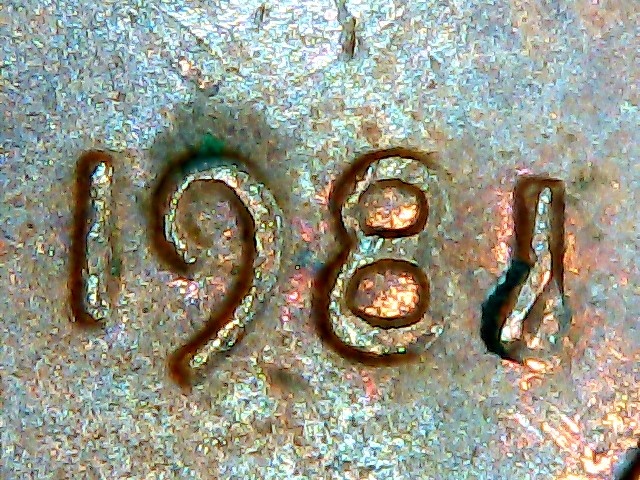
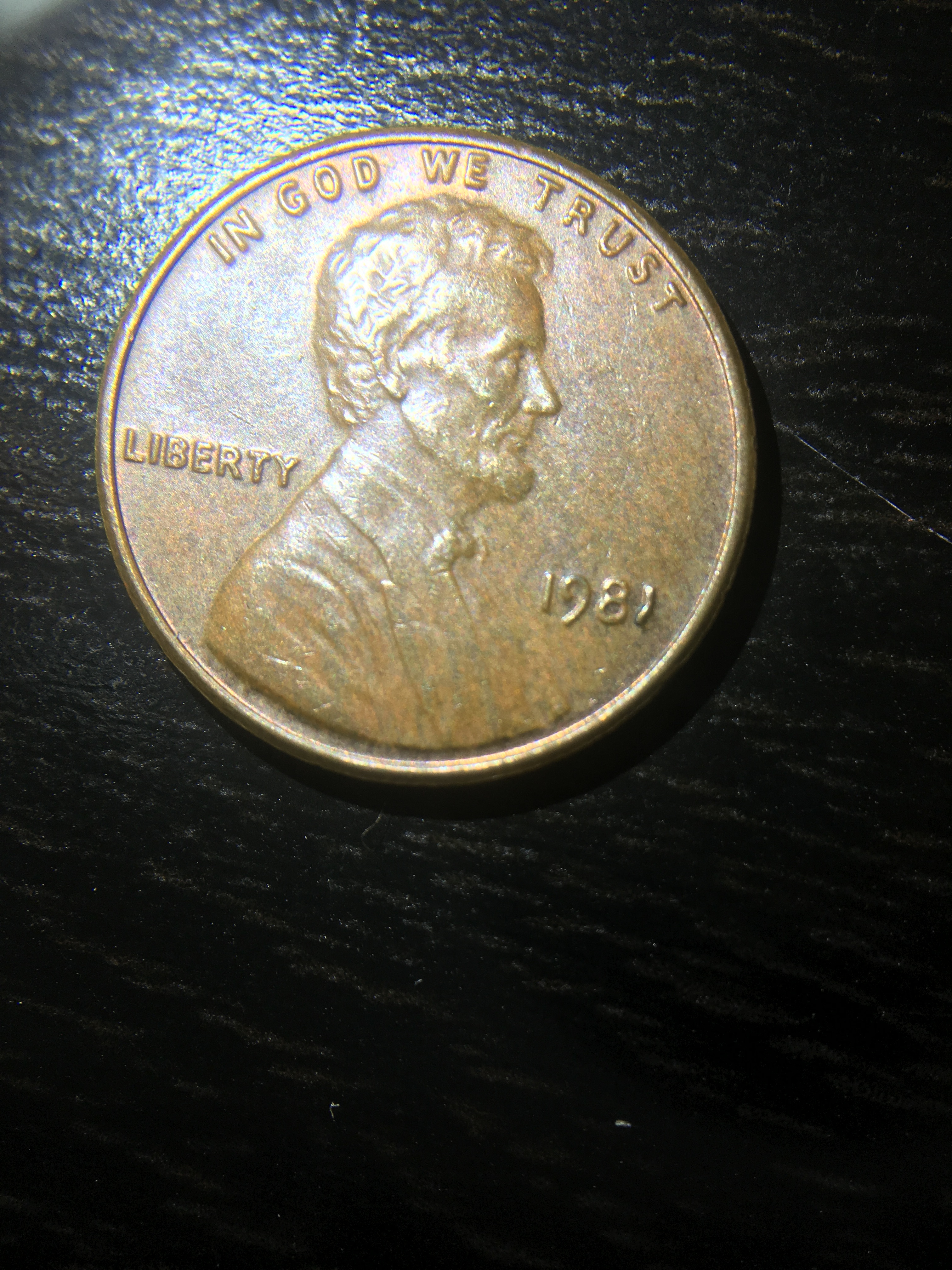
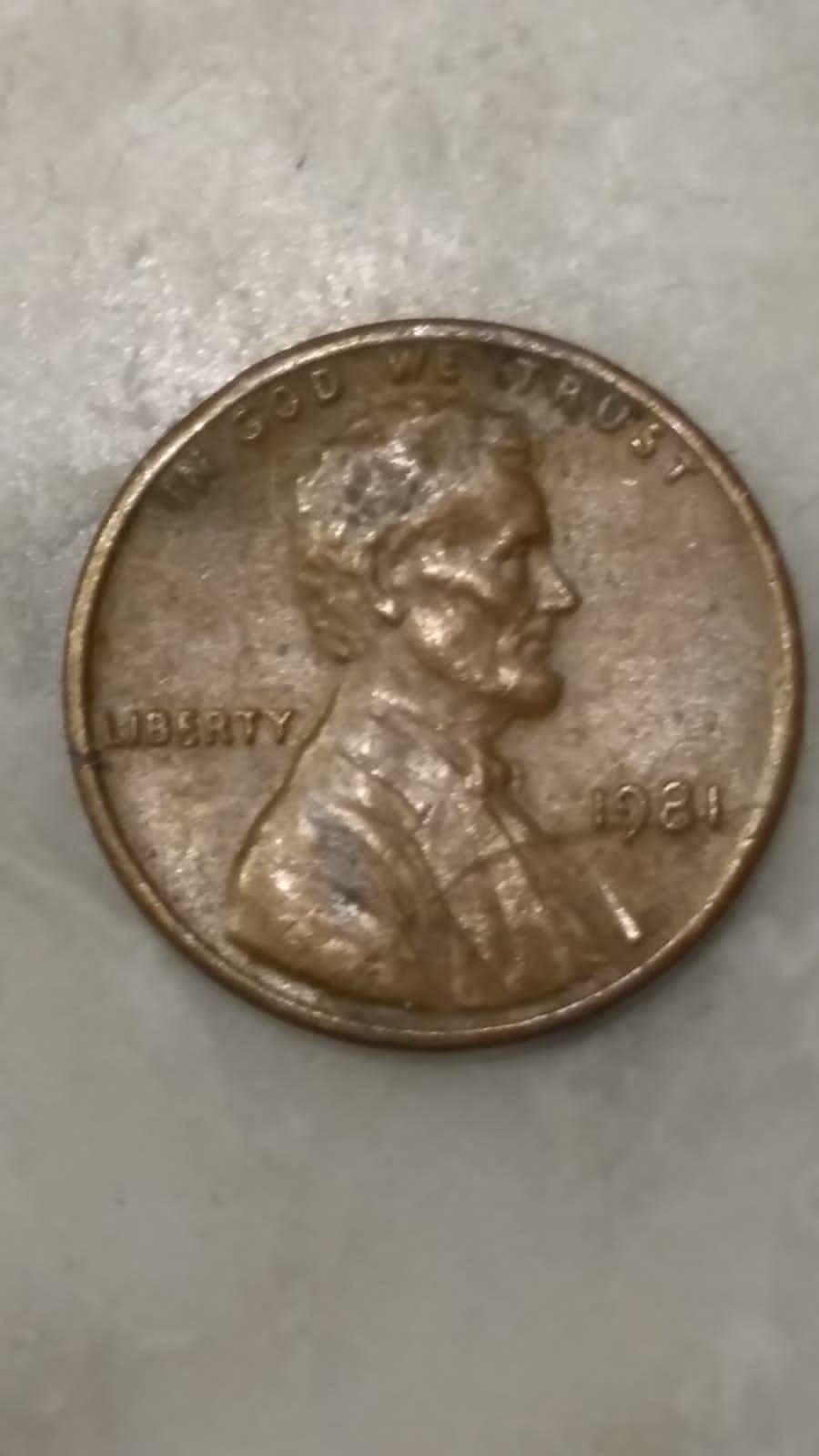
    With all this here is an error on a 1981 that I really don’t know if its common or rare because there’s no info about it.

    I see that you mentioned post mint damage but on this coin there is no raw metal torn in the area of the bent 1 but i could be wrong .

    Any thoughts on this?

    Thank you

    Peter

    1. JoshuaTheFunTimesGuide Avatar
      JoshuaTheFunTimesGuide

      Hi, Peter —

      Unfortunately the “1” is bent due to post-Mint damage. However, the coin is still worth at least two cents for its copper value.

      Thank you for reaching out,
      Josh

      1. Peter K Avatar
        Peter K

        Thank you for answering so many questions because it seems there are many in the coin world with a lot of beginners like me.

        1. JoshuaTheFunTimesGuide Avatar
          JoshuaTheFunTimesGuide

          You’re most welcome, Peter! It’s my pleasure to help!

          All best wishes,
          Josh

      2. Peter K Avatar
        Peter K

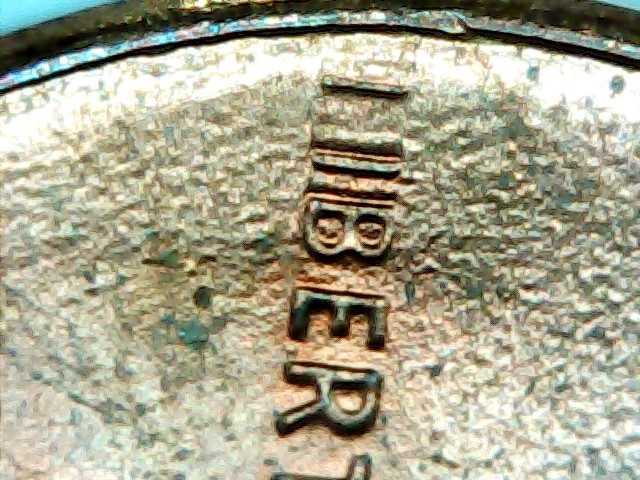
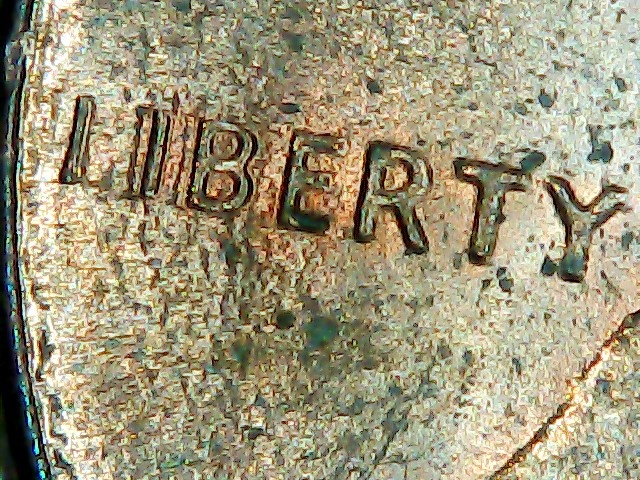
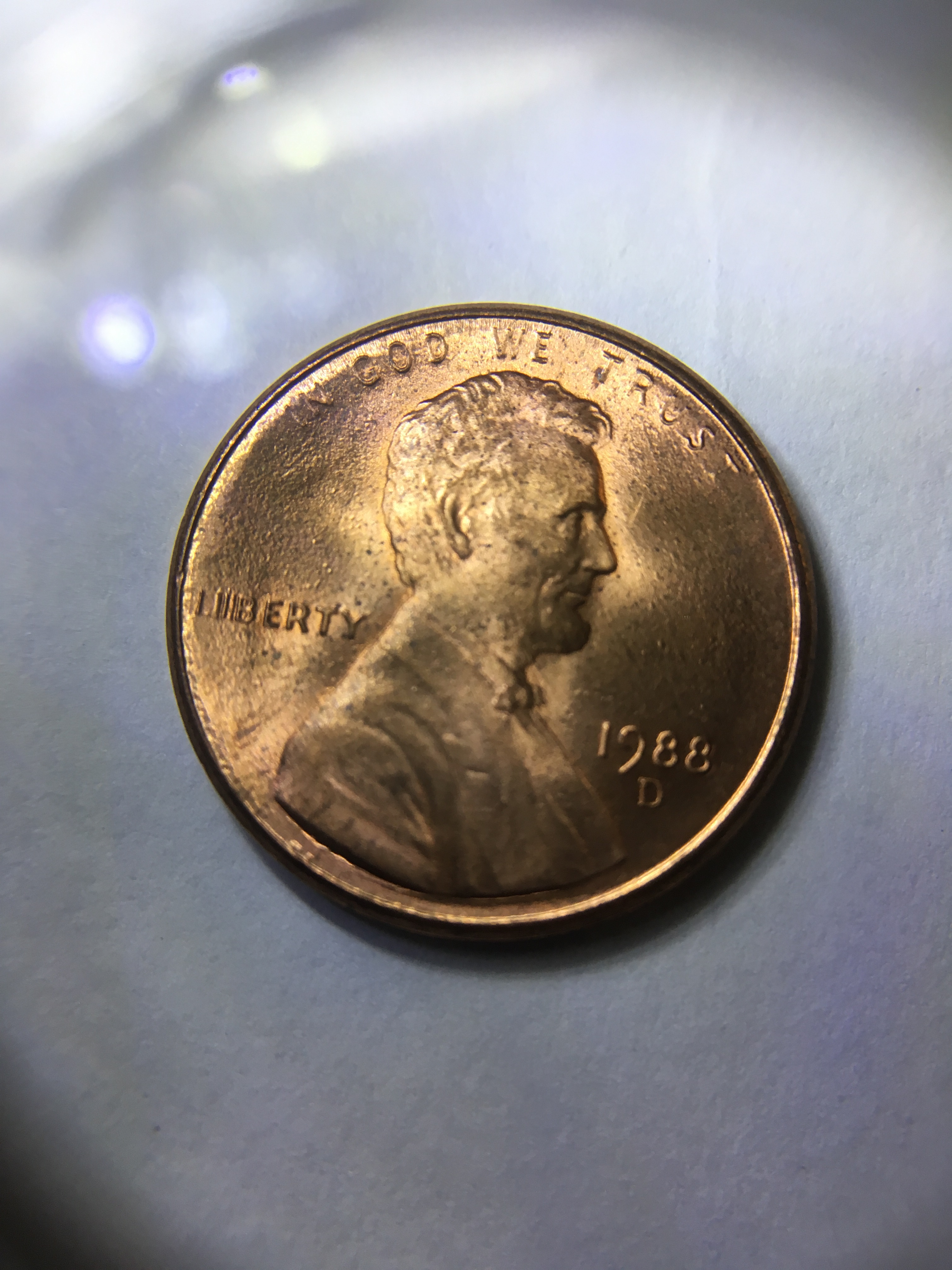
        Here is another one I found could this be the real deal? 1988 D
        https://uploads.disquscdn.com/images/0686eac6961d69991d902659f3c3d3fadd3ad0135b2c3eefe8b7acab8e0256de.jpg

        thanks

        Peter

        1. Peter K Avatar
          Peter K

          looks like IIberty

        2. JoshuaTheFunTimesGuide Avatar
          JoshuaTheFunTimesGuide

          Hi, Peter —

          Based on what I’m seeing in these images it appears the coin has machine doubling, caused most likely by the coin shifting upon strike.

          Best wishes,
          Josh

          1. Peter K Avatar
            Peter K

            Thanks again

          2. JoshuaTheFunTimesGuide Avatar
            JoshuaTheFunTimesGuide

            You’re welcome!
            Josh

    1. Kaitlin Warf Avatar
      Kaitlin Warf

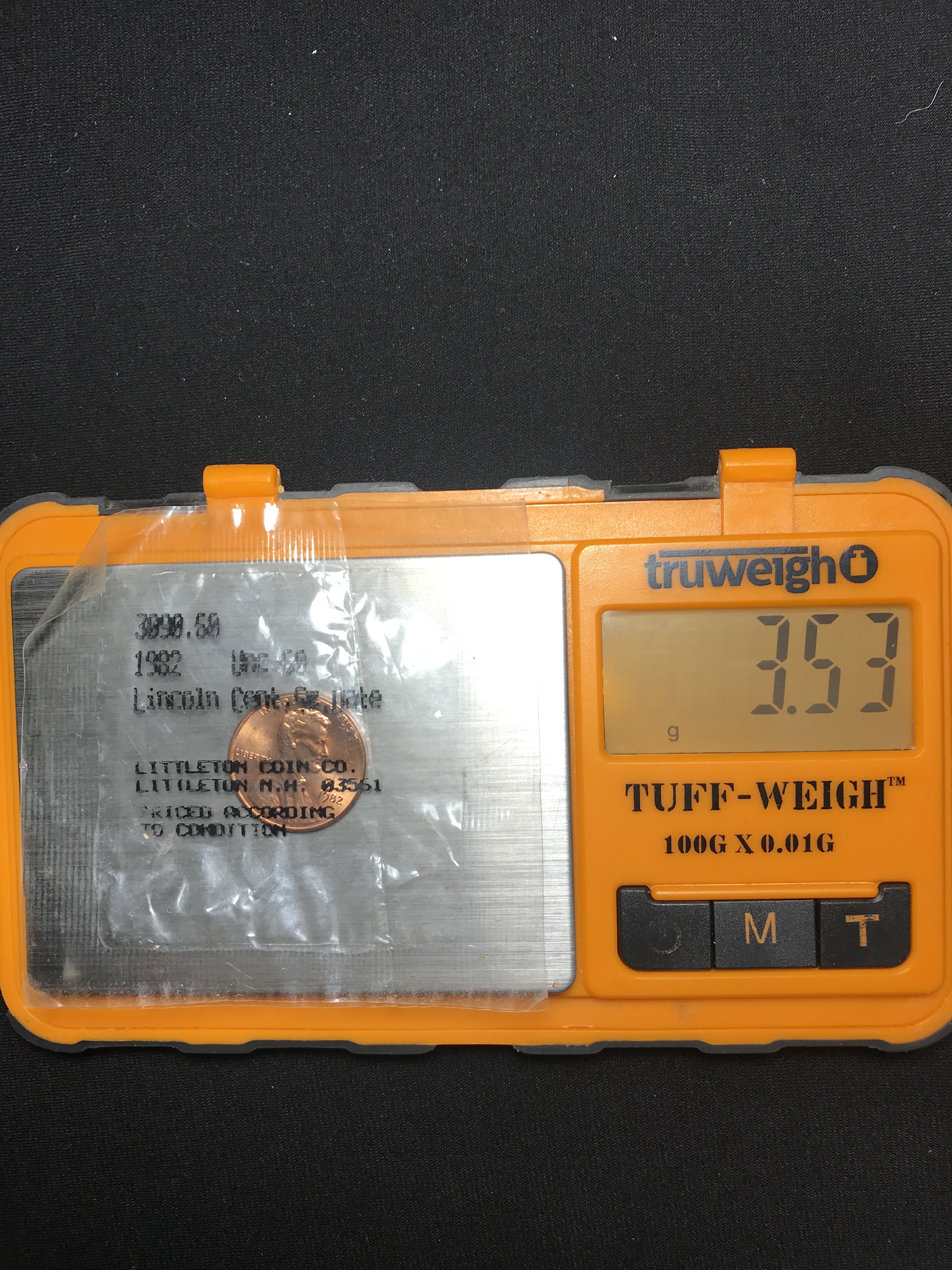
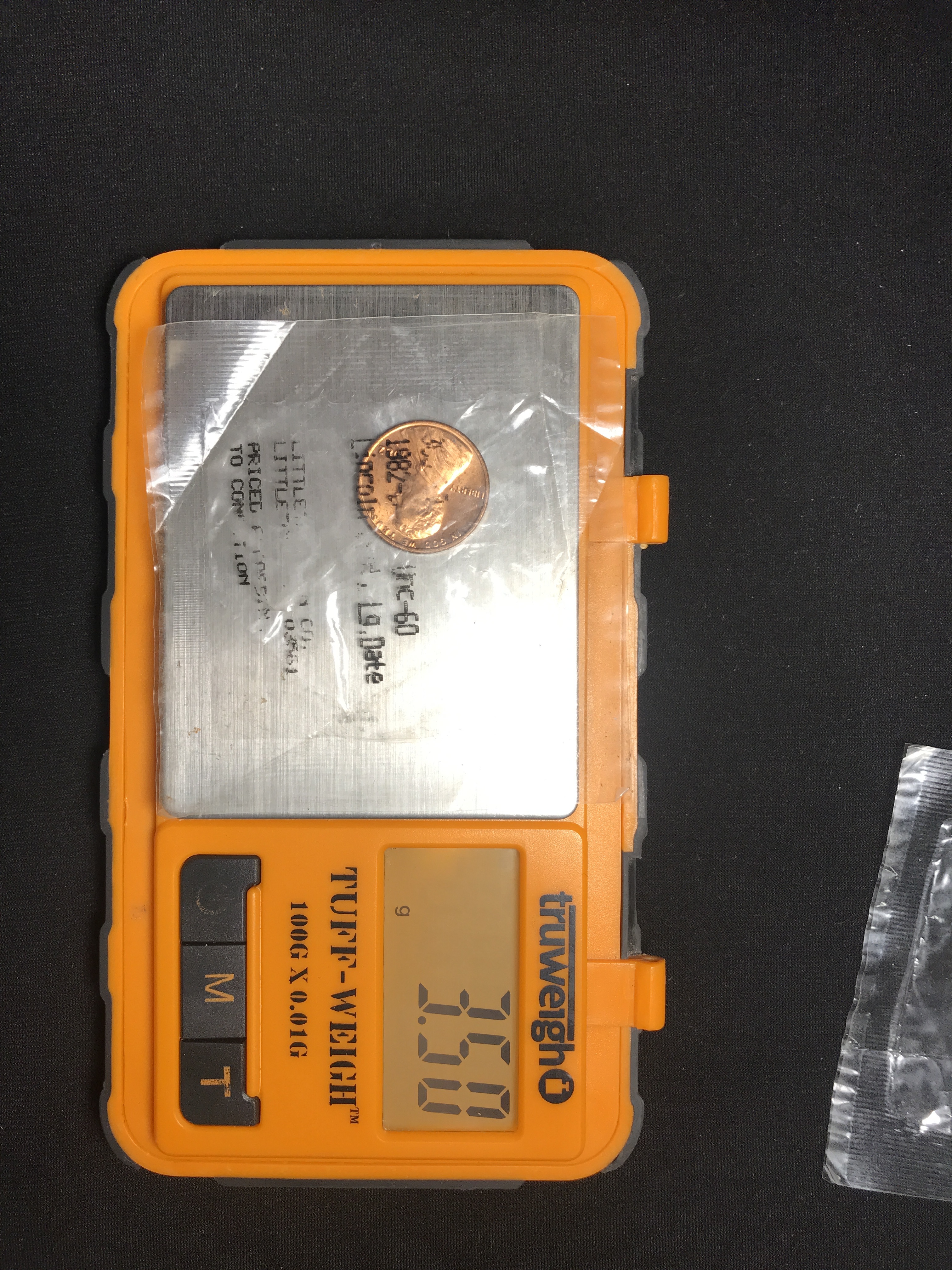
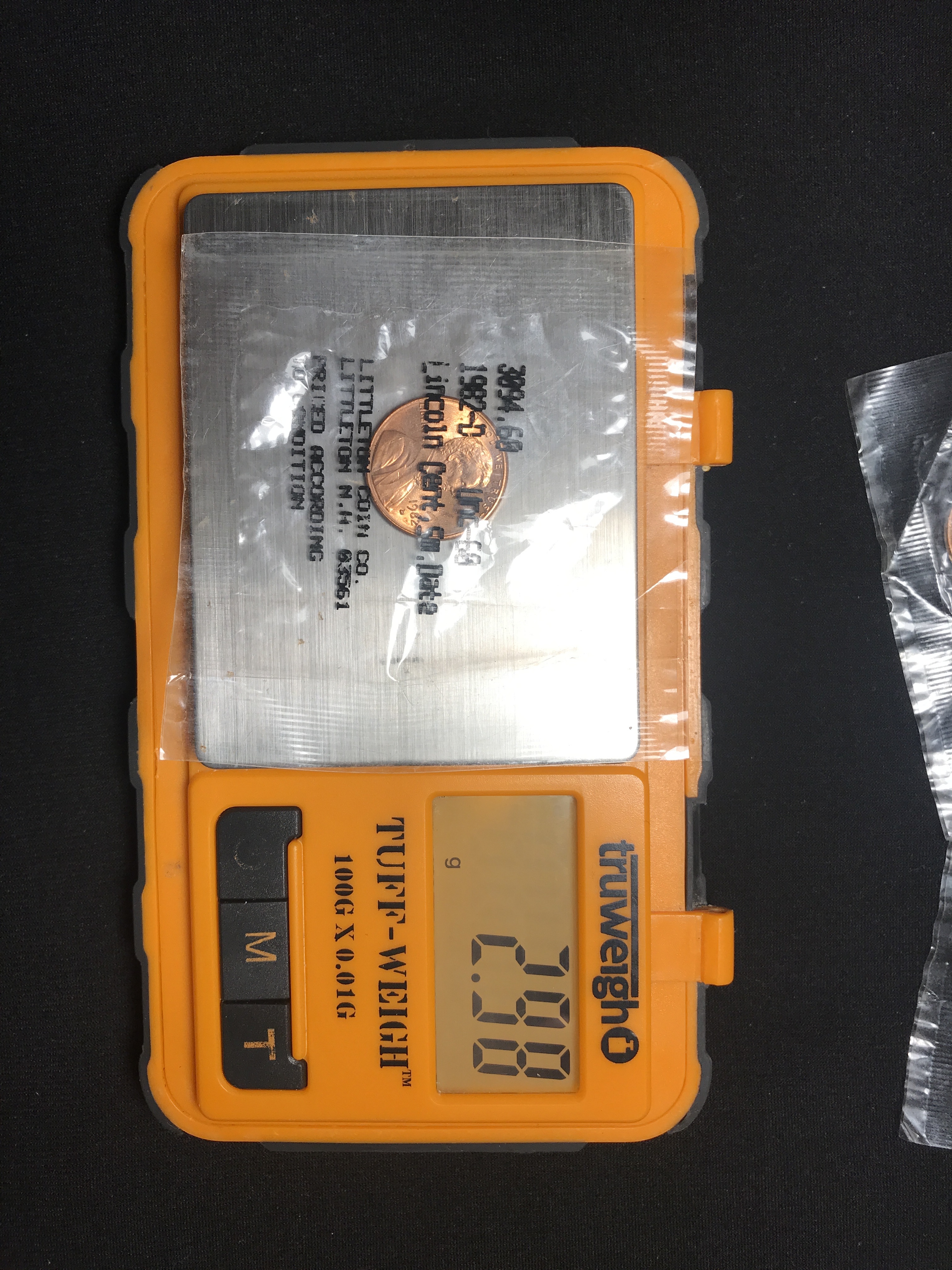
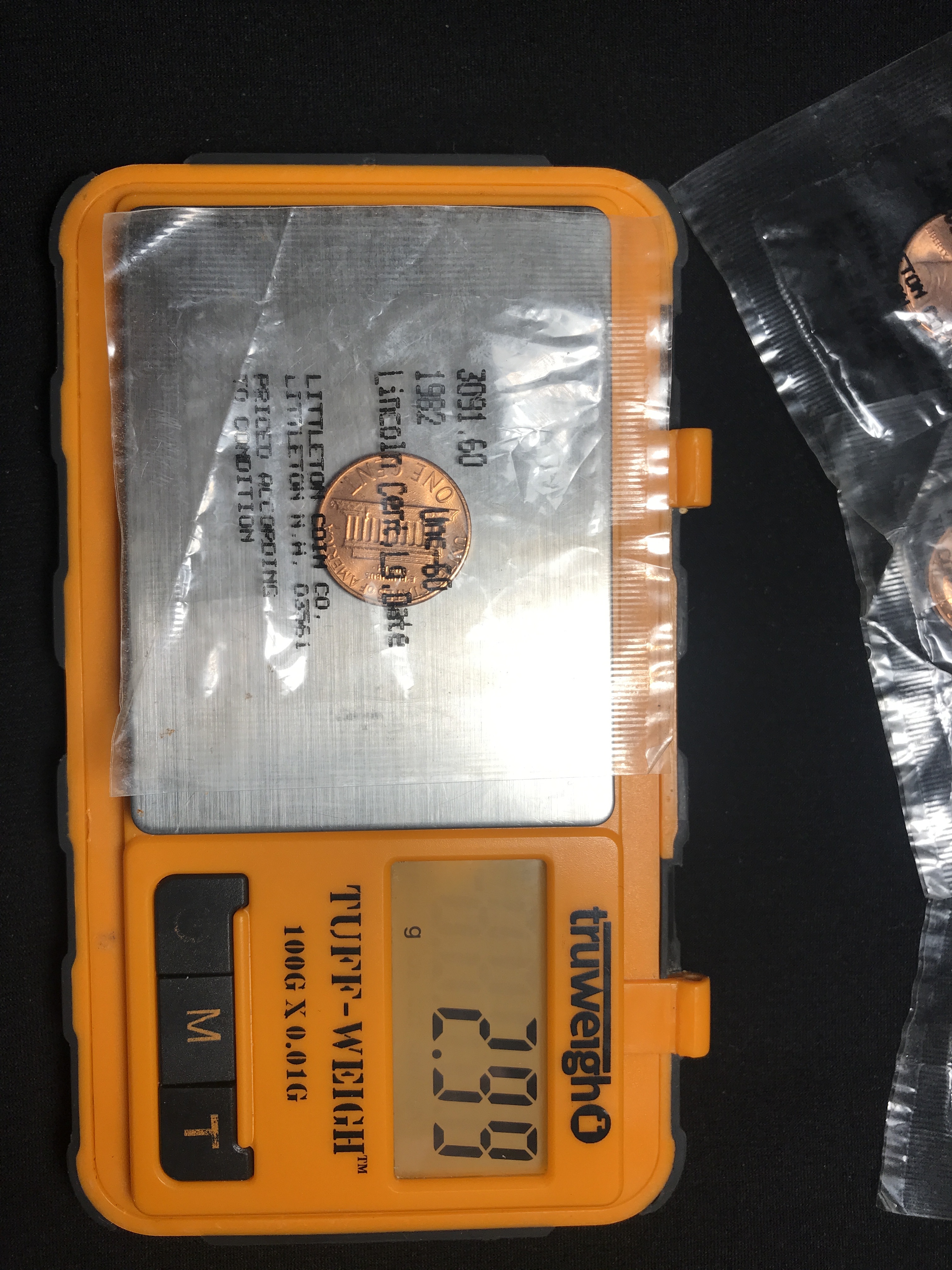
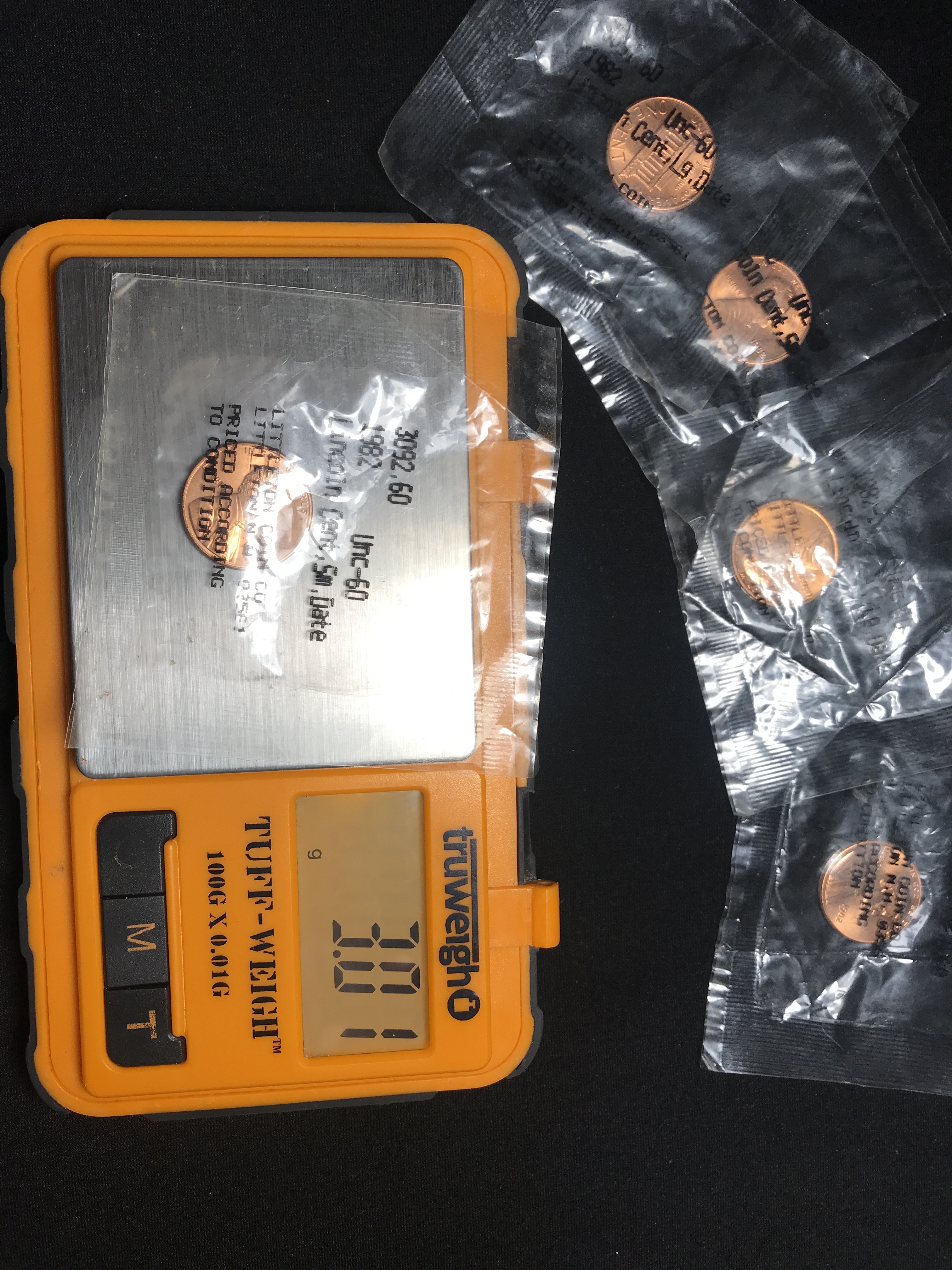
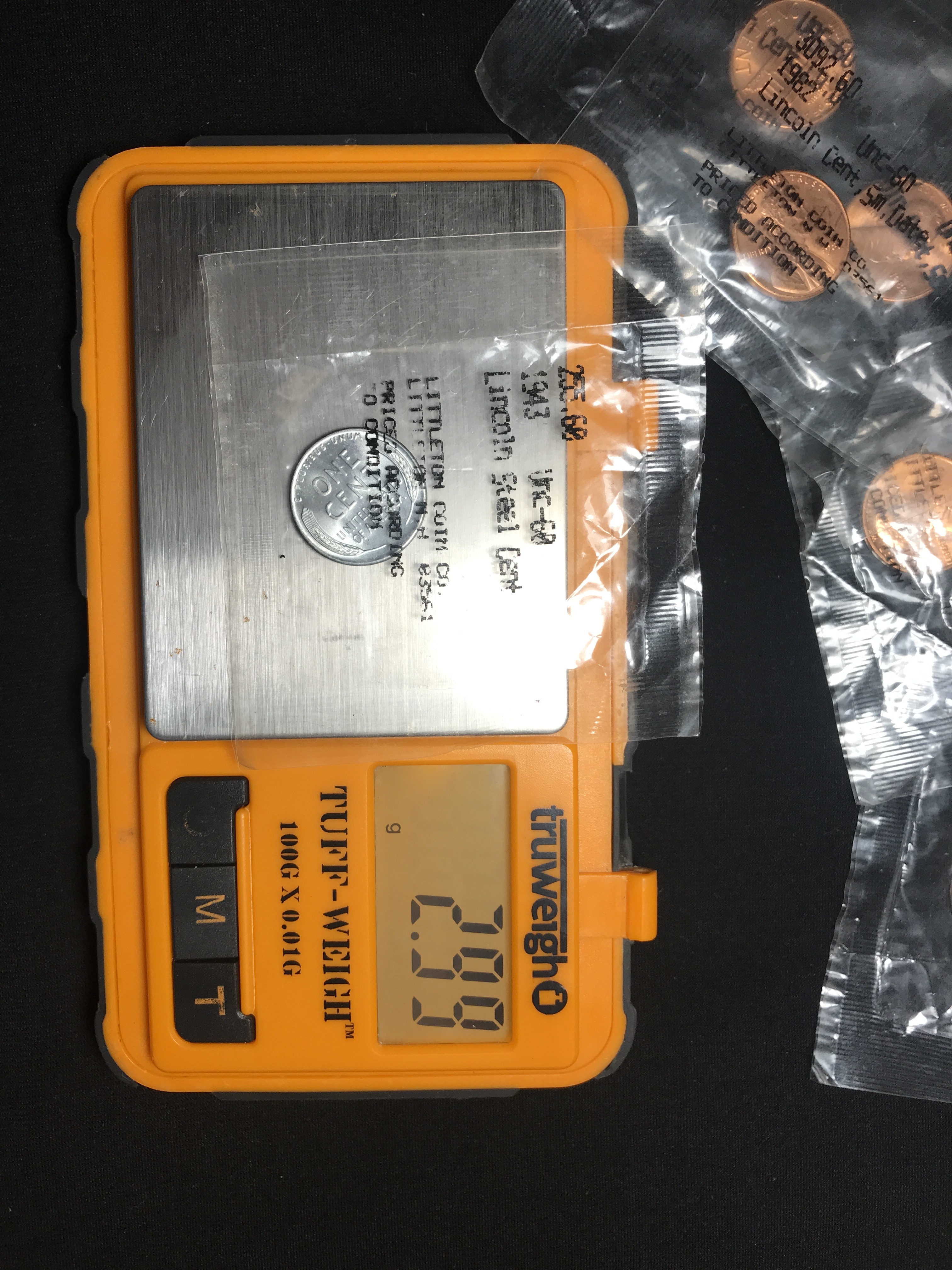
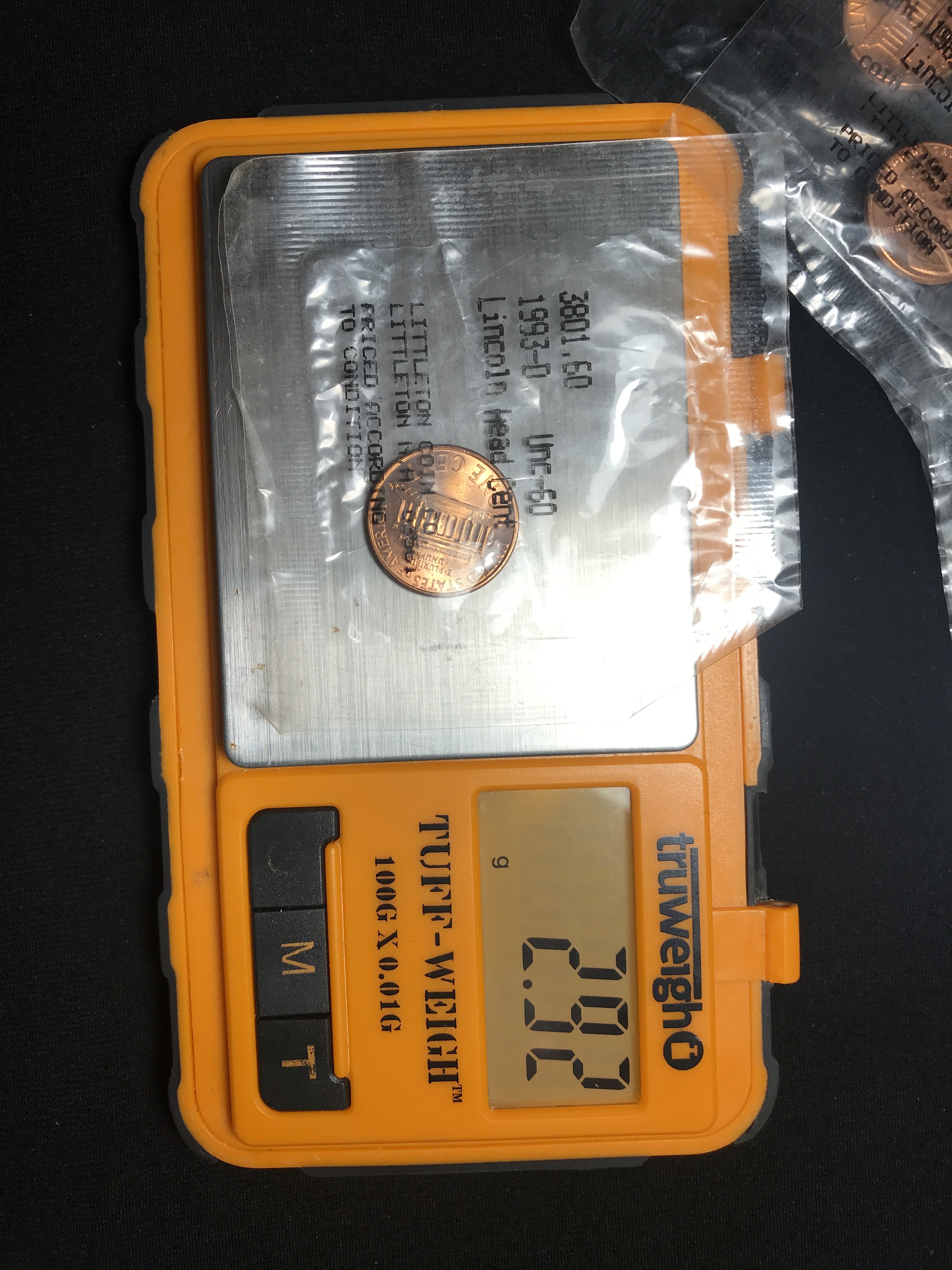
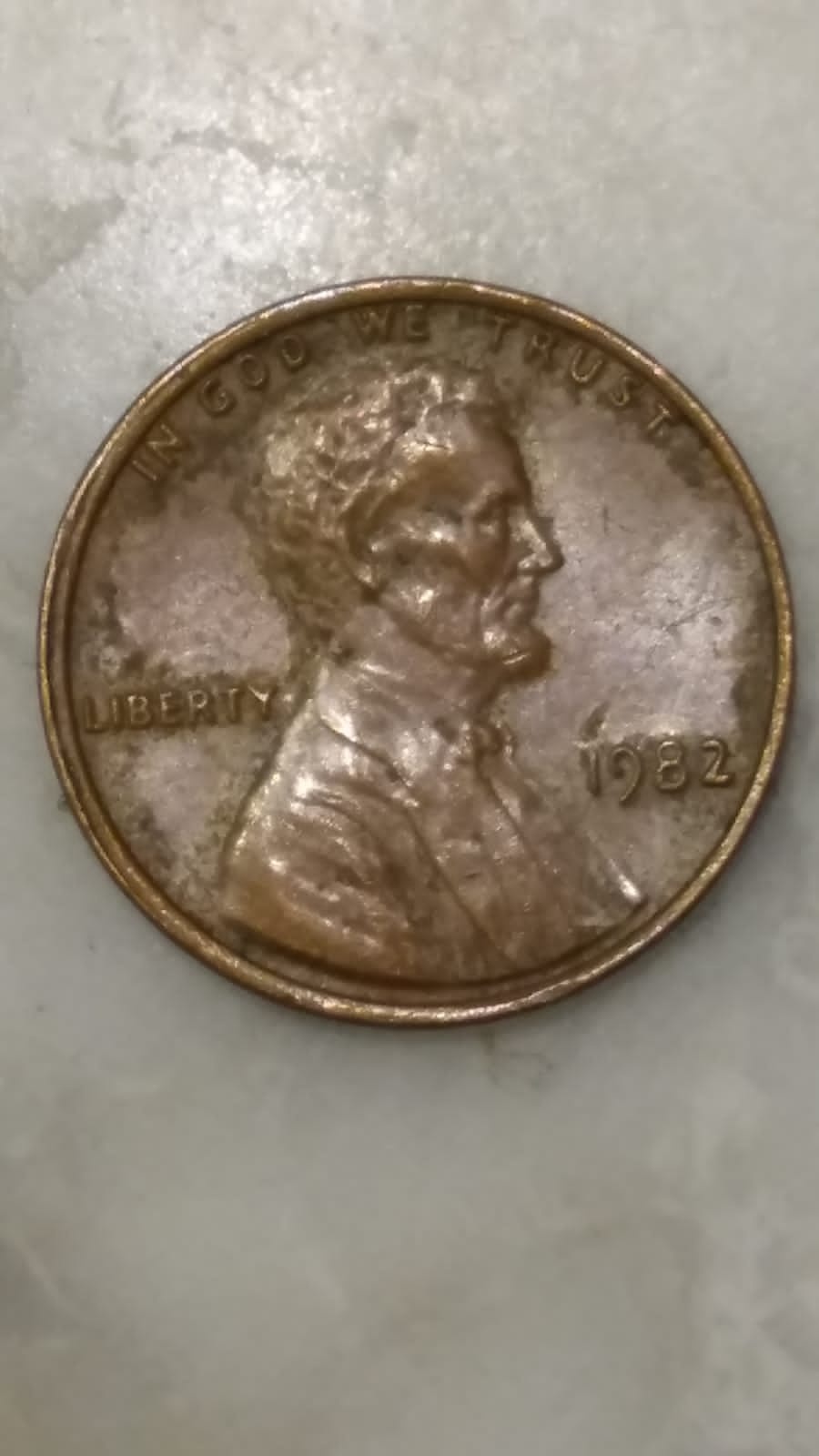
      What could you tell me about these; they were my mothers and they were the only ones uncirculated in the collection?

    2. JoshuaTheFunTimesGuide Avatar
      JoshuaTheFunTimesGuide

      Hi, Kaitlin —

      I appreciate your reaching out; I was a little excited when I saw the 1982-D small date weigh in at 2.98 grams, indicative of a possible rare bronze planchet. But then I realized that all of the weights are about 2-3 tenths of a gram heavier than standard and thus am wondering if either the scale is off by a small bit or the cellophane packaging is throwing off the weight. Unfortunately, if the weights aren’t quite right then nothing here is rare, but all the coins are in uncirculated condition. I’d put the value of the coins I see here in the $3-5 range.

      All my best wishes,
      Josh

  4. Erin Kahren Avatar
    Erin Kahren

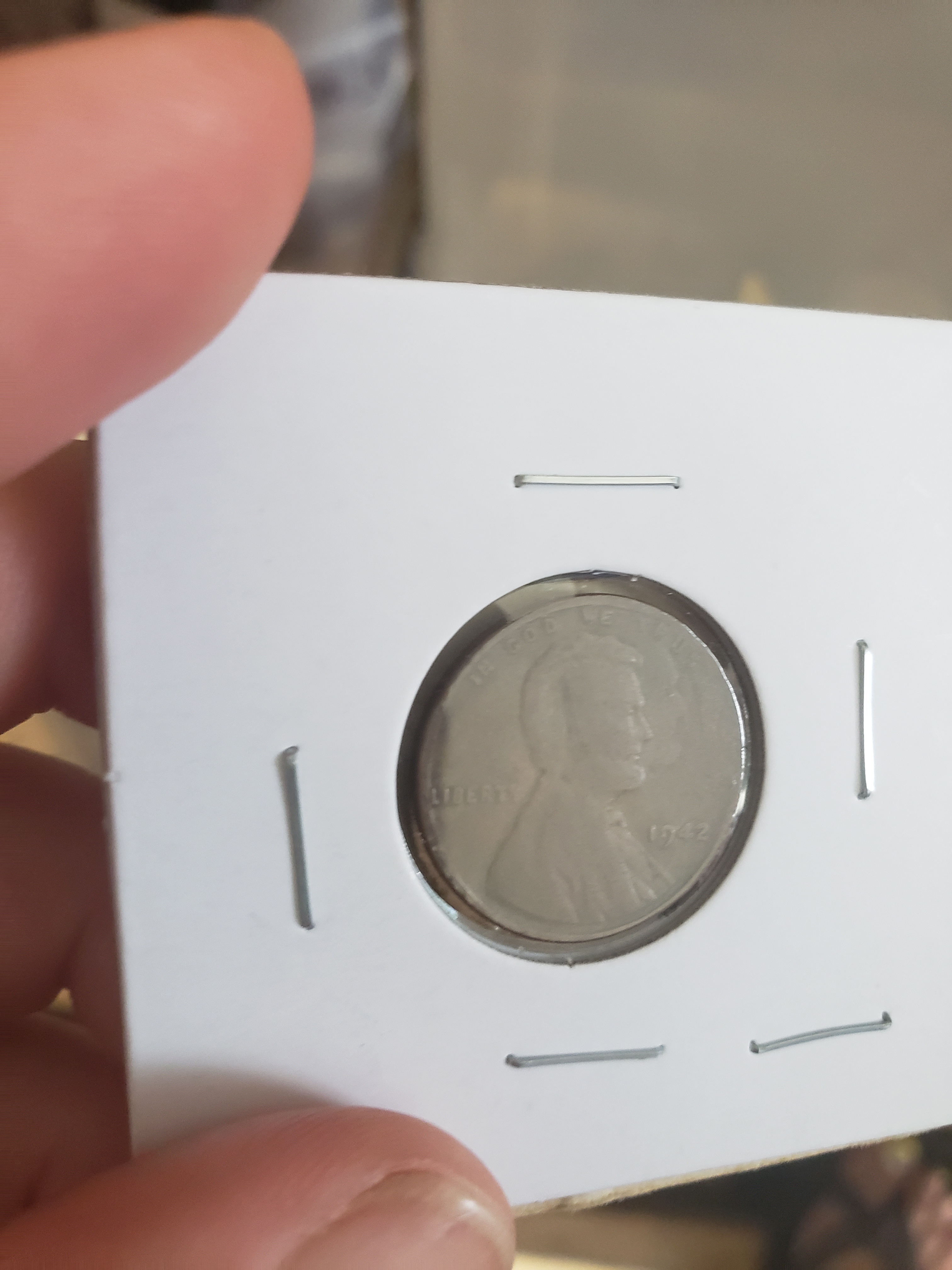
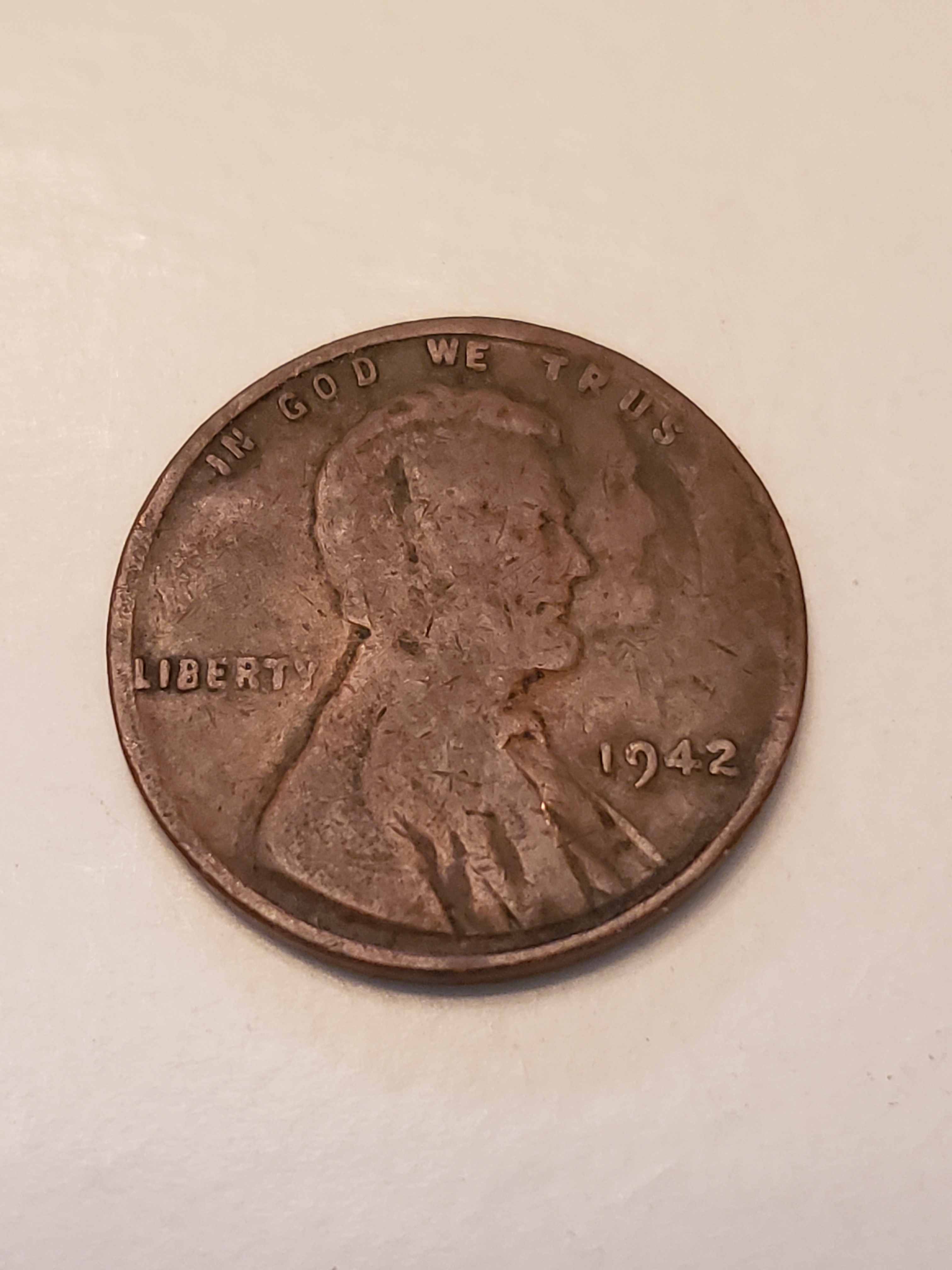
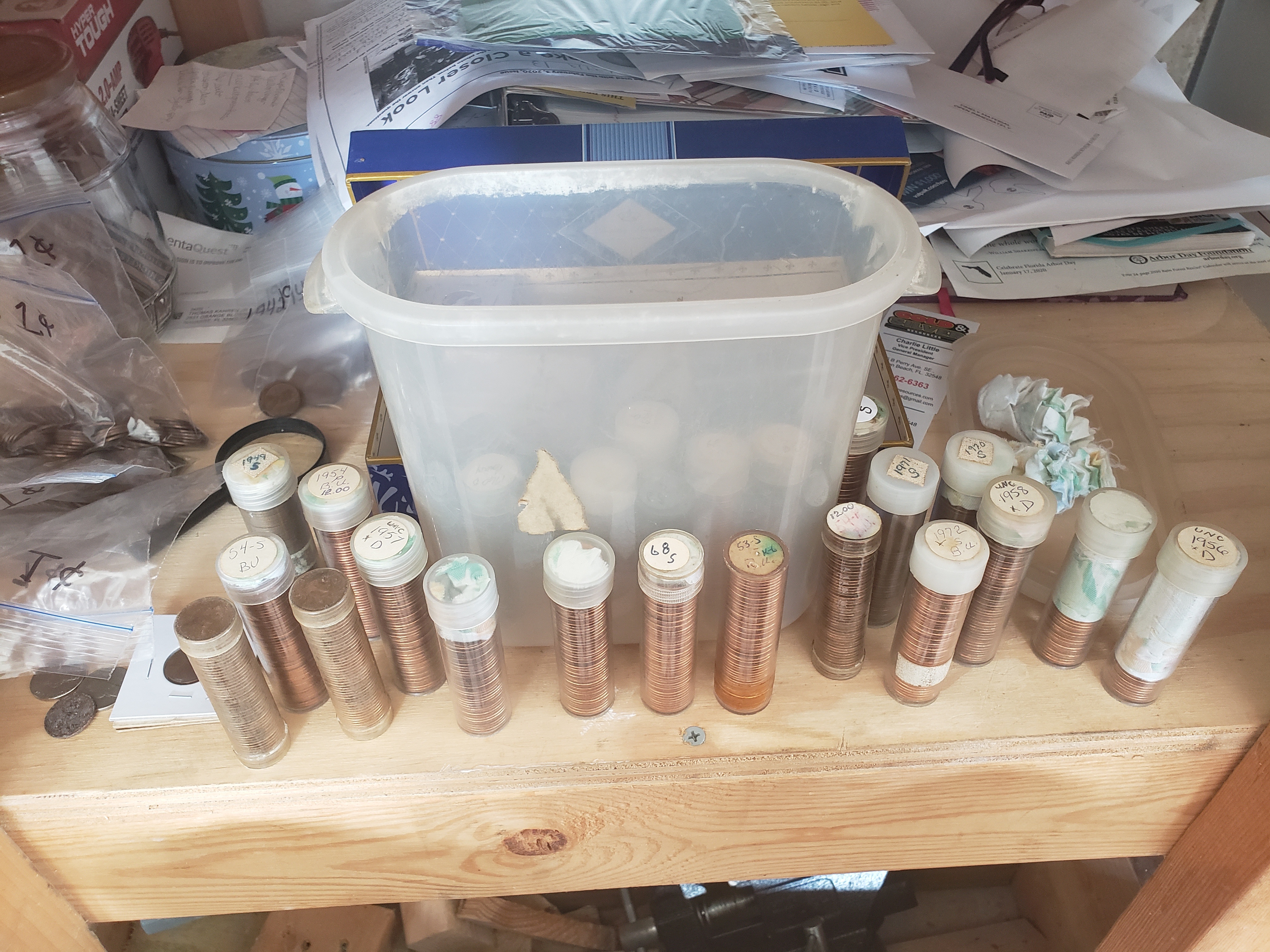
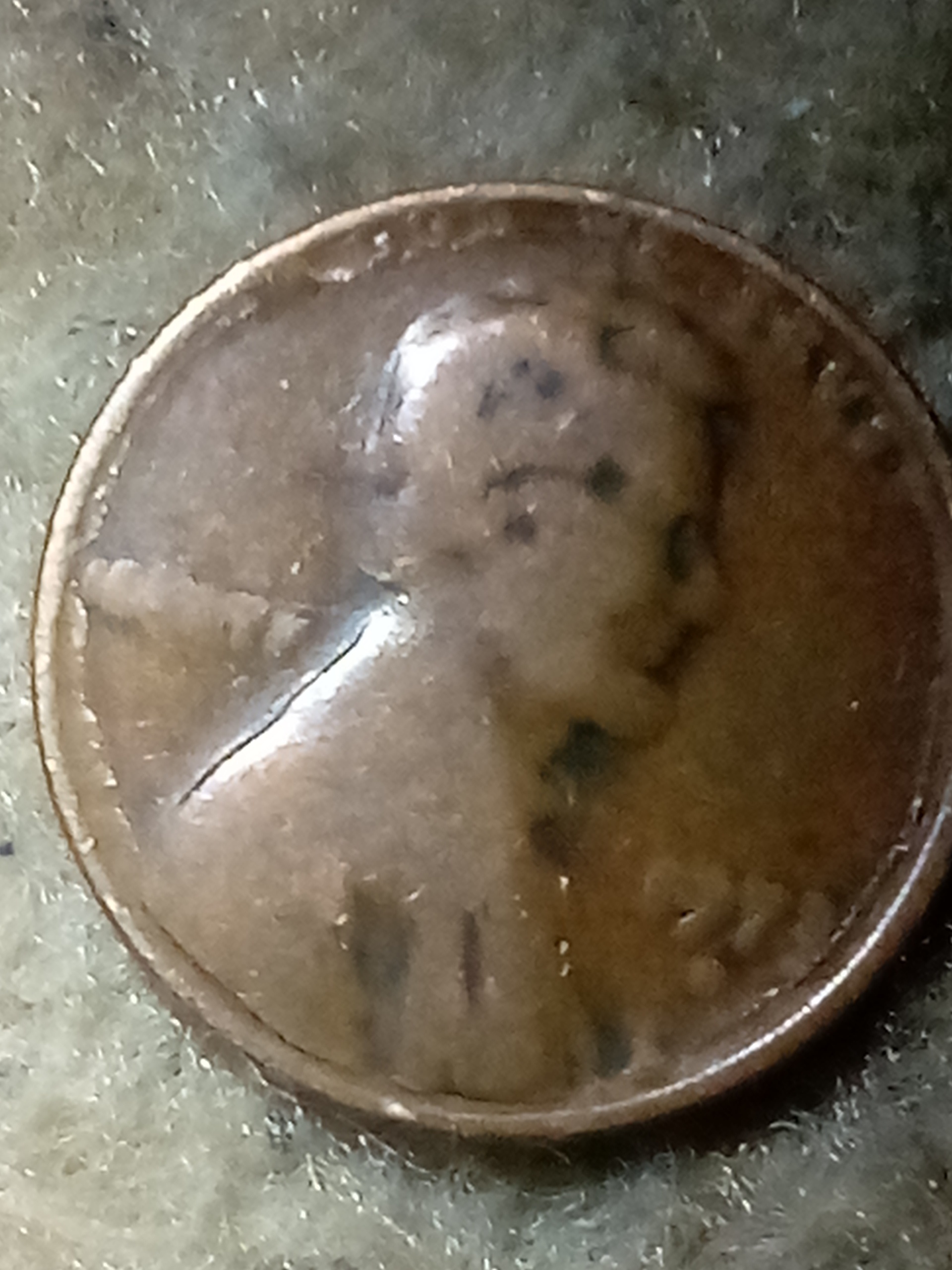
    Hello! First, let me say, I have never collected coins before and find that it is so much more confusing than I ever thought. So, that being said, I inherited a collection of coins and most of them are pennies. Some of them are single packaged with writing on it, the rest in clear rolls, and all of it was stored in a small box and an upright plastic container (not a well organized collection). There is one penny that has me completely intrigued and stumped, I have sent out photos and emails to various collection places and also taken it to a gold & silver, coins & collectibles dealer….. but so far everyone is unsure or stumped like me and they all say to have it authenticated. It is a 1942 Lincoln Wheat Penny and Lincoln’s face is extended or looks like 2 faces. The dealer said the weight of the penny is correct, but he hadn’t seen anything like it. Just curious what your thoughts may be on it, thank you.

    https://uploads.disquscdn.com/images/326308b72a8c64a38e6df67271ba87d738234363e7f1ba7bb980ede1988b6fb5.jpg

    https://uploads.disquscdn.com/images/578cfc4c2263b44a137c12c64ca9e0d0006d09188de60f36ce3486e3e1ebe544.jpg https://uploads.disquscdn.com/images/c37dfa85fa9ec2f1a919b36a7449243006dccd276e79603a619a828eb377645d.jpg

    1. Erin Kahren Avatar
      Erin Kahren

      Sorry, Josh. I just realized I have posted on here before about the 1942 penny, oops, I guess I’m still on the hunt for answers. But I didn’t post an image last time of the collection, what would you suggest I do for the rest of it? Most of them seem to be in mint condition 1940s, 1950s, 1960s, and 1970s with some other years thrown in, too.

      1. JoshuaTheFunTimesGuide Avatar
        JoshuaTheFunTimesGuide

        Hi Erin,

        It’s the classic collector’s lament! The answer depends on your long-term collecting goals…

        Do you plan to keep these pennies for a collection? Or would you rather trade them using the value to buy other coins or other things outside the hobby altogether? As for the individual merits of the coins you mentioned, it’s quite possible that a few offer varieties or especially nice specimens worth way more than typical uncirculated specimens.

        Are these pieces you wish to try identifying? It could be a laborious task but might pay off if you’re lucky.

        Here’s a list of more valuable varieties you might encounter with these coins: https://uscoinsguide.com/us-error-coins-list/

        All my best,
        Josh

    2. JoshuaTheFunTimesGuide Avatar
      JoshuaTheFunTimesGuide

      Hi, Erin —

      As far as I can tell the coin appears to be excessively worn with only a few deep lines visible as details; those rather vertical recesses along the back of Lincoln’s body and head don’t demarcate the edge of another impression of Lincoln but are in fact normal when seen with this much wear.

      Still it’s a neat old coin, especially as 1942 Lincoln wheat cents are long obsolete anyway!

      Best wishes,
      Josh

  5. Dylan Avatar
    Dylan

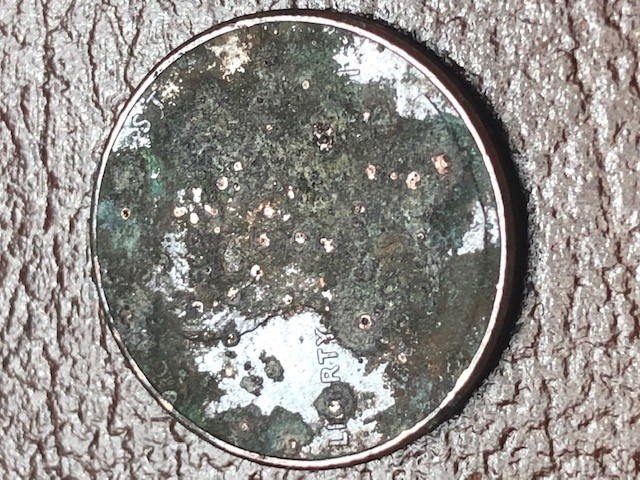
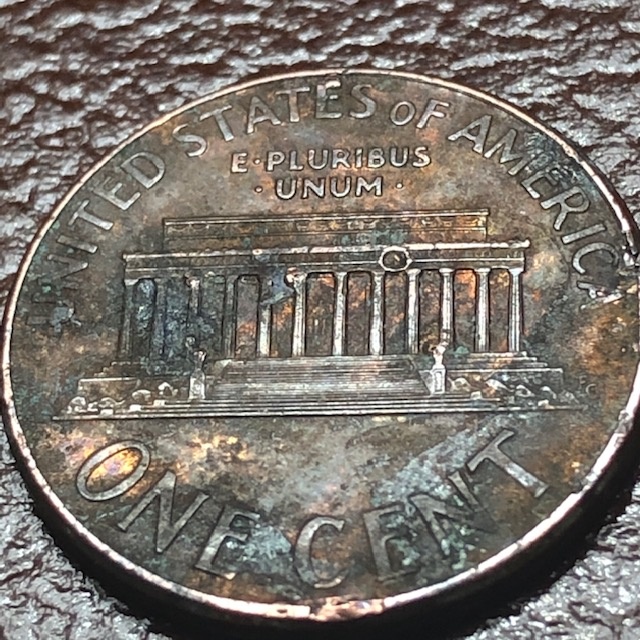
    https://uploads.disquscdn.com/images/0274d709ab8b90186f63fff742b82394533ba0e16e73778b5d2859be5bb17206.jpg https://uploads.disquscdn.com/images/82f5d09fa412c1a419d30aeb2f9941ce6d8ff77dcc1d264915ee7f2dc5c30f5d.jpg Hi Joshua,
    I found this coin in my coin jar and is it worth anything? Here are some photos of it and notice the silver look and it looks rusted. Tried to clean with toothpaste.

    1. JoshuaTheFunTimesGuide Avatar
      JoshuaTheFunTimesGuide

      Hi, Dylan —

      This is a post-1981 zinc-based Lincoln Memorial cent that has been heavily corroded, exposing its silvery-colored zinc inner core. This piece is worth face value.

      Best wishes,
      Josh

    1. JoshuaTheFunTimesGuide Avatar
      JoshuaTheFunTimesGuide

      Hi, Rolly —

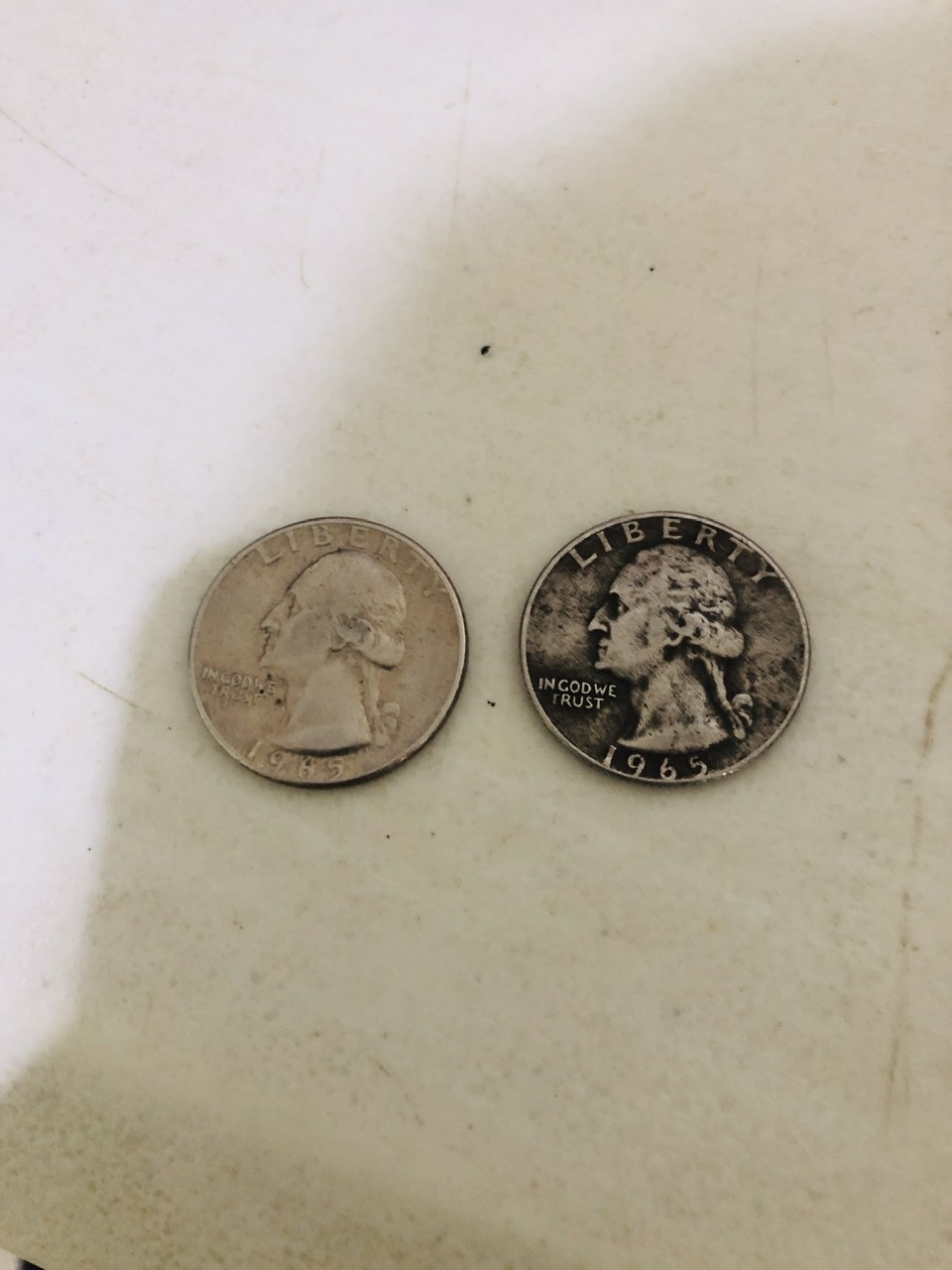
      The 1965 quarter on the right has a darkish appearance thanks to dirt and other foreign matter accumulated either through normal circulation or intentional antiquing post mint. It is worth face value.

      Best wishes,
      Josh

  6. Blackazz Avaxana Avatar
    Blackazz Avaxana

    Hello Josh, I’m new to coin collecting..I join DISQUS because I’m confused about coins value and what’s it’s worth I’ll post up picture for u to check them out …if it’s the coin the collecting r maybe sales it to the collector

    1. JoshuaTheFunTimesGuide Avatar
      JoshuaTheFunTimesGuide

      Please post a couple clear photos of the coin here and I’ll be glad to help as best I can!

    1. JoshuaTheFunTimesGuide Avatar
      JoshuaTheFunTimesGuide

      Hi, Gold Eagle —

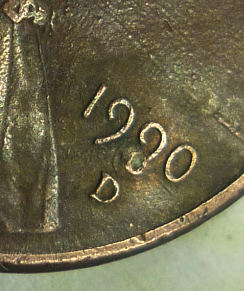
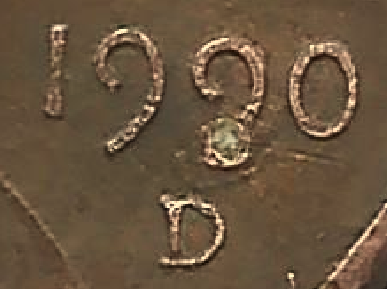
      It looks more like a crater or a worn down bubble or blob (solder?) to me; if it’s a crater it was possibly caused by puncture-type post-mint damage. It couldn’t be a repunched mintmark because that second aberration is a different shape and much smaller than the “D” mintmark…

      Best wishes,
      Josh

      1. Gold Eagle Avatar
        Gold Eagle

        Got it and I am taking advantage of this one post my comp is crashing on me, it goes off whenever it pleases grrrrrrrrrr!!! getting worse, but I do want you to know I really appreciate all your help and i wish to fi https://uploads.disquscdn.com/images/5c9ca014938c25bf744325fdde16bf4badefbd8b8244acd8c9998829fd4f619f.png nd a site as cool as this one for stamps, and find more cool people like you. So I have this last one, can you please tell me what you see here? https://uploads.disquscdn.com/images/e18499793f1a3d4338b51ad03c37b8018649cfb81d84c3dad89ea3a56acd2d88.png They are the same but one is my B uuuuutiful orange camera the other is the comp, And thank you again for every thing. *Best wishes*

        1. JoshuaTheFunTimesGuide Avatar
          JoshuaTheFunTimesGuide

          Hi, Gold Eagle —

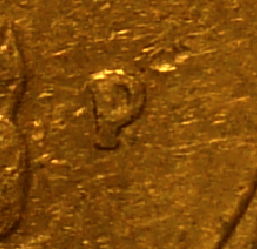
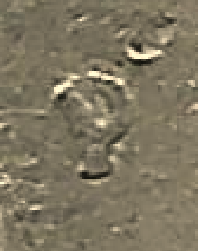
          I’m not really sure what you’re wanting me to look at… Hmmm… Is it the gouge above the “P” mintmark? Or is it something about the “P” mintmark? The gouge is post-mint damage… The “P” mintmark looks worn and perhaps slightly damaged but otherwise normal.

          I appreciate your kind words and am happy to help out… My prime goal as always is to educate so that you’ll be able to figure out this stuff on your own 🙂 As they say, give a person a fish and they eat for a day, but teach them how to fish and they eat for a lifetime. If I can help any further please let me know!

          Best wishes,
          Josh

  7. Rafique malek Avatar
    Rafique malek

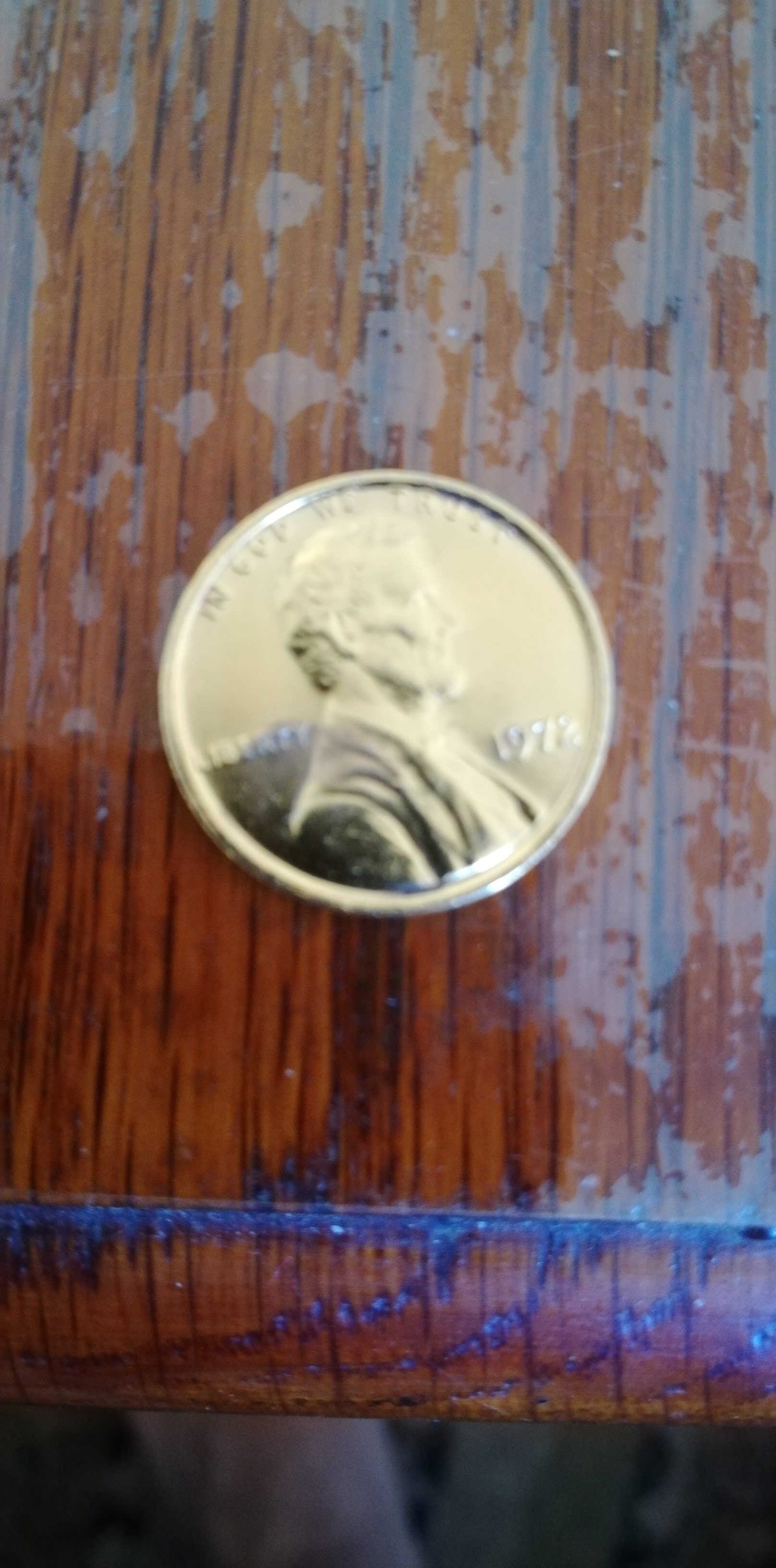
    Hi there , My name is Rafique, i have 5 1972 coins that are gold plated. i pulled them out from a paper weight. the thing is while taking them out i damaged one coin and could see that the metal looked very shinny, looked Silver..it is non magnetic, i think that they are made from Aluminium.will you have a look and advise me if they are real or not. its weights 3,10 grams , has the VDB on obverse. i no that Alu penny’s were made in 1974, let me no what you think. thank you

    1. JoshuaTheFunTimesGuide Avatar
      JoshuaTheFunTimesGuide

      Hi, Rafique —

      It’s hard to tell with the lighting exactly what color that is, but if it weighs 3.10 grams, that’s correct for a bronze penny. The aluminum cents of 1974 weigh just less than a gram, so that’s a significant difference in weight. The zinc-plated steel cents of 1943 also weighed less — about 2.7 grams. Perhaps you can submit your coins to a professional numismatist who can look at them in-hand and evaluate?

      Best wishes,
      Josh

      1. Rafique malek Avatar
        Rafique malek

        morning Josh, much appreciated for your reply and your response time. i think you right , i will try and send it one of them.thank you again, oh , by the way ..Great Article. good day

        1. JoshuaTheFunTimesGuide Avatar
          JoshuaTheFunTimesGuide

          You’re welcome and good luck, Rafique!
          -Josh

    1. JoshuaTheFunTimesGuide Avatar
      JoshuaTheFunTimesGuide

      Hi, Rachel —

      I’m afraid these are weakly struck specimens representing a late die state; they don’t really have any extra value due to the partially missing letters.

      Thanks for reaching out,
      Josh

  8. Rachel Avatar
    Rachel

    I have this 1982 pennies that are missing letters STA in states and E in epluribus are they worth something

  9. Jerry Avatar
    Jerry

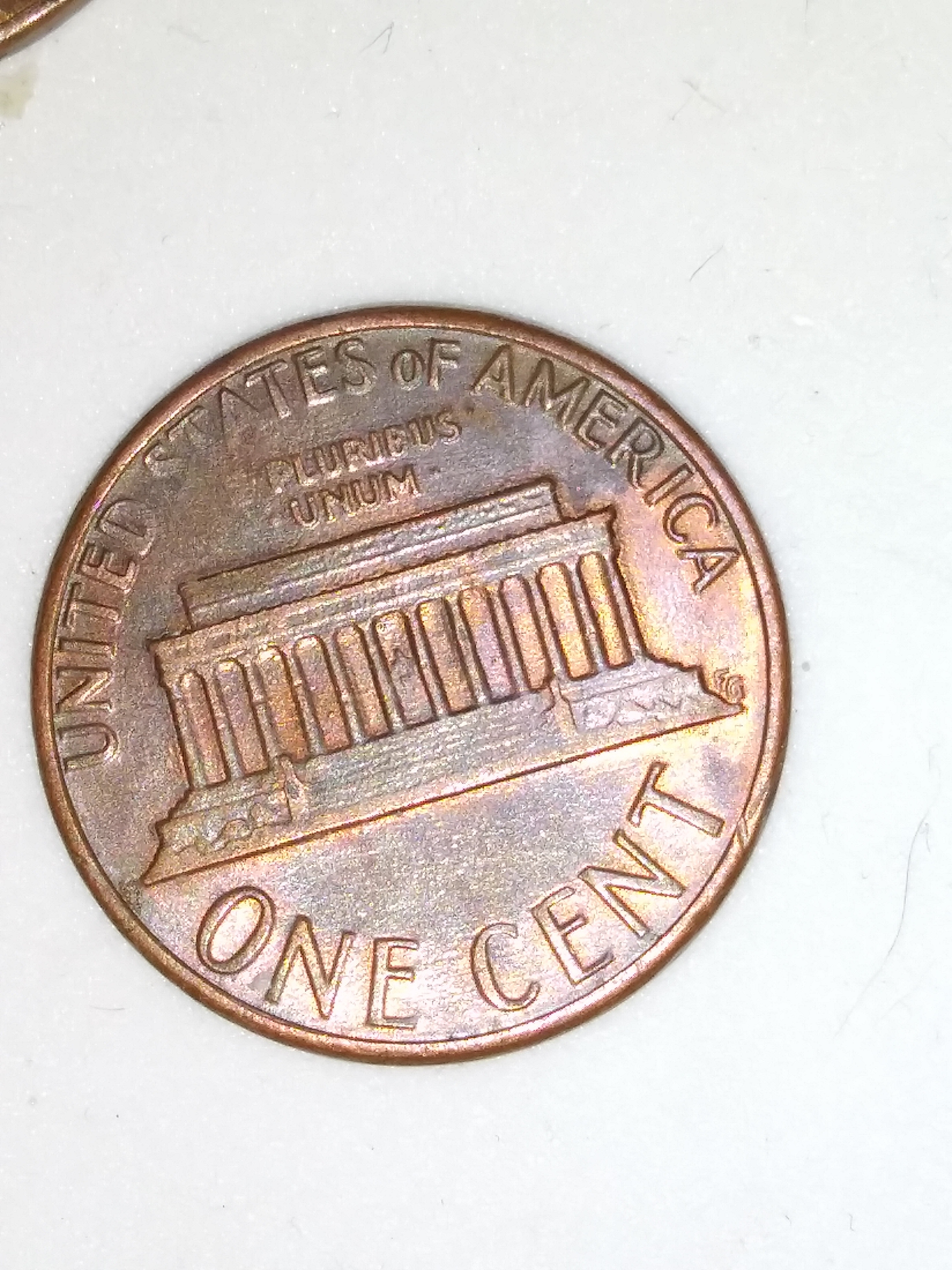
    https://uploads.disquscdn.com/images/2eaf536c0cae5f85163505df036289dafa5eafba19f5ae3344c32d4a1e433ba0.jpg Here’s a weird one. The raised areas on the penny appear to the same copper as the rest of the penny and not some other material. The obverse of the coin is normal. It weighs 3.09 g.

    1. JoshuaTheFunTimesGuide Avatar
      JoshuaTheFunTimesGuide

      Hi, Jerry —

      The ripples may be old adhesive. Try safely soaking the coin in acetone for a few minutes and see if the adhesive (?) — and ripples — disappear.

      Best wishes,
      Josh

    1. JoshuaTheFunTimesGuide Avatar
      JoshuaTheFunTimesGuide

      Hi, Chris Jessica —

      In the photos it actually appears like it *may* be a die trial strike — both sides show similar weakness. But it would really take an in-hand evaluation to make a call like that. My best suggestion is to send these photos and possibly the coin to the experts at CONECA (www.varietyvista.com) to make a determination between a die trial strike or plain old wear.

      Fingers crossed!
      Josh

  10. BJ Avatar
    BJ

    Hi Joshua,

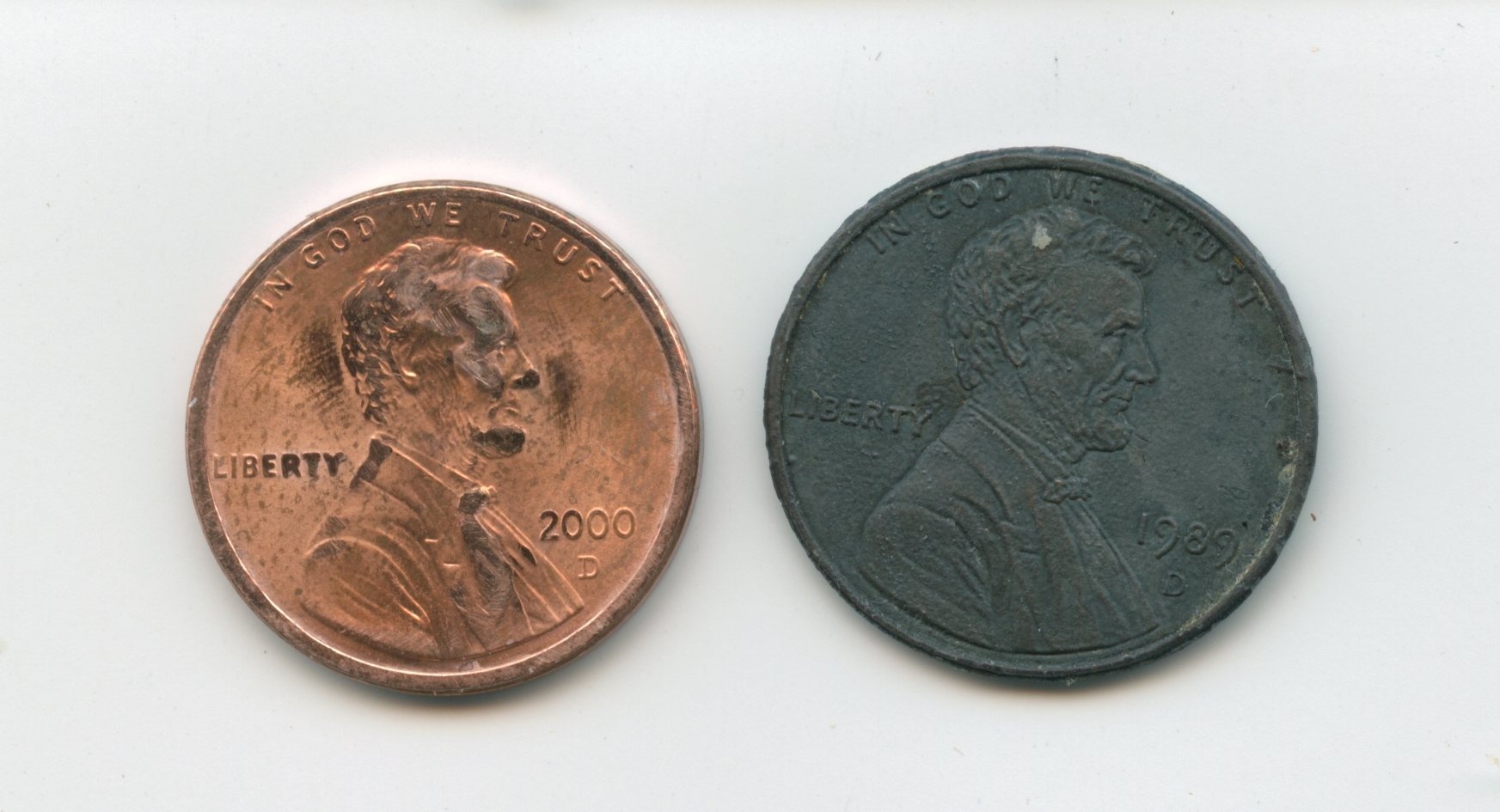
    I came across this 1989 D penny in my mother’s things. It is slightly larger than other pennies. Could you tell me what it is? (I have place another penny beside it for a size comparison). Thank you! https://uploads.disquscdn.com/images/e5623ba4915e525b31a81b06778a3b11988282413166385e8709ebcb5f484c81.jpg

    1. JoshuaTheFunTimesGuide Avatar
      JoshuaTheFunTimesGuide

      Hi, BJ —

      I have a piece just like this and it’s made from pewter… Though not an authentic coin it’s a neat novelty!

      Best wishes,
      Josh

    1. JoshuaTheFunTimesGuide Avatar
      JoshuaTheFunTimesGuide

      Hi, Richard —

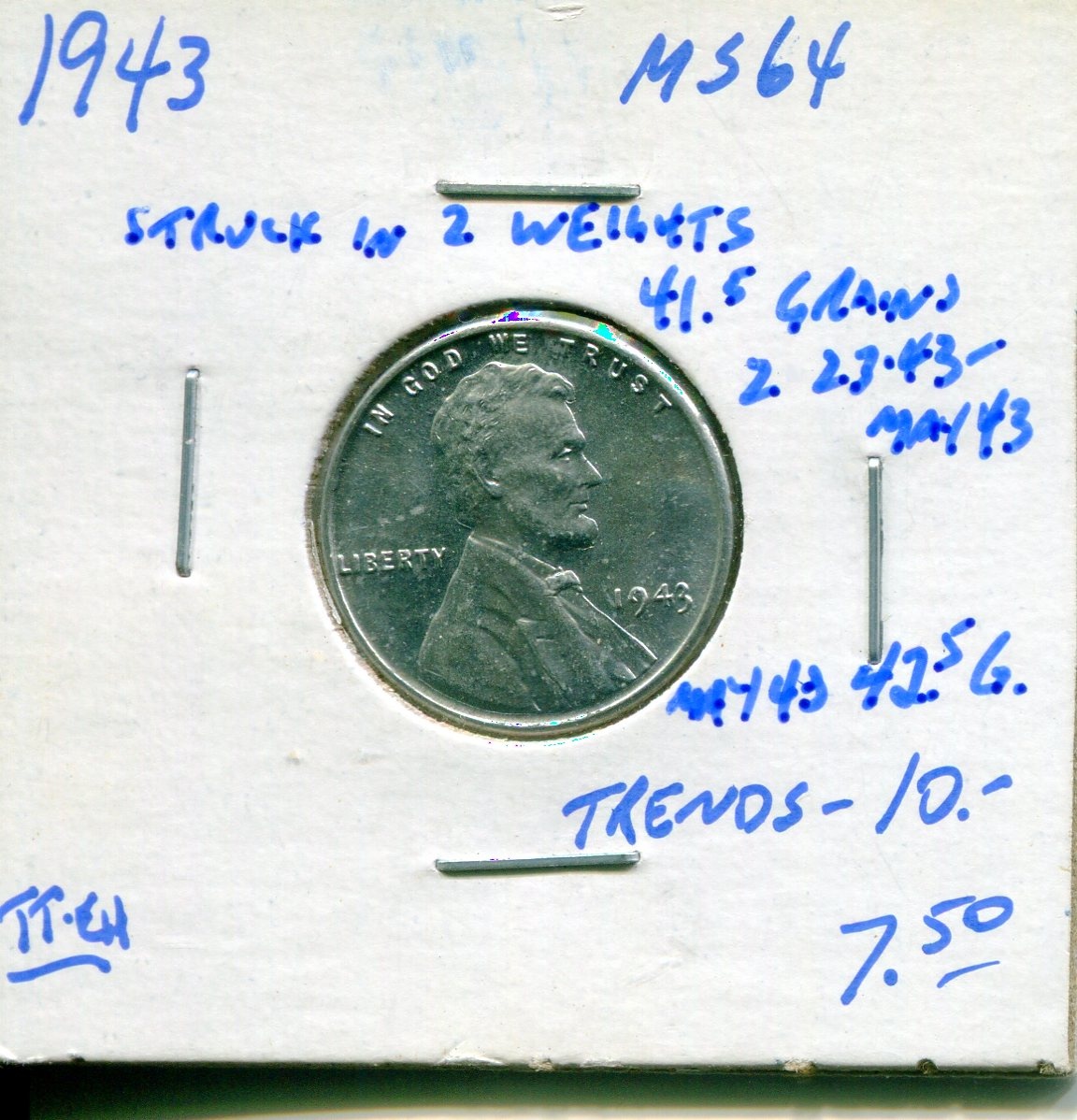
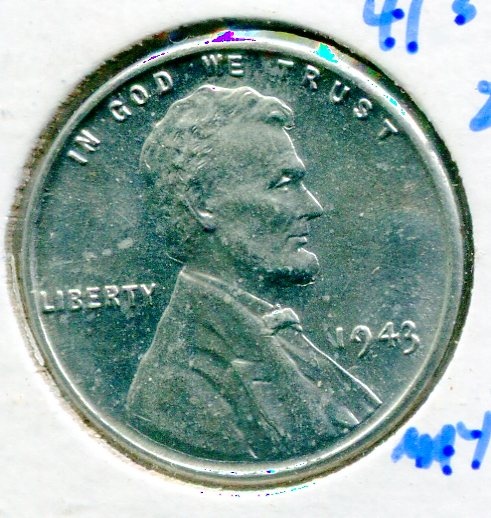
      Walter Breen goes into some detail on this topic in his seminal 1988 tome “Walter Breen’s Complete Encyclopedia of U.S. and Colonial Coins.” In short, the Philadelphia Mint ordered steel blanks in two weights (41.5 and 42.5 grains – 2.69 and 2.75 grams) that were also used for striking foreign coins (the U.S. Mint also made foreign coins under contract for some nations). The striking of 1943 steel cents using either of these two blanks came down to “lax” quality control at the U.S. Mint (per Breen). There is currently no value difference or major interest in pursuing 1943 steel cents of either weight standards. Hope this helps!

      Best,
      Josh

  11. Justin Avatar
    Justin

    Hello Josh,
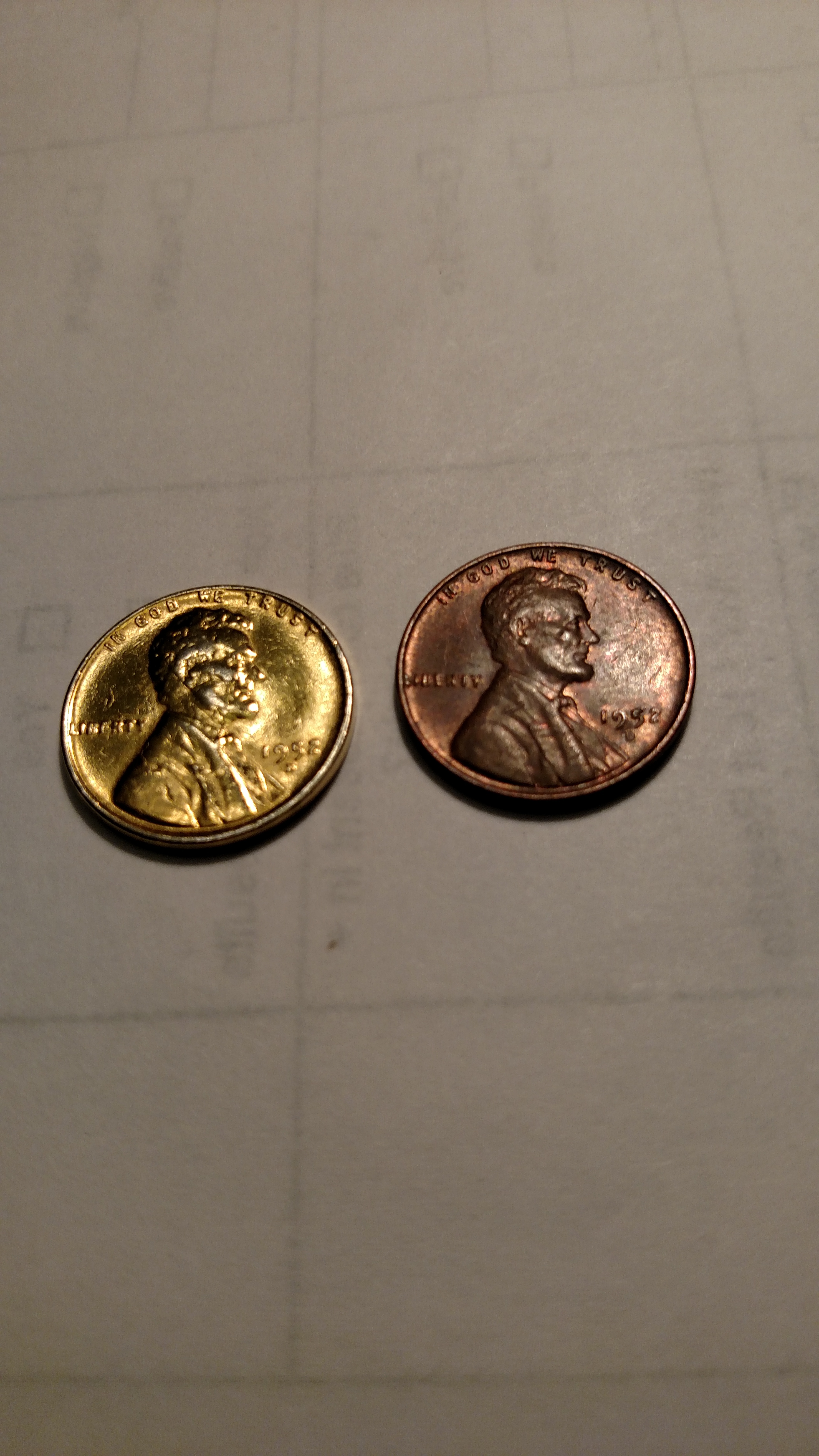
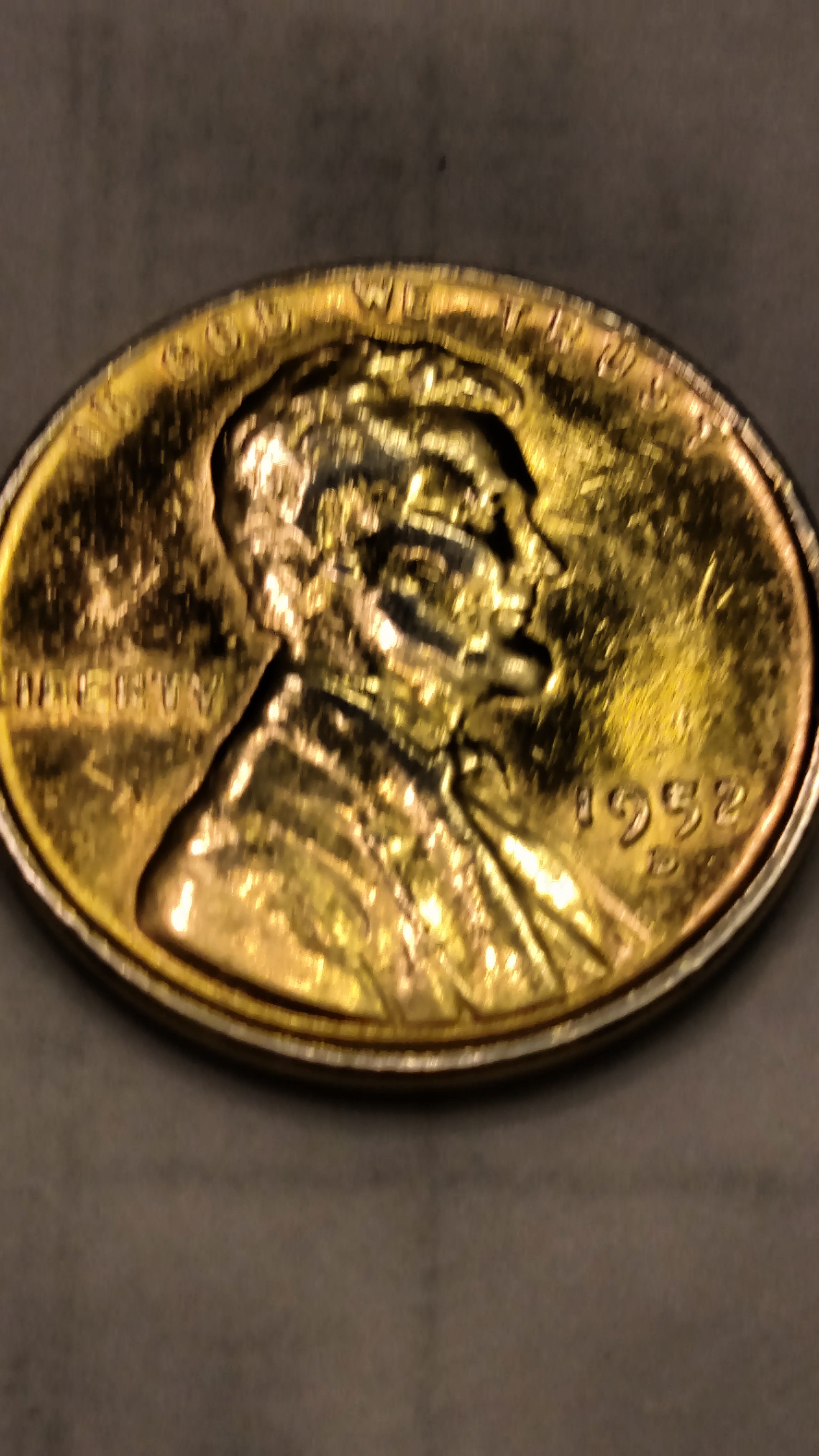
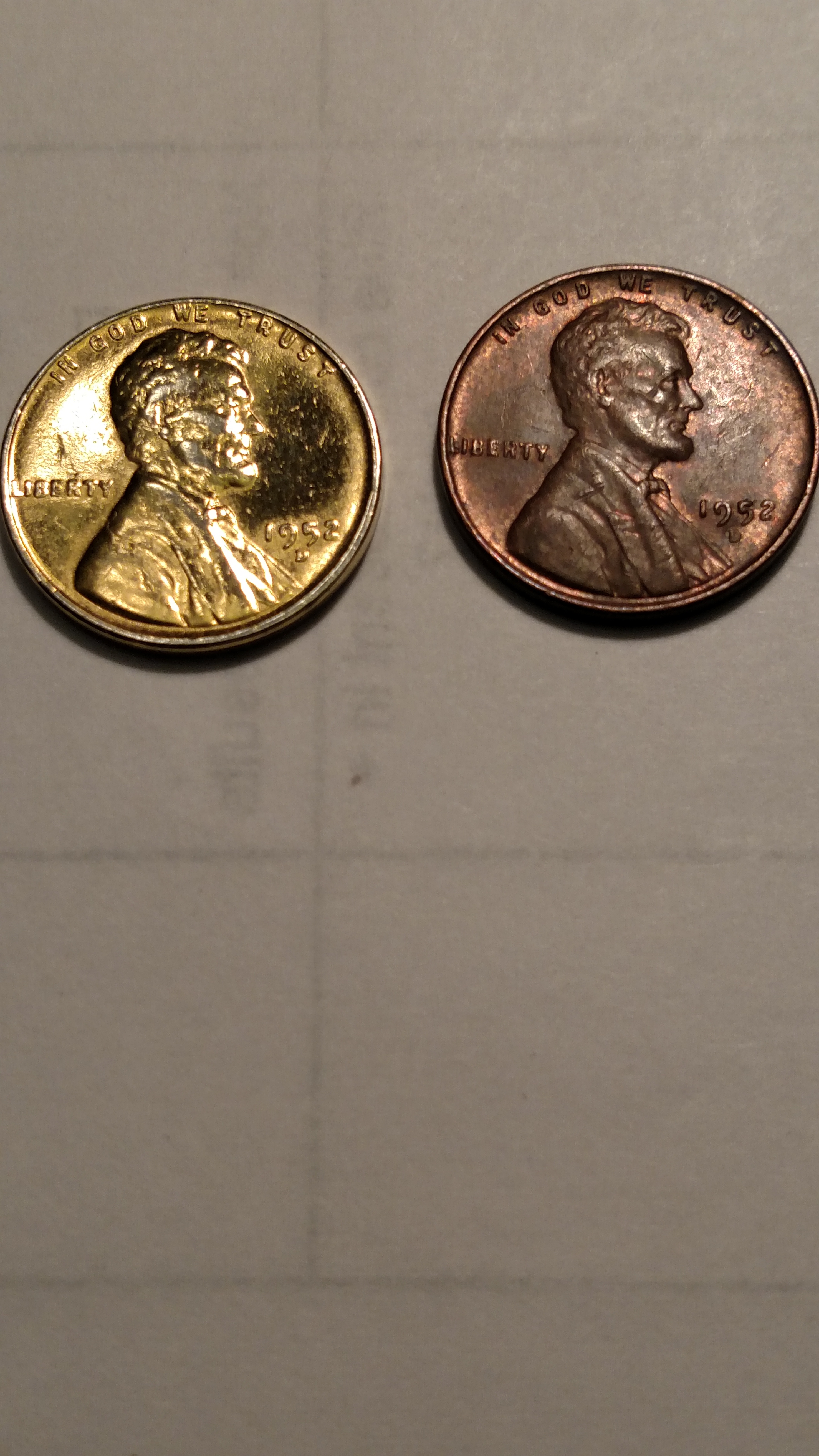
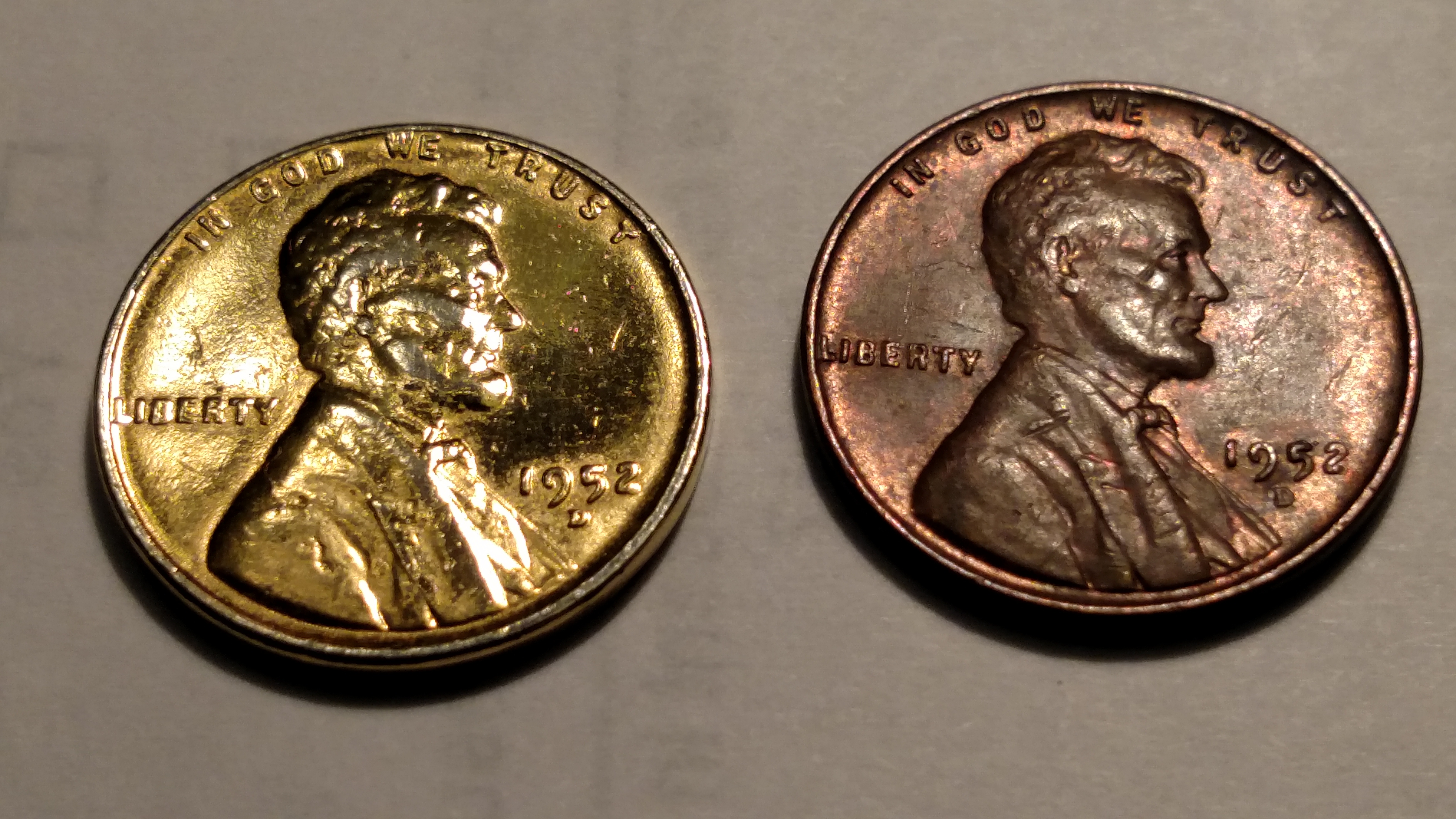
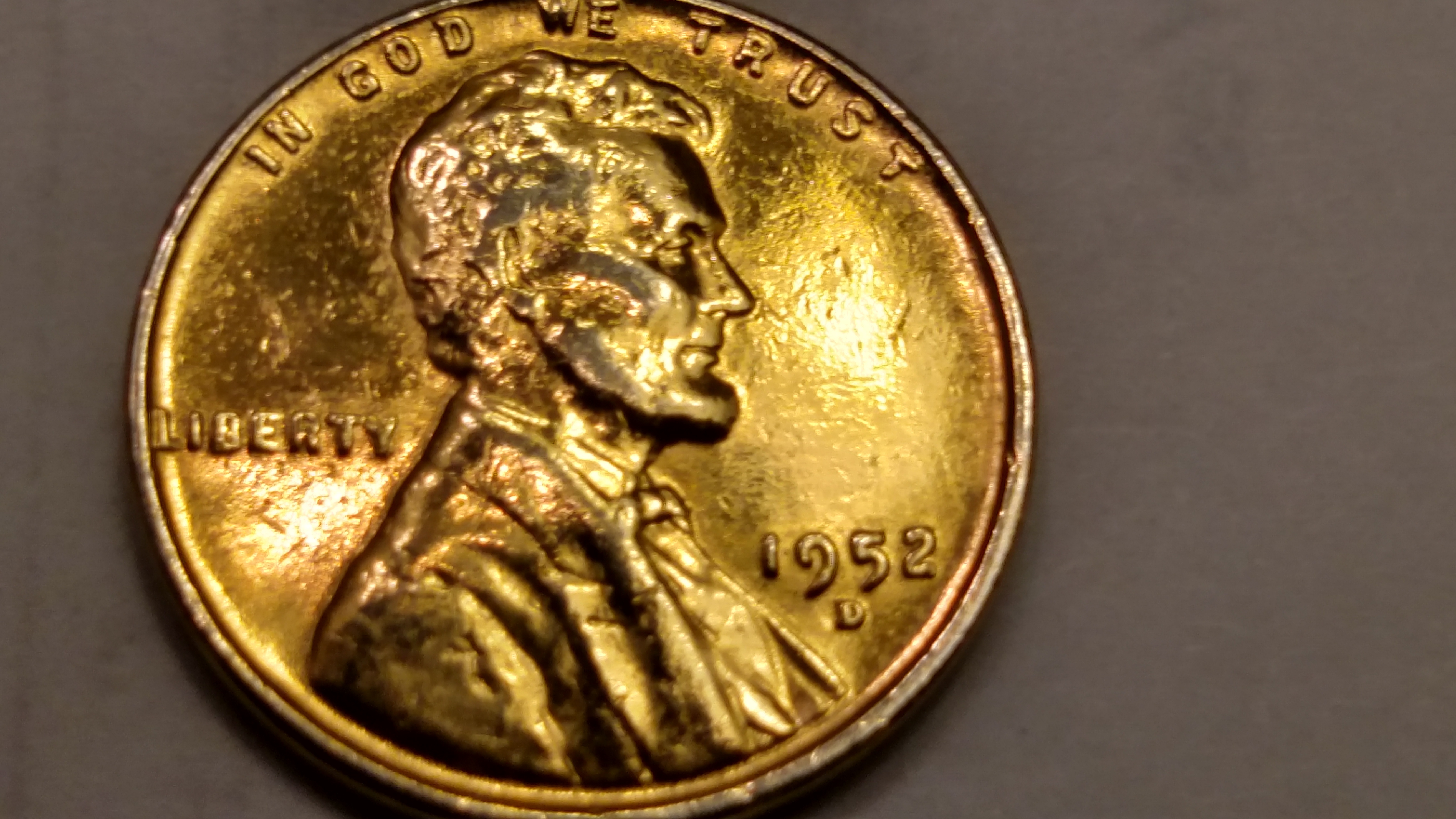
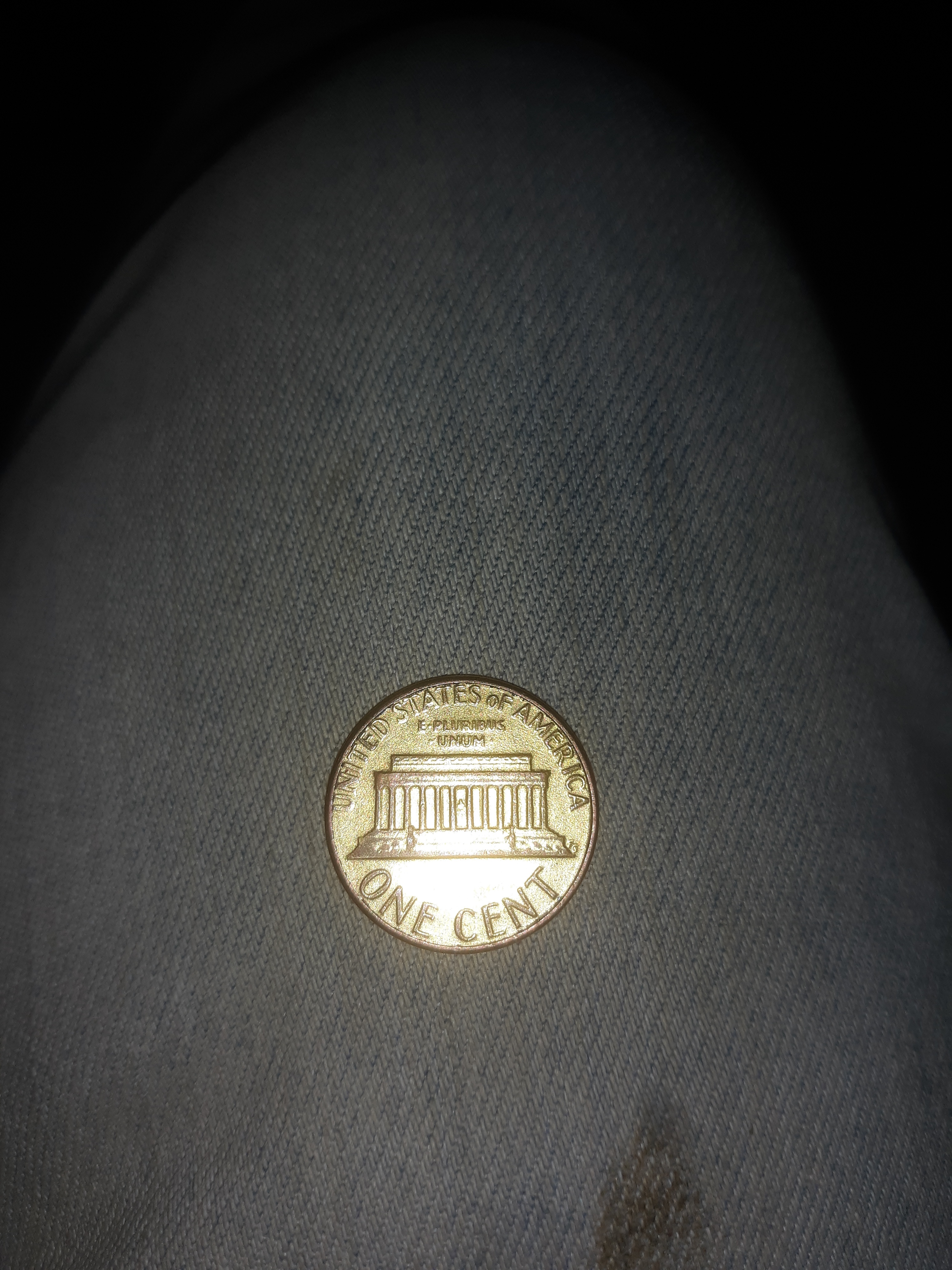
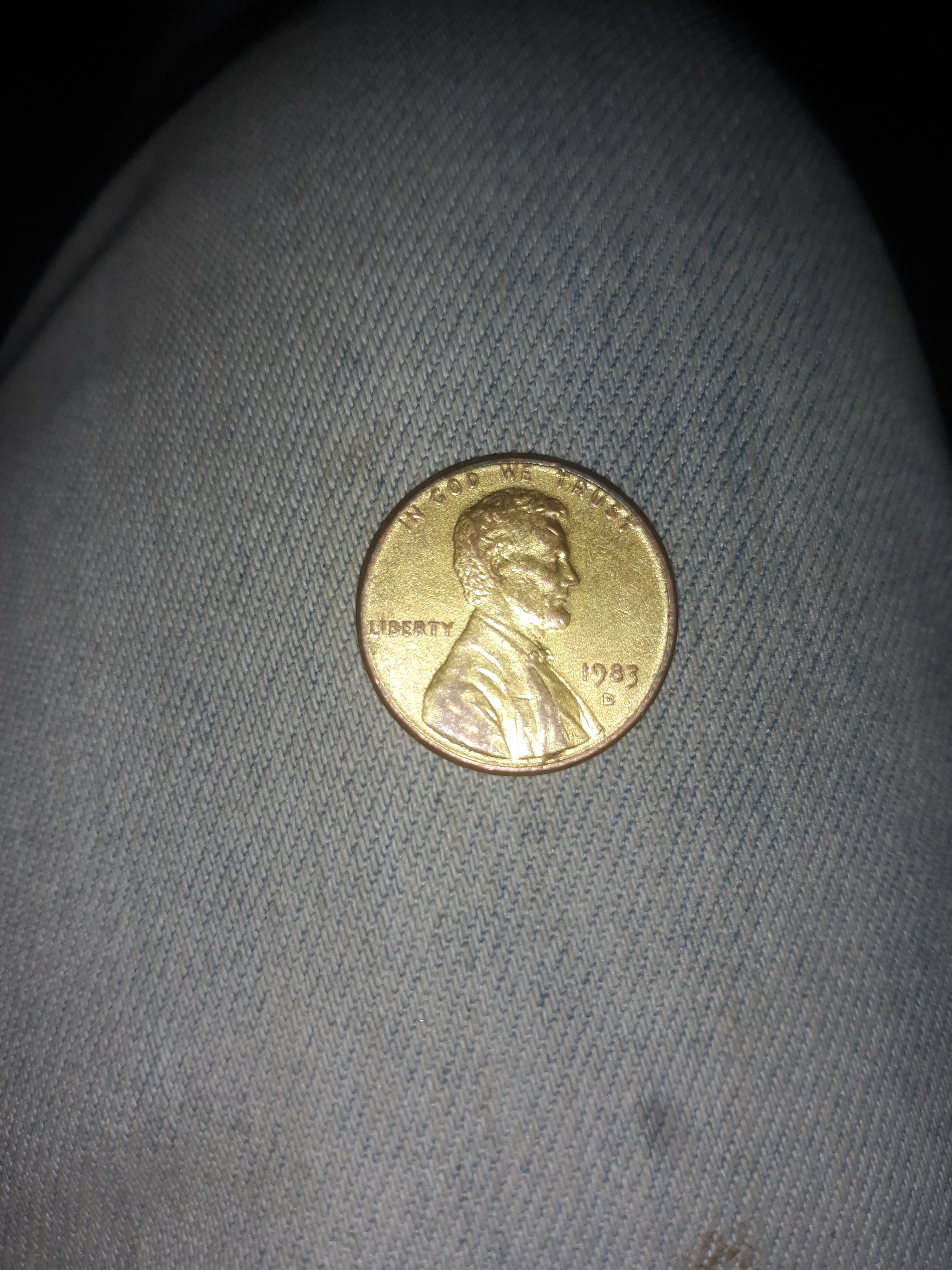
    What would this 1983D gold plated or gold hued discolored Lincoln be worth if anything? Is it consider an error coin? It weighs 2.52 I believe. Thanks for your time! https://uploads.disquscdn.com/images/fd0ef5a2bc9e4e8e2e97ab15c4bab9cbde59fe4d79674c99da672ac2bdff9bbd.jpg https://uploads.disquscdn.com/images/ac352f25f6c2009fa8e865c24a51ae674e28d1f55030ccf627748fe18f5fd823.jpg i9
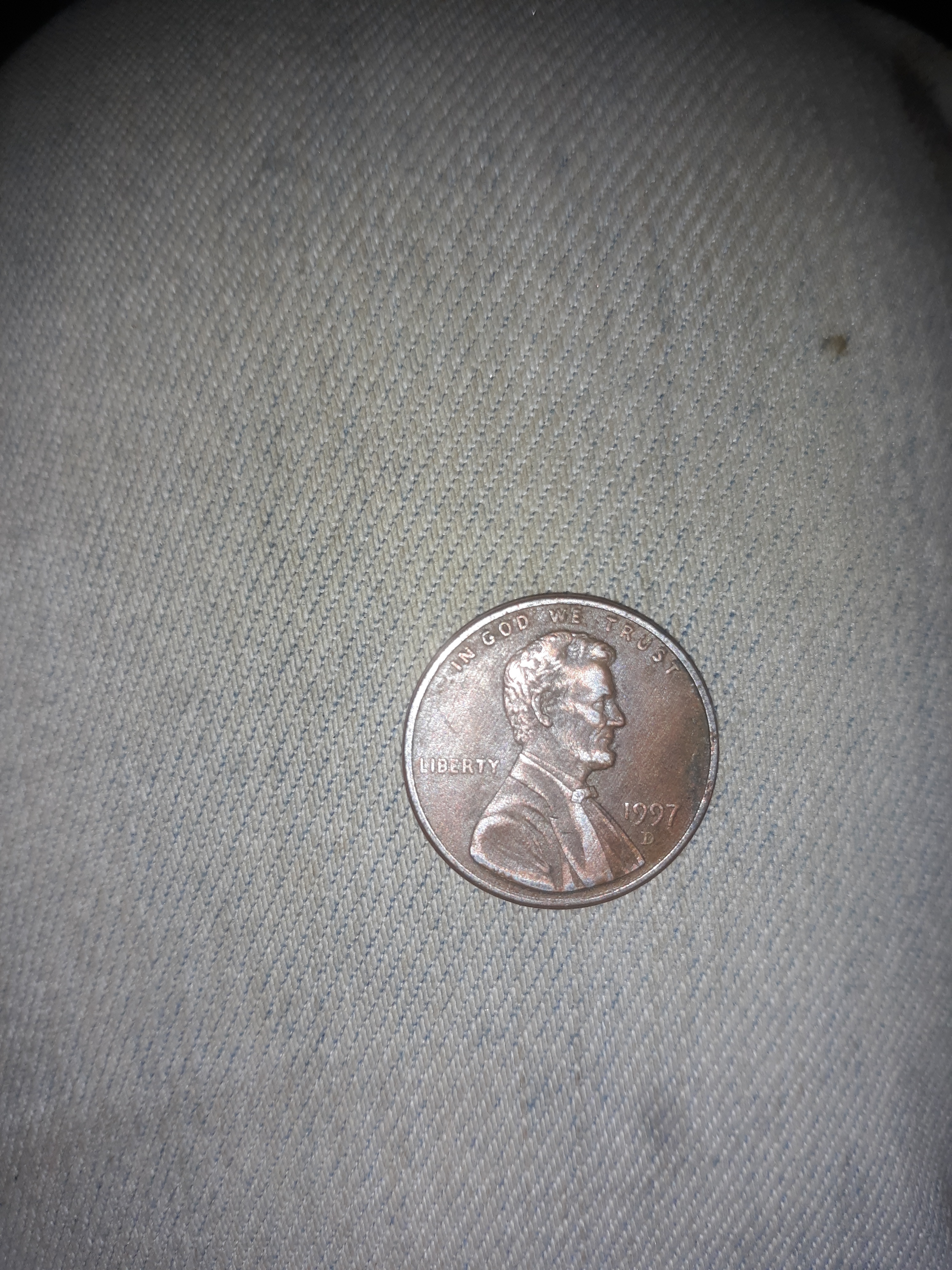
    And also this 1997 Lincoln that’s copper toned with some sort of silver beneath or mixed. Any info?

    1. JoshuaTheFunTimesGuide Avatar
      JoshuaTheFunTimesGuide

      Hi, Justin —

      It’s hard to tell the coloration of the 1983-D penny in the photo due to lighting, but if its gold plated it’s a post-mint novelty plating and is worth only the value of the metal (maybe just an extra couple cents — the amount of gold on gold-plated coins is remarkably small). The 1997 penny with silver highlights is just the zinc exposed through the coins’ outer copper plating due to wear or post-mint damage. Both these coins are essentially worth their face value.

      Best wishes,
      Josh

      1. Justin Avatar
        Justin

        Hello Josh,
        Could this help with the answer of its possibility of not being a novelty. If it was plated for novelty purposes wouldn’t the weight be higher than 2.5. It weighs 2.5 on a 2-point scale. It’s the 1983D attached with this thread. And it’s in beautiful condition aside from some of the gold coloring coming off and exposing the copper beneath. Nothing like the fading of or rubbing off of gold plated objects! Usually gold plating takes time to rub off to expose the metals beneath. Like a ring would take several months and some deformation would occur. Wouldnt it? What would you say about my thinking about this coin having a little more info about it? Thanks a million!

        1. JoshuaTheFunTimesGuide Avatar
          JoshuaTheFunTimesGuide

          Hi, Justin —

          I’m afraid the image of your coin didn’t come through, but the U.S. Mint did not gold plate any of its 1983-D pennies. A thin gold plating would not necessarily register more on a scale that yields readouts at one-tenth a gram. Moreover, the tolerances of a 1983-D zinc penny is 0.09 grams more or less, so it could be one of the pennies that were minted at the upper end of the under-weight tolerance. If it’s gold plated, your 1983-D penny would be considered a novelty coin and worth its face value plus the value of the plating, which might amount to a couple cents.

          Hope this info helps,
          Josh

    1. JoshuaTheFunTimesGuide Avatar
      JoshuaTheFunTimesGuide

      Hi, Heidi —

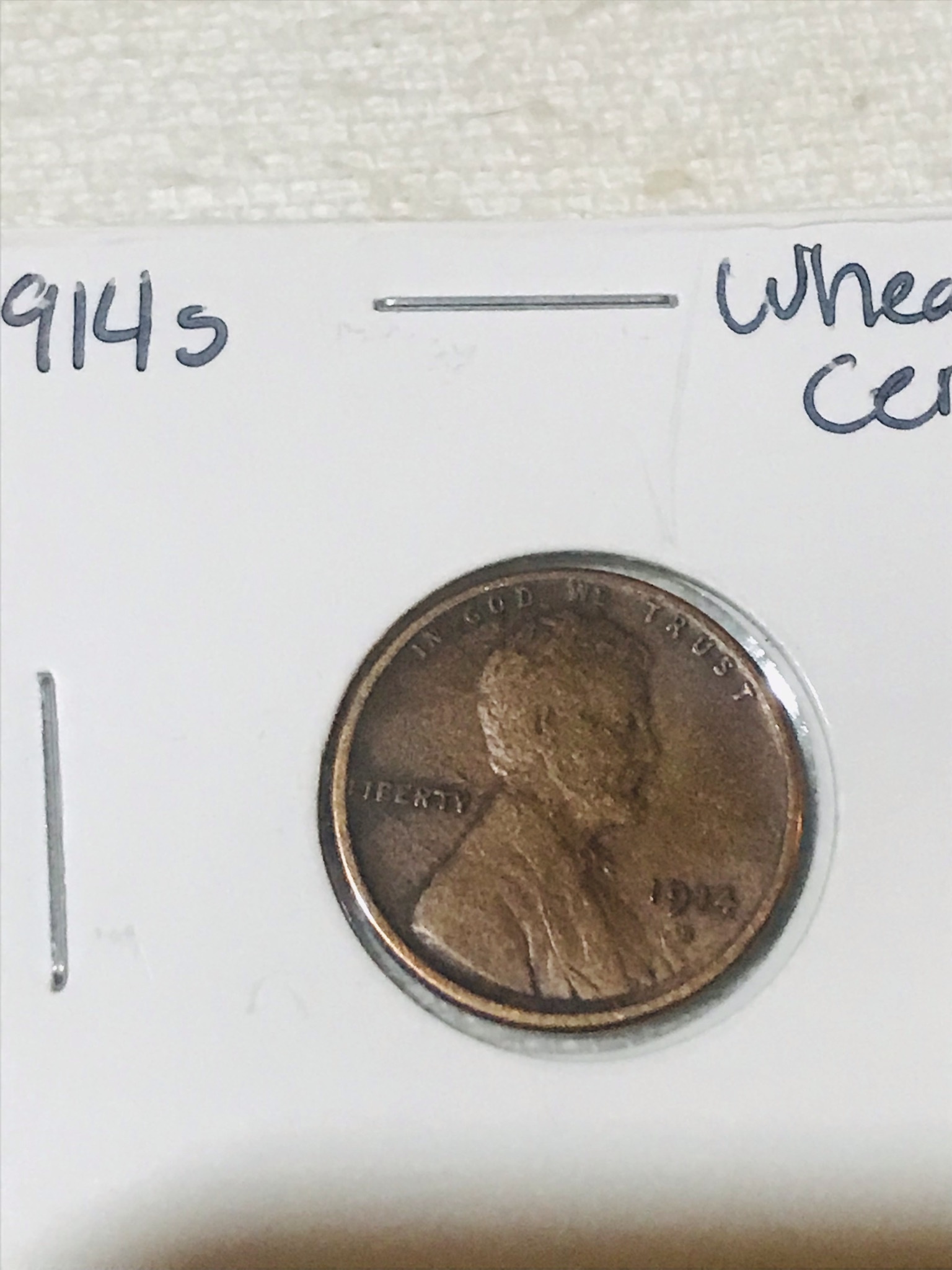
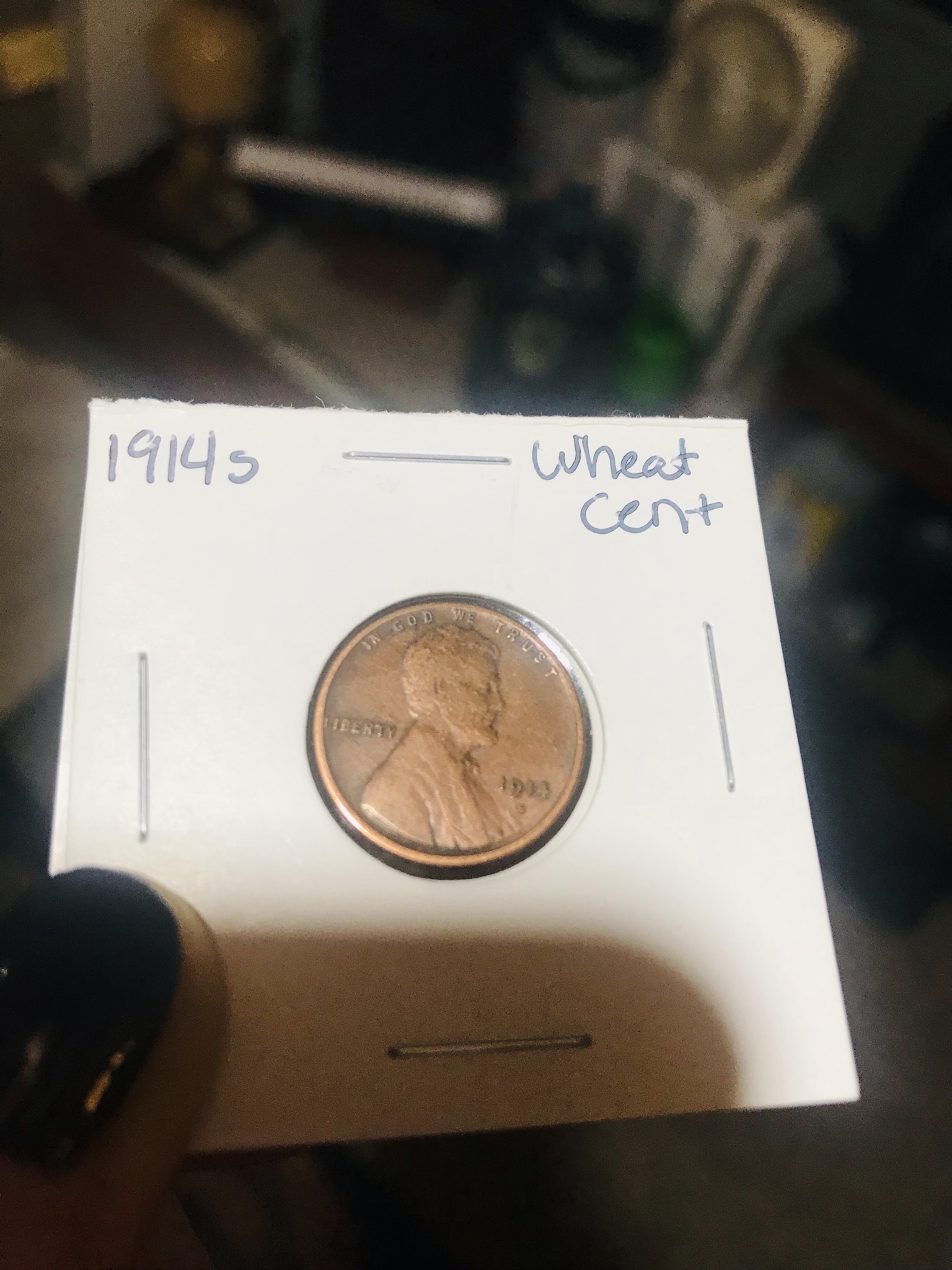
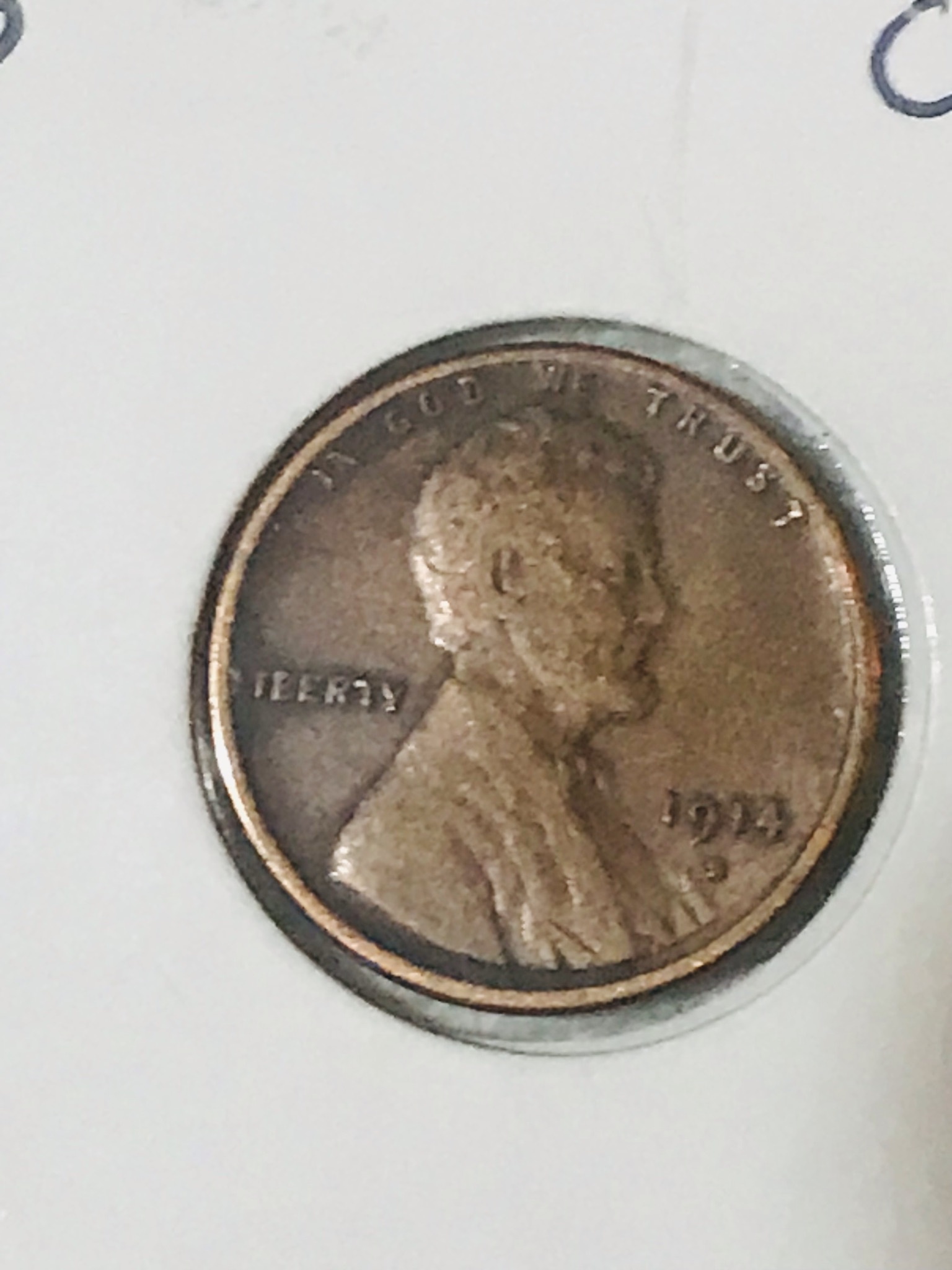
      As you may know, the 1914-S penny is a tough semi-key, and in the mid-circulated grades it trades for $30-40ish. However, encapsulation fees by the most reputable graders approach that figure, so I think it would mostly be a wash price wise.

      Hope my thoughts help here,
      Josh

  12. huntinggatherer . Avatar
    huntinggatherer .

    Hi Joshua,
    I’m wondering what your take on this 2003 D penny would be. It is irrefutably green, and appears to have it’s original luster. It does not appear to have been tampered with at all, and there is zero corrosion. I’ve never seen another one like it. I’ve seen green corroded pennies, and multi-colored pennies that look like they might have been subjected to high temperatures, but I have never seen a penny that has a natural green luster. What do you think might have https://uploads.disquscdn.com/images/5f3b0ac5a694458ac1512b533aa86ff225316201ea36a8cf24968be71449ff80.jpg caused this?

    1. JoshuaTheFunTimesGuide Avatar
      JoshuaTheFunTimesGuide

      Hi, Huntinggatherer —

      The green color is caused by discoloration of the coin outside the mint. Sulfur fumes are a common culprit of yellow/green discoloration. The reason the luster still shows through is because the coin is apparently uncirculated and the flow lines causing the mint bloom are still evident under the toning.

      Hope this info helps,
      Josh

      1. huntinggatherer . Avatar
        huntinggatherer .

        Thank you. That sheds some light on things.

        1. JoshuaTheFunTimesGuide Avatar
          JoshuaTheFunTimesGuide

          Awesome! Glad the info is helpful to you!
          Best wishes,
          Josh

  13. calin Avatar
    calin

    Hello Joshua, I have a 1964 no mint mark penny. the bottom half of the letter I is bent to the right. I couldn’t find info on this exact error. Anything you could tell me about it. https://uploads.disquscdn.com/images/2fac26ace0ee5fd8c9c8c9817490a4740b34f281e64bac81347a863c10b00527.jpg

    1. JoshuaTheFunTimesGuide Avatar
      JoshuaTheFunTimesGuide

      Hi, Calin —

      It appears here that the letter “I” was shoved or dislodged due to post-Mint damage. This happens quite frequently when affected parts of a coin are impacted by something hard in the course of circulation.

      Best,
      Josh

  14. Brittany Avatar
    Brittany

    Hi Joshua, I have a 1942 penny that I would like your opinion on. I have attached some photos, and some extra information that may be useful in your assessment. 1. all but 1/64 of an inch is bottle capped. 2. within the cap damage tool marks gives me the impression of more than one strike. 3. the top of Lincoln’s hair, the 4, the b and r has some type of damage 4. the E is unreadable. 5. the bottle cap from eye level around the head and back of the shoulders has more depth, as well as across the shoulder and chest. 6. the reverse side has two circular strikes, the first is small but big enough to obscure some letters of, “One Cent United States of America” and range in difference in depth. 7. the outer or larger circular strikes involve both wheat stems and heads, the enter half of each wheat head is damaged from one head tip throughout that head and stem to the other steam and head tip. 8. very small gap between the wheat head tip and damage is the beginning of what looks like the mirror to duplicated image of that same wheat tip.

      1. JoshuaTheFunTimesGuide Avatar
        JoshuaTheFunTimesGuide

        Hi, Brittany —

        Unfortunately these patterns on your 1942 penny are the result of post-mint damage and aren’t errors.

        Best wishes,
        Josh

  15. Anna Arrowood Avatar
    Anna Arrowood

    Hi, Idk if you will get back to me, but, this 1970 penny seems full of errors. I’m brand new, so prolly wrong, but if you could take a look and just type a y or n, I would so appreciate it.
    Thx in advance,
    Anna A. https://uploads.disquscdn.com/images/6082a2d4ea9f0fbec9faf77dd17a33bf9fbf54937a48ae374d02143f36ad4bc2.jpg https://uploads.disquscdn.com/images/8d2401889ed5b2888aa581a7c7c920ea6d978d56411afb8898d25192be0367e7.jpg https://uploads.disquscdn.com/images/4eea92d51aca8d9b150629de73b2e513f7444704edb7da4dd079d7206850b067.jpg

    1. JoshuaTheFunTimesGuide Avatar
      JoshuaTheFunTimesGuide

      Hi, Anna —

      I’m afraid there are no apparent errors on your 1970-S Lincoln cent, with the post-mint damage centering around the hole. There seems to be some machine doubling that is evident, which is also not an error. This piece is worth a couple cents for its copper metal value.

      Thank you for reaching out,
      Josh

      1. Anna Arrowood Avatar
        Anna Arrowood

        Thank u, I didn’t know if the hole was pdm or an error. That was my main concern.
        Thank u so much, u responded so quickly!
        Anna

    1. JoshuaTheFunTimesGuide Avatar
      JoshuaTheFunTimesGuide

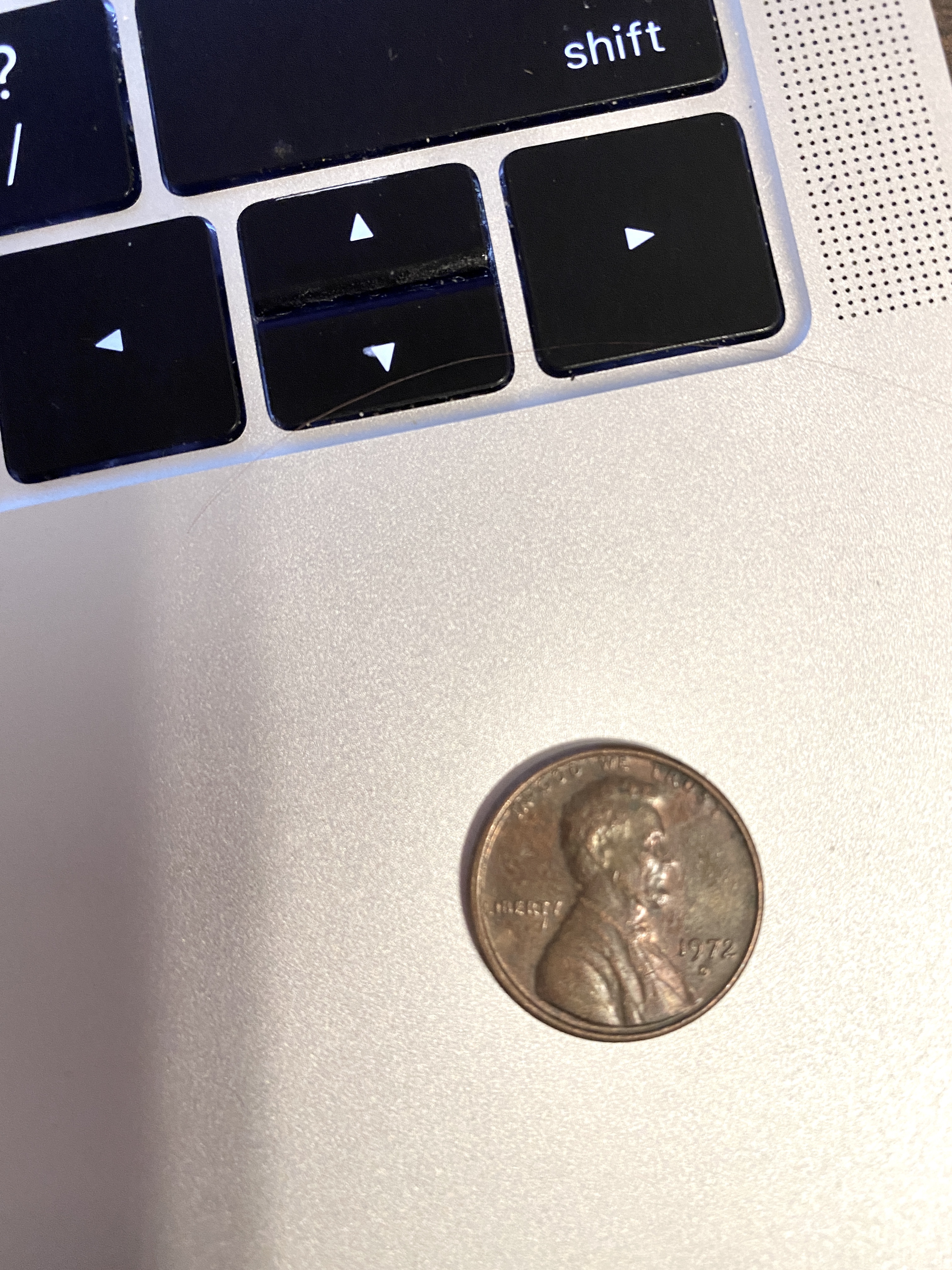
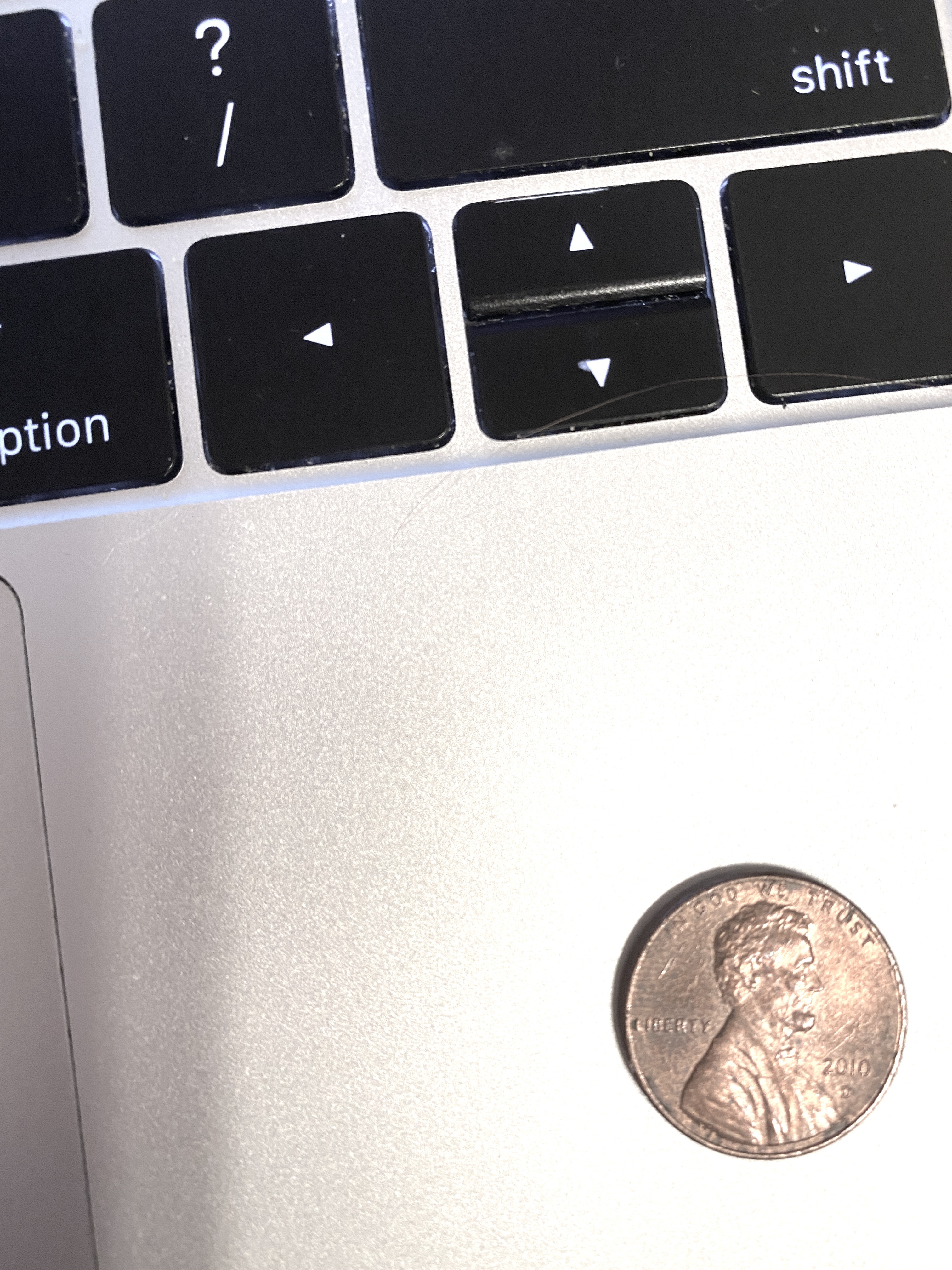
      Hi, Juanita —

      The 2010-D appears to be a normal penny with light fingerprint marks and discoloration/spotting; it is worth face value as it appears here.

      The image of the 1972-D is a bit blurry but I don’t seem to see any signs of this being a doubled die; it may have some light machine doubling. It’s worth about 2 to 3 cents for its copper value.

      The other penny has a side carved out and appears to be a magician’s gaffe coin — it’s essentially a novelty piece that would be used in conjunction with a dime and, with sleight-of-hand technique could be used to create an illusion where a penny appears to turn into a dime or vice versa. These pieces can be worth a buck or two to the right buyer — particularly someone interested in buying trick coins.

      Best wishes,
      Josh

  16. ariel cabrera Avatar
    ariel cabrera

    señor josue: Su pagina web es maravillosa.

  17. Joyce Sharp Avatar
    Joyce Sharp

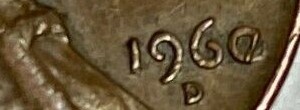
    Hi Josh, Could tell me if this is an error penny and what it might be worth. It is half a zero in the date. Thanks https://uploads.disquscdn.com/images/88f5f8a2f1fc0bae8f0064f360ff5c428c84792b91f913ddc8f1f26a674d996d.jpg

    1. JoshuaTheFunTimesGuide Avatar
      JoshuaTheFunTimesGuide

      Hi, Joyce —

      The odd-looking appearance of the “0” in the date is caused by the metal on the right half of the digit being dislodged due to post-mint damage and is not an error. This 1960-D large date penny is worth about 3 cents for its copper metal value.

      Best wishes,
      Josh

  18. Davi Dblees Avatar
    Davi Dblees

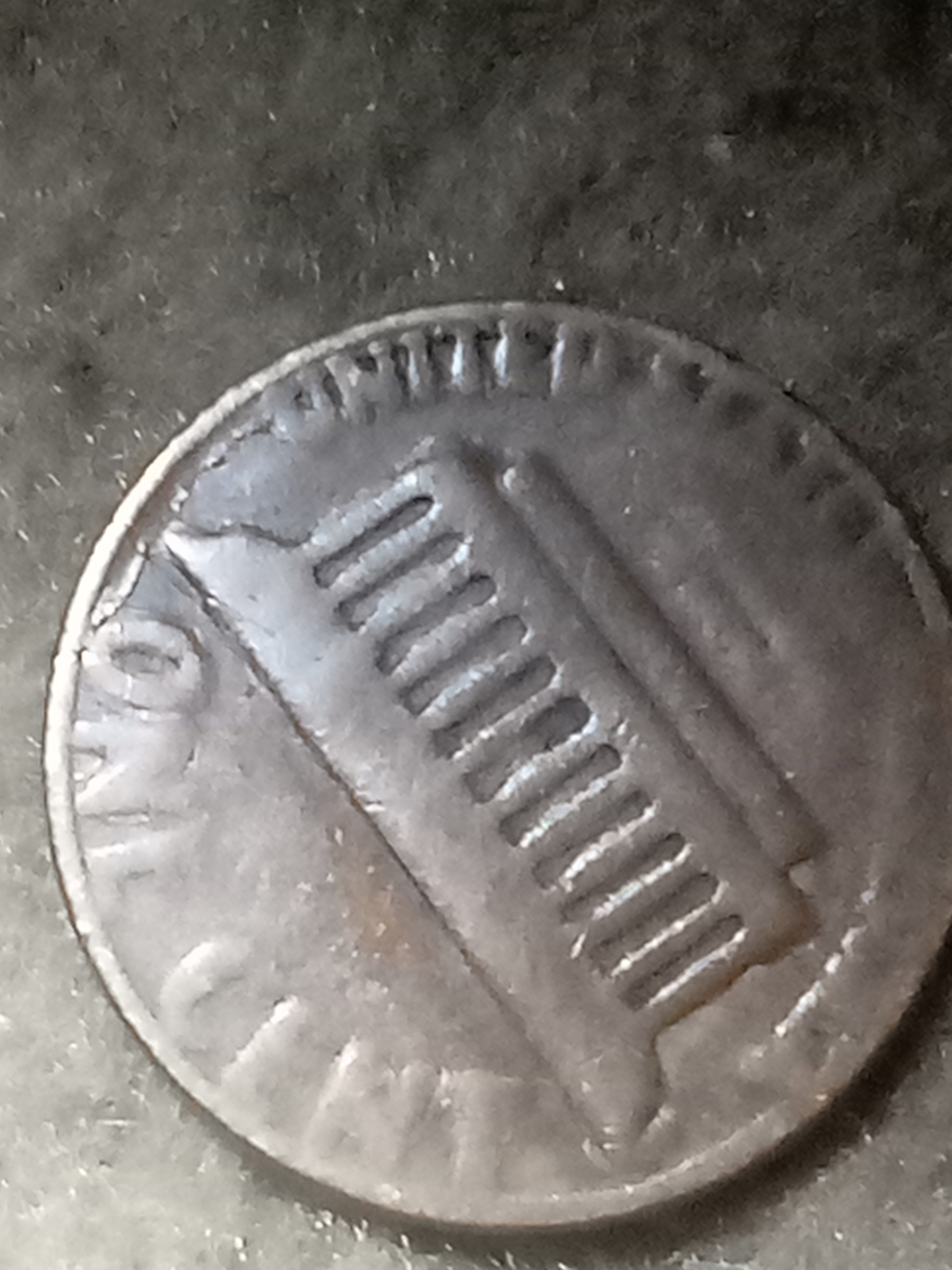
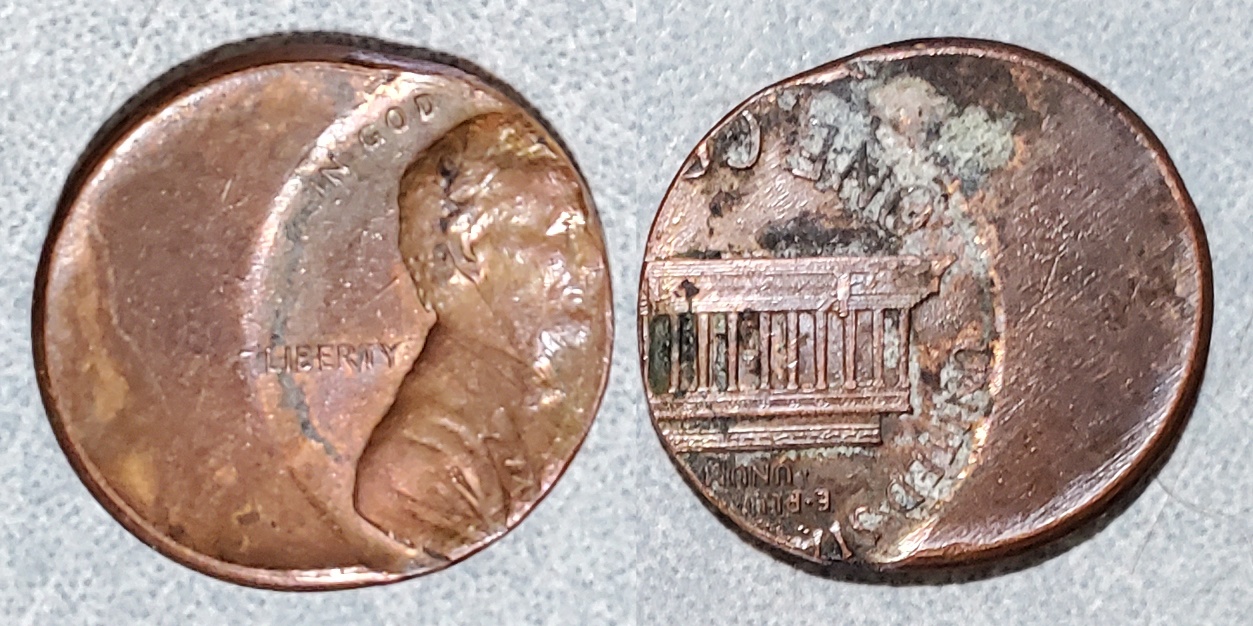
    Hi Josh – We found this badly mis-struck penny, and I suspect that since it’s missing both date and mint mark would make it not worth very much… It’s not even round, and a bit thinner where it struck. ? We were also wondering if we should attempt cleaning off the semi-permanent schmutz on the reverse. Thanx!
    https://uploads.disquscdn.com/images/339607eef7a93a9e7557fe004a1a1d2a176703b9ce0a4c71477c30cfd6fc50a5.jpg

    1. JoshuaTheFunTimesGuide Avatar
      JoshuaTheFunTimesGuide

      Hi, Davi!

      You scored an awesome off-center error! This one’s about 50% off-center, and these are highly collectible. Yours would probably take somewhere around $15 to $25, maybe more, if sold to an error collector or dealer who specializes in such coins.

      Amazing find!
      Josh

      1. Davi Dblees Avatar
        Davi Dblees

        Thanks for the quick response!
        Given what you know about these, is it possible to theorize about the mint and/or date?

        1. JoshuaTheFunTimesGuide Avatar
          JoshuaTheFunTimesGuide

          Hi, Davi —

          I tried by looking for clues in the photo but nothing could really yield me an answer for sure. A closer in-person examination could help pin down a period.

          If I could get weight on the coin that would help narrow it down to a broad era. If it weighs about 3.1 grams it would have been struck during the bronze planchet era of Lincoln Memorial cents (1959-82). If it checks in at 2.5 grams, it hails from the zinc-based planchet period of 1982-2008. A closer look in-hand by a Lincoln cent expert might further narrow the date parameters by looking for certain design diagnostics — particular details (or absence of them) in Lincoln’s hair and the depth of his portrait — these changed over the years as modifications to the dies were made.

          As for addressing your question about cleaning it, you might try running the coin under tepid water or letting it soak safely in acetone for a few moments. Anything else would be too abrasive and could damage the surface and thus its value.

          Hope this helps!
          Josh

  19. Beni Culver Avatar
    Beni Culver

    I found a 1992 D penny with a double dye on the date and mint mark. How do I tell the difference between a double dye and a double strike? https://uploads.disquscdn.com/images/a0eb93bc3ea48f8d9fed990c81753495982fc741fbb17e22af5a884fc502a094.jpg

    1. JoshuaTheFunTimesGuide Avatar
      JoshuaTheFunTimesGuide

      Hi, Beni —

      With a double strike, the coin is usually struck with a distinct second impression and often (but not always) at different angles or positions and on both sides of the coin. A doubled die typically shows some distinct doubling only in portions of the design on just one side.

      In your case, this coin has evidence of machine doubling, which is not an error or variety but rather a symptom of the die deteriorating or reverberating upon striking the coin. It’s very common and unfortunately does not really carry any extra value, given how frequently this happens and its not being classified or recognized as an error or variety.

      Thank you for reaching out,
      Josh

      1. Beni Culver Avatar
        Beni Culver

        Thank you so much for answering! I have had such a difficult time getting any questions answered.

        1. JoshuaTheFunTimesGuide Avatar
          JoshuaTheFunTimesGuide

          You’re most welcome, Beni!
          Josh

  20. Beni Culver Avatar
    Beni Culver

    I have one more I’m not sure about. It’s a 1999 penny. The AM is not touching. Would that be considered a wide AM? https://uploads.disquscdn.com/images/d90bb4e4ddef20926ae6ed1386d53113093827ee62000a39eb7719ee0efe8dab.jpg

    1. JoshuaTheFunTimesGuide Avatar
      JoshuaTheFunTimesGuide

      Hi, Beni —

      While the “A” and “M” aren’t physically touching, they are extremely close with a razor-thin gutter between the letters — as should be on a regular/close AM arrangement on the 1999 penny. With the Wide AM, you’ll see a much more perceptible gap, as you’ll see in this video: https://www.youtube.com/watch?v=JY9CgdT-h3s

      Hope this helps,
      Josh

      1. Beni Culver Avatar
        Beni Culver

        Thank you

  21. Lance Avatar
    Lance

    Hi I have a 1998 penny with a error I never seen before it has a bunch of little d stamped on it even one on the back

    1. Lance Avatar
      Lance

      Sorry for the bad photos really hard to get a clear photo that close of something so small but they are above liberty and the on in the back is inbetween the pillers left of Lincoln

      1. JoshuaTheFunTimesGuide Avatar
        JoshuaTheFunTimesGuide

        Hi, Lance —

        The little bumps on your Lincoln cent are called blisters, and they have to do with the copper plating bubbling or peeling away from the coin’s zinc inner core soon after bonding. These plating blisters are common on the post-1981 copper-plated zinc cents and really only register any extra value when the number or size of these blisters/bubbles becomes extreme.

        Best wishes,
        Josh

        1. Lance Avatar
          Lance

          No I have seen blisters before these are actual D marks I know my photos don’t do it justice I have taken it to coin shops and pawn shops and the coin guy was always left speechless like even if u don’t think so cause it’s so hard to tell with my poor photos what would u think it is or how it happen I know ur a busy man but if u could entertain the D rather then blisters I would love to hear ur thoughts

          1. JoshuaTheFunTimesGuide Avatar
            JoshuaTheFunTimesGuide

            Hi, Lance —

            The biggest issues against those little marks being “D”s are:

            *They don’t match the size or shape of any “D” mintmarks being used by the U.S. Mint in that era.
            *After 1990, the mint incorporated the mintmarks into the master hub — long before your coin was struck in 1998, therefore Lincoln cent dies used when your coin was made no longer were hand punched.
            *U.S. Mint coiners work under terrific scrutiny. Even had your coin been struck at a time when mintmarks were hand punched AND they had used a D punch that small, there is no way a die like this would’ve been put into use for striking coins.

            Furthermore, at least two of those bumps show evidence of having been “popped,” which is a clear diagnostic for a blister.

            By all means feel free to get a second opinion if you wish — there are no hard feelings here and I certainly understand your wanting to make sure you know what you have. But all the evidence I see in these images plus the information surrounding the type and use of mintmark punches and die-creation procedure and policy simply would not explain this as yielding any “D”s.

            I hope my further info here at least explains why I came to my conclusion…

            Best,
            Josh

  22. Michelle Brown Avatar
    Michelle Brown

    I found a 1990 penny and on the tails side it is missing most of the second “S” in states and most of the “O” in of. All the other letters around it seems to be intact so doesn’t seem to be wear. Can you tell me is this a actual error? https://uploads.disquscdn.com/images/dc2effcea41d2fe0be874b3c914176abebe094998610d62e07defa703e9dd0d2.jpg https://uploads.disquscdn.com/images/c3e30b8820322a2aaae68652380c087e4875c20003f4547c77ad9b7cc948c7a0.jpg https://uploads.disquscdn.com/images/d639e506880bbe09fa7862d1e32e47d9ace81d8776a73938c0dad03a655f580a.jpg

    1. JoshuaTheFunTimesGuide Avatar
      JoshuaTheFunTimesGuide

      Hi, Michelle —

      It appears you have a grease-filled die error, which occurs when (typically) grease or other similar foreign matter intrudes the die. When this happens, the die will not fully produce the design.

      While it is an error in the the the technical sense, it is also a very common one. Unless the die occlusion is dramatic or widely collected (IN GOD WE RUST, with the first T of TRUST missing is widely sought) there is generally very little if any additional value for such an error.

      Great find nevertheless!
      Josh

    1. JoshuaTheFunTimesGuide Avatar
      JoshuaTheFunTimesGuide

      Hello!

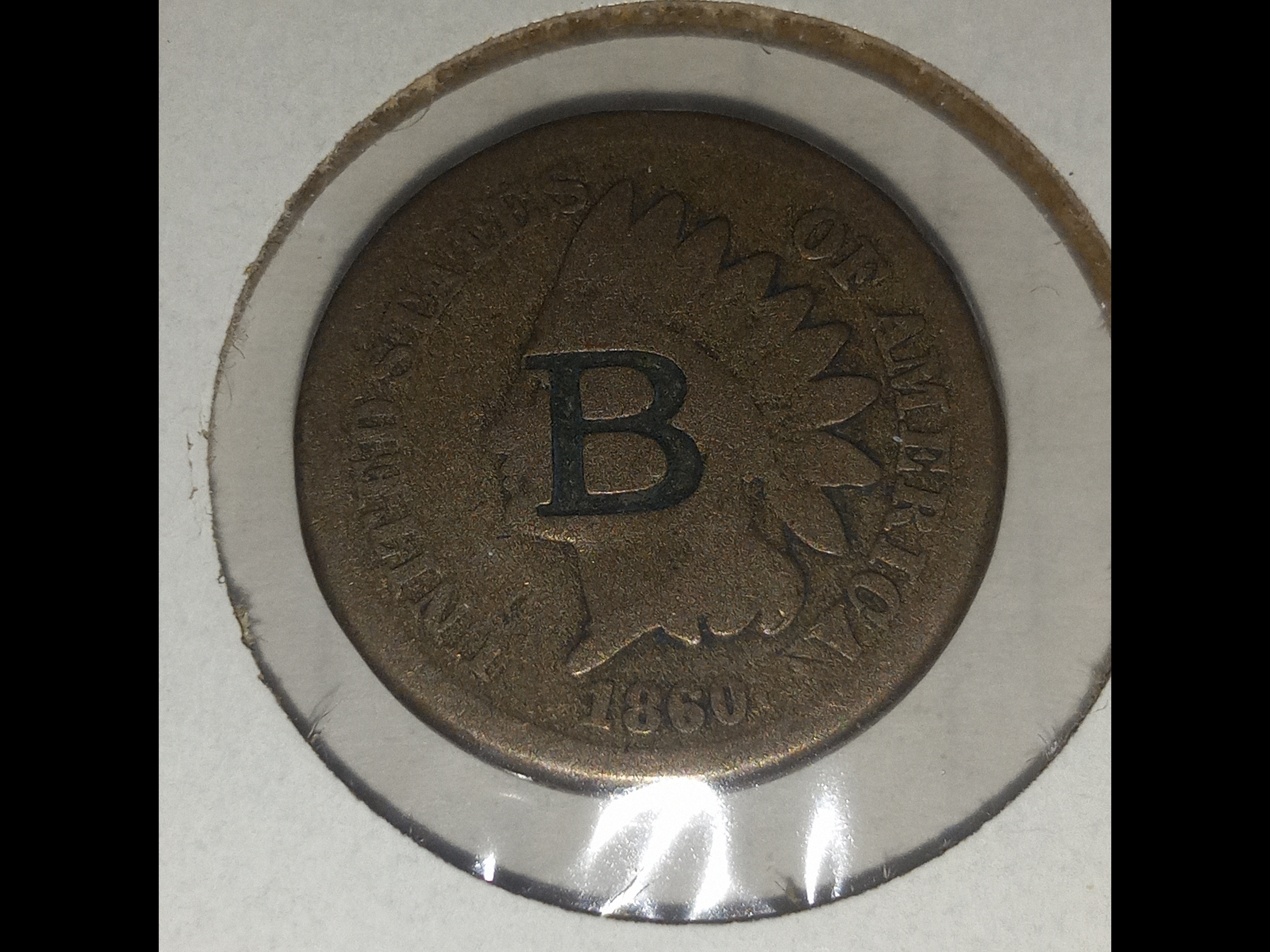
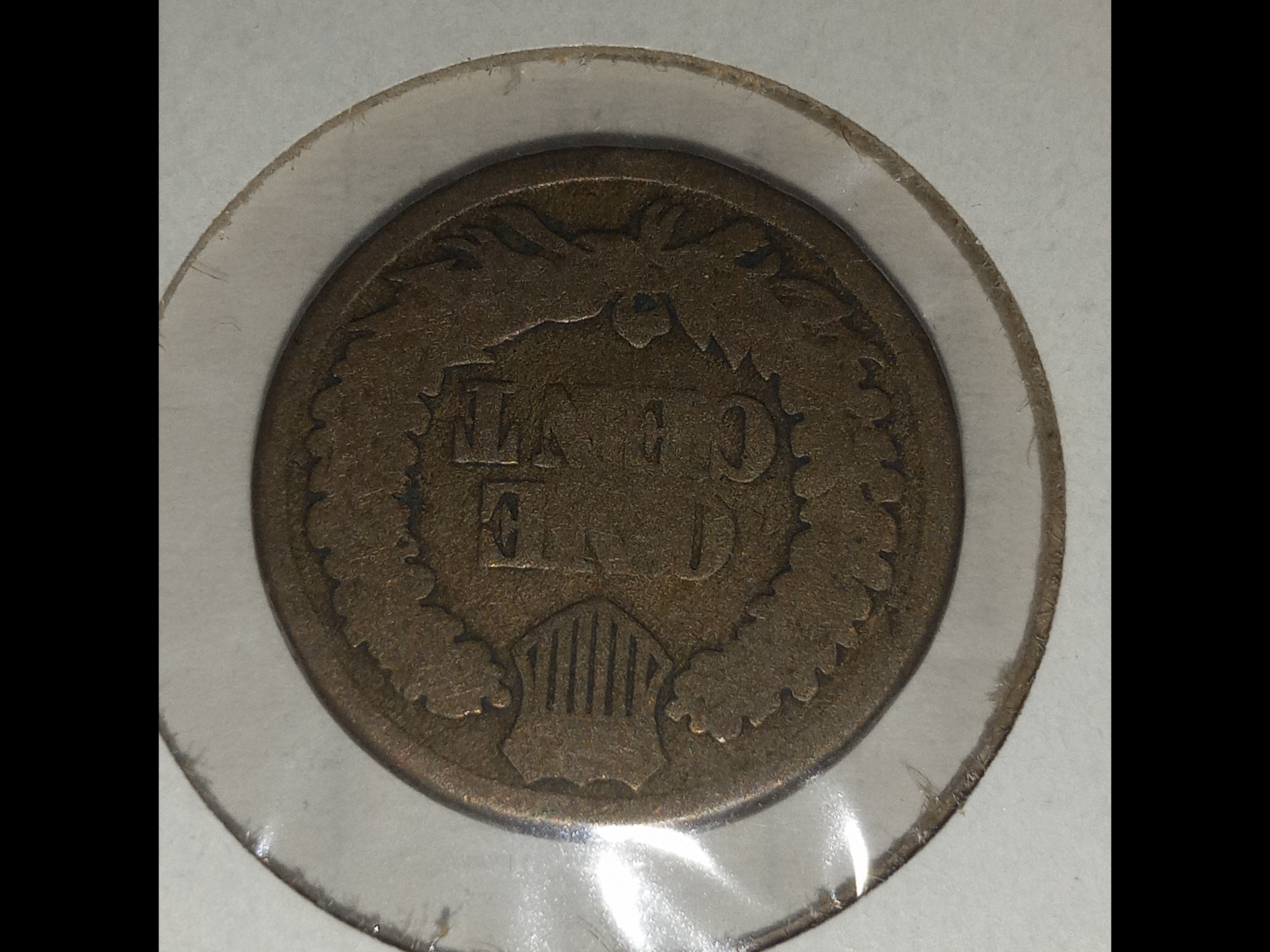
      What you have here is a counter-stamped 1860 Indian Head penny. It was a regular 1860 Indian Head cent that was later stamped by a private individual or company with the “B.” Coins were often counterstamped like this as part of promotional giveaways, to serve as private coupons or tokens, and in some cases (such as school elections and communities ballots) to tally votes.

      If we knew the specific story behind the “B” on this coin it would likely enhance the value quite a bit. Without a narrative, it’s hard to say what something like this could fetch. But there are many collectors who buy these vintage counterstamped coins, especially when there is a known story behind them.

      I’m not really sure how much your individual coin with this stamp would be worth, but I know similar pieces have gone for as much as $30 to $50 or more.

      What a neat find!
      Josh

        1. JoshuaTheFunTimesGuide Avatar
          JoshuaTheFunTimesGuide

          Hello,

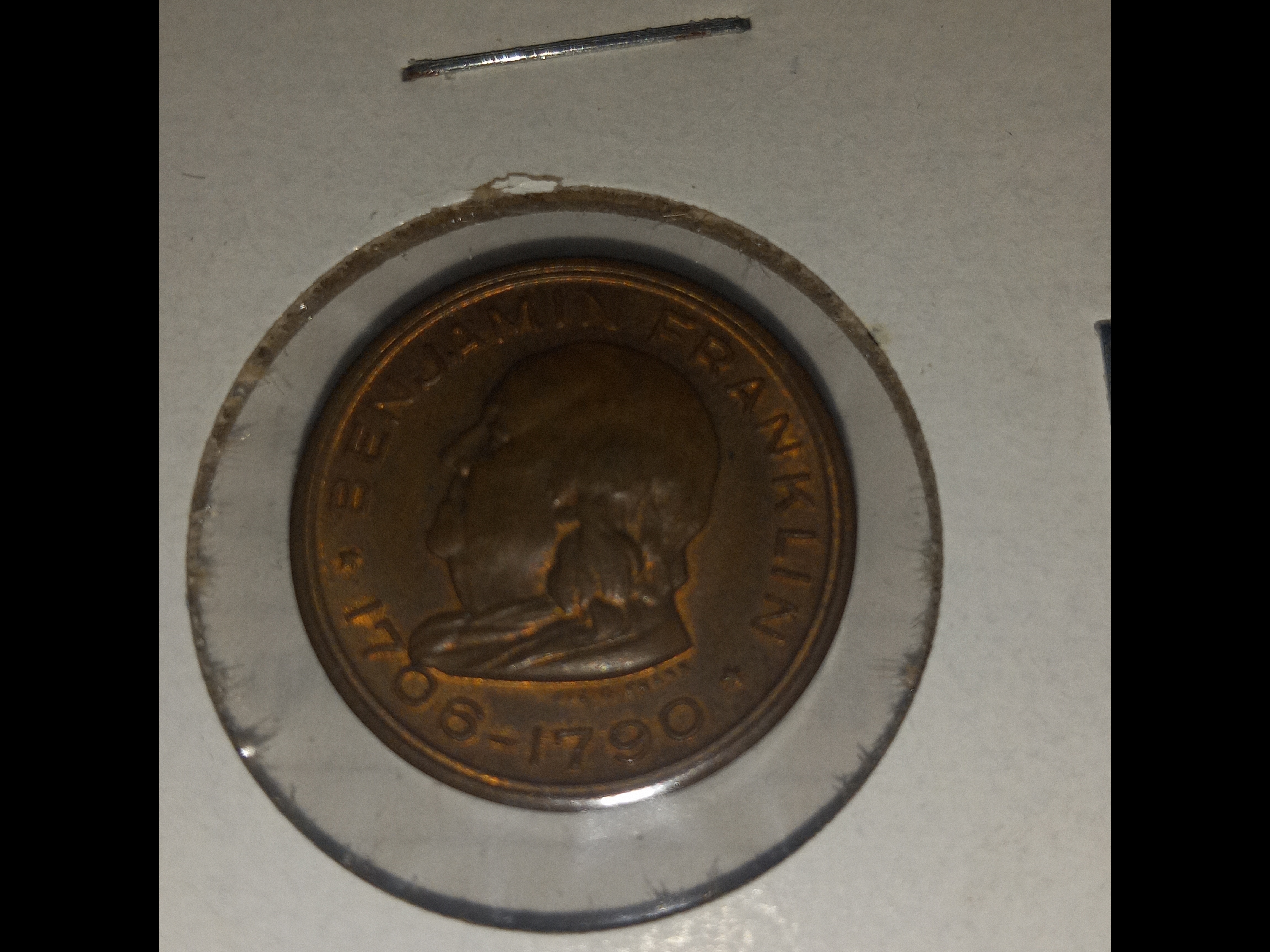
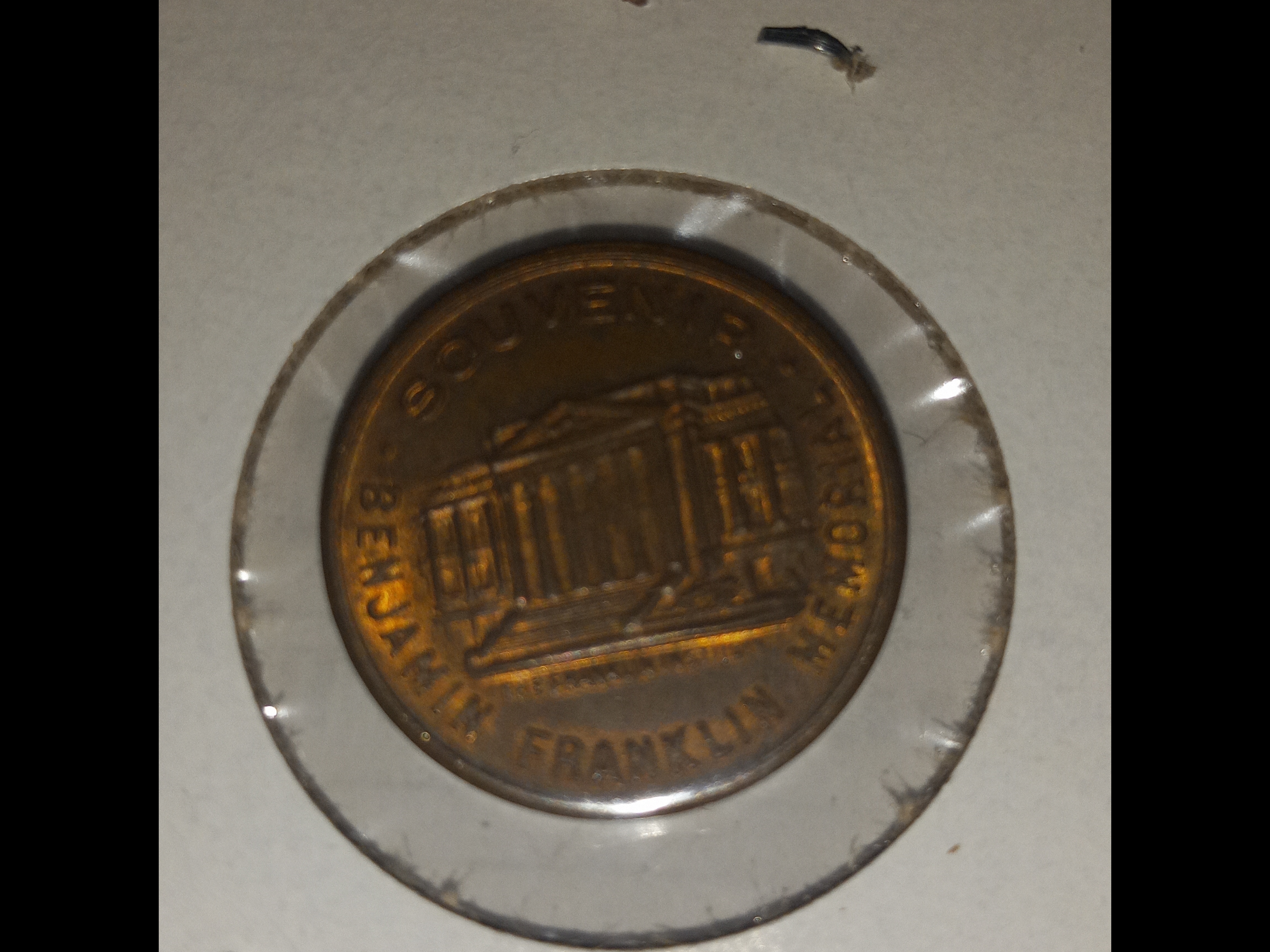
          This is a modern token released by the Franklin Institute. They trade for anywhere in the range of $3 to $10 depending upon condition.

          Best,
          Josh

  23. Tammy Camilli Avatar
    1. JoshuaTheFunTimesGuide Avatar
      JoshuaTheFunTimesGuide

      Hi, Tammy —

      That little “A” is a post-mint counter stamp. This is a common calling card of businesses and merchants who have done such things as a means of creating tokens to serve as makeshift coupons or souvenirs. This was also done by churches, schools, and social clubs for tallying board votes and such.

      These pieces are collectible and can trade for a couple dollars. If we knew the story behind this specific piece and the meaning of the “A” it could go for more.

      Best,
      Josh

  24. Richard Green Avatar
    Richard Green

    I have a steel penny that's looks new shiny and bright that weigh 2.81 g. Can you tell more about steel penny's. Thank Richard

    1. JoshuaTheFunTimesGuide Avatar
      JoshuaTheFunTimesGuide

      Hi, Richard!

      You’ve come to the right place! Here’s an article that covers all the basics about 1943 pennies, including their history and values: https://uscoinsguide.com/1943-penny-value/

      Hope this helps,
      Josh

  25. Kathleen Dc Avatar
    Kathleen Dc

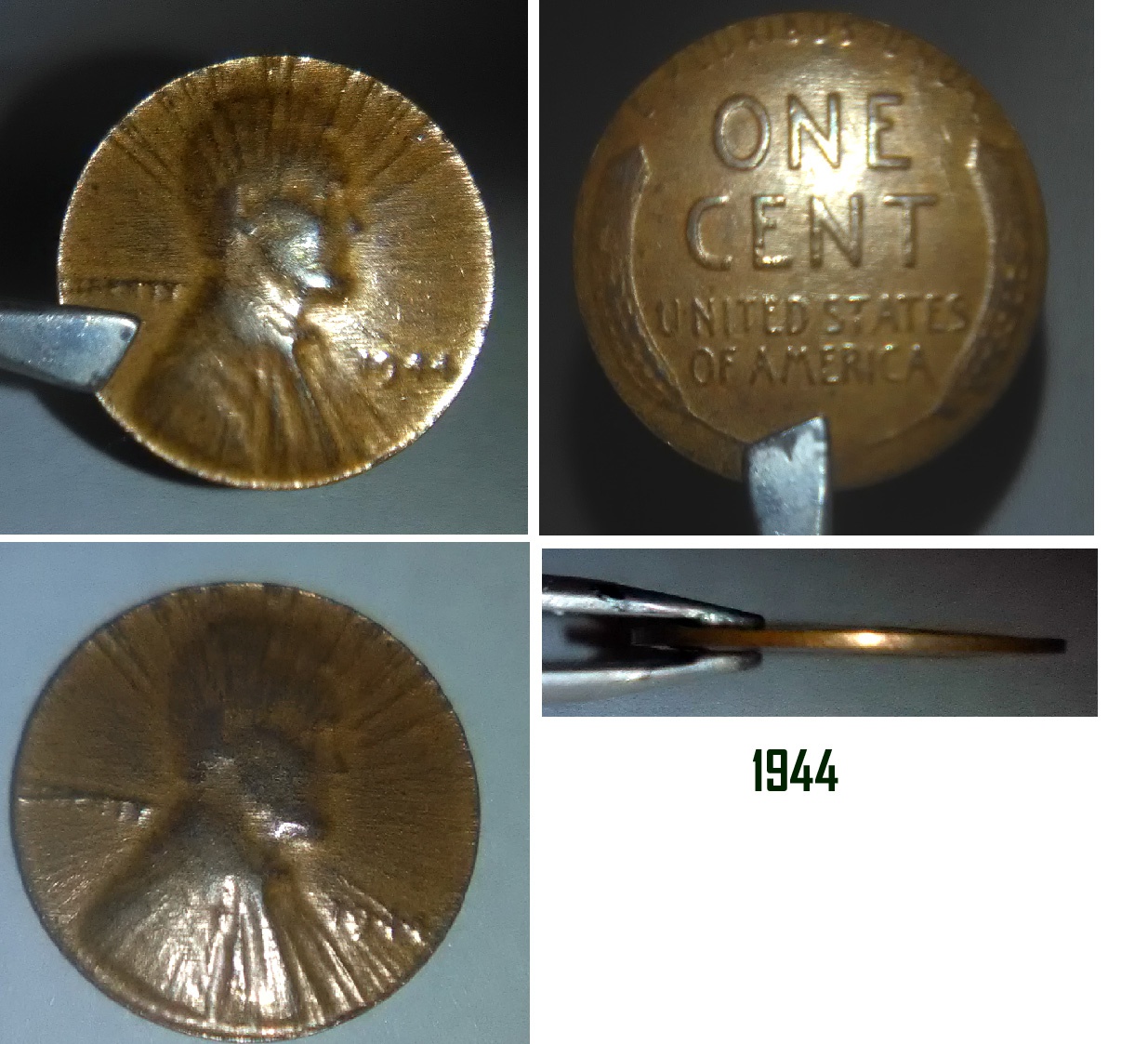
    Hi! Can you give me any information on this penny? My Dad found it while metal detecting in the 70's. We've always called it the Sunshine penny. I'm interested in any information or opinion you may have on it. And yes, I was told I should never use tweezers to hold my coins…lesson learned!

    Thanks!
    Kathleen https://uploads.disquscdn.com/images/fcd9a3782d7581604f2dc4c354e106dd869f6701024571bdeb3060ee5722f514.jpg

    1. JoshuaTheFunTimesGuide Avatar
      JoshuaTheFunTimesGuide

      Hi, Kathleen —

      It looks like your 1944 penny has seen exposure to some type of acid, explaining the abrading of the details and thinness of the planchet (the coin disk). The rays look to be some type of post-mint alteration that was applied in an intentional and artful fashion. As for value it would be worth its copper bullion price, but the sentimental story behind it is priceless as a family memento.

      Best,
      Josh

      1. Kathleen Dc Avatar
        Kathleen Dc

        Thank you!

        1. JoshuaTheFunTimesGuide Avatar
          JoshuaTheFunTimesGuide

          You’re welcome!
          Josh

  26. Jason Pehl Avatar
    Jason Pehl

    I got penny with upsidedown number n wrong date

    1. JoshuaTheFunTimesGuide Avatar
      JoshuaTheFunTimesGuide

      Hi, Jason —

      Please post a clear photo or two of your coin here so I can try and assist further.

      Thank you,
      Josh

  27. tc Avatar
    tc

    im new to this site and the collection of coins i was wondering if any one can tell me something about this penny or suggest where to go to find out more information thanks https://uploads.disquscdn.com/images/1248b177b637706b55b0a131f1baea06b012108b4387ba865191a39d613ad7d4.jpg https://uploads.disquscdn.com/images/970f3b28d13e85113cd6bce2a3324c9c75bf5a32d5de3160ca1759b0150fa2e0.jpg

    1. JoshuaTheFunTimesGuide Avatar
      JoshuaTheFunTimesGuide

      Hi, TC —

      Your 1984 Lincoln penny is not an error but rather has post-mint damage. It’s hard to say exactly how this damage occurred — it could have had its surface grooved out by machinery, the torquing edge of a small metal pipe, or any other number of implements. Ultimately your coin is worth face value of one cent.

      Thank you for reaching out!
      Josh

      1. tc Avatar
        tc

        thank you i just weighed it its 2.6

    1. JoshuaTheFunTimesGuide Avatar
      JoshuaTheFunTimesGuide

      Tc,

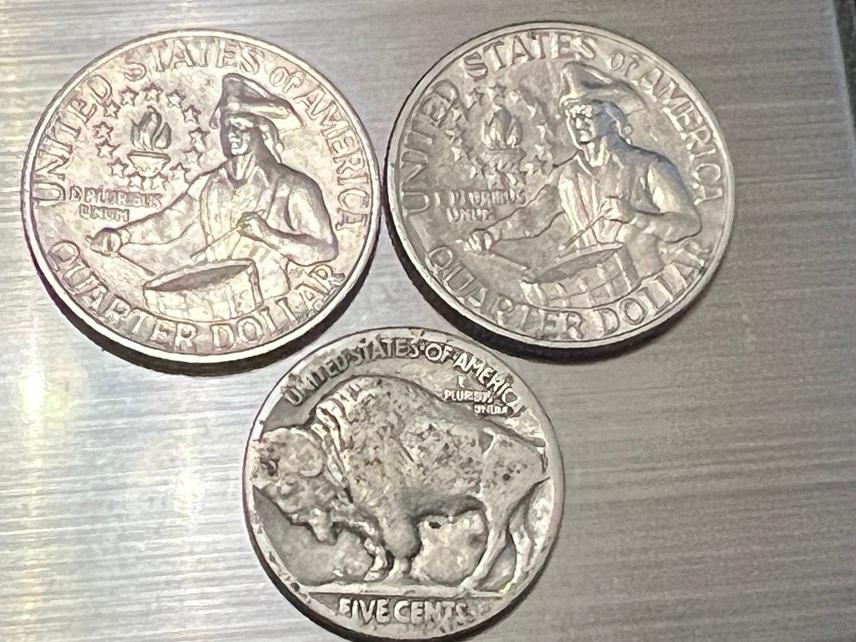
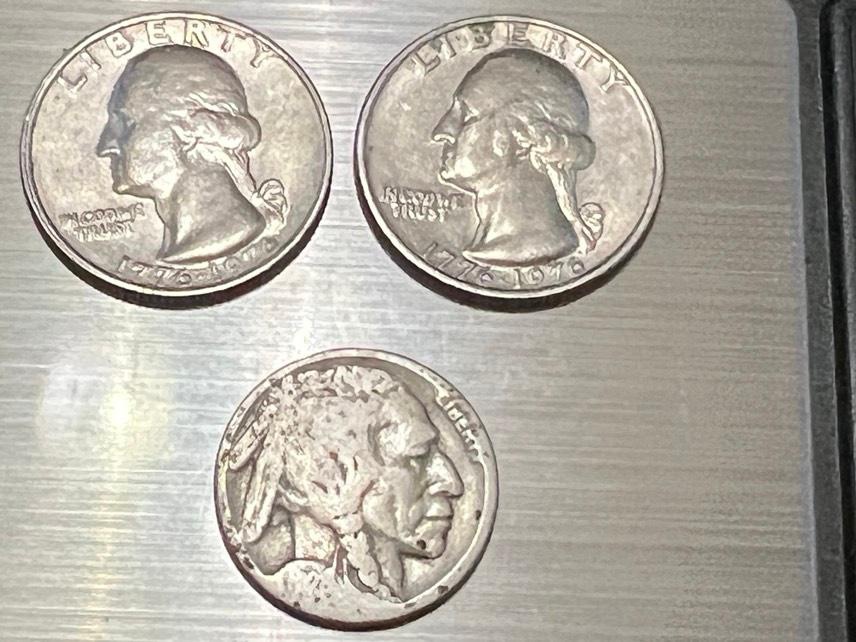
      The 1928(?) Buffalo nickel is a keeper! The quarters each show varying types of post-mint damage and very heavy wear (including the smooth-edged quarter). They can be spent as regular money at face value.

      Best,
      Josh

      1. tc Avatar
        tc

        wild thank because i could not find the date on the buffalo nickel im so excited ok gotta save up more talk to you in about another year thankssssss

        1. JoshuaTheFunTimesGuide Avatar
          JoshuaTheFunTimesGuide

          Good luck! 🙂
          Josh

    1. JoshuaTheFunTimesGuide Avatar
      JoshuaTheFunTimesGuide

      Hi Joseph,

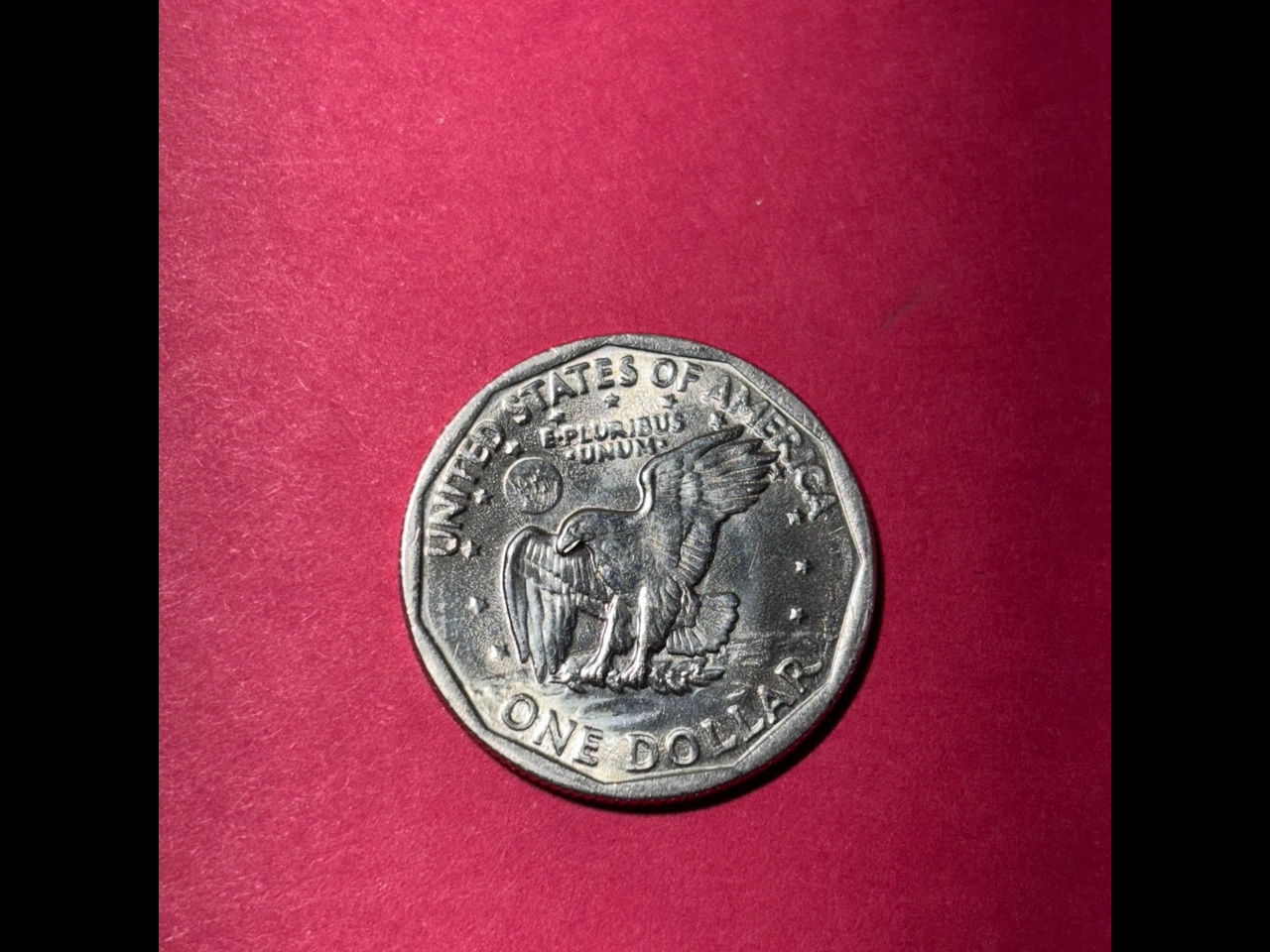
      It looks like maybe your Susan B. Anthony dollar may have been struck with a worn die or has other issues relating to the sharpness of the strike (though not of “error” status, per se) and DO see the “FG” on the reverse. It’s really blurry, but it’s there just under the center of the eagle’s tailfeathers. Again, they’re really mushy, but I see them there.

      Best wishes,
      Josh

    1. JoshuaTheFunTimesGuide Avatar
      JoshuaTheFunTimesGuide

      Hi, Joseph —

      Can you please provide me with some details? What’s going on with this 1974 Eisenhower dollar that you want me to look at?

      Thank you,
      Josh

      1. Joseph A LaManna Avatar
        Joseph A LaManna

        Filled D and no FG on reverse side

        1. JoshuaTheFunTimesGuide Avatar
          JoshuaTheFunTimesGuide

          Hi, Joseph —

          The photos of the Ike dollar are too fuzzy and distant for me to see these anomalies. If you could please close in more and post those images I’ll take a look again.

          Thank you,
          Josh

          1. Joseph A LaManna Avatar
            Joseph A LaManna

            Thank you, Joshua. I will send you some better photos. Also, are 1994 thru 1996 close AM pennies worth keeping and does mint mark make a difference? Some are listed on Ebay for $1,000+. Thanks.

          2. JoshuaTheFunTimesGuide Avatar
            JoshuaTheFunTimesGuide

            Hi, Joseph –

            All circulation-strike Lincoln Memorial pennies dated 1993 and after are supposed to have the Close AM arrangement. So these are normal and not worth any premium, despite what some listings in online marketplaces may suggest.

            Best wishes,
            Josh

          3. JoshuaTheFunTimesGuide Avatar
            JoshuaTheFunTimesGuide

            Joseph,

            There are moderate degrees of wear on this coin; while I can’t zoom in well enough on this photo to close in on where the FG should be under the eagles tail feathers and to the right of the leaves, the details in general on that part of the coin seem slurred due to wear. If you are able to provide a closer, clearer image of that part of the coin and can post here I will be glad to look further. However, it’s very plausible the FG details are simply hidden or worn down on that part of the coin because of circulation friction.

            If you still can’t find the FG details or any traces of them, your next best bet would be to send closeups to VarietyVista and see if one of their experts can review the coin and officially attribute it as a no-FG if it qualifies.

            Best wishes,
            Josh

  28. Sean P. McGlinsey Avatar
    Sean P. McGlinsey

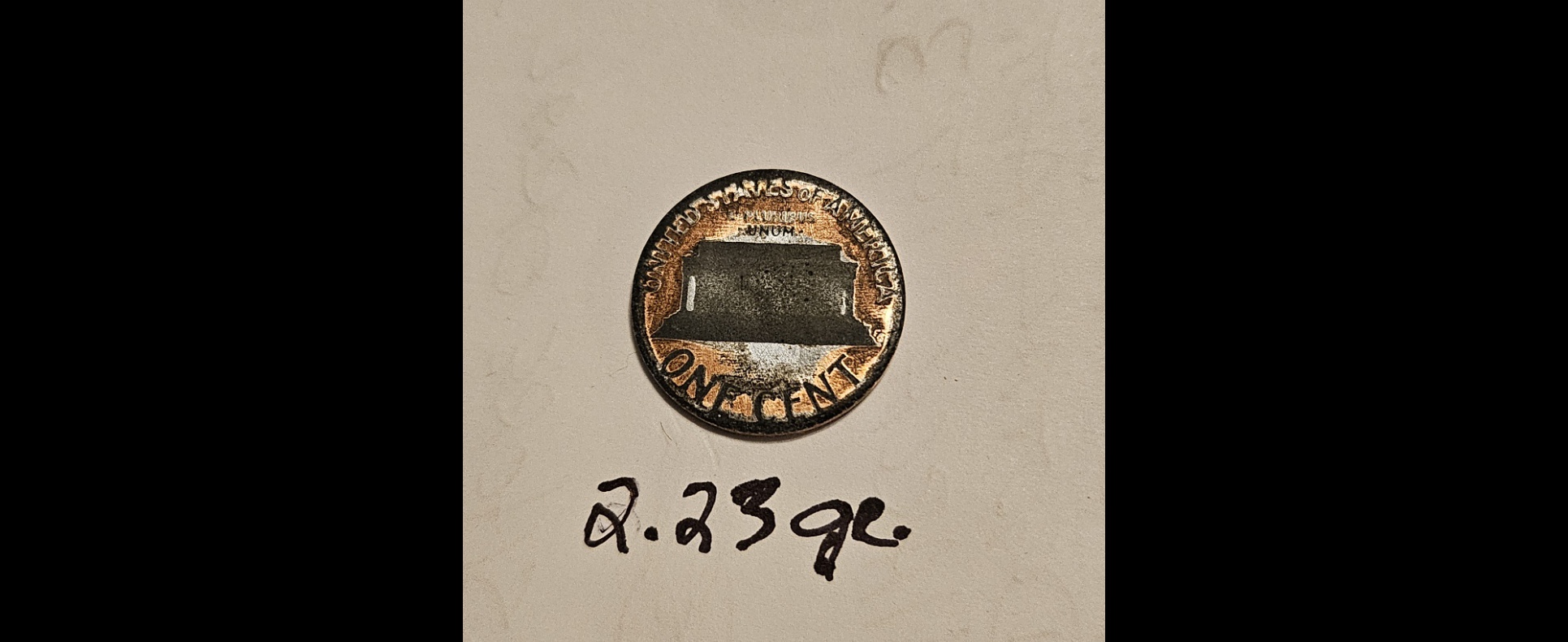
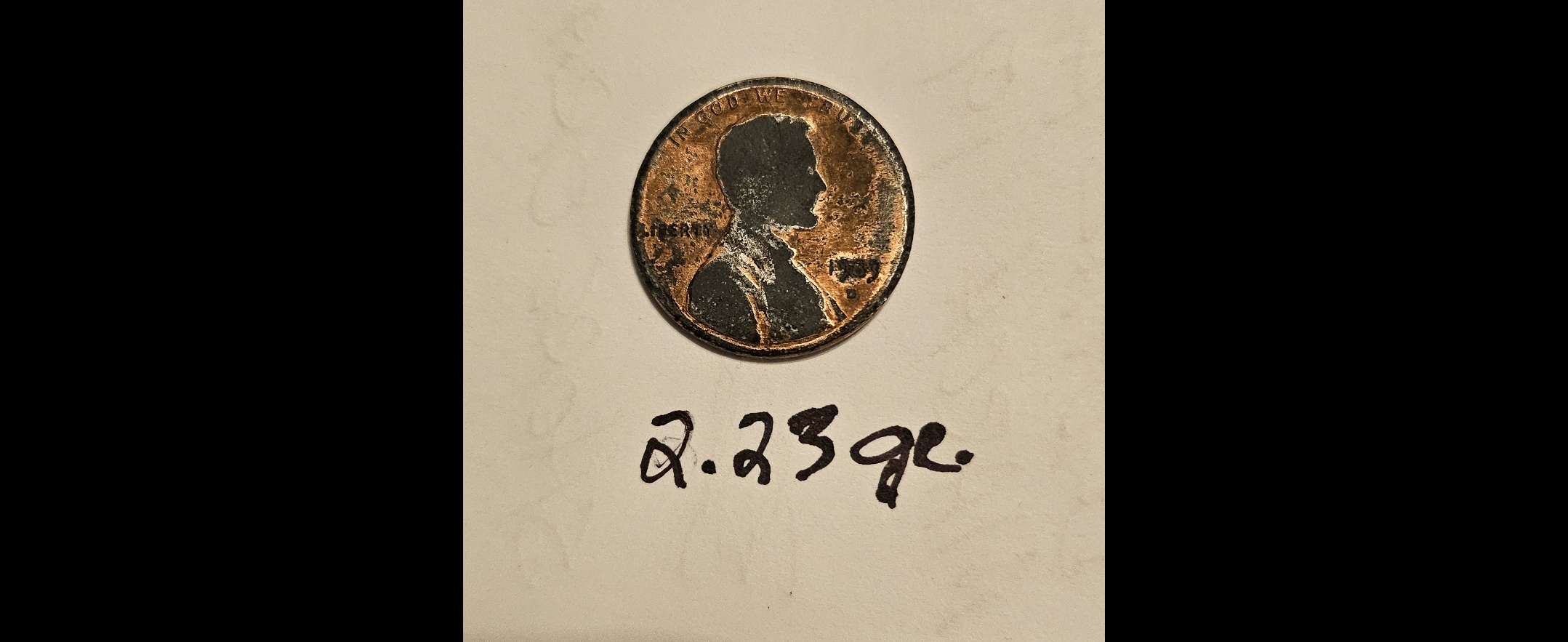
    Need help with this one. I have a penny that has no face or back, but it weighs 2.23 gr. Wondering if I have a penny on a dime, or a magician's coin. Any thoughts? https://uploads.disquscdn.com/images/90a672fee0dd0de912006fa5e66eed1487e1ed7107738af60ab92f3e0d815b59.jpg https://uploads.disquscdn.com/images/1f7cbae236e1eaa53e371b1331a9a602b9fa06eb4ad5af0d1e60e4ac8c963169.jpg

    1. JoshuaTheFunTimesGuide Avatar
      JoshuaTheFunTimesGuide

      Hi, Sean!
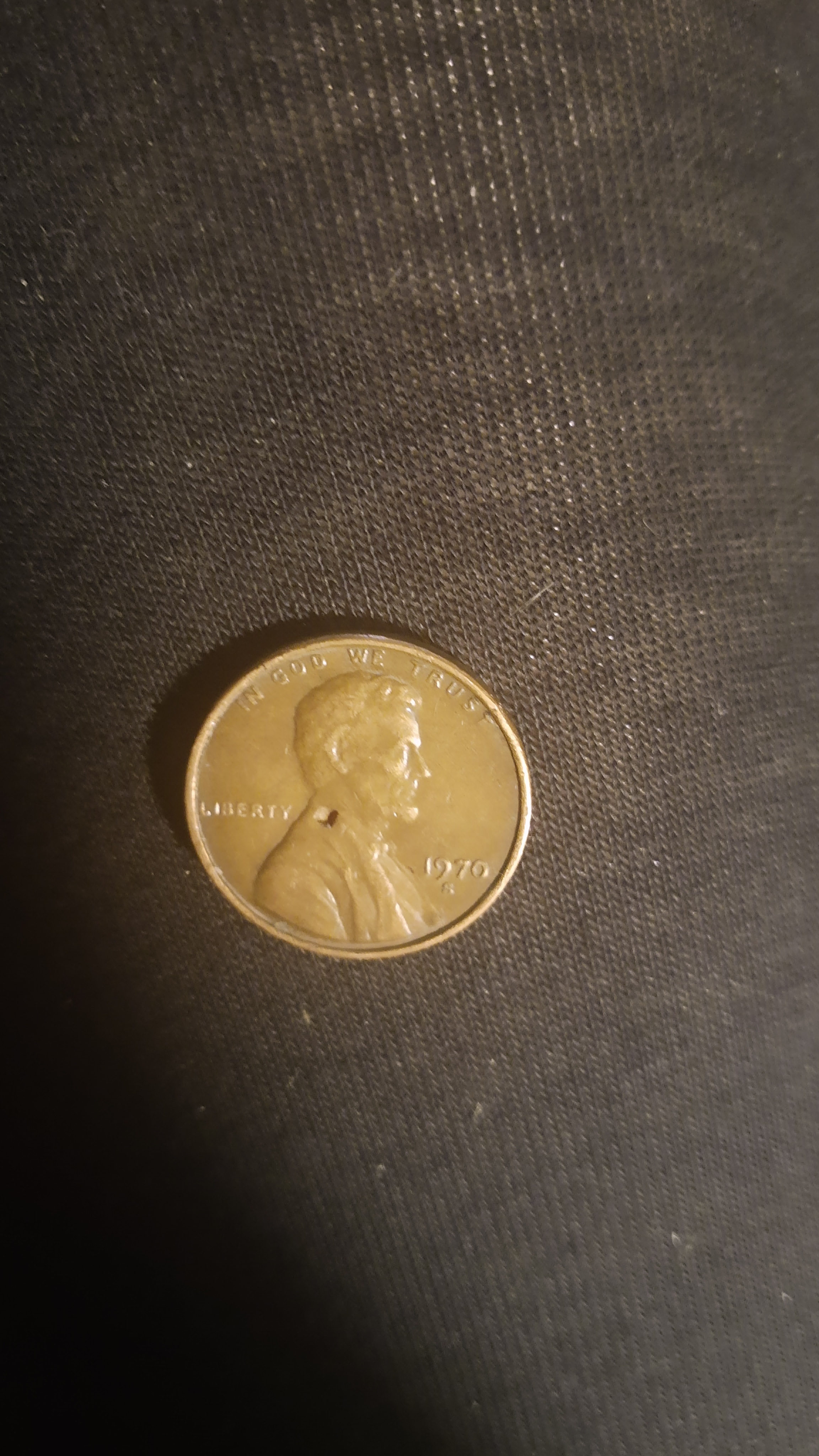
      This looks like a 1989-D (??) Lincoln Memorial penny that was heavily abraded, removing most of the front and back design details and a fair amount of metal to boot. The loss of metal would account for the coin’s lower weight.

      Best wishes,
      Josh

      1. Sean P. McGlinsey Avatar
        Sean P. McGlinsey

        Thanks Josh.

  29. neoconartist Avatar
    neoconartist

    found a 1918 Lincoln cent with both obverse and reverse, weighs 1.5g, and is half thickness of normal wheat cent… any ideas?

    1. JoshuaTheFunTimesGuide Avatar
      JoshuaTheFunTimesGuide

      Hi,

      Without having any photos of the coin to go by here, I believe the most likely explanation is that your coin was submerged in acid during a common type of school experiment. The typical result is a penny like yours that retains its basic design but is left a thin disk that subsequently weighs less than it should.

      Best,
      Josh

  30. Jerry Avatar
    Jerry

    https://uploads.disquscdn.com/images/83f6cfcead968c36db1a9d4bb752415f80debe565931777be05fb174b0dd9e26.jpg
    I've had this penny for 50 years and still don't know what happened to it. I thought maybe someone had dripped glue or something on it, but the color and aging are uniform and I"m sure all the material is the same copper.

    1. JoshuaTheFunTimesGuide Avatar
      JoshuaTheFunTimesGuide

      Hi, Jerry —

      There appears to be some type of residue on the coin. It might come off if the coin were safely dipped in 100% pure acetone.

      Good luck,
      Josh

      1. Francisco Avatar
        Francisco

        Hey joush

        1. JoshuaTheFunTimesGuide Avatar
          JoshuaTheFunTimesGuide

          Hello, Francisco! 🙂
          -Josh

          1. Francisco Avatar
            Francisco

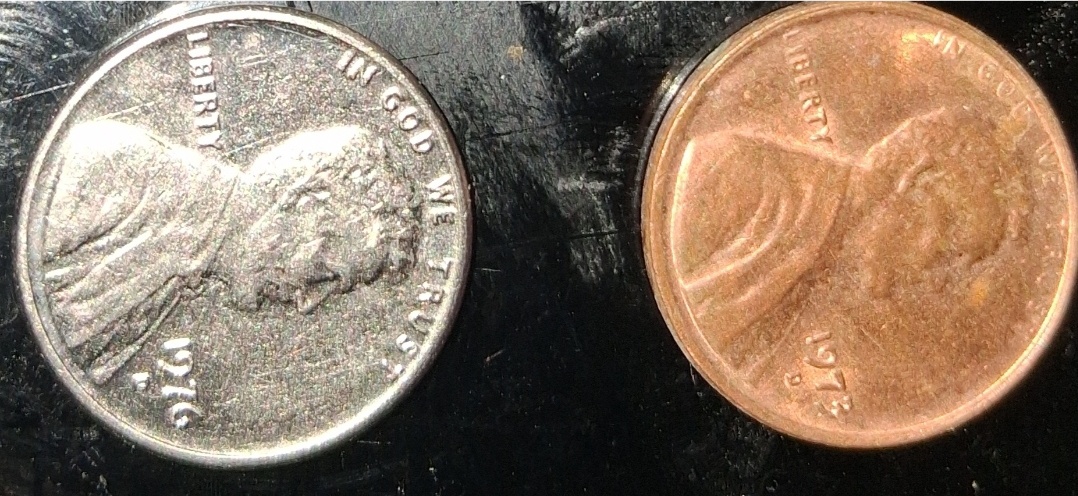
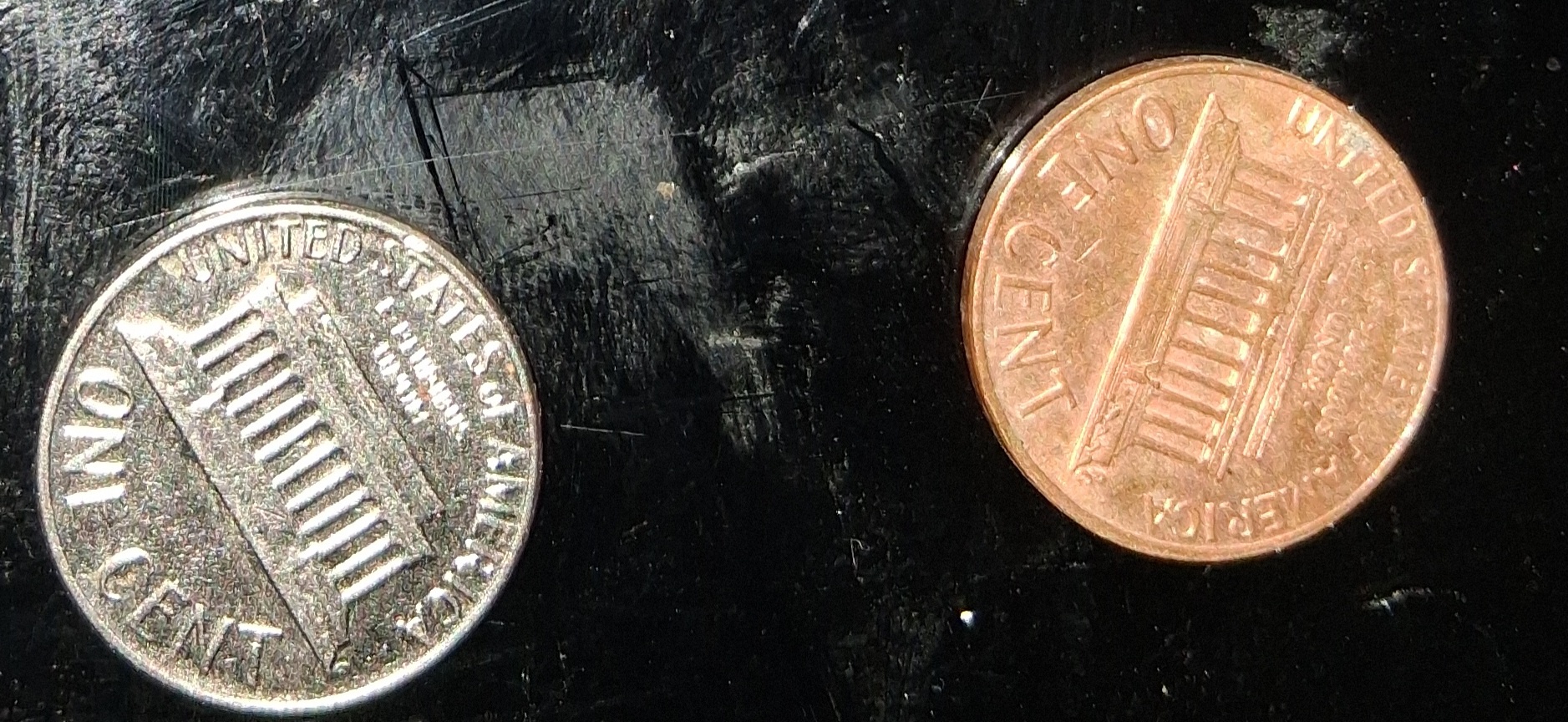
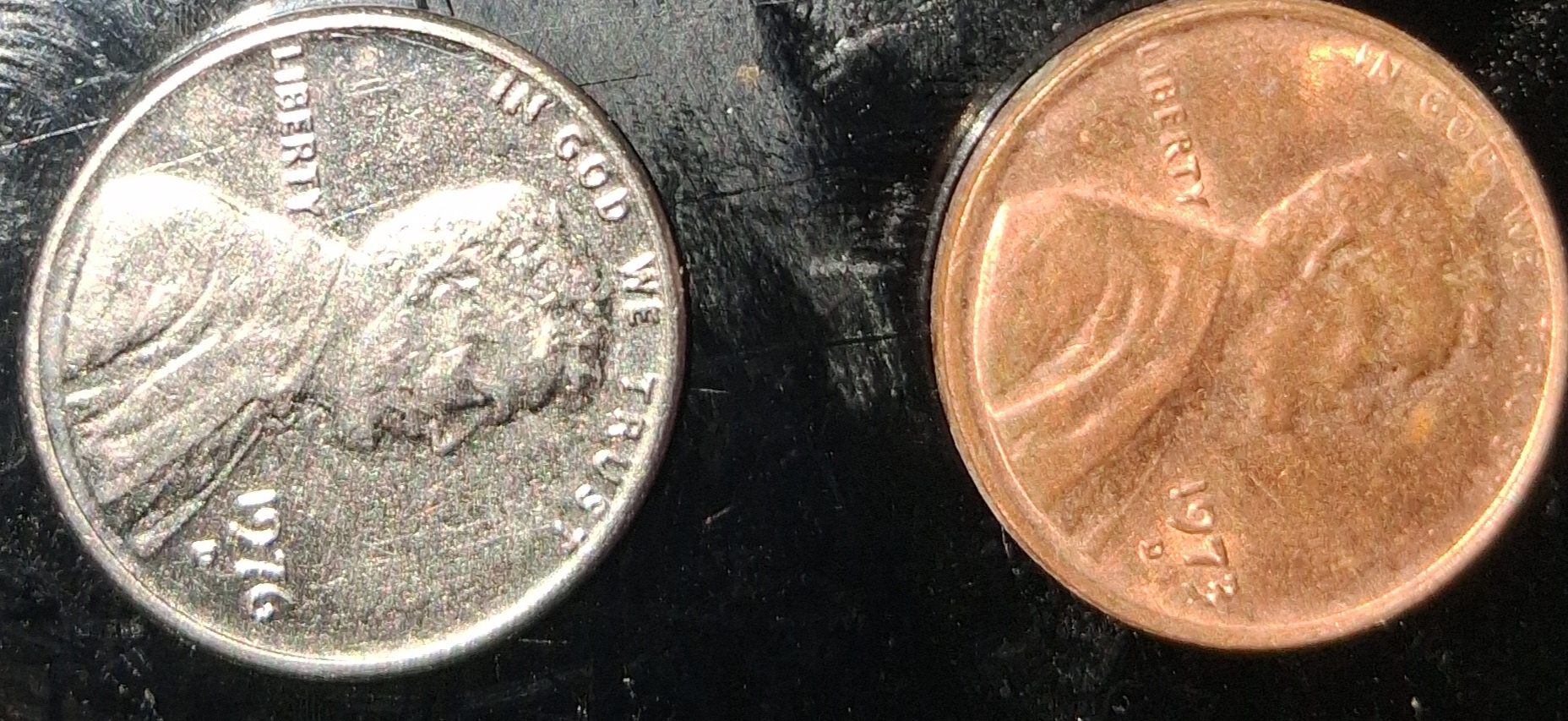
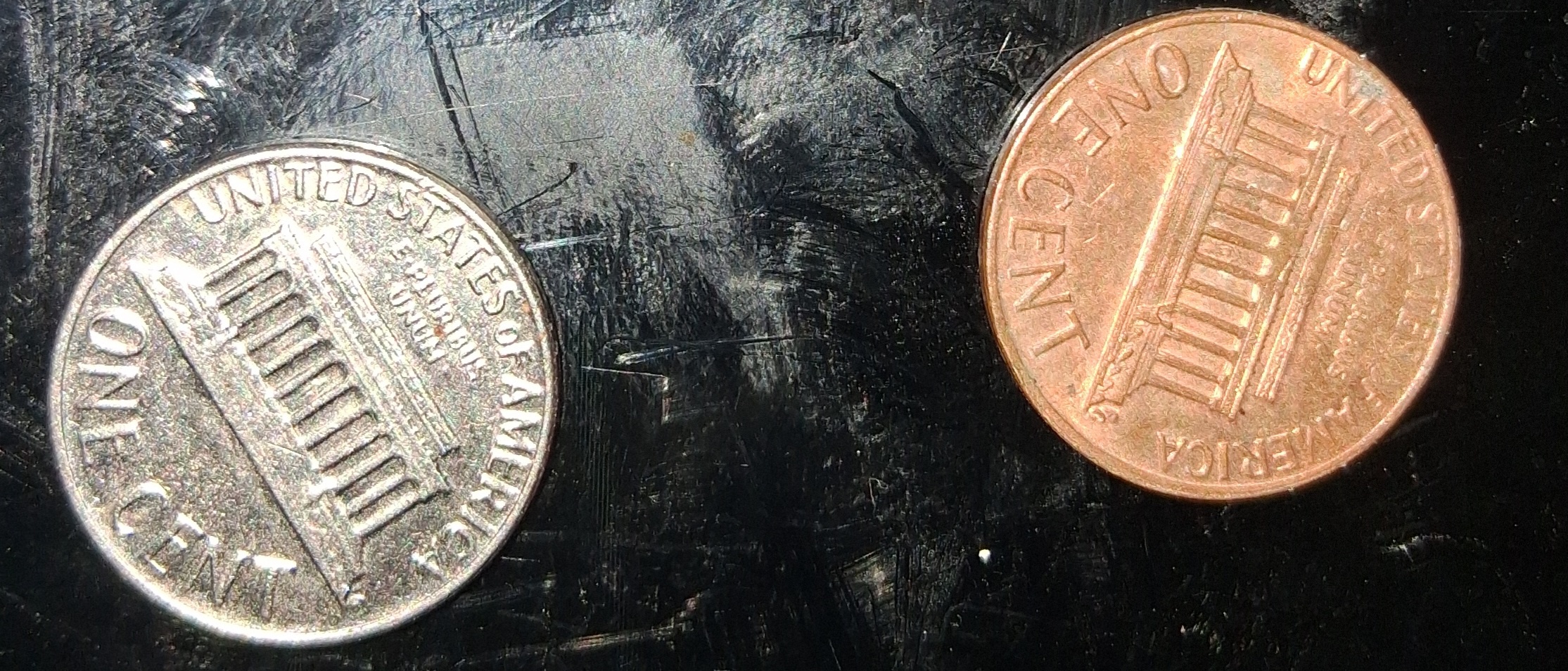
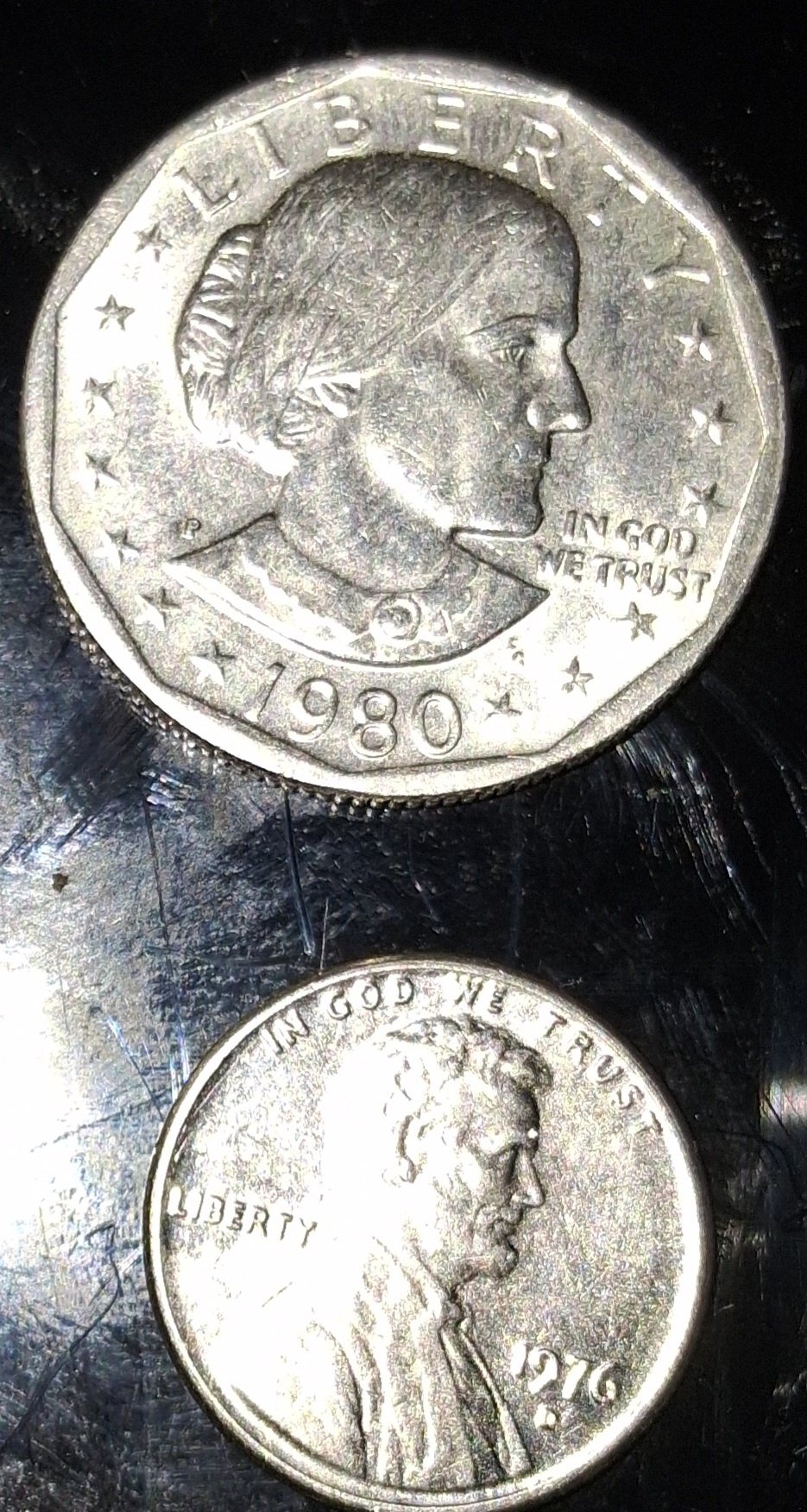
            It’s been a long time hopefully you can share some knowledge with me i just found this 1976 d silver penny iv been online looking for anything like it and found a few but not the same year

          2. JoshuaTheFunTimesGuide Avatar
            JoshuaTheFunTimesGuide

            Hi, Francisco —

            This article might help: https://uscoinsguide.com/silver-penny/

            It describes why some pennies can look silver. Please post here what your 1976-D silver penny weighs (down to the tenth of a gram) and if it sticks to a magnet.

            Best wishes,
            Josh

Leave a Comment

Ezoic/Google Ad

300x250

Content Widget

Ezoic/Google Ad

300x600 Sticky