




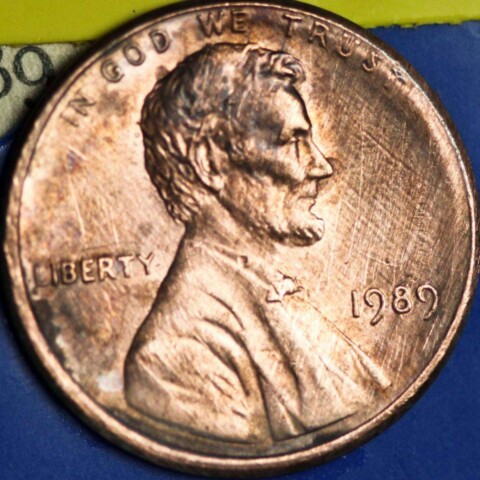
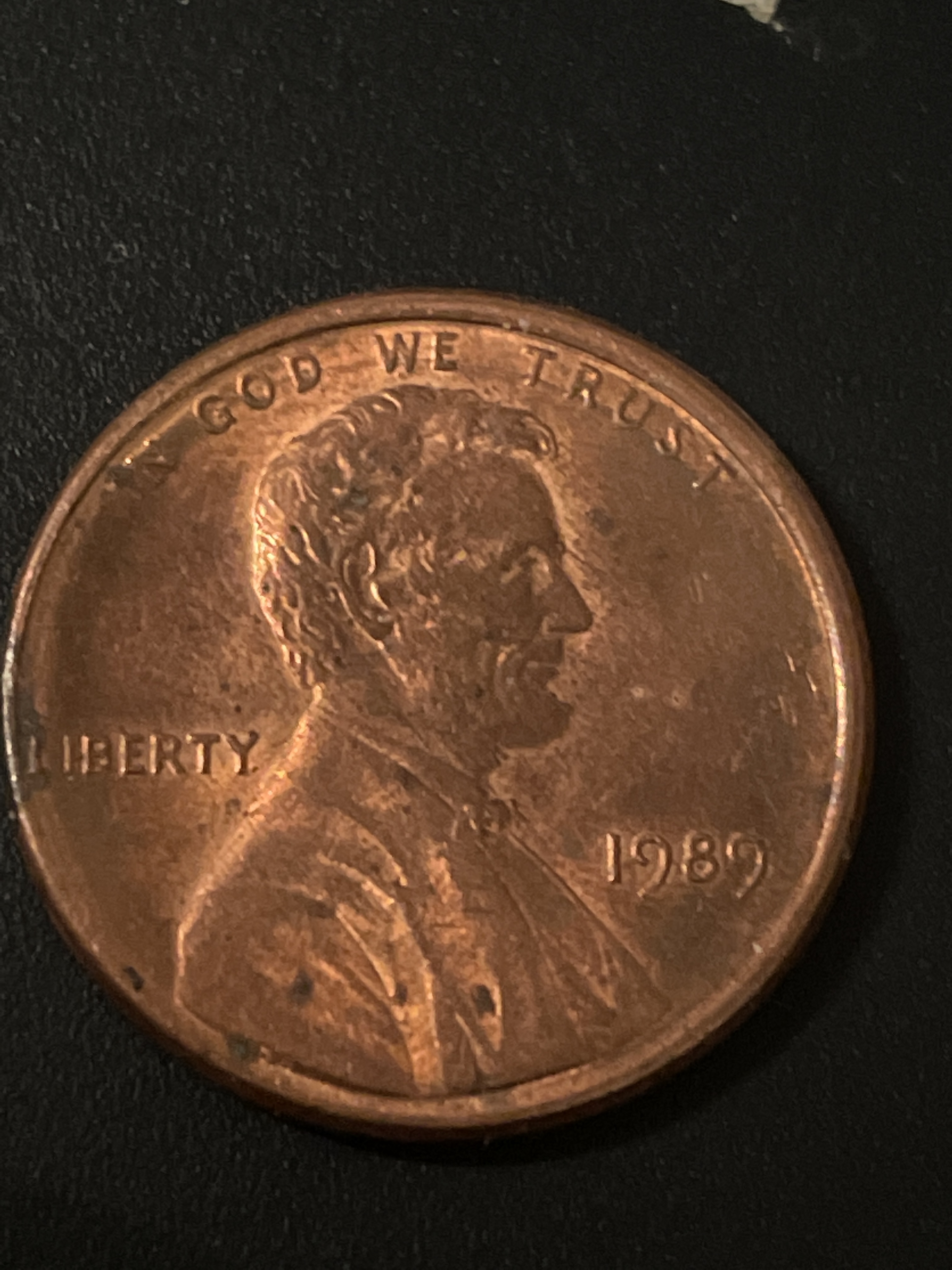
Did you know there’s a rare 1989 penny worth $3,000… or more?
It’s true! And you may find one of them in your pocket change.
In this article I’m going to tell you:
- How to find a rare 1989-D penny
- How much a 1989-D penny is worth
- How much all of your other 1989 pennies are worth
Why Are Some 1989 Pennies Rare & Valuable?
Some old pennies are worth more than others. And in the case of a rare 1989-D penny, it’s worth much, much more!
Circulation-strike 1989 pennies are typically made of a copper-plated zinc composition. Many 1982 pennies and all business-strike pennies made since 1983 are supposed to be made from that zinc composition.
However, there have been a few hiccups in the metal composition of Lincoln pennies since 1982 — when the United States Mint transitioned from making 95% copper pennies to 97.5% zinc pennies.
Apparently, a few 1989-D pennies were accidentally minted on pre-1983 95% copper planchets (aka prepared coin blanks).
There’s not much info on how these 1989 penny copper planchets ended up getting struck some 7 years after the last copper Lincoln cents were supposed to be made. But, what we do know is that these rare off-metal error coins are worth a ton of money!
How much is a 1989-D penny worth?
Well… for starters, a rare 1989-D penny sold in 2018 for $7,500!
How To Identify A Rare 1989-D Penny
It’s pretty cool that some people have found these rare 1989-D pennies and that they’re worth more than $3,000…
And here’s some more good news for you: it’s possible to find these valuable coins in your pocket change!
So how can you tell a regular 1989-D penny apart from the rare 1989-D copper penny?
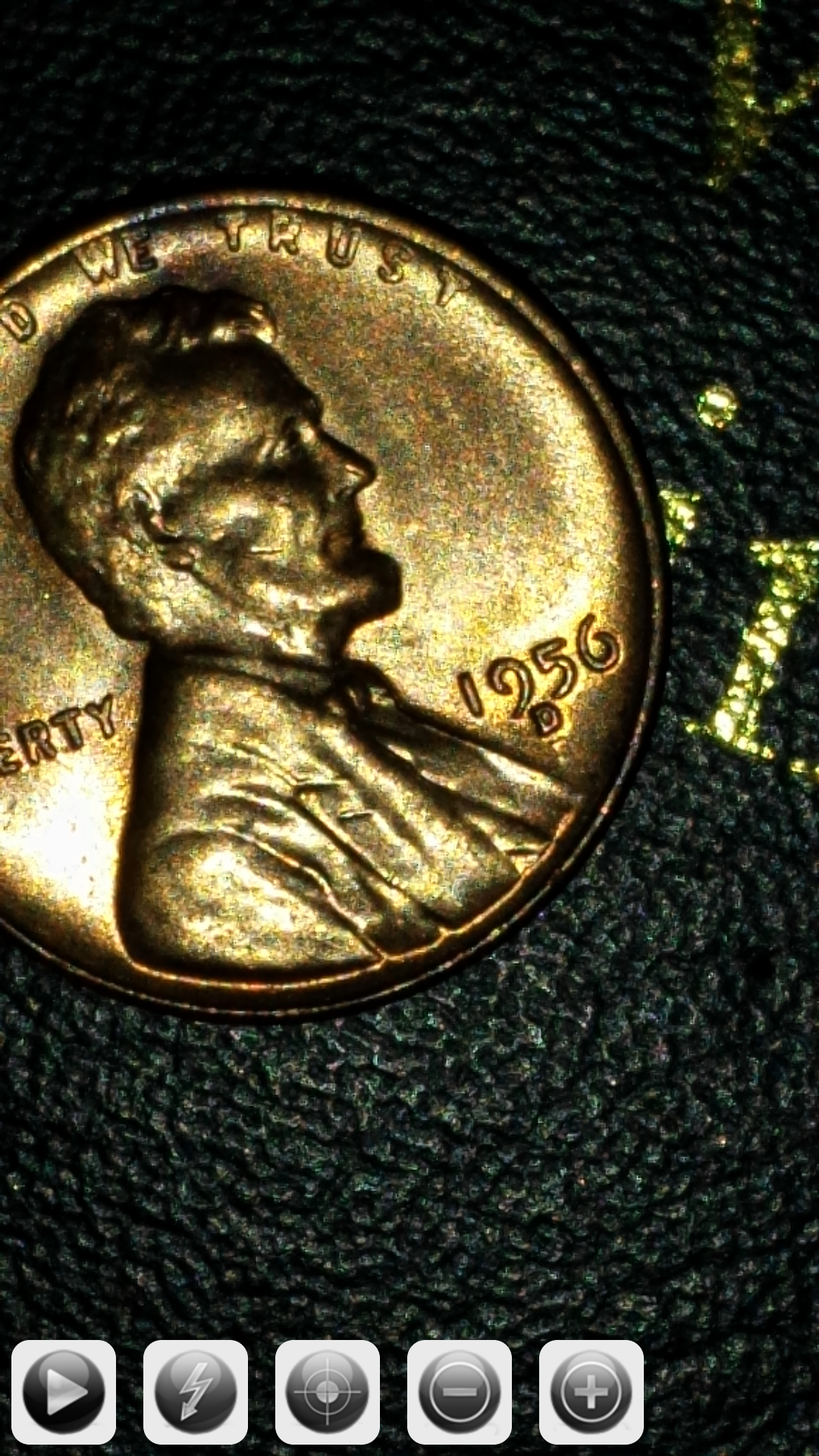
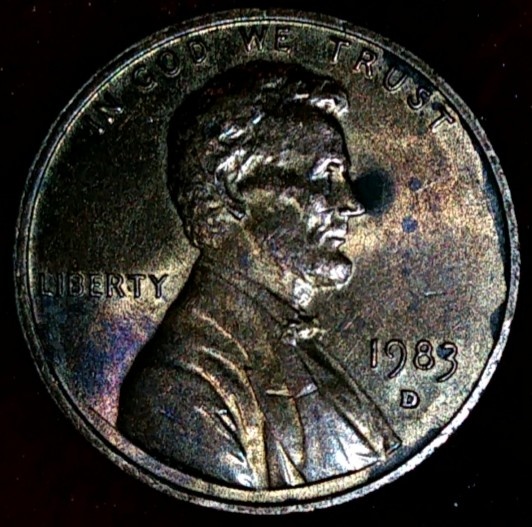
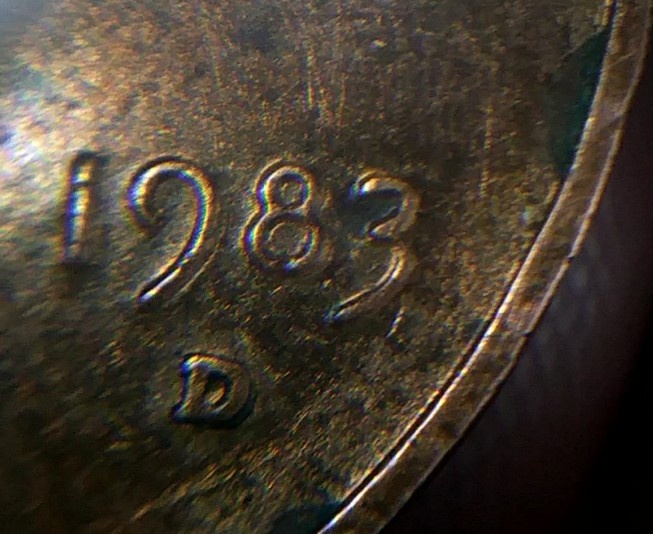
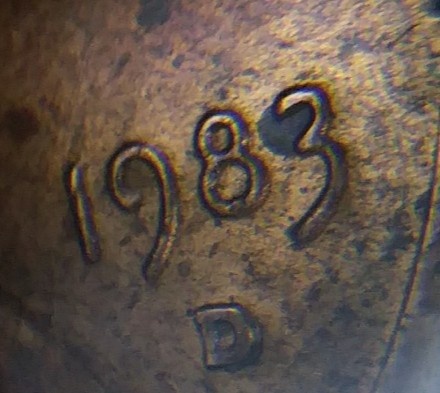
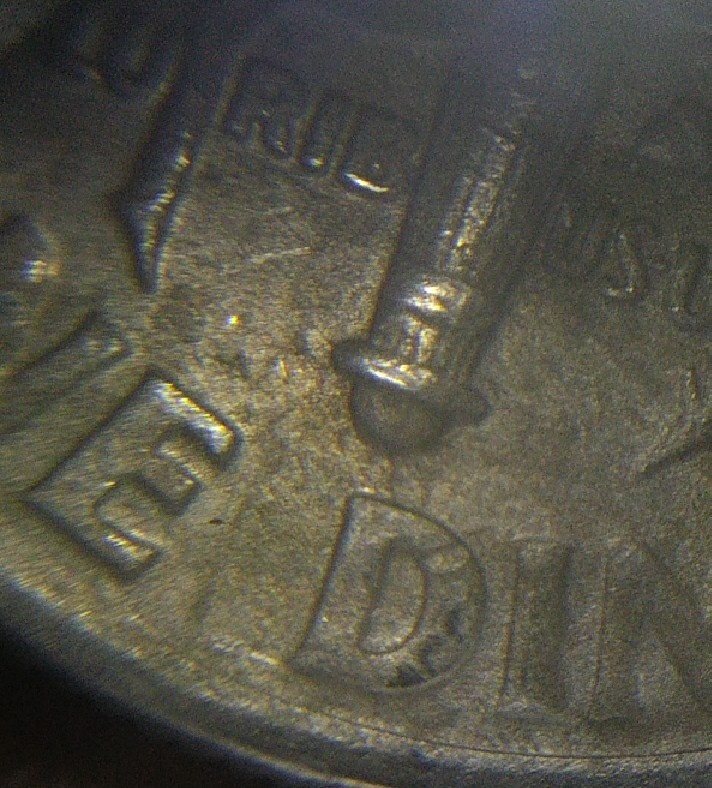
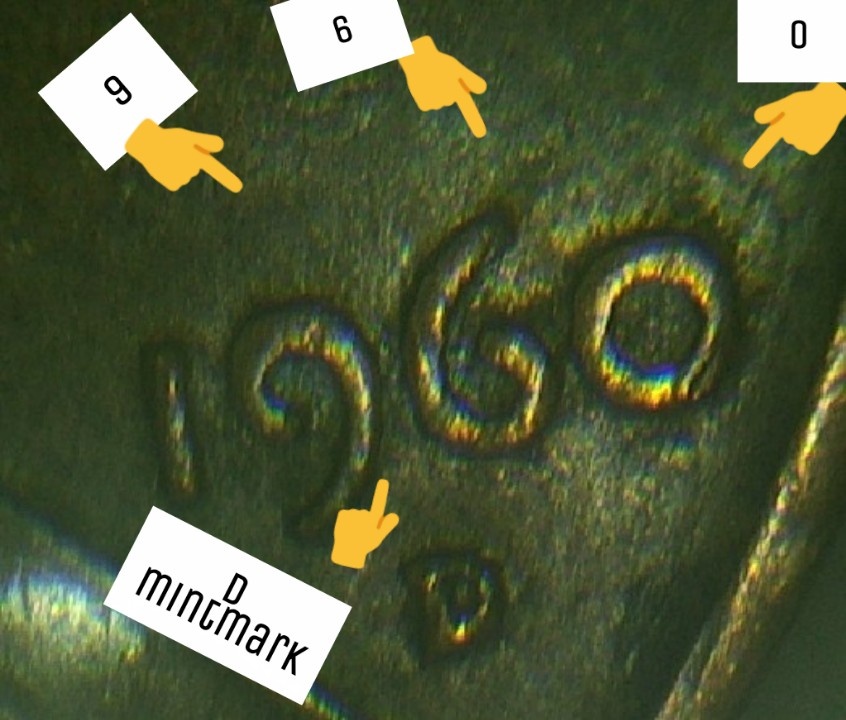
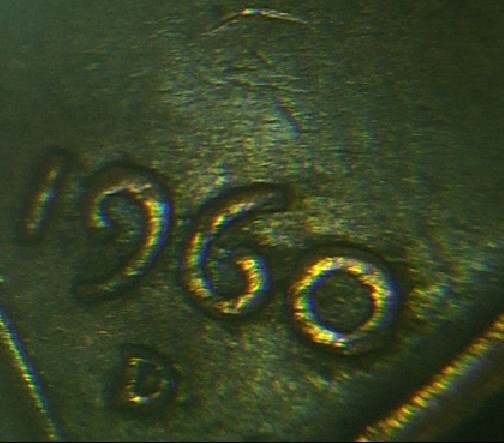
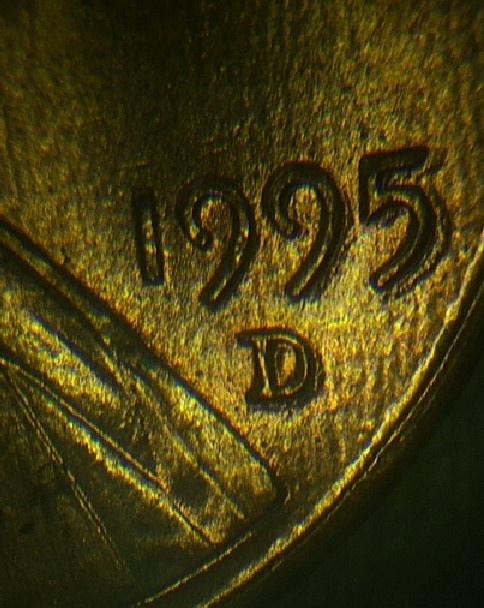
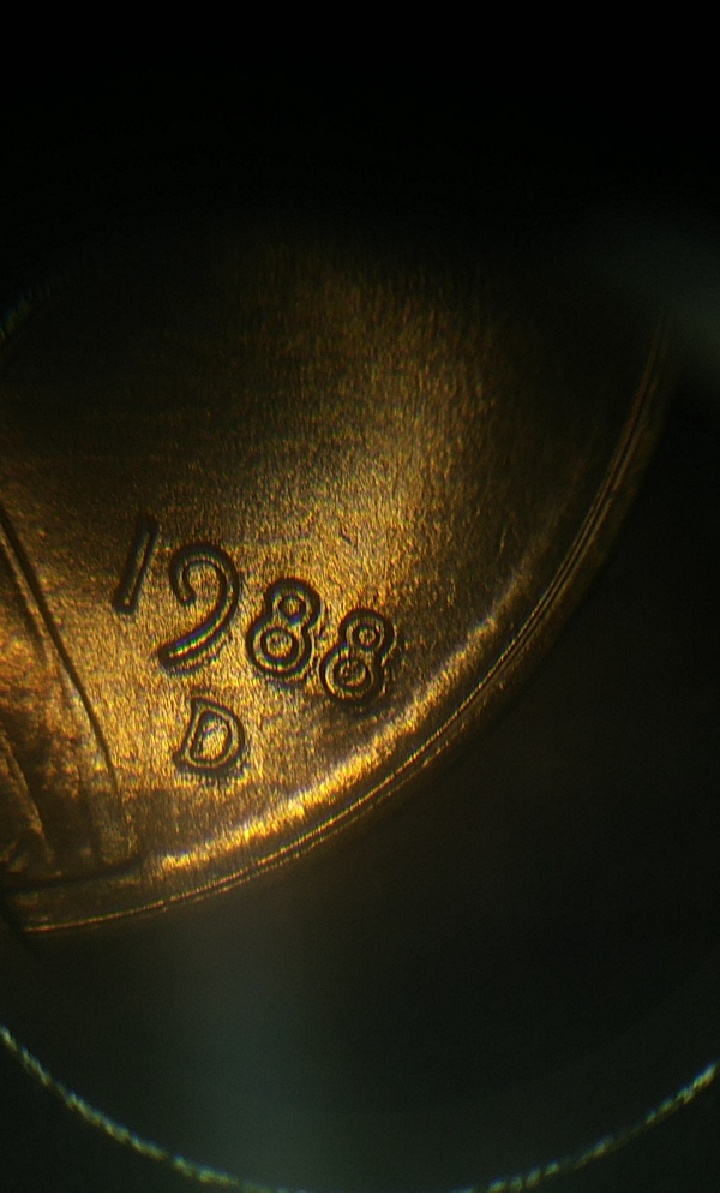
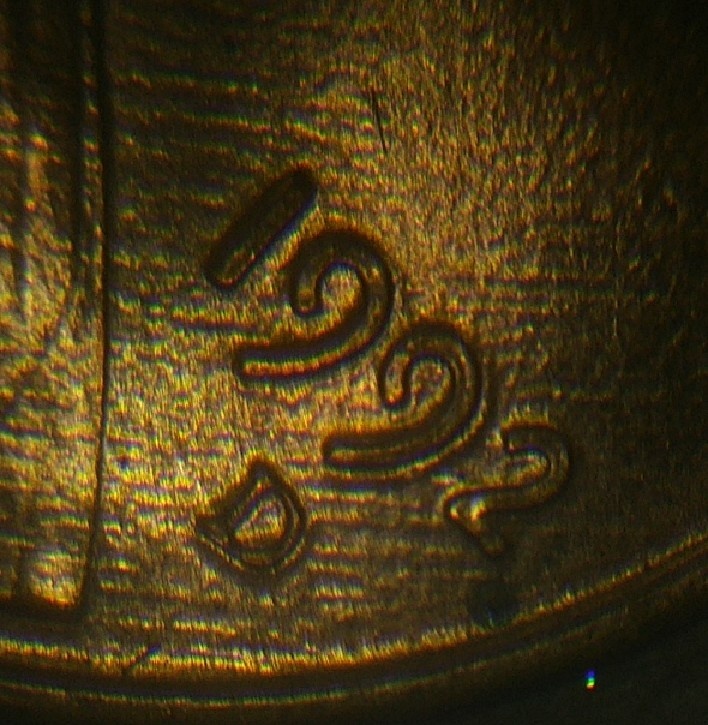
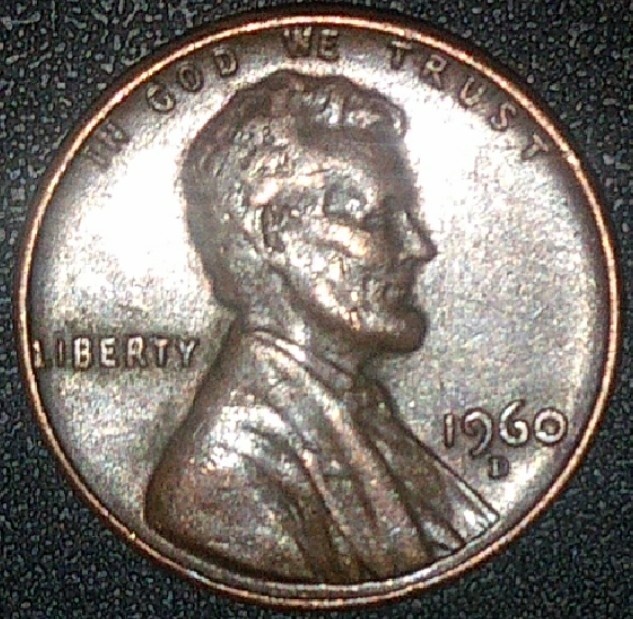
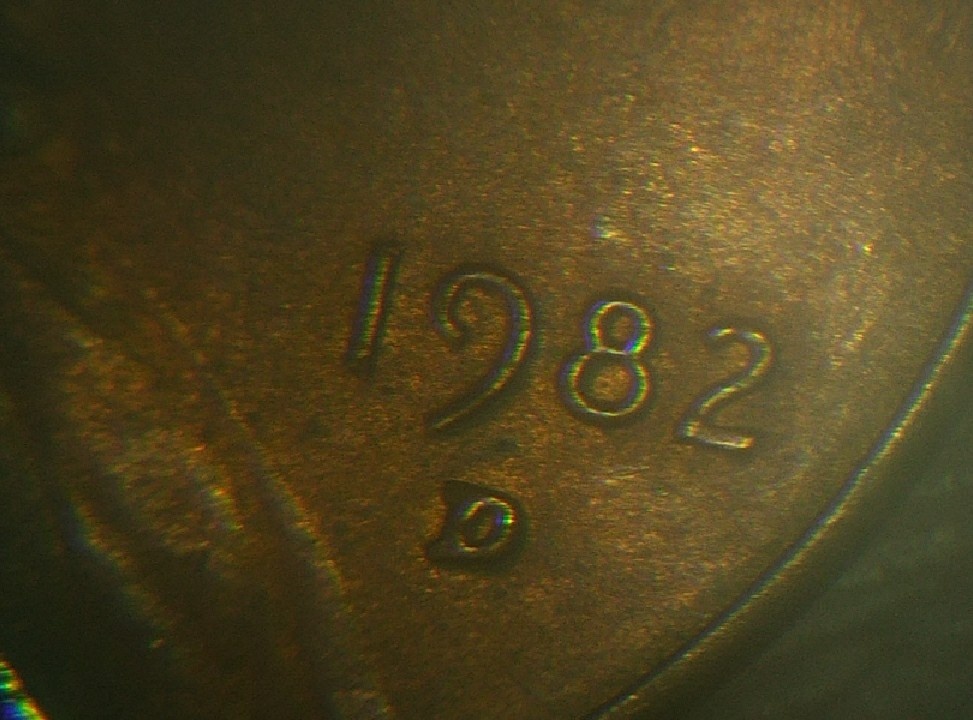
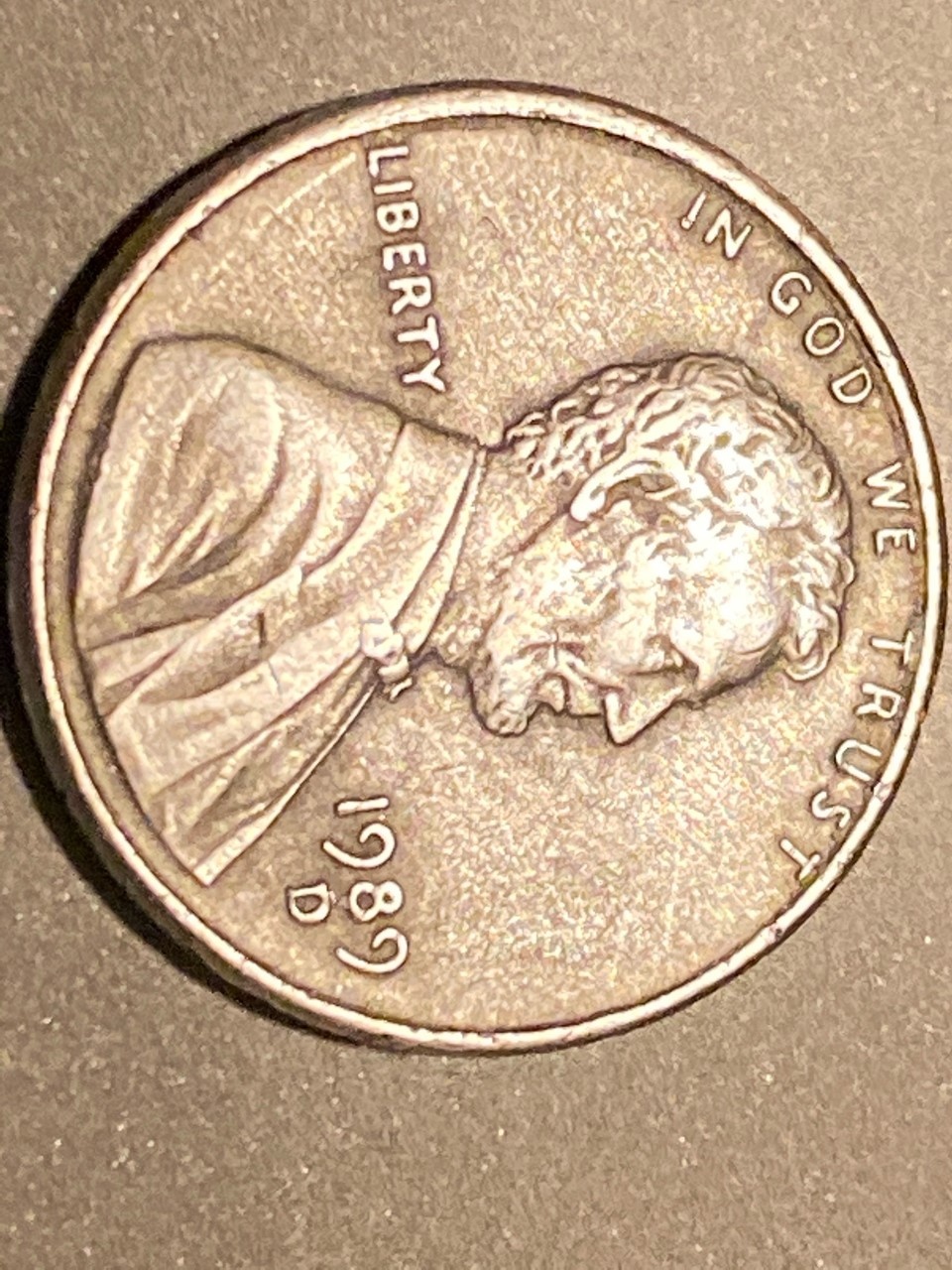
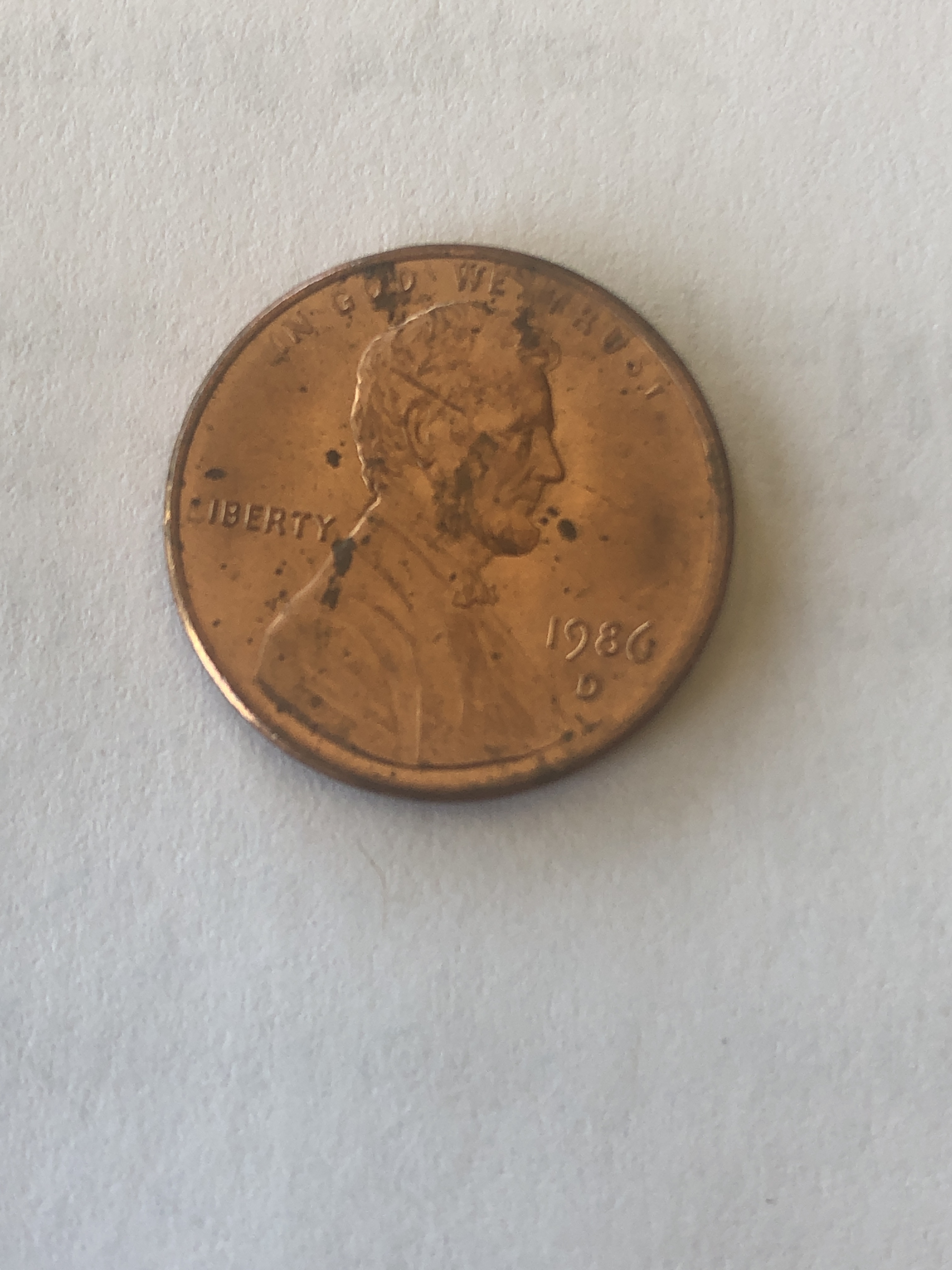
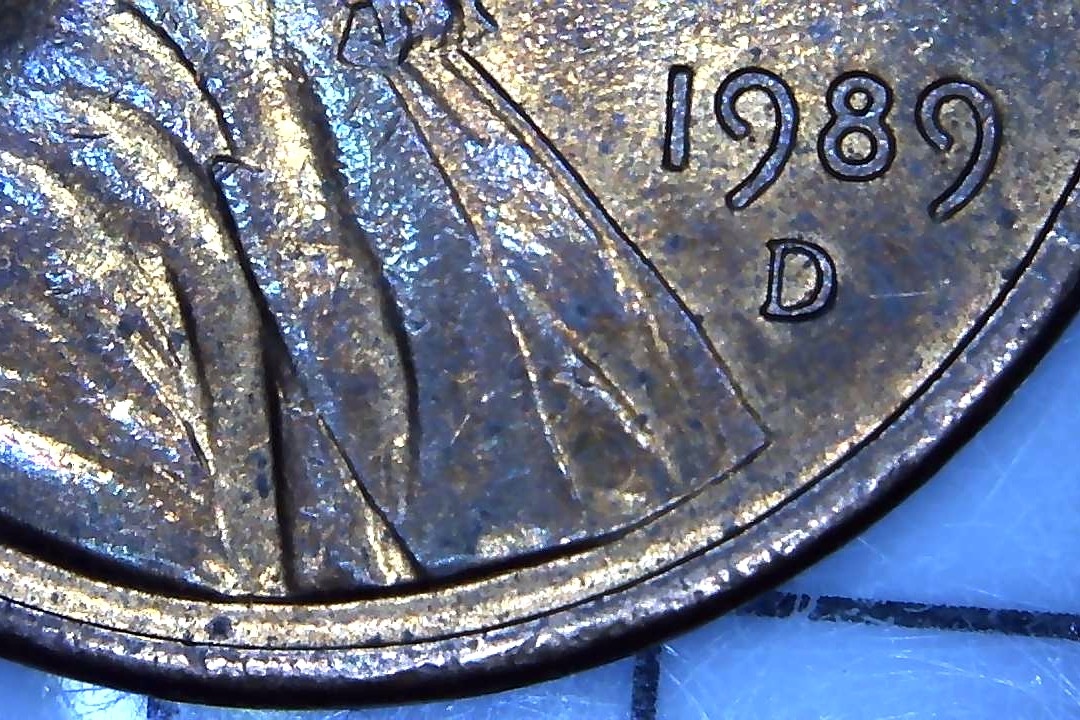
Look for the “D” mintmark (for the Denver Mint) under the date.
And then?
You’ve got to weigh them:
- The valuable 1989-D copper penny weighs about 3.11 grams
- A normal zinc-based 1989-D penny weigh approximately 2.5 grams
You can use a coin scale to see what your 1989 penny weighs. Or you can try dropping it to listen for tone differences:
- Zinc-based pennies will make a dull clicking sound when dropped on a hard surface, such as a table.
- Copper pennies let out a quiet, bell-like ring when hitting hard surfaces.
Normally, it’s not recommended to drop coins onto hard surfaces. But in this case, where you’re generally dealing with common coins, it’s okay.
Two other valuable, rare COPPER Lincoln pennies from the 1980s:
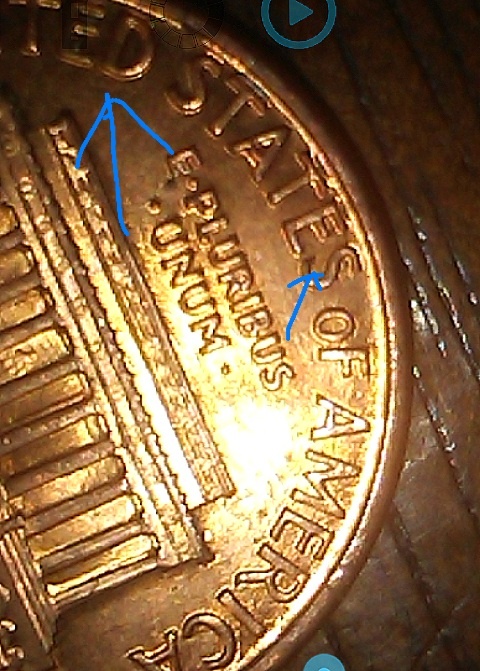
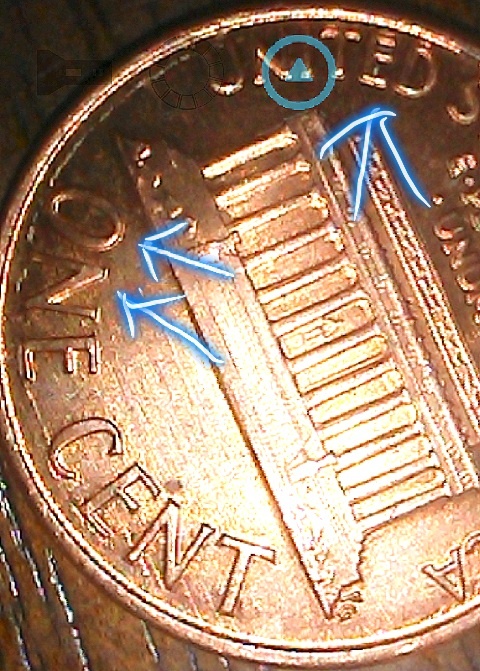
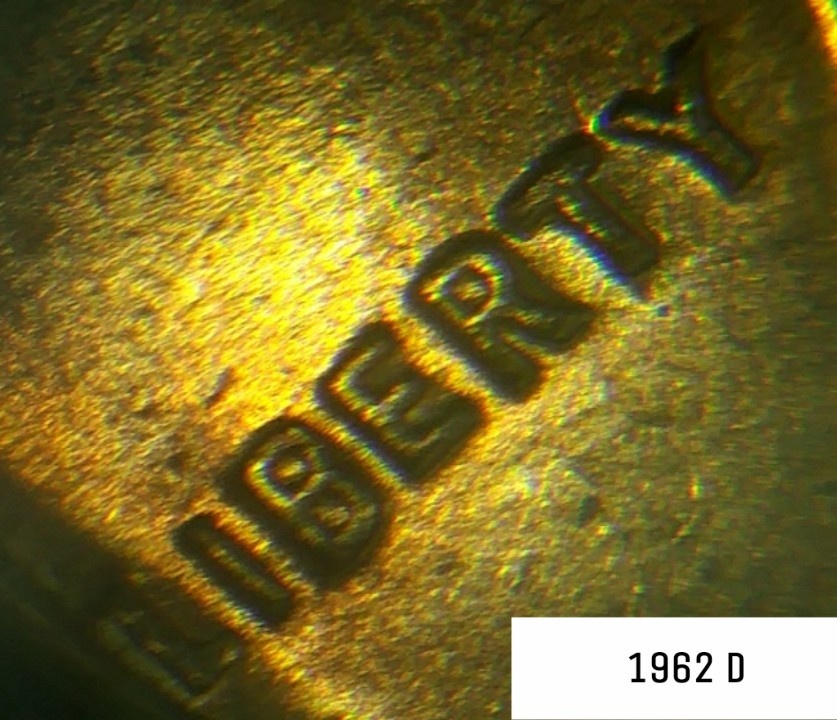
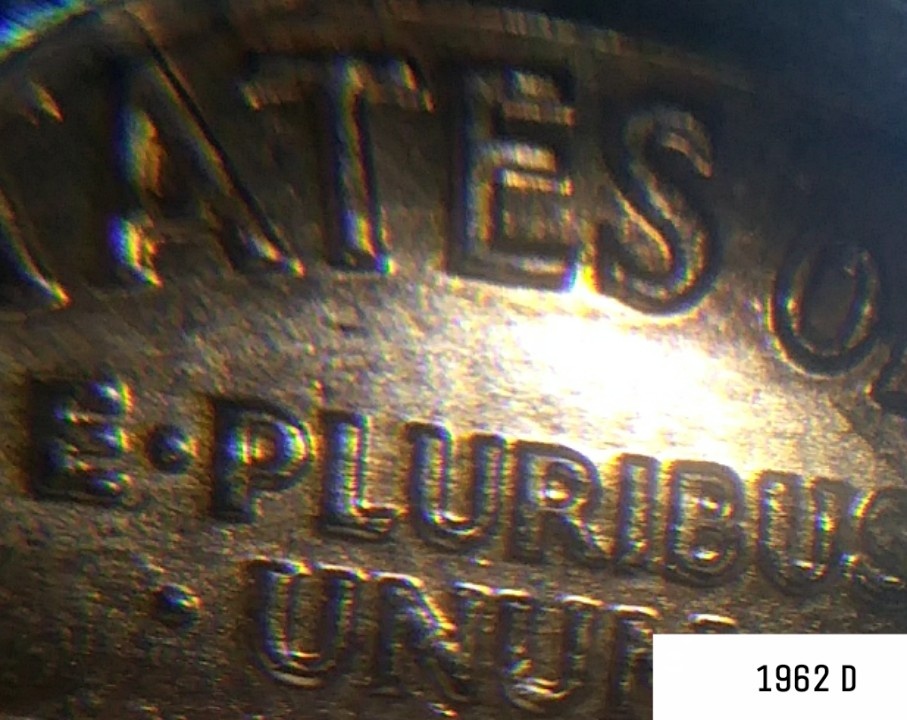
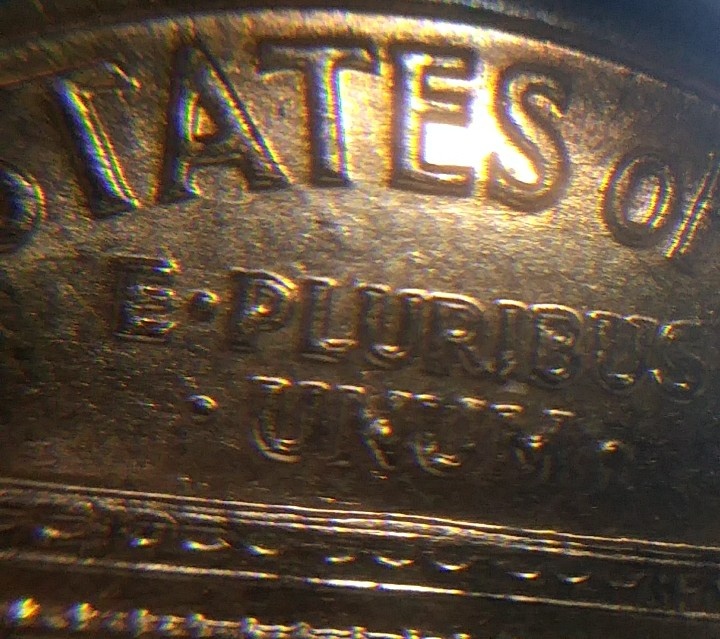
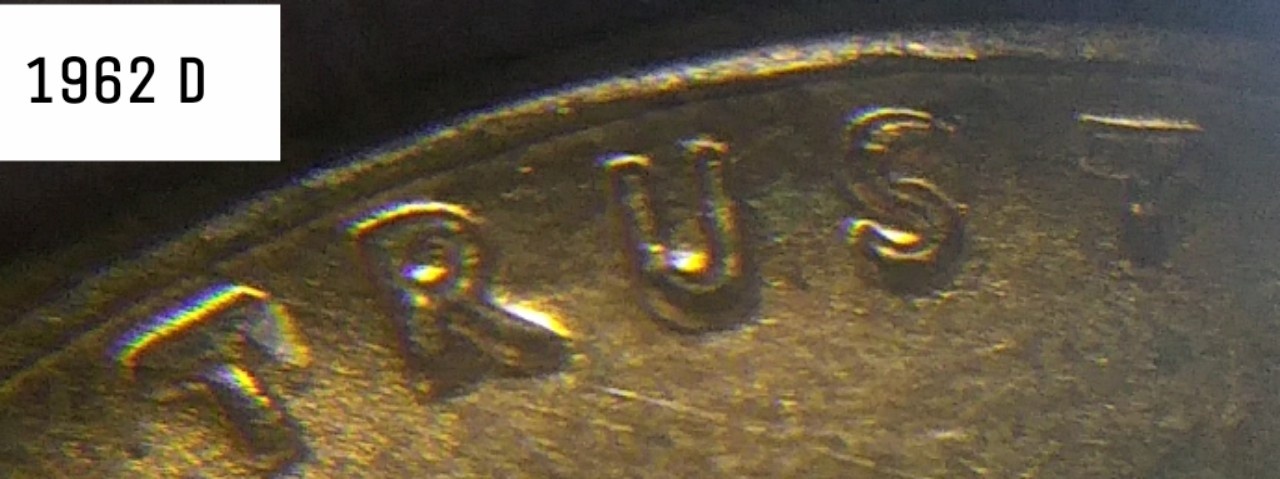
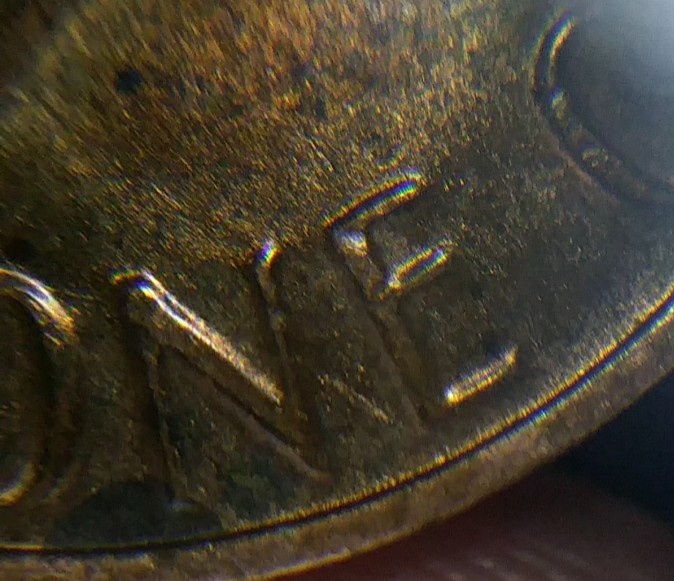
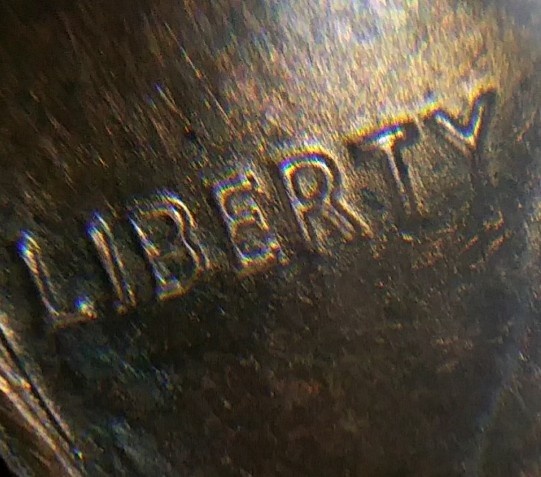
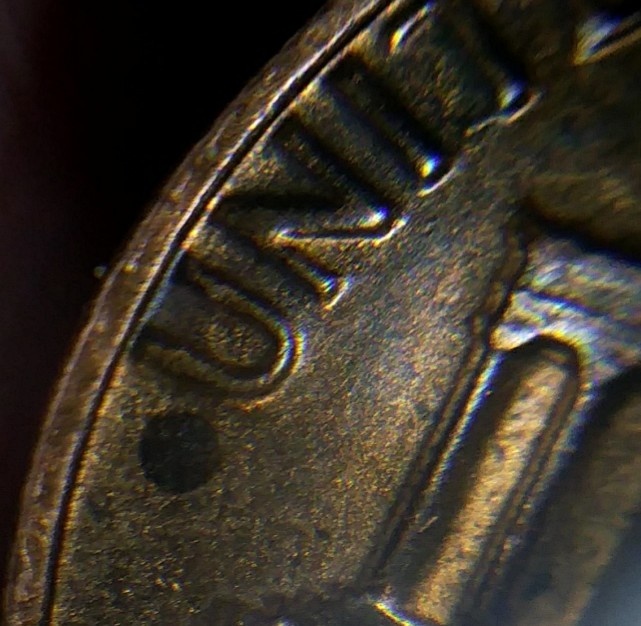
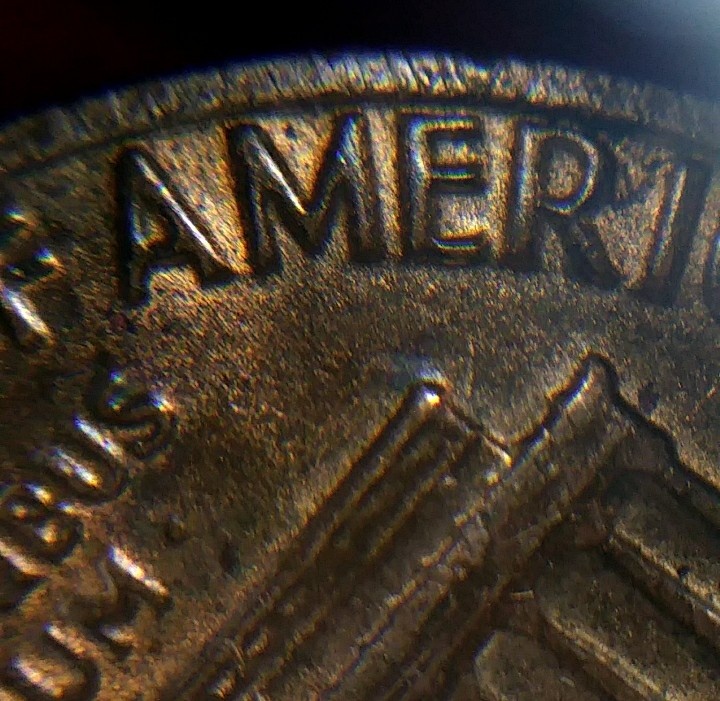
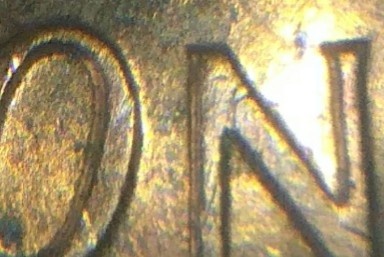
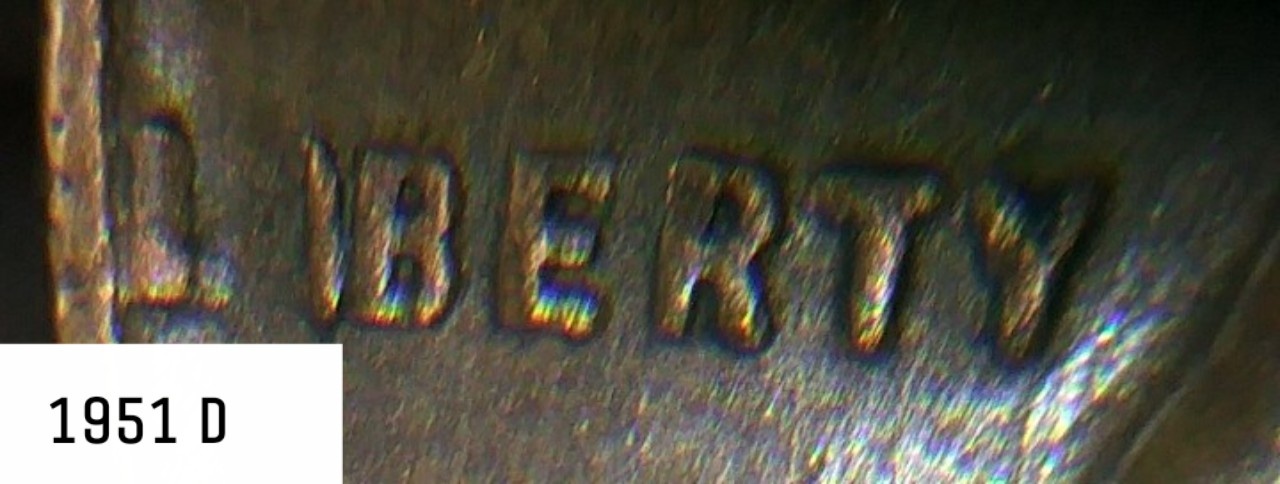
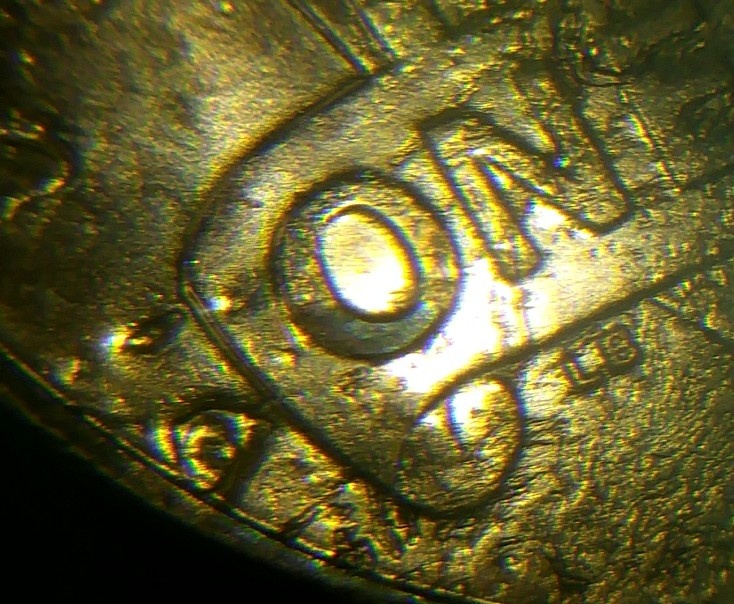
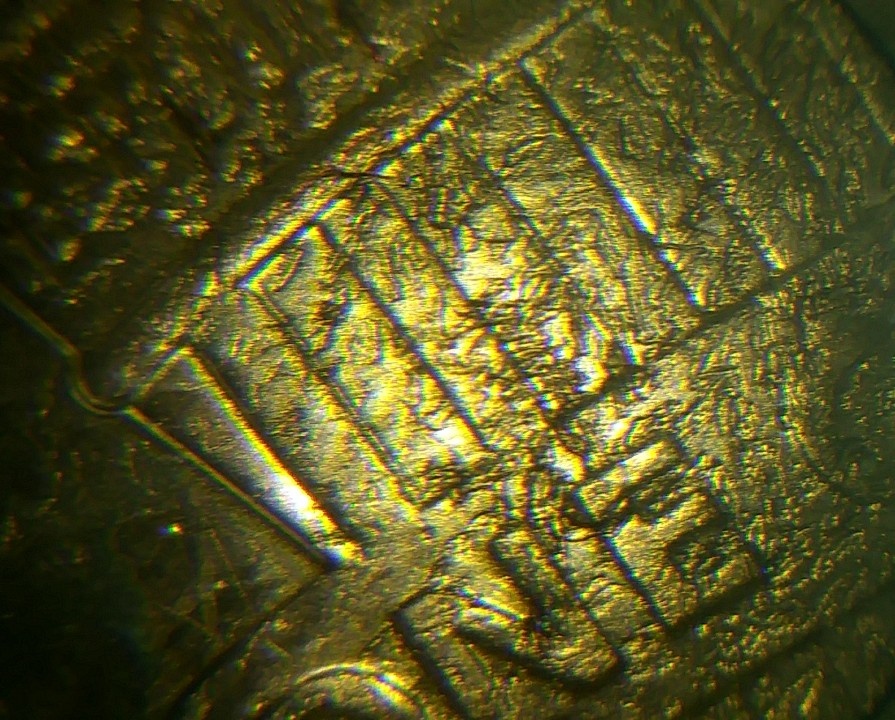
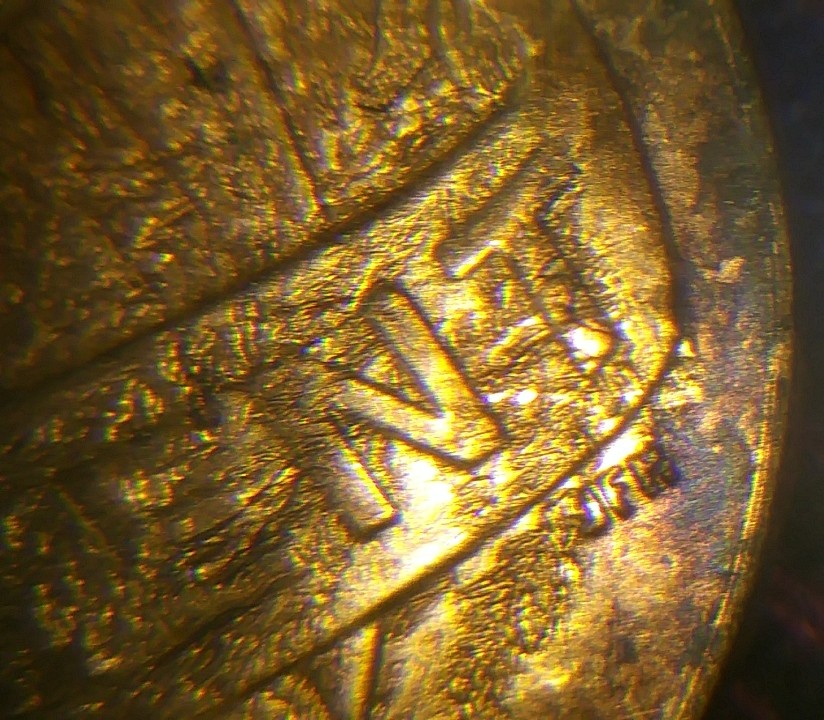
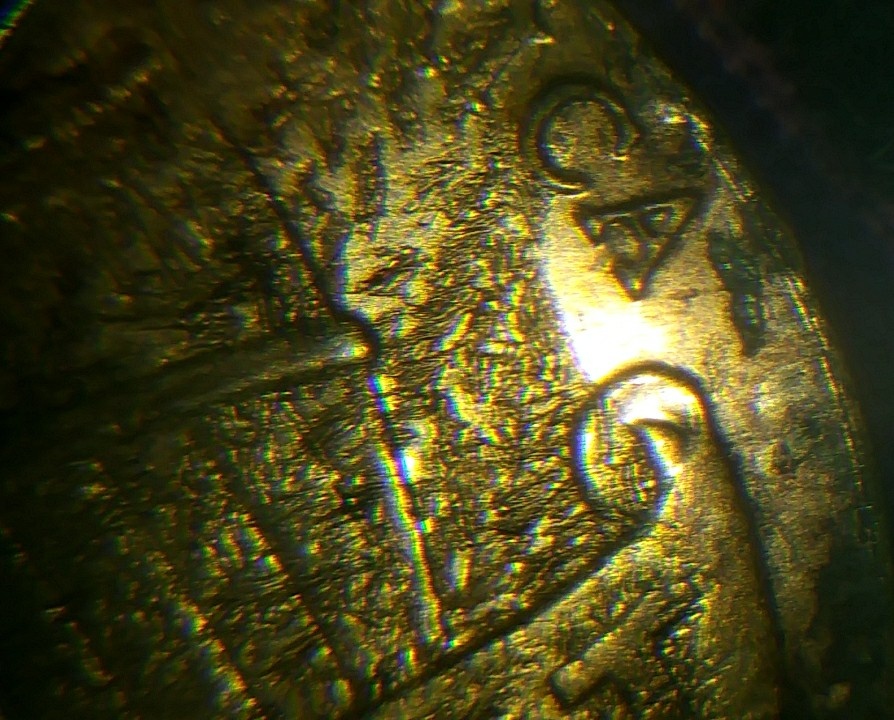
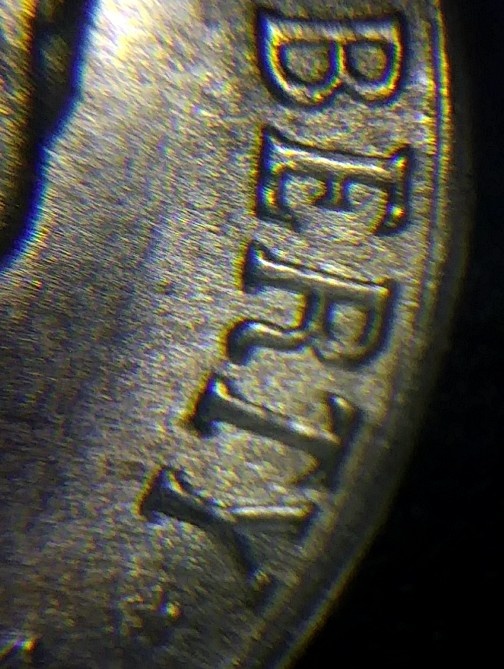
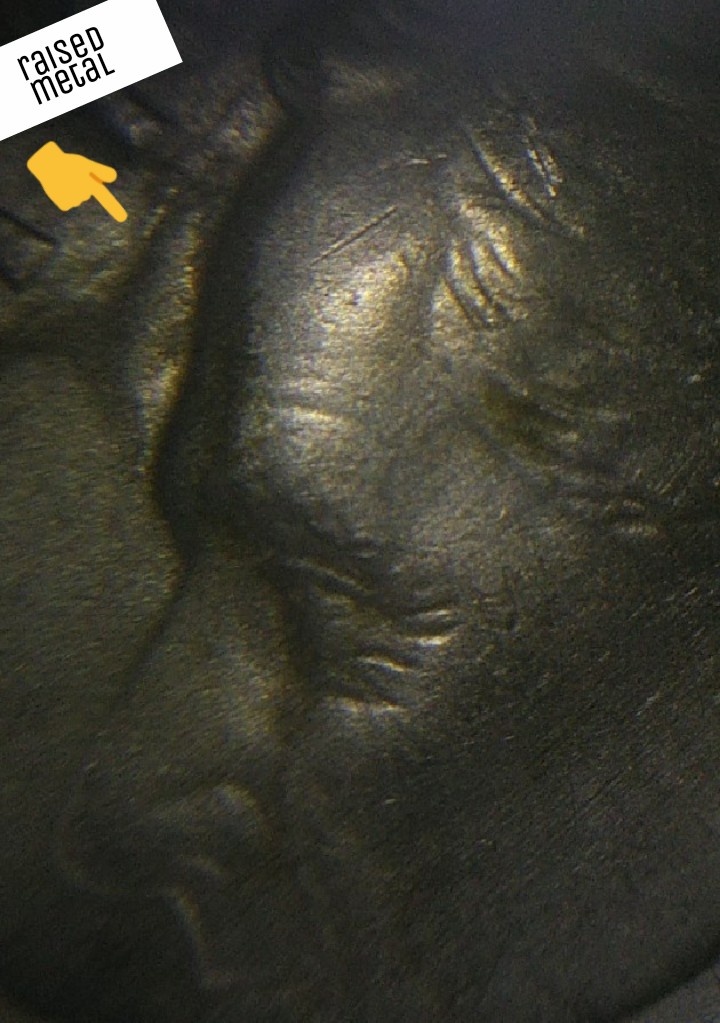
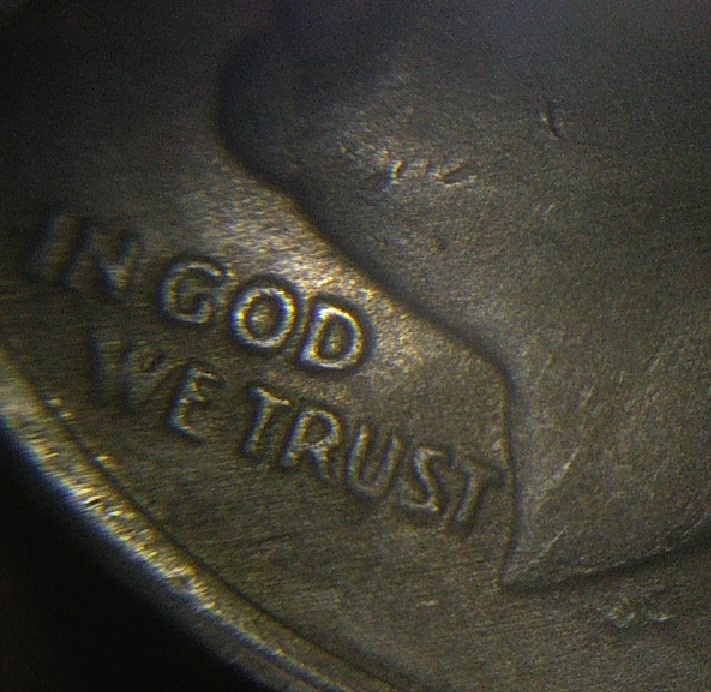
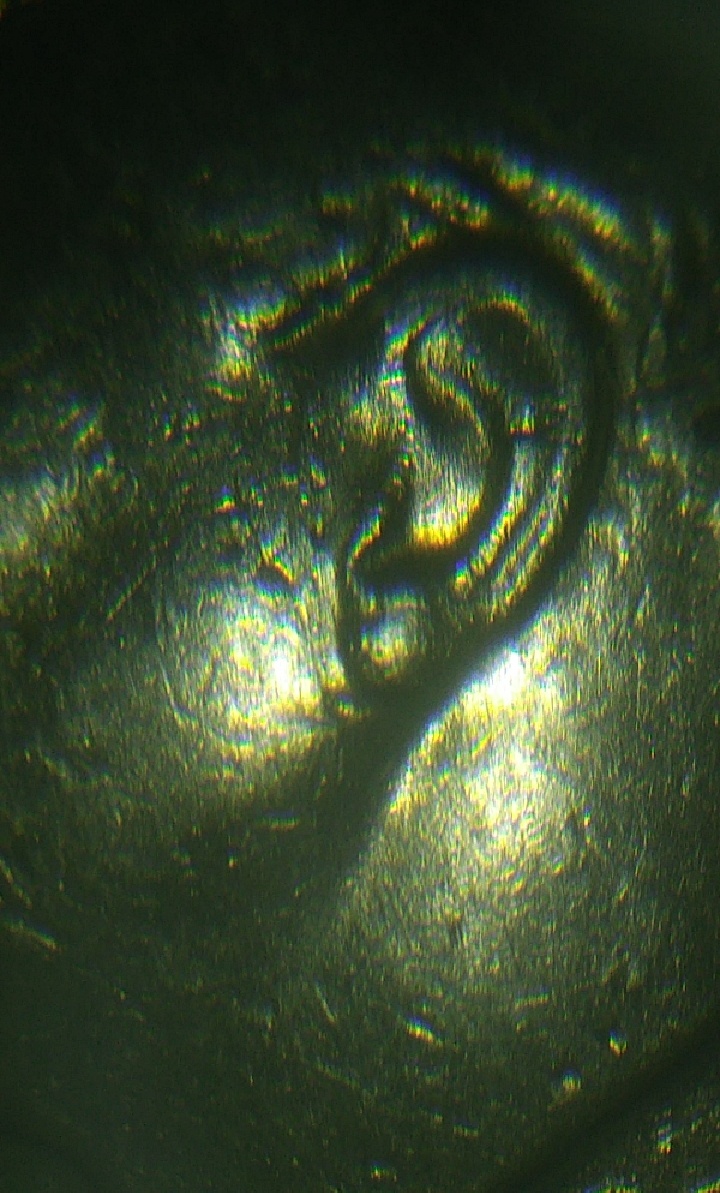
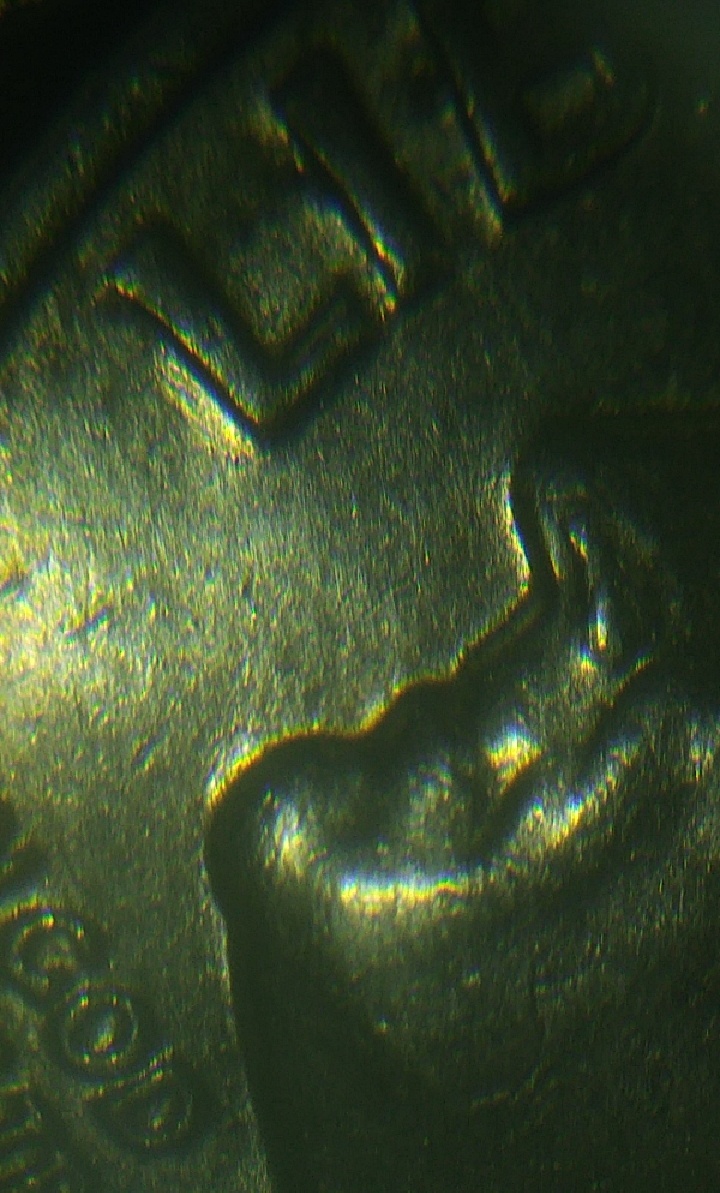
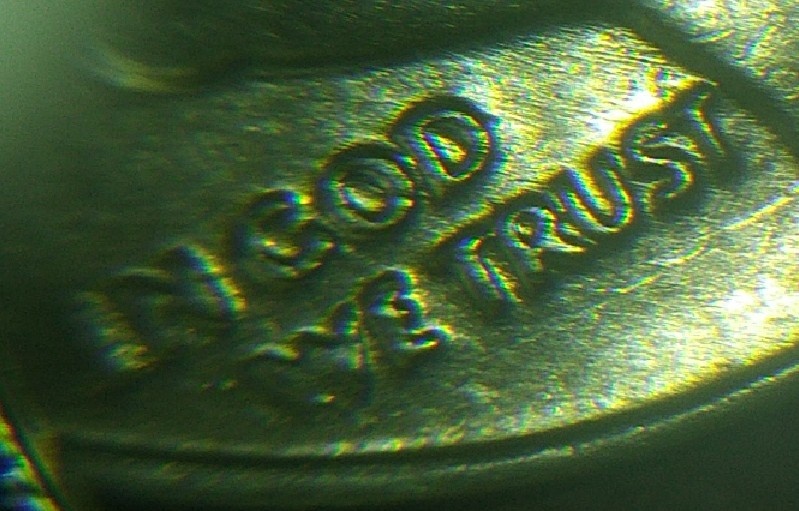
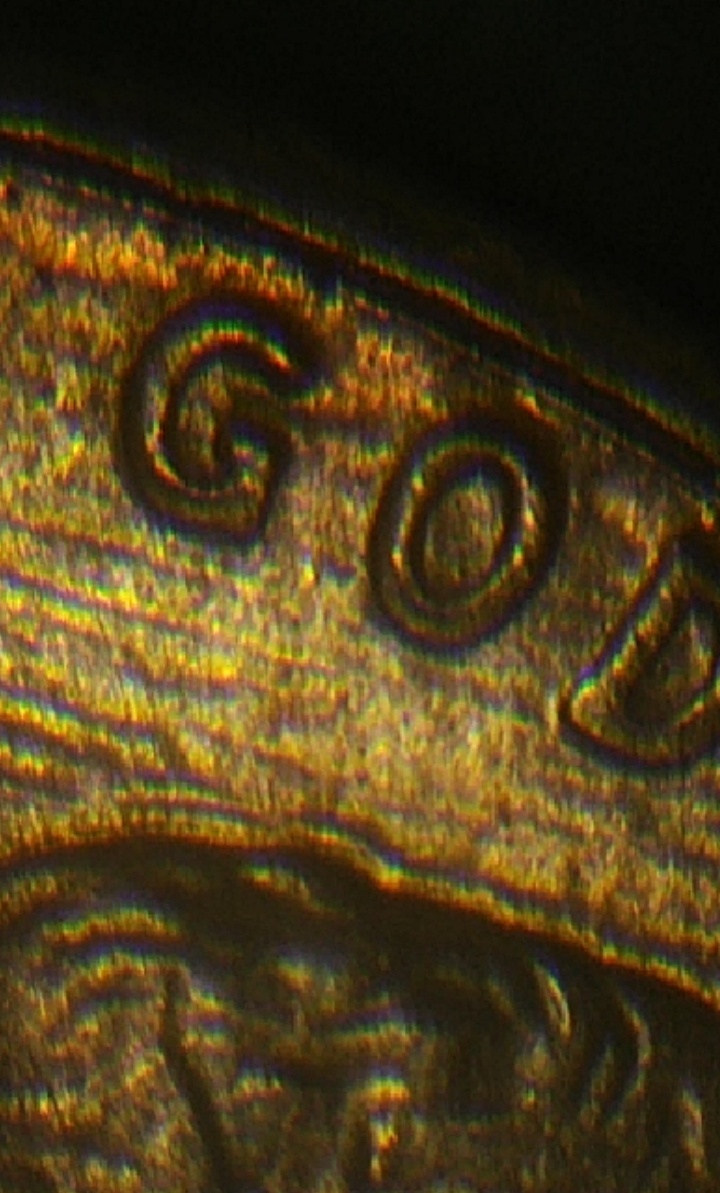
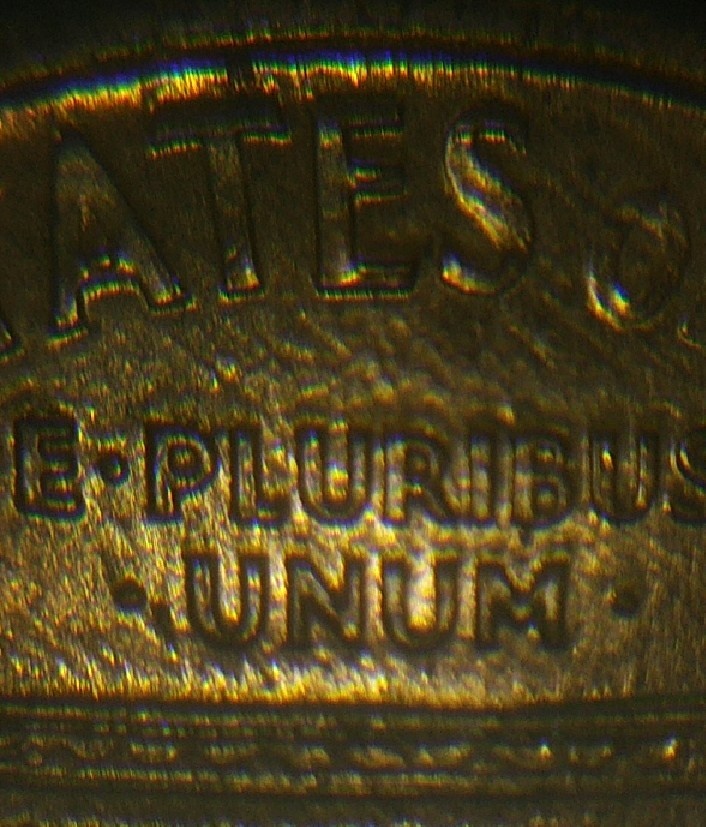
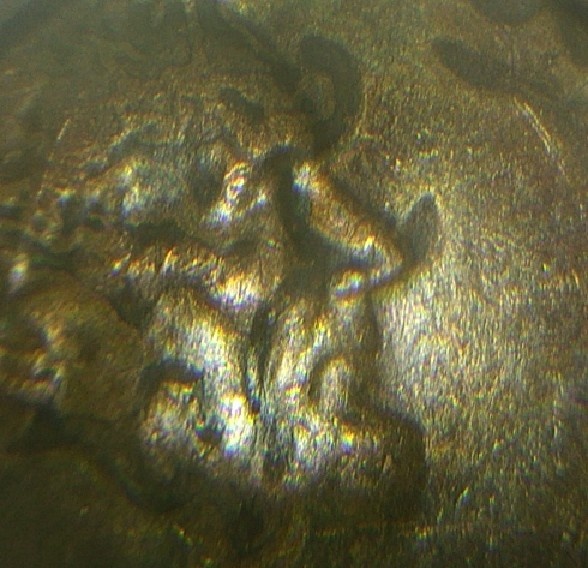
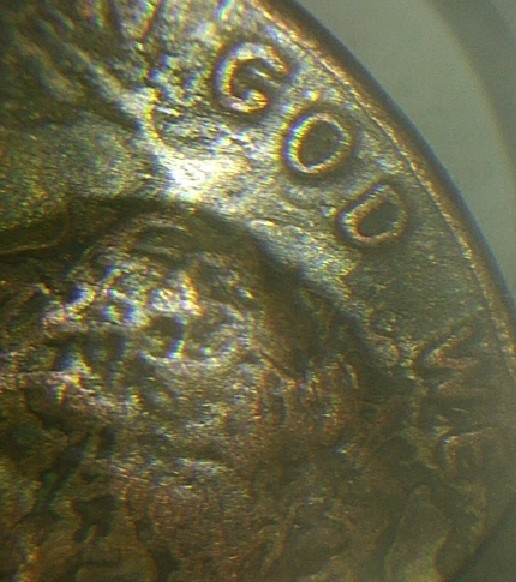
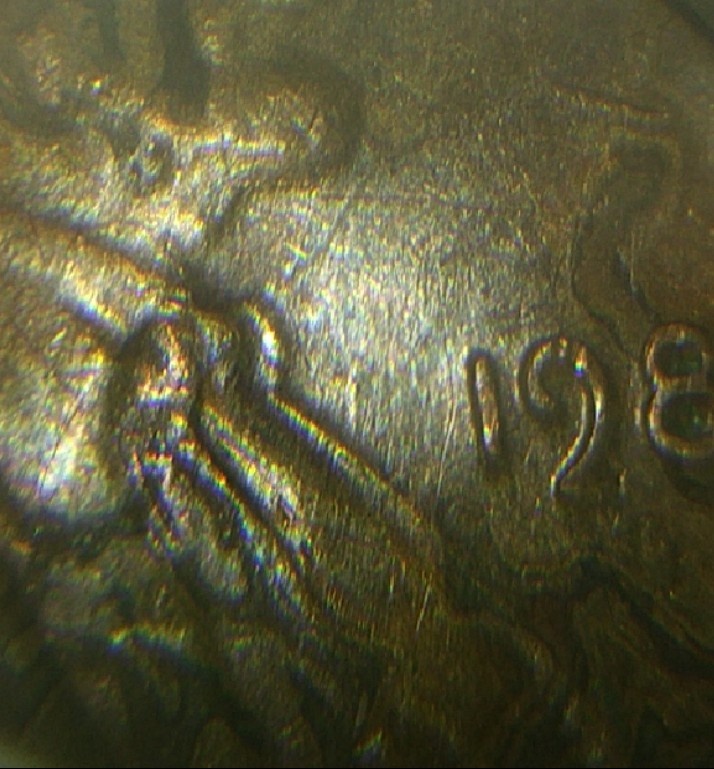
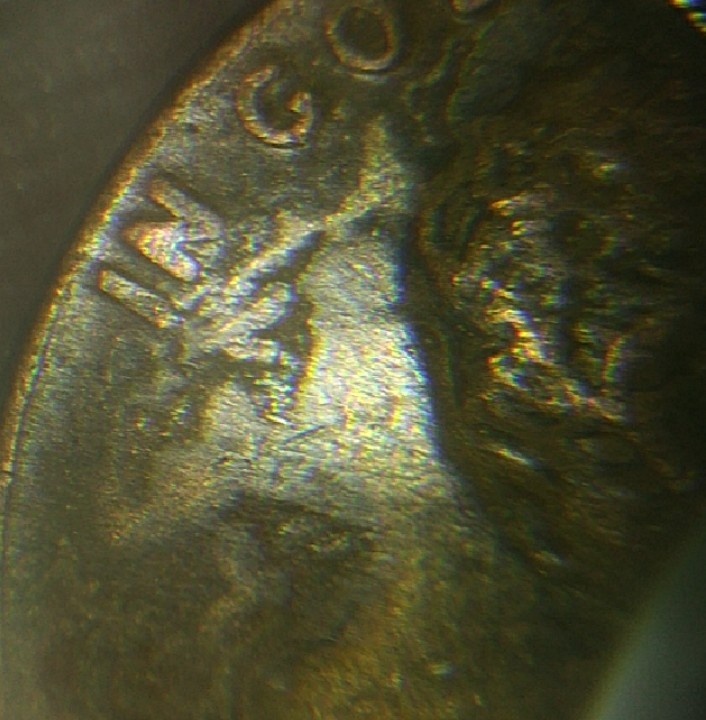
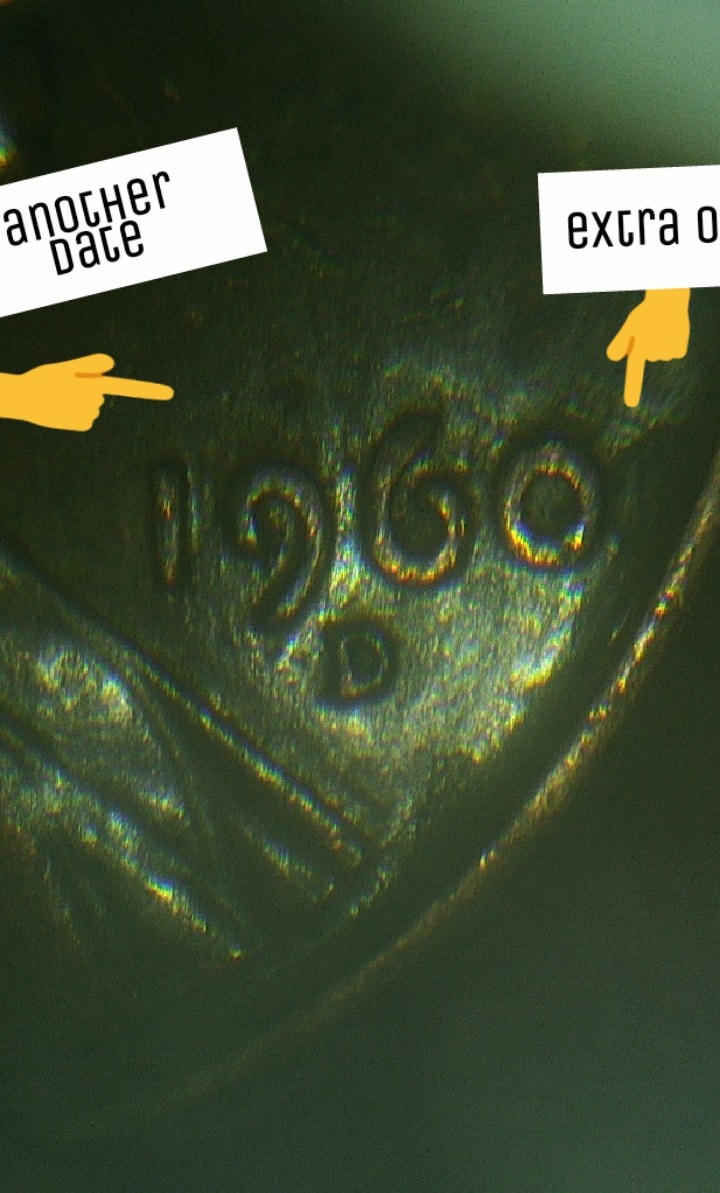
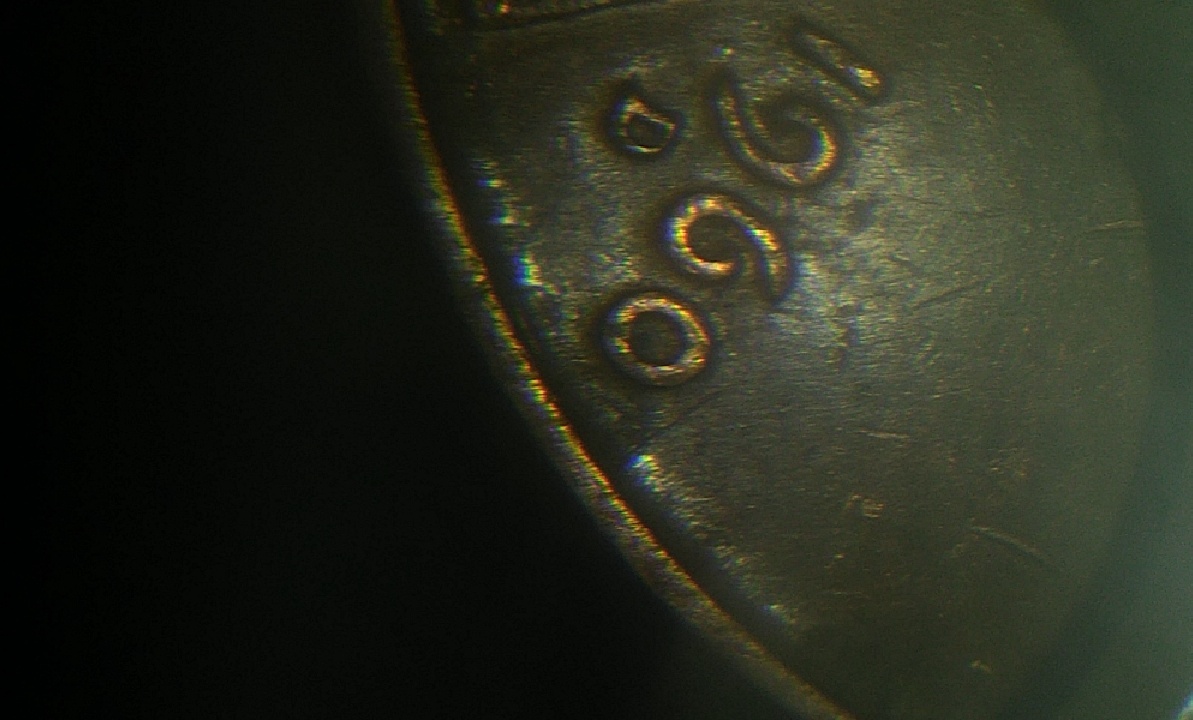
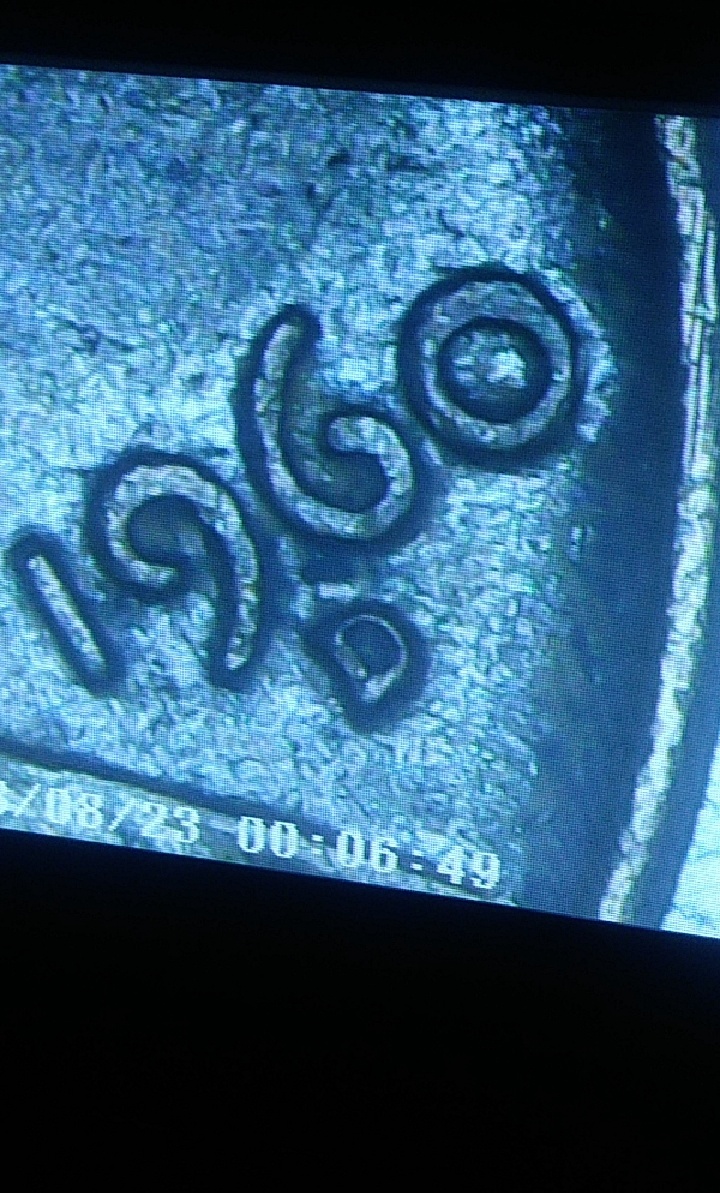
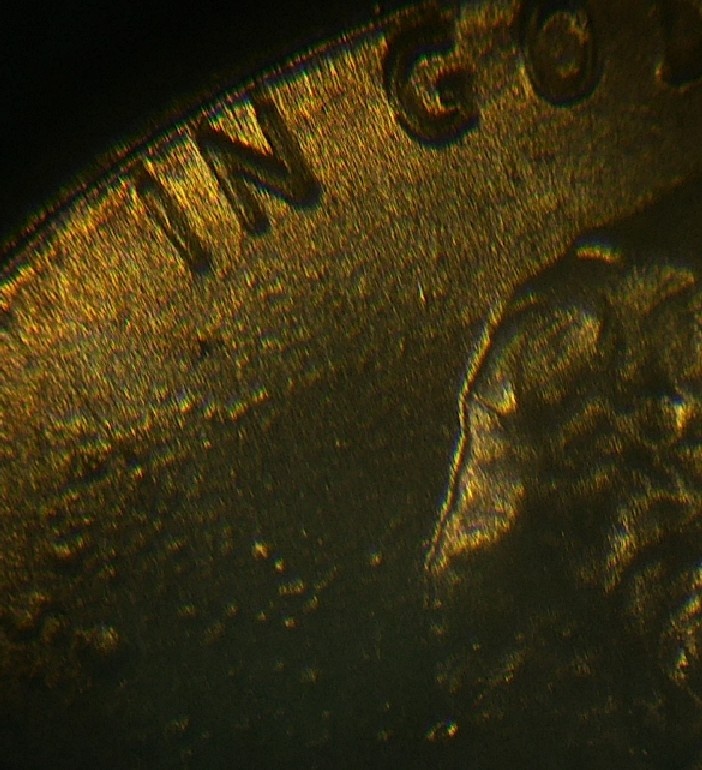
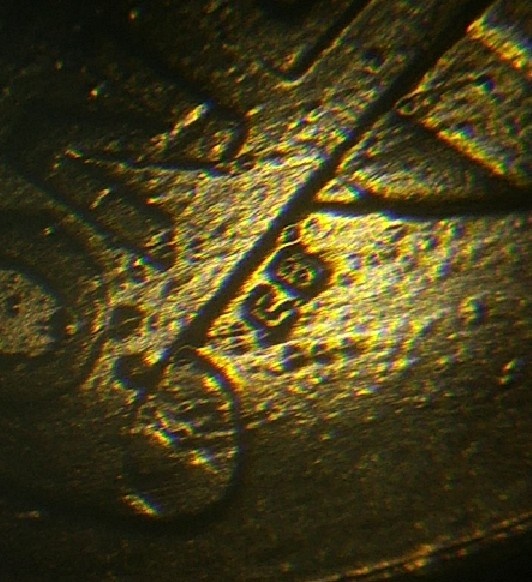
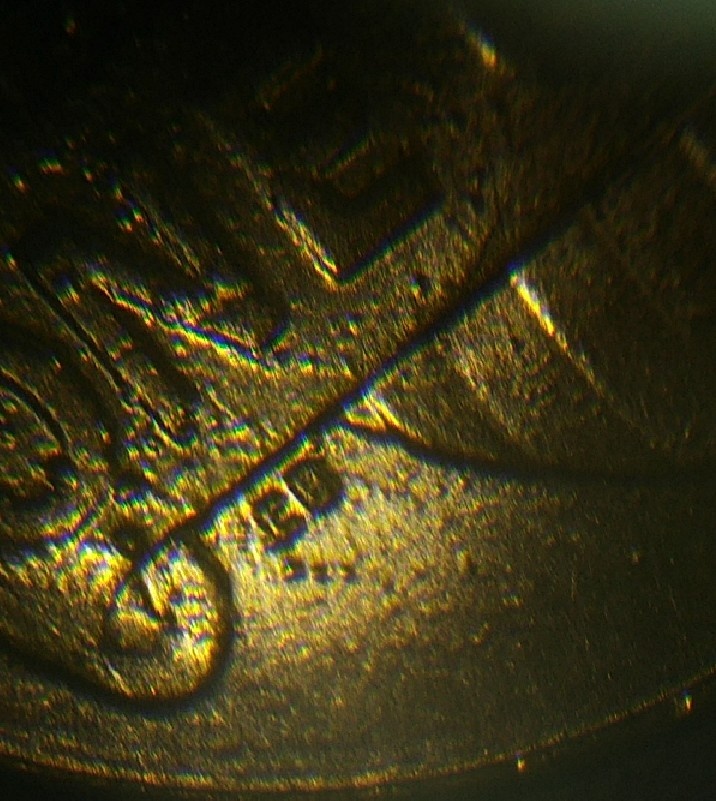
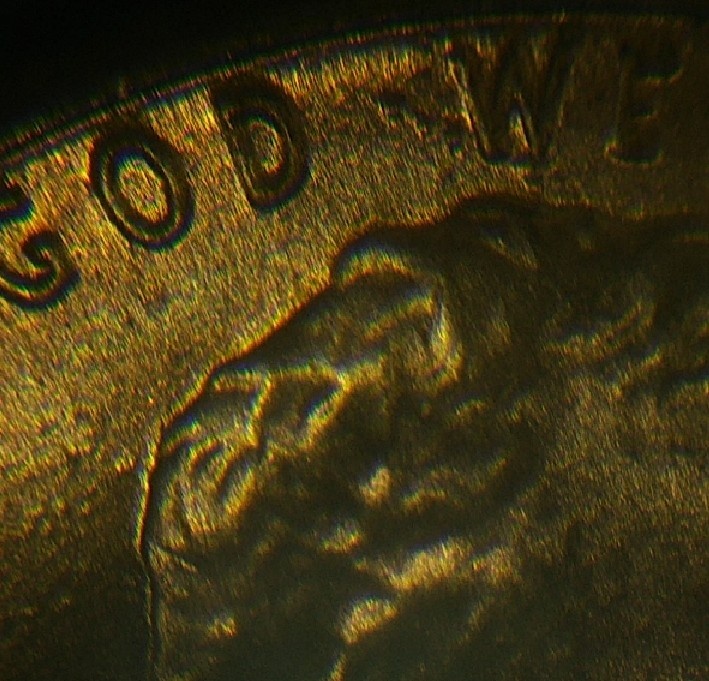
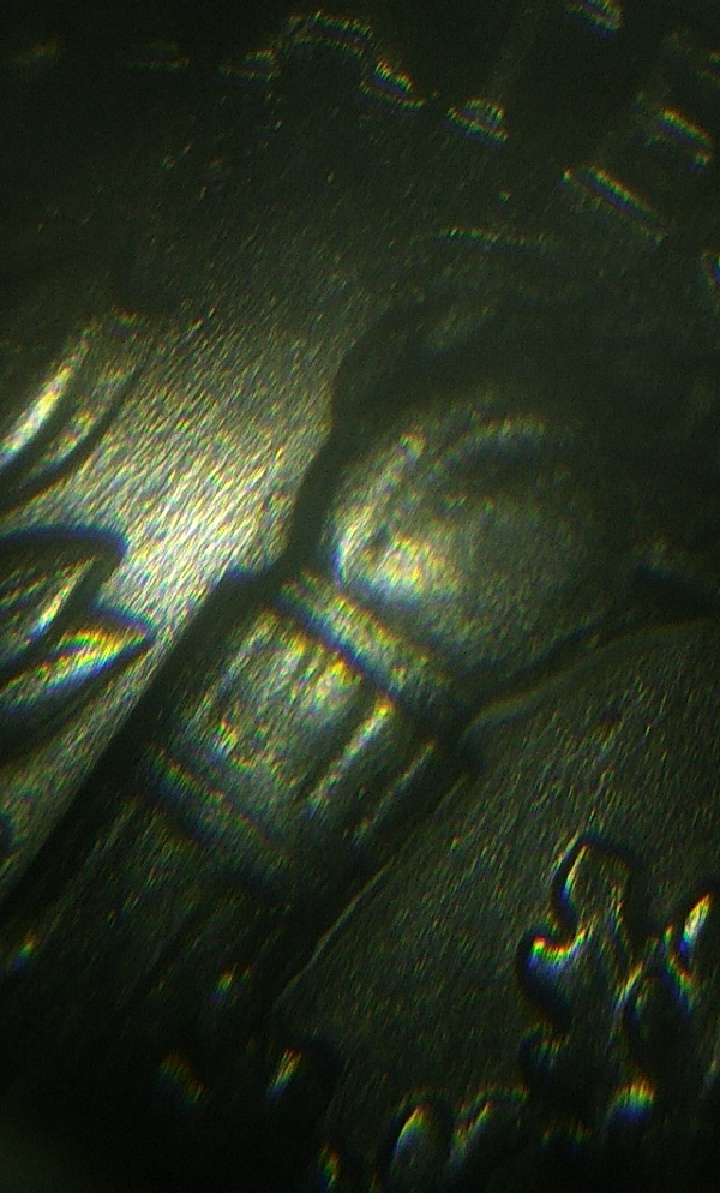
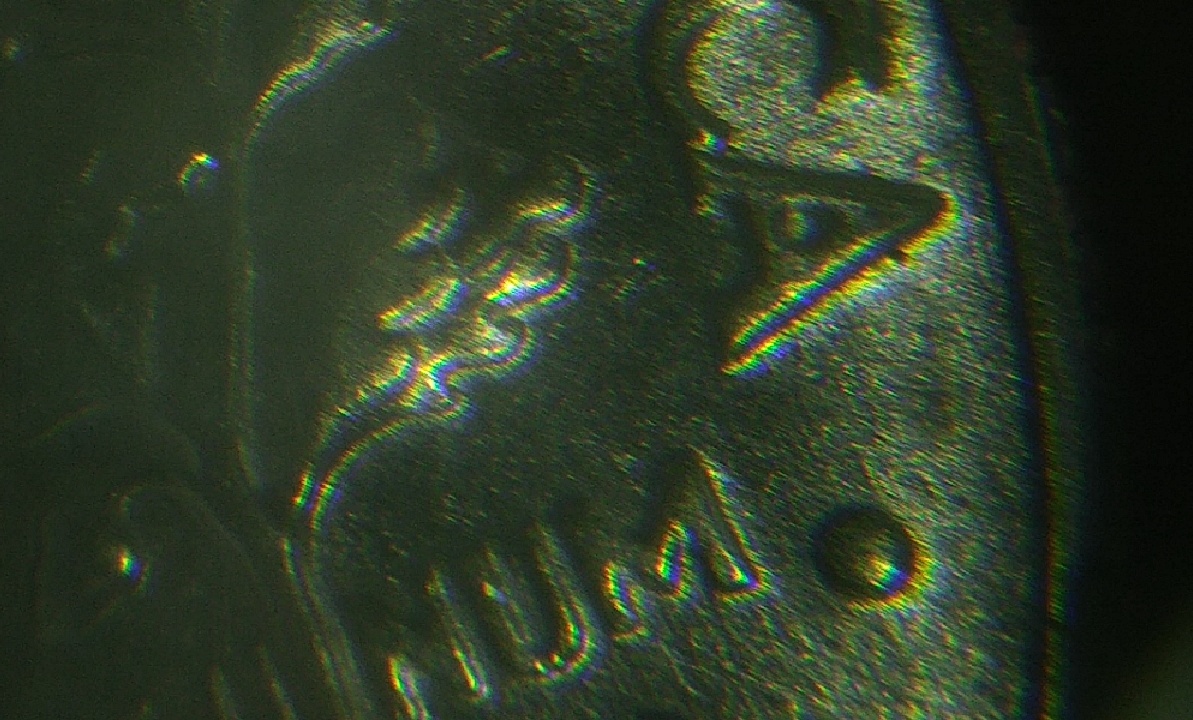
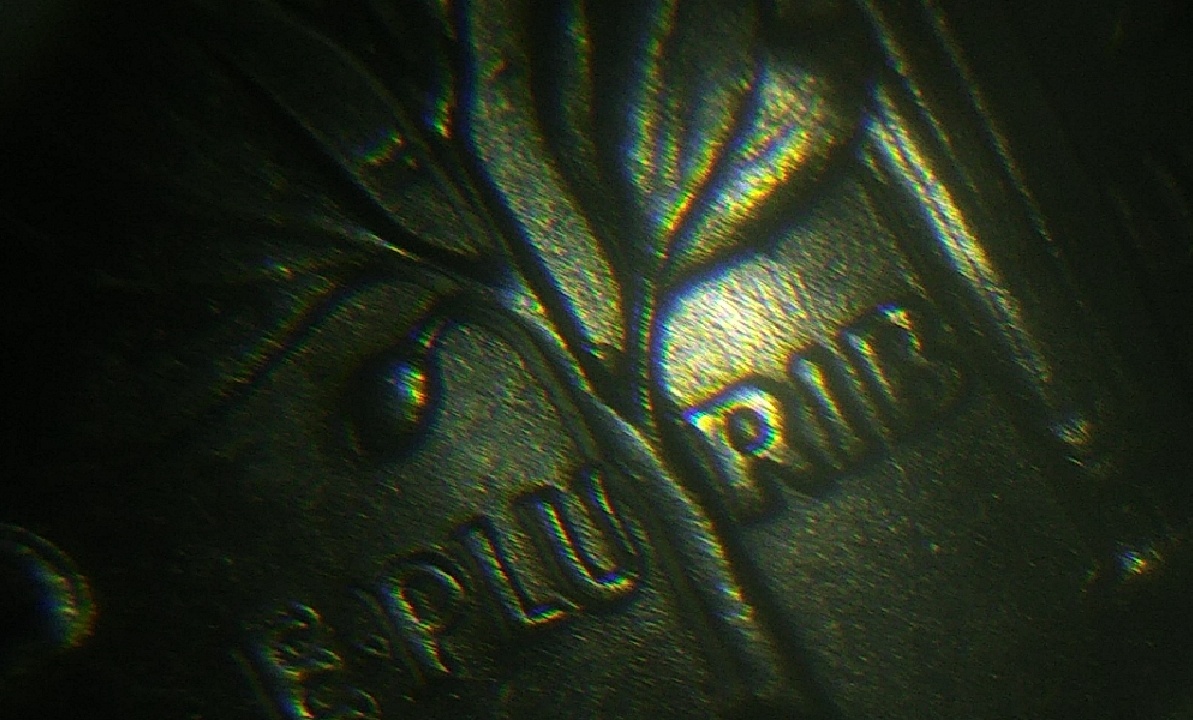
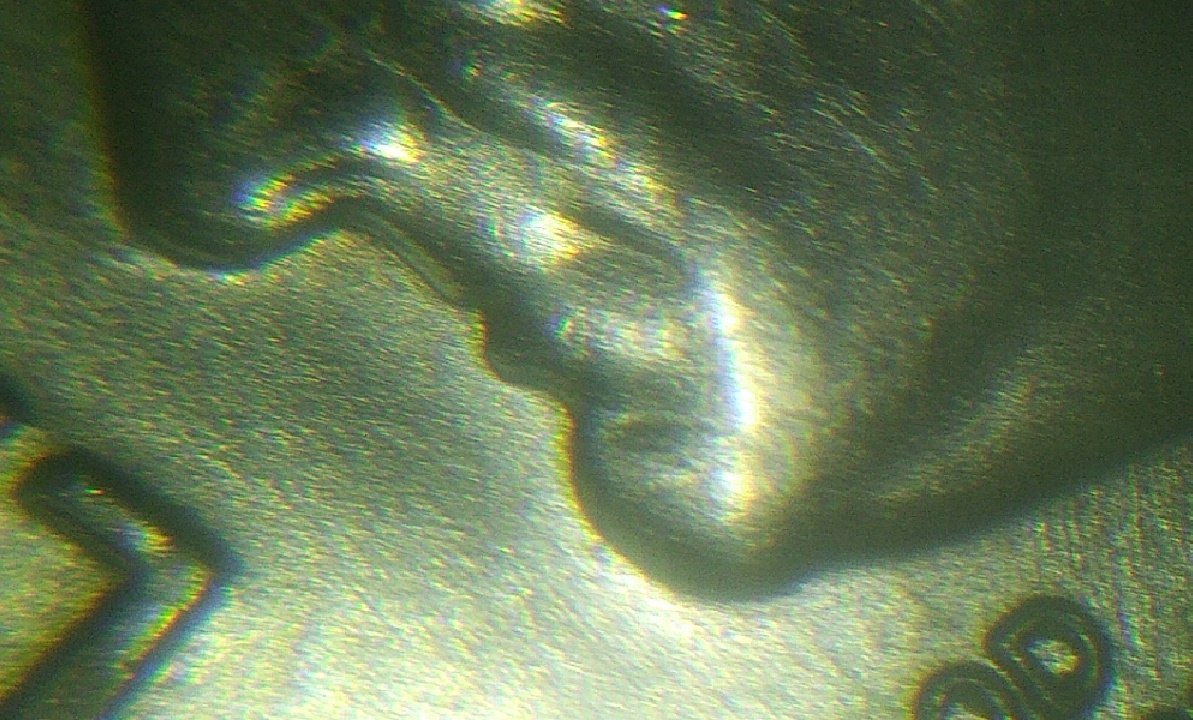
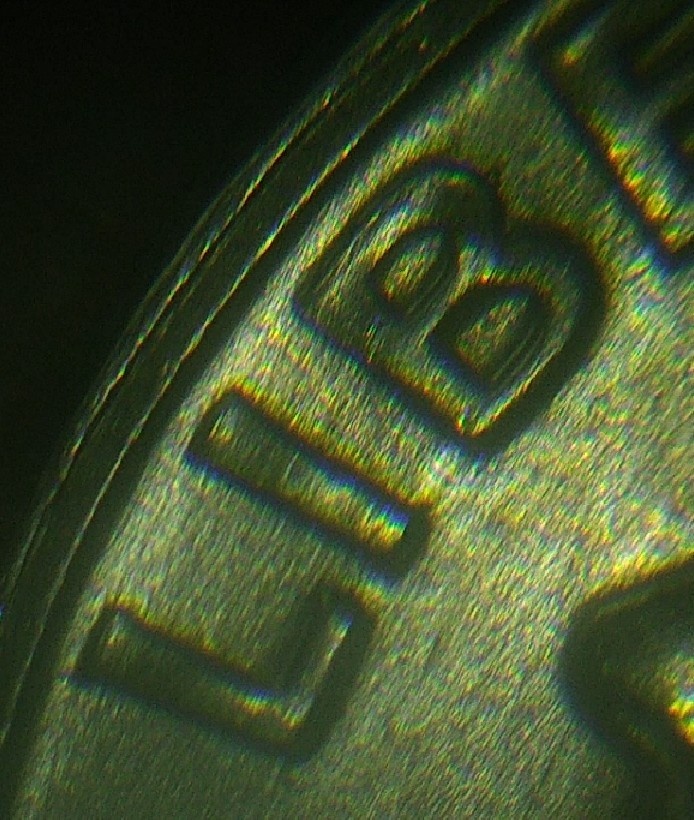
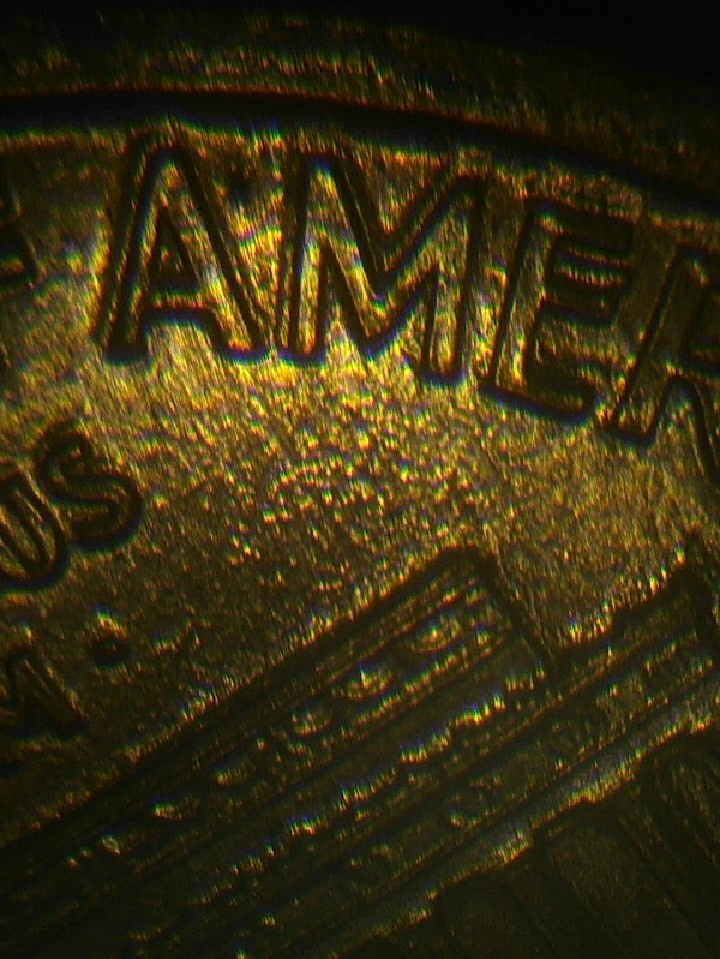
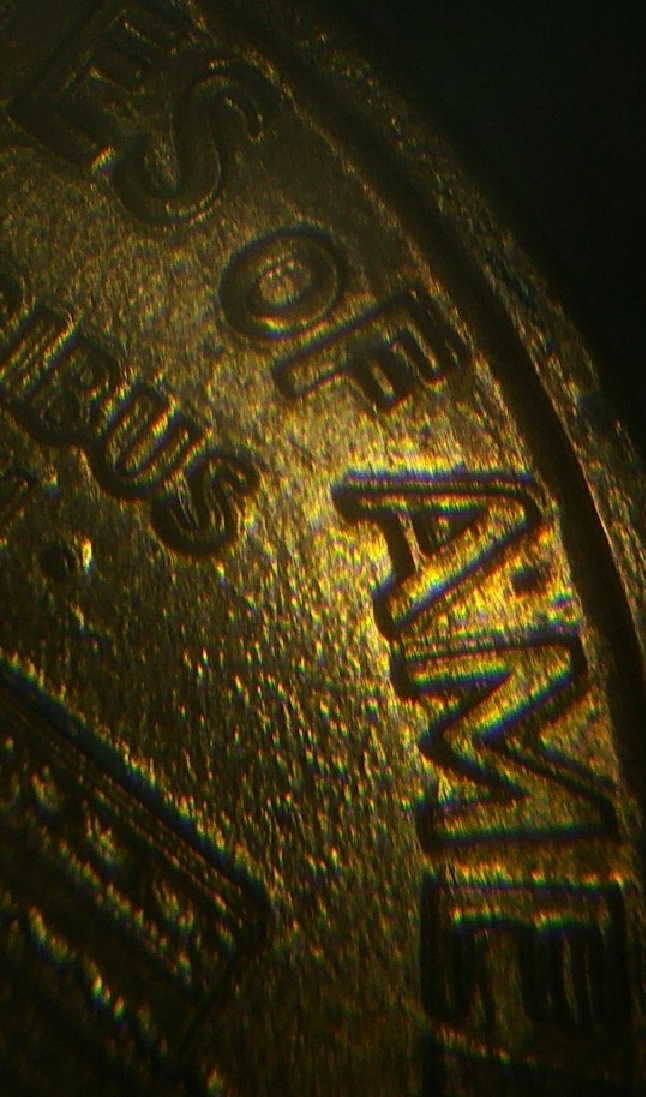
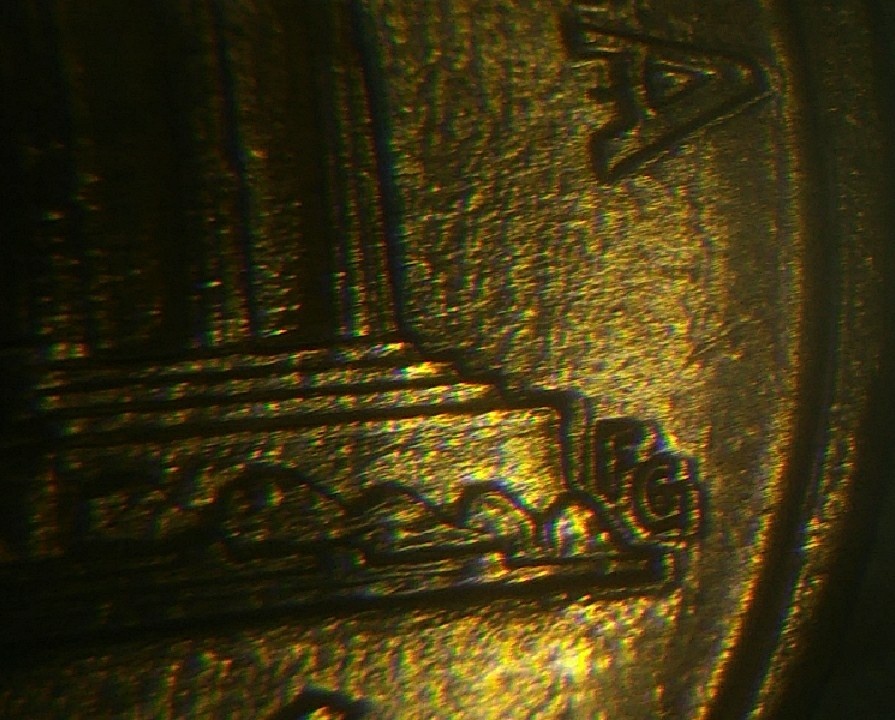
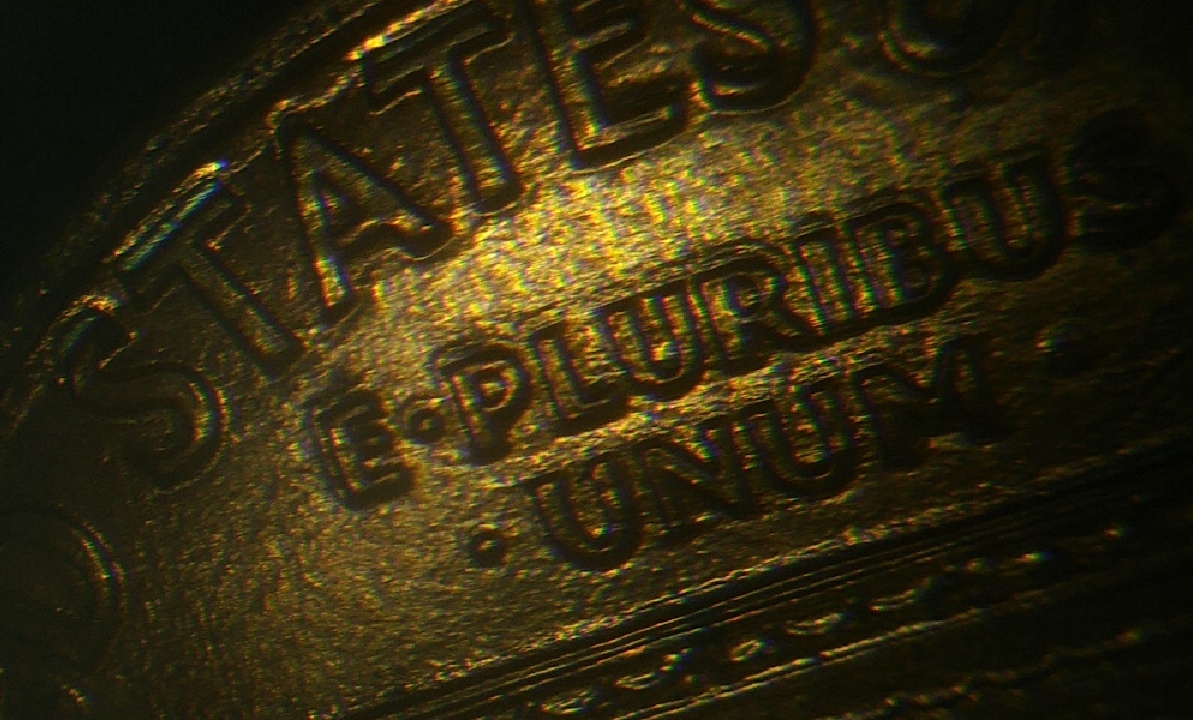
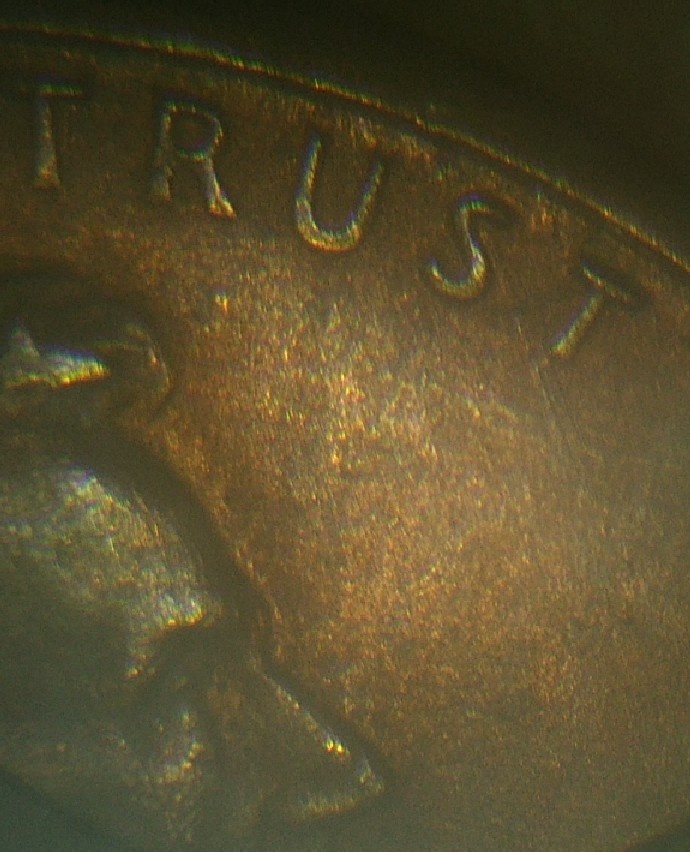
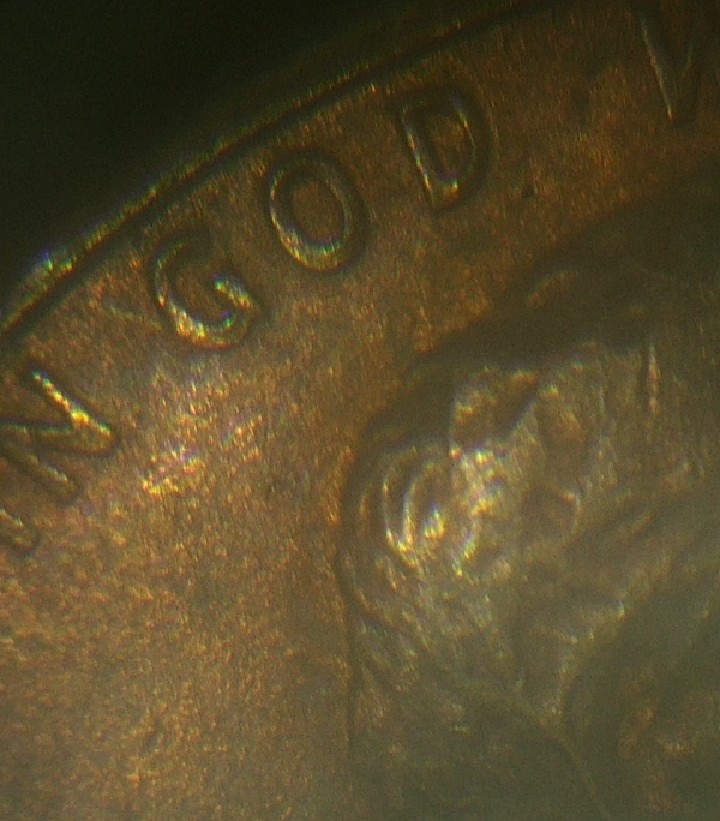
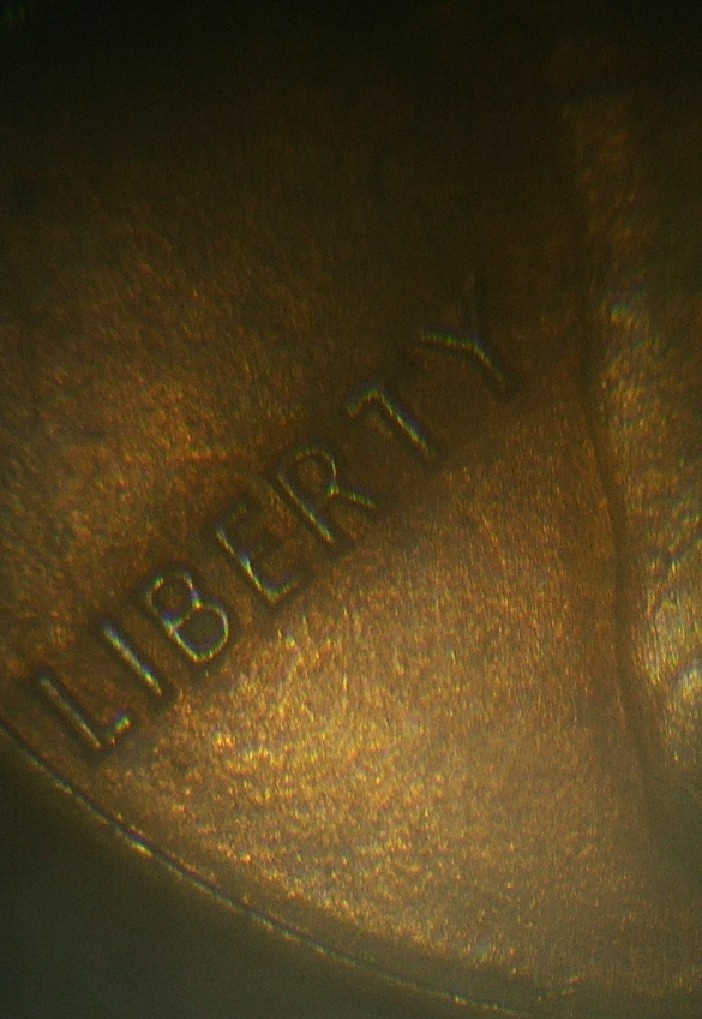
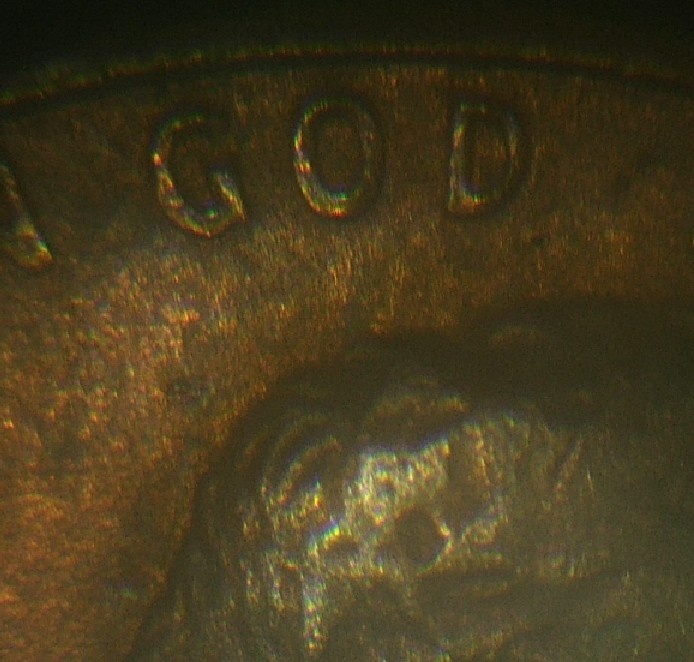
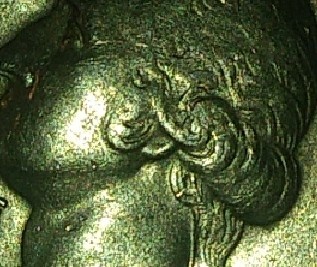
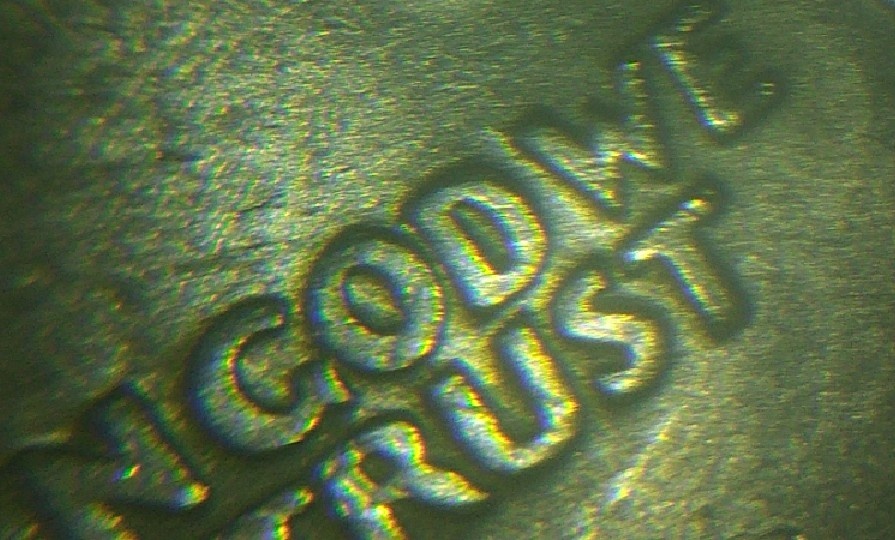
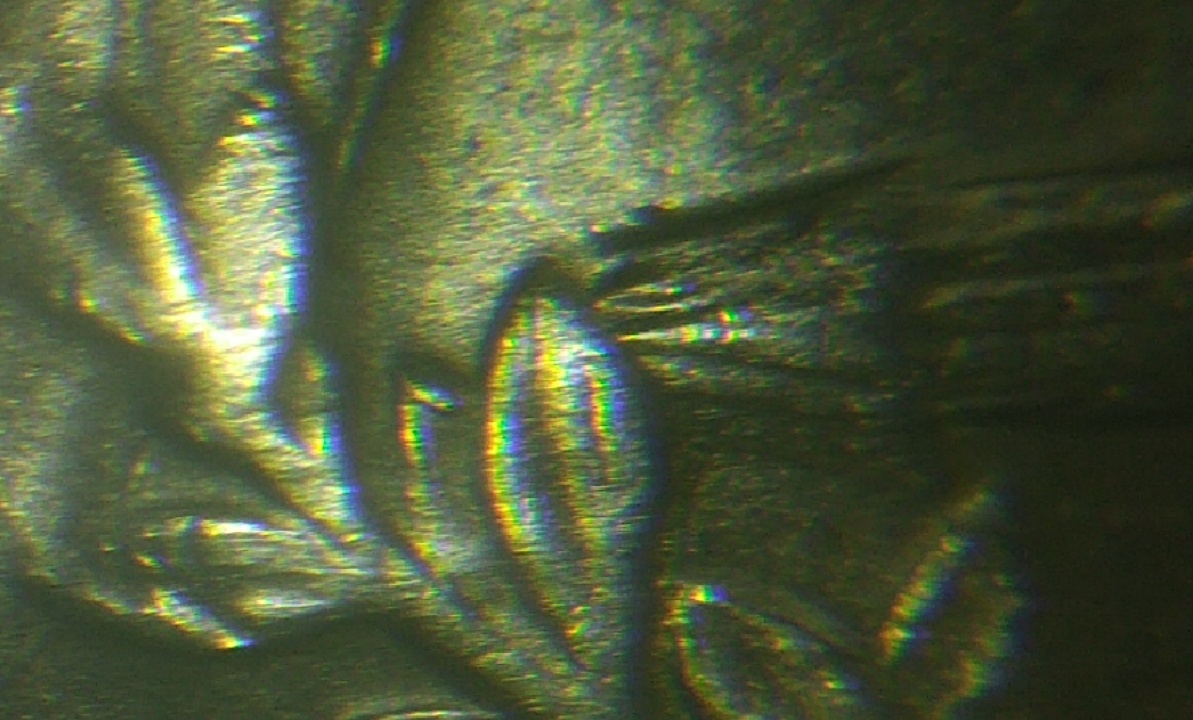
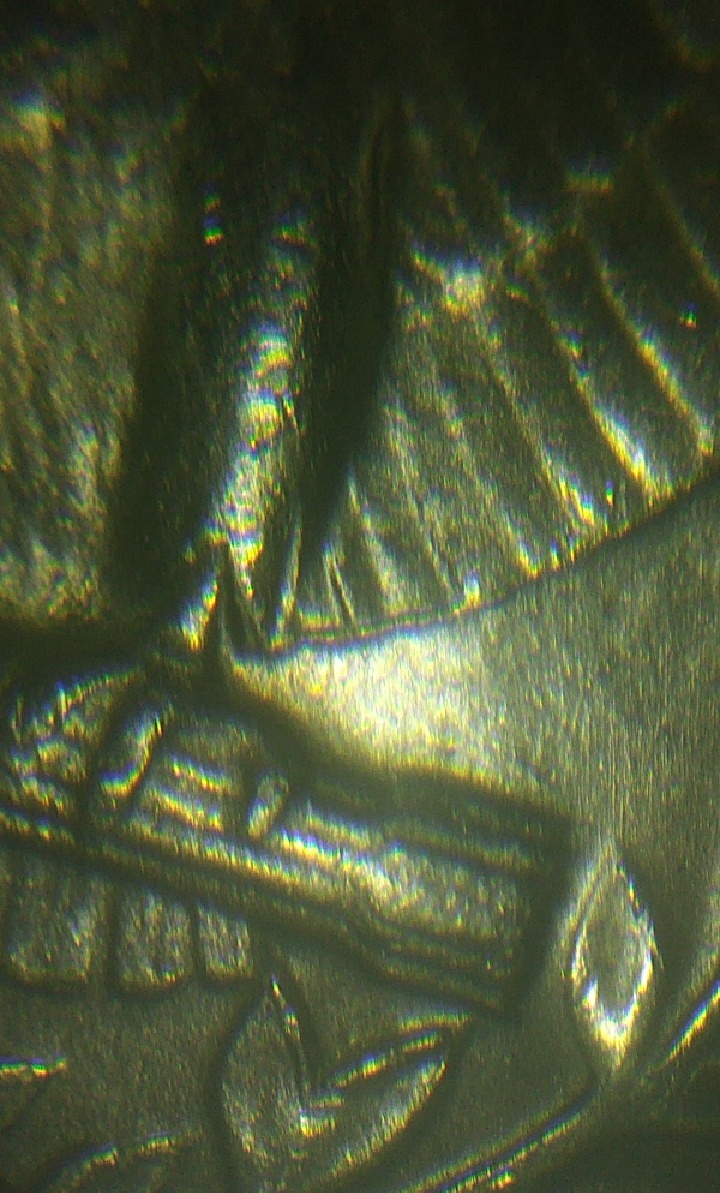
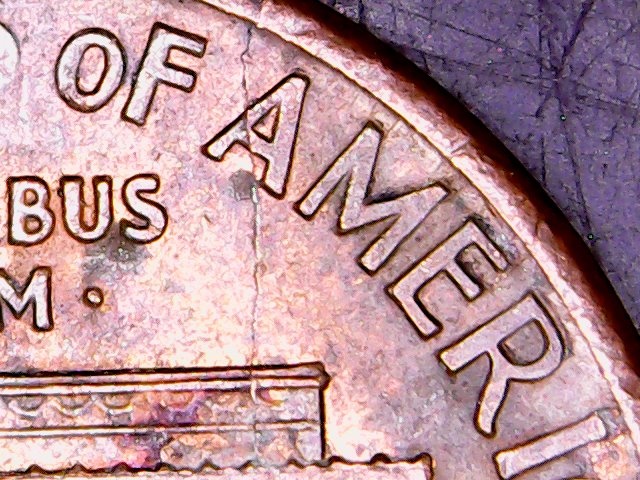
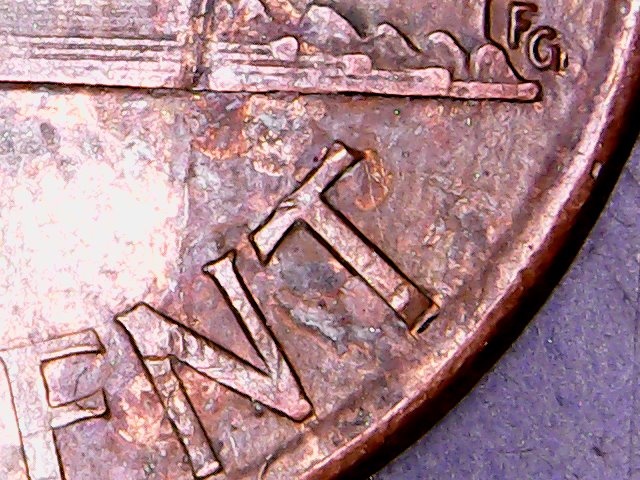
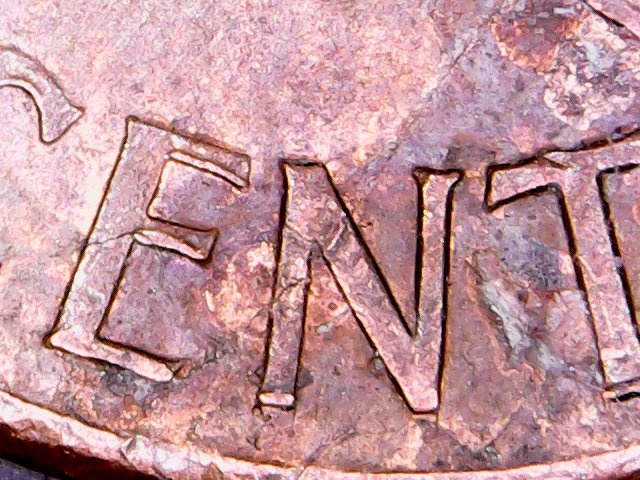
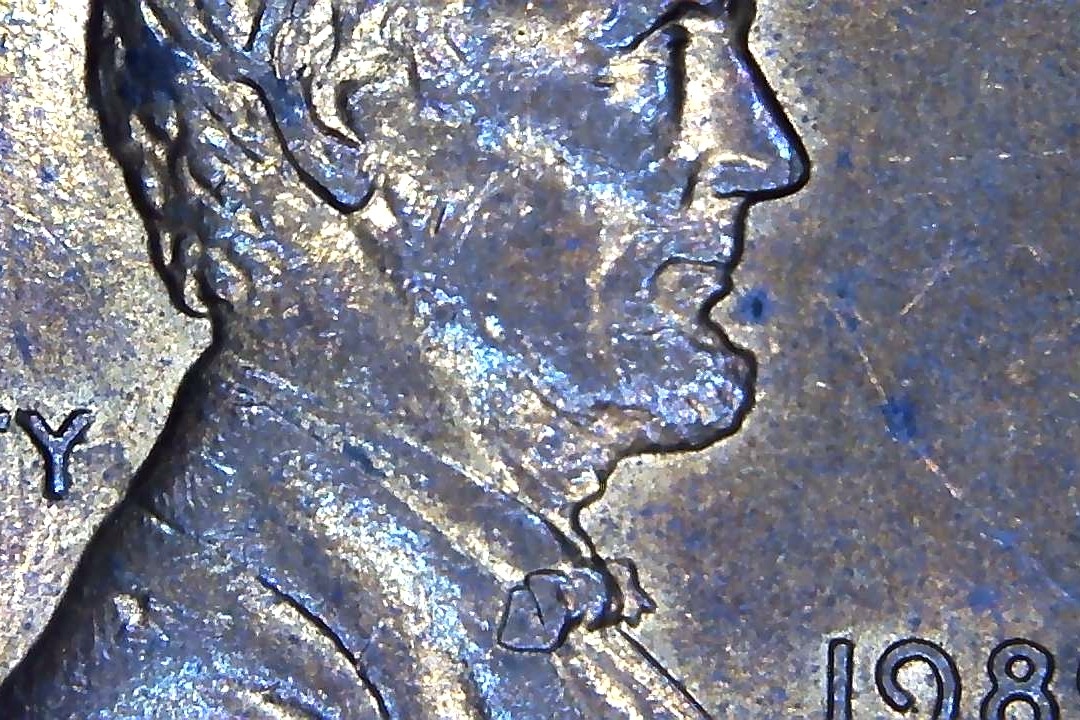
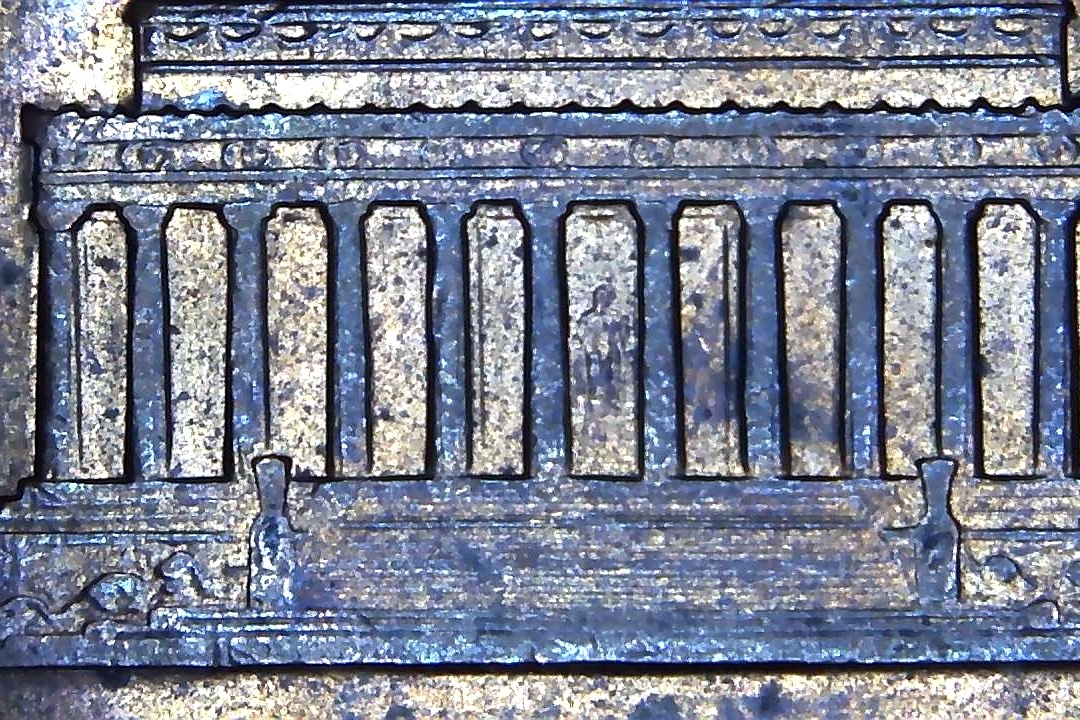
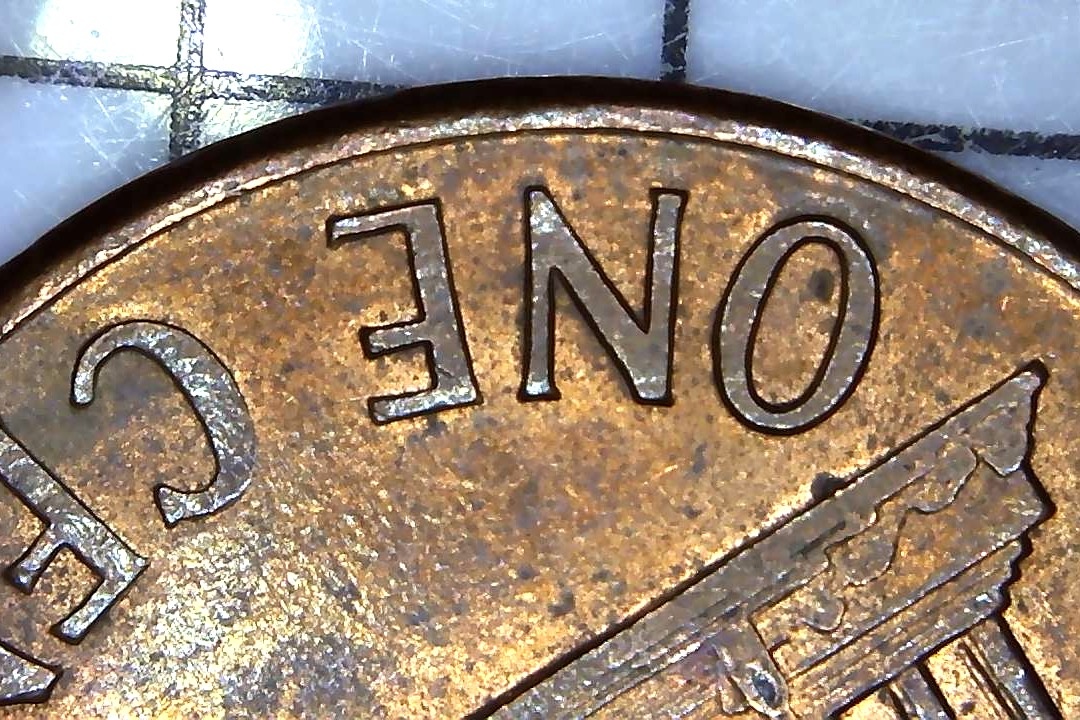
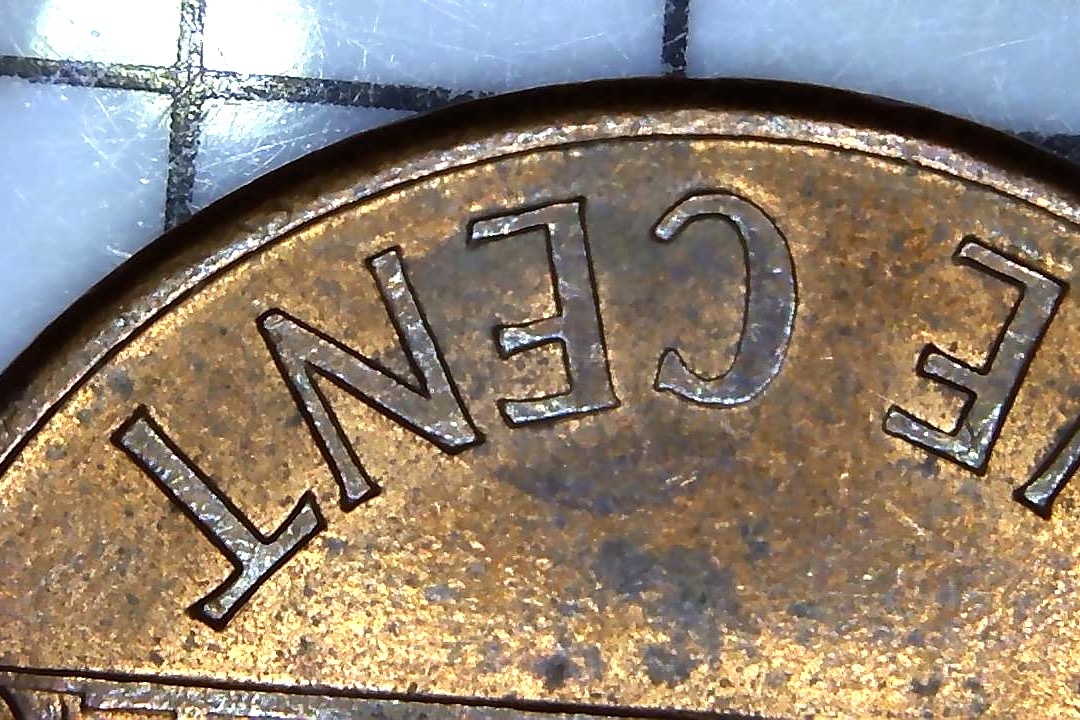
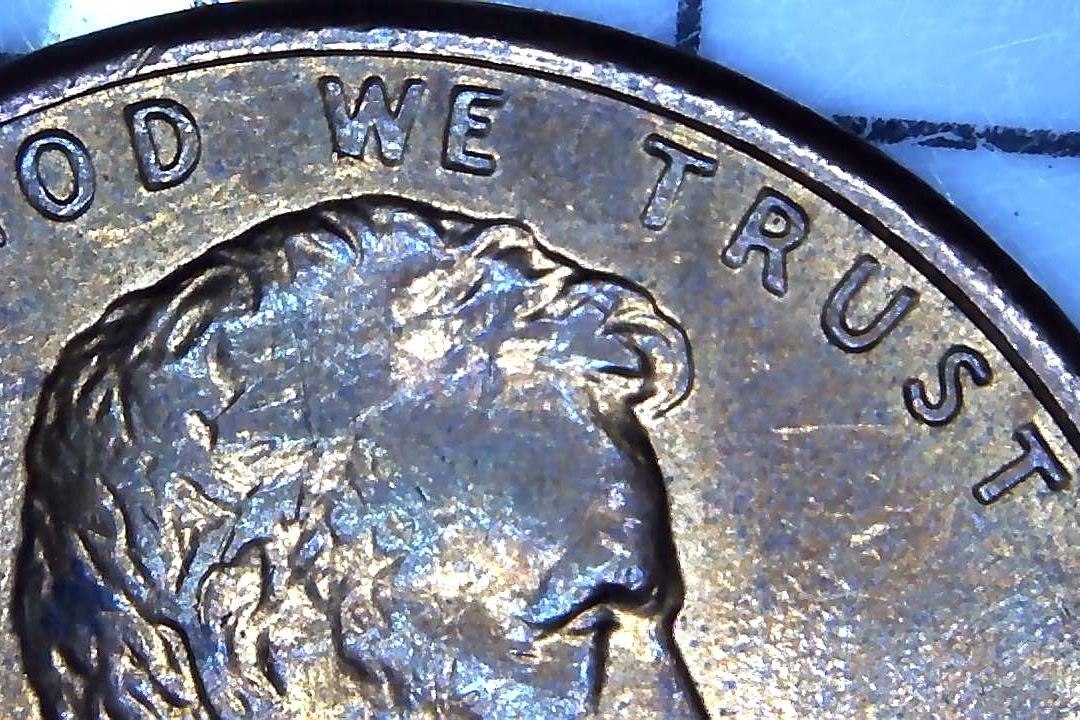
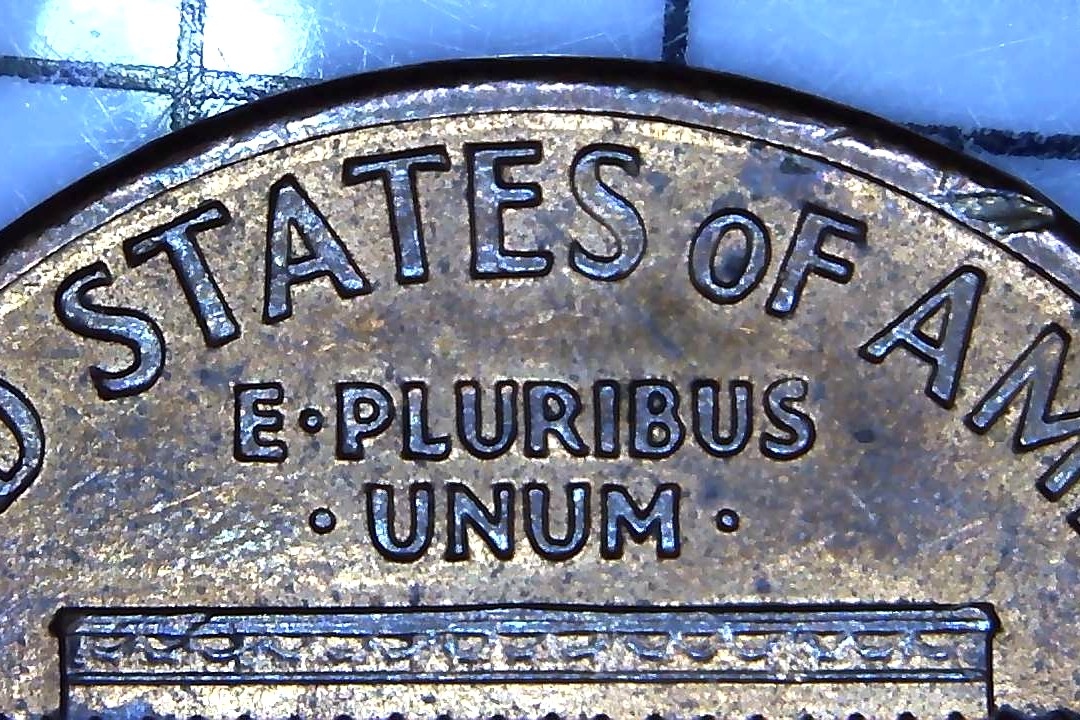
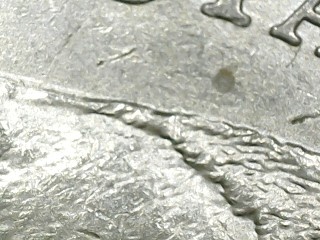
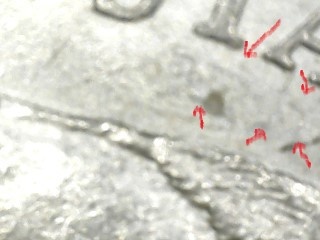
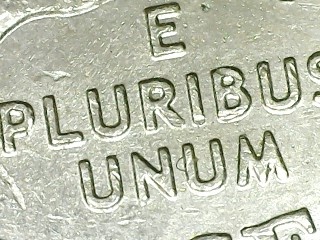
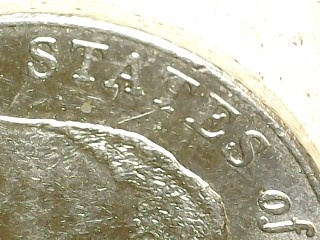
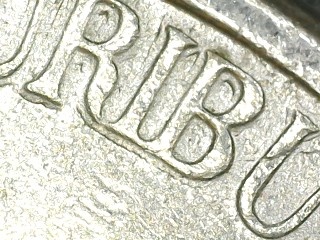
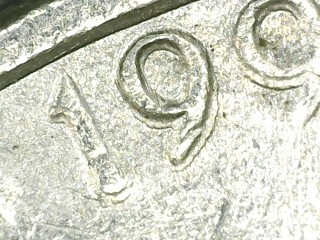
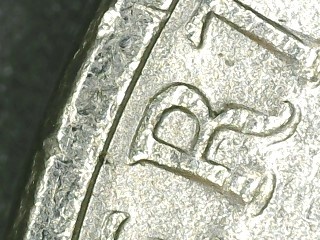
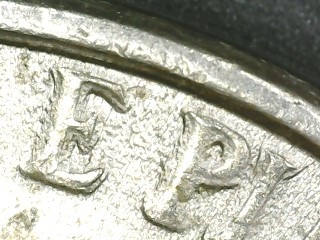
There is also a rare 1989 doubled die penny to look for!… 1989 was a notoriously bad year for machine doubling — a fancy term for when the steel coin press shivers or slips during the strike. That flat, shelf-like distortion adds zero premium value to the coin. A real-deal, authentic 1989 doubled die penny is solid metal. Using a 10x magnifier, focus on the words “IN GOD WE TRUST” and the letter “Y” in LIBERTY. On the true error variety, you will see a distinct, completely separate extra thickness with clear, sharp rounded edges — not a flat shadow line. A real 1989 doubled die penny in uncirculated Mint State condition (MS65 or higher) is typically worth $150 to $250… or more. If you find a worn, circulated example that passes the magnifier test and is verified by a professional, it’s likely to bring in $20 to $50 from variety collectors.
What Are Other 1989 Pennies Worth?
Okay, so maybe you don’t have the rare 1989-D copper penny. And your regular, worn 1989 and 1989-D pennies are worth only face value. But that doesn’t mean all of your 1989 pennies are worthless!
Here’s how much uncirculated and proof 1989 pennies are worth:
- 1989 Philadelphia (no-mintmark) penny: 7,261,535,000 minted — 10 to 25+ cents
- 1989-D penny: 5,345,467,111 minted — 10 to 25+ cents
- 1989-S (San Francisco) proof penny: 3,220,948 minted — $2+
*Values listed above are for uncirculated and proof 1989 pennies. As previously mentioned, all worn, regular-issue 1989 and 1989-D pennies without errors are worth face value.
READ NEXT: A List Of The Most Valuable U.S. Pennies
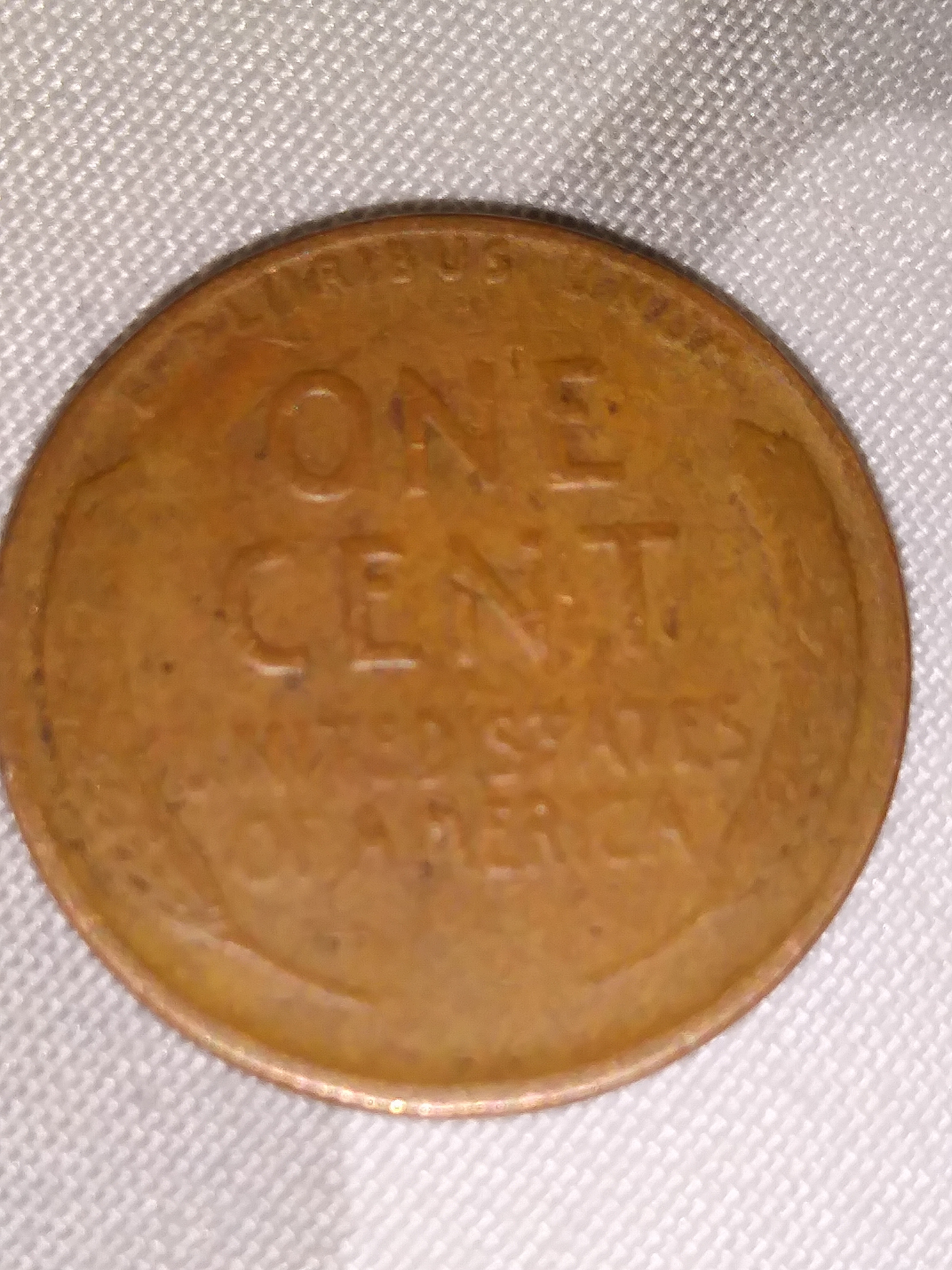
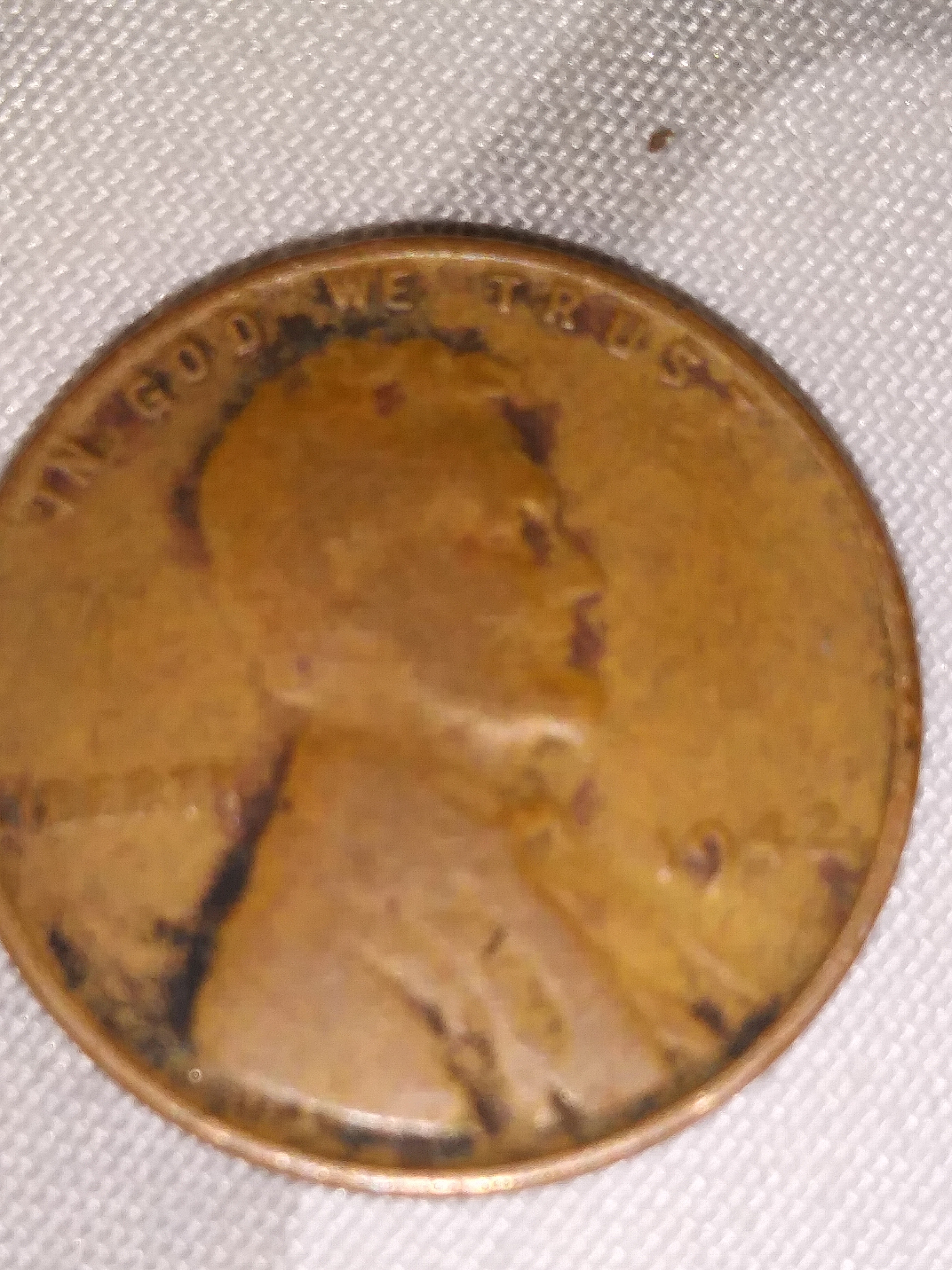
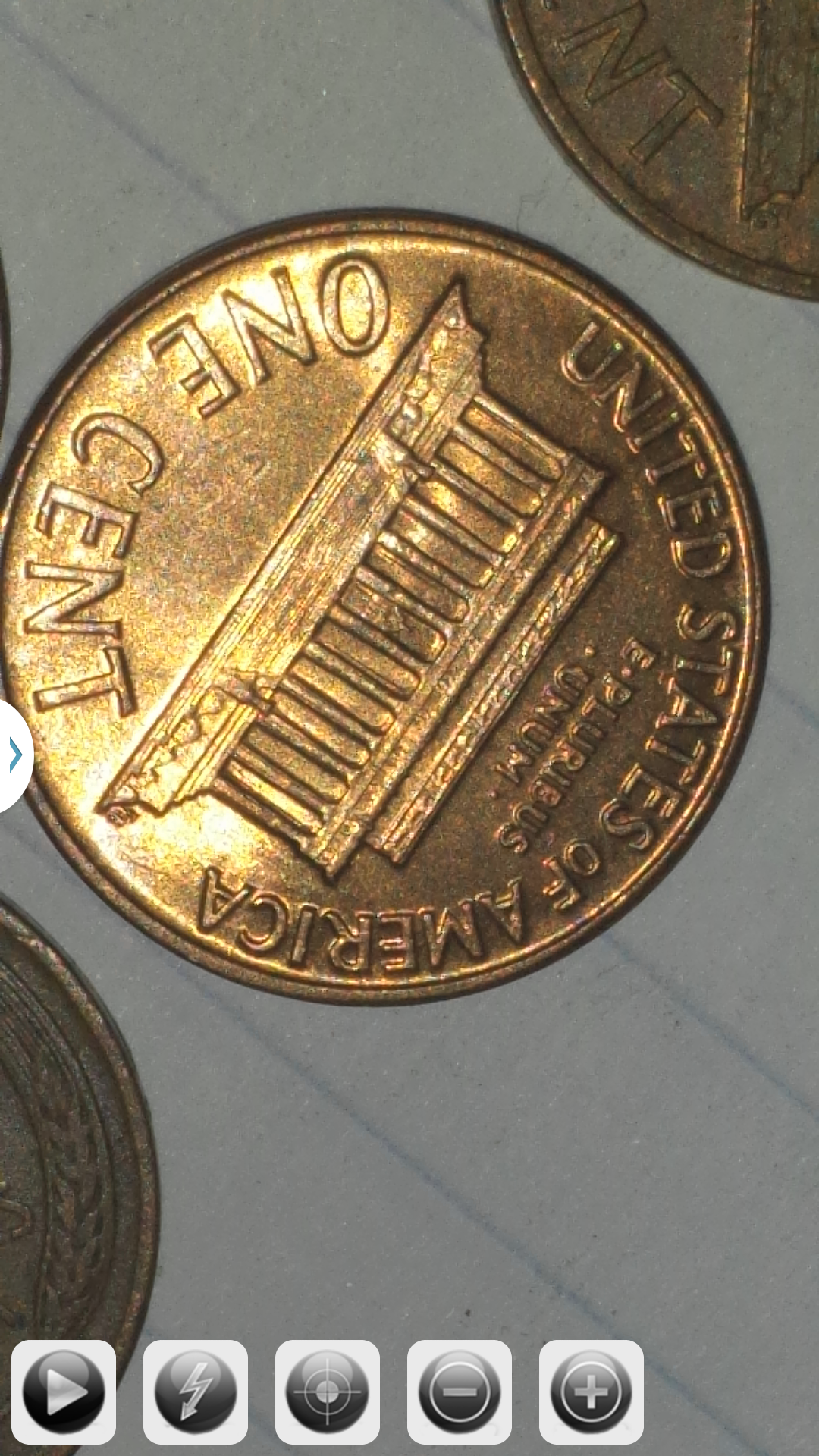
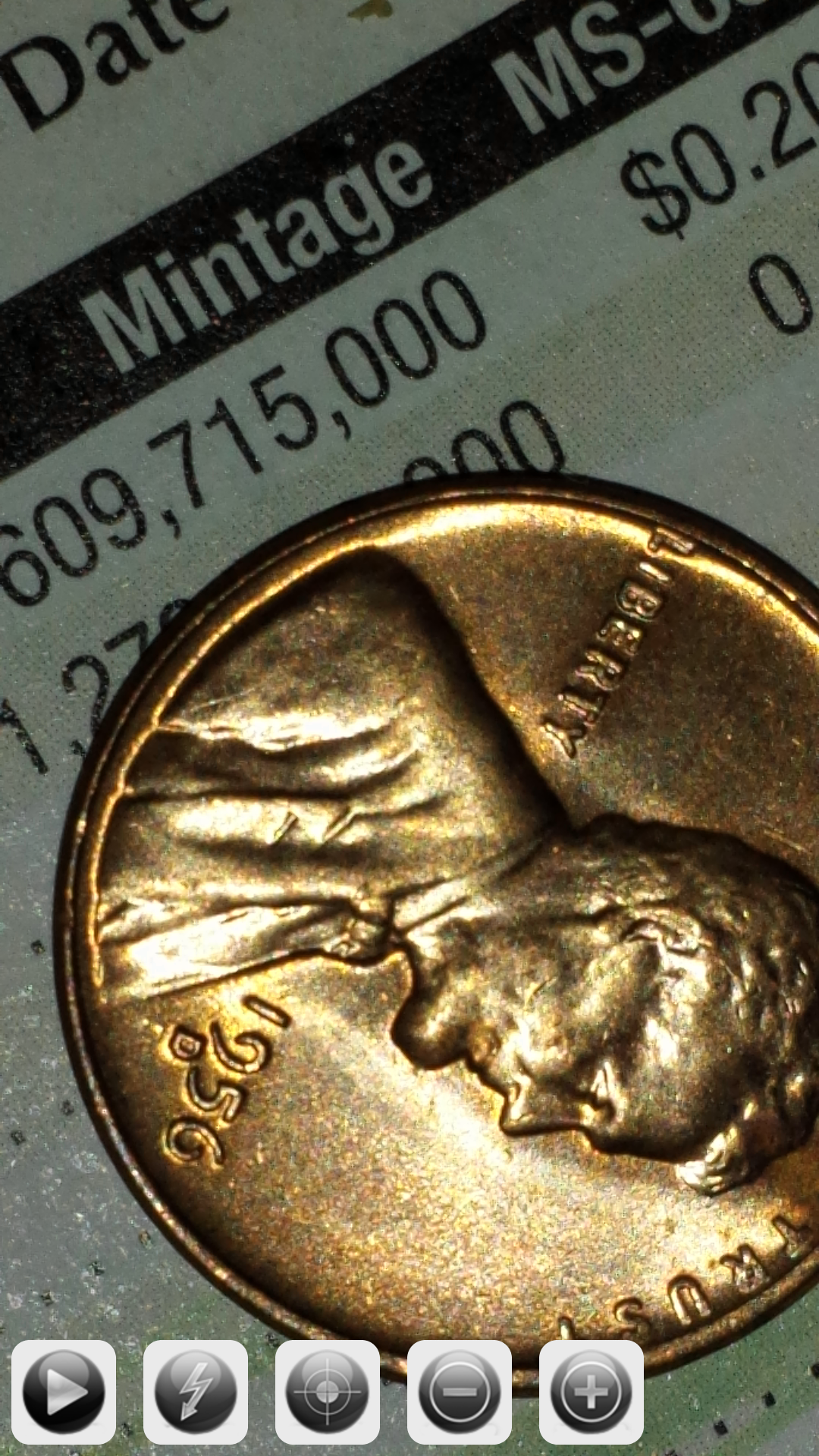
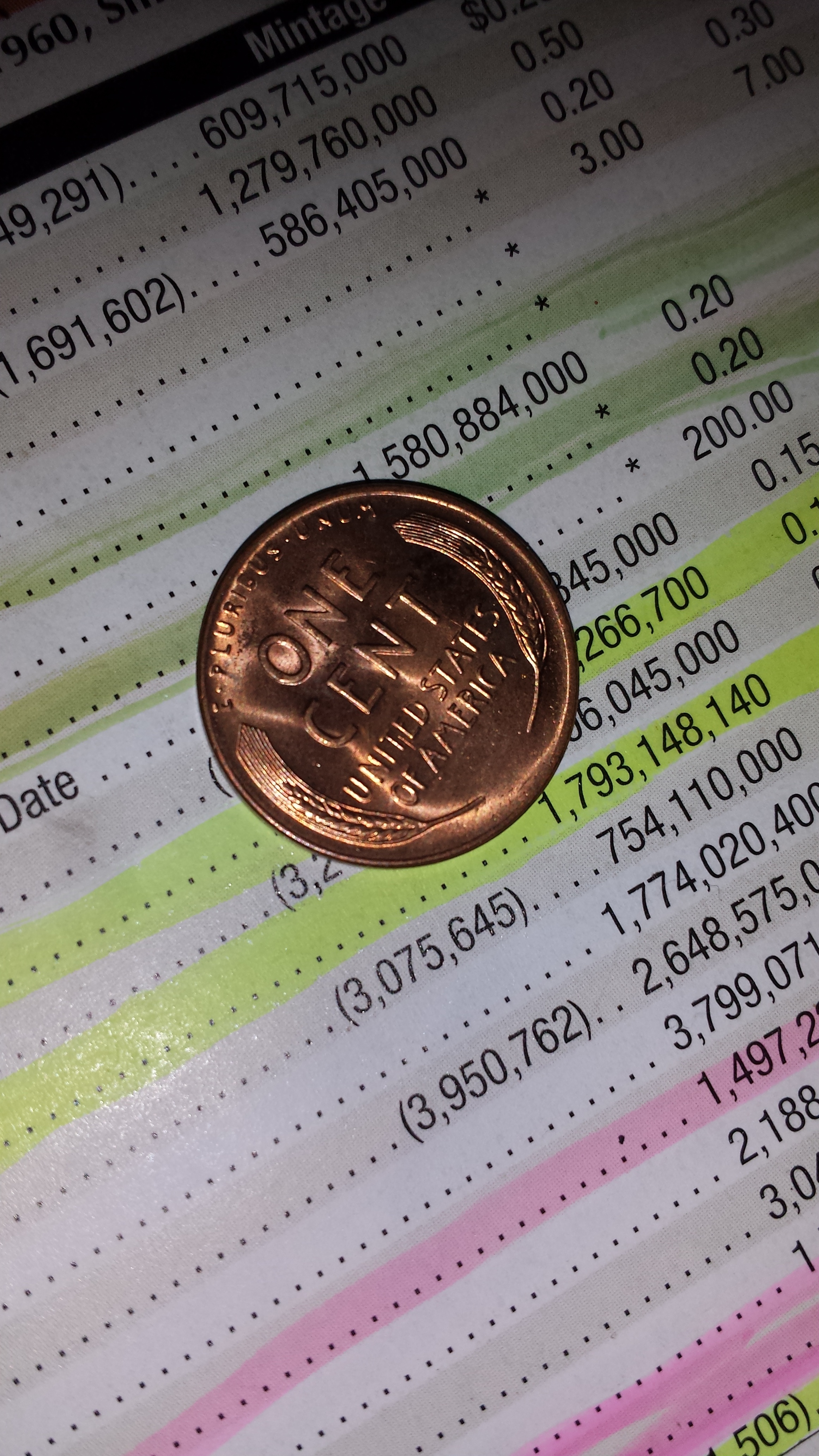
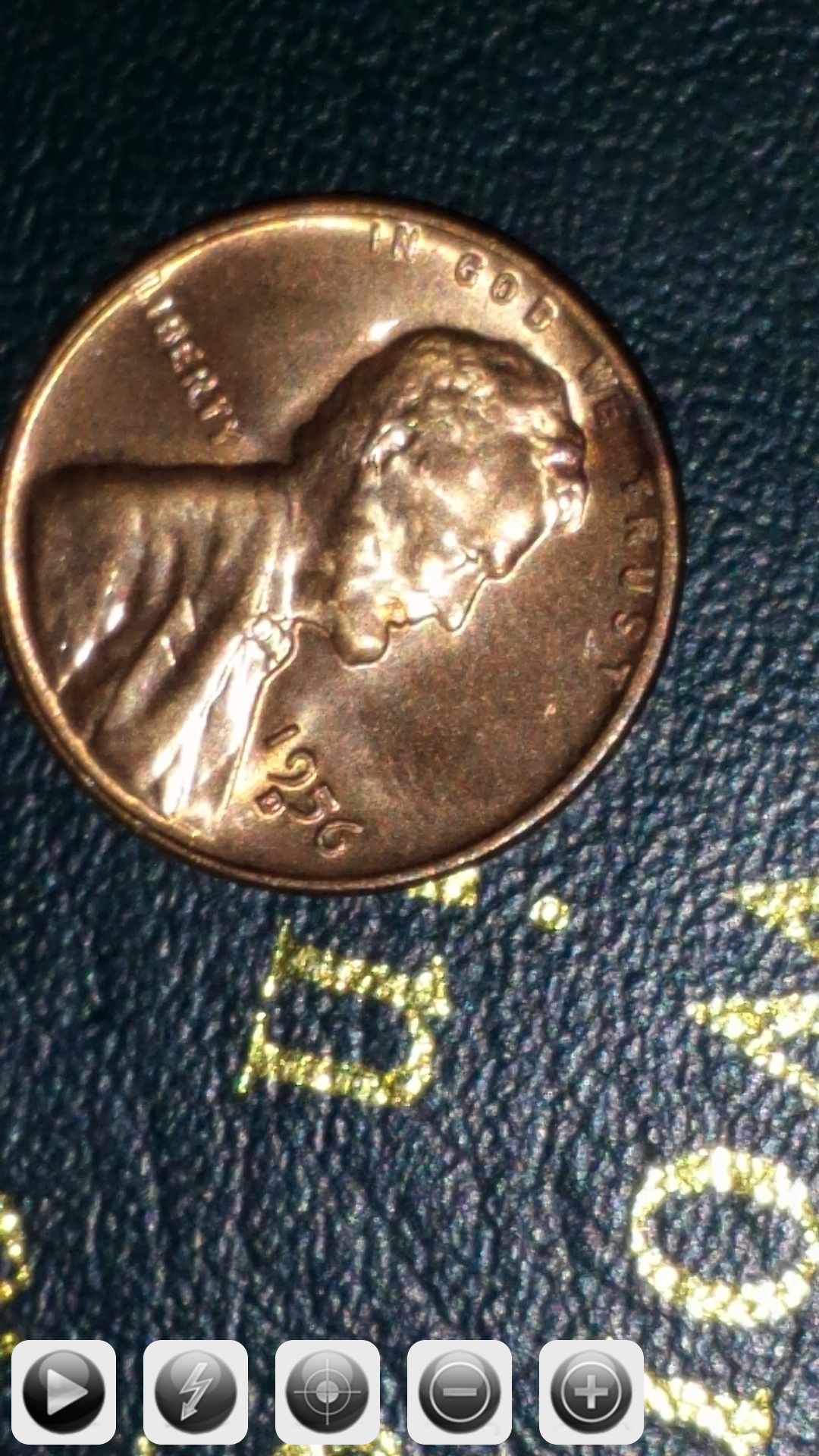
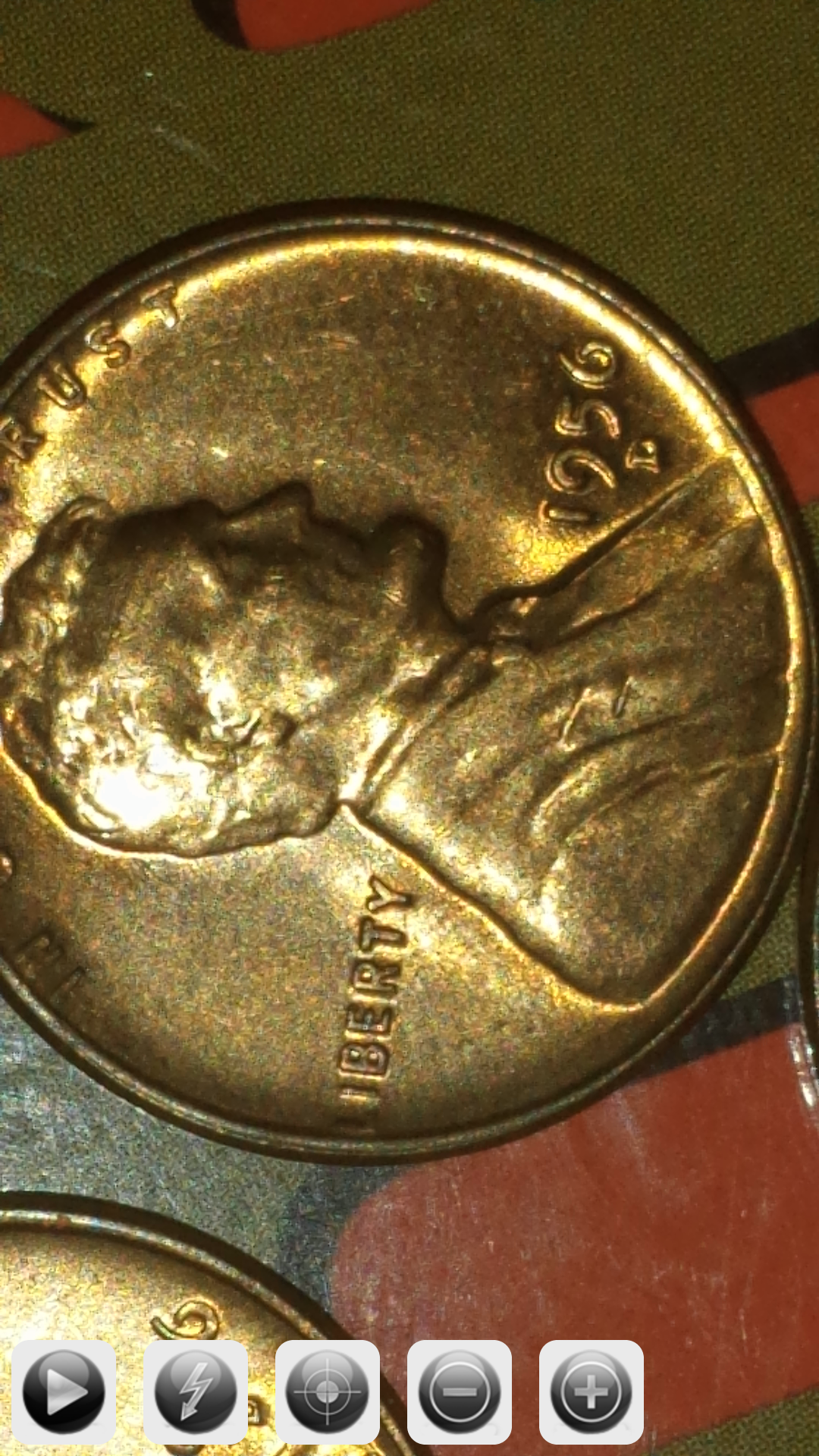
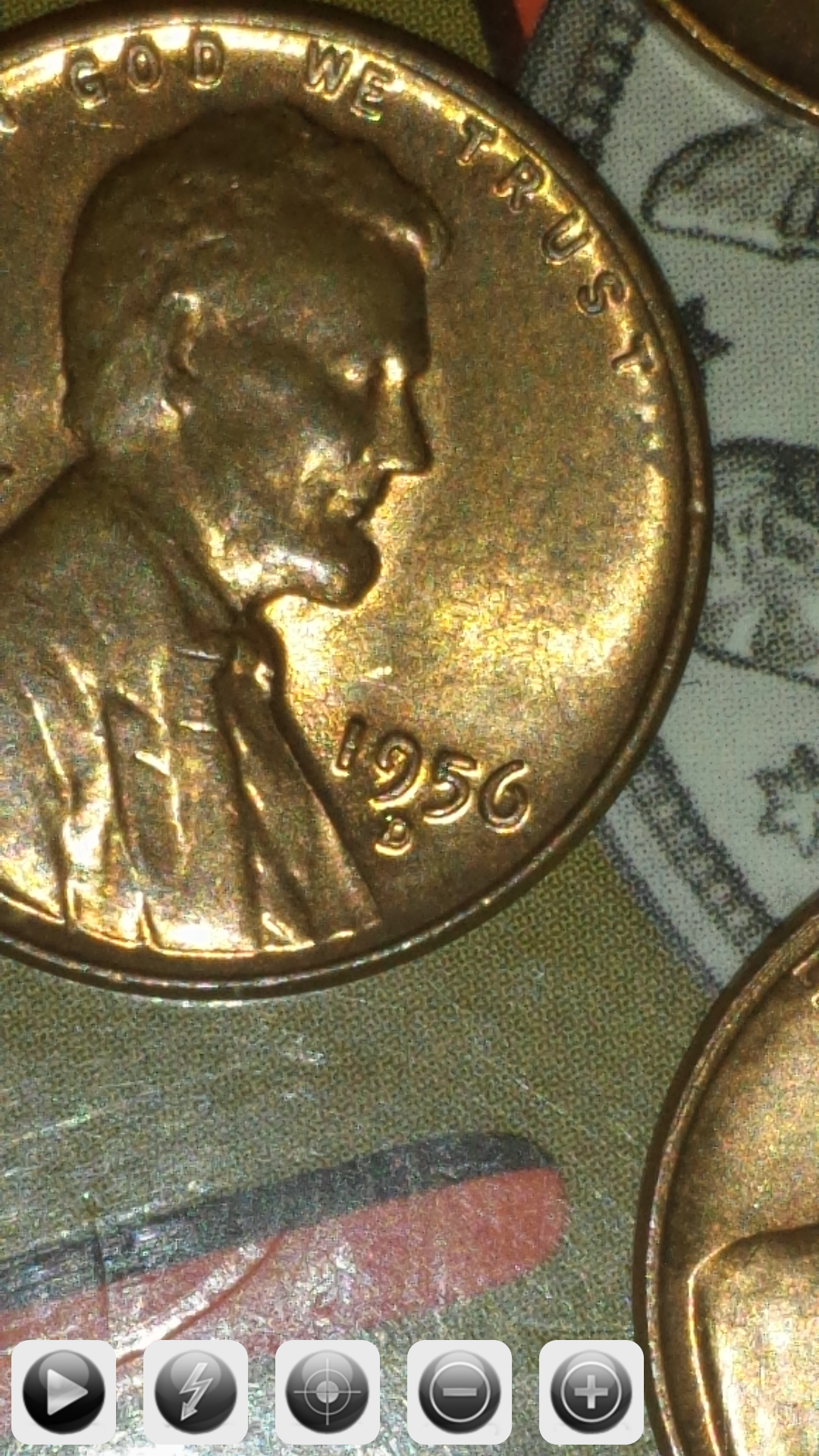
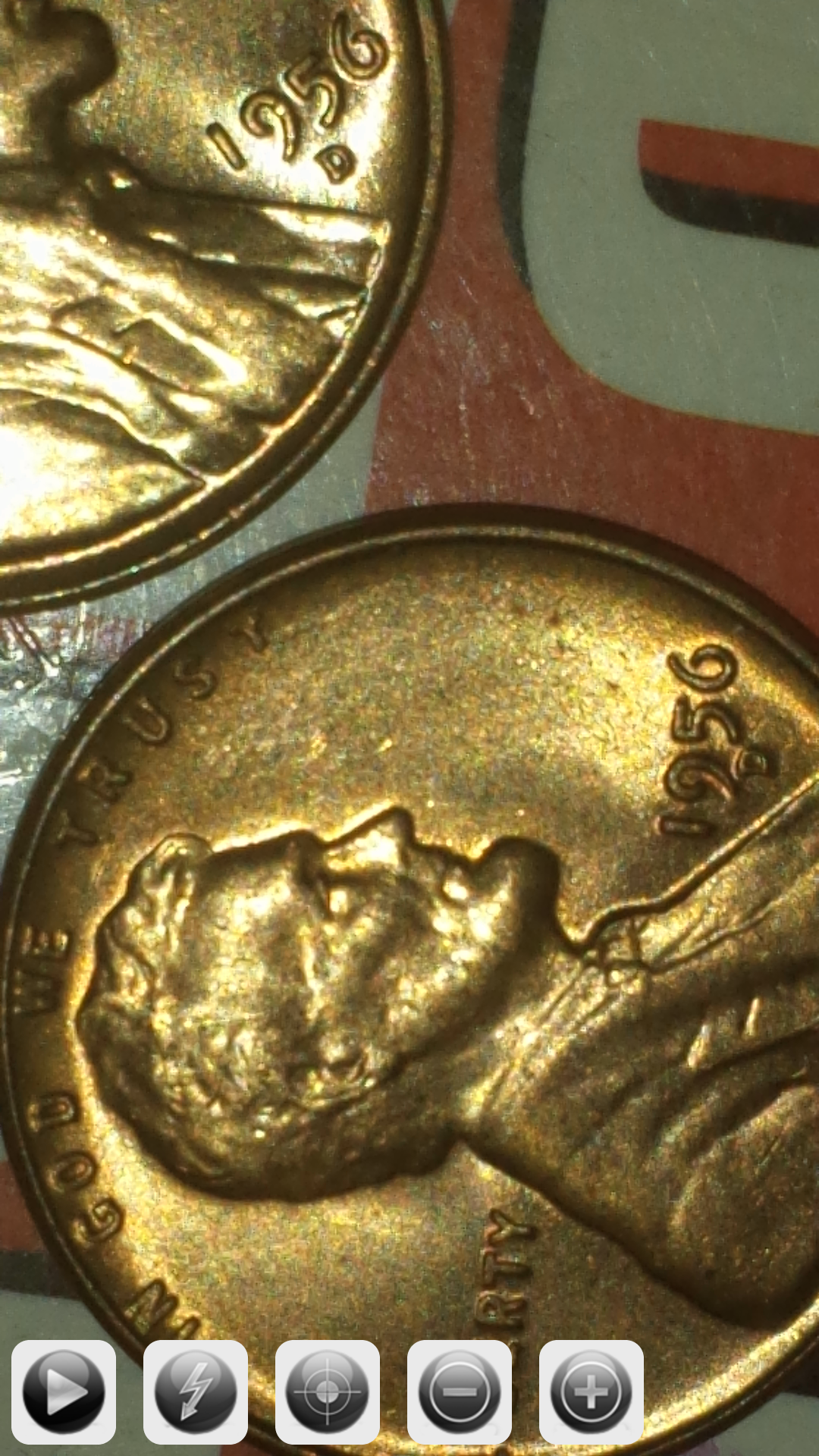
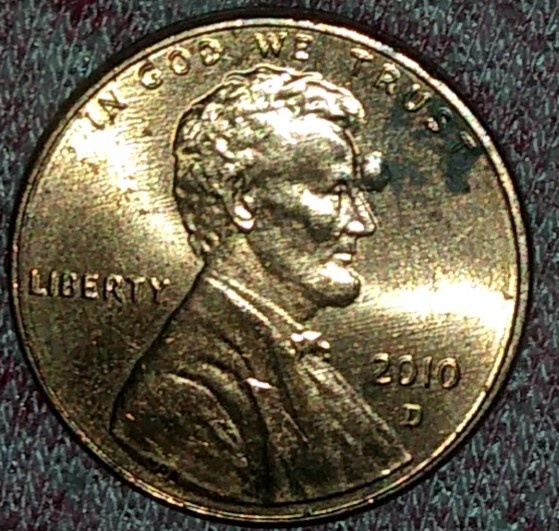
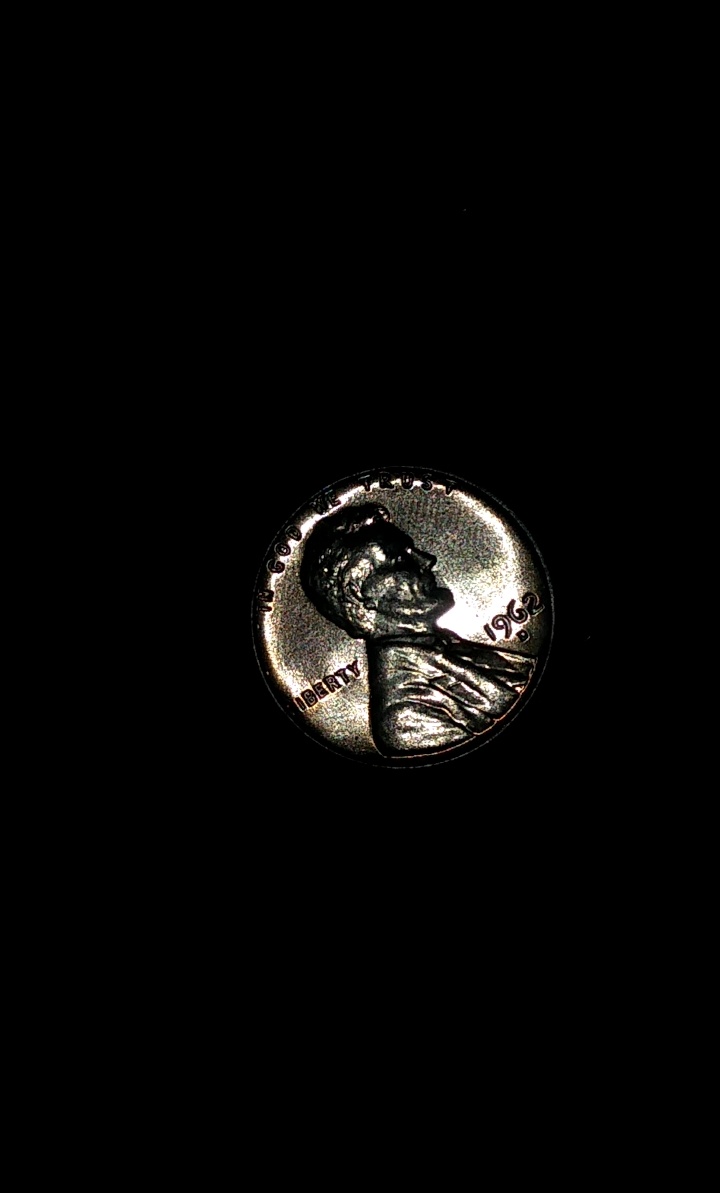
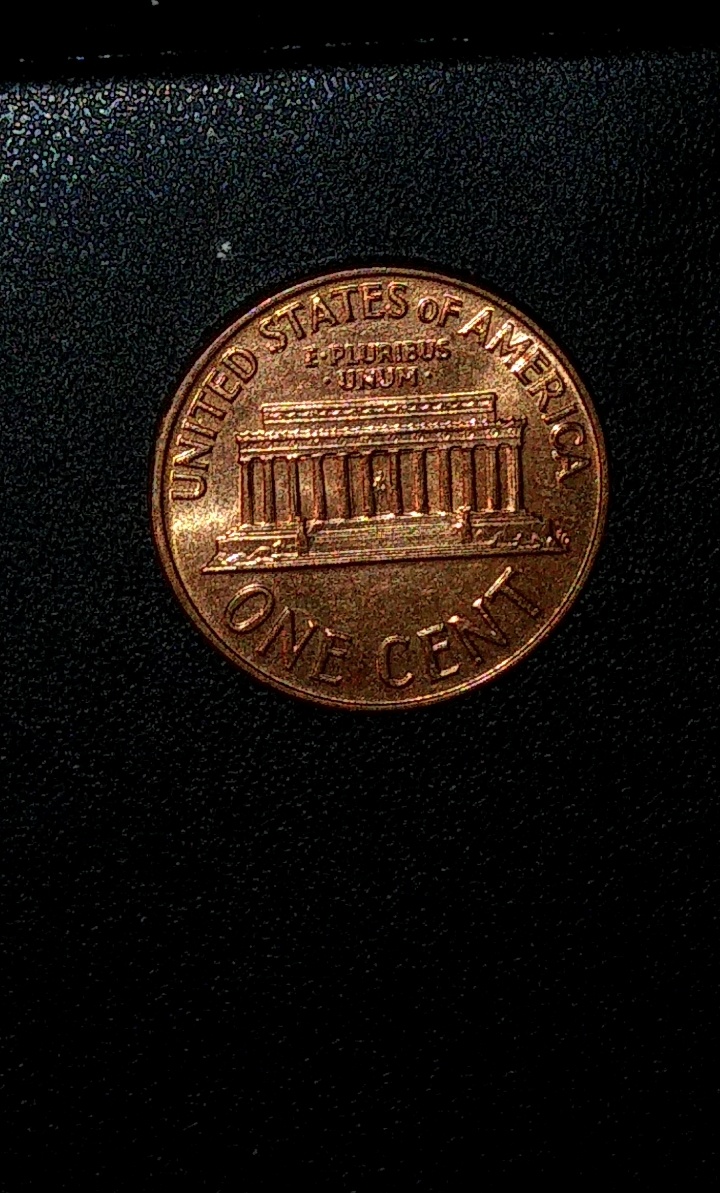
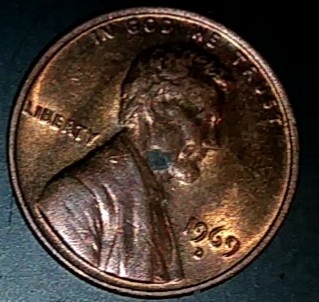
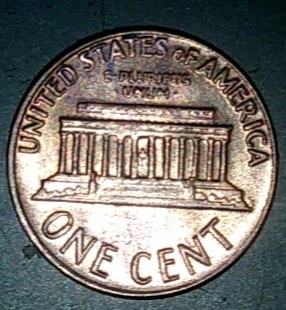
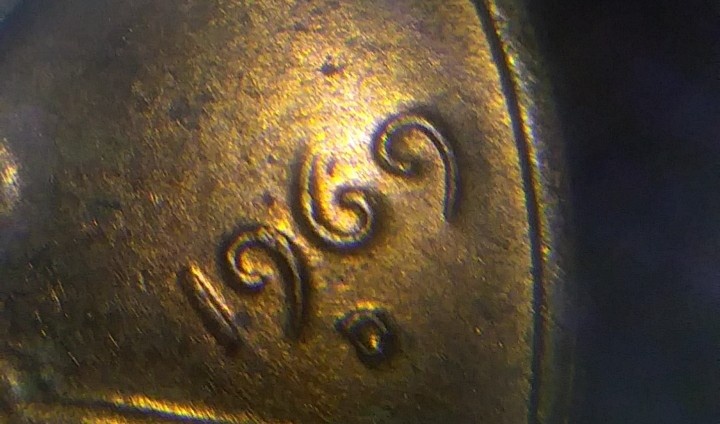
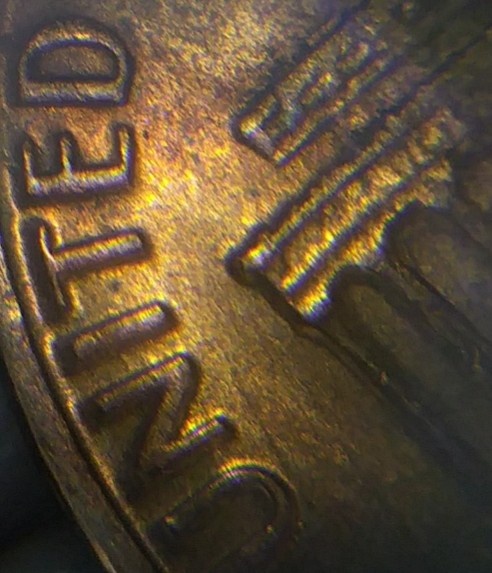
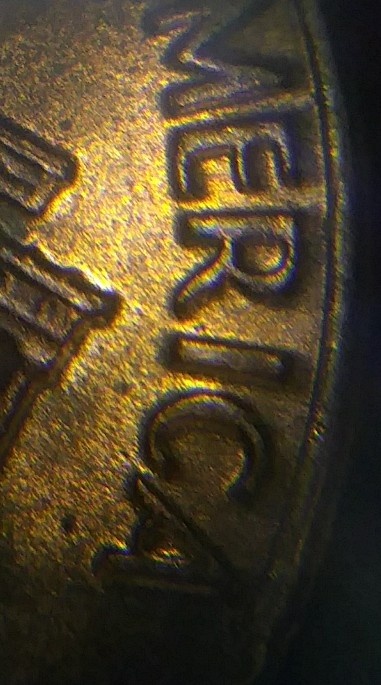
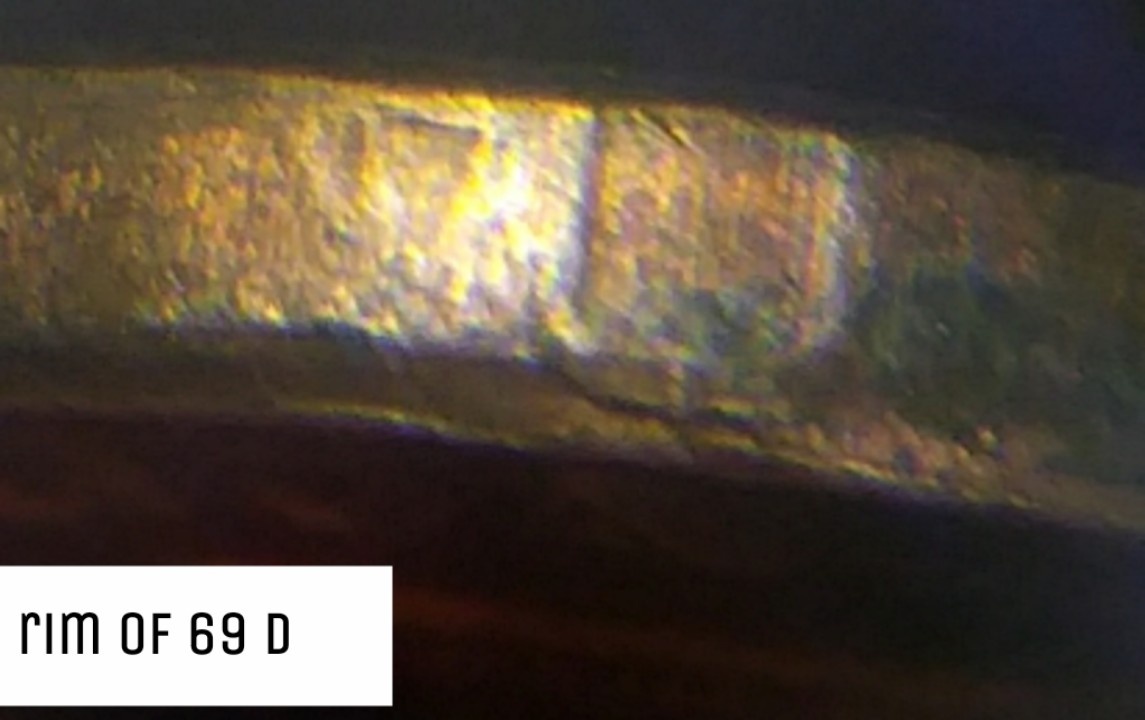
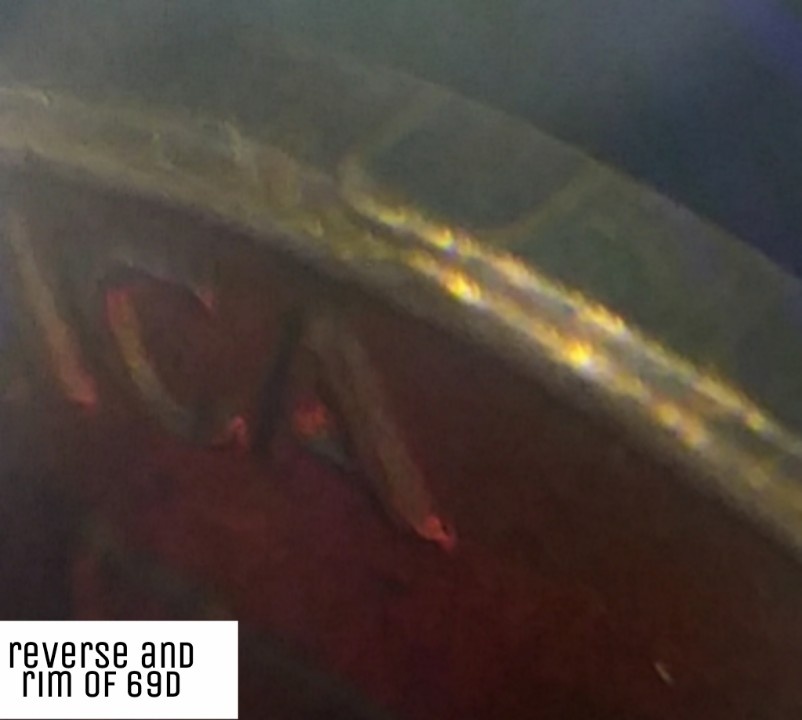
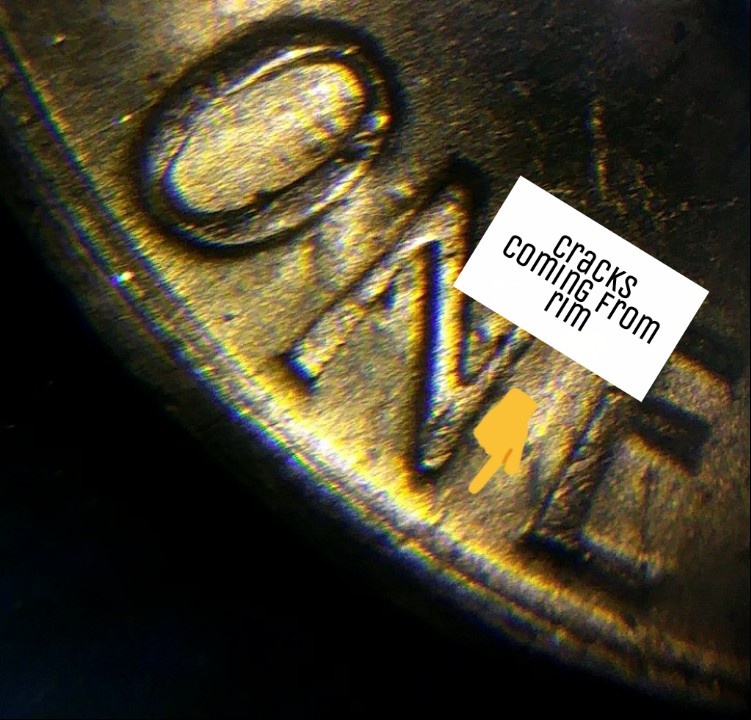
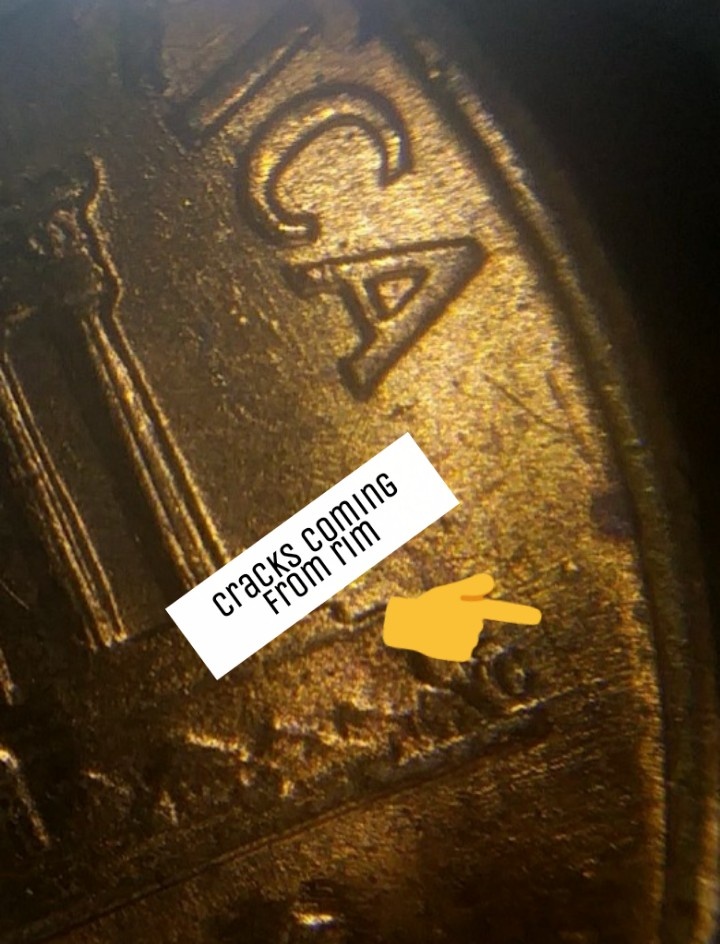
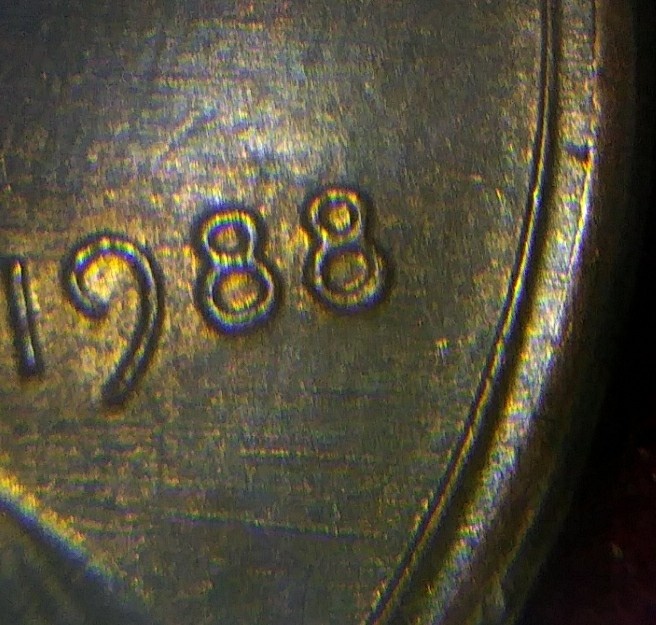
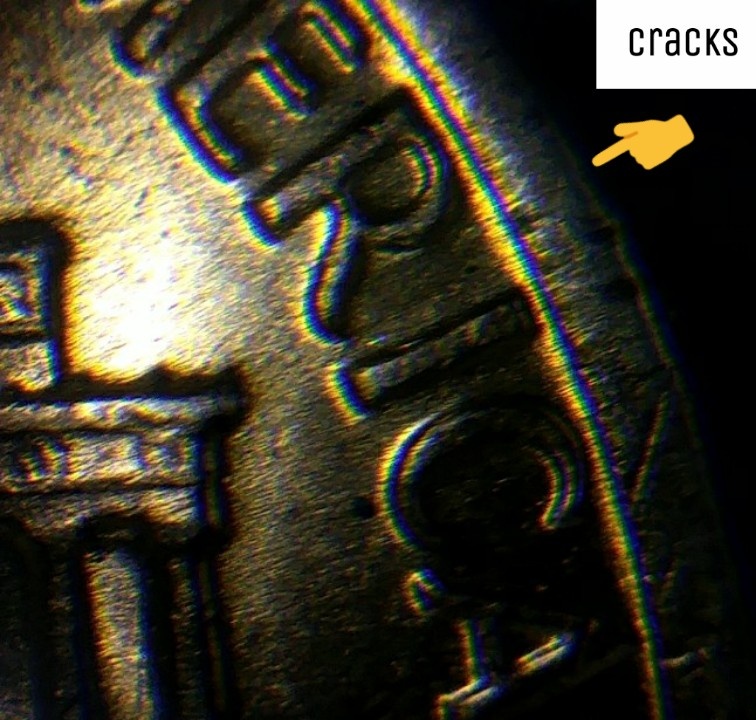
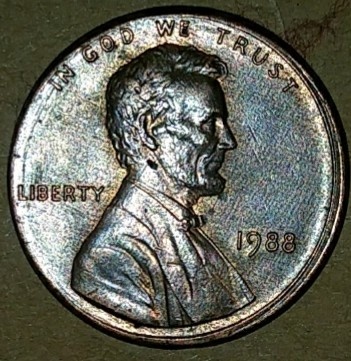
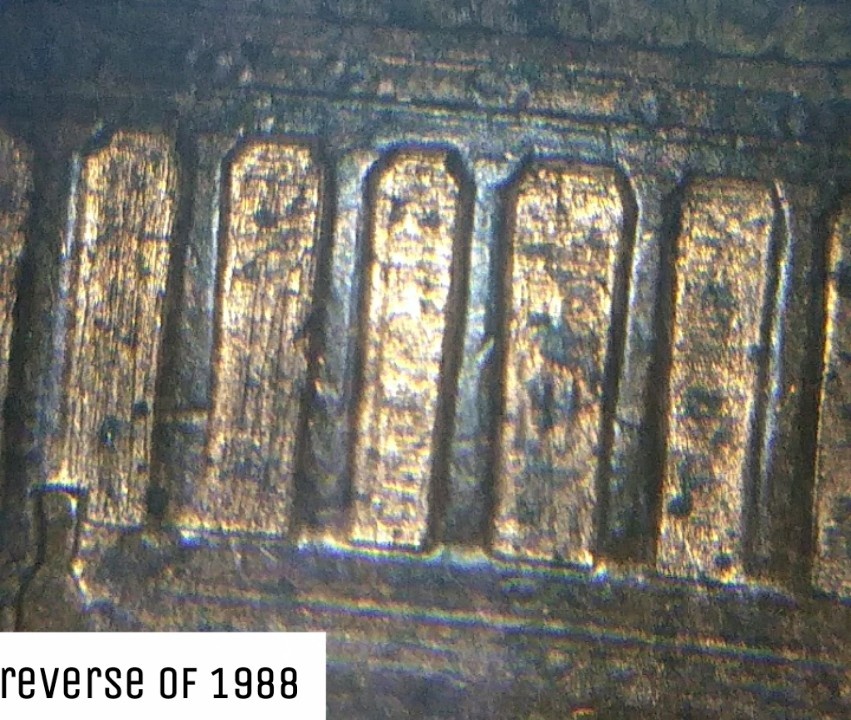
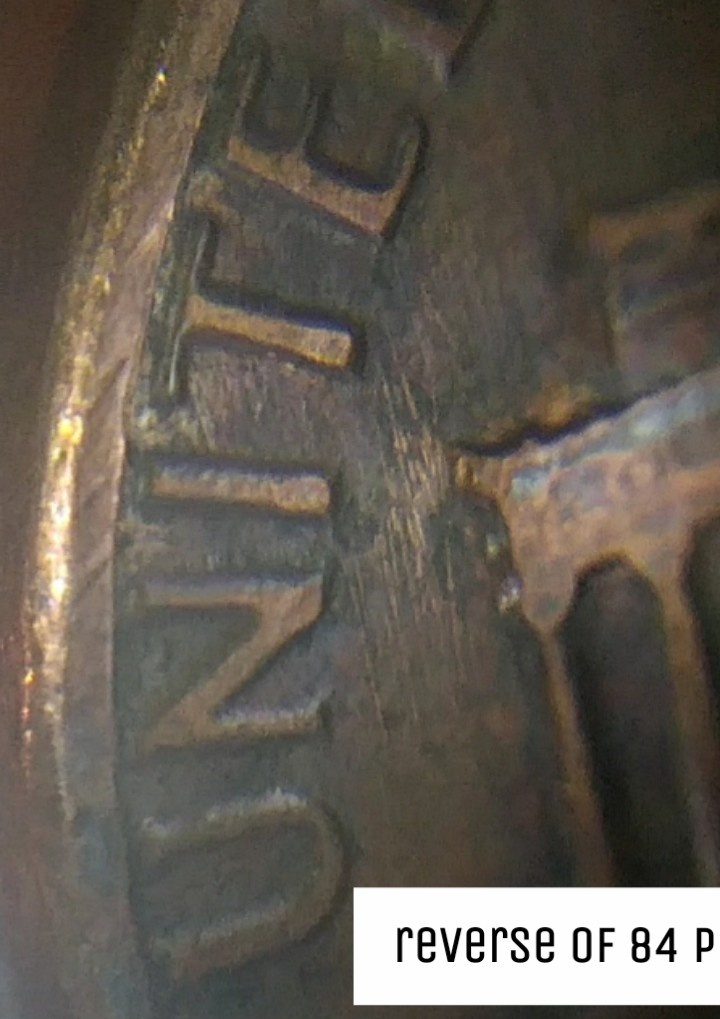
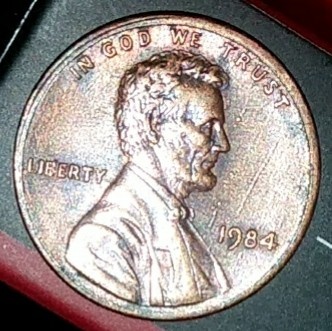
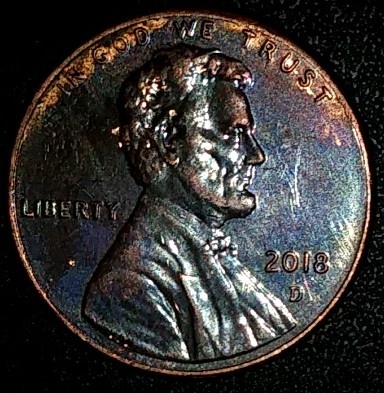
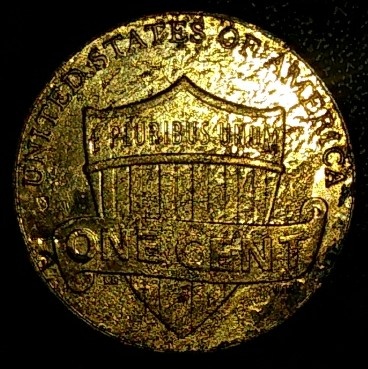
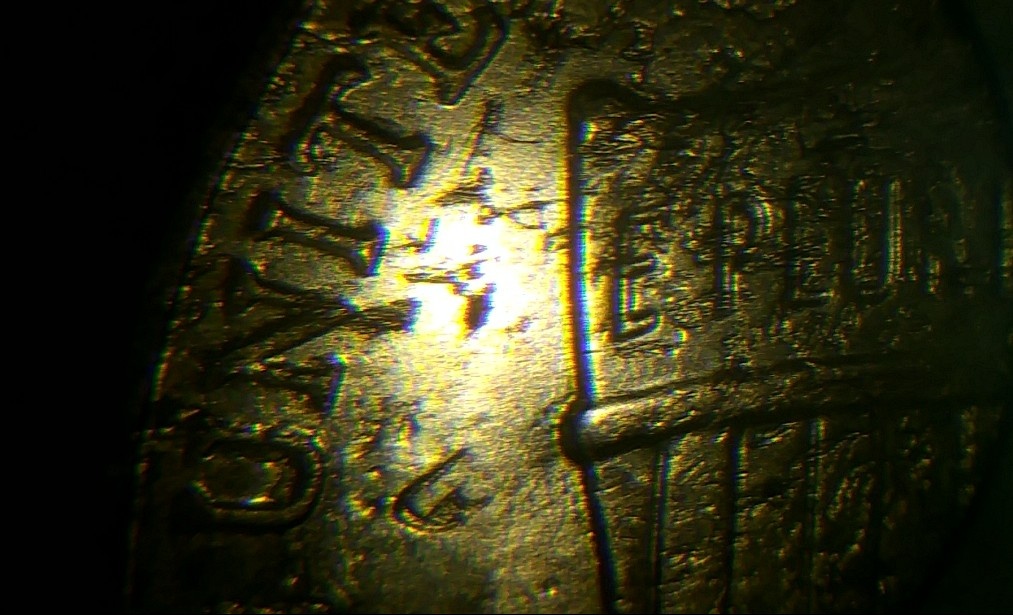
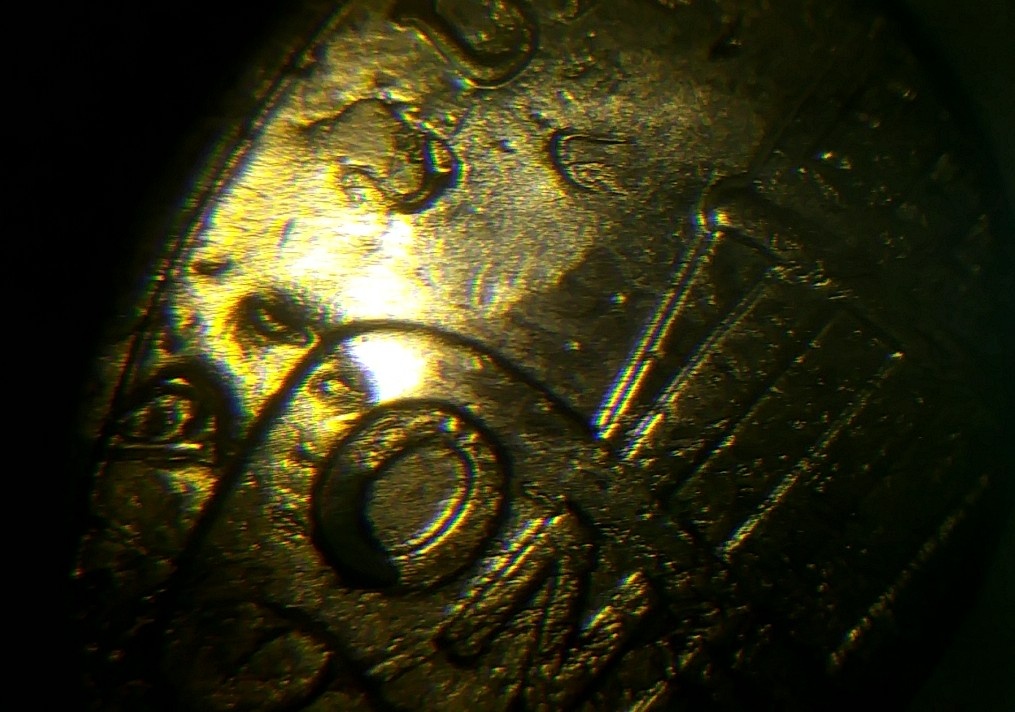
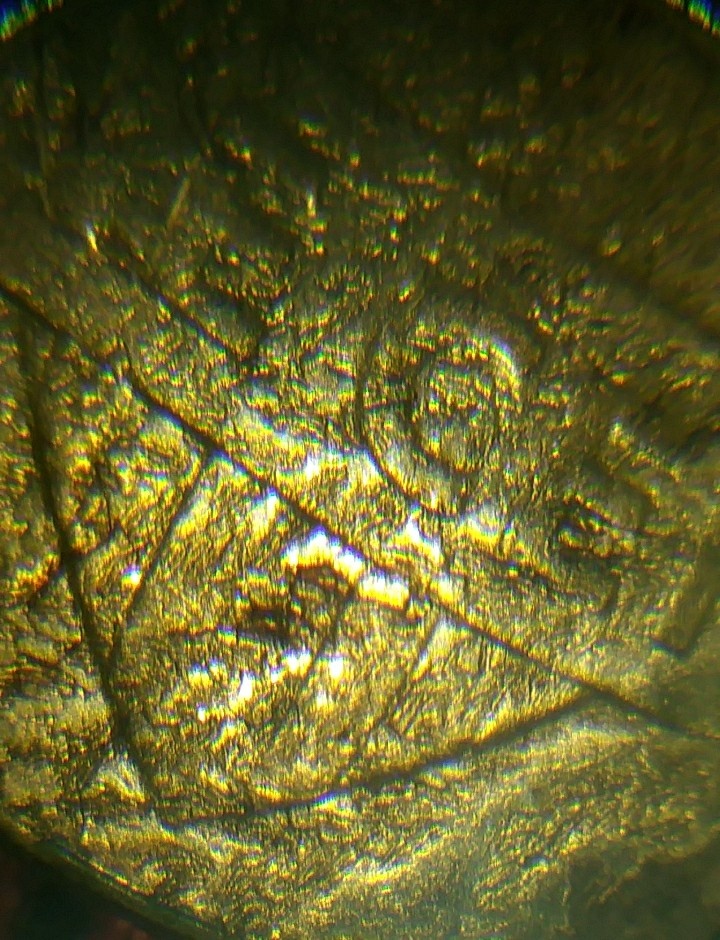
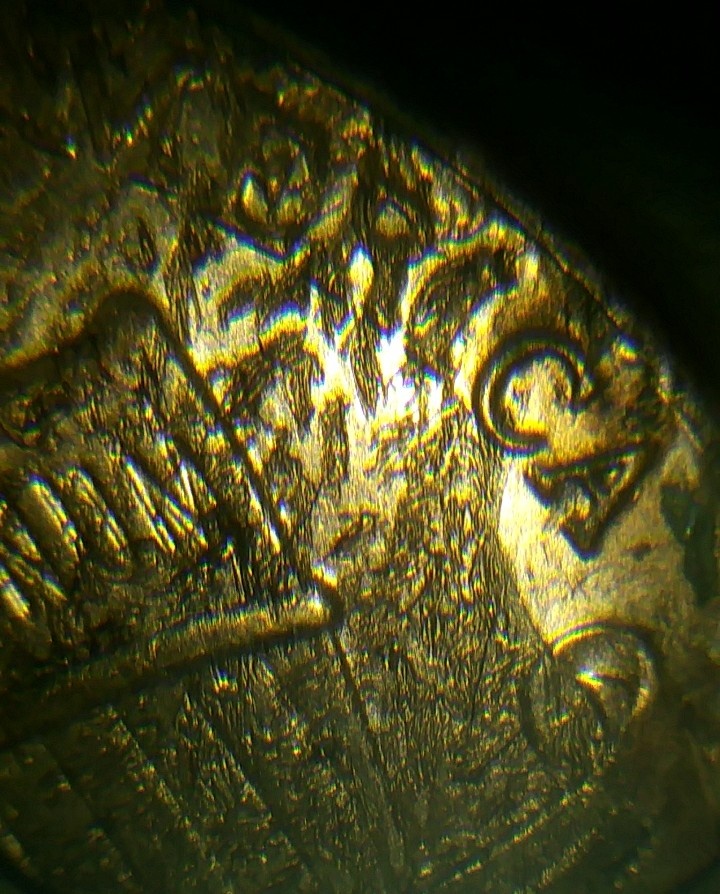
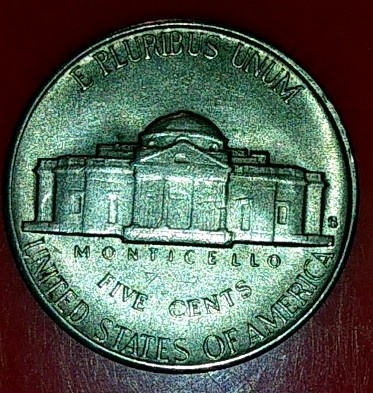
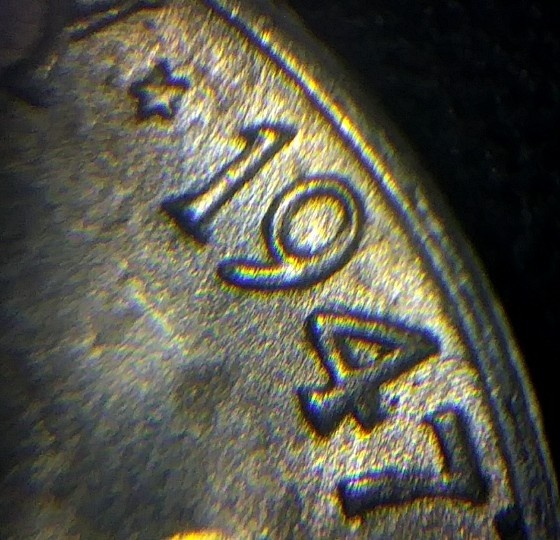
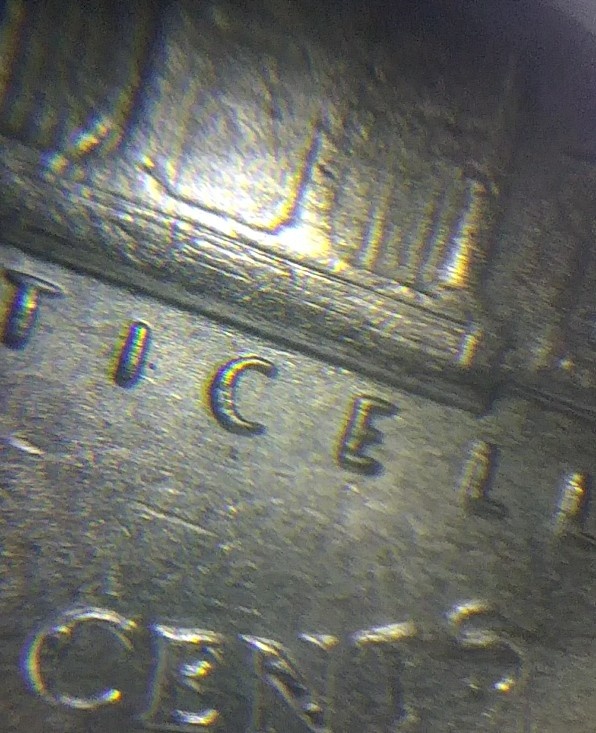
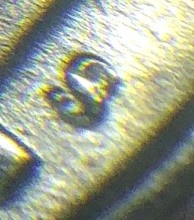
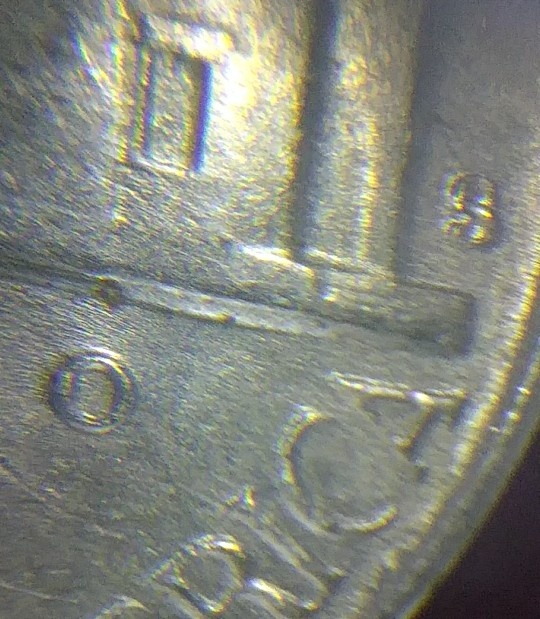
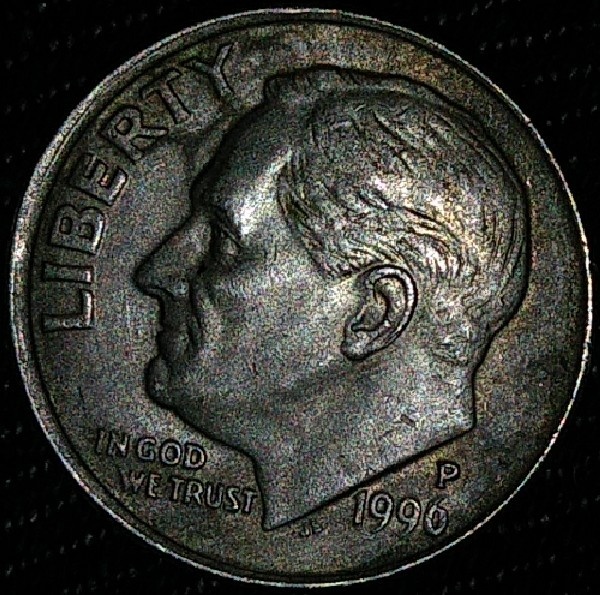
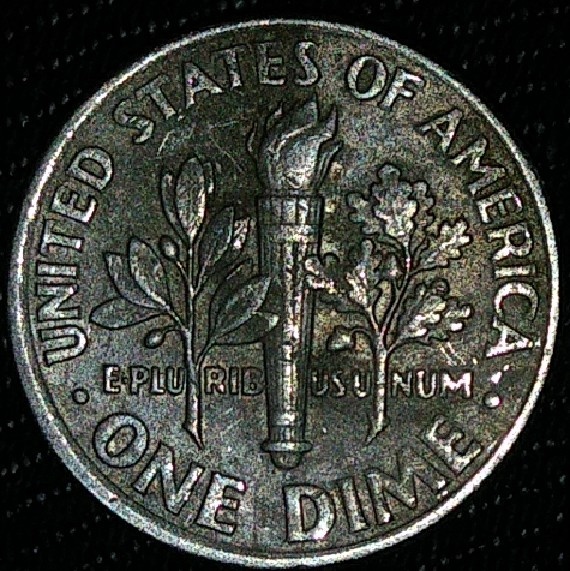
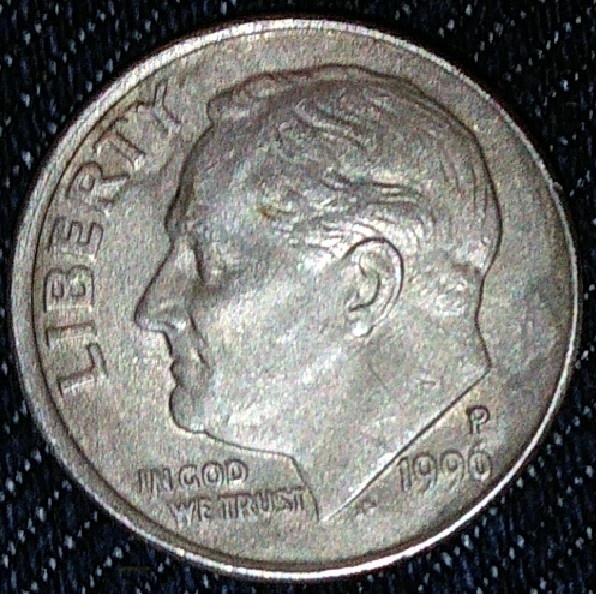
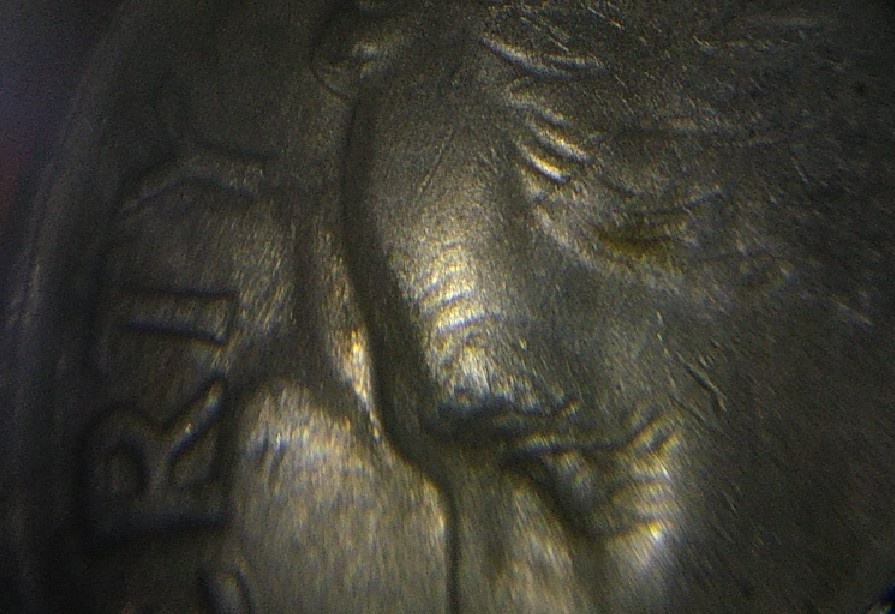
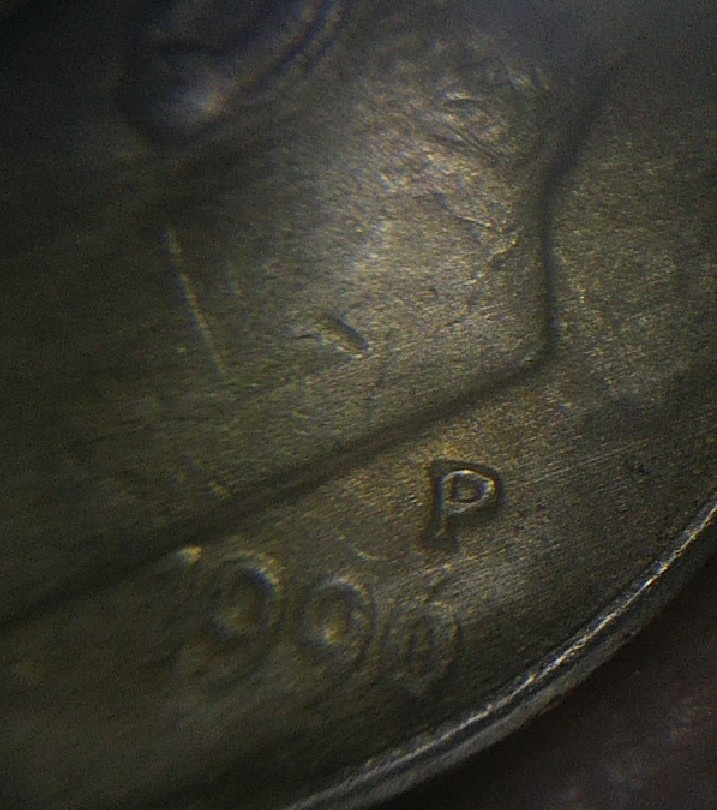
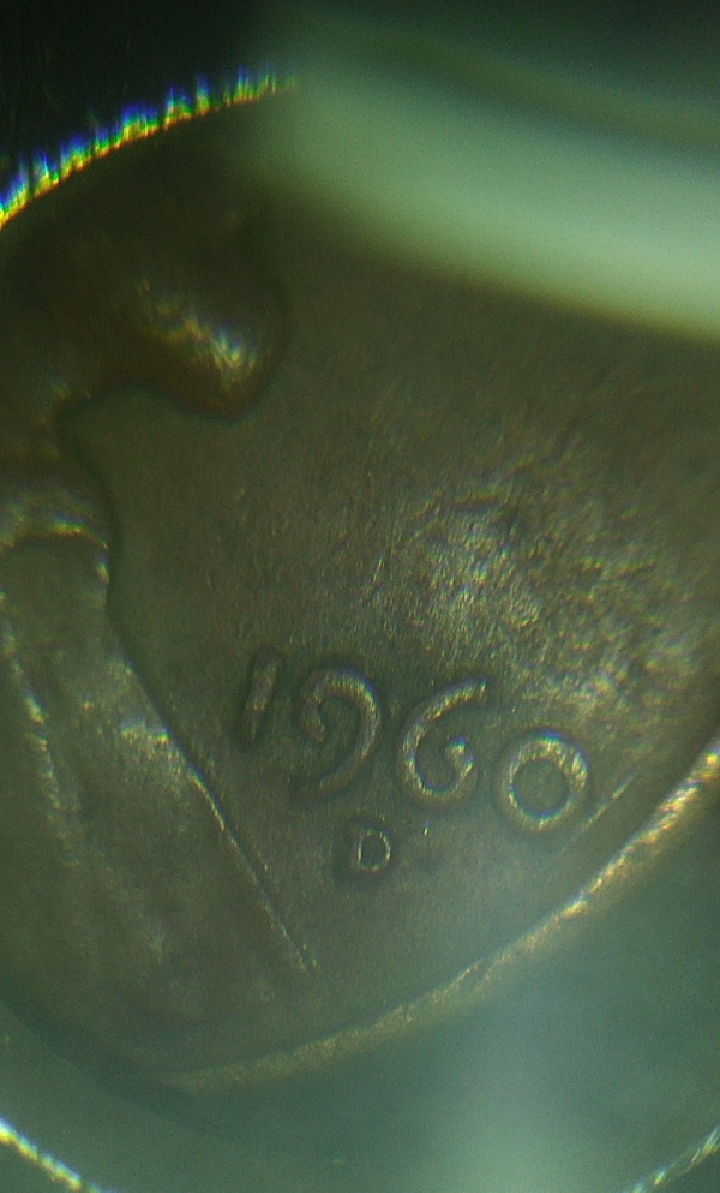
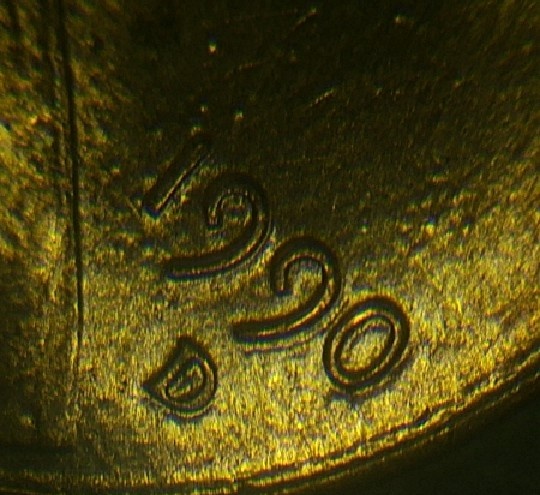
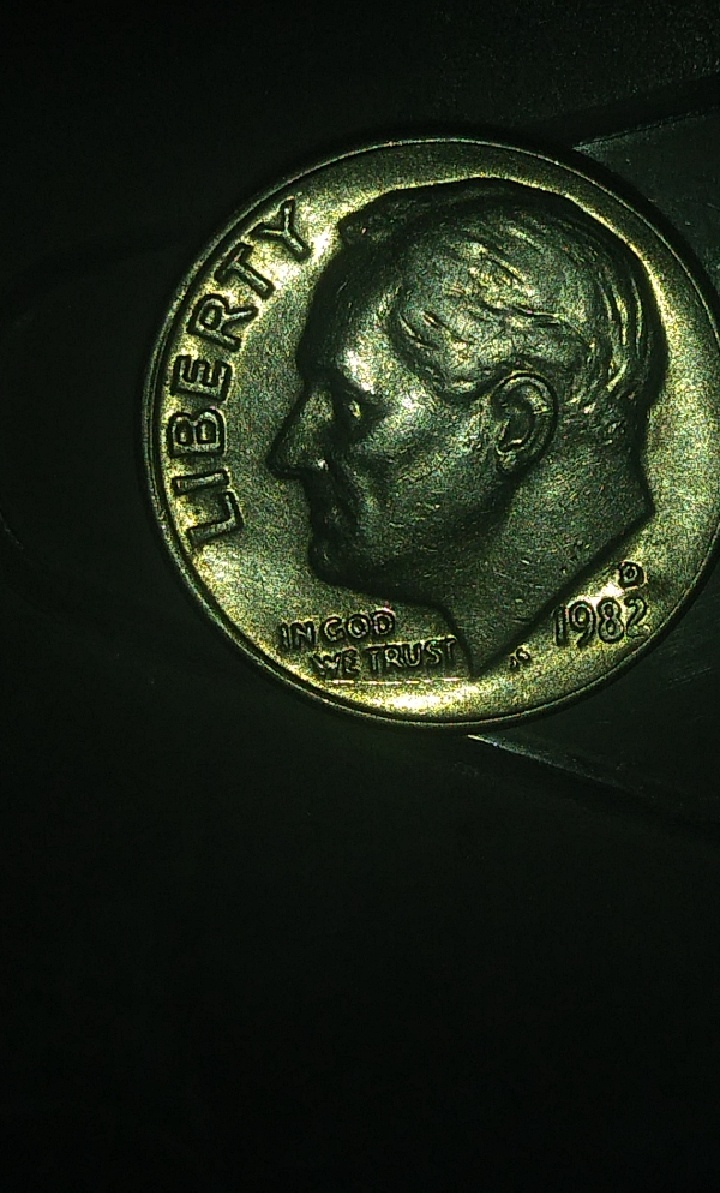
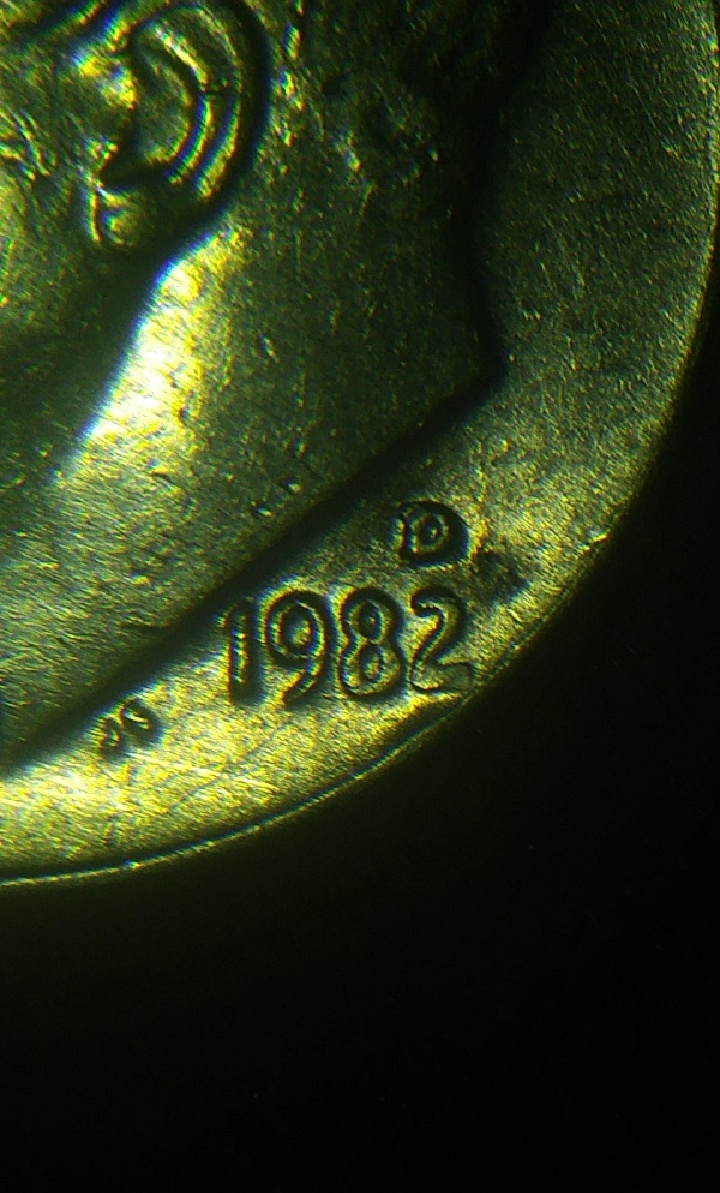
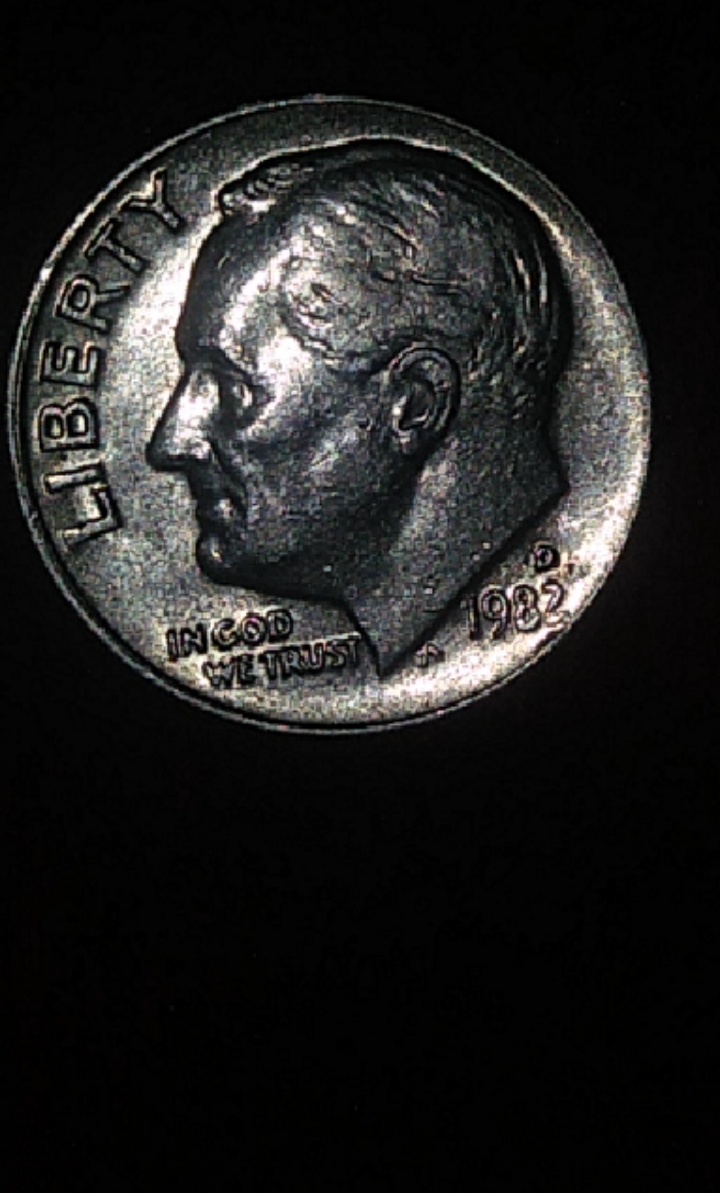
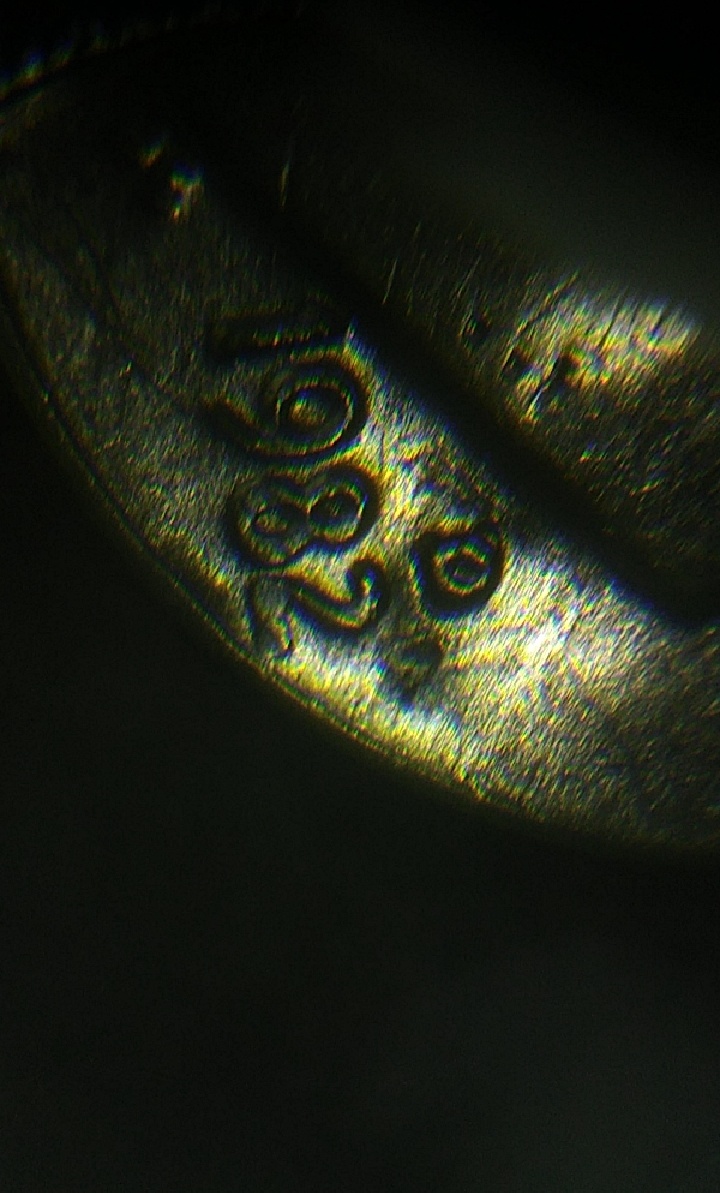
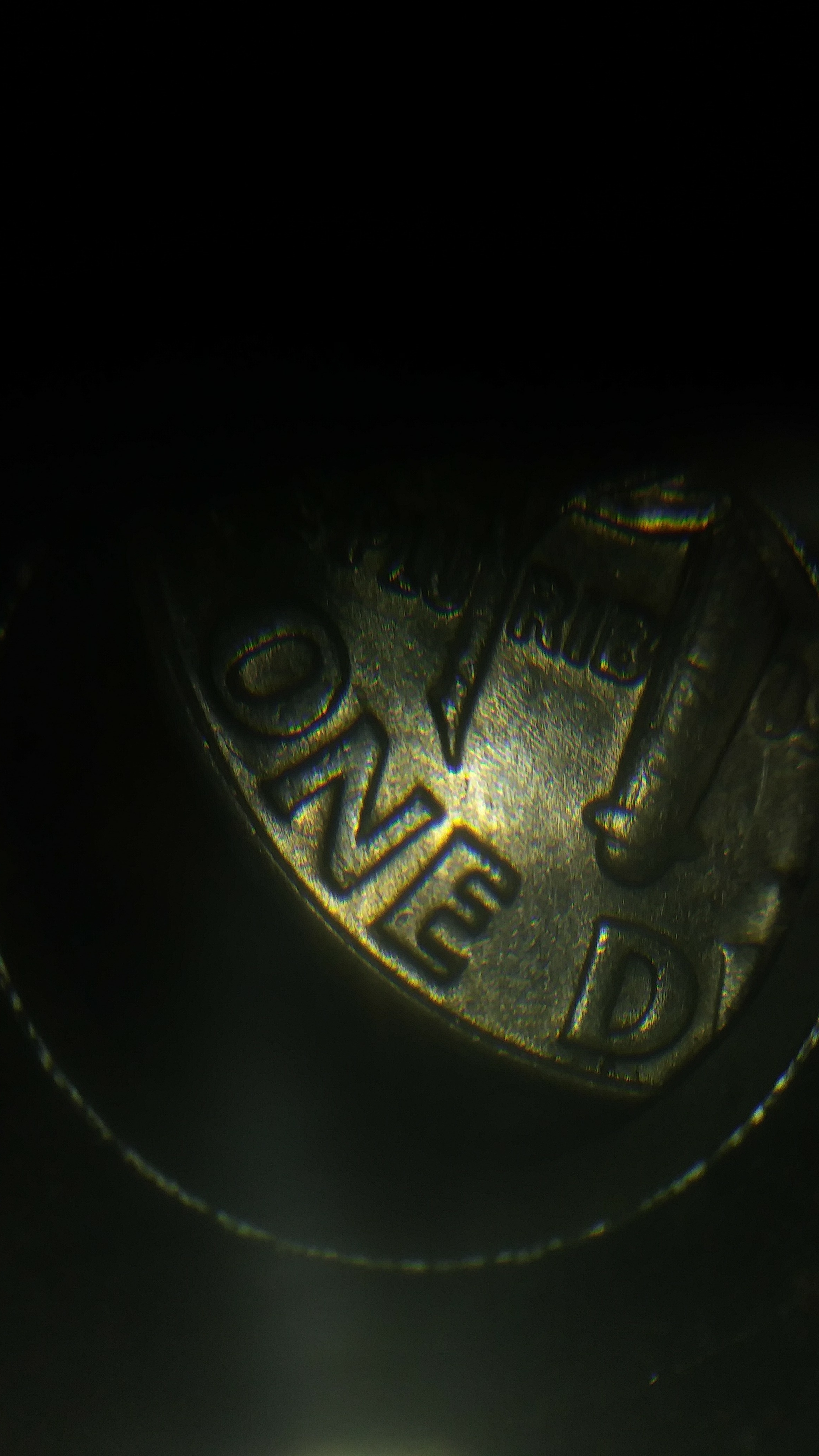
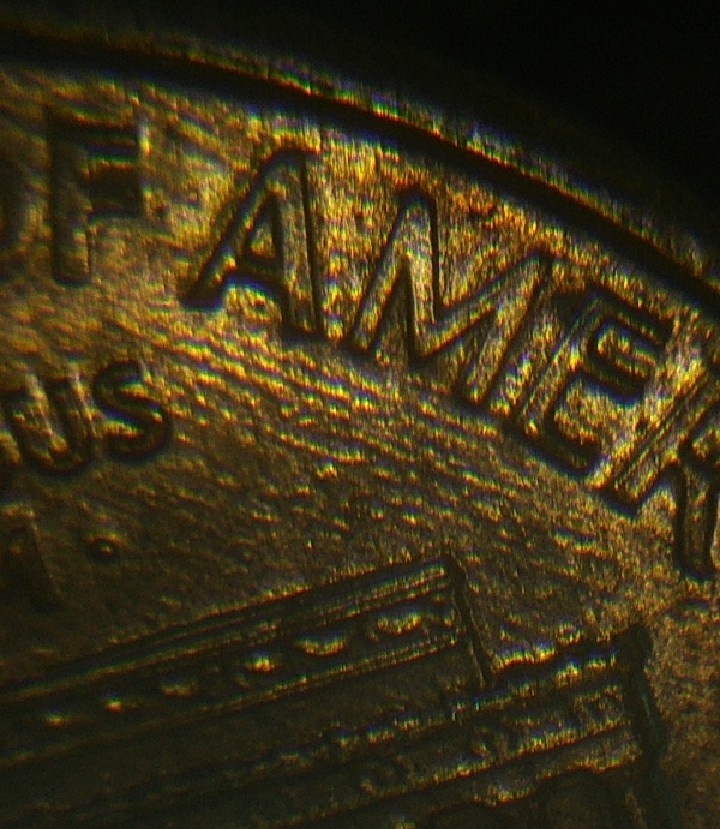
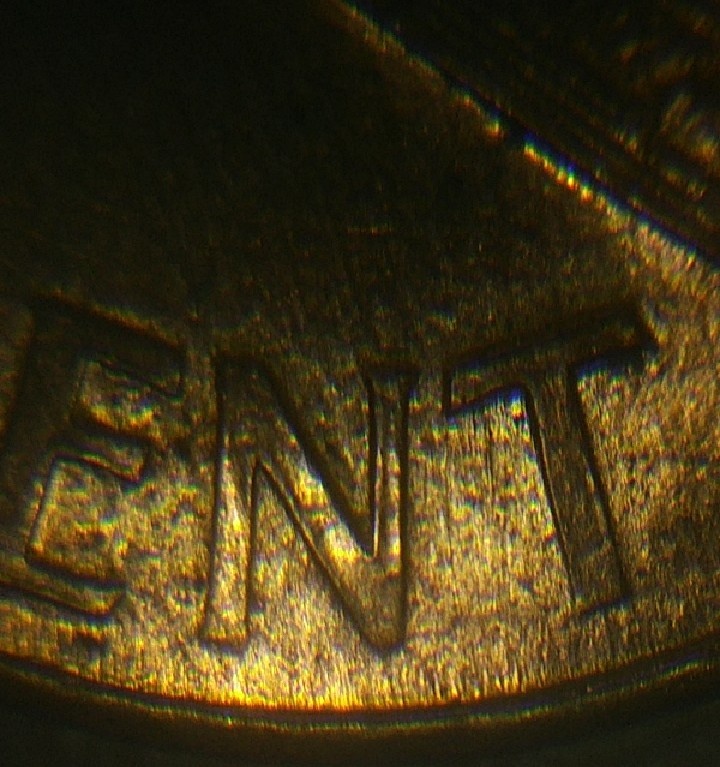
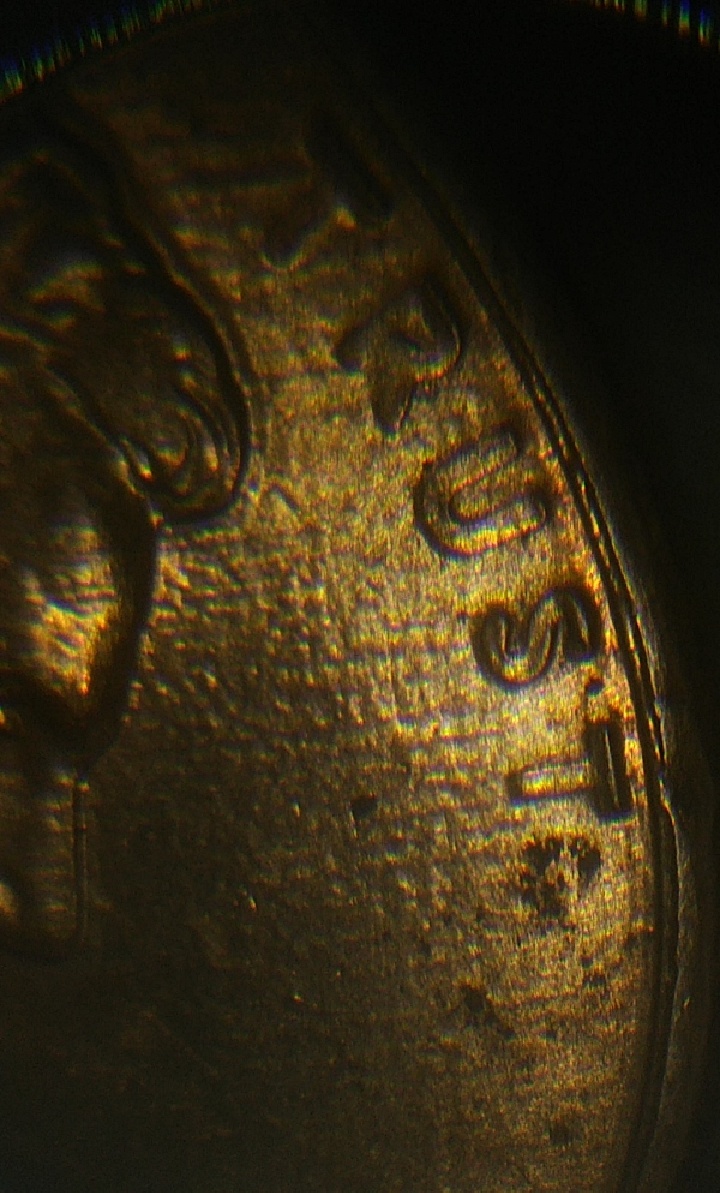
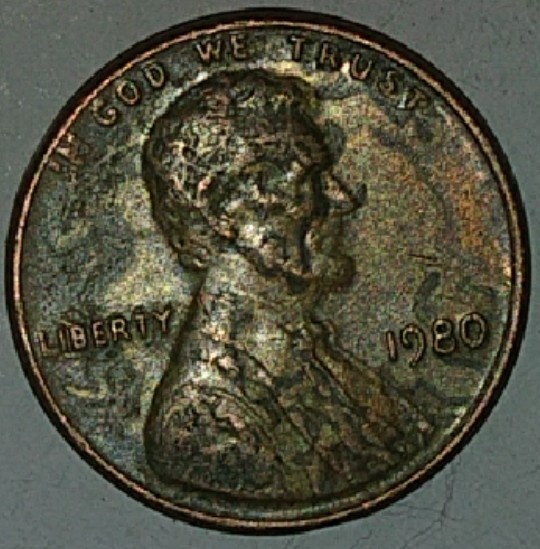
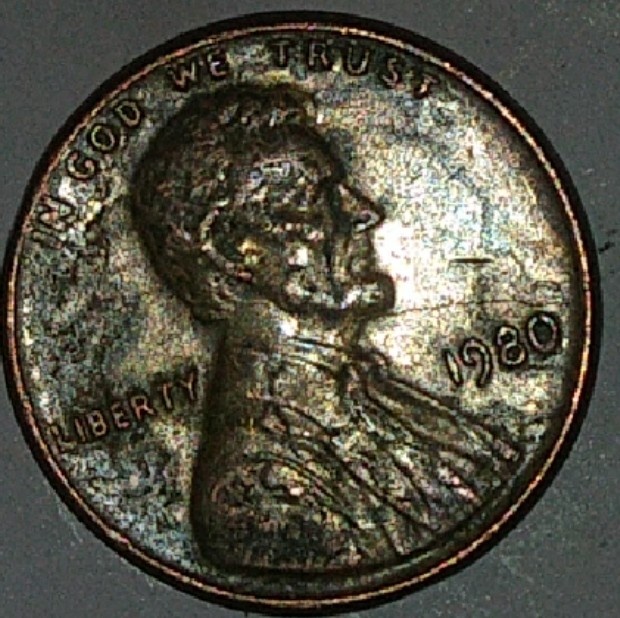
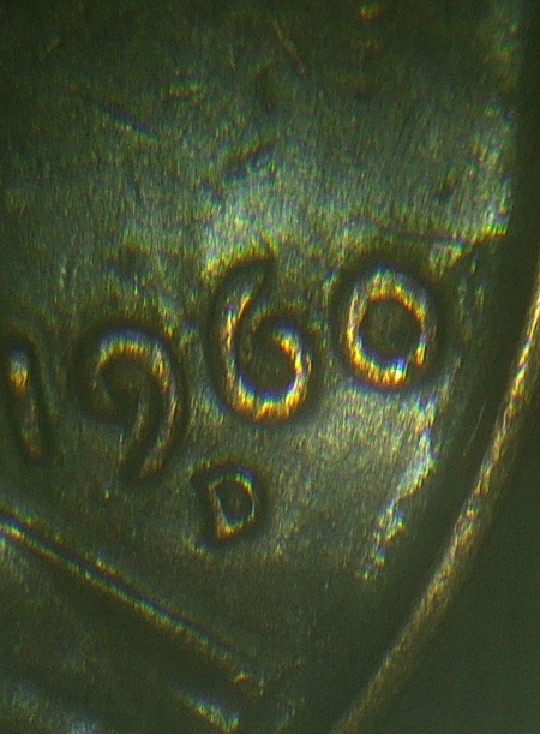
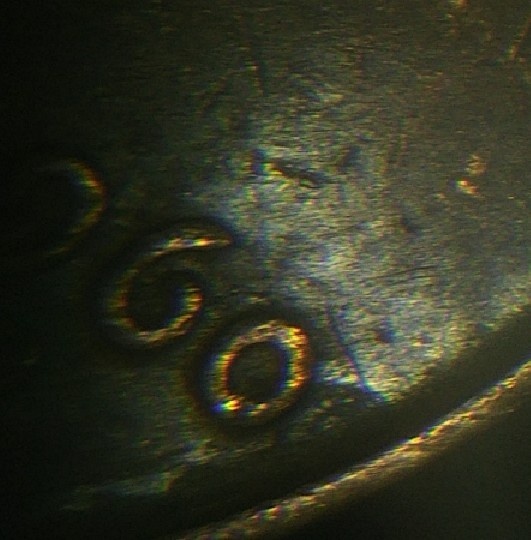
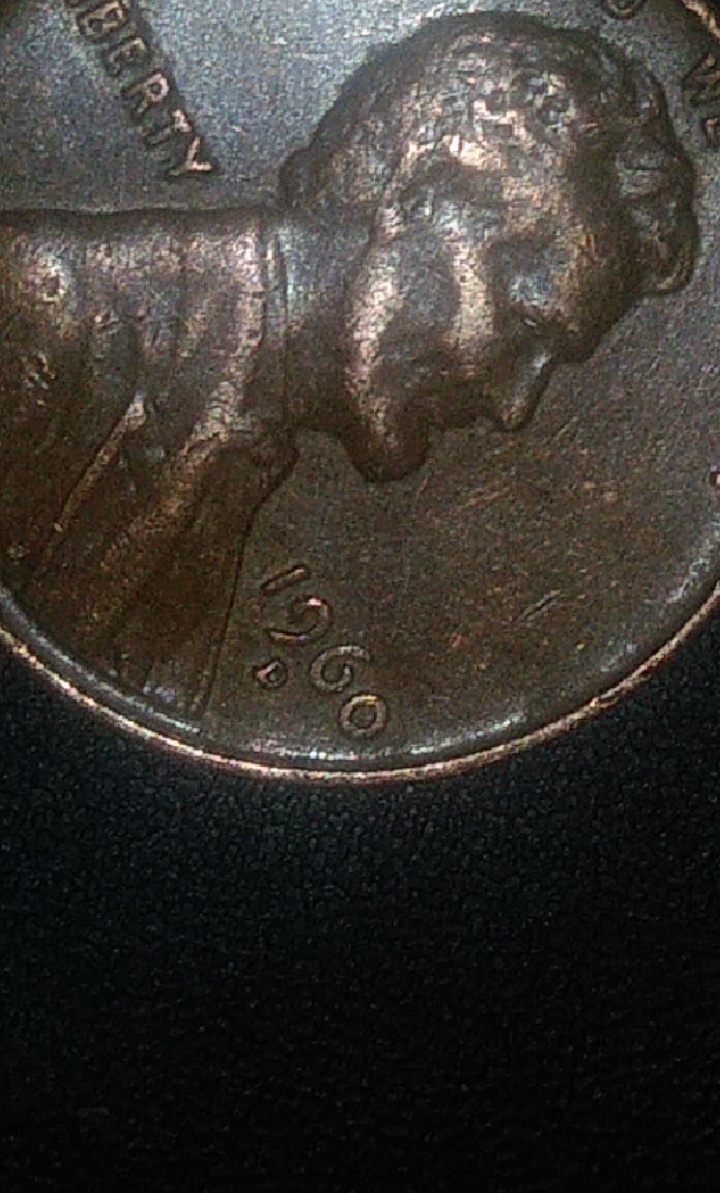
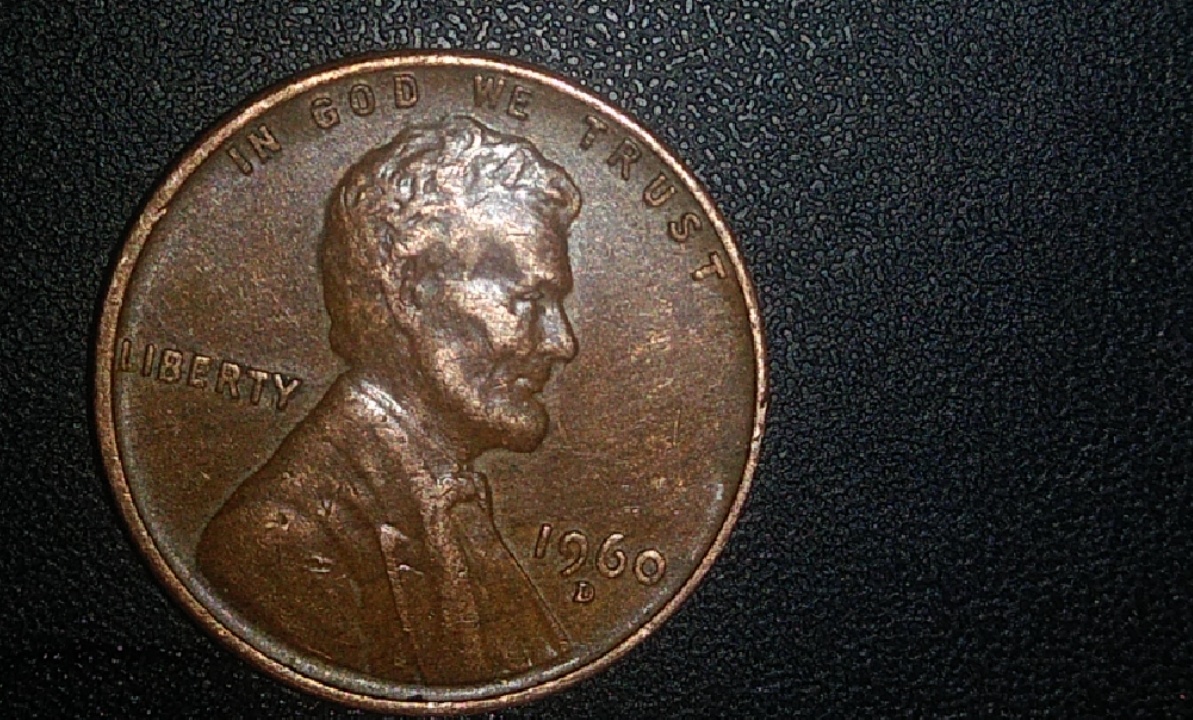
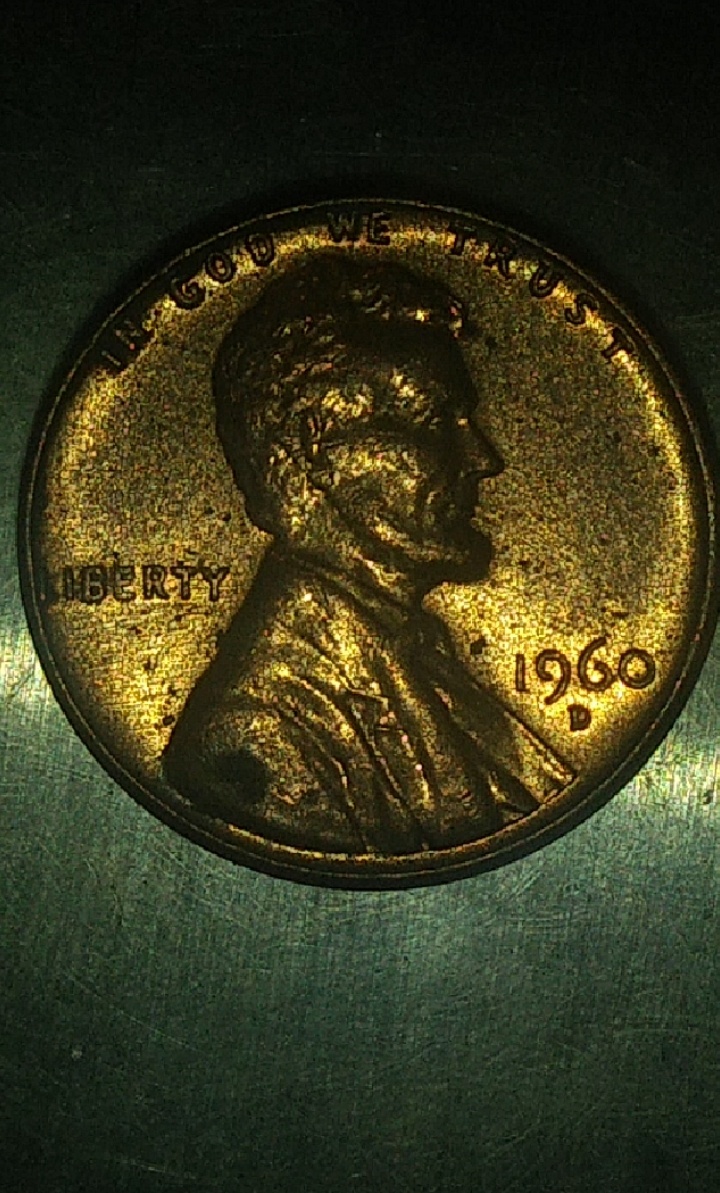
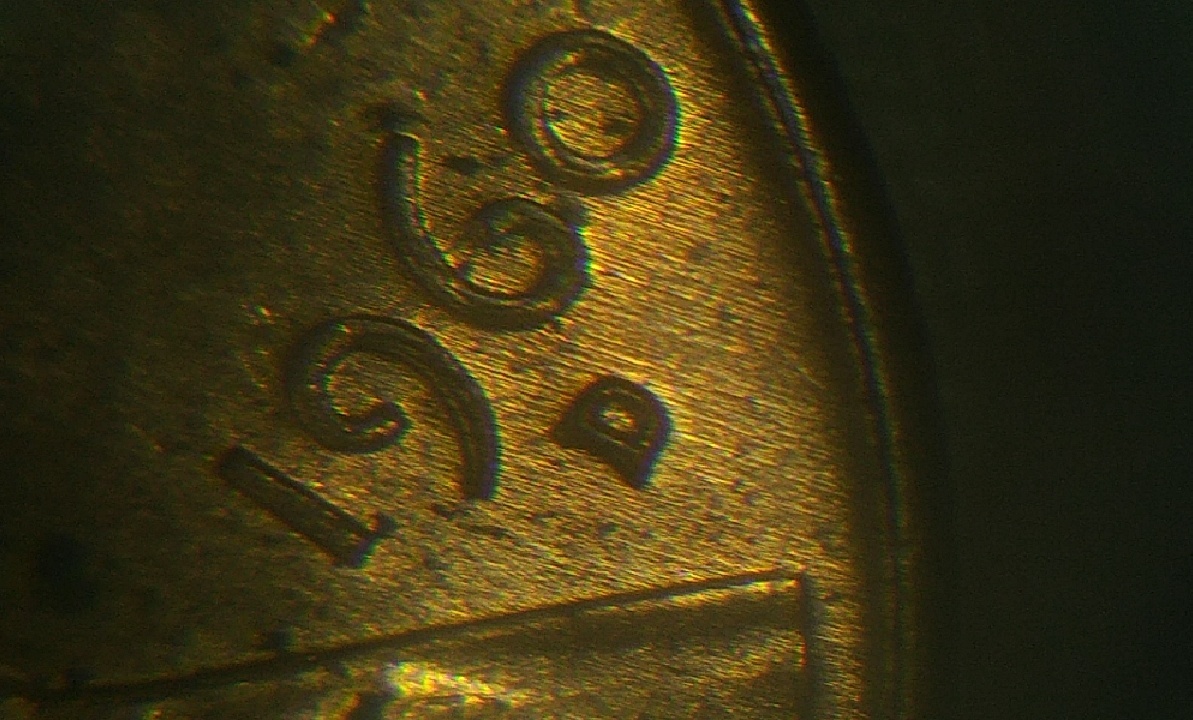
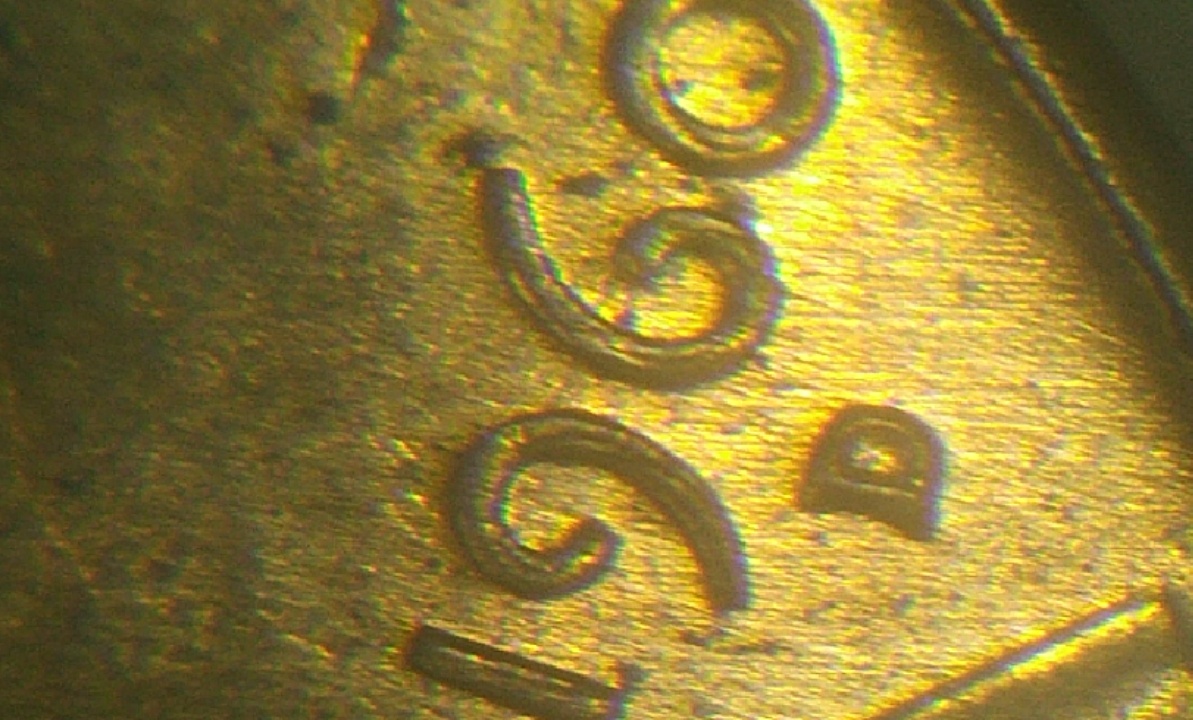
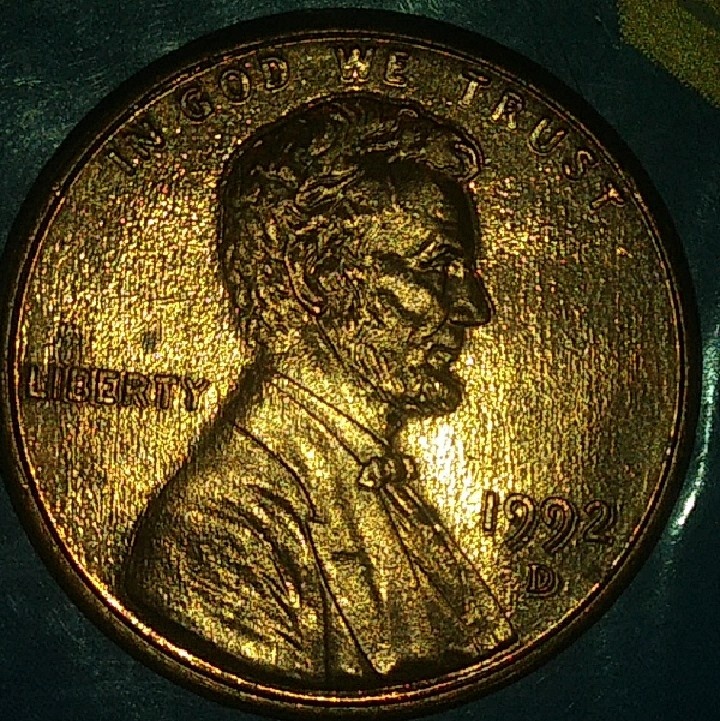
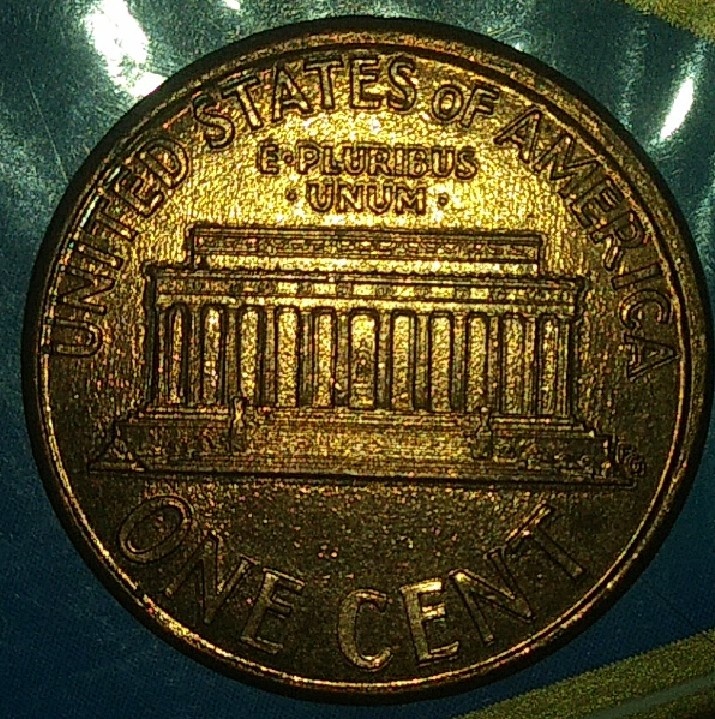
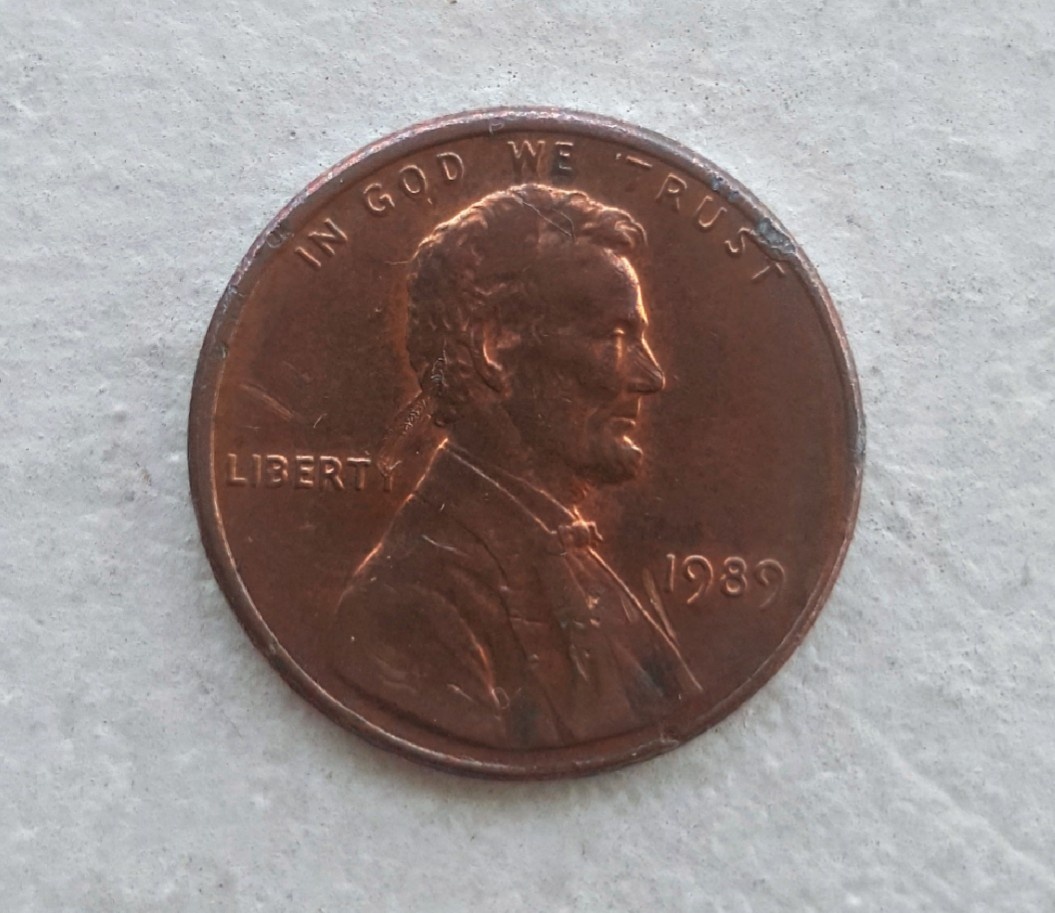
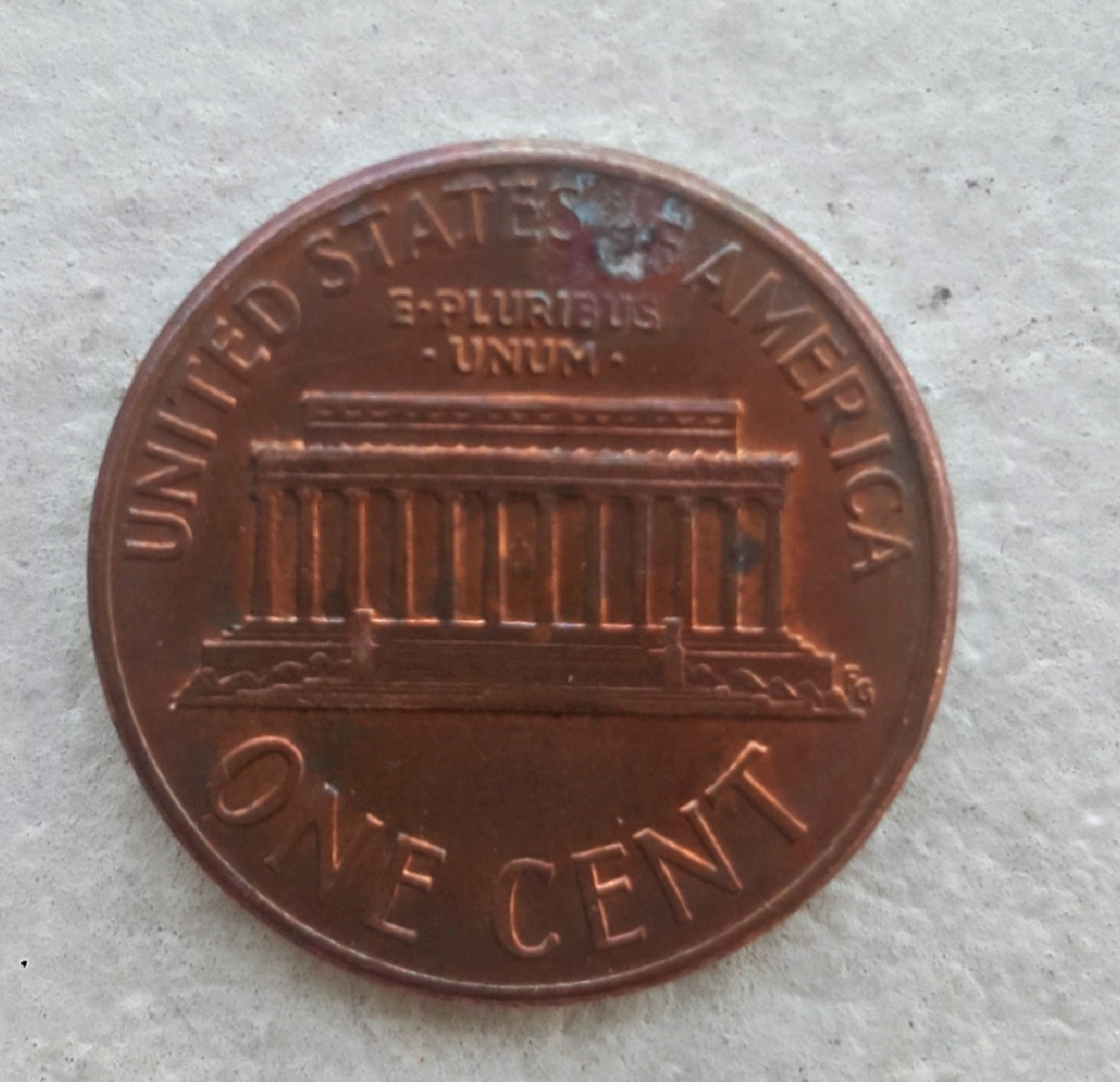
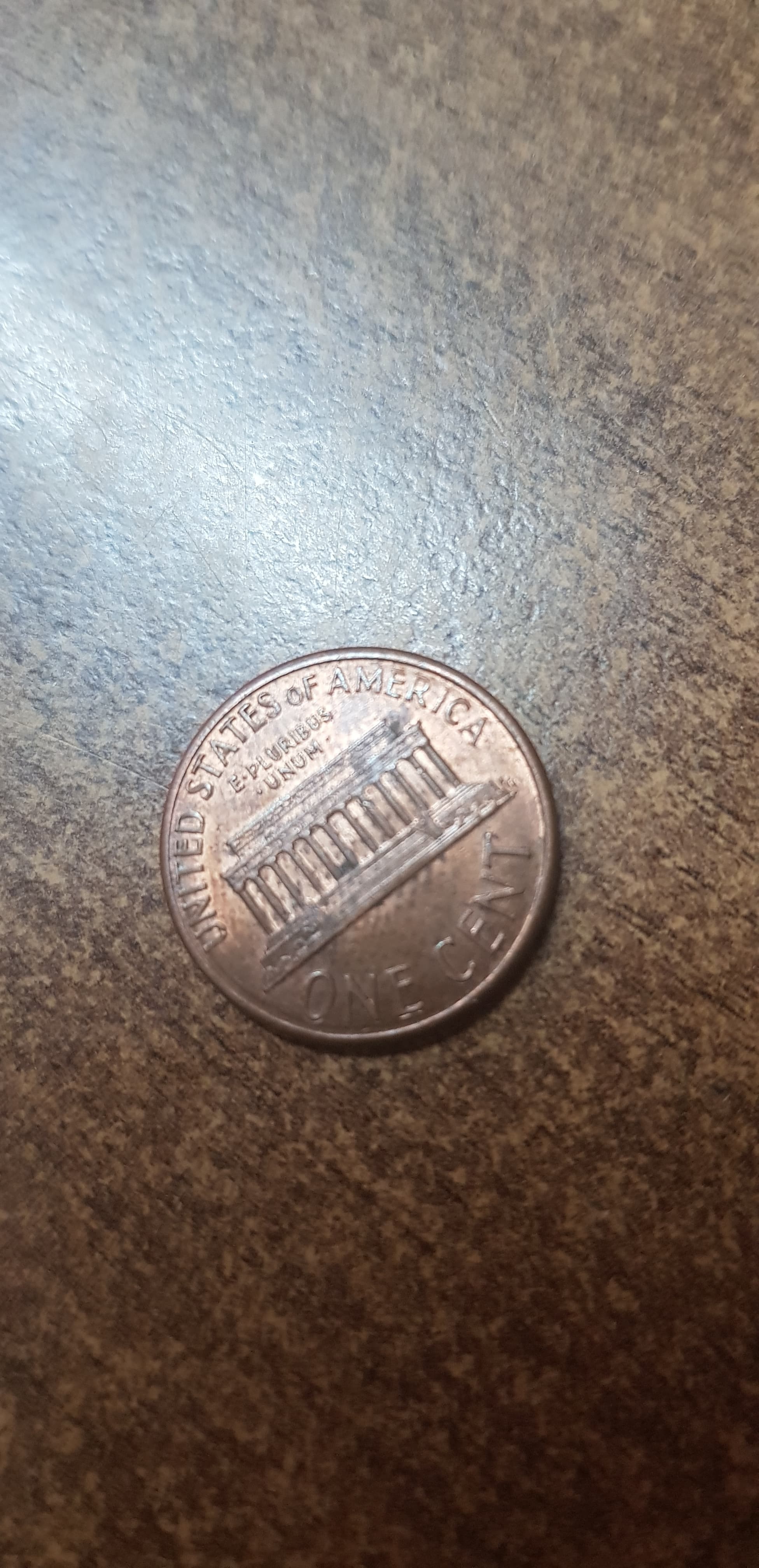
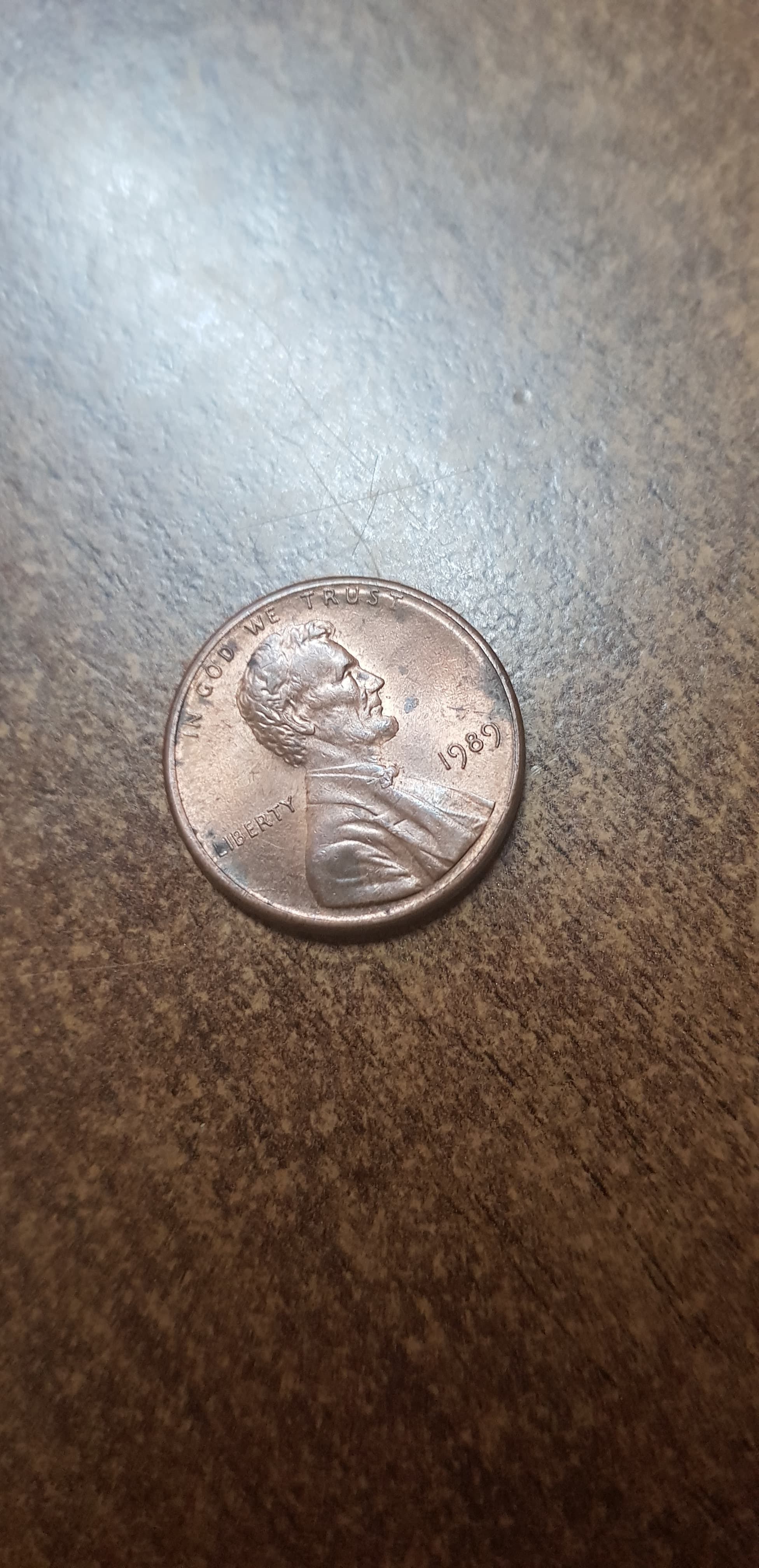
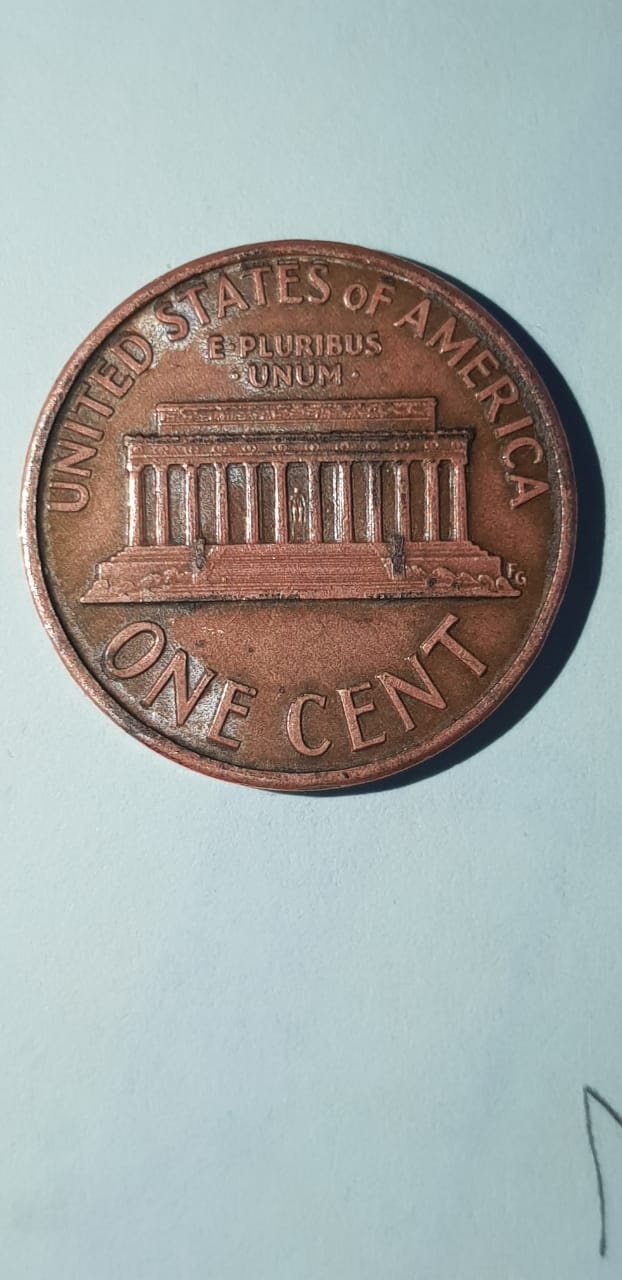
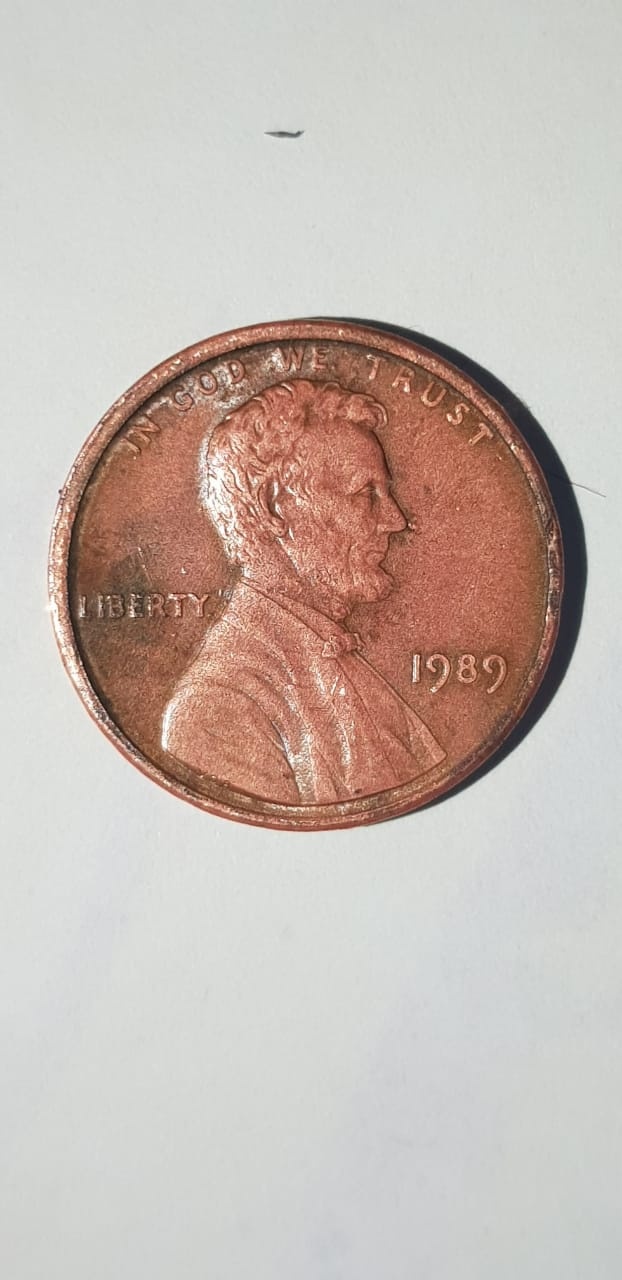
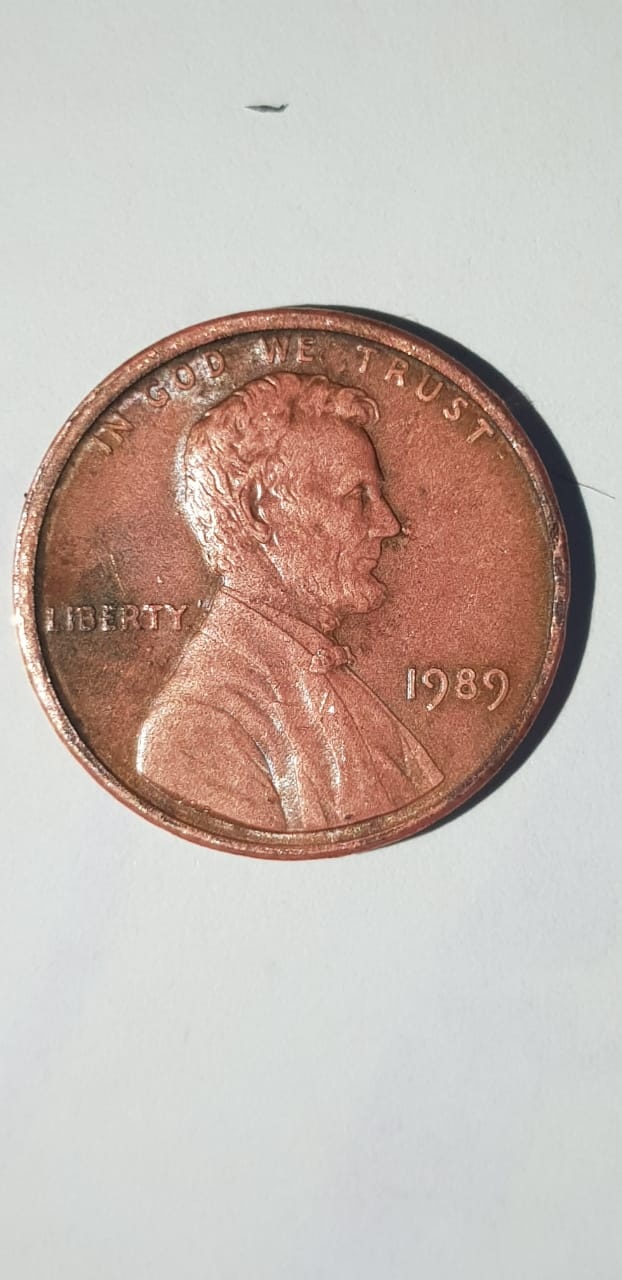
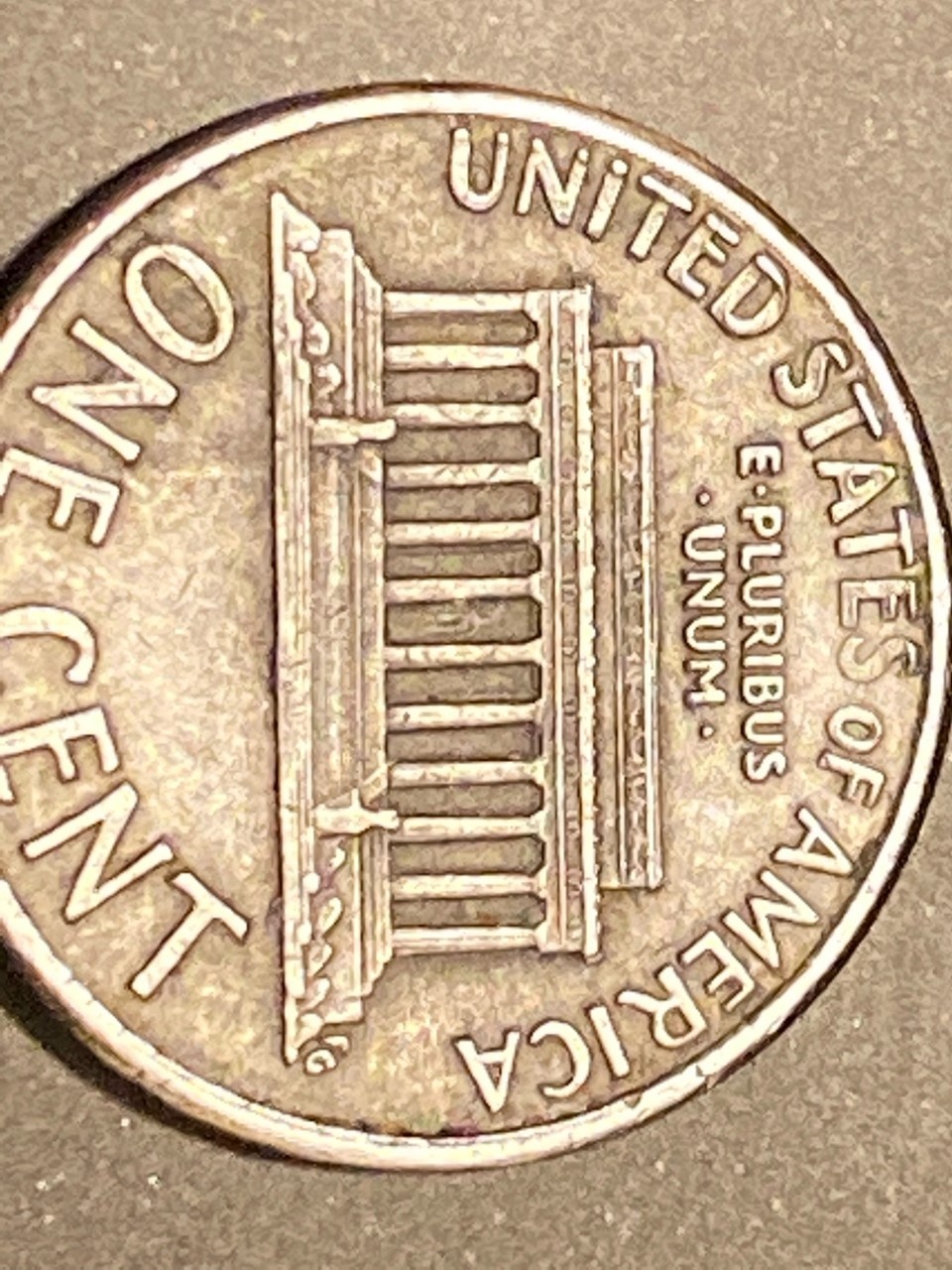
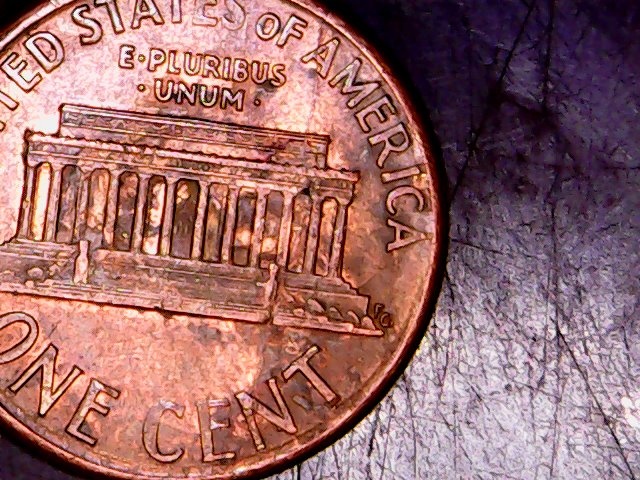
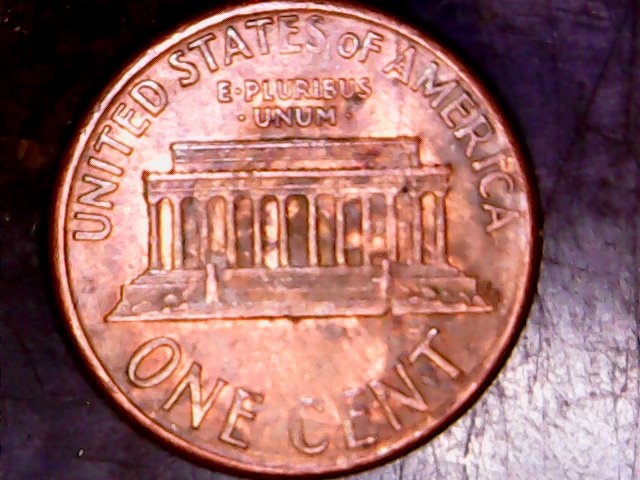
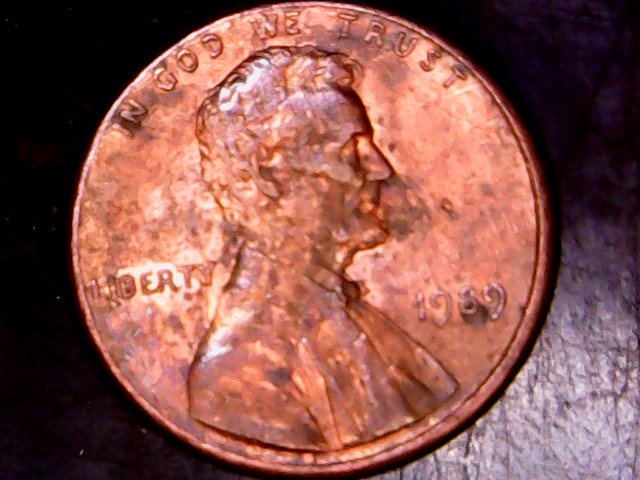
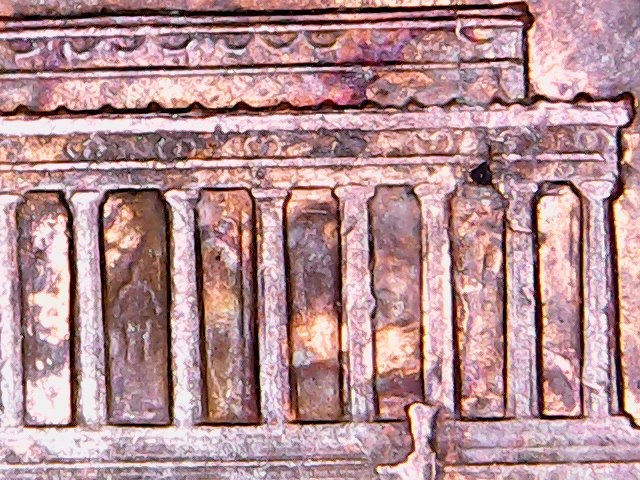
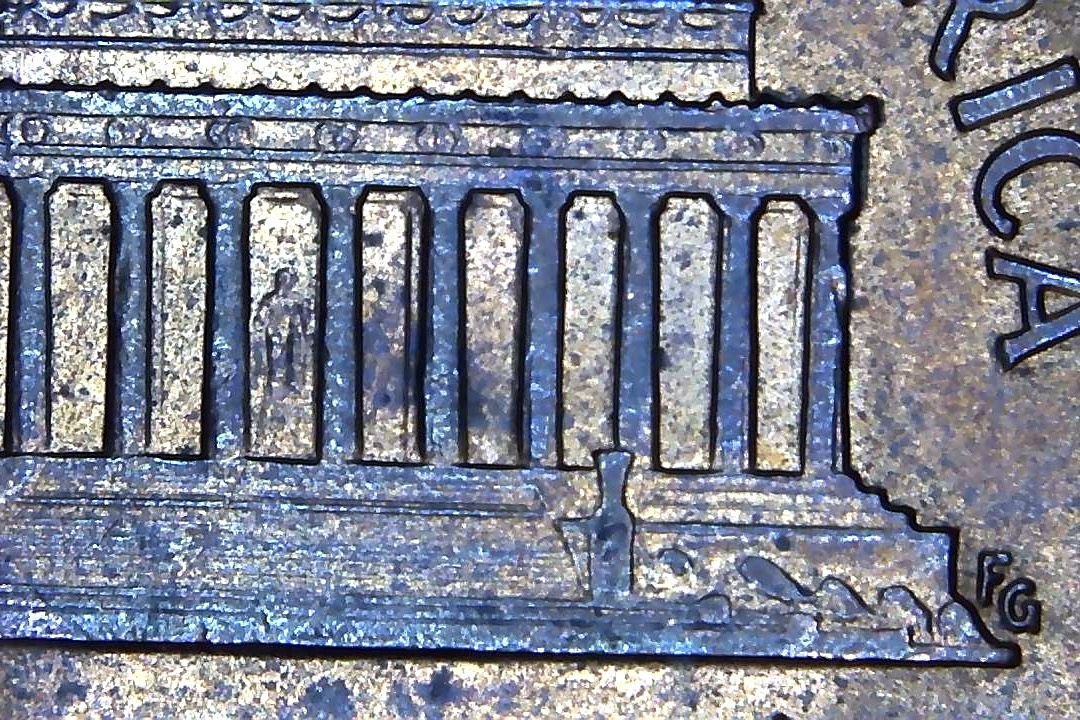
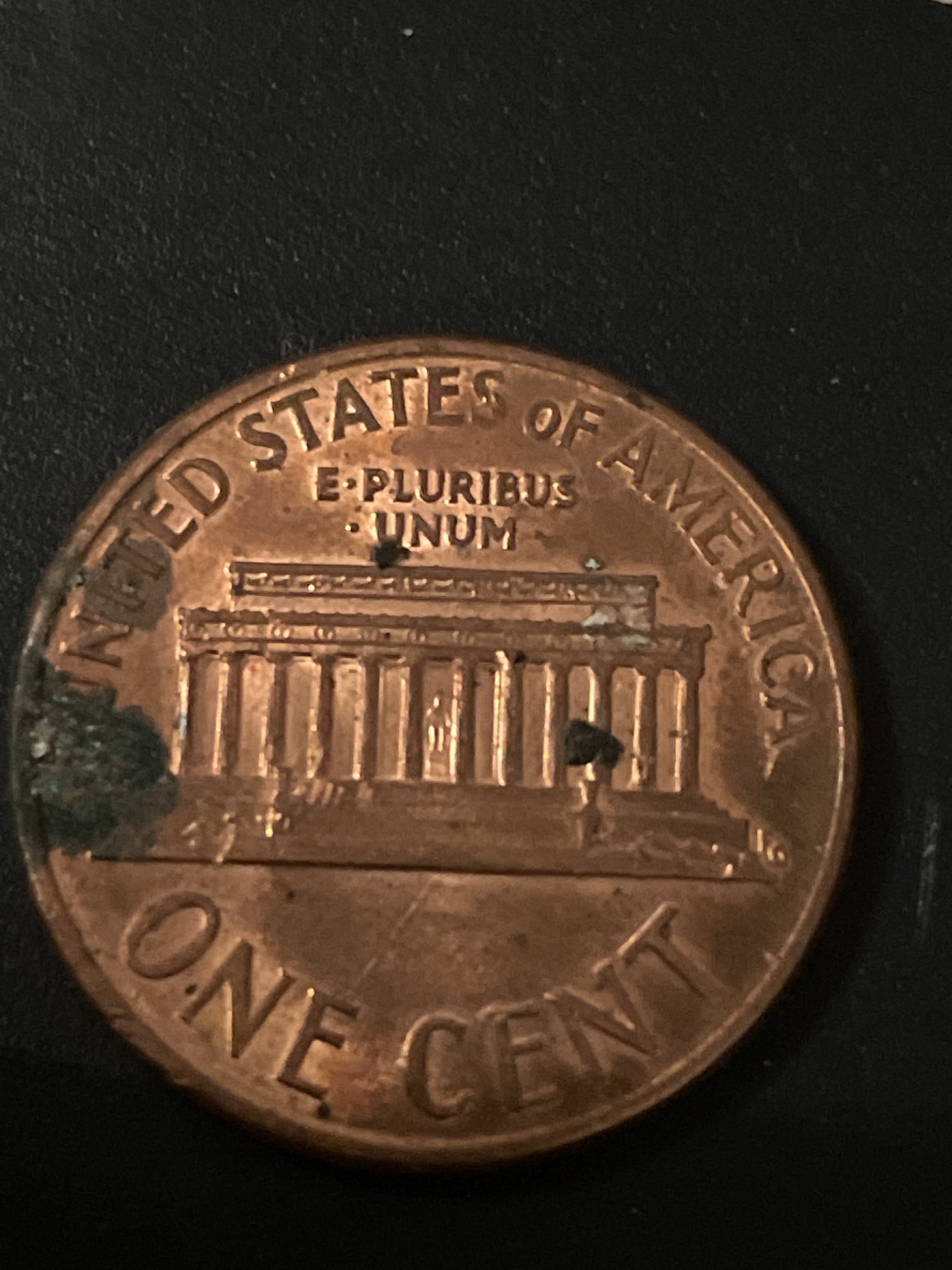
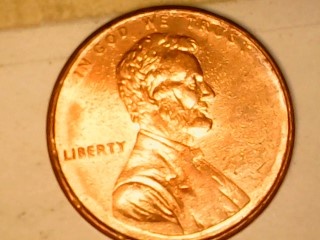
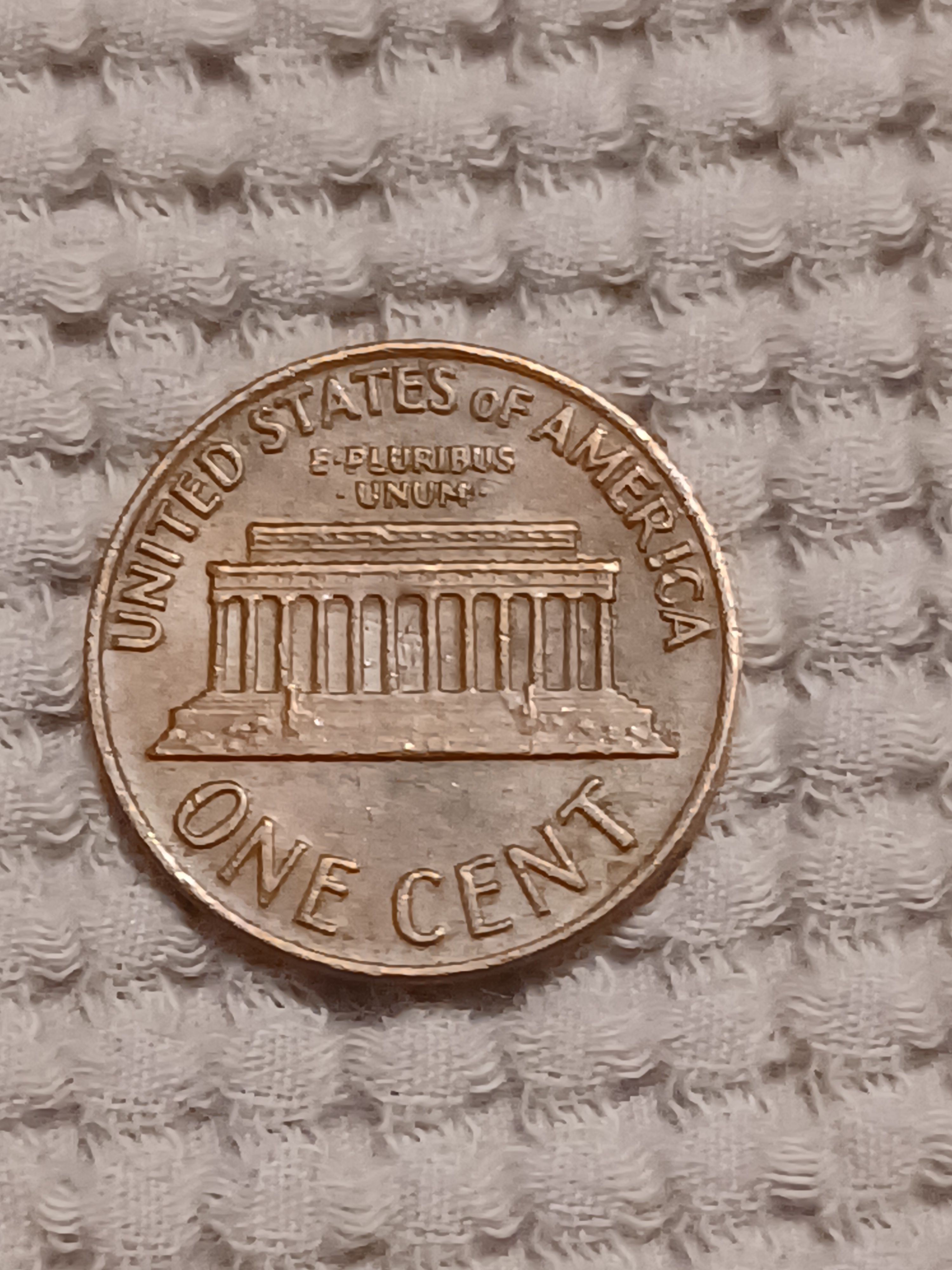
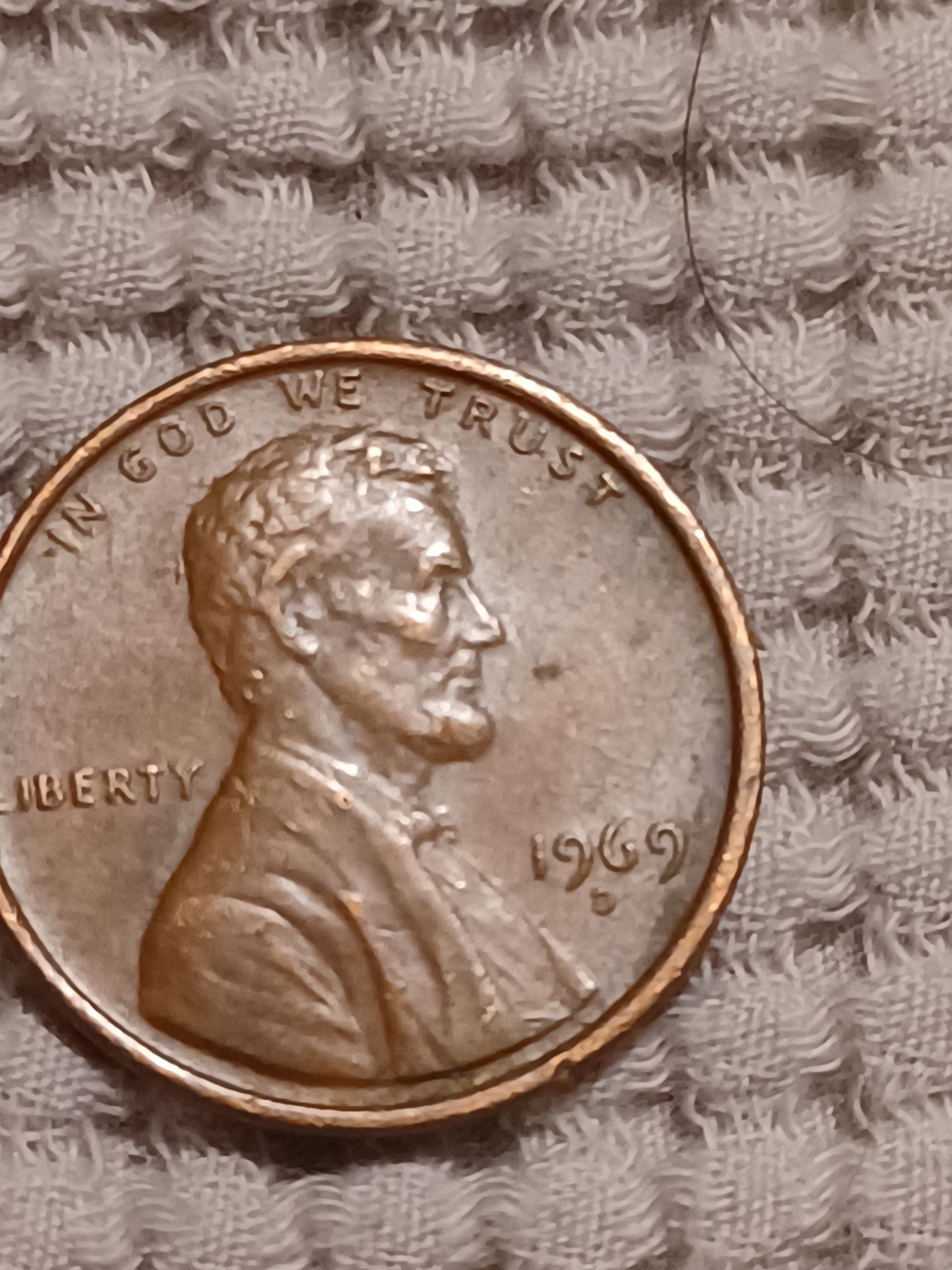
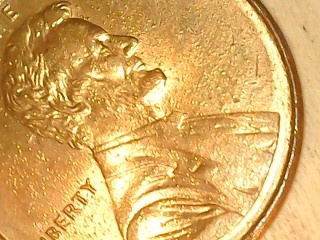
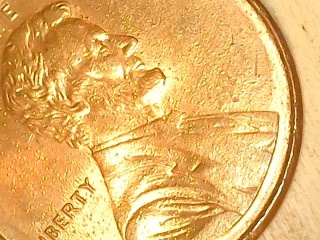
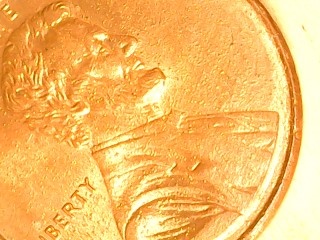
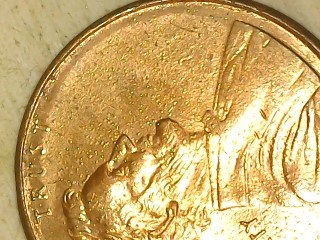
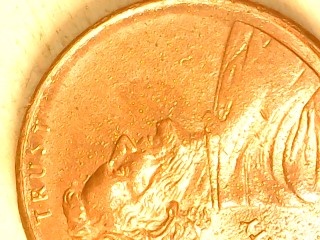
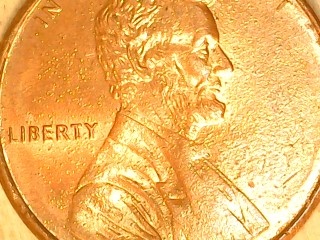
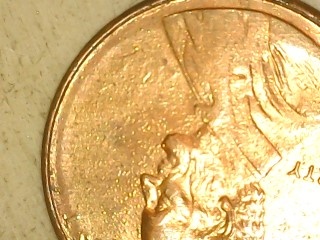
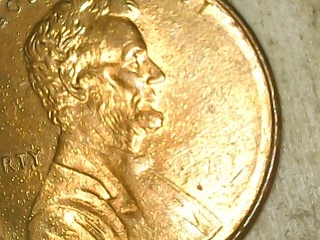
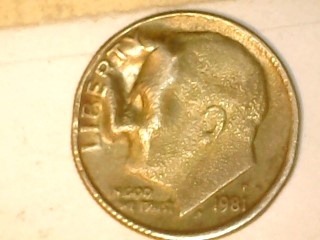
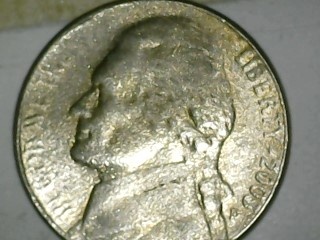
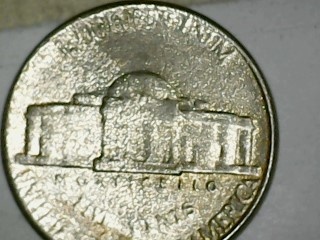
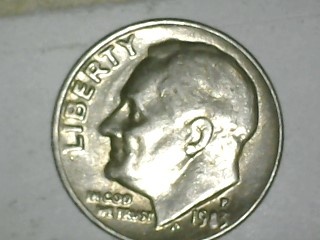
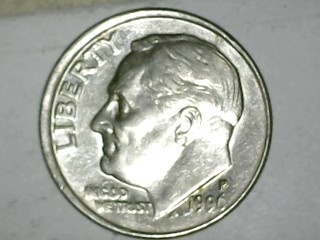
Do you have a 1989 penny? Think there may be something unique about it? Post a picture of your coin in the comments below and I’ll try to help!


Leave a Comment