
Start Here

Values

Buying & Selling

Rare U.S. Coins

How To's

Myths & History

Saving Old Pennies? Here’s Everything You Need To Know About The Value Of Old Pennies & Which Old Pennies To Keep

by Joshua McMorrow-Hernandez

Ezoic/Google Ad Code Here

If you’re like me, you probably have a big jar of old pennies you’ve been saving and you aren’t quite sure what to do with them.
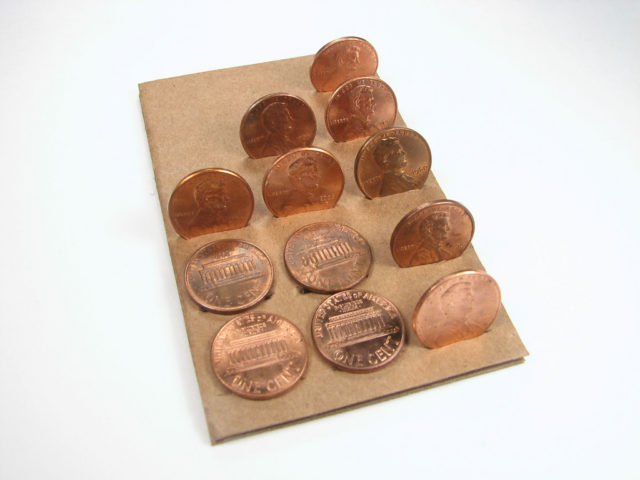
See which old pennies are worth saving.

Wondering if you have any valuable old pennies in that jar? Do you know which ones you should save and not spend?

I can tell you exactly which old pennies you should keep, and which coins you don’t need to worry about saving any longer.
old-pennies-1943

I started collecting pennies in 1992 and have learned all about which ones are the most valuable.

There are even some that may not necessarily be worth a pretty penny, but are certainly worth more than just 1 cent.

What Are “Old Pennies” Anyway?

I get a lot of correspondence here at the US Coins Guide from people who have saved pennies from the 1950s, 1960s, 1970s, and 1980s — and tons of inquiries from people with one-cent coins from the 1940s and earlier.
old-pennies-indian-head

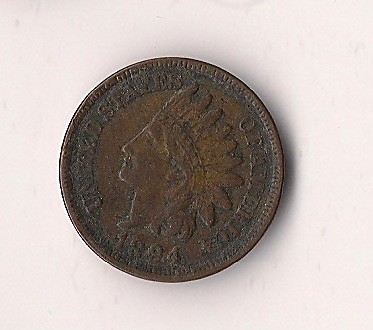
I even see a lot of comments from readers who have found and saved Indian Head pennies, which were made from 1859 through 1909.

Certainly, I think just about everyone would consider Indian Head pennies old, so I won’t spend much time discussing them here. Just know that Indian Head pennies are all valuable (almost always worth $1 and up) and they’re certainly old. They’re antique coins, technically.

But what other pennies are considered “old,” and which ones are worth saving?

I’ve written at length about the values of old coins, especially Lincoln cents. Not only are these one of my favorite U.S. coins, but they’re also one of the most commonly recognized and collected coins in the world. Yes, really!

Among Lincoln cents, determining which ones are “old” really depends on your viewpoint as a coin collector. Here’s a look at the different “eras” of Lincoln cents and what they’re worth:

  • Lincoln pennies made before 1959 feature 2 wheat stalks on the reverse (or “tails” side). These wheat pennies are all considered obsolete, they don’t turn up very often in circulation these days, and they’re all worth about 3 cents or more.
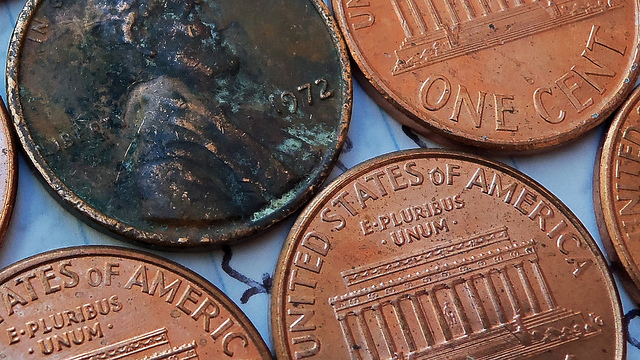
  • Lincoln pennies struck between 1959 and 1982 feature the more frequently encountered Lincoln Memorial design on the reverse and were made from brass. While these copper pennies are very common, they’re worth about 2 cents each for their copper value.
  • Lincoln pennies made from 1982 to 2008 have the Lincoln Memorial design on the reverse but were made from a primarily zinc composition. These Zincoln pennies are worth only face value, unless they’re in pristine mint condition, have an error, or feature a valuable die variety (such as a doubled die).
  • Lincoln pennies made during 2009 have 4 different reverse designs chronicling Abraham Lincoln’s life from his childhood to presidency. While these coins are certainly interesting, none are worth more than face value if they’re worn.
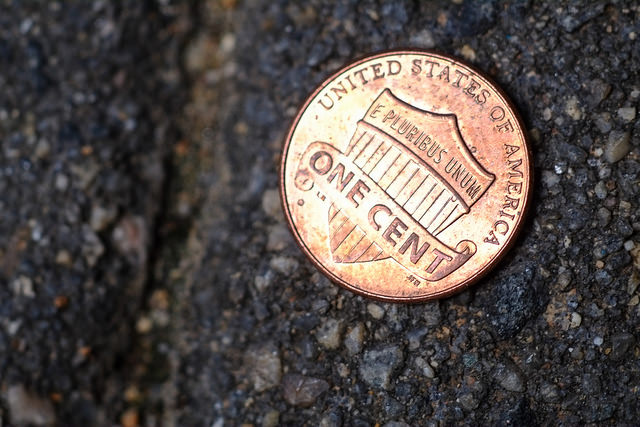
  • Lincoln pennies made since 2010 feature the Union shield on the reverse. These are the current design and — barring any errors — die varieties (or pristine uncirculated specimens) are worth face value.
old-pennies-memorial

So, there’s the basic rundown of the different categories of Lincoln cents, the years they were made, and what they tend to be worth.

But before I go any further, let me tell you about 2 other types of Lincoln pennies that readers often ask about:

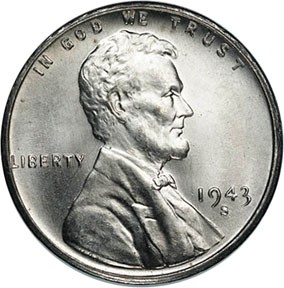
  • 1943 Steel Pennies — Many people refer to these as silver pennies, but they are actually made from a steel core with zinc outer coating, giving them a silvery look. These steel cents, which stick to a magnet, are scarcely found in pocket change these days but were made to the tune of more than 1 billion pieces. 1943 pennies are worth between 10 and 25 cents each, except for rare errors and die varieties or pristine uncirculated examples, which are worth more.
  • 1982 Lincoln Cents — A lot of readers have heard that there’s something “special” about 1982 pennies but aren’t sure what they should be looking for. In 1982, the U.S. Mint changed the composition of the penny from mainly brass to nearly all zinc. The Mint also changed the size of the date on the coin. You can distinguish 1982 copper cents from zinc ones by weighing them. Brass cents weigh 3.11 grams, whereas zinc pennies come in at just 2.5 grams. If you don’t have a coin scale that can measure weights in such small increments as tenths or hundredths of a gram, you can also (carefully) drop 1982 cents on a hard surface. Copper pennies ring after being dropped; zinc cents make a dull thud. Copper 1982 cents are worth 2 cents each and zinc cents, if worn, are worth face value.

Oh, and one last thing before I roll on. If you’ve got a silvery penny that is NOT a 1943 penny, be sure to check out this post.

Keeping Old Pennies
old-pennies-shield

So, after looking at the info above, what do you think old pennies are? There really isn’t a right or wrong answer.

Some people think any coin made before 1960 is old. Some Jefferson five-cent coins made during the 1940s were made of silver. In the case of dimes and quarters, all bearing dates before 1965 contain silver. For circulating half dollars, the silver cutoff date is anything before 1971.

I also know of many people who think any coin made before the year of their birth is “old.”

As for me, I’ve been keeping all copper pennies made before 1982 because those are the ones that contain a mainly copper composition. However, I have a separate place for keeping the 1959 through 1981 copper Lincoln Memorial cents and another storage device for saving my wheat pennies.

At the end of the day, my definition of an old penny is subjective and relative, but what is important is knowing how much your pennies are worth.

Basically, just remember these tips…

  • You should keep all pre-1982 pennies.
  • If you can distinguish between 1982 brass and zinc pennies, keep the brass ones.
  • All wheat pennies are worth keeping.
  • Keep all pennies (even recent ones) that appear to have something “off” about them — they may be error or die variety coins.
  • Hang on to anything else that interests you personally, even if I didn’t include it in this post.

Hopefully this gives you a better idea about the value of your old pennies and which ones to hold onto.

As always, if you have any questions about coins, be sure to drop me a line below!

More Info About Old Pennies

PUBLISHED July 30, 2015
UPDATED July 22, 2026

Joshua McMorrow-Hernandez

Numismatic Specialist

Hi, I’m Josh! I’m the Editor here at the US Coins Guide. My love for coins began when I was 11 years old. I primarily collect and study U.S. coins produced during the 20th century.

I’m a member of the American Numismatic Association (ANA) and the Numismatic Literary Guild (NLG). I have won multiple awards from the NLG for my work as a coin journalist. I’m also the editor at the Florida United Numismatists Club (FUN Topics magazine), and author of Images of America: The United States Mint in Philadelphia (a book that explores the colorful history of the Philadelphia Mint). I’ve contributed hundreds of articles for various coin publications including COINage, The Numismatist, Numismatic News, Coin Dealer Newsletter, Coin Values, and CoinWeek.

I’ve authored over 1,000 articles here at the US Coins Guide (many with over 50K shares).

I welcome your coin questions!

48 responses to “Saving Old Pennies? Here’s Everything You Need To Know About The Value Of Old Pennies & Which Old Pennies To Keep”

  1. Nathaniel B. Avatar
    Nathaniel B.

    I’ve found a 1973-S penny which is more shinier than a usual penny found in circulation. I’ve also found other pennies with an S mintmark with a shine, but not as shiny. Is it a proof penny?

    P.S., sorry if the quality is bad.

    1. Flyercrazy Avatar
      Flyercrazy

      I know this is not an English class but you don’t want to sound like an idiot when you get older and many older people sound like idiots because they did not pay attention in school, so consider yourself fortunate or lucky I have come along to help you.

      Now, when you grow up, maybe get to the 3rd grade, you will learn that you do not say “more shinier”. I will teach you early so you can sound like a big boy or girl the proper way. Lets take for example what you said; “I found a penny which is more shinier”. What you said is not what they should have taught you in school or maybe you have not advanced to the point in your education when they cover proper English grammar.

      Now lets say in your case, if you have a coin which is shinier than the other coins you would say; “I have a coin which is shinier than the other coins.” You would leave out the word “more”, it is not needed, it would be like saying “I am more bigger than my little brother”. Doesn’t sound right does it? It is the same thing with the shinny coin which is shinier than the other coins, not more shiner just shiner, not more bigger just bigger.
      Does that make sense?

  2. Paul Sleeth Avatar
    Paul Sleeth

    I have a 1945 wheat penny, It has no sign of a mint under the date .can someone please tell me what this means

    1. JoshuaTheFunTimesGuide Avatar
      JoshuaTheFunTimesGuide

      Hi, Paul —

      This means your 1945 Lincoln cent was struck at the Philadelphia mint, and it’s worth 3 to 5 cents.

      Best,
      Josh

  3. ganthony Avatar
    ganthony

    Hi my mother has a 1877 Big Penny and I can’t find any information about it can anyone help me grantanthony72@gmail.com Thank you

    1. JoshuaTheFunTimesGuide Avatar
      JoshuaTheFunTimesGuide

      Hi, GAnthony —

      I actually have one of these large replica 1877 Indian Head cents. Here’s an article that discusses these types of pieces in greater detail: https://uscoinsguide.com/tokens/

  4. Angela Glenn Avatar
    Angela Glenn

    Hi Joshua, I used to work at a gas station and as you can imagine I received quite a variety of change that was odd to say the least. I have been interested in and collecting coins since I was young but this one got my attention more than any other. I am aware of the 1943 steel penny as are most and I did read your other article about other causes, mine is a 1934 penny that is very silver. I’m not sure what it is coated with but it is shiny for sure. Any thoughts? Thank you, Angela

    1. JoshuaTheFunTimesGuide Avatar
      JoshuaTheFunTimesGuide

      Hi, Angela —

      Thank you for the photo — it looks like it received a pretty heavy coating, whatever it is. My first thought is pewter, given the appearance of the coat itself. I see a notch on the lower reverse rim under the wheat ears that makes me think this coin may have been attached to a piece of jewelry perhaps.

      While it’s essentially worth only a couple cents, your piece is nevertheless quite eye catching. A novel find for sure!

      Keep on checking your change!
      Josh

  5. Angela Glenn Avatar
    Angela Glenn

    Quick afterthought, I’m sure you have seen one of these before? Can you tell me about it, what it is exactly and when they were made? Thank you again, Angela

    1. JoshuaTheFunTimesGuide Avatar
      JoshuaTheFunTimesGuide

      Hi, Angela —

      You have an Arizona Tax Commission token. These were made in the 1930s and 1940s. In the condition that yours is in, they are worth between 25 cents and $1.

      Neat find!
      Josh

  6. Caleb2013 Avatar
    Caleb2013

    That helped me out a lot! Thank you!

    1. JoshuaTheFunTimesGuide Avatar
      JoshuaTheFunTimesGuide

      You’re most welcome!

  7. Jackie Leach Avatar
    Jackie Leach

    I have a few old pennies and half pennies. The oldest two ONE PENNY coins I have are from 1916 and 1919. Are they worth anything…not sure if they are copper or brass.

    1. JoshuaTheFunTimesGuide Avatar
      JoshuaTheFunTimesGuide

      Hi, Jackie —

      Nice, original, uncleaned copper British one cent coins that are great coins. Both the 1916 and 1919 British pennies are worth $1 to $2 each in moderately worn grades.

      Best,
      Josh

  8. Tina Avatar
    Tina

    I have a Indian head penny, oak wreath with shield on back (1 cent) from
    the year 1901 & have a Abraham Lincoln (1 cent) from the 1972 want
    to know if it has any more value then face value?

    1. JoshuaTheFunTimesGuide Avatar
      JoshuaTheFunTimesGuide

      Hi, Tina —

      The 1901 Indian Head penny is worth $2 to $3 in average circulated grades, while the 1972 Lincoln cent is worth about two cents for its copper value.

      Best,
      Josh

  9. Ruth Peterson Avatar
    Ruth Peterson

    My friend has a Lincoln penney 1988D. On Lincoln’s shoulder there is a second stamp 1981D. how could this happen? Is there any information on this penny?

    1. Gulinky Lu Avatar

      It is probably a mintage die coin. The US mint stamps some coins that are minted. The 1988D date is probably the real date it was minted. The 1981D stamp means that the 1988D coin was minted on the same die as the 1981D coin, because it was probably corrected. If you see any die cracks, thats probably more evidence of the 1988D penny WAS minted that year. It might be fake though so get it authenticated.

      1. JoshuaTheFunTimesGuide Avatar
        JoshuaTheFunTimesGuide

        Hi, Ruth and Gulinky —

        Interesting theory, but the Mint does not re-stamp coins. Once a coin has been minted and distributed, it goes out in circulation and does not get re-stamped. Sometimes dies are reused, but they will not contain a full date, and especially not on a part of the coin where a date wouldn’t ordinarily appear.

        The second date and mintmark on Lincoln’s shoulder is either a post-Mint alteration or perhaps the impression of a 1981-D Lincoln cent that was hammered atop Lincoln’s shoulder outside of the Mint — these types of things seem to happen on a regular occurrence. If you wouldn’t mind uploading an image of your coin, Ruth, I’d be glad to double check and help determine what’s going on.

        Thanks,
        Josh

  10. Great Avatar
    Great

    I have a few 1958 d wheat pennies in pretty good shape ,one have an error

    1. Flyercrazy Avatar
      Flyercrazy

      One have an error do it. How it dare in da back wood?

  11. Mary Andonian Avatar
    Mary Andonian

    So, I have one of those “silvery” pennies you talked about in a different post. I found my old penny collection book, and realized the 1918-S really stood out. Since it’s been in the book since the early 70s, could someone have altered it way back when and, if so, would it stay that way in the book, or eventually turn into copper again? I guess I’m wondering if I have a “mint error” or not? Any insight would be greatly appreciated. THANKS!

    1. JoshuaTheFunTimesGuide Avatar
      JoshuaTheFunTimesGuide

      Hi, Mary —

      While the coin has been in an album for quite some time, it is still indeed an altered, and likely plated, 1918-S penny. In fact, zinc and silver plating was very common decades ago, with many individuals plating coins for various purposes, ranging from sheer personal entertainment to hawking them as “rare” coins. It’s also possible the lightness of your coin was caused by a harsh cleaning, which can significantly lighten the appearance of the coin. At any rate, your piece is worth 10 to 20 cents due to its overall age and obsolescence.

      Thank you for checking with us!
      -Josh

  12. Gulinky Lu Avatar

    Hi!
    So in one of your other posts, something about coins that coinholders do not have a pocket for, you said all 1982 large dates are worth $1 and the small dates are worth a quarter dollar more. Which one is more benificial? Because I went to the bank and got a box of pennies. 10 of them were uncirculated copper and zinc mixed…

    1. JoshuaTheFunTimesGuide Avatar
      JoshuaTheFunTimesGuide

      Hi, Gulinky —

      I think I’m a little unsure of what you’re asking because of this phrase: “which one is more benificial?” Are you asking about the value of the coins, or the types of coin holders? Please pardon my confusion!

      Thank you,
      Josh

  13. Alex amado Avatar
    Alex amado

    Hi

    1. JoshuaTheFunTimesGuide Avatar
      JoshuaTheFunTimesGuide

      Hi, Alex —

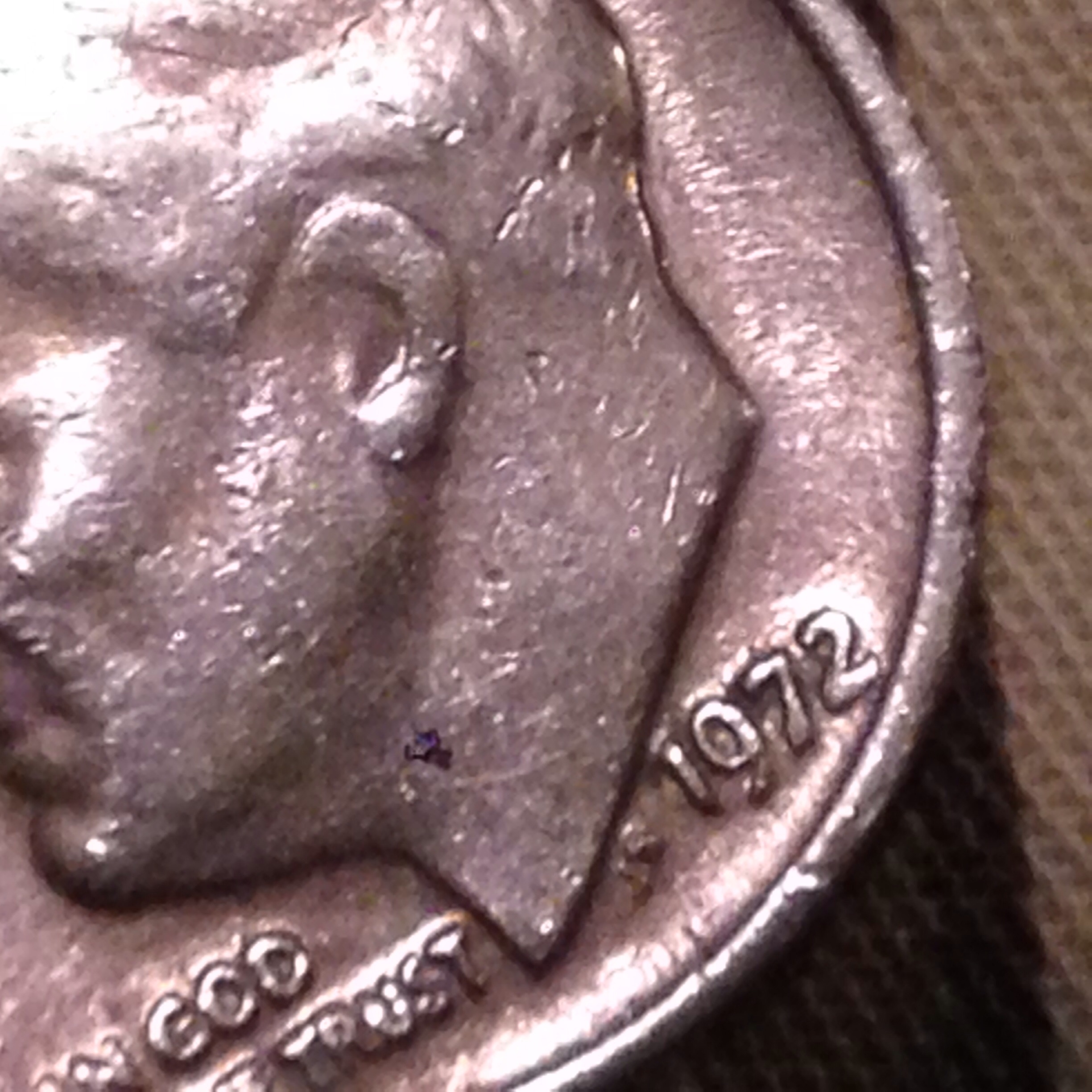
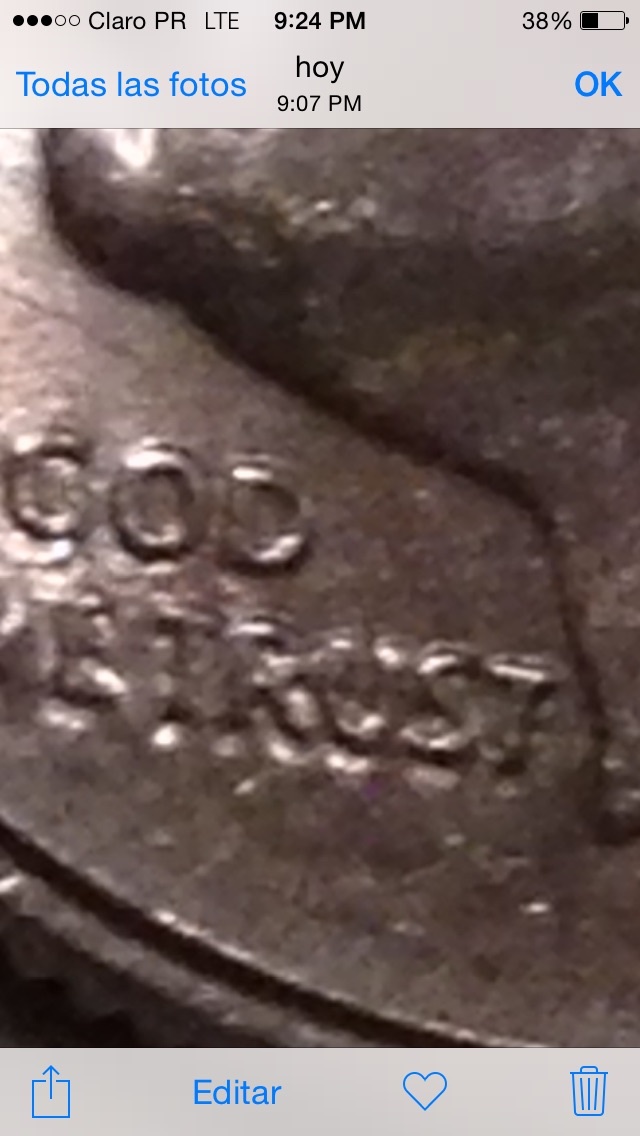
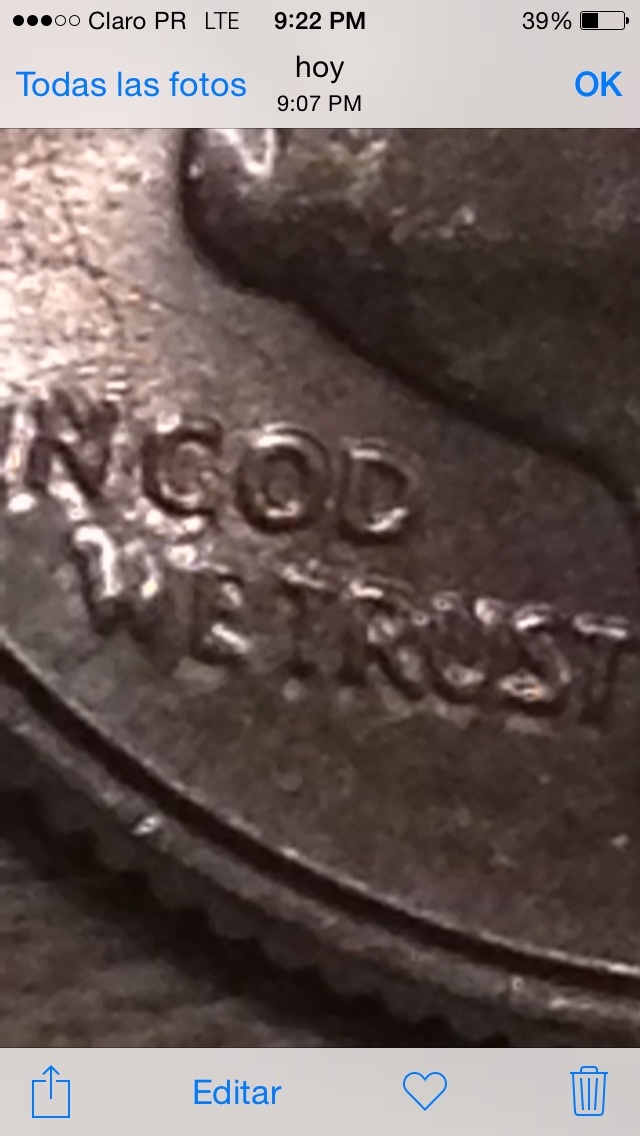
      I see what may be possible doubling in the last “T” of “TRUST” but can’t blow the image up clearly enough to see close up. It’s likely machine doubling but I can’t say either way until I look more closely.

      Thank you,
      Josh

    1. JoshuaTheFunTimesGuide Avatar
      JoshuaTheFunTimesGuide

      Hello, Alex —

      I see what appears to be machine doubling with the 1990-P Roosevelt dime but unfortunately no doubled die. Keep those sharp eyes looking! You’re finding some neat things nevertheless!

      Best,
      Josh

  14. Alex amado Avatar
    Alex amado

    https://uploads.disquscdn.com/images/d0488f1b104dca9a42e3e303964d9da20ef188b5fc3944f8b468438a13cfc739.jpg thttps://uploads.disquscdn.com/images/e4c36bae850c5c79ed2eaf1779d78f1bb88294ee310348ae6cc7a216e98f7ccb.jpg

  15. Alex amado Avatar
    Alex amado

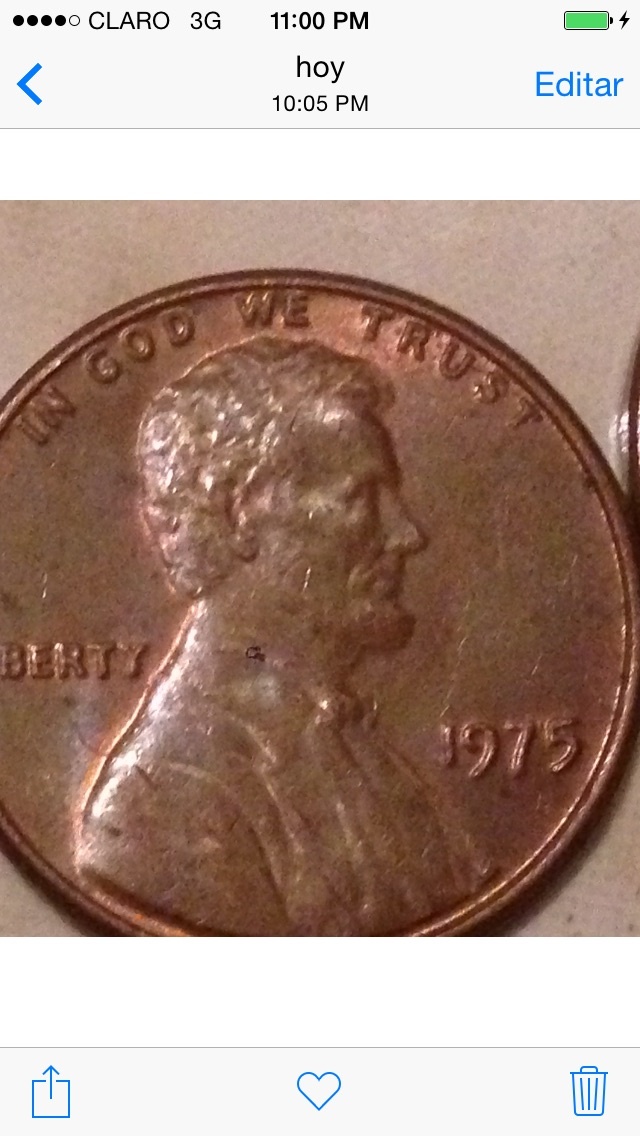
    1975 doble die is very Good condition

    1. JoshuaTheFunTimesGuide Avatar
      JoshuaTheFunTimesGuide

      Hi, Alex!

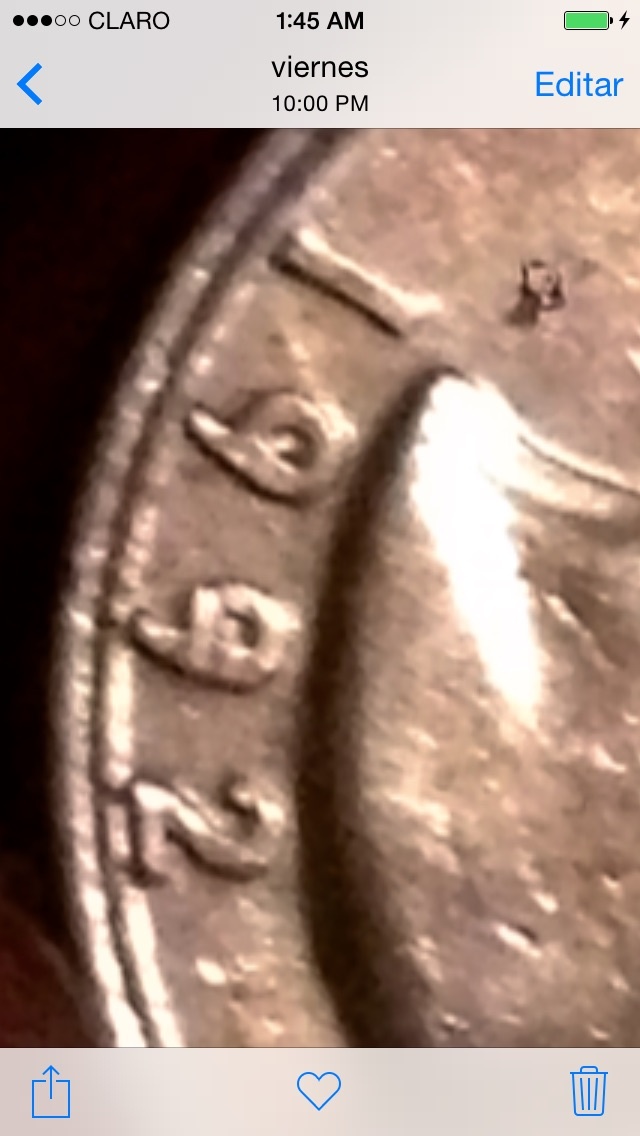
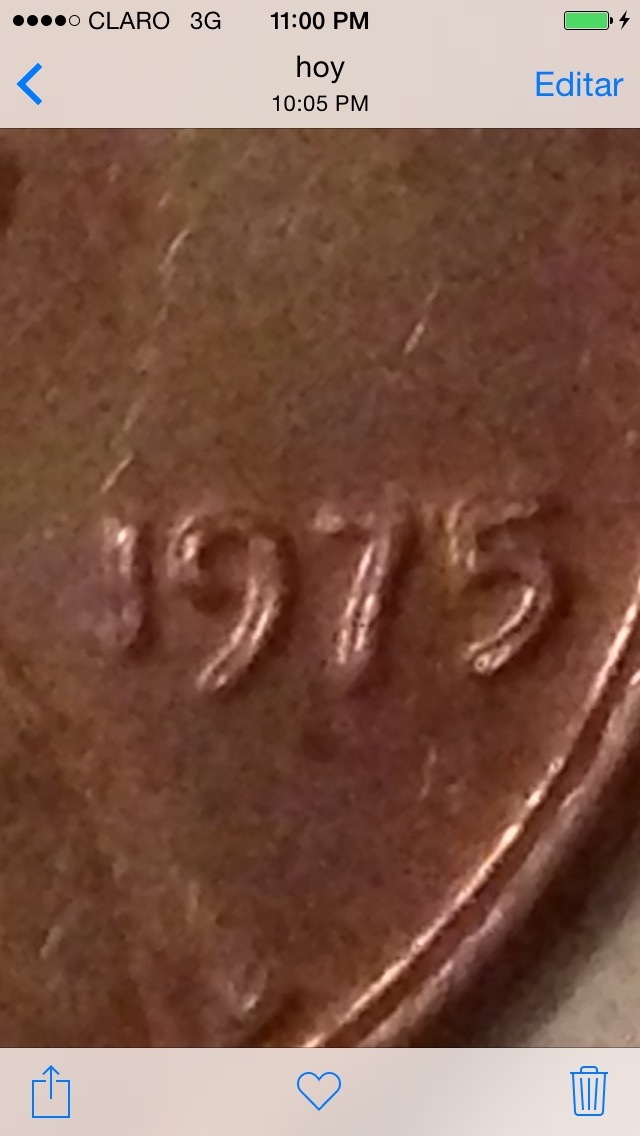
      I see signs of possible machine doubling, but no double die. There are reports of a 1975 doubled die, but the diagnostics of your piece, based on what I see in the photo, don’t fit the diagnostics for the confirmed doubled die.

      Best,
      Josh

  16. Alex amado Avatar
    Alex amado

    Help me when You can!!

    1. JoshuaTheFunTimesGuide Avatar
      JoshuaTheFunTimesGuide

      Yes, sir! I just did! I hope my answers are helpful to you. Thank you for your questions, and please check back again!

      Best,
      Josh

  17. JoshuaTheFunTimesGuide Avatar
    JoshuaTheFunTimesGuide

    Hi, Alex —

    The photo is a tad grainy, but it appears that it may be a machine doubled piece and possibly is the 1955 Poor Man’s Doubled Die. Here’s more info about that coin: https://uscoinsguide.com/1955-poor-mans-doubled-die-penny/

    Best,
    Josh

  18. Alex amado Avatar
    Alex amado

    I can see more than three time

  19. Alex amado Avatar
    Alex amado

    Here I found this , two 1988 ten
    Cents but I see diferent . What You think ? 🙂

    1. JoshuaTheFunTimesGuide Avatar
      JoshuaTheFunTimesGuide

      Hello, Alex!

      It appears your 1988 dime has corrosion, which caused discoloration. This piece is worth face value.

      Best,
      Josh

  20. Alex amado Avatar
    Alex amado

    Hey

    1. JoshuaTheFunTimesGuide Avatar
      JoshuaTheFunTimesGuide

      Hi, Alex —

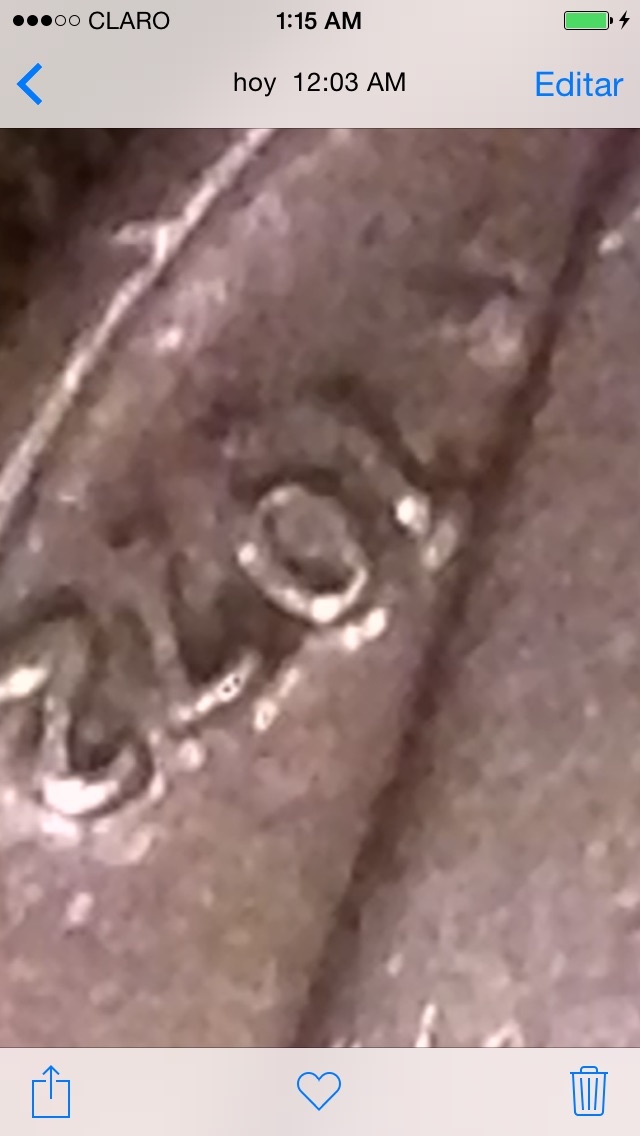
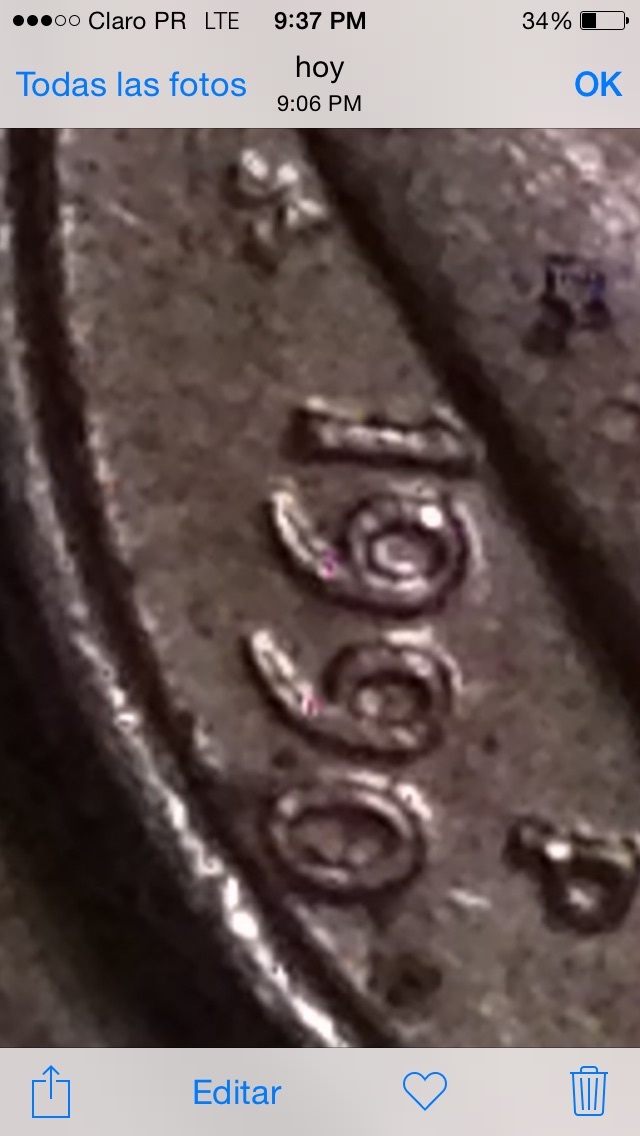
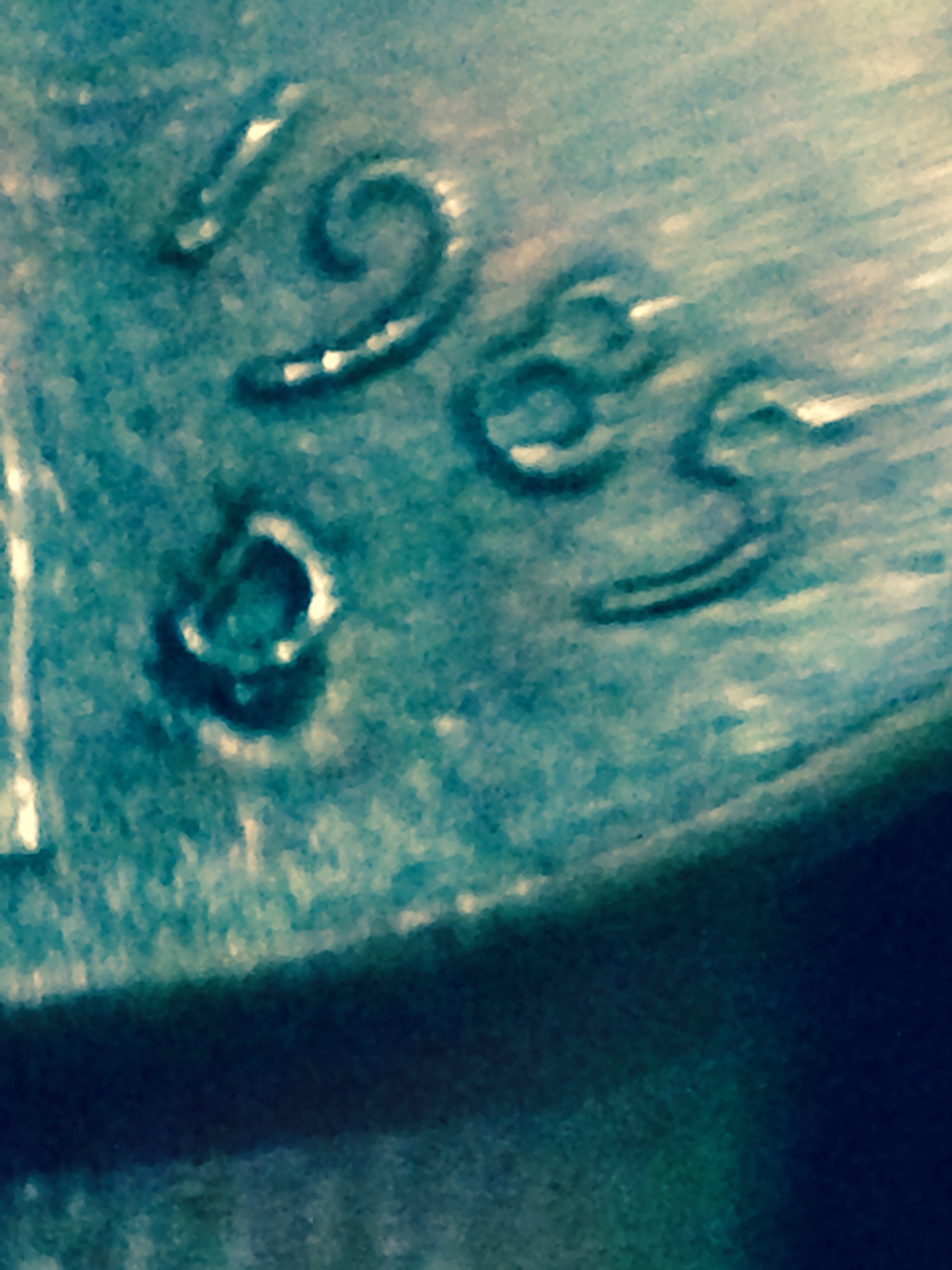
      I think the 1985-D show signs of being a repunched mintmark. Such pieces are worth $2 to $3, sometimes more. I would like to please see a clearer version of the 1990-D Lincoln cent photo and determine what the blob of metal is. As I zoom in the image gets blurry. Very interesting!

      Thank you,
      Josh

      1. Alex amado Avatar
        Alex amado

        Thank you again joshua ! , I will tray to take a best picture to send You .
        Enviado desde mi iPhone

        El sept 9, 2016, a las 6:13 PM, Disqus escribió:
        Settings

        A new comment was posted on U.S. Coin Guide

        JoshuaTheFunTimesGuide

        Hi, Alex —
        I think the 1985-D show signs of being a repunched mintmark. Such pieces are worth $2 to $3, sometimes more. I would like to please see a clearer version of the 1990-D Lincoln cent photo and determine what the blob of metal is. As I zoom in the image gets blurry. Very interesting! Thank you<
        Josh
        6:12 p.m., Friday Sept. 9 | Other comments by JoshuaTheFunTimesGuide

        Reply to JoshuaTheFunTimesGuide

        JoshuaTheFunTimesGuide’s comment is in reply to Alex amado:

        Hey
        Read more
        You're receiving this message because you're signed up to receive notifications about replies to Aledisqus_7mRH9hZjGH.
        You can unsubscribe from emails about replies to Aledisqus_7mRH9hZjGH by replying to this email with "unsubscribe" or reduce the rate with which these emails are sent by adjusting your notification settings.

        1. JoshuaTheFunTimesGuide Avatar
          JoshuaTheFunTimesGuide

          You’re most welcome, Alex!

  21. JoshuaTheFunTimesGuide Avatar
    JoshuaTheFunTimesGuide

    Hello, Amanda —

    Hmm… it looks like rather than Roosevelt having a big head, that the diameter of the coin may be a tad smaller than usual, perhaps due to edge damage likely caused by centrifugal force inside a machine such as a clothes dryer. So-called dryer coins have rim and edge damage due to being spun at very high speeds, causing the coin’s rim to collapse inward on the coin.

    I hope this info helps!
    Josh

  22. JoshuaTheFunTimesGuide Avatar
    JoshuaTheFunTimesGuide

    You will, Alex! Keep looking!

    Good luck,
    Josh

  23. JoshuaTheFunTimesGuide Avatar
    JoshuaTheFunTimesGuide

    Hi, Alex —

    I’m blowing the photo up and see evidence of only a single strike, including in the mouth area.

    Unless I’m missing something in the photo, this piece is worth face value.

    Best,
    Josh

  24. JoshuaTheFunTimesGuide Avatar
    JoshuaTheFunTimesGuide

    Hi, Alex —

    All except the 1972 Lincoln cent appear to have normal circulation wear. As for the 1972 cent, I think I see signs of doubling in the date but the photo gets blurry as I expand it. Would you please resend a clearer version if possible? I want to double check it!

    Thank you,
    Josh

Leave a Comment

Ezoic/Google Ad

300x250

Content Widget

Ezoic/Google Ad

300x600 Sticky