


Do you have a 1964 penny and want to know how much it’s worth?
It’s possible that yours might be a type of rare 1964 penny that’s worth more than $5,000.
Or you might just have a regular, worn 1964 penny — worth 3 to 5 cents.
But you won’t know for sure unless you’re aware of these things:
- What to look for on 1964 pennies — so you can identify the rare ones and the common ones.
- How much all types of 1964 pennies are worth — and what makes some more valuable than others.
- Which 1964 pennies are especially rare and valuable — and where you might find one!
In this article, you will find out how to accurately determine the value of your 1964 penny.
How Much Is A 1964 Penny Worth?
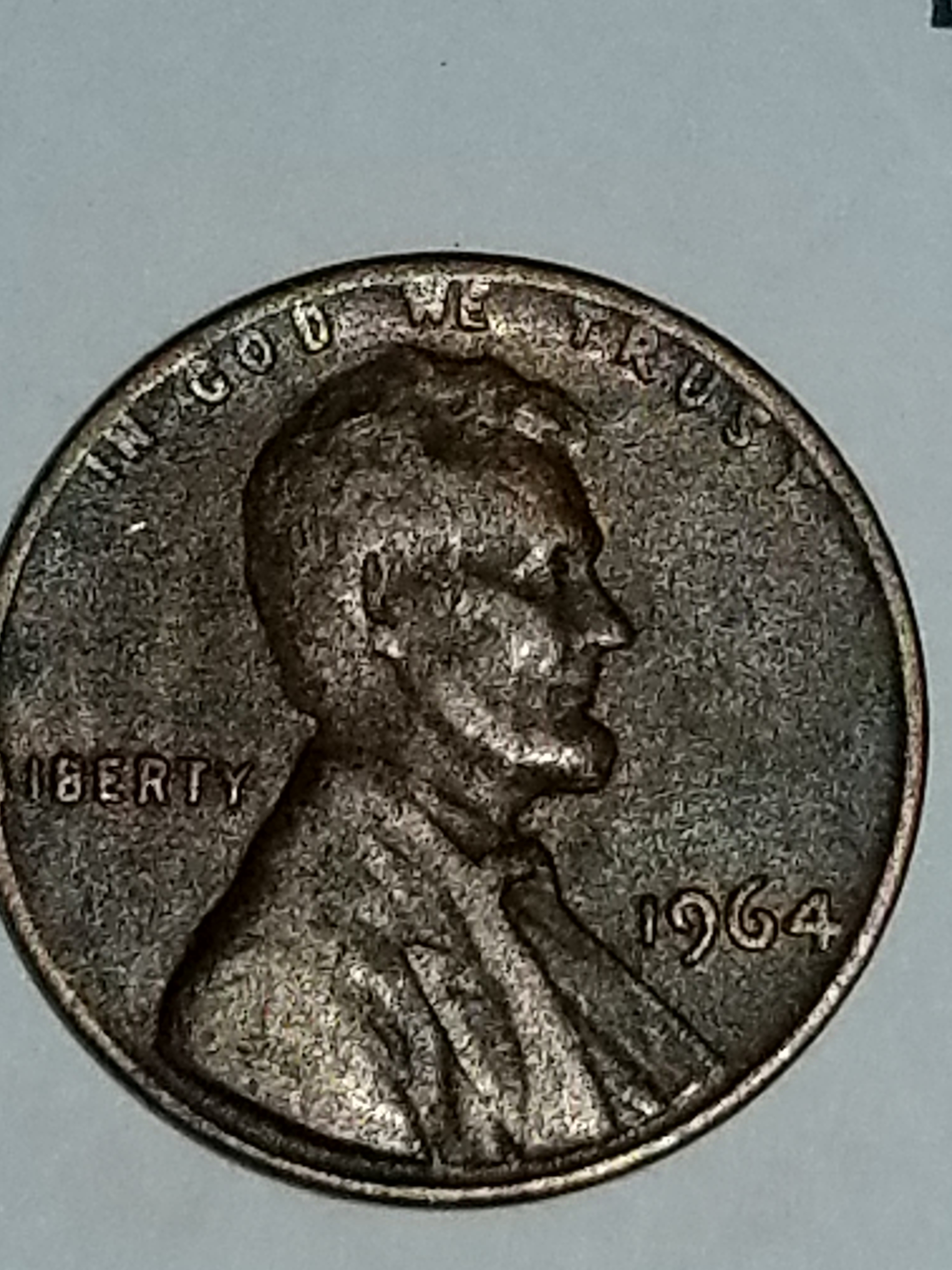
Like other copper-based Lincoln Memorial pennies struck from 1959 through 1982, most worn 1964 pennies are worth the value of their copper content — currently, 3 to 5 cents. These coins weigh approximately 3.11 grams.
Some 1964 penny values are much higher. I’ll talk more about this in a minute and explain why some rare 1964 pennies are worth much more.
But first, these are the basic 1964 penny values that most people are interested in:
1964 Lincoln Penny Values
| Coin Variety | Mint / Set Information | Mintage | Approximate Value |
|---|---|---|---|
| 1964 Penny (No Mintmark) | Philadelphia Mint | 2,648,575,000 | 10 to 25+ cents |
| 1964-D Penny | Denver Mint | 3,799,071,500 | 10 to 25+ cents |
| 1964 Proof Penny | Included in Proof Sets | 3,950,762 | $1+ |
| 1964 SMS Penny | Included in Special Mint Sets | ~30 (estimated) | $5,000+ |
*Values are for coins in uncirculated grade, proof finish, and special mint set finish. Circulated 1964 pennies with no errors or special varieties are worth approximately 2 to 3 cents.
NOTE: Even though the lack of a mintmark normally means Philadelphia, the San Francisco Mint actually struck 196,630,000 of those exact 1964 pennies! The nation was dealing with a massive coin-hoarding panic back then, so the Mint Director temporarily stripped mintmarks off all coins except Denver strikes to keep collectors from hoarding specific regional batches. Since they used standard Philly dies, these West Coast survivors are completely mixed in with the rest of your pocket change!
Summary Of 1964 Penny Values
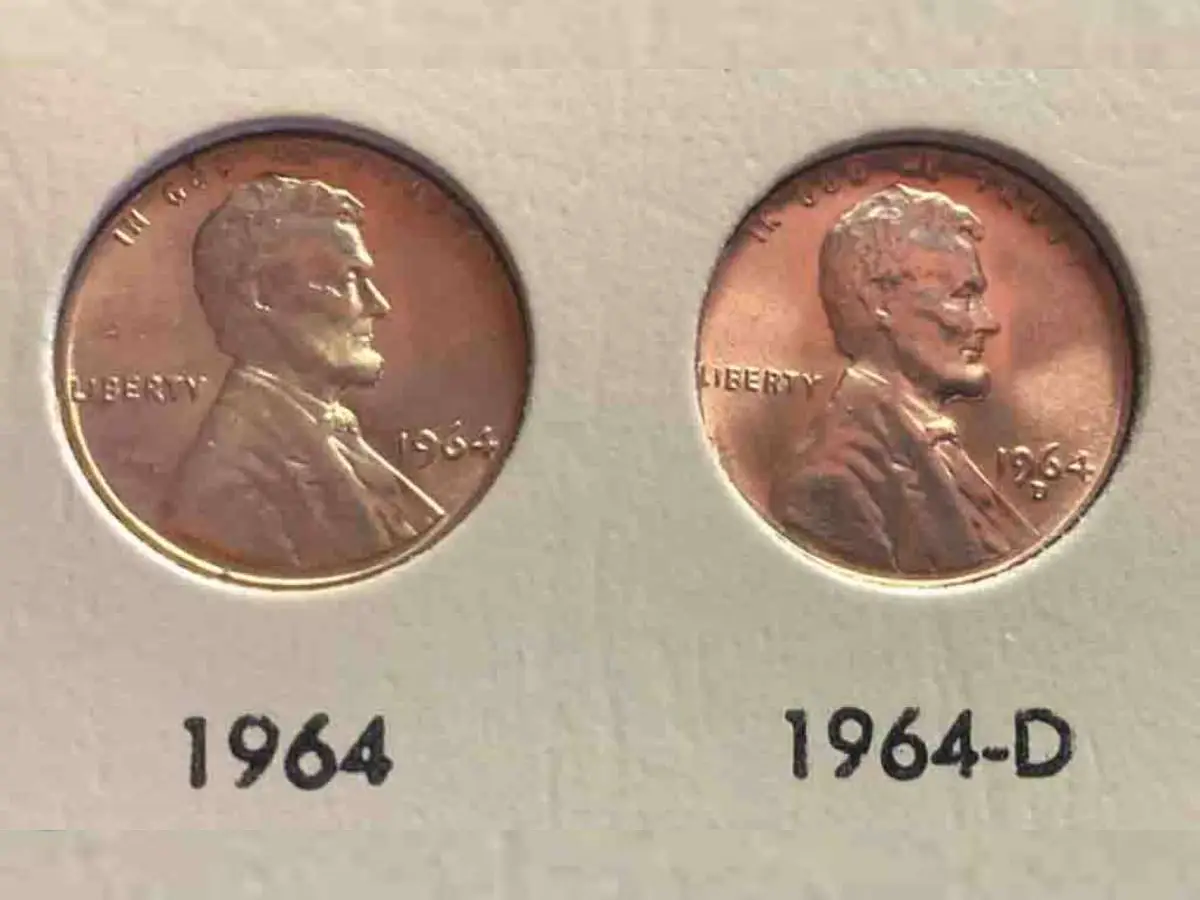
As you can see, the 1964 Lincoln penny was struck by the billions upon billions.
Both the 1964 no-mintmark penny and the 1964-D penny are quite common. In fact, the 1964 Lincoln cent is one of the most common pre-1982 Lincoln Memorial pennies you’ll find in circulation today!
There are still plenty of these coins around for collectors to pluck from circulation and save. Virtually all of these pennies went into circulation, and they can still be found in pocket change today.
The current value of 1964 pennies with no mintmark and 1964-D pennies reflects these facts.
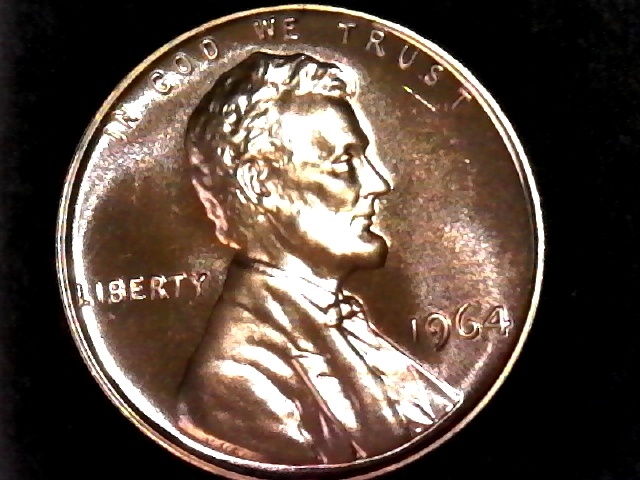
As in most other years, the United States Mint also struck a limited number of 1964 proof pennies — for collectors. Their values reflect the smaller mintages and finer details that appear on these coins.
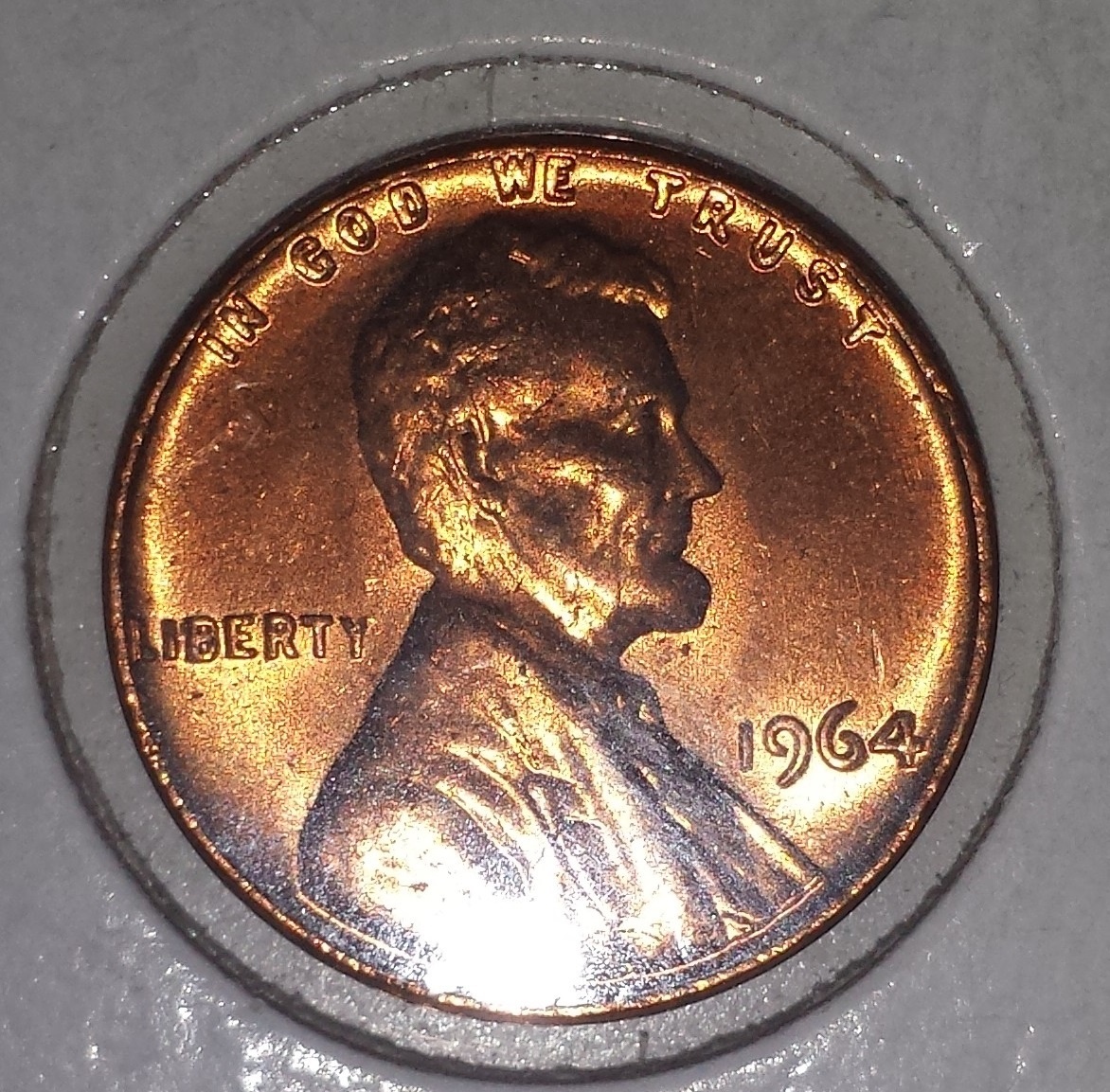
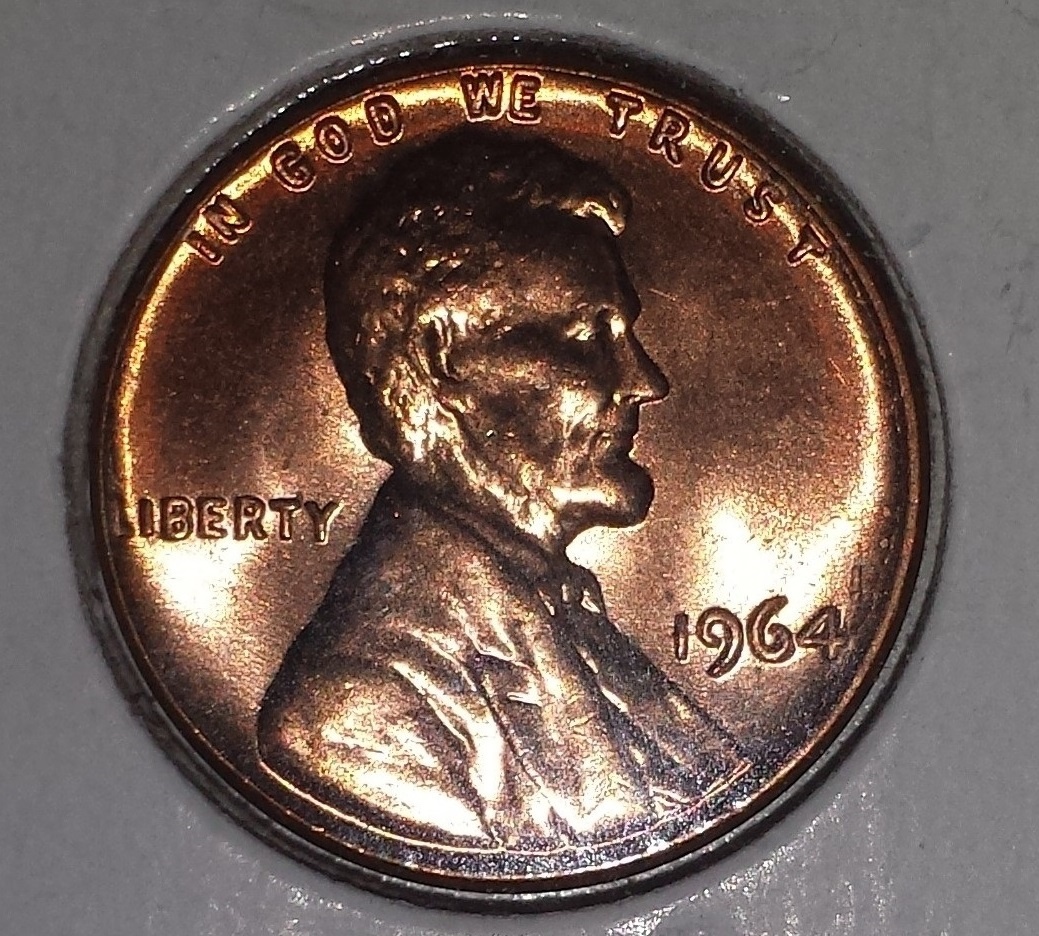
When you’re sorting through uncirculated penny rolls hoping to lock down a premium 1964 survivor, keep your eyes peeled for an unnatural chemical reflection. Since a high-grade 1964 penny should show a warm, original copper-orange glow, sketchy sellers online will often take heavily dulled or stained pennies and dip them in metal-cleaning acids to give them a false, hyper-reflective shine. Die-hard collectors know that a harshly cleaned coin permanently destroys its numismatic value. Always stick to original copper skin — even if it has a little bit of age or brown patina to it!
And then there are the 1964 SMS pennies!
What exactly are those rare and valuable SMS pennies all about?
How To Identify The Rare 1964 SMS Penny
Yes, the 1964 SMS penny really is rare. And yes, it really is worth $5,000… or more.
So now you’re probably wondering what exactly a 1964 SMS penny is and how you can find one!
It’s a long story, but I’ll zip right to the main points:
- There was a major coin shortage in the early 1960s — due to silver hoarders removing 90% silver dimes, quarters, and half dollars from circulation.
- Some U.S. Mint officials blamed coin collectors for the coin shortage.
- To focus efforts on making more circulating coinage, the U.S. Mint temporarily stopped producing the long-popular annual uncirculated sets and proof sets. Instead, the Mint streamlined the production of coin sets to just a single collector product known as a Special Mint Set (SMS).
- The Special Mint Sets of the 1960s include one coin of each denomination in a satin-like (sometimes proof-like) finish.
Why they were made is unknown for sure.
1964 SMS pennies and other 1964 SMS coins may have been made as prototype coins for the 1965 Special Mint Sets. Or, perhaps they were intended for a 1964 Special Mint Set possibly including the 1964 Peace dollar.
We’ll probably never know the true origin of 1964 SMS pennies with 100% certainty. But we do know that they’re rare, they’re valuable, and they’re highly sought after!
How To Identify A 1964 SMS Penny
Do you know how to tell a rare 1964 SMS penny from a regular 1964 penny?
First, it should be noted that 1964 SMS pennies have normally appeared only in 1964 SMS sets. Therefore, 1964 SMS pennies aren’t the types of coins you will find in ordinary pocket change.
But that doesn’t mean you can’t find these rare 1964 pennies — if you’re lucky, of course!
Some 1964 SMS pennies have turned up before in estates and in other seemingly ordinary situations. In some cases, they were removed from the coin set packaging that they came in, and then they were spent as money.
Here’s how to tell SMS pennies from regular 1964 pennies and 1964 proof pennies:
- A 1964 SMS penny has a satin finish and is not reflective (or mirror-like) as a 1964 proof penny is.
- The overall strike and details on a 1964 SMS penny are much sharper than on a circulation strike 1964 penny.
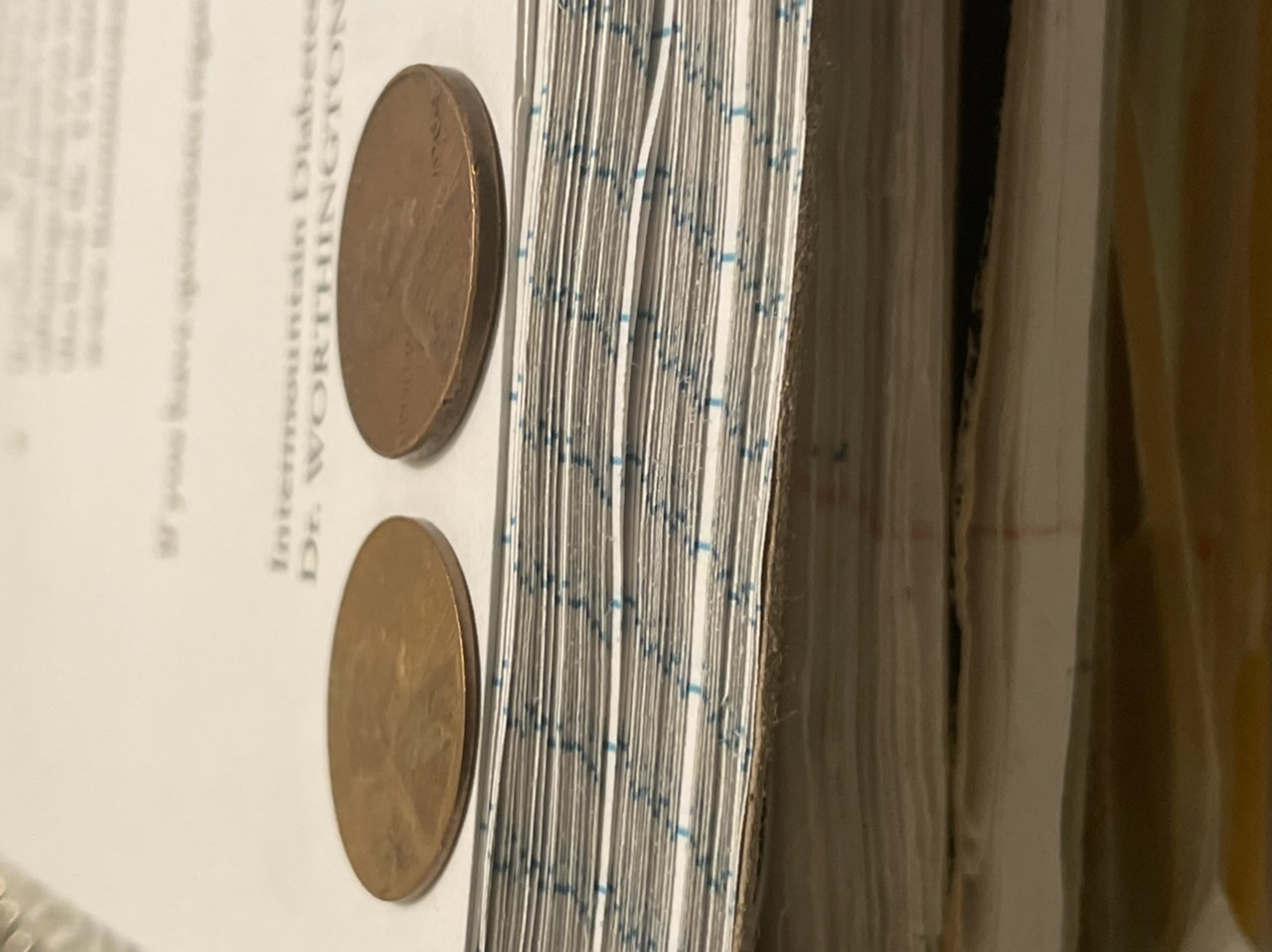
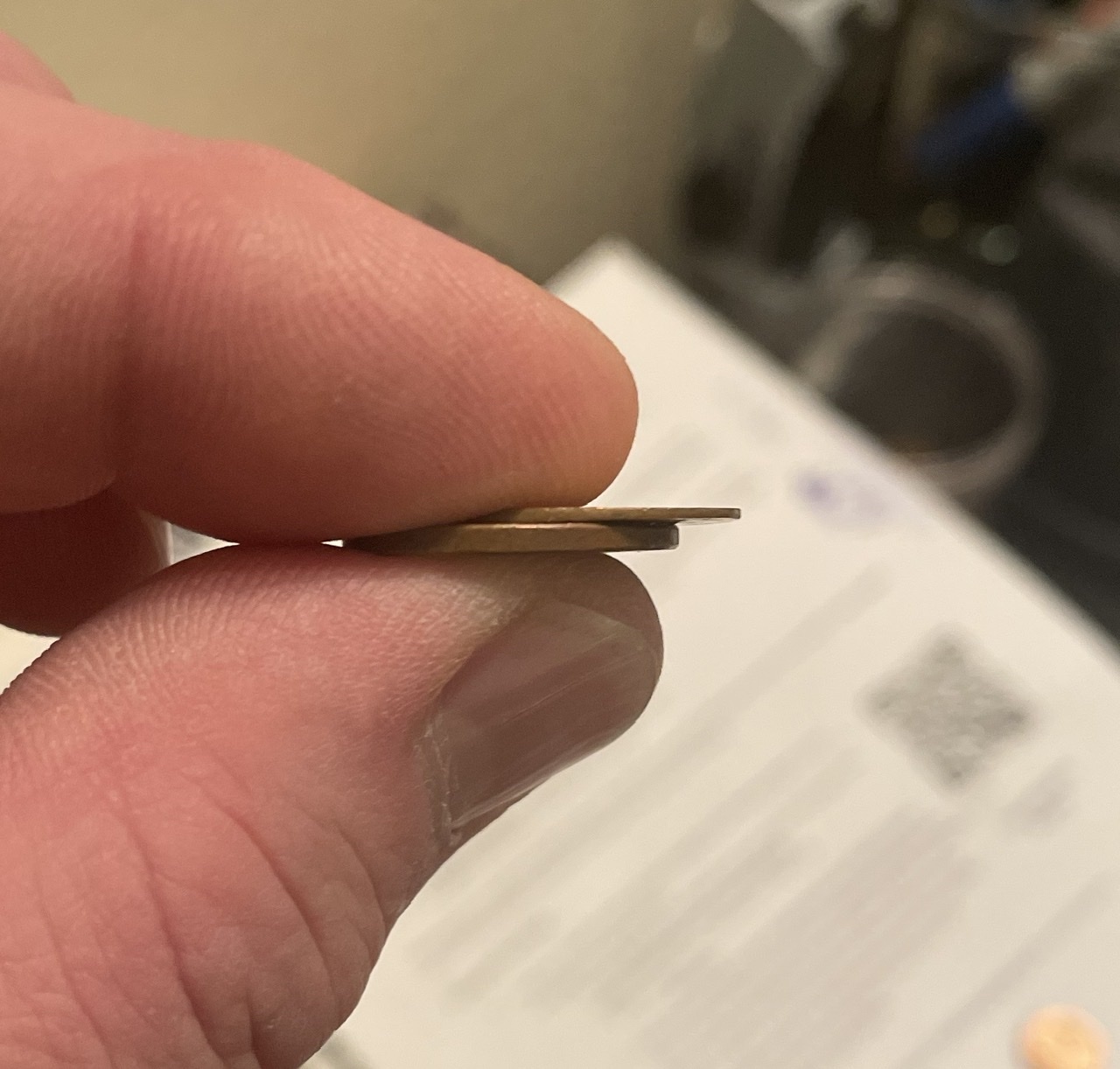
- One of the areas where the strong details show really well on the 1964 SMS penny is its rim. The rim of a 1964 SMS penny is more square in profile — similar to a 1964 proof penny.
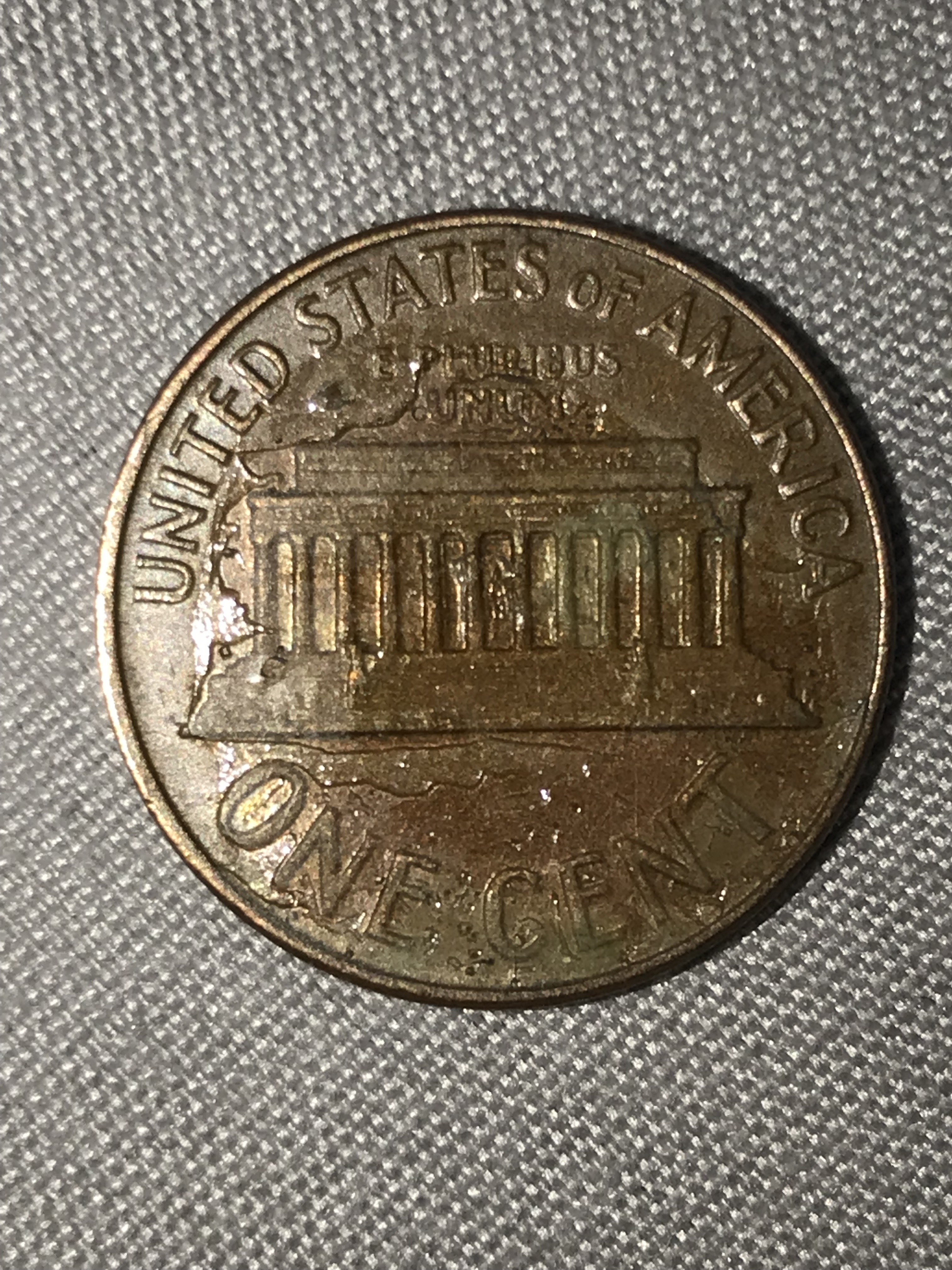
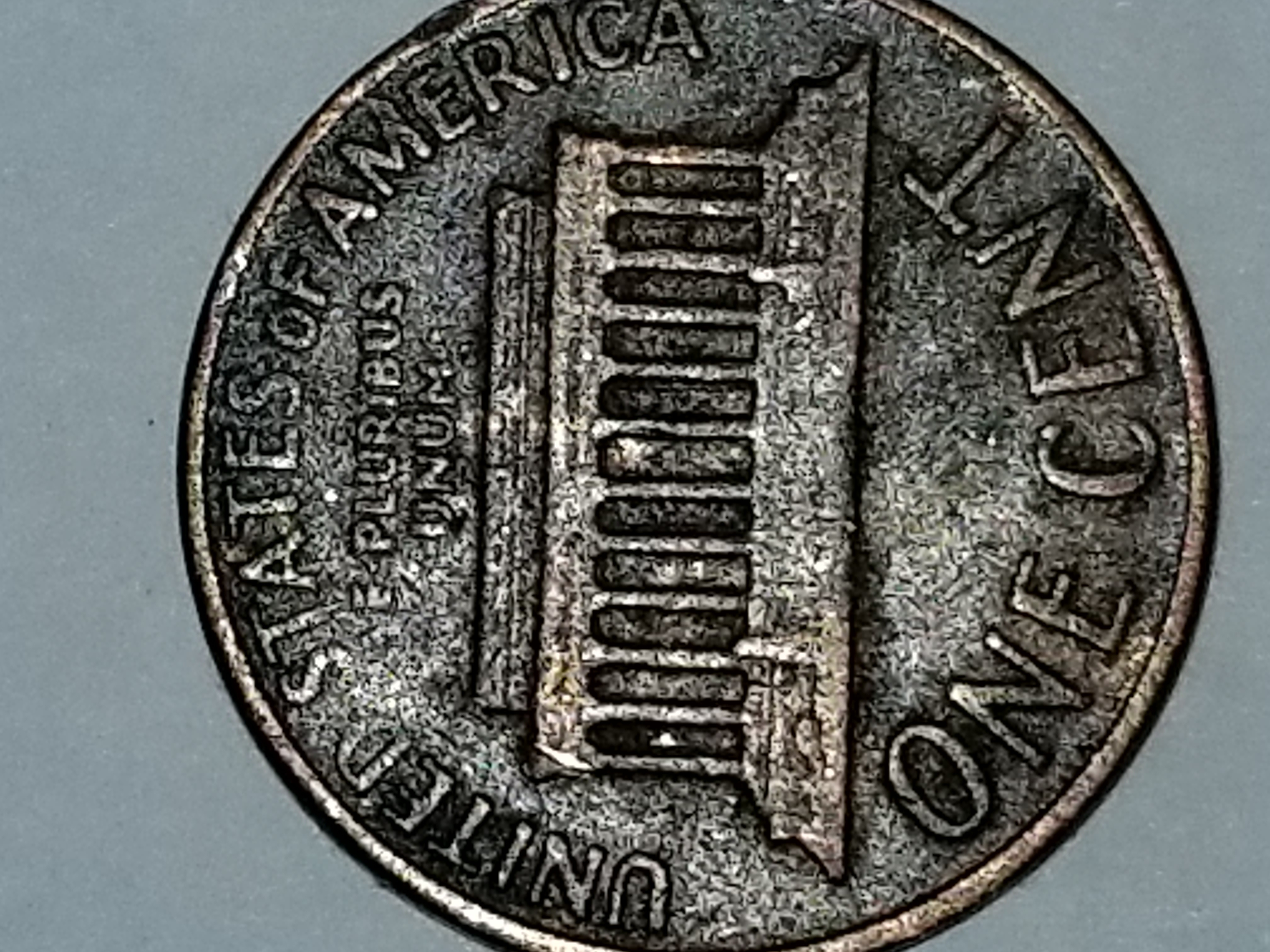
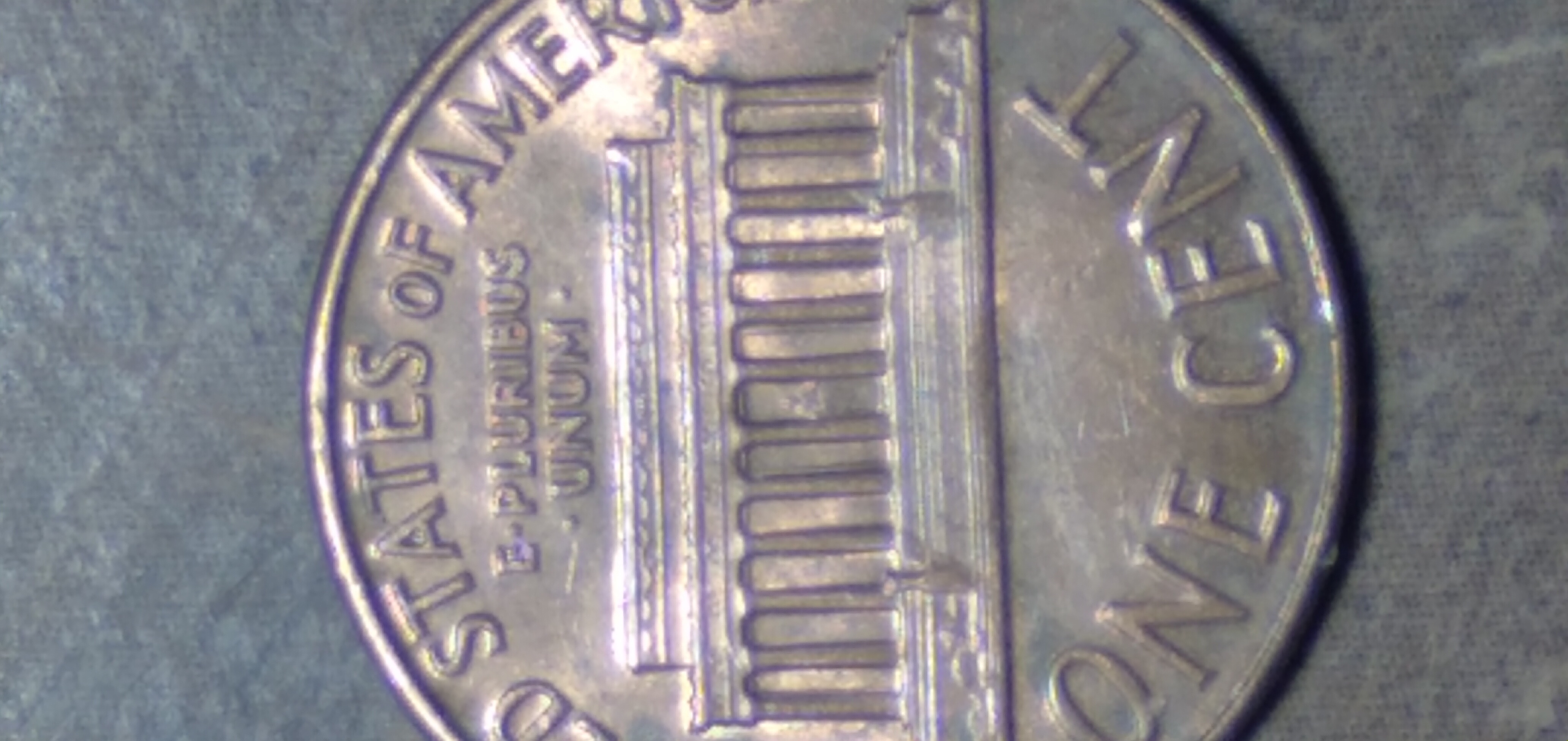
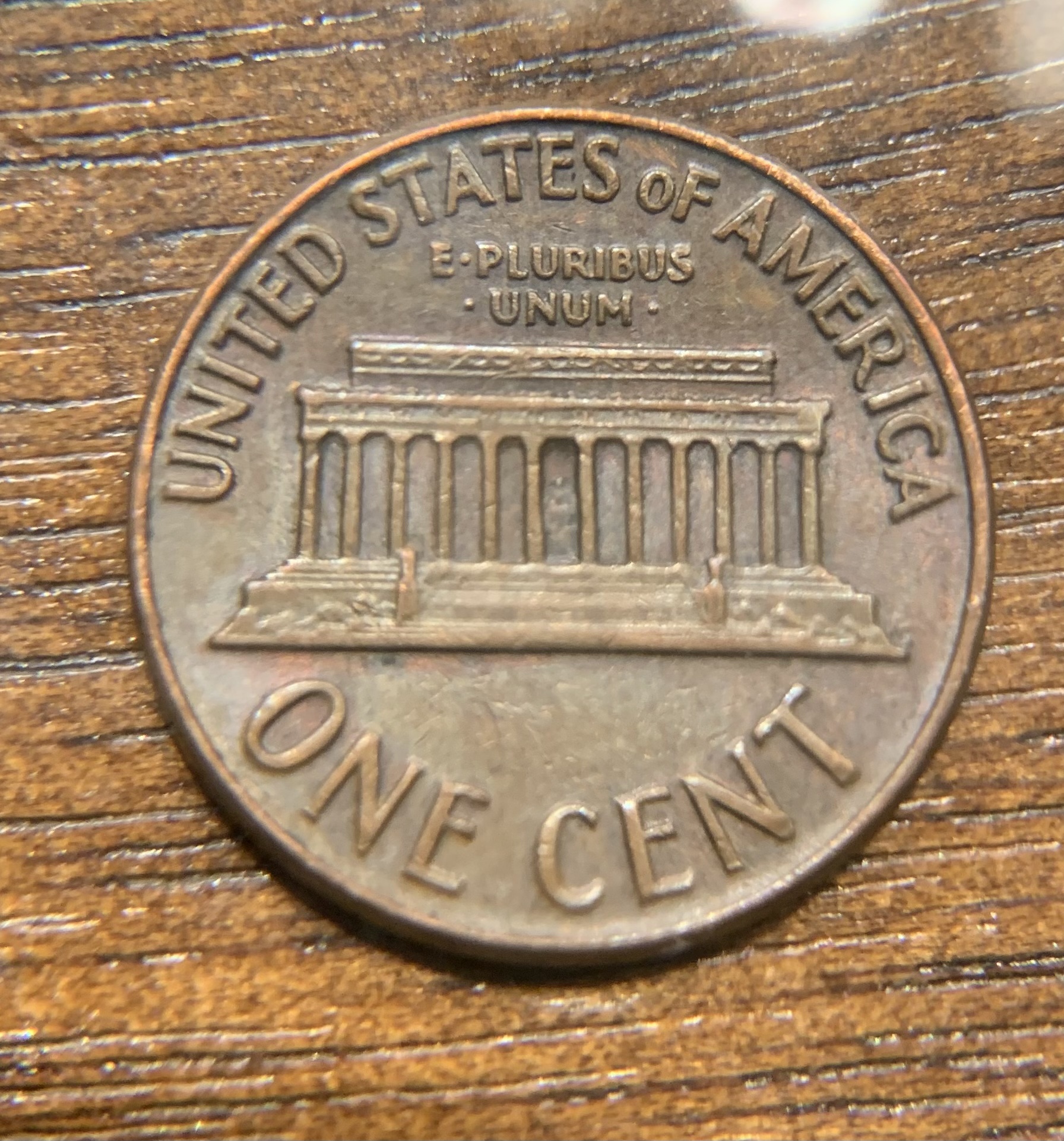
Rims and satin finishes can be tough to judge if a coin has minor wear, but the original dies left permanent fingerprints that you can trace with a basic digital microscope! Focus on the reverse field near the words “UNITED STATES OF AMERICA”. A genuine 1964 SMS penny features a series of distinct, sharp, horizontal die polishing lines running through the lettering AND the columns of the Lincoln Memorial. If your coin lacks these specific die polish markers AND the exceptionally sharp, square wire rims, then it’s a standard business strike — not the legendary prototype!
Summary Of The Rare 1964 SMS Penny Value
So now you know…
A 1964 SMS penny isn’t really the type of coin that you just find one day in your grandmother’s attic drawer and then flip at your local coin dealer for $5,000 in cash.
It’s a rare find for sure!
- On the low end, 1964 SMS pennies are worth $1,500 or $3,000.
- On the high end, 1964 SMS pennies are worth much more than the $5,000 average value listed here.
While an MS-67 specimen sold for $15,600 back in 2019, the market has expanded dramatically for top-tier preserved examples of the 1964 SMS penny. In April 2025, GreatCollections stunned the hobby by hammering down an ultra-rare 1964 SMS penny certified by PCGS at a flawless SP68 Red for an absolute record-shattering sum of $40,500!
If you think you have a 1964 SMS penny, you should have it certified by a reputable 3rd-party coin grading firm such as PCGS, NGC, ICG, CAC, or ANACS.
Then, if you wish to sell it, you should either enter it in a coin auction OR offer it to a coin dealer who can pay you what it’s really worth.
What Is The Grade Of Your 1964 Penny?
To determine the true value of your 1964 penny, you first need to know what condition (or grade) your coin is in.
How to Grade Coins Yourself
Grab a coin magnifier and a copy of the U.S. Coin Grading Standards book. Then, watch this video to see how to grade coins yourself at home:
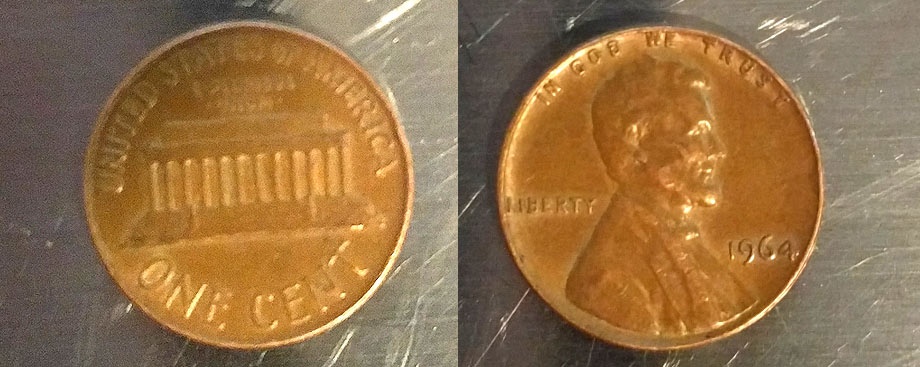
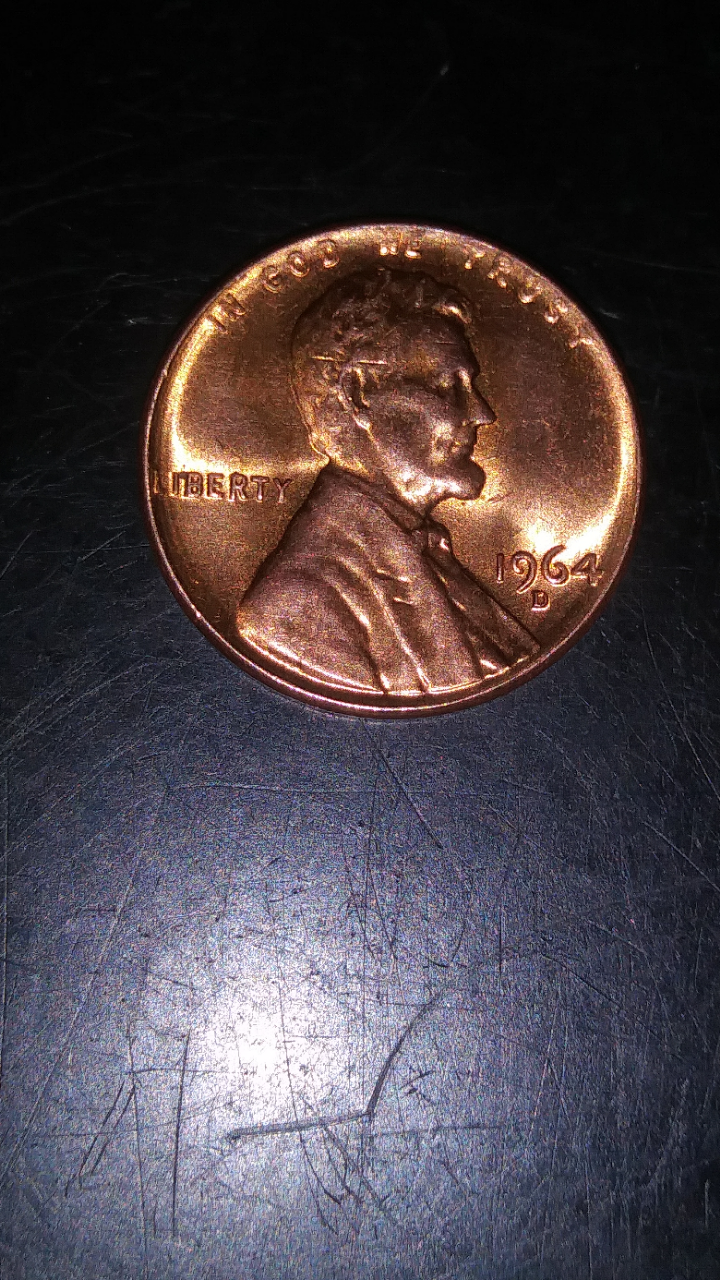
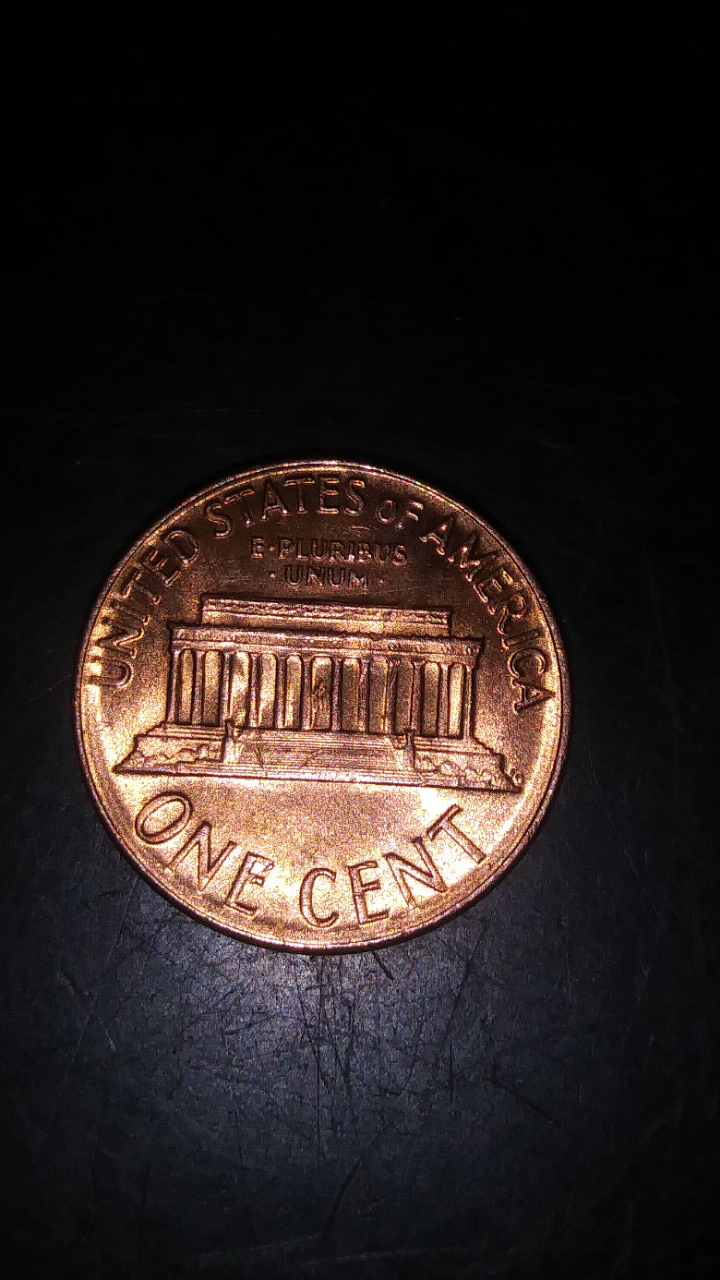
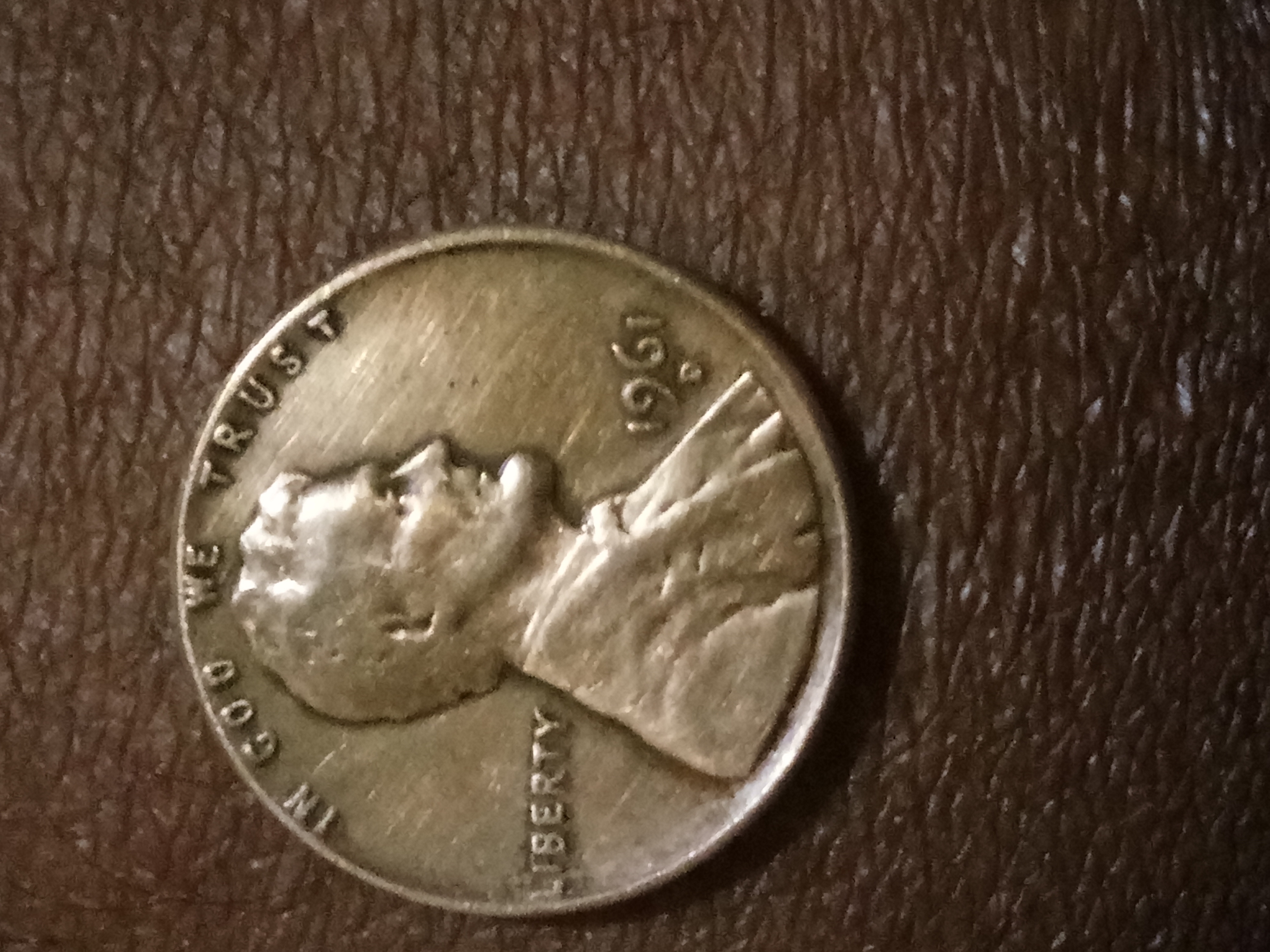
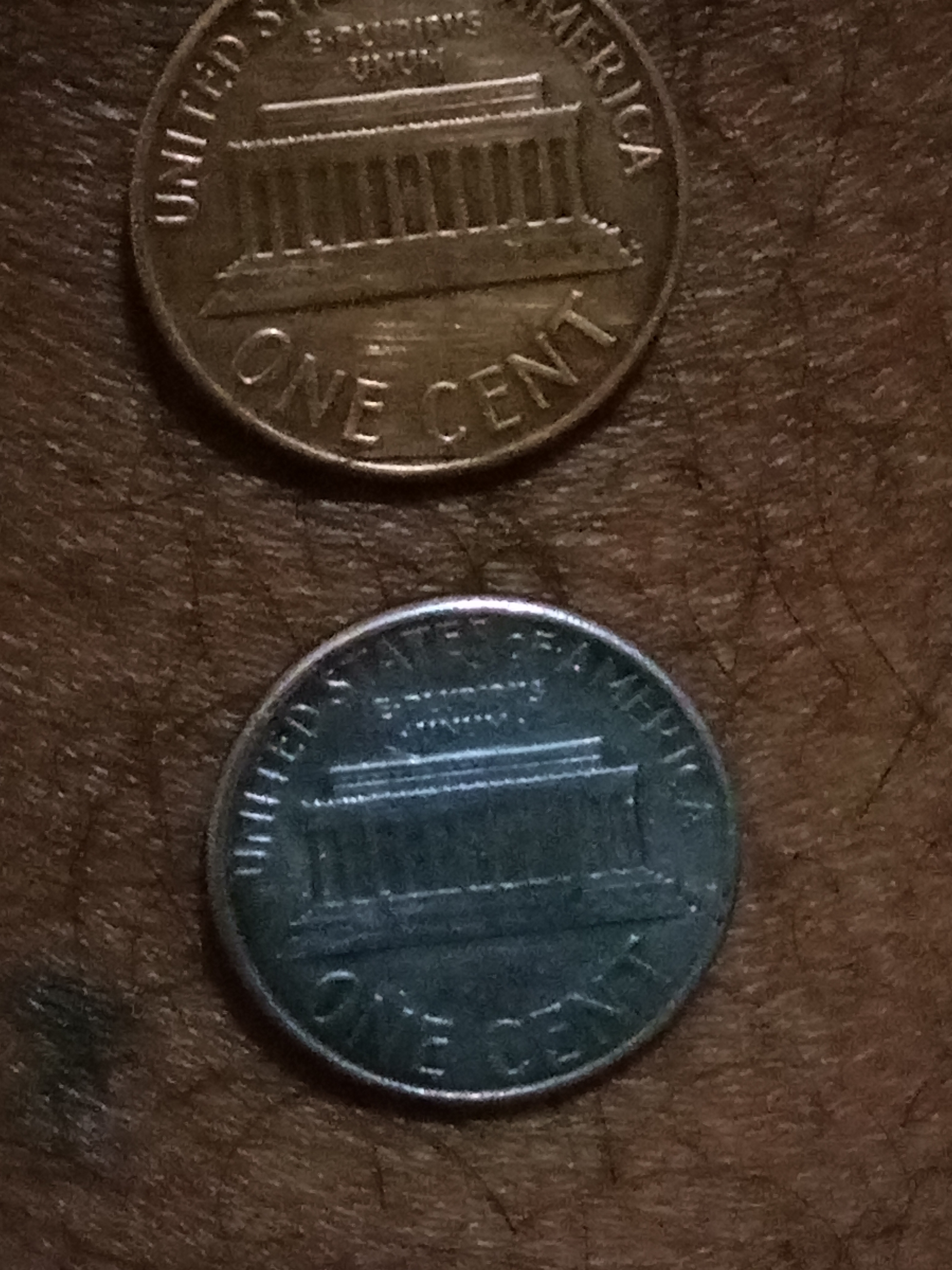
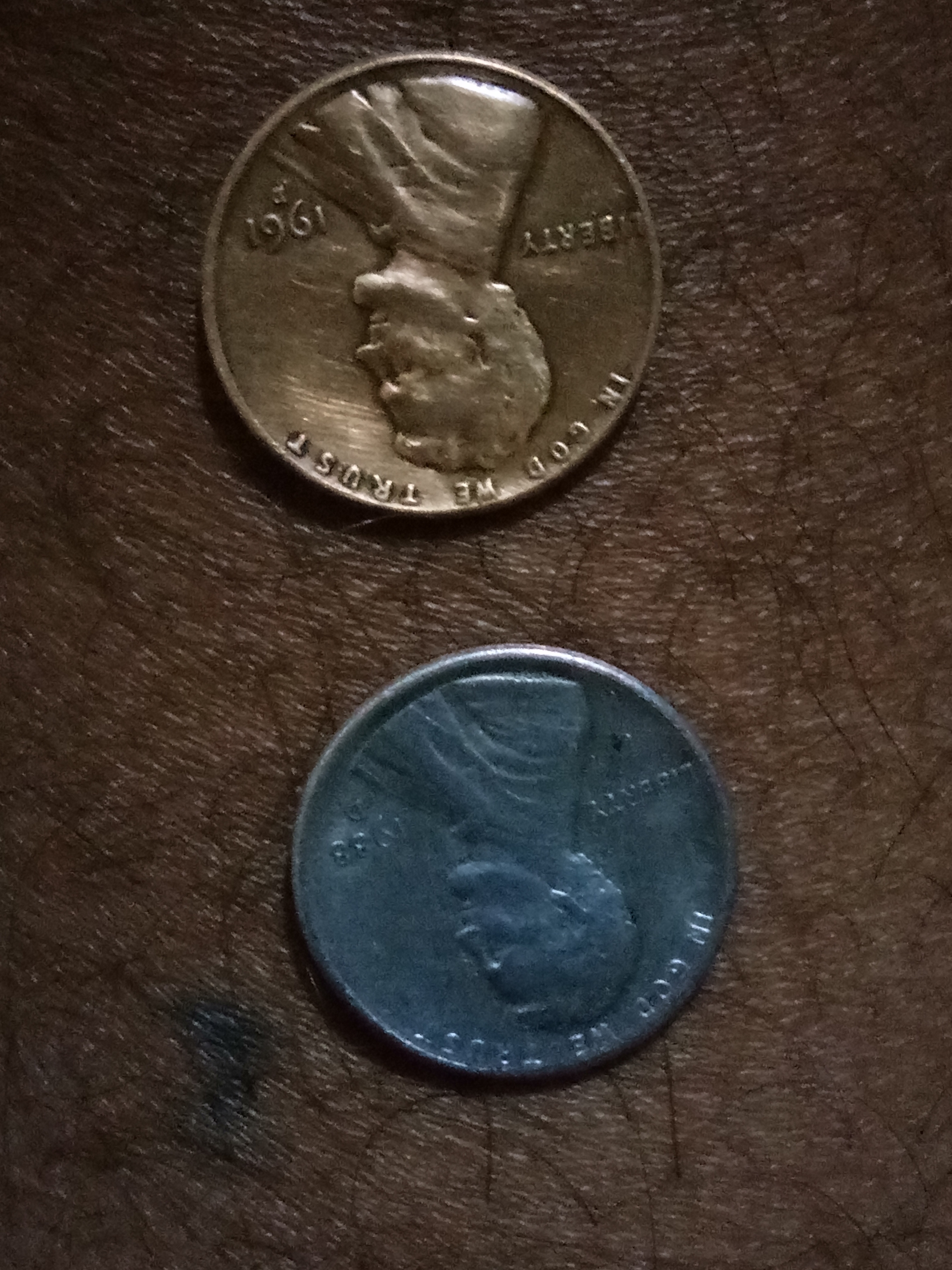
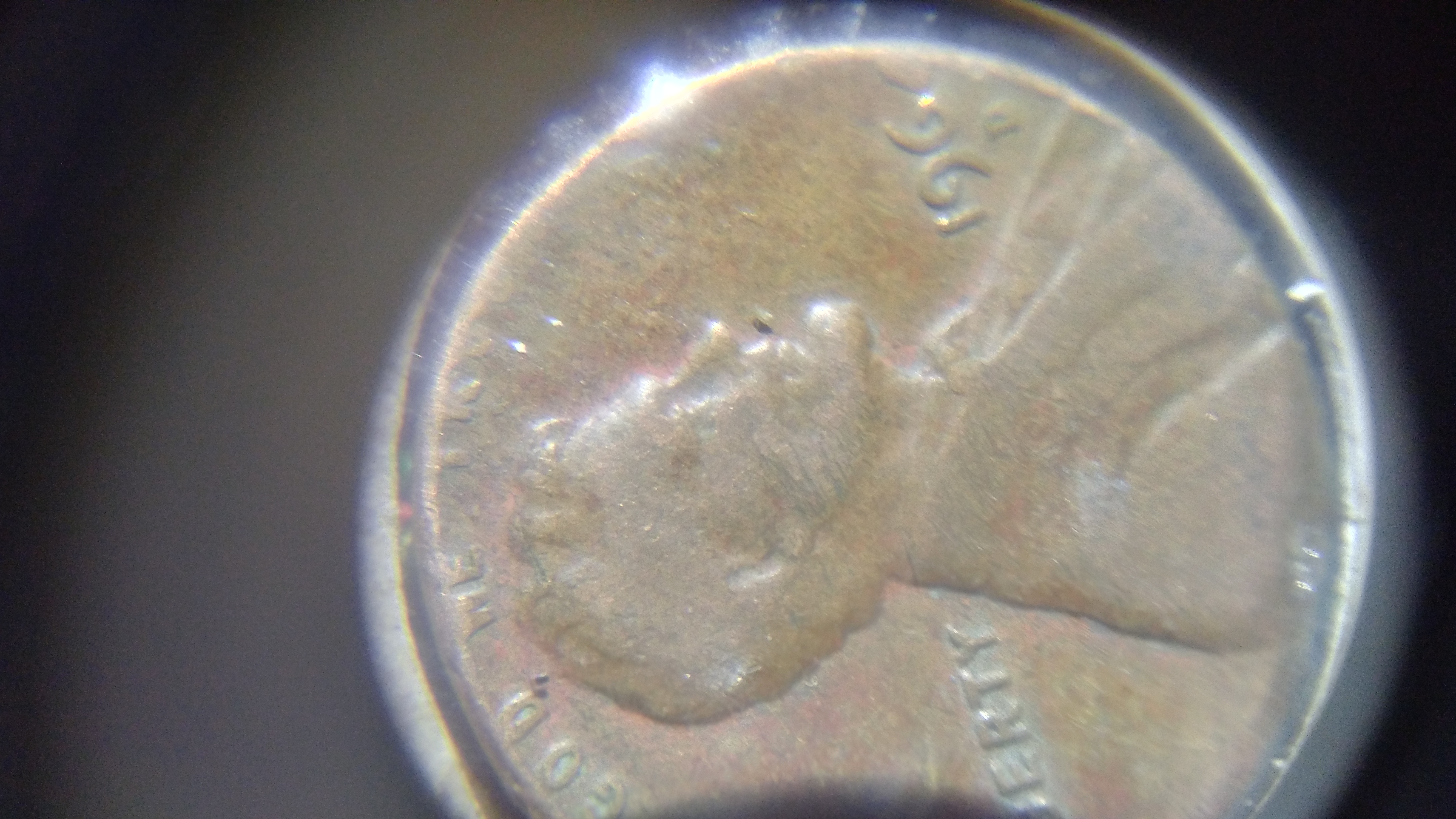
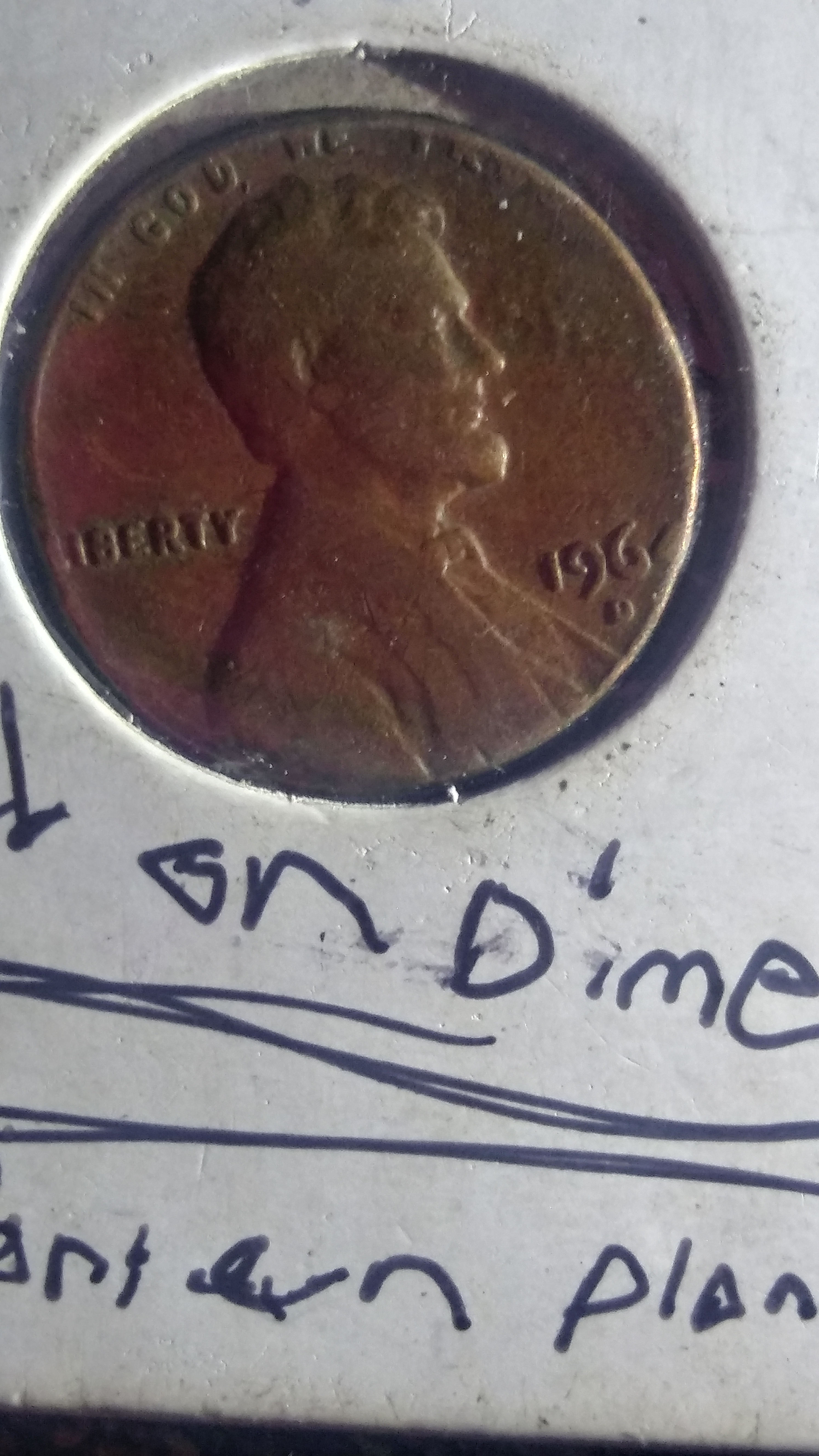
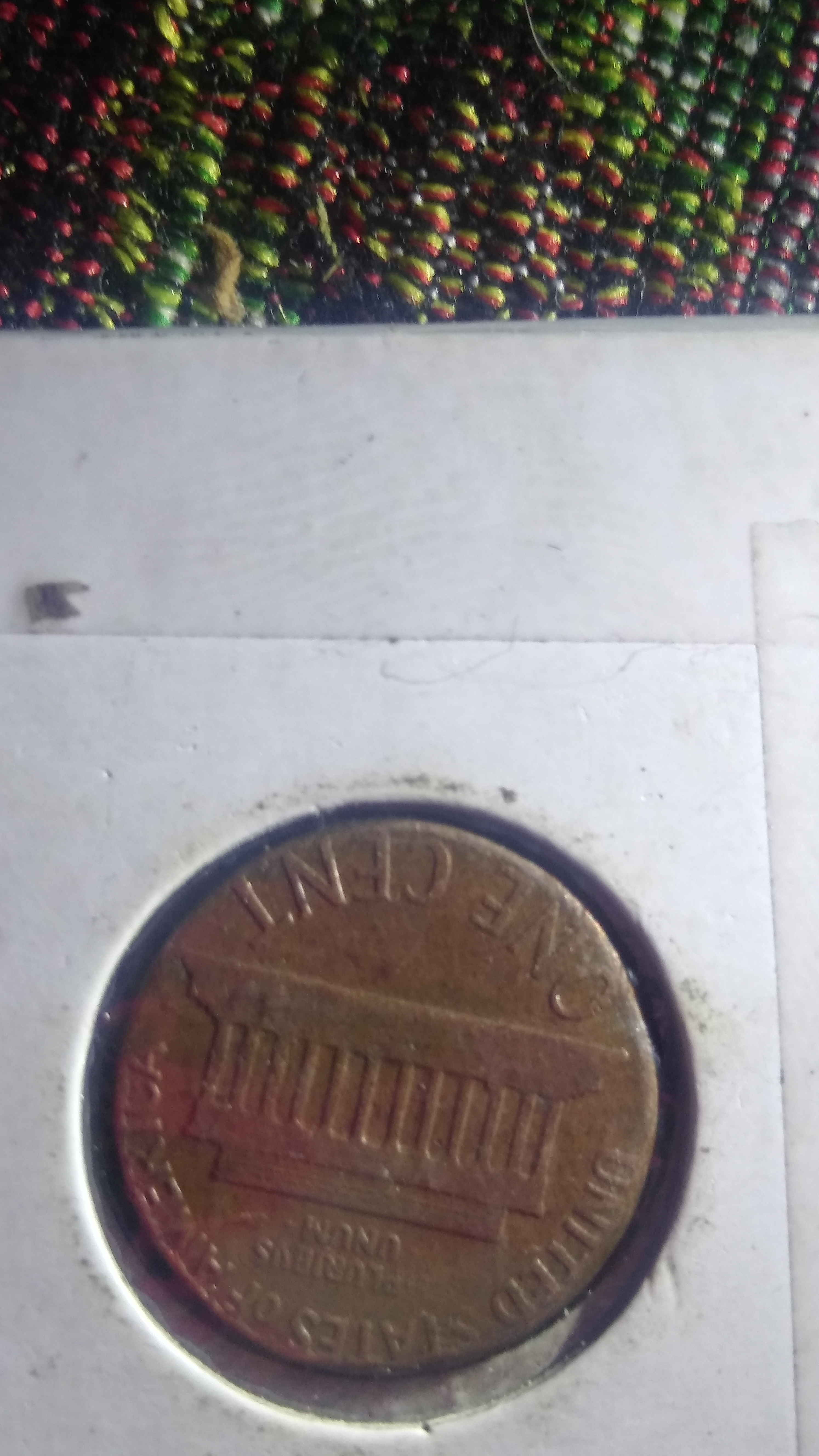
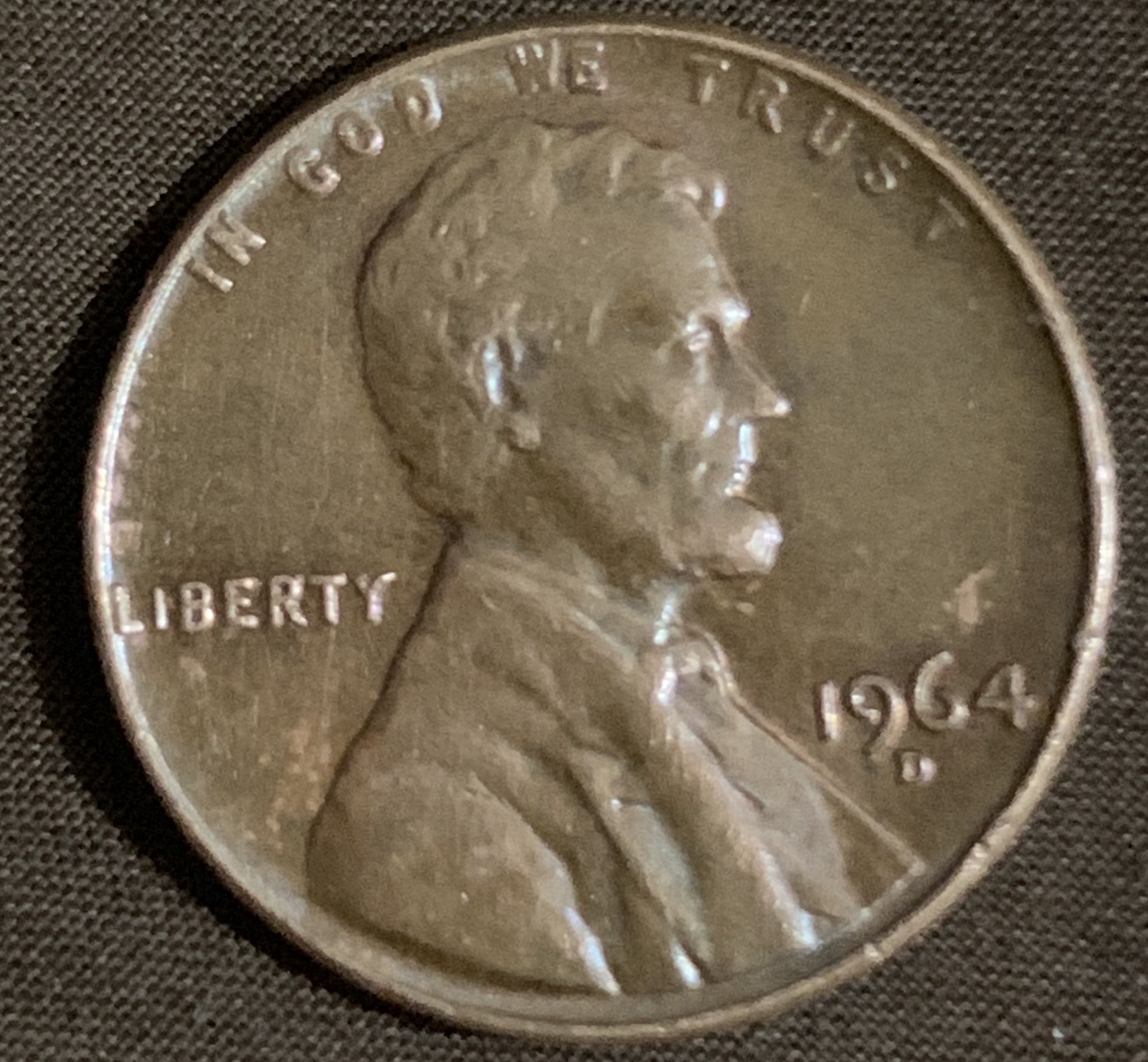
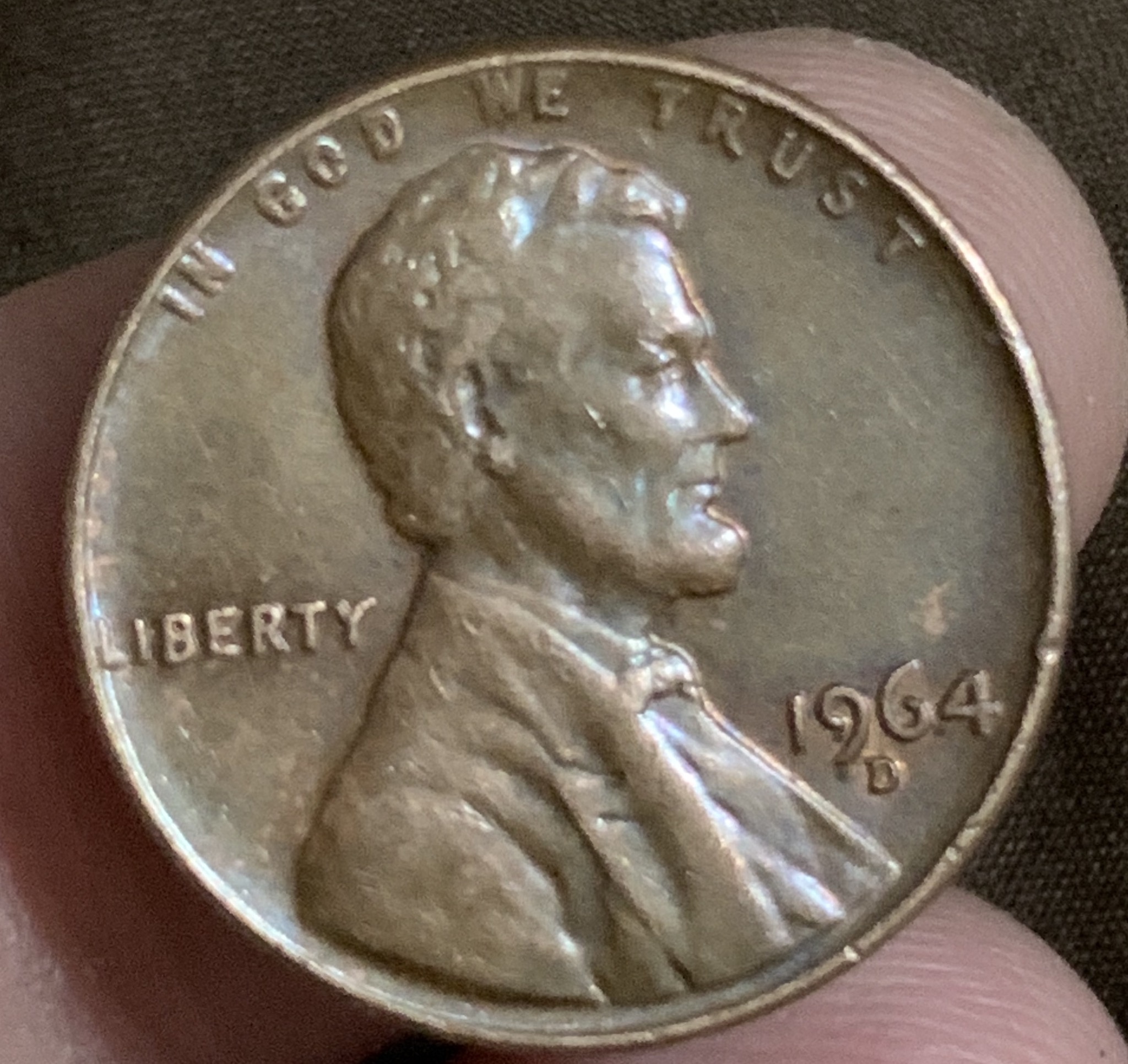
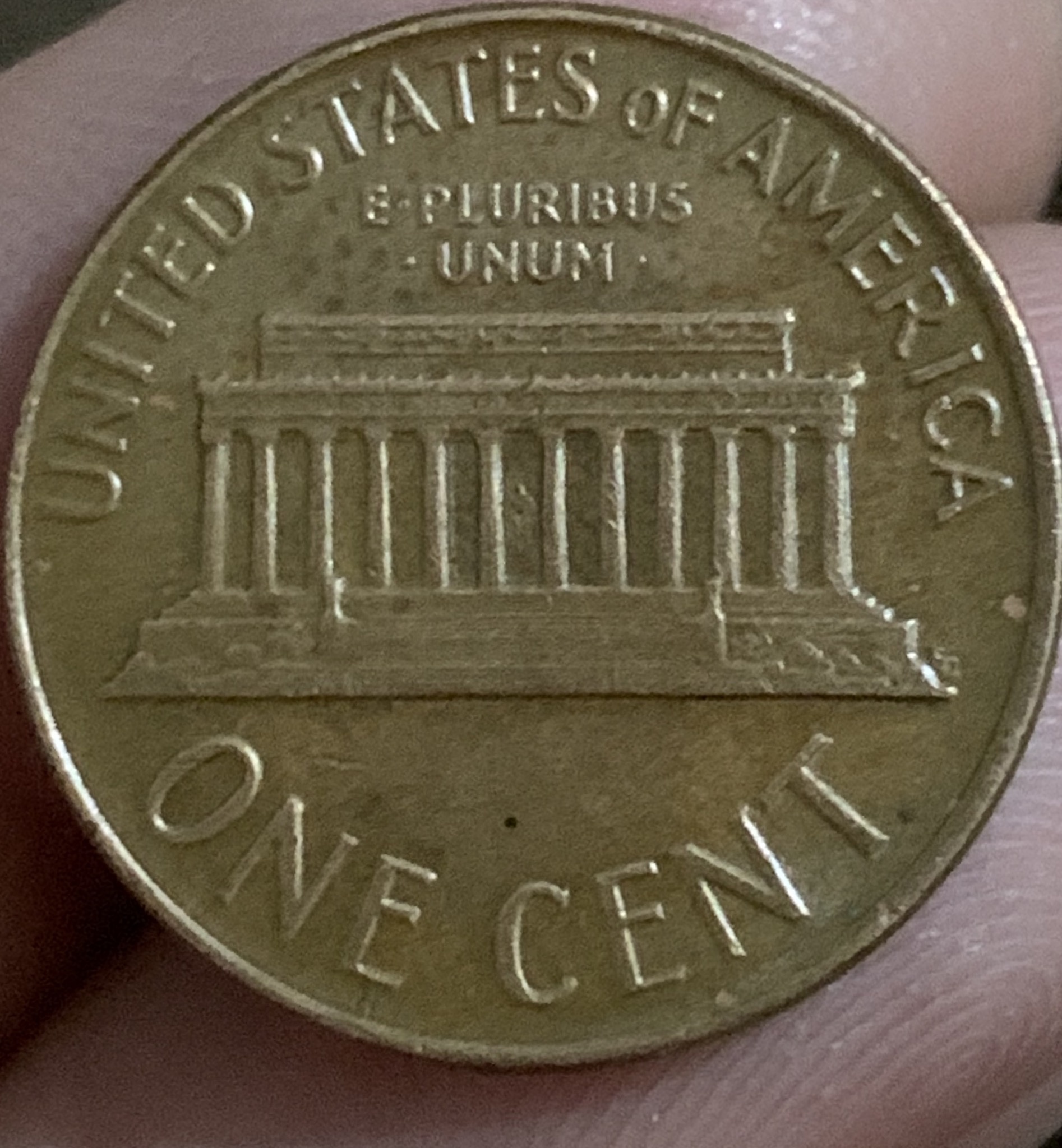
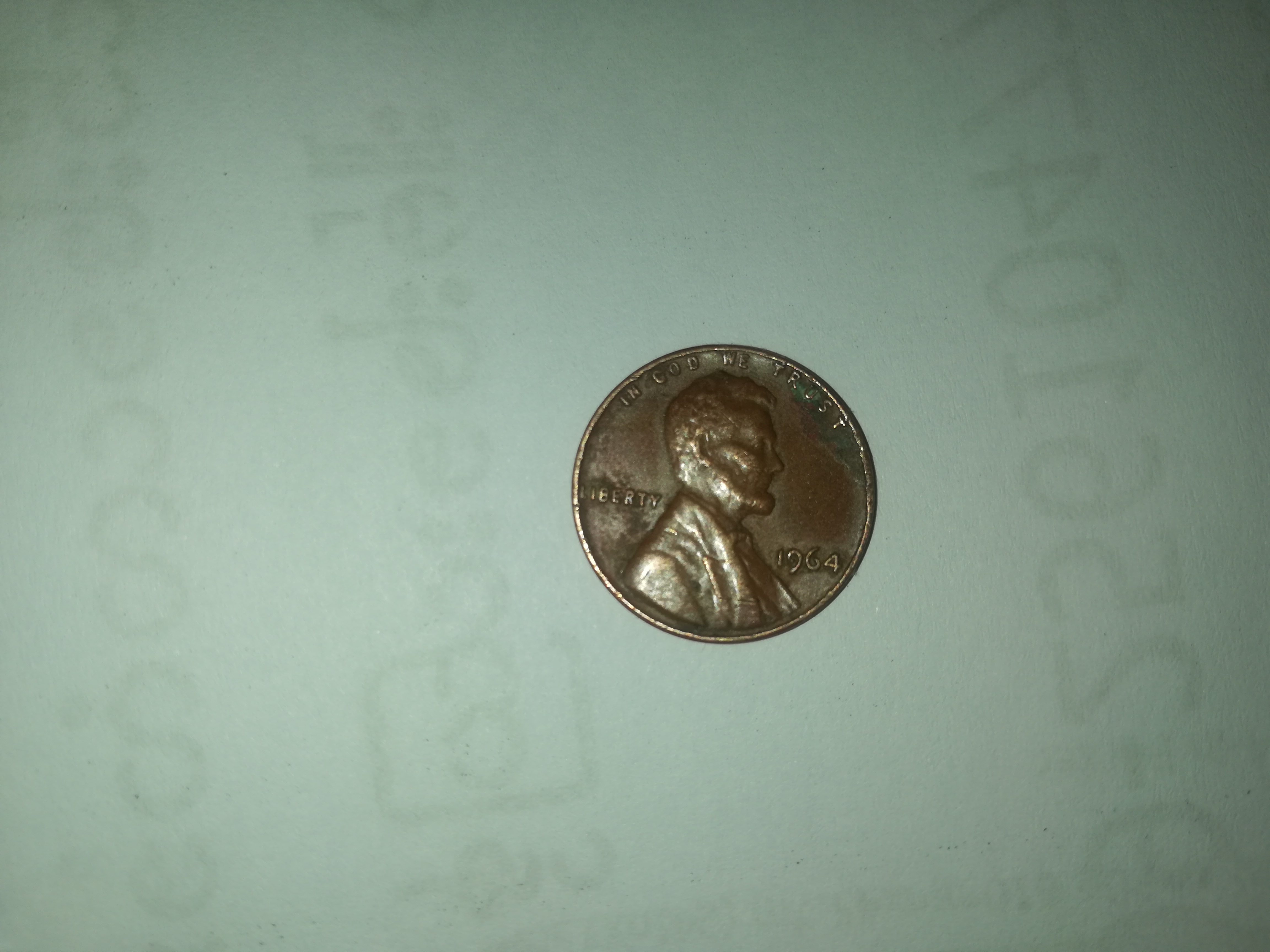
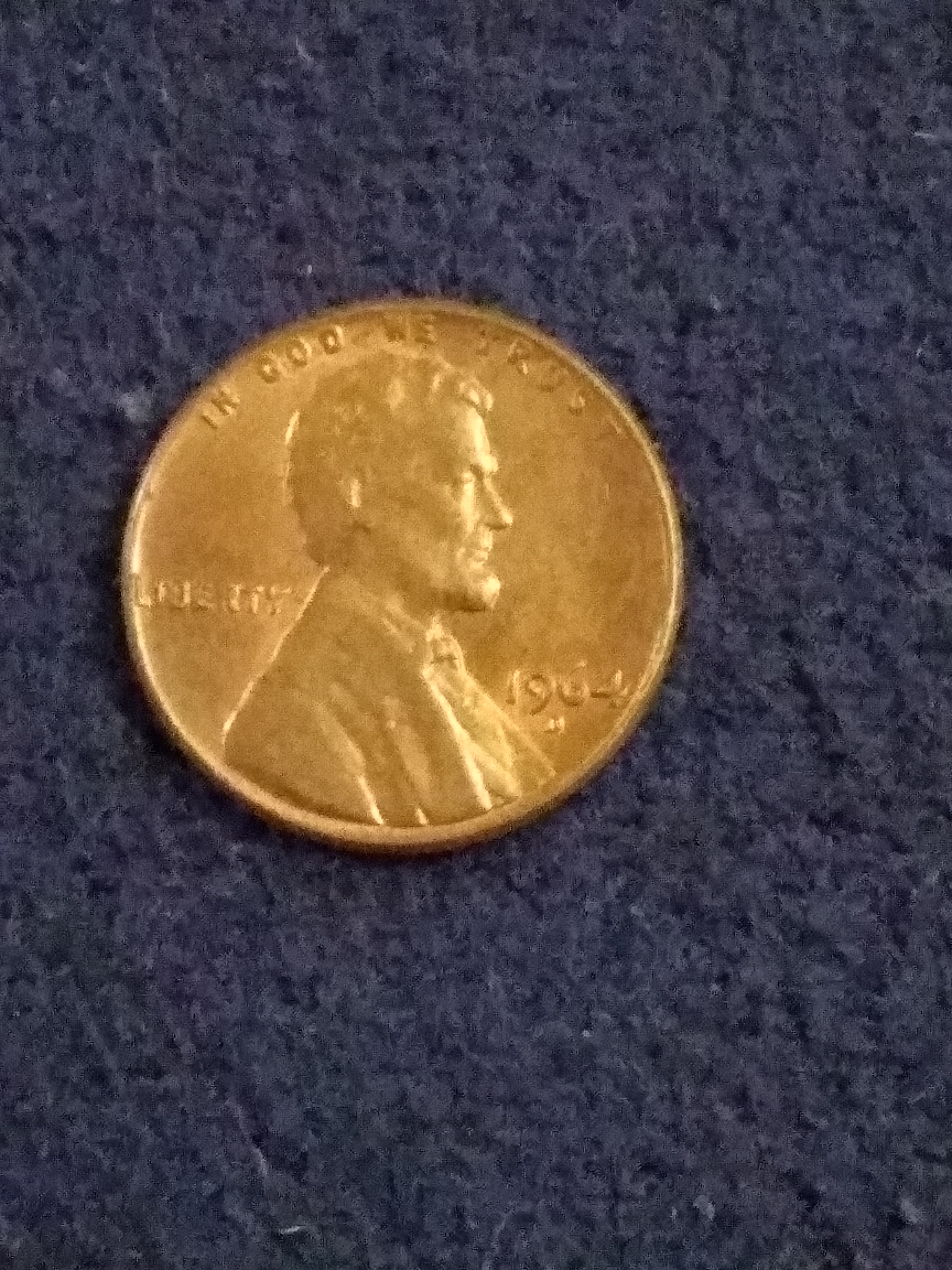
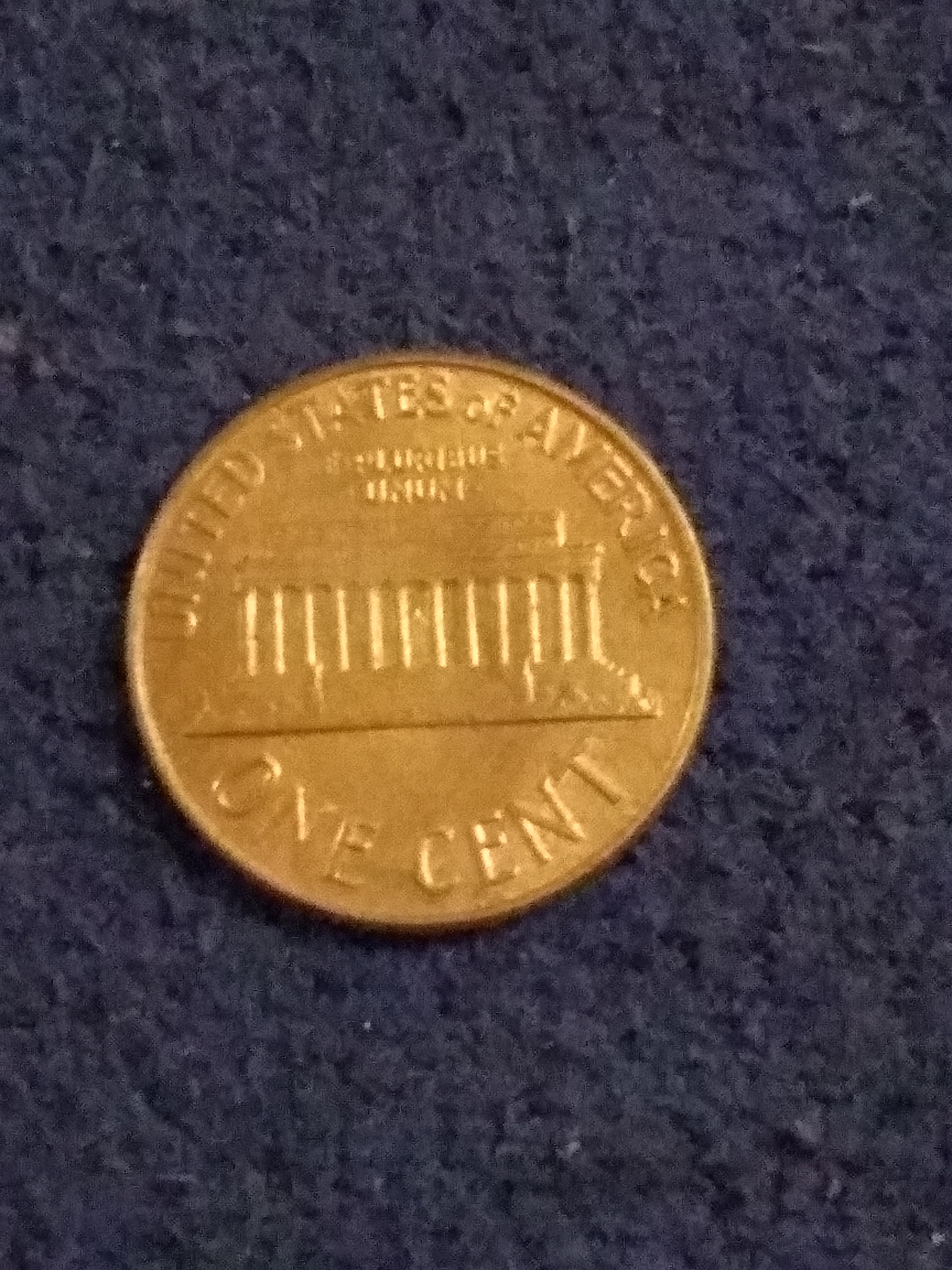
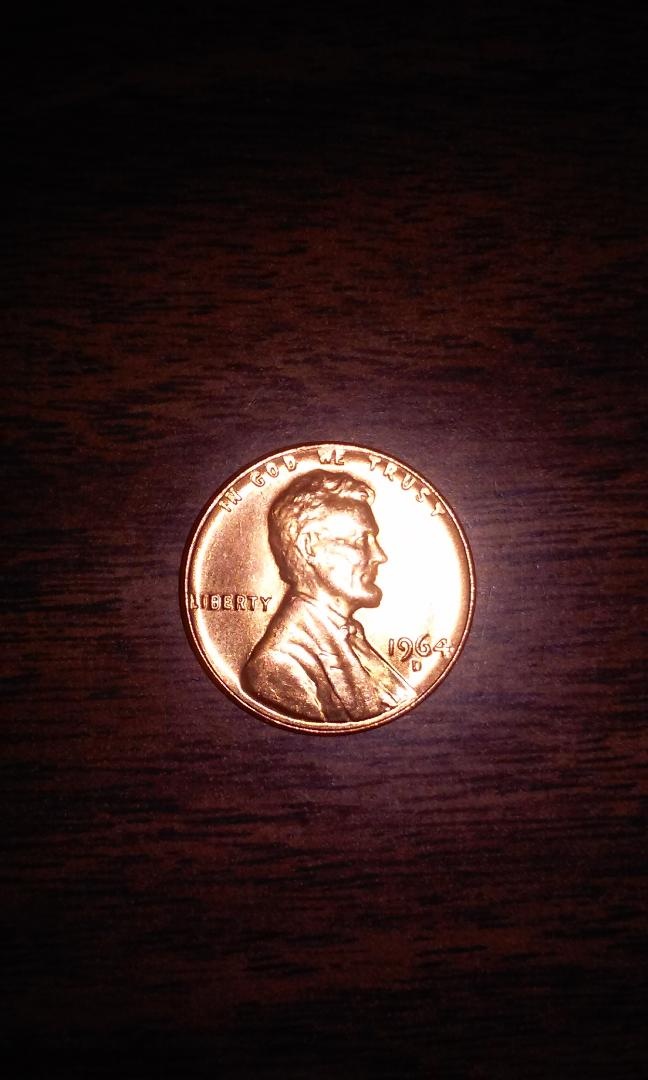
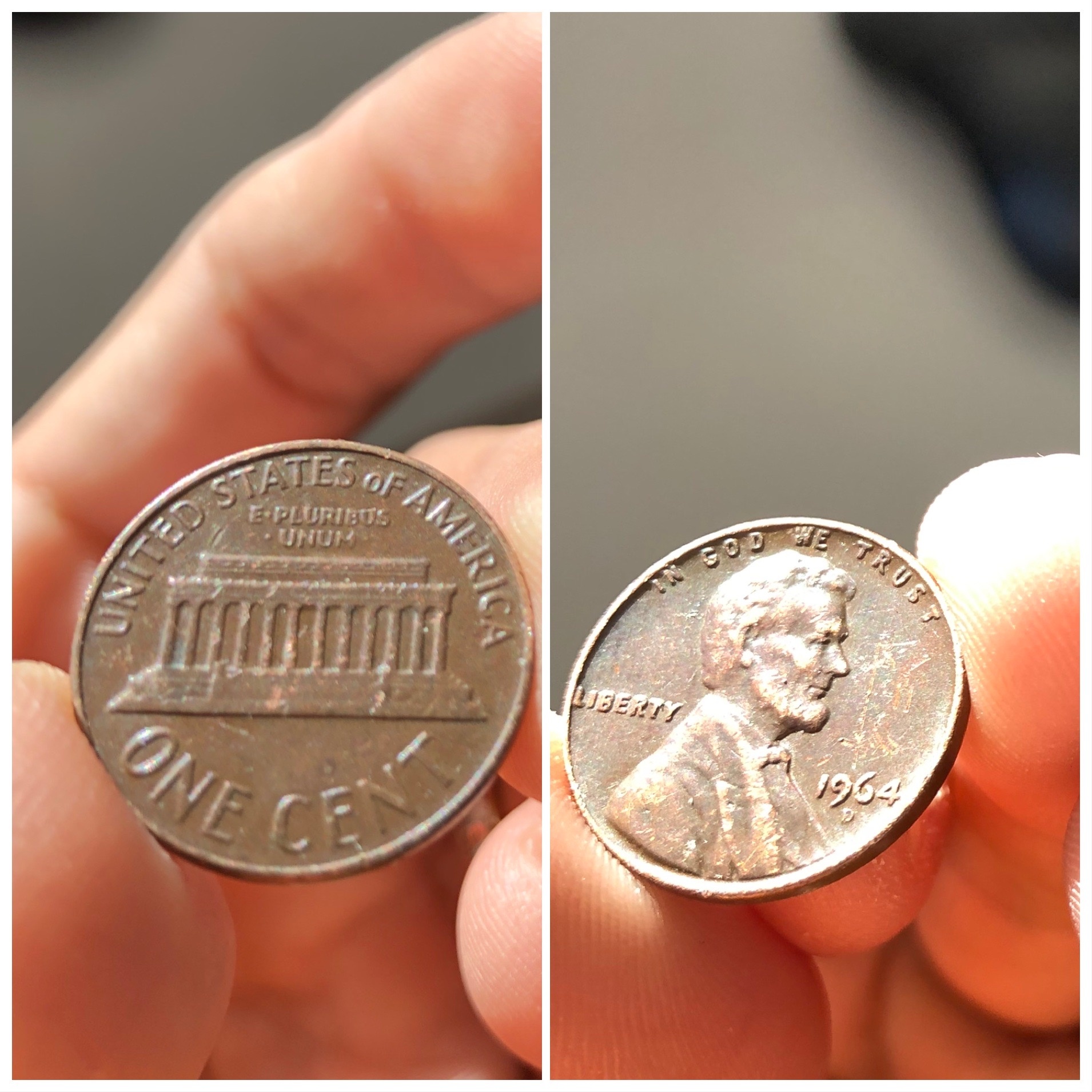
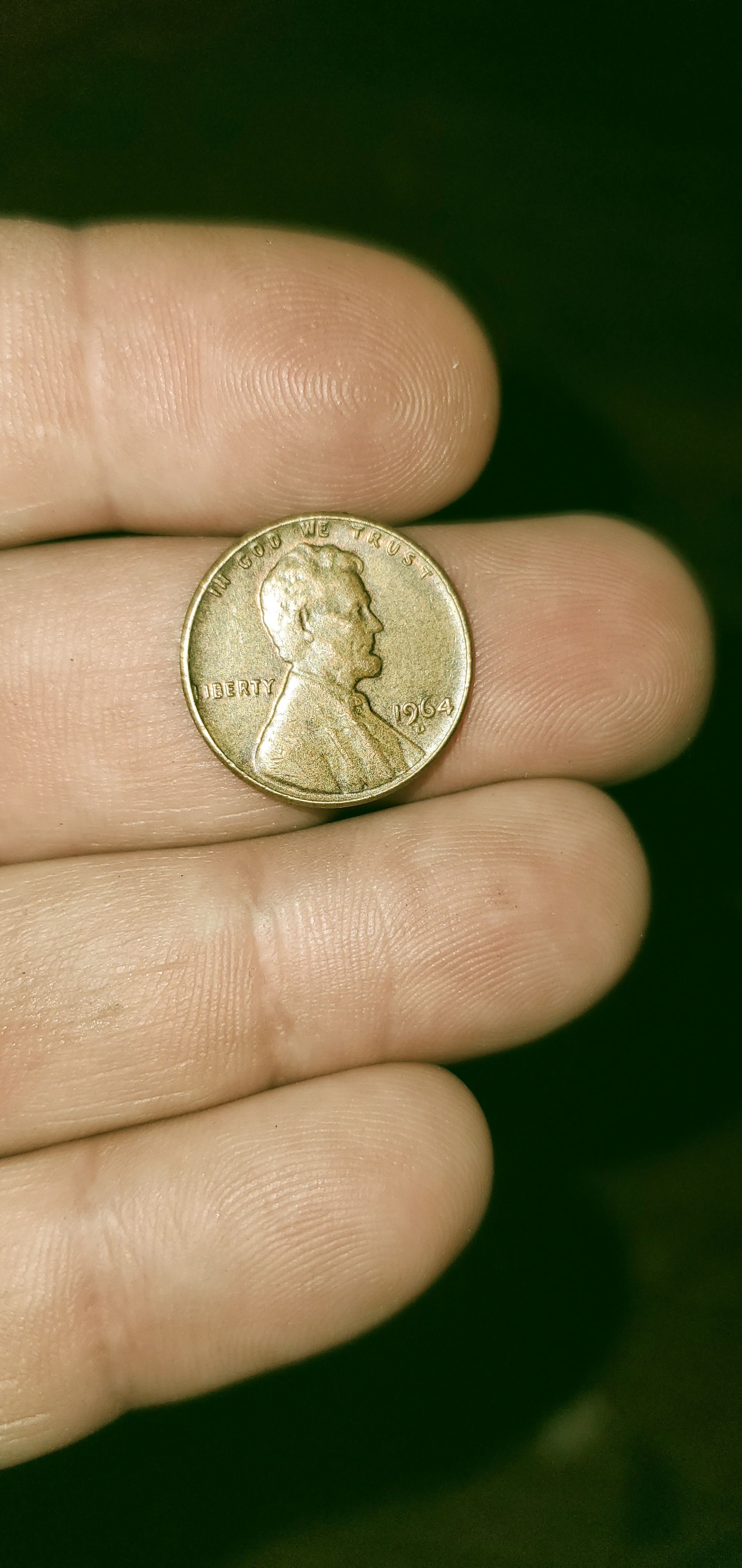
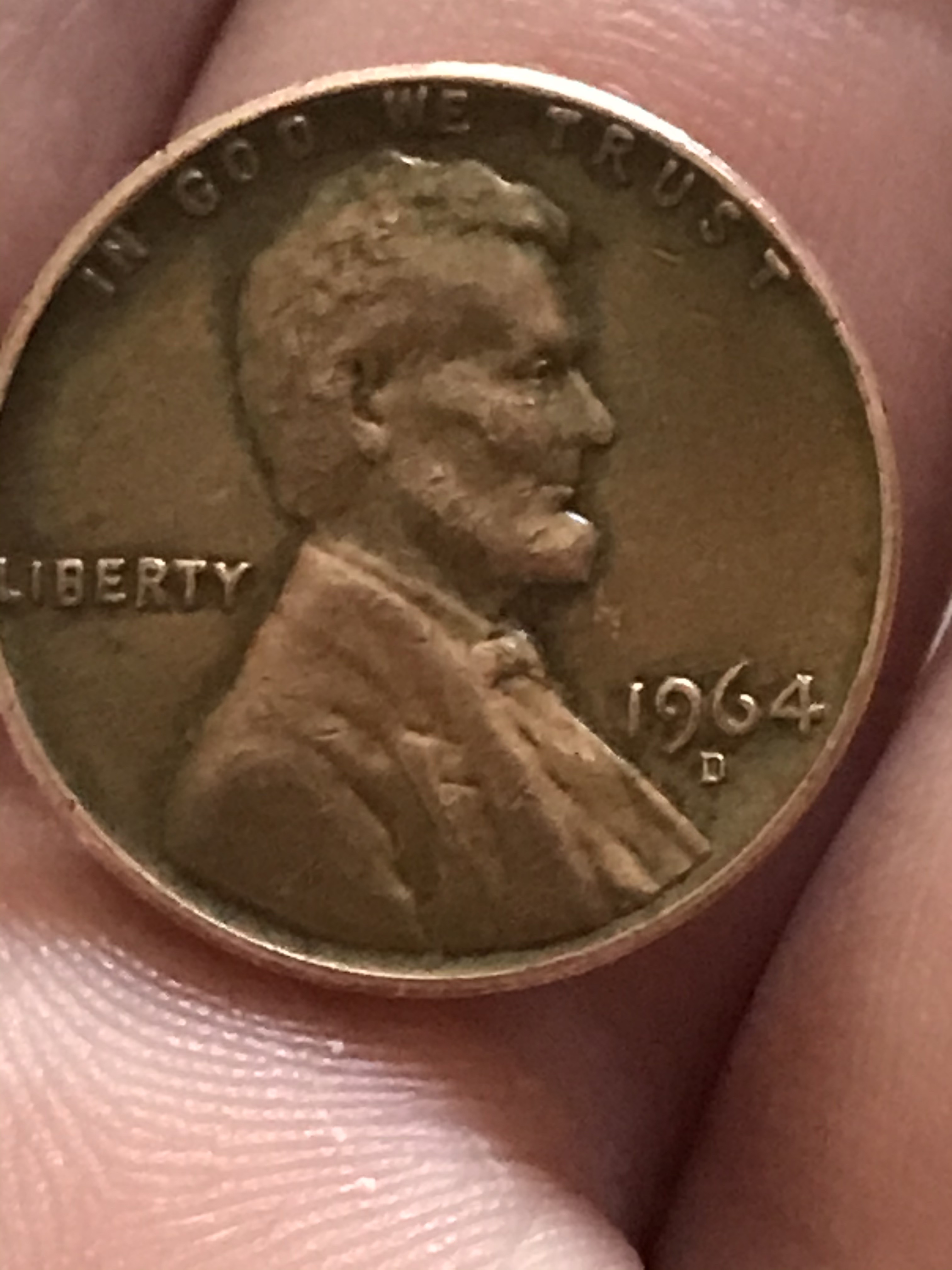
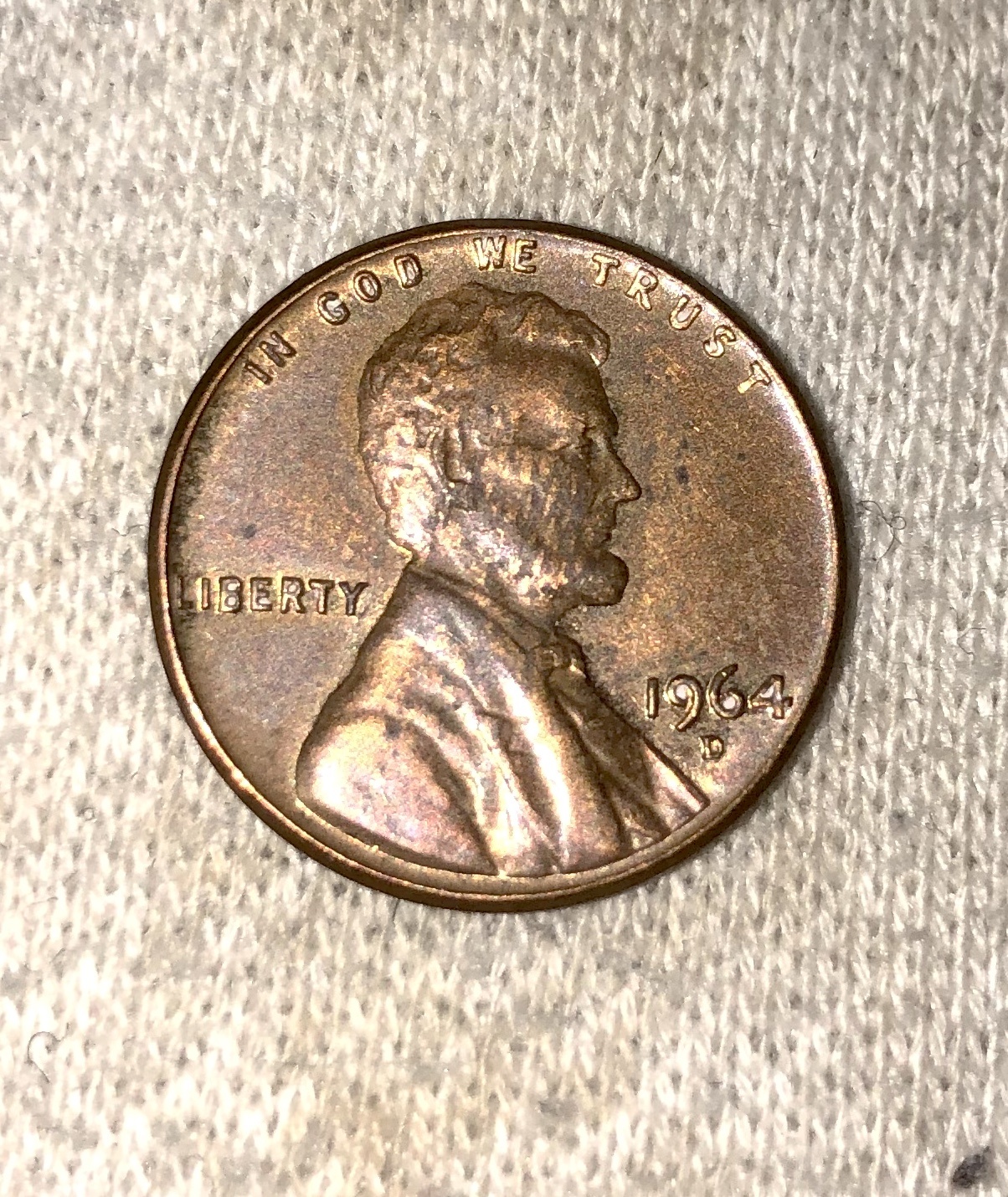
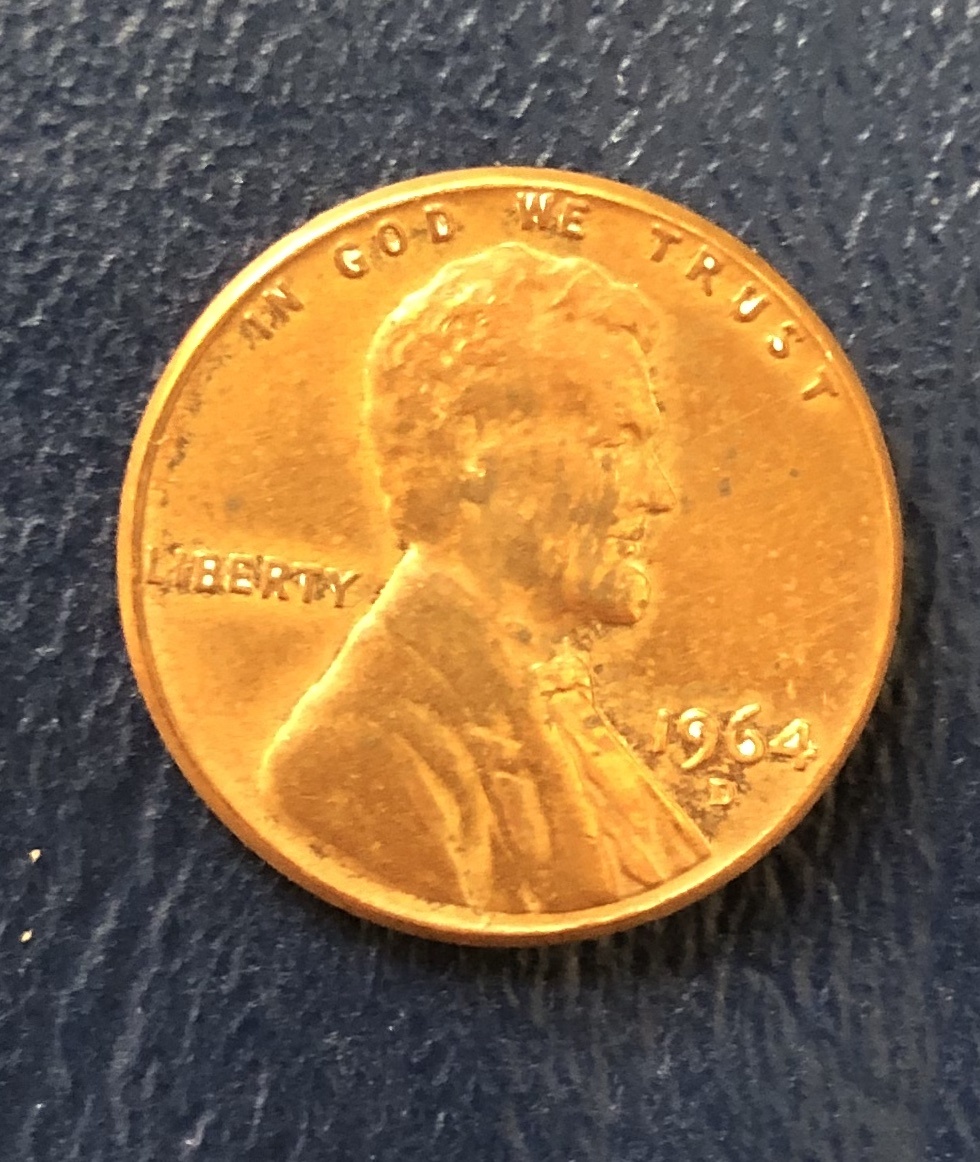
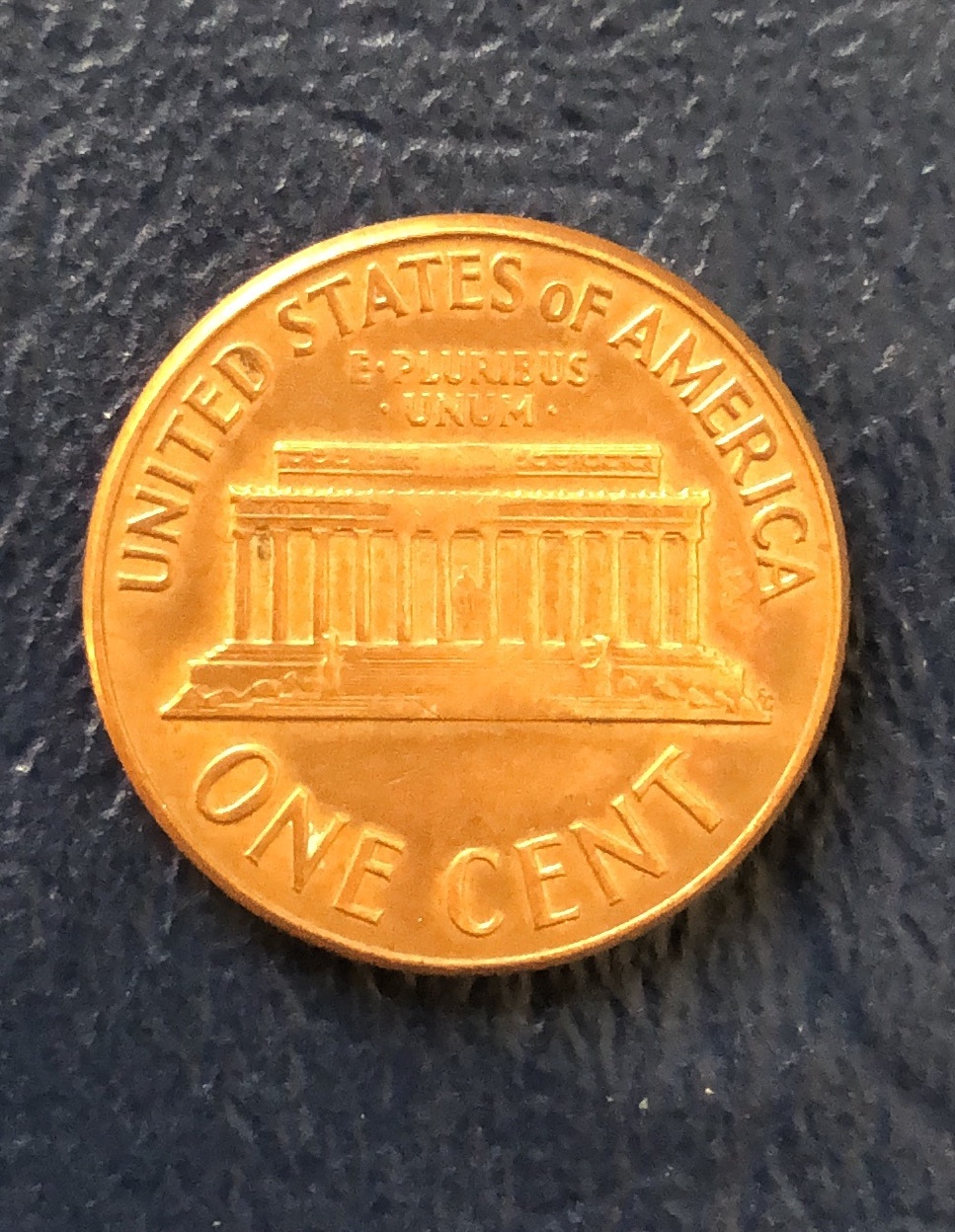
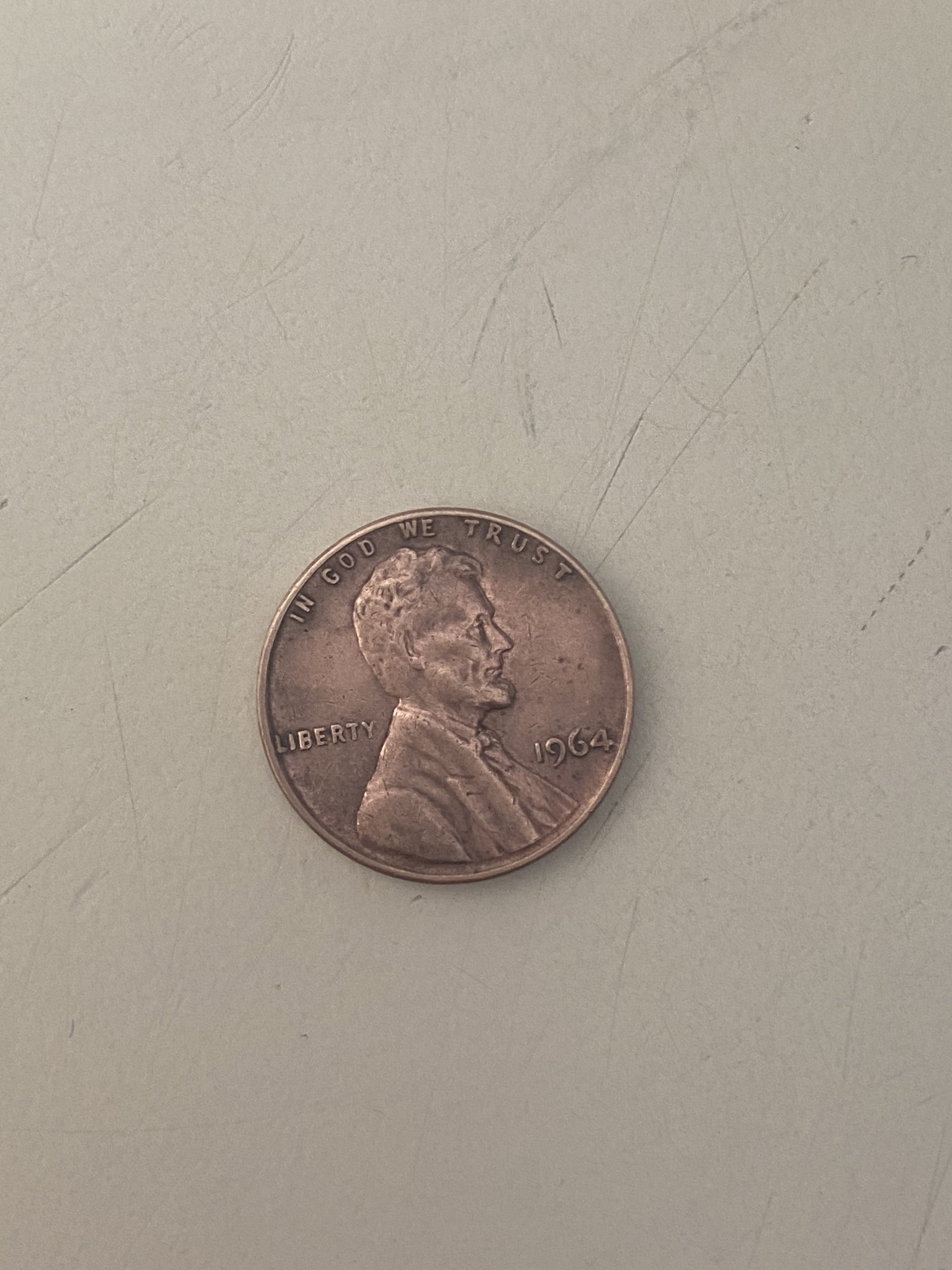
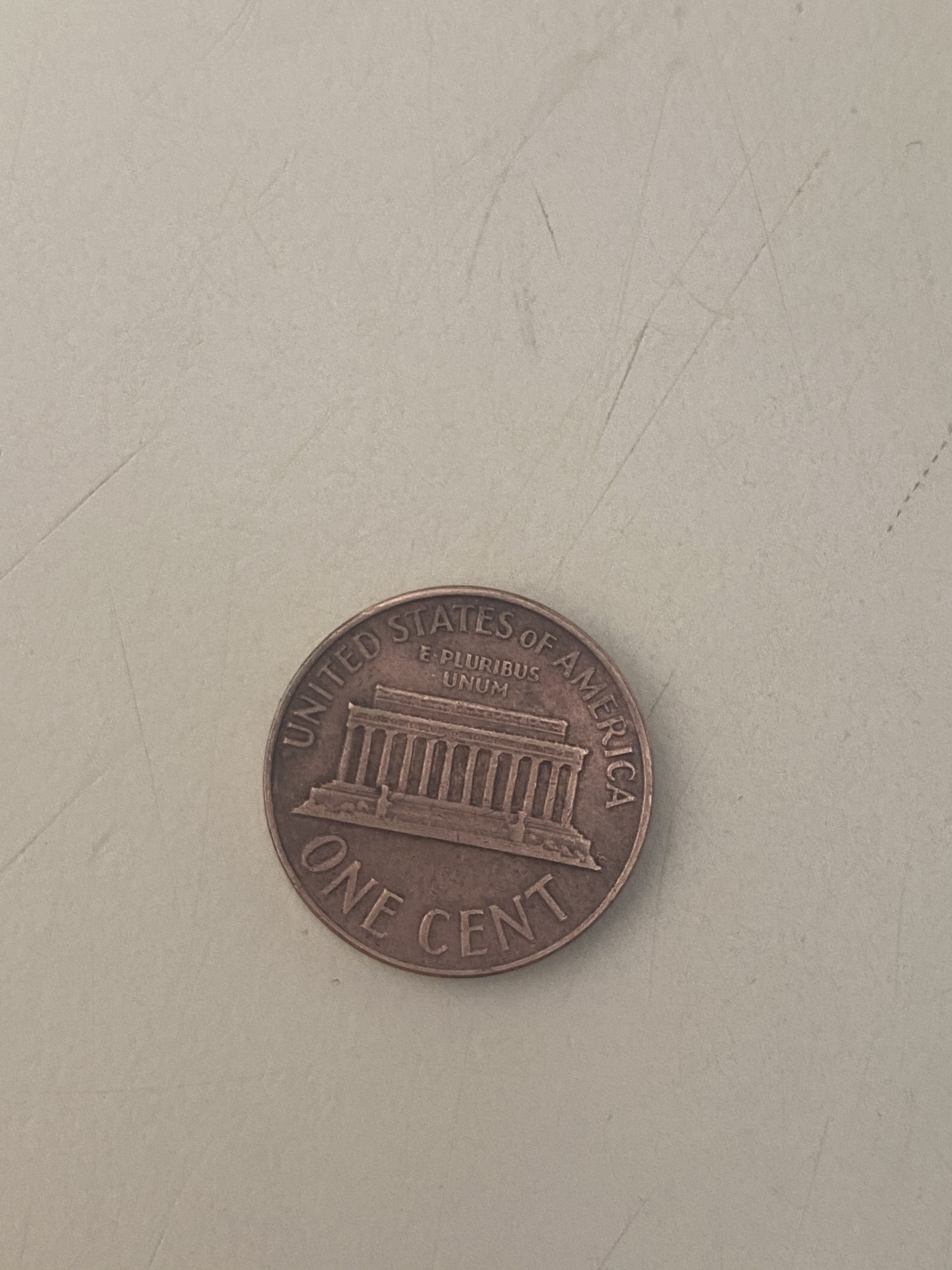
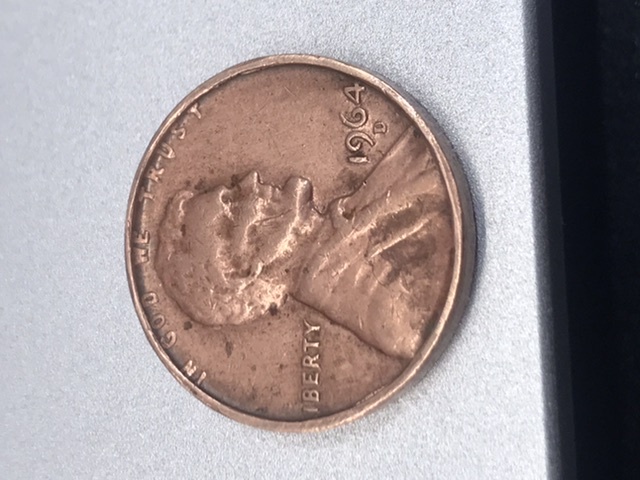
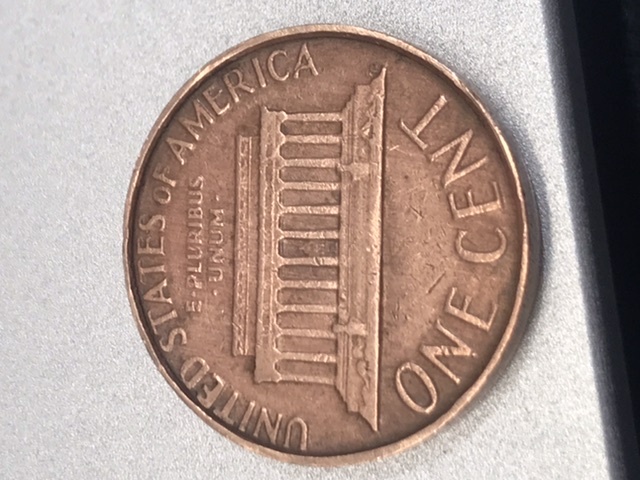
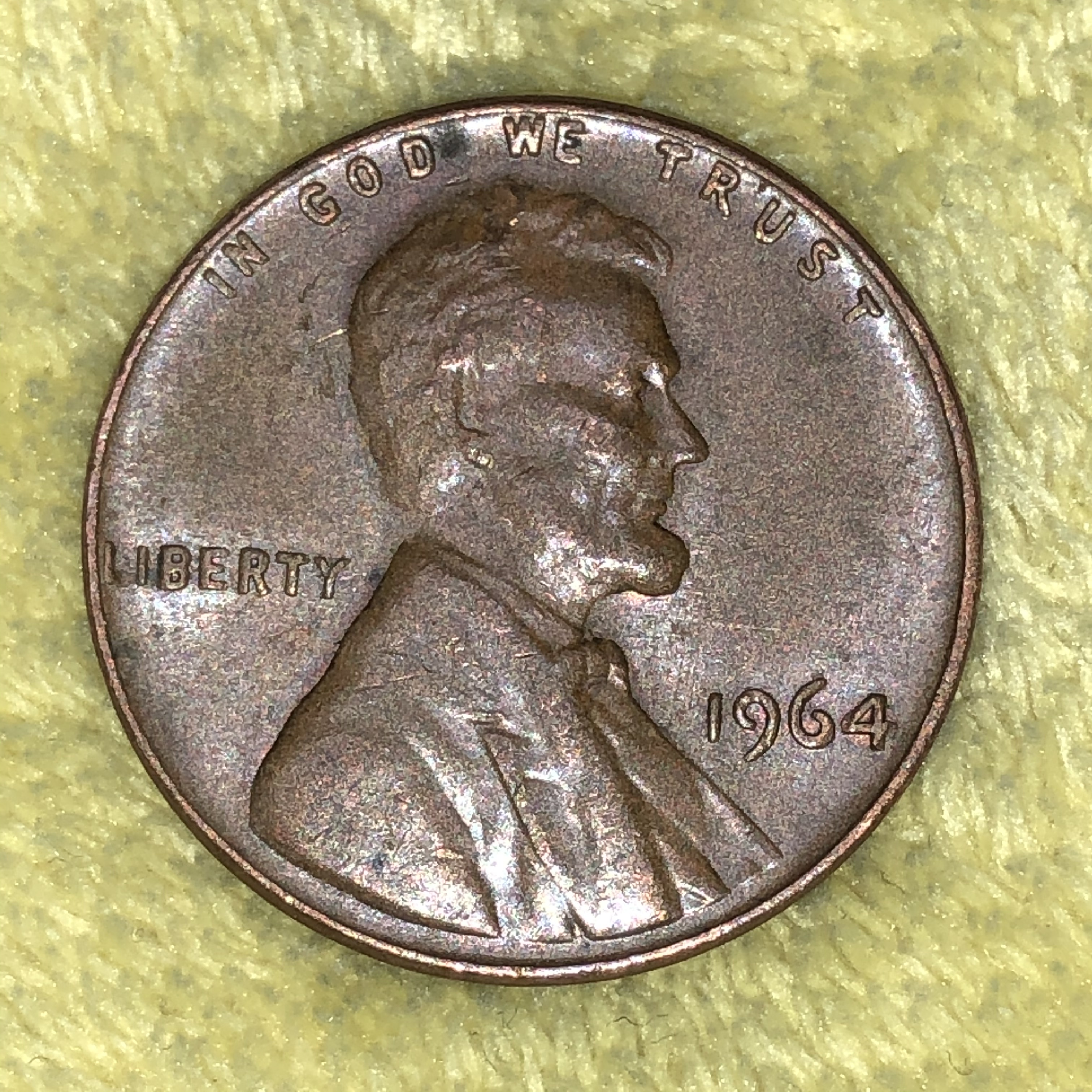
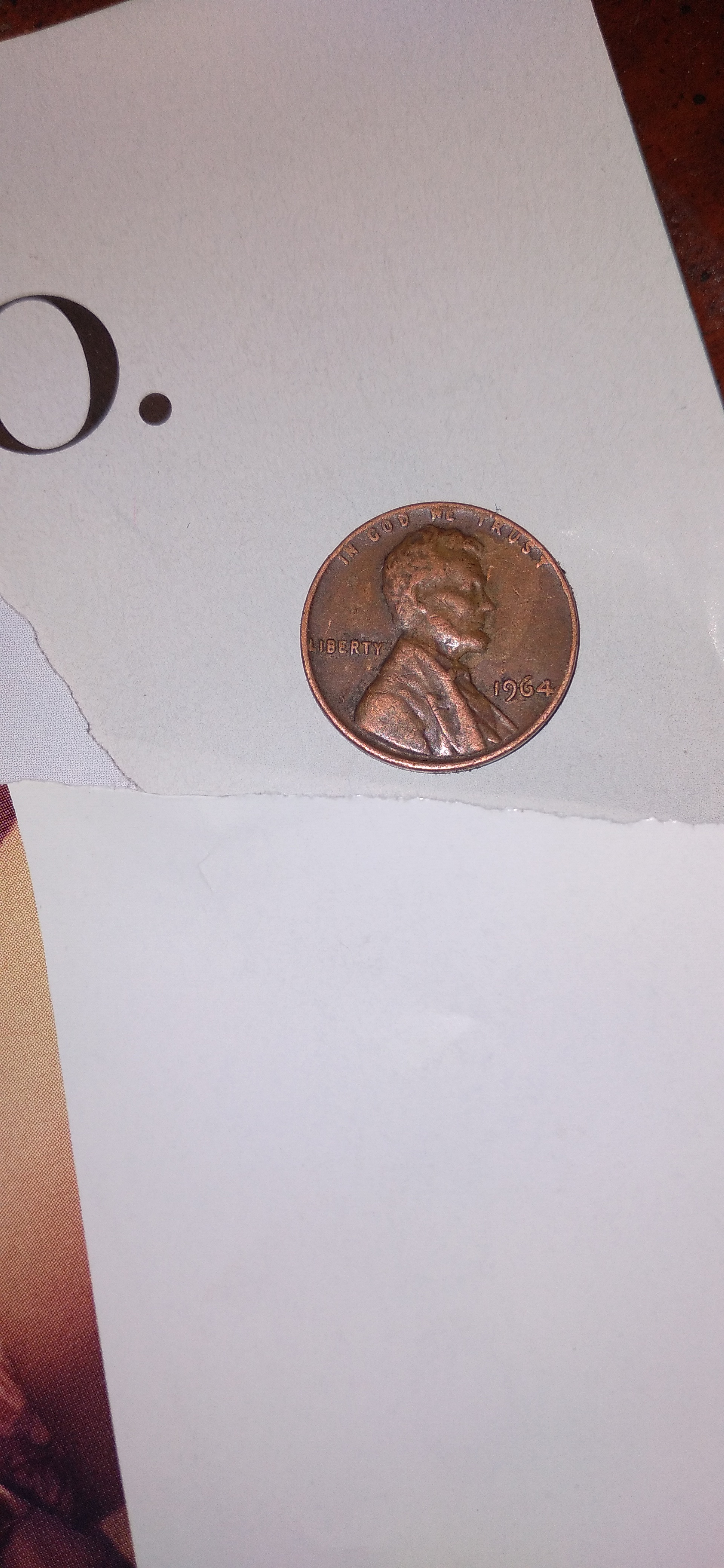
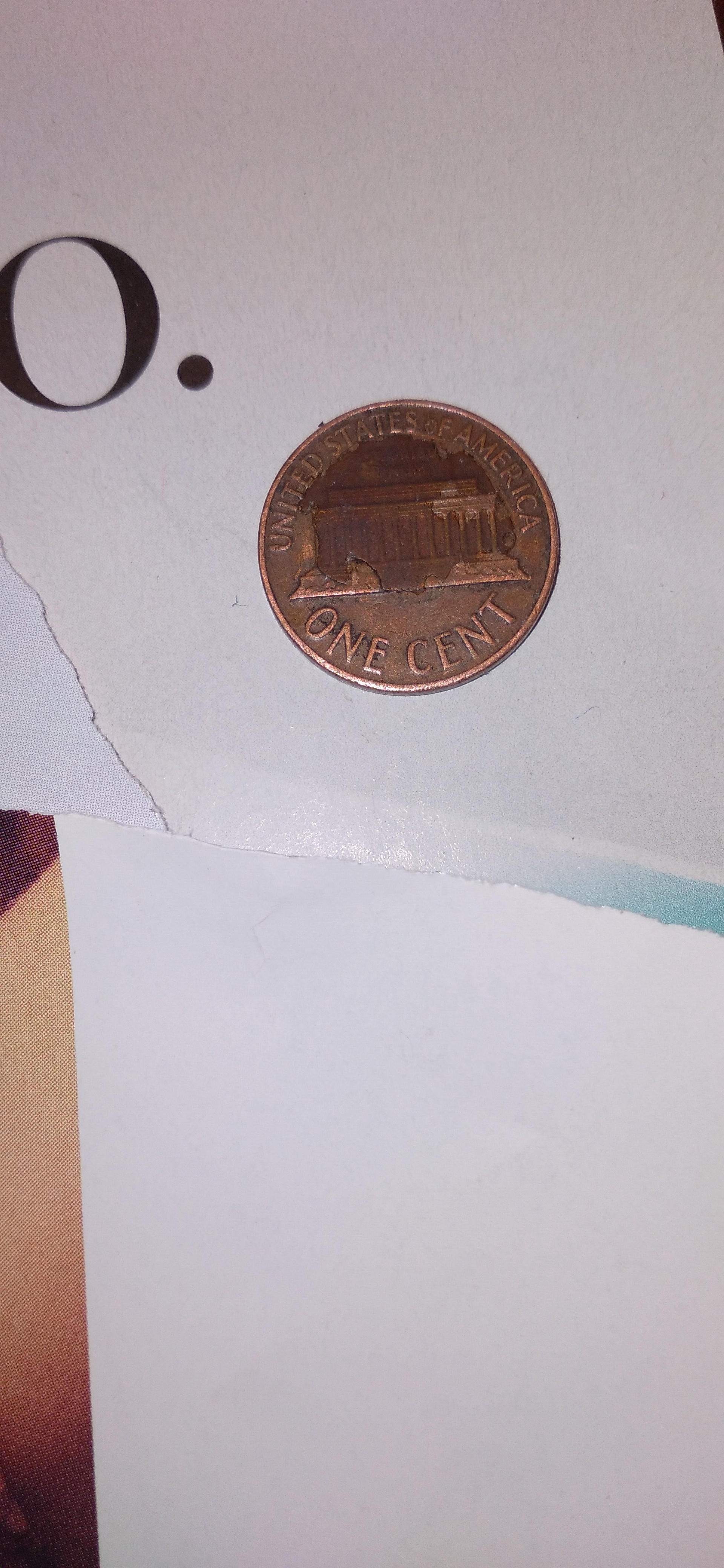
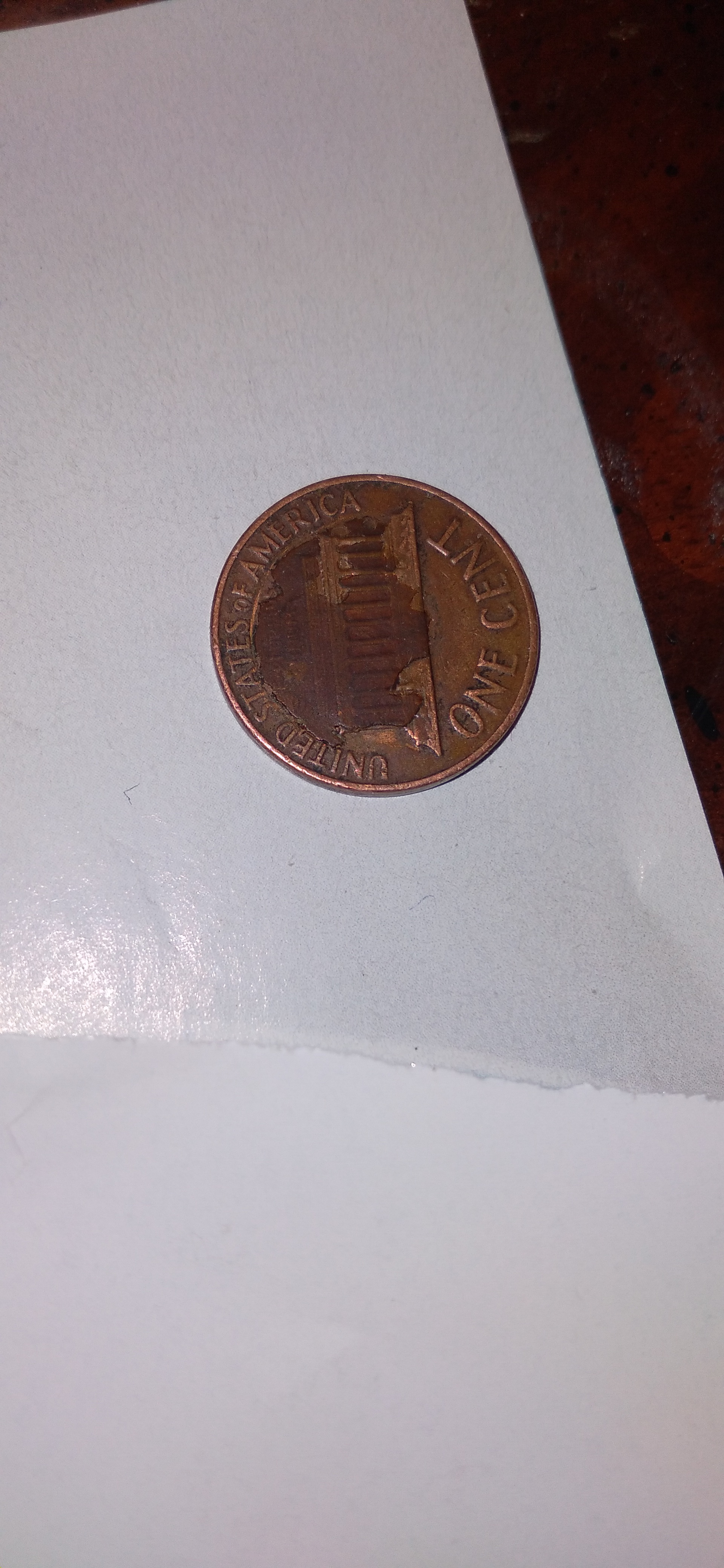
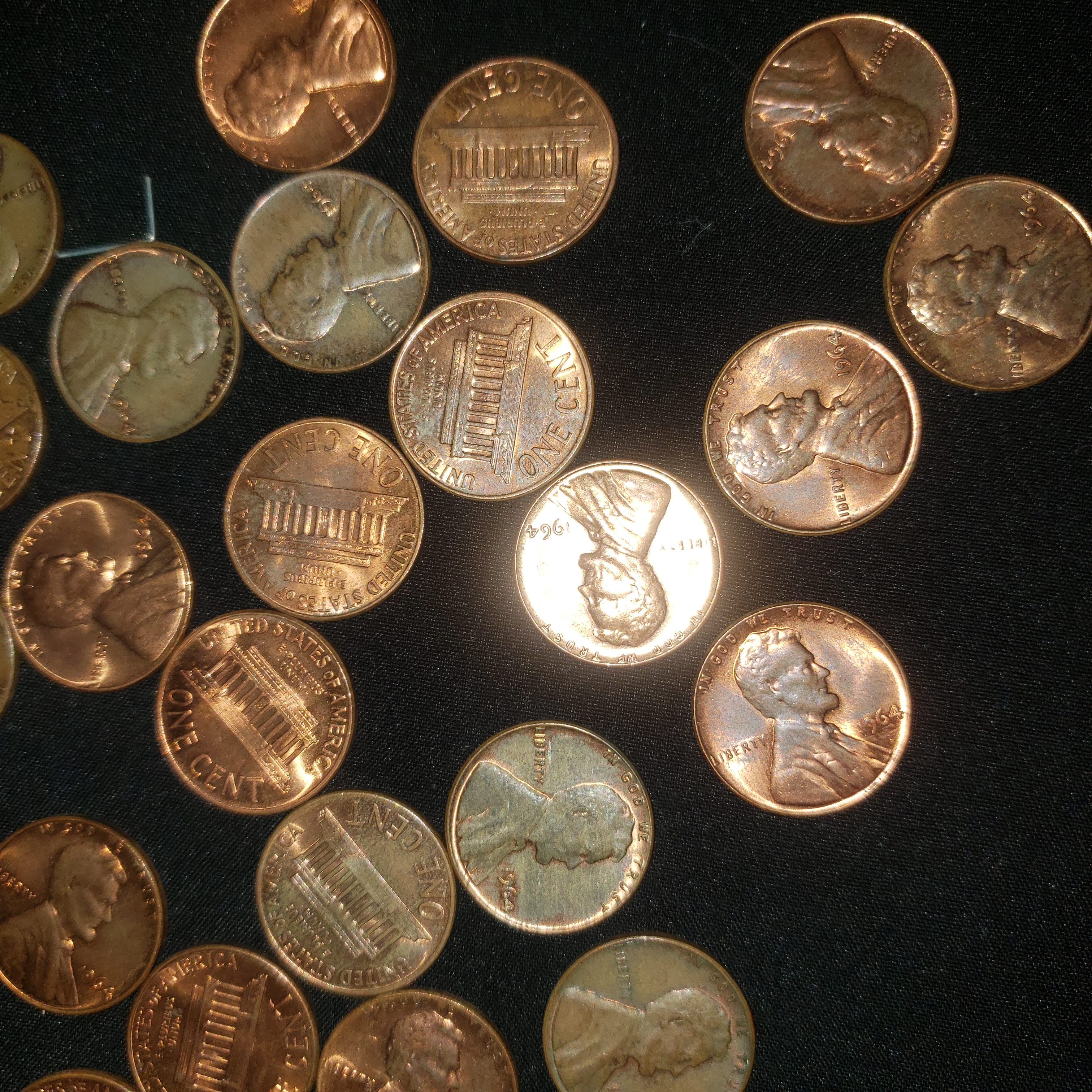
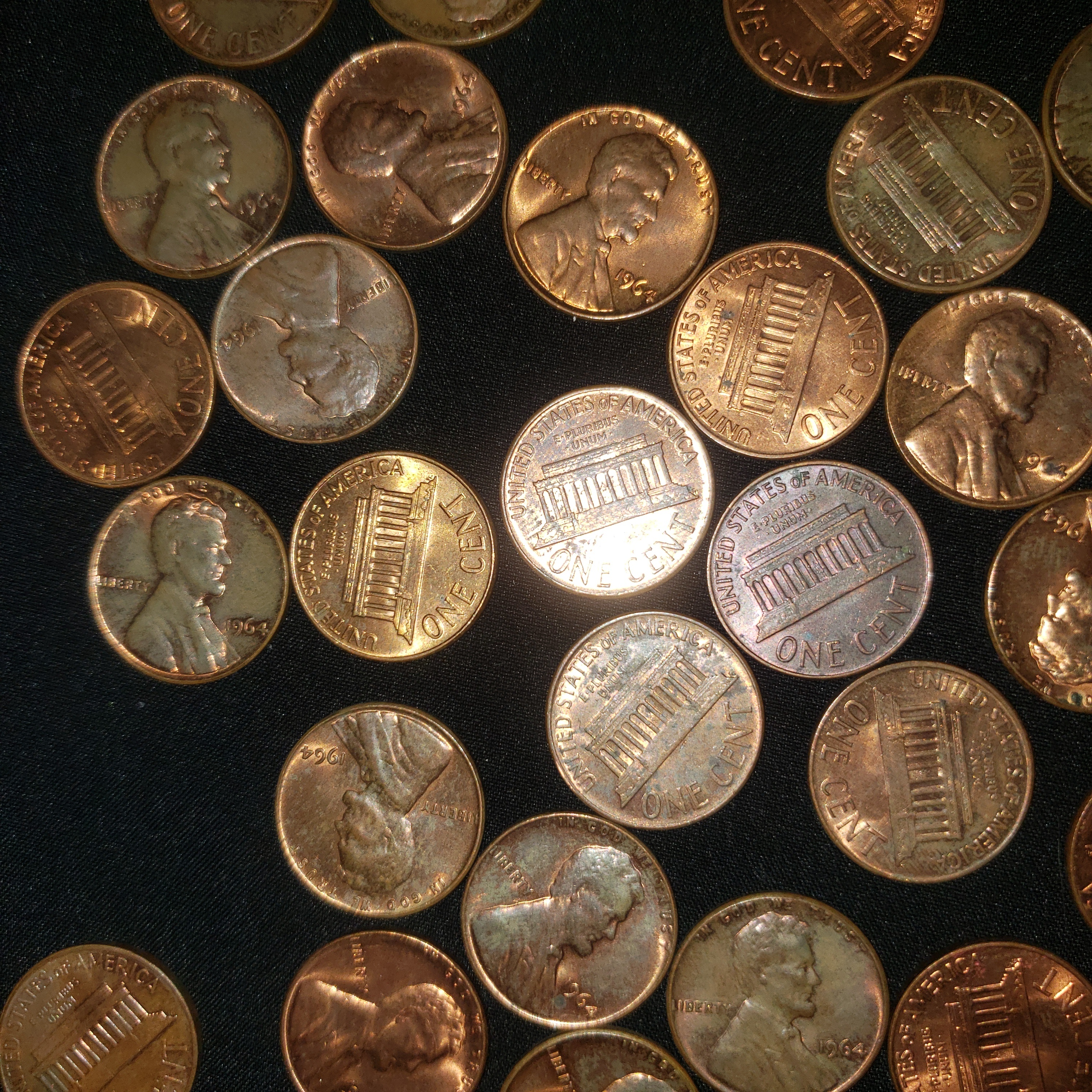
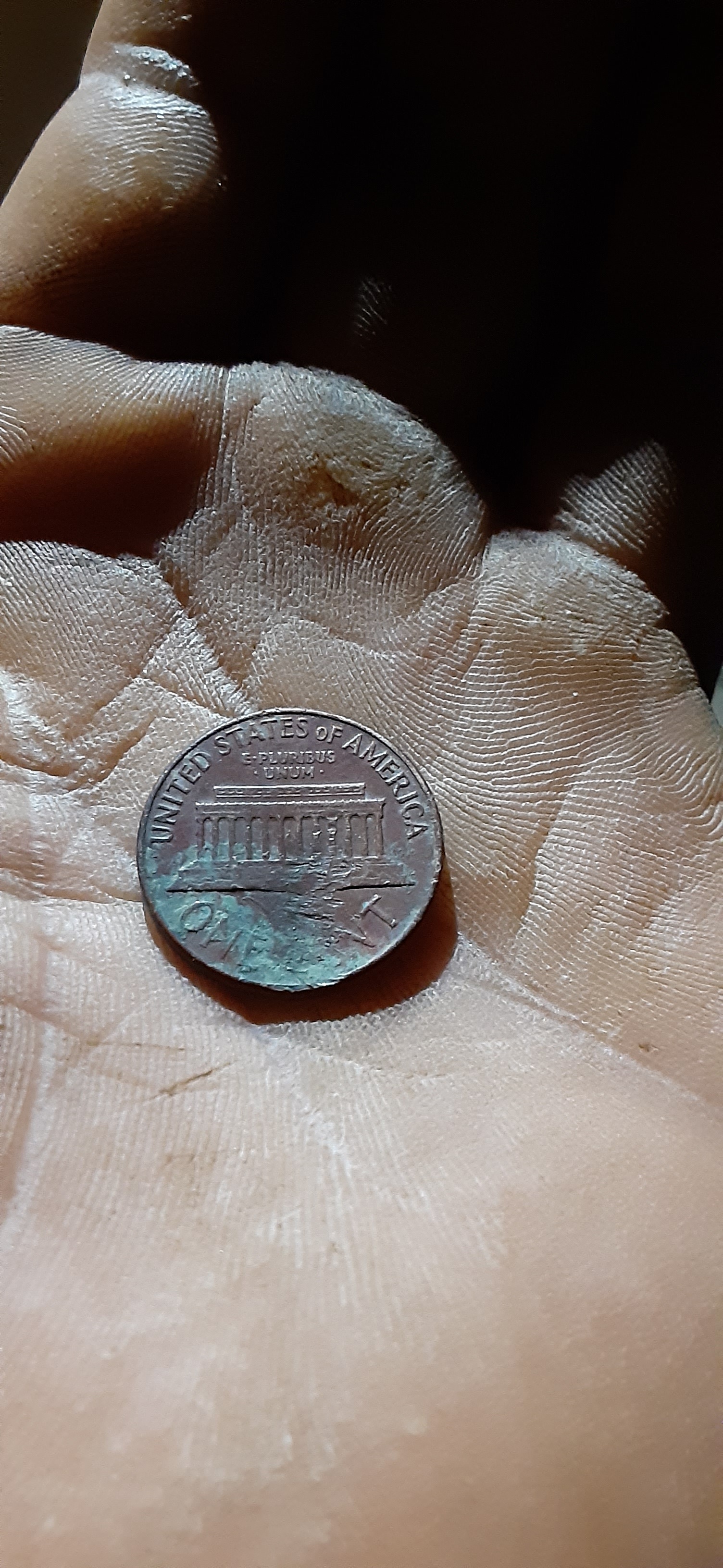
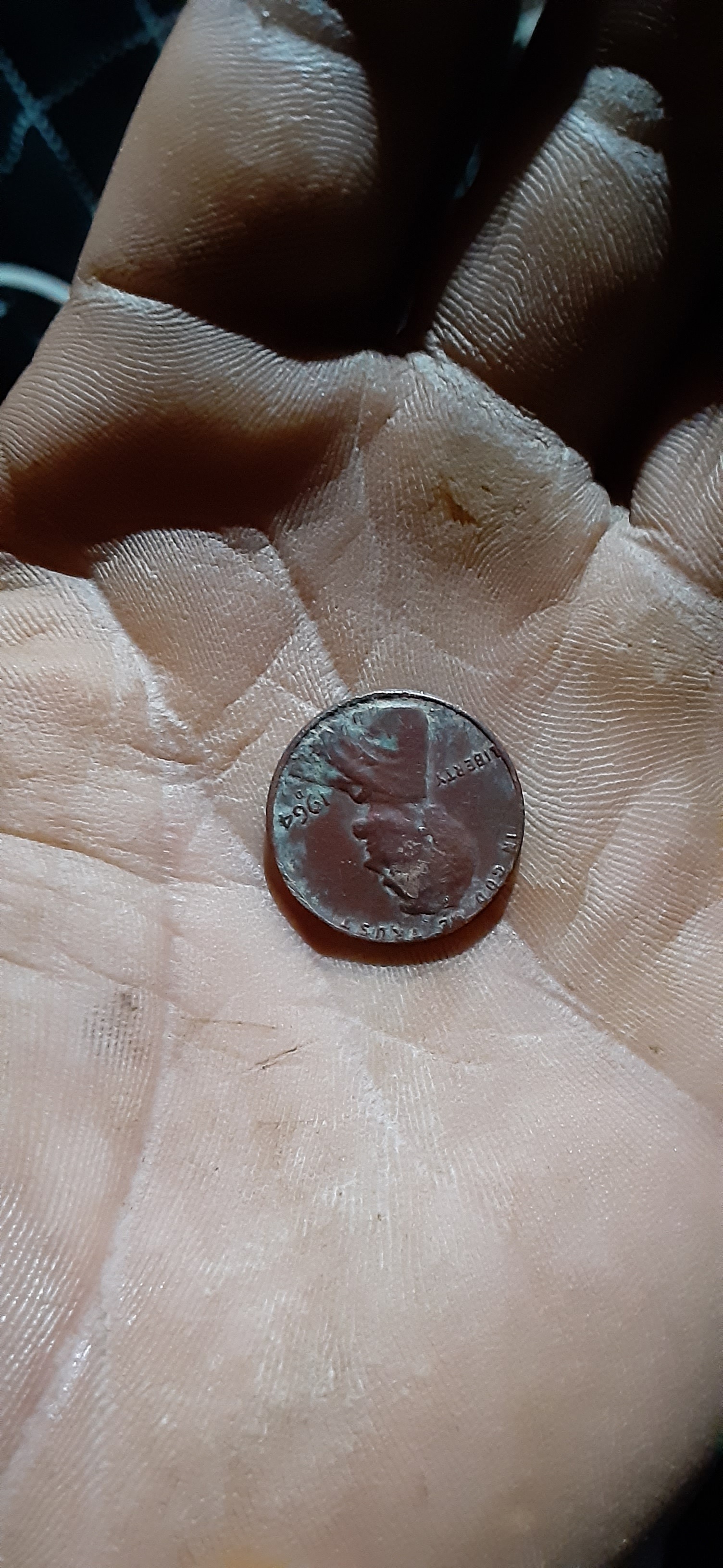
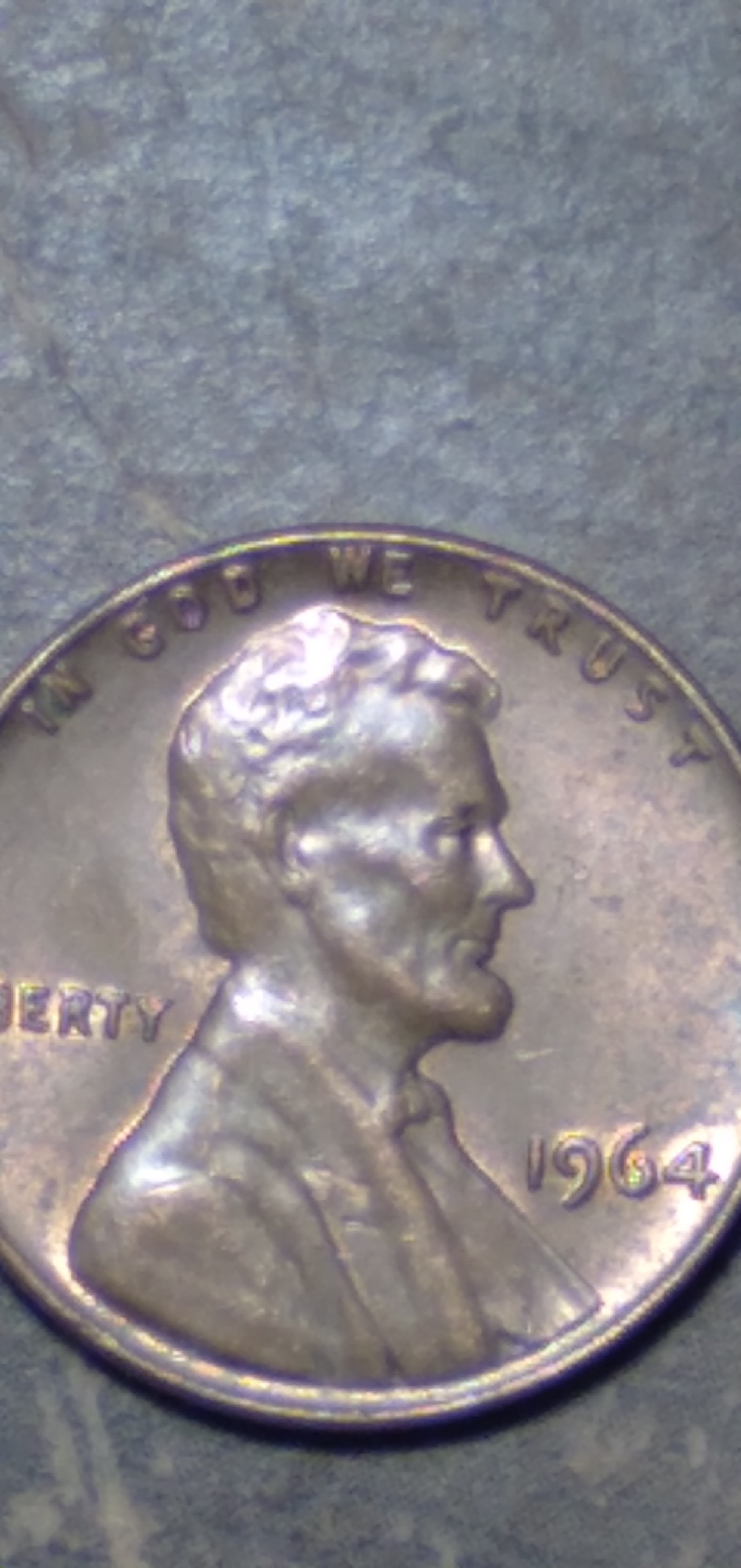
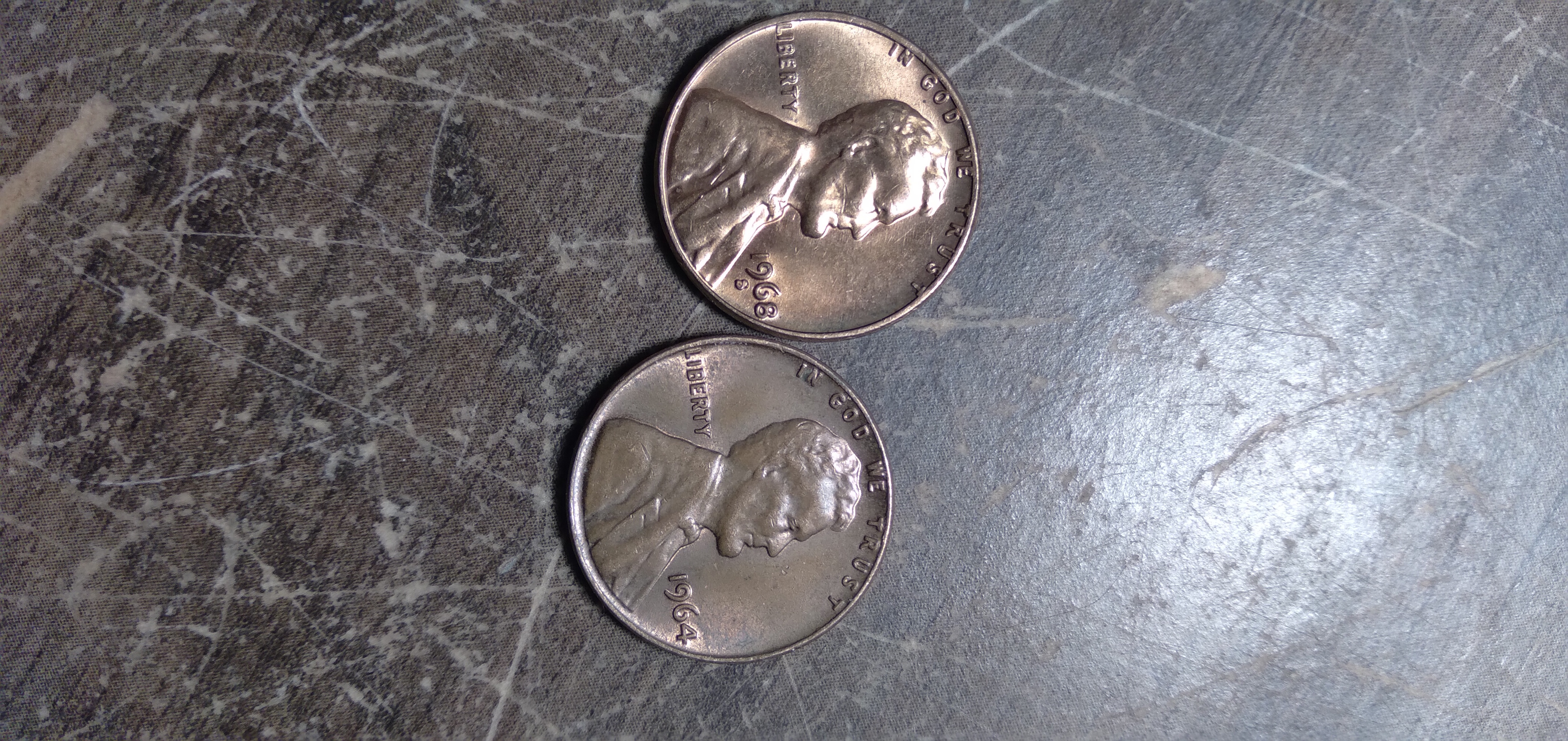
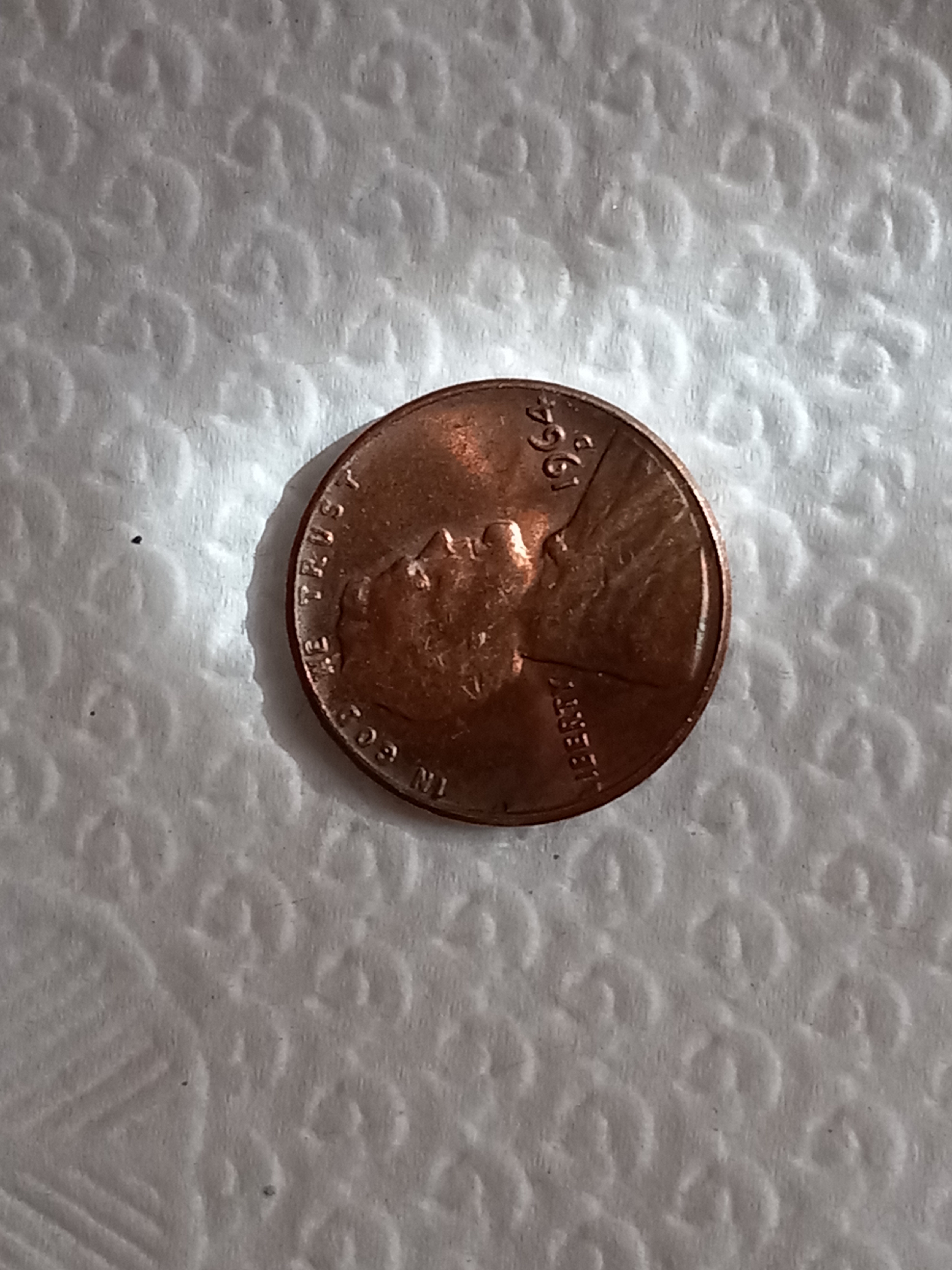
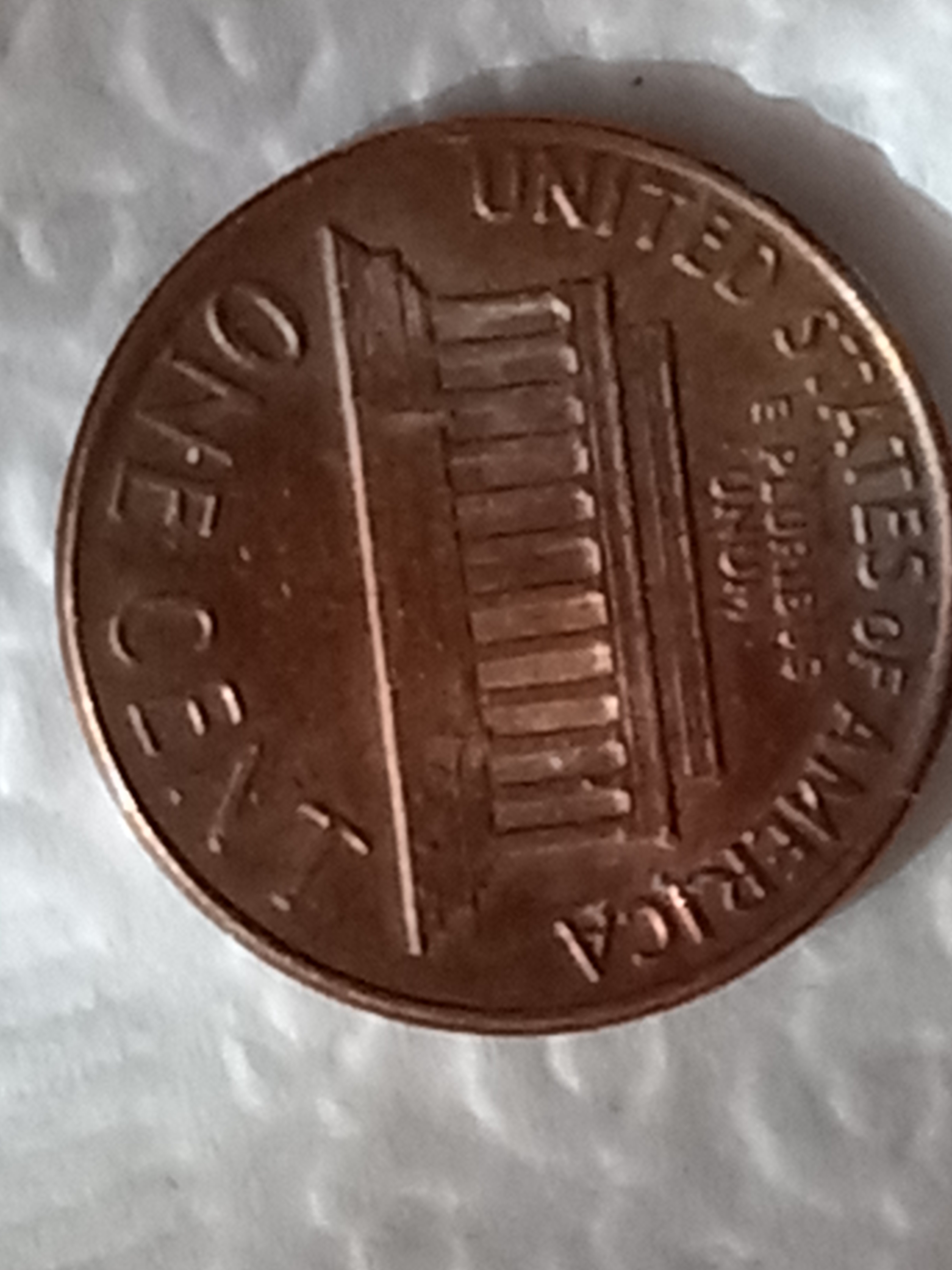
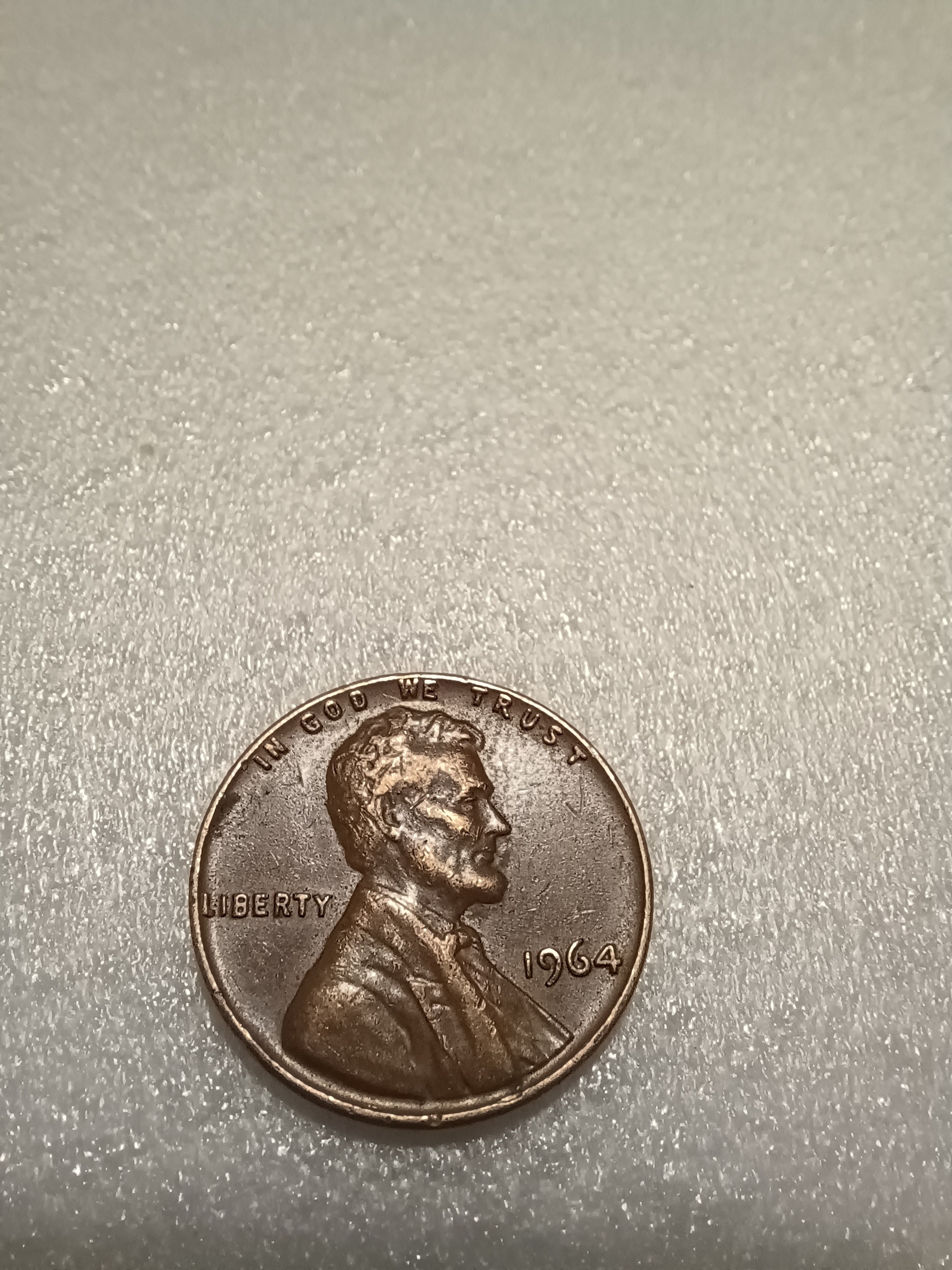
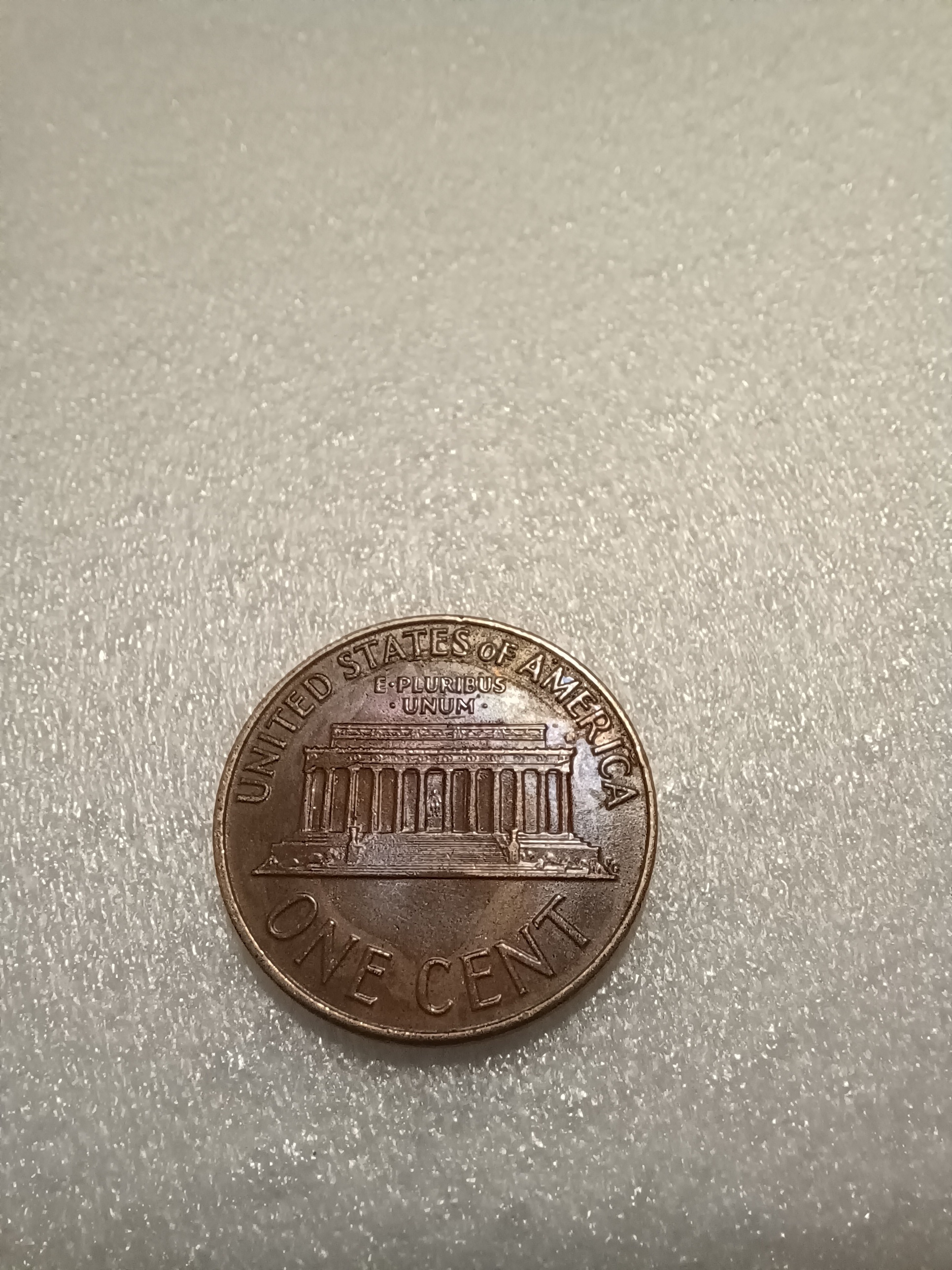
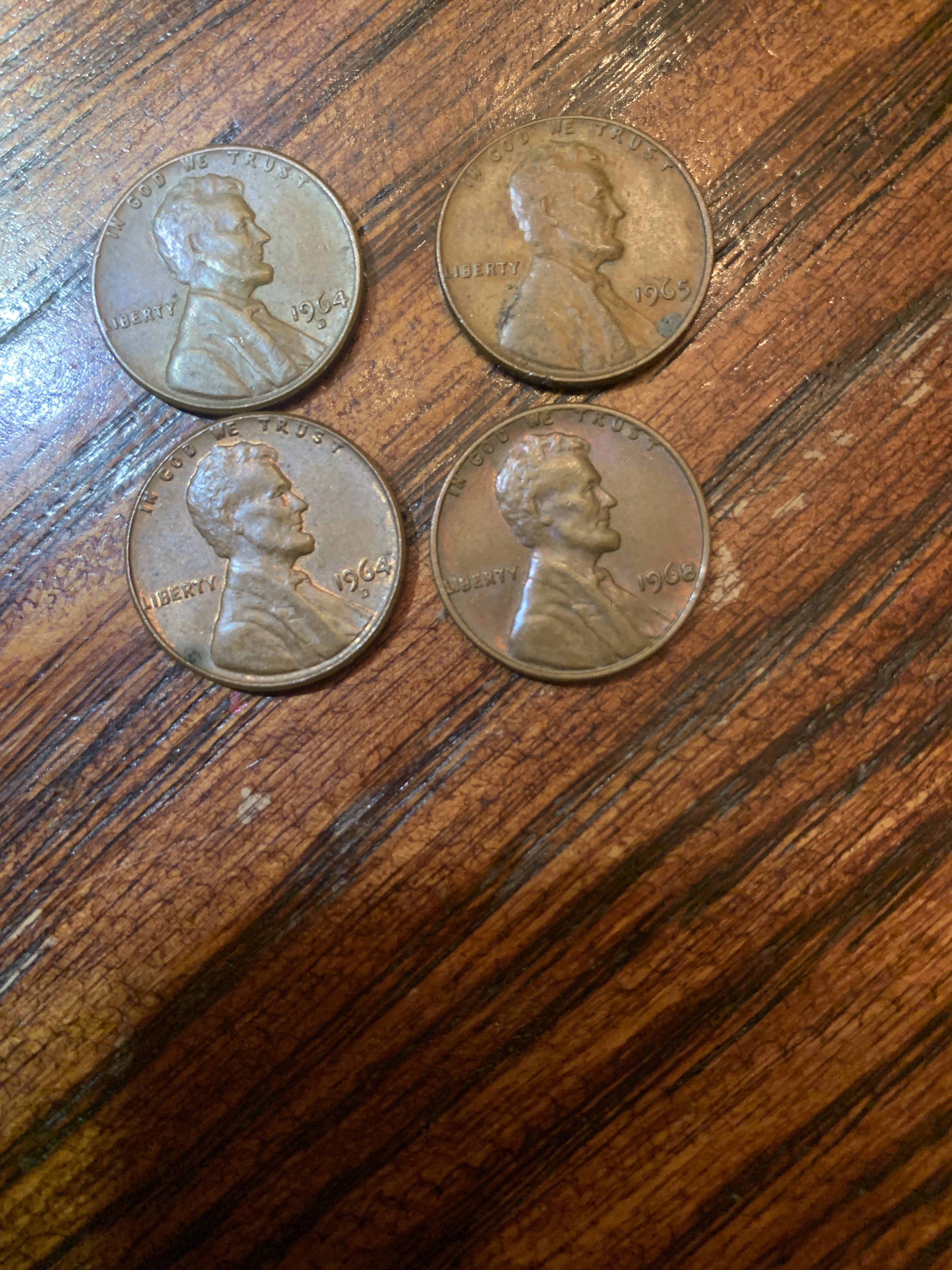
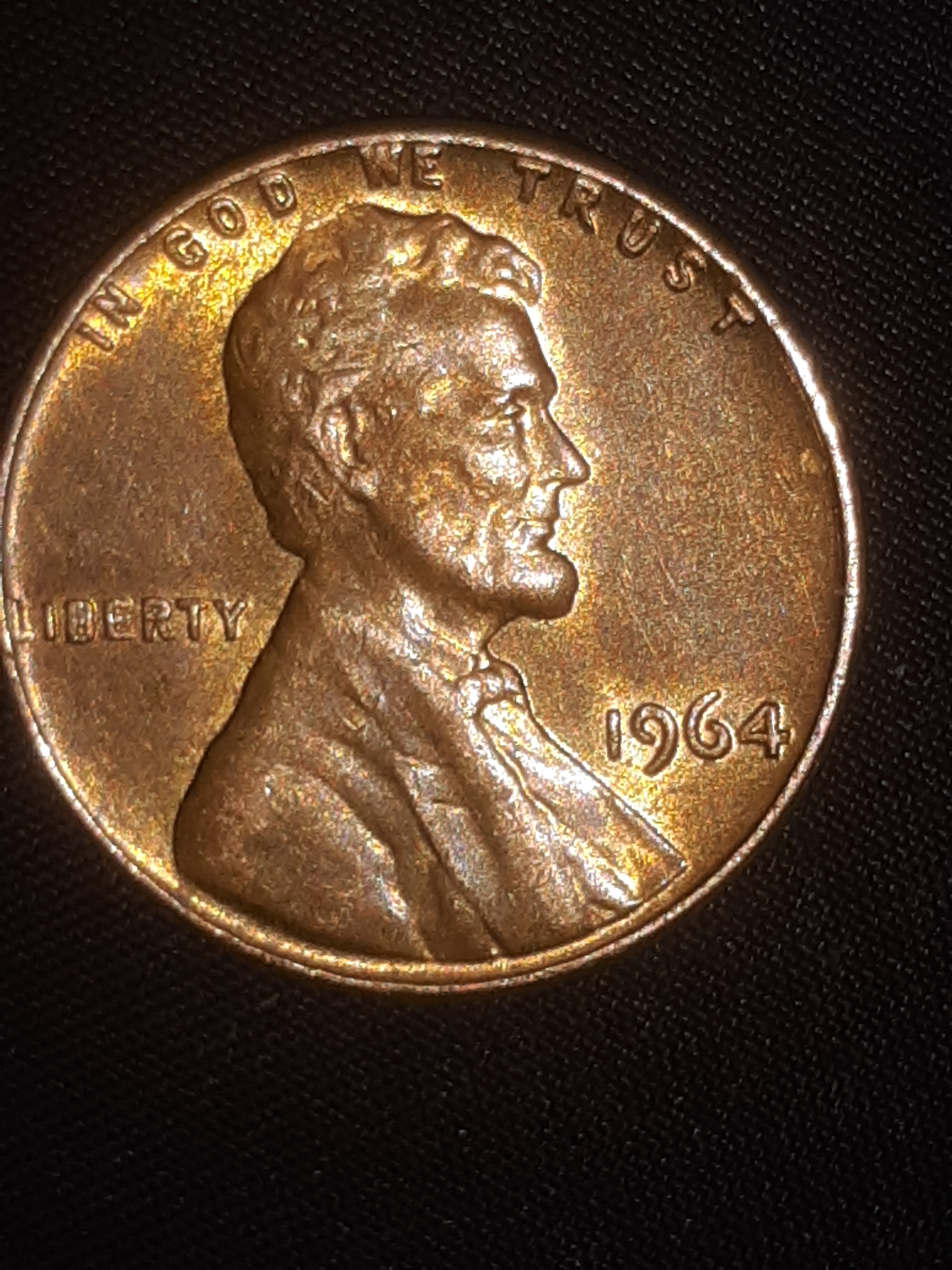
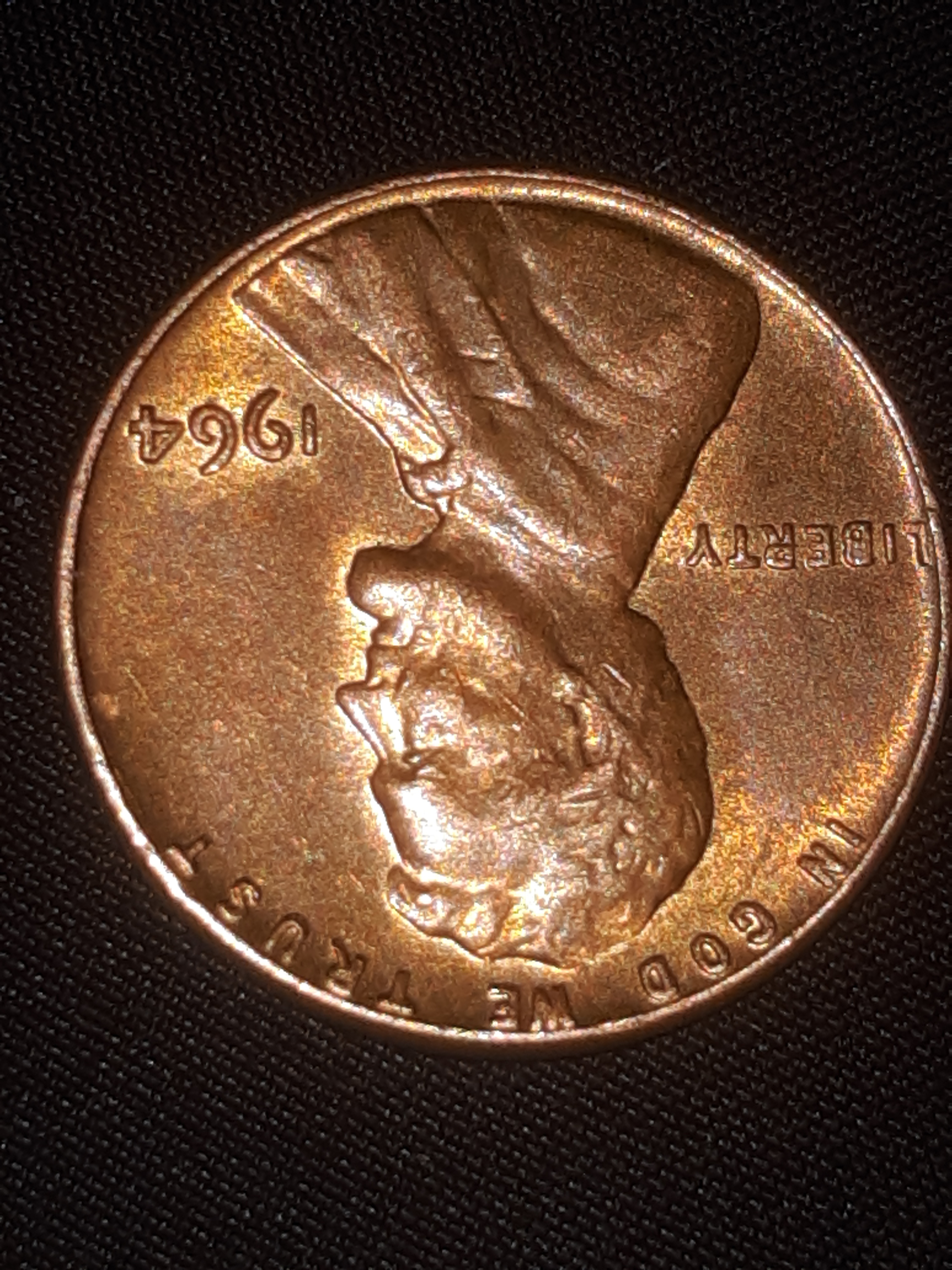
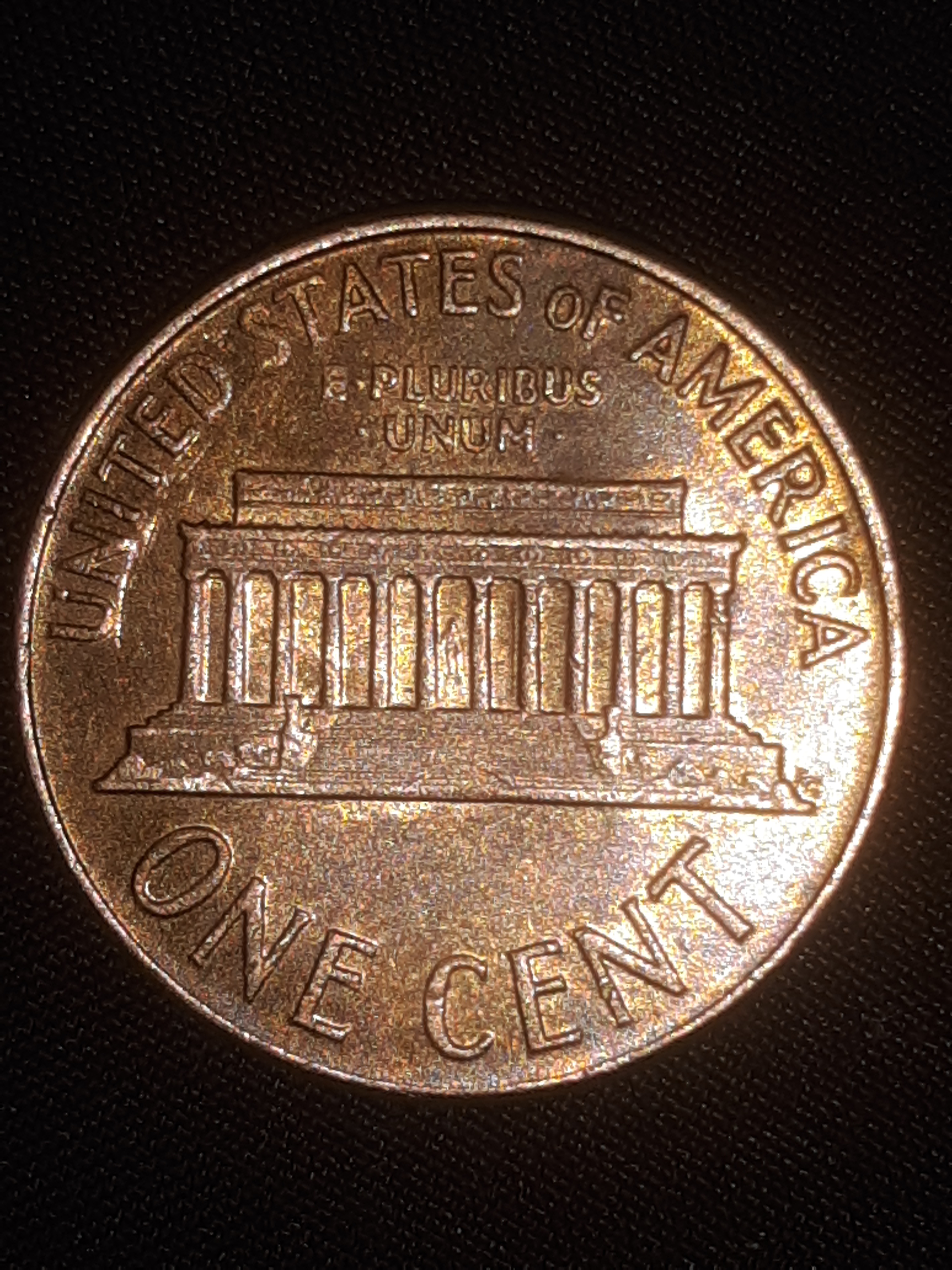
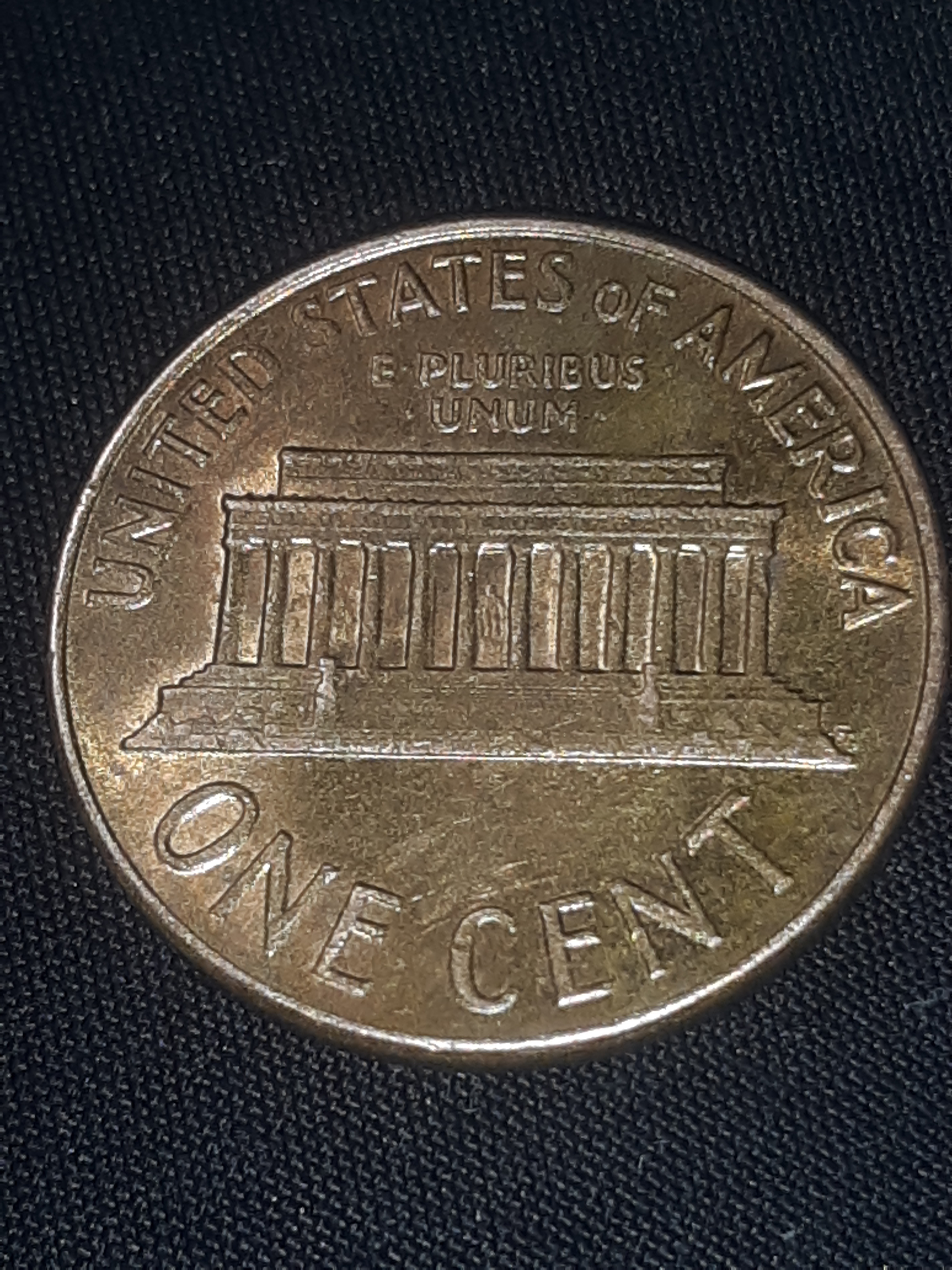
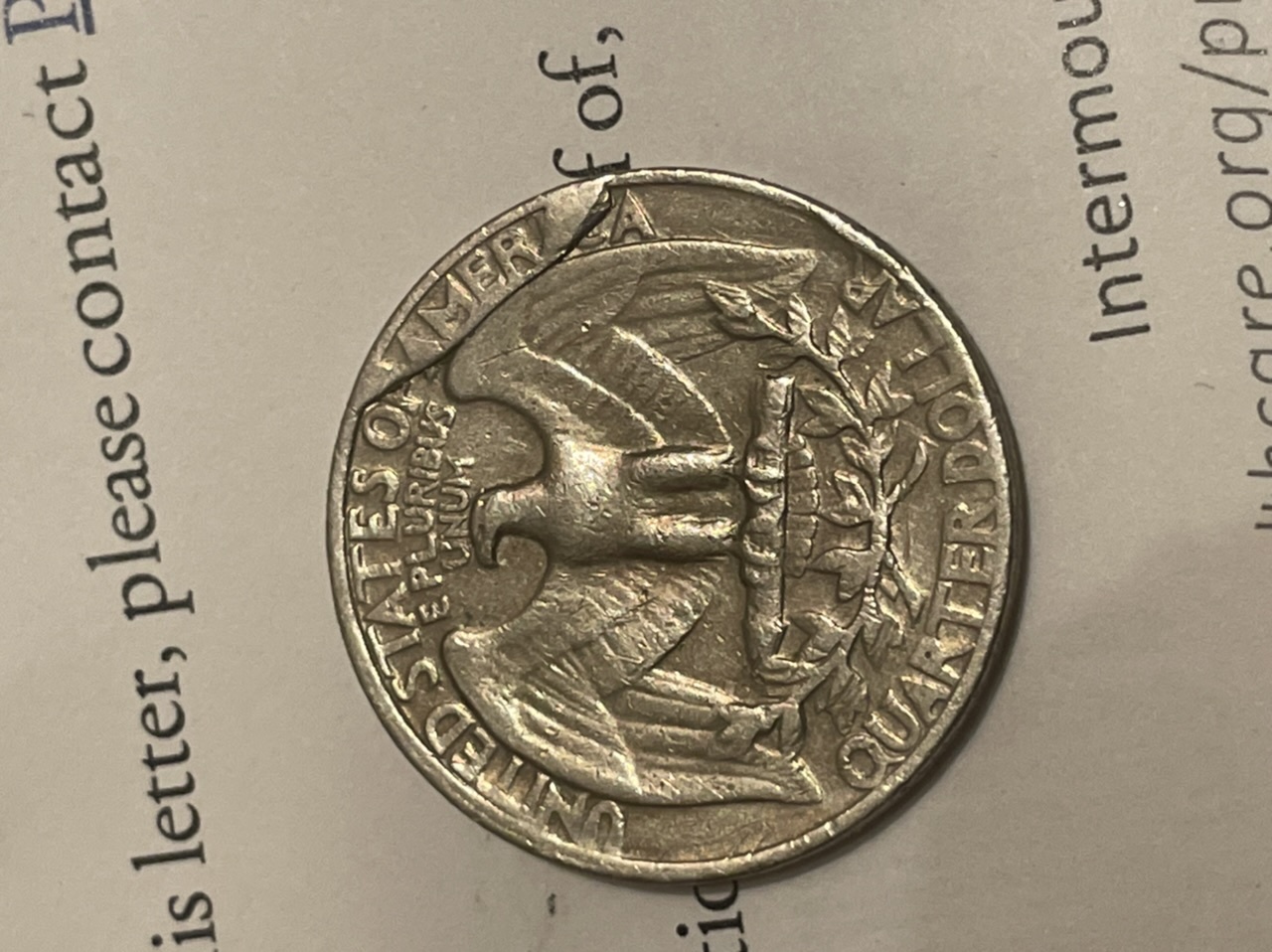
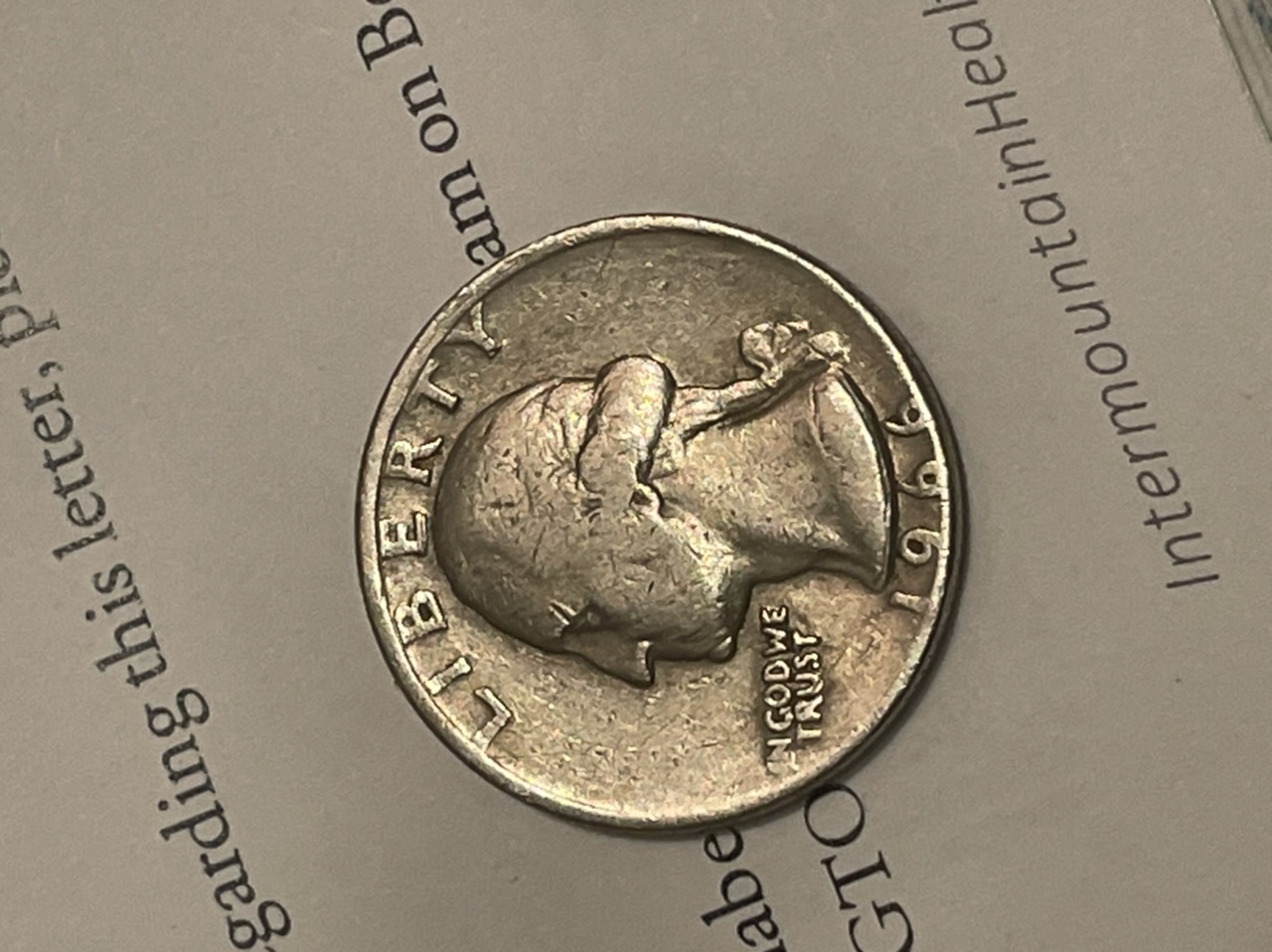
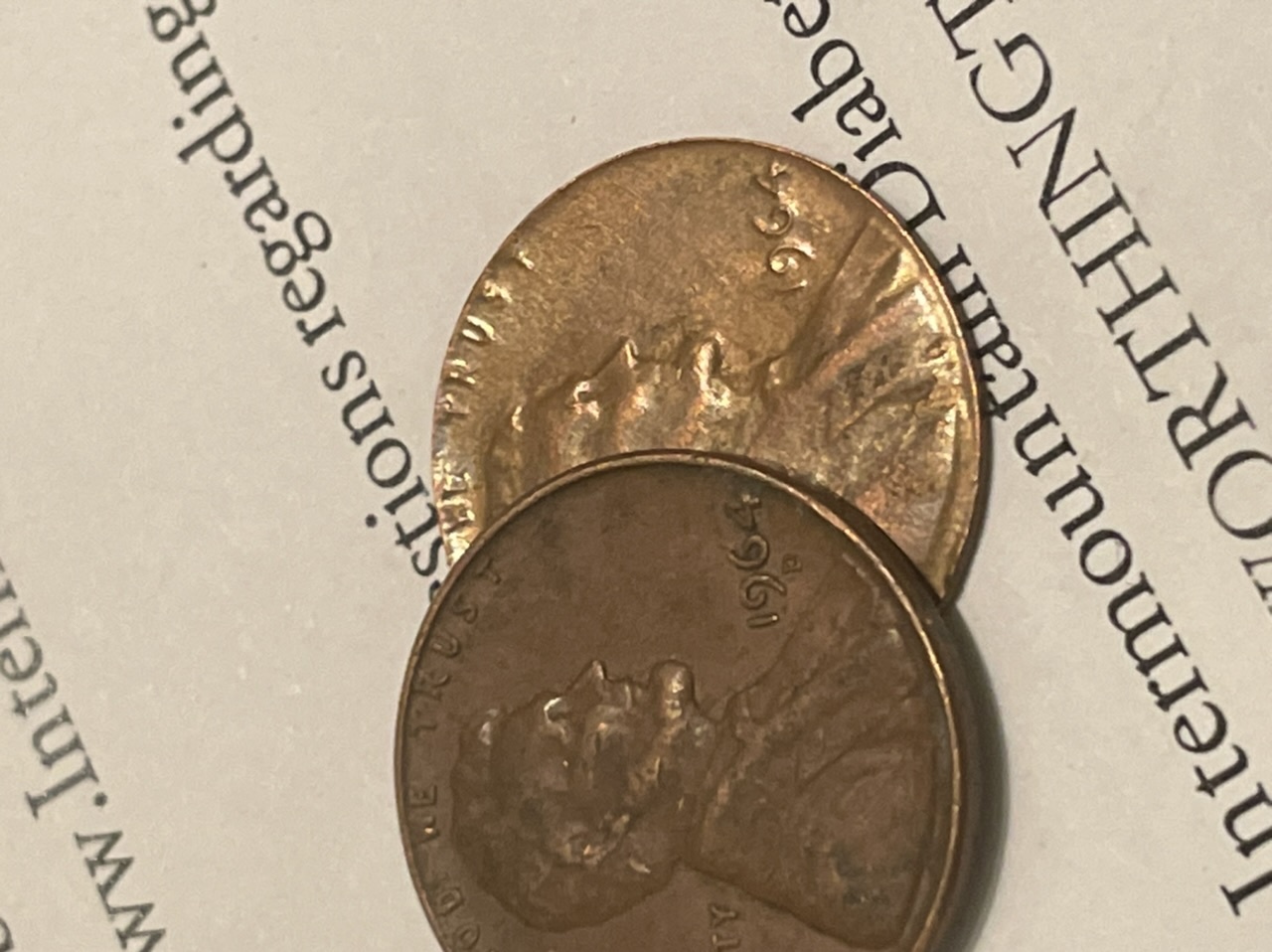
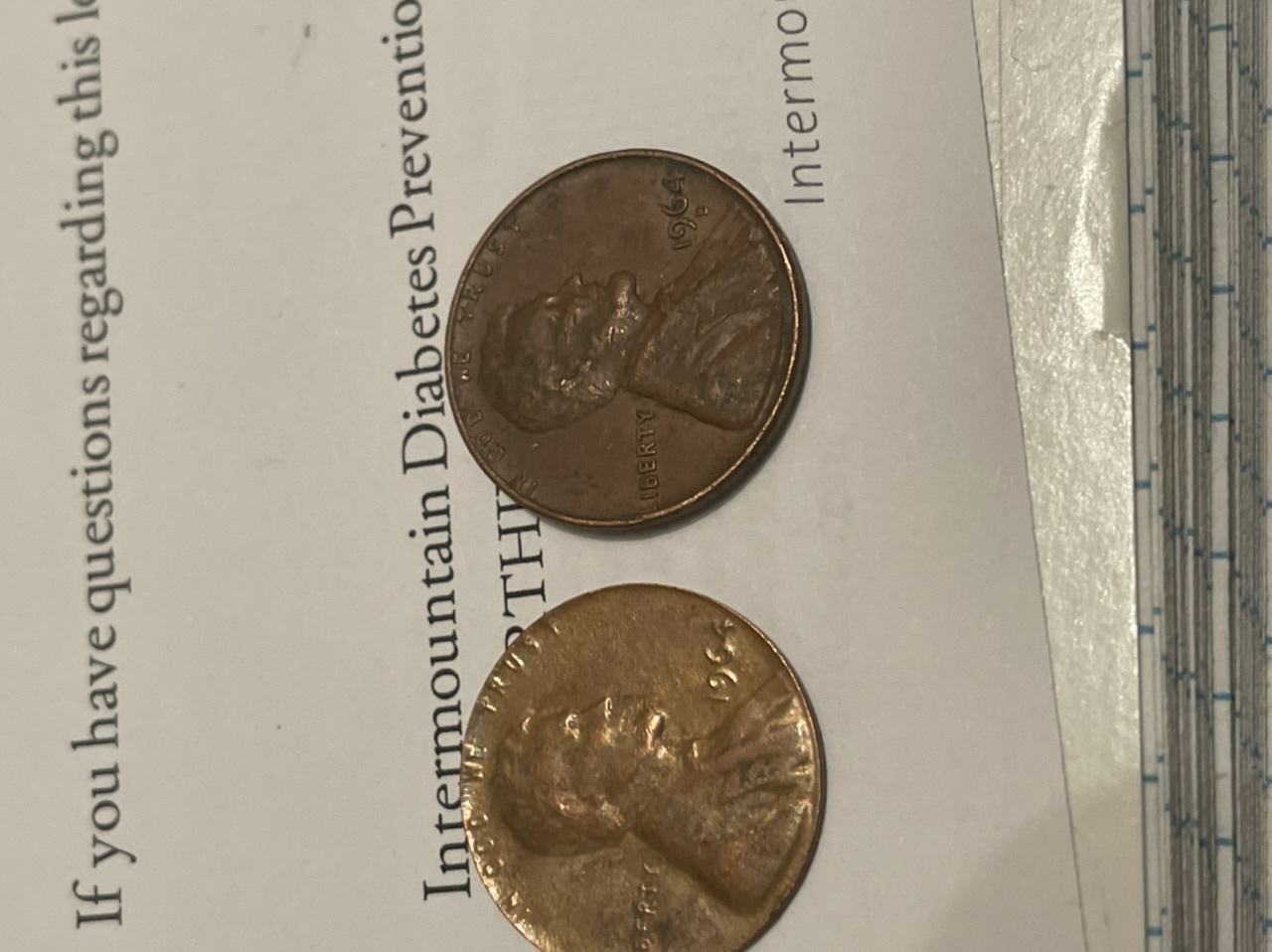
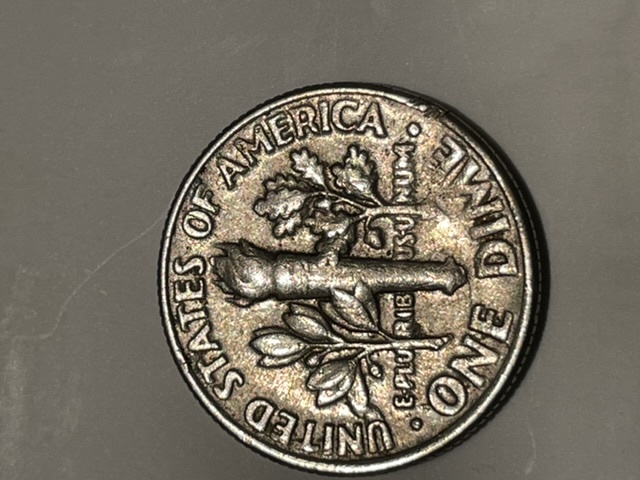
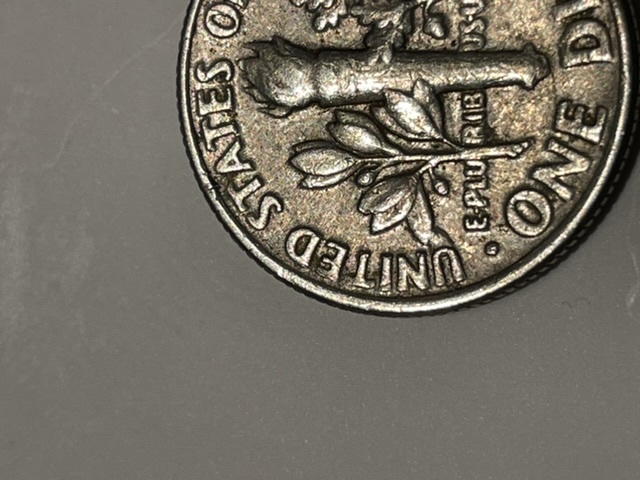
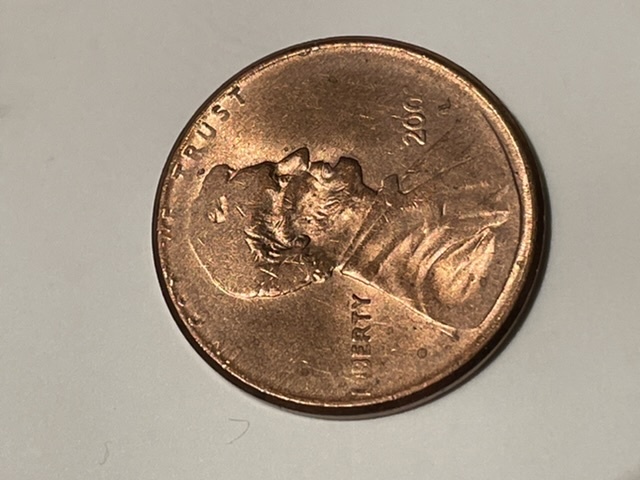
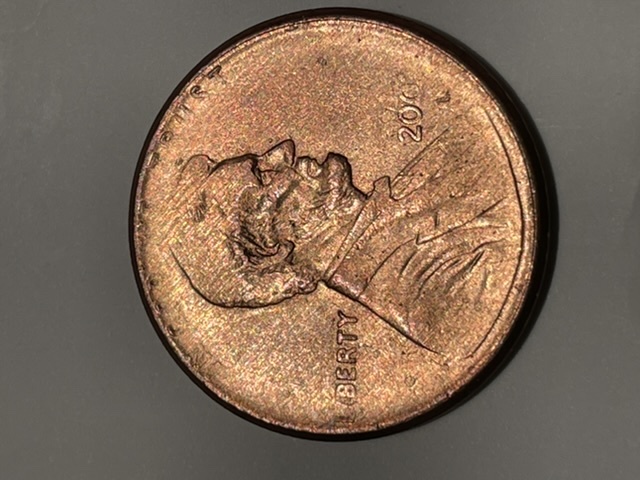
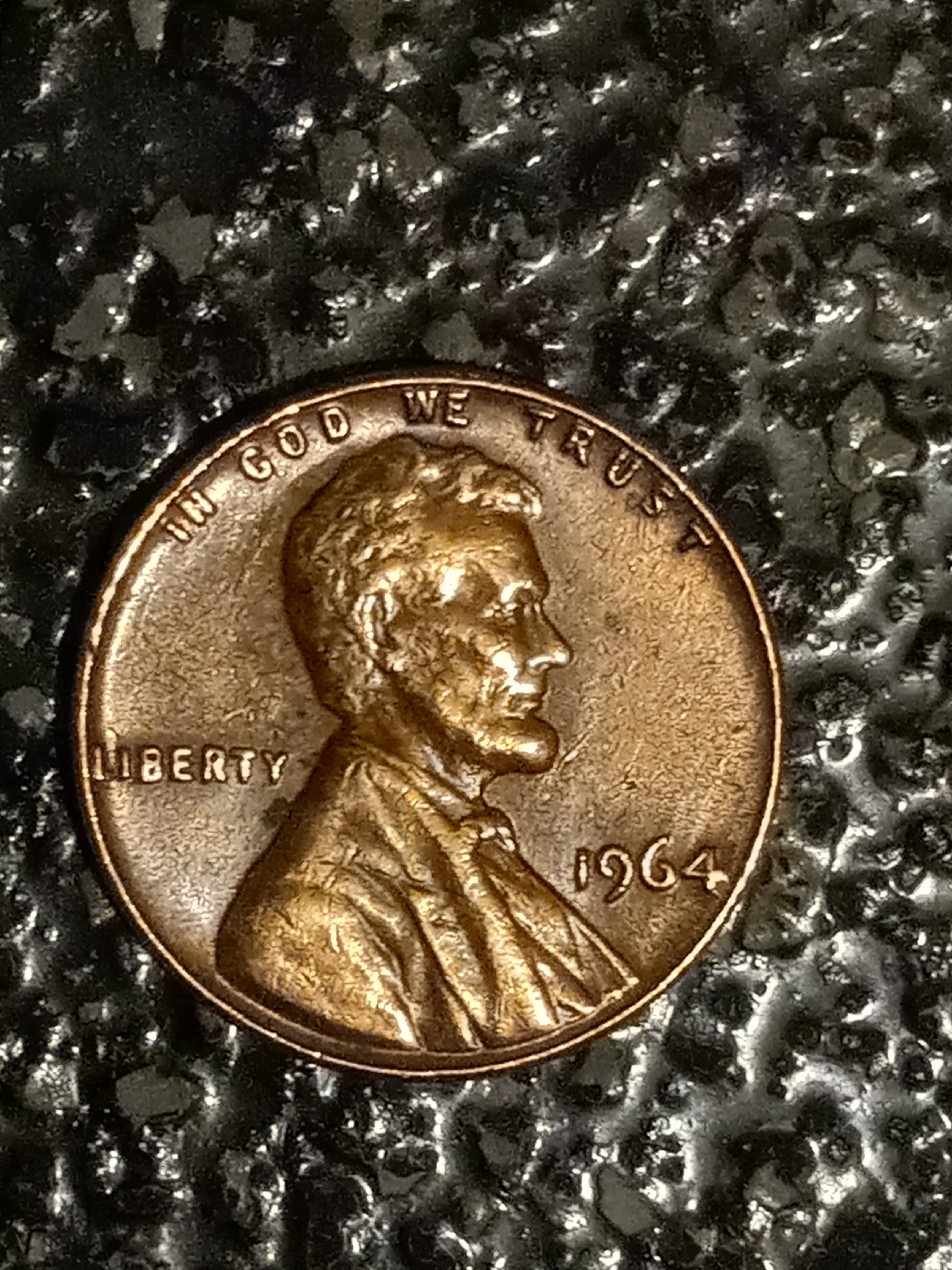
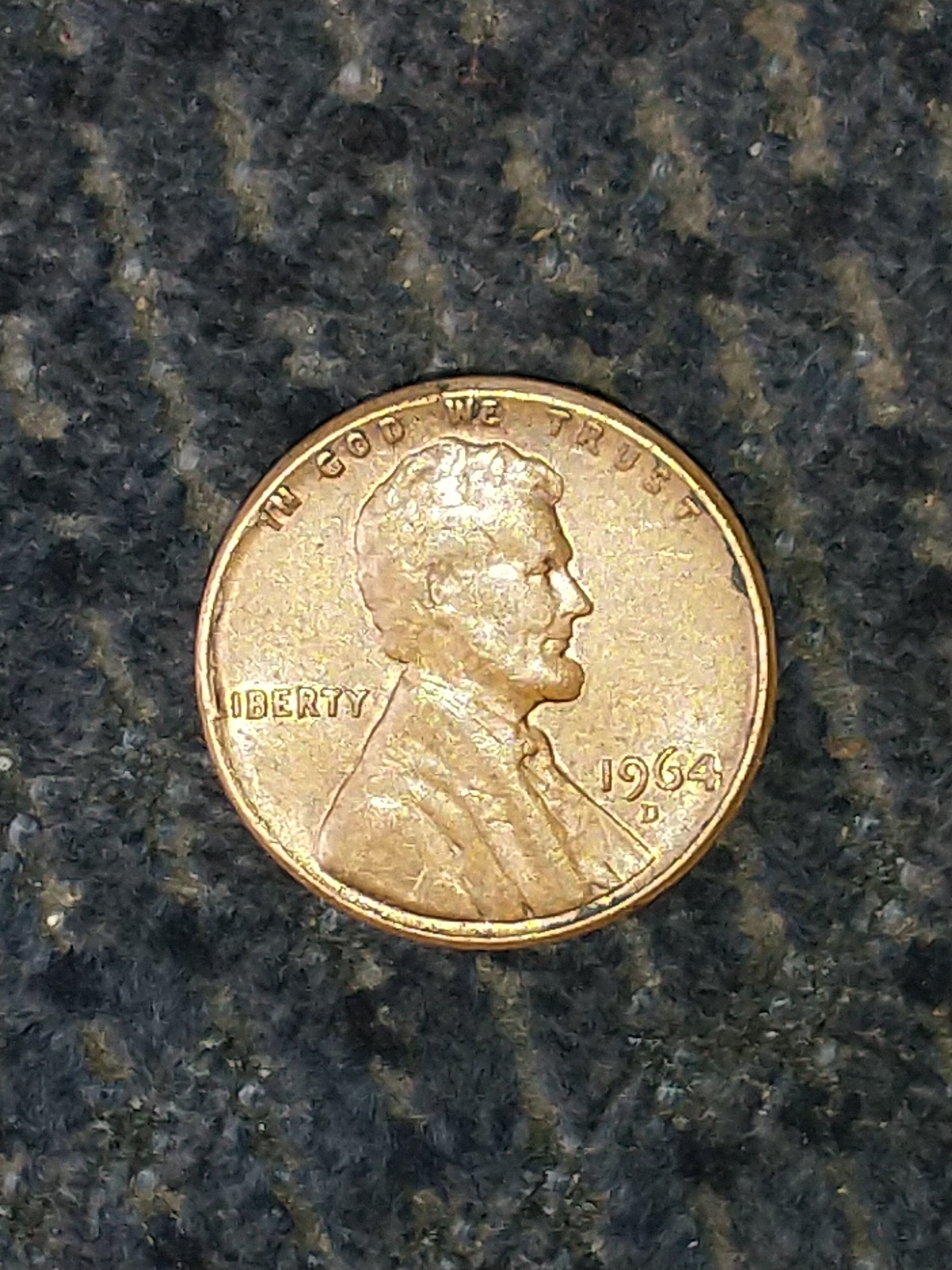
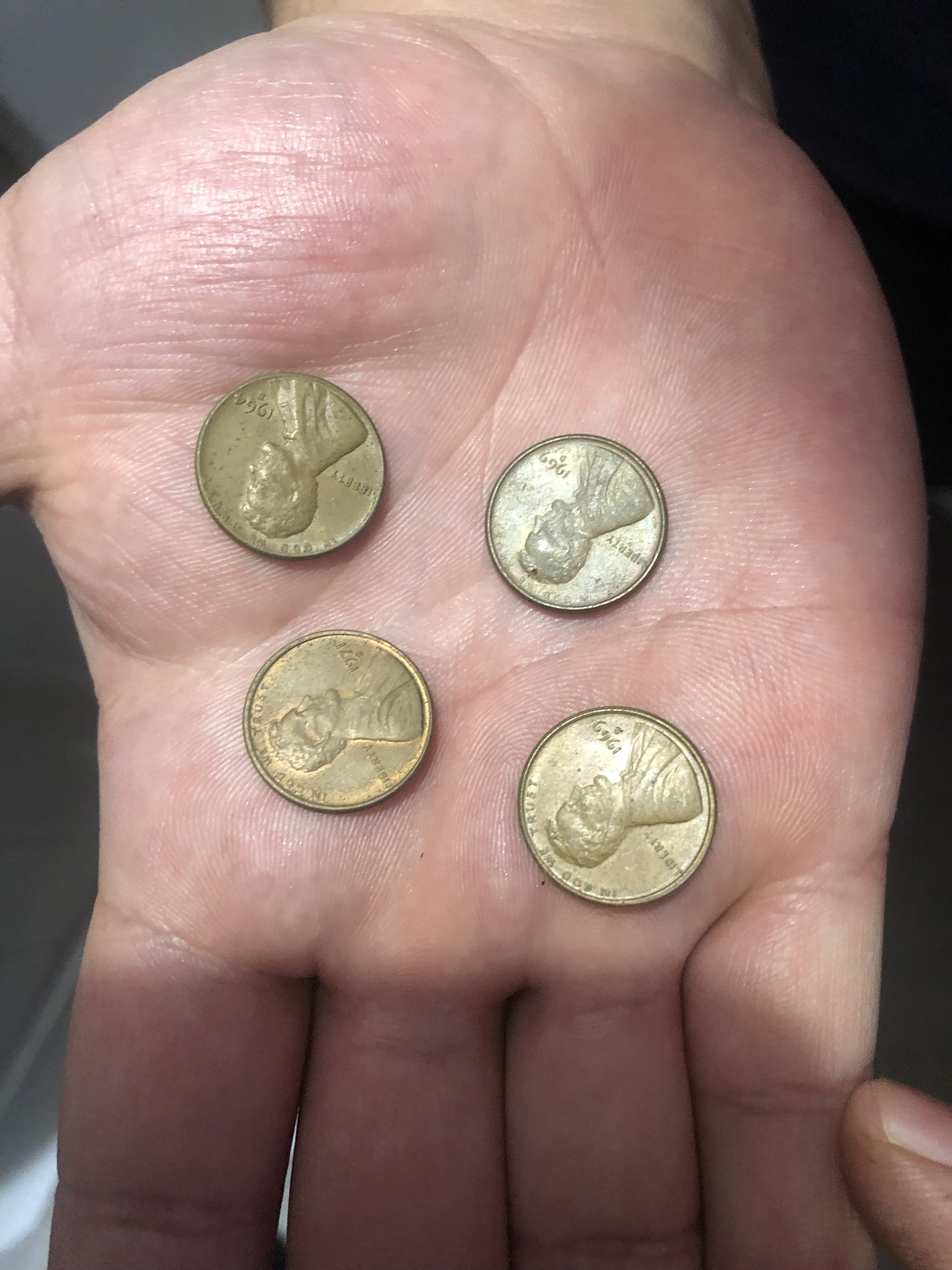
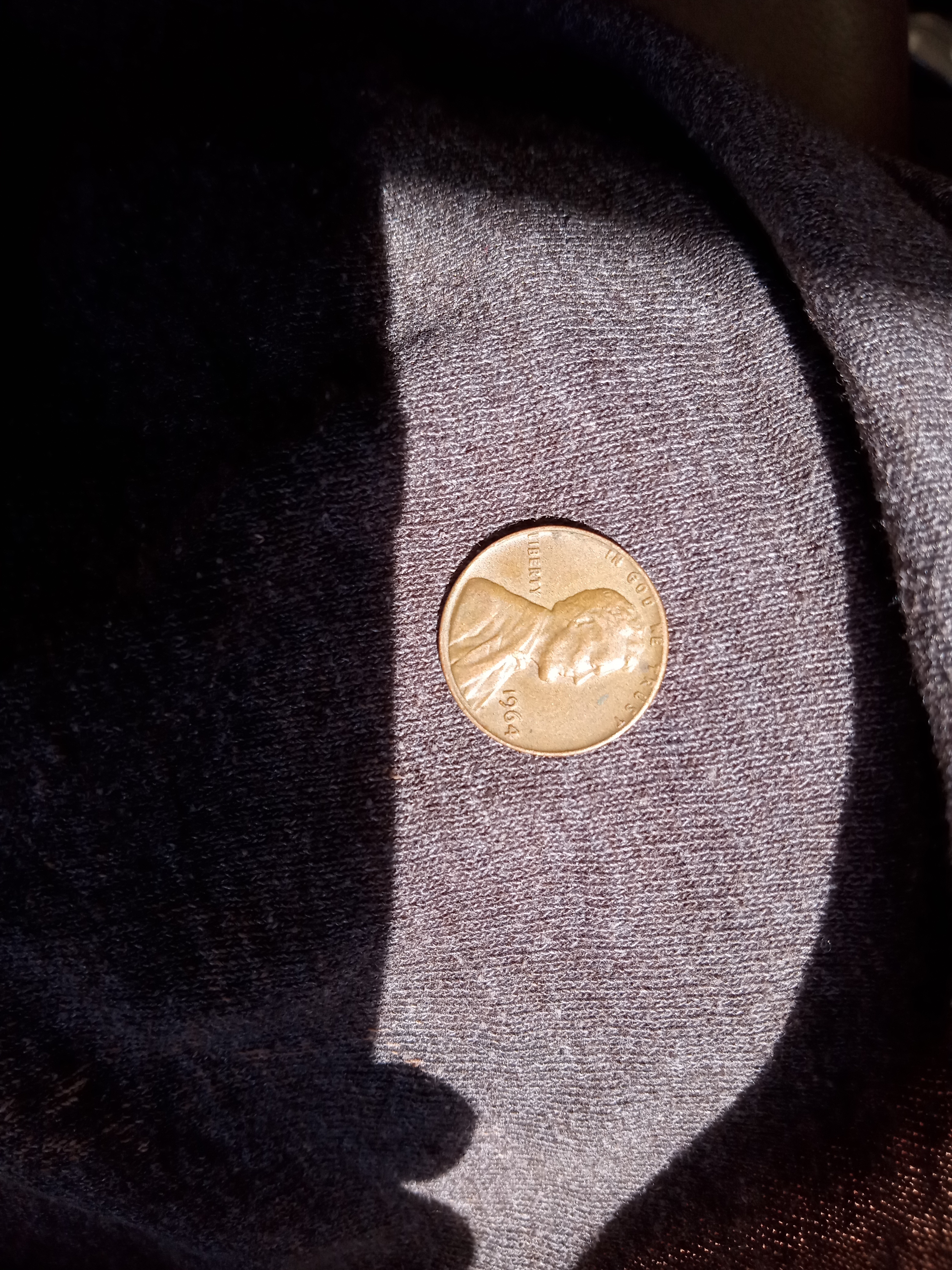
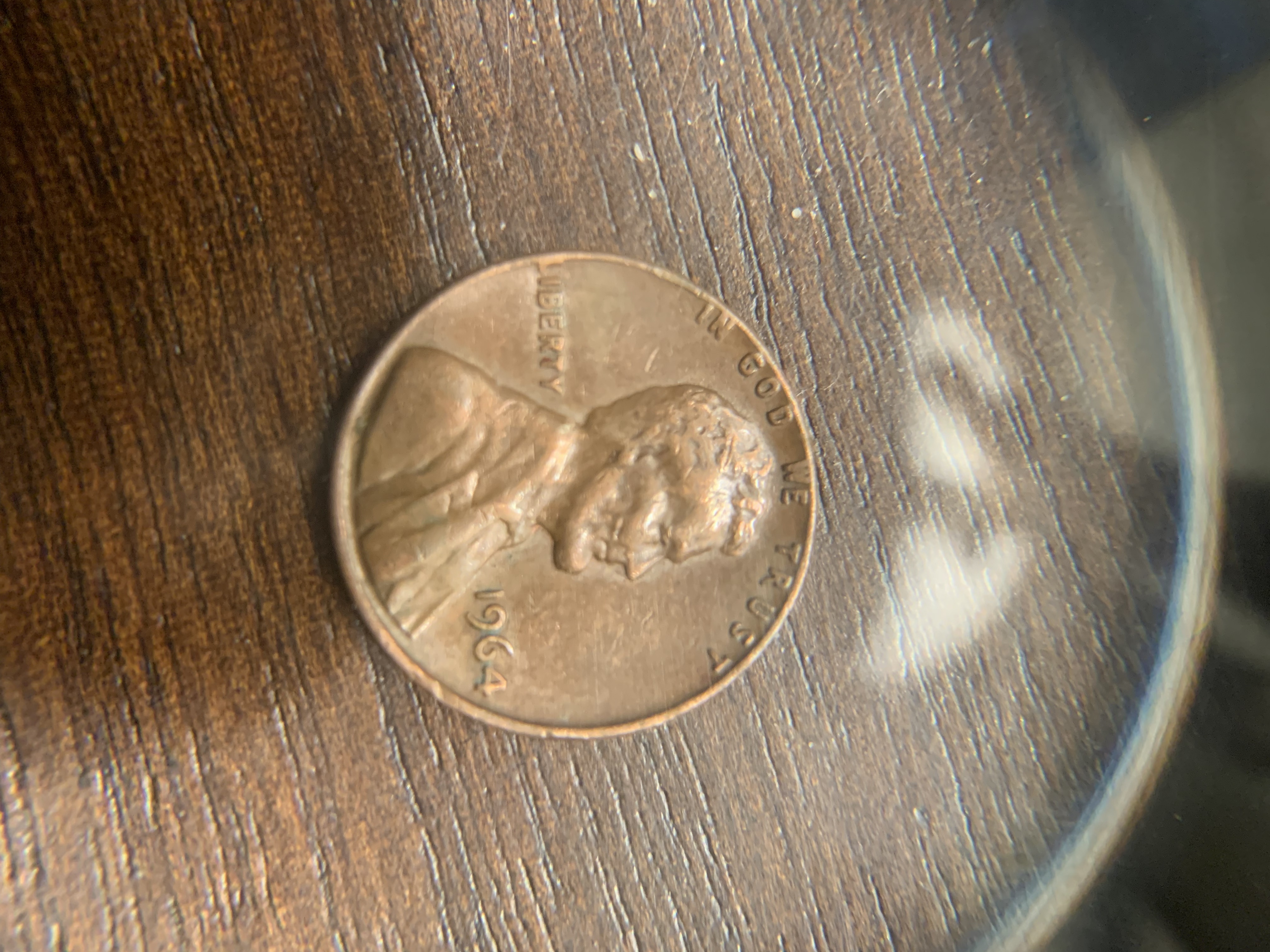
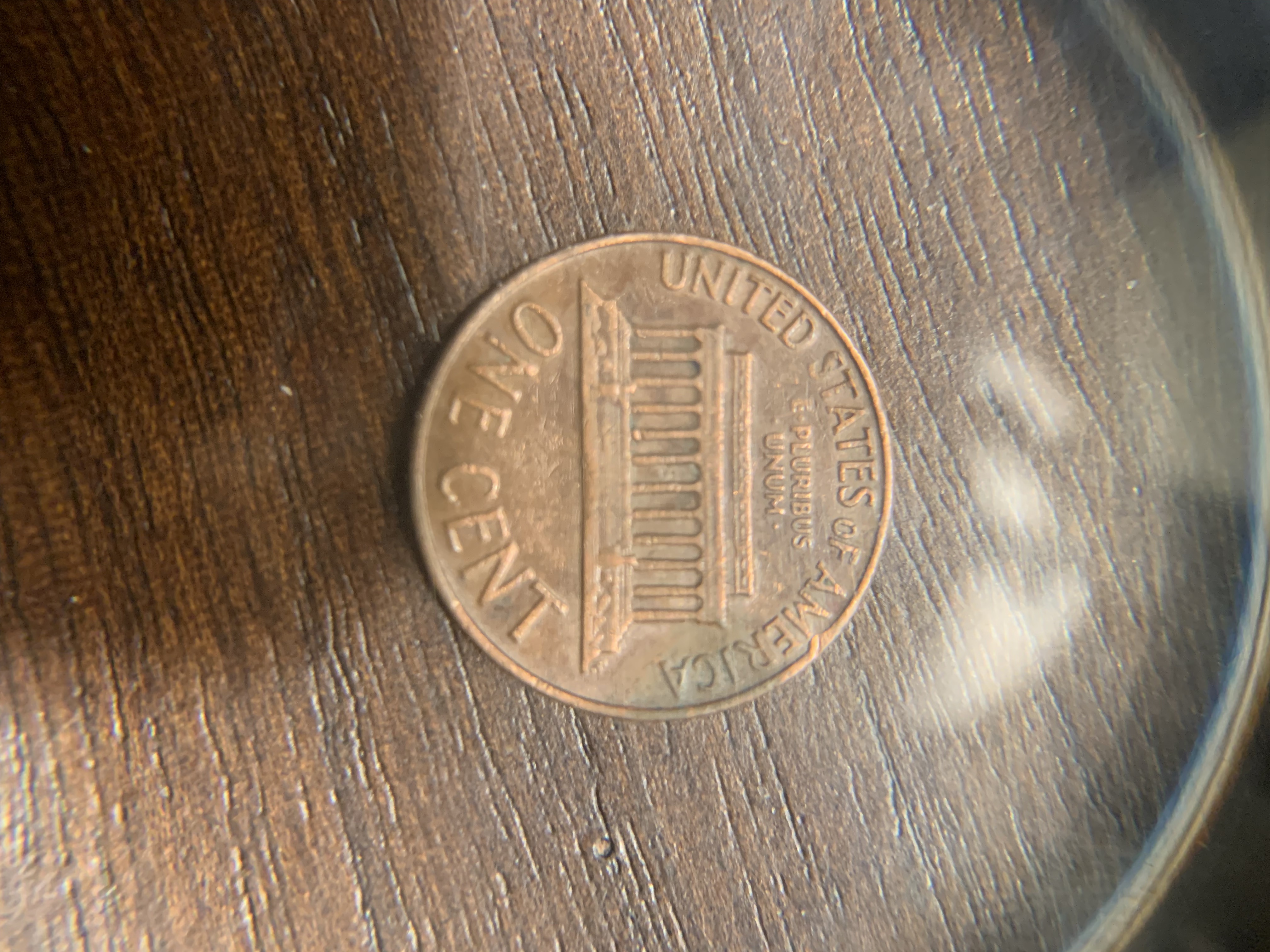
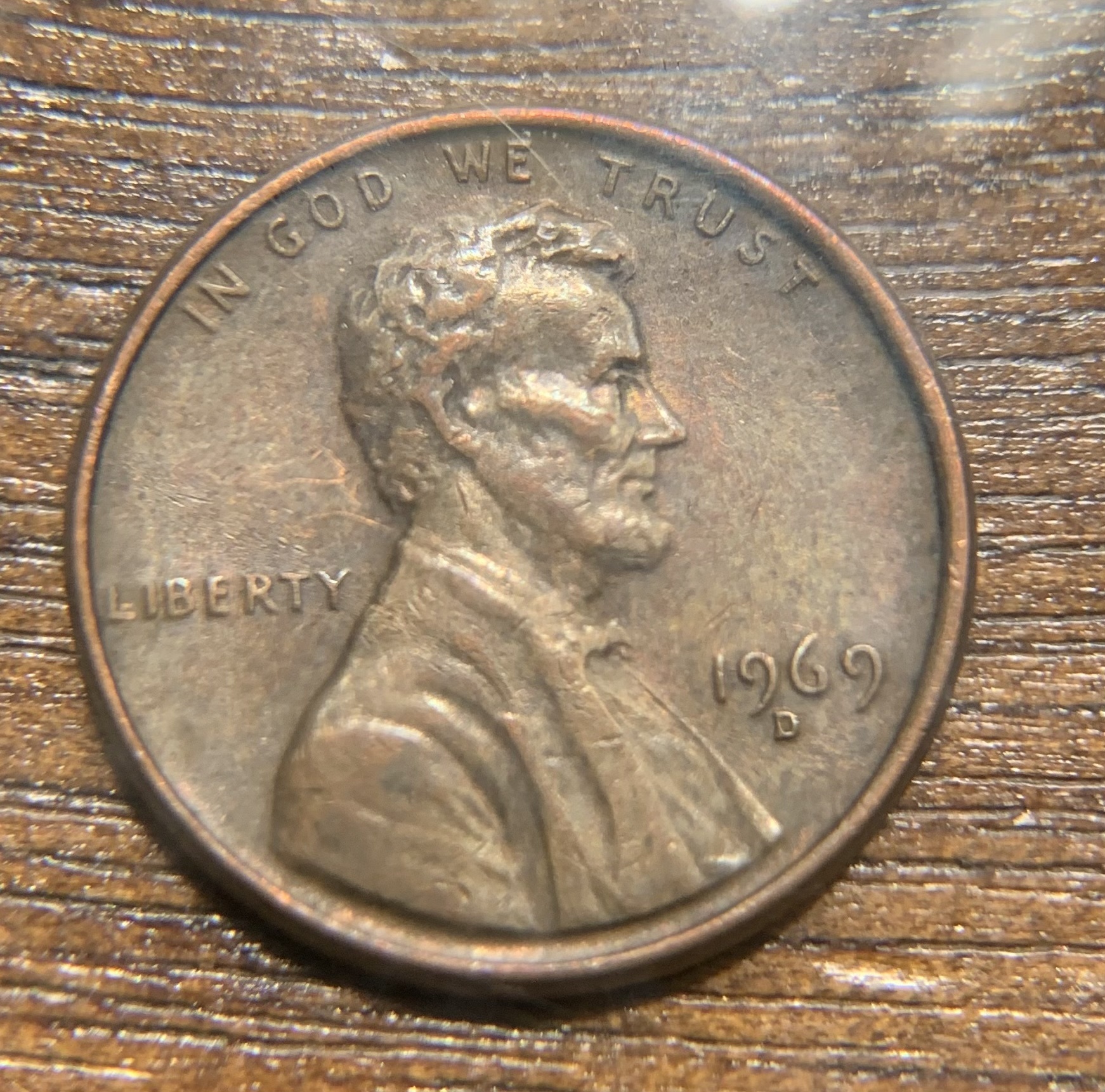
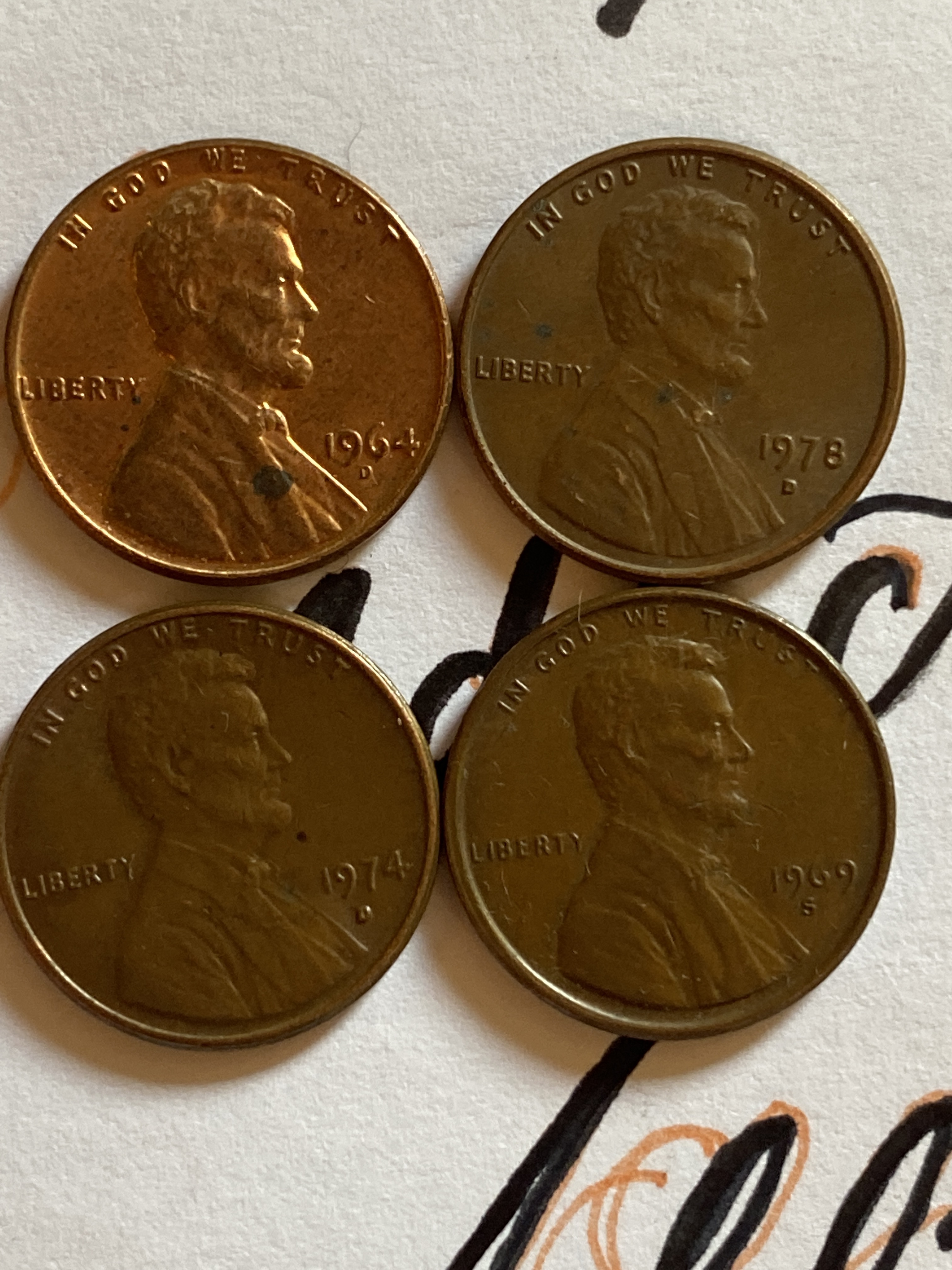
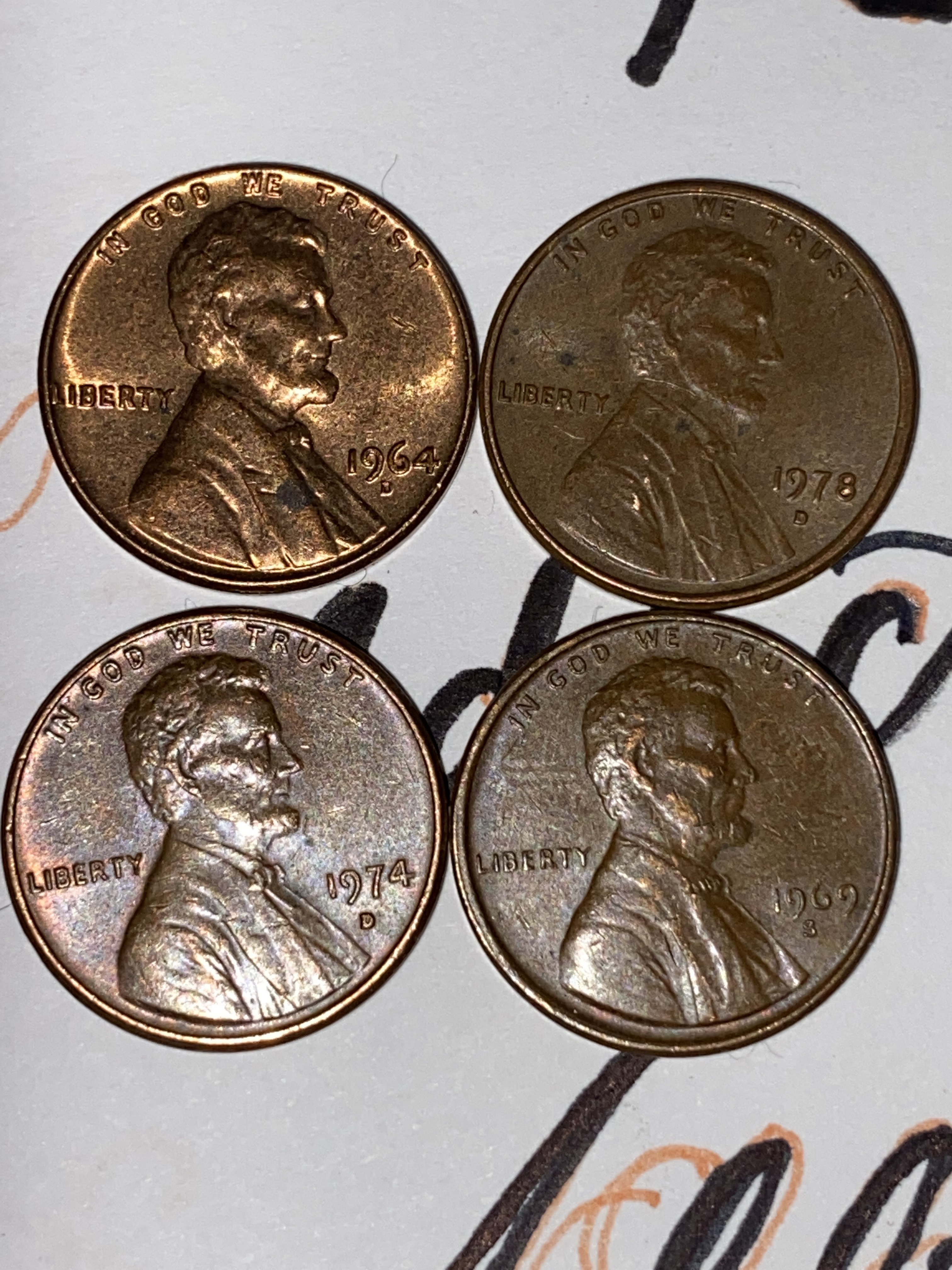
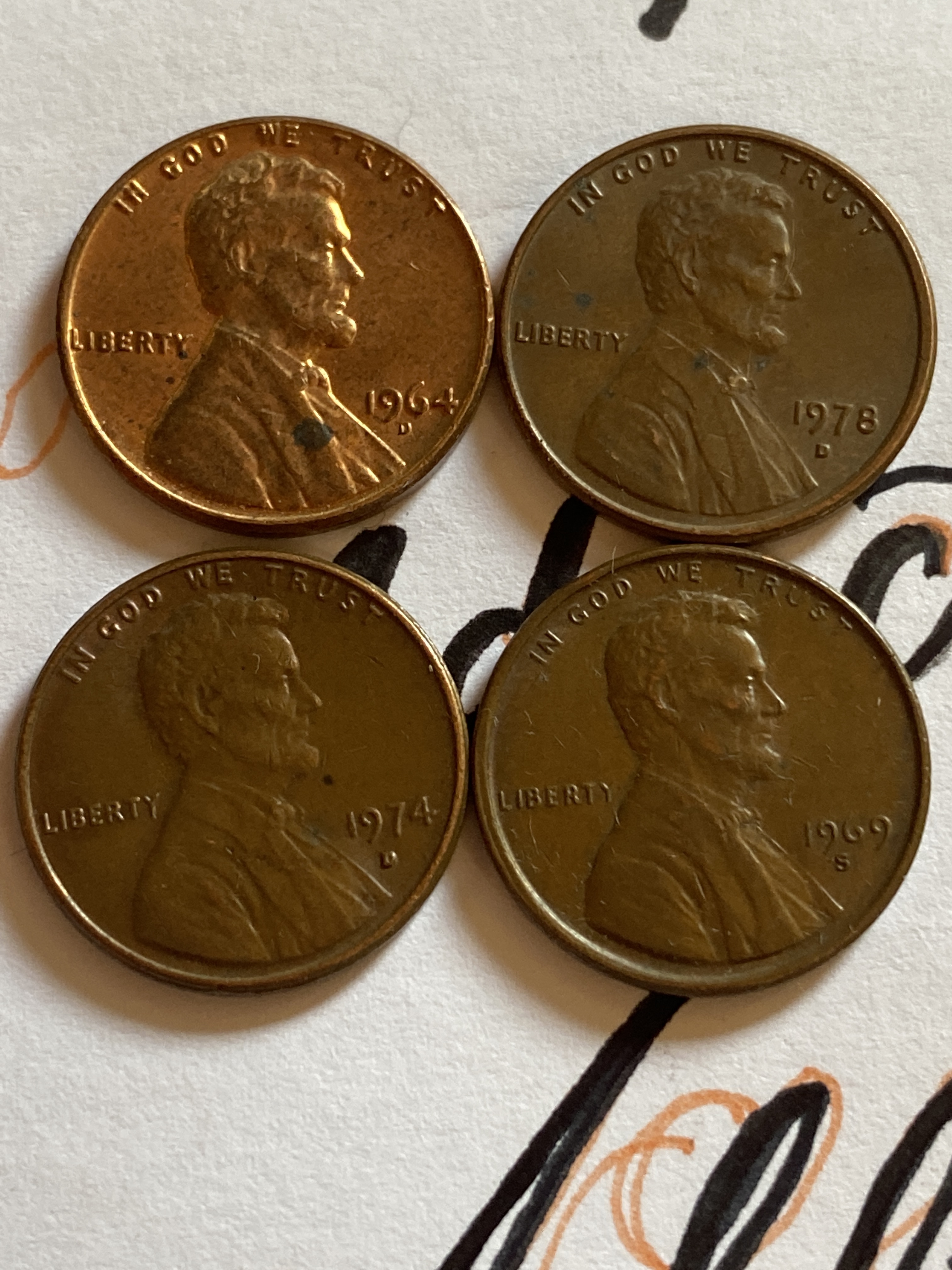
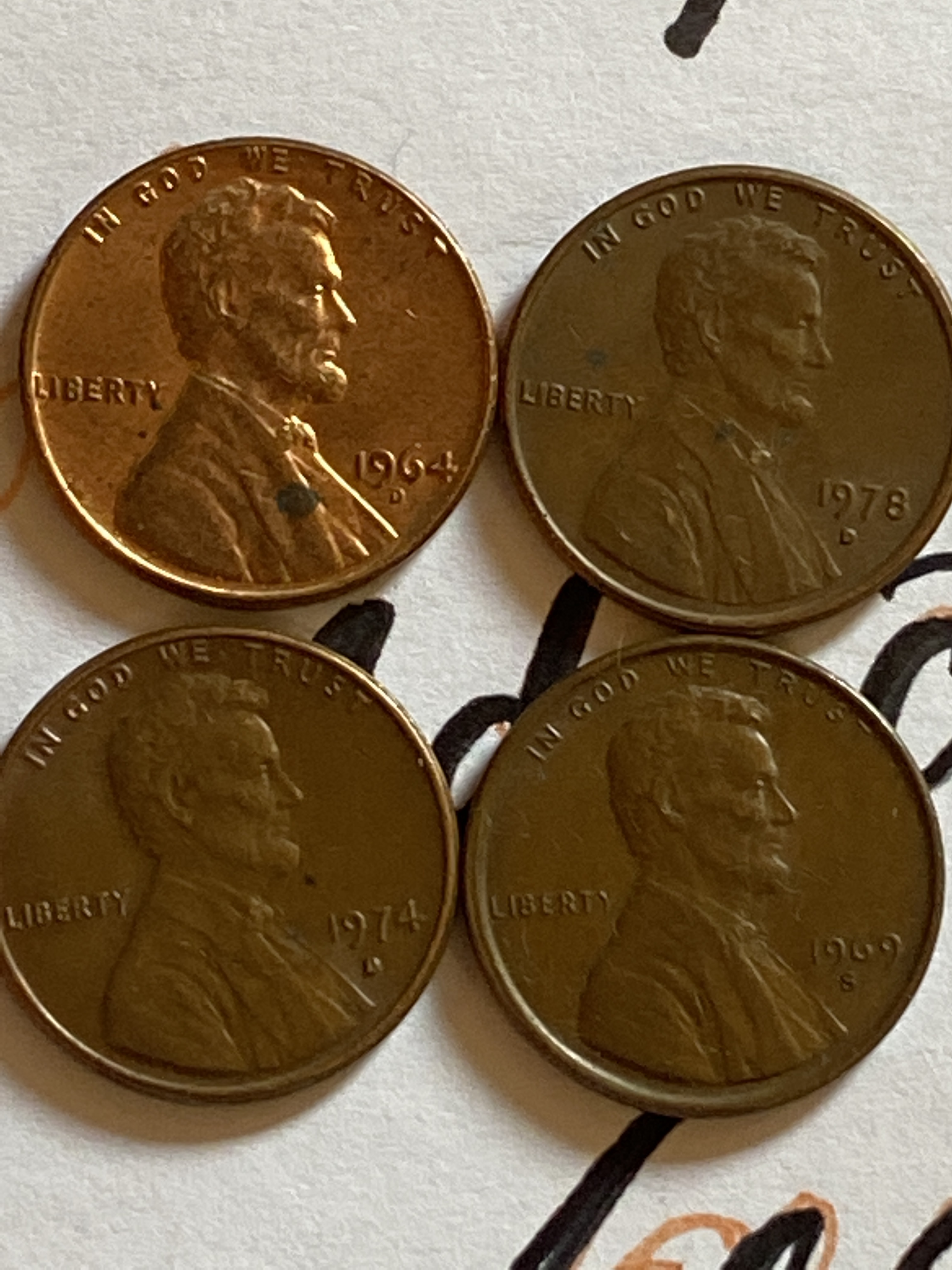
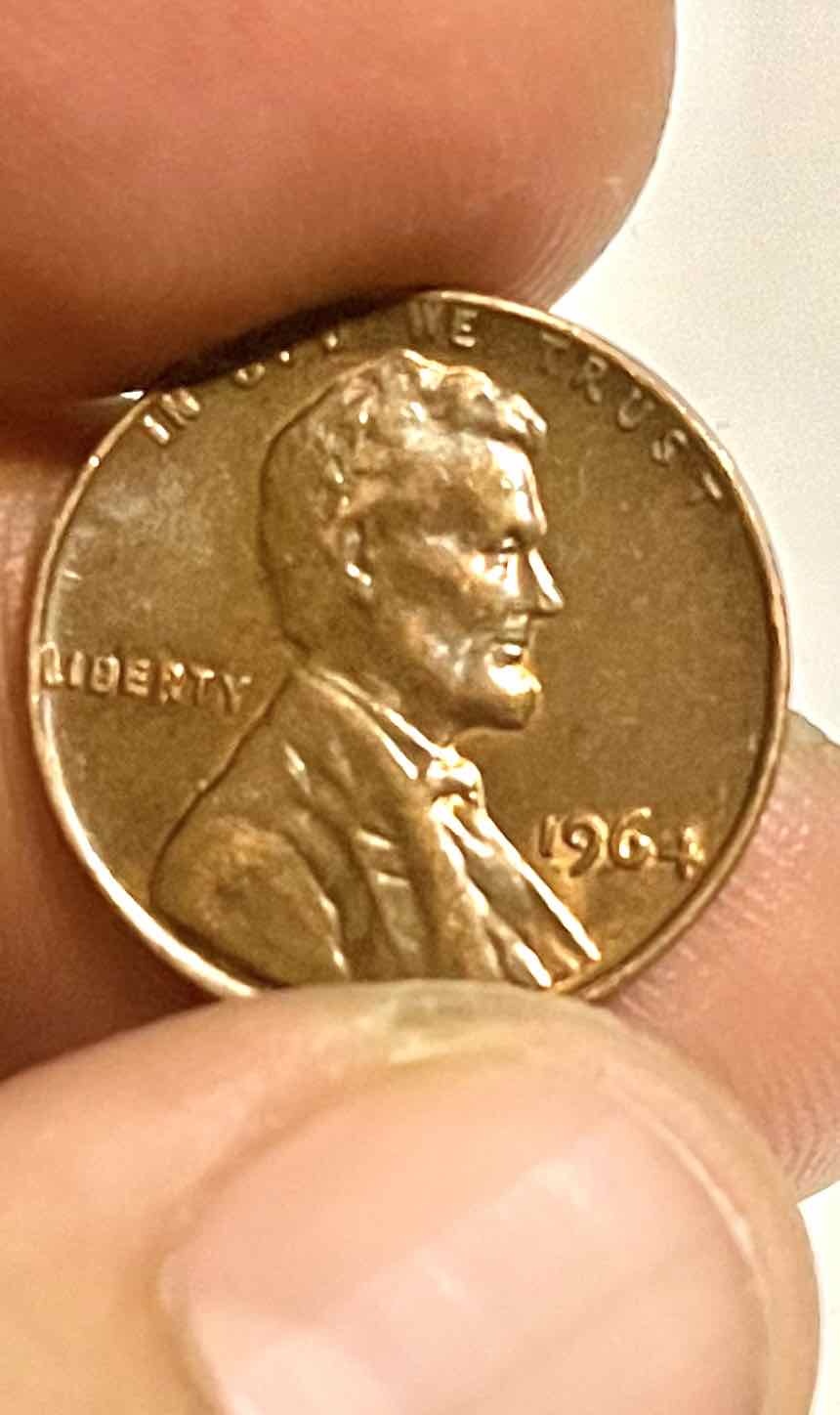
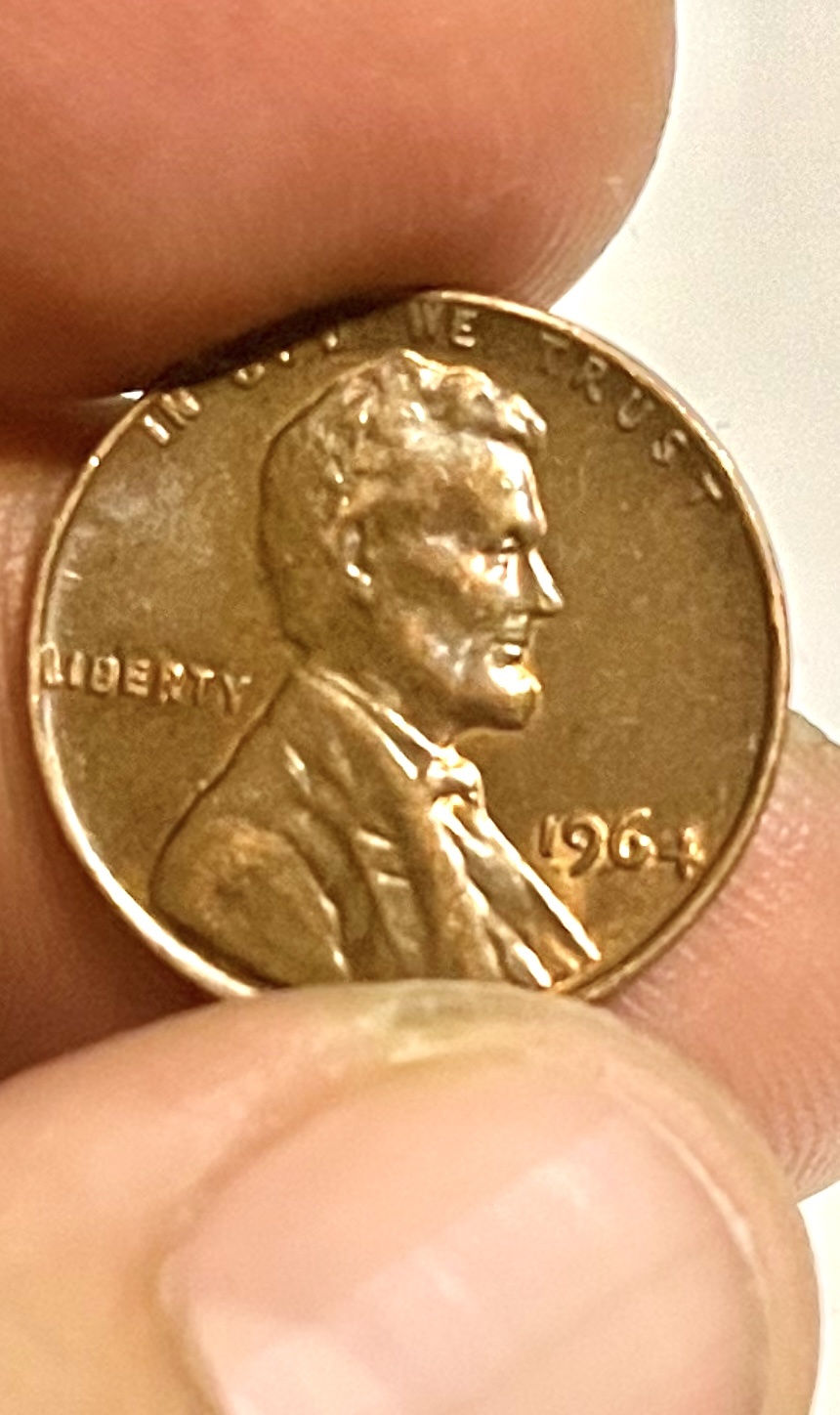
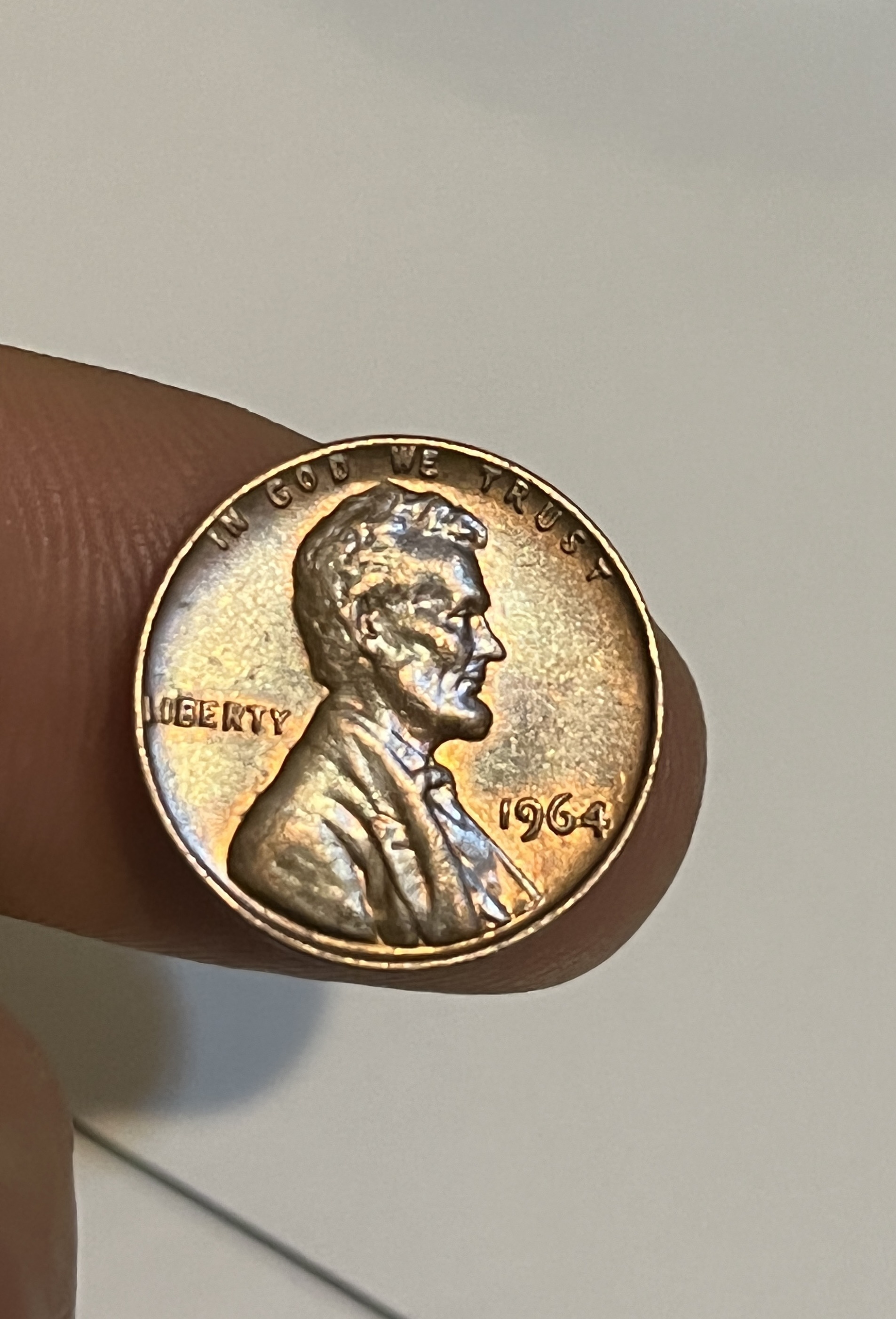
Do you have a 1964 penny? Think there may be something unique about it? Post a picture of your coin in the comments below and I’ll try to help!



Leave a Comment