


If you collect rare coins, then you’ve probably heard about better-date coins and wondered what, if any, differences there are between these two types of highly collectible coins.
“What are the differences among the various categories of rare coins?”
“What are better-date coins? And are they also rare?”
Those are great questions!
Better date coins and rare coins could be considered as one and the same — depending on who you ask.
What Exactly Are Better-Date Coins?
When advertising certain rare coins and scarce coins, many coin dealers will refer to them as “better dates.”
But what, exactly, is a better-date coin?
Here’s the answer… It’s a coin that is “tougher” to find than the most common coins in the same series.
Technically, all rare coins are also better-date coins.
However, in the typical cases, a better-date coin is simply a piece that is scarcer than the most common coins but more common than the rare coins and key-date coins in their respective series.
“Better date” doesn’t refer to just the year of the coin, but rather the date and mintmark combination (in cases where applicable).
An example of a better-date coin from Lincoln cent series is the 1931-D penny:
- With a mintage of 4,480,000 pieces, the 1931-D cent isn’t the scarcest Lincoln penny.
- And it’s not nearly as tough to find as the key-date issue from 1931 — the 1931-S Lincoln cent, which many count among rare coins.
- Still, the 1931-D penny is scarcer than the more common 1931 Philadelphia cent (worth about 50 cents) and is worth about $3 in the well-worn grade of Good-4.
Better-Date Coins (By Coin Series)
There is no official list of rare coins and better-date coins. And there aren’t any actual “rules” on what a better-date coin is… or isn’t.
However, I’ve compiled a list of coins that are most frequently labeled as better dates based on a survey of coin dealer advertisements and common numismatic understanding of what the better-date coins are.
While virtually every U.S. coin series has at least a few better dates, I’m going to limit what could be a very, very, VERY long list of rare coins down to only the rare coins and better-date coins for the most widely collected 20th-and 21st-century U.S. coin series.
Lincoln Cents
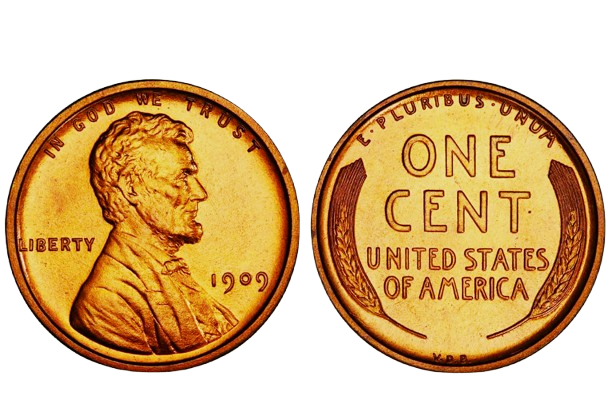
- 1909: $3 to $5
- 1909-S: $85 to $125
- 1909 VDB: $12 to $15
- 1909-S VDB: $750 to $1,000 (considered a Lincoln series key coin)
- 1910-S: $15 to $25
- 1911-D: $5 to $7
- 1911-S: $35 to $50
- 1912: $1 to $2
- 1912-D: $6 to $8
- 1912-S: $17 to $20
- 1913-D: $1.50 to $3
- 1913-S: $10 to $15
- 1914-D: $150 to $250 (considered a series key coin)
- 1914-S: $17 to $20
- 1915: $1 to $2
- 1915-D: $1.50 to $3
- 1915-S: $15 to $20
- 1916-D: 75 cents to $1.50
- 1916-S: $1 to $2
- 1920-D: 75 cents to $1.50
- 1921-S: $1 to $2
- 1922 plain, no-D: $550 to $700
- 1922-D: $15 to $20
- 1922 Weak D: $20 to $25
- 1924-D: $30 to $50
- 1924-S: $1 to $2
- 1926-D: $1 to $2
- 1926-S: $7 to $9
- 1927-D: $1 to $2
- 1928-S: 75 cents to $1.50
- 1931-D: $3 to $5
- 1931-S: $75 to $100
- 1932: $1 to $2
- 1932-D: $1 to $2
- 1933: $1 to $2
- 1933-D: $2 to $4
- 1955 Doubled Die Obverse: $1,200 to $2,000
- 1969-S Doubled Die Obverse: $20,000 to $50,000
- 1970-S Small Date: $35 to $50
- 1995 Doubled Die Obverse: $20 to $30
*Lincoln cent values listed above between 1909 to 1933 are for coins in average circulated condition. Values for later Lincoln pennies are for specimens in typical uncirculated condition.
Buffalo Nickels
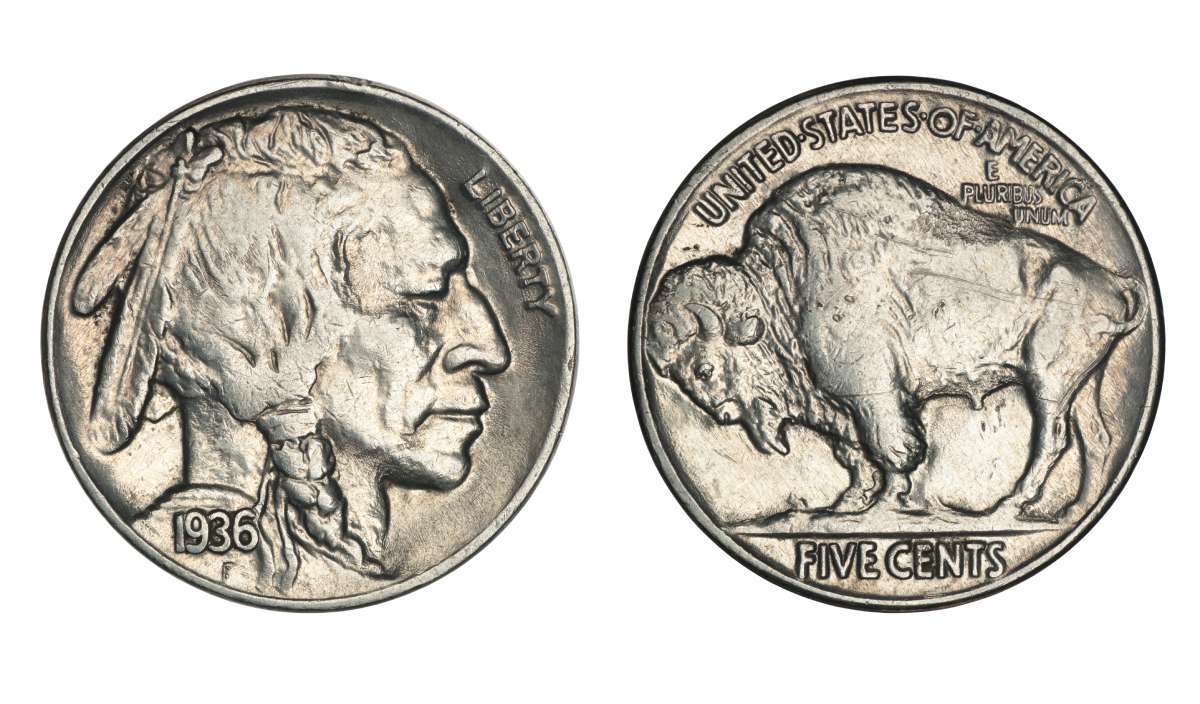
- 1913 Variety I: $10 to $15
- 1913-D Variety I: $20 to $35
- 1913-S Variety I: $50 to $75
- 1913 Variety II: $10 to $20
- 1913-D Variety II: $100 to $150 (considered a series key coin)
- 1913-S Variety II: $250 to $300 (considered a series key coin)
- 1914: $25 to $40
- 1914-D: $80 to $100
- 1914-S: $40 to $50
- 1915: $10 to $15
- 1915-D: $30 to $40
- 1915-S: $65 to $100
- 1916: $7 to $10
- 1916-D: $20 to $35
- 1916-S: $10 to $20
- 1917: $7 to $15
- 1917-D: $25 to $50
- 1917-S: $30 to $50
- 1918: $7 to $10
- 1918-D: $30 to $50
- 1918-S: $30 to $50
- 1919-D: $30 to $50
- 1919-S: $20 to $35
- 1920-D: $20 to $40
- 1921-S: $75 to $100
- 1923-S: $10 to $20
- 1924-D: $15 to $30
- 1924-S: $25 to $50
- 1925-D: $15 to $35
- 1926-D: $15 to $35
- 1926-S: $40 to $75
- 1931-S: $15 to $25
- 1937-D 3-Legged: $450 to $600
*Buffalo nickel values listed above are for coins in average circulated condition.
Jefferson Nickels
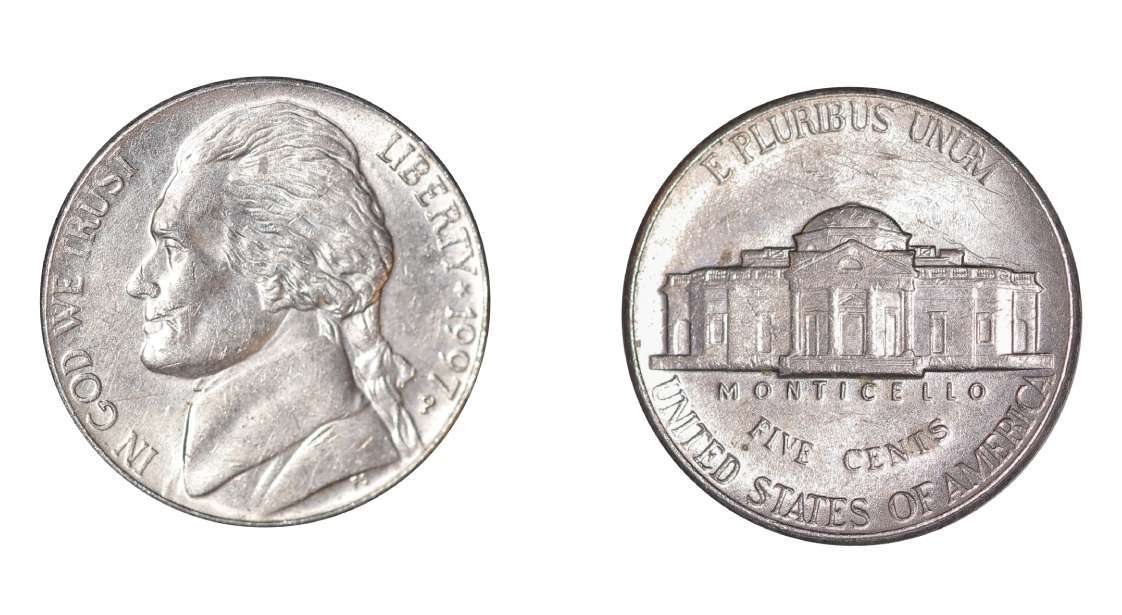
- 1938-D: 75 cents to $1.50
- 1938-S: $1.50 to $2
- 1939-D: $7 to $10 (considered a series key coin)
- 1943-P 3/2: $40 to $50
- 1949: $2 to $5
- 1950-D: $10 to $15 (considered a series key coin)
- 1951: $1.50 to $2
- 1951-D: $3 to $4
- 1952-D: $2.50 to $3
- 1982-P: $3 to $5
- 1982-D: $1 to $2
- 1983-P: $1 to $2
- 1983-D: 75 cents to $1.25
- 1986-D: 75 cents to $1.50
- 1994-P Special Matte Finish: $40 to $50
- 1997-P Special Matte Finish: $150 to $200
*Jefferson nickel values listed above between 1938 to 1948 are for coins in average circulated condition. Values for later Jefferson nickels are for coins in typical uncirculated condition.
Mercury Dimes
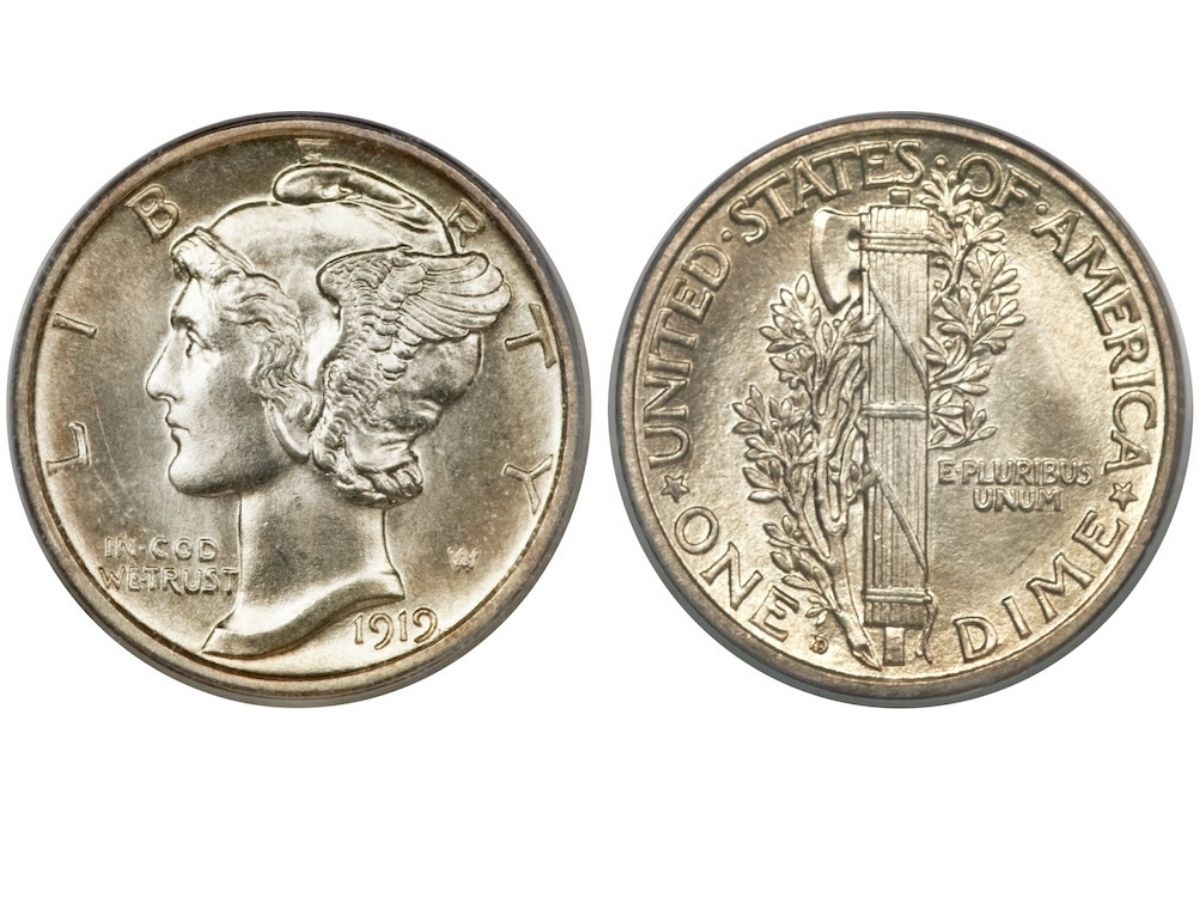
- 1916-D: $1,250 to $2,500 (considered a series key coin)
- 1921: $70 to $100
- 1921-D: $100 to $200
- 1926-S: $15 to $25
- 1931-D: $10 to $20
- 1942 42/41: $400 to $550
- 1942-D 42/41: $350 to $500
*Mercury dime values listed above are for coins in average circulated condition.
Roosevelt Dimes
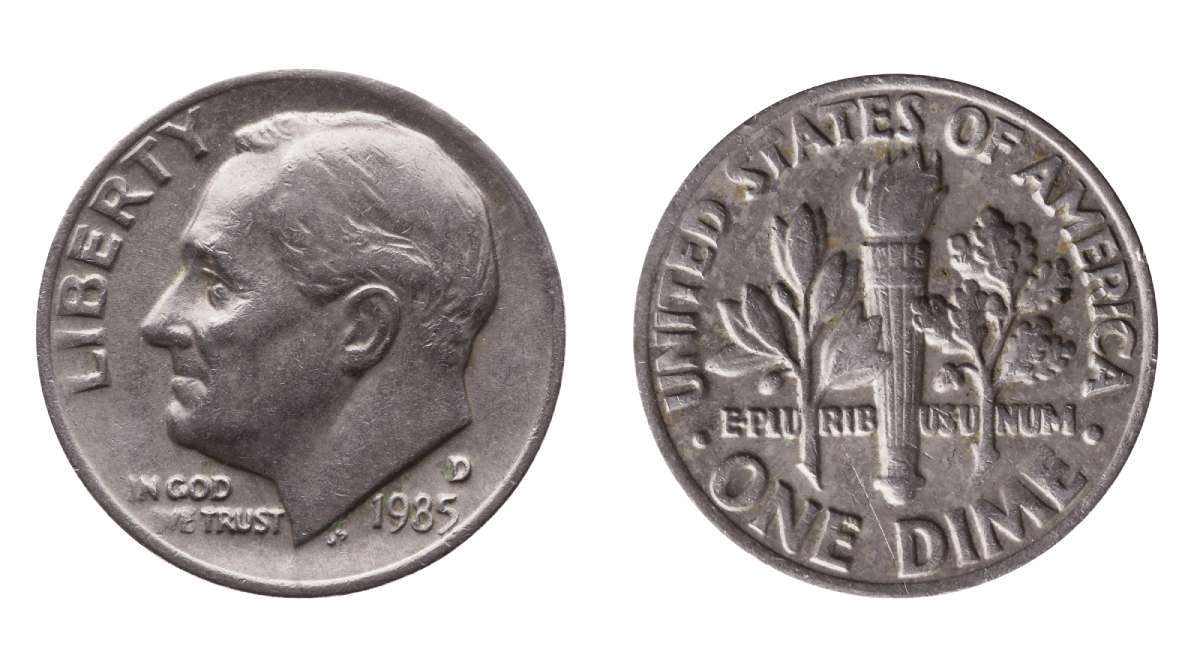
- 1949-S: $6 to $10
- 1950-S: $6 to $10
- 1982 no mintmark: $75 to $125
- 1982-P: $5 to $7
- 1982-D: $2 to $3
- 1983-P: $5 to $7
- 1983-D: $2 to $3
- 1996-W: $12 to $20
*Roosevelt dime values listed above are for coins in typical uncirculated condition.
Standing Liberty Quarters
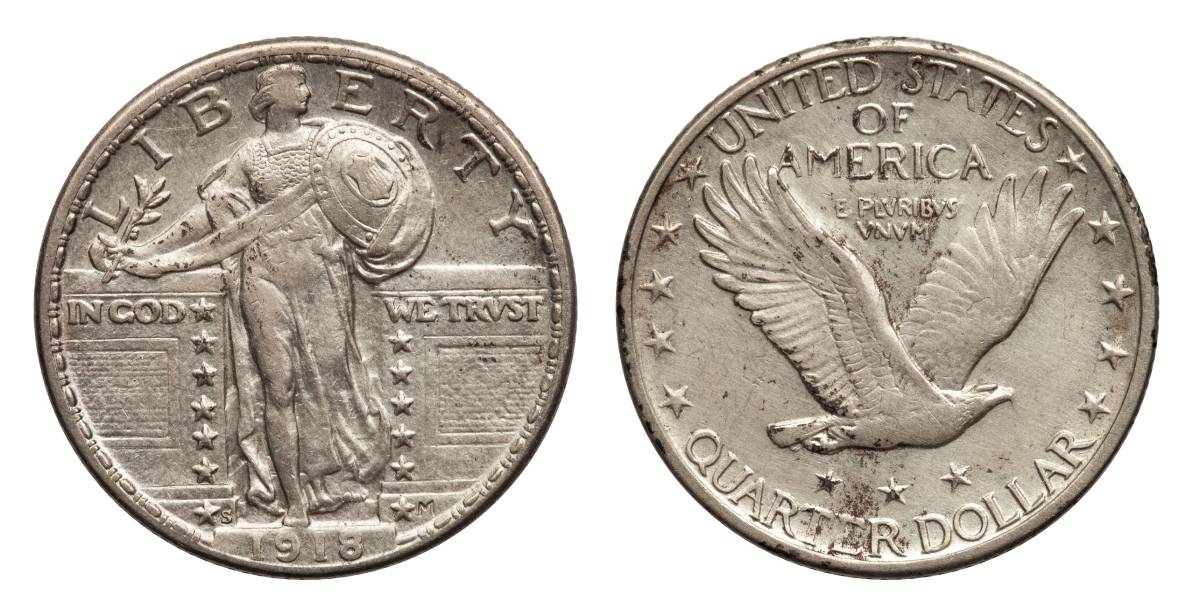
- 1916: $4,500 to $7,000
- 1917, Type I: $50 to $100
- 1917-D, Type I: $50 to $125
- 1917-S, Type I: $50 to $125
- 1917 Type II: $30 to $50
- 1917-D Type II: $45 to $100
- 1917-S Type II: $45 to $100
- 1918: $30 to $50
- 1918-D: $30 to $50
- 1918-S: $30 to $50
- 1918-S 8 over 7: $1,700 to $3,500
- 1919: $35 to $60
- 1919-D: $125 to $250
- 1919-S: $100 to $200
- 1920: $25 to $50
- 1920-D: $125 to $150
- 1920-S: $30 to $50
- 1921: $175 to $250
- 1923: $25 to $45
- 1923-S: $375 to $650
- 1924: $25 to $35
- 1924-D: $50 to $75
- 1924-S: $30 to $50
- 1927-D: $25 to $50
- 1927-S: $60 to $125
*Standing Liberty quarter values listed above are for coins in average circulated condition.
Washington Quarters
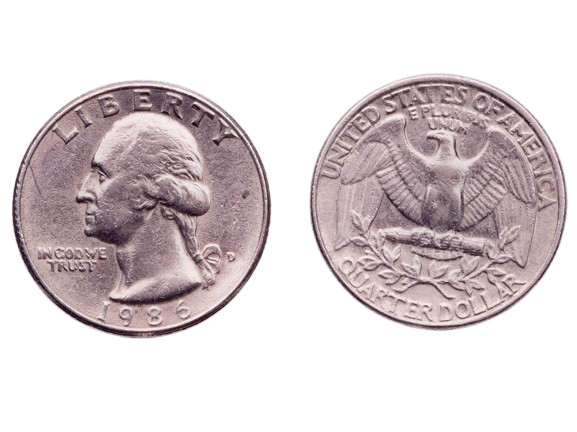
- 1932: $20 to $30
- 1932-D: $75 to $100 (considered a series key coin)
- 1932-S: $80 to $120 (considered a series key coin)
- 1936-D: $20 to $30
- 1936-S: $25 to $35
- 1937-D: $20 to $35
- 1937-S: $20 to $40
- 1938: $20 to $25
- 1938-S: $20 to $25
- 1939-D: $20 to $25
- 1939-S: $20 to $25
- 1940-D: $20 to $30
- 1940-S: $20 to $30
- 1949: $20 to $25
- 1969: $2 to $3
- 1976-S 40% Silver: $7 to $10
- 1982-P: $5 to $7 ($1 to $2 in About Uncirculated grade)
- 1982-D: $4 to $6 (35 cents to $1 in About Uncirculated grade)
- 1983-P: $25 to $30 ($2 to $5 in About Uncirculated grade)
- 1983-D: $7 to $15 (50 cents to $2 in About Uncirculated grade)
- 1986-D: $4 to $5
- 2004-D Wisconsin Extra High Leaf: $125 to $150 ($50 to $75 in About Uncirculated grade)
- 2004-D Wisconsin Extra Low Leaf: $100 to $125 ($35 to $50 in About Uncirculated grade)
*Washington quarter values listed above between 1932 to 1964 are for coins in average circulated condition. Values for later Washington quarters are for coins in typical uncirculated condition, unless otherwise noted.
Walking Liberty Half Dollars
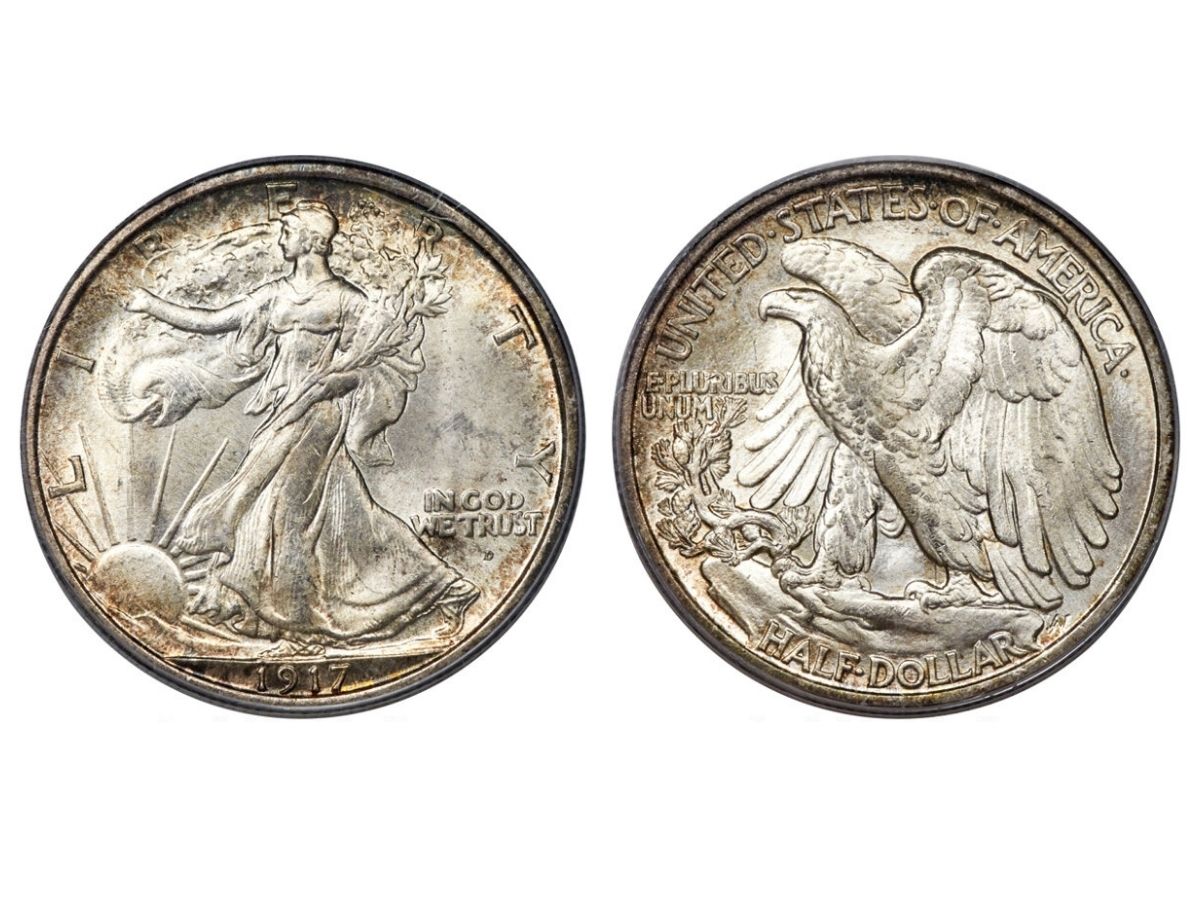
- 1916: $65 to $100
- 1916-D Obverse Mintmark: $75 to $125
- 1916-S Obverse Mintmark: $125 to $200 (considered a Walking Liberty series key coin)
- 1917: $40 to $50
- 1917-D Obverse Mintmark: $60 to $100
- 1917-D Reverse Mintmark: $65 to $125
- 1917-S Obverse Mintmark: $50 to $75
- 1917-S Reverse Mintmark: $50 to $65
- 1918: $50 to $75
- 1918-D: $55 to $85
- 1918-S: $55 to $80
- 1919: $60 to $100
- 1919-D: $80 to $125
- 1919-S: $65 to $100
- 1920: $40 to $50
- 1920-D: $50 to $65
- 1920-S: $50 to $65
- 1921: $160 to $250 (considered a series key coin)
- 1921-D: $300 to $450 (considered a series key coin)
- 1921-S: $130 to $175
- 1923-S: $55 to $75
- 1927-S: $55 to $75
- 1928-S: $55 to $75
- 1929-D: $40 to $50
- 1929-S: $40 to $50
- 1933-S: $40 to $50
- 1938-D: $65 to $100
*Walking Liberty half dollar values listed above are for coins in average circulated condition.
Franklin Half Dollars
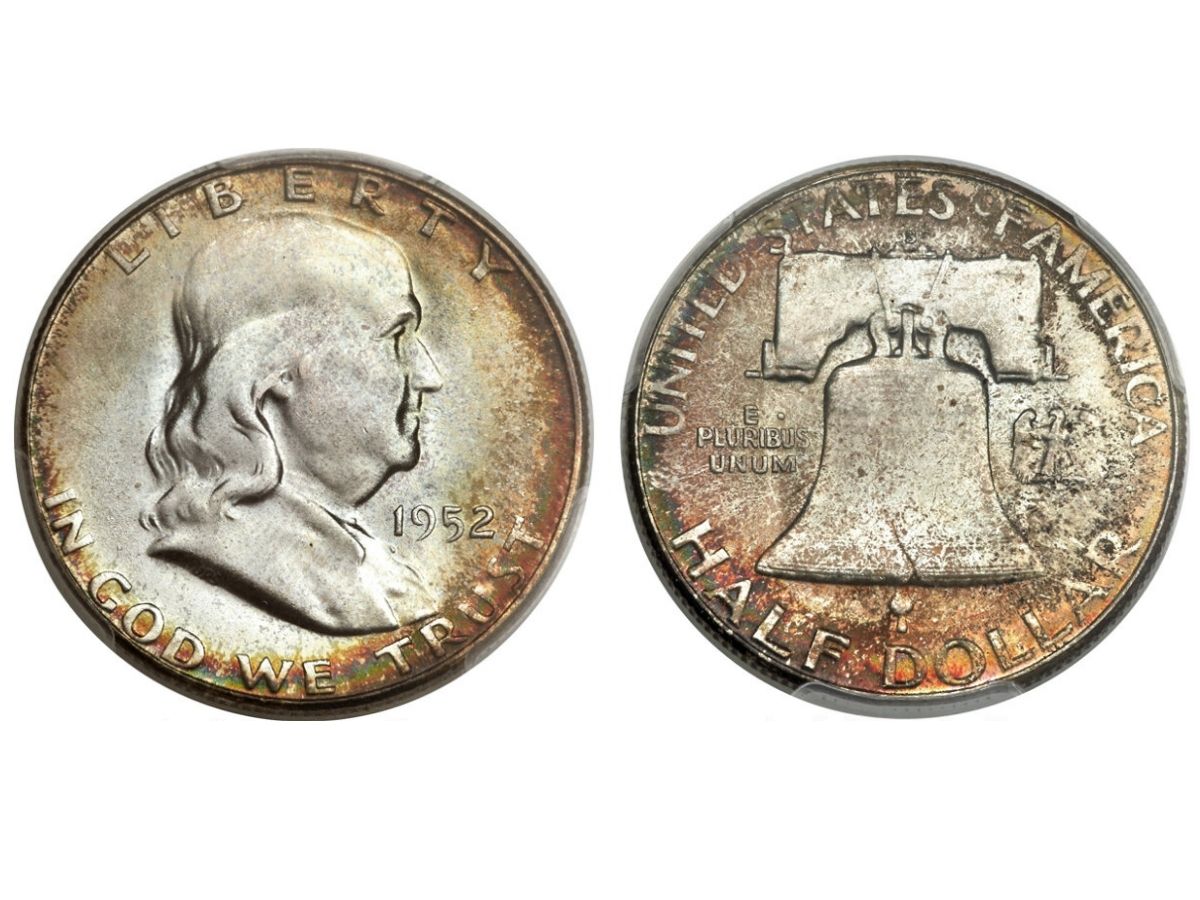
- 1949: $35 to $50
- 1949-D: $35 to $50
- 1949-S: $35 to $50
- 1952-S: $35 to $50
- 1954-S: $35 to $50
- 1955: $35 to $50
*Franklin half dollar values listed above are for coins in average circulated condition.
Kennedy Half Dollars
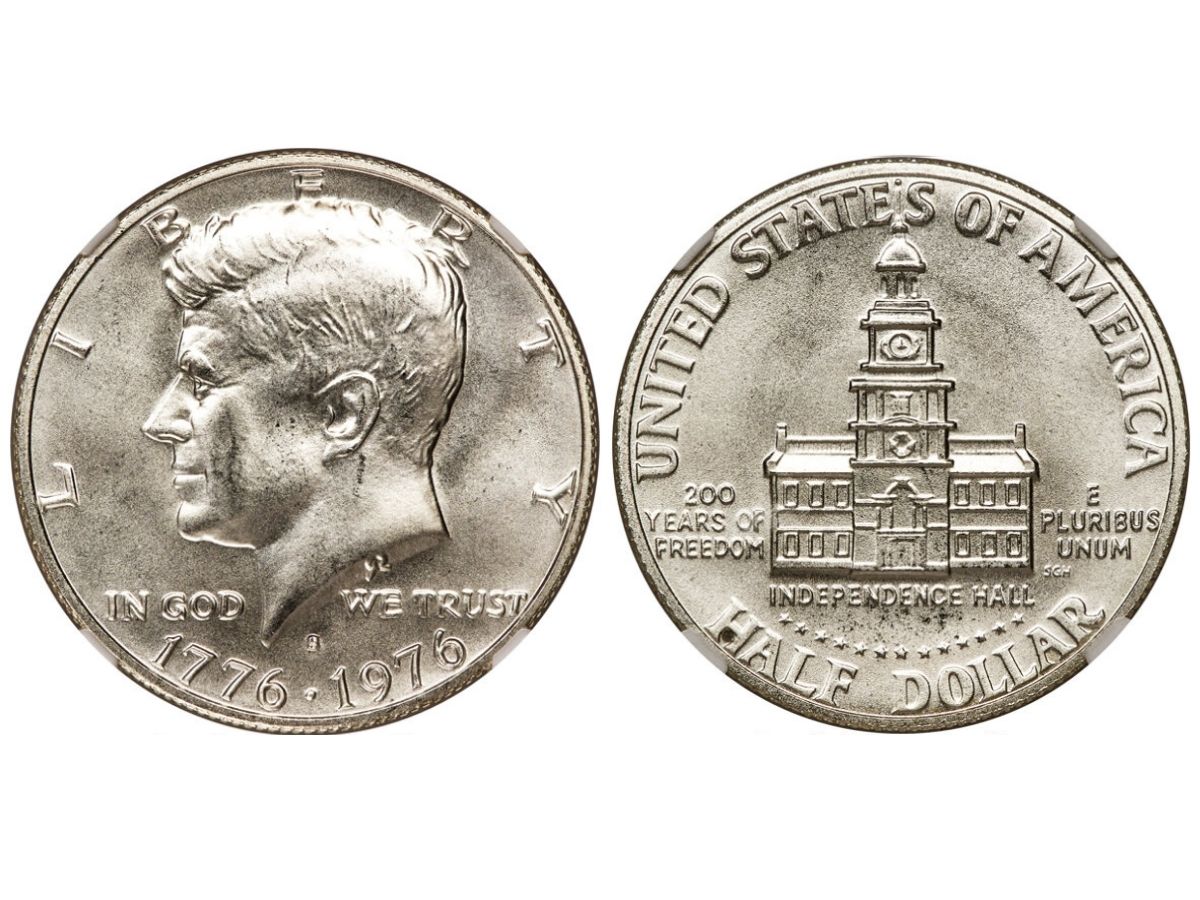
- 1970-D: $15 to $20
- 1976-S 40% Silver: $15 to $20
- 1982-P: $5 to $7
- 1982-D: $5 to $7
- 1983-P: $7 to $10
- 1983-D: $6 to $8
- 1986-P: $3 to $5
- 1987-P: $3 to $5
- 1987-D: $3 to $5
- 2014-S Silver Enhanced: $25 to $30
*Kennedy half dollar values listed above are for coins in typical uncirculated condition.
Peace Dollars
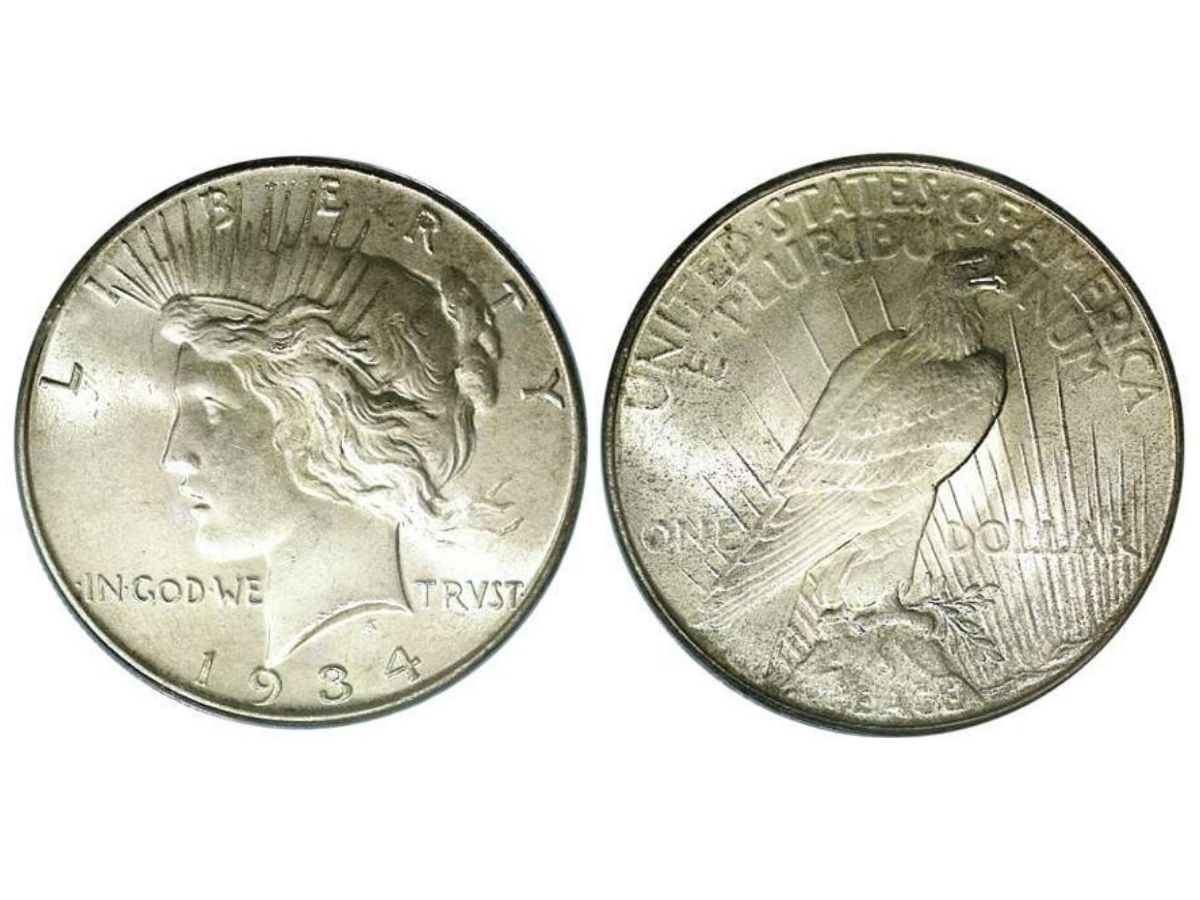
- 1921: $150 to $200 (considered a series key coin)
- 1927: $85 to $100
- 1927-D: $85 to $100
- 1927-S: $85 to $100
- 1928: $200 to $250 (considered a series key coin)
- 1928-S: $85 to $100
- 1934: $85 to $100
- 1934-D: $85 to $100
- 1934-S: $85 to $100
- 1935: $85 to $100
- 1935-S: $85 to $100
*Peace dollar values listed above are for coins in average circulated condition.
Eisenhower Dollars
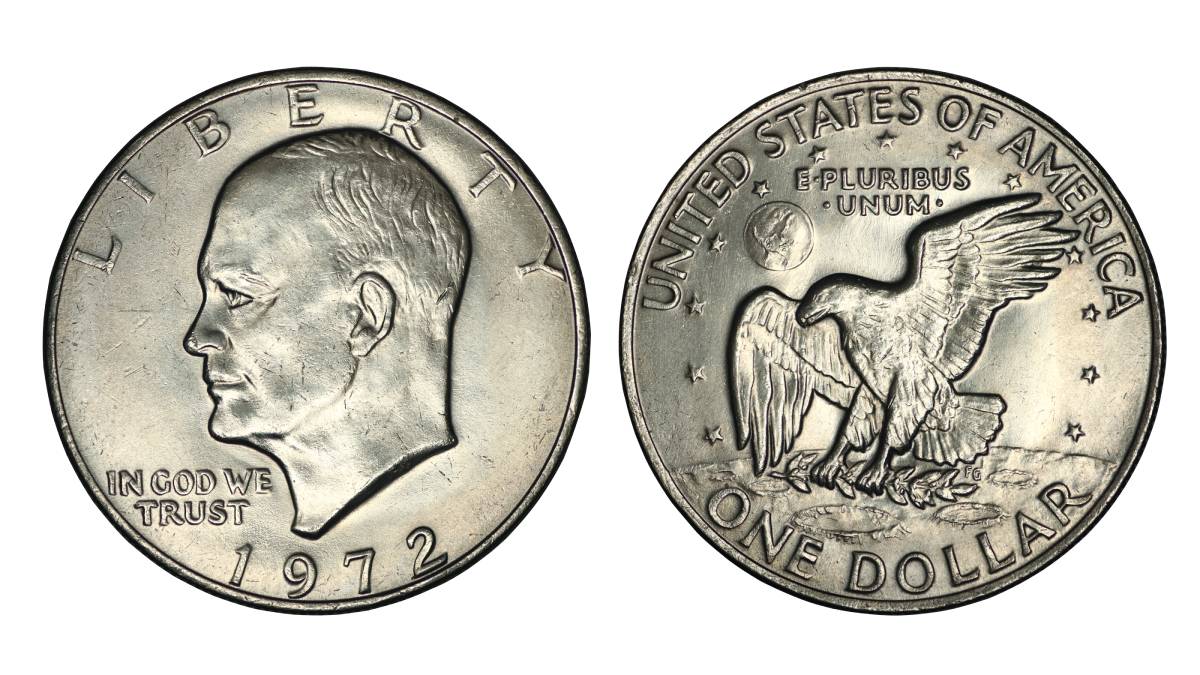
- 1971-S 40% Silver: $25 to $30
- 1972 Copper-Nickel Variety II: $90 to $150
- 1972-S 40% Silver: $25 to $35
- 1973-S 40% Silver: $25 to $35
- 1974-S 40% Silver: $25 to $35
- 1976-S 40% Silver: $25 to $35
*Eisenhower dollar values listed above are for coins in typical uncirculated condition.
Susan B. Anthony Dollars
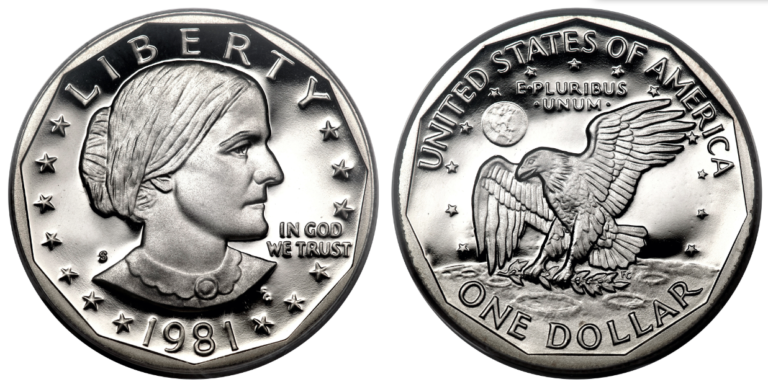
- 1979-P Wide Rim: $20 to $30
- 1981-P: $5 to $7
- 1981-D: $5 to $7
- 1981-S: $10 to $15
*Susan B. Anthony dollar values listed above are for coins in typical uncirculated condition.


Leave a Comment