

Start Here

Values

Buying & Selling

Rare U.S. Coins

How To's

Myths & History

Valuable South Carolina Quarter Errors To Look For! (See How Much All 2000 South Carolina Quarters Are Worth Today)

by Joshua McMorrow-Hernandez

Ezoic/Google Ad Code Here

If you’re looking for a 2000 South Carolina quarter error coin, you may be in luck…

There are many different types of errors to be found on South Carolina quarters!

2000 South Carolina Quarter Errors

And… they can be found in your pocket change (with enough searching and a little luck).

What types of South Carolina quarter errors should you be looking for? And how much are South Carolina error quarters worth?

Here’s the info you’re looking for…

How Much Are South Carolina Quarter Errors Worth?

State quarters with significant errors are really pretty rare. But there is still a surprising number of them floating around out there. Only a handful are considered “major errors” — yet there are many worthwhile finds.

Here are 5 types of 2000 South Carolina quarter error coins and what they’re worth today:

  1. Off Center South Carolina Error Quarter

One of the most common types of coin errors is the off-center strike. This happens when the die that is striking the coin and the planchet aren’t properly aligned. The percentage by which the strike is off center can range anywhere from 1% to 99%.

The most valuable examples of these off-center errors are those ranging from 10% to 60% off-center. Off-center errors showing the complete date are the most desirable among collectors. And, of course, a fully visible date is useful in determining when the coin was made.

However, in the case of the South Carolina quarter — a coin that was produced for only about 10 weeks in 2000 — we know exactly when the coin was struck even if the date is obliterated due to the off-center strike.

Off-center South Carolina quarter errors are worth anywhere from $15 to $100.

  1. Doubled Die South Carolina Quarter Error

A South Carolina double die (or, more properly, doubled die) is an awesome error in every respect. Doubled dies exhibit doubling in some part of the design. It is caused by doubling of the design on the die itself.

Collectors have not yet discovered any incredibly prominent doubled dies on South Carolina quarters. But you may find evidence of doubled dies on South Carolina quarters if you look closely at the design elements, such as the:

  • South Carolina state outline
  • Carolina wren or the branch it stands on
  • Palm
  • Little star on the state
  • Inscriptions

Remember, for a South Carolina doubled die quarter to be really valuable, the doubling must be:

  • Evident preferably with the naked eye OR…
  • Readily visible under 5X magnification AND…
  • Relatively scarce, so it commands a strong demand.

A very minor doubled die that is difficult to see with the naked eye or magnification isn’t likely to excite many in the numismatic community.

Also, a doubled die must have some demand for it to be particularly valuable. So, while many doubled dies are rare errors, if there aren’t enough people who want to collect a particular kind, it won’t necessarily be very valuable.

Doubled dies found on South Carolina quarters are generally minor and aren’t generating much attention among collectors.

Any known South Carolina double die errors are generally worth between $10 and $25.

  1. Clipped Planchet South Carolina Error Quarter

Sometimes coin errors happen when cutting out the round coin blanks from the large sheets of metal from which they originate. This can result in a variety of clipped edge errors.

Clipped planchet errors (also known simply as clips) may show crescent-shaped or flat cuts on the edge of a coin.

These clipped edges can be of various sizes and shapes. On rare occasions, you may even see 2 clips on a single coin!

South Carolina quarters with clipped edge errors are worth $10 and up.

  1. South Carolina Quarters With Missing Letters (Or Other Missing Design Elements)

Ever see a coin that is missing part of its lettering in the inscription?

These coin oddities are known as strike-through errors. Some show just part of a single letter missing, while on others larger parts of an inscription or other design element are totally obliterated. This normally happens when grease or another foreign material gets into the lettering or other crevices on the die.

One of the most popular types of state quarter strike-through errors is found on the 2005-P Kansas quarter. The so-called IN GOD WE RUST Kansas quarter is the stuff of modern error coin lore! It’s a major error on a popular coin… one that many collectors know about.

No such major strike-through errors have been reported on the South Carolina quarter yet. But that doesn’t mean they don’t exist.

Strike-through state quarter errors range in value from $5 to $10 for an obscure variety to more than $200 for rarer, popular pieces (like the 2005-P IN GOD WE RUST Kansas quarter).

  1. Die Cracks On South Carolina Quarters

When coin dies age or become overused, they start showing signs of wear and tear. One of the most common ways in which a die will exhibit damage is in the formation of minor cracks on parts of its surface.

These tiny cracks show up as raised lines or zig-zags on the finished coin. They can range in size from tiny pinpoint blobs to full-blown shatter lines spanning much of the surface on (usually just) one side of the coin.

While such dramatic die cracks have not been discovered on the South Carolina quarter yet, you may be the first to find one!

Major die crack errors can be worth a pretty penny, as described above. Less-dramatic die crack errors on South Carolina quarters are worth around $10 to $25.

What If My South Carolina Quarter Has No Errors?

So it turns out that you have just a regular South Carolina 50 States Quarter with no errors?

While neat coins, these are worth face value (or 25 cents) if worn. That’s because these are very common coins, and they don’t contain any silver or other precious metals worth more than the face value of the coin.

More than 1.3 billion 2000 South Carolina quarters were made, including:

  • 2000-P – 742,576,000 at the Philadelphia Mint
  • 2000-D – 566,208,000 at the Denver Mint
  • 2000-S – 4,985,593 at the San Francisco Mint

For a non-error 2000 South Carolina quarter to be worth more than face value, it must be either an uncirculated or proof version of the coin.

Here are values for the various uncirculated and proof 2000 South Carolina quarters:

  • 2000-D and 2000-P South Carolina quarters, uncirculated – 50 cents and up
  • 2000-S copper-nickel clad South Carolina quarter, proof – $1 and up
  • 2000-S 90% silver South Carolina quarter, proof – $5 and up 

*An uncirculated coin must not show any signs of wear. 

PUBLISHED May 16, 2023
UPDATED July 22, 2026

Joshua McMorrow-Hernandez

Numismatic Specialist

Hi, I’m Josh! I’m the Editor here at the US Coins Guide. My love for coins began when I was 11 years old. I primarily collect and study U.S. coins produced during the 20th century.

I’m a member of the American Numismatic Association (ANA) and the Numismatic Literary Guild (NLG). I have won multiple awards from the NLG for my work as a coin journalist. I’m also the editor at the Florida United Numismatists Club (FUN Topics magazine), and author of Images of America: The United States Mint in Philadelphia (a book that explores the colorful history of the Philadelphia Mint). I’ve contributed hundreds of articles for various coin publications including COINage, The Numismatist, Numismatic News, Coin Dealer Newsletter, Coin Values, and CoinWeek.

I’ve authored over 1,000 articles here at the US Coins Guide (many with over 50K shares).

I welcome your coin questions!

19 responses to “Valuable South Carolina Quarter Errors To Look For! (See How Much All 2000 South Carolina Quarters Are Worth Today)”

  1. B ES Avatar
    B ES

    Hi –
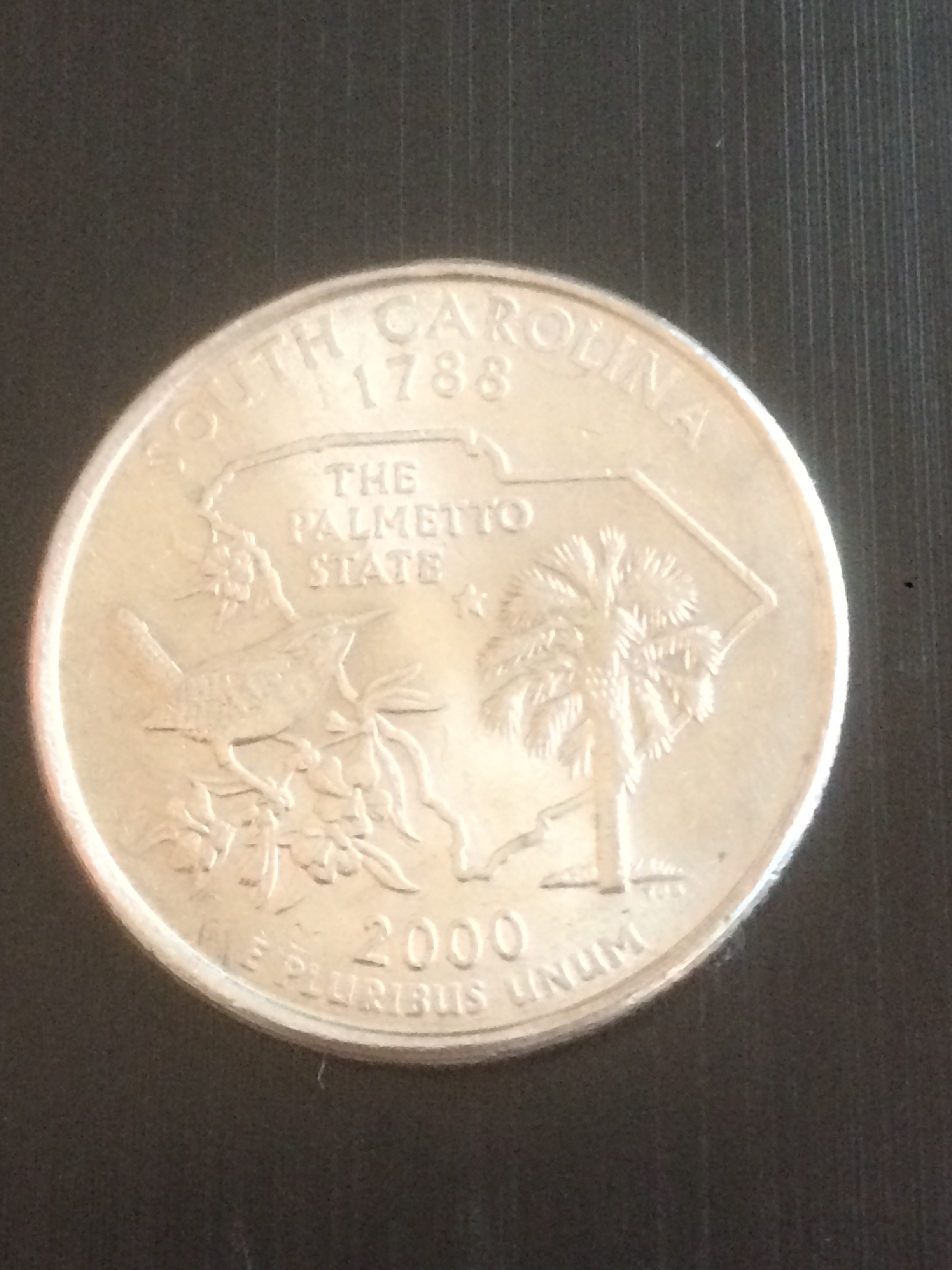
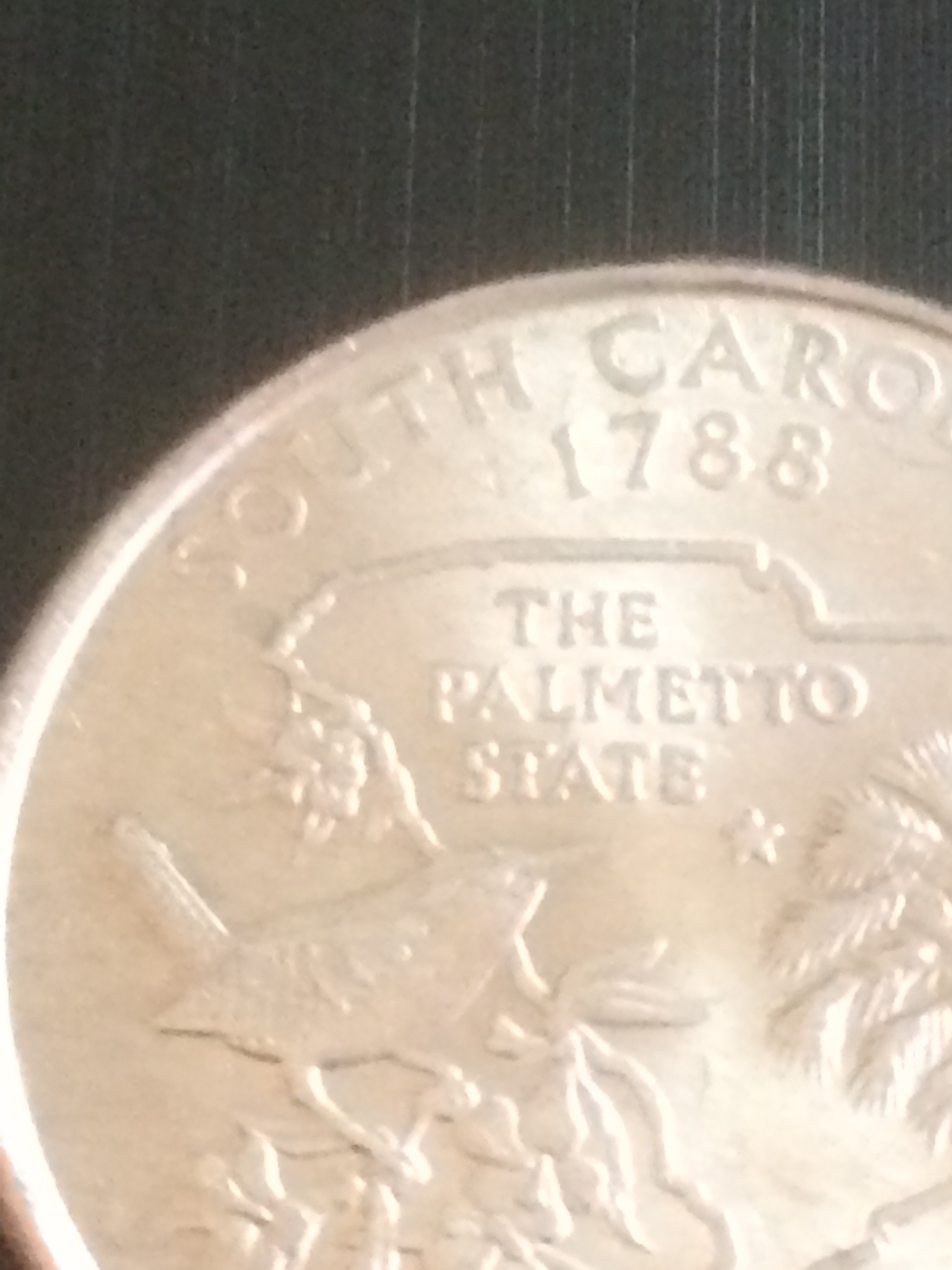
    I have a south caroling quarter that has an “extra stem”(?) connecting the flower above the bird to the state outline. Is it worth having this certified? Thanks for your opinion. Best regards.
    https://uploads.disquscdn.com/images/bc38d142b403f1f4e0191f1c0cab32910ba7ef6082613e85397b5611071d30fd.jpg https://uploads.disquscdn.com/images/f84547f434a11554790c40c0616163cf21fb5cca0ae0426912d458d5efc3b007.jpg

    1. JoshuaTheFunTimesGuide Avatar
      JoshuaTheFunTimesGuide

      Hi, BE S —

      For some reason I’m having a difficult time making out this detail, most likely a die break, in the images. But, yes, if it is a raised line or connecting point it’s most certainly a variety — likely a die crack/break. It my be worth sending in for certification but do point out the die crack in the submission form and make sure they can attribute it or recognize it on the label.

      Good luck,
      Josh

      1. B ES Avatar
        B ES

        Hi Joshua –
        Thanks for the response.
        My cell phone is old (like me), I think I might need a real camera.
        Stay healthy!!

        1. B ES Avatar
          B ES

          Sorry to bother you again, I was wondering if you would recommend someone to send it to.?
          Thanks in advance.

          1. JoshuaTheFunTimesGuide Avatar
            JoshuaTheFunTimesGuide

            Hi, B ES —

            Along with CONECA for attributing varieties (www.varietyvista.com), the article below has links to four of the largest third-party coin grading firms: https://uscoinsguide.com/slabbed_coins/

            Hope this helps!
            Josh

          2. Moriah Orosco Avatar
            Moriah Orosco

            Hello I just wanted to commend you for your hard work I see you replying to everybody's messages and questions that is a lot of work for someone to do and yet you are taking time for every single person just wanted to applaud you and say I respect you for doing that. I know it's hard to answer everyone's questions when it comes to coins so you are awesome!

          3. JoshuaTheFunTimesGuide Avatar
            JoshuaTheFunTimesGuide

            Hello, Moriah!

            I really appreciate your kind remarks! I certainly do try my best to get to everyone’s comments and hope that those receiving my replies find my feedback helpful.

            Cheers,
            Josh

        2. JoshuaTheFunTimesGuide Avatar
          JoshuaTheFunTimesGuide

          Ha ha! No worries!
          -Josh

  2. Amy L Pursifull Avatar
    Amy L Pursifull

    I have a 2000 SOUTH CAROLINA QUARTER that has a lump or bubble on the side with date and no indentation on other as to how it would have got there. I would really like to know the value or just the reason for the lump. Any ideas??

    1. JoshuaTheFunTimesGuide Avatar
      JoshuaTheFunTimesGuide

      Hello, Amy —

      Without seeing an image of the coin I can’t say for certain what’s going on with your specific piece, but in the cases of copper-nickel clad quarters like yours the lump was most likely caused by separation of the clad layers due to exposure to high heat (such as a fire).

      Hope this info helps,
      Josh

  3. Sandra Castelo Avatar
    Sandra Castelo

    Josh,
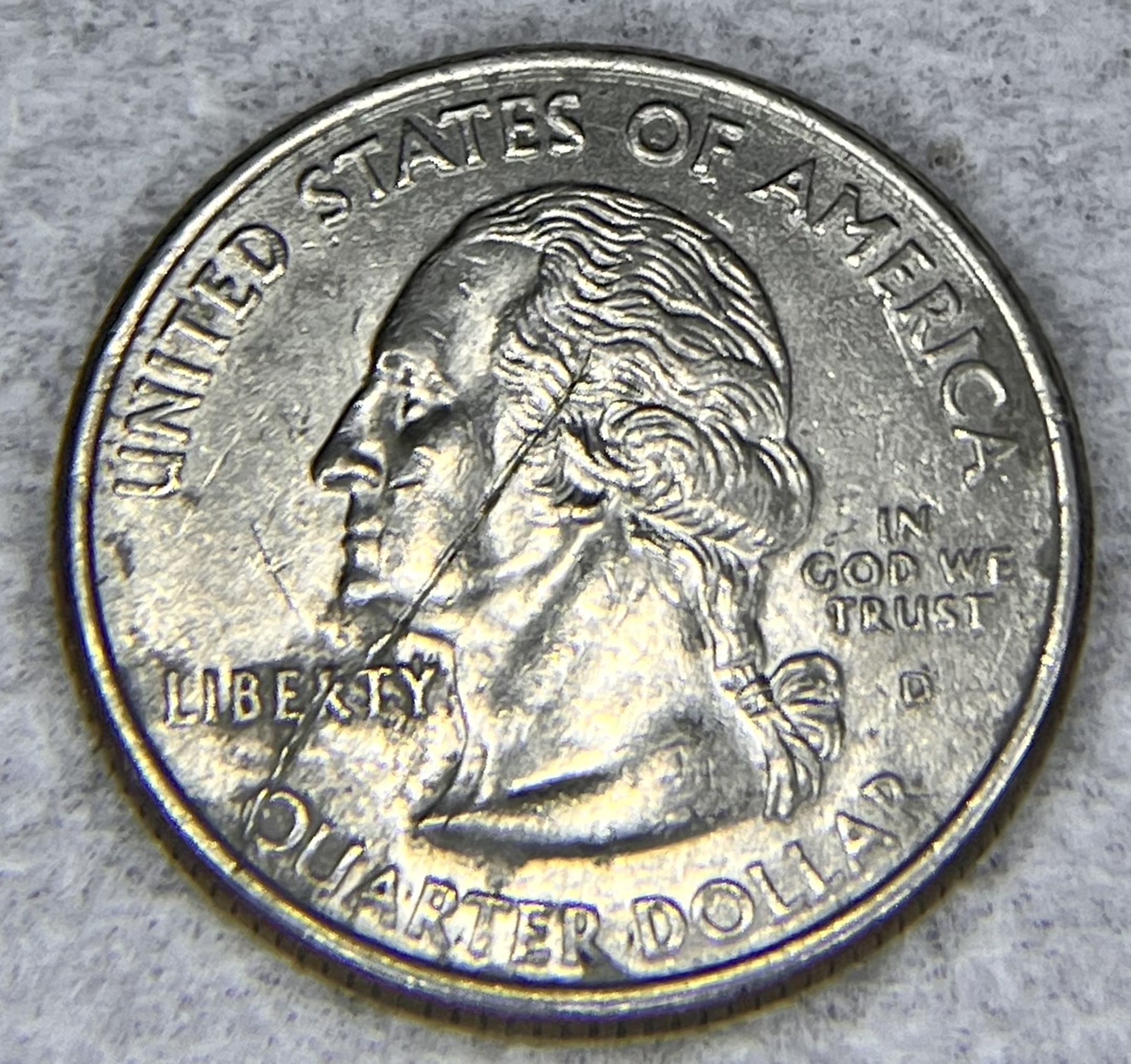
    Today while rolling up my extra quarters, I discovered a unique 2000-D South Carolina quarter with a possible mint error. I’m interested in knowing your opinion on it!
    https://uploads.disquscdn.com/images/4ccfb78abe72b8b175154a401fb3ad7d55d31309cb7492ad91f065b8d61fc942.jpg

    Thanks in advance,
    Sandra

    1. JoshuaTheFunTimesGuide Avatar
      JoshuaTheFunTimesGuide

      Hi, Osiko —

      Is the possible error in question the deep line/cut across the face of the quarter? If so, that’s post-mint damage and is therefore not an error or a feature of value. The coin is worth its face value and is safe to spend.

      Best,
      Josh

  4. James Hutchinson Avatar
    James Hutchinson

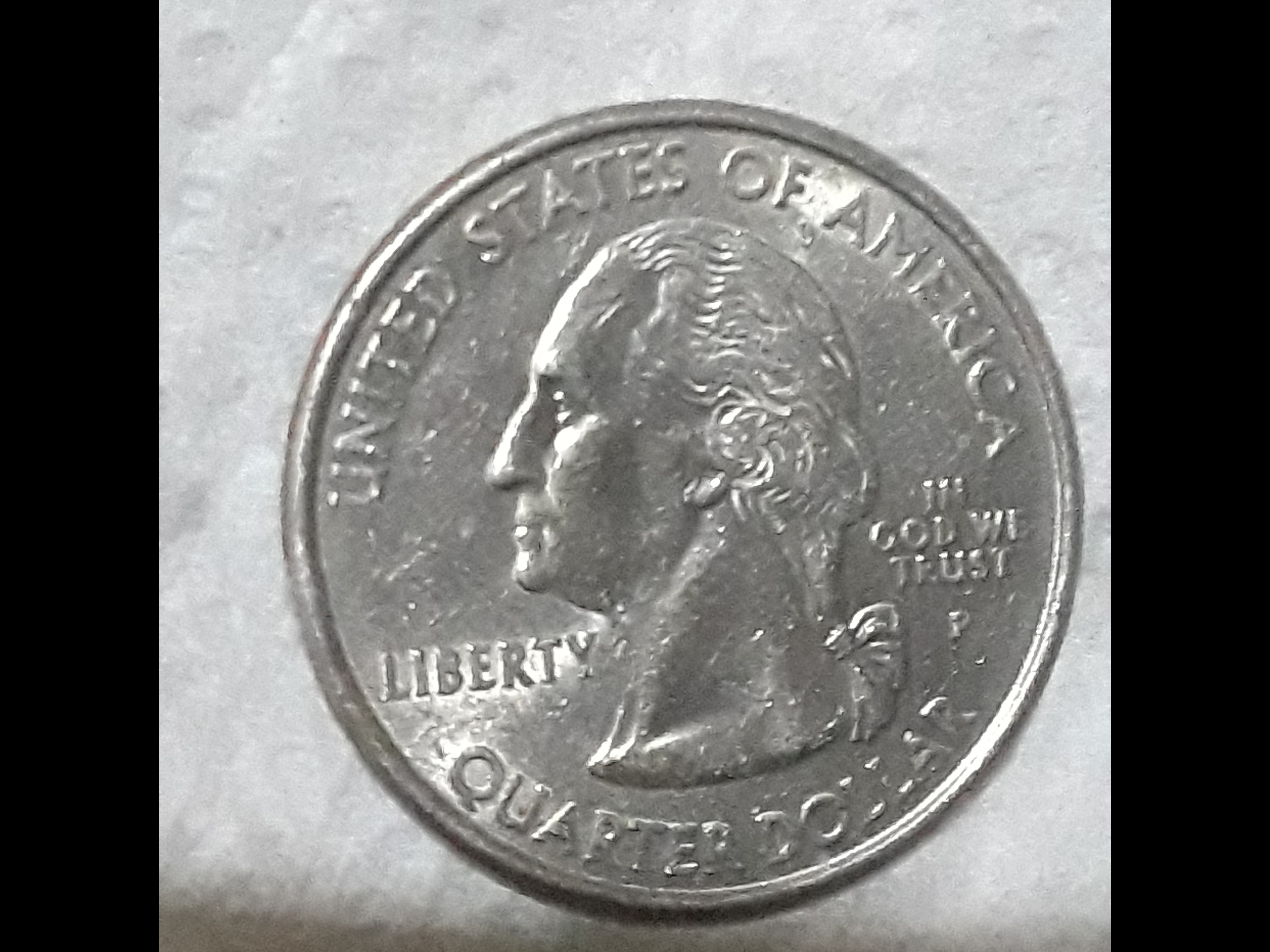
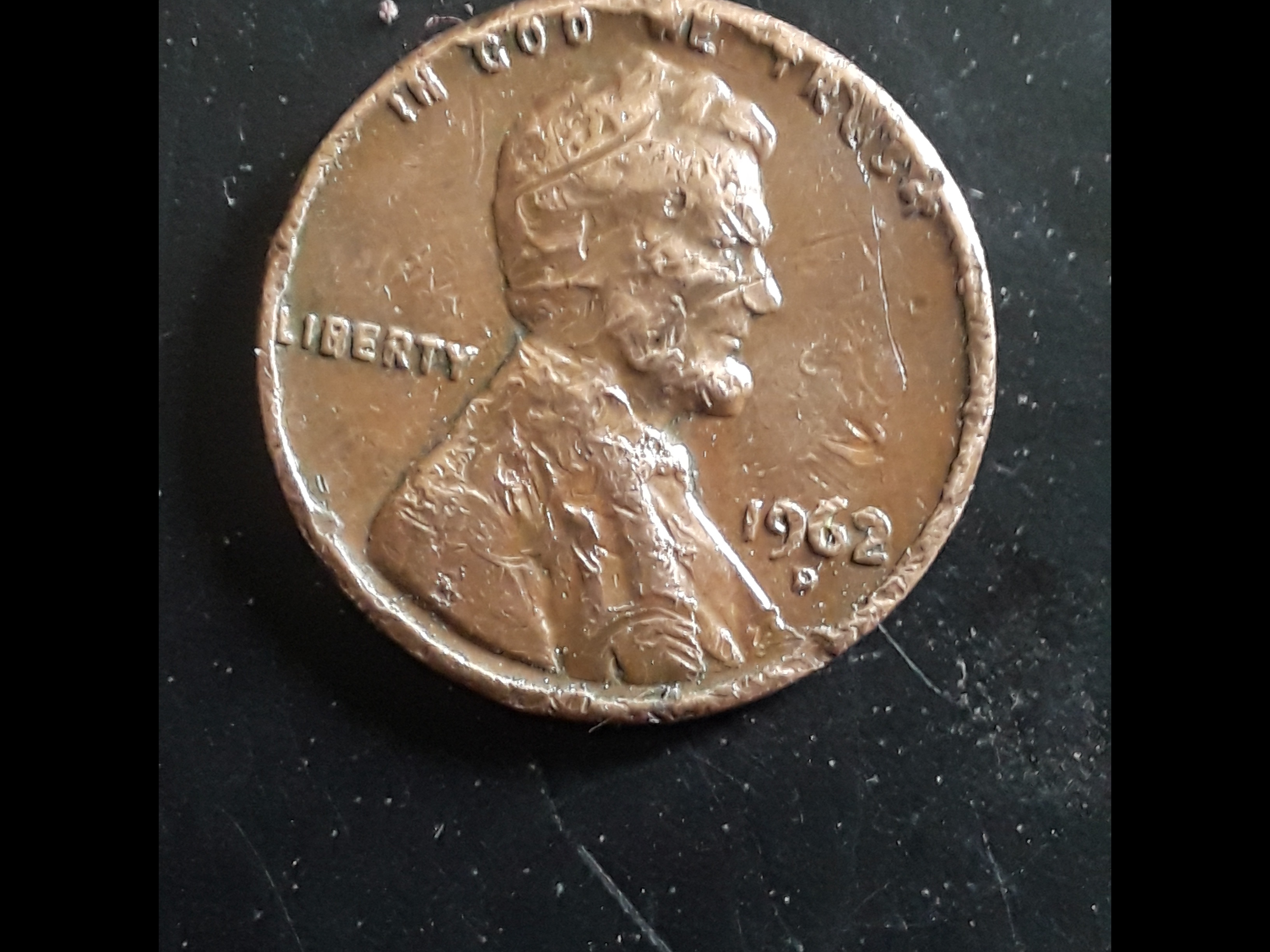
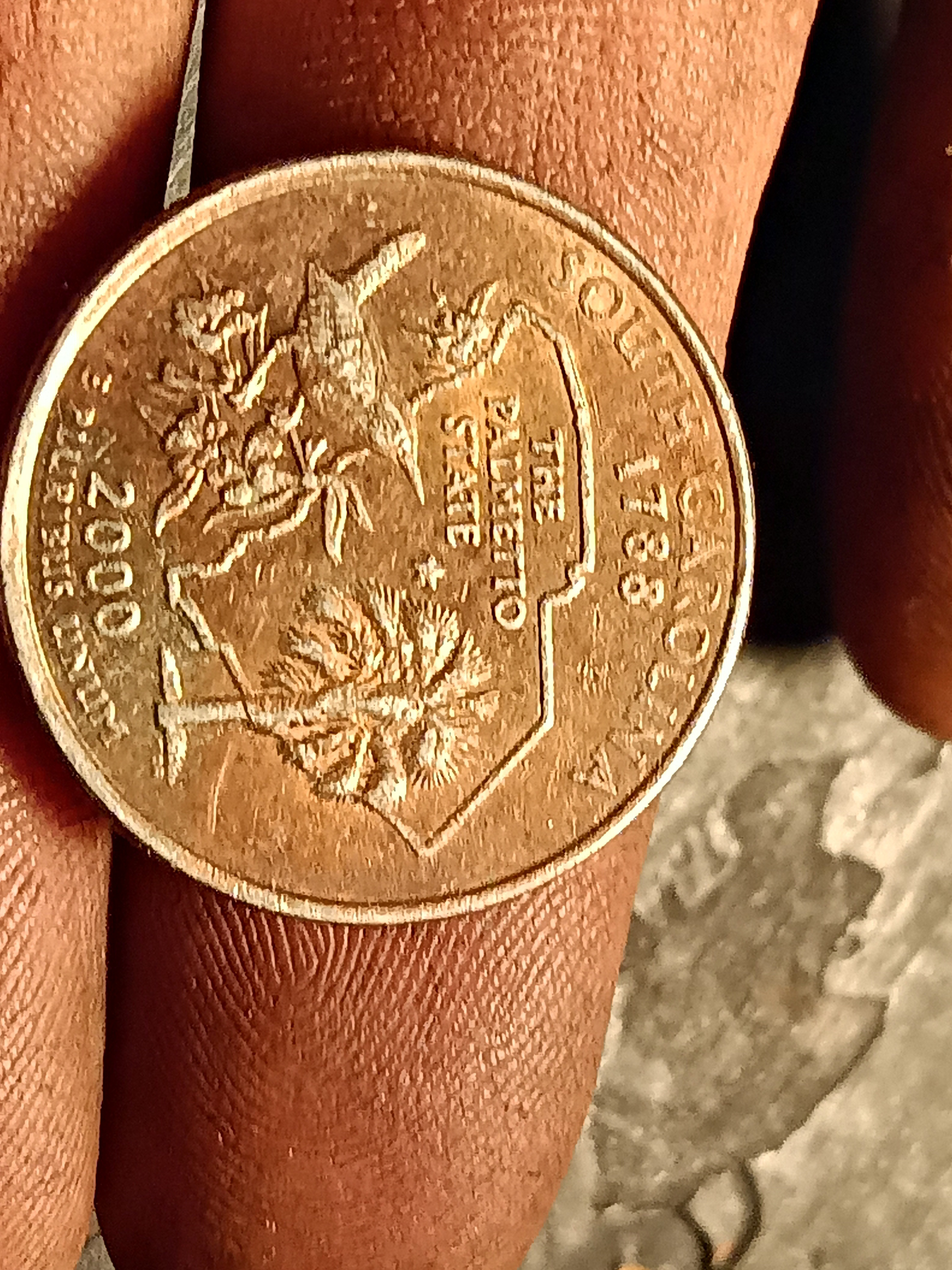
    Hello sir . I’m not sure is state quarter for S.C dot is only opinion at this site . I’ve been at this for 50 years or so . Went for several years and nothing then the damn broke . Found a 90 quarter ugliest most beautiful thing ever . Then an 66 with a perfect leaf between the 6s and a 68 uncle adolph . My question is could older coins been used to strike the new ones over. There is some doubling easily discernable there is an imprint of a palm leaf in his forehead and 4 perfectly spaced dots in his neck https://uploads.disquscdn.com/images/802a0af10c27e0107cb6a025ba2e56801f6d21402042e790a0bbf6b87e3e7903.jpg also I know your a quarter guy but have to show you this https://uploads.disquscdn.com/images/d10aa0665a6e8176c23303959c2557bd4dddc55cd929b5f2f3edb7857ff208e3.jpg love to send you the rest but way long winded already . Your opinion is valuable to me thank you for all your time .

    1. JoshuaTheFunTimesGuide Avatar
      JoshuaTheFunTimesGuide

      Hi, James —

      In the catalog of U.S. coins, there have been a few one-off instances of older coins being struck by newer dies, the 1970-S Washington quarter struck on a 1941 Canadian quarter (https://uscoinsguide.com/rare-quarters/) a famous and valuable example of this. But such things are extremely rare.

      That being said, what I see here in the photos is a 1962-D penny with heavy post-mint damage. I don’t see anything immediately unusual about the South Carolina (?) quarter, though the image is really fuzzy upon zoom.

      Given the volume of questions here, I unfortunately wouldn’t be able to examine all the coins you may have. However, I included a link here to errors and varieties worth looking for: https://uscoinsguide.com/us-coin-errors-and-varieties/

      I hope you find the info helpful,
      Josh

  5. Randall Metz Avatar

    https://uploads.disquscdn.com/images/c17f2d4f0dc896e82f5ace6482b42a5c30f5e3cce44a97b735361556aee83ec6.jpg Hi Josh I have A few coins that I am having trouble finding anything to compare them to! The first is a 2000 P quarter! The coin has all of the reverse clad missing the obverse side has what looks to be roughly half the clad missing!n It weighs 5.65 g and does not seem to exhibit enough wear to account for the total copper look! I assume it could have came into contact with something that caused the clad loss but it shows fine details just has nearly 0 clad doesn't have the brown rusty look that is usually seen on coins with clad loss! It has a bright shiny color to it! Any opinion is appreciated

    1. JoshuaTheFunTimesGuide Avatar
      JoshuaTheFunTimesGuide

      Hello, Randall!

      I’m usually very cautious about confirming something like a missing-clad error merely by photos alone. Discolored coins (which are very common) sometimes look VERY much like missing-clad errors. To confirm a missing-clad coin with certainty, it is best to have the coin evaluated in hand. Why? They can take a close look at the edge to see if there is any evidence of a clad layer atop the copper core. They can also evaluate the metal composition of the reverse (in your coin’s case) and see it’s really copper or just stained copper-nickel clad.

      I’m not sure this is the answer you’re looking for, but it’s the best suggestion I can provide to ensure you get the right information about your coin!

      Cheers,
      Josh

  6. Tom Montgomery Avatar
    Tom Montgomery

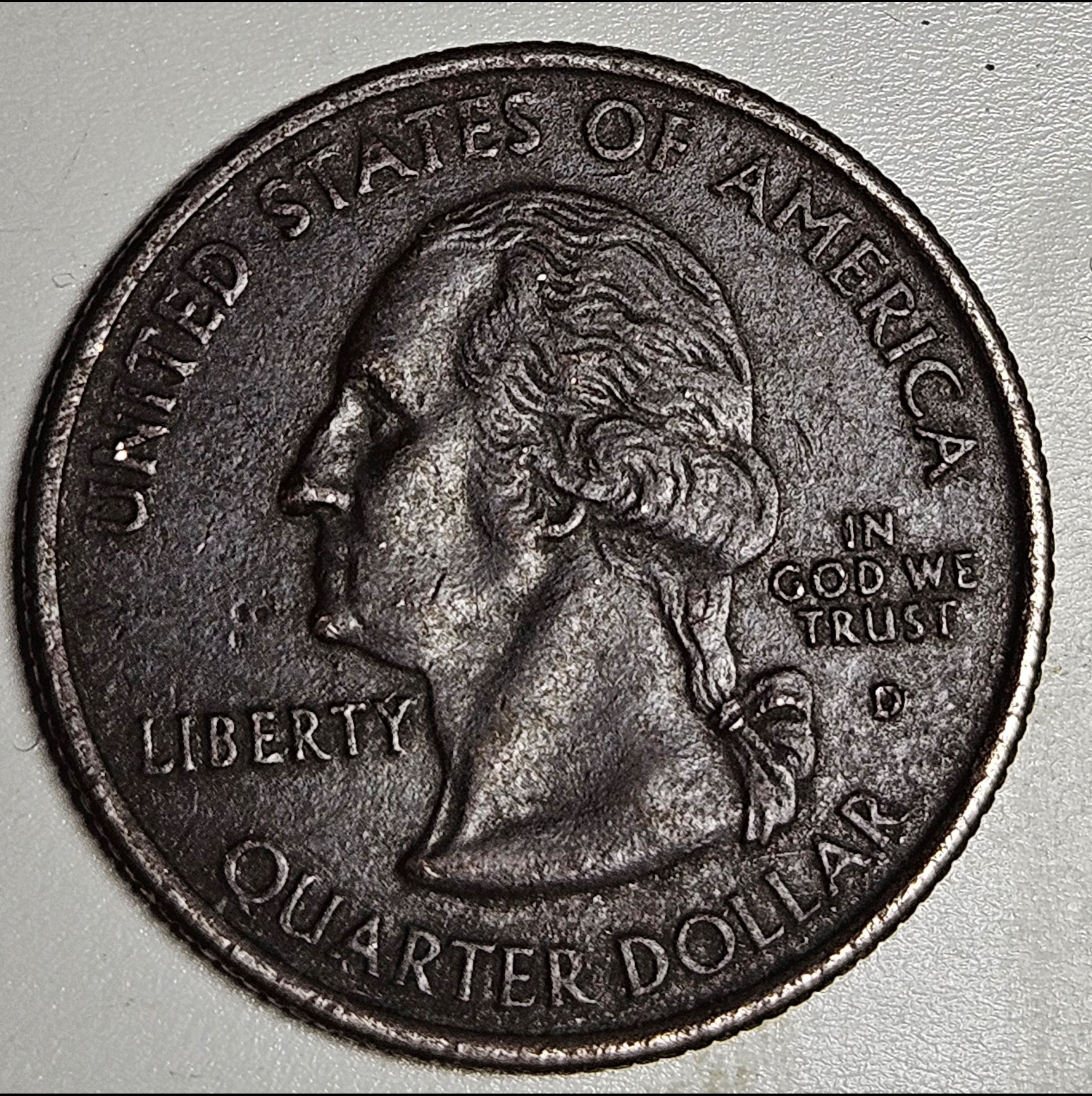
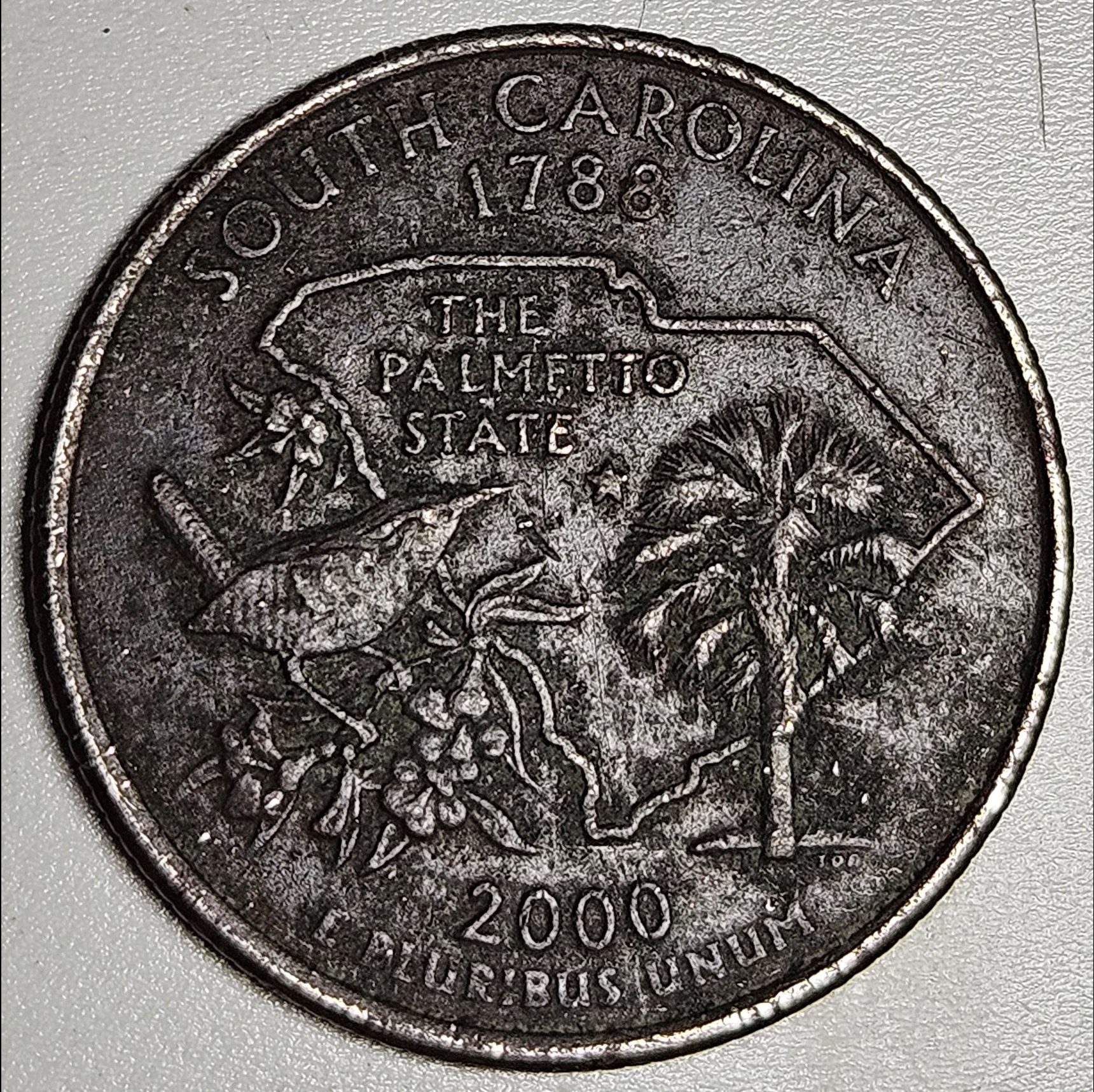
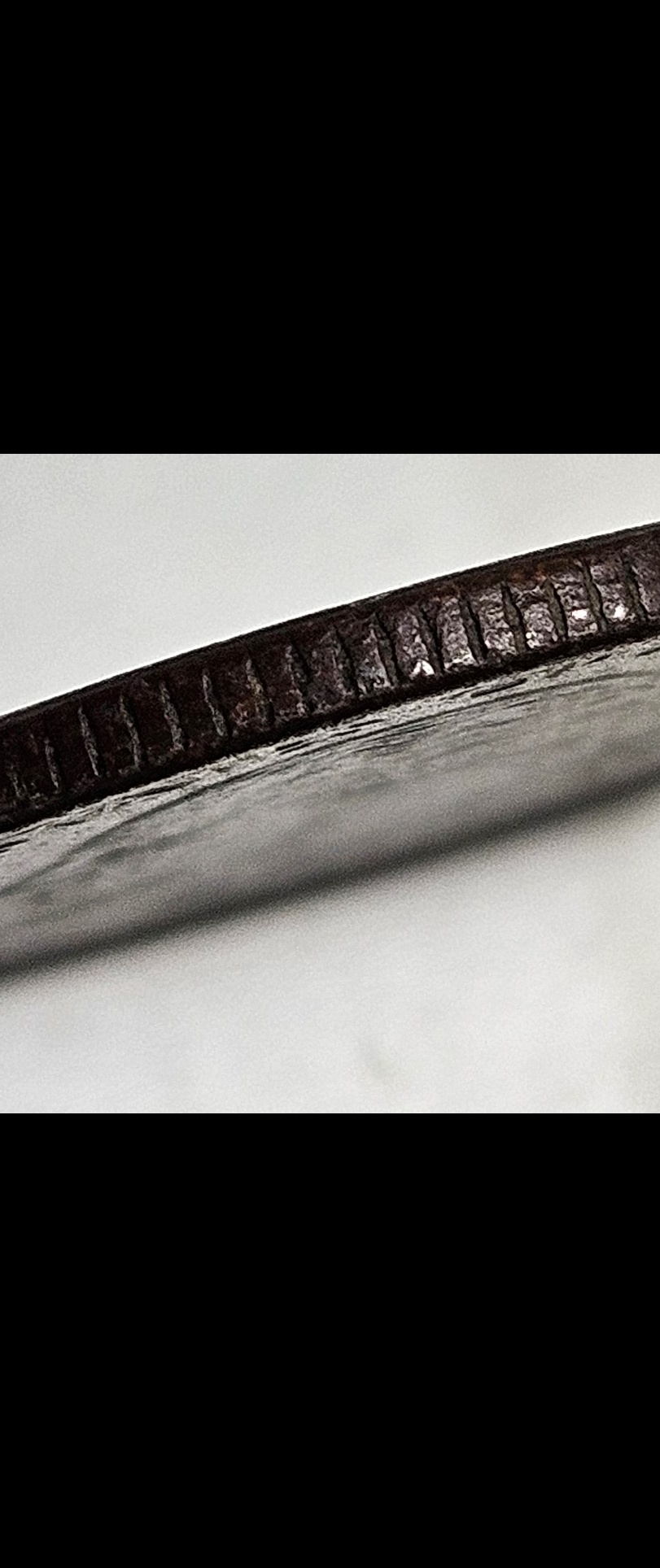
    Mr. Joshua, I have just started looking through my saved coins, after seeing so many posts on FB about US coin errors; and, I have started to find a few. I would, therefore, appreciate your opinion on this circulated 2000 D South Carolina state quarter that has a rather unique patina. Under high magnification and a "daylight" lamp source, the patina appears as a dark, antique bronze color; and, on the wear spots (e.g., the edge & higher surfaces), it has a lighter bronze coloring (the photos from my cell phone don't do it great justice). It also weighs sort of in the middle of the weights of 5 other South Carolina quarters (5.67 grams vs. 5.61 – 5.73) . So, I'm not sure if this coloring is due to a chemical reaction, coating application, or possibly due to being struck on an incorrect planchet. Your opinion and suggestion on whether an independent evaluation could be justified.
    https://uploads.disquscdn.com/images/9c7f83606cde3623c39f0c00e49408aff1c39cd422f7ccc9ff1b53230f6461ec.jpg https://uploads.disquscdn.com/images/69348e8b0955c41e5f691e110fda6b2a9e18ba8d5602b06abd2c48e739f77746.jpg https://uploads.disquscdn.com/images/39685b950b3a26f75de611ac2b53099227ffb7177904997d2022459792370b90.jpg

    1. JoshuaTheFunTimesGuide Avatar
      JoshuaTheFunTimesGuide

      Hi, Tom!

      Thank you for reaching out. Based on the information you provided plus the terrific photos, this appears to be a normal quarter that has experienced some degree of environmental damage. I say this because in the photos there appears to be either light porosity or pitting on this coin, which is consistent with exposure to something relatively caustic. That can certainly contribute to the coin’s darker patination on the fields and deeper recesses and light degrees of wear owing to the lighter color on the higher points, where wear would remove some of this deep patination.

      I hope my opinion is helpful!
      Josh

      1. Tom Montgomery Avatar
        Tom Montgomery

        Thanks for the feedback, Josh. Sorta what I expected; however, I'll keep it for its unusual full-coverage finish, and maybe share it with a local coin shop for a closer evaluation with better equipment than what I have. It is kinda unique, if not a collectable.

Leave a Comment

Ezoic/Google Ad

300x250

Content Widget

Ezoic/Google Ad

300x600 Sticky