


Quarters are truly the workhorse of American currency.
Used for all kinds of transactions ranging from parking and highway tolls to vending machines, there probably is no coin that’s more frequently used today than the quarter.
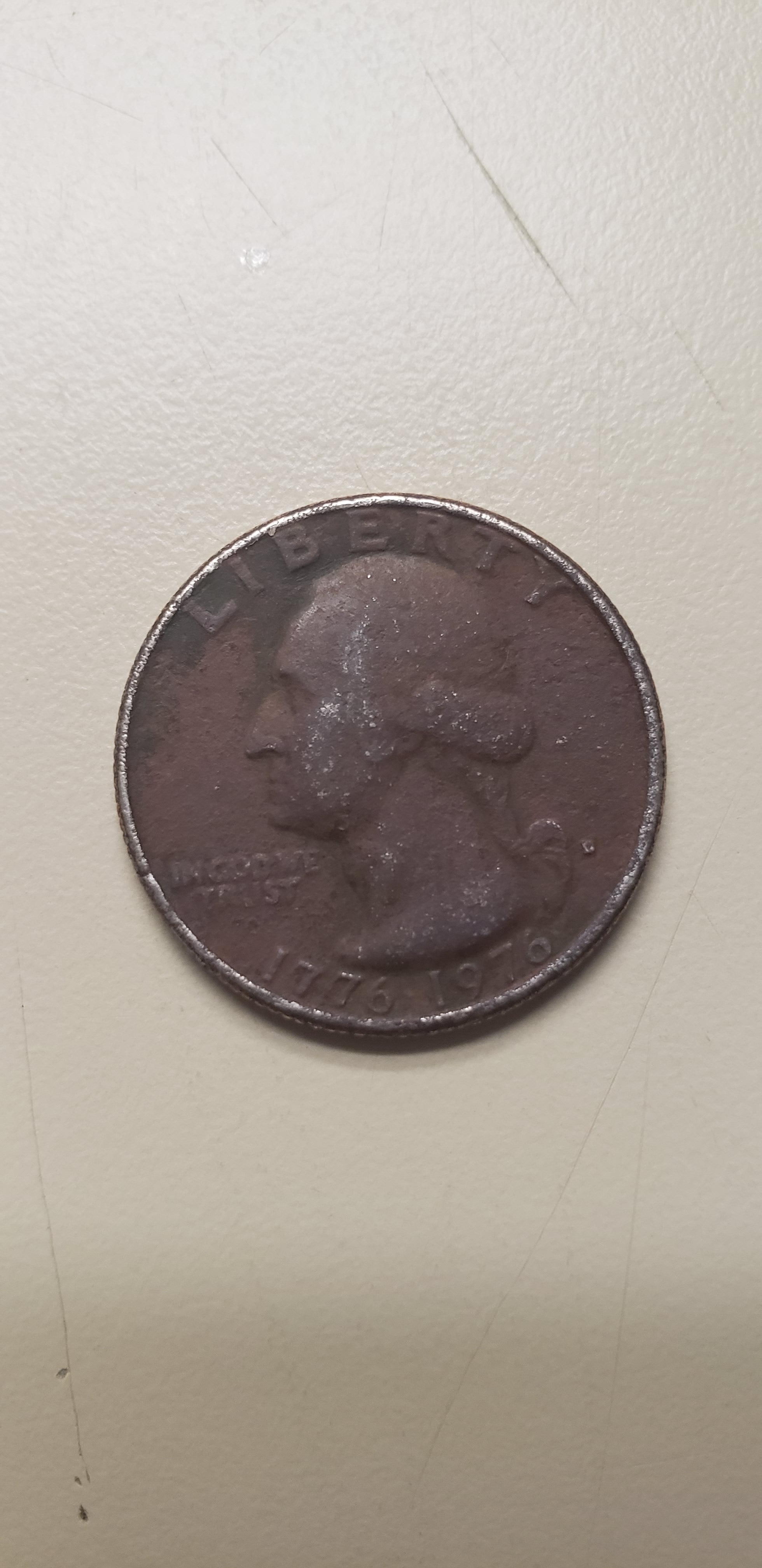
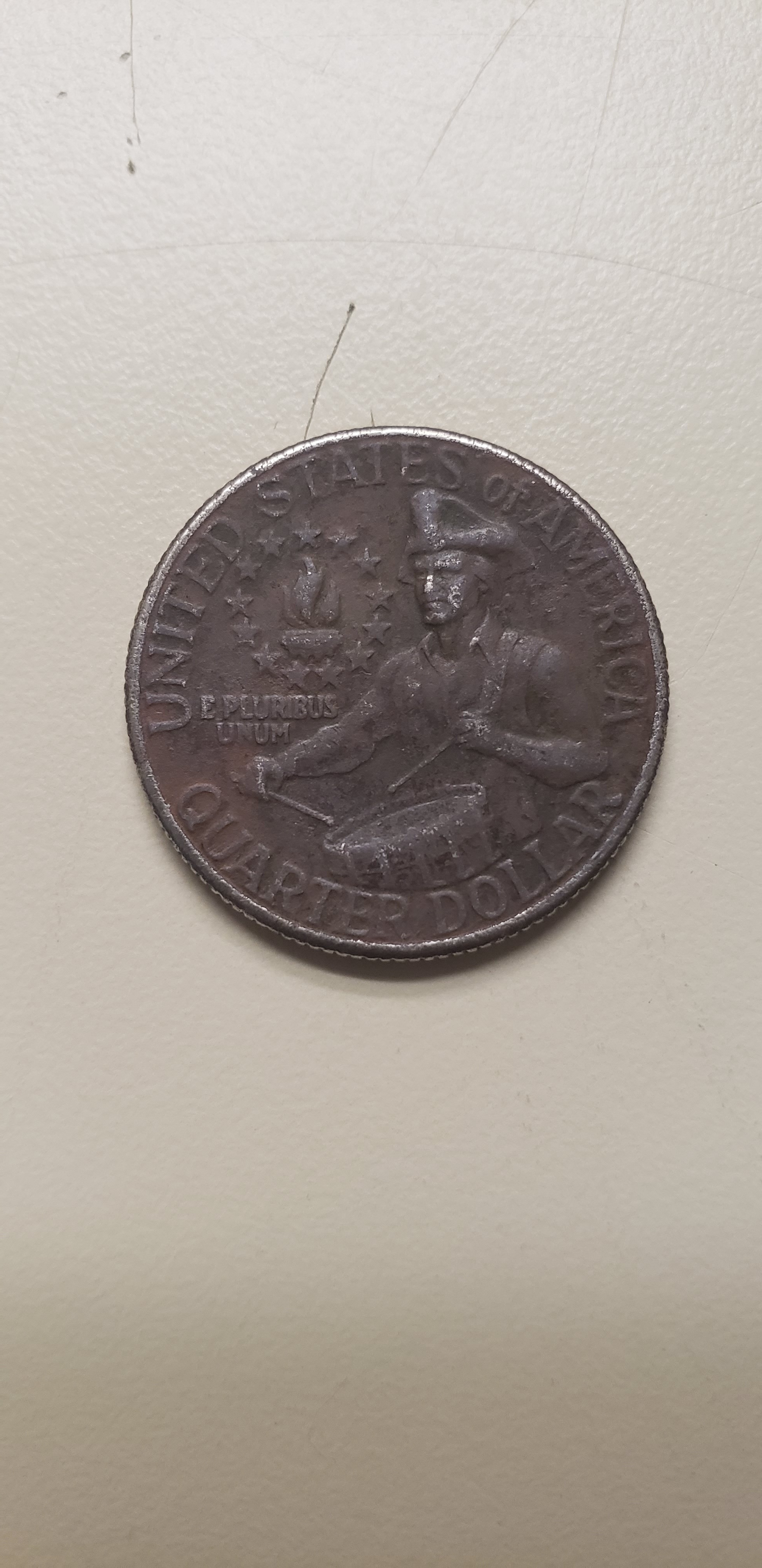
Quarters, like pennies, are highly popular collectible coins — and they’ve hit phenomenal heights since the introduction of the 50 States Quarters program back in 1999.
But rare quarters — those which are scarce and in demand among coin collectors — have always been held in high regard, even since before the advent of the 50 States Quarters program that drew millions of new coin collectors’ eyes to the denomination.
The 50 States Quarters program was a double-edged sword. It got people looking down at their change, but it also made folks think that every single shiny or odd-looking quarter they found was an instant lottery ticket. Social media is flooded with people trying to pass off standard, beat-up pocket change as “mega-rarities.” If you want to build a real, high-value collection, you have to look past the modern clad hype and train your eyes to spot the absolute classics — the type coins and transition pieces that actually have real history baked into the metal.
Rare Quarters To Look For
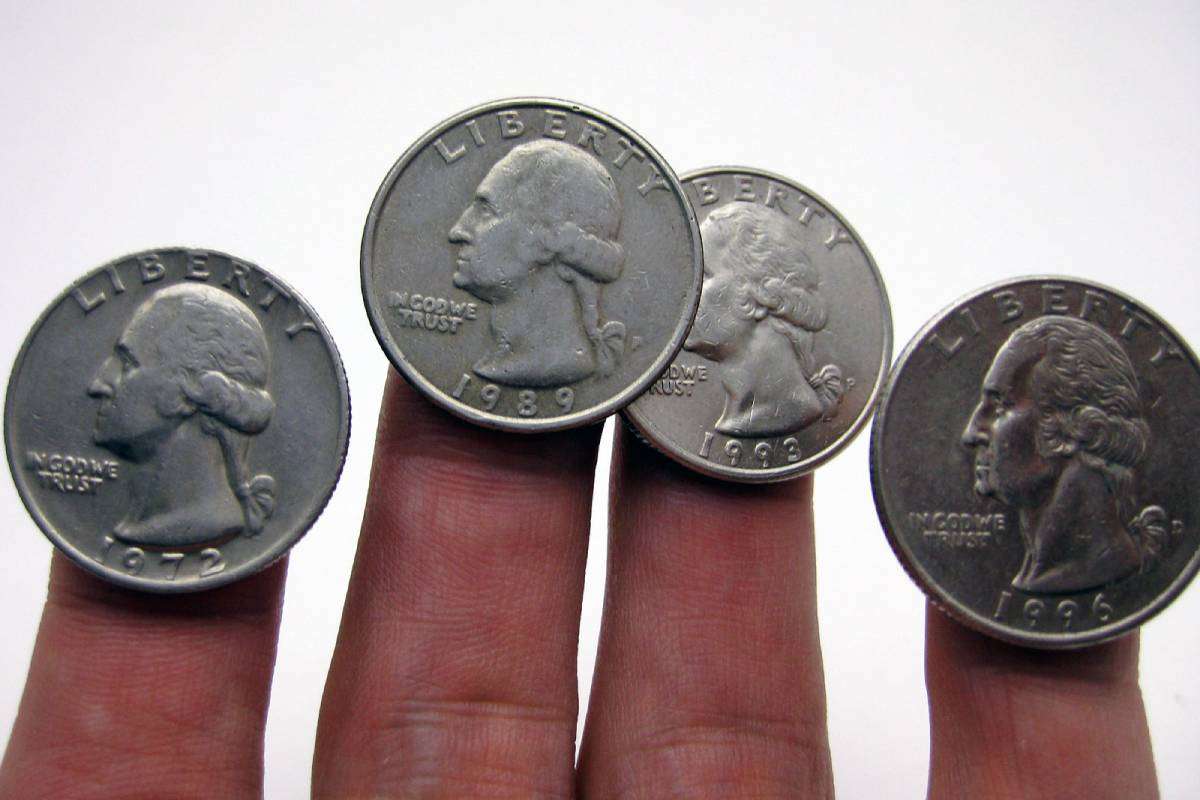
If you’re taking quarters as a denomination (and looking beyond simply the Washington quarters made since 1932), then there are several dates considered rare.
In fact, taking into consideration every design series of the quarter going back to the very first, made in 1796, there are easily 2 dozen dates that could be considered highly scarce or rare.
Let’s take a look at each of these rare quarters and see how scarce and valuable they are.
Oh, and you might want some deep pockets for some of these coins, because many will set you back far more than you probably paid for your first car!
Before we jump into the raw mintage charts and values, let’s talk about why a coin’s grade and originality matters. When you’re chasing early 19th-century or 20th-century quarters, don’t get discouraged just because a coin looks heavily circulated or flat. For instance, on the Standing Liberty series, the date was placed on a highly raised part of Miss Liberty’s pedestal — meaning it was the absolute first detail to wear away flat in commerce. Finding a pre-1925 Standing Liberty with a fully readable, original-date is a massive victory in itself. Never bypass a coin just because it isn’t a flawless mirror-like specimen. In our hobby, a problem-free, original-patina “Good-4” key date is always a certified treasure.
Values & Mintages Of Rare Quarters
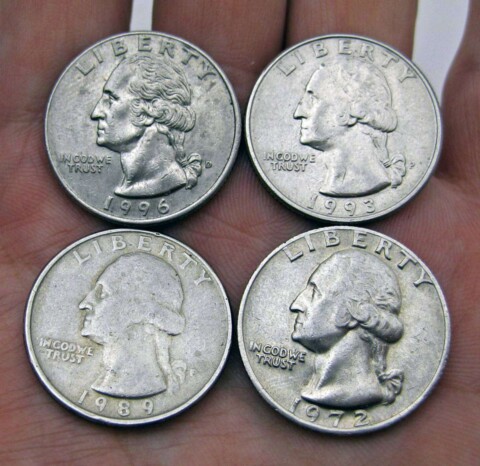
Though we’re going to list the mintages (the number of how many coins were made by date and mintmark), we’ve said it here often that you shouldn’t always look just at a mintage to determine how rare a coin is.
You might be surprised to learn how many millions of otherwise ‘common date’ coins have been melted down for their silver value.
So, take the mintage numbers below with a grain of salt. Between mass meltings, loss of coins due to time and circulation, and other factors, the fact that 500,000 coins of a certain date were made doesn’t mean 500,000 coins of that date still exist!
With that in mind, take a gander at what 25 of the rarest quarters are going for these days:
- 1796 Draped Bust Quarter (6,146 made) $12,000+
- 1804 Draped Bust Quarter (6,738) $3,500+
- 1822 25 over 50 c Capped Bust Quarter (unknown quantity) $5,000+
- 1823 over 2 Capped Bust Quarter (estimated 30 to 40 exist) $45,000+
- 1828 25 over 50 c Capped Bust Quarter (unknown quantity) $1,100+
- 1842-O Seated Liberty Quarter with small date (unknown quantity) $600+
- 1849-O Seated Liberty Quarter (unknown quantity) $1,300+
- 1854-O Seated Liberty Quarter with huge ‘O’ mintmark (unknown quantity) $800+
- 1860-S Seated Liberty Quarter (56,000) $1,000+
- 1864-S Seated Liberty Quarter (20,000) $1,000+
- 1870-CC Seated Liberty Quarter (8,340) $9,500+
- 1871-CC Seated Liberty Quarter (10,890) $10,000+
- 1872-CC Seated Liberty Quarter (22,850) $2,000+
- 1873-CC Seated Liberty Quarter with motto (estimated 6 exist) $80,000+ in XF-40
- 1873-CC Seated Liberty Quarter with motto and arrows (12,462) $6,000+
- 1896-S Barber Quarter (188,039) $650+
- 1901-S Barber Quarter (72,664) $4,250+
- 1913-S Barber Quarter (40,000) $1,300+
- 1916 Standing Liberty Quarter (52,000) $5,000+
- 1918 over 7-S Standing Liberty Quarter (unknown quantity) $2,250+
- 1921 Standing Liberty Quarter (1,916,000) $190+
- 1923-S Standing Liberty Quarter (1,360,000) $450+
- 1932-D Washington Quarter (436,800) $105+
- 1932-S Washington Quarter (408,000) $100+
- 1937 Washington Quarter with doubled die obverse (unknown quantity) $175+
*All coin prices above are for rare quarters in Good-4, unless otherwise stated
How To Spot Fakes
Here are some pro tips for a few of the heavyweights in the above chart — so you don’t mistakenly buy a counterfeit:
- The 1916 Standing Liberty Quarter — If you’re scanning the bargain bins for that legendary 1916 key date (mintage of just 52,000), flip straight to the reverse. Unscrupulous folks love taking heavily worn 1917 Type I quarters and tooling the date down to make a fake “1916.” To catch these instantly, look below the flying eagle — both the 1916 and the 1917 Type I have zero stars beneath the wings, but the drape lines on Liberty’s gown hug Miss Liberty’s left foot, whereas on the 1917 Type I they pull up and away from the ankle. You’ll also notice that the rivets on Miss Liberty’s shield are soft and may even be seemingly absent.
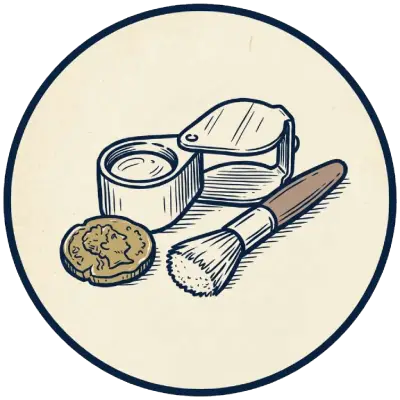
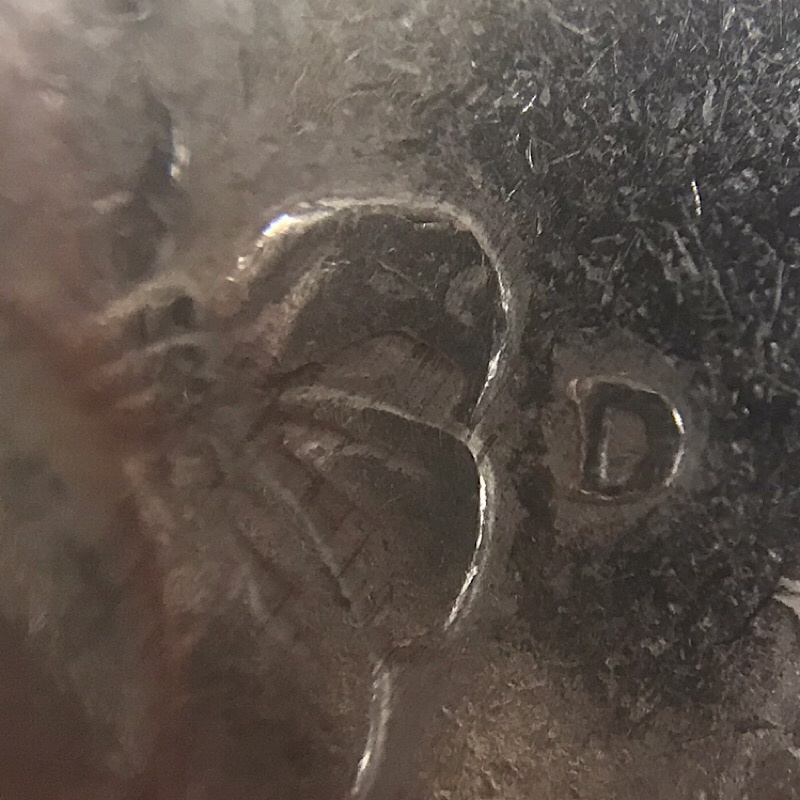
- The 1932-D & 1932-S Washington Quarters — These are the twin kings of the modern quarter run. But because they carry a $100 baseline premium, fakers frequently glue a loose “D” or “S” mintmark onto a common 1932 Philadelphia coin. Grab your 10x coin loupe and focus straight on the mintmark base. An authentic mint-struck mintmark will flow naturally with the surrounding devices and appear crisp and clean. If you see a tiny seam around the base of the mintmark, an oily residue, or an unnatural dark ring around the letter, it’s likely a post-mint alteration.
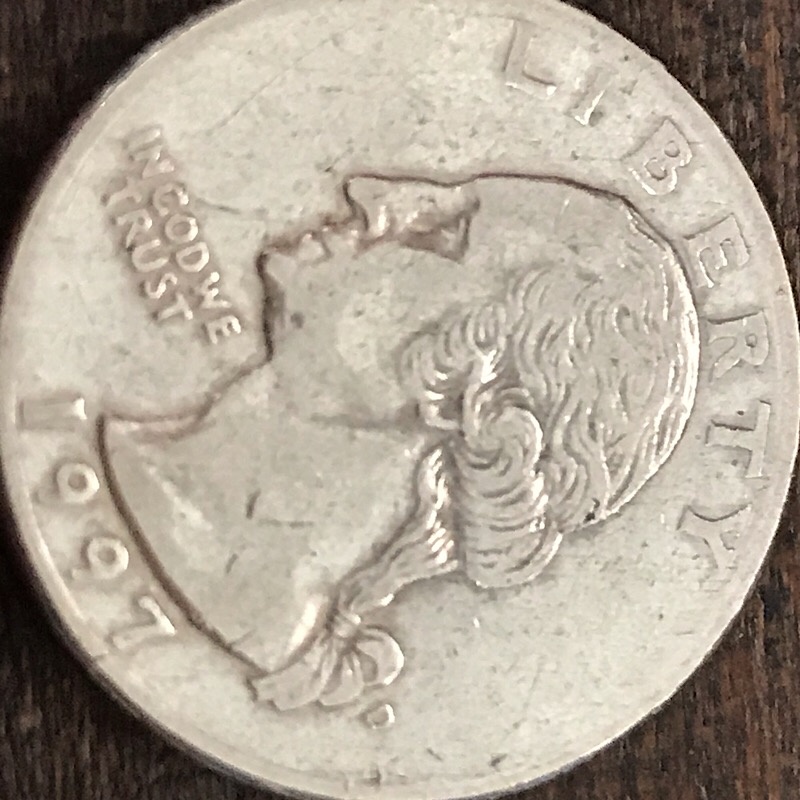
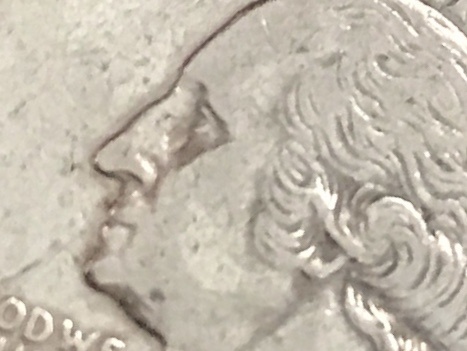
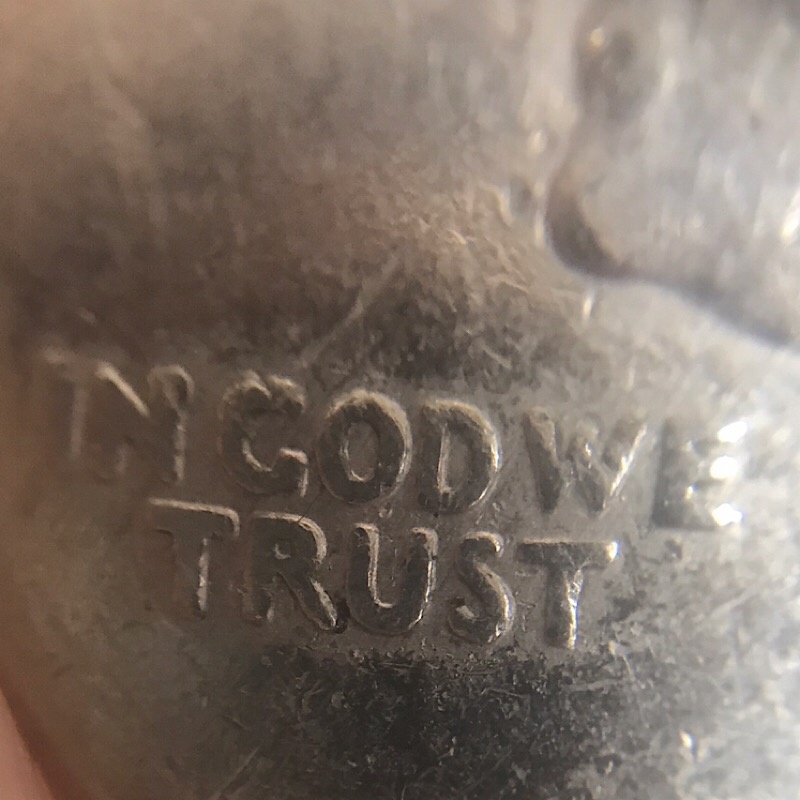
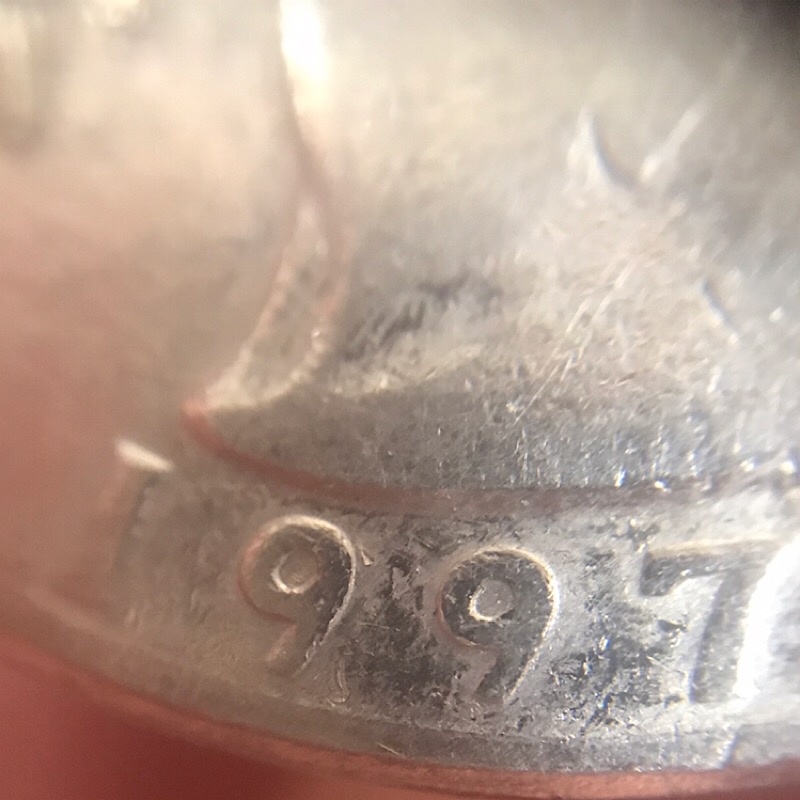
- The 1937 Washington Quarter with Doubled Die Obverse — Don’t get fooled by flat, shelf-like machine doubling caused by mechanical aberrations or strike chatter! A genuine 1937 premium doubled die will show crisp, rounded, raised extra metal contours with clear separation notches distinctly visible on the letters of “IN GOD WE TRUST” and the date digits.
- The 1918/7-S Standing Liberty Quarter — If you’re checking a Standing Liberty quarter for that monster 1918 over 7-S rarity, don’t just stare at the final digit hoping to see a phantom line. Look down at the protected recess right next to Liberty’s right knee (on the left side of the coin as you’re looking at it). Genuine overdate dies suffered a severe die clash at the Philadelphia Mint before being shipped to San Francisco. Even on a flat, heavily circulated “Good-4” specimen, you will see a tiny, distinct ghostly ghost outline of a die clash right in that knee recess. No clash, no cash.
- 1854-O Seated Liberty Quarter (with huge “O” mintmark) — By all estimations from numismatic scholars, the mintmark on this rare variety was likely recut or retooled, resulting in a much larger, slightly egg-shaped “O” with ultra-thick font. The left side of the “O” appears much wider than the right side. If your “O” looks neat, tiny, and perfectly symmetrical, it’s just the common variety.
- The 1873-CC Seated Liberty Quarter (with motto and arrows) — Pay close attention to the two 1873-CC listings on the chart. In the middle of 1873, the U.S. government legally changed the physical weight of a quarter, bumping it up from 6.22 grams to 6.25 grams. To make sure the public knew which coin was heavier, the Mint stamped two tiny arrows on the left and right sides of the date. The “No Arrows” 1873-CC is the ultra-rarity (only about 6 are known). If you find an 1873-CC in an old box, look at the date — if there are no arrows flanking the numbers, you’ve got the real deal. If it has the arrows at date, it’s still a multi-thousand-dollar Carson City find, but it’s the more common of the two varieties.
- The 1822 and 1828 “25 over 50 c” Capped Bust Quarters — Talk about a massive oopsie at the early Mint. It seems a Mint die sinker accidentally used the “50” (cent) punch before they realized the mistake and overstepped that with the “25” punch. If you look at the lower reverse where the denomination is on a genuine 1822 or 1828 overdate, you can literally see the ghostly, curved remnants of the “50” or the “0” peeking out from underneath the crisp “25 c” text.
- The 1842-O Seated Liberty Quarter (with small date) — There’s a “Large Date” and a “Small Date,” and the Small Date is a monster rarity. But how do you tell if it’s a Small Date without another 1842 sitting next to it? Look at the numbers relative to the base of Miss Liberty. On the rare Small Date, the top serif of the “1” is straighter across the top than as seen on the Large Date; also the bottom serif of the “4” appears flat left to right, whereas on the Large Date it tilts slightly upward to the left.
READ NEXT: Rarest U.S. State Quarters To Look For










Leave a Comment