⚡ Quick Collector Takeaways
- Know the genuine date: A real 1914-D Lincoln cent has an authentic 1914 date and a Denver “D” mintmark below it.
- Watch for altered coins: A common deception involves removing part of the first 4 on a 1944-D penny to make the date resemble 1914.
- Rarity matters: Only 1,193,000 were originally minted, making the 1914-D a major Lincoln Wheat cent key date with substantial collector demand.
- Buy with confidence: Josh recommends purchasing expensive examples in authenticated holders from reputable third-party grading services rather than relying on appearances alone.
Video Breakdown & Chapter Highlights
What a Genuine 1914-D Penny Looks Like
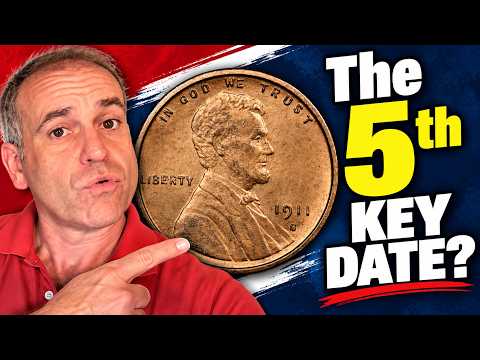
Josh presents an authentic 1914-D Lincoln Wheat cent as a reference for collectors. Because this Denver Mint issue is one of the most desirable regular-issue Lincoln cents, identifying the correct date and mintmark is especially important before making a purchase. A convincing appearance, however, is not the same as verified authenticity.
The Altered 1944-D Penny Warning
One of the most important warnings concerns counterfeit 1914-D pennies made from ordinary 1944-D cents. By removing part of the left side of the first 4, an unscrupulous seller can create a date that appears to read 1914. Collectors should inspect the date carefully under magnification, looking for suspicious tooling, disturbed surfaces, or unnatural numeral shapes.
Why Professional Authentication Matters
Josh closes with practical purchasing advice: choose coins authenticated and encapsulated by reputable third-party grading services. This is particularly important for expensive key dates and attractive red copper coins. Professional authentication helps reduce the risk of buying an altered or counterfeit piece, although collectors should still evaluate the seller and the holder itself.
Josh’s Director’s Cut: Practical Numismatic Advice
“This is the real McCoy. But, if you’re buying this coin raw, make sure you know what you’re looking at.”
The 1914-D Lincoln cent illustrates one of the biggest challenges facing collectors of rare U.S. coins: the difference between finding a desirable key date and proving that it’s genuine. An altered 1944-D penny can look surprisingly convincing to someone unfamiliar with the date’s characteristics. Since genuine examples carry substantial premiums, even a small alteration can turn an otherwise ordinary coin into an expensive mistake.
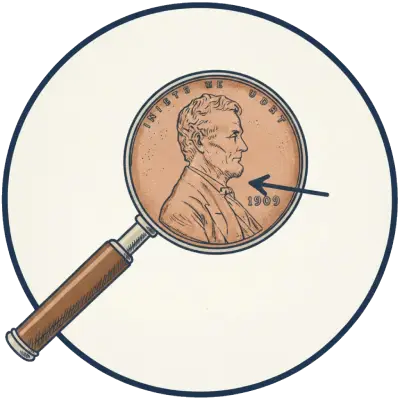
When evaluating an uncertified specimen, examine the date under a quality loupe and compare it with verified examples. Pay particular attention to the first numeral that should be a 1, and look for inconsistencies in the surrounding metal. Also remember that date alteration is not the only concern: added mintmarks and outright counterfeits exist. Our 1914 penny value guide provides additional background on this important issue.
The tradeoff is straightforward. Buying an uncertified coin may initially seem less expensive, but the potential financial risk can outweigh the savings. A reputable grading-service holder provides independent authentication and a professional condition assessment. For a coin as frequently counterfeited as the 1914-D, that additional protection can be well worth the cost. Even experienced collectors benefit from making authenticity their first priority and grade their second.
Historical Context & Mint Specifications
The Denver Mint struck just 1,193,000 Lincoln cents in 1914, an unusually small production total compared with many other years in the series. These pennies were intended for everyday commerce, not specially produced as collector rarities. Most entered circulation, where they experienced the wear and occasional damage typical of working coins. Collectors today particularly prize original, problem-free examples.
Original mintage and surviving population are not the same thing. Decades of circulation, loss, damage, and removal from circulation reduced the number of collectible 1914-D cents. Its low original mintage, combined with strong demand from collectors assembling complete Lincoln Wheat cent sets, explains why this date remains so desirable. That demand also creates an incentive for counterfeiters, making authentication a central part of collecting this historic penny.
| Series / Denomination | Lincoln Wheat Cent / One Cent |
| Mint Mark / Key Date | D (Denver), 1914-D key date |
| Composition & Weight | 95% copper, 5% tin and zinc; 3.11 grams |
| Original Mintage | 1,193,000 |
| Designer / Engraver | Victor David Brenner |