

Quick Collector Takeaways
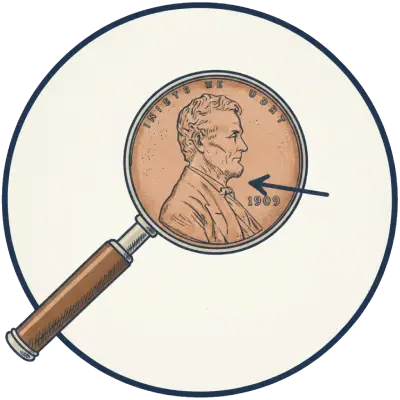
- Check the date and mintmark: Look for 1931 with an S below the date on the Lincoln portrait side, plus wheat ears on the reverse. The San Francisco issue belongs to Josh’s “Big Four” regular-issue key dates.
- Small mintage, substantial saving: Only 866,000 were struck, but collectors recognized the scarcity early and saved many. That helps explain why uncirculated examples remain available despite the unusually low production total.
- Keep prices in context: Josh shows AU50 auction results around $87–$89 and discusses a possible $75 dealer offer. These are examples from the video, not guaranteed current prices; exceptional Red Mint State coins occupy a different market.
- Inspect before celebrating: Use a loupe to examine the S and surrounding surface for possible alterations, then look for scratches, corrosion, or cleaning. Set a promising find aside without polishing it, and seek authentication if anything looks questionable.
Video Breakdown & Chapter Highlights
02:02 — Why So Few 1931-S Pennies Were Made
Josh connects the 866,000-piece mintage with reduced demand for new coins during the Great Depression, contrasting it with larger 1931 totals from Denver and Philadelphia. Collectors recognized the San Francisco issue’s scarcity and preserved many examples before extensive circulation could wear them down. The result is an important distinction: a low original mintage does not automatically mean that every surviving high-grade example is extraordinarily difficult to locate.
03:37 — Understanding the Value Spread
The Heritage Auctions examples Josh reviews range from circulated coins selling for under $100 to exceptional Red Mint State specimens bringing thousands. Numerical grade, retained copper color, and surface quality explain why those results cannot be treated as interchangeable price quotes. His cleaned example also illustrates why sharp detail alone does not establish the same value as an otherwise comparable coin with original surfaces.
06:01 — Can You Still Find One in Circulation?
Josh describes reports of discoveries in penny rolls and explains how an unfamiliar inherited coin might return to circulation when someone overlooks its significance. He also explicitly says the chances of finding one are very low, so searching should be approached as an enjoyable possibility rather than an expected payday. Buying an authenticated example offers a more predictable way to fill that important album opening.
Josh’s Director’s Cut: Practical Numismatic Advice
“I think the chances are actually very low that you’re going to find one.”
That qualification matters because “possible to find” and “likely to find” are very different collecting expectations. The 1931-S rewards careful checking, but its relative obscurity outside the hobby does not establish favorable odds. Enjoy the search for what it offers: practice identifying dates and mintmarks, plus opportunities to discover other interesting wheat cents along the way.
Our guide to searching penny rolls can help you develop that habit. If a promising 1931-S appears, handle it by the edges and resist cleaning it. Consult the 1931 penny identification and value guide, then have questionable mintmarks or surfaces examined before assigning a value or offering the coin for sale.
For an album builder, buying a pleasing circulated example may be more satisfying than waiting indefinitely for a circulation find. Compare coins with similar wear and surface quality, and decide what your budget buys before pursuing premium red color. The practical goal is a genuine coin you enjoy owning, with condition and price that fit your collection.
Historical Context & Mint Specifications
The 1931-S penny reflects a period when economic contraction reduced the need for fresh coinage. Cents continued to be produced, but San Francisco’s output was exceptionally small. These were regular coins intended for commerce, rather than a special collector issue or a minting mistake.
Early saving changed their later availability. The mintage records production, while the surviving supply reflects preservation, circulation, loss, and damage over subsequent decades. Josh’s discussion explains why this key date can be obtainable in Mint State even though its original production was tiny: collectors helped protect a meaningful portion of that limited issue.
| Series / Denomination | Lincoln wheat cent (1909–1958) / One cent ($0.01) |
| Mint Mark / Key Dates | S below the date: San Francisco. Josh’s “Big Four”: 1909-S VDB, 1909-S, 1914-D, and 1931-S. |
| Composition & Weight | 95% copper, 5% tin and zinc / 3.11 grams |
| Original Mintage | 866,000 |
| Designer / Engraver | Victor David Brenner, obverse and wheat reverse |