⚡ Quick Collector Takeaways
- Key-date identification: The genuine 1914-D Lincoln wheat penny has a D mintmark beneath the date, indicating production at the Denver Mint. Authentication matters because altered dates and added mintmarks can fool buyers.
- Low original mintage: Only 1,193,000 were struck. Heavy circulation and relatively limited preservation make attractive surviving examples especially desirable.
- Actual auction prices: Josh shows a PCGS Good-4 example sold for $164.70 in March 2026, an AU-53 example at $1,708, and an exceptional MS-66+ Red example reported at $128,000.
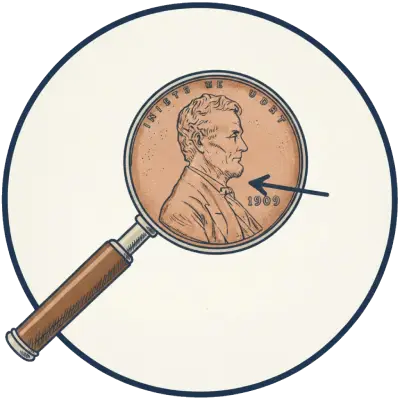
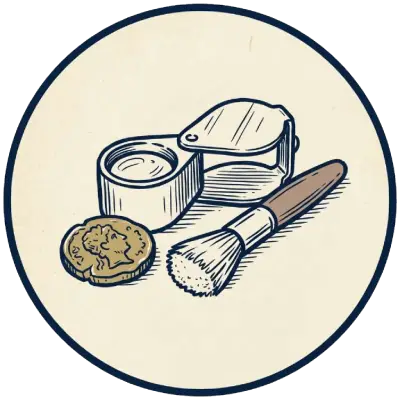
- Inspection tip: Use a magnifier to examine the date, mintmark, and surrounding surfaces. For an expensive purchase, independent authentication and professional grading are particularly important.
Video Breakdown & Chapter Highlights
Real Heritage Auctions Results for Circulated 1914-D Pennies
Josh opens the Heritage Auctions archives to examine actual selling prices rather than relying exclusively on published price guides. One professionally graded PCGS Good-4 1914-D Lincoln cent sold for $164.70 on March 4, 2026, while an Extremely Fine-40 example brought more than $700. These transactions demonstrate how preservation affects the market for this famous Denver key date.
Why Grade and Damage Change the Price
A 1914-D graded About Uncirculated-53 sold for $1,708 in March 2026, substantially more than the heavily circulated examples. Josh also highlights a damaged specimen with Very Good details that realized $207 in February 2026. The comparison shows why a details-grade coin cannot automatically be valued using the same benchmarks as a problem-free example.
The Six-Figure 1914-D Penny
The most dramatic example in the video is a 1914-D graded MS-66+ Red, with an auction result of $128,000. Coins at this exceptional preservation level occupy a very different market from ordinary circulated wheat pennies. The remarkable price reflects the scarcity of superb survivors with strong original red color, not the value of every 1914-D cent.
Josh’s Director’s Cut: Practical Numismatic Advice
“It’s a matter of both the current market trends and also what that specific coin looks like as far as how well it’s preserved.”
That observation is especially important when evaluating the 1914-D Lincoln cent. Published price guides offer useful reference points, but completed auctions reveal what individual buyers were actually willing to pay. Even two coins assigned the same numerical grade can differ in eye appeal, surface quality, color, and overall desirability. Collectors should compare several recent sales of similarly graded examples rather than treating one spectacular auction result as the standard value.
Authentication deserves just as much attention as price. The 1914-D is a recognized key date, making it a target for altered coins and counterfeit mintmarks. Before purchasing an expensive example, examine the date and mintmark carefully and consider buying a coin certified by a reputable grading service. Our 1914 penny value guide provides additional context about this issue and its place in the Lincoln cent series.
Finally, distinguish between a problem-free coin and one with damage, cleaning, or other surface problems. A details-grade example can still be valuable, but it may appeal to a different group of buyers. Collectors working within a budget may prefer an attractive, authenticated circulated example over a more expensive coin with questionable surfaces. The goal is to understand precisely what you’re buying, not simply to chase the highest grade available.
Historical Context & Mint Specifications
The Denver Mint struck just 1,193,000 Lincoln cents in 1914, creating one of the lowest-mintage regular issues in the entire Lincoln wheat penny series. These coins entered everyday commerce during an era when a cent had meaningful purchasing power and few people routinely saved new coins by date and mintmark. Many examples circulated extensively, accumulating wear or eventually disappearing from the collectible supply.
Original mintage should never be confused with the number of coins surviving today. Although more than one million 1914-D cents were produced, only a fraction remain available to collectors, and relatively few retain pristine surfaces and original mint red color. That distinction explains the enormous gap between a worn $150-range example and a superb gem that can bring six figures. The auction results discussed in this video illustrate that difference particularly well.
| Series / Denomination | Lincoln Wheat Cent / One Cent |
| Mint Mark / Key Date | D (Denver) / 1914-D |
| Composition & Weight | 95% copper, 5% tin and zinc / 3.11 grams |
| Original Mintage | 1,193,000 |
| Designer / Engraver | Victor David Brenner |