
The Native American dollar coin program began in 2009 and is scheduled to continue through 2032.
Designed for regular circulation, these golden-colored Native American dollar coins feature various images of Native American culture, people, events, and history.
The obverse of each Native American dollar coin features an image of the famous Shoshone Native American woman named Sacagawea. (She has been gracing the front of the “golden dollar” since 2000.)
The reverse of the Native American dollar features one new design each year.
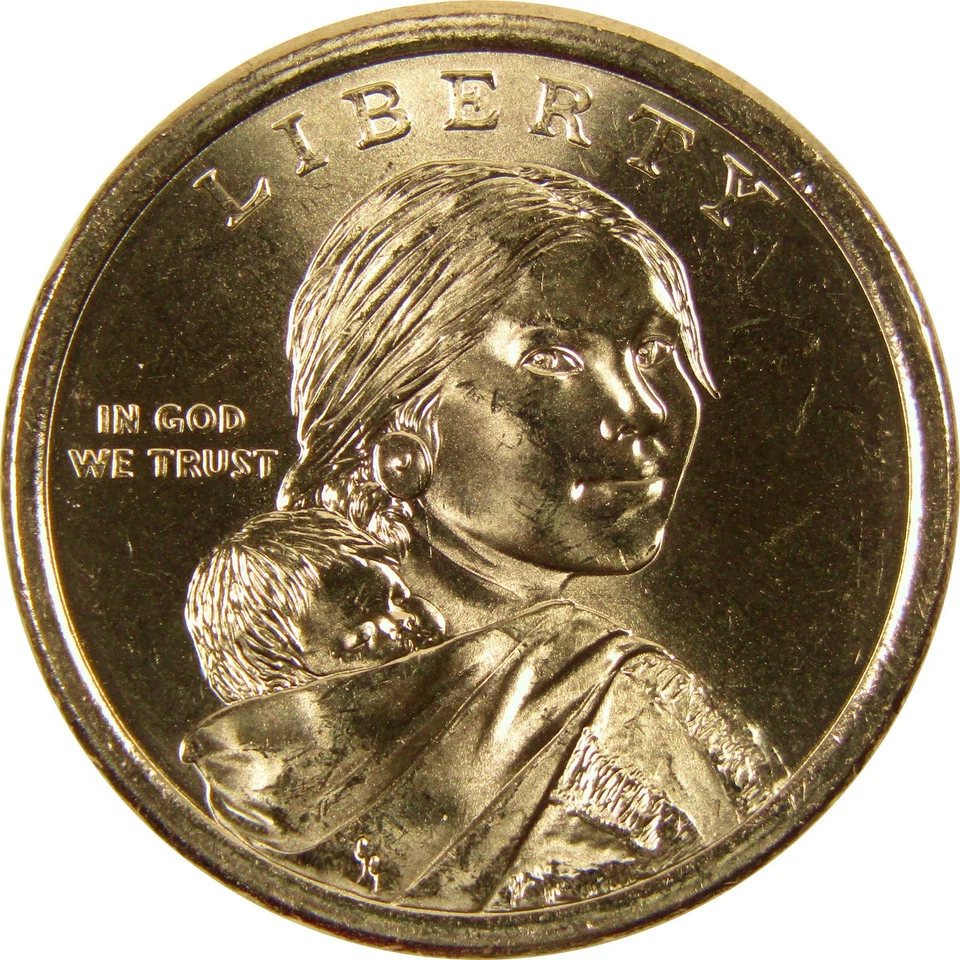
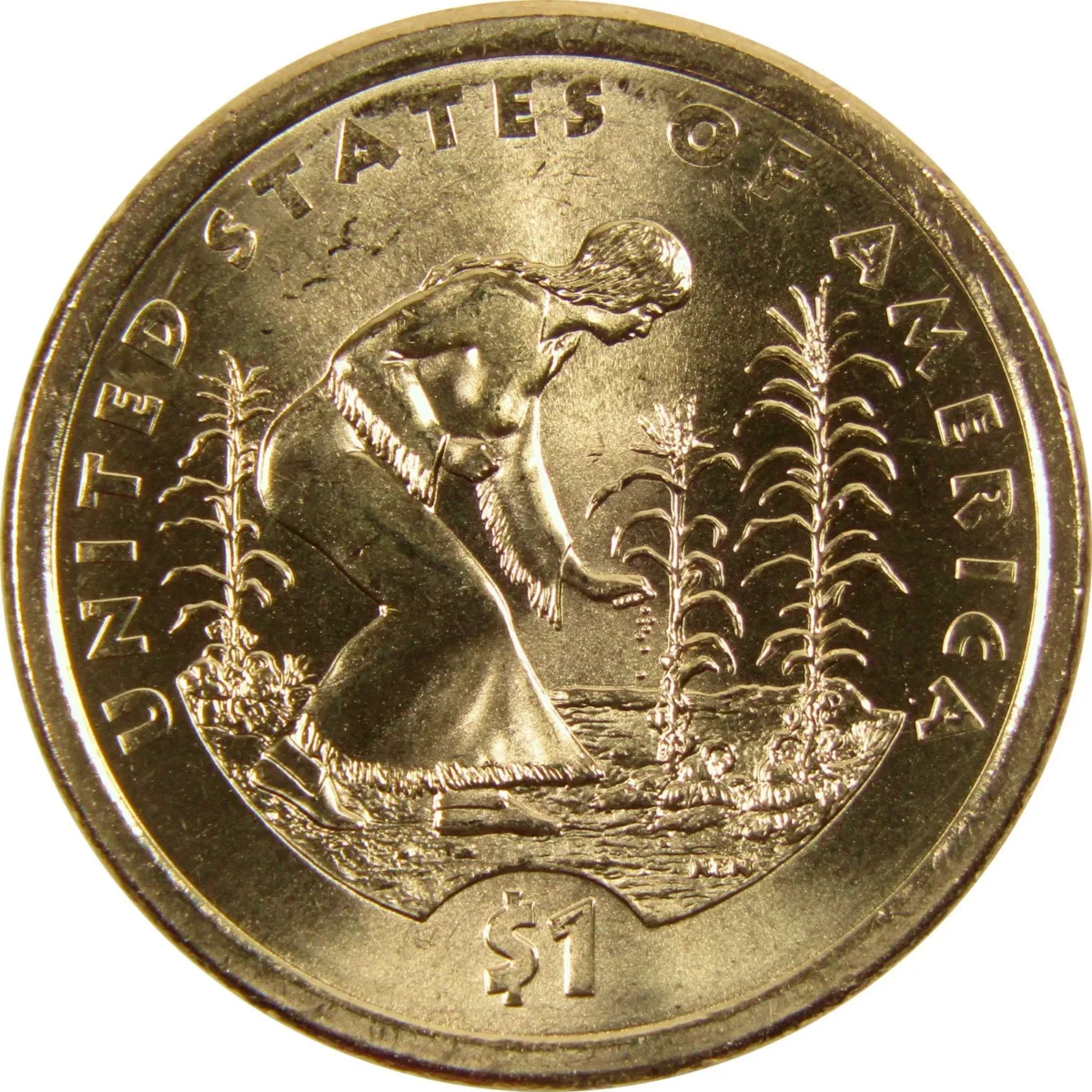
The very first Native American dollar coin debuted in 2009 honoring the “three sisters planting method” on the reverse. It’s a method that includes corn, beans, and squash. The coins design features a Native American woman planting seeds in an agricultural field.
All Native American dollar coins have edge lettering which includes:
- The words “E Pluribus Unum”
- The year the coin was minted
- The mint mark
The Native American dollar coin program runs concurrently with the Presidential dollar coin program, which began in 2007.
Designs Featured On Native American Dollar Coins
According to NativeAmericanDollars.com, there were several ideas for coin designs proposed in H.R. 2358 — a bill called the Native American $1 Coin Act.
The design ideas include:
- Creation of the Cherokee written language
- Existence of the Iroquois Confederacy
- Chief Massasoit of the Wampanoag
- The Pueblo Revolt
- Olympic Champion Jim Thorpe
- Head of Indian Affairs General Ely S. Parker
- Navajo Code Talkers
Native American Dollar Coin Values
As of this writing, there have been no significant errors reported.
Most new, regularly circulating U.S. coins are worth only face value if worn, and a very small premium in uncirculated grades.
If the proposed amount of coins is actually struck (at least 20% of the number of all dollar coins made in a single year), there should be many millions of Native American dollar coins available and, therefore, there are unlikely to be any significant absolute rarities.
Any rarities that may eventually belong to the Native American dollar coin would come in the form of errors or low-mintage varieties.
Leave a Comment