

This post may contain affiliate links. If you buy thru these links, we may earn a commission at no additional cost to you.
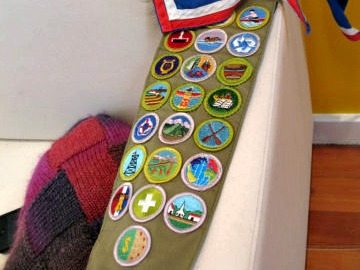
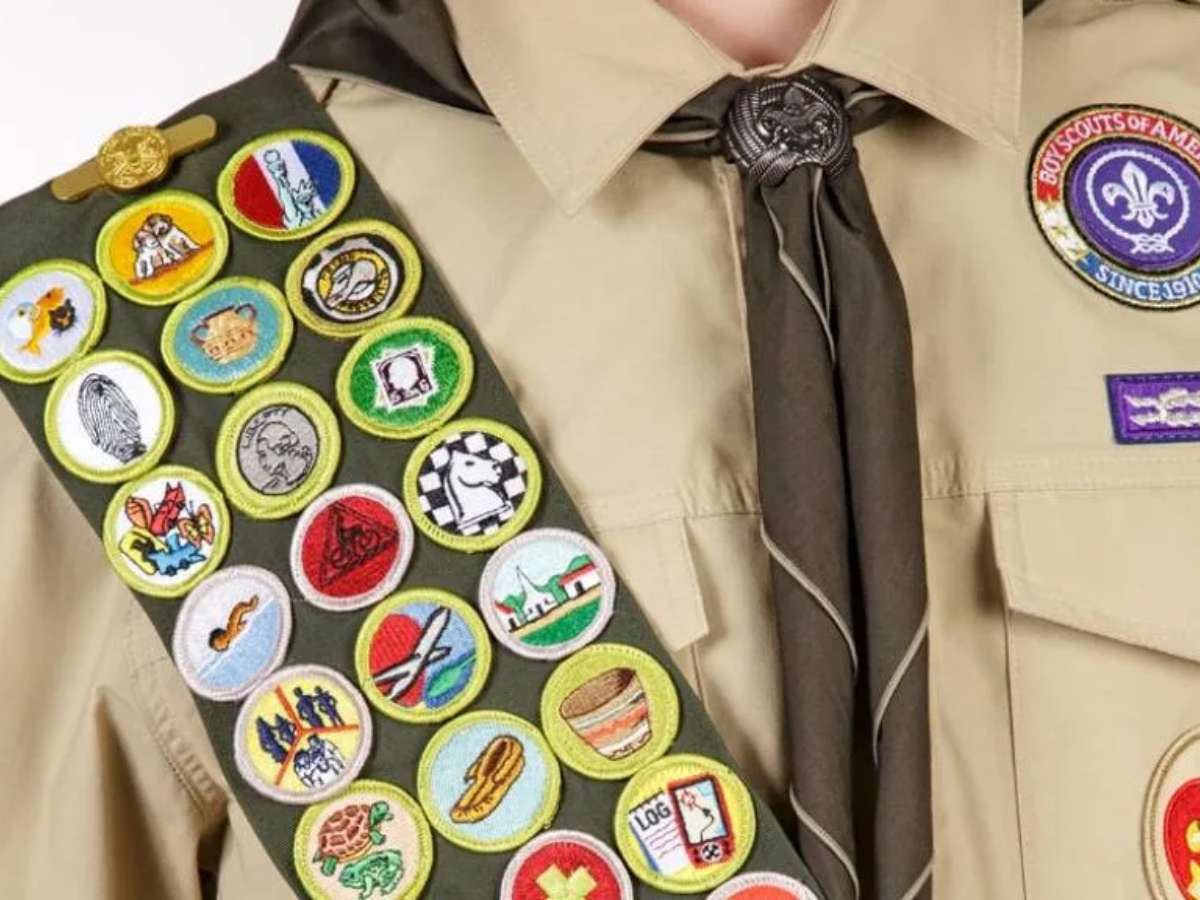
Scouts have been earning coin collecting merit badges for decades.
The merit badge requirements for coin collecting ensures that any scout vying for a coin collecting merit badge completes certain objectives and goals which teach young scouts:
- The value of money
- The history of coinage
- The many important basics of coin collecting and numismatics
The coin collecting merit badge requirements are not particularly difficult to meet, but they do require careful consideration so that each of the goals is successfully achieved.
Perhaps the most important thing the scout hoping to earn their coin collecting merit badge should remember is that, upon completing the coin collecting merit badge requirements, they will probably know more about basic numismatics than most others just starting out the hobby of coin collecting!
Scouting America Coin Collecting Merit Badge Requirements
Below you’ll find all the Scouting America coin collecting Merit Badge requirements.
Be sure to check out some of the ideas and hints offered by the ANA (American Numismatic Association) on how to achieve the coin collecting merit badge, as well.
There are currently 7 major goals and challenges that scouts must accomplish to earn their coin collecting merit badges.
#1 – Know how coins are made and which U.S. Mint facilities are currently operating.
This is simply a matter of knowing:
- How coins are made
- Which U.S. Mint facilities make coins today (This includes all of the operating branch mints)
#2 – Explain what these coin terms mean:
- Clad
- Date Set
- Obverse
- Reeding
- Reverse
- Type Set
Here’s a good resource for coin terminology.
#3 – Describe 3 ways to store collection, including the pros, cons, and cost of each.
This part of the coin collecting merit badge requirements needs scouts to find out and explain 3 various ways to store coins and also compare each of these to the others. Which are more expensive? Which might protect coins better? Which coin storage methods are good for long-term protection versus short-term housing?
For example: Think about comparing cheap cardboard 2×2 flips, plastic coin tubes, or high-end Dansco albums. Which ones will cause ugly PVC damage over time, and which ones are safe for long-term stacking?
Another element of this goal is to choose one of these coin storage methods for protecting and housing coins collected for the coin collecting merit badge.
#4 – Explain coin design features, designer names and their initials, and where to find them.
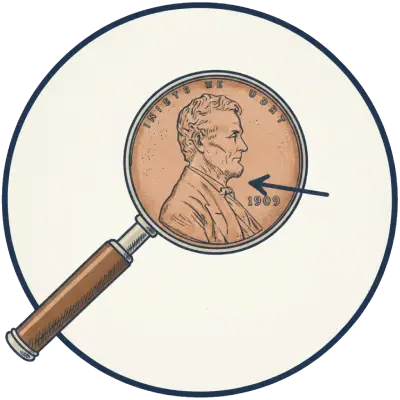
This requires knowing the basic parts of a coin, most certainly using terms like “obverse,” “reverse,” “device,” “inscription,” “field,” “legend,” “motto,” “denomination,” and the like. Also knowing who designed the coin and where their initials may be found is a major component of this requirement. A good coin to use as an example for this is the 1909 VDB Lincoln penny, with the “VDB” itself referring to the coin’s designer (Victor David Brenner) and his prominent “VDB” initials on the lower reverse of the coin.
#5 – Get to know the 1976 Bicentennial coins.
It’s time for some history! The 1776-1976 Bicentennial coins include the quarter, half dollar, and dollar coin and carry special reverse designs honoring the nation’s 200th birthday.
Become well acquainted with the 1976 Bicentennial coins so you can describe and discuss these coins with a counselor.
#6 – Identify the people on United States paper currency and where it’s printed.
Get to know the faces on United States paper currency, including the following notes:
- $1
- $2
- $5
- $10
- $20
- $50
- $100
Also get to know where these notes are printed — HINT: The Bureau of Engraving and Printing does the job in a variety of cities across the United States and the Federal Reserve distributes the money.
#7 – Embark on one of the following numismatic projects.
Scouts must do one of the following to complete their coin collecting merit badge, as taken directly from the merit badge requirements:
- (a) Collect and identify for your counselor 20 different world coins from at least seven different countries. Identify the country, major design elements, and denomination of each.
- (b) Collect and identify for your counselor 20 different world paper money from at least 7 different countries. Identify the country, major design elements, and denomination of each.
- (c) Collect and identify for your counselor 20 different tokens and/or medals. Identify the issuer and use of each.
- (d) Complete one of the following and report to your counselor what you experienced:
- (1) Attend a coin show.
- (2) Attend a coin club meeting.
- (3) Tour a U.S. Mint facility or museum.
- (4) Tour a virtual exhibit (with your parent or guardian’s permission) approved by your counselor.
Also, scouts must be able to find and identify any mint marks and designers’ initials which appear on the coins they collect for this set.
Leave a Comment