


This post may contain affiliate links. If you buy thru these links, we may earn a commission at no additional cost to you.
I’ve been collecting (and buying!) coins for over 35 years now.
If you’re a coin collector or simply somebody who appreciates history, buying collectible coins is either something you’ve thought about doing or have already done and would like expert advice on.
Because the coin market is ever-changing, it can be difficult to know which tips, tricks, and strategies may work best when buying collectible coins.
While you may think there are lots of “insider secrets” when it comes to the coin market… the truth is that using sound judgment, a little market research, and relying on a bit of luck every now and then are usually the best ways to purchase coins.
I’m going to help you do just that!
5 Tips For Buying Coins With Confidence
Here are my 5 best tips for buying collectible coins:
#1 – Know market values.
Whether you’re a newcomer to the coin market or have been purchasing coins for years, the knowledge you gain about how much the coin you want to buy is actually worth will help you immensely when it comes time to buy that piece. After all, knowing values will help you figure out if the price a dealer is asking is fair — and may give you a little advantage if you want to try your hand at (fairly) haggling the price down a bit. Check out online coin price guides like the Greysheet mobile app or a coin values book like A Guide Book of United States Coins.
TIP: Look at the Greysheet or Heritage Auctions archives for up-to-date, raw wholesale data. And whatever you do, ignore those crazy, hyper-inflated listing prices on Etsy or eBay — always filter by “Sold/Completed” listings to see what people are actually paying!
#2 – Learn about the types of coins you’re interested in.
This may sound like pretty basic advice, but you’d be surprised how many coin collectors (especially new ones) don’t really know much about the coins they like collecting. After you’re clear about your coin collecting goals, take the time to research the history, background, minting varieties, and more about your favorite coins. This will make you a more knowledgeable buyer — and may even help you spot real bargains on those collectible coins that a less-informed coin collector might overlook!
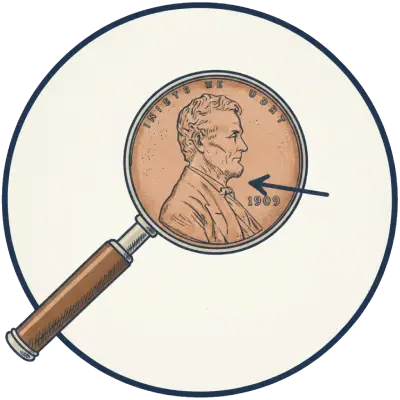
TIP: Don’t just research what a coin looks like when it’s shiny and new—study where that specific design wears down first. On a Lincoln cent, it’s the cheekbone and shoulder; on a Roosevelt dime, it’s the torch lines; on a Mercury dime, it’s the fasces bands. Knowing the exact “high points” of a coin’s design lets you grade coins with your own eyes so you never accidentally buy an overgraded or worn-out coin at an uncirculated price.
#3 – Make a plan.
While some collectors like to follow their nose when it comes to buying coins, it can really help you if you know ahead of time what your coin buying goals are — this is your “want list”. That way you can plan your purchases more carefully and prioritize which pieces you need to buy first to achieve those goals.
TIP: Don’t be afraid to (fairly) negotiate! When you’re looking at a coin dealer’s stock, remember that price guides show retail averages. If a coin has been sitting in their case for months, a polite, “Any flexibility on this price for a cash deal?” works wonders! Most reputable dealers expect a little friendly back-and-forth.
#4 – Attend coin shows.
If you live anywhere near a large city, chances are there will be a coin show coming your way in the not-too-distant future. Coin shows make wonderful places to buy collectible coins — not just because there are multitudes of coins to choose from at these events, but also because many coin dealers will offer discount prices on certain pieces that have been sitting in their inventories!
TIP: Try to hit the coin show floor either early on the first day (to grab the fresh, unsearched pieces) or during the final few hours of the last public day. Toward the end of a show, dealers are trying to pack light for the trip home and are way more likely to cut you a massive deal just to liquidate their inventory!
#5 – Window shop.
Sometimes you need to act quickly to buy the collectible coins you want, but in most cases there are plenty of similar specimens available for you to choose from. Though you may have your eye on a specific coin, there may be others like it offered at lower prices or in better condition elsewhere. Think carefully before you buy collectible coins (especially the really expensive ones!), and make sure you’re really happy with the piece you think you want to purchase. The last thing you want to experience is buyer’s remorse.
TIP: When you’re looking at copper pennies, check the color designations: BN (Brown), RB (Red/Brown), or RD (Red). A bright, original RD penny will command a massive premium over a dull BN coin in the exact same grade.
Indeed, there are many factors that come into play when buying collectible coins. By following the 5 tips above, you will be able to make more informed purchases. This will go a long way toward helping you to become an expert coin buyer.
4 Things You Need To Know About A Coin Before Buying It

These are the 4 main things about each coin that you’ll want to take into consideration when deciding which coins you’re going to buy:
Grade:
A coin’s grade is very important. Coin grading measures how much wear a coin has. The more wear a coin has, the lower its grade. Uncirculated coins have no wear whatsoever and look just like they did when they came off the coin press.
Eye Appeal:
Eye appeal is a highly subjective thing in coin collecting. However, coins with lots of nicks, cuts, scrapes, and bruises tend to rank very low in the eye appeal category for most coin collectors. The location of these scratches, lines, and other imperfections also matter — a scrape across lettering or the date on a coin is much more upsetting to most coin collectors than the same damage hidden among the feathers on an eagle.
Color:
Coins that are unusually dark are not as highly regarded as coins with normal color for their type. Coins that are evenly toned tend to have more buyers than coins that are splotchy in color.
Price:
Be sure to study coin prices and values ahead of time — so you’ll know what the current going rate is for the coins you’re interested in. While coin collectors are often willing to pay more than average for a really important coin or one which is better than most in its grade, nobody wants to get ripped off, either!
How to Grade Coins Yourself
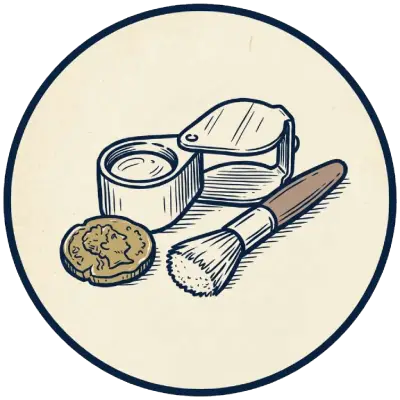
Grab a coin magnifier and a copy of the U.S. Coin Grading Standards book. Then, watch this video to see how to grade coins yourself at home:
These are the best coin grading apps that will make grading coins yourself much easier.
Before you drop your hard-earned cash on your next big target coin, be sure to check it under a 10x loupe first!
If you aren’t sure whether a dealer’s coin has natural toning or ugly (cleaned) splotchiness, take a clear photo and share it in the comments below — I’ll try to help!
READ NEXT: My Best Tips For Buying Coins Online
Leave a Comment