



Lincoln cent collectors everywhere have several coins that they strive to have in their collections — with the 1955 doubled die penny being among the elite list of rare pennies that they seek.
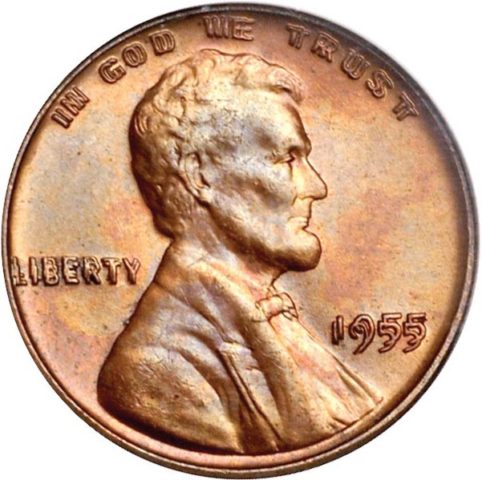
However, with estimates that there are roughly only 15,000 or so 1955 doubled die pennies available today, there simply aren’t enough to satisfy the demands of all Lincoln penny collectors.
And, there is that price thing, too… You’re looking at spending $1,300 to $1,500 even for a well-worn specimen of a 1955 doubled die cent.
While 1955 doubled die pennies technically aren’t considered “essential” for a complete Lincoln collection (since it’s not a “regular”-strike penny), collectors still want an example for their collections because this doubled die error is so widely popular.
However, one problem that collectors face when they can’t afford an example of this expensive coin is that many of the most popular Lincoln cent coin albums have a slot for the 1955 doubled die coin!
While this may not seem like a big deal, the reality is that a lot of collectors are faced with an agonizingly empty slot that may never be filled.
This dilemma is often resolved by purchasing a so-called 1955 poor man’s doubled die penny!
The Story Behind The 1955 Poor Man’s Doubled Die Penny
The poor man’s doubled die penny sells for only a fraction of the cost of the bona fide 1955 doubled die cent that has awed coin collectors for decades.
Why is the 1955 poor man’s coin so cheap? And is it really a doubled die?
The answer to those questions can be answered in one simple response: The poor man’s doubled die actually isn’t a doubled die at all. It’s really the result of a very common type of damage coins can suffer during the minting process.
Machine doubling, which explains the story behind “poor man doubled dies,” happens when a coin shifts or slides a bit during the minting process. Machine doubling can also occur due to the die (the device that imprints an image onto a blank coin) vibrating during the minting process.
A doubled die, on the other hand, is “created” when the die is made. The result of this can be hundreds, or even thousands, of coins being made with a doubled image.
So if the 1955 poor man’s doubled die penny isn’t really a doubled die and is actually a damaged coin, why is it so popular?
As you may have guessed, it’s a piece that coin dealers made popular to satisfy the demand of thousands of coin collectors who wanted to fill the empty doubled die slot in their Lincoln cent coin albums. Plus, the poor man’s 1955 penny is an interesting piece to examine and study. The fact that it somewhat resembles one of the rare Wheat pennies that is out of many coin collectors’ reach certainly is another reason many collectors purchase a poor man’s penny.
What’s important to remember when buying a 1955 doubled die penny is to not get mislead into paying big bucks for the poor man’s version.
Here’s how to tell the difference:
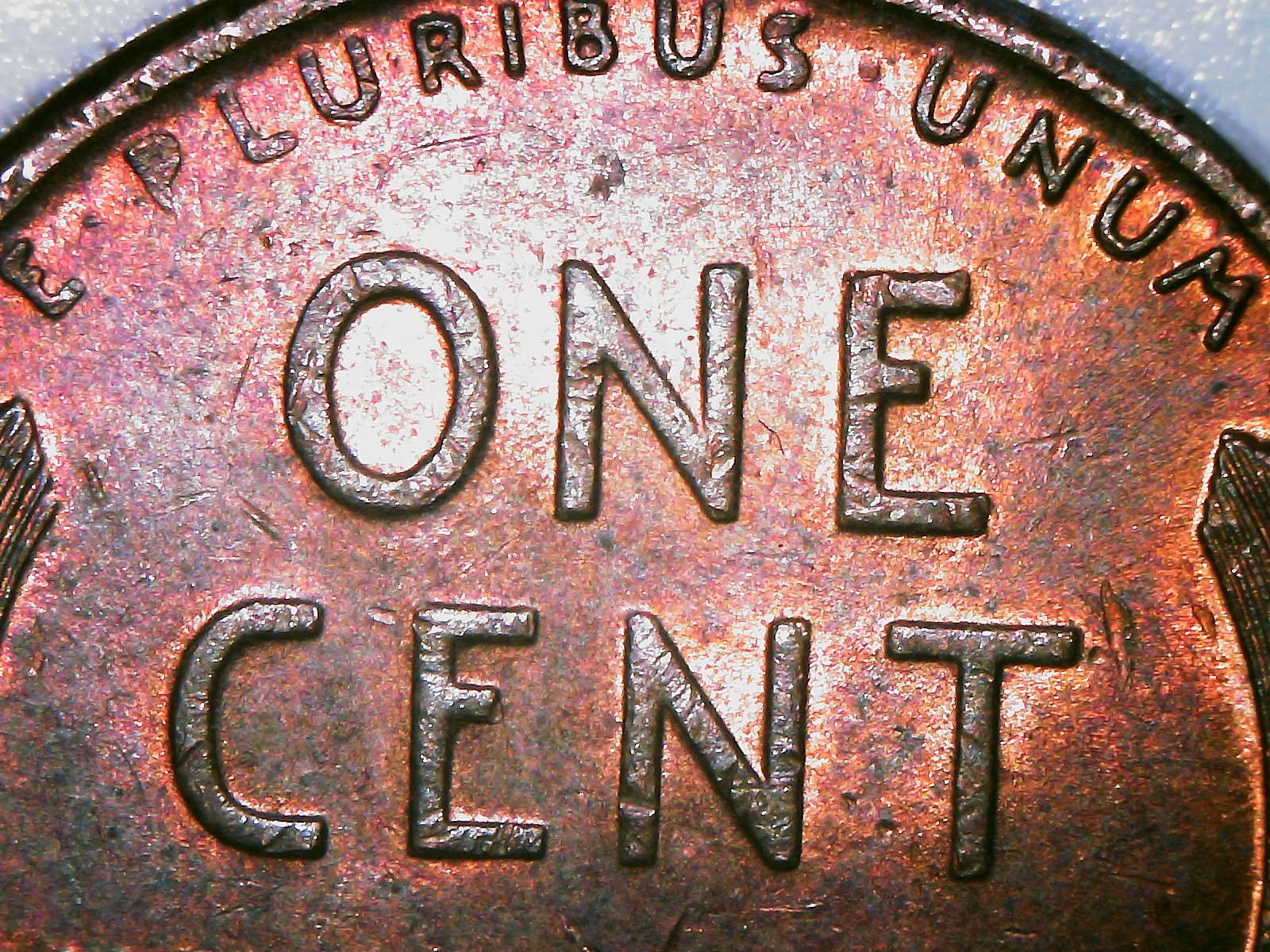
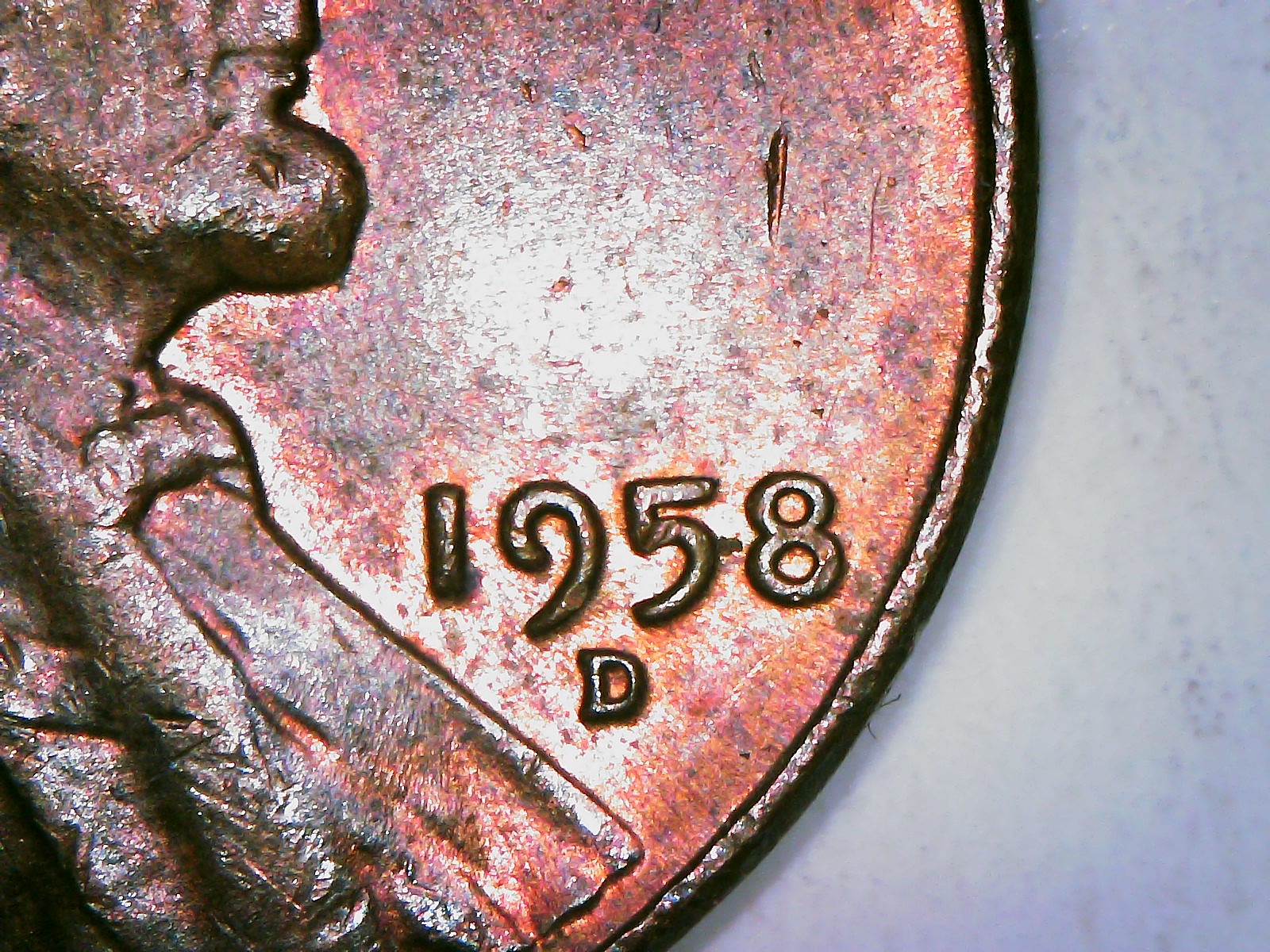
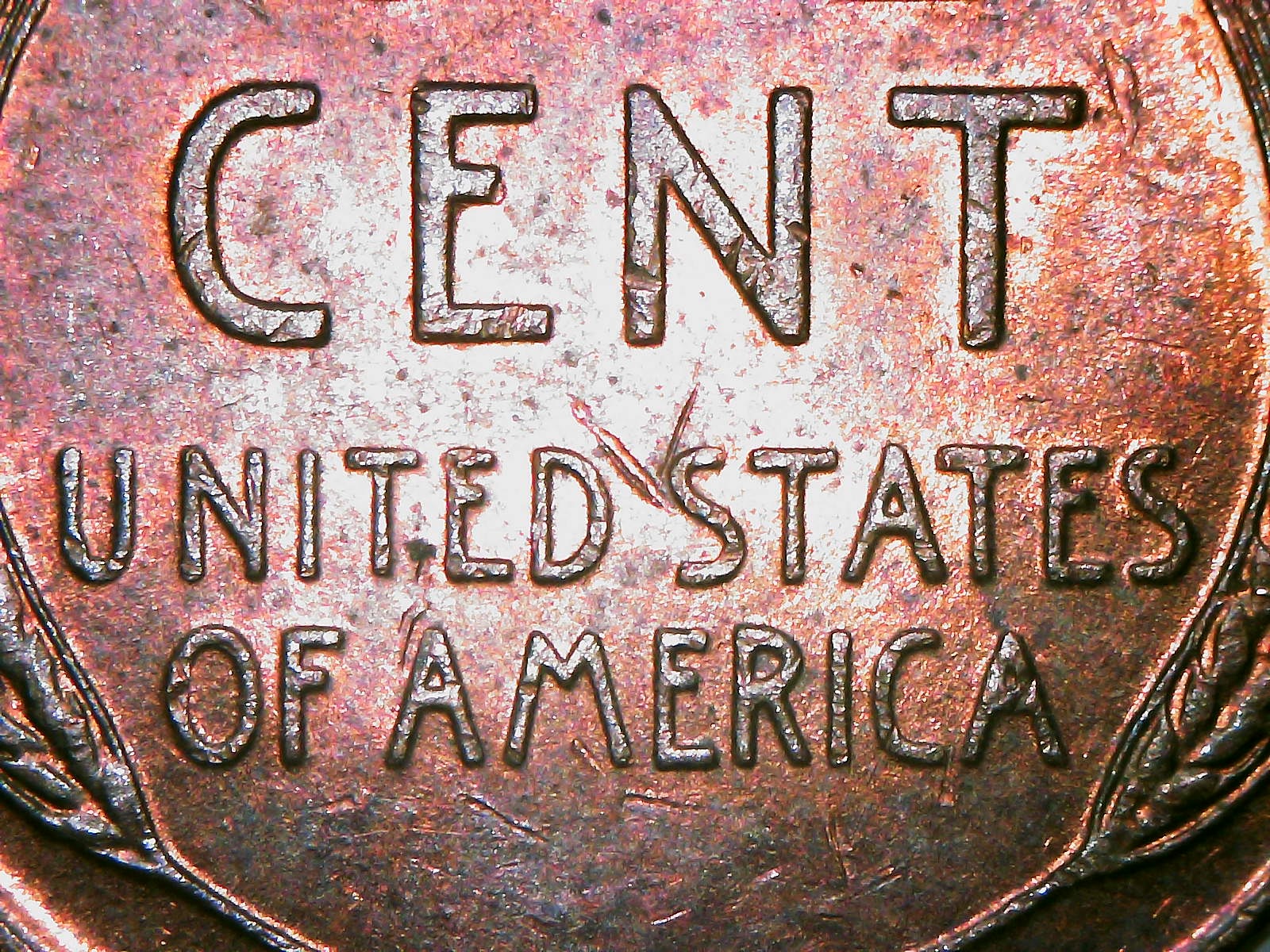
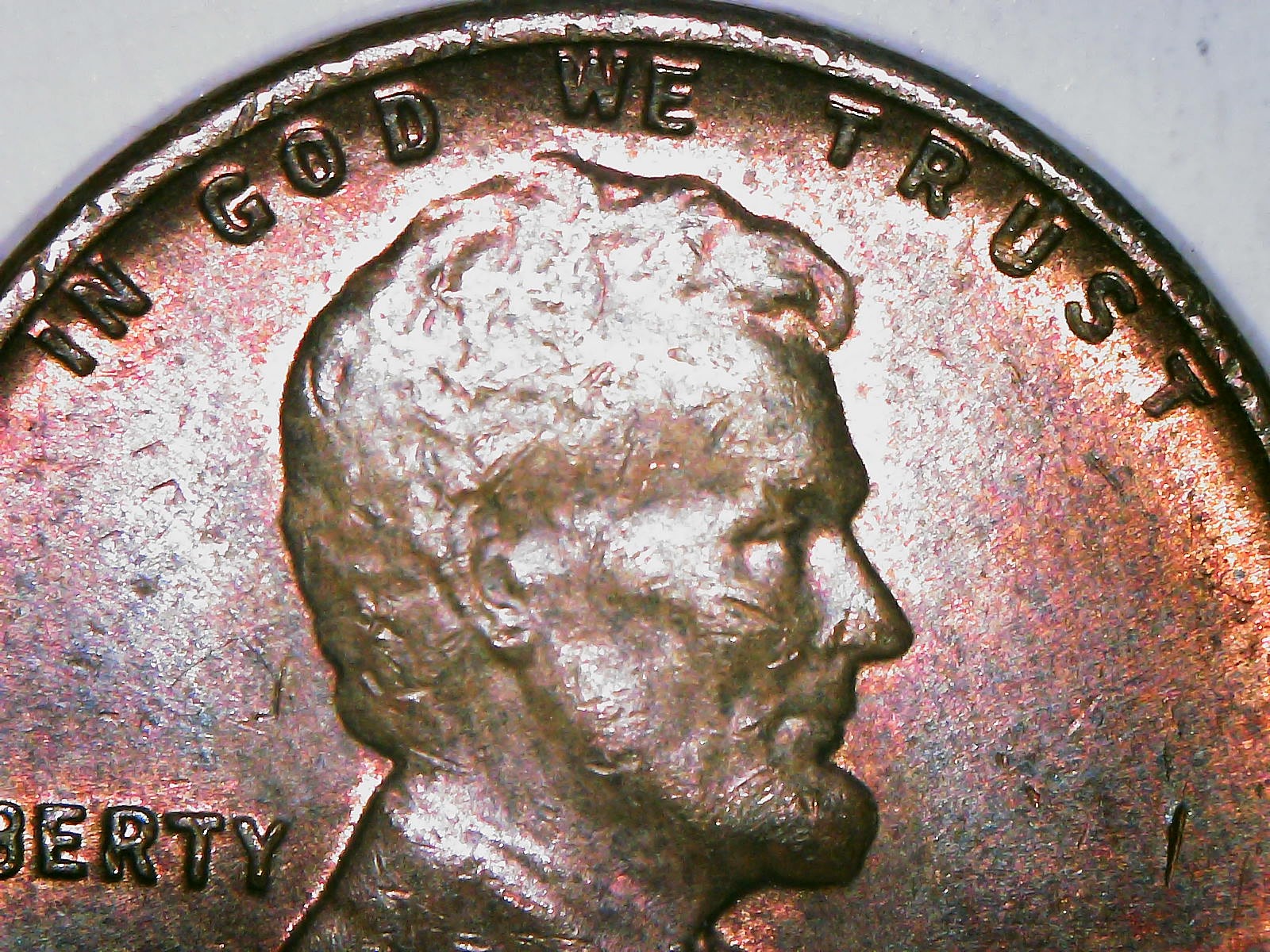
- A real 1955 doubled die cent has signs of dramatic doubling in the date as well as in the lettering.
- A poor man’s 1955 doubled die penny has much less dramatic “doubling,” and the doubling is really only seen around the last ‘5’ in the date.
When buying a 1955 doubled die penny, your best bet is to buy an example certified by a major coin grading firm, so you can have peace of mind in knowing that your huge investment was in the real McCoy.


Leave a Comment