⚡ Quick Collector Takeaways
- Look for strong obverse doubling: The major 1972 doubled die Lincoln cent shows dramatic doubling in LIBERTY, IN GOD WE TRUST, and the date. Some details are visible without magnification.
- Not all 1972 doubled dies are equal: At least 10 different doubled die varieties are discussed in the video. The famous Type 1 (Class I) obverse variety has especially dramatic doubling and strong collector demand.
- Values can reach hundreds: Josh cites roughly $300 to $500 for typical uncirculated examples and approximately $750 for his PCGS MS64 Red specimen, using 2025 estimates. Even circulated examples can command substantial premiums.
- Check your penny rolls: Examine 1972 Philadelphia cents with a 10x loupe, compare the lettering and date with authenticated examples, and avoid cleaning any promising finds.
Video Breakdown & Chapter Highlights
[00:40] — How to Identify the Major 1972 Doubled Die
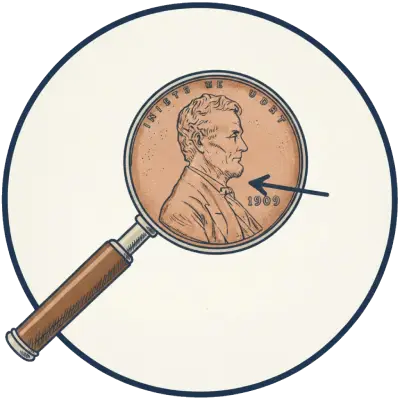
Josh examines his certified 1972 doubled die cent with a 10x loupe, demonstrating how boldly the obverse lettering and date appear doubled. The major Type 1 variety stands apart from less dramatic varieties because its separation is especially obvious in LIBERTY, IN GOD WE TRUST, and 1972. Recognizing the correct die variety is essential before assigning a premium value.
[02:53] — Why a Coin Made in the Thousands Is So Valuable
Josh explains why rarity alone doesn’t determine value: thousands of these doubled dies were produced, but demand from Lincoln cent enthusiasts exceeds the available supply. He also opens his Dansco album to illustrate why important die varieties deserve attention even when standard date-and-mintmark albums don’t provide dedicated spaces for them.
[04:34] — Circulated Values, Mint State Grades & Authentication
Condition has an enormous influence on the value of a genuine 1972 doubled die penny. Josh compares lightly circulated coins with his certified MS64 Red example, then shares historical estimates from Q. David Bowers’ A Guide Book of Lincoln Cents. The book’s warning about counterfeits reinforces the importance of professional authentication when purchasing expensive examples.
Josh’s Director’s Cut: Practical Numismatic Advice
“But the demand for these coins is so much greater that there aren’t enough to satisfy demand.”
The 1972 doubled die Lincoln cent illustrates one of the most interesting principles in coin collecting: a coin doesn’t have to be exceptionally rare in absolute numbers to be exceptionally desirable. The major doubled die has a recognizable appearance, an established place in Lincoln cent history, and a large audience of collectors who want one. Those qualities help explain why examples command premiums even though thousands were released.
For anyone searching circulation, the best approach is to inspect the lettering and date systematically rather than assuming every unusual-looking 1972 penny is valuable. Compare potential discoveries with documented examples in our 1972 penny value and doubled die identification guide. Remember that minor doubling, machine doubling, and the major collectible doubled die are not interchangeable. Authentication matters, particularly when significant money is involved.
There’s also an important difference between completing an album and building a specialized collection. Standard Lincoln cent albums usually emphasize regular date-and-mintmark issues, but major varieties tell an additional story about the minting process. Understanding how genuine doubled die coins are created can make collecting more rewarding, whether you’re hunting bank rolls or considering a professionally graded example.
Historical Context & Mint Specifications
The 1972 doubled die Lincoln cent originated at the Philadelphia Mint during production of ordinary Lincoln Memorial cents. A doubled working die transferred duplicated design details onto coins struck from it, producing the distinctive separation visible in the lettering and date. The famous Type 1 obverse became a sensation among collectors soon after its release, eventually earning a reputation second only to the celebrated 1955 doubled die Lincoln cent.
Unlike the total mintage of ordinary 1972 Philadelphia pennies, the number of major doubled die examples produced is uncertain. In the reference book Josh discusses, variety specialist John Wexler estimated approximately 75,000 were released, while Sol Taylor estimated 20,000. These are historical estimates, not an official Mint count or a confirmed surviving population. Collector demand, authentication, preservation, and condition all influence the value of surviving examples.
| Series / Denomination | Lincoln Memorial Cent / $0.01 |
| Mint Mark / Variety | Philadelphia (no mintmark); 1972 Doubled Die Obverse, major Type 1 |
| Composition & Weight | 95% copper, 5% zinc; 3.11 grams |
| Original Mintage | Official variety mintage unknown; historical release estimates of 20,000–75,000 |
| Designer / Engraver | Victor David Brenner (obverse); Frank Gasparro (Memorial reverse) |