
⚡ Quick Collector Takeaways
- Sort into four groups: Separate unchecked copper cents, previously inspected coins, uncirculated examples, and possible errors or varieties.
- Check the composition: Most pre-1982 Lincoln cents contain 95% copper and weigh approximately 3.11 grams. Both copper and zinc versions were made in 1982.
- Look for premiums: Josh highlights uncirculated copper pennies that may bring 5 to 10 cents apiece, while certain rare varieties can be worth considerably more.
- Inspect promising dates: Set aside potential doubled dies and Small Date varieties for examination with a 5X magnifier or coin loupe.
Video Breakdown & Chapter Highlights
Why Josh Saves Copper Pennies
Instead of spending every penny he receives, Josh saves older copper Lincoln cents in a coffee can. After accumulating them for roughly three years, he sorts through the collection to identify coins with additional numismatic value.
Pre-1982 copper cents have historically attracted attention because their metal content can exceed their one-cent face value. However, the market value of their copper content is not the same as a guaranteed resale price, and melting U.S. cents for their metal remains restricted under federal regulations.
The Four-Pile Penny Sorting Method
Josh organizes his copper pennies into four distinct categories. The first contains coins awaiting their initial inspection for obvious errors or key dates. The second holds circulated cents that have already received a preliminary examination without revealing anything especially promising.
The third group is reserved for uncirculated copper cents, which can carry modest collector premiums. The fourth contains dates and varieties that deserve closer examination, allowing Josh to spend more time on potentially valuable discoveries without repeatedly searching the same ordinary coins.
Finding Doubled Dies And Small Date Varieties
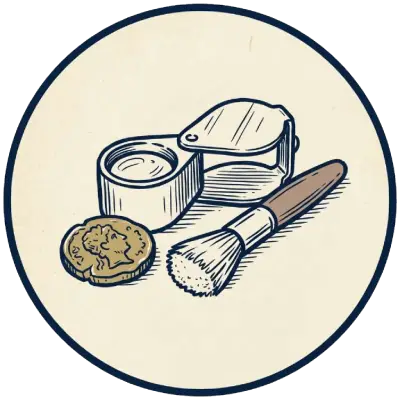
Some Lincoln cents require much closer inspection than others. Josh identifies 1972 doubled die possibilities and 1960 Small Date varieties as examples of coins worth separating for further research. These distinctions can be subtle, so a loupe and reliable comparison photographs are valuable tools.
When checking a possible variety, examine the date, mintmark, and lettering carefully. Do not assume that every unusual-looking digit or thick letter indicates a valuable error. Die deterioration, damage, and machine doubling can resemble collectible varieties without carrying the same premium.
Josh’s Director’s Cut: Practical Numismatic Advice
Collector’s lesson: A systematic sorting routine makes it easier to spot worthwhile coins without inspecting the same pennies over and over.
Josh’s four-pile method illustrates an important principle of successful coin roll hunting: organization can be just as useful as knowing which dates are valuable. When you separate pennies by inspection status and potential significance, you can concentrate your attention where it matters. Even an inexpensive container system can prevent promising coins from disappearing back into a large accumulation of ordinary change.
Start by separating older copper cents from modern zinc cents. Pay special attention to 1982, when both compositions were produced. A digital scale can help distinguish the approximately 3.11-gram copper cents from the approximately 2.5-gram zinc versions. For more background, consult our guide to valuable pre-1983 pennies worth saving.
One important tradeoff is time versus potential reward. Saving every older cent requires storage space, while researching every ordinary penny under magnification can become tedious. A staged inspection process makes both tasks more manageable. Keep suspicious coins separate, avoid cleaning potentially collectible examples, and compare possible varieties against trusted references before assigning a value. For collectors who enjoy searching circulated coins, our penny roll hunting guide provides another practical starting point.
Historical Context & Mint Specifications
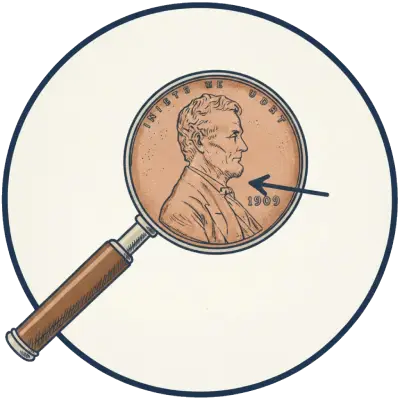
Lincoln cents debuted in 1909 with Victor David Brenner’s portrait of Abraham Lincoln. For decades, the standard circulating cent was predominantly copper, giving older pennies their familiar reddish-brown appearance and heavier weight. In 1982, rising production costs contributed to a transition toward copper-plated zinc cents, which became the standard composition in 1983.
Although billions of copper Lincoln cents were produced, collector demand varies enormously by date, mintmark, condition, and variety. Most circulated copper cents remain common, but exceptional uncirculated pieces, scarce dates, and authenticated mint varieties can attract premiums. This is why careful sorting matters: the valuable discoveries are not necessarily the oldest or shiniest coins, but those with genuinely collectible characteristics.
| Series / Denomination | Lincoln Cent / One Cent |
| Mintmarks / Dates To Check | 1909–1982 copper-era cents; 1960 Small Date varieties; 1972 doubled dies; 1982 composition varieties |
| Composition & Weight | Generally 95% copper, 5% zinc or tin and zinc; 3.11 g. Exception: 1943 steel cents. Copper-plated zinc cents weigh 2.5 g. |
| Original Mintage | Varies by year and mint; many dates were produced in the hundreds of millions or billions. |
| Designer / Engraver | Victor David Brenner (obverse); Frank Gasparro (Lincoln Memorial reverse, 1959–2008). |