
⚡ Quick Collector Takeaways
- The final discoveries: Josh found 46 copper pennies, a 1957 Lincoln wheat cent, a 1999 Canadian penny, and $34.52 in spendable U.S. change.
- Know your copper pennies: Most pre-1982 Lincoln cents contain 95% copper. Some 1982 cents do too, so weighing them helps distinguish copper from zinc varieties.
- Age doesn’t guarantee value: Circulated 1965–1967 clad quarters and ordinary 1964 nickels generally remain worth face value, despite their age.
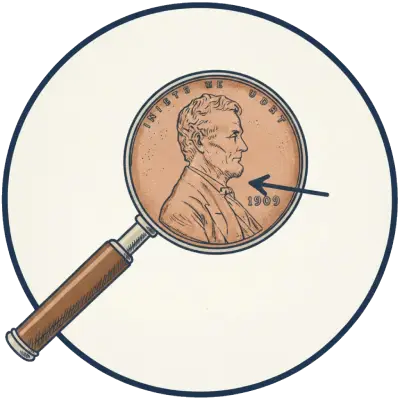
- Inspect before spending: Use a 10X loupe to examine doubled dies, mintmarks, and Close AM varieties. A digital gram scale helps identify unusual compositions.
Video Breakdown & Chapter Highlights
[00:37] — Searching for Copper Pennies, Wheat Cents & Silver
Josh begins sorting a cup containing coins from two storage units, including some that had reportedly been forgotten since 1993. Using a coin loupe and sorting piles, he separates older copper cents, wheat pennies, foreign coins, and potential silver pieces from ordinary pocket change. A 1957 wheat cent quickly makes the search worthwhile.
[16:43] — Why Some Older Quarters Are Worth Keeping
Not every old coin deserves a place in a collection. Josh explains why lightly circulated 1982 and 1983 Washington quarters can command small premiums, while heavily worn examples may not justify the effort of selling them. He also discusses ordinary clad coins and the exceptional 1965 silver transitional errors that collectors should understand before assuming an older date means a valuable find.
[25:53] — Checking Doubled Dies & Rare Penny Varieties
The final inspection focuses on potentially collectible Lincoln cents, including 1972 doubled dies, 1992 Close AM varieties, and possible doubling on 1983, 1984, and 1995 pennies. None of the examined candidates proves to be a valuable variety. The search concludes with 46 copper pennies, a wheat cent, a Canadian cent, and $34.52 in ordinary spending money.
Josh’s Director’s Cut: Practical Numismatic Advice
“I’ve likened before going through rolls of coins and vessels like fishing.”
That’s an excellent way to approach searching through accumulated pocket change. You never know what might turn up, but the enjoyment comes from recognizing something interesting and learning why it deserves a closer look. This storage-unit search produced no spectacular mint error or silver treasure. Instead, its most interesting discoveries were an ordinary wheat cent, a Canadian penny, and a substantial group of older copper Lincoln cents.
The practical lesson is to develop a sorting system before examining every coin individually. Separate wheat cents, pre-1982 copper pennies, 1982 composition varieties, foreign coins, and potential errors. A basic magnifier and accurate digital scale can help resolve questions without expensive equipment. Our wheat penny value guide explains which dates deserve particular attention, while our article about saving copper pennies explores the reasons collectors set these older cents aside.
Perhaps the most important distinction is between a coin’s theoretical premium and what someone will actually pay for it. A circulated quarter might command a few cents above face value, but finding a buyer can require more effort than the premium justifies. A successful search isn’t necessarily measured by profit. Sometimes the reward is simply finding a coin worth adding to your collection.
Historical Context & Mint Specifications
The coins in this storage-unit cup illustrate several important changes in American coinage. Lincoln wheat cents were produced from 1909 through 1958, before the Lincoln Memorial reverse replaced the wheat-ear design in 1959. The 1957 cent found during this search is a late example of that historic series. Its age and recognizable design make it interesting to collectors, although most circulated examples are relatively common.
Another major transition occurred in 1982, when the U.S. Mint changed the Lincoln cent from a predominantly copper composition to copper-plated zinc. Both compositions were produced that year. Meanwhile, dimes and quarters had already transitioned from 90% silver to copper-nickel clad compositions in 1965. These changes explain why a coin’s date, composition, condition, and variety must all be considered before assigning a collectible value.
| Coin / Category | Key Details |
|---|---|
| 1957 Lincoln Wheat Cent | 1 cent; Philadelphia or Denver; 95% copper, 3.11 grams |
| 1999 Canadian Cent | 1 Canadian cent; copper-plated zinc, approximately 2.25 grams |
| Pre-1982 U.S. Copper Cents | 95% copper; 3.11 grams; 46 copper cents retained in the search |
| 1982 Lincoln Cents | Copper varieties: 3.11 grams; zinc varieties: 2.50 grams |
| 1965–Present Clad Dimes & Quarters | Copper-nickel clad; ordinary circulated examples generally worth face value, excluding collectible errors and varieties |