⚡ Quick Collector Takeaways
- Four important rarities: Josh highlights the 1909-S VDB, 1914-D, 1931-S, and 1922 Plain Lincoln cents from his completed Dansco album.
- Know your mintmarks: The 1909-S VDB has an S mintmark and V.D.B. initials on the reverse. The 1922 Plain is a missing-mintmark variety, not a regular Philadelphia issue.
- Values vary considerably: Josh discusses examples ranging from roughly $80 to several hundred dollars or more. These are video-era estimates, not guaranteed current selling prices.
- Inspect before buying: Use a 5X to 10X loupe to examine dates, mintmarks, surfaces, and possible alterations. Never clean a potentially valuable penny.
Video Breakdown & Chapter Highlights
[01:01] — The 1909-S VDB: A Famous Lincoln Cent Rarity
Josh begins with one of the most recognizable Lincoln wheat penny rarities, the 1909-S VDB. His own example, purchased in 2010 and graded Very Good 10, demonstrates why original surfaces and honest circulation wear matter. Its chocolate-brown appearance and lack of cleaning or damage make it a useful example of what collectors should seek when evaluating an expensive key date.
[02:02] — The 1914-D and 1931-S: Two Different Kinds of Scarcity
The 1914-D is another essential Lincoln wheat cent key date, and Josh emphasizes the appeal of natural brown patina and problem-free wear. He then introduces his 1931-S, the first major key date he purchased for his collection. Unlike some earlier issues, many 1931-S cents were saved by collectors who recognized their low mintage, helping explain why relatively attractive surviving examples are available despite the coin’s scarcity.
[04:14] — The 1922 Plain Penny and Finding Reliable Values
Josh explains why the valuable 1922 Plain penny is different from an ordinary coin without a mintmark. All 1922 Lincoln cents were struck in Denver, but die polishing caused the D mintmark to disappear on certain examples. He closes by directing collectors toward frequently updated price information, reinforcing the importance of checking current values rather than relying on an old estimate.
Josh’s Director’s Cut: Practical Numismatic Advice
“It has not been cleaned.”
One of the most useful lessons in Josh’s album tour is that a valuable coin does not have to look brand-new. His circulated 1909-S VDB provides a practical example: original color, undisturbed surfaces, and the absence of damage can be more desirable than a coin that someone has polished to make it appear brighter. Cleaning can permanently change a copper coin’s surfaces and reduce its appeal to experienced buyers.
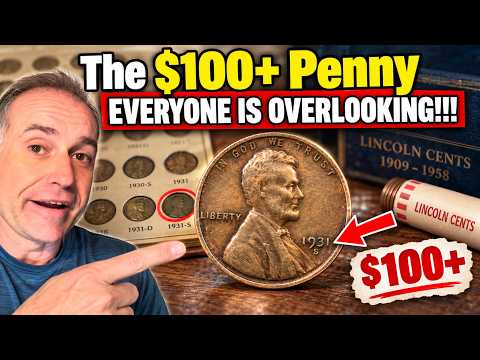
Collectors should also distinguish rarity from condition scarcity. The 1931-S had a small original mintage, but many examples were saved when new. The 1914-D, by comparison, often appears with considerable circulation wear. Understanding these different histories helps explain why prices can vary dramatically across grades. Consult our Lincoln wheat penny key date values when comparing potential purchases.
Finally, remember that a rare date or missing mintmark alone does not establish authenticity. Altered mintmarks, modified dates, and counterfeit coins are genuine concerns, especially with the 1909-S VDB, 1914-D, and 1922 Plain. Before spending hundreds of dollars, compare genuine diagnostics and consider professional authentication. If you are still building a collection from circulation, our guide to 43 valuable pennies worth saving offers additional dates and varieties to watch for.
Historical Context & Mint Specifications
The Lincoln cent debuted in 1909 with Victor David Brenner’s portrait of Abraham Lincoln. During the early decades of the series, production varied among Philadelphia, Denver, and San Francisco. Some issues became difficult to obtain because of relatively small mintages, while others were heavily circulated before collectors recognized their significance. The 1909-S VDB, 1914-D, and 1931-S are famous examples of scarce regular issues that collectors seek when assembling complete Lincoln wheat cent sets.
The 1922 Plain occupies a different category. Denver was the only mint producing Lincoln cents that year, and worn or improperly polished dies produced examples lacking a visible D mintmark. The desirable Strong Reverse variety is particularly important to specialists. Original production figures, surviving populations, and the number of coins preserved in higher grades all influence collector demand. Consequently, mintage alone cannot determine what an individual penny is worth.
| Specification | Details |
|---|---|
| Series / Denomination | Lincoln Wheat Cent / One Cent ($0.01) |
| Mintmark / Key Dates | 1909-S VDB, 1914-D, 1931-S; 1922 Plain (No D variety) |
| Composition & Weight | 95% copper, 5% tin and zinc; 3.11 grams |
| Original Mintage | 1909-S VDB: 484,000; 1914-D: 1,193,000; 1931-S: 866,000; 1922-D: 7,160,000 (1922 Plain is a die variety; no separate official mintage) |
| Designer / Engraver | Victor David Brenner |