

⚡ Quick Collector Takeaways
- 1916-D Mercury Dime: The key date of the Mercury dime series, with Josh citing values of approximately $1,000 and up, even for heavily worn examples.
- 1982 No P Roosevelt Dime: Check above the date for the missing Philadelphia mint mark. Josh estimates $50 to $100 for examples of this collectible error.
- Rare No S Proof Dimes: The 1968, 1970, 1975, and 1983 No S proofs are valuable varieties to search for in older proof sets, not ordinary circulation strikes. Josh discusses a 1975 example that sold for more than $349,000.
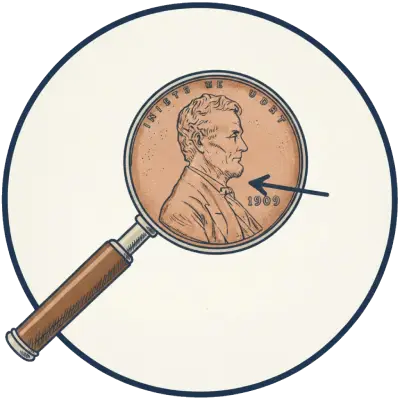
- Inspection Tip: Use a magnifying glass or coin loupe to inspect dates, mint marks, and possible overdates. Always confirm the coin’s date and strike type before assuming a missing mint mark is valuable.
Video Breakdown & Chapter Highlights
Rare Mercury Dimes Worth Looking For
Josh begins with the Mercury dime, officially known as the Winged Liberty Head dime, issued from 1916 through 1945. The famous 1916-D is the series’ major key date, but collectors should also watch for the 1921-D and the 1942/1 overdate varieties from Philadelphia and Denver. These coins are scarce enough that finding one in change would be extraordinary, but searching older coins can occasionally uncover overlooked treasures.
The Extremely Valuable No S Proof Roosevelt Dimes
Next, Josh explains why collectors examine older proof sets for missing-mintmark varieties. The 1968, 1970, 1975, and 1983 No S Roosevelt proof dimes were mistakenly produced without their expected San Francisco mint marks. The 1975 No S is particularly famous for its extraordinary rarity and six-figure auction results. These are proof coins, so a normal Philadelphia dime without an S mint mark is not automatically one of these valuable errors.
The 1982 No P Dime: A Real Pocket Change Find
Josh finishes with one of the most practical targets for circulation hunters: the 1982 No P Roosevelt dime. Unlike the famous No S proof errors, this variety originated as a circulation strike. A genuine example lacks the P mint mark normally located above the date. Josh discusses values of approximately $50 to $100, making it an appealing coin to search for in dime rolls, change jars, and older collections.
Josh’s Director’s Cut: Practical Numismatic Advice
“So, your chances of finding a really rare dime in circulation are not that great. But having said that, you can find some scarce dimes in circulation.”
That distinction between rare and scarce is important when searching for valuable dimes. A 1916-D Mercury dime and a 1982 No P Roosevelt dime are both desirable, but they represent very different collecting opportunities. The first is a classic key-date rarity that has been sought after for generations. The second is a modern mint-mark error that can realistically turn up among ordinary circulation coins.
For everyday searching, start by separating older Mercury dimes from Roosevelt dimes. Examine every 1982 Roosevelt dime carefully, paying particular attention to the mint-mark area above the date. Before buying a supposed 1916-D, investigate authentication and grading, because valuable key dates attract alterations and counterfeits. Our 1982 dime value guide explains the different 1982 issues and their distinguishing features.
Proof-set hunting requires another approach entirely. A missing S mint mark is meaningful only when the coin matches the correct proof variety. Learning the difference between a normal circulation strike and a genuine proof error can prevent expensive mistakes. For a broader collecting checklist, consult our complete list of rare U.S. dimes and their values.
Historical Context & Mint Specifications
The Mercury dime debuted in 1916 and remained in production until 1945. Its Winged Liberty design became one of the most recognizable images in American coinage. Low production at certain branch mints, combined with heavy circulation and subsequent collector demand, made several dates especially difficult to obtain. The 1916-D remains the classic example, while the 1921-D and 1942/1 overdates provide additional targets for experienced collectors.
The Roosevelt dime replaced the Mercury design in 1946. Its history demonstrates that rarity does not always depend on a low original mintage. Mint-mark mistakes and proof-production errors can create valuable varieties even within otherwise common coin series. The 1982 No P is an especially interesting example because Philadelphia circulation dimes were normally marked with a P by that year. The No S proof varieties, meanwhile, illustrate how a small production mistake can become enormously significant when very few examples survive.
| Series / Denomination | Mercury and Roosevelt Dimes / 10 cents |
| Mint Mark / Key Dates | 1916-D, 1921-D, 1942/1, 1942/1-D, 1982 No P; 1968, 1970, 1975, and 1983 No S proofs |
| Composition & Weight | Mercury and 1946–1964 Roosevelt: 90% silver, 10% copper; 2.50 g. Standard 1965-and-later circulation Roosevelt dimes: copper-nickel clad; 2.268 g. |
| Original Mintage | 1916-D Mercury: 264,000. Other dates vary; rare mint-mark and overdate varieties are subsets of their respective issues. |
| Designer / Engraver | Adolph A. Weinman (Mercury); John R. Sinnock (Roosevelt) |
Collector’s note: Dollar amounts mentioned in the video are historical estimates, not guaranteed current prices. Actual market values depend on authenticity, condition, grading, and recent comparable sales.