
⚡ Quick Collector Takeaways
- Rare key dates: Watch for the 1909-S VDB and 1914-D Lincoln cents, 1922 Plain cent, 1916-D Mercury dime, and 1916 Standing Liberty quarter.
- Silver discoveries: U.S. dimes dated 1964 or earlier generally contain 90% silver and can be worth substantially more than face value.
- Value expectations: Josh cites ordinary wheat cents at 5–15 cents and a 1916-D Mercury dime at $1,000 or more. These are historical video estimates, not current price quotes.
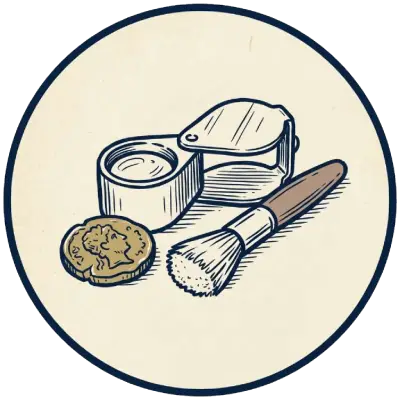
- Inspection tip: Check dates, mintmarks, and unusual strikes with a 5x–10x loupe. Look for genuine doubled dies, clipped planchets, and off-center strikes.
Video Breakdown & Chapter Highlights
[00:00] — Hidden Treasures in Everyday Change
Josh starts with an assortment of pennies, nickels, dimes, quarters, half dollars, and dollar coins to demonstrate what might turn up in a change jar. He explains why an unusual denomination isn’t automatically valuable, while older silver dimes and certain collectible cents deserve closer examination.
[01:52] — Rare Key Dates and Valuable Mint Errors
The discussion moves to major rarities, including famous Lincoln cents, the 1916-D Mercury dime, and the 1916 Standing Liberty quarter. Josh also identifies mint errors such as clipped and off-center strikes, expanding the search beyond coins that are valuable simply because of their dates.
[02:35] — Where to Hunt for Rare Coins
Coin rolls, estate sales, and metal detecting provide additional opportunities beyond checking daily purchases. Josh emphasizes getting permission before detecting on someone else’s property and shares the story of a California couple who discovered a gold coin hoard on their land.
Josh’s Director’s Cut: Practical Numismatic Advice
“A lot of times, we don’t know what we have in our change jars until we dump them out and see what’s in there.”
That’s an important lesson for anyone starting a collection: you don’t need an expensive coin collection to begin searching for interesting discoveries. A jar of accumulated change offers an opportunity to practice identifying different designs, mintmarks, and dates. Even when the coins aren’t especially valuable, the process builds the familiarity needed to recognize something unusual.
Start by separating coins by denomination. Examine older dates first, especially Lincoln wheat cents and pre-1965 dimes. Then inspect unusual-looking coins under magnification. Compare potential finds with our complete guide to rare coins in pocket change before deciding whether professional authentication is worthwhile.
Remember that scarcity, condition, and collector demand all affect value. A worn modern half dollar may be uncommon in everyday transactions without commanding a premium. Conversely, an authentic key-date coin or significant mint error can be valuable even when circulated. Our list of valuable U.S. mint errors can help distinguish collectible mistakes from ordinary damage. Don’t clean suspected discoveries; protect them until they can be identified.
Historical Context & Mint Specifications
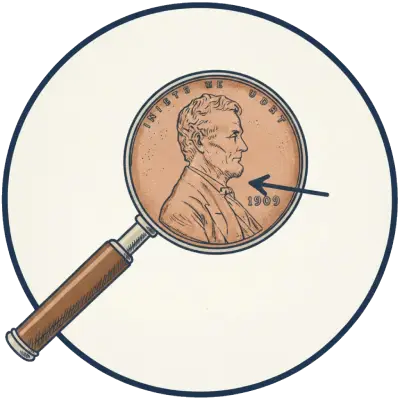
American coinage has changed significantly over the past century. The Lincoln cent debuted in 1909, while the Mercury dime and Standing Liberty quarter appeared in 1916. Certain early mintmarked issues became key dates because comparatively few were produced, while other varieties became collectible through unusual minting circumstances.
Silver content provides another reason to examine older change. Regular U.S. dimes and quarters struck before 1965 contain 90% silver. The shift to copper-nickel clad coinage means many older silver pieces were subsequently saved or removed from circulation. Although finding a major rarity remains unlikely, identifying these differences helps collectors recognize potentially worthwhile discoveries.
| Series / Denomination | Lincoln cents, Mercury dimes, Standing Liberty quarters, and other circulating U.S. coins |
| Mint Mark / Key Dates | 1909-S VDB, 1914-D, 1922 Plain, 1916-D dime, 1916 Standing Liberty quarter |
| Composition & Weight | Varies by issue; pre-1965 regular dimes and quarters are 90% silver |
| Original Mintage | Varies by date and mint; 1916-D Mercury dime: 264,000 |
| Designer / Engraver | Victor D. Brenner (Lincoln cent); Adolph A. Weinman (Mercury dime); Hermon A. MacNeil (Standing Liberty quarter) |