
⚡ Quick Collector Takeaways
- Most 1943 silver-colored pennies aren’t silver: The U.S. Mint intentionally produced zinc-coated steel cents in 1943 to conserve copper during World War II. These are regular-issue coins, not rare mint errors.
- A 1944 steel penny is different: The Mint returned to bronze cents in 1944. Genuine 1944 steel cents are scarce transitional errors that can be worth thousands of dollars.
- Weight reveals important clues: A normal 1943 steel cent weighs approximately 2.7 grams, a traditional bronze cent weighs 3.11 grams, and a cent struck on a silver dime planchet weighs approximately 2.5 grams.
- Use two simple tests: Check your penny with a magnet and a digital coin scale. A silver-colored appearance alone cannot establish whether a coin is valuable or even made of silver.
Video Breakdown & Chapter Highlights
[04:33] — Why 1943 Steel Pennies Look Like Silver
Josh explains why millions of 1943 Lincoln cents have a distinctive silver-gray appearance even though they contain no silver. Wartime copper conservation led the U.S. Mint to adopt zinc-coated steel, creating one of the most recognizable one-year compositions in American coinage. He also explains why an ordinary 1943 steel cent should not be confused with a rare off-metal error.
[06:33] — Magnet Tests, Plated Pennies & Rare 1944 Errors
Watch Josh demonstrate how a magnet separates magnetic steel cents from ordinary bronze coins and nonmagnetic silver-planchet errors. He also discusses genuine 1944 steel pennies, which were accidentally struck after the Mint returned to bronze, and shows why privately plated pennies can fool collectors. A shiny silver-colored surface does not automatically indicate an authentic Mint error.
[10:01] — Genuine Silver Penny Errors & Coin Weight Tests
Josh introduces legitimate off-metal errors, including Lincoln cents accidentally struck on dime planchets. He explains how these mistakes happen during production and why the finished coin retains the weight characteristics of its original planchet. The demonstration shows how a precise scale can help distinguish an approximately 2.5-gram silver dime-planchet error from a 2.7-gram steel cent or a 3.11-gram bronze penny.
Josh’s Director’s Cut: Practical Numismatic Advice
“It’s not going to change the weight of the planchet. It’s going to end up being what the planchet should have weighed.”
One of the most useful lessons in this video is that a coin’s color tells only part of its story. A Lincoln penny can appear silver because it was made from zinc-coated steel, because someone plated an ordinary bronze cent, or because a genuine production mistake occurred. Those possibilities have dramatically different implications for collectors. Identifying the underlying metal is more important than judging the appearance alone.
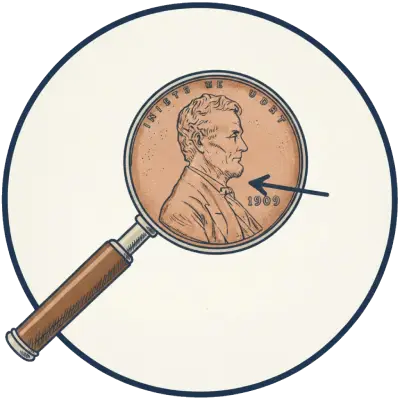
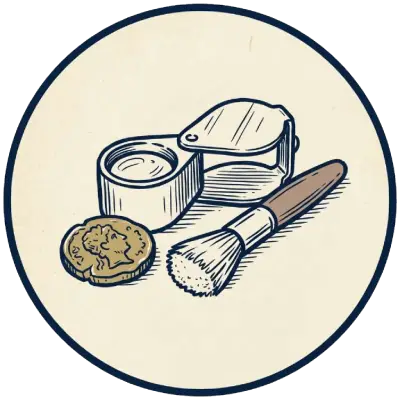
Start with a magnet, then use a digital scale capable of measuring hundredths of a gram. Check the date, examine the surfaces under magnification, and look for signs of plating, unusual wear, or exposed copper. Compare your findings with the characteristics explained in our silver penny identification guide. Remember that a correct weight is supporting evidence, not proof of authenticity.
The biggest mistake is assuming that every unusual-looking penny is a rare error. A privately plated coin is an altered regular issue, while a genuine wrong-planchet strike originates inside the Mint. Our guide to wrong-planchet error coins explains this distinction further. If the date, magnet response, and weight suggest a valuable rarity, avoid cleaning or altering the coin. Professional authentication is the sensible next step before assigning a substantial market value.
Historical Context & Mint Specifications
America’s entry into World War II dramatically changed the materials used in everyday coinage. Copper was essential to wartime manufacturing, prompting the U.S. Mint to replace the traditional bronze Lincoln cent with a zinc-coated steel version in 1943. More than one billion steel cents were struck across the Philadelphia, Denver, and San Francisco facilities. Their silver-gray appearance led generations of Americans to call them “silver pennies,” even though the coins contained no silver.
The experiment was short-lived. Steel cents were unpopular because they could rust when their protective zinc coating wore away and were sometimes confused with dimes. In 1944, the Mint returned to copper-based cent production, making surviving 1944 steel strikes especially desirable transitional errors. A separate class of rarities arose when cent dies struck planchets intended for other denominations, including silver dimes. Unlike ordinary 1943 steel cents, these accidental strikes were never intended as standard circulating issues.
| Series / Denomination | Lincoln Wheat Cent / One Cent |
| Mint Mark / Key Dates | 1943 steel cents: Philadelphia (no mark), D, S. Rare transitional steel errors: 1944, 1944-D, 1944-S. |
| Composition & Weight | 1943 steel: zinc-coated steel, 2.70g. Bronze: approximately 95% copper, 3.11g. Silver dime planchet: 90% silver, 10% copper, 2.50g. |
| Original Mintage | 1943 steel cents: 1,093,838,670 across all three mints. 1944 steel errors: no authorized production mintage; only a small number are known. |
| Designer / Engraver | Victor David Brenner — Lincoln obverse and Wheat Ears reverse. |