
⚡ Quick Collector Takeaways
- Does ketchup clean coins? Yes. Josh demonstrates that ketchup can remove dark surface coloration from copper pennies in just a few minutes.
- Which coins respond best? Copper and bronze coins show the most noticeable changes. Ketchup is less effective on silver, nickel, and gold.
- Does ketchup damage coins? Chemical cleaning can alter original surfaces and potentially cause permanent damage. A brighter coin is not necessarily a better coin.
- Collector’s inspection tip: Look for unnatural pinkish or bright copper coloration, especially on older circulated pennies. Uneven color between protected areas and exposed surfaces may reveal previous cleaning.
Video Breakdown & Chapter Highlights
[00:33] — Why Ketchup Works On Copper Pennies
Josh begins by explaining why ketchup is frequently recommended as a household coin cleaner. Its acidic ingredients can react with copper surface compounds, removing some of the dark oxidation that develops over time. Although the process can produce dramatic visual changes, Josh emphasizes that removing original surface material is precisely why collectors generally discourage chemical cleaning.
[02:39] — The Five-Minute Ketchup Experiment
Using inexpensive pennies selected specifically for the demonstration, Josh applies ketchup, allows it to remain on the coins for approximately five minutes, and rinses it away with cold water. The results are immediately visible: dark copper coloration disappears from substantial portions of the surfaces. An older penny develops a noticeably uneven appearance, illustrating how chemical treatment can remove patina without producing a consistent or natural-looking finish.
[04:11] — How Cleaning Changes A Coin’s Appearance And Value
Josh examines the altered pennies and explains why their unusually bright surfaces would immediately raise concerns for an experienced collector. By the conclusion, he reinforces an important distinction: removing tarnish or patina may make a coin appear cleaner, but it does not restore its original mint surface. Cleaning can substantially reduce collector value, even when the coin looks shinier afterward.
Josh’s Director’s Cut: Practical Numismatic Advice
“As a collector, I would see this coin and right away know that it was cleaned.”
The most revealing part of this experiment isn’t how quickly ketchup brightens a penny. It’s what happens to the coin’s original appearance. Copper naturally changes color as it ages, developing brown tones and sometimes uneven patina through years of handling and environmental exposure. Removing that coloration doesn’t reverse the aging process or restore the original mint finish.
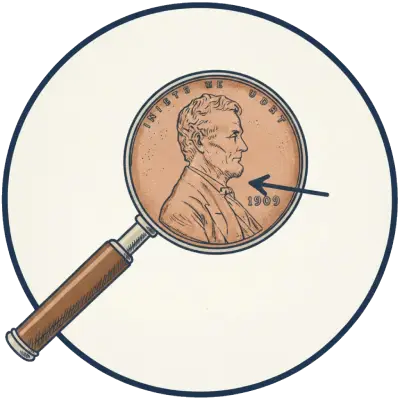
For collectors, originality matters. A circulated Lincoln cent with natural brown surfaces may be more desirable than the same coin after chemical cleaning. When evaluating a possible purchase, examine the color around Lincoln’s portrait, the lettering, and other protected areas. Abrupt differences in color can suggest that the coin has been chemically treated. Our guide to identifying cleaned coins explains additional warning signs.
The practical lesson is to separate experimentation from preservation. A common, face-value penny may demonstrate a chemical reaction, but a collectible coin deserves a different approach. Before attempting any treatment, read our advice on why you shouldn’t clean collectible coins. Once original surface characteristics are lost, ordinary household cleaning cannot bring them back.
The Science Of Ketchup Cleaning & Copper Coin Preservation
Traditional ketchup contains vinegar and tomato-derived acids that can help dissolve certain copper oxidation products. This explains why a darkened copper penny may become noticeably brighter after exposure. However, the same chemical action that removes discoloration can also alter a coin’s surface. The result may include unnatural coloration, uneven patches, or permanent surface changes.
Older Lincoln pennies generally contain much more copper than modern circulating cents. From 1909 through most of 1982, standard Lincoln cents were made primarily of copper, while later cents use a zinc core with thin copper plating. Because the metal composition affects how a coin responds to chemicals, the same cleaning experiment may produce different results depending on the coin’s date and composition.
| Property | Collector Information |
| Cleaning Agent | Ketchup containing vinegar and tomato acids |
| Most Responsive Metals | Copper and bronze |
| Demonstration Time | Approximately 5 minutes |
| Observed Result | Reduced dark patina; brighter, sometimes uneven copper coloration |
| Collector Recommendation | Avoid ketchup and other household chemical cleaners on collectible coins |
Important: This experiment uses ordinary coins without meaningful collector premiums. It is not a recommended conservation technique for rare, valuable, or historically significant coins. For potentially valuable pieces, preserve the original surfaces and seek qualified professional conservation advice when necessary.