
⚡ Quick Collector Takeaways
- Baking soda is abrasive: It can remove discoloration, but rubbing it against a coin also changes the original metal surface.
- Cleaning can reduce value: Even a brighter-looking coin may be worth less after its natural luster and patina have been disturbed.
- Real demonstration: Josh tests baking soda and water on a 1982-D Lincoln cent to illustrate the process and its consequences.
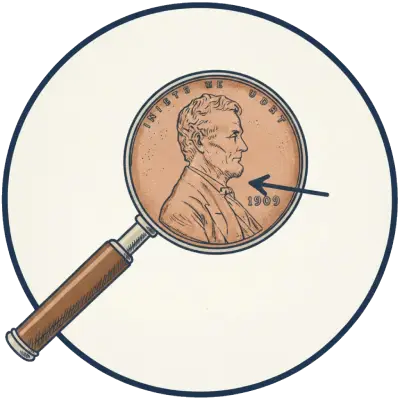
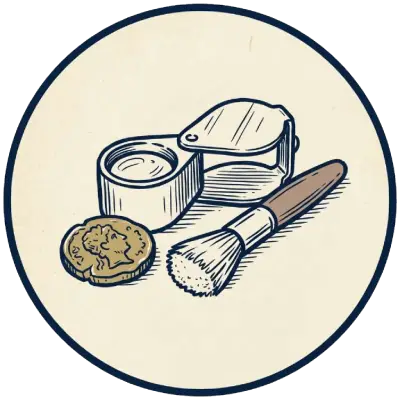
- Collector inspection tip: Tilt a coin under a light and examine its surface with a 5X to 10X loupe. Unnatural brightness, hairlines, and missing cartwheel luster can indicate cleaning.
Video Breakdown & Chapter Highlights
[00:00] Why Baking Soda Can Damage Coins
Josh introduces baking soda as a commonly recommended household coin cleaner, then explains the important distinction between improving a coin’s appearance and preserving its collectible value. His test subject is a 1982-D Lincoln cent with fingerprints and surface discoloration. Before beginning, he warns that abrasive cleaning can permanently alter a coin’s original finish.
[01:57] Baking Soda Coin Cleaning Demonstration
For demonstration purposes only, Josh mixes baking soda with water, immerses the penny, and subsequently rubs the abrasive mixture over both sides. He then rinses and pats the coin dry. The process illustrates how a readily available household ingredient can change a coin’s surface, but it should not be used on coins with potential numismatic value.
[05:57] Before-and-After Results: Brightness vs. Luster
The finished penny appears lighter and reflects more light, but Josh identifies a significant drawback: its original cartwheel luster has been diminished. He explains how abrasive cleaning disrupts the microscopic metal flow lines created during striking. This is why a shiny, freshly cleaned coin is not necessarily an attractive or desirable coin to an experienced collector.
Josh’s Director’s Cut: Practical Numismatic Advice
Josh, Senior Coin Editor:
“Abrasive cleaning can remove those flow lines — removes the luster.”
One of the most important lessons in this demonstration is that brightness and original mint luster are two very different things. A coin can look cleaner after treatment while actually becoming less desirable to collectors. Mint luster comes from microscopic flow lines produced when metal moves under tremendous pressure during striking. Abrasive cleaning can damage those delicate features, and no amount of polishing will restore the original struck surface.
Before attempting to remove fingerprints, dirt, or toning, identify the coin and determine whether it might have collectible value. Even ordinary-looking pennies can have desirable dates, mintmarks, varieties, or errors. Our guide explaining why you should not clean coins offers important preservation advice before you attempt any treatment.
Another common misconception is that removing natural patina automatically improves a coin’s grade. In reality, grading involves surface preservation, wear, eye appeal, and originality. Collectors should learn to recognize the difference between natural toning and altered surfaces. Our illustrated discussion of how to tell if a coin has been cleaned explains what to look for. When uncertain, leave the coin alone and seek knowledgeable advice before making an irreversible change.
Coin Cleaning Science & Surface Preservation
Baking soda, or sodium bicarbonate, has long been used as a household cleaning ingredient. Its mild abrasiveness makes it useful for removing some types of residue and discoloration. However, a coin is not an ordinary household object. Its original surface, including naturally developed toning and mint-produced luster, contributes to its numismatic character and potential market value.
The 1982-D Lincoln cent in this video is particularly useful for illustrating the problem. During 1982, the U.S. Mint transitioned from predominantly copper-alloy cents weighing approximately 3.11 grams to copper-plated zinc cents weighing approximately 2.5 grams. Both compositions were produced that year, so the date and mintmark alone do not establish the example’s composition. Regardless of which version Josh demonstrates, abrasive rubbing can permanently alter its surface. This experiment should never be interpreted as a recommended conservation treatment for valuable coins.
| Demonstration Coin | 1982-D Lincoln Memorial Cent |
| Mintmark / Date | D — Denver Mint, 1982 |
| Possible Compositions | Copper alloy (3.11 g) or copper-plated zinc (2.5 g) |
| Cleaning Agent | Sodium bicarbonate (baking soda) mixed with water |
| Primary Collecting Risk | Surface abrasion, impaired original luster, and reduced numismatic desirability |