
⚡ Quick Collector Takeaways
- Preservation Comes First: Cleaning should remove potentially harmful contamination, not make an old coin look brand new. Improper cleaning can permanently reduce collectible value.
- Start With Water: Josh demonstrates a gentle rinse using lukewarm running water to loosen surface debris without abrasive scrubbing.
- Acetone Requires Caution: Pure acetone can dissolve certain surface contaminants, but it is flammable, requires suitable ventilation, and is not appropriate for every coin or finish.
- Never Rub or Polish: Scratches and hairlines can permanently damage a coin. Inspect surfaces carefully, and leave valuable or potentially rare coins untouched until an expert evaluates them.
Video Breakdown & Chapter Highlights
[00:10] — Supplies Needed & Cleaning Mistakes To Avoid
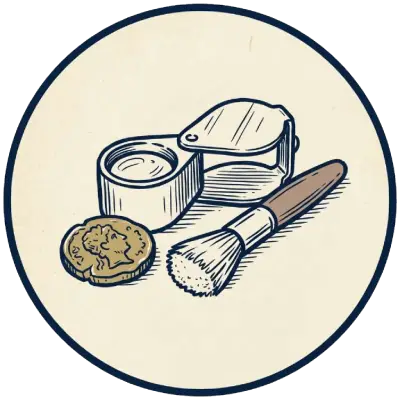
Josh begins with a simple collection of supplies and explains why popular household cleaning recipes can be disastrous for coins. Vinegar, salt, baking soda, toothpaste, and other substances may be acidic or abrasive, potentially stripping original surfaces and creating permanent damage. His goal is to demonstrate conservation rather than aggressive cleaning.
[02:03] — How To Clean Coins Using Water
Using a circulated quarter with discoloration and possible surface contamination, Josh demonstrates a brief rinse under tepid running water. He carefully avoids scrubbing and pats the coin dry rather than rubbing it with a towel. The quarter looks somewhat cleaner afterward, although some discoloration remains—an important reminder that not every surface problem can be washed away.
[03:06] — Acetone Treatment & Professional Conservation
Josh next demonstrates a short acetone bath, emphasizing ventilation and the importance of avoiding unsuitable plastic containers. Later, at 06:12, he explains why collectors with valuable or seriously contaminated coins should consider professional conservation services such as those associated with PCGS and NGC. The final result is not a brand-new-looking coin, but one with less visible debris and contamination.
Josh’s Director’s Cut: Practical Numismatic Advice
“In fact, in most cases, you will not be able to make a coin look brand new and do so in a way that will not damage it. You just can’t.”
The most important lesson in this demonstration is that a brighter coin is not necessarily a better coin. Collectors prize original surfaces, natural toning, and evidence of proper preservation. A coin that has been aggressively polished may look attractive to someone unfamiliar with numismatics, but an experienced collector or grading professional may immediately recognize the altered surfaces. That distinction can make a substantial difference when buying, selling, or submitting coins for grading.
Before attempting any treatment, determine whether your coin might have collector value. A common, heavily circulated coin used for practice presents a very different risk from a scarce date, proof, or high-grade uncirculated example. Our guide explaining why you should avoid cleaning collectible coins is an important starting point.
Also remember that removing loose dirt is different from reversing corrosion or restoring damaged metal. Even when contamination can be removed, existing pits, stains, and surface deterioration may remain. Learn how to recognize a previously cleaned coin before making a purchase. For potentially valuable pieces, professional evaluation is usually the safest first step.
Coin Conservation: Methods, Risks & Surface Preservation
Coin collecting has long distinguished between cleaning and conservation. Cleaning often describes attempts to improve appearance by removing toning, dirt, or discoloration. Conservation, by contrast, focuses on reducing harmful contaminants while preserving as much of the original surface as possible. This distinction matters because the microscopic texture and natural appearance of a coin help establish its condition, authenticity, and desirability.
Josh’s demonstration uses a circulated quarter rather than a valuable collectible. The methods shown illustrate different levels of intervention, but neither guarantees that a coin will retain its grade or market value. Acetone in particular requires appropriate chemical-handling precautions and should not be used indiscriminately on painted, coated, or otherwise sensitive surfaces. Collectors should avoid experimenting on coins with possible numismatic premiums.
| Method | Purpose & Important Considerations |
|---|---|
| Lukewarm Water | May remove loose debris. Avoid rubbing, brushing, or applying pressure to the surface. |
| Pure Acetone | May dissolve some organic contaminants. Highly flammable; requires appropriate ventilation and compatible containers. Results vary by coin and contaminant. |
| Household Abrasives & Acids | Toothpaste, vinegar, salt, and similar treatments can permanently alter surfaces and reduce collector value. |
| Professional Conservation | Specialized evaluation and treatment for coins with potentially damaging surface contamination. Success is not guaranteed. |
| No Treatment | Often the preferred choice for collectible coins with stable, original surfaces and natural toning. |