
⚡ Quick Collector Takeaways
- Josh actually sold valuable coins to reduce debt. His collection included a 1955 Doubled Die Lincoln cent, other valuable doubled die pennies, gold coins, silver coins, and bullion.
- Financial freedom came with sacrifices. Although Josh sometimes experiences seller’s remorse, the proceeds helped him and his wife move closer to paying off their mortgage.
- Rare coins and bullion require different selling strategies. A collectible’s numismatic premium may be more important than its metal content. Obtain appropriate valuations before accepting an offer.
- There is no universal answer. Compare your debt obligations, the proceeds you could realistically receive, and the personal importance of your collection before selling.
Video Breakdown & Chapter Highlights
[00:00] Should You Sell Coins To Pay Down Debt?
Dave Ramsey’s advice to a caller about selling silver coins raises a difficult question: Is holding an investment worth more than eliminating existing debt? Josh introduces his own experience as a longtime coin collector who faced that decision personally. Rather than treating coin ownership solely as an investment, he considers what selling valuable collectibles can mean for a family’s financial priorities.
[02:05] The Rare Coins Josh Sold To Get Out Of Debt
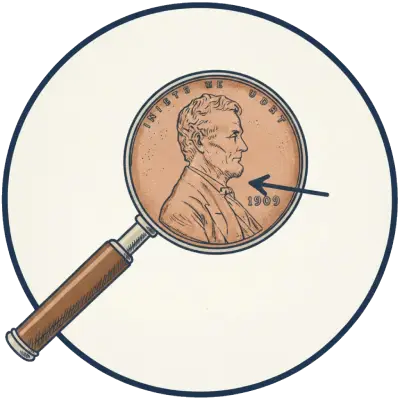
Josh recalls parting with a genuine 1955 Doubled Die Obverse Lincoln cent, a valuable 1972-D penny variety, and a 1984 doubled die cent. These weren’t ordinary pocket-change finds; they were desirable collectibles that he would have preferred to keep. He also explains how his family’s earlier struggles with debt influenced his decision to put financial security ahead of retaining every treasured coin.
[07:33] Seller’s Remorse, Gold, Silver & Financial Freedom
Selling rare coins wasn’t the couple’s only strategy. Extra work, changes in spending habits, and the sale of other assets also helped reduce their obligations. Josh acknowledges missing certain coins, but explains why the prospect of becoming mortgage-free made those sacrifices worthwhile. His closing advice emphasizes researching coin values, choosing reputable buyers, and making a decision you can live with.
Josh’s Director’s Cut: Practical Numismatic Advice
“If you decide to sell your coins and your bullion, know what your items are worth.”
A coin collection represents more than its potential resale value. For someone who has spent decades assembling a collection, each purchase may represent a memorable discovery, a long search, or a personal milestone. Josh’s decision to sell his 1955 Doubled Die Lincoln cent illustrates that emotional tradeoff. A desirable coin can be difficult to replace, yet the money received from selling it can have an immediate purpose beyond the hobby.
Before selling, separate bullion holdings from coins with significant collector premiums. A rare doubled die penny shouldn’t be evaluated like an ordinary copper cent, just as a collectible silver dollar shouldn’t automatically be priced only by its silver content. Research comparable transactions, identify varieties accurately, and request more than one offer. Our guide to how and where to sell coins explains the different selling channels available to collectors.
The important distinction is between selling because you have a considered financial plan and selling hastily because you’re under pressure. Compare the potential savings on debt interest with selling costs, taxes, and the difficulty of replacing your coins. Review the pros and cons of selling old coins before deciding which pieces, if any, should leave your collection.
Collector Context & Selling Considerations
Precious metals and collectible coins have long served different purposes for their owners. Bullion buyers often focus on the market prices of gold and silver, while numismatists may pay substantial premiums for scarcity, condition, unusual varieties, and historical significance. Those differences matter when deciding which coins to liquidate. A valuable Lincoln cent can command far more than its metal value, while a common bullion coin may be easier to price using prevailing precious-metal quotations.
Josh’s experience also demonstrates why a coin’s potential future appreciation is only one part of a selling decision. Paying down debt can reduce interest expenses, but selling may involve dealer spreads, auction commissions, and possible tax consequences. Consider the type of debt, interest rate, emergency savings, and sentimental value of the coins. The following comparison provides a practical starting point rather than a guarantee of any particular selling price.
| Coin Category | What To Consider Before Selling |
|---|---|
| Rare Coins | Verify authenticity, grade, variety, and comparable sales. Collector premiums may greatly exceed metal value. |
| Silver Eagles | Compare current silver value, dealer buyback offers, and any numismatic premium for special issues. |
| Gold Coins | Confirm gold content and whether the coin carries collectible value beyond its bullion price. |
| Common Silver Coins | Check silver content, current melt value, and dealer buying spreads before accepting an offer. |
| Sentimental Collection Pieces | Consider replacement difficulty, personal attachment, and whether selling other assets could meet the same goal. |
This article shares a collector’s personal experience and general educational information, not individualized financial advice. Consider consulting a qualified financial or tax professional before making significant decisions about debt repayment or asset sales.