
⚡ Quick Collector Takeaways
- Missing Mint Mark: An ordinary 1990 Philadelphia penny has no mint mark. The rare 1990 No-S variety is a proof coin missing its expected San Francisco mint mark.
- Extraordinary Scarcity: The exact number of No-S proofs produced is unknown. Josh discusses estimates ranging from a few hundred to approximately 3,500.
- Value Difference: Worn Philadelphia cents generally bring face value, while Josh cites No-S proof auction results of $7,050, $7,200, and $19,550.
- Inspection Tip: Look for mirrorlike fields, frosted designs, sharp details, and squared rims. A missing mint mark alone is not enough.
Video Breakdown & Chapter Highlights
[00:26] Why Two 1990 Pennies Have Such Different Values
Josh introduces the confusion surrounding 1990 Lincoln cents without mint marks. Millions of ordinary Philadelphia cents share this characteristic, yet a tiny number of specially manufactured proof pennies are genuinely rare. He explains why dramatic auction prices have led collectors to mistake everyday pocket change for valuable mint errors.
[02:03] Rare No-S Proof Values and Estimated Production
Historical Heritage Auctions results demonstrate why collectors pursue the 1990 No-S proof cent. Josh highlights sales exceeding $7,000 and one reaching $19,550, while explaining the theory that a die without the San Francisco mint mark entered proof production. The original production quantity remains uncertain, with estimates differing substantially.
[03:45] How to Identify a Genuine 1990 No-S Proof Penny
The most important diagnostic feature is the coin’s method of manufacture, not simply its missing mint mark. Josh compares ordinary circulation strikes with proof examples, identifying differences in surface reflectivity, frosted design elements, rim sharpness, and overall detail. He also explains why original 1990 proof sets offer a more realistic hunting opportunity than loose pocket change.
Josh’s Director’s Cut: Practical Numismatic Advice
“And that is how you tell a 1990 No S Proof Penny seen here and worth $3,000 to $5,000 and up.”
The biggest lesson here is that a missing mint mark means very little without understanding how a coin was manufactured. A normal 1990 Philadelphia Lincoln cent was never supposed to carry a mint mark. The valuable No-S proof, however, was produced for collectors at a facility where an S mint mark was expected. That distinction changes everything. Rather than examining the date alone, collectors should evaluate the entire coin, including its surfaces, rims, and strike quality.
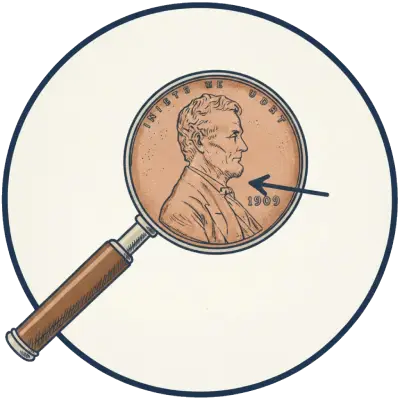
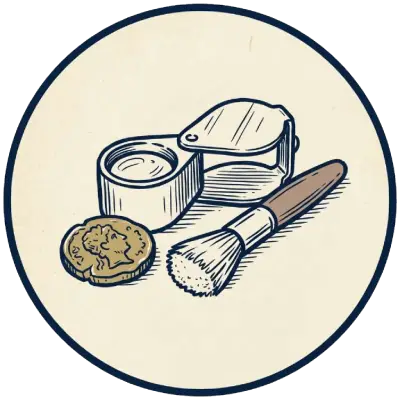
When inspecting a possible discovery, use good lighting and a magnifier to compare the coin with known proof examples. Look for strongly reflective fields and sharper design details, but remember that damage, polishing, and unusual lighting can make ordinary coins appear deceptive. Our guide to circulation strikes and proof strikes explains the manufacturing differences worth learning before spending money on authentication.
Finally, consider where the coin originated. An intact 1990 proof set is a much more promising place to search than a handful of circulated cents. Before purchasing an expensive example, seek reputable third-party authentication and compare documented specimens. Our 1990 penny value guide provides additional context for evaluating ordinary and rare examples.
Historical Context & Mint Specifications
In 1990, the United States Mint continued producing Lincoln Memorial cents for everyday commerce alongside specially prepared proof coins for collectors. Philadelphia circulation strikes normally lacked a mint mark, while San Francisco proof cents were expected to display an S beneath the date. The rare No-S proof variety represents an unintended exception to that practice. Josh discusses the theory that a die lacking the S received proof preparation and entered production.
The error’s original production total remains uncertain. Josh cites an estimate of approximately 3,500 pieces potentially released before discovery, while noting that other estimates are considerably lower. Unlike common circulation strikes, these proof coins were originally distributed in collector sets. Their scarcity, distinctive manufacture, and collector demand explain the enormous difference in market value. Auction results cited in the video are historical examples rather than guaranteed present-day selling prices.
| Series / Denomination | Lincoln Memorial Cent / $0.01 |
| Mint Mark / Key Variety | 1990 Philadelphia: No mint mark (normal); 1990 San Francisco No-S Proof: Missing S (rare error variety) |
| Composition & Weight | Copper-plated zinc; 2.5 grams |
| Original Mintage | Philadelphia circulation strikes: 6,851,765,000; No-S proofs: Exact quantity unknown |
| Designer / Engraver | Obverse: Victor David Brenner; Reverse: Frank Gasparro |