


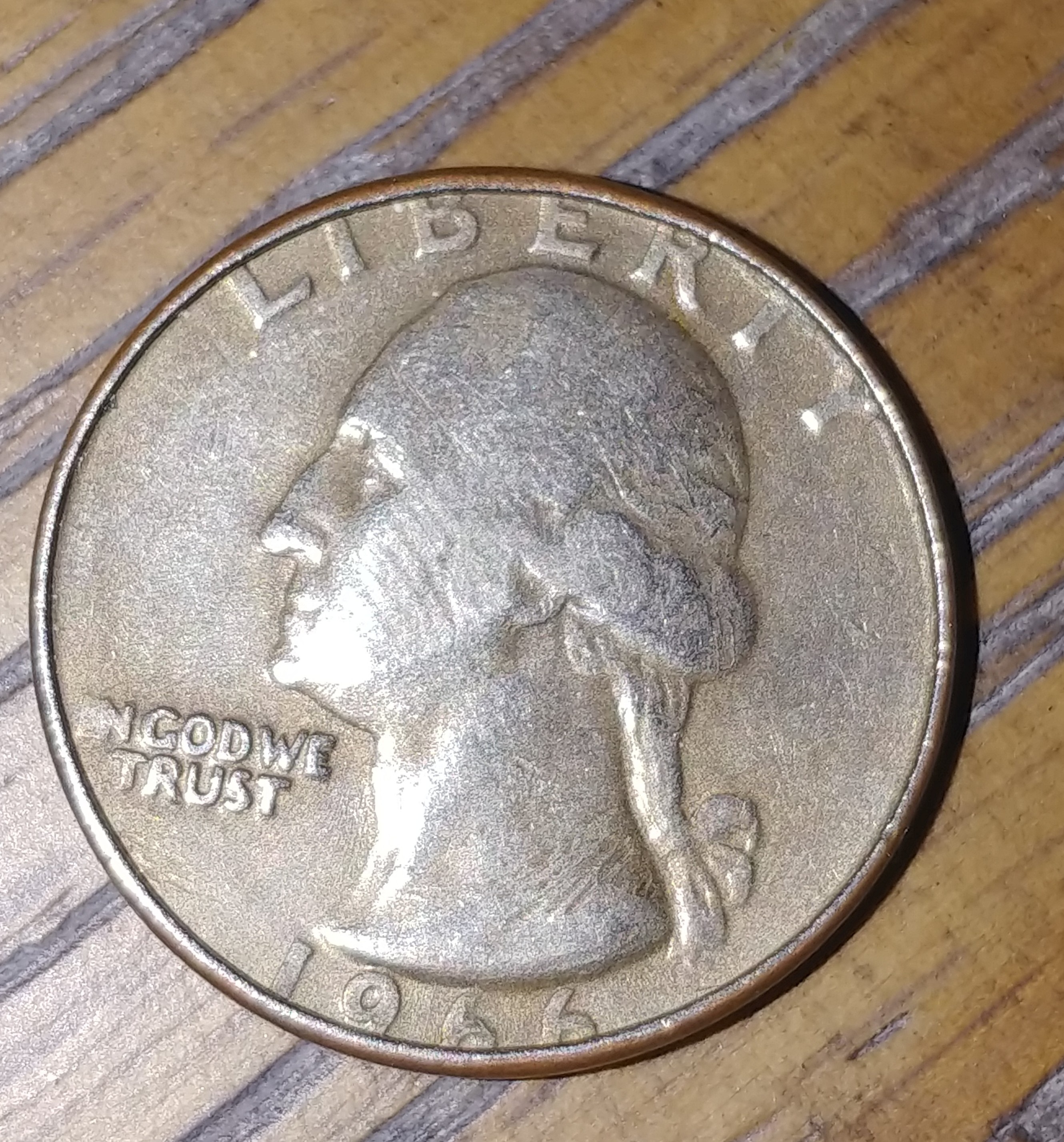
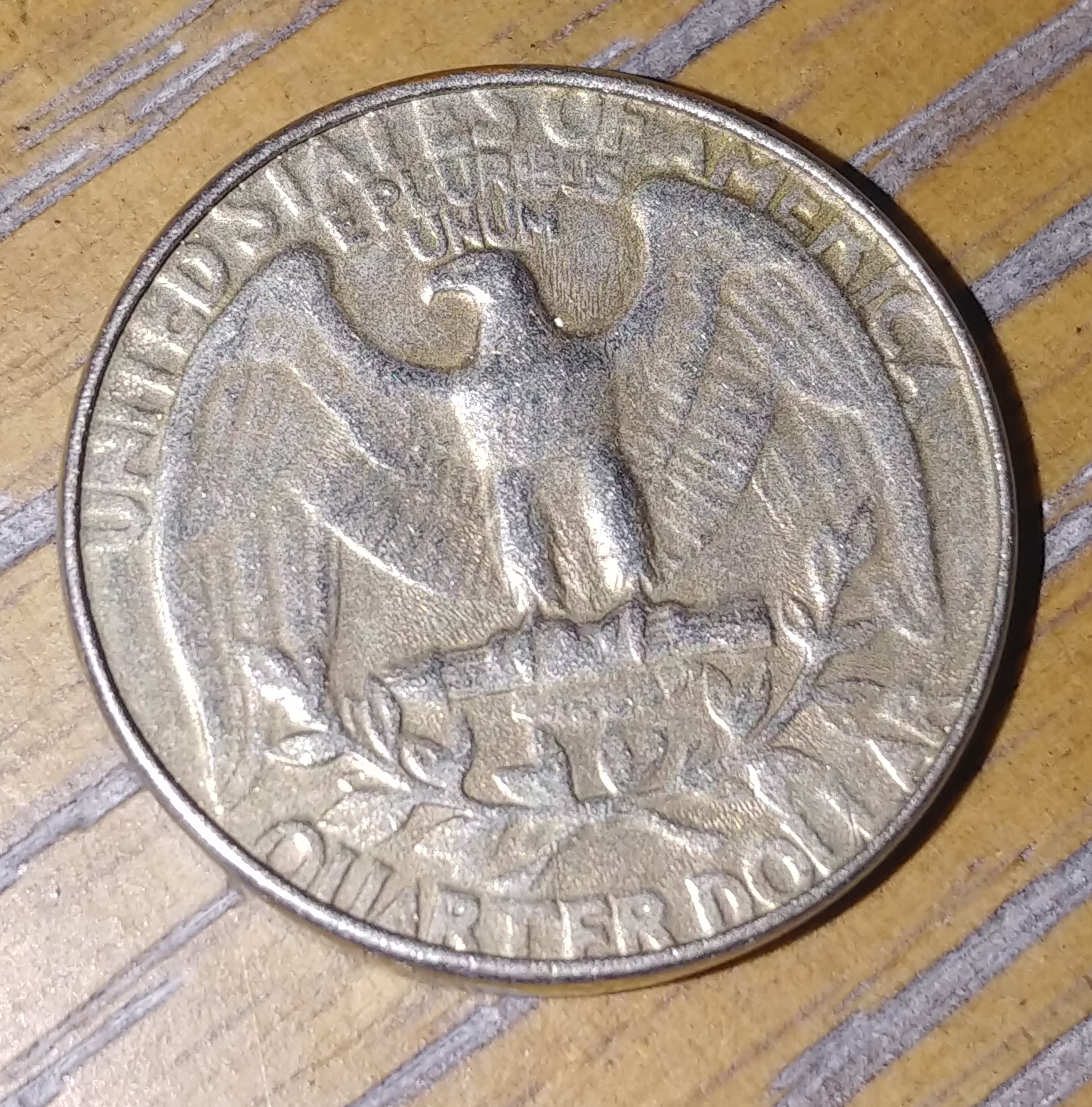
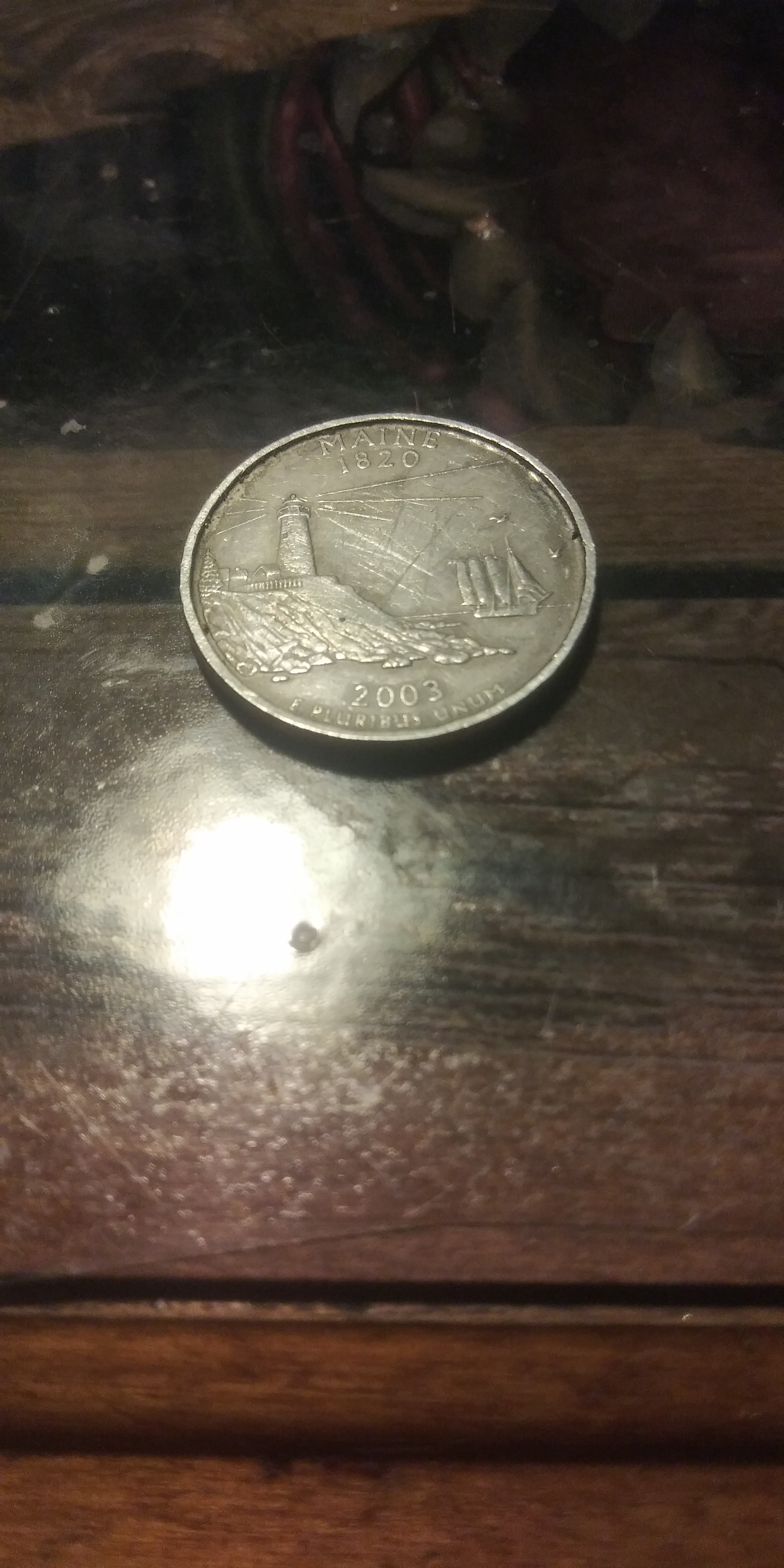
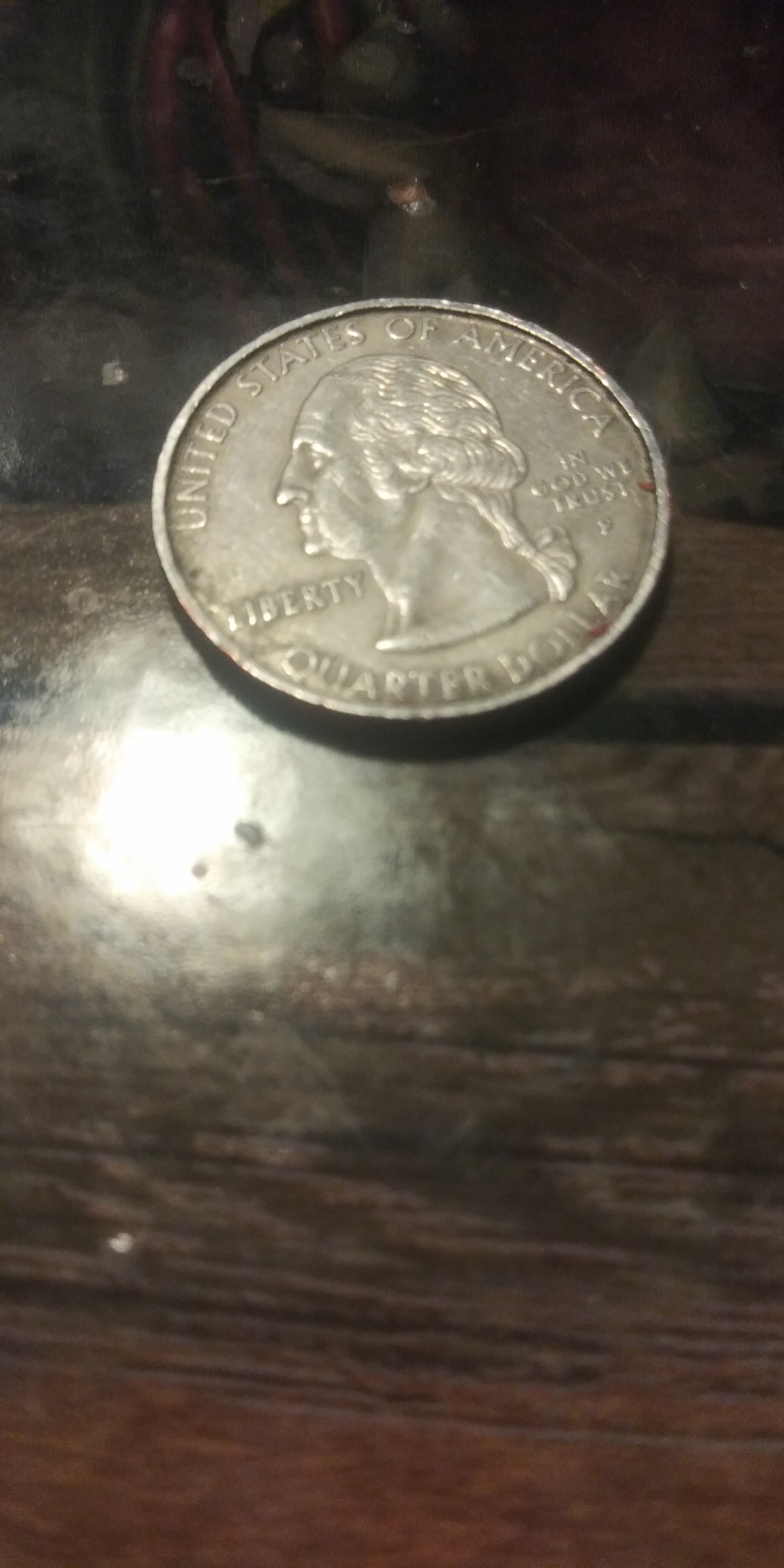
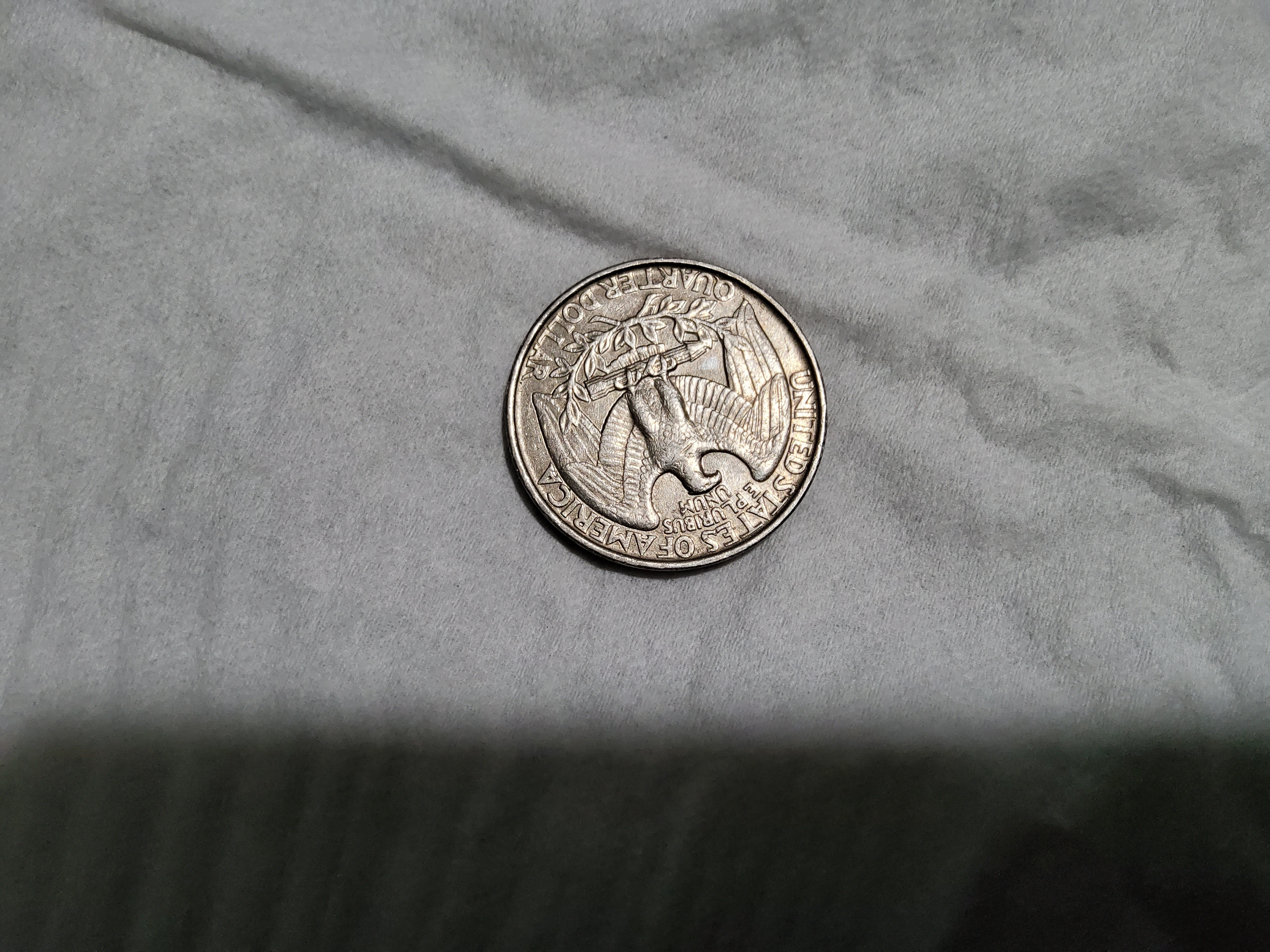
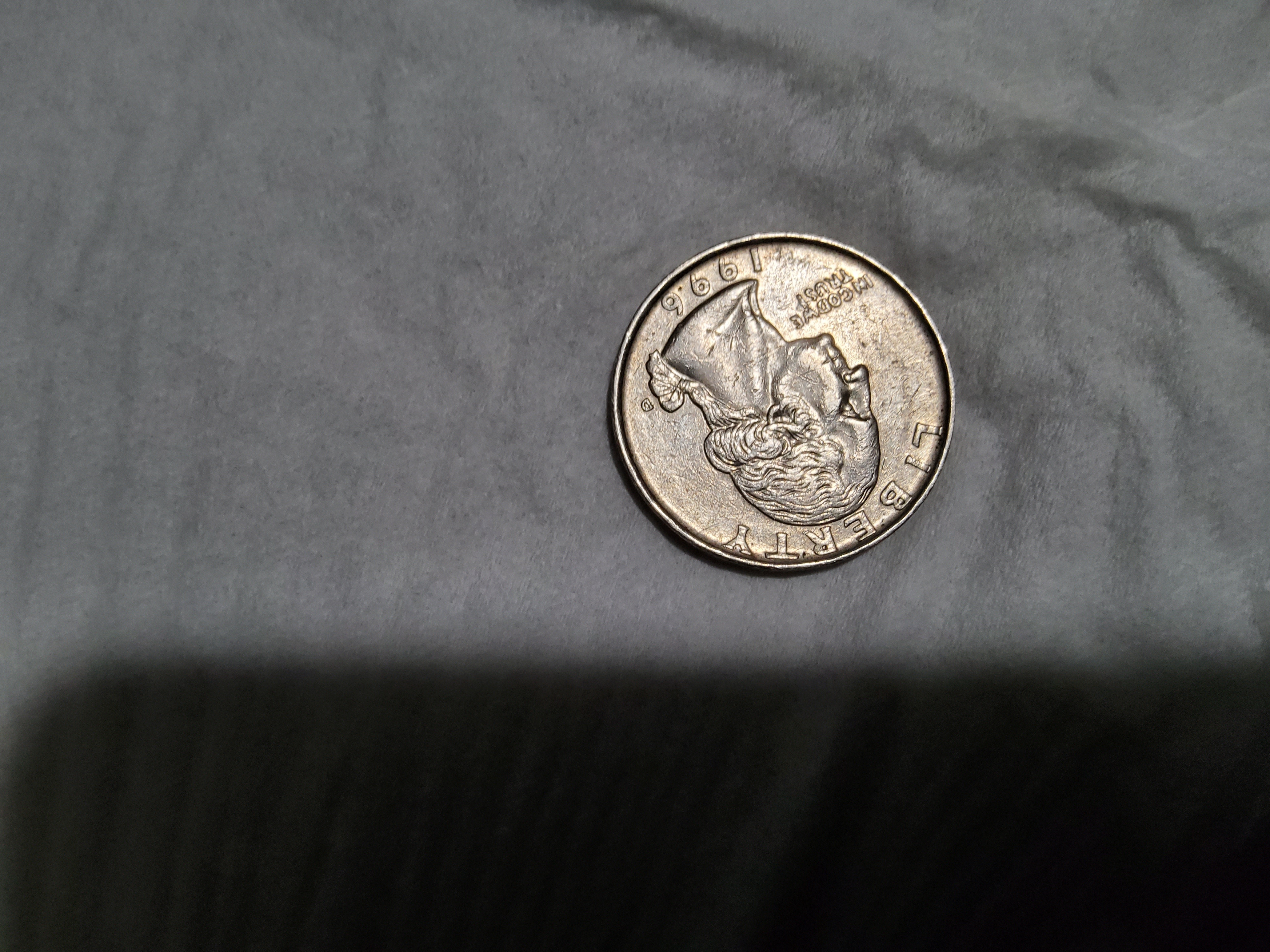
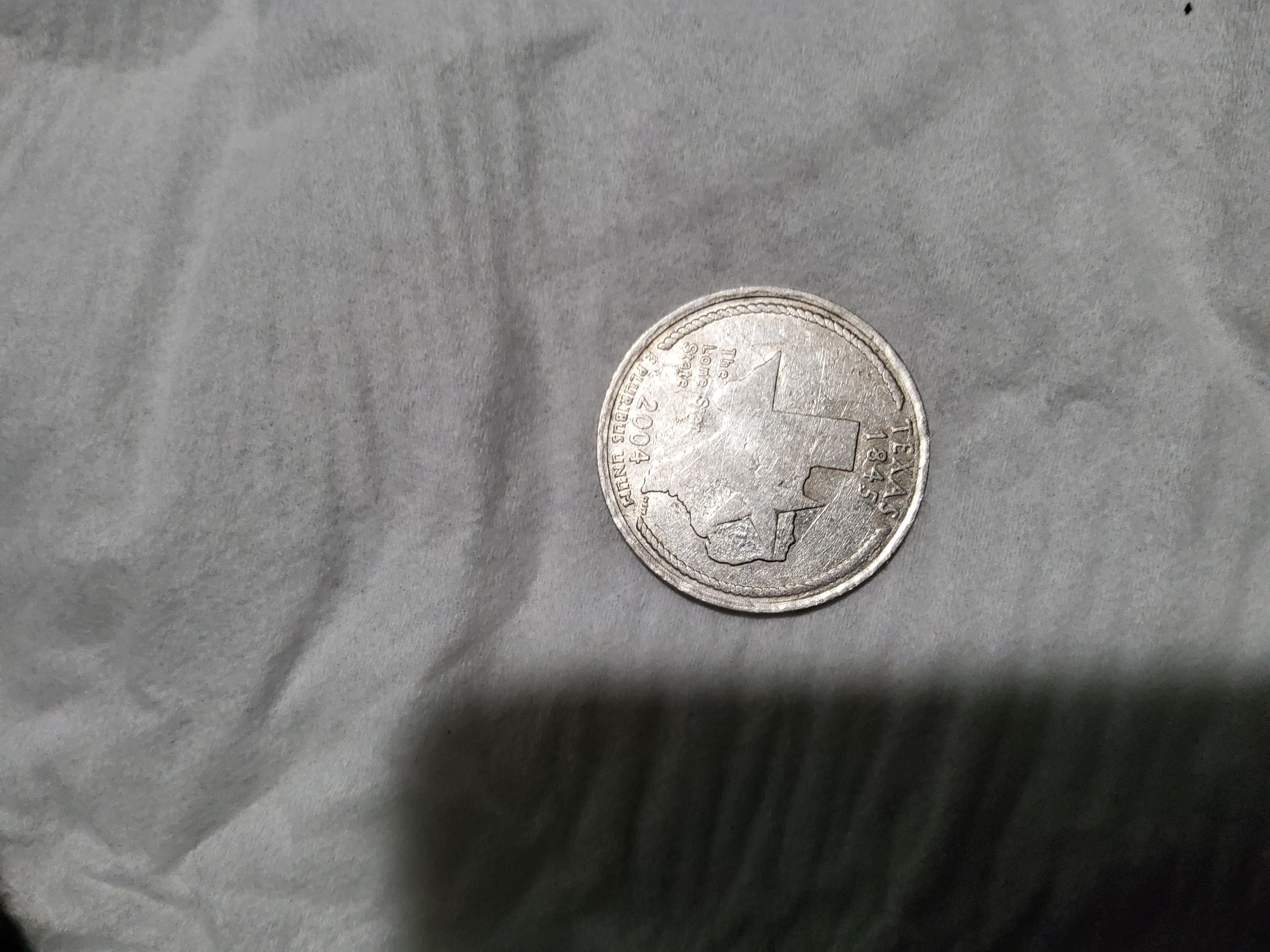
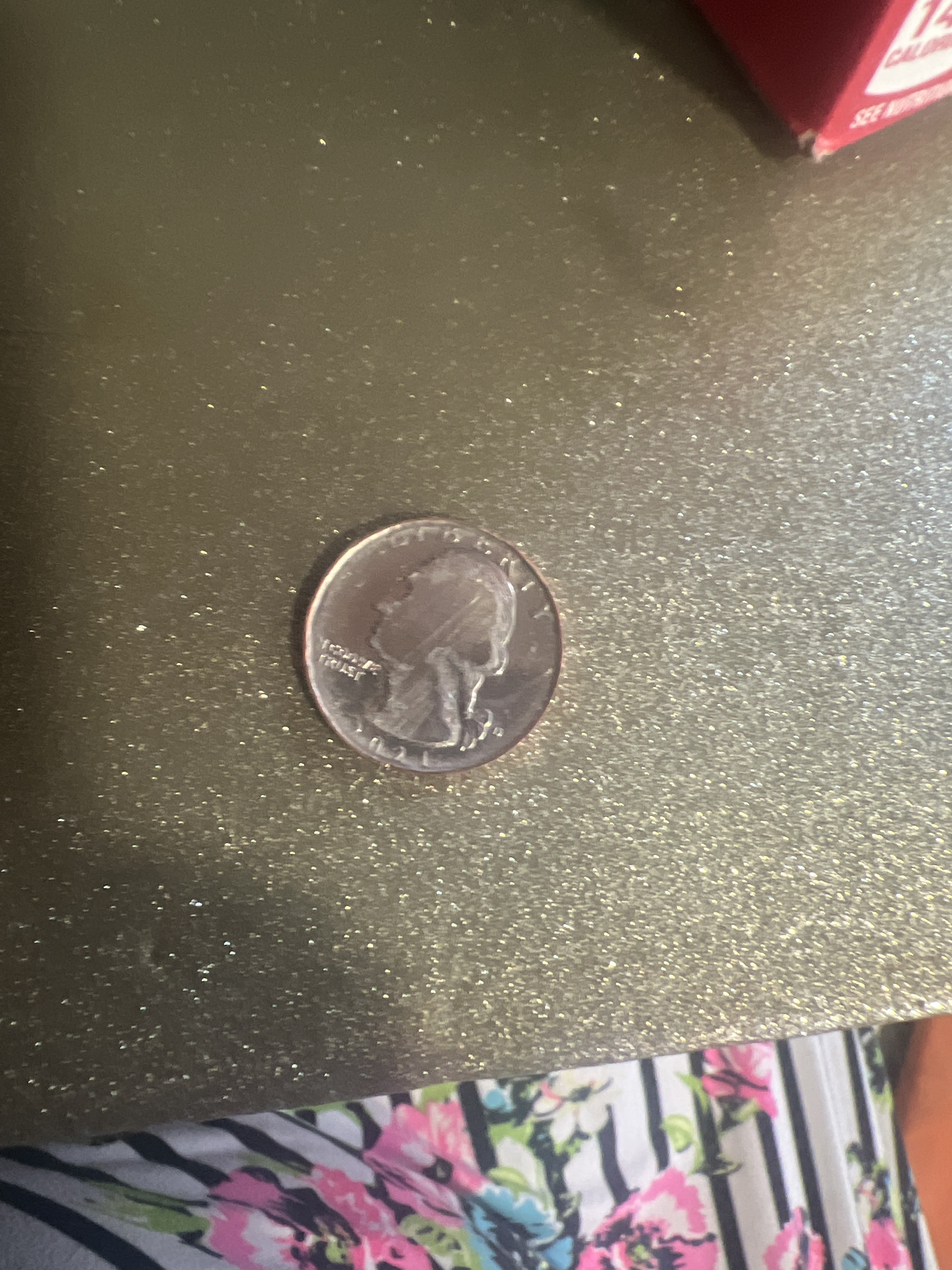
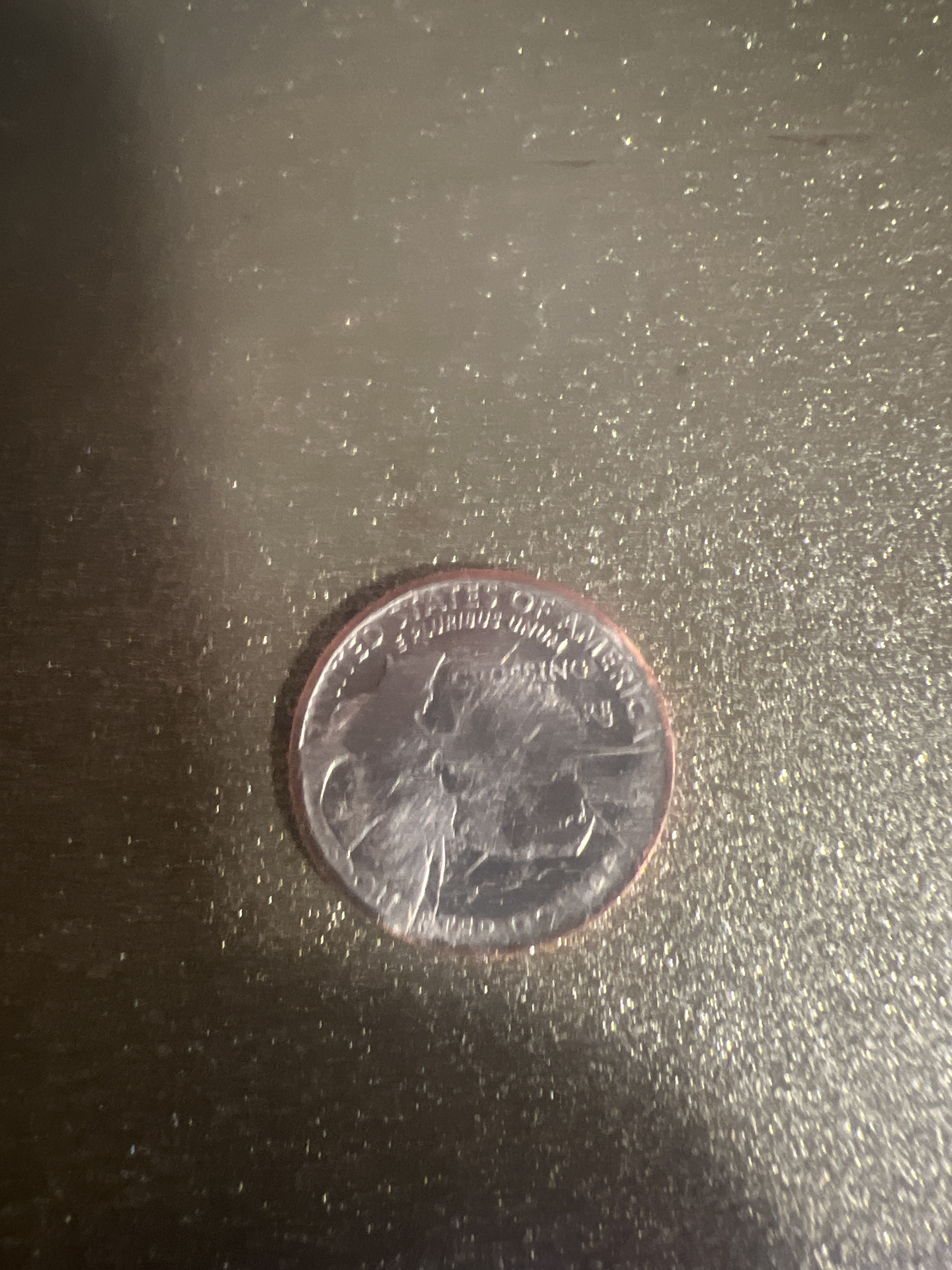
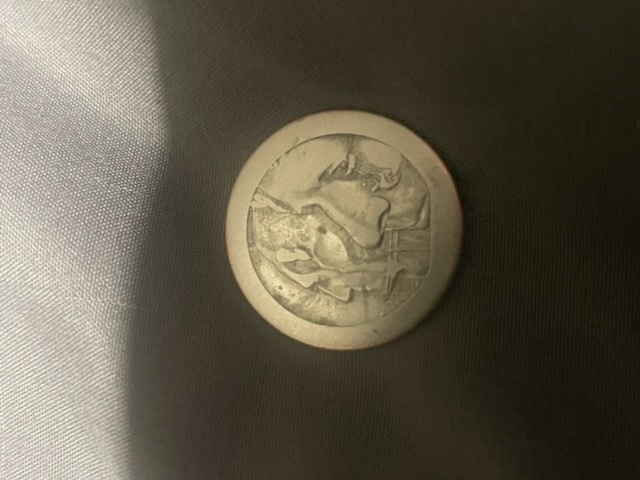
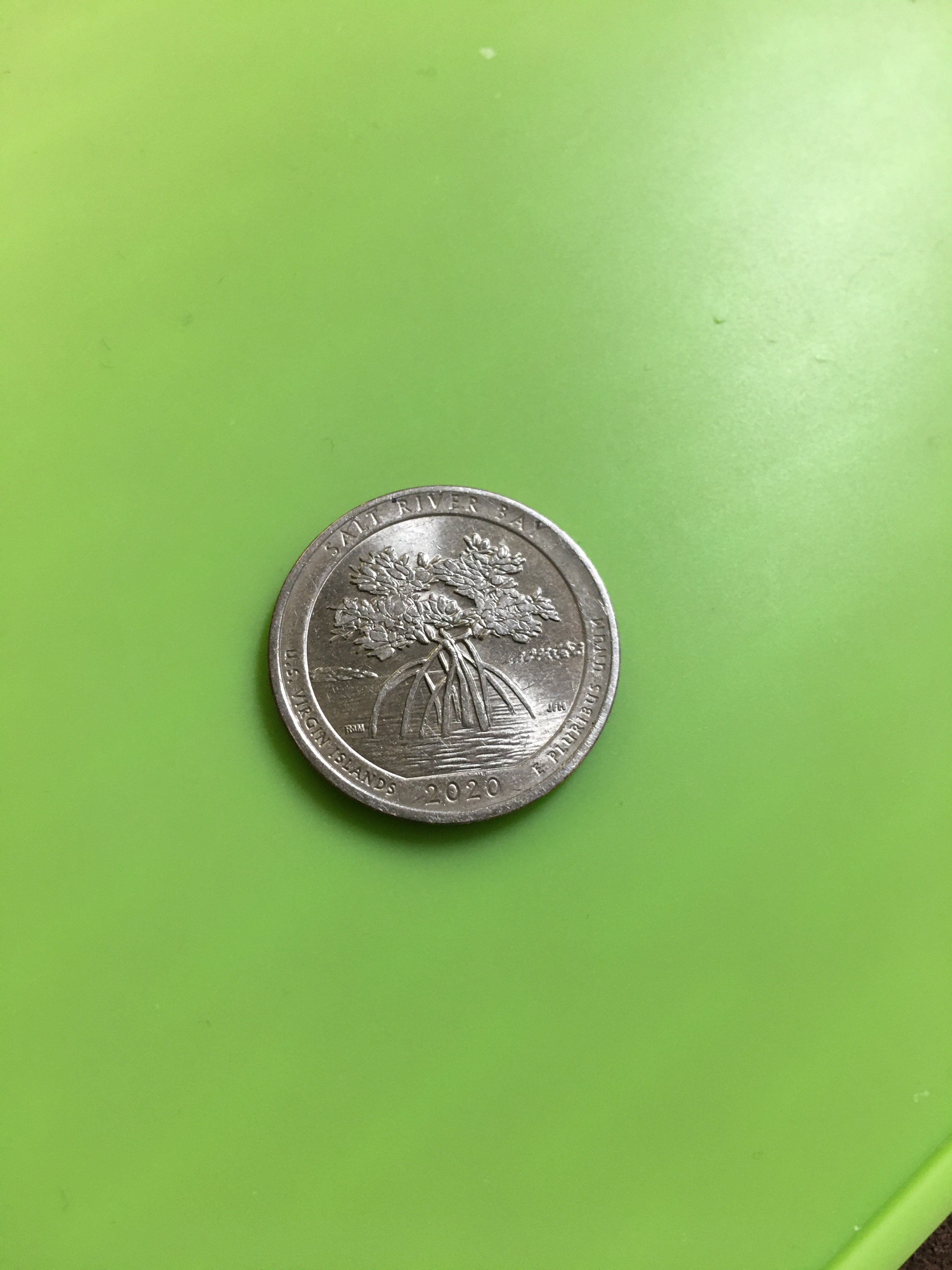
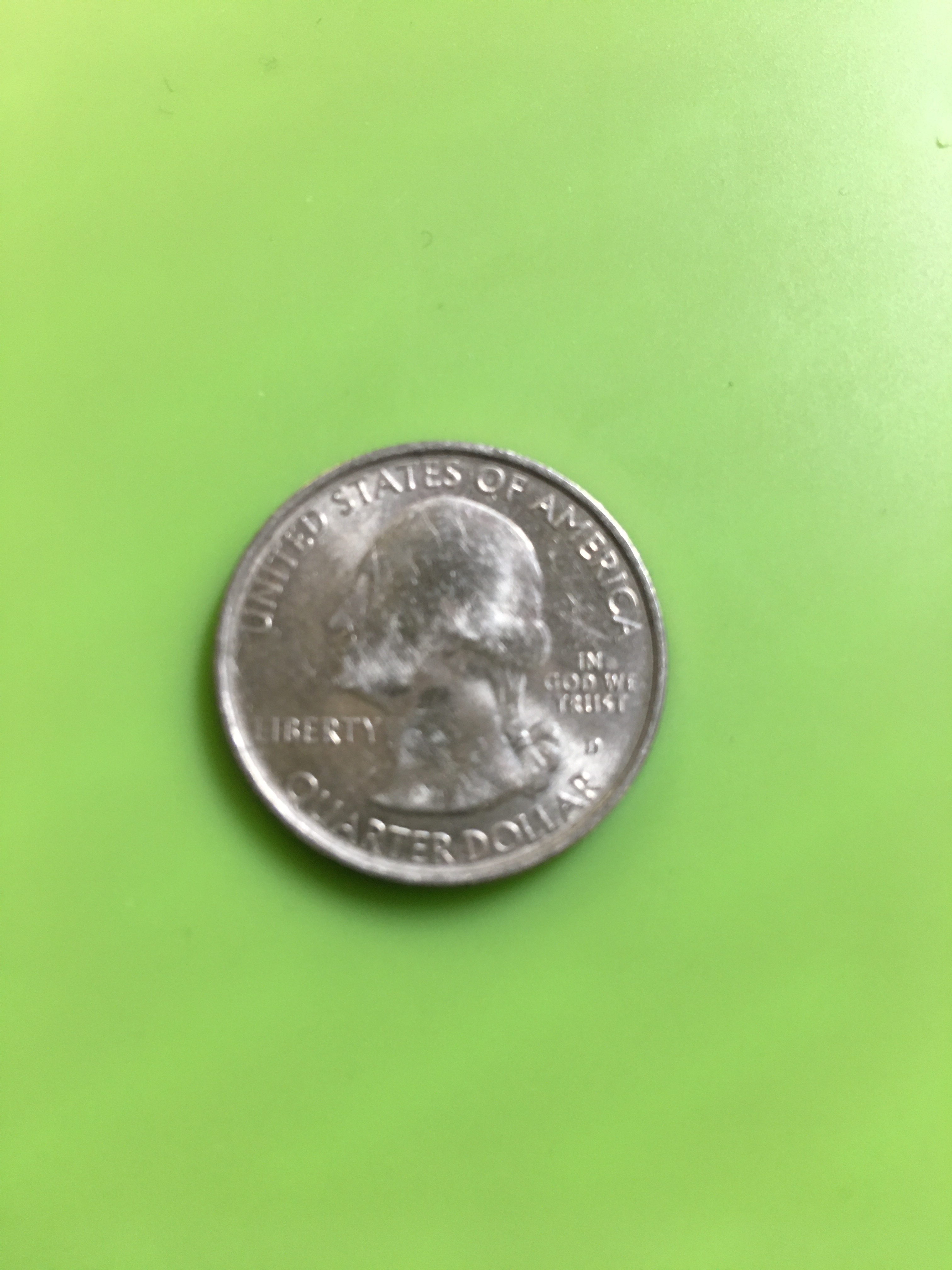
Quarters without ridges (or edge reeding) turn up in pocket change from time to time. Most are worth keeping.
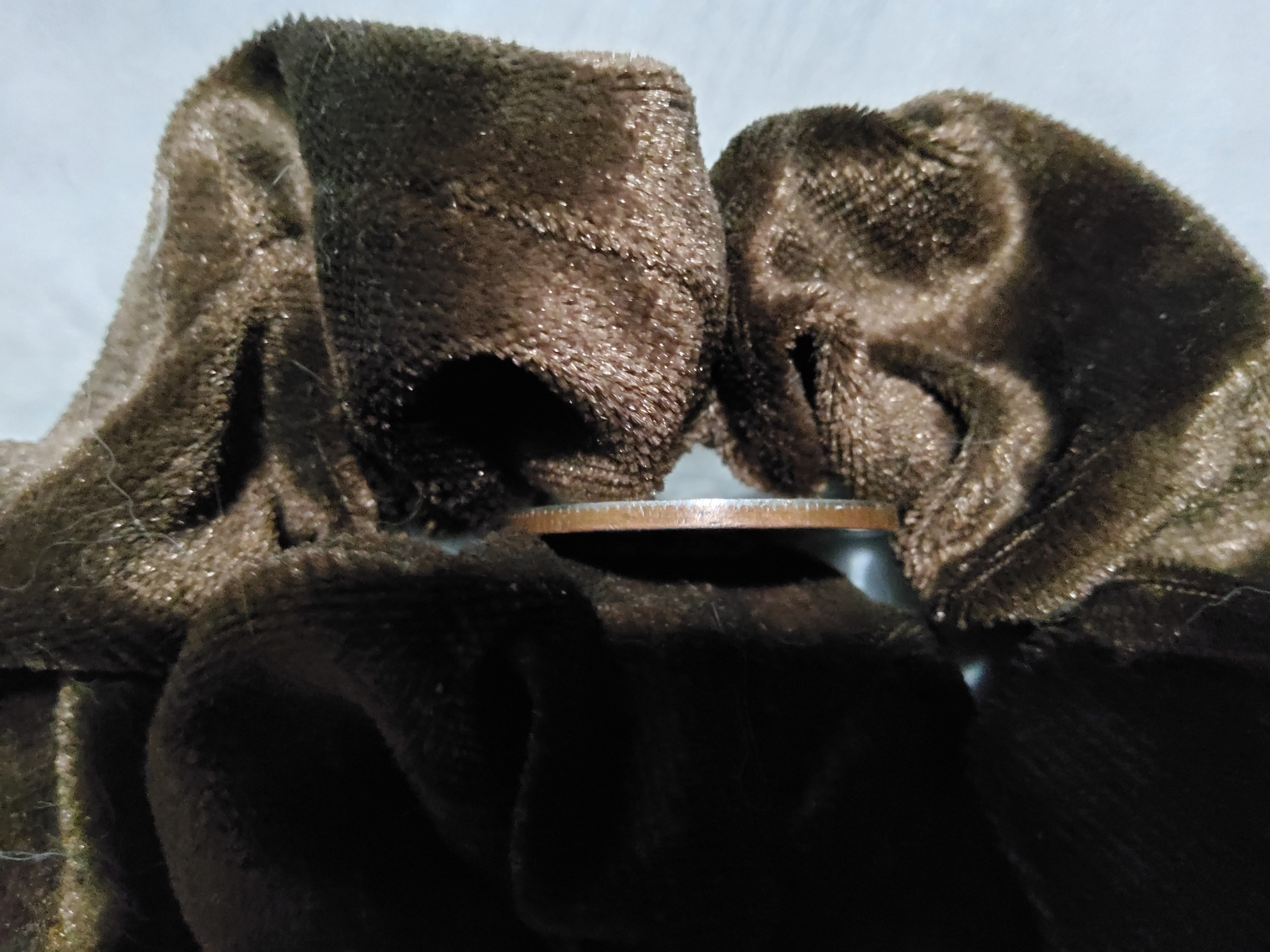
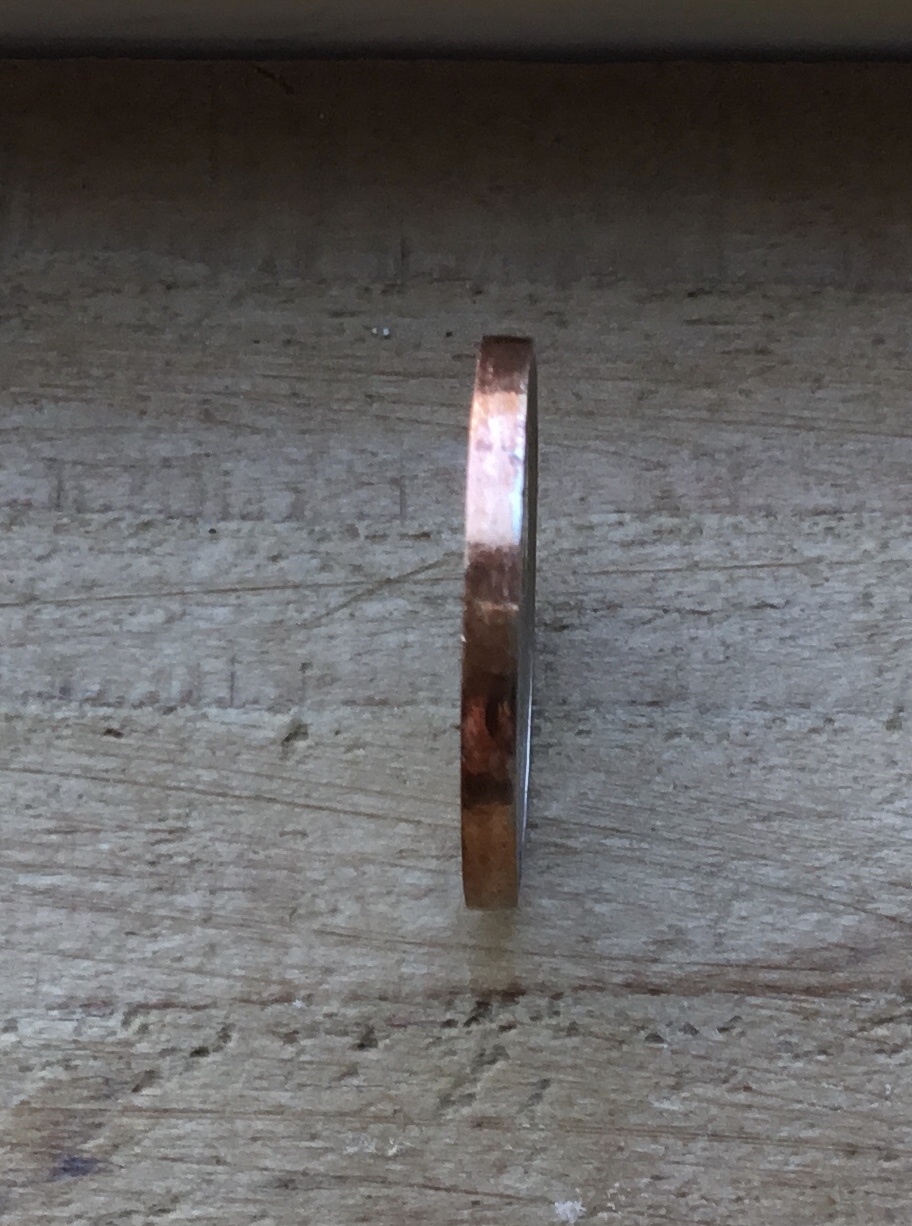
Of course, these odd coins catch people’s attention because U.S. quarters are supposed to have reeded edges.
Which leads to a lot of coin collecting questions:
- Are quarters without ridges actually error coins?
- If smooth edge quarters are mint errors, then how much are they worth?
- Are some quarters without reeded edges simply damaged coins?
- If so, then how can you tell damaged quarters apart from error quarters?
Error Quarters vs. Damaged Quarters With Smooth Edges
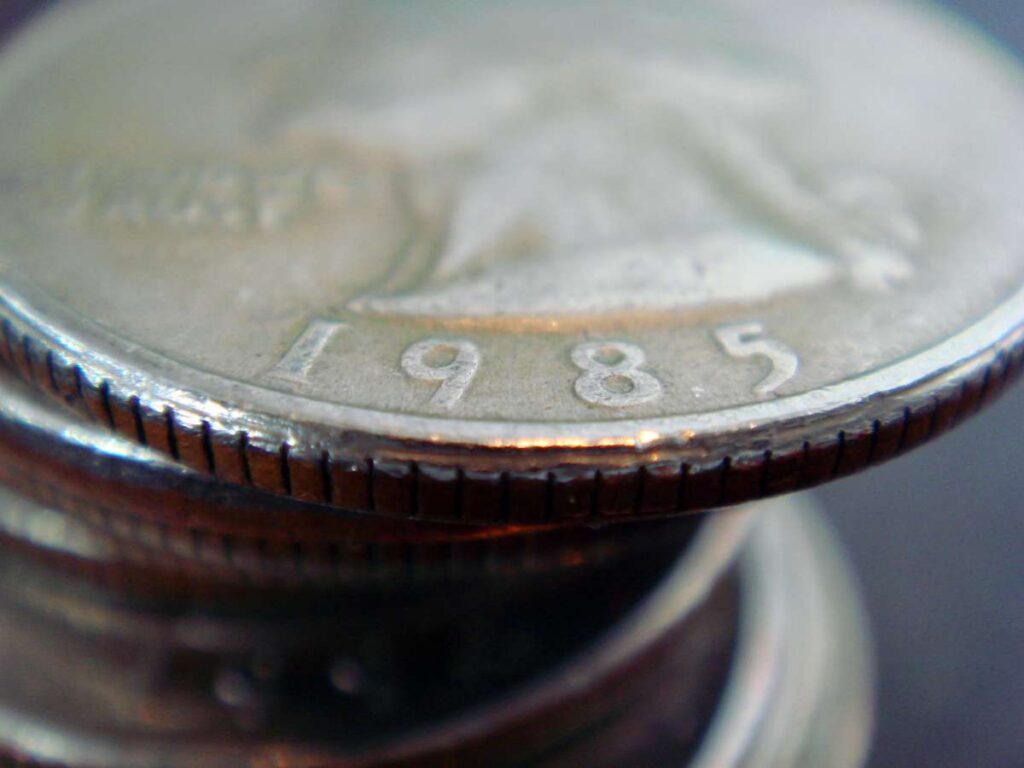
Let’s talk about how a regular quarter might end up without ridges — there are basically 2 ways this could happen:
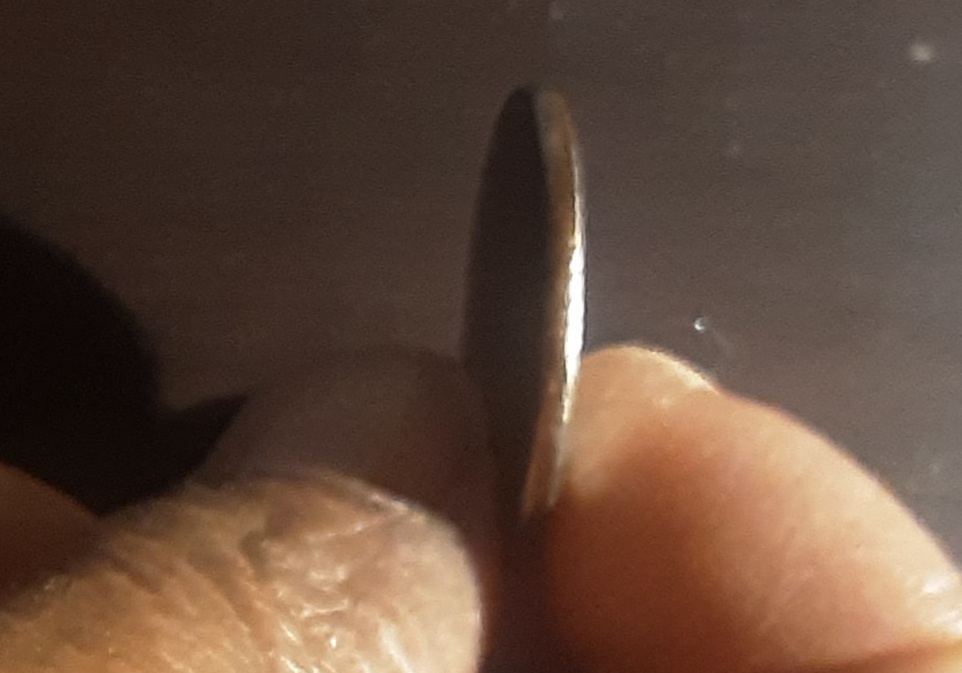
- The coin was heavily worn on its edges — most likely due to extensive use in vending machines, casino slot machines, or the like. The edges may have also been intentionally removed with a filing device after the coin left the mint. These are not errors and are not valuable.
- The coin wasn’t struck in its collar die or retaining collar — which would stamp the reeds onto the edge of the quarter. This is called a broadstrike or broadstruck error. These are errors and are valuable.
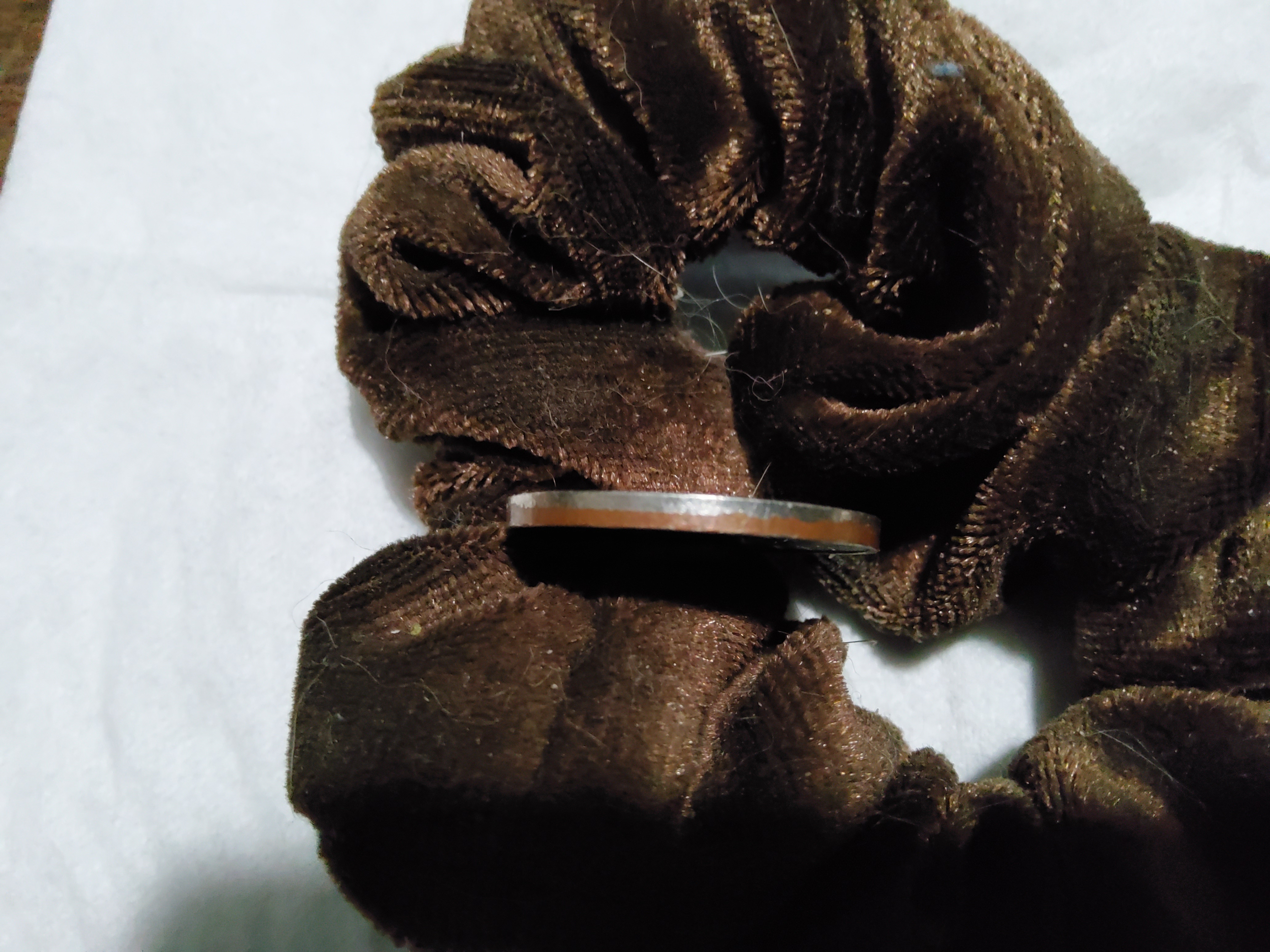
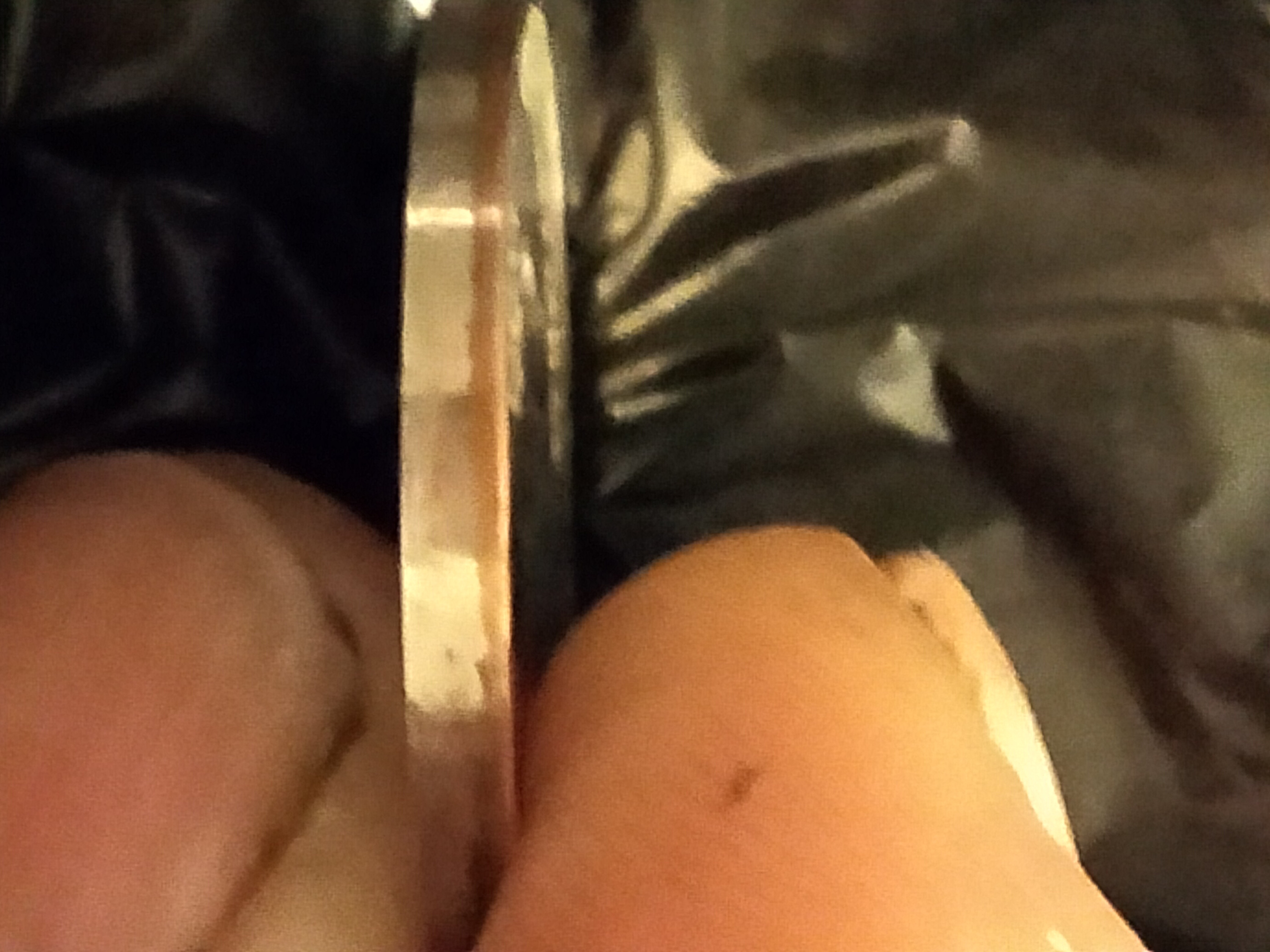
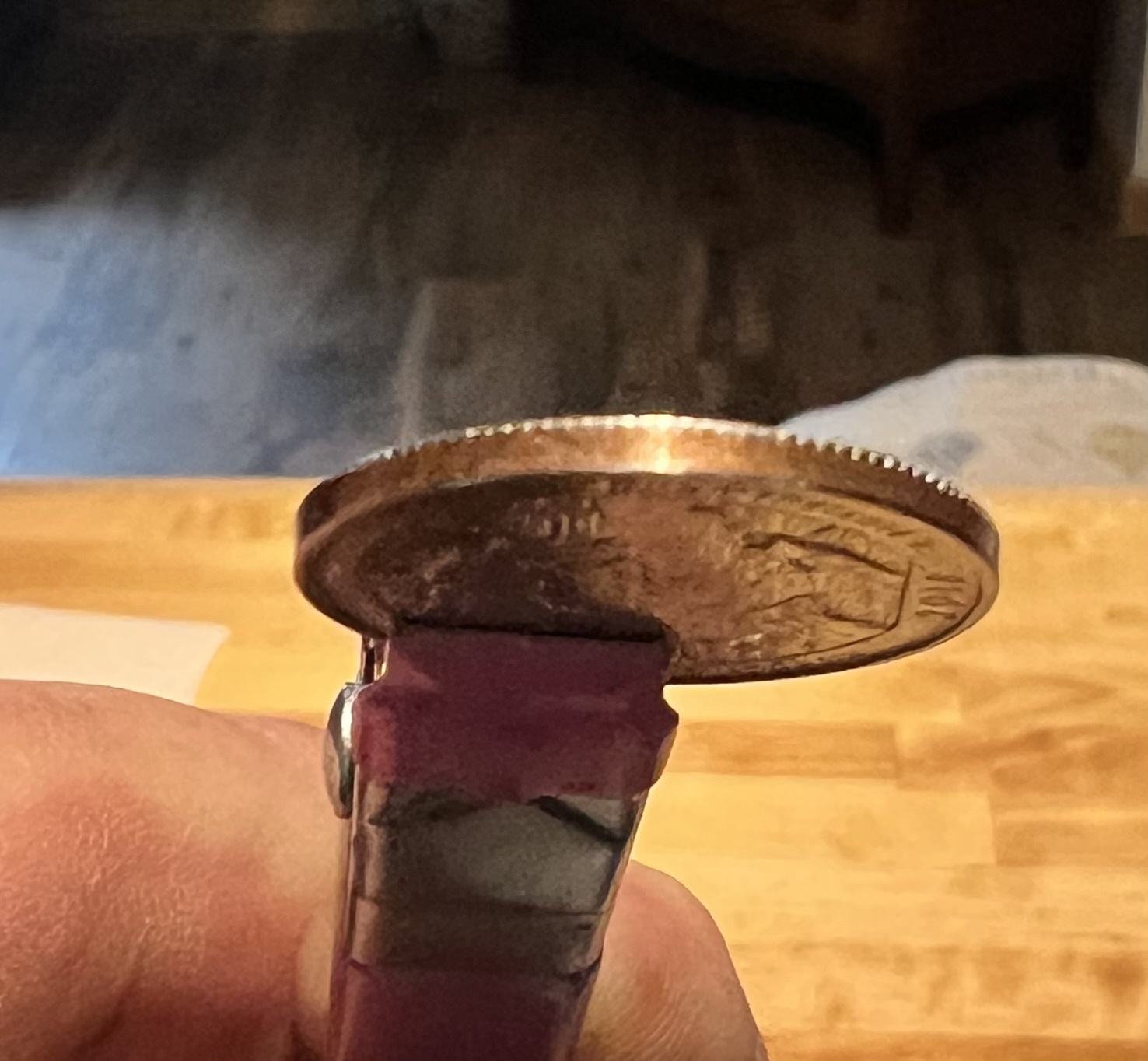
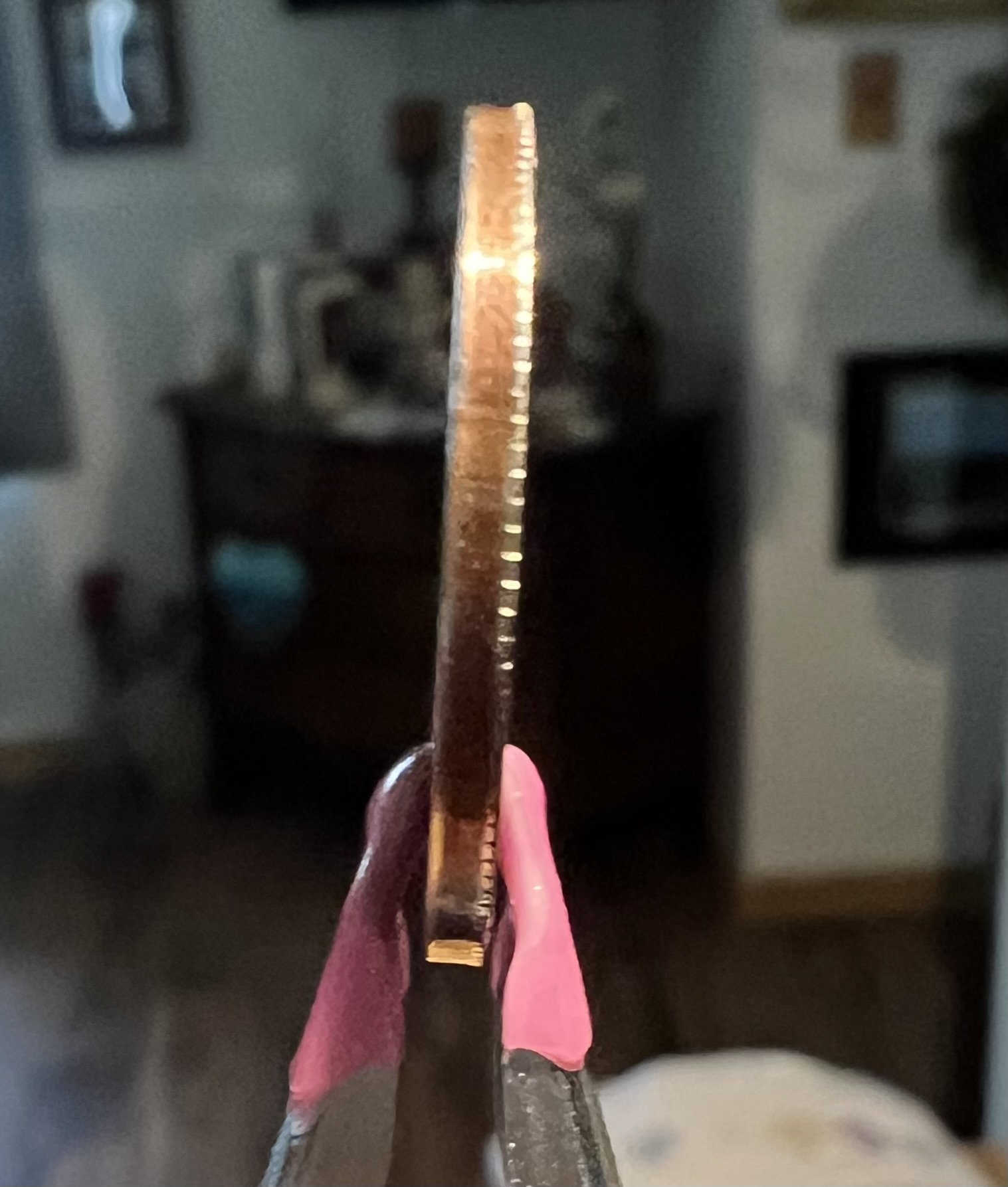
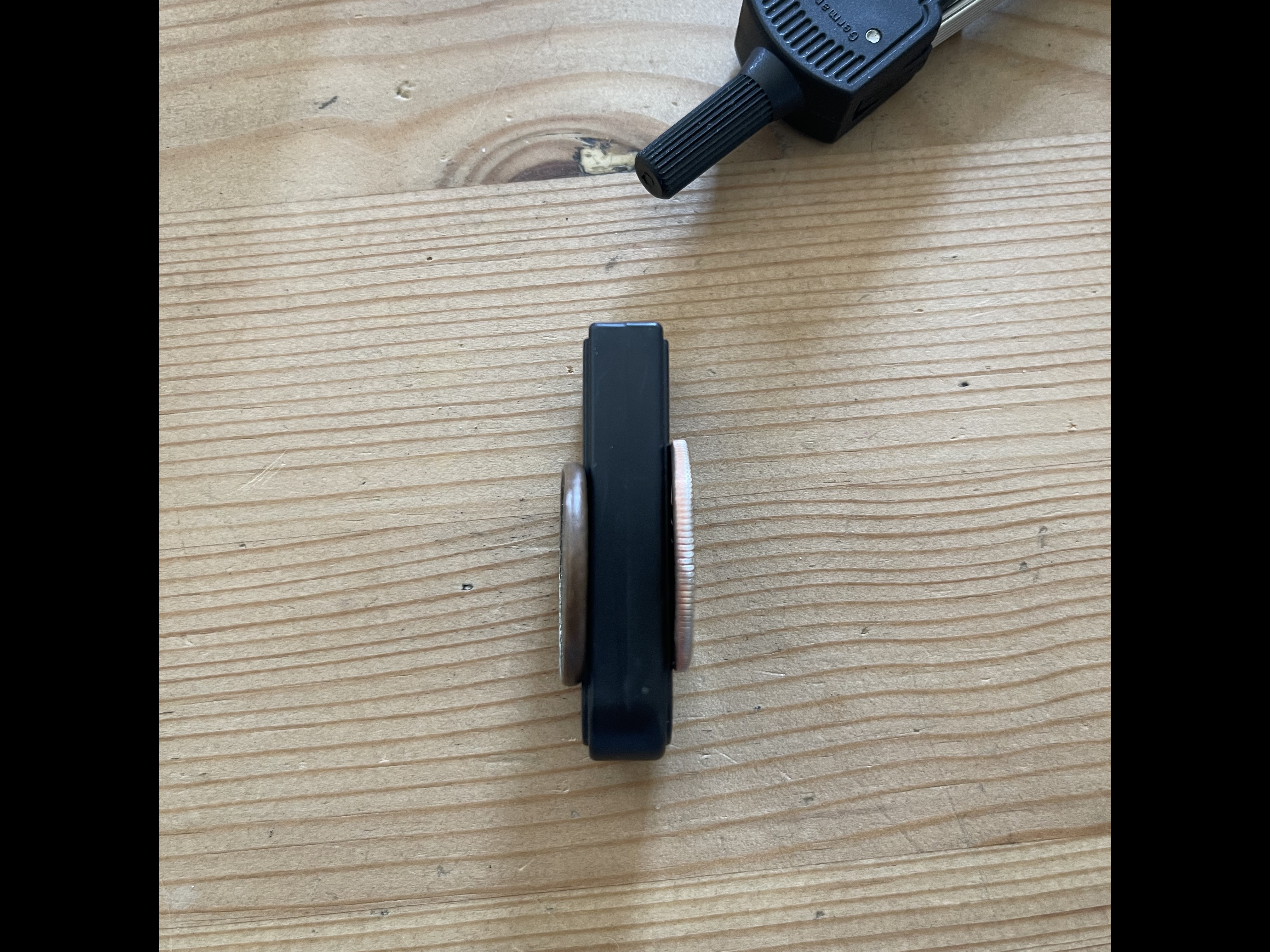
If you’re like me and you’ve been searching through coin rolls and coin jars for over 3 decades, you’ve probably found dozens of these smooth-edge quarters. Before you get too excited, you need to be aware of the “dryer coin” issue. When a quarter gets trapped inside the spinning metal drum of a commercial clothes dryer, the constant tumbling physically rolls the edges smooth. The dead giveaway is the rim — if the edge is smooth but the outer rim looks unusually fat, tall, and rolled inward like a tiny donut, you didn’t find an error. You found a coin that spent too much time doing laundry, and it’s only worth face value.
Next, you need to determine if your quarter without ridges is a broadstruck quarter (error coin) or a regular quarter (damaged coin)…
How To Tell If A Smooth Edge Quarter Is A Broadstrike Error Coin
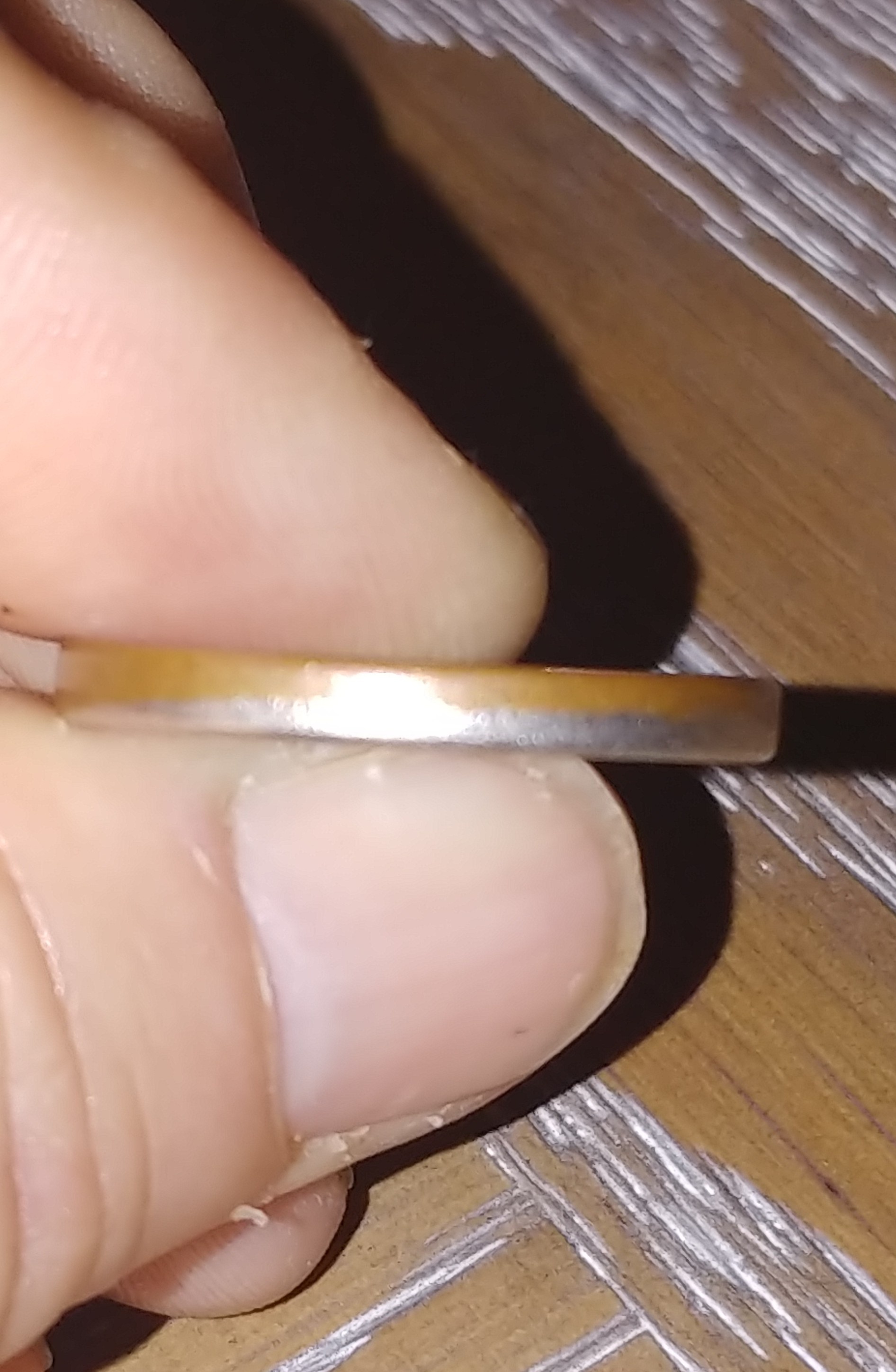
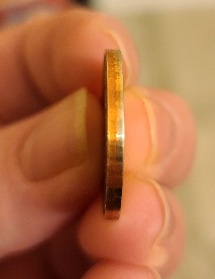
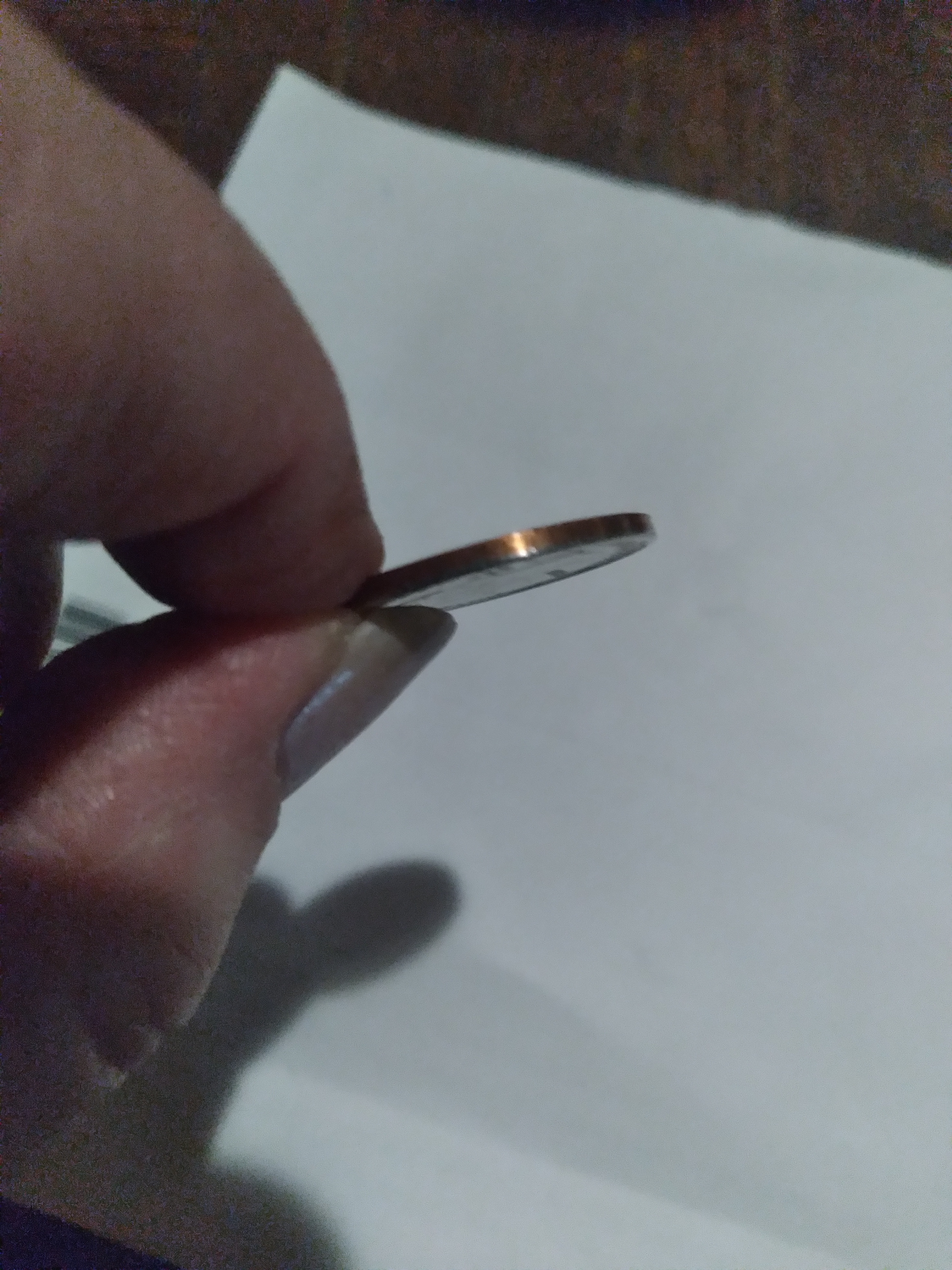
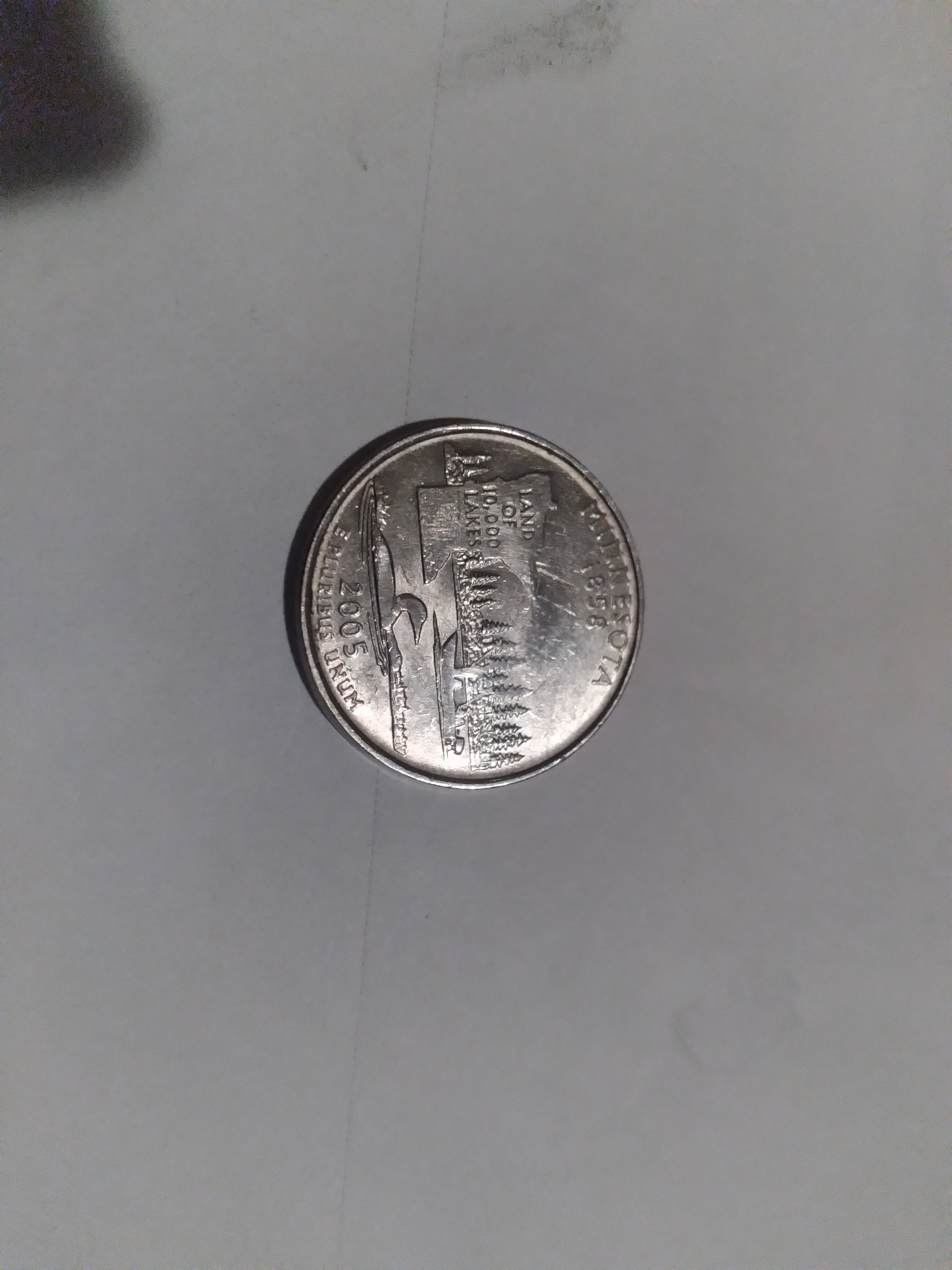
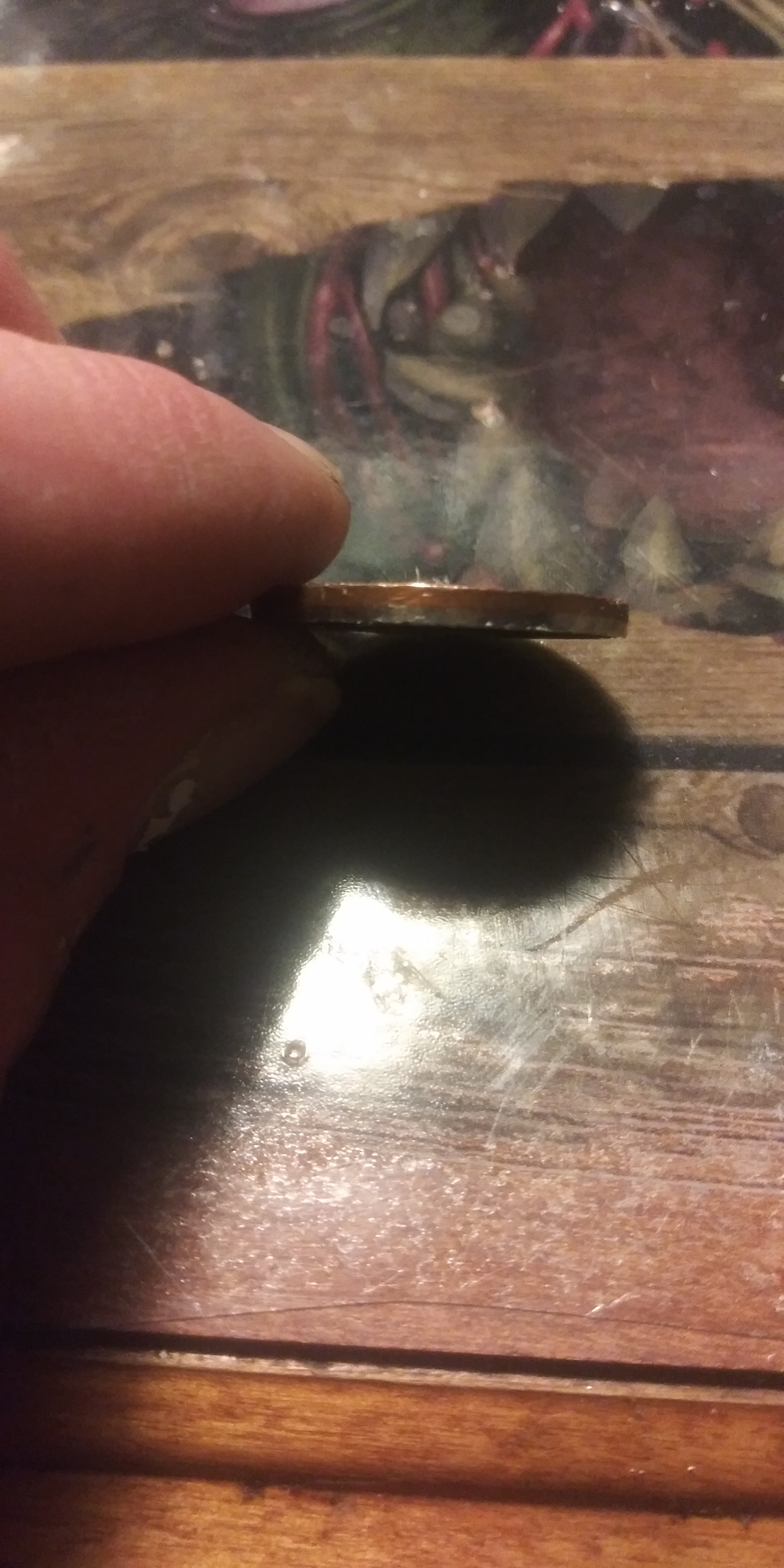
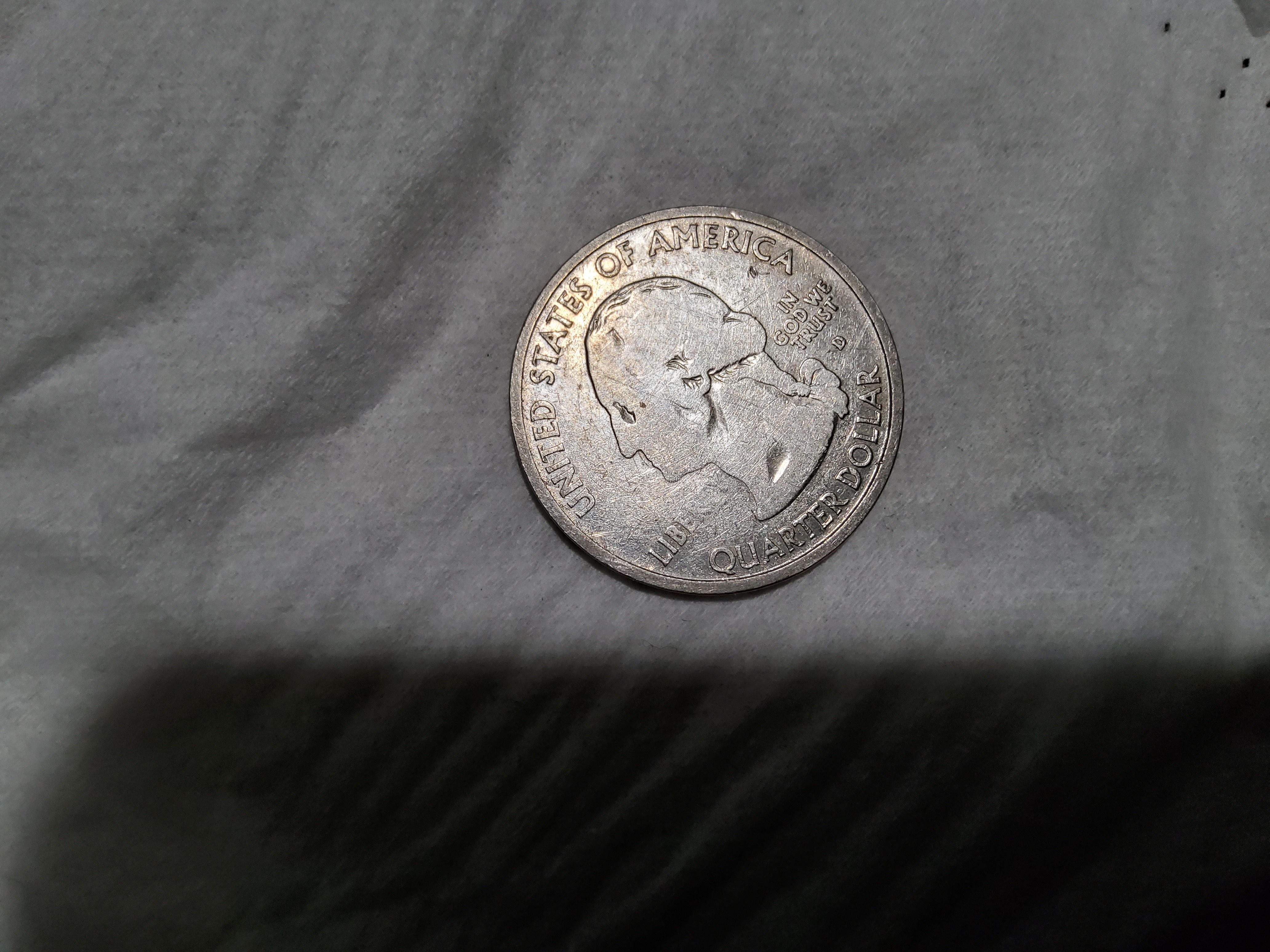
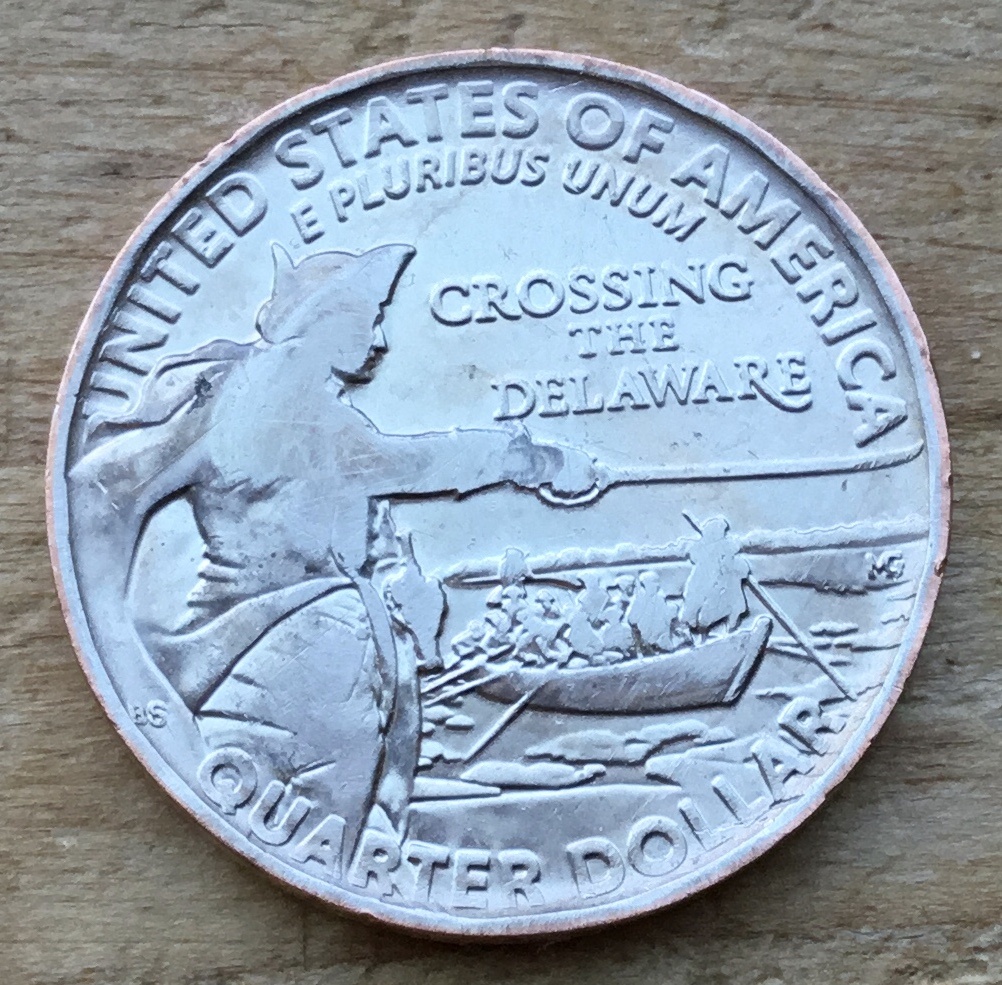
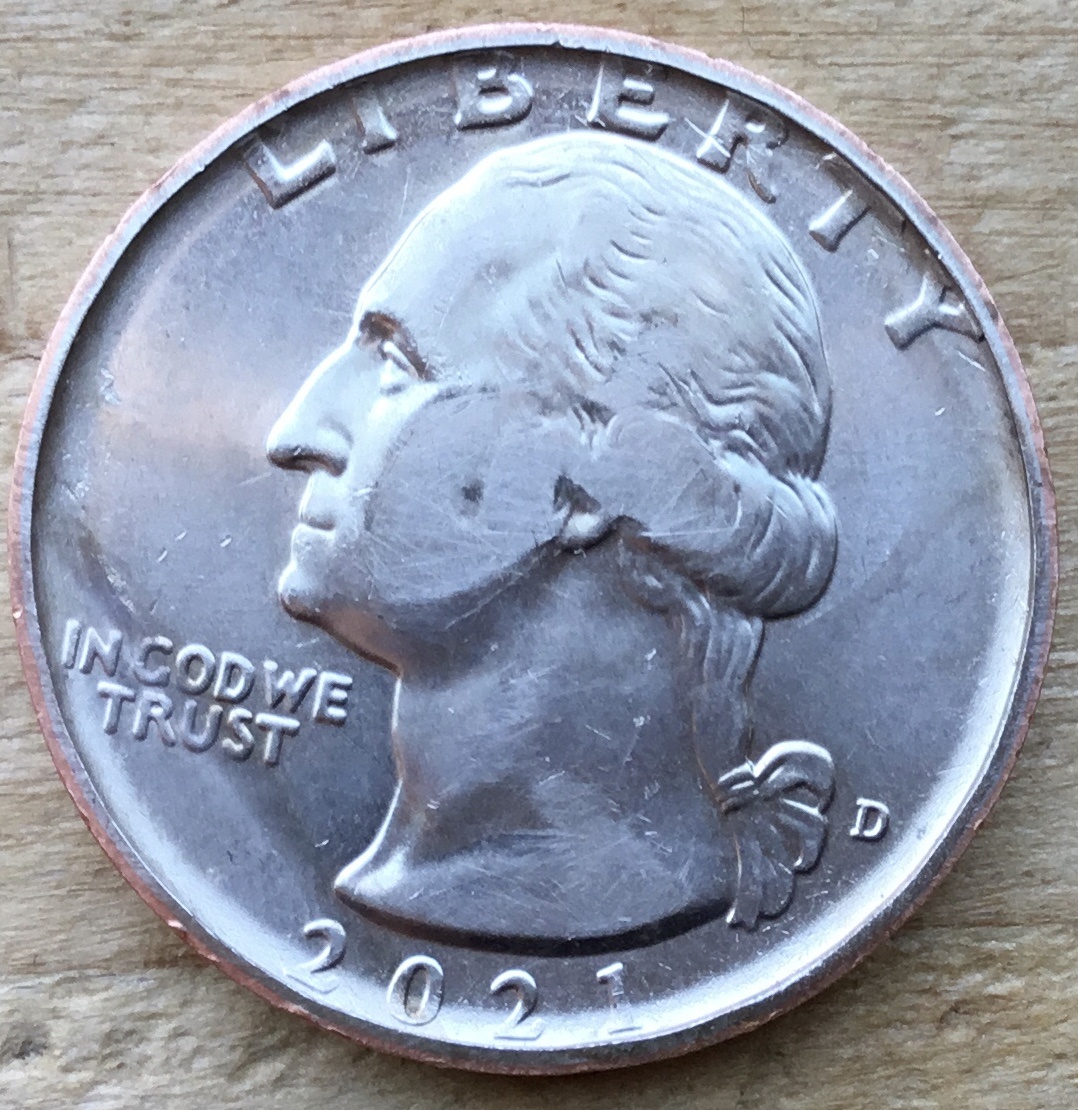
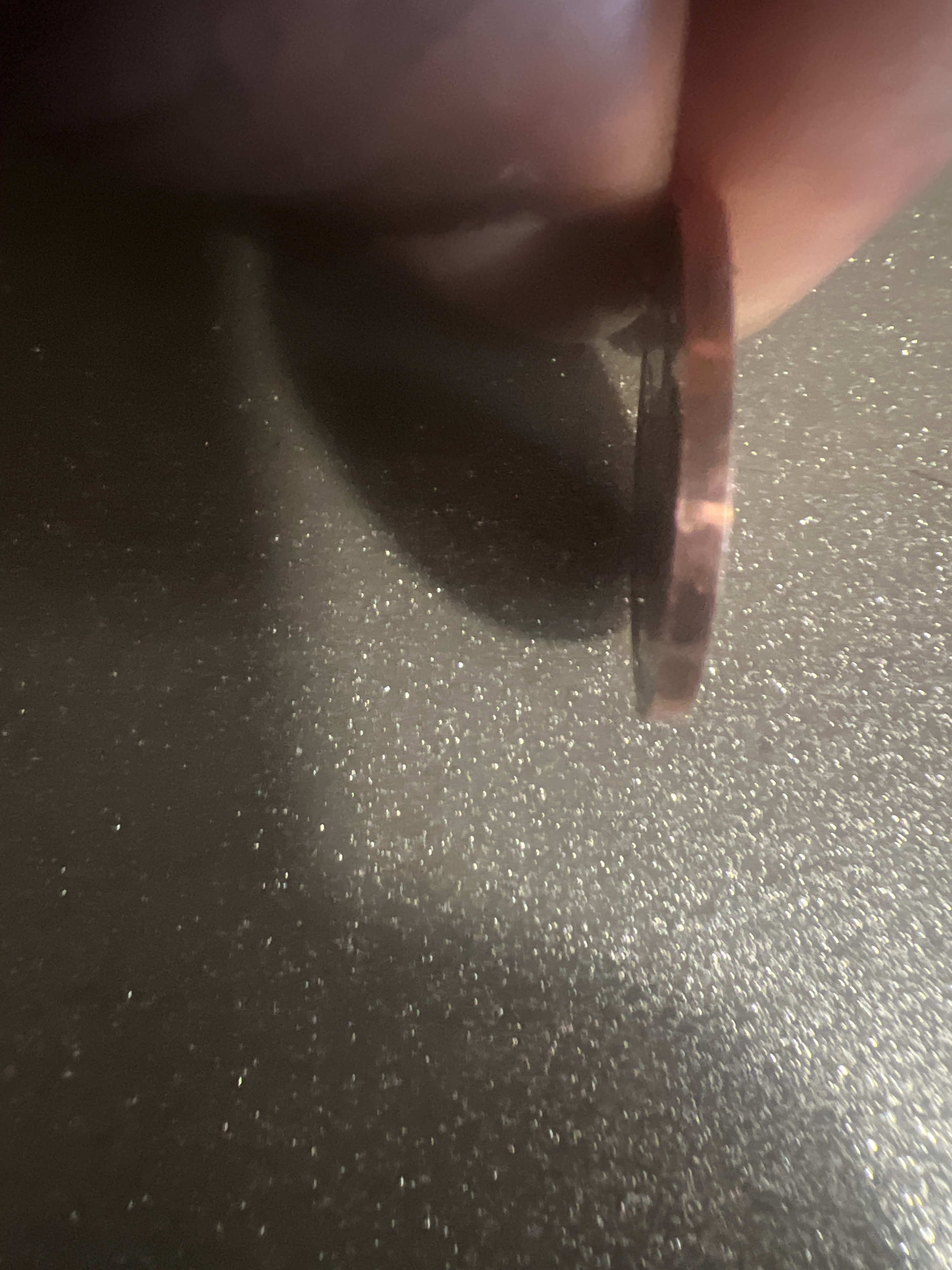
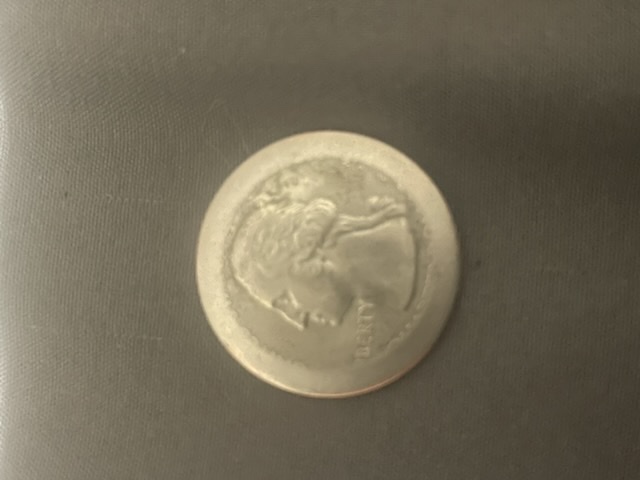
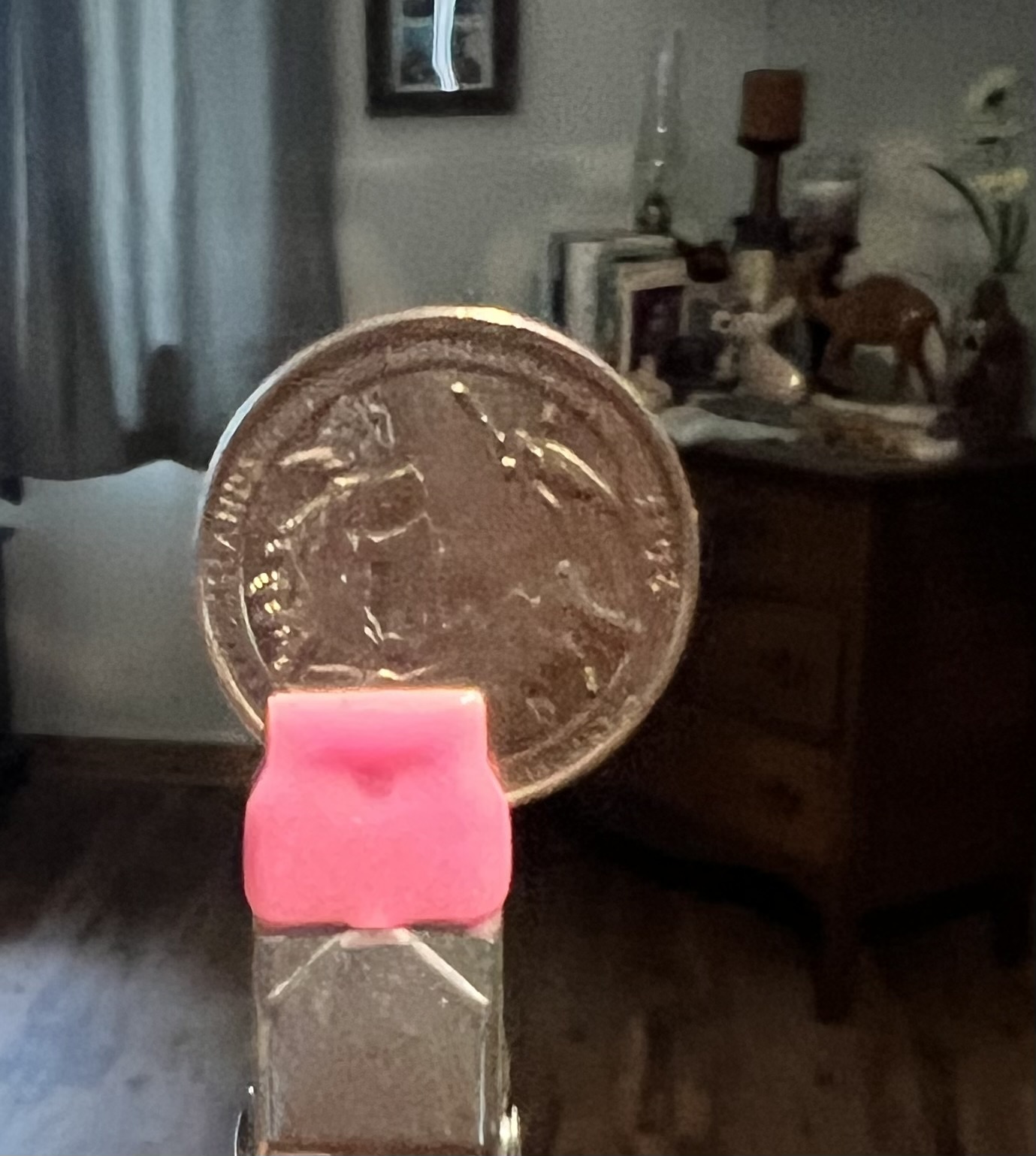
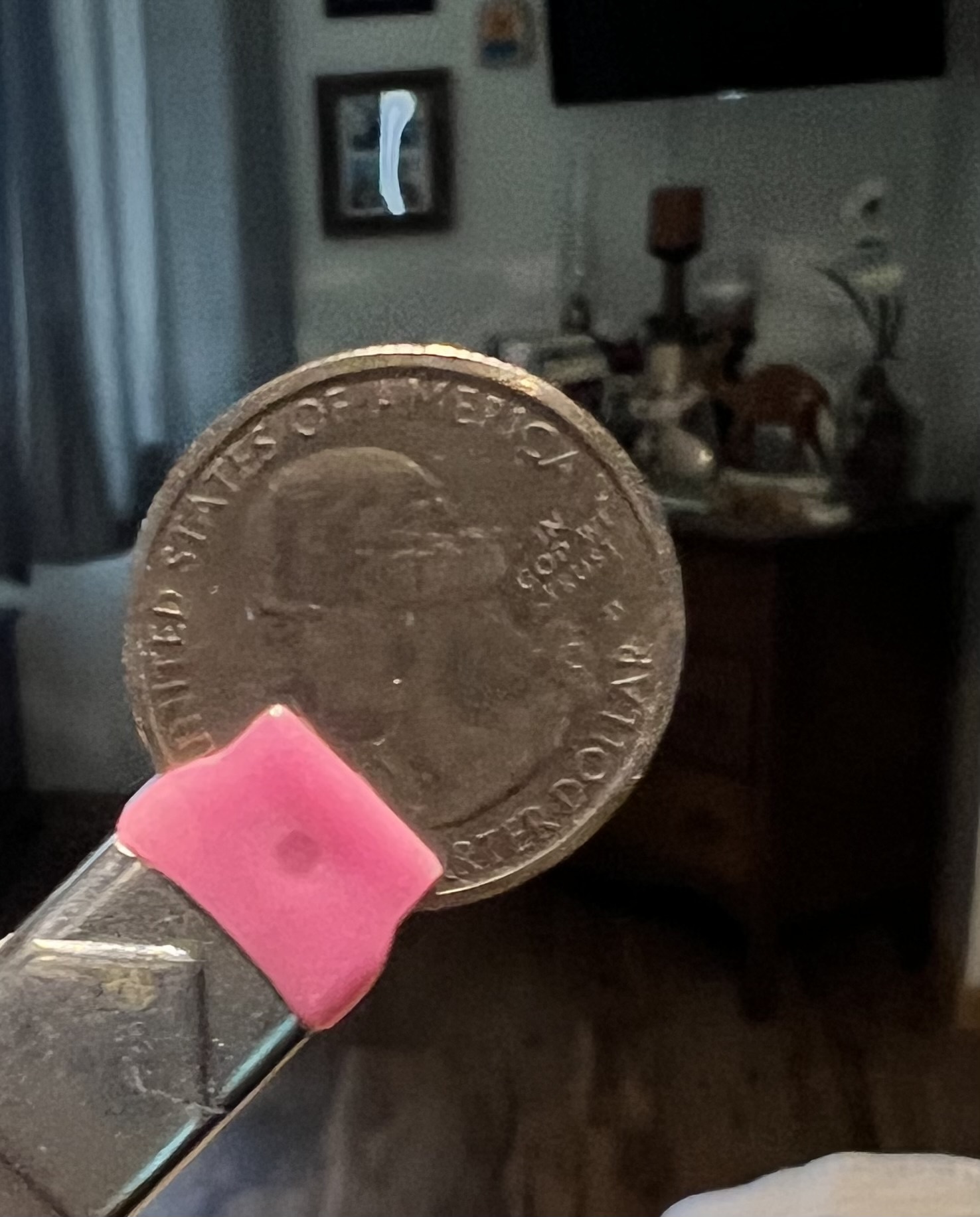
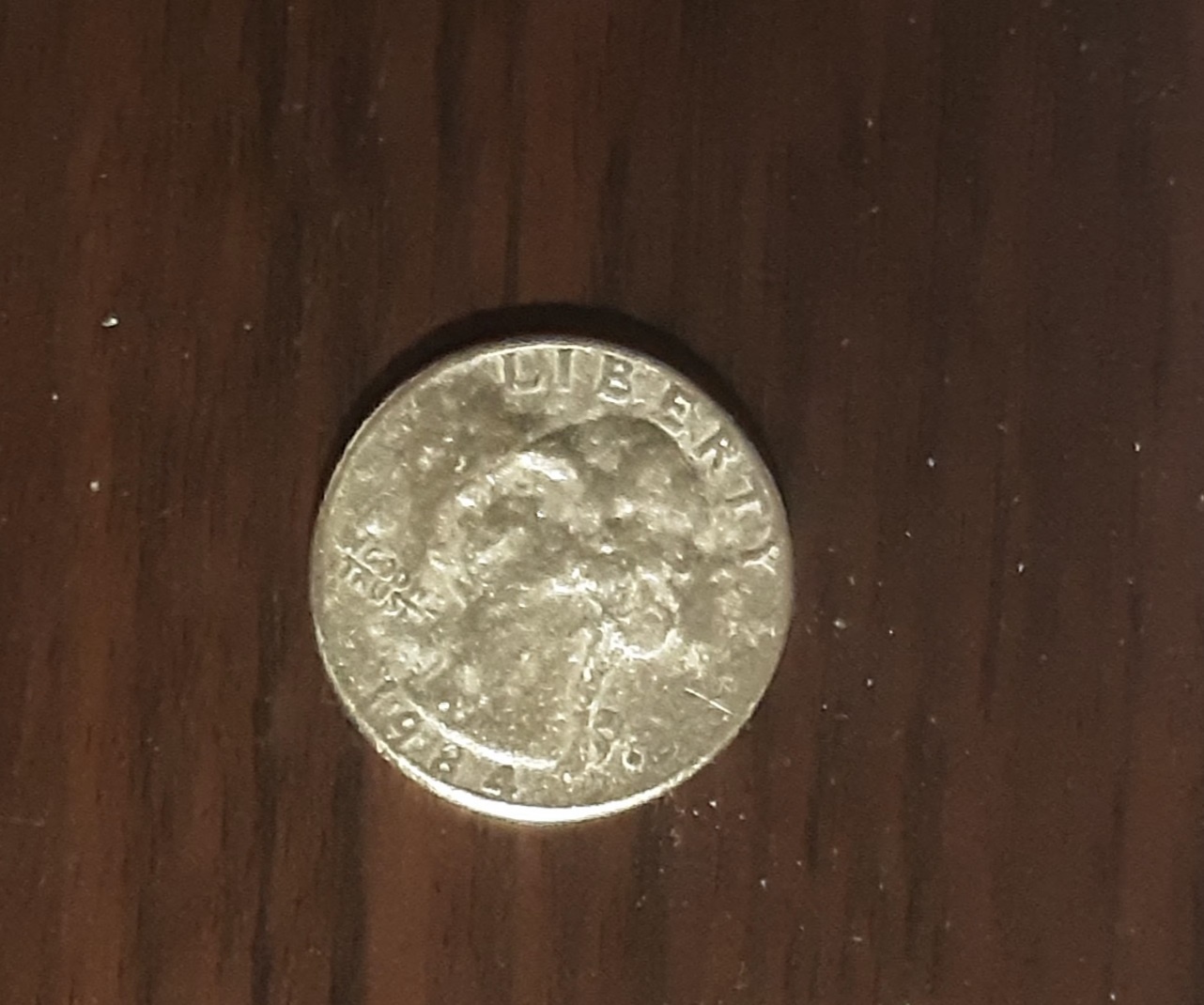
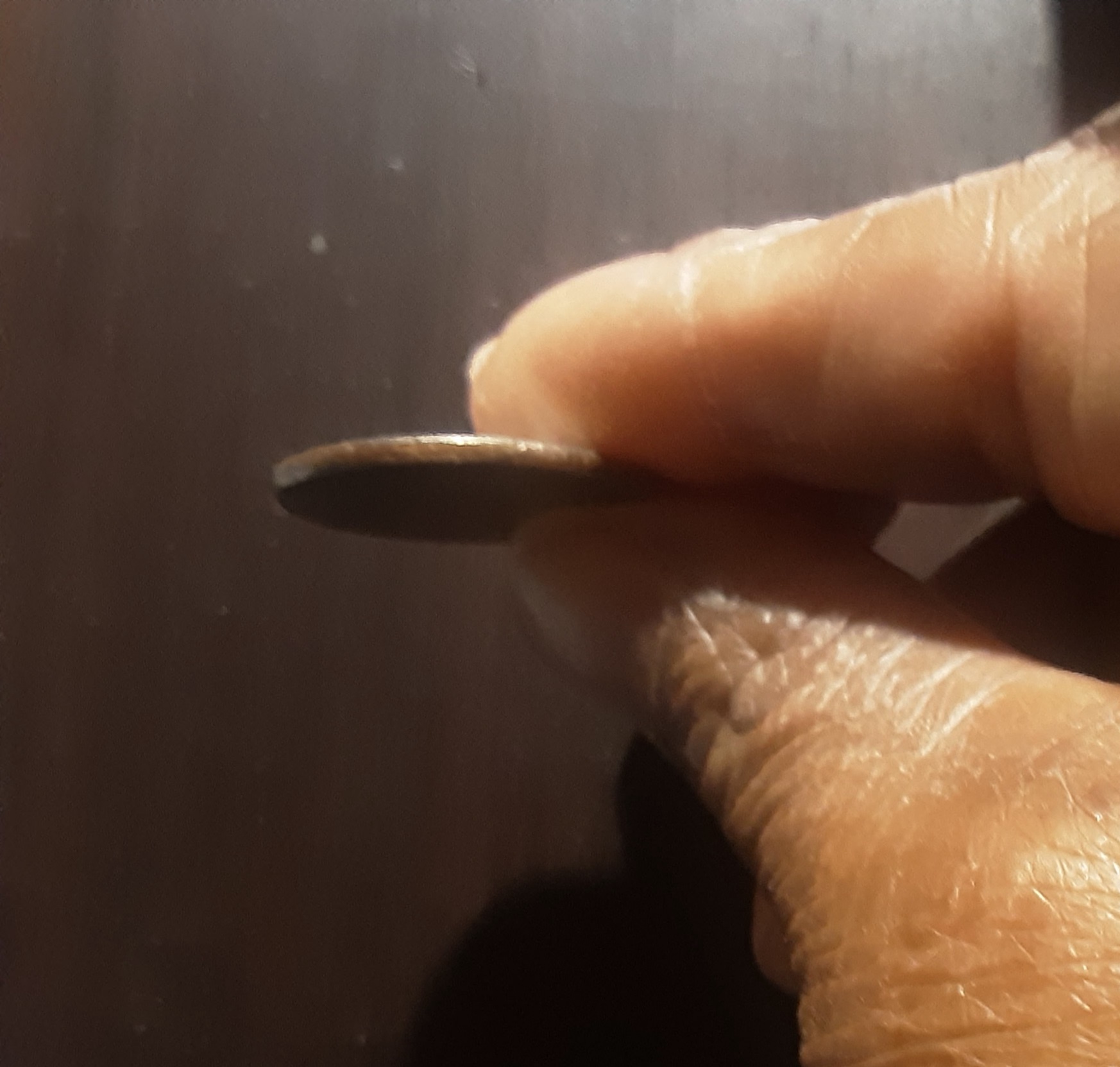
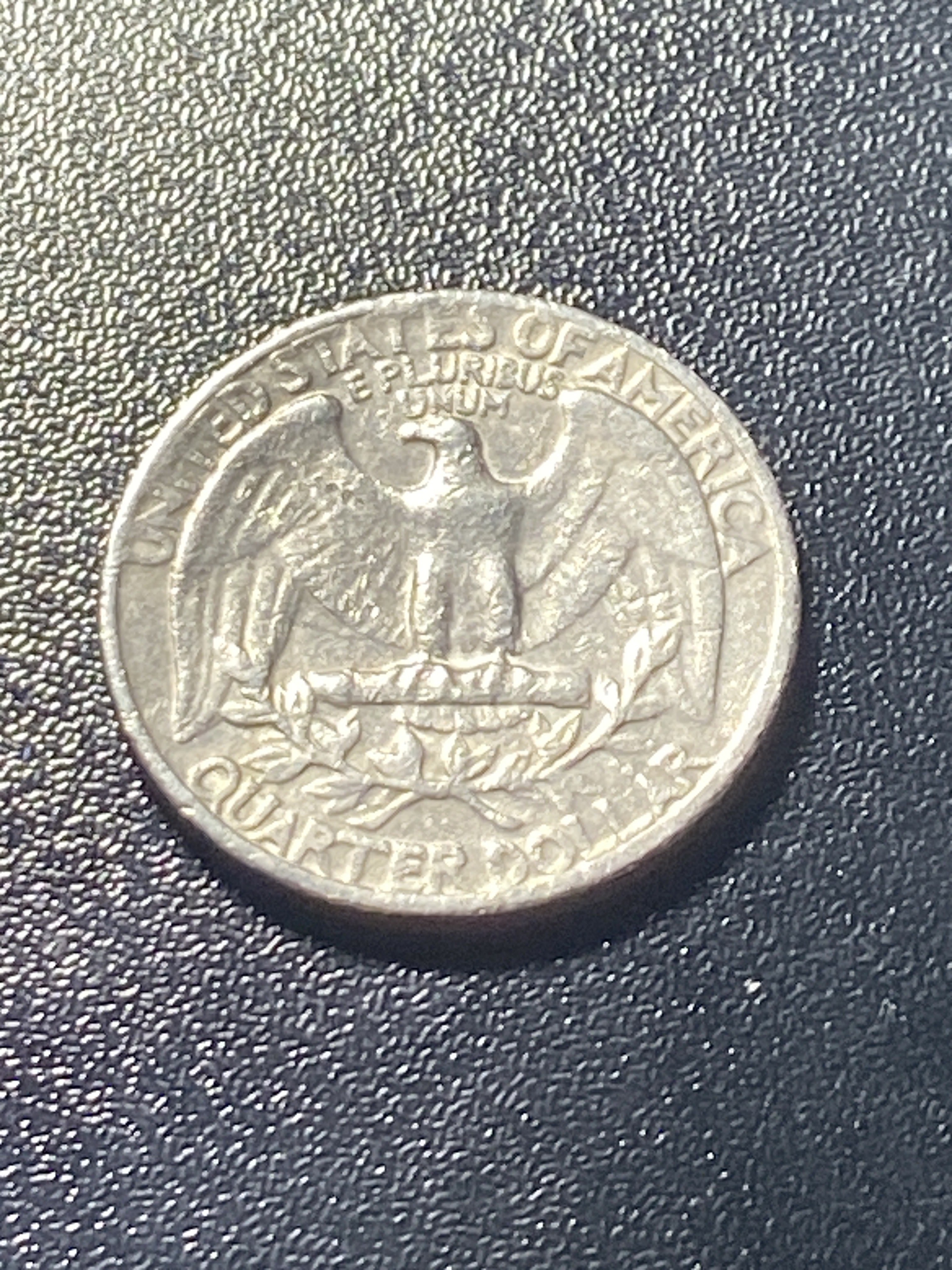
Broadstruck coins do have smooth edges, but there’s something else about them that makes them quite distinctive: they’re wider and flatter than ordinary.
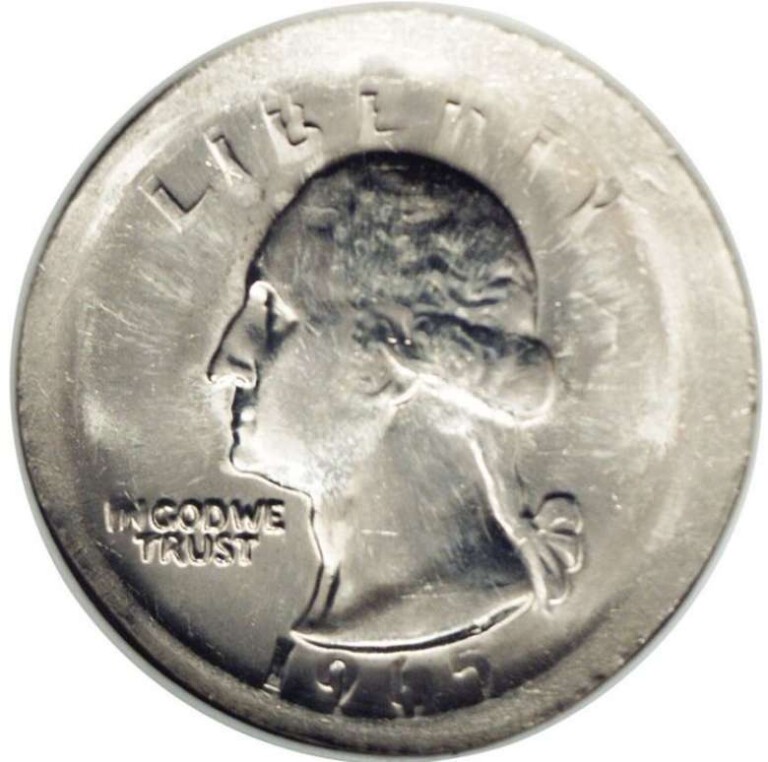
If the retaining collar isn’t surrounding a planchet (the blank disc of coin metal) when it’s being struck, then it will become somewhat wider and thinner than it should be.
So, a broadstrike error quarter will:
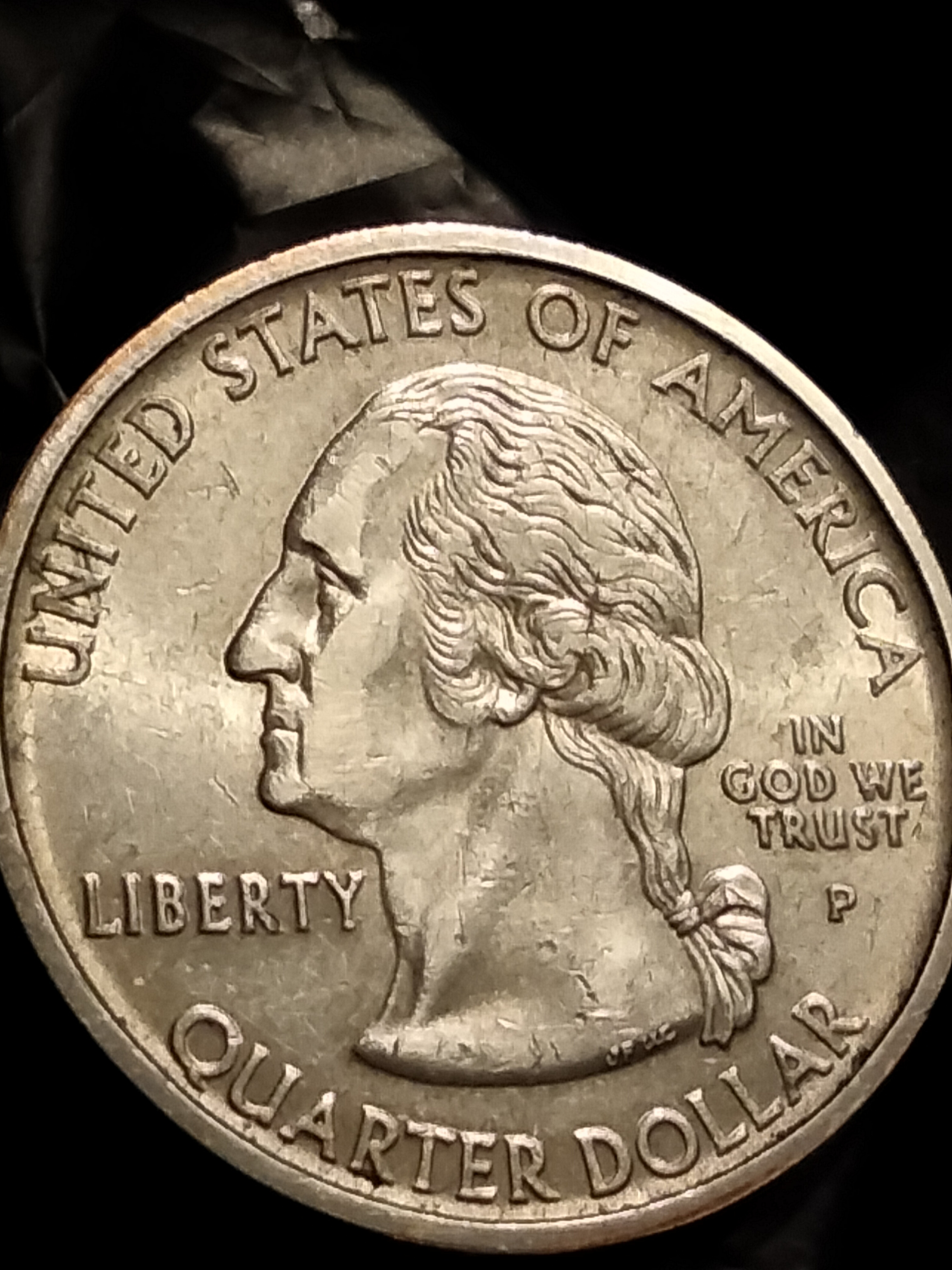
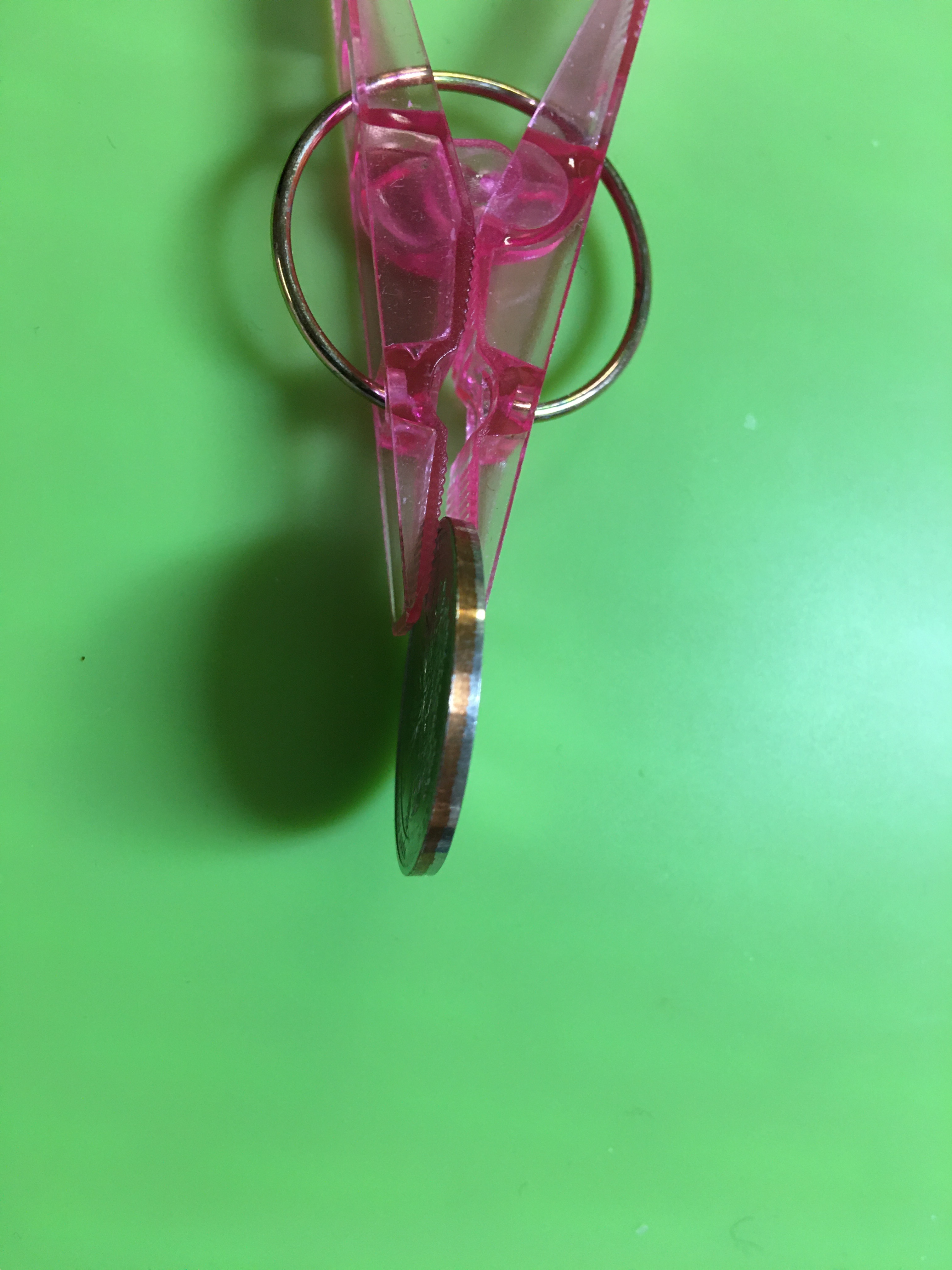
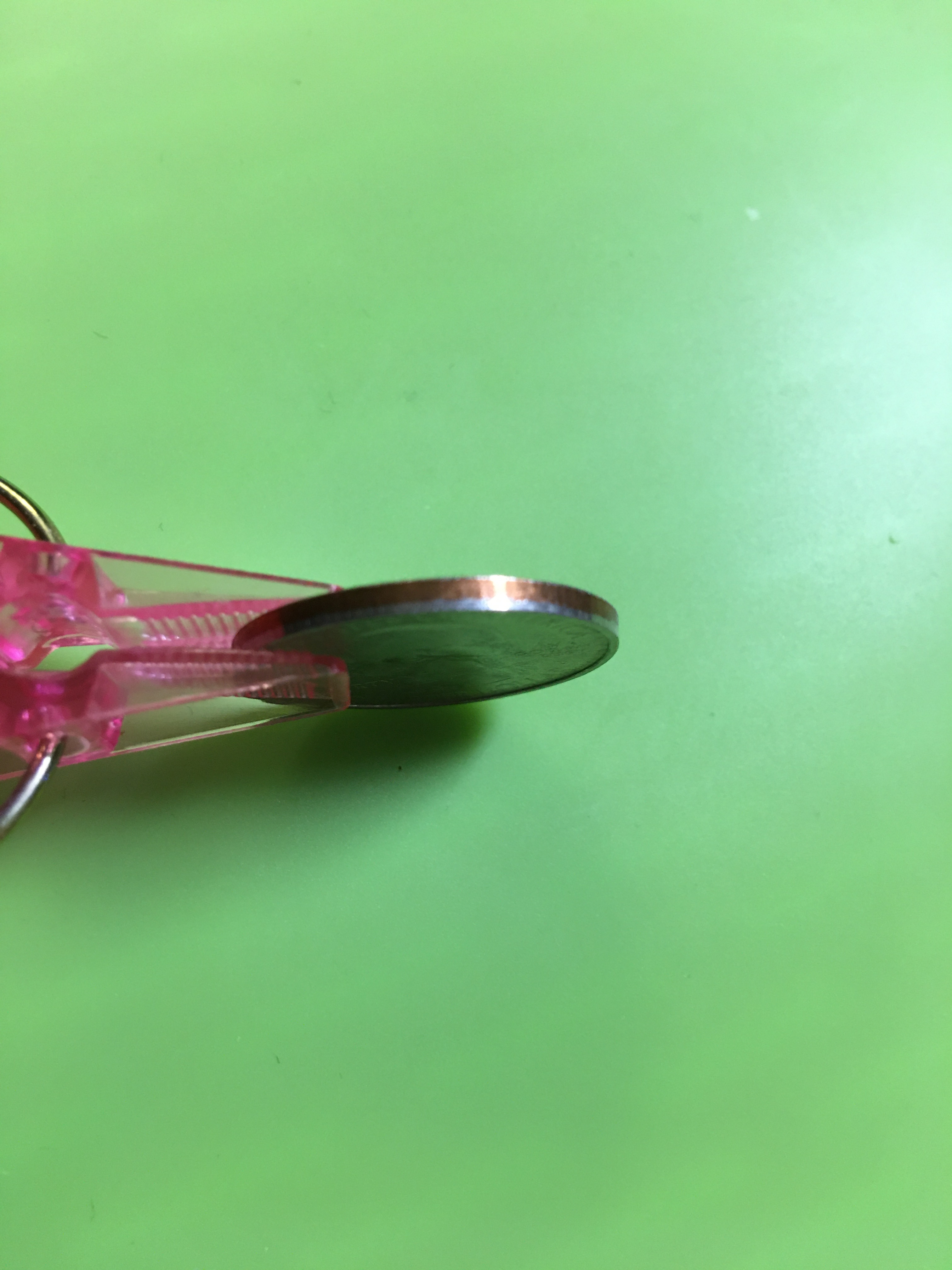
- Be wider than normal and thinner than ordinary, and it won’t be the typical diameter or thickness of other quarters with ridges
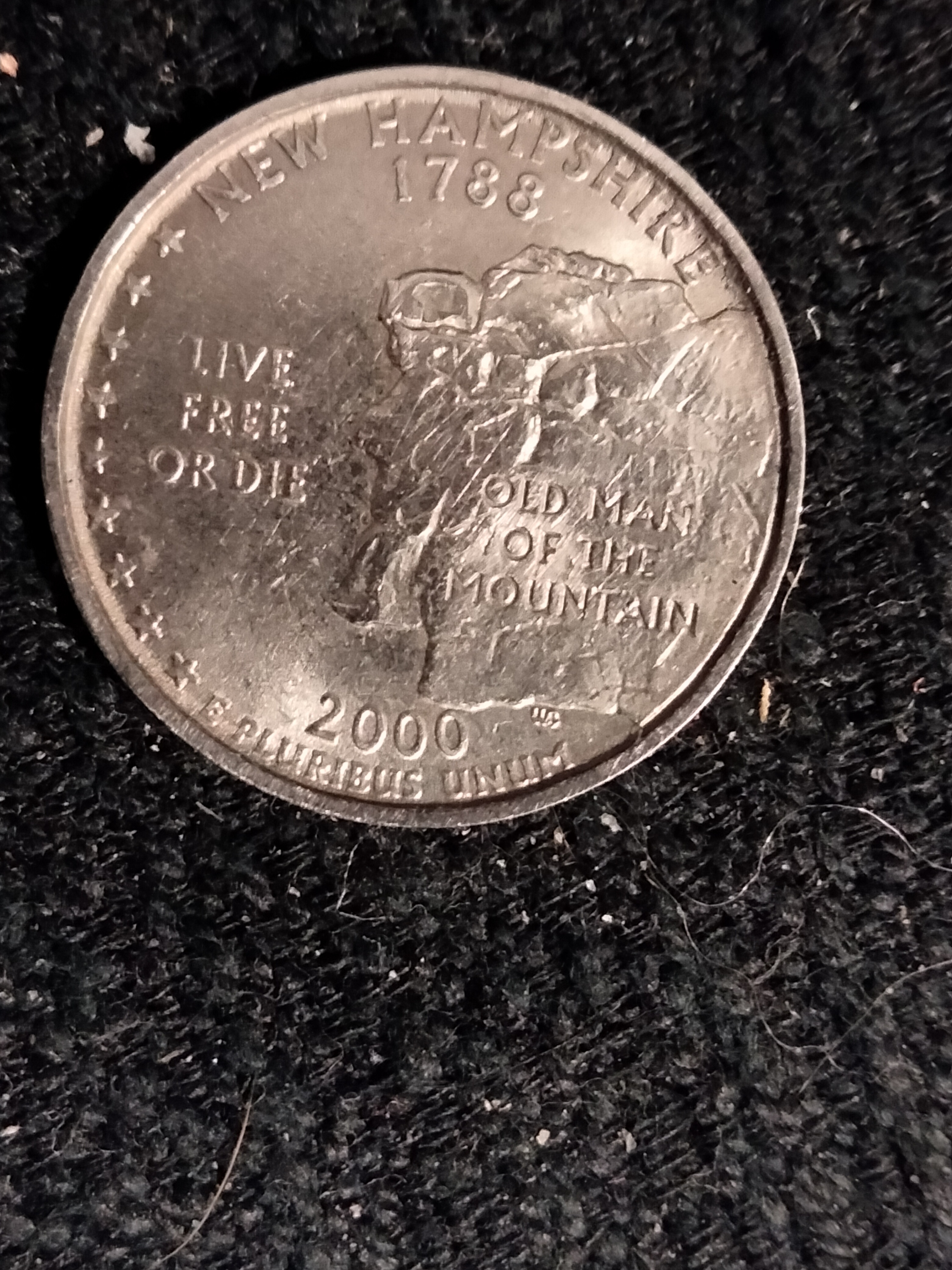
- Have a narrow margin of blank metal surrounding the periphery of the coin where the rim would normally be
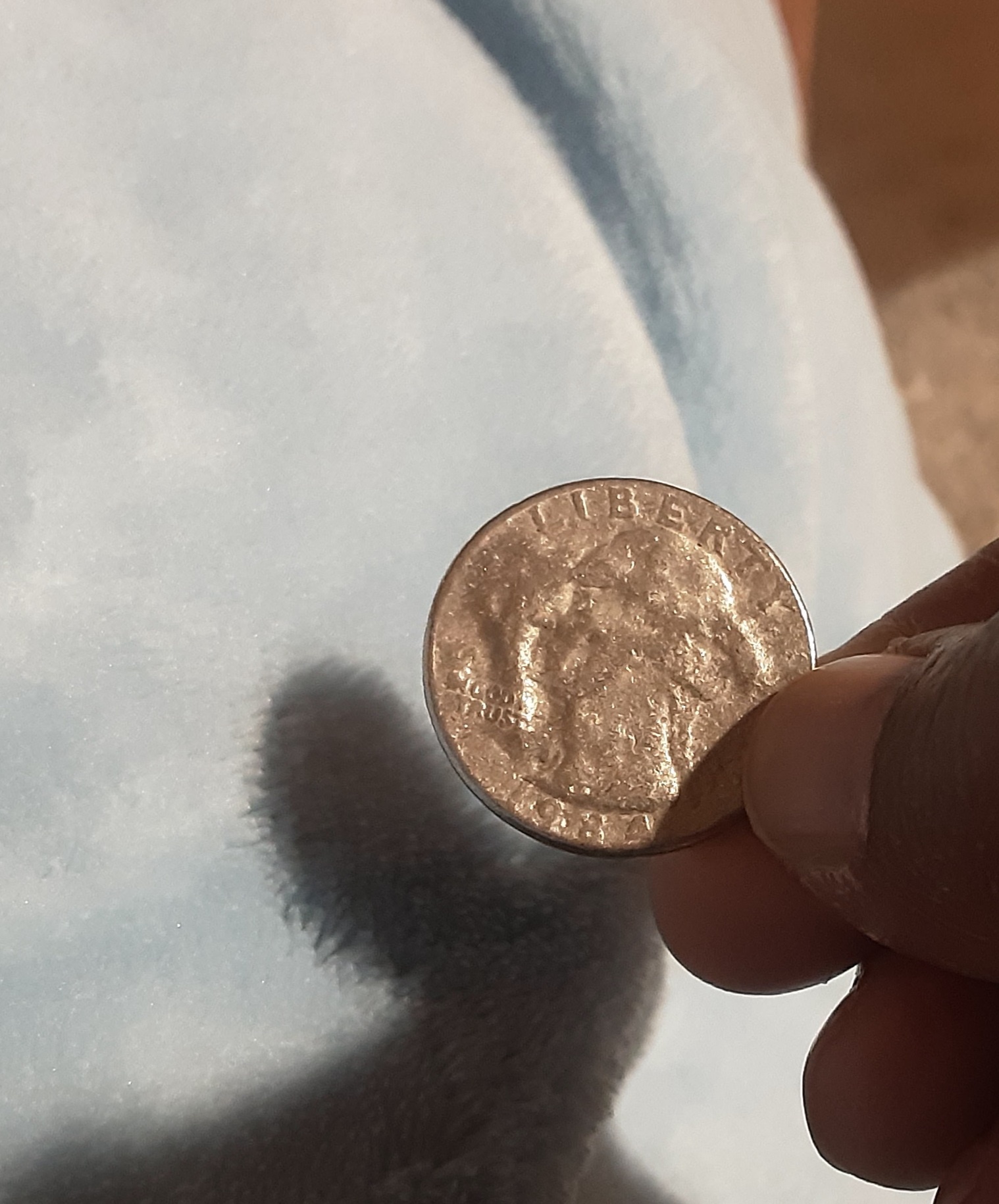
- Possibly have weaker design details on either side of the coin because the metal spreads out farther than it normally should
If your smooth edge quarter appears normal in every other way (it’s the right thickness and the correct diameter) then it’s not an error coin — it is merely exhibiting extensive edge wear, is damaged, or has been altered.
Don’t just rely on your eyes to guess if a coin looks a little bit wider or thinner. Grab your digital pocket scale and weigh it! A genuine broadstrike error quarter completely skipped the steel retaining collar when the coining press hammered down (meaning the metal pancake-splattered outward). But because it came from a standard U.S. Mint planchet, its weight should be completely authentic. Drop it on the scale: a post-1964 copper-nickel clad broadstrike must still weigh right around its standard 5.67 grams, while a pre-1965 silver survivor needs to weigh in near 6.25 grams. If someone ground the ridges off in their garage with a file, the coin won’t weigh enough because they literally shaved off the metal!
How Much Is A Quarter Without Ridges Worth?
Finally, the most important question!
I’m guessing you came here to find out how much your smooth edge quarter dollar coins are worth.
So here’s the scoop:
Smooth Edge Quarter Value (Damaged Coin, Not An Error Coin)
- Washington Quarters Made Before 1965 — silver melt value
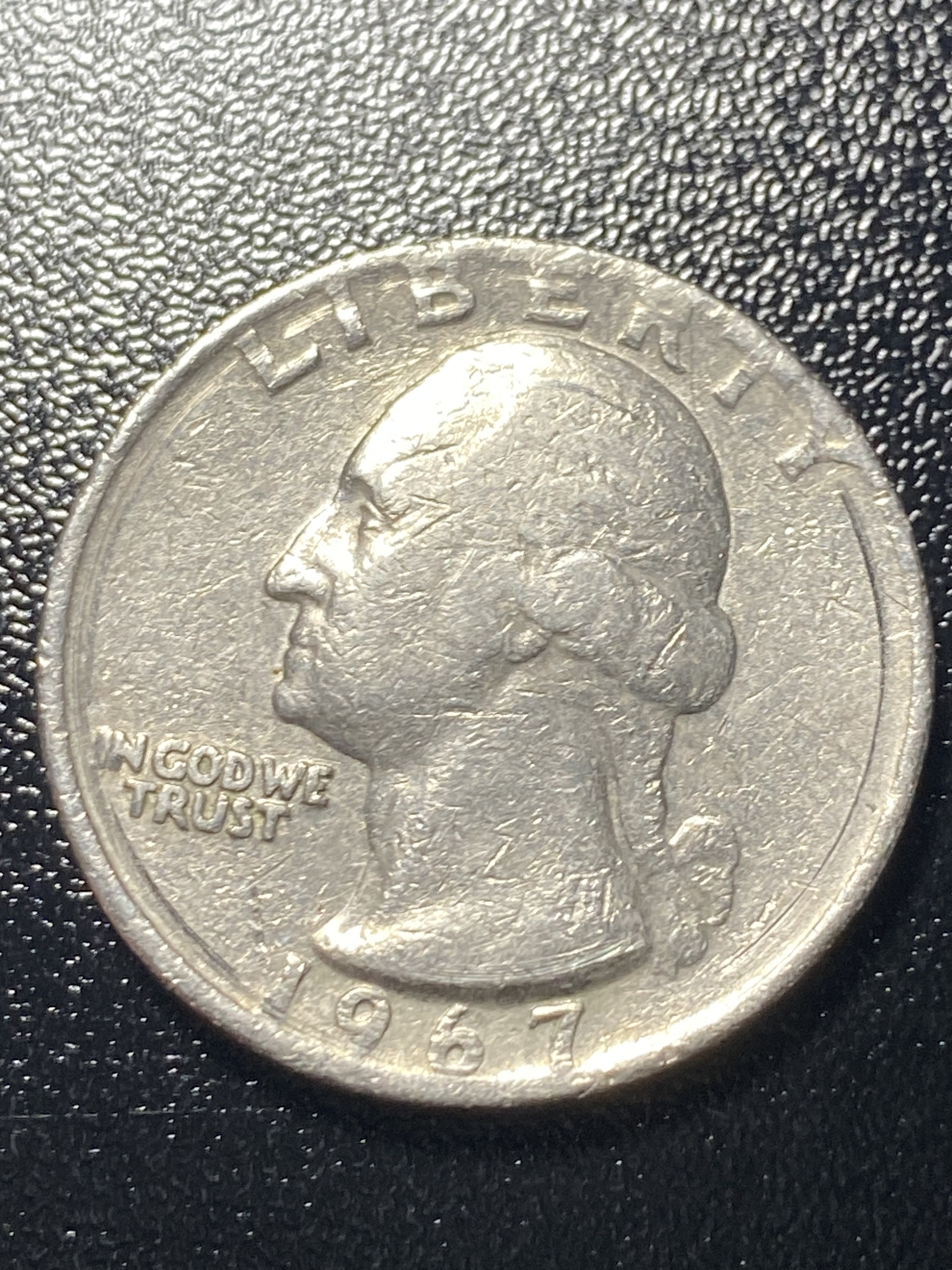
- Washington Quarters Produced After 1964 — 25 cents
Broadstruck Quarter Value (Error Coin)
- Washington Quarters Struck Before 1965 — $125+
- Washington Quarters Made After 1964 — $20+
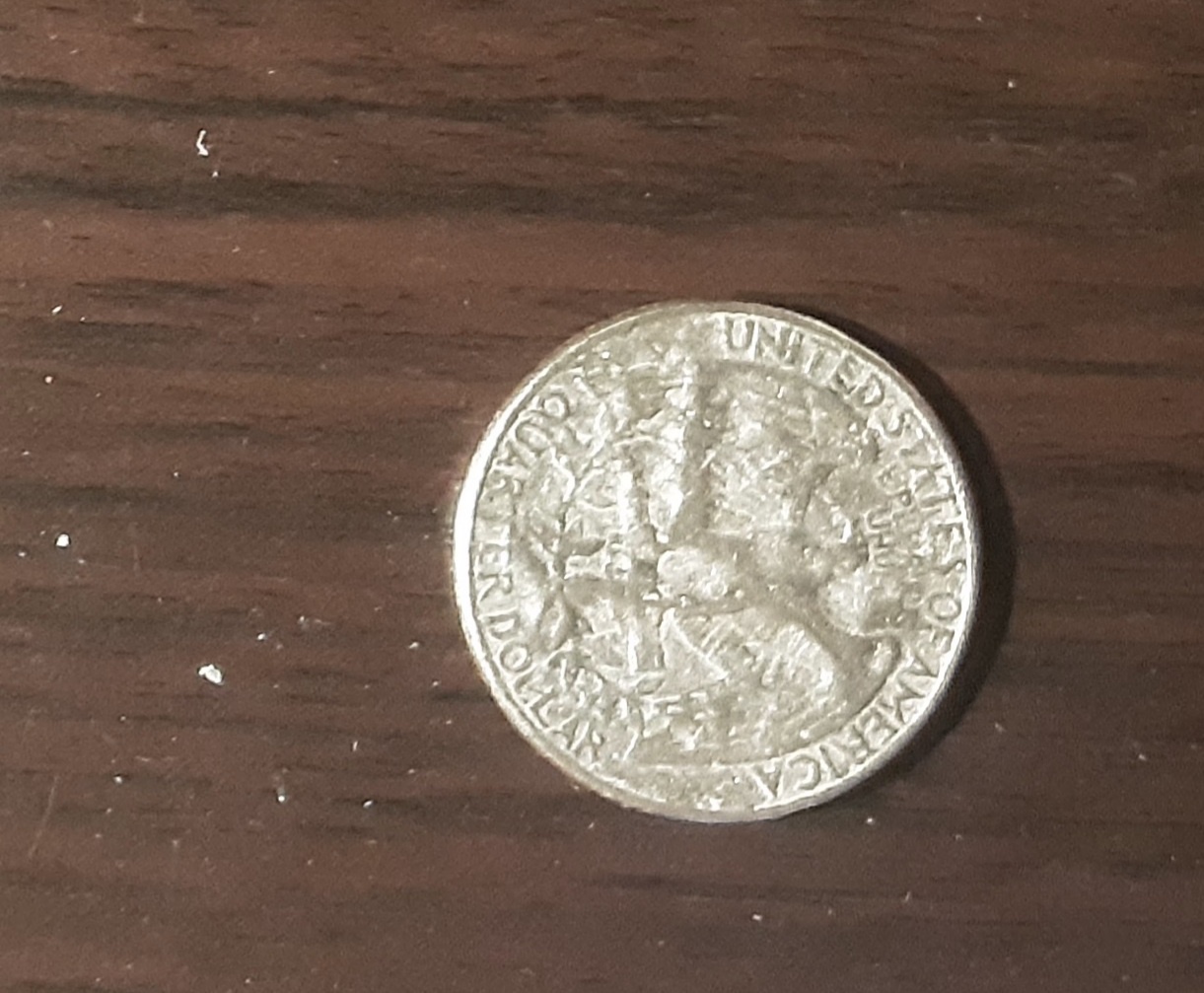
- Bicentennial Quarters — $30+
The biggest money lies in an “Uncentered Broadstrike” — an error where the coin skips the collar and shifts off-center, leaving a blank, crescent-shaped edge. A crisp, uncirculated modern clad error with a full, readable date easily brings $50 to $150+ at auction.
Have you been lucky enough to pull a genuine 90% silver broadstrike quarter straight out of a standard bank paper wrapper?
Drop a line in the comments below and let me know what you’ve found!


Leave a Comment