
Start Here

Values

Buying & Selling

Rare U.S. Coins

How To's

Myths & History

1948 Penny Value: Find Out How Much Your 1948 Wheat Pennies Are Worth (Up To $10,000!) 

by Joshua McMorrow-Hernandez

Ezoic/Google Ad Code Here

This post may contain affiliate links. If you buy thru these links, we may earn a commission at no additional cost to you.


1948 wheat penny

If you’ve found a 1948 penny and want to know its value, then you’ve come to the right place!

Today I’m going to talk about 1948 Wheat pennies, including:

  • How much a 1948-S penny, a 1948-D penny, and a 1948 penny with no mintmark under the date are worth
  • The most valuable 1948 penny
  • How many 1948 pennies were made
  • Which 1948 pennies are rare
  • 1948 error pennies to look for — including doubled die 1948 pennies

All 1948 Penny Values

So… what’s your 1948 penny worth?

Probably not as much as you had hoped, but it’s definitely worth more than face value! 

A typical 1948 Wheat cent with moderate to heavy wear (which pretty much describes most old pennies you’ll find in pocket change) is worth 3 to 5 cents.

That’s the average value for any old 1948 Wheat penny you’ll find in circulation — including a 1948-D penny from the Denver Mint and a 1948-S penny that was made in San Francisco.
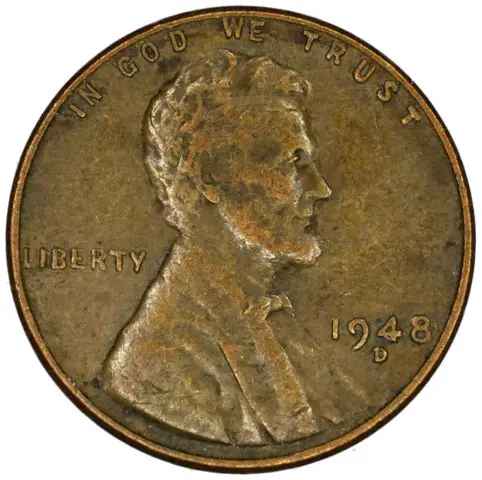
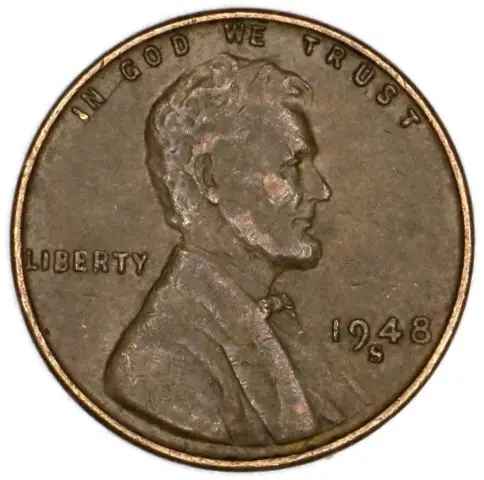
TIP: If you see a 1948 Wheat penny without a mintmark (that little letter under the date), then it was made at the Philadelphia Mint.

Some 1948 pennies are worth much more! 

A 1948 Wheat penny that is well-preserved, say in “mint” condition (or what coin collectors call uncirculated or mint state) can be worth 75 cents to $5… or more.

In fact, one of the most valuable 1948 pennies was sold in 2012 for $10,350. This nearly perfect penny was graded Mint State 67 “Red” by Professional Coin Grading Service and encapsulated in a certified plastic “slab.”

NOTE: Slabbed coins are traded by collectors and won’t be found in circulation.

How Many 1948 Wheat Pennies Were Made?

Here’s a breakdown on how many 1948 pennies were struck at the Philadelphia, Denver, and San Francisco Mints:

  • 1948 penny — 317,570,000 minted
  • 1948-D penny — 172,637,500 minted
  • 1948-S penny — 81,735,000 minted

*These mintage figures are for business-strike pennies. The United States Mint did NOT strike proof coins for collectors in 1948. 

Understanding the quantity of coins minted helps provide context to a coin’s availability in circulation (for collectors) – which ultimately affects the coin’s scarcity, rarity and value.

IMPORTANT: What Is The Grade Of Your 1948 Penny?

To determine the true value of your 1948 Wheat penny, you first need to know what condition (or grade) your coin is in.

How to Grade Coins Yourself

Grab a coin magnifier and a copy of the U.S. Coin Grading Standards book. Then, watch this video to see how to grade coins yourself at home:

These are the best coin grading apps that will make grading coins yourself much easier.

By the way, you don’t need an expensive grading manual to see if your 1948 penny has real potential…

Flip the coin over to the front and look at Abraham Lincoln’s shoulder. Specifically, check the small triangular lapel coat fold right below his bow tie. On a heavily worn penny, that lapel completely blends flat into his chest. If that little triangle line is sharp, distinct, and completely separated from his coat jacket, your coin has survived with minimal wear and is a great candidate for your coin album!

Rare 1948 Pennies To Look For

As the production figures above suggest, 1948 pennies are NOT rare.

You might not see many of them in pocket change, but there are still millions sitting around in collections and hoards.

While a 1948 penny is not a rare coin, there are some unusual 1948 pennies that are scarcer than the typical 1948 Lincoln Wheat cent!

Collectors of error coins and varieties will be glad to know that there are several 1948 doubled die pennies to look for:

There are also other types of 1948 penny oddities to look for:

If you’re holding a 1948-S penny, be sure to look at that tiny “S” under the date in good lighting…

In 1948, a Mint worker messed up a punch and created a famous variety known as the 1948-S/S Repunched Mintmark. Using a 10x magnifier, look closely at the “S”. On a genuine repunched mintmark error coin, you’ll see a distinct, clear extra curve of copper sticking out right along the inside loop or the top curve of the primary “S”. Finding one of those adds a nice little premium to the the coin, and it’s a fantastic way to train your eyes to spot real-deal Mint mistakes!

Do you have a 1948 Wheat penny? Think there may be something unique about it? Post a picture of your coin in the comments below and I’ll try to help!

PUBLISHED July 8, 2026
UPDATED July 20, 2026

Joshua McMorrow-Hernandez

Numismatic Specialist

Hi, I’m Josh! I’m the Editor here at the US Coins Guide. My love for coins began when I was 11 years old. I primarily collect and study U.S. coins produced during the 20th century.

I’m a member of the American Numismatic Association (ANA) and the Numismatic Literary Guild (NLG). I have won multiple awards from the NLG for my work as a coin journalist. I’m also the editor at the Florida United Numismatists Club (FUN Topics magazine), and author of Images of America: The United States Mint in Philadelphia (a book that explores the colorful history of the Philadelphia Mint). I’ve contributed hundreds of articles for various coin publications including COINage, The Numismatist, Numismatic News, Coin Dealer Newsletter, Coin Values, and CoinWeek.

I’ve authored over 1,000 articles here at the US Coins Guide (many with over 50K shares).

I welcome your coin questions!

12 responses to “1948 Penny Value: Find Out How Much Your 1948 Wheat Pennies Are Worth (Up To $10,000!) ”

  1. Ray Dineen Avatar
    Ray Dineen

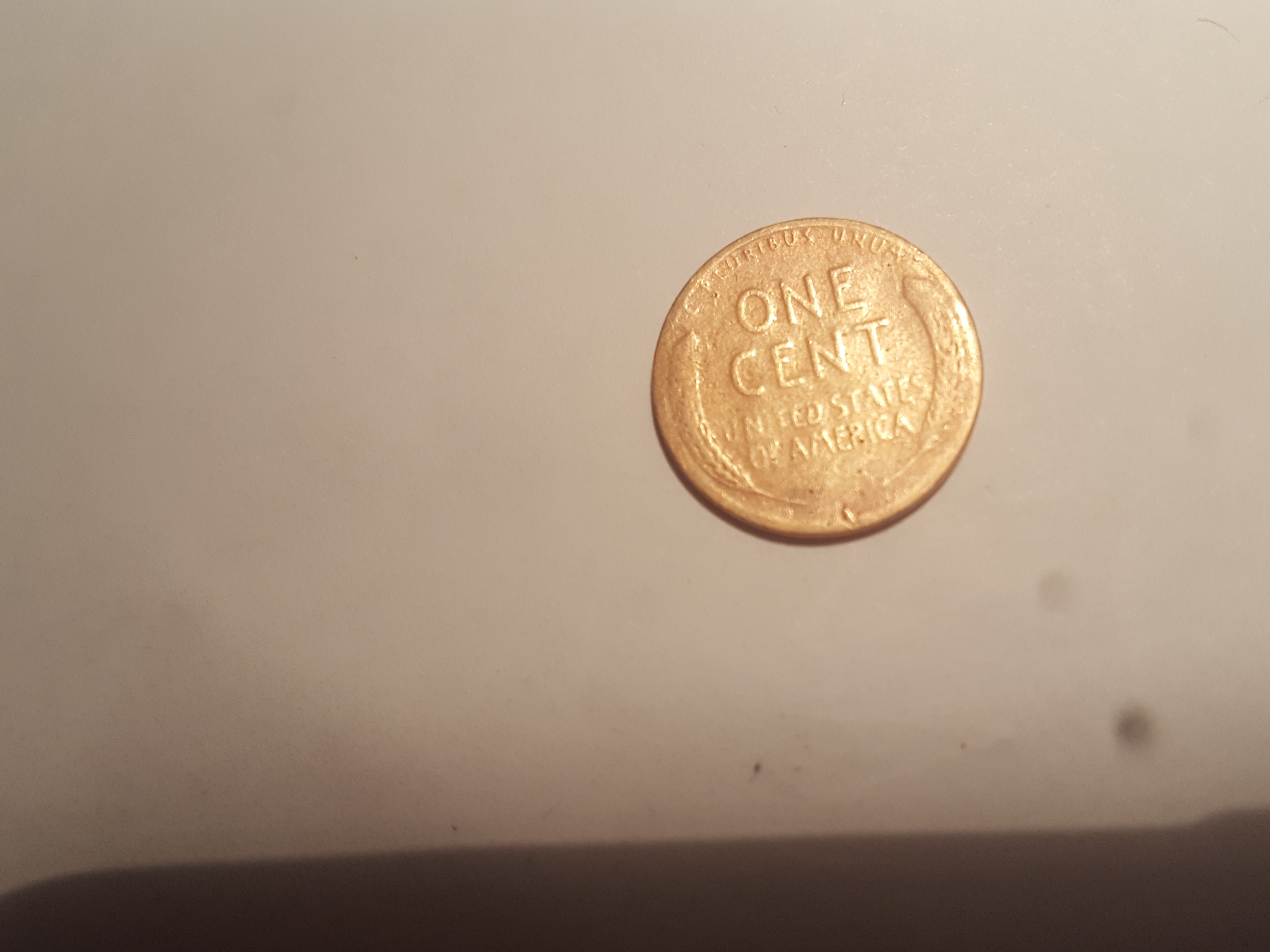
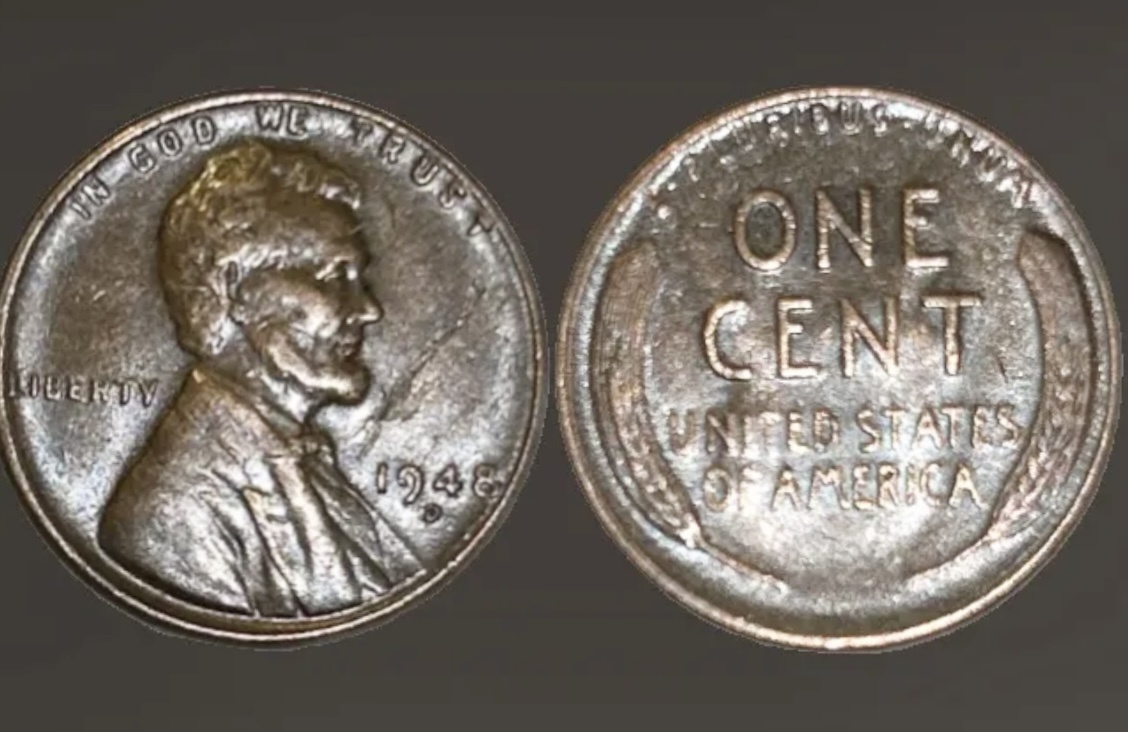
    Hi I have a 1948 s wheat penny with errors the l in liberty is away from the i and what looks like a no 1 between the wheats. Could anyone tell me what value this coin might have https://uploads.disquscdn.com/images/4736331a35539af160a75e69fe1ee0ce674b3e190ca67e0ef5896d7e594117c6.jpg https://uploads.disquscdn.com/images/b00986197a1e1e24f86b906442516ad840ca3aac0eeaa7979940470c0a137a32.jpg

    1. JoshuaTheFunTimesGuide Avatar
      JoshuaTheFunTimesGuide

      Hi, Ray —

      I just replied to you about this coin regarding the “L” in “LIBERTY,” but I’m trying to get a better look at that “1” between the wheat stalks. It may be a minor die crack but I can’t tell if it’s that or some type of post-mint damage. If you could kindly send a clear close up of that part of the coin, I might be able to help further.

      Thank you!
      Josh

  2. Jean Hollcroft Avatar
    Jean Hollcroft

    I have a 1948 D penny that is very thin. It is worn but readable. I thought it may be on a dime blank but it is copper. Do you know anything about a thin blank used for these pennies? Thank you.

    1. JoshuaTheFunTimesGuide Avatar
      JoshuaTheFunTimesGuide

      Hi, Jean—

      While seeing photos of the coin would help, it sounds similar to other pennies I’ve seen that have suffered from porosity and environmental damage from acid exposure.

      Hope this info helps,
      Josh

  3. Jamie Sims Avatar
    Jamie Sims

    I have a 1948 d penny that is thick as a nickel and only as large as a dime. It has several errors I think and would be very interested in a value and whether or not I should have it graded or certified.

    1. JoshuaTheFunTimesGuide Avatar
      JoshuaTheFunTimesGuide

      Hi, Jamie —

      Please post a couple clear photos of the coin here so I can help further…

      Thanks!
      Josh

  4. Jaclyn R Avatar
    Jaclyn R

    Hi. I have a 1948 D wheat penny that seems to have a few errors. But the one that stuck out to me was what appears to be a die clash on the reverse of the penny. You can see the full silhouette outline of Lincoln on the reverse of the penny. I’ve searched but I can’t find anything on this error.

    1. JoshuaTheFunTimesGuide Avatar
      JoshuaTheFunTimesGuide

      Hi, Jaclyn —

      What you see on your 1948-D penny isn’t a die clash but rather progressive indirect design transfer. It’s particularly common on certain Lincoln Wheat pennies, Mercury dimes, and some other coins of the day. It occurred when the hammer pressure from the obverse die transferred through the planchet and into the anvil reverse die. There is usually no extra value for this but it’s an interesting phenomenon to note.

      Hope this info helps!
      Josh

  5. JoshuaTheFunTimesGuide Avatar
    JoshuaTheFunTimesGuide

    You’re most welcome, Jaclyn! I’d imagine going through those coins must present a mix of sadness, nostalgia, and excitement… All the best on going through those coins with your son, and I hope you both make some fun discoveries among them.

    Cheers,
    Josh

    1. JoshuaTheFunTimesGuide Avatar
      JoshuaTheFunTimesGuide

      Hi, Jeff —

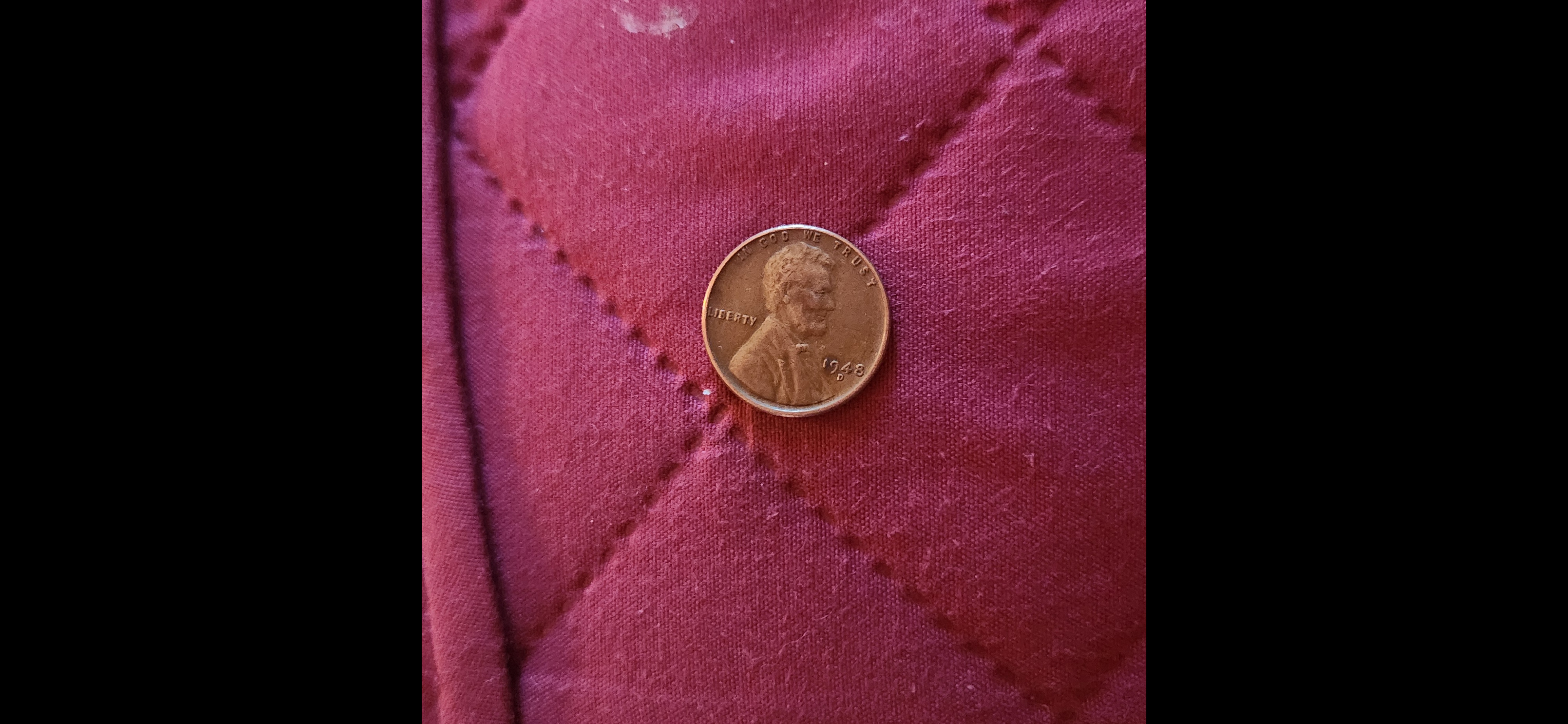
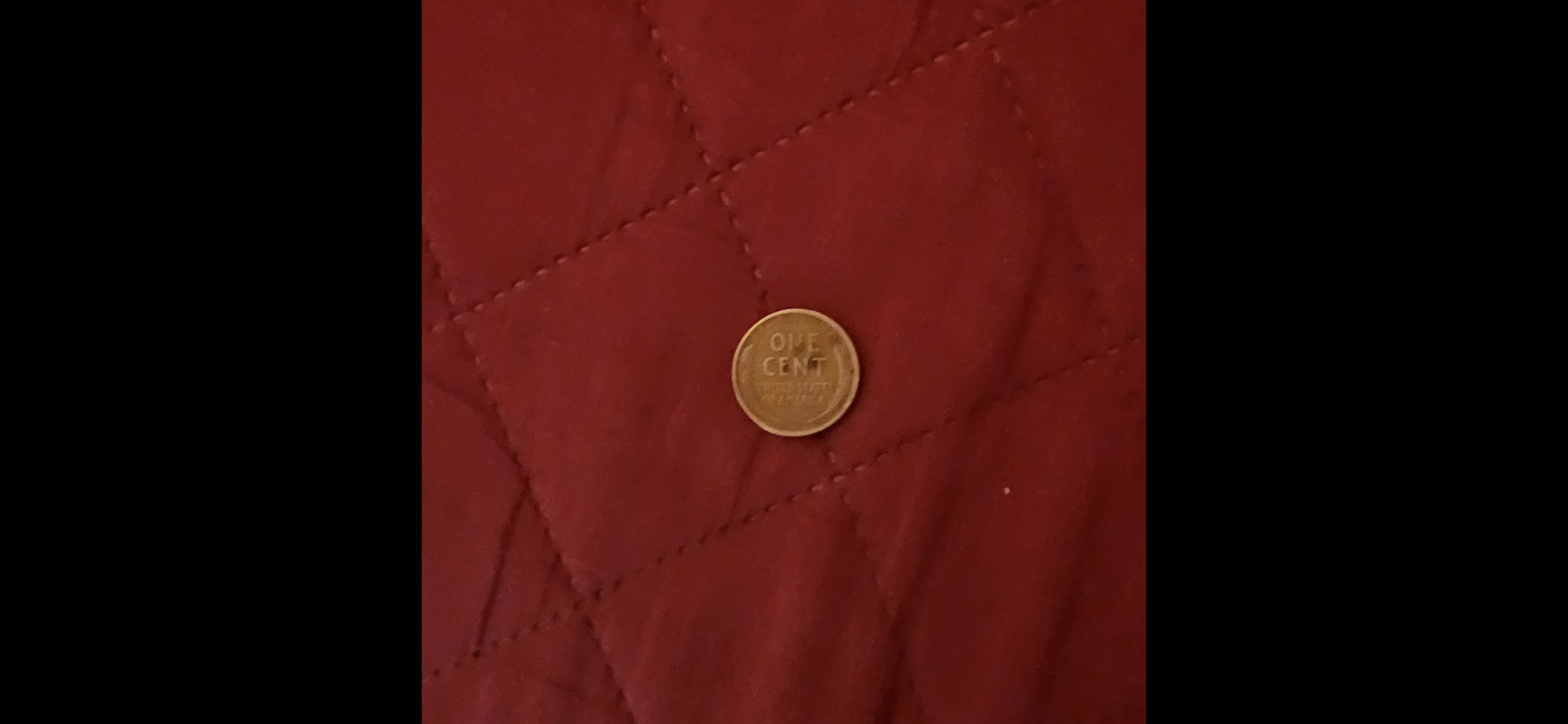
      As far as I can tell from the photos, this looks like a regular 1948-D cent.

      Best wishes,
      Josh

Leave a Comment

Ezoic/Google Ad

300x250

Content Widget

Ezoic/Google Ad

300x600 Sticky