


Start Here

Values

Buying & Selling

Rare U.S. Coins

How To's

Myths & History

All Silver Quarter Values (The Most Common, The Most Valuable, And The Rarest!)

Silver quarters what they are, how you can find them, and what they are worth. Do you have some silver quarters you found in your pocket change? If so, check here to see how much they are worth.

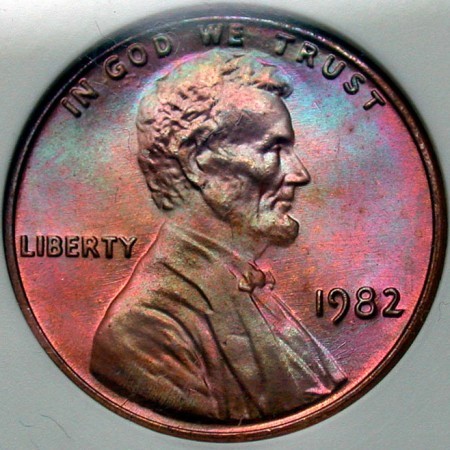
The 7 Varieties Of 1982 Lincoln Memorial Cents: How To Tell Large Date vs. Small Date, Copper vs. Zinc, And Current Values

1982-lincoln-cent-zinc-large-date.jpg For Lincoln cents, 1982 was a landmark year.

The U.S. Mint made the most significant switch in the composition of circulating coinage since 17 years earlier — when silver was removed from the U.S. dime and quarter and drastically reduced in the half dollar.

In 1982, the value of copper actually began to exceed the face value of the cent.

For well over a century (except for certain, short composition changes as seen with the 1943 steel cents and “shell-case” cents of 1944-1946), the U.S. Mint had been striking cents which using a composition of 95% copper and 5% zinc and tin.

Everything changed with a nearly complete reversal in copper prominence in cents during 1982, when the U.S. Mint started striking cents with a core comprised of 99.2% zinc and .8% copper — along with a thin outer coating of pure copper.

Starting in 1982, copper now comprised just 2.5% of the total metal content in the new Lincoln cents.

Read more

50 State Quarters Proof Sets – How Much Are They Worth?

The 50 State Quarters program was so popular early on — and has remained so — that far more people than the number of 50 states quarters proof sets available were clamoring for these popular coins. See what 50 state quarters proof sets are worth today, and whether they’re likely to hold their value or not.

Wheat Pennies: The Rarest & Most Valuable Wheat Cents

Wheat pennies have been a popular coin to “snag” out of circulation ever since the Memorial design on the reverse of the Lincoln penny replaced the two wheat stalks in 1959.

While wheat pennies are getting increasingly hard to find with each passing year, they are still located in pocket change occasionally, and many people have wheat pennies by the hundreds — and even thousands — in penny rolls, food jars, clothes drawers, attic boxes, and coin collections.

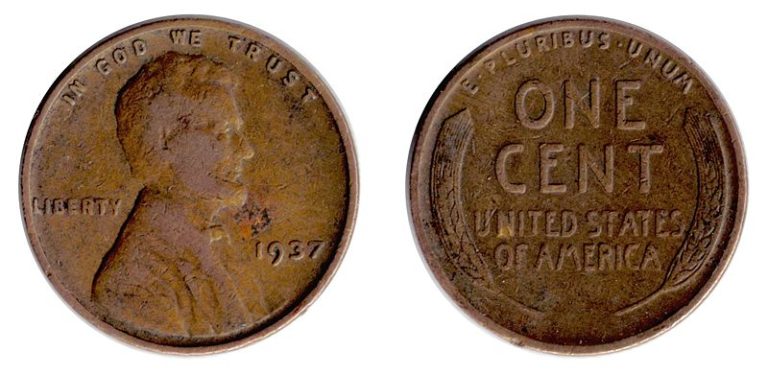
1937-wheat-penny-front-and-back.jpg

In general, most wheat pennies are worth only a few cents (perhaps 10 cents) if worn and of a highly common date and mint mark combination. However, many are quite valuable. In fact, some of the scarcest wheat cents are downright expensive — costing into the hundreds of dollars in the most worn condition.

Read more

5 Great Coin Books You Must Read If You’re A Coin Collector!

I have been a coin collector for many years and have learned a lot through my day-to-day experiences in the hobby. But I sure would not be as knowledgeable in my field if not for reading some terrific books about the pastime I love.

A trip to the bookstore, library, coin dealer, or Amazon.com will give you a choice of dozens of prominent coin books, all of them great in their own right.

Here are 5 books I believe every coin collector should consider buying…

Read more

How To Protect & Store Coins: Examples Of The 9 Best Ways To Store Your Coins

What’s the best way to store coins and keep them safe? Should you use coin holders?… Mylar protectors?… Coin albums?… Coin tubes?… Coin binders?… Air-tight holders?… Coin slabs?… or even Zip-type baggies? Here are some tips for storing the coins in your collection…

Coin Dealers: What To Expect The First Time You Meet With A Coin Dealer To Buy Or Sell Coins

Here are some tips and pointers that might come in handy when you’re meeting with a coin dealer for the first time — whether you’re buying or selling coins.

coin-dealers-at-a-coin-show.jpg

Read more

U.S. Coin Facts vs Fiction… A Fun Quiz To Help You Tell The Difference!

How much do you know about U.S. coins and coin history? Jot down your answers and see how well you do. The correct answers to these coin questions are at the bottom… no cheating!